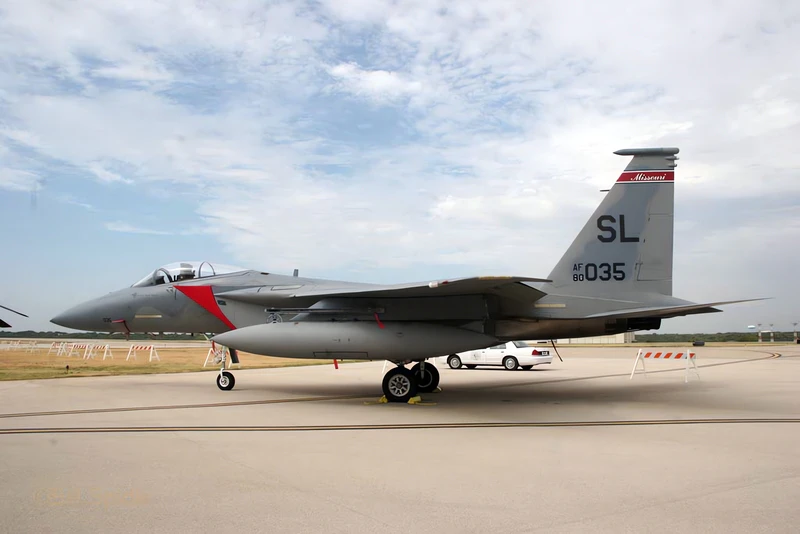
McDonnell Douglas F-15 Eagle | |
|---|---|
| Country | USA |
| Role | Air superiority fighter |
| First flight | 27 July 1972 |
| Produced | 1972–present |
| Built | Unknow |
The McDonnell Douglas F-15 Eagle is an American twin-engine, all-weather tactical fighter aircraft designed by McDonnell Douglas (now Boeing). Following reviews of proposals, the United States Air Force selected McDonnell Douglas’s design in 1967 to meet the service’s need for a dedicated air superiority fighter. The Eagle first flew in July 1972, and entered service in 1976. It is among the most successful modern fighters, with over 100 victories and no losses in aerial combat, with the majority of the kills by the Israeli Air Force
Source: McDonnell Douglas F-15 Eagle on Wikipedia
| F-15C Eagle (80-0035) Walk Around | |
|---|---|
| Photographer | Vladimir Yakubov |
| Localisation | Unknow |
| Photos | 41 |
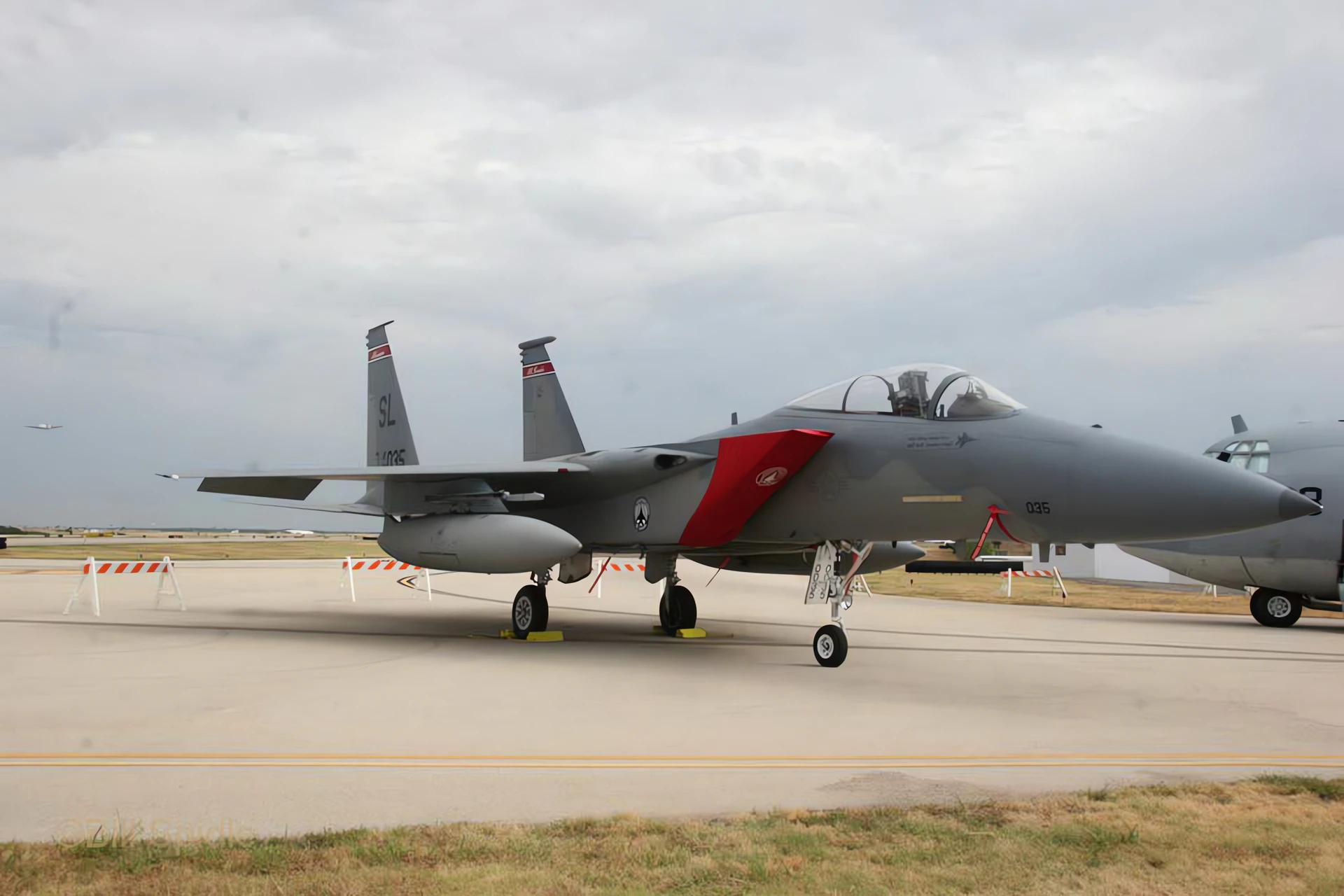
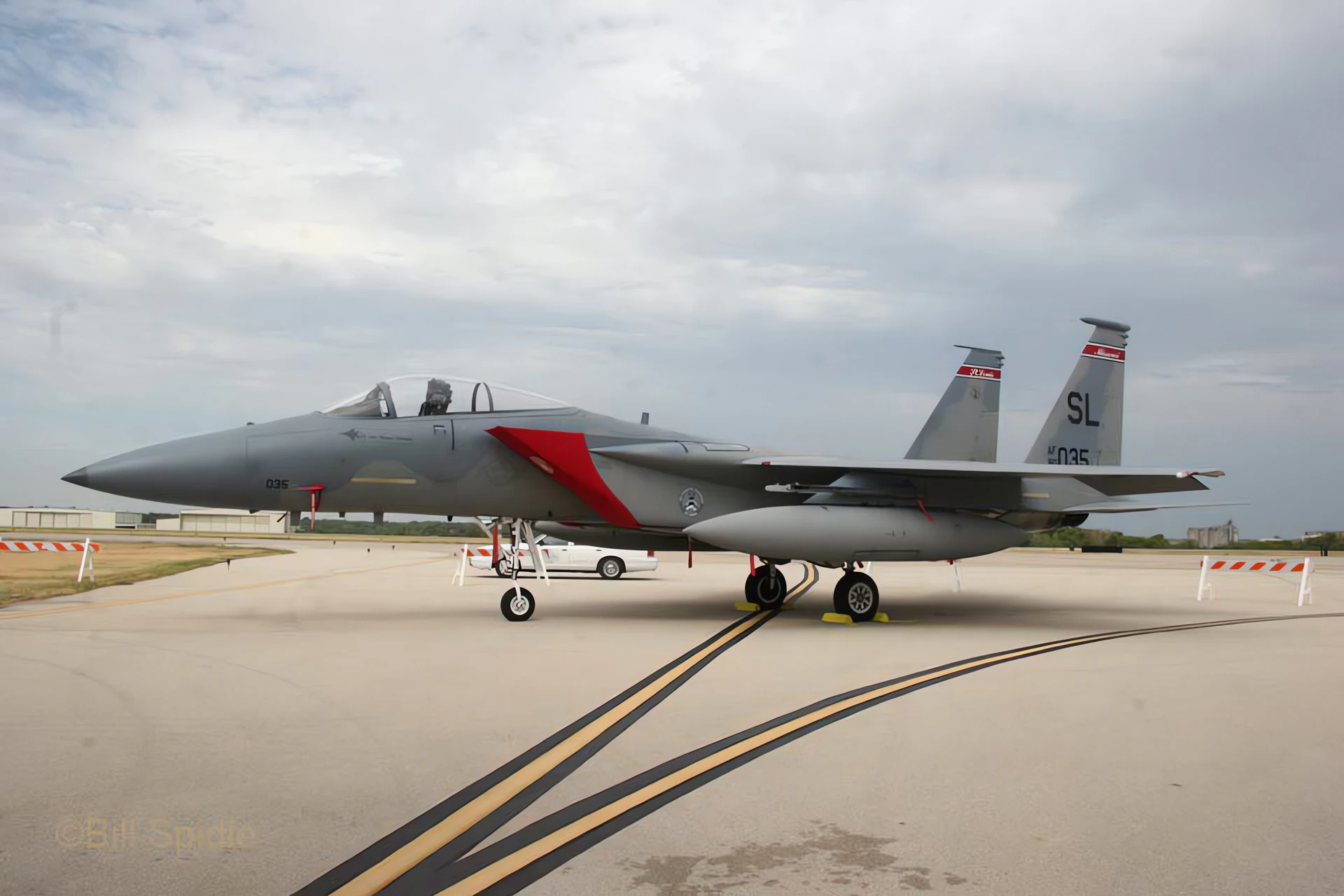
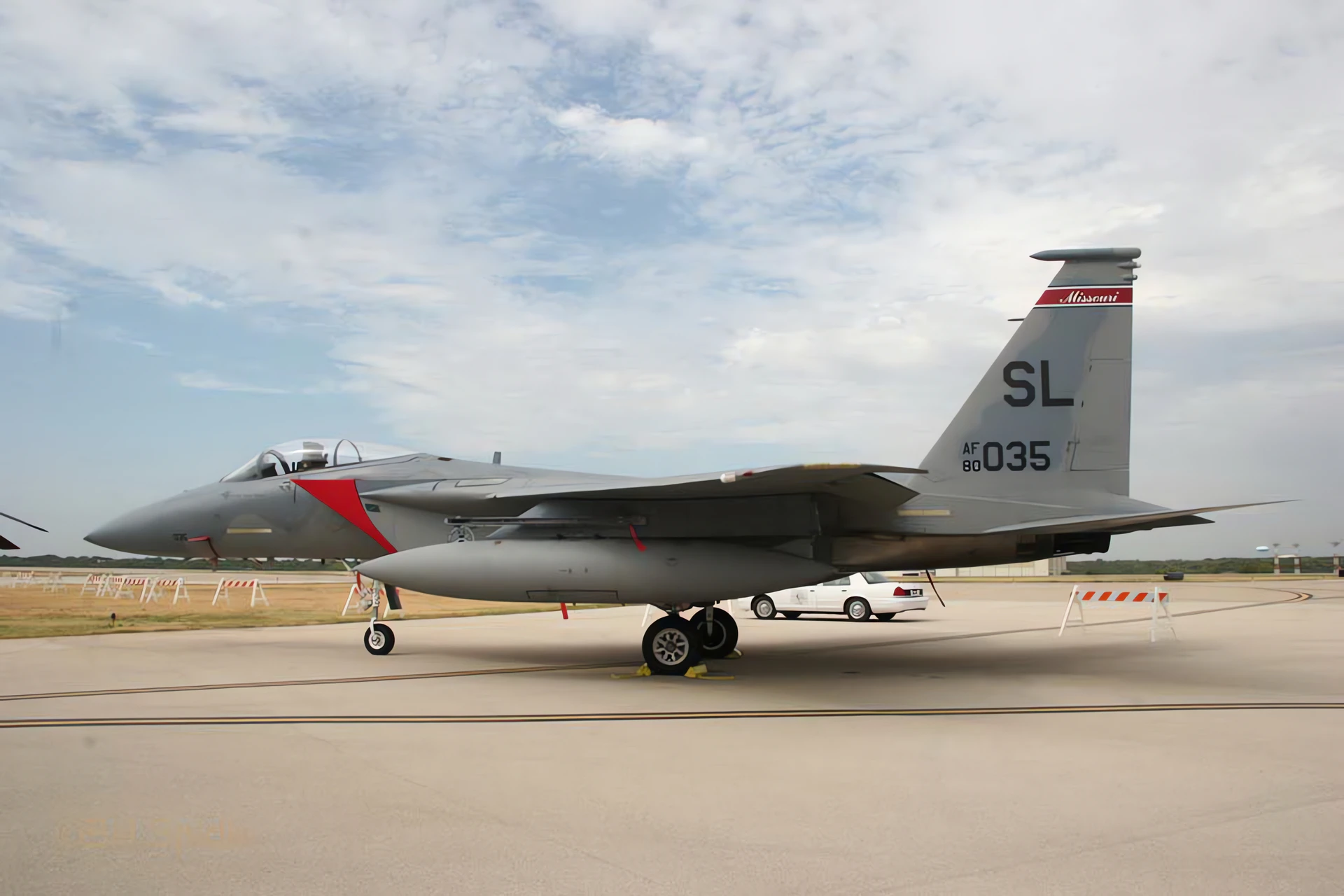
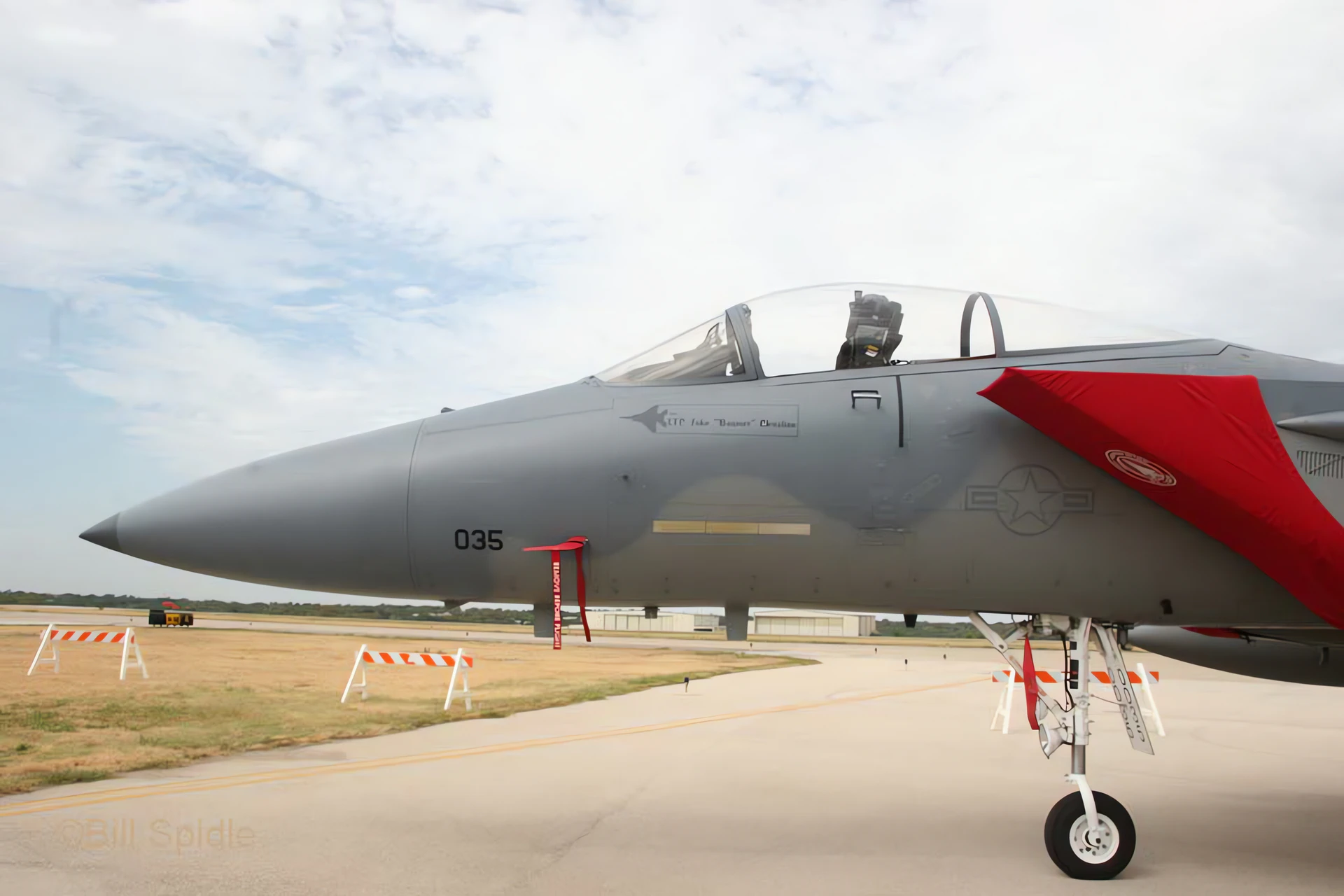
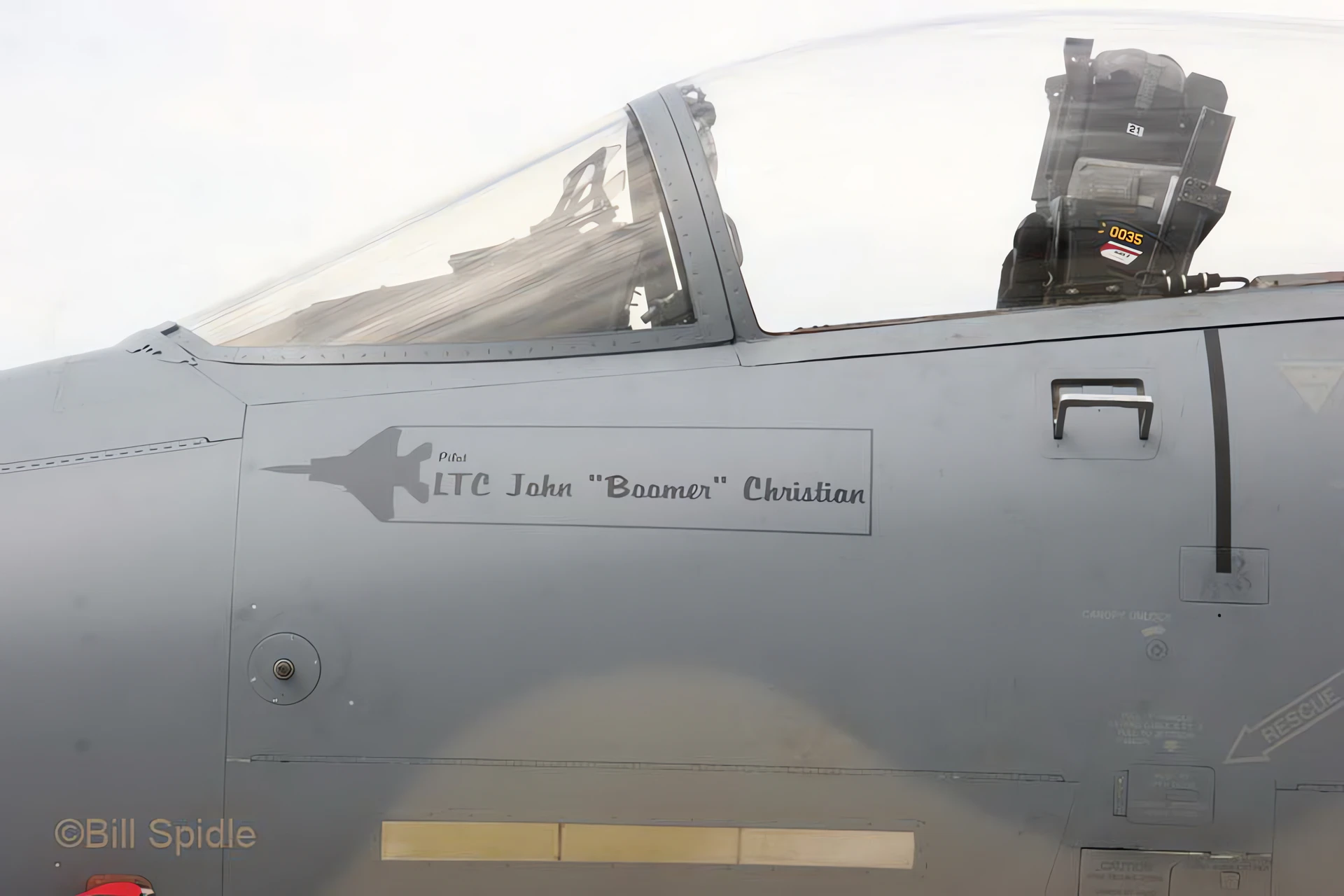
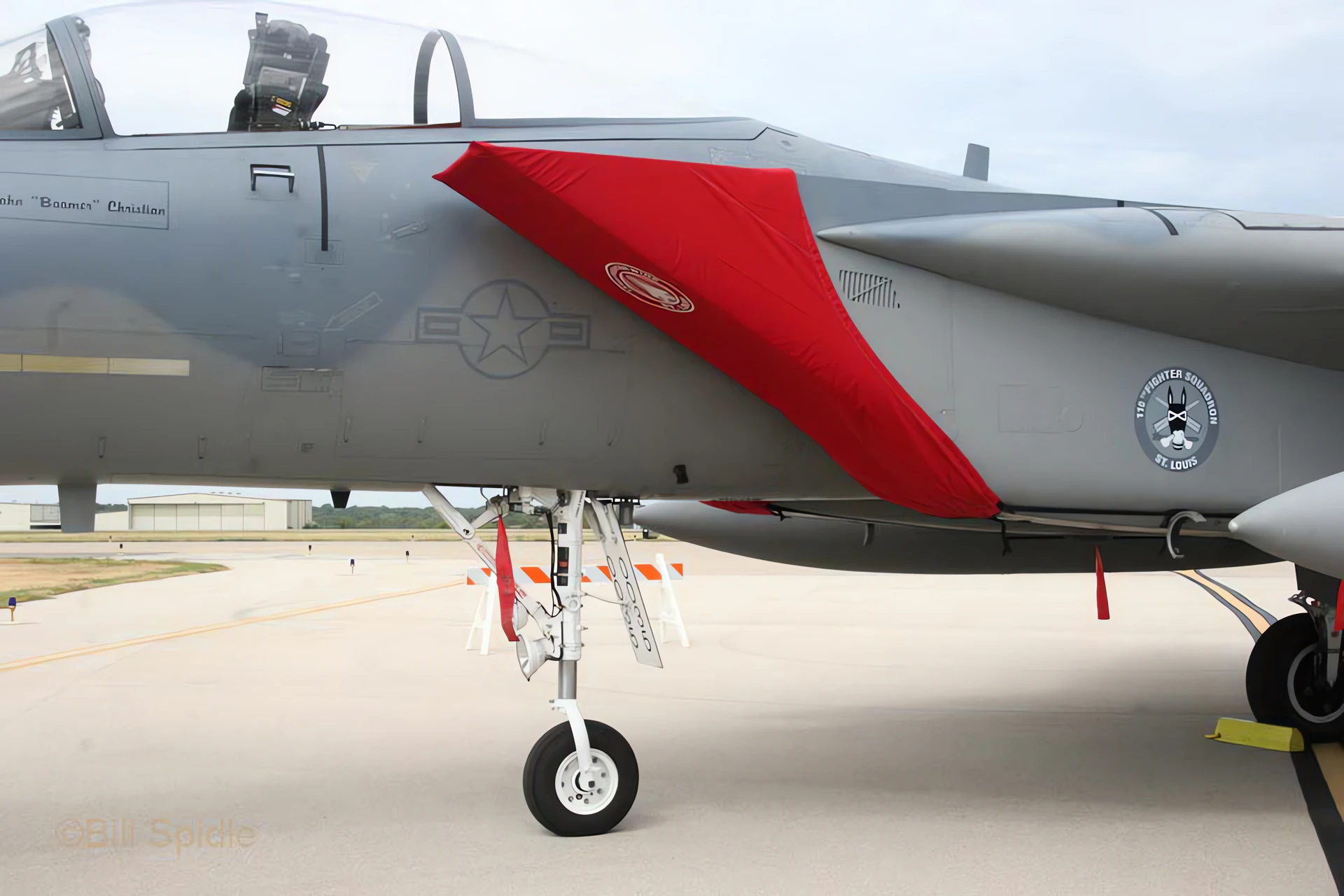
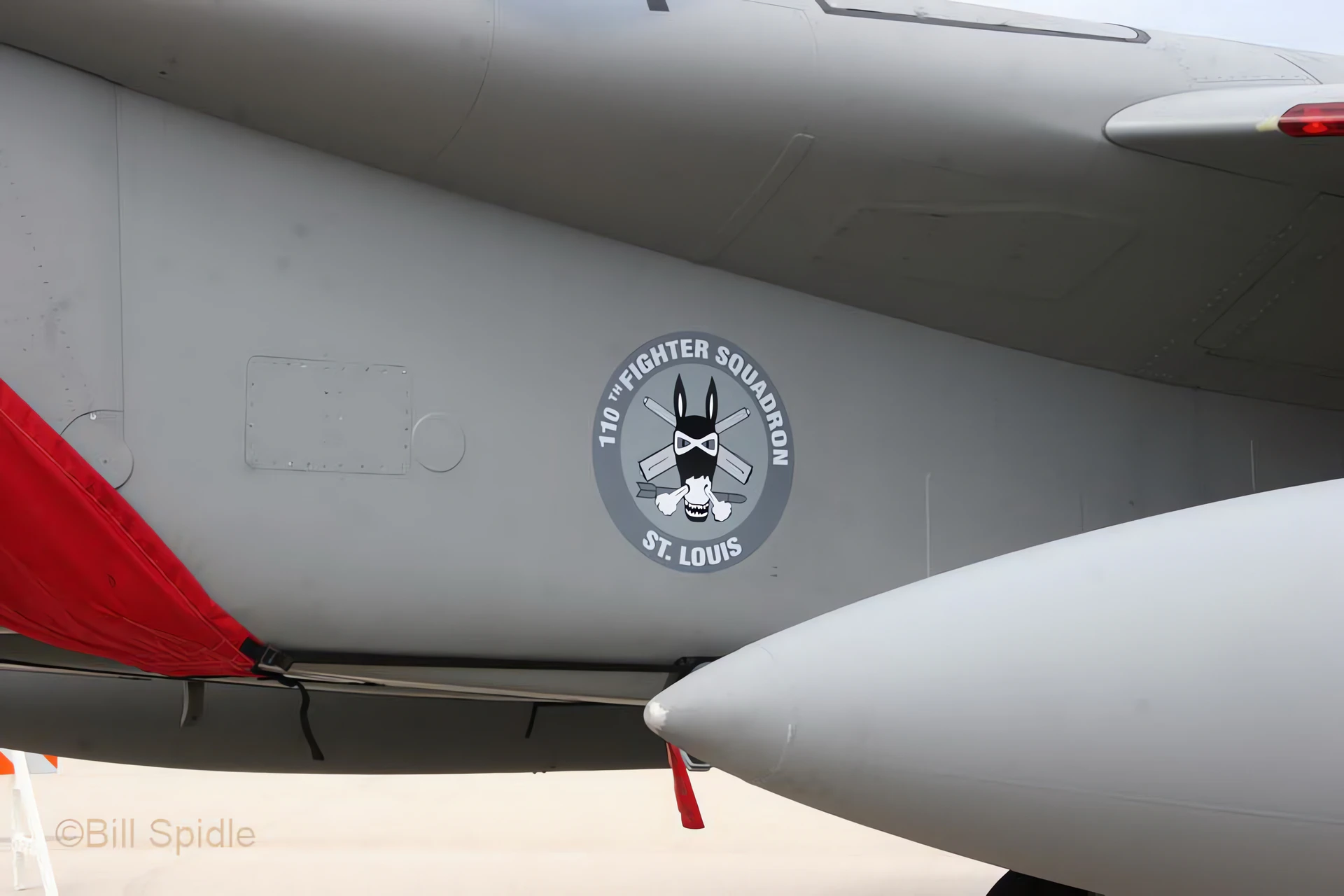
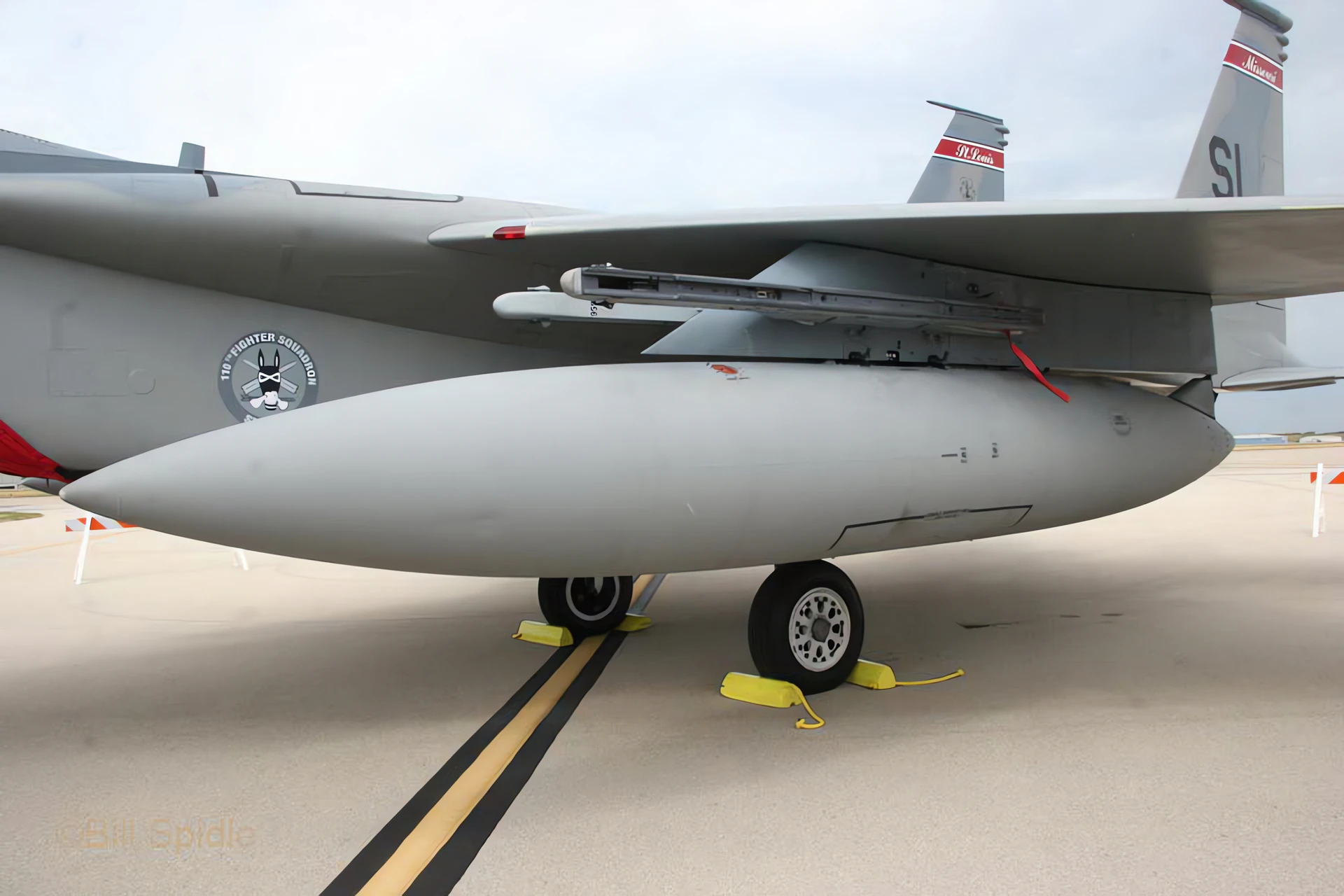
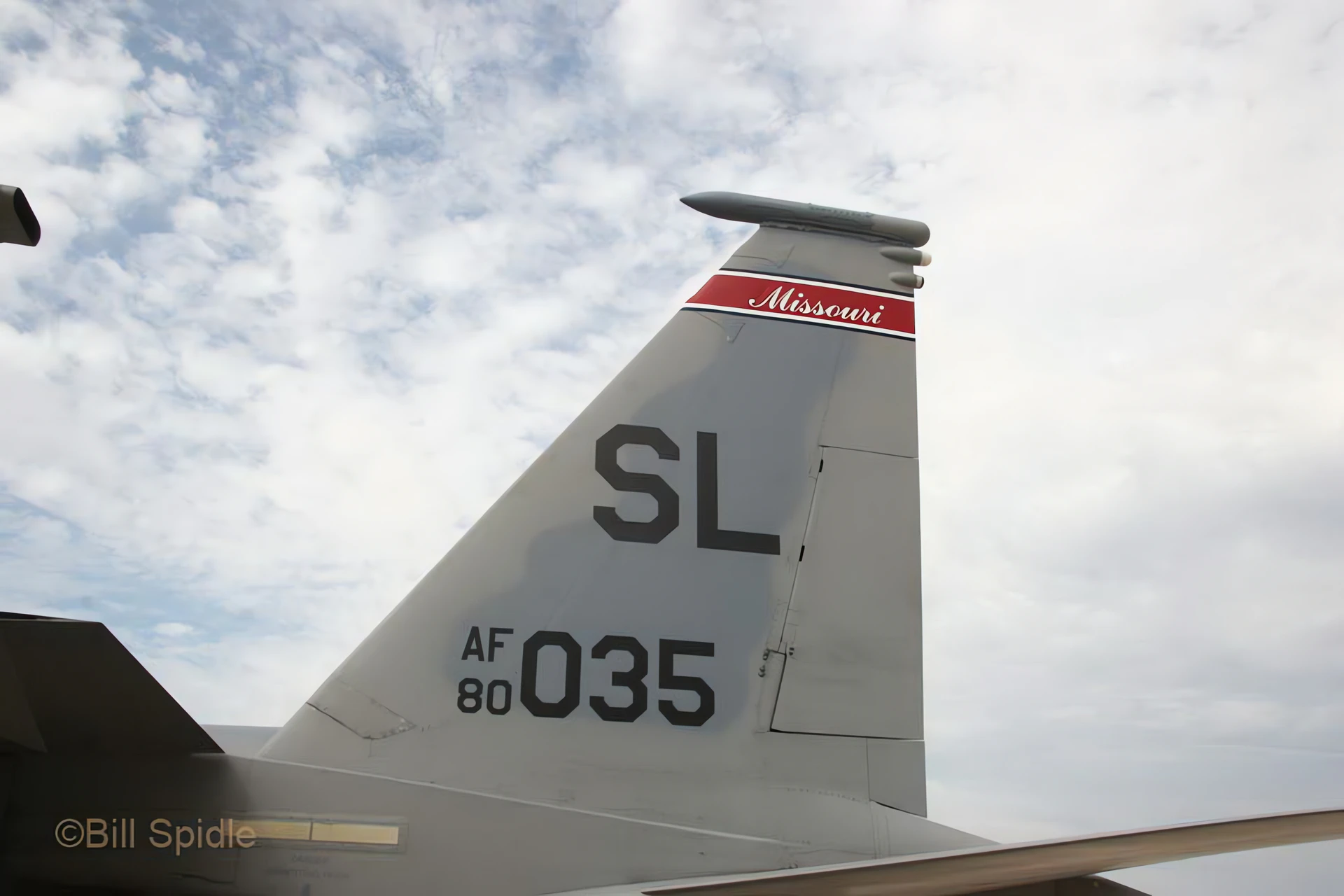

| McDonnell Douglas F-15B Eagle Walk Around | |
|---|---|
| Photographer | Bill Maloney |
| Localisation | Wings of Eagles Discovery Center |
| Photos | 17 |
 Buy Me a Coffee
| F-15A Eagle Walk Around | |
|---|---|
| Photographer | Unknow |
| Localisation | Unknow |
| Photos | 17 |
See also:


General Characteristics and Role
The McDonnell Douglas F-15C Eagle is a legendary American twin-engine, all-weather tactical air superiority fighter. Developed to counter emerging Soviet threats in the late 1960s, the F-15’s design philosophy was succinctly “not a pound for air-to-ground.” The ‘C’ model, introduced in the 1970s, represents an improved single-seat interceptor with greater internal fuel capacity, increased maximum takeoff weight, and enhanced avionics, particularly the AN/APG-63(V) radar system. The F-15 Eagle is renowned for its combat record, holding one of the most successful records in modern aerial warfare with over 100 kills and zero air-to-air losses, proving its mastery of the skies.
| Property | Typical Value (F-15C) |
|---|---|
| Role | Air Superiority Fighter |
| National Origin | United States |
| Manufacturer | McDonnell Douglas (now Boeing) |
| Service Entry (F-15C) | 1979 |
| Crew | 1 (Pilot) |
| Length | 19.43 m (63 ft 9 in) |
| Wingspan | 13.05 m (42 ft 10 in) |
| Height | 5.63 m (18 ft 6 in) |
| Empty Weight | 12,700 kg (28,000 lb) |
| Max Takeoff Weight | 30,845 kg (68,000 lb) |
Powerplant and Performance
- Engine: 2 x Pratt & Whitney F100-PW-220 or -220E afterburning turbofans.
- Thrust (Dry/Afterburner, per engine): 64.9 kN (14,600 lbf) / 105.7 kN (23,770 lbf).
- Maximum Speed: Mach 2.5+ (2,660 km/h or 1,650 mph) at high altitude.
- Service Ceiling: 20,000 m (65,000 ft).
- Range (Ferry): 4,800 km (3,000 mi; 2,600 nmi) with conformal fuel tanks (CFTs) and three external drop tanks.
- Thrust-to-Weight Ratio: Approximately 1.26:1 (clean configuration), allowing it to accelerate even in a vertical climb.
Armament and Avionics
- Fixed Armament: 1 x 20 mm M61A1 Vulcan rotary cannon with 940 rounds.
- Hardpoints (Air-to-Air): 4 underwing, 4 on fuselage stations, 2 on centerline.
- Missiles: Typically carries a mix of AIM-7 Sparrow (or later AIM-120 AMRAAM) medium-range missiles and AIM-9 Sidewinder short-range missiles.
- Radar: AN/APG-63 (later upgraded to AN/APG-63(V)1 and V)3 AESA radar), providing excellent long-range detection and tracking capabilities.
- Conformal Fuel Tanks (CFTs): ‘C’ models can carry two low-drag CFTs, adding significant fuel capacity without completely sacrificing performance.
Views : 3039
You can see also :
 McDonnell Douglas C-9 – Photos & Videos
 Boeing X-36 – Photos & Videos
 McDonnell Douglas F/A-18 Hornet – Photos & Video
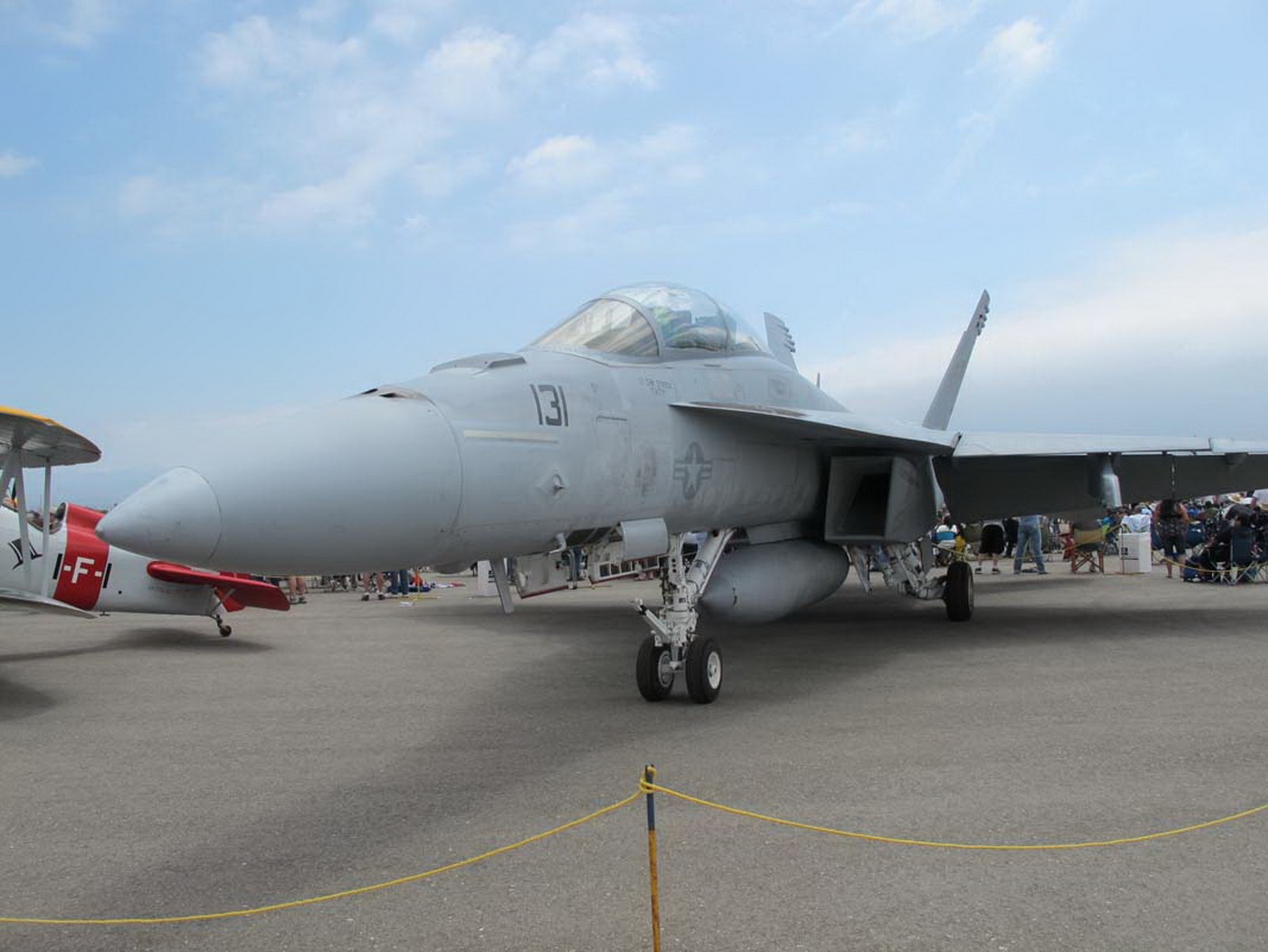 F-18F Super Hornet – Photos & Video
 Mitsubishi A6M Zero – Walk Around
 Hawker Hurricane – Walk Around
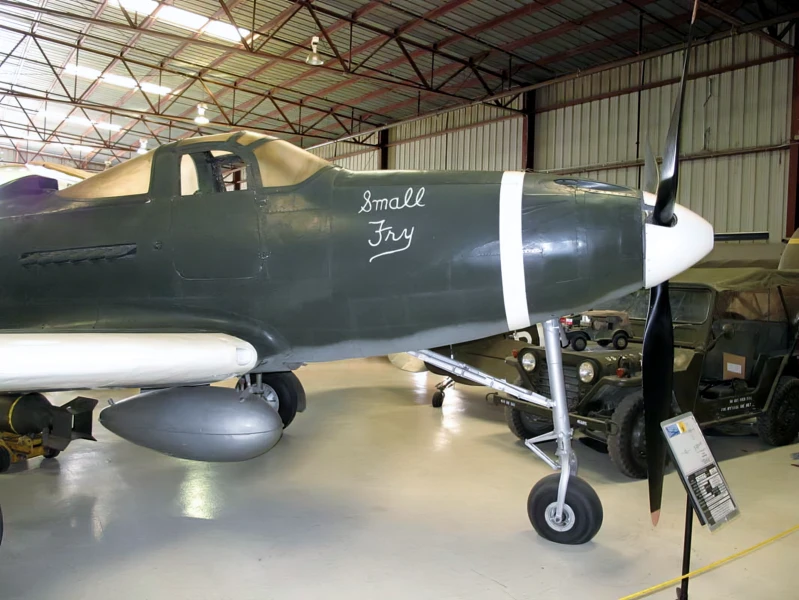 Bell P-39N Airacobra – WalkAround
 Consolidated B-24M Liberator – WalkAround
 P-47D Thunderbolt – WalkAround
 A-20 Havoc – WalkAround