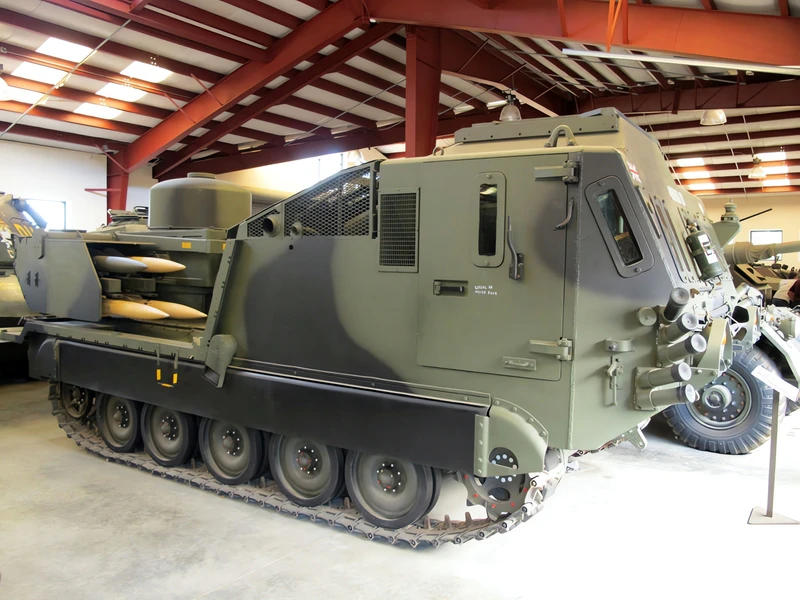
Tracked Rapier RCM748 | |
|---|---|
| Country | UK |
| Role | Surface-to-air missile |
| In service | 1971–present |
| Built | 25000 missiles, 600 launchers, 350 radars |
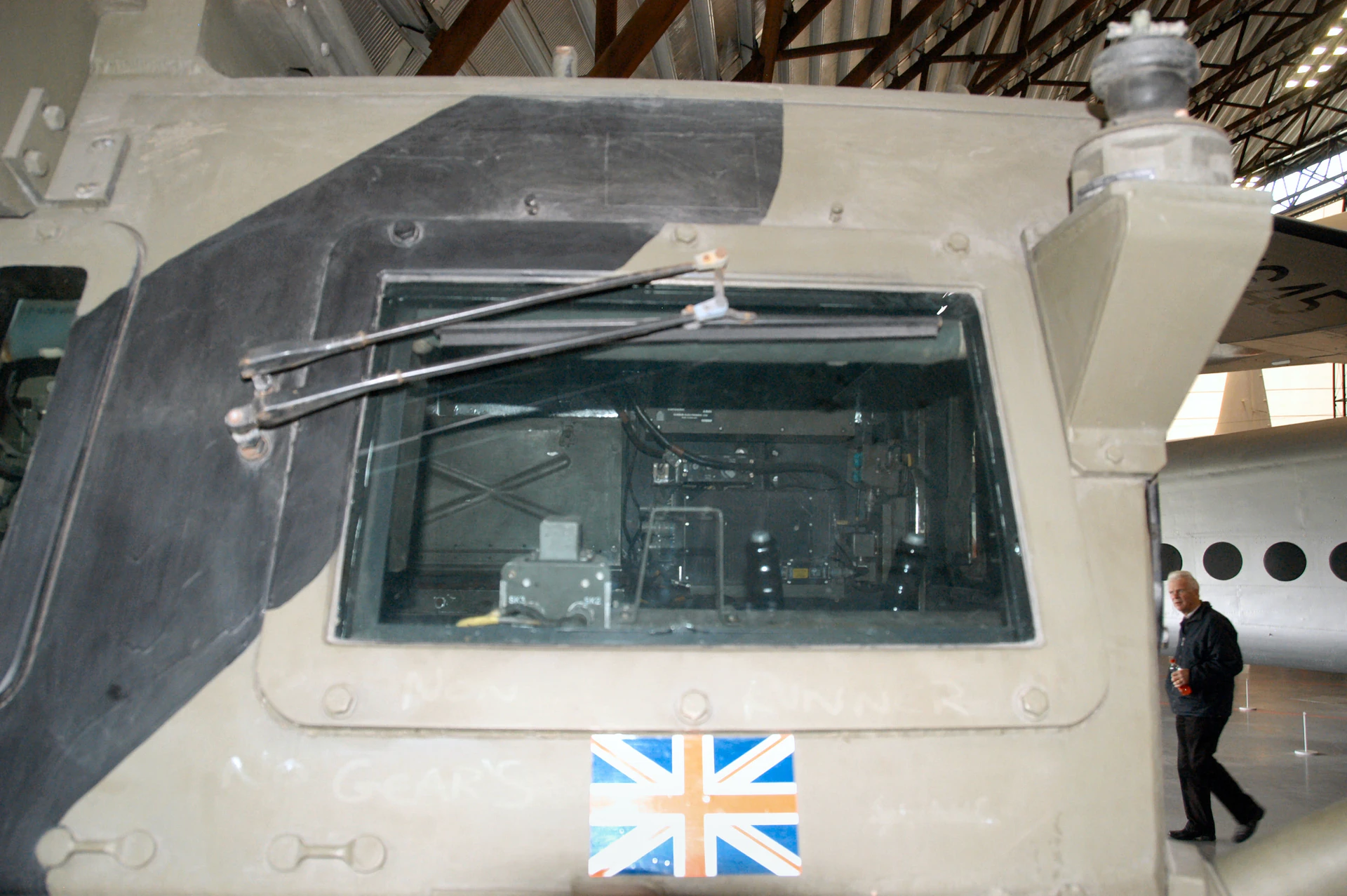
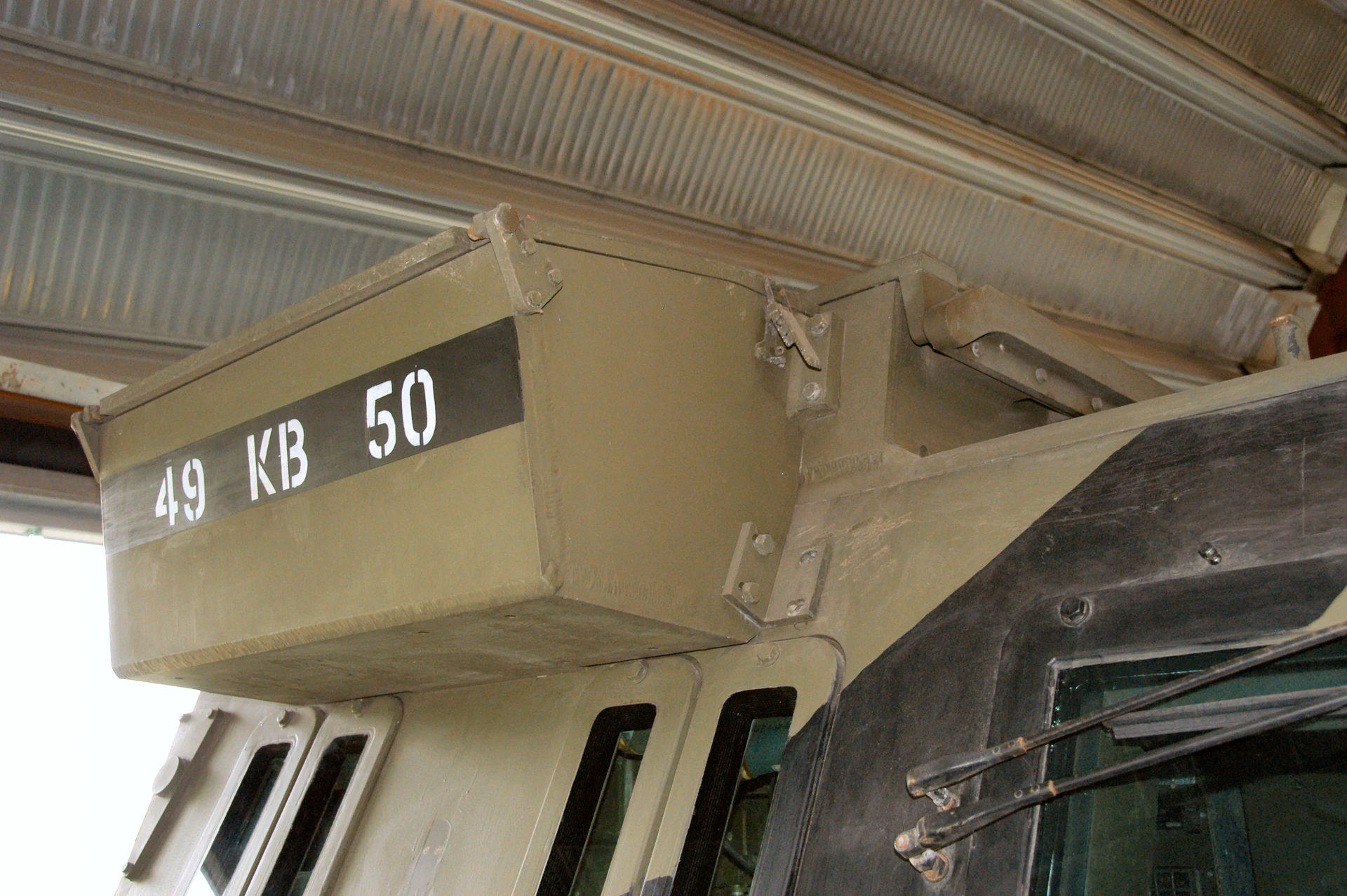
The initial proposal for the system was to simply mount the towed launcher, (less its running gear) and its petrol generator set on the flat bed of the M548 carrier. When this was shown to Mr G.R. Jefferson, the GW Managing Director, he was not very impressed. Aware of the amount of money available, he required a much more extensive change. Greville Beale and Adrian Pollicutt led development of a very significant new arrangement was produced in quite a short period. This included significant changes to the M548 vehicle to armour the vehicle, now designated RCM 748, and to incorporate a new diesel-powered generator set using the Coventry Climax H 30 engine (as used as the auxiliary power unit in the Chieftain tank). The majority of the electronic equipment in the launcher was not changed significantly from that used in the towed version. However, a completely redesigned armoured launcher with the capability of loading eight missiles was produced which was mounted via anti-vibration mounts to the flat bed of the vehicle. The armoured cab was provided with pan-climatic heating/cooling and NBC protection.
Source: Tracked Rapier RCM748 on Wikipedia
| Tracked Rapier RCM748 Walk Around | |
|---|---|
| Photographer | Vladimir Yakubov |
| Localisation | Military Vehicle Technology Foundation |
| Photos | 72 |
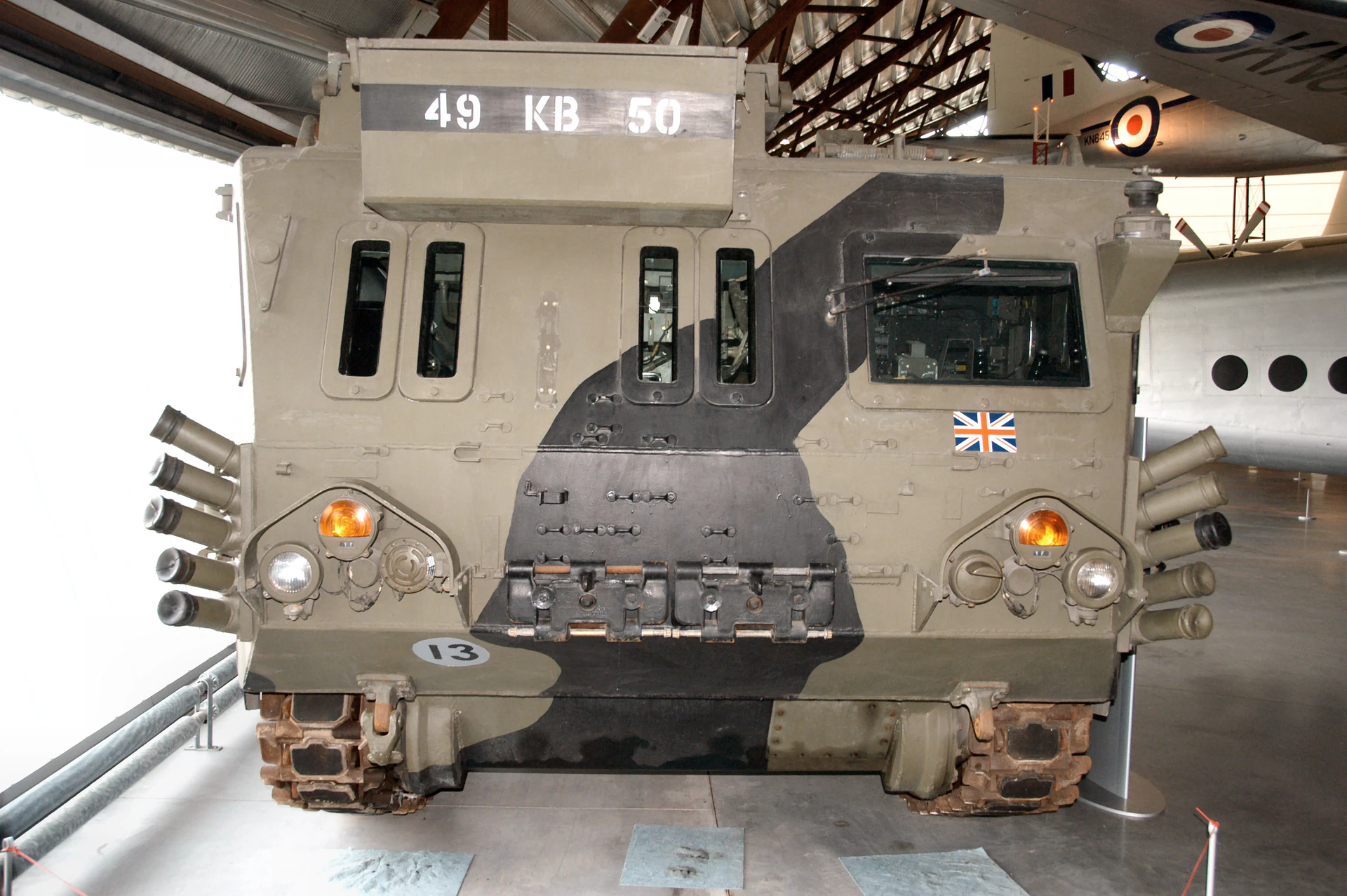
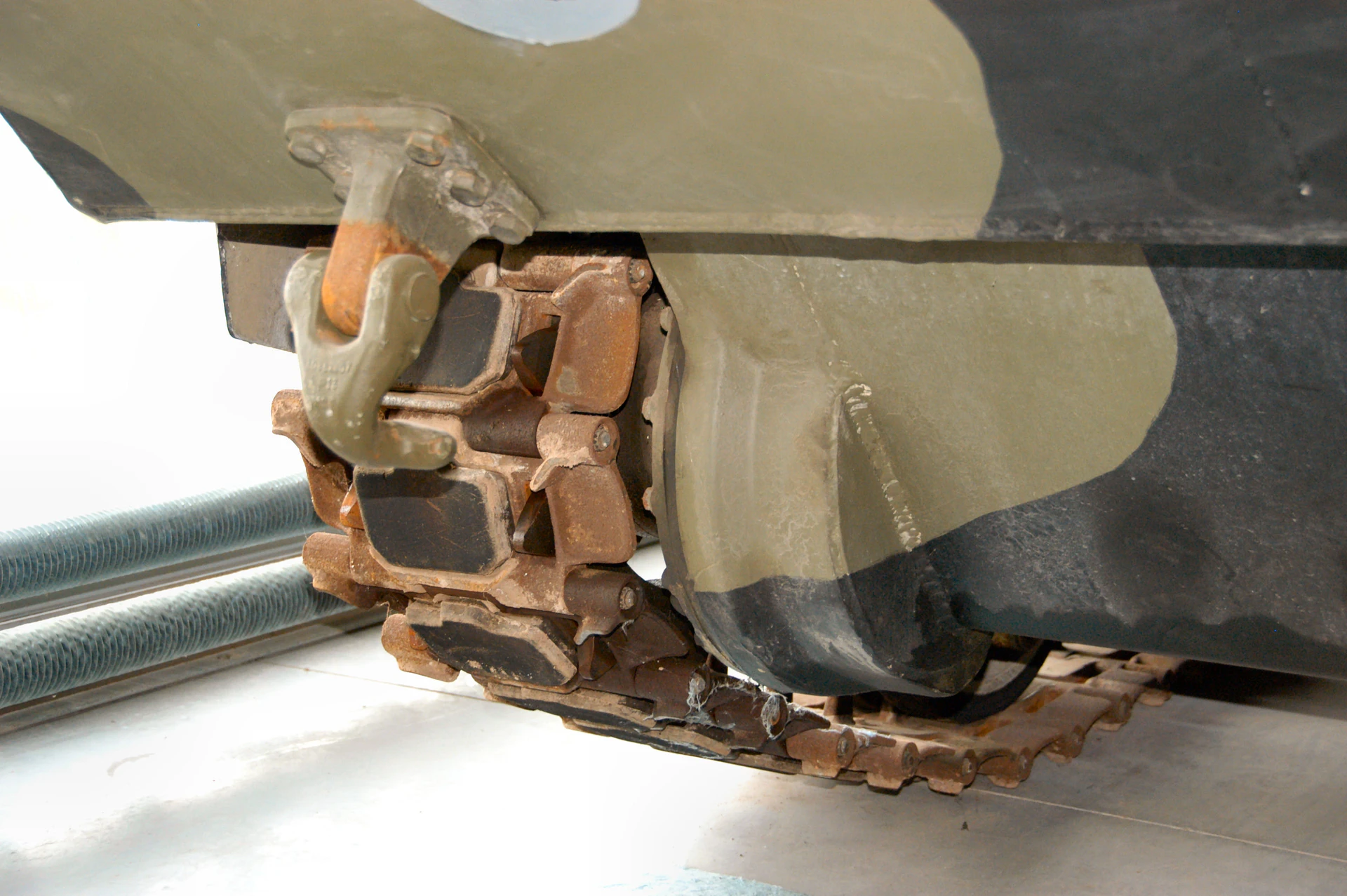
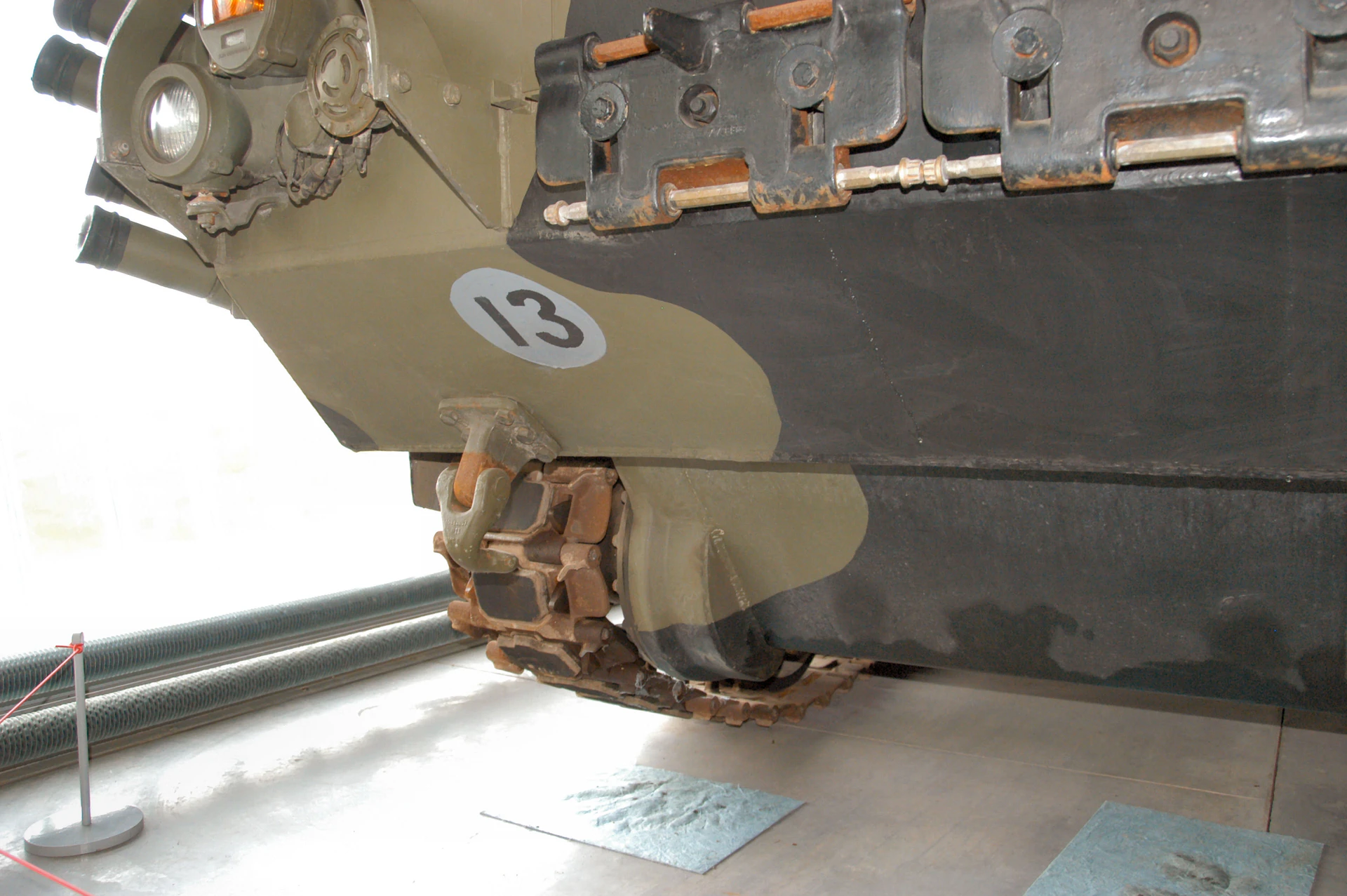

See also:


General Characteristics and Role
The Tracked Rapier (officially RCM748) is a highly mobile, low-level surface-to-air missile (SAM) system developed by the United Kingdom. It integrates the standard Rapier missile system onto a variant of the American M548 tracked cargo carrier chassis. This conversion was crucial for the British Army, which required an air defense system capable of keeping pace with armored formations across challenging terrain, a capability the original towed Rapier lacked. The Tracked Rapier combined the missile’s proven effectiveness against low-flying aircraft and helicopters with the cross-country mobility and speed necessary for mechanized warfare. It was a fully integrated system, capable of all-weather operation and firing from a static or short-halt position.
| Property | Typical Value (Tracked Rapier) |
|---|---|
| Role | Mobile Low-Level Surface-to-Air Missile (SAM) System |
| National Origin | United Kingdom (Missile) / United States (Chassis) |
| Manufacturer | British Aerospace (Missile) / FMC (Chassis) |
| Service Entry | 1983 (Tracked version) |
| Crew | 3 (Driver, Commander, Operator) |
| Armament | 8 x Rapier Mk 1 or Javelin (Rapier 2) SAMs on launcher rails |
| Chassis Base | Modified M548 (M113 family) Armored Cargo Carrier |
| Length | 5.72 m (18 ft 9 in) |
| Width | 2.69 m (8 ft 10 in) |
| Height (Travel) | 2.67 m (8 ft 9 in) |
| Combat Weight | ~14,000 kg (30,865 lb) |
Powerplant and Performance
- Engine: 1 x Detroit Diesel 6V53 diesel engine.
- Power Output: 157 kW (210 hp).
- Maximum Speed (Road): 58 km/h (36 mph).
- Range (Road): 480 km (300 mi).
- Mobility: Fully tracked, providing high off-road mobility to keep up with Challenger tanks and Warrior IFVs.
Missile System and Guidance
- Missile Guidance: Optical tracking (manual), complemented by a Blindfire radar (for all-weather engagement).
- Target Range: Approximately 400 m to 6.8 km (0.25 to 4.2 mi).
- Engagement Speed: Missile reaches Mach 2.5 (approximately 3,060 km/h).
- Blindfire Radar: The integration of the optional Marconi DN 181 “Blindfire” pulse-Doppler radar gives the system a true all-weather, day/night capability.
- Operational Status: The Tracked Rapier was eventually replaced in British service by the more modern Starstreak High Velocity Missile (HVM) system, mounted on the Stormer vehicle.
Views : 1726