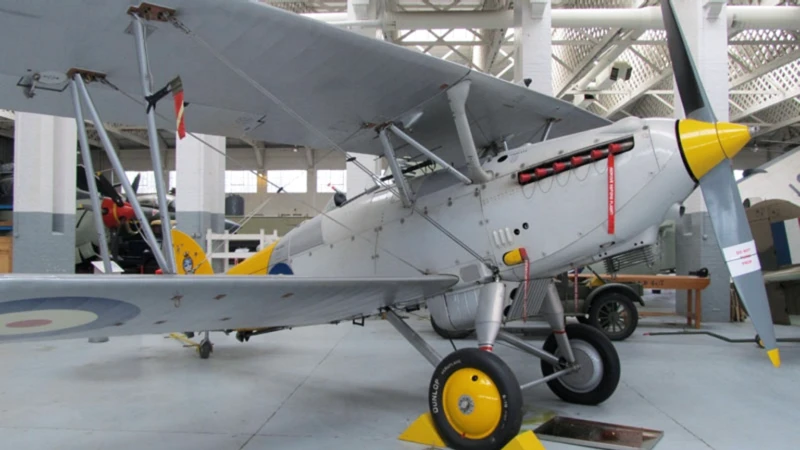
Hawker Nimrod | |
|---|---|
| Country | UK |
| Role | Naval fighter |
| First flight | 14 October 1931 |
| Built | 92 |
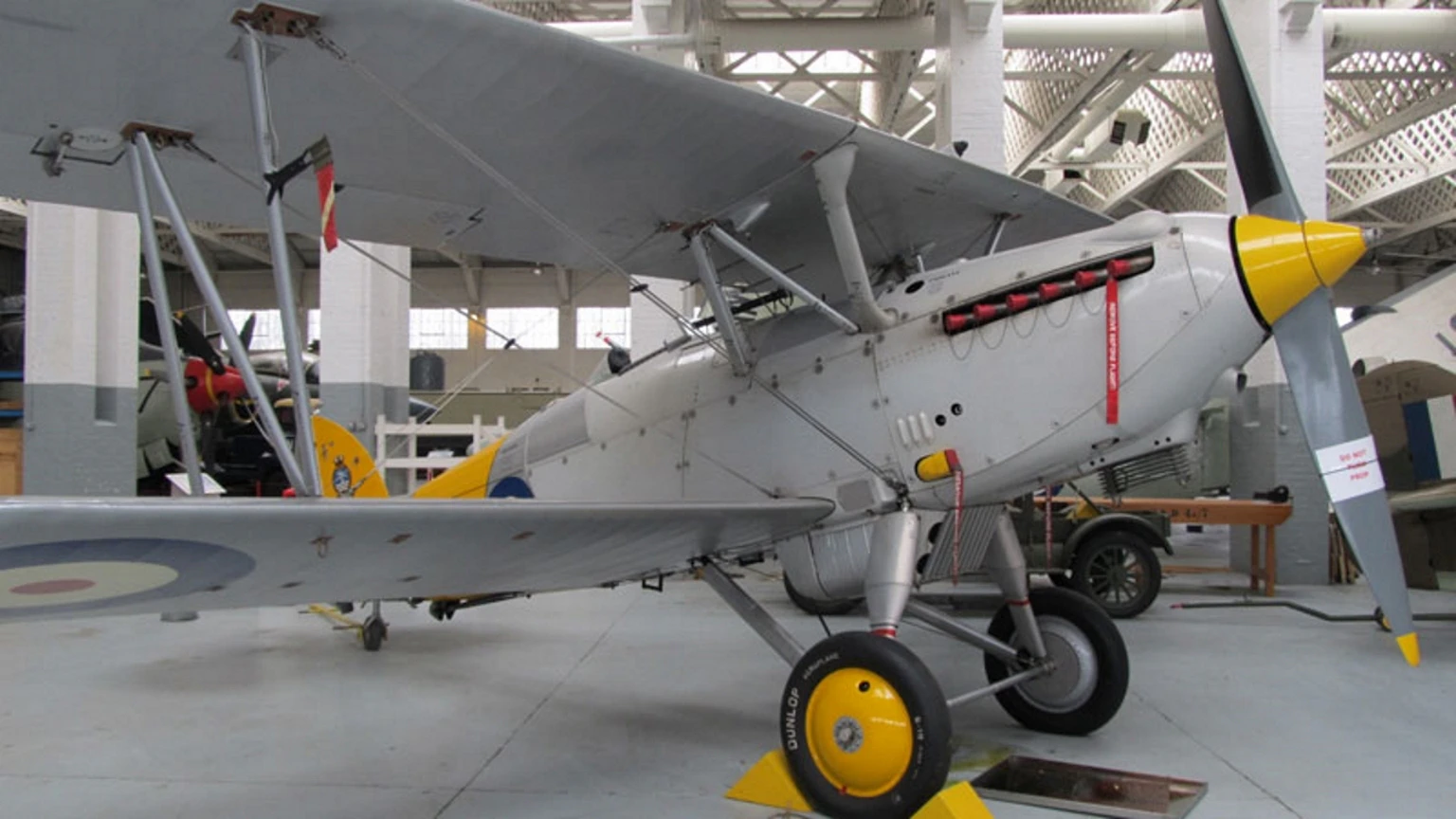
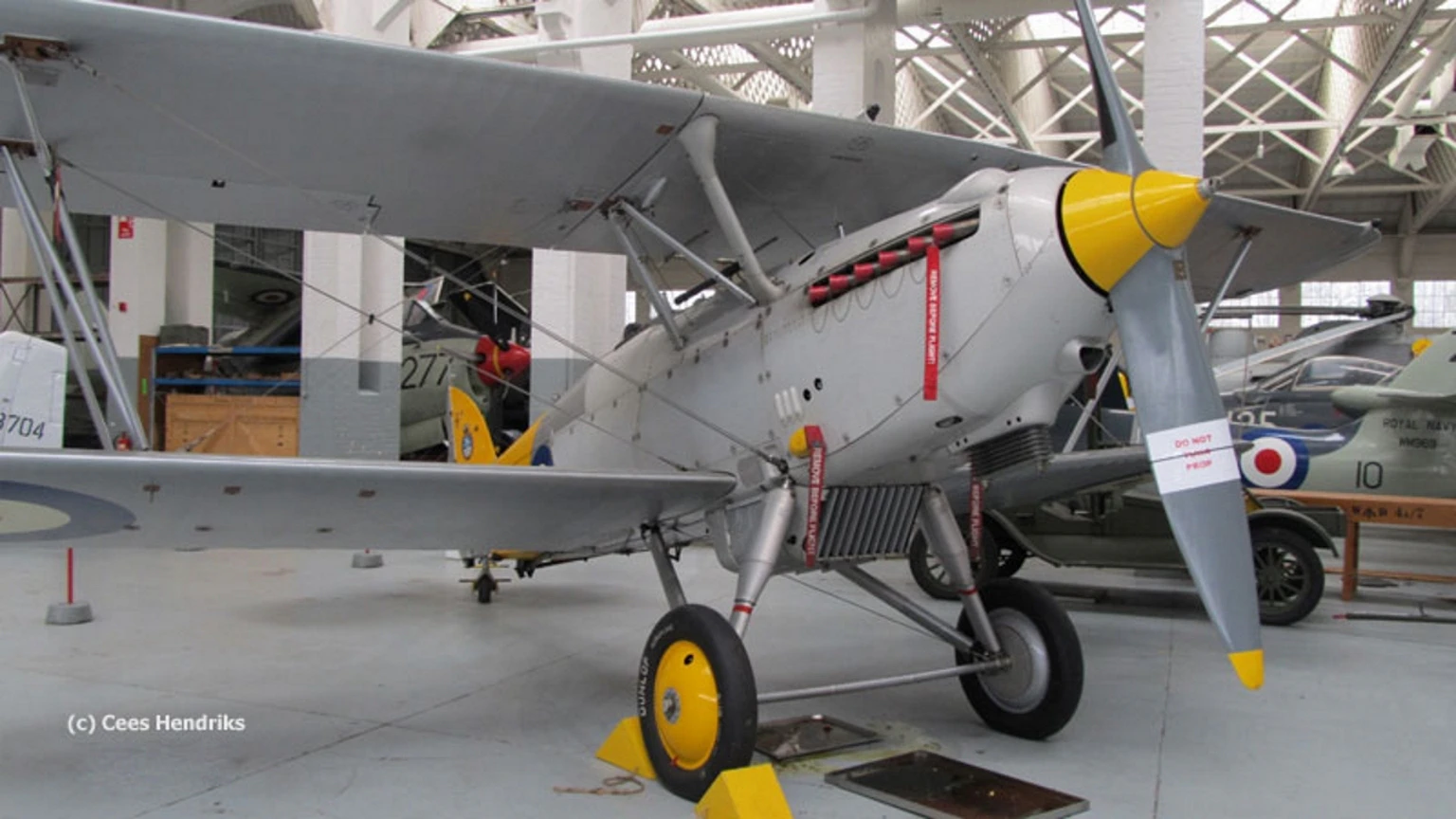
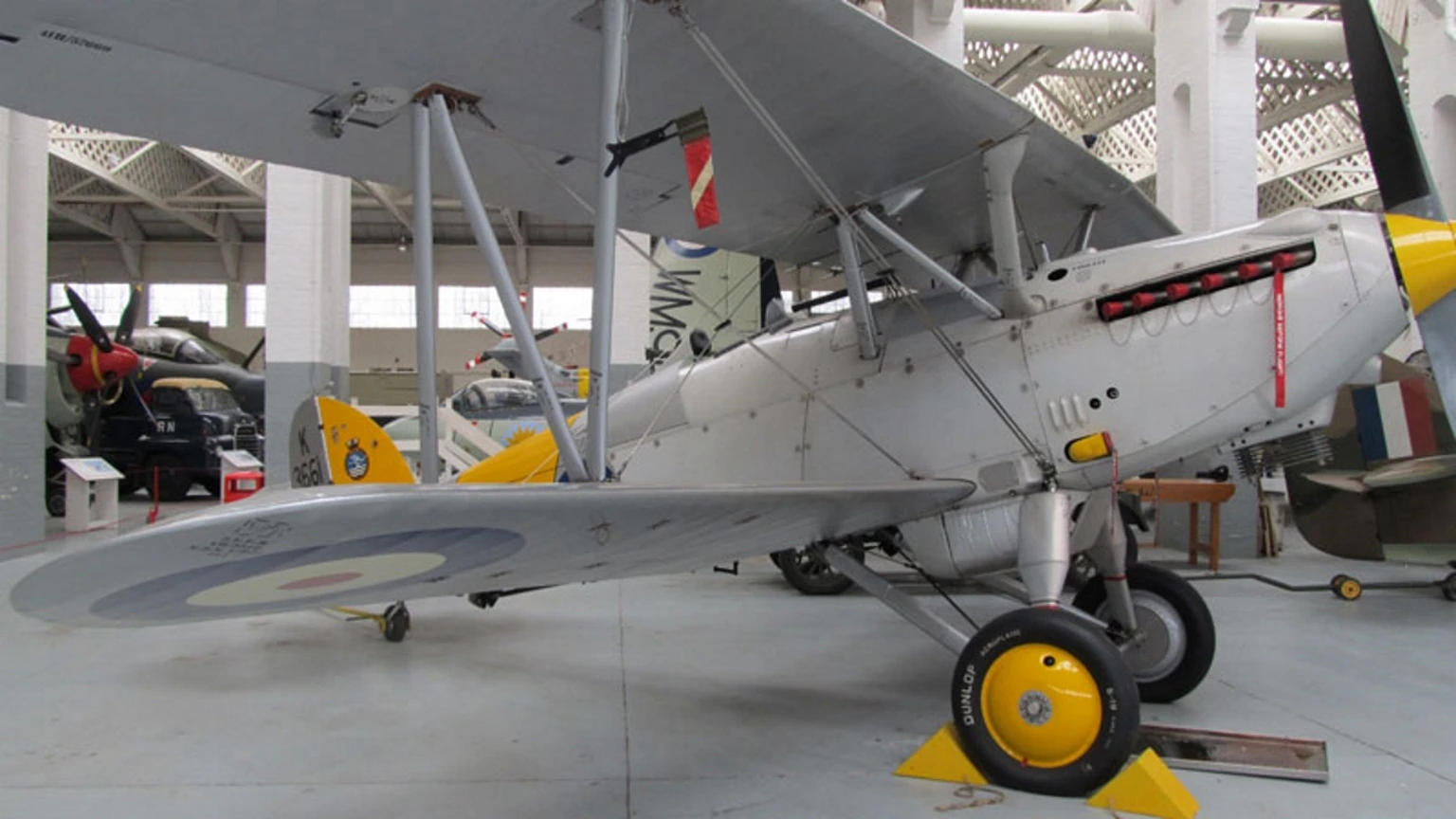
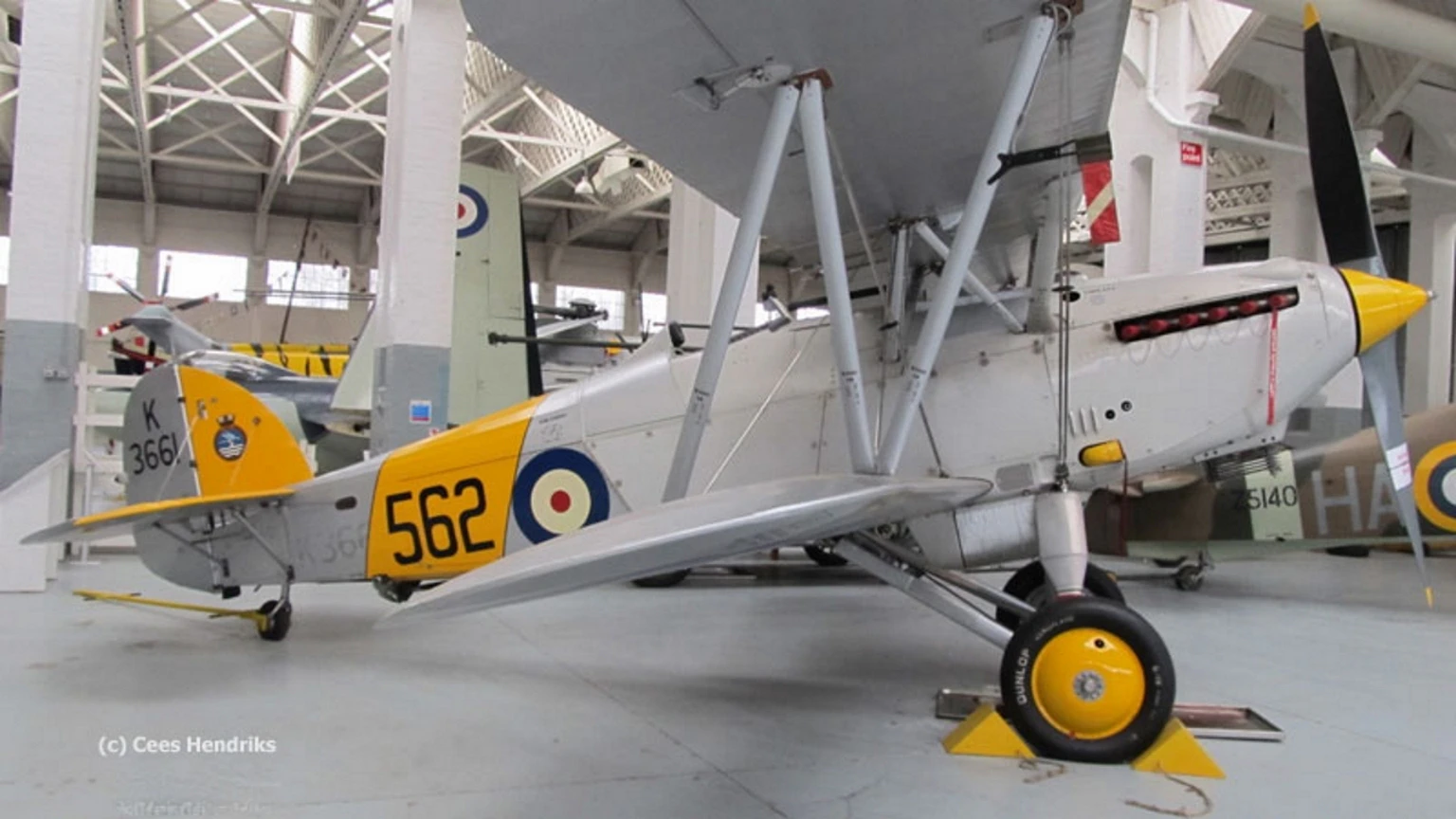
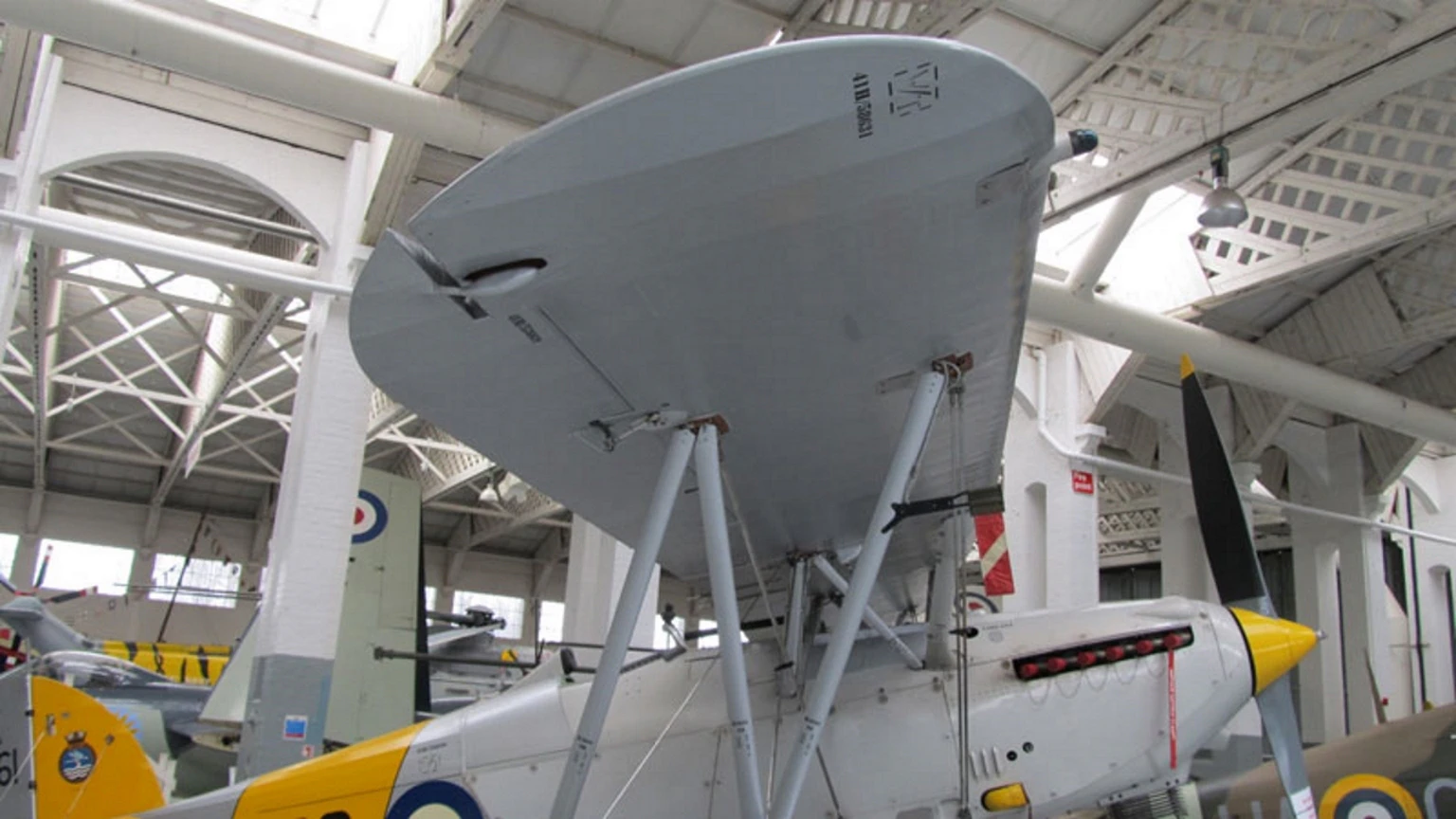
The Hawker Nimrod was a British carrier-based single-engine, single-seat biplane fighter aircraft built in the early 1930s by Hawker Aircraft. The Nimrod had an overall similarity to the Fury: it was a single-seater biplane with an open cockpit, fixed undercarriage and guns firing through the propeller. Its unswept, constant chord, round-tipped wings had an unequal span and strong stagger, the latter partly to enhance the pilot’s view. It was a single bay biplane braced with outward-leaning N-form interplane struts, with the upper plane held a little above the upper fuselage by cabane struts. The fabric-covered wings had metal spars and spruce ribs and carried balanced ailerons only on the upper wings.
Source: Hawker Nimrod on Wikipedia
| Hawker Nimrod mk. II Walk Around | |
|---|---|
| Photographer | Cees Hendriks |
| Localisation | Unknow |
| Photos | 18 |
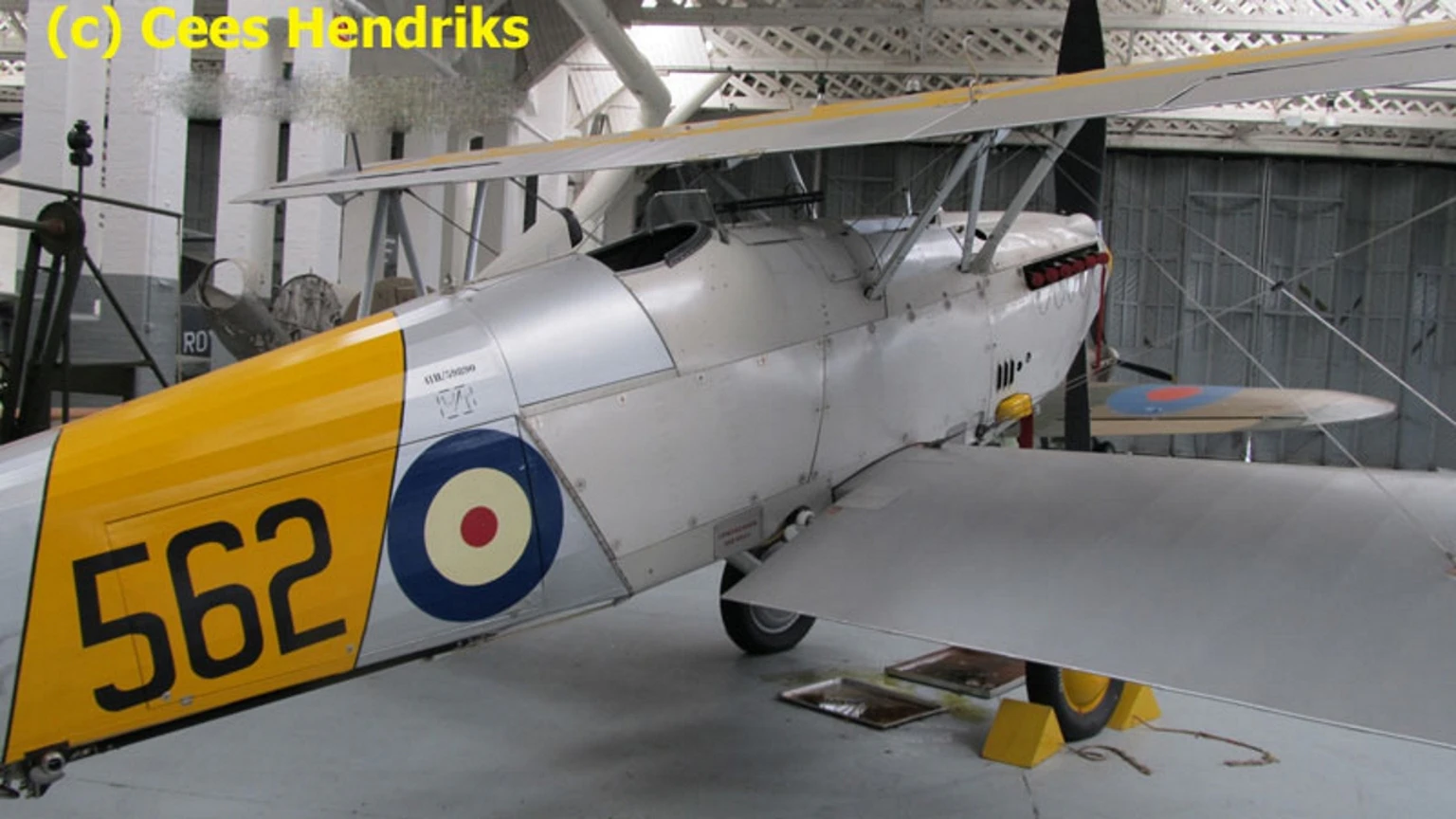
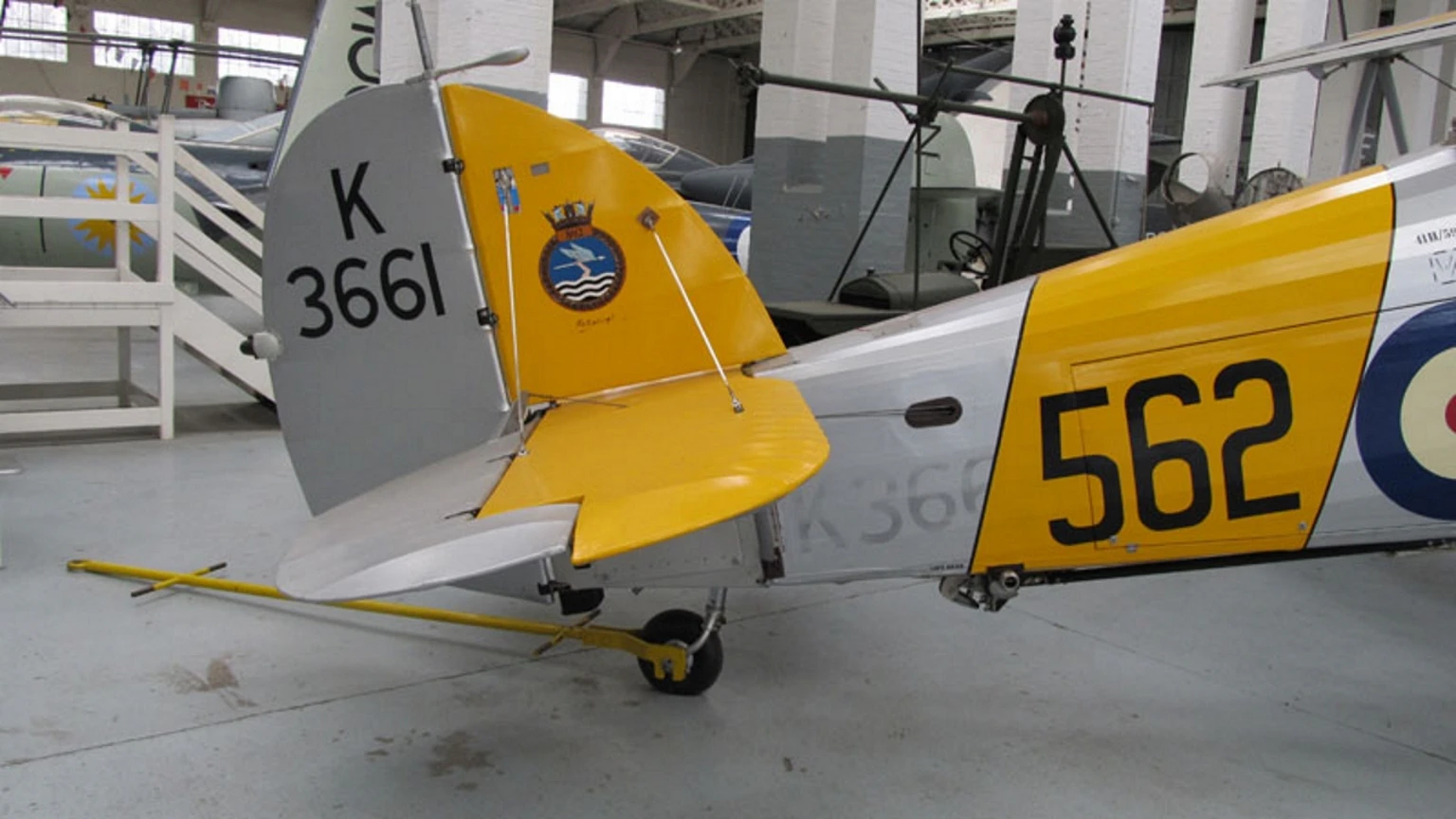

See also:


A Carrier-Borne Thoroughbred
The Hawker Nimrod was the naval counterpart to the legendary Hawker Fury. While the Fury was the RAF’s premier interceptor, the Nimrod was adapted for the grueling environment of the Royal Navy’s aircraft carriers. It combined Sidney Camm’s beautiful aerodynamic design with the specialized equipment needed for deck operations—namely a strengthened airframe to survive catapult launches and heavy landings on pitching decks.
| Attribute | Technical Specification (Nimrod Mk II) |
|---|---|
| Role | Carrier-based Fighter / Fleet Interceptor |
| Crew | 1 (Pilot) |
| First Flight | 1931 |
| Powerplant | 1 × Rolls-Royce Kestrel V 12-cylinder liquid-cooled |
| Horsepower | 640 hp (477 kW) |
| Maximum Speed | 194 mph (312 km/h) |
| Service Ceiling | 28,000 feet (8,535 m) |
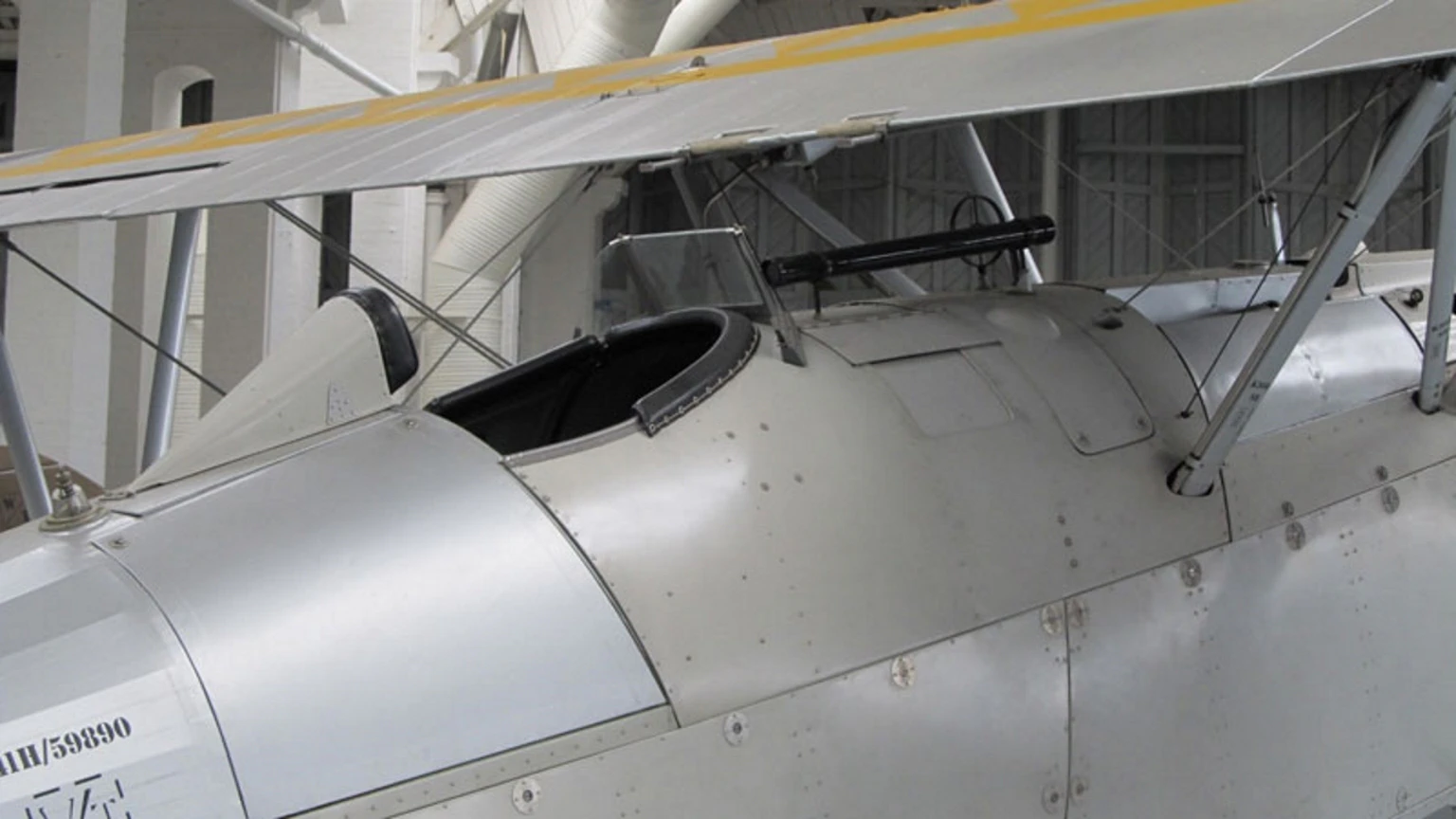
| Armament | 2 × forward-firing .303 Vickers machine guns |
Naval Engineering & Adaptations
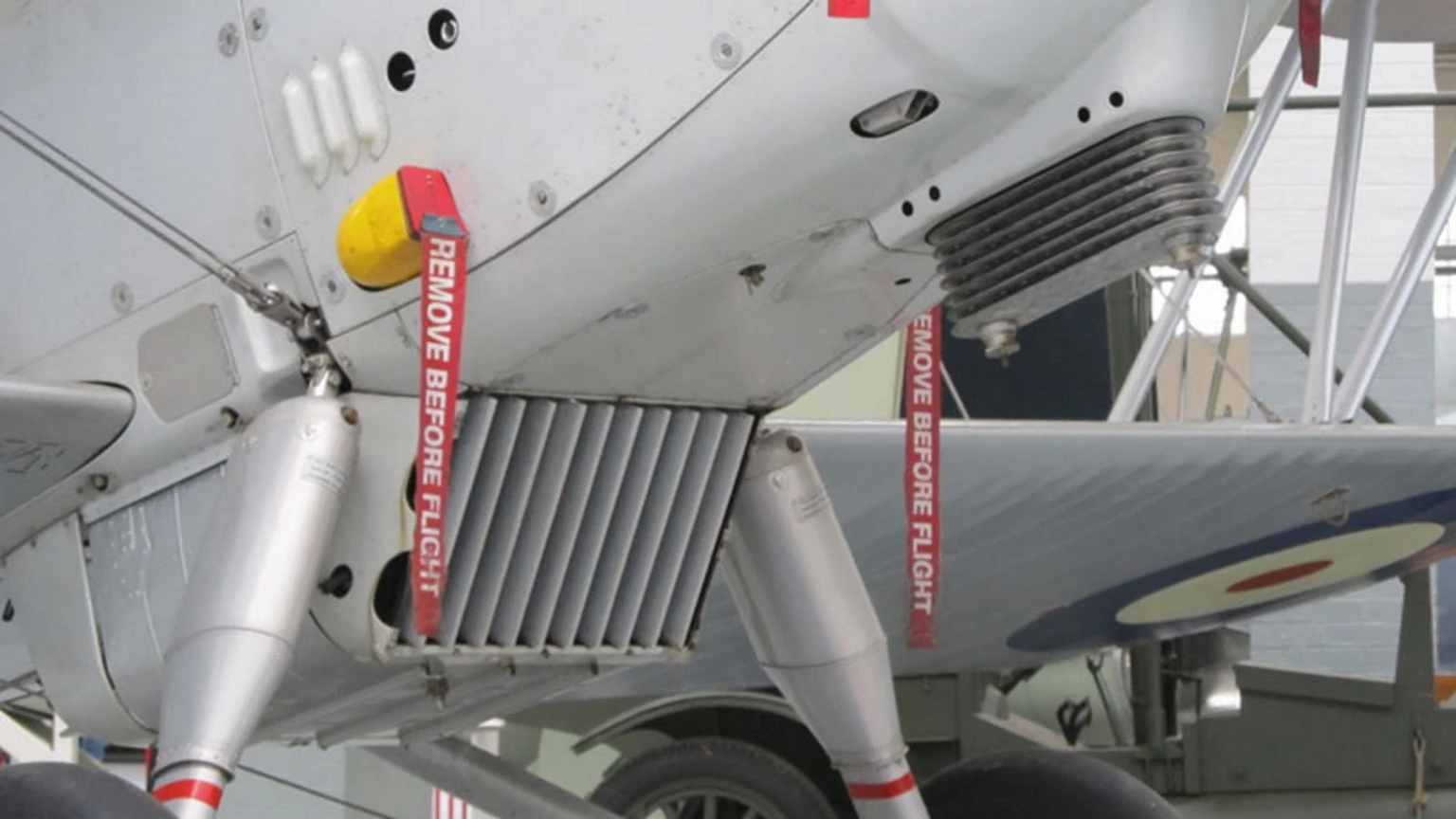
- The Kestrel Engine: Like the Fury, the Nimrod utilized the Rolls-Royce Kestrel. This liquid-cooled engine allowed for a much narrower, more aerodynamic nose compared to the radial engines of the era, giving the pilot better visibility during the critical moments of a carrier landing.
- Catapult & Arresting Gear: To operate from ships like the HMS Furious and Courageous, the Nimrod featured reinforced attachment points for catapult spools and an arrester hook for snagging wires on the deck.
- Corrosion Resistance: Flying over salt water is brutal on aircraft. Nimrods were specially treated with anti-corrosive coatings, and many had stainless steel components to prevent the airframe from rotting in the damp sea air.
- The Floats Option: A unique feature of the Nimrod design was its ability to be fitted with twin floats. Although most served as wheeled fighters, the capability ensured they could operate from cruisers in areas where no carrier was available.
The “Golden Age” of the Fleet Air Arm
- The Mk II Upgrades: The Nimrod Mk II introduced swept-back wings (slight sweep to the upper wing) and a more powerful engine. These changes improved stability and speed, making it one of the most capable naval fighters of the early 1930s.
- Precision Formation: In the inter-war years, the Nimrod was the star of naval air displays. Pilots would often fly in tight formations with their wingtips literally tied together with silk ribbons to demonstrate their incredible control and the aircraft’s stability.
- Danish Service: Beyond the UK, Denmark operated the Nimrod (as the Nimrodderne). They remained in service until the German invasion in 1940, though by then they were hopelessly outclassed by modern monoplanes.
- The Transition: The Nimrod was the last of the “classic” biplane fighters for the Navy before the arrival of the Sea Gladiator and eventually the monoplane Blackburn Skua and Hawker Sea Hurricane.
Views : 2348
You can see also :
 Hawker Fury – Photos & Videos
 EKW C-35 – Photos & Videos
 SPAD S.XI – Walk Around
 Breguet XIV – Photos & Videos
 Phönix D.I – Photos & Videos
 Bristol F.2 Fighter – Photos & Videos
 Consolidated PT-6A – Photos & Video
 Royal Aircraft Factory S.E.5 – Photos & Video
 SPAD S.VII Cabruna & Ruffo – Photos & Video
 Stearman PT-13D Kaydet- Photos & Video