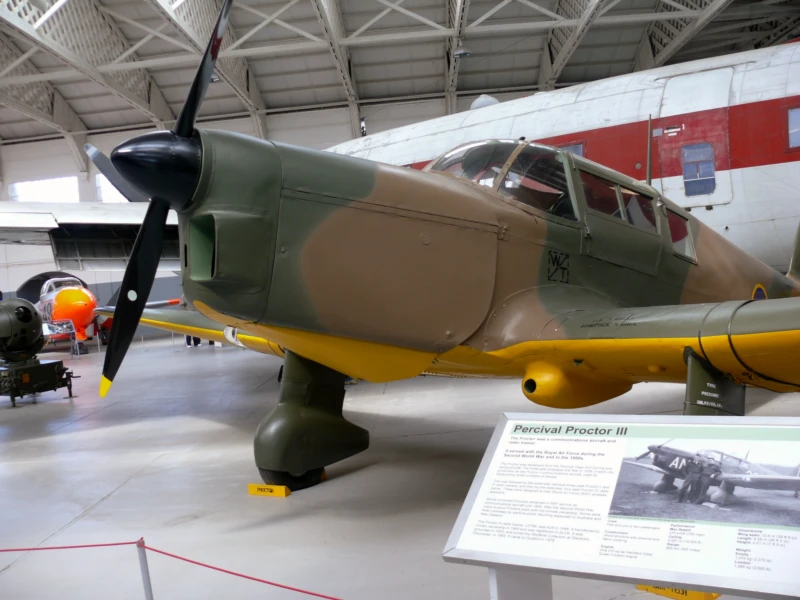
Percival Proctor | |
|---|---|
| Country | UK |
| Role | Radio trainer/communications aircraft |
| First flight | 8 October 1939 |
| Built | 1143 |
The Percival Proctor was a British radio trainer and communications aircraft of the Second World War. The Proctor was a single-engined, low-wing monoplane with seating for three or four, depending on the model.
Source: Percival Proctor on Wikipedia
| Percival Proctor III Walk Around | |
|---|---|
| Photographer | Cees Hendriks |
| Localisation | Unknow |
| Photos | 23 |
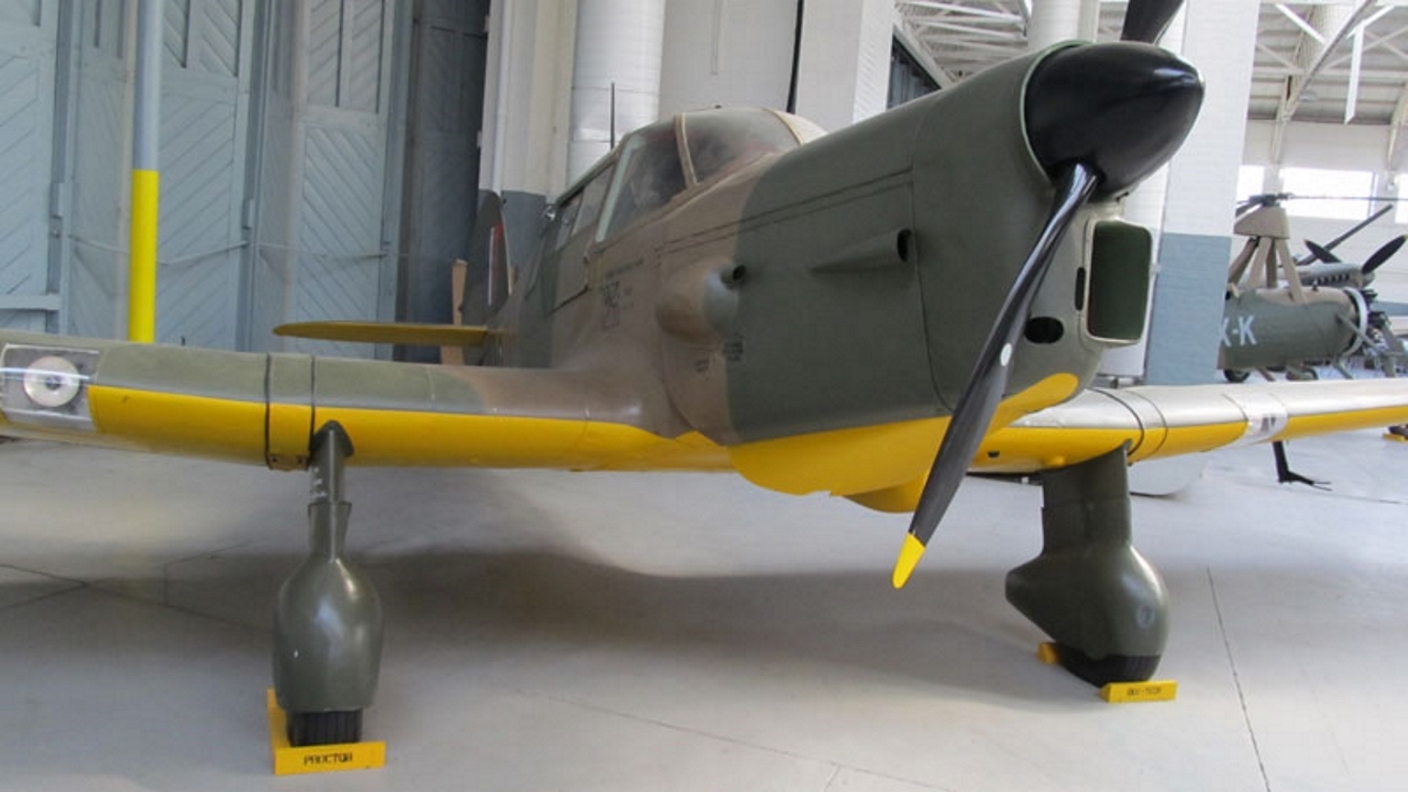
Percival Proctor III – 01
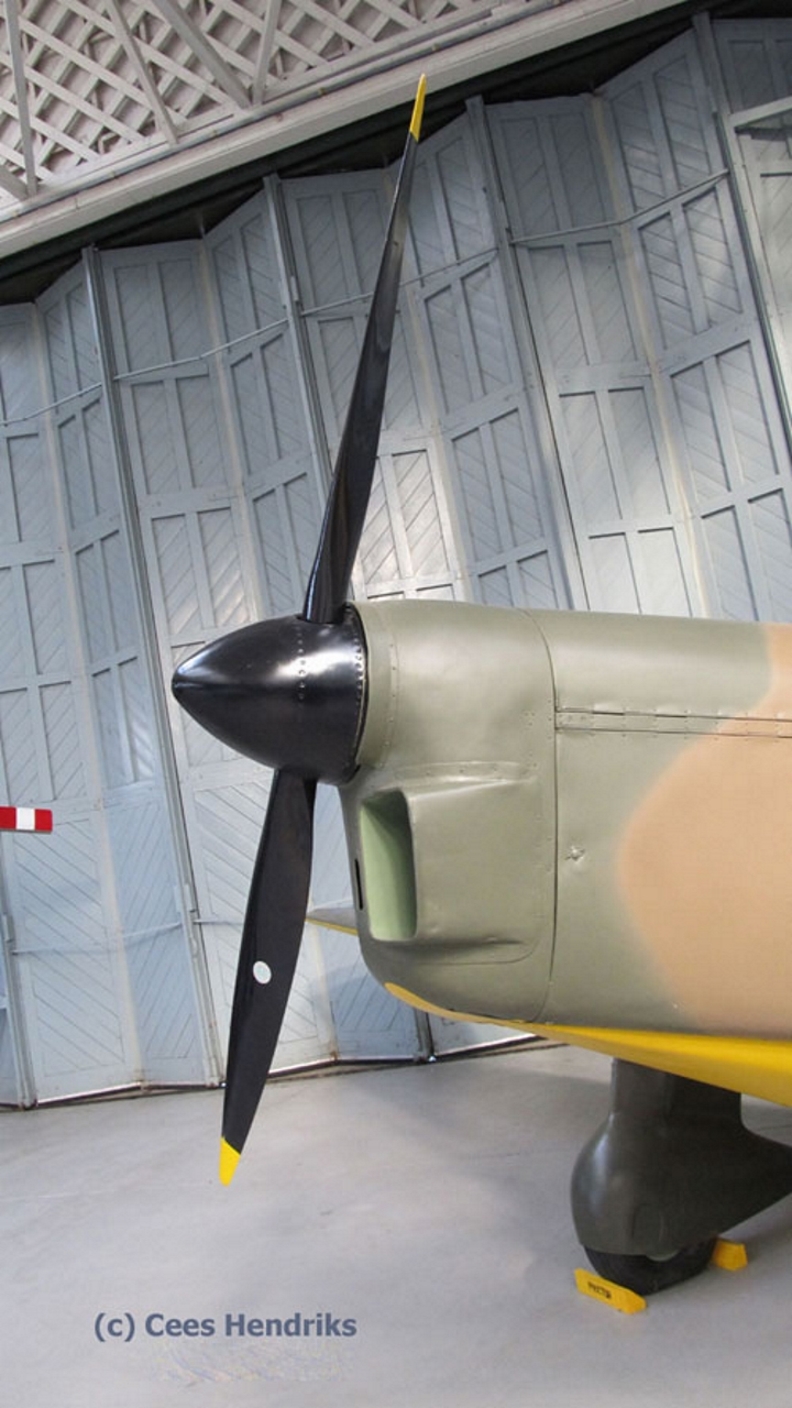
Percival Proctor III – 03
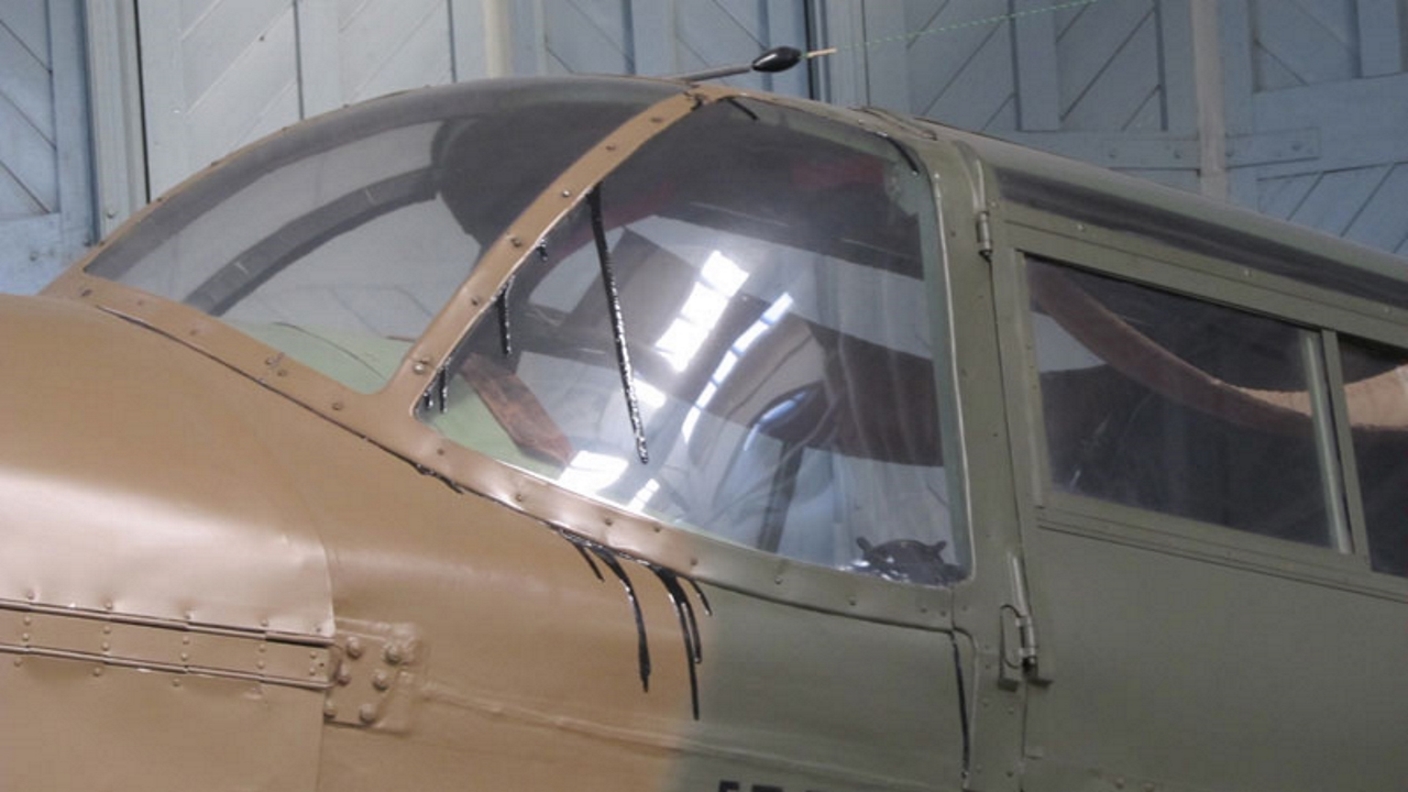
Percival Proctor III – 10
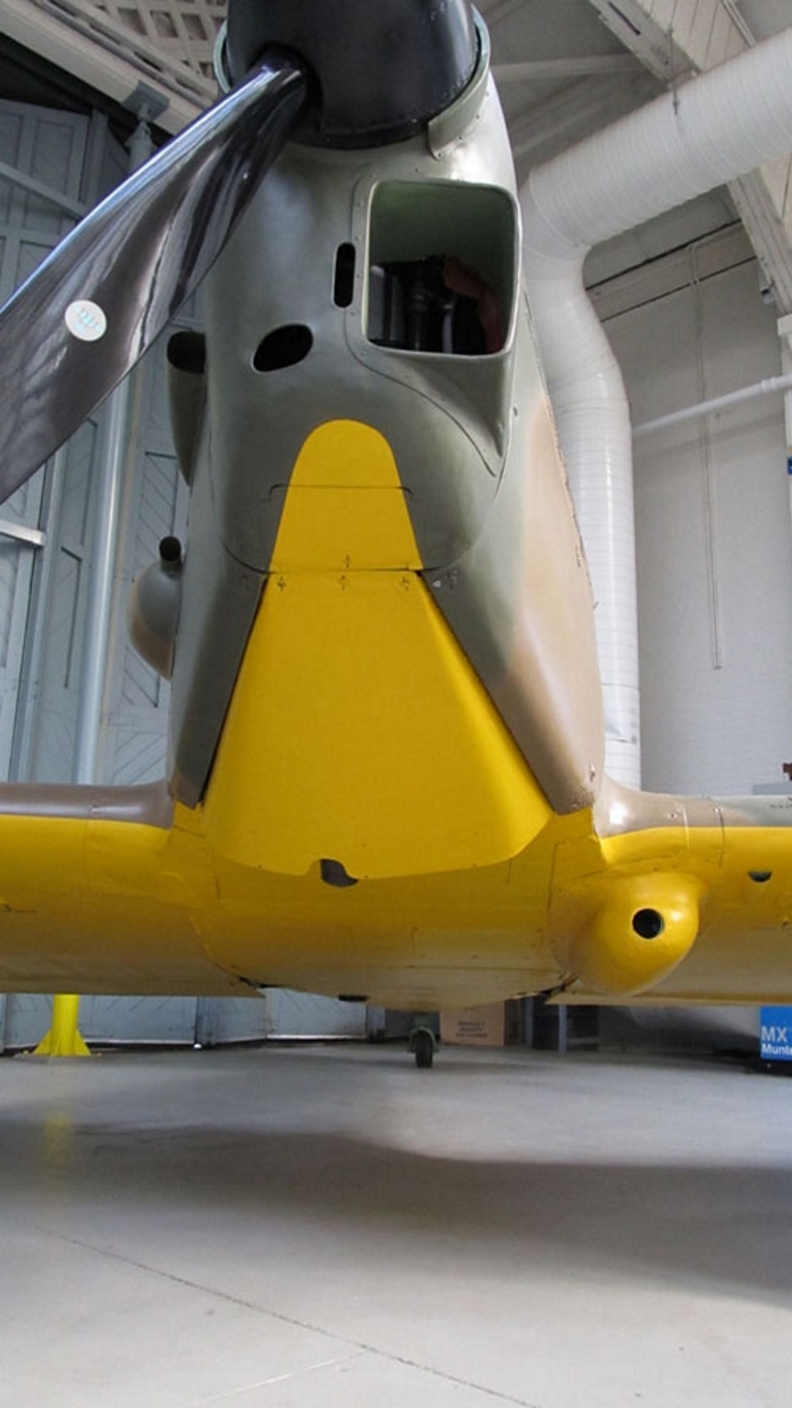
Percival Proctor III – 04
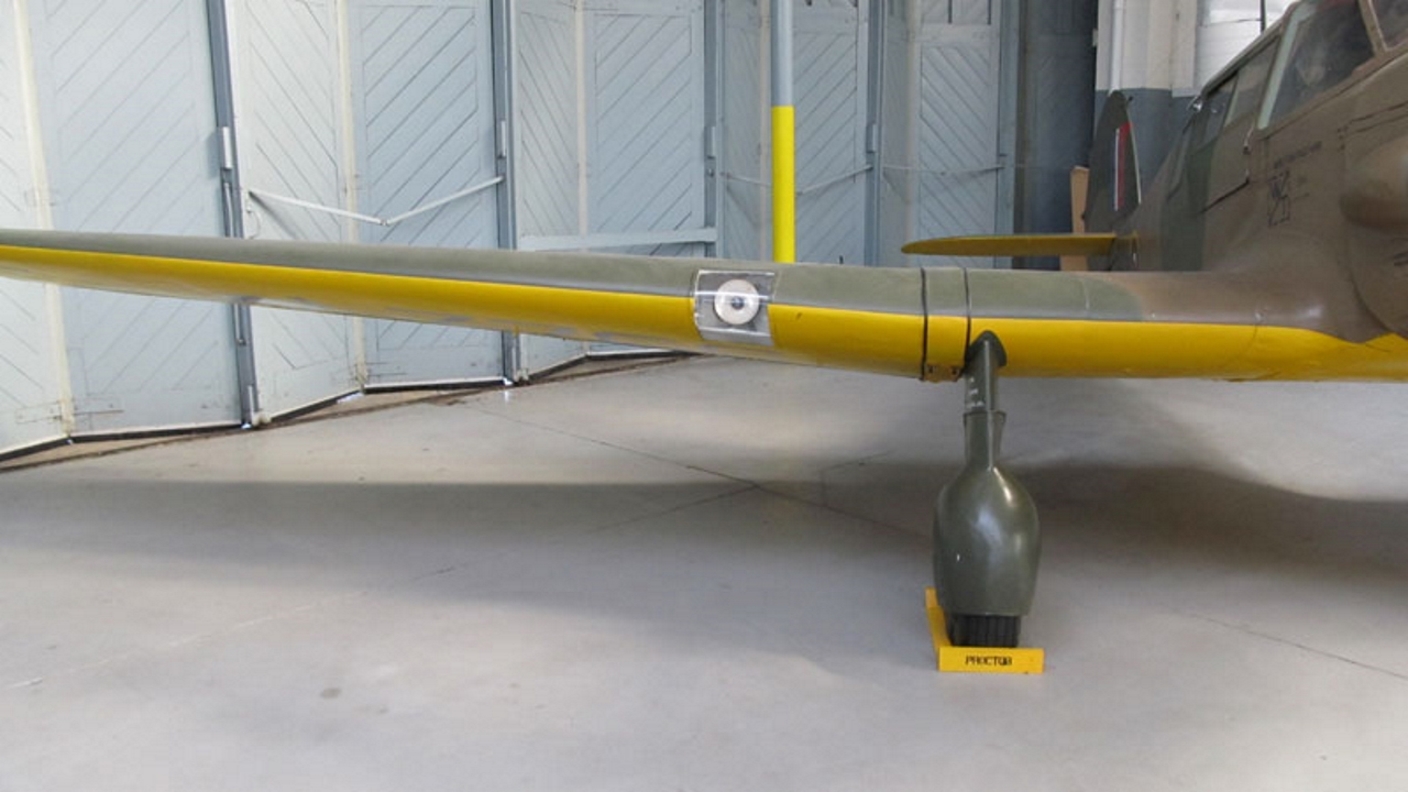
Percival Proctor III – 02
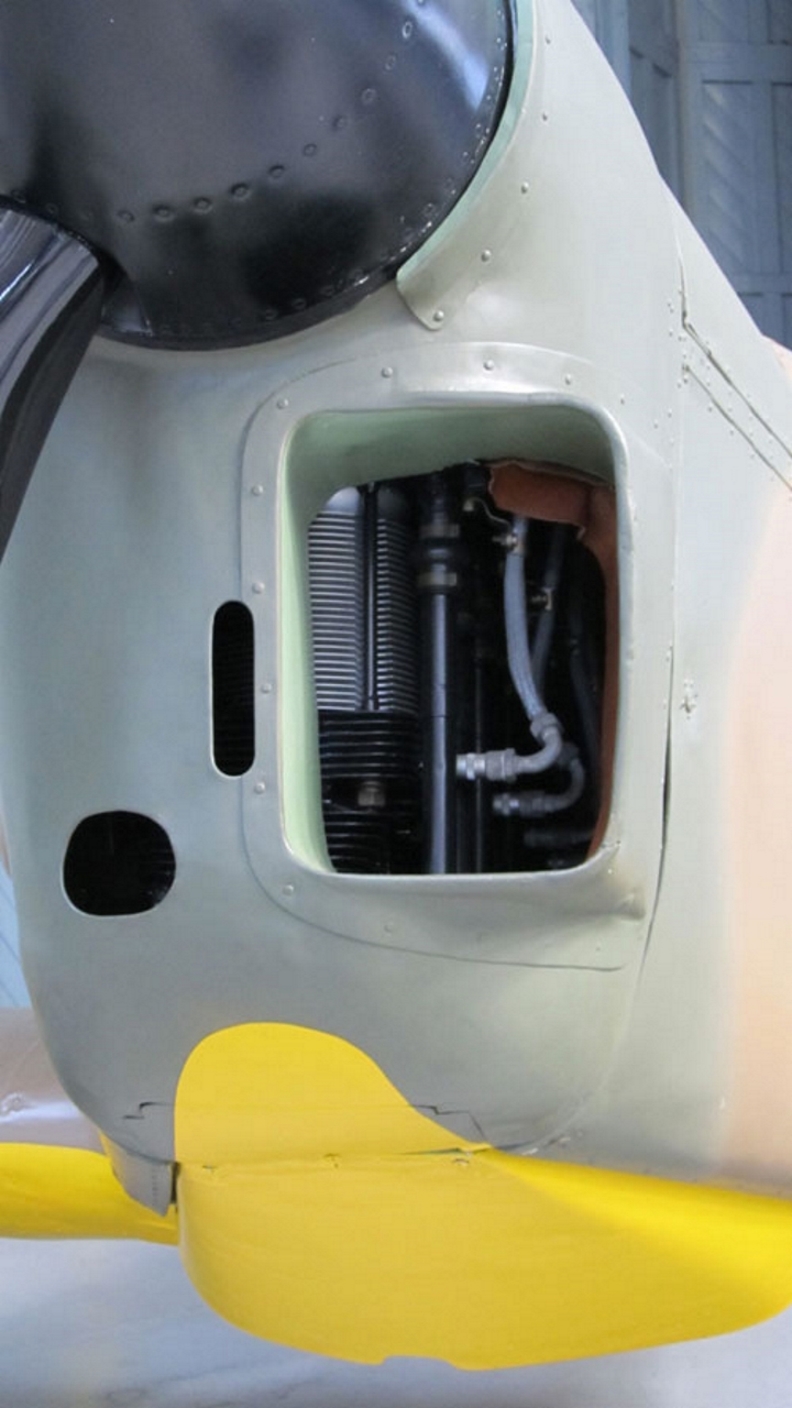
Percival Proctor III – 05
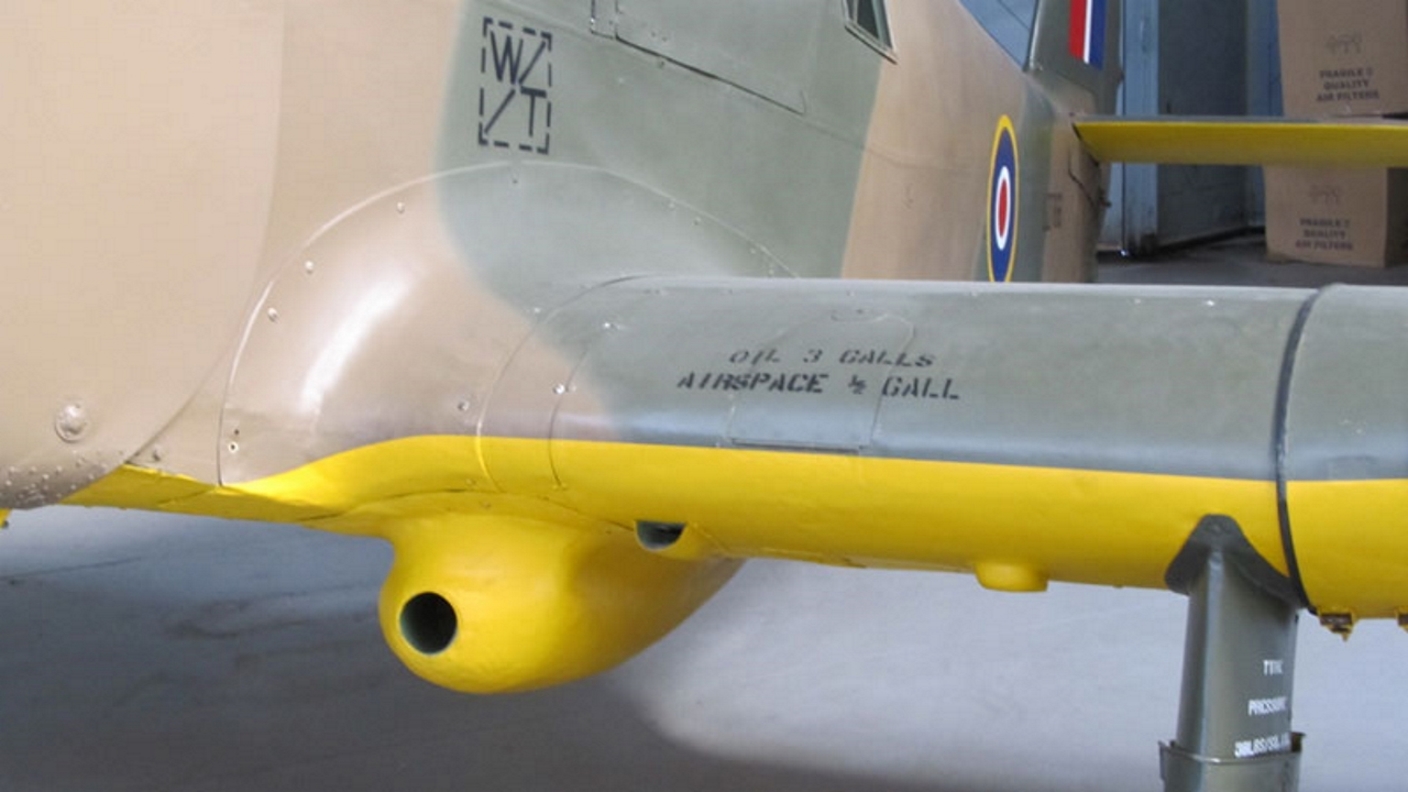
Percival Proctor III – 06
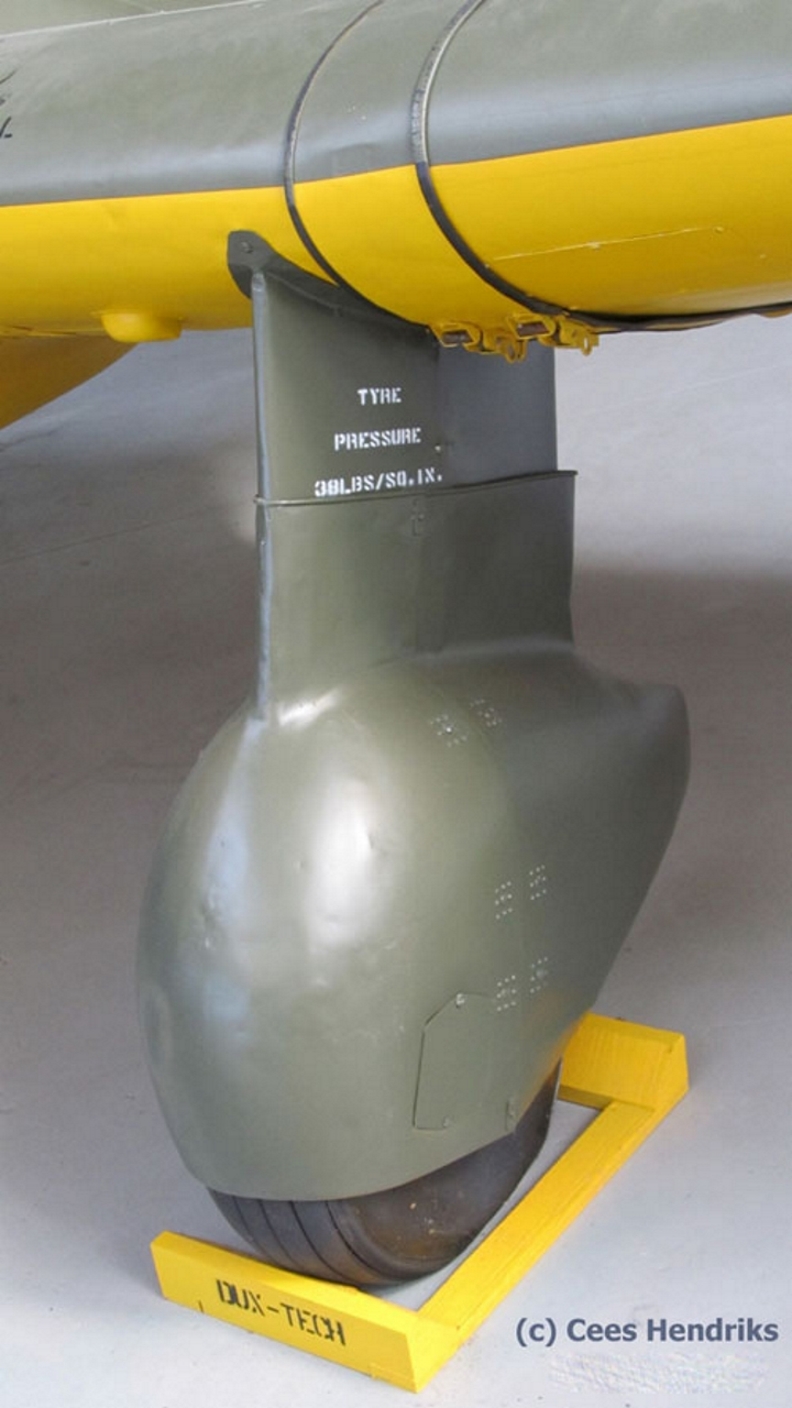
Percival Proctor III – 07
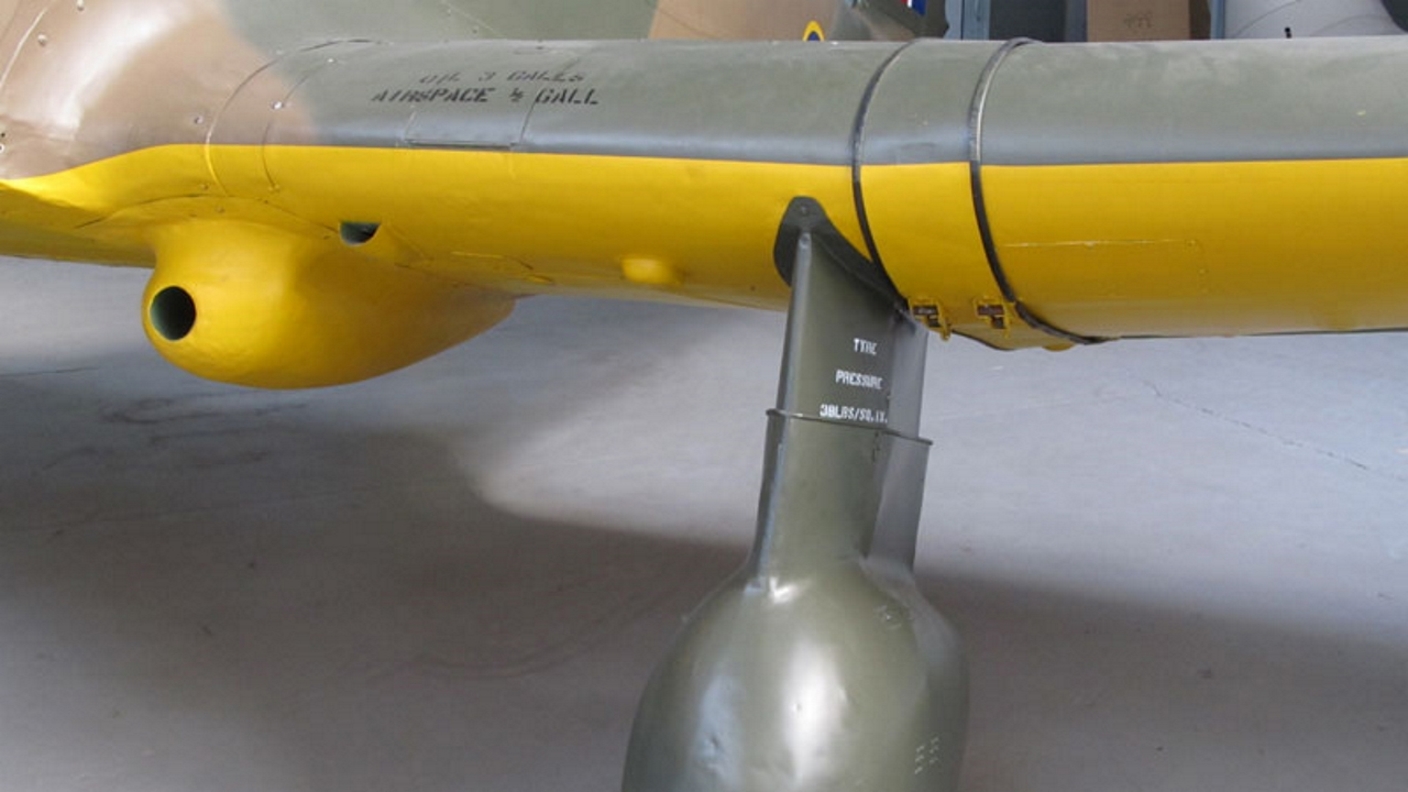
Percival Proctor III – 08
Wait, Searching Percival Proctor for you…

| Proctor IV Vega Gull Walk Around | |
|---|---|
| Photographer | Unknow |
| Localisation | Unknow |
| Photos | 16 |
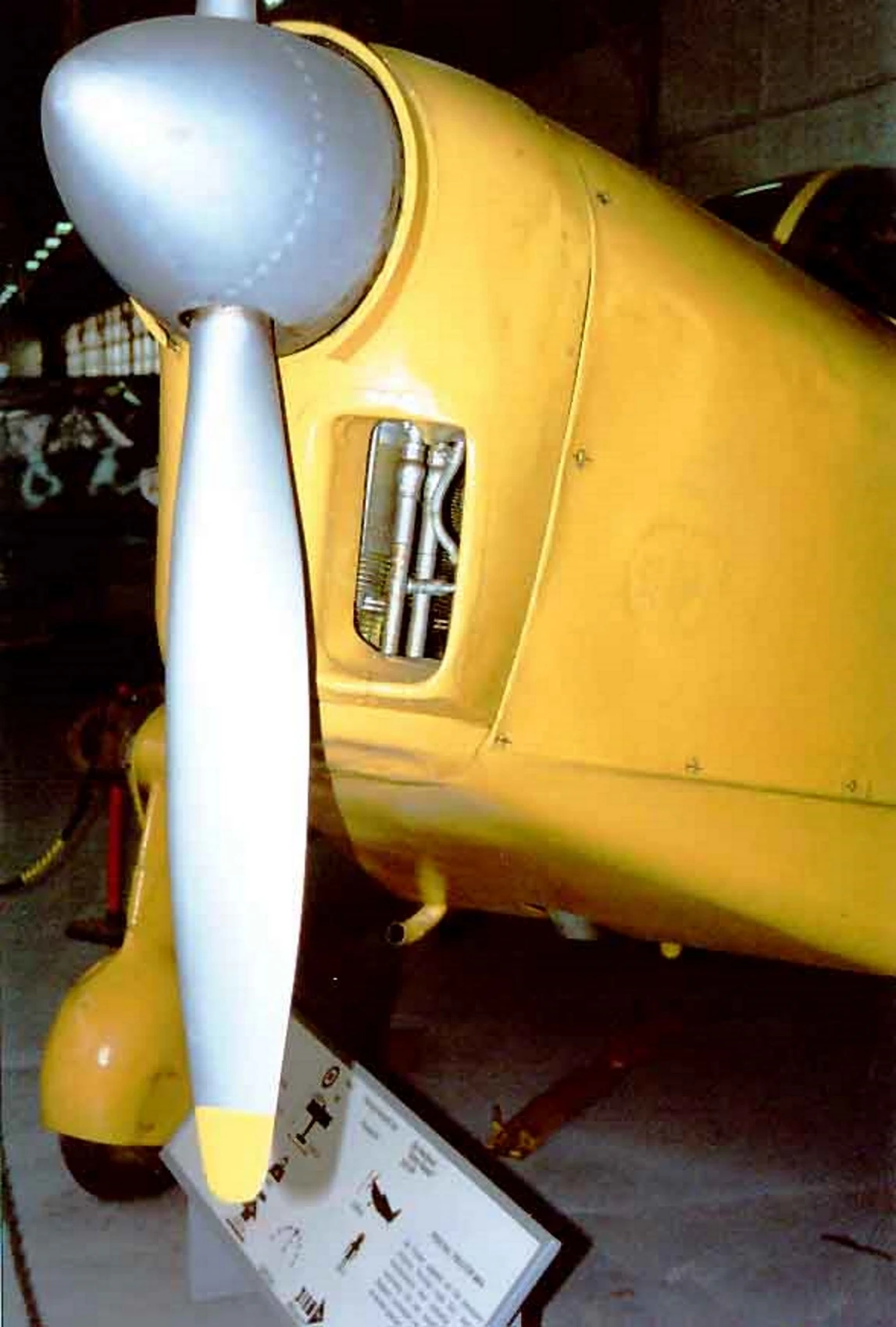
Percival Proctor IV Vega Gull 01
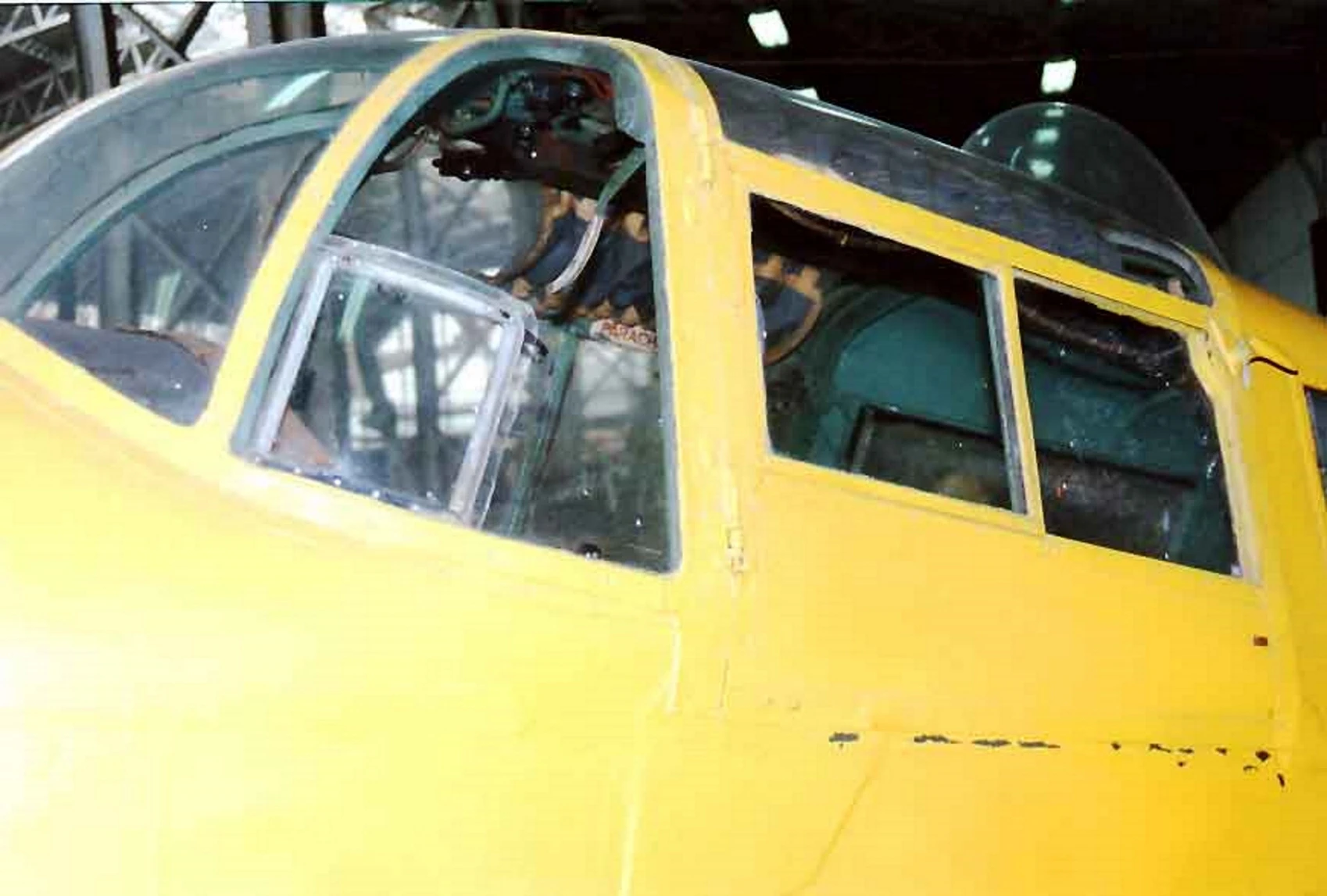
Percival Proctor IV Vega Gull 02
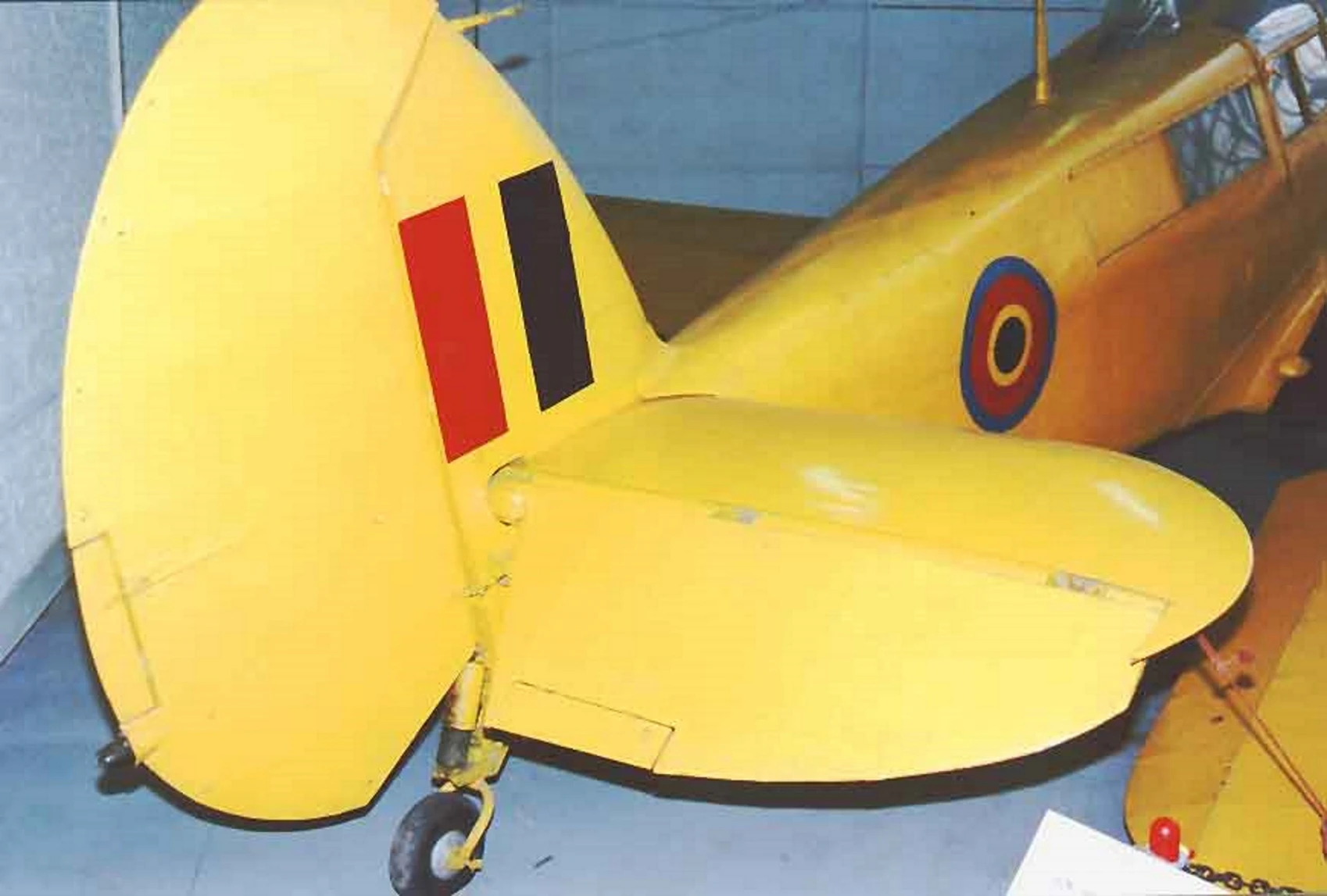
Percival Proctor IV Vega Gull 03
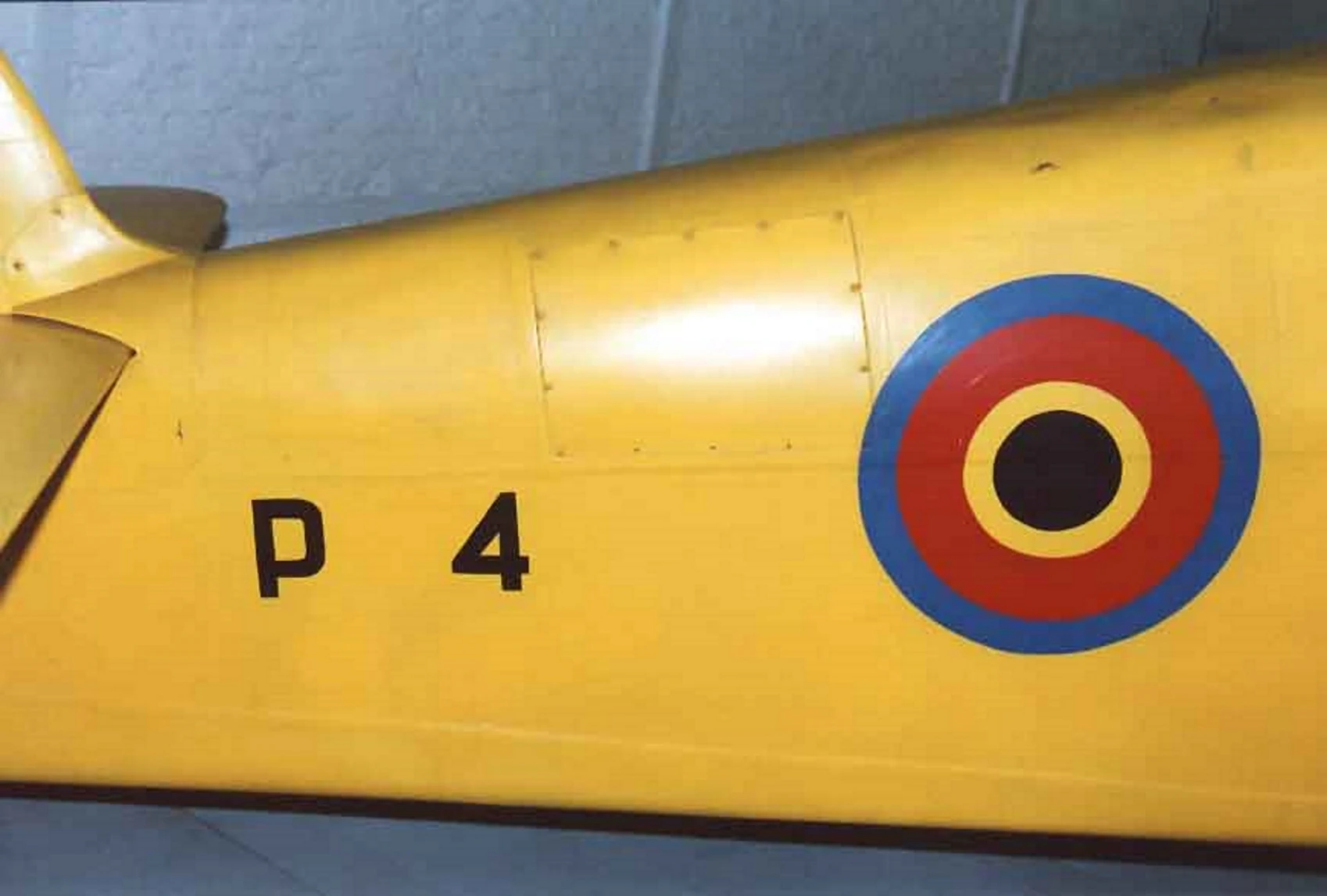
Percival Proctor IV Vega Gull 04
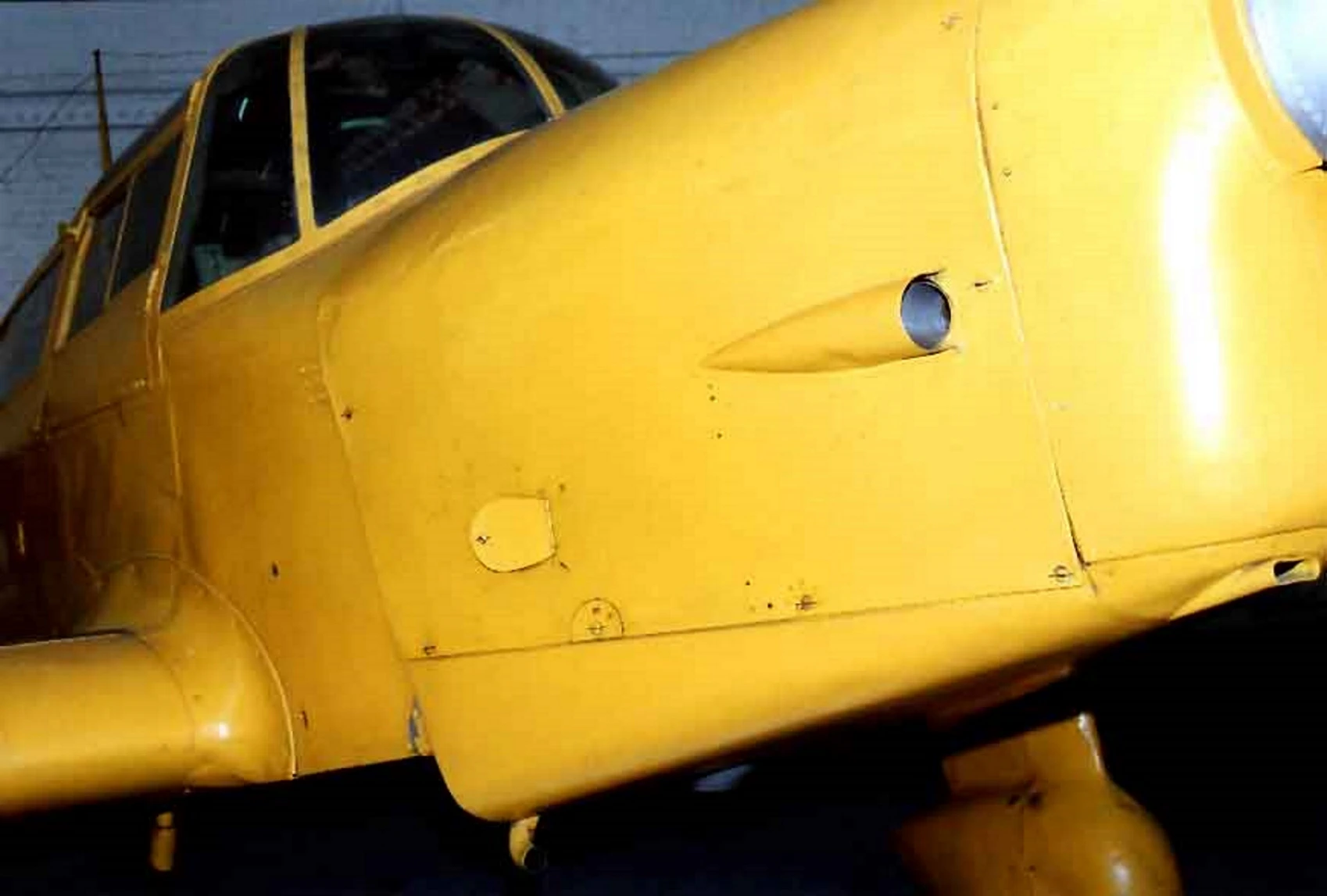
Percival Proctor IV Vega Gull 05
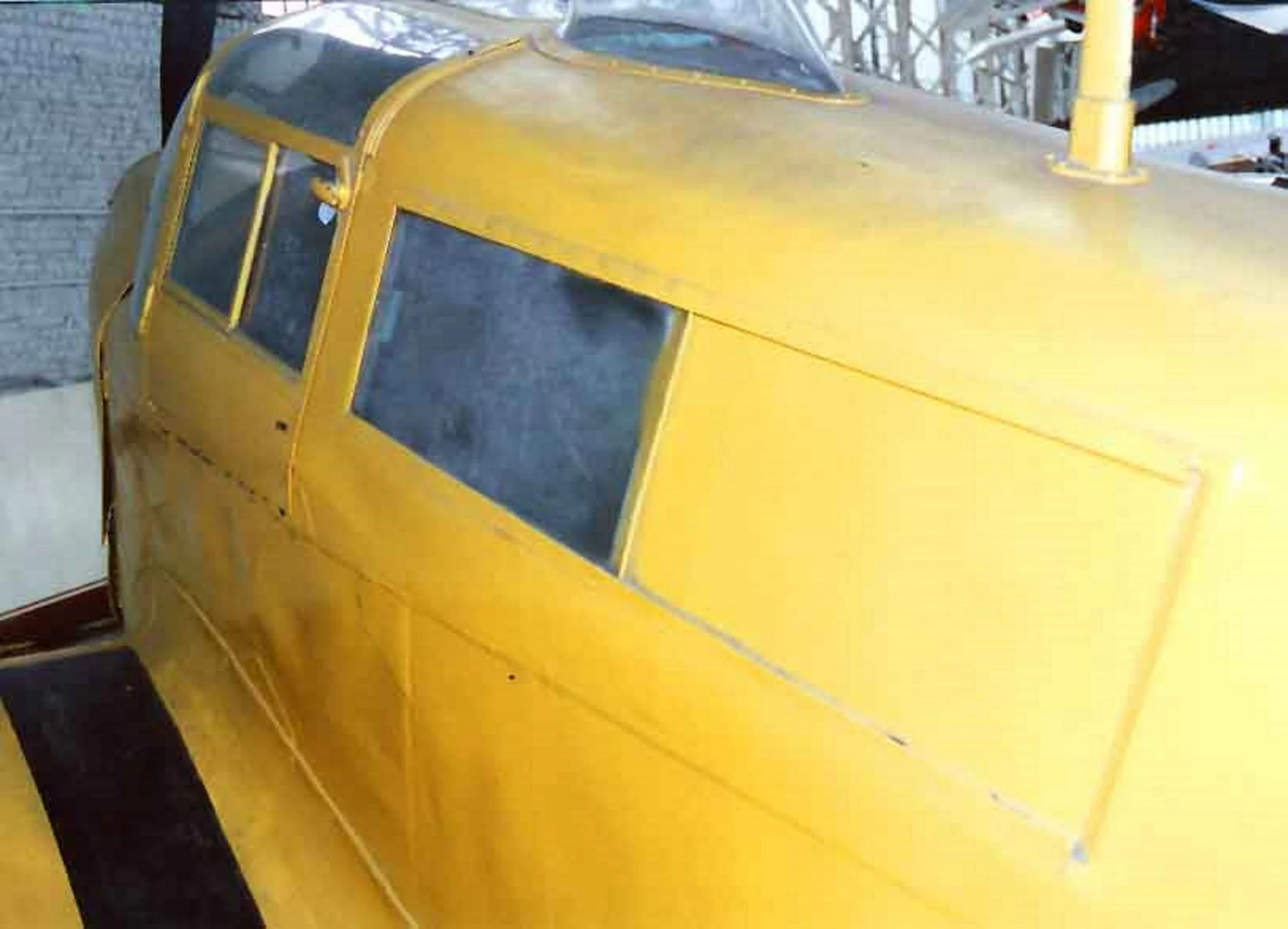
Percival Proctor IV Vega Gull 06
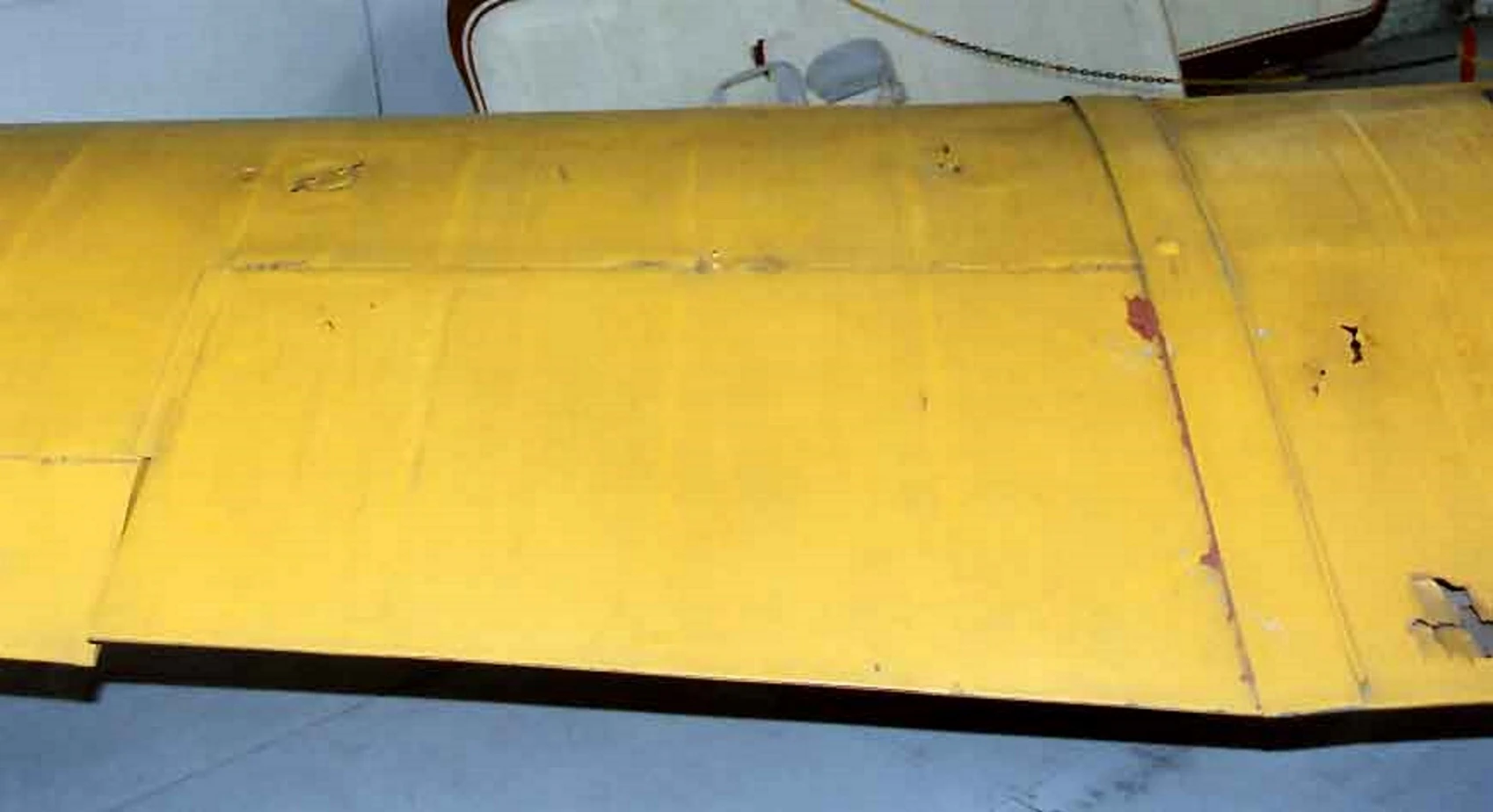
Percival Proctor IV Vega Gull 07
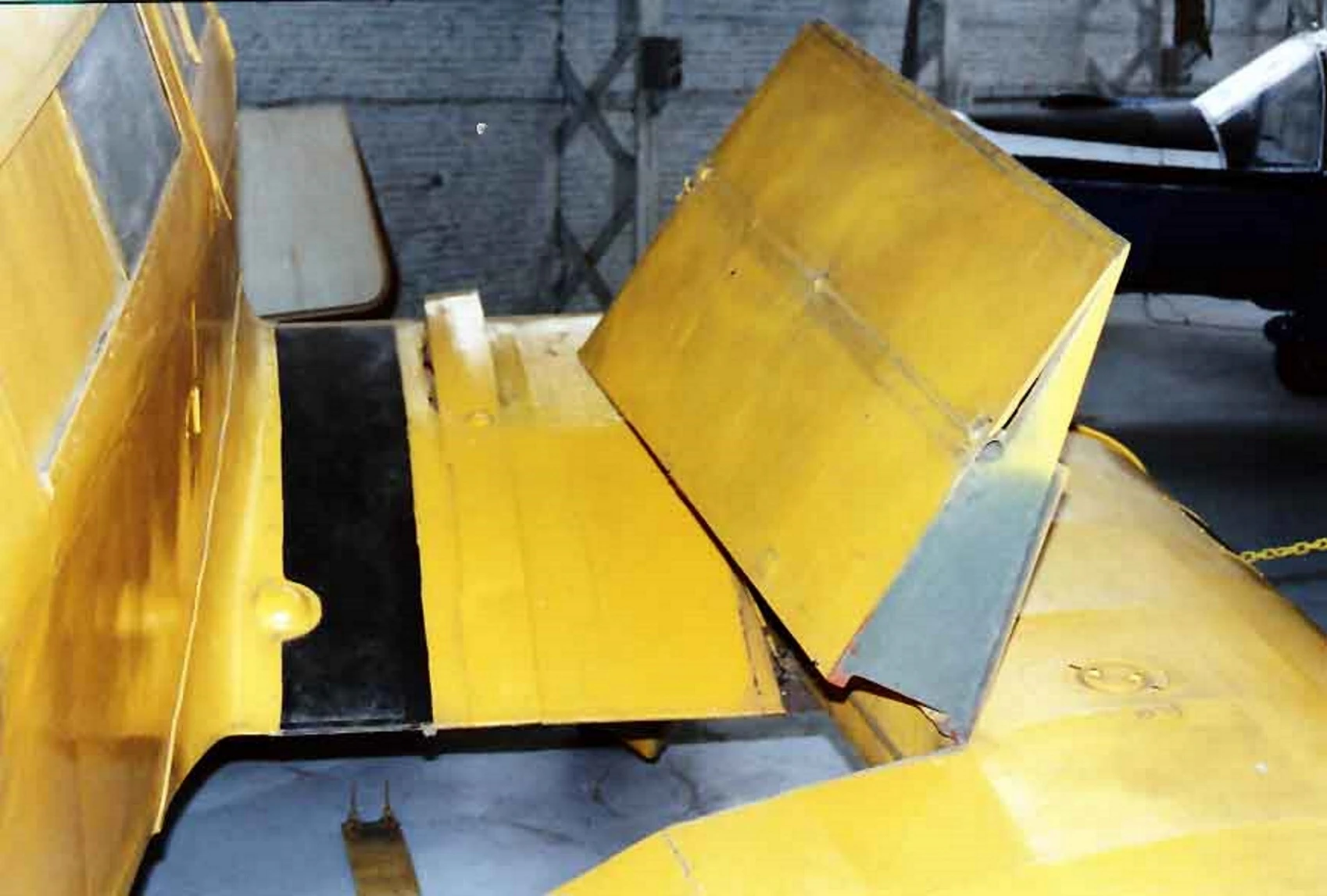
Percival Proctor IV Vega Gull 08
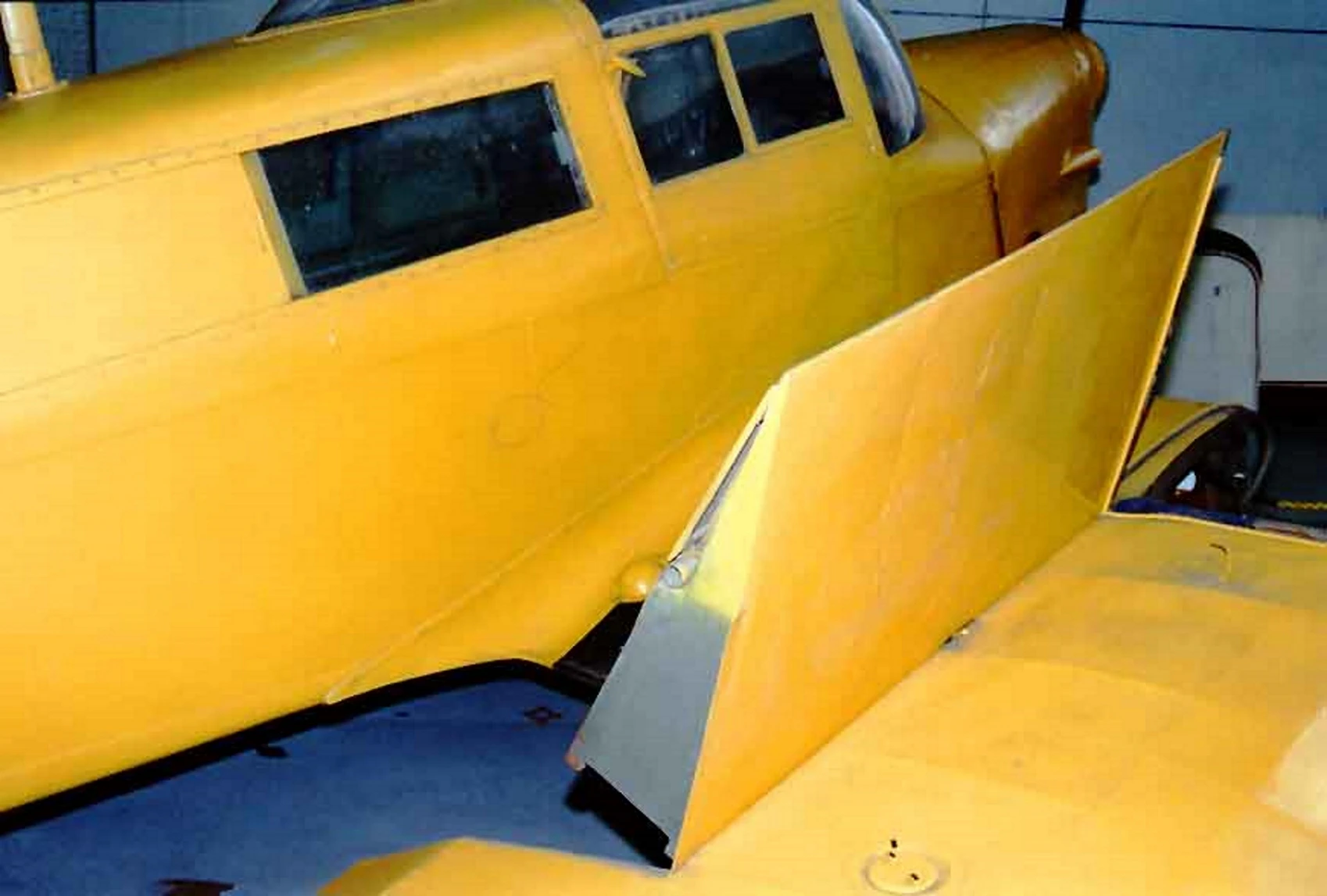
Percival Proctor IV Vega Gull 09
| Percival Proctor III Walk Around | |
|---|---|
| Photographer | Unknow |
| Localisation | Unknow |
| Photos | 13 |
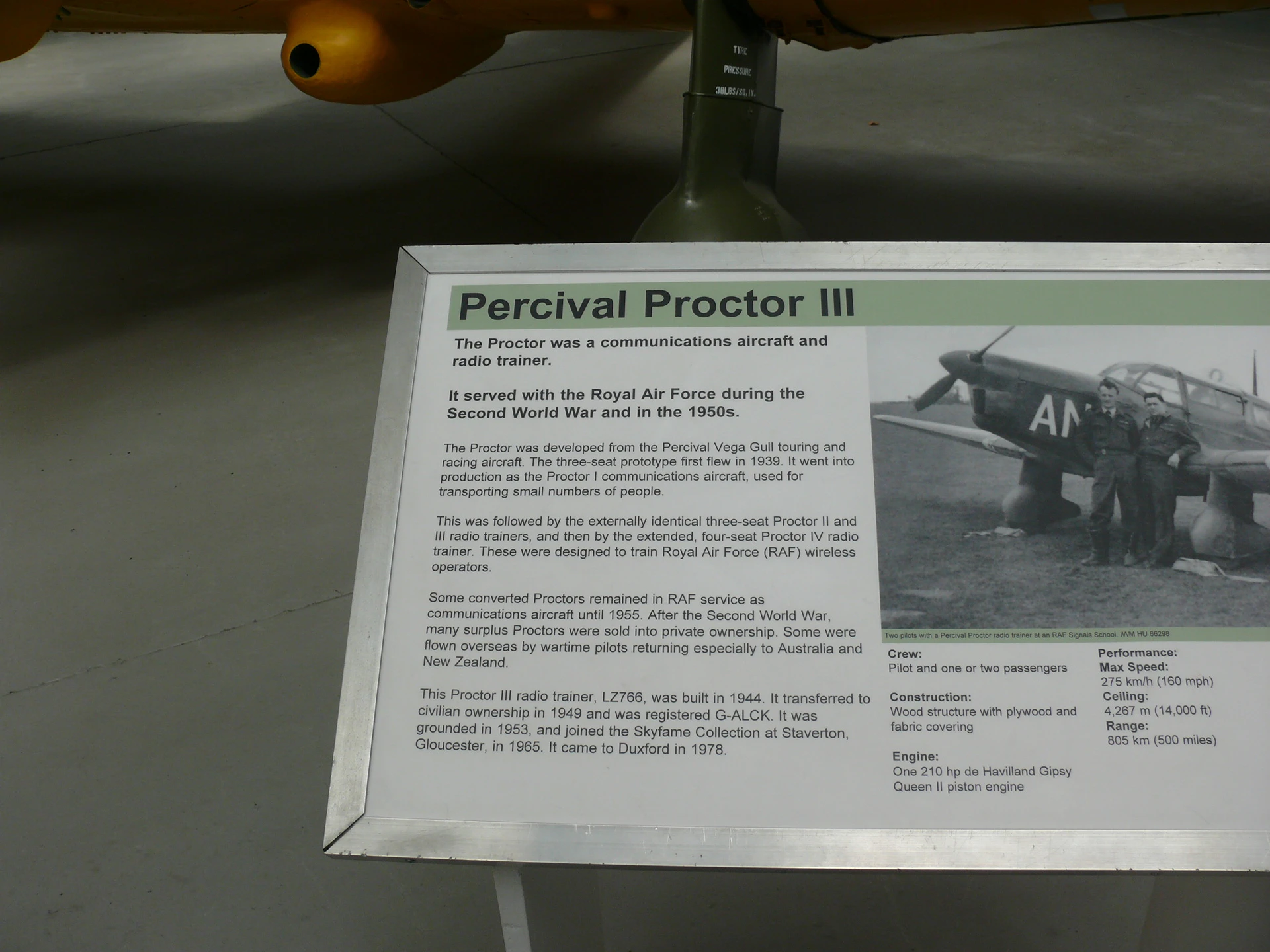
Percival Proctor III 01
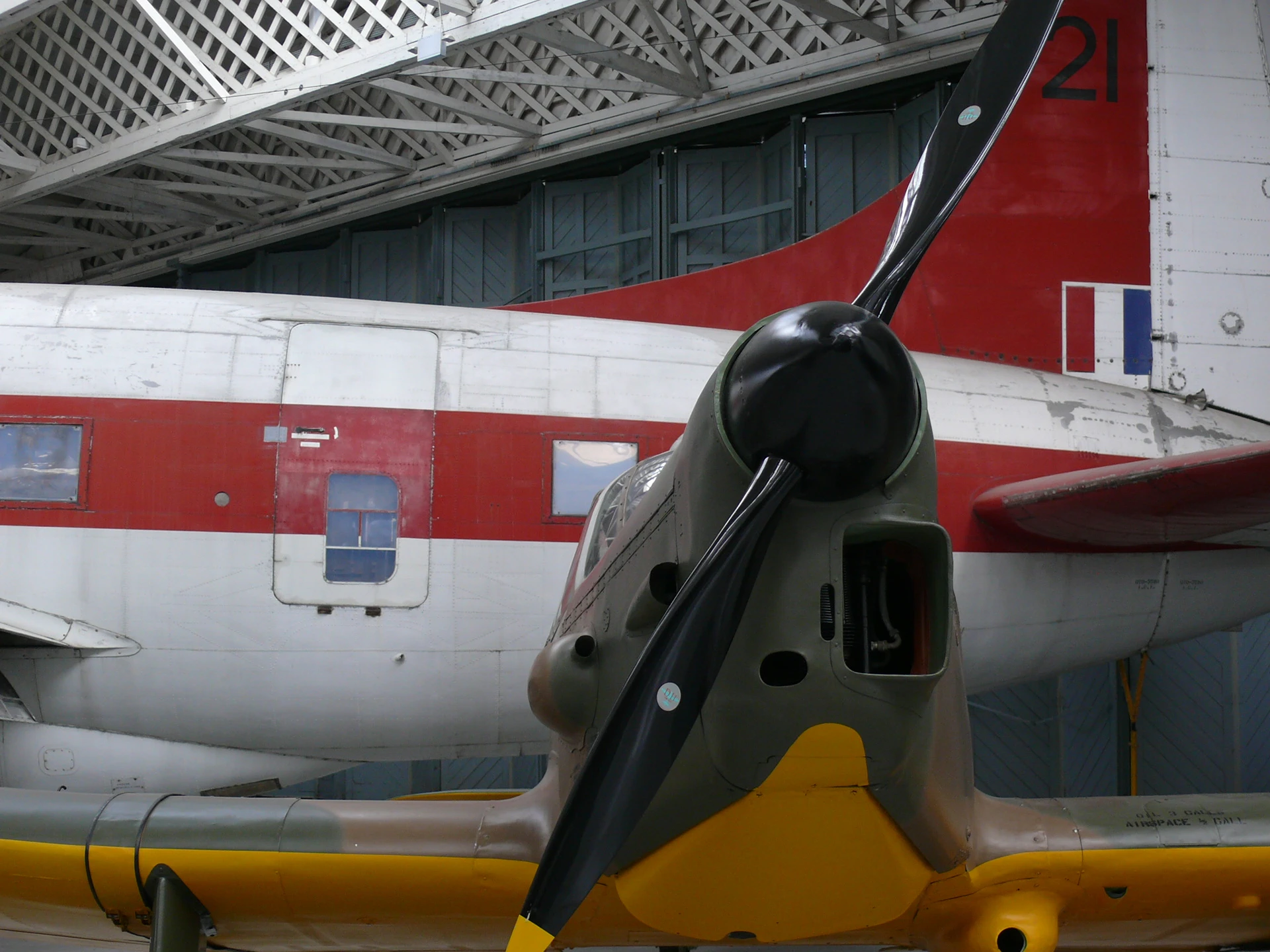
Percival Proctor III 02
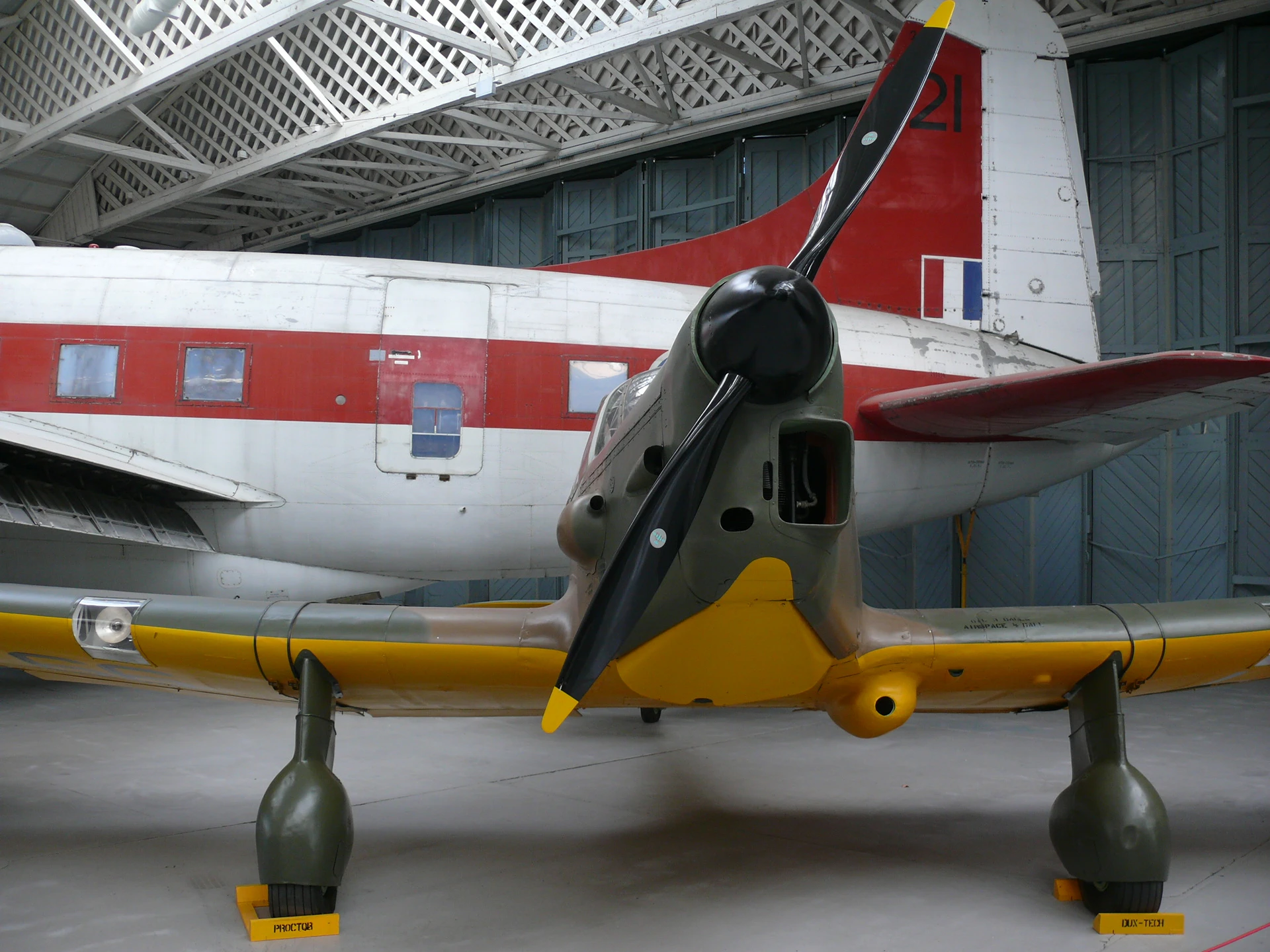
Percival Proctor III 03
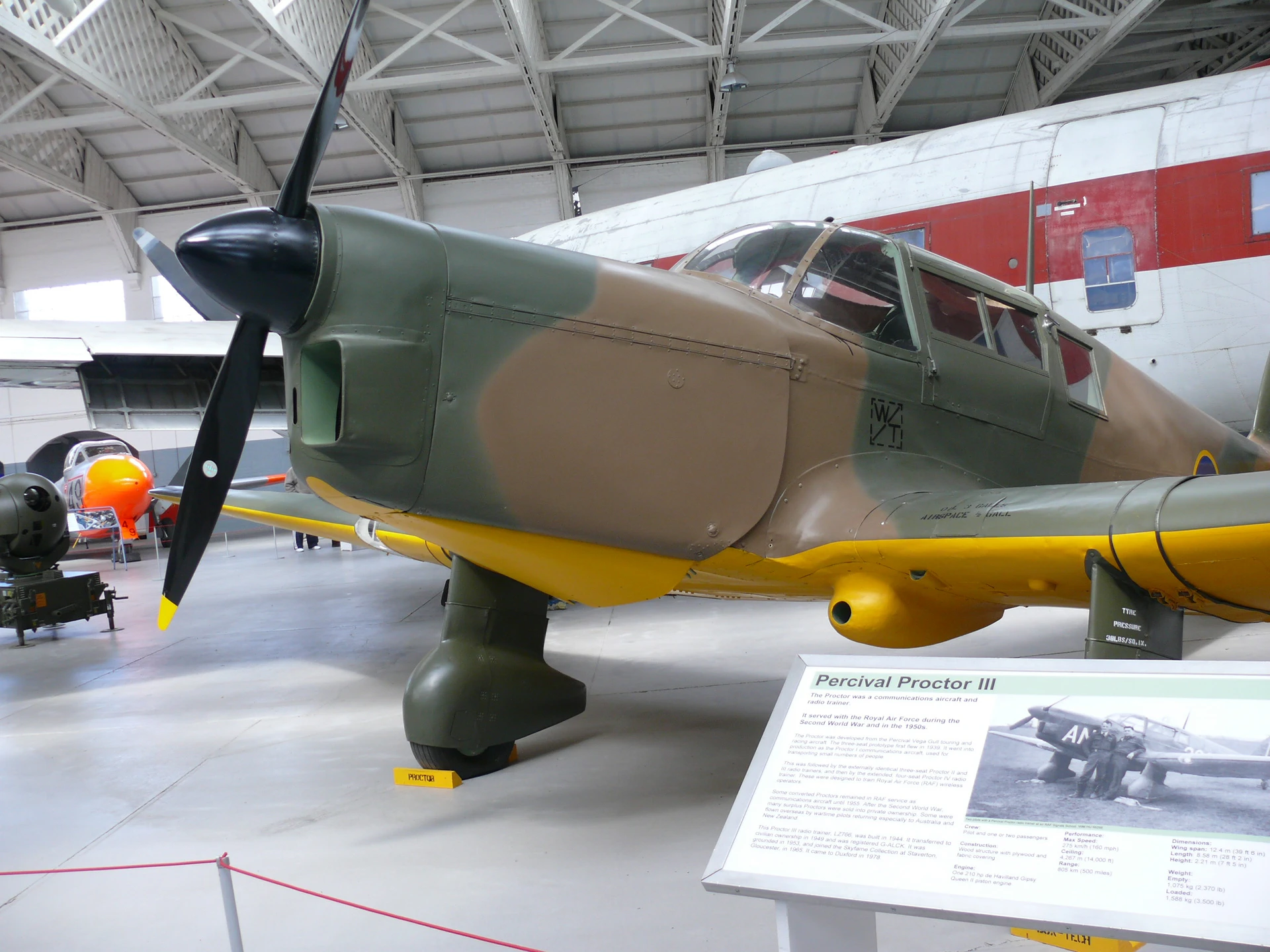
Percival Proctor III 05
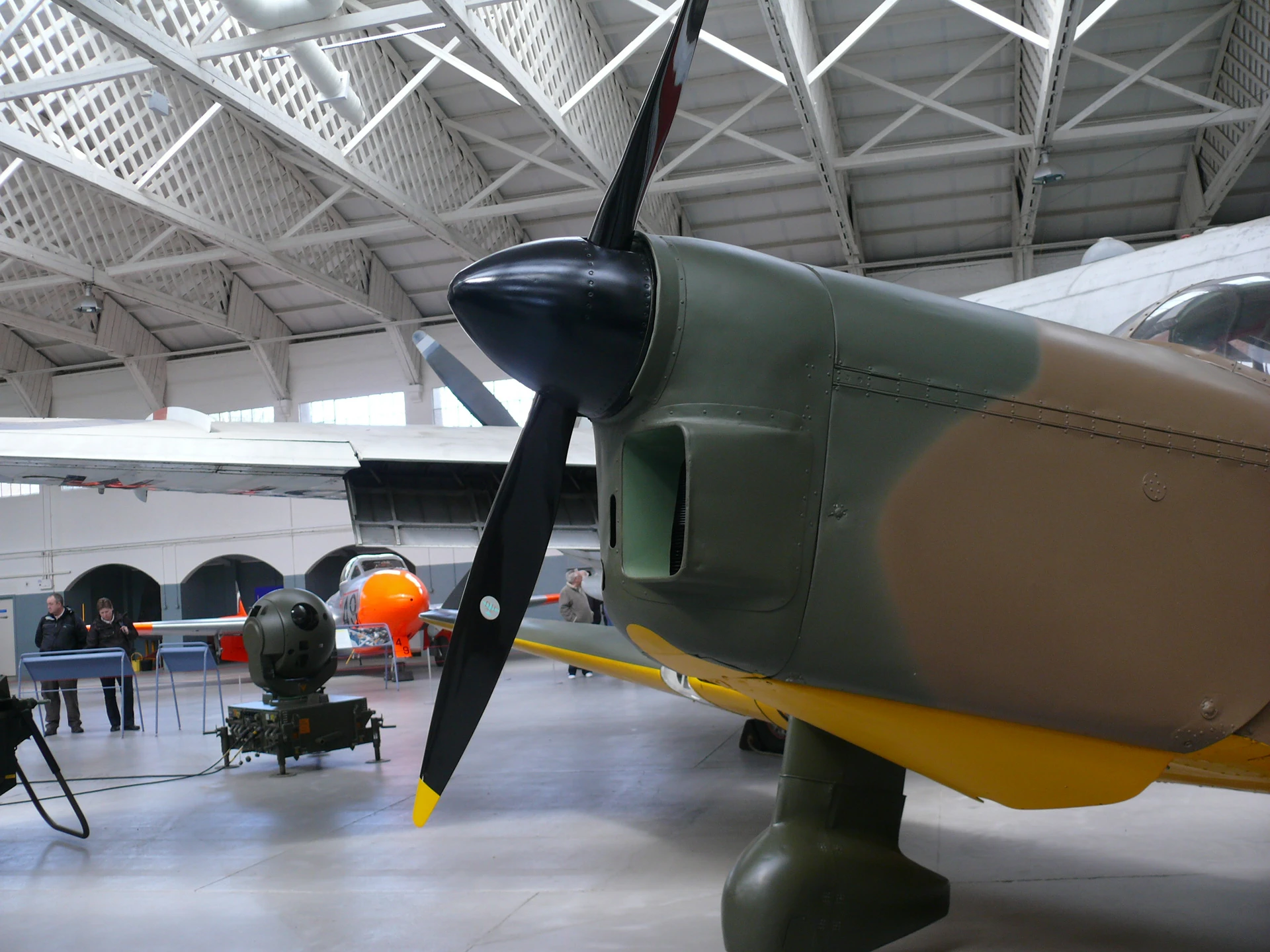
Percival Proctor III 04
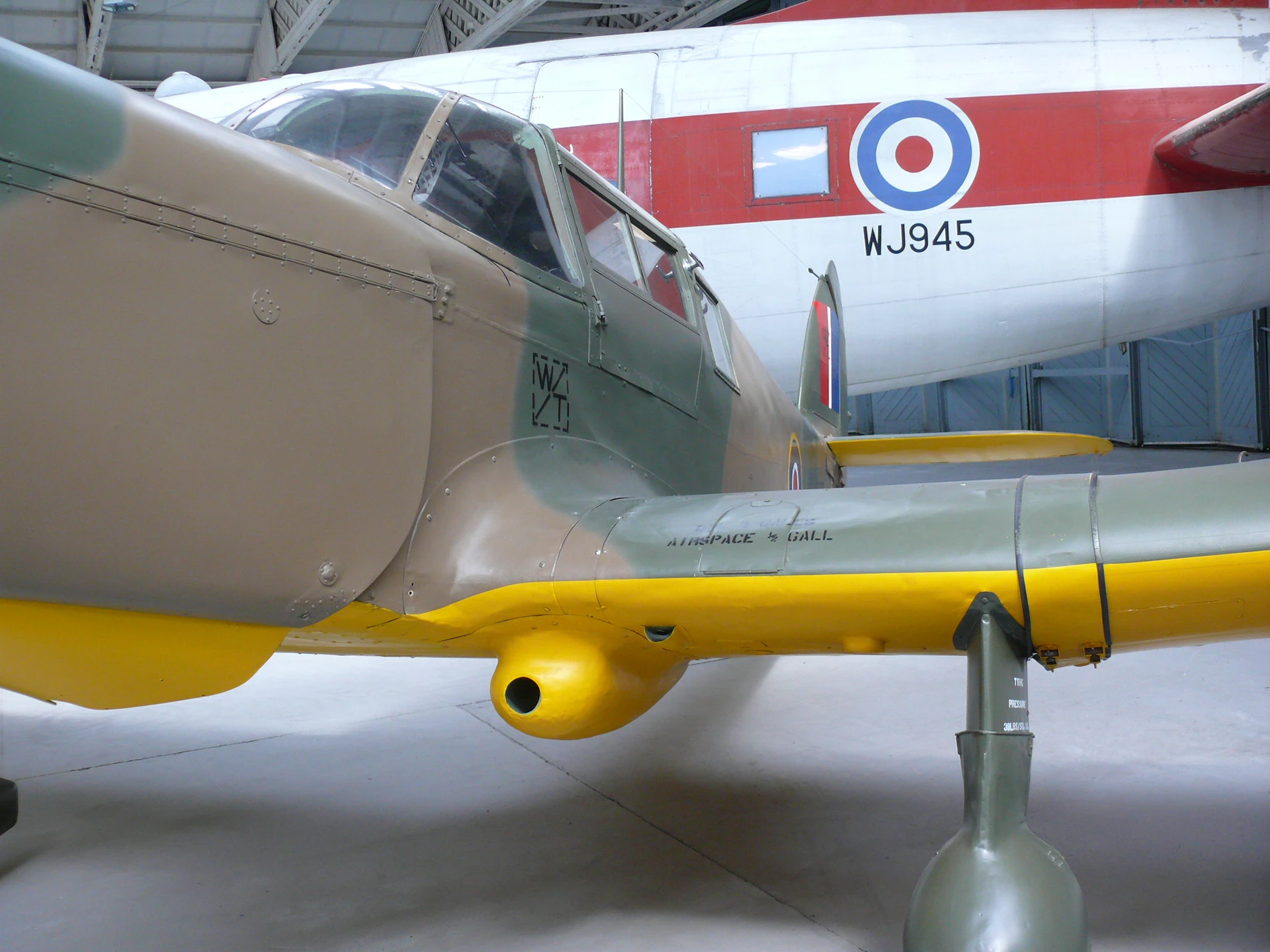
Percival Proctor III 07
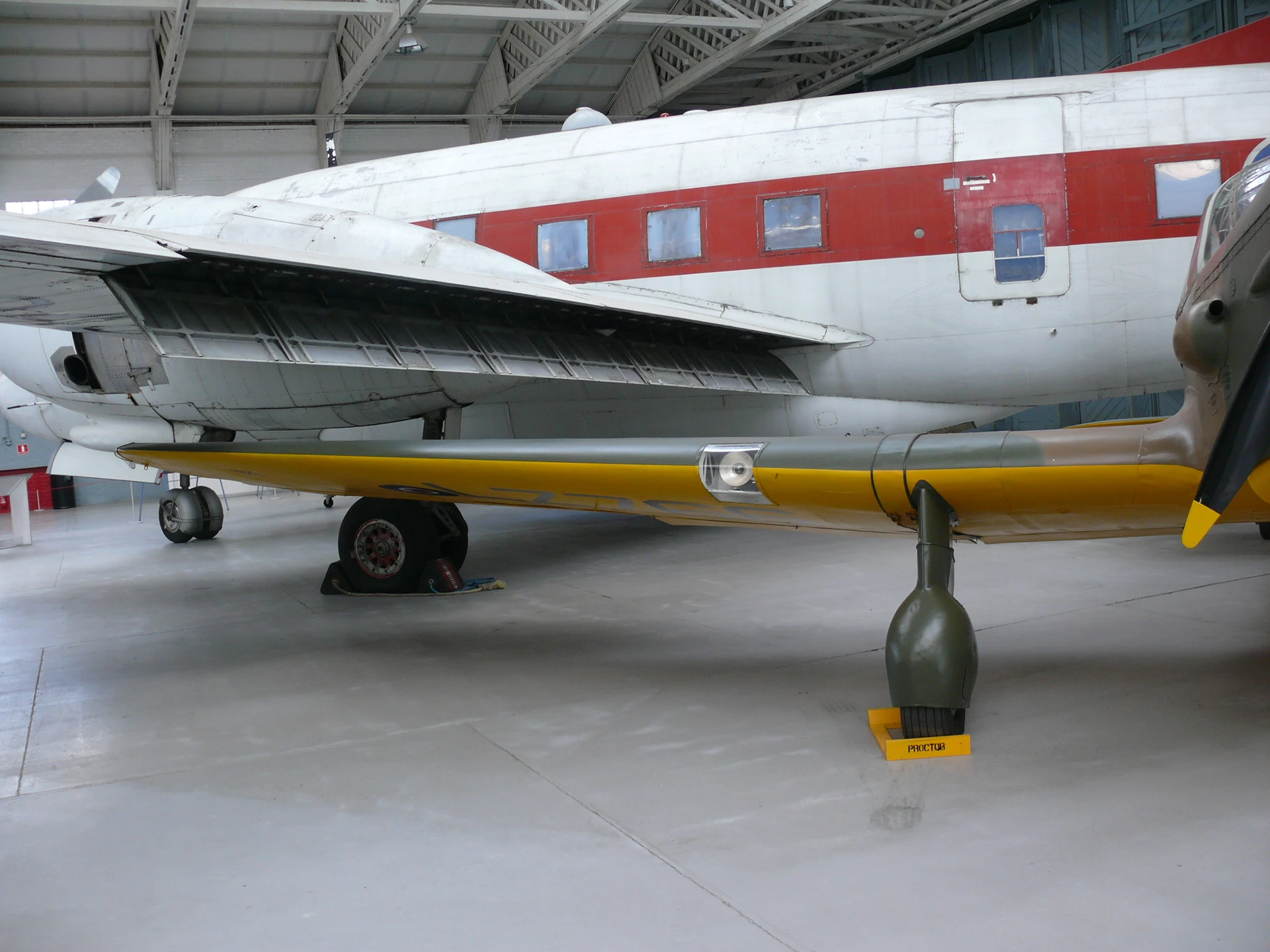
Percival Proctor III 06
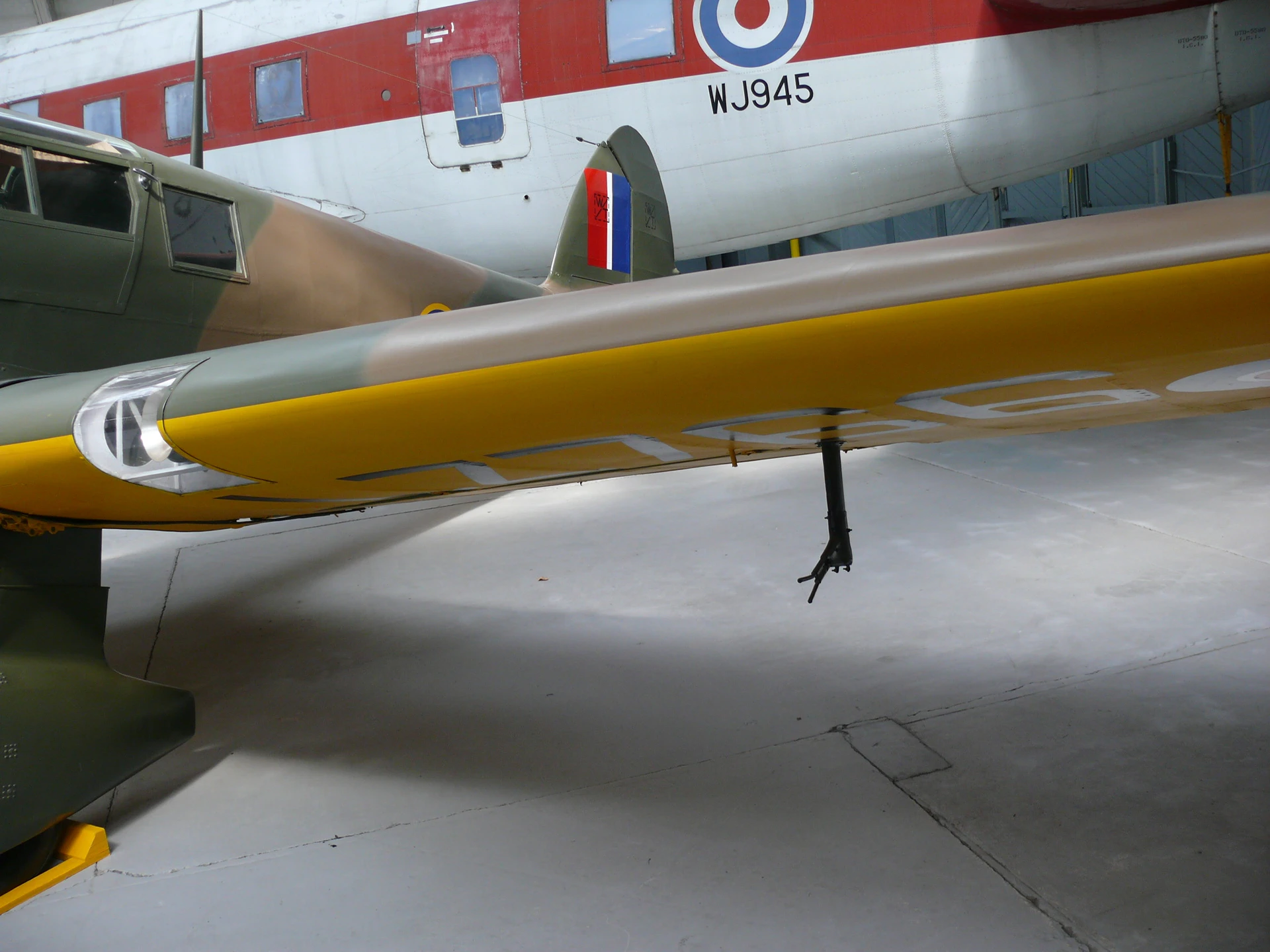
Percival Proctor III 08
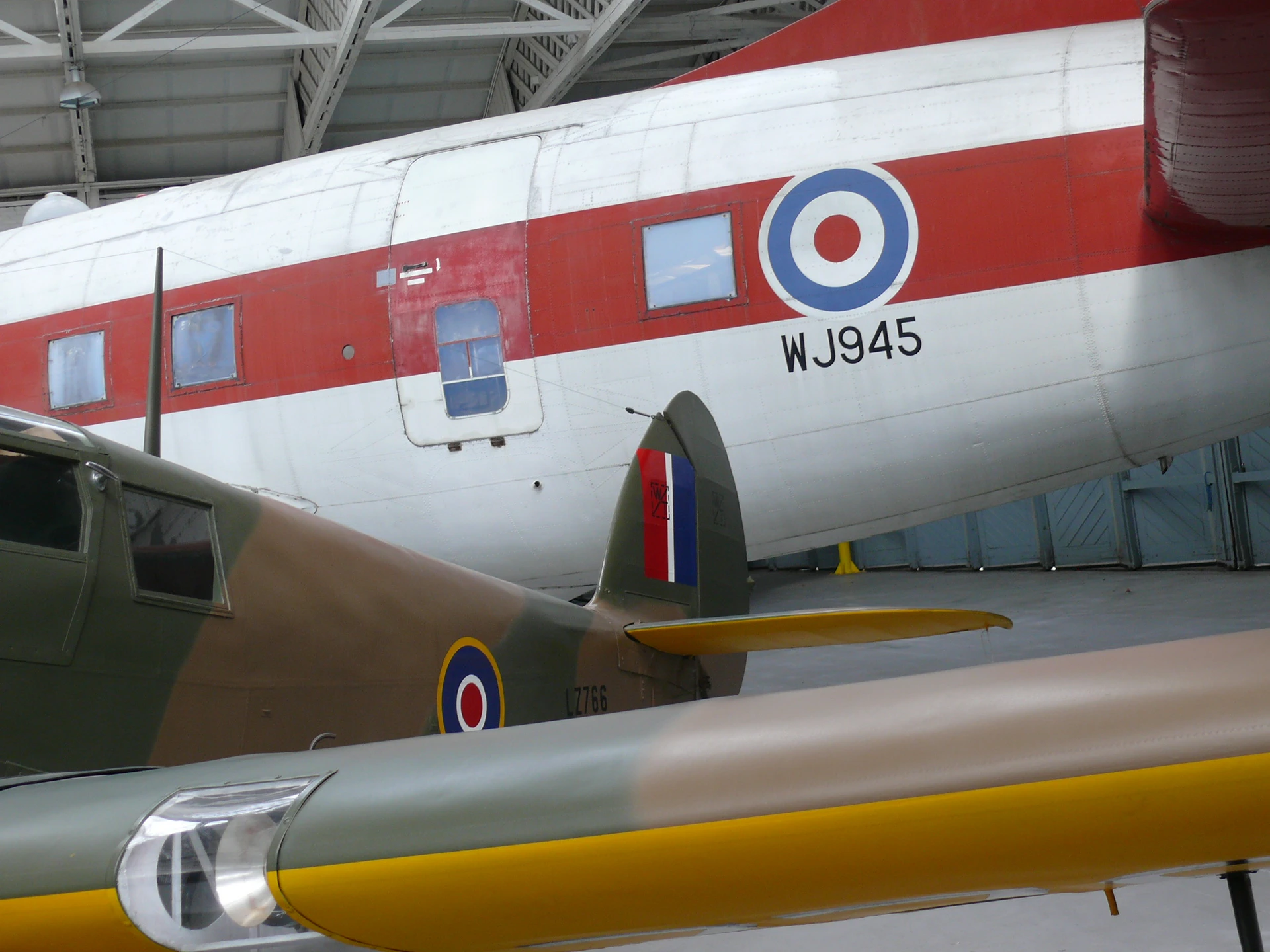
Percival Proctor III 09
See also:


| Proctor IV Vega Gull Walk Around | |
|---|---|
| Photographer | Unknow |
| Localisation | Unknow |
| Photos | 16 |
From Luxury Tourer to Military Drudge
The Percival Proctor was a military derivative of the elegant pre-war Vega Gull. While its predecessor was a record-breaking civilian speedster, the Proctor was “beefed up” for the rigors of service life. It became the standard radio trainer for the RAF and Royal Navy during WWII, used to teach thousands of wireless operators how to use the cumbersome T/R 1154/55 radio sets they would later operate in heavy bombers like the Lancaster.
| Attribute | Technical Specification (Proctor Mk IV) |
|---|---|
| Role | Radio Trainer / Communications / Liaison |
| Crew | 3 or 4 (depending on variant) |
| First Flight | October 8, 1939 |
| Powerplant | 1 × de Havilland Gipsy Queen II 6-cylinder inverted inline |
| Horsepower | 210 hp (157 kW) |
| Maximum Speed | 160 mph (257 km/h) |
| Cruise Speed | 140 mph (225 km/h) |
| Range | 500 miles (805 km) |
Design Refinement & Military Tweaks
- The “Preceptor” Redesign: The Mk IV (originally intended to be named the Preceptor) featured a significantly larger, deeper fuselage than the earlier marks. This allowed it to carry a crew of four—a pilot, an instructor, and two students—making it a much more efficient classroom in the sky.
- Wing-Folding Capability: Inherited from the Gull family, the Proctor’s wings could be folded back along the fuselage. This was a critical feature for the Fleet Air Arm (Royal Navy), allowing the aircraft to be stored in the cramped hangars of aircraft carriers.
- Wooden Construction: The airframe was primarily built of wood (spruce and plywood) covered in fabric. While this saved strategic metals during wartime, it led to the type’s eventual downfall in the 1960s when concerns about “glue failure” in aging wooden airframes saw most Proctors grounded.
- The “Emergency Bomber”: In 1940, during the height of the invasion scare, a variant (P.29) was tested as an emergency light bomber capable of carrying 16 small 20lb bombs under the wings to attack landing craft on British beaches.
Post-War Service & Civil Success
- The “Proctor 5”: After the war, Percival produced the Proctor 5, a dedicated civilian model based on the Mk IV. It was popular with charter companies and wealthy private owners as a fast, comfortable four-seat “air limousine.”
- Record-Breaking Pedigree: In 1946, the famous long-distance pilot Jim Mollison flew a Proctor 5 from England to Brazil, a journey of over 4,600 miles, proving that the Proctor still possessed the long-range DNA of its Vega Gull ancestors.
- Global Operator: Proctors were used by over a dozen nations post-war, including the Belgian Air Force, the Royal Australian Air Force (used by the Governor-General), and the French Air Force.
- Rare Survivors: Because of the wooden structural issues, very few airworthy Proctors remain today. One of the most famous survivors is NP294, which was famously found in a private garden being used as a child’s plaything before being rescued for restoration.
Views : 3304
You can see also :
 Mitsubishi T-2 – Photos & Videos
 Spirit of St. Louis – Photos & Videos
 Cessna 185 Skywagon – Photos & Videos
 PZL M28 Skytruck – Photos & Video
 Hawker Fury – Photos & Videos
 FMA IA-63 Pampa – Photos & Video
 Northrop A-17A – Photos & Video
 F-104 Starfighter – Photos & Video
 Grumman HU-16 Albatross – Photos & Video
 Macchi C.200 Saetta – Walk Around