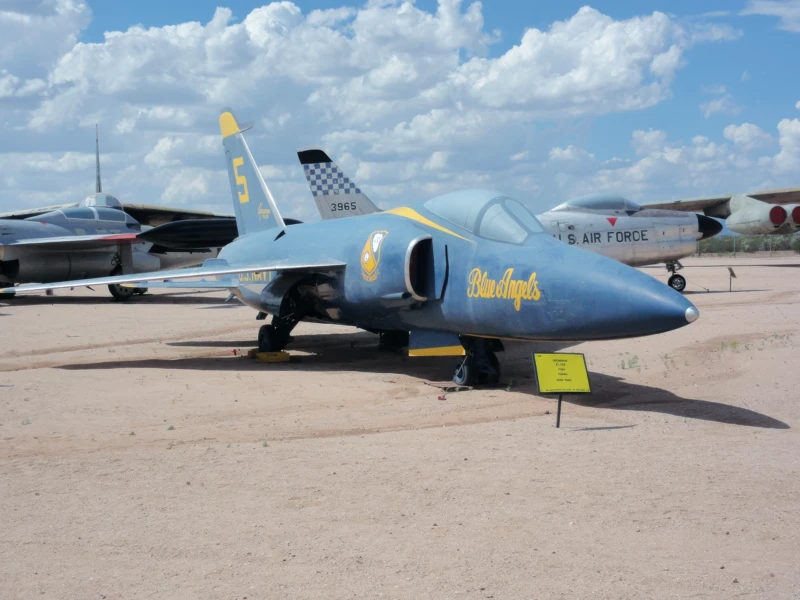
Grumman F-11A Tiger | |
|---|---|
| Country | USA |
| Type | Supersonic fighter |
| First flight | 30 July 1954 |
| Built | 200 |
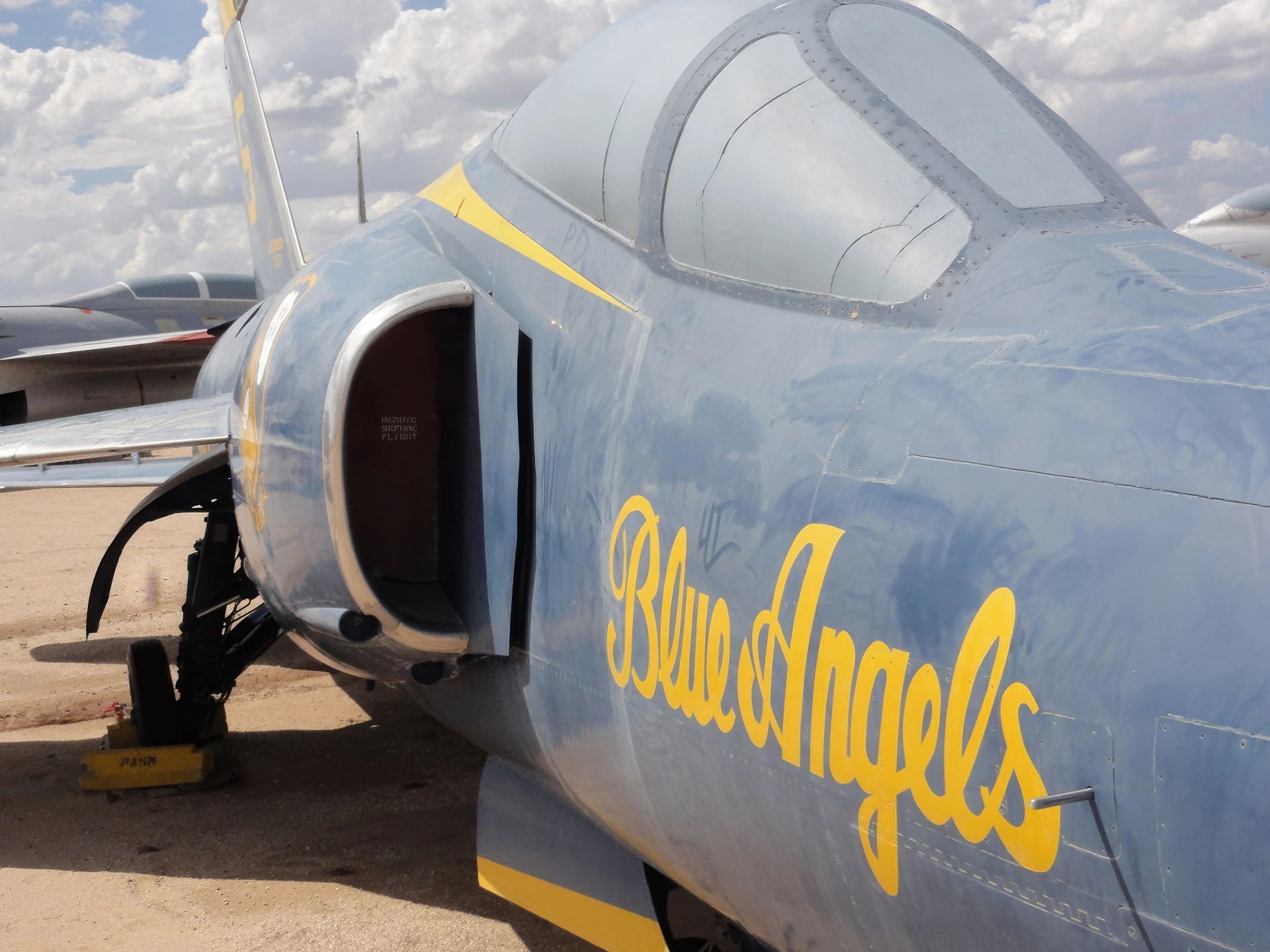
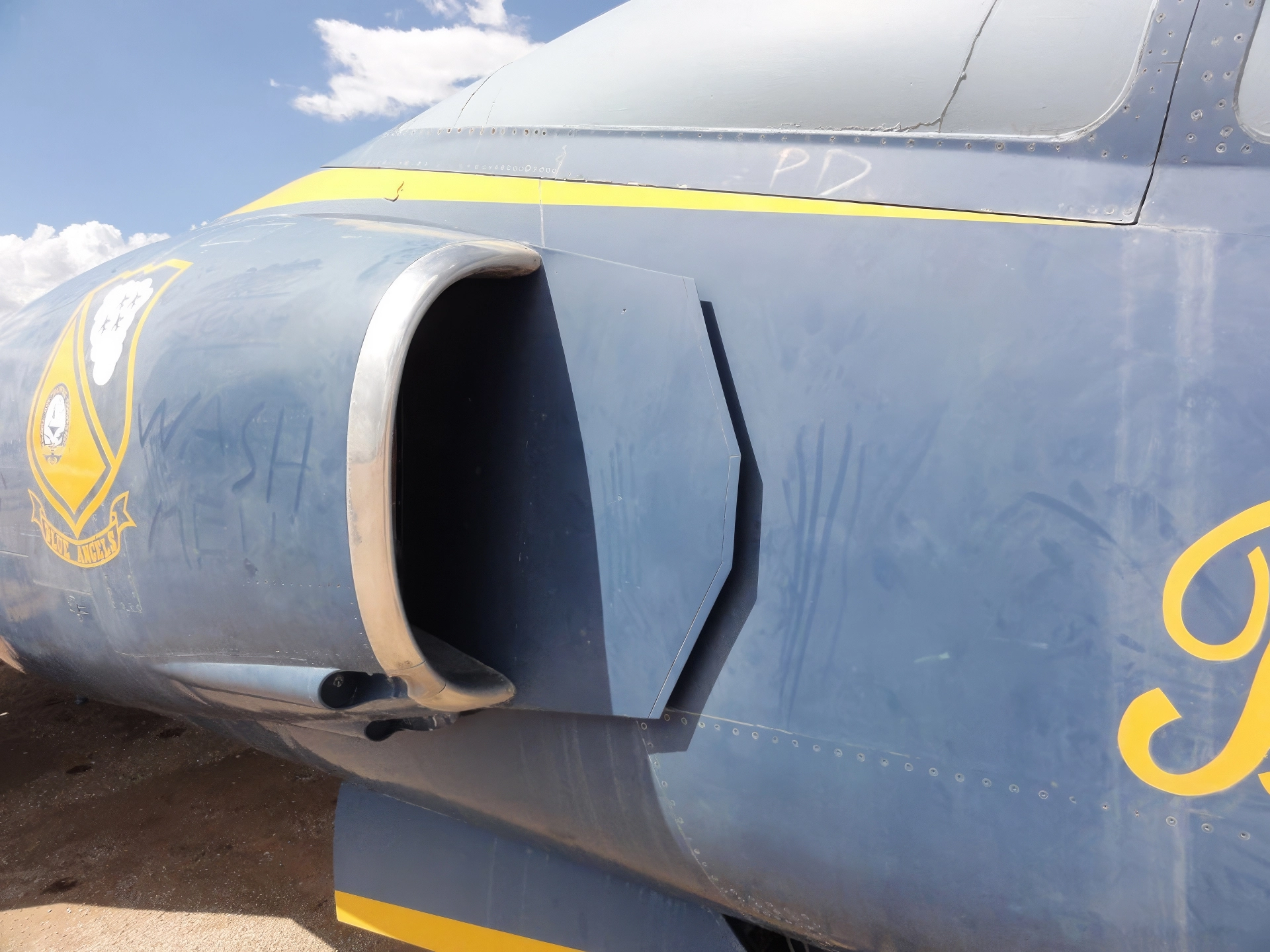
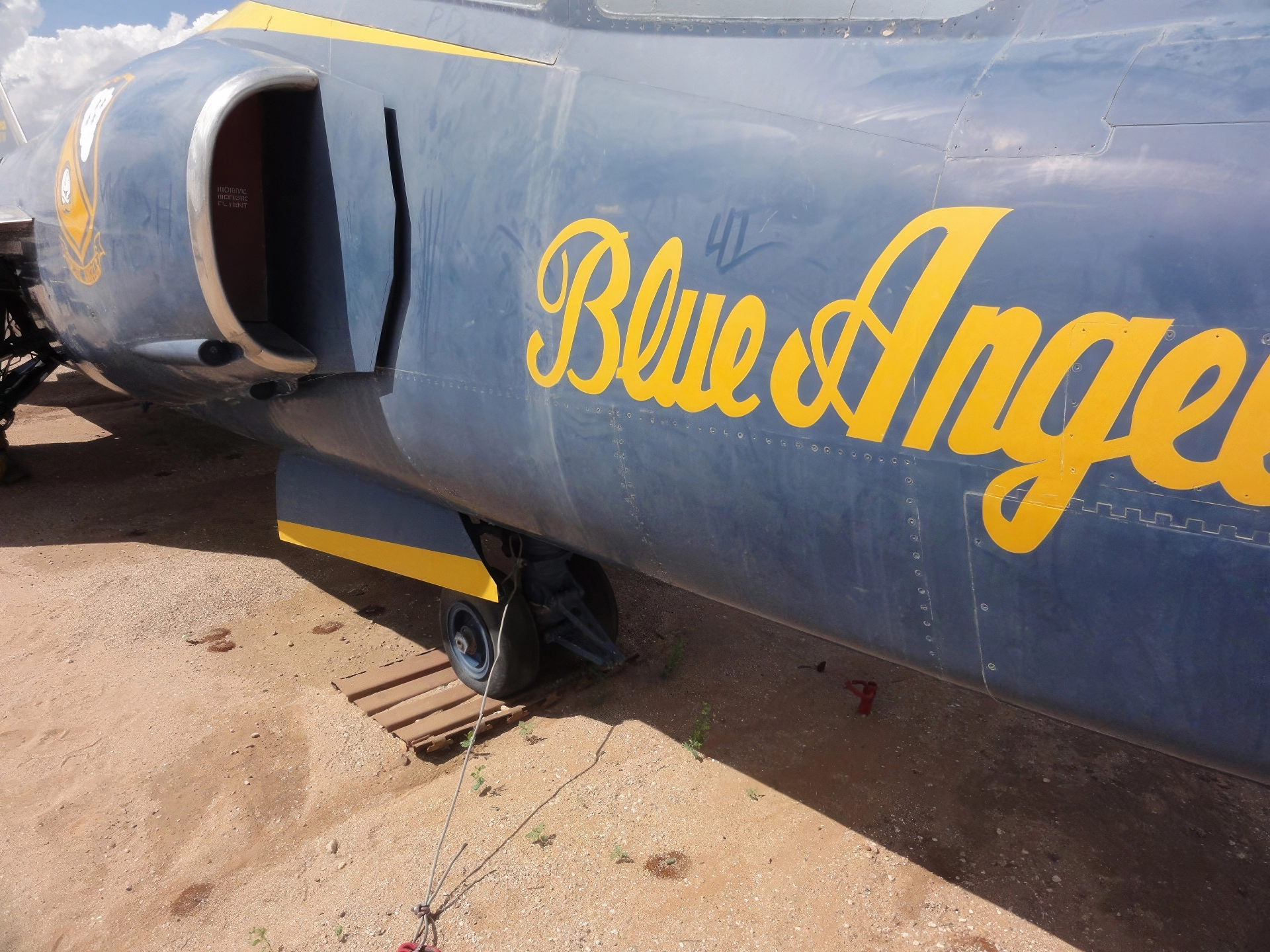
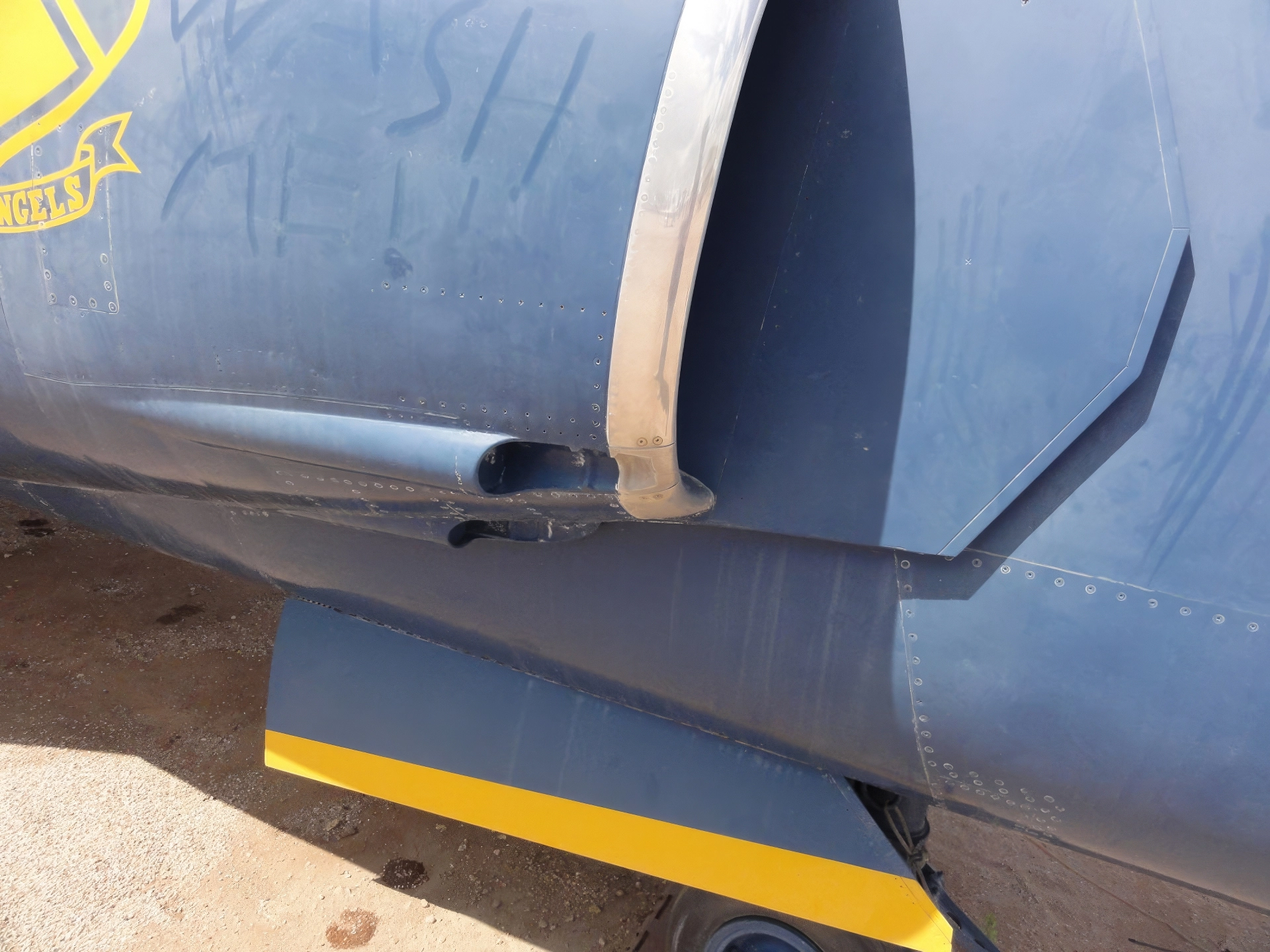
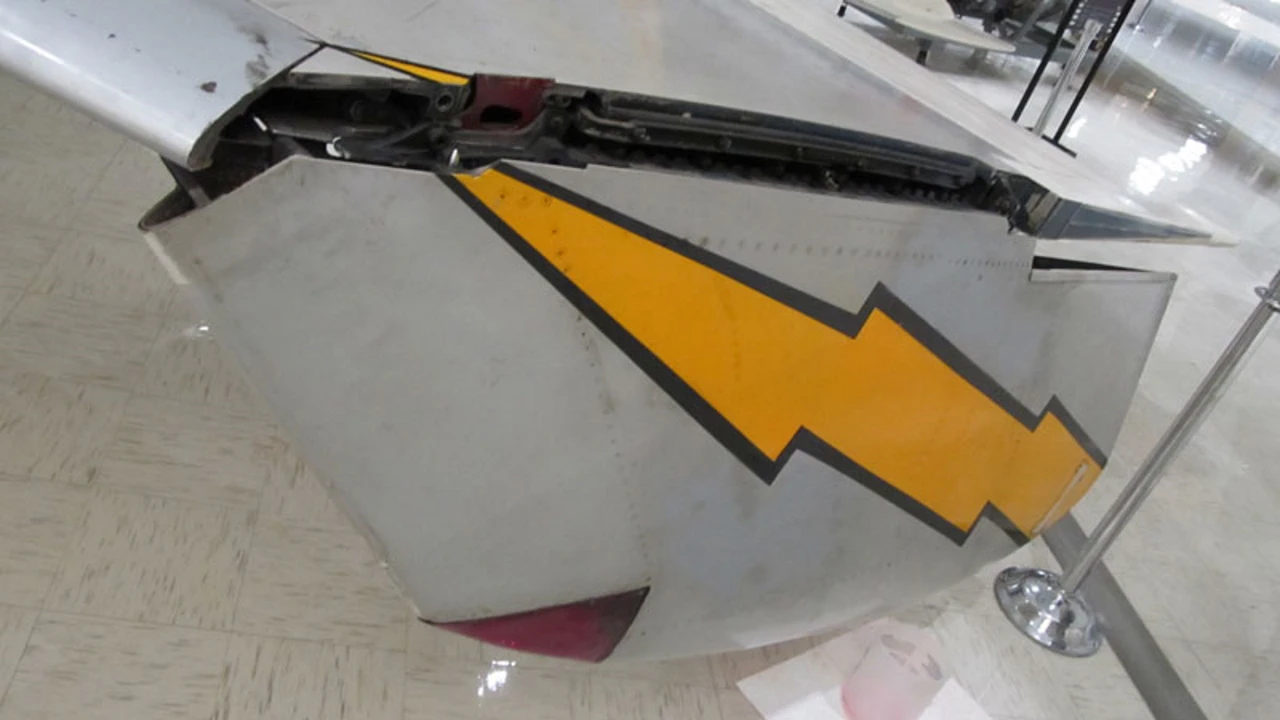
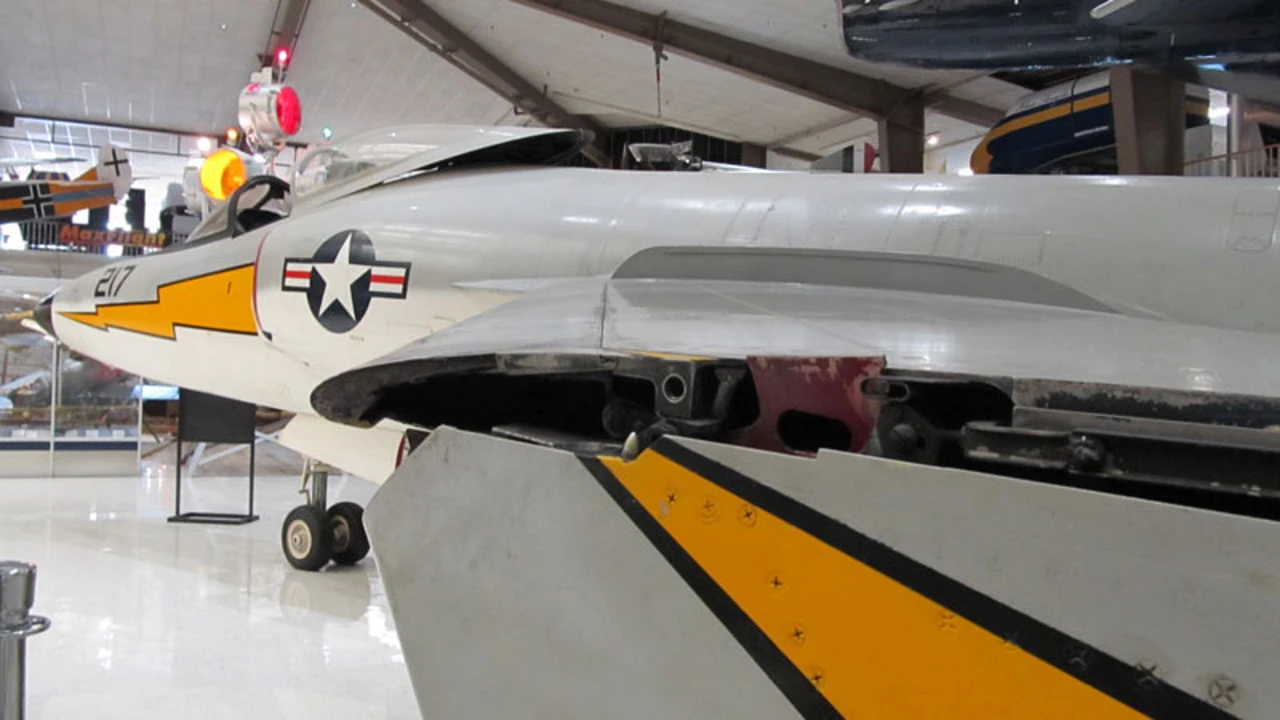
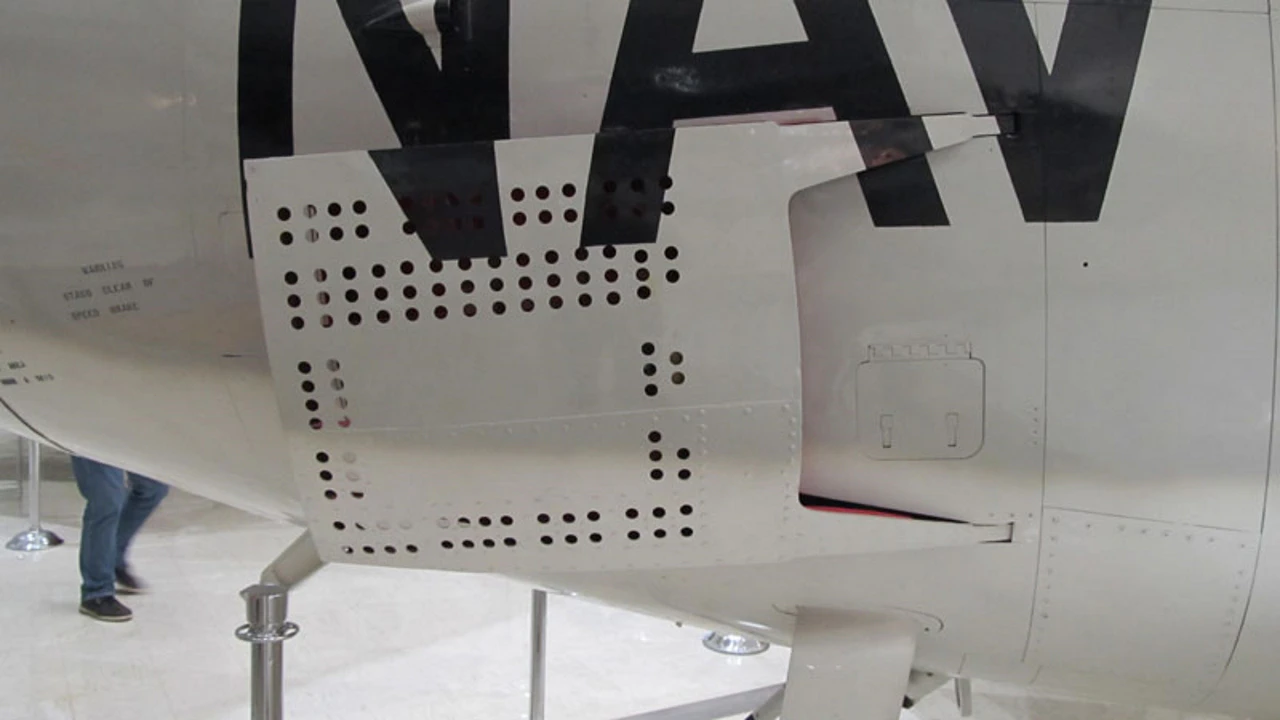
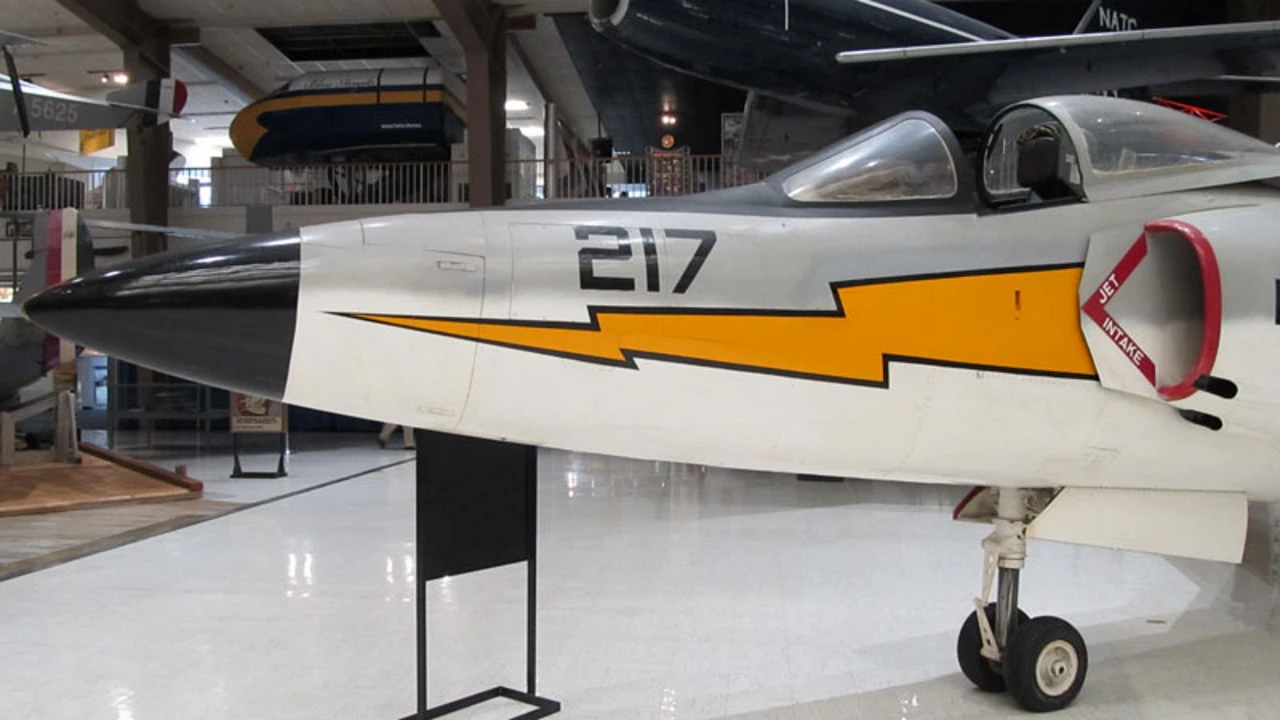
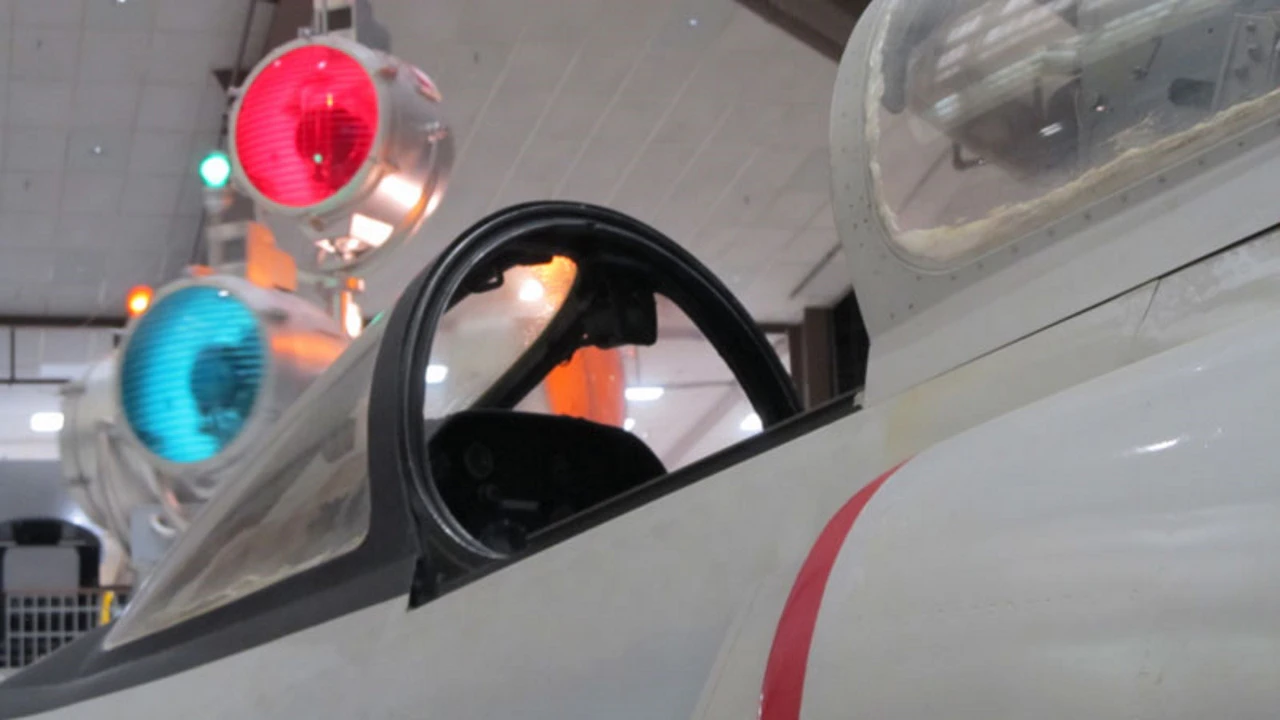
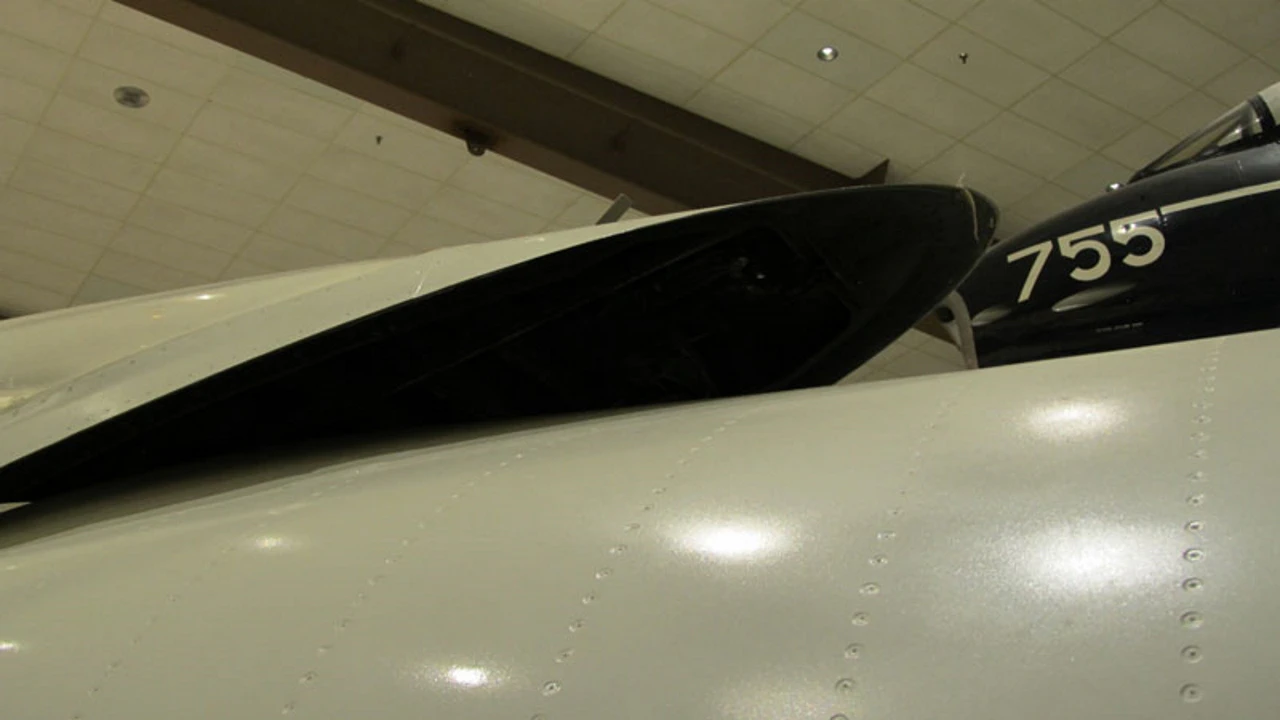
Photo gallery of a Grumman F-11A Tiger, The Grumman F11F/F-11 Tiger was the first supersonic, single-seat carrier-based United States Navy fighter aircraft in operation during the 1950s and 1960s. Originally designated the F11F Tiger in April 1955 under the pre-1962 Navy designation system, it was redesignated as F-11 Tiger under the 1962 United States Tri-Service aircraft designation system. The F11F/F-11 was used by the Blue Angels flight team from 1957–1969. Grumman Aircraft Corporation made 200 Tigers, with the last aircraft being delivered to the U.S. Navy on 23 January 1959.
Source: Grumman F-11A Tiger on Wikipedia
| Grumman F-11A Tiger | |
|---|---|
| Photographer | John Heck |
| Localisation | Unknow |
| Photos | 64 |
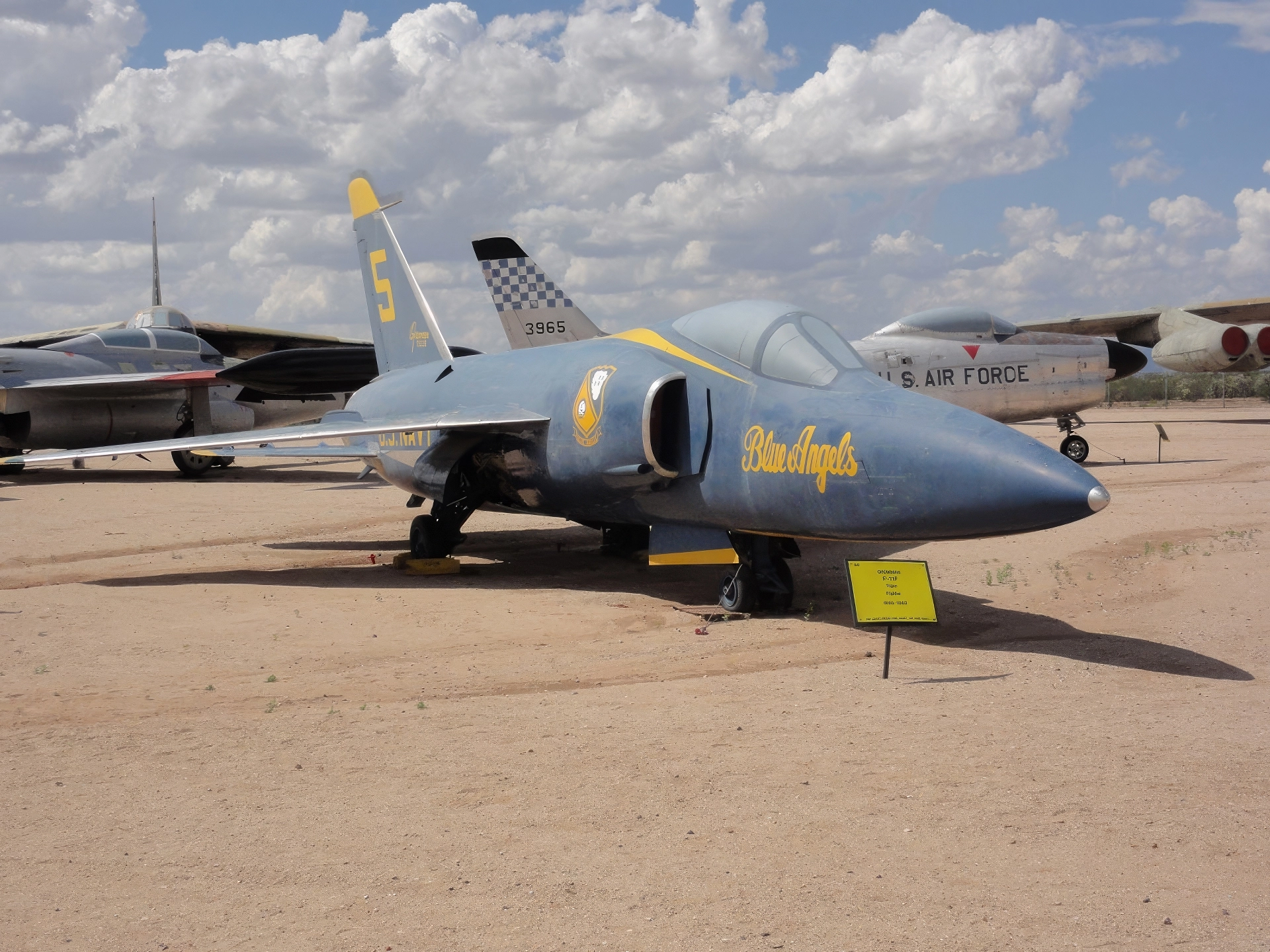
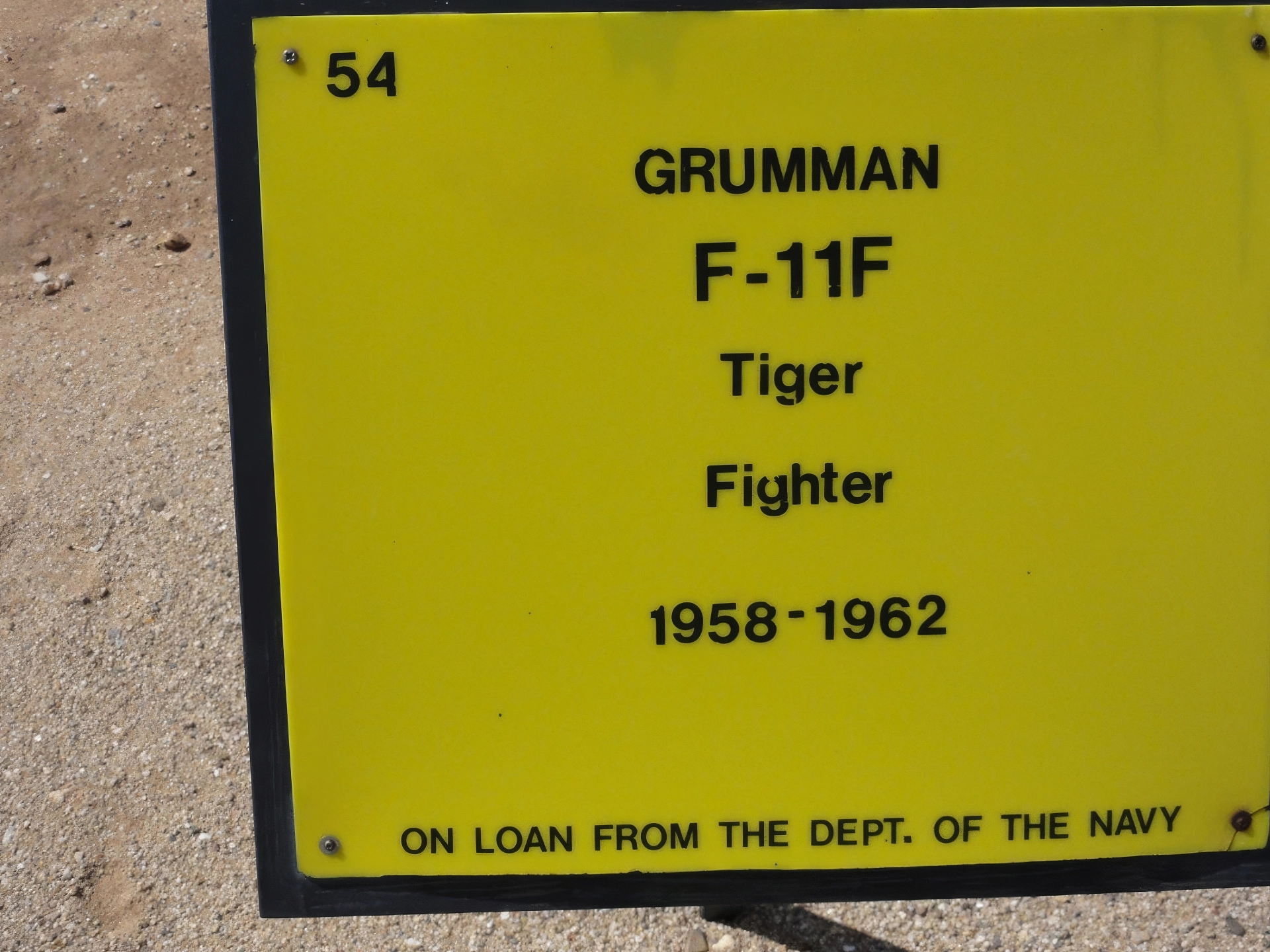
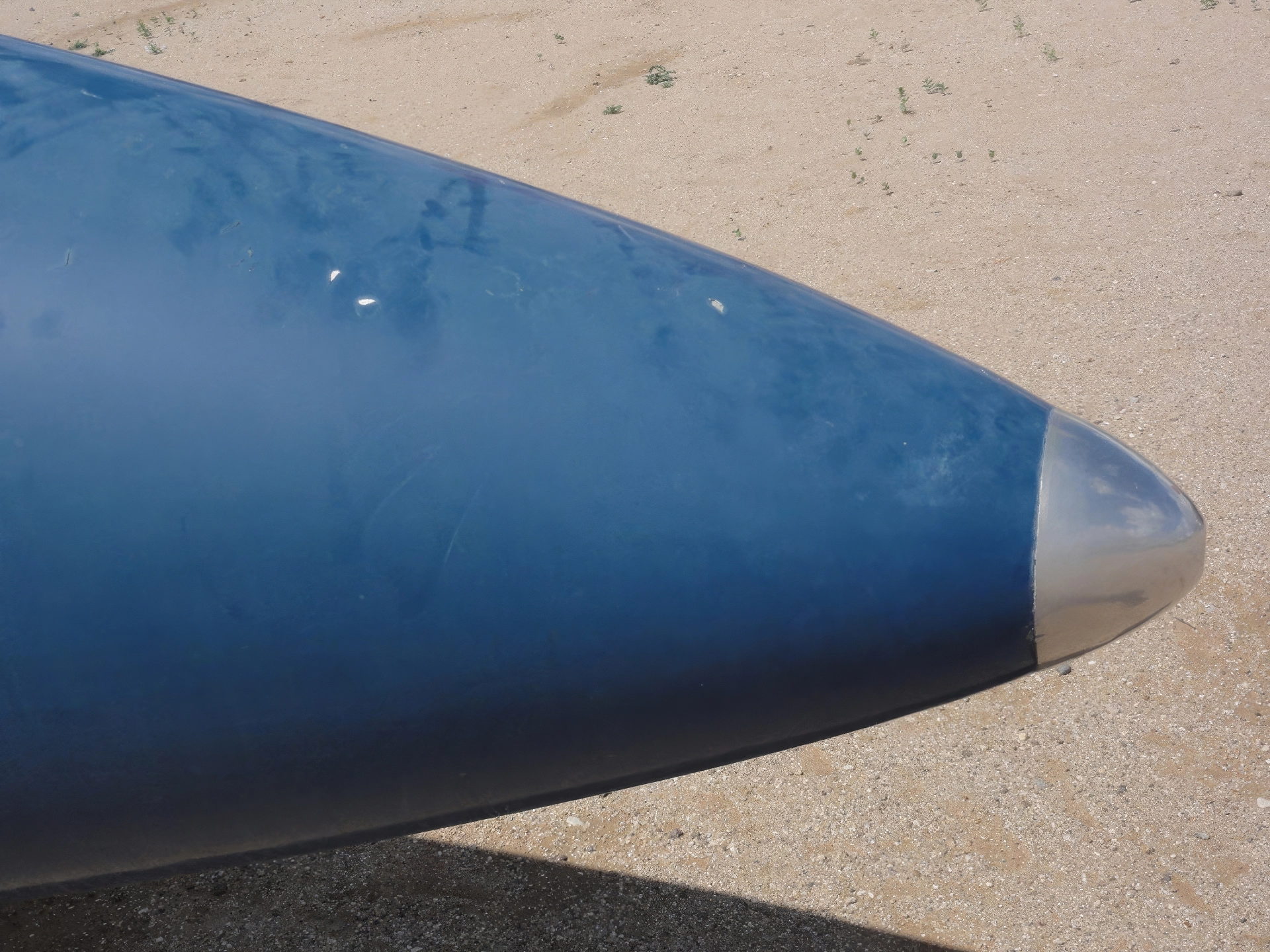
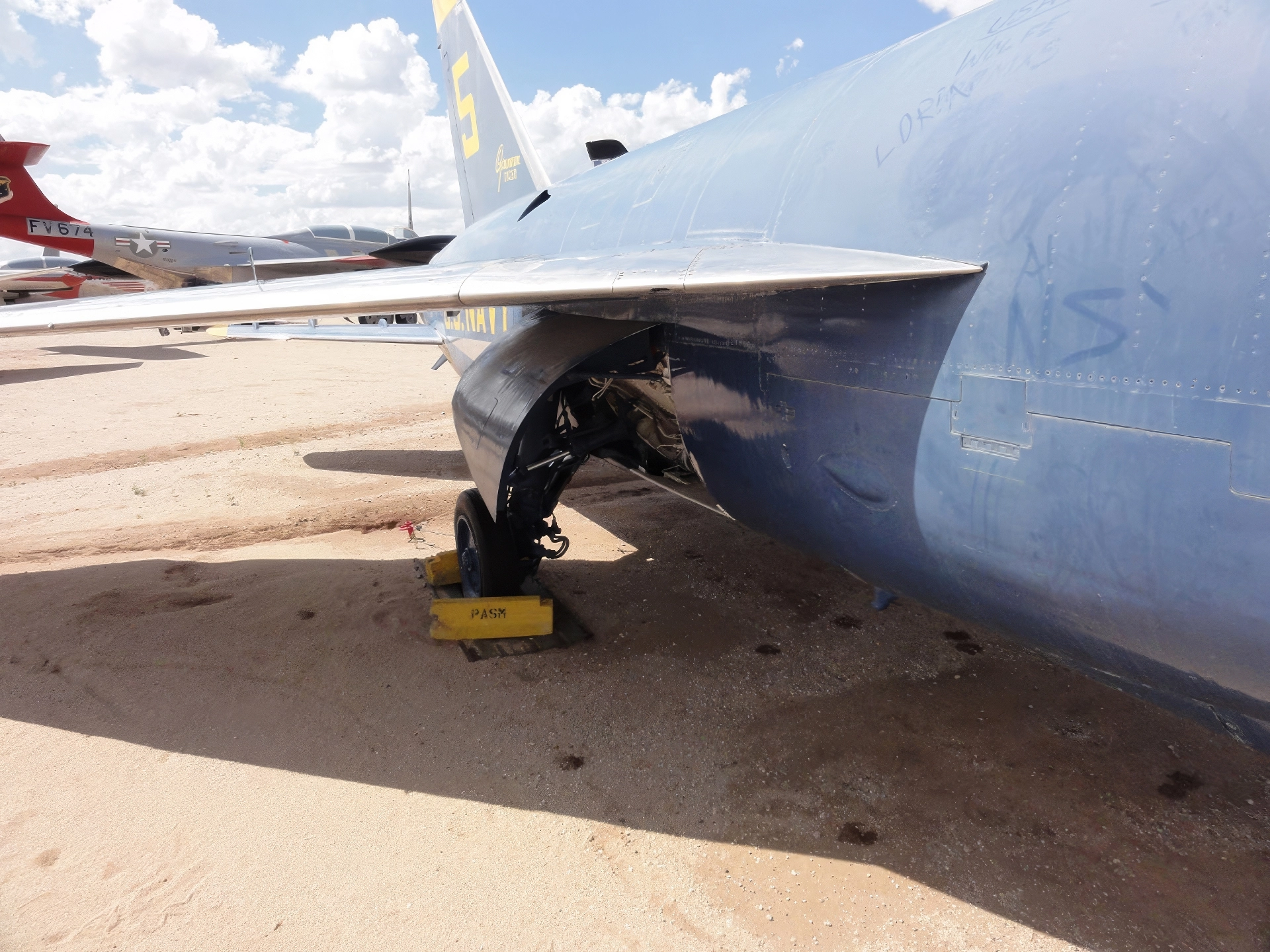
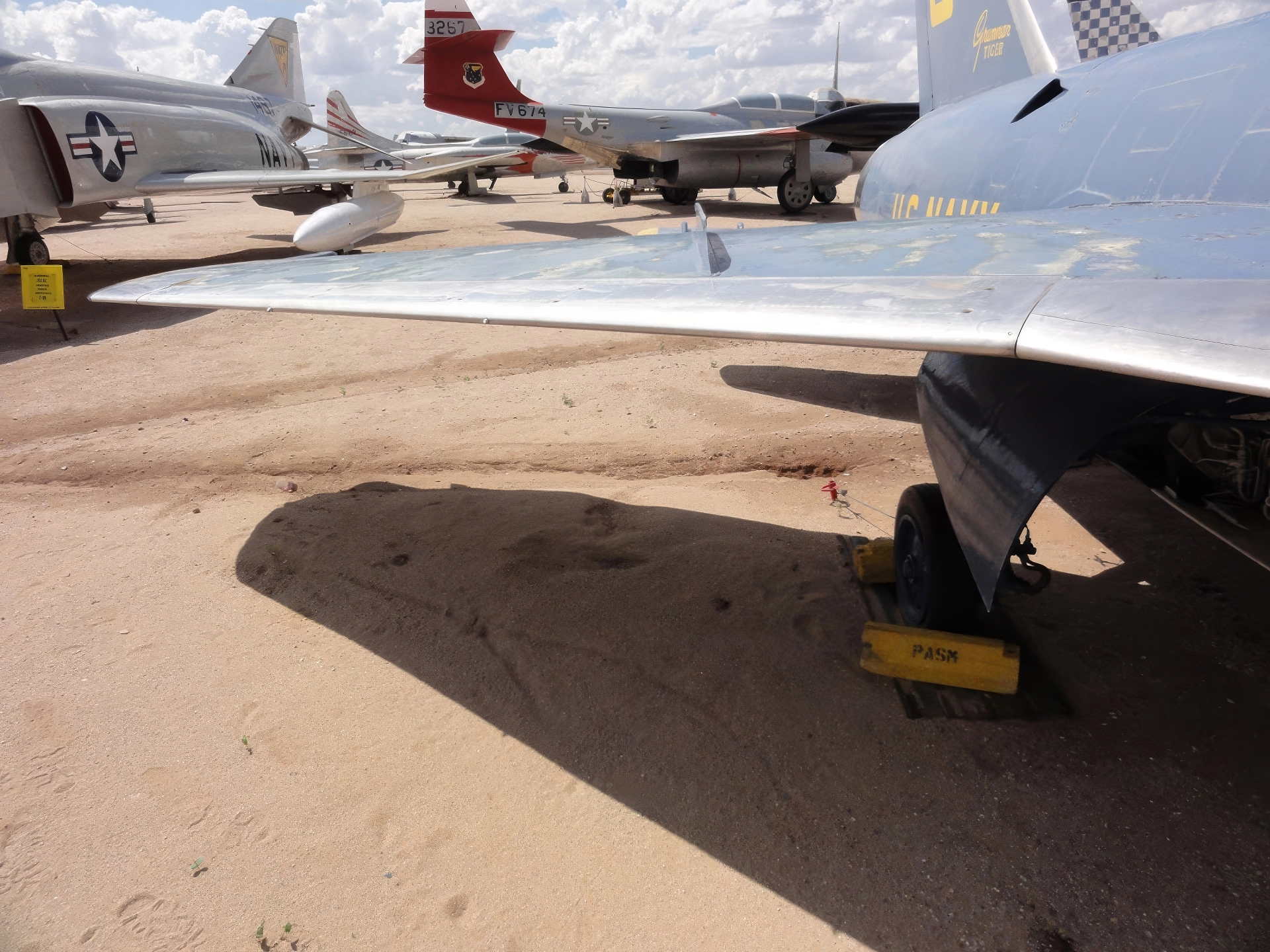

| Grumman F-11 | |
|---|---|
| Photographer | Cees Hendriks |
| Localisation | Unknow |
| Photos | 57 |
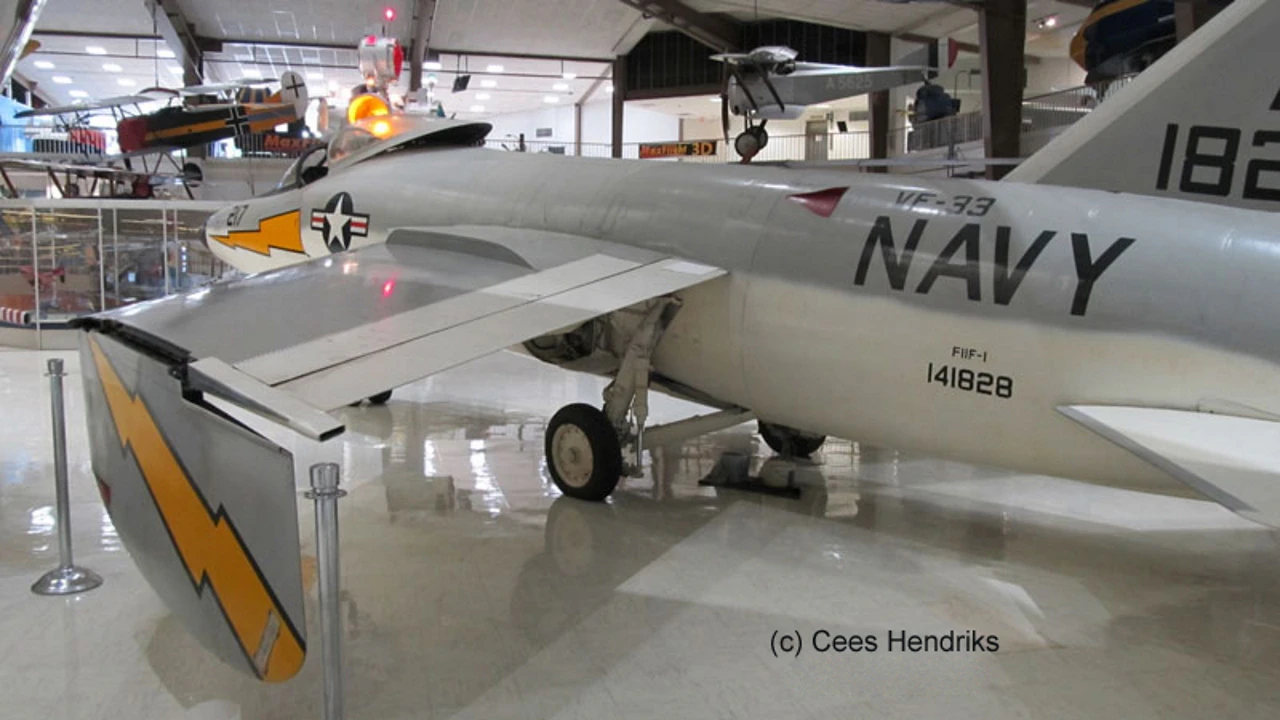
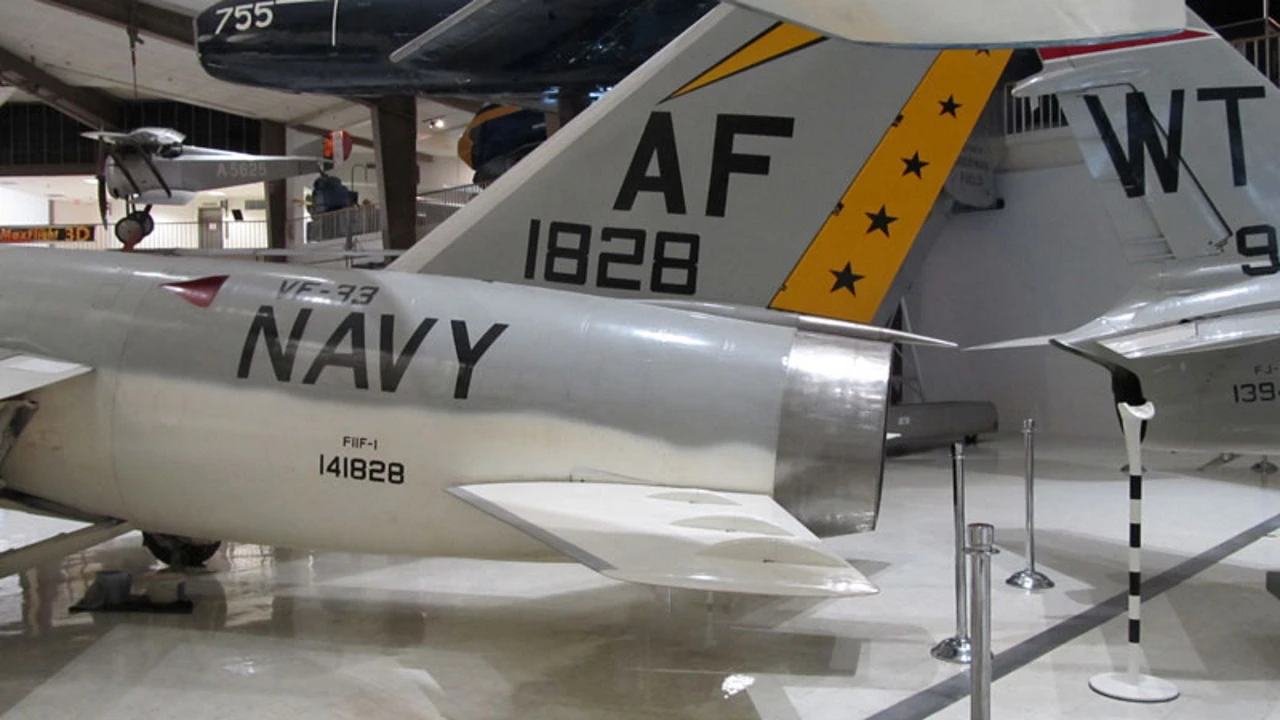
 Buy Me a Coffee
See also:



A Sleek Predator with a Short Reign
The Grumman F-11A Tiger (originally F11F-1) was the U.S. Navy’s first truly supersonic carrier-based fighter. Designed with a focus on simplicity and aerodynamic purity, it was the first aircraft designed from the start to incorporate the “Area Rule,” giving it its distinctive “wasp-waisted” fuselage. While it was beloved for its exceptional handling and beautiful lines, its time in the spotlight was brief. It was quickly overshadowed by the faster F-8 Crusader and the massive F-4 Phantom II, ultimately finding its greatest fame as the long-serving mount of the Blue Angels.
| Attribute | Technical Specification (F-11A) |
|---|---|
| Role | Carrier-based Day Fighter |
| Crew | 1 (Pilot) |
| Engine | 1 × Wright J65-W-18 turbojet (10,500 lbf afterburning) |
| Max Speed | 1,170 km/h (727 mph / Mach 1.1) at altitude |
| Service Ceiling | 14,900 m (49,000 ft) |
| Main Armament | 4 × 20mm Colt Mk 12 cannons |
| Hardpoints | 4 (carrying AIM-9 Sidewinder missiles or rockets) |
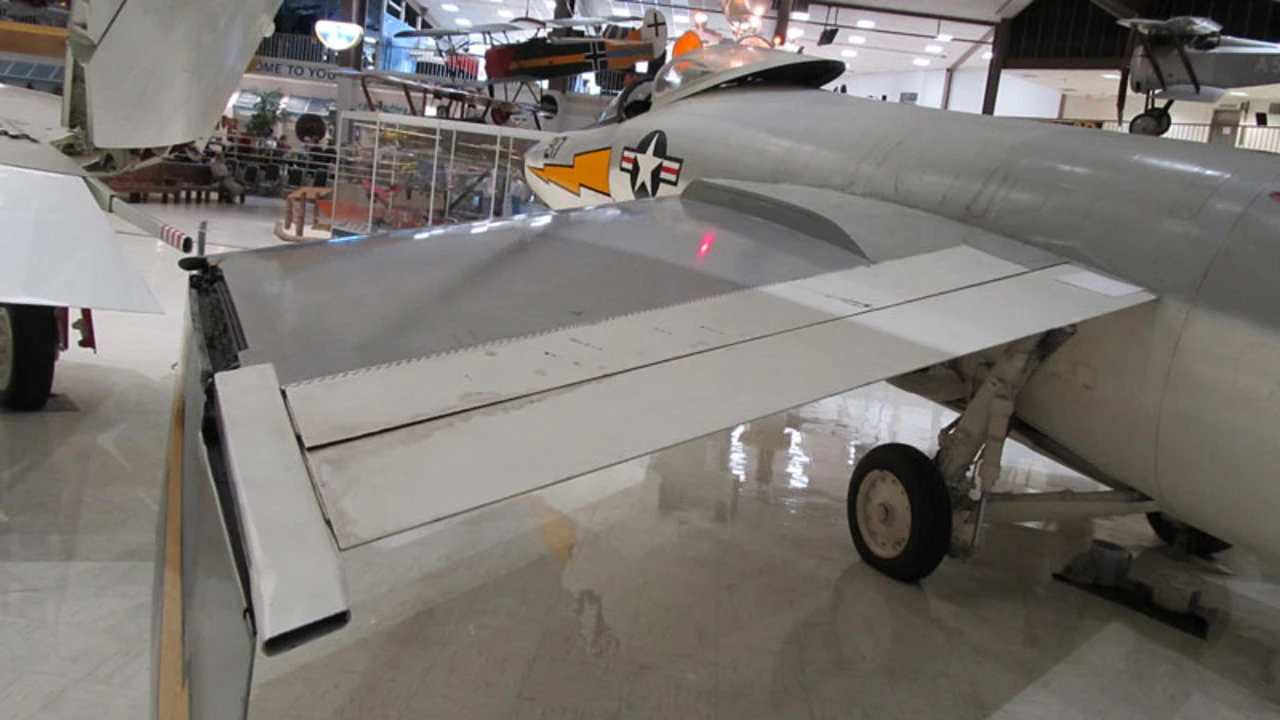
| Unique Feature | Spoilers used for roll control instead of ailerons |
Design Engineering: Speed Through Shape
- The Area Rule: To minimize “wave drag” at transonic speeds, Grumman engineers narrowed the fuselage where the wings attached. This “wasp-waist” or “Coke-bottle” shape allowed the plane to slip through the sound barrier with far less thrust than a traditional straight-edged fuselage.
- Solid-Milled Wings: The Tiger’s wings were incredibly thin and strong, with skins machine-milled from solid slabs of aluminum rather than being built of many smaller ribs. These wings were so small that only the very tips folded for carrier storage.
- Spoilers over Ailerons: Instead of traditional ailerons on the trailing edge of the wing, the Tiger used spoilers on the upper surface to control roll. This allowed the entire trailing edge to be used for flaps, significantly improving its ability to land on short carrier decks.
- Integral Fuel Tanks: To save weight and space, the wings themselves served as the fuel tanks. However, this lack of internal volume meant the Tiger had a notoriously short range, which ultimately limited its combat effectiveness.
Historical Legacy: The Jet That Shot Itself
- The Self-Shoot Incident (1956): On Sept. 21, 1956, test pilot Tom Attridge achieved a “first” in aviation history: he shot himself down. While in a supersonic dive, he fired his 20mm cannons. Because his aircraft was accelerating and his bullets were slowing down due to drag, he actually overtook his own rounds 11 seconds later, which struck his engine and windshield, forcing a crash landing.
- The “Blue Angels” Legend: Despite its short frontline career (only 4 years), the Tiger was the centerpiece of the Blue Angels from 1957 to 1969. Its reliability and crisp, predictable handling made it a favorite for high-precision aerobatics.
- The Super Tiger (F11F-1F): Grumman produced two “Super Tiger” prototypes with the much more powerful J79 engine (the same engine used in the F-4 Phantom). It reached Mach 2.04 and set a world altitude record of 76,000 feet, but the Navy declined to buy it, citing its lack of range and all-weather capability.
- Short-Lived Service: The Tiger’s biggest enemy wasn’t the Soviet Union, but the rapid pace of 1950s technology. By the time it was fully operational, the F-8 Crusader was already providing better speed and endurance, leading to the Tiger’s early retirement from carrier decks by 1961.
Views : 4304
You can see also :
 Grumman F9F Panther – Photos & Videos
 Grumman AF Guardian – Photos & Videos
 Grumman G-21 Goose – Photos & Videos
 Grumman G-44 Widgeon – Photos & Videos
 Grumman G-73 Mallard – Photos & Videos
 Grumman C-1 Trader – Photos & Video
 Grumman F3F – Photos & Video
 Grumman A-6A Intruder – Photos & Video
 Grumman HU-16 Albatross – Photos & Video
 Grumman OV-1 Mohawk – Walk Around
New set of 57 photos of a Grumman F-11