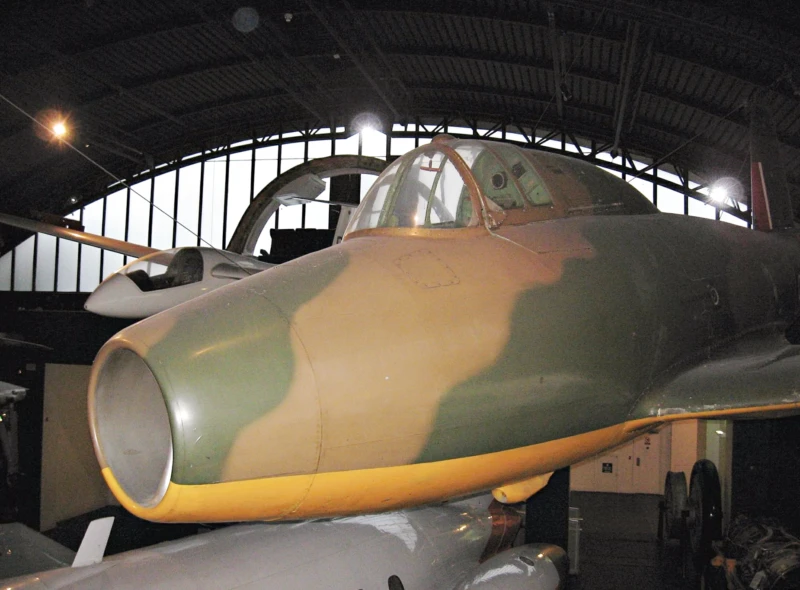
Gloster E.28-39 | |
| Country | UK |
| Type | Jet-engined aircraft |
| First flight | 15 May 1941 |
| Built | 2 prototypes |
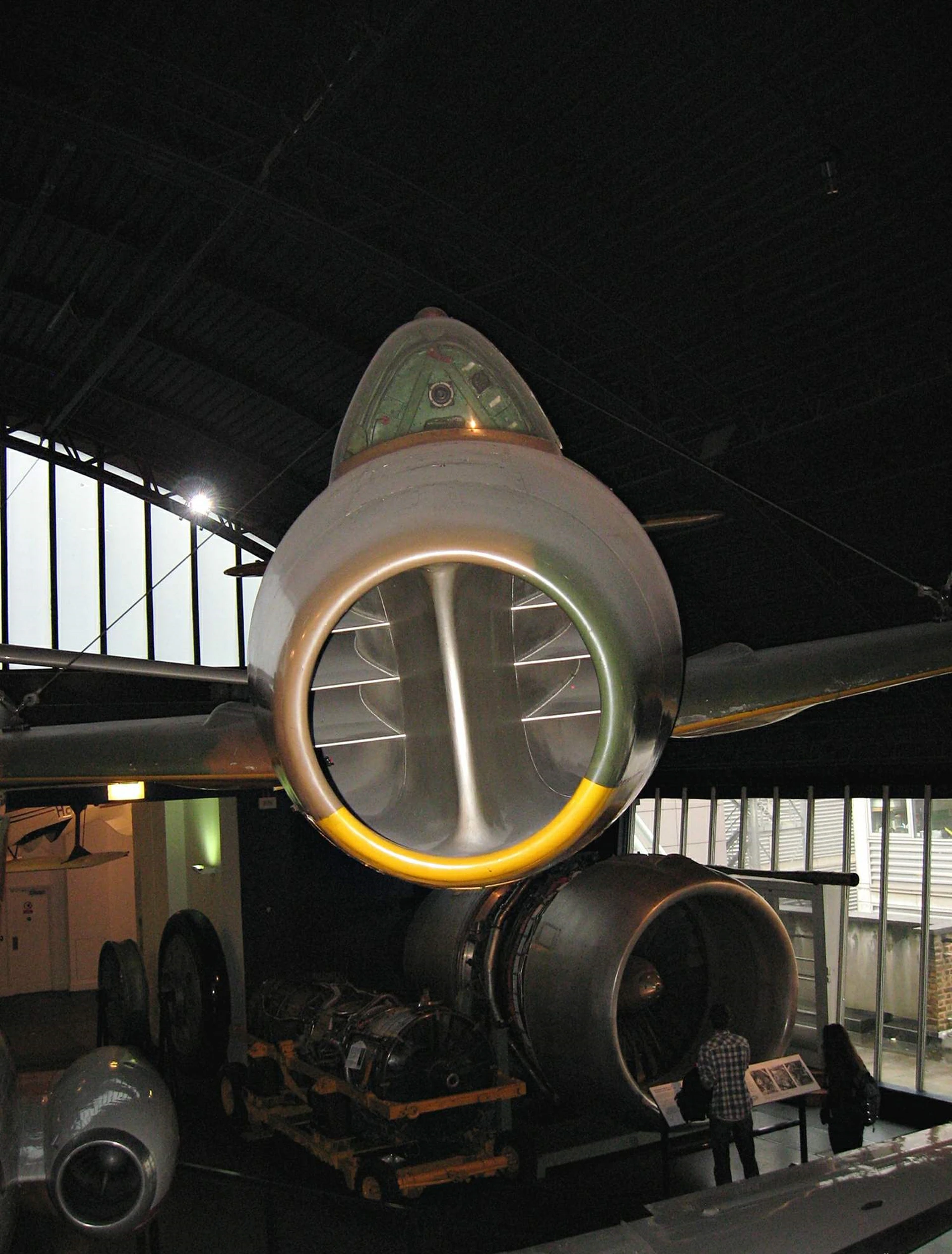
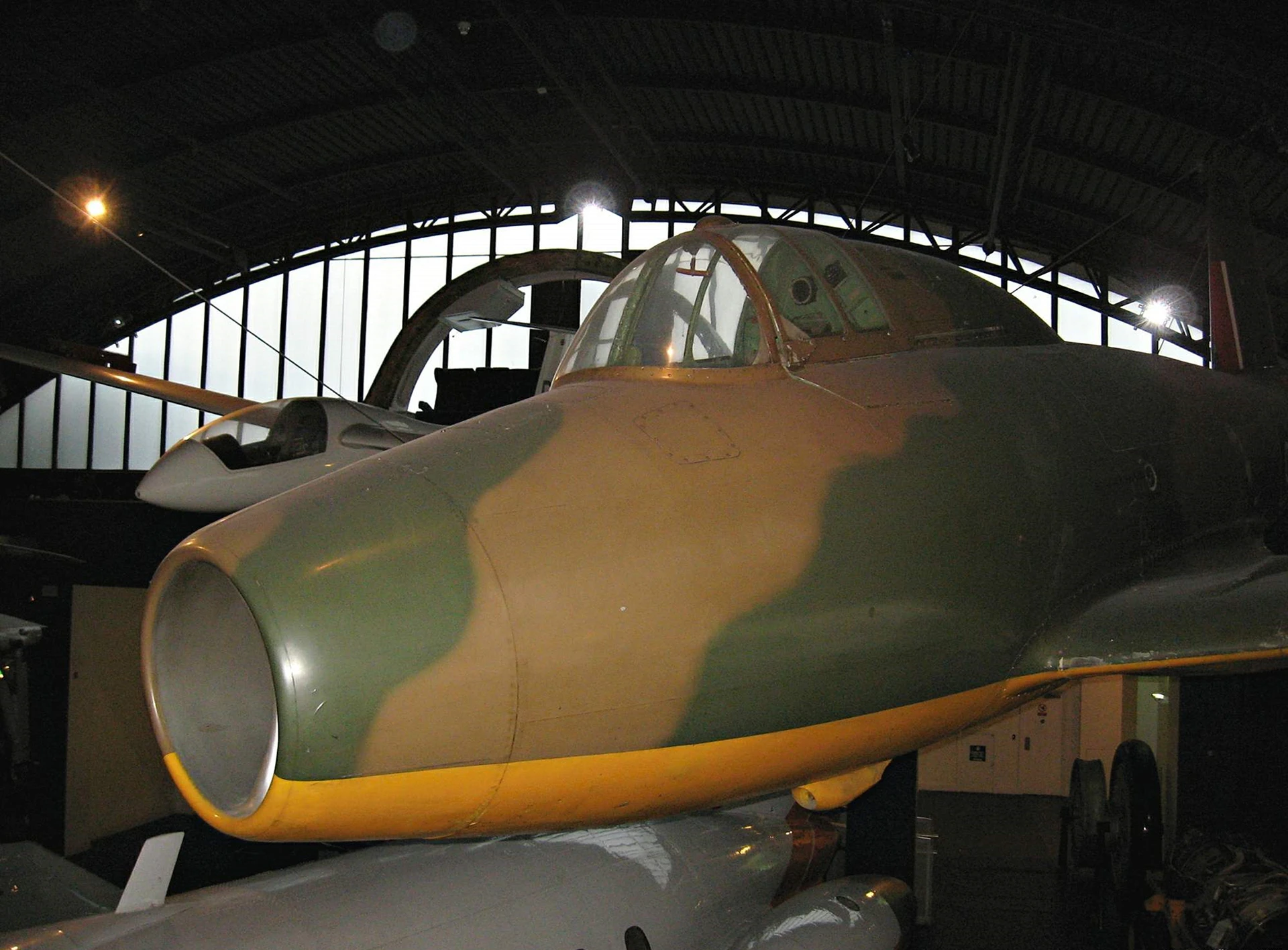
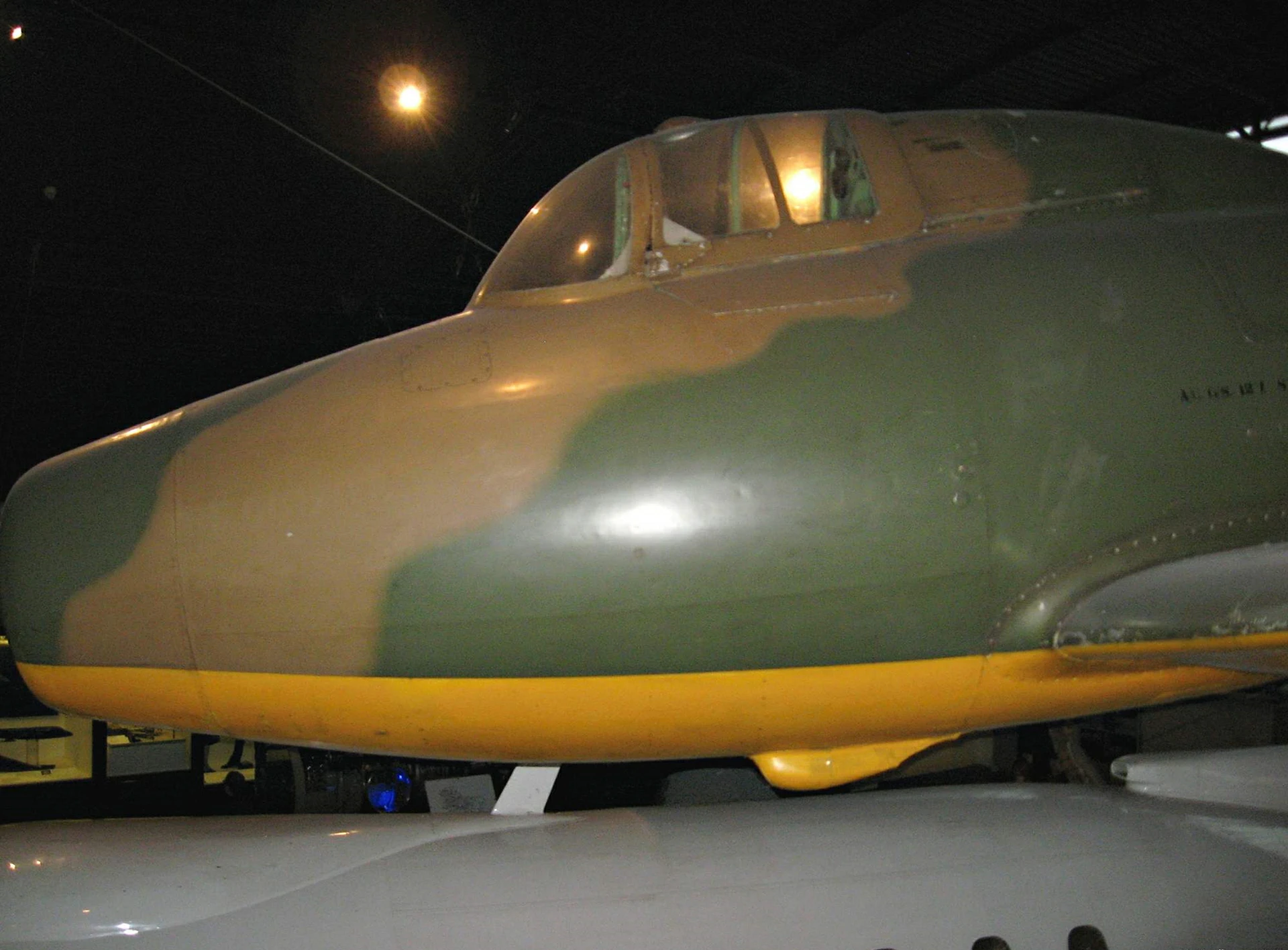
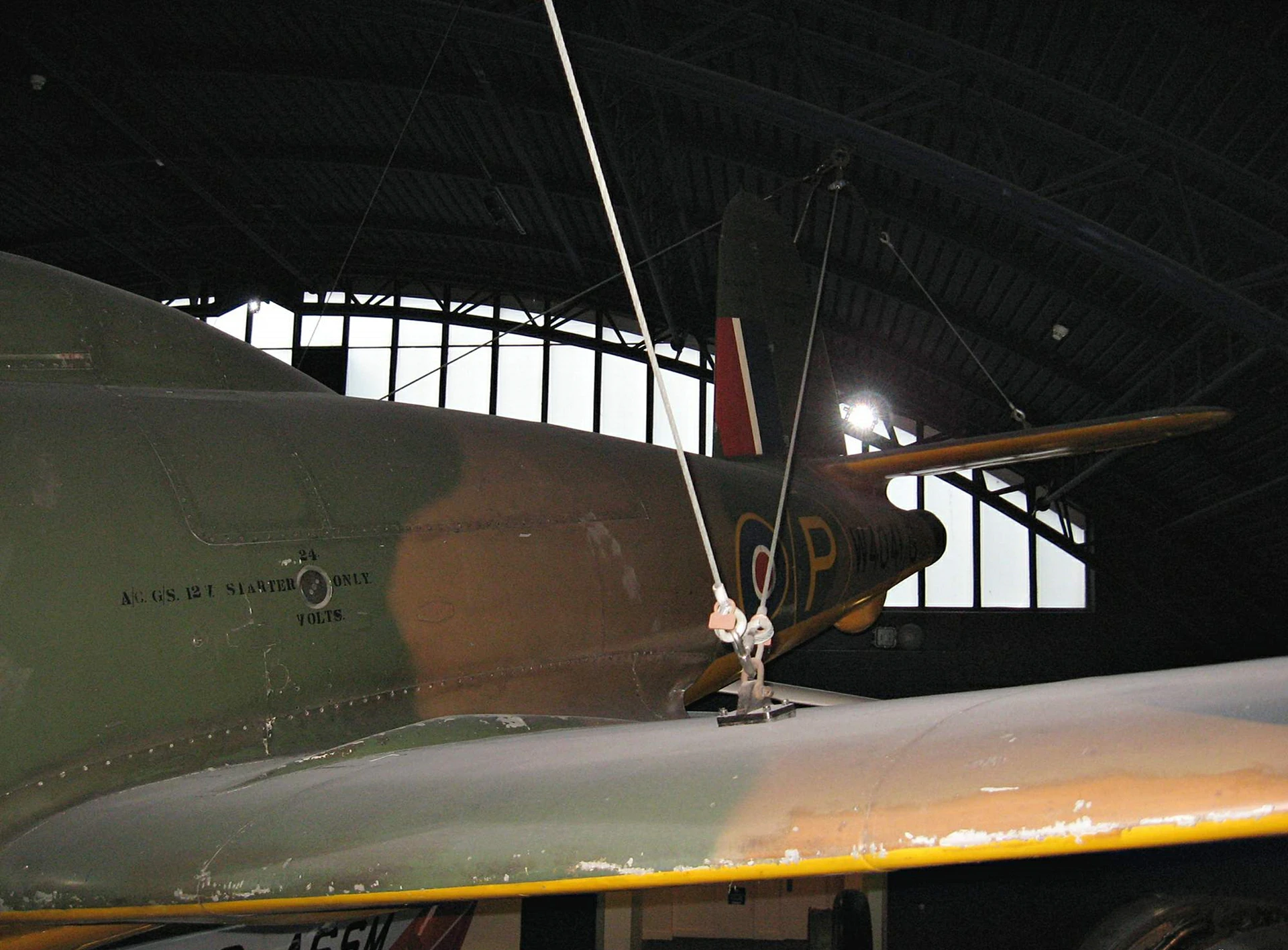
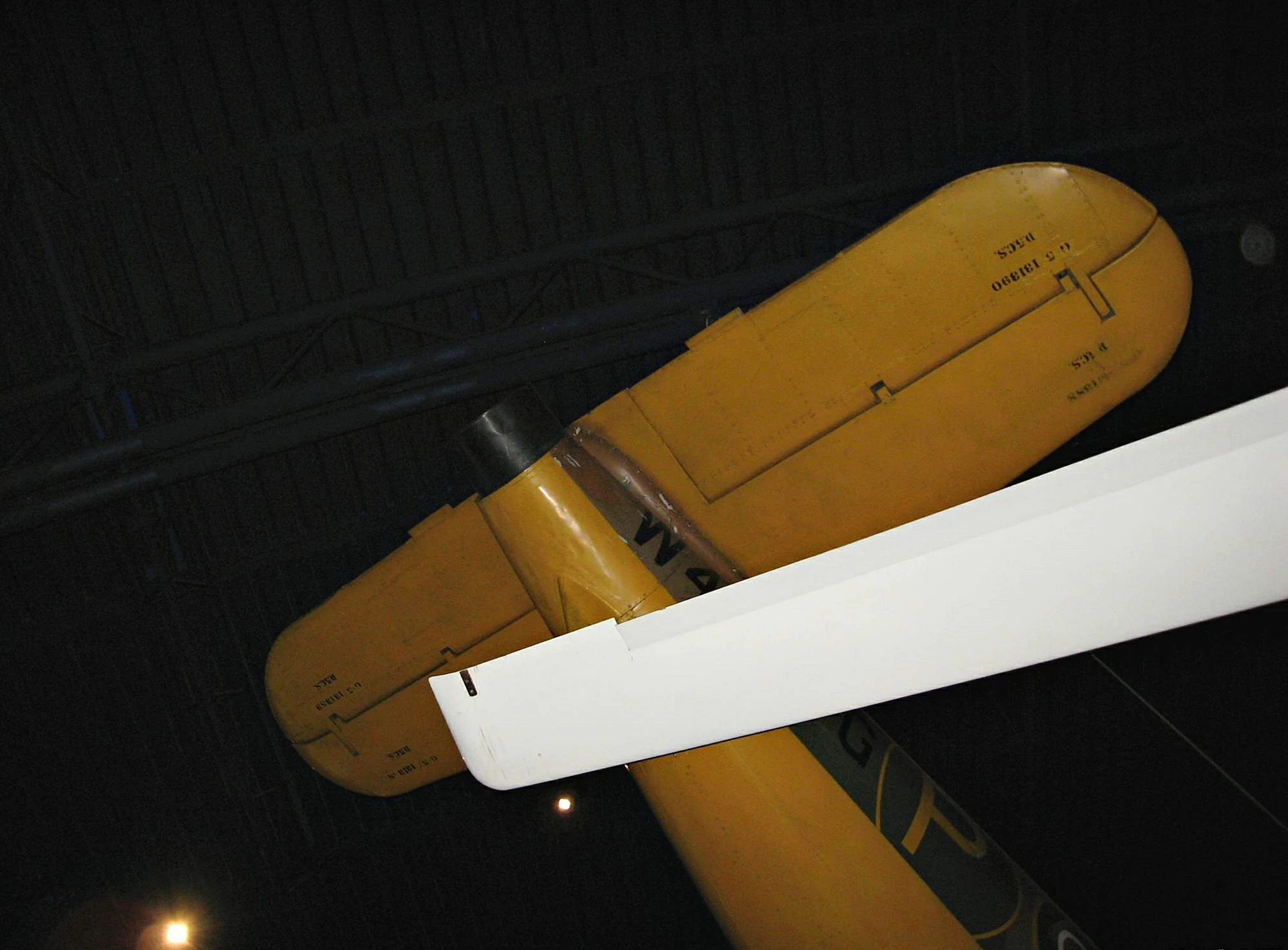
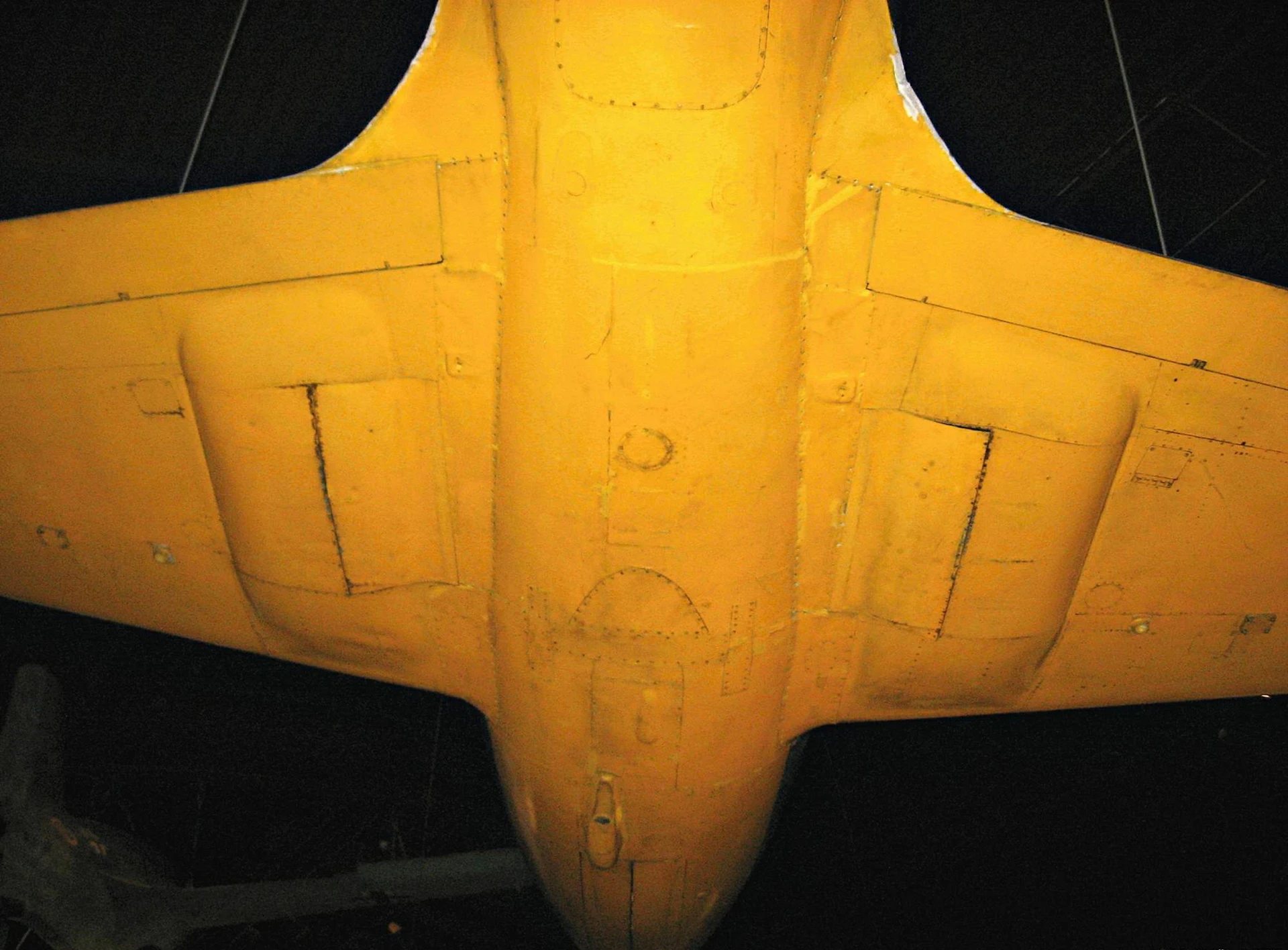
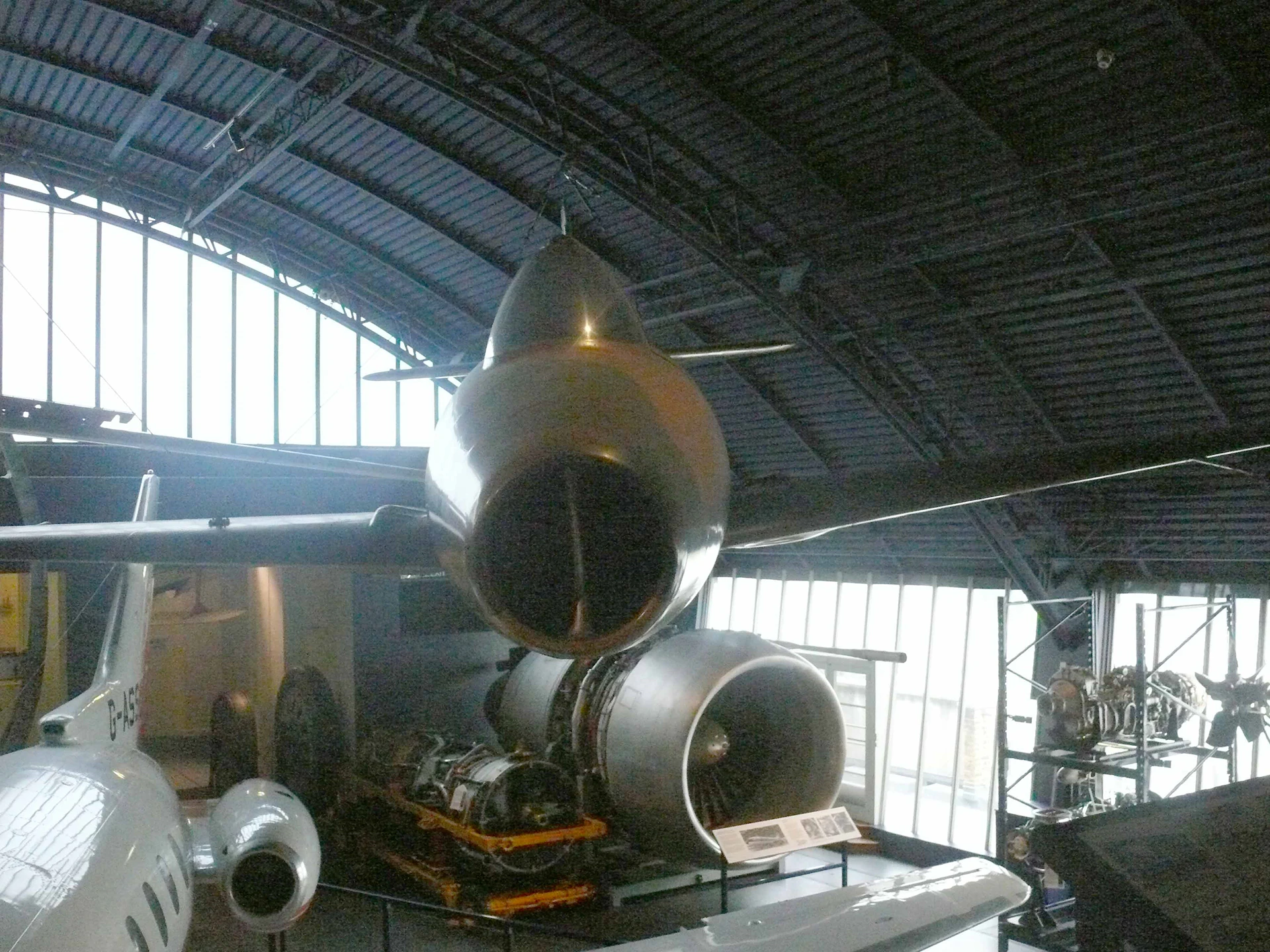
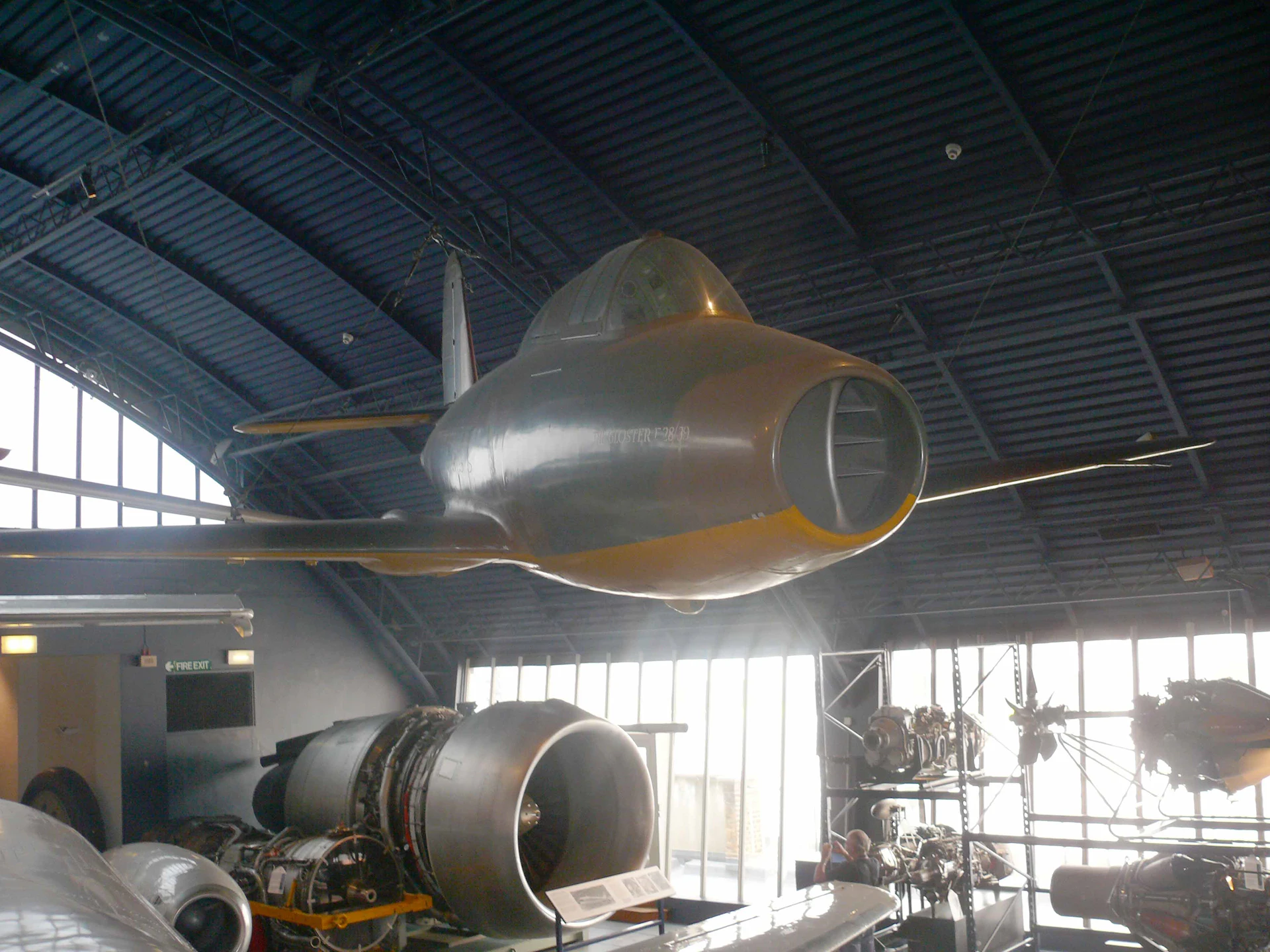
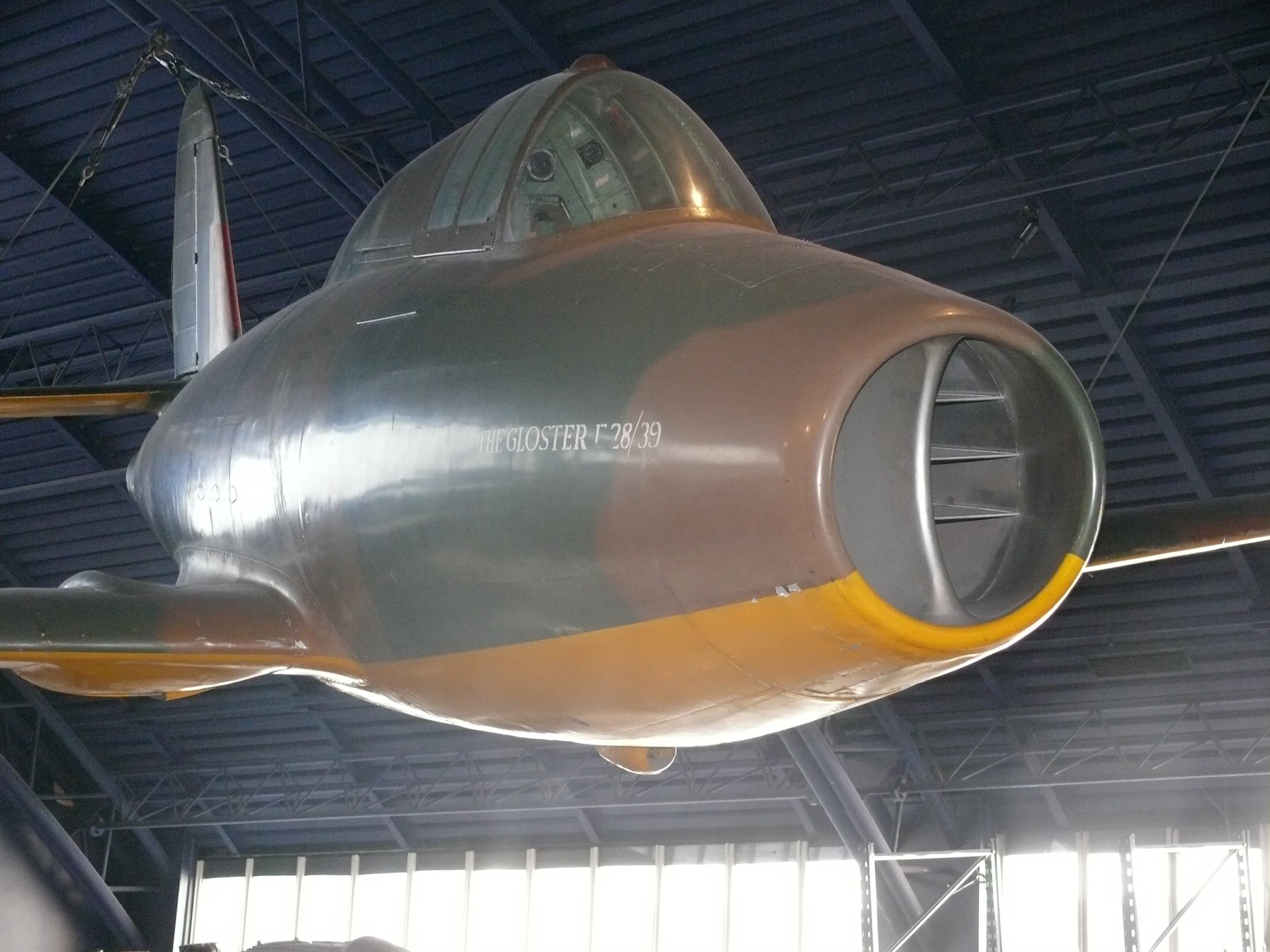
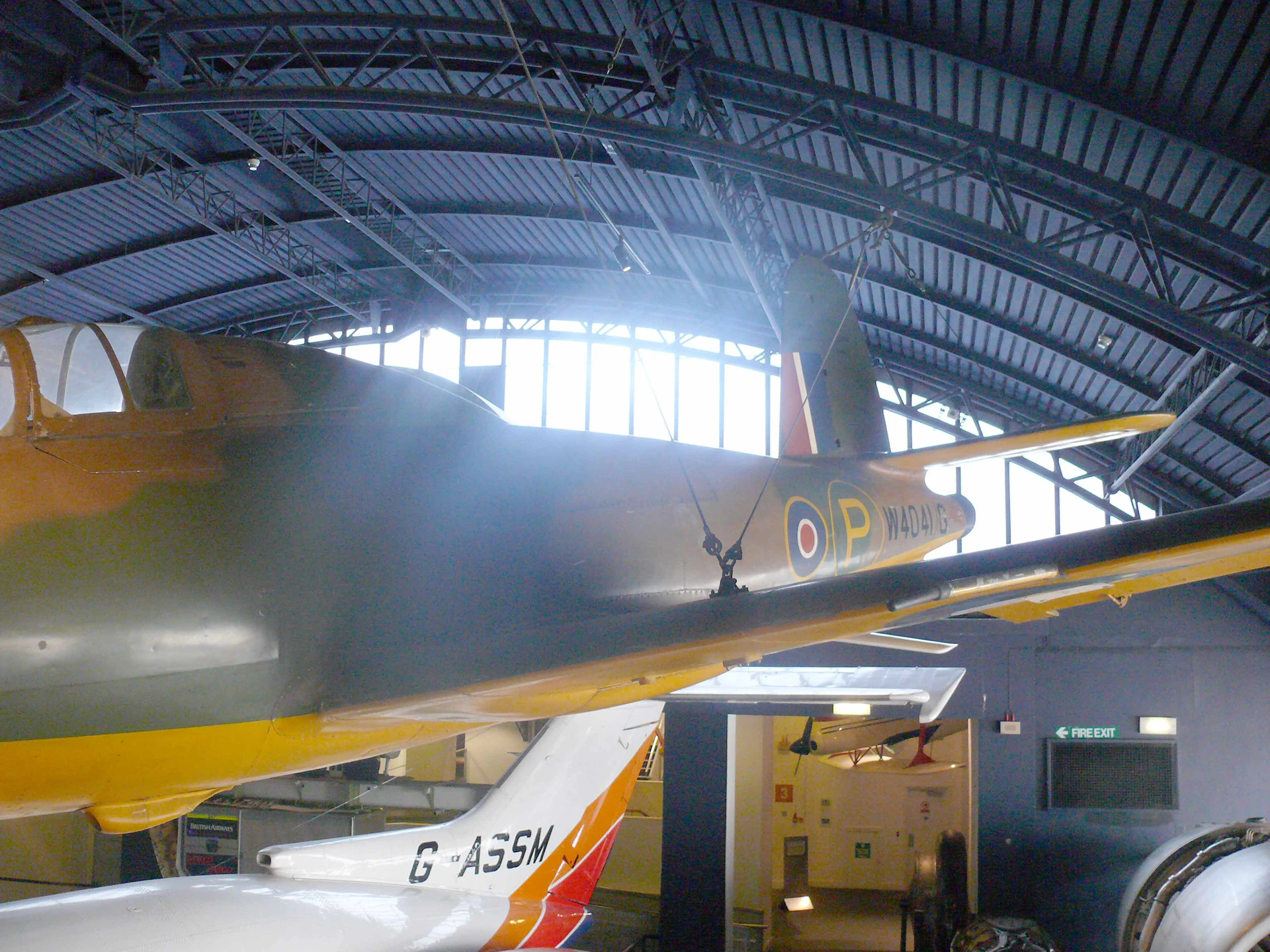
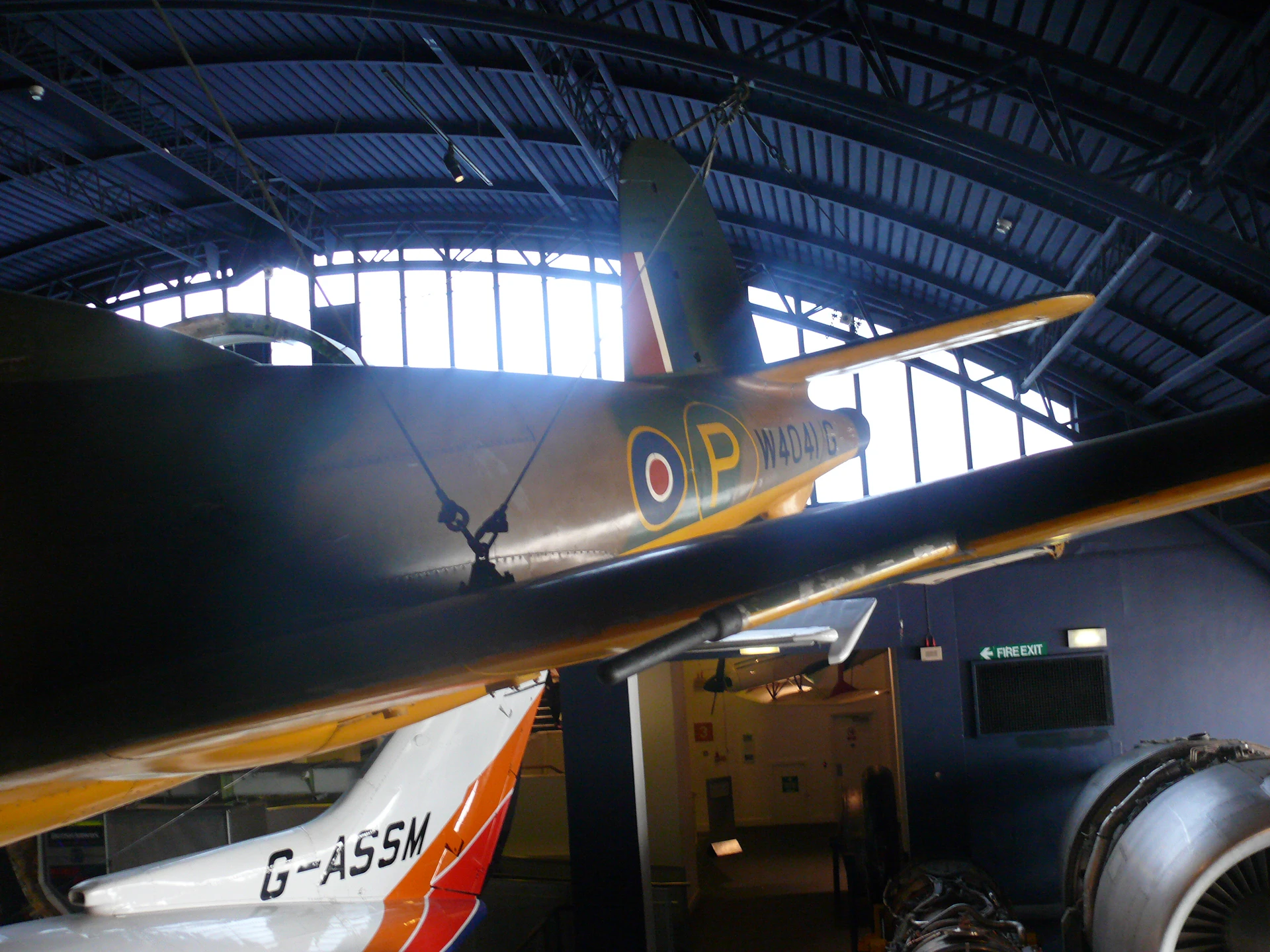
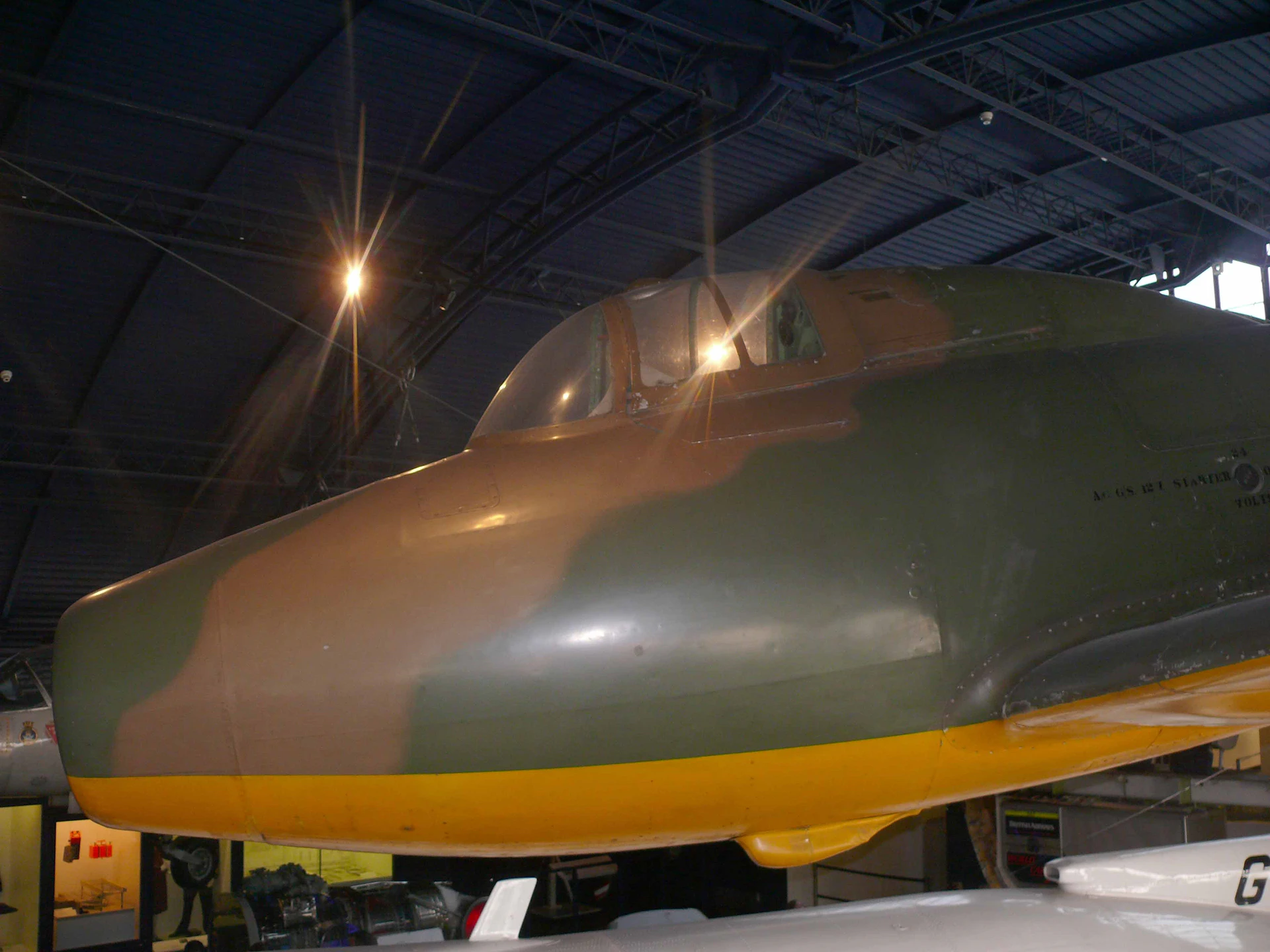
Photo gallery of a Gloster E.28-39, The Gloster E.28/39, (also referred to as the “Gloster Whittle”, “Gloster Pioneer”, or “Gloster G.40”) was the first British jet-engined aircraft to fly. It was designed to test the Whittle jet engine in flight, leading to the development of the Gloster Meteor.
Source: Gloster E.28-39 on Wiki
| Gloster E.28-39 WalkAround | |
|---|---|
| Photographer | Ondrej Skarka |
| Localisation | Unknow |
| Photos | 15 |
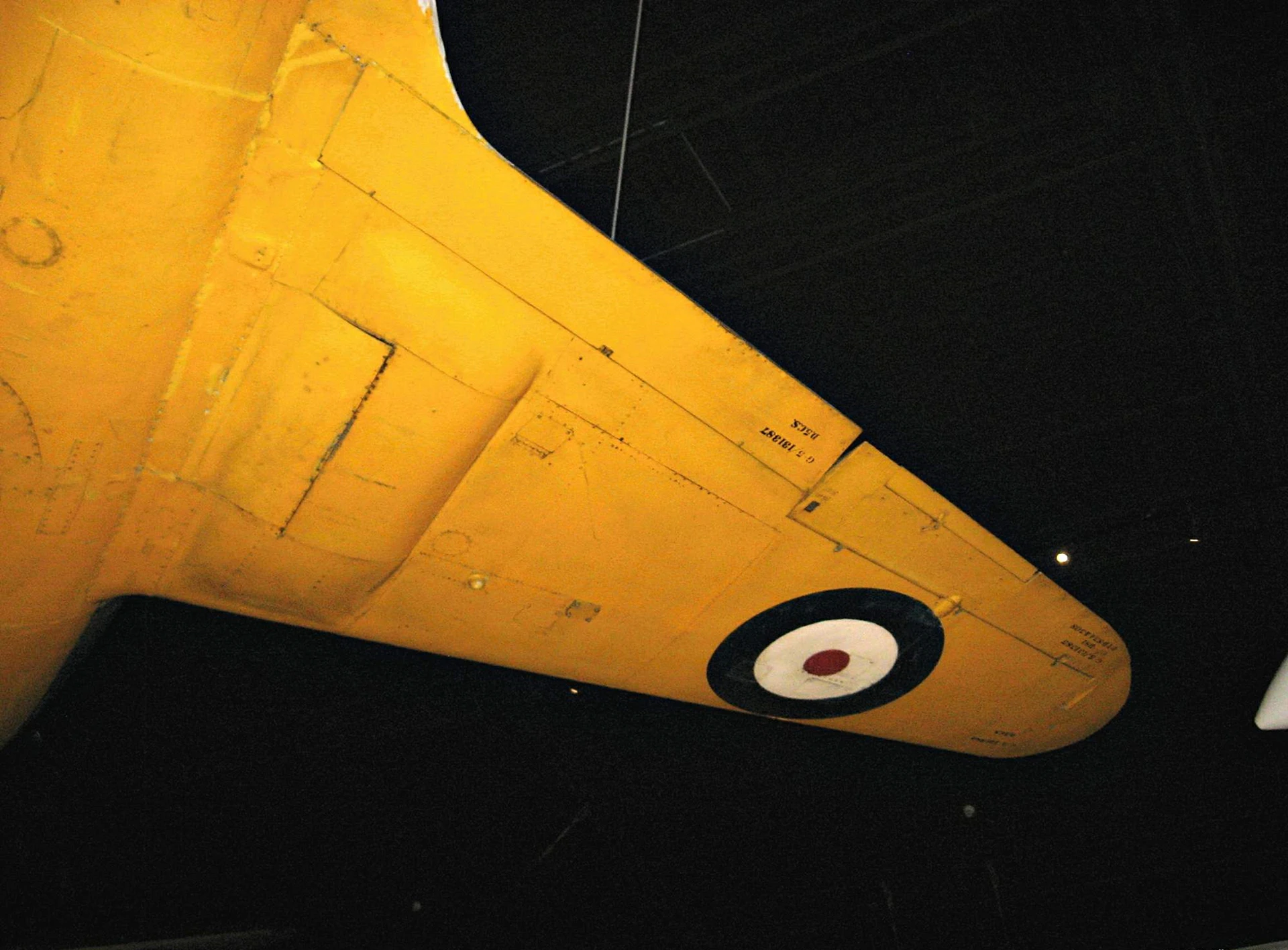
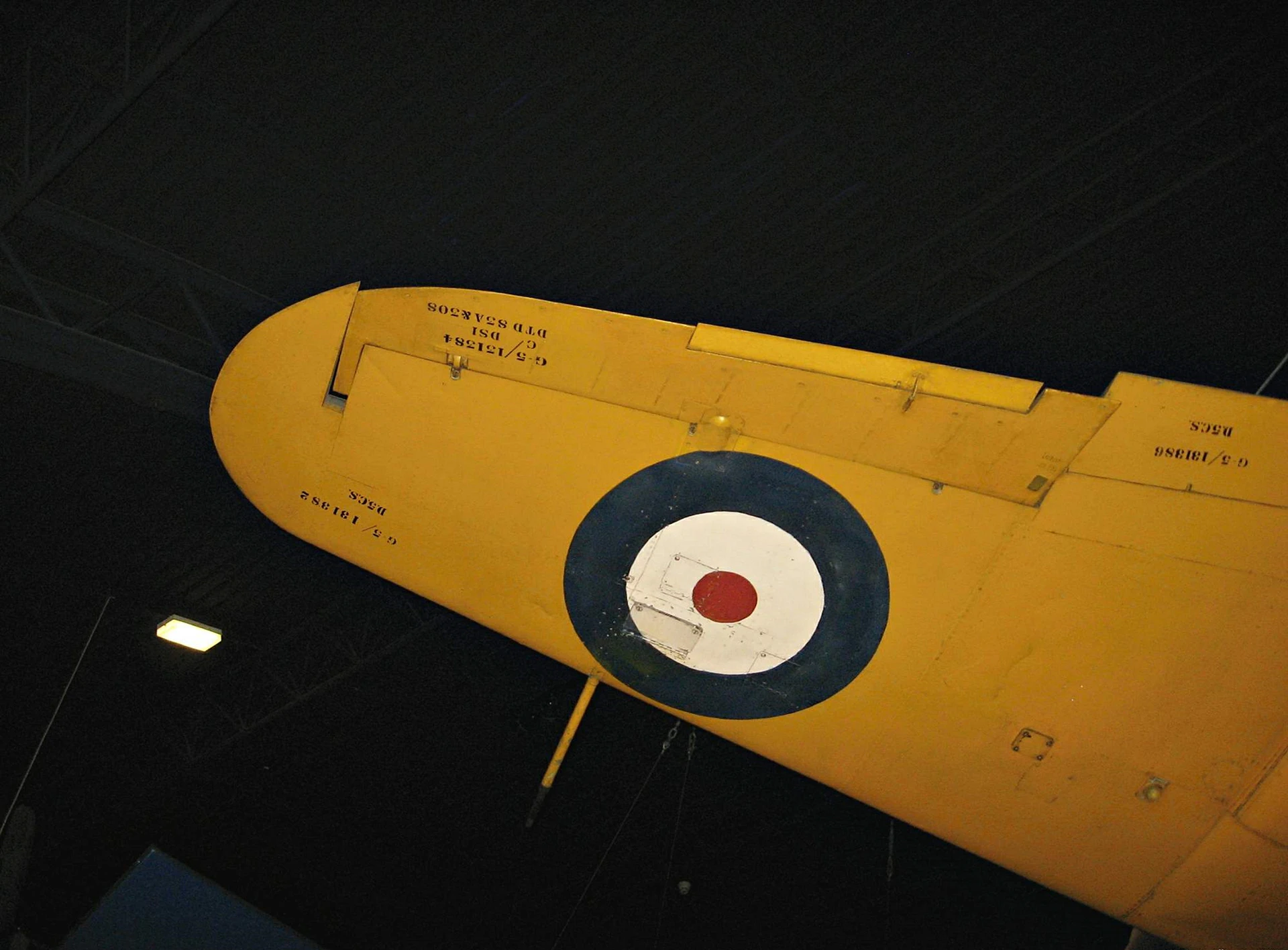

 Buy Me a Coffee
| Gloster E28-39 (Prototype) Walk Around | |
|---|---|
| Photographer | Unknow |
| Localisation | Unknow |
| Photos | 11 |
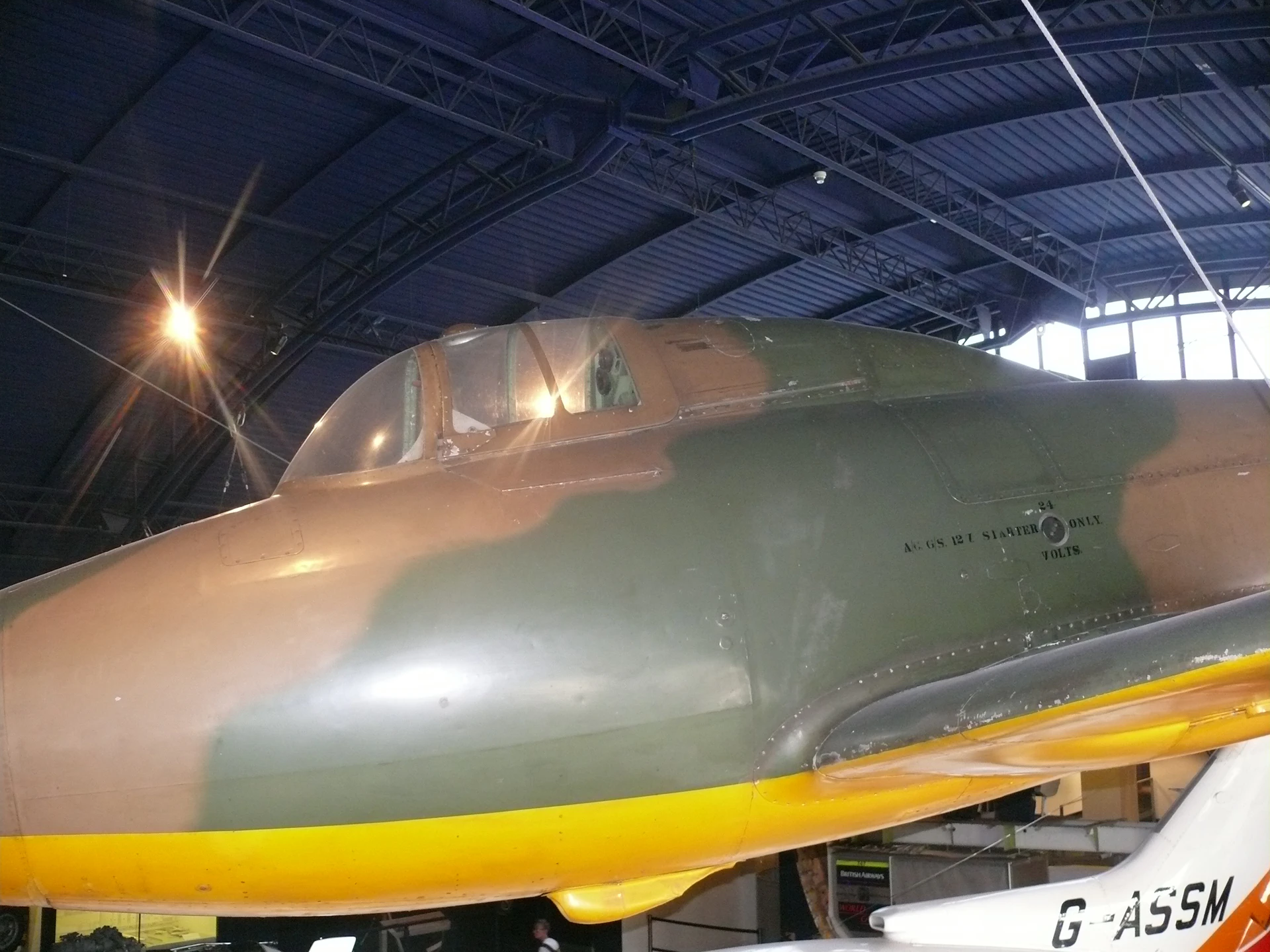
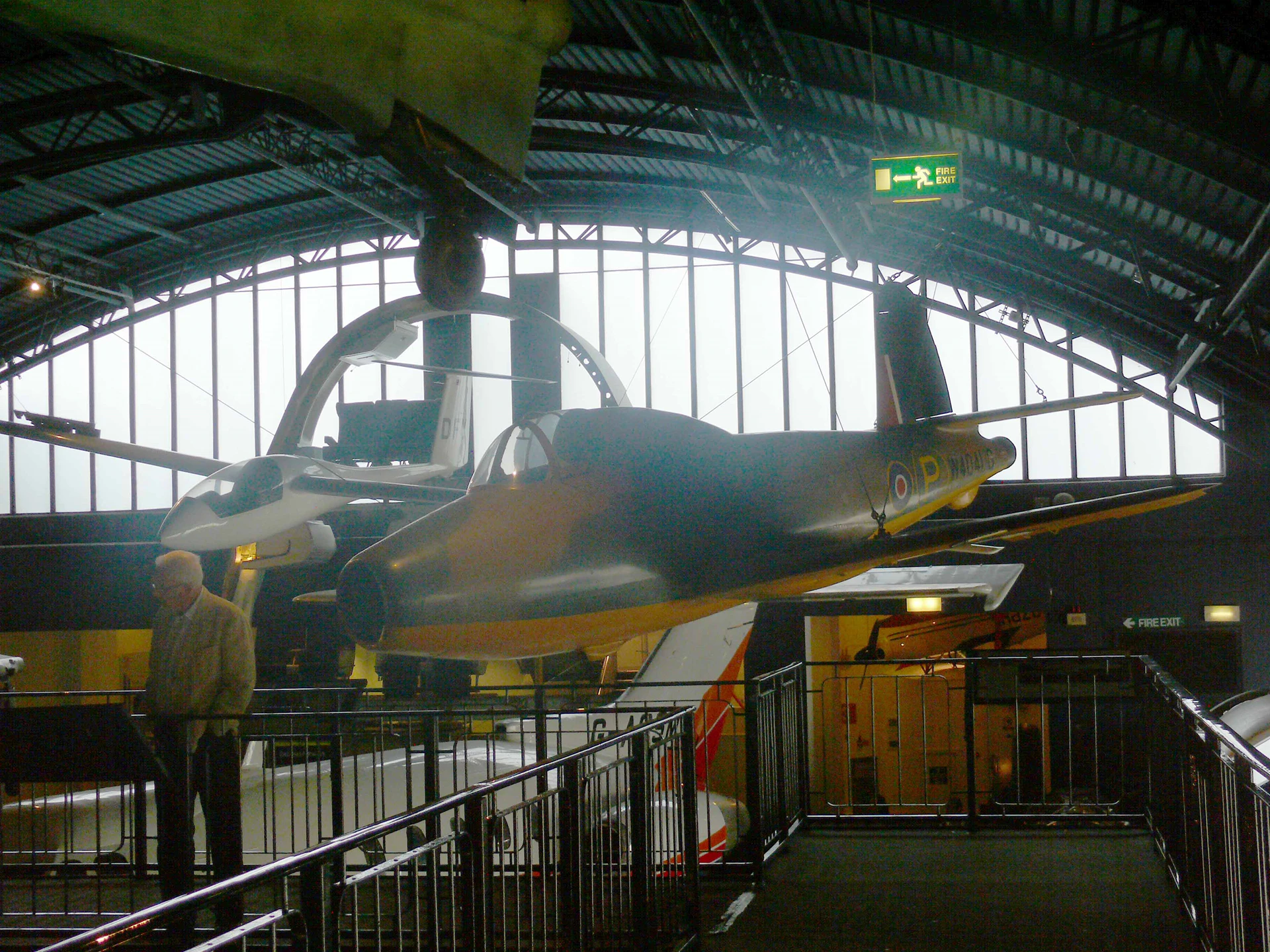
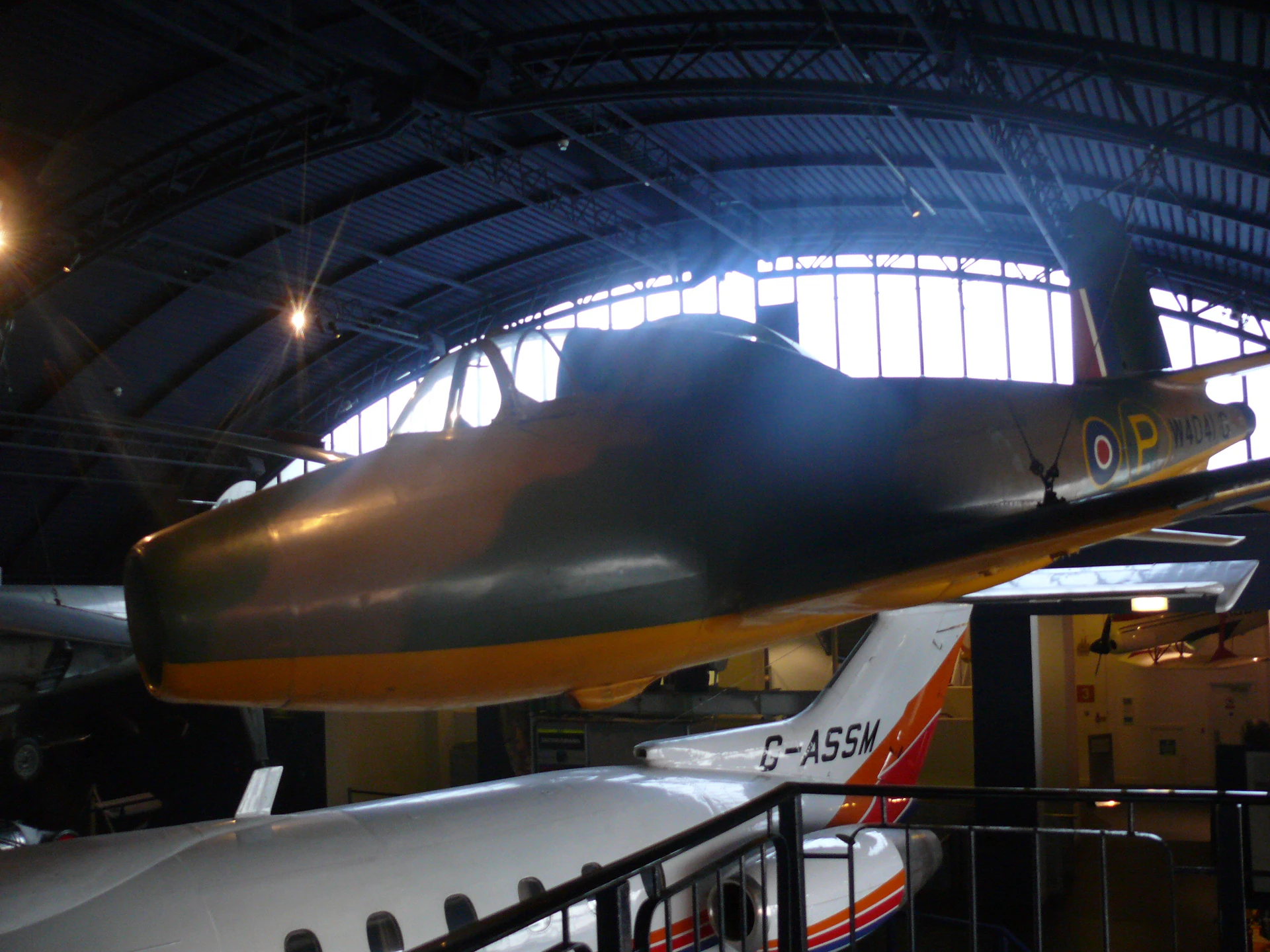
| Gloster E28-39 Walk Around | |
|---|---|
| Photographers | Howard Mason, Mark Hayward |
| Localisation | Unknow |
| Photos | 31 |
See also:


The Dawn of British Jet Propulsion
The Gloster E.28/39 was not intended to be a fighter, but a flying laboratory. Designed to test Sir Frank Whittle’s revolutionary gas turbine engine, it was a “no-frills” aircraft built around a single central air duct. When it first took to the sky on May 15, 1941, it sounded like nothing the British public had ever heard—a high-pitched whistle rather than the roar of a piston. While the Germans had flown a jet first (the He 178), the E.28/39 was far more sophisticated and stable, proving that jet aircraft were not just possible, but the inevitable future of aviation.
| Attribute | Technical Specification (Prototype W4041) |
|---|---|
| Role | Experimental Research Aircraft |
| Crew | 1 (Test Pilot) |
| First Flight | May 15, 1941 (RAF Cranwell) |
| Powerplant | 1 × Power Jets W.1 centrifugal-flow turbojet |
| Static Thrust | 860 lbf (3.8 kN) — later models reached 1,700 lbf |
| Maximum Speed | 338 mph (544 km/h) initially; 466 mph (750 km/h) with W.2/500 |
| Service Ceiling | 32,000 ft (9,800 m) |
| Armament | None (Provision for 4 × .303 Brownings was never used) |
Design Engineering: The Centrifugal “Squirt”
- Straight-Through Flow: The air entered through a single hole in the nose, split into two ducts to pass around the pilot’s cockpit, and merged again at the engine intake. This allowed for a very clean aerodynamic nose but contributed to the aircraft’s “tubby” appearance.
- Whittle’s Centrifugal Engine: Unlike modern axial-flow jets, Whittle’s W.1 engine used a centrifugal compressor (like a turbocharger). It was simpler to build but required a large-diameter fuselage to house the circular engine and its ten combustion chambers.
- Tricycle Landing Gear: The E.28/39 was the first British single-engine aircraft to use a nose-wheel configuration. This was essential to keep the jet exhaust parallel to the ground, preventing it from scorching the grass or tarmac during takeoff.
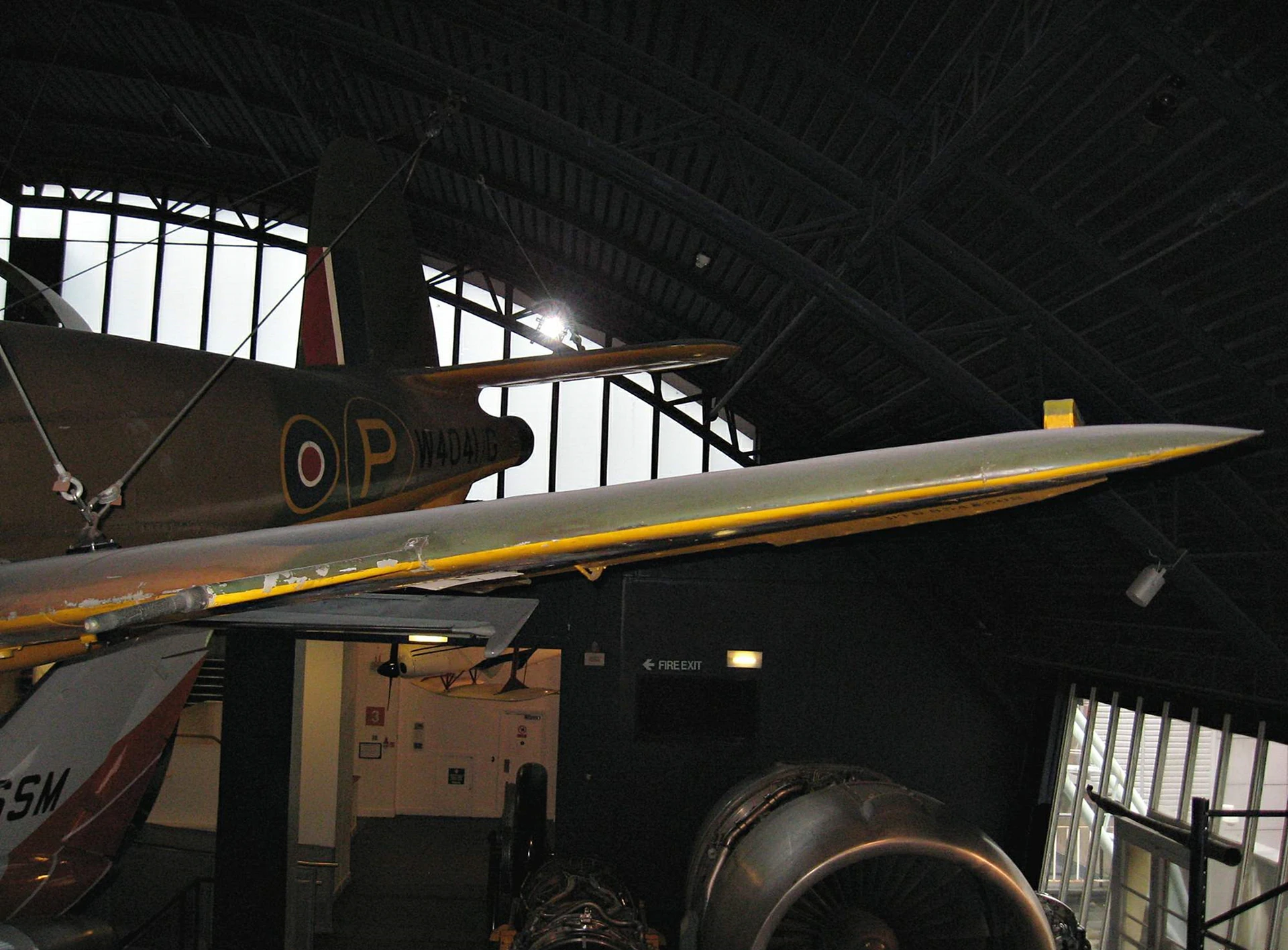
- High-Speed Stability: As the aircraft reached higher speeds than any previous Gloster design, small “finlets” were added to the horizontal stabilizers to improve rudder effectiveness and directional stability.
Historic Milestones and Legacy
- The First “Hop”: During high-speed taxi trials in April 1941 at Hucclecote, the aircraft unintentionally lifted off for several short “hops,” making it technically the first time a British jet left the ground.
- Gerry Sayer: Gloster’s Chief Test Pilot, Gerry Sayer, was the man who made the historic first flight. He described the aircraft as “exceptionally smooth” compared to the vibrating piston planes of the era.
- The Missing Guns: The original Air Ministry specification (E.28/39) actually called for four machine guns. However, because the early engines were underpowered, every ounce of weight was saved, and the weapons were deleted to prioritize flight data.
- Survival: The first prototype (W4041) survived the war and now takes pride of place in the Science Museum in London. It remains the most important physical artifact of the British jet age.
Views : 2995
You can see also :
 Avro 504 – Photos & Videos
 Nardi FN.305 – Photos & Videos
 Northrop YC-125 Raider – Photos & Videos
 Grumman AF Guardian – Photos & Videos
 Fairey Delta 2 – Photos & Videos
 Handley Page Halifax – Photos & Videos
 Grumman G-21 Goose – Photos & Videos
 British Aerospace Harrier II – Photos & Videos
 Boeing B-52 Stratofortress – WalkAround
 Focke-Wulf FW-190 – Walk Around