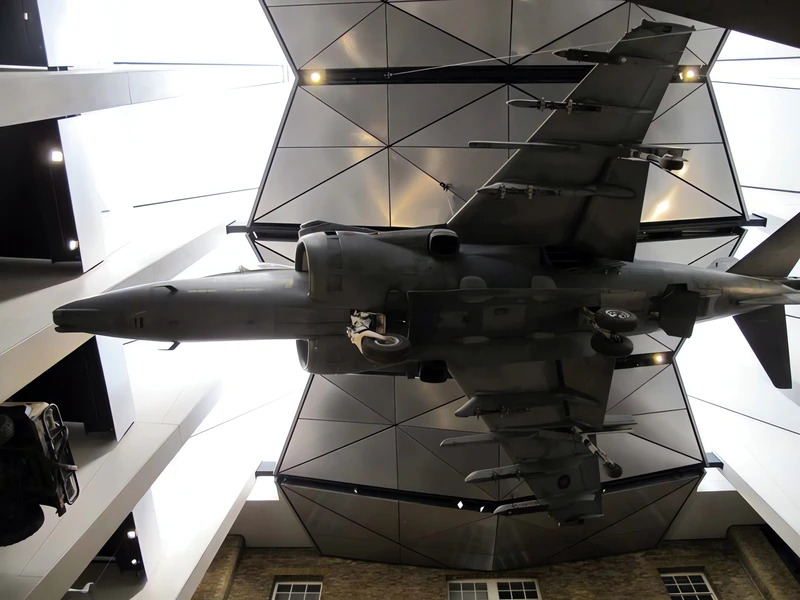
British Aerospace Harrier II | |
|---|---|
| Country | UK |
| Role | V/STOL strike aircraft |
| First flight | 30 April 1985 |
| Built | 143 |
The British Aerospace Harrier II is a second-generation vertical/short takeoff and landing (V/STOL) jet aircraft used previously by the Royal Air Force (RAF) and, between 2006 and 2010, the Royal Navy (RN). The aircraft was the latest development of the Harrier Jump Jet family, and was derived from the McDonnell Douglas AV-8B Harrier II. Initial deliveries of the Harrier II were designated in service as Harrier GR5; subsequently upgraded airframes were redesignated accordingly as GR7 and GR9.
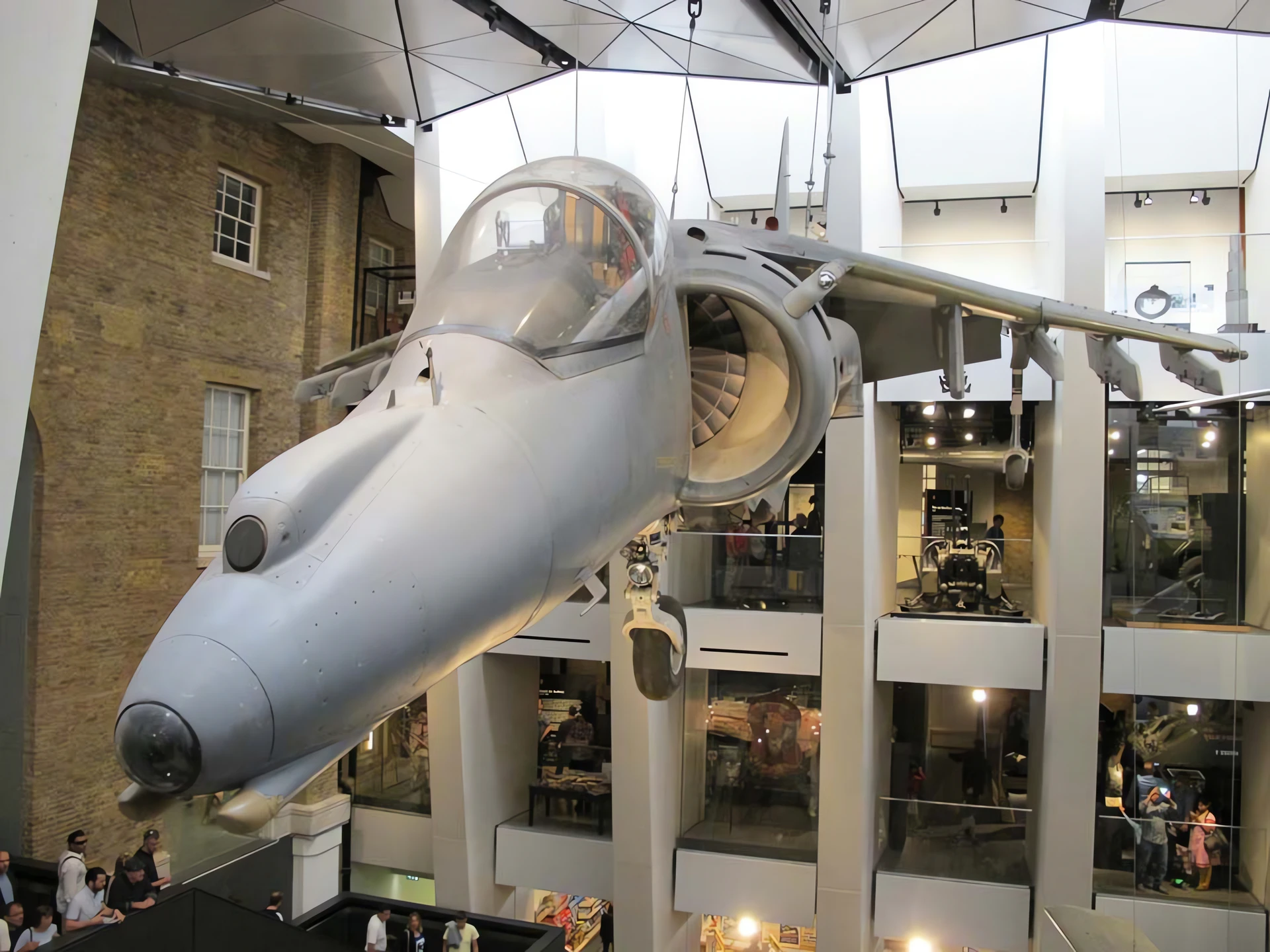
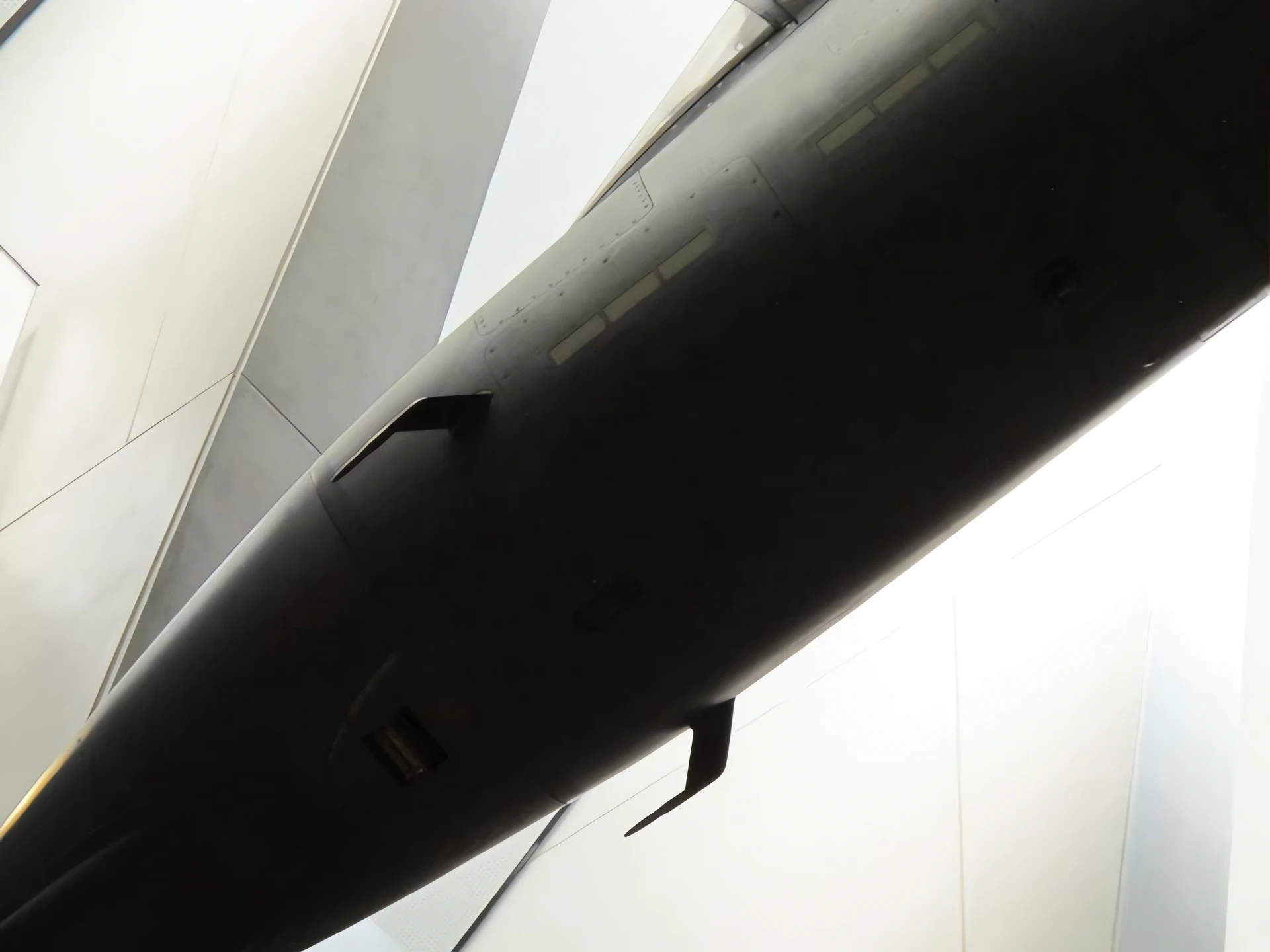
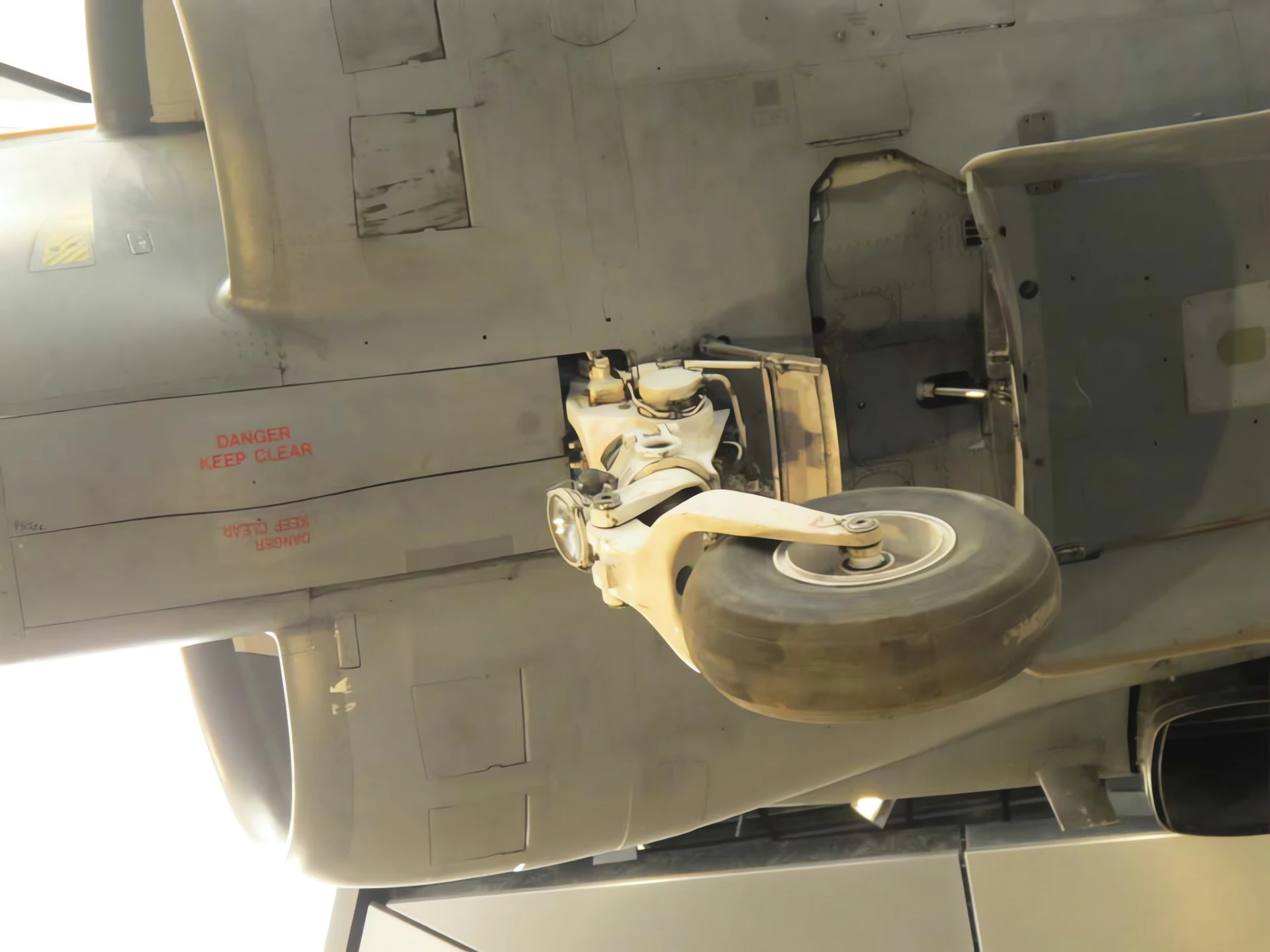
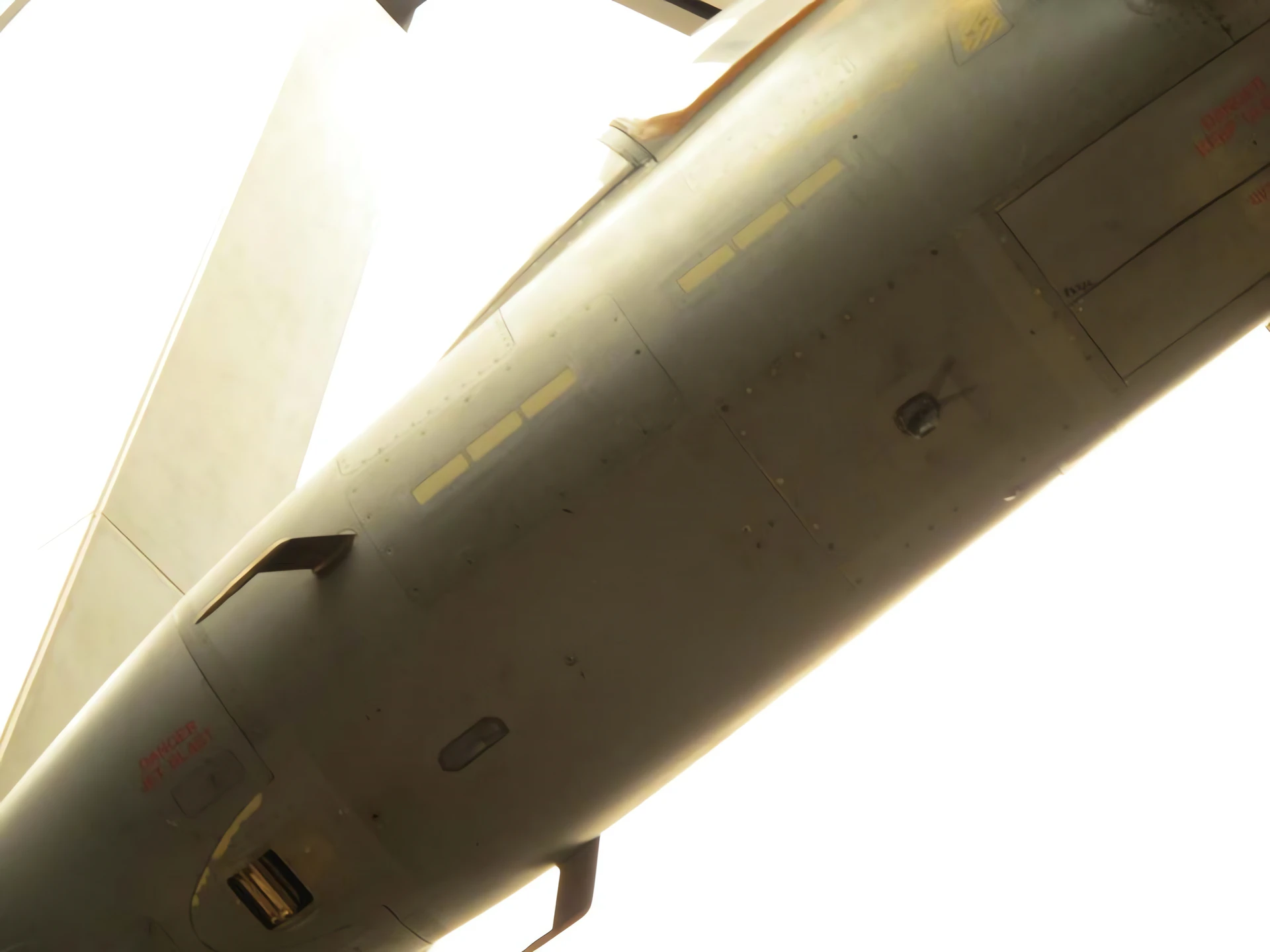
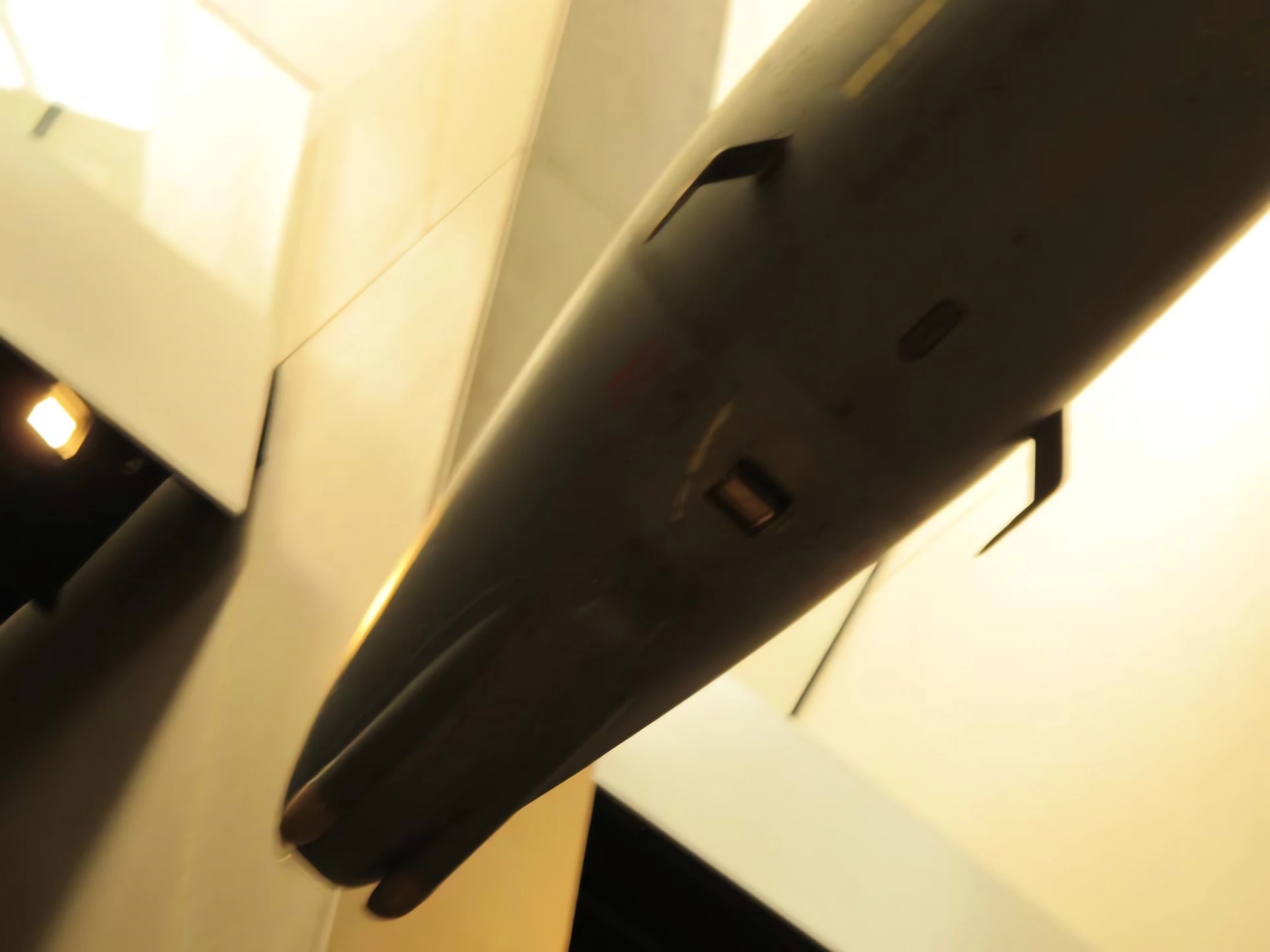
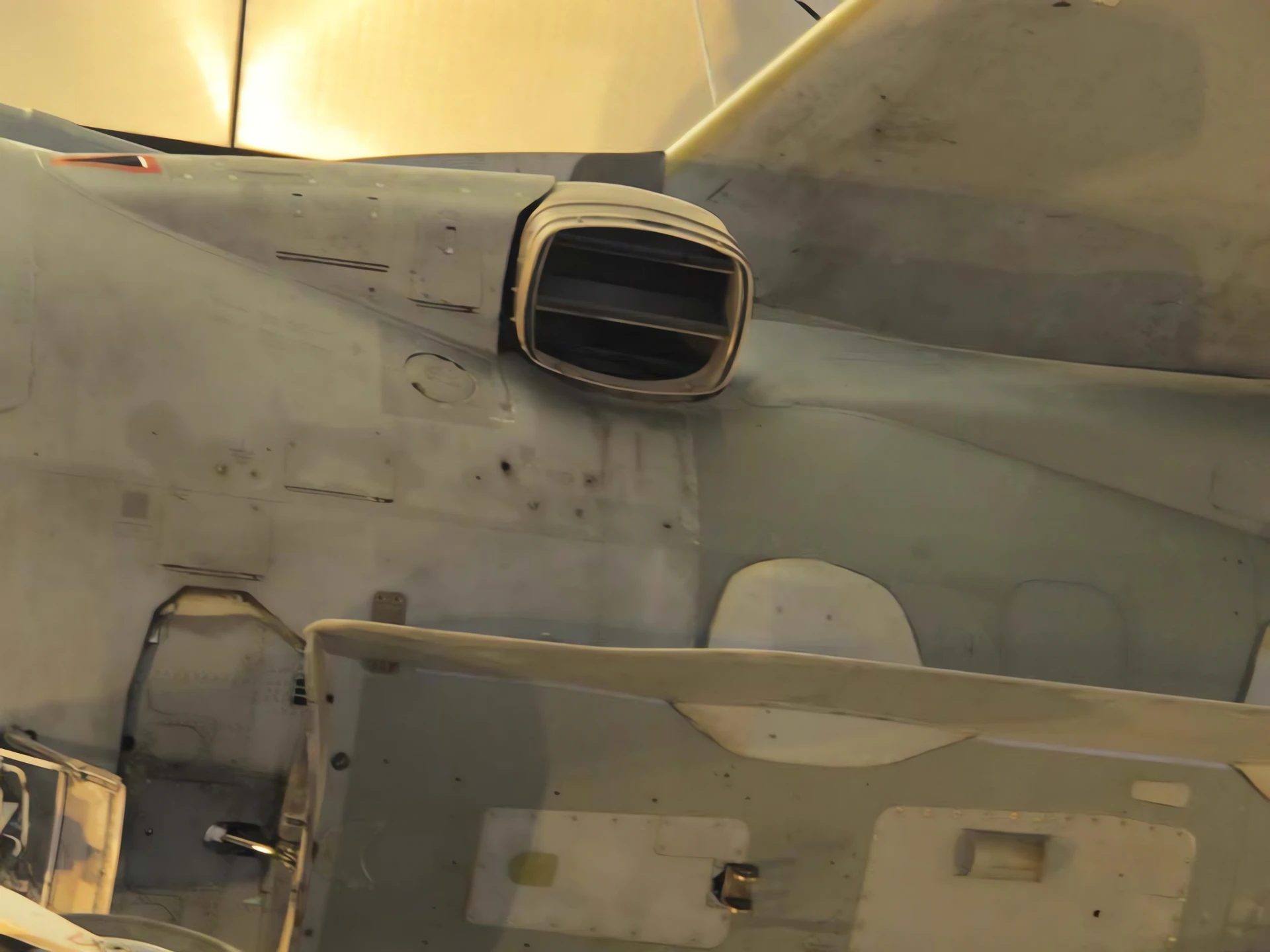
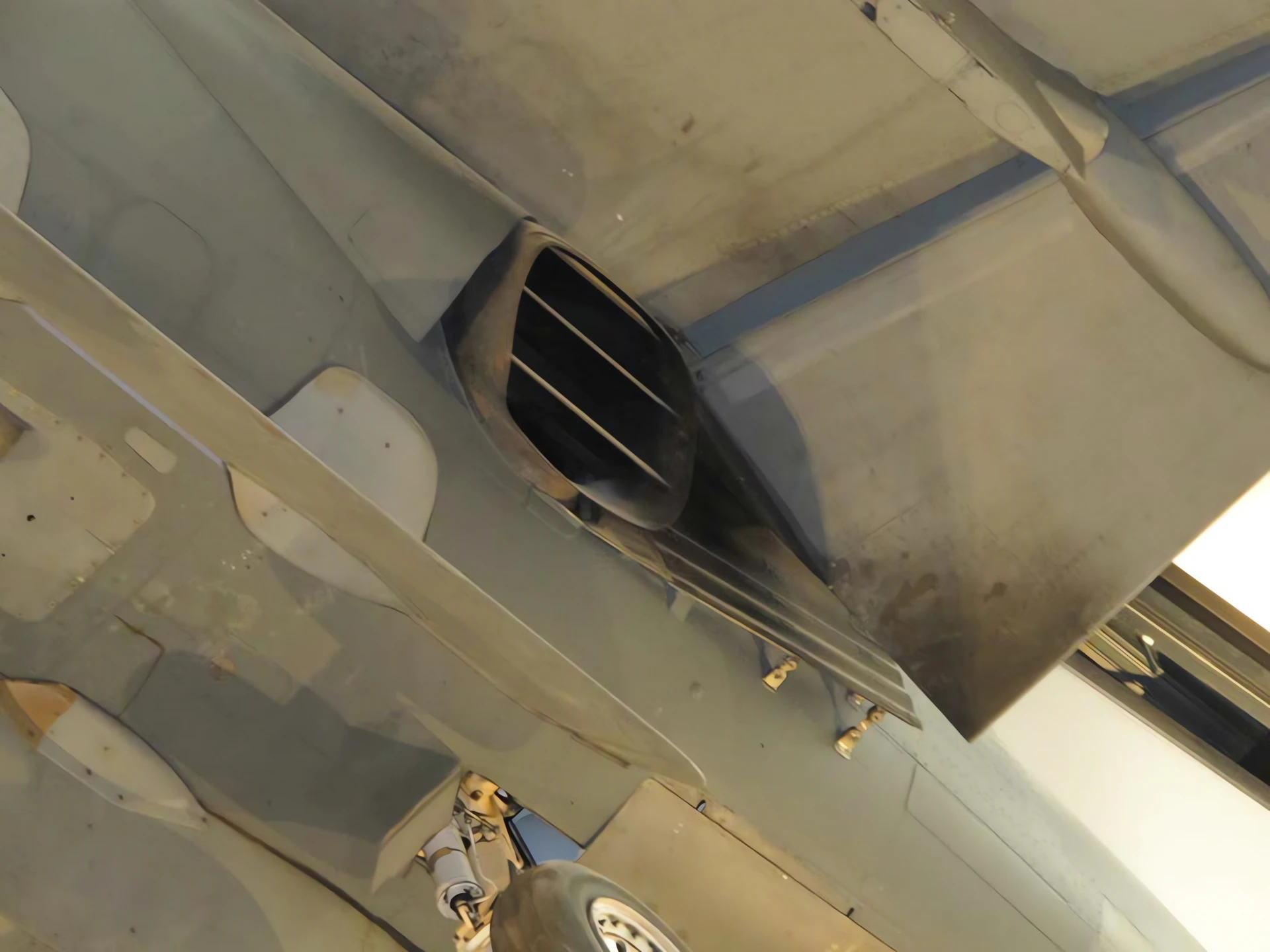
| BAe Harrier GR.9 Walk Around | |
|---|---|
| Photographer | Vladimir Yakubov |
| Localisation | Imperial War Museum, London |
| Photos | 149 |
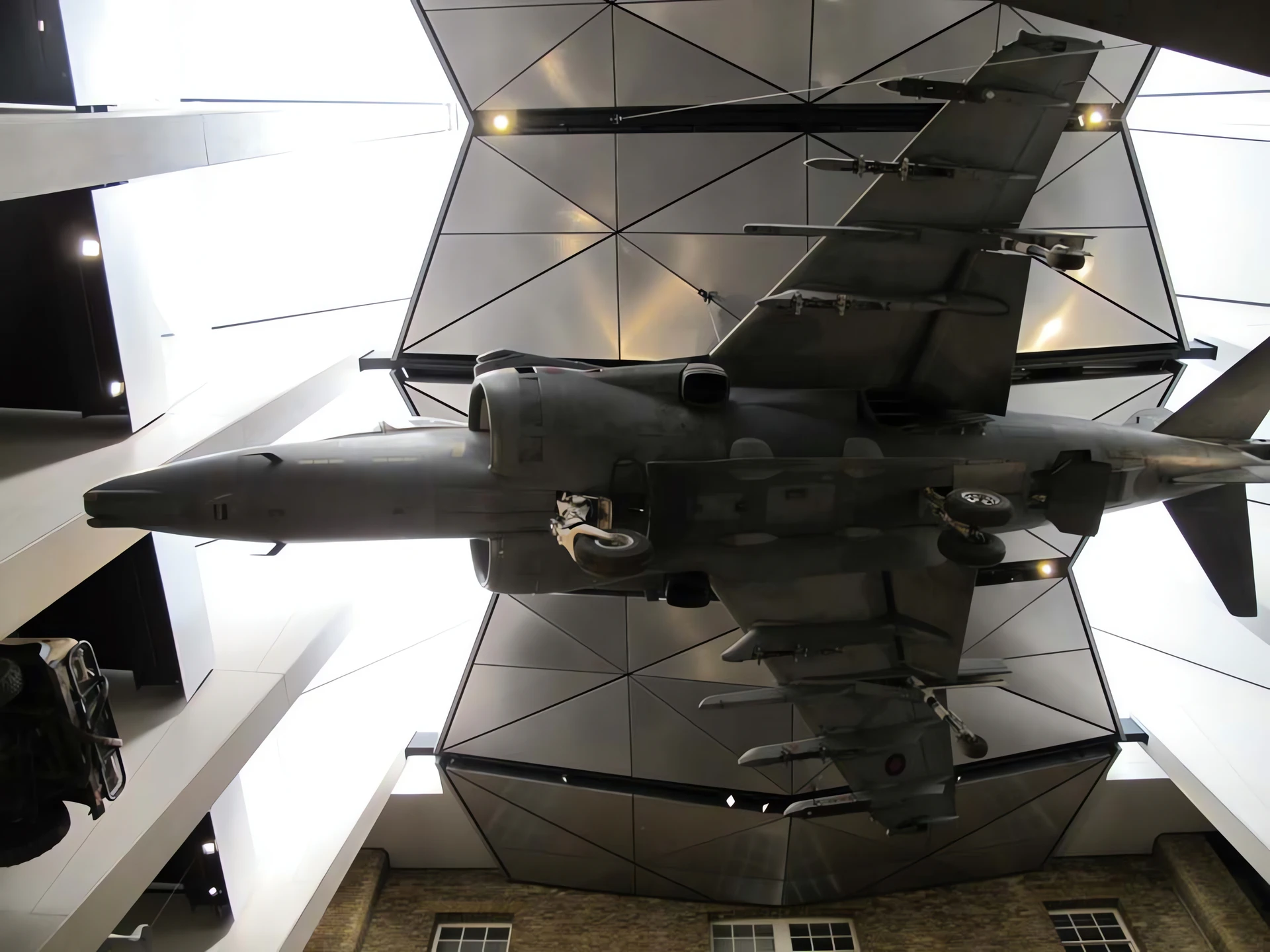
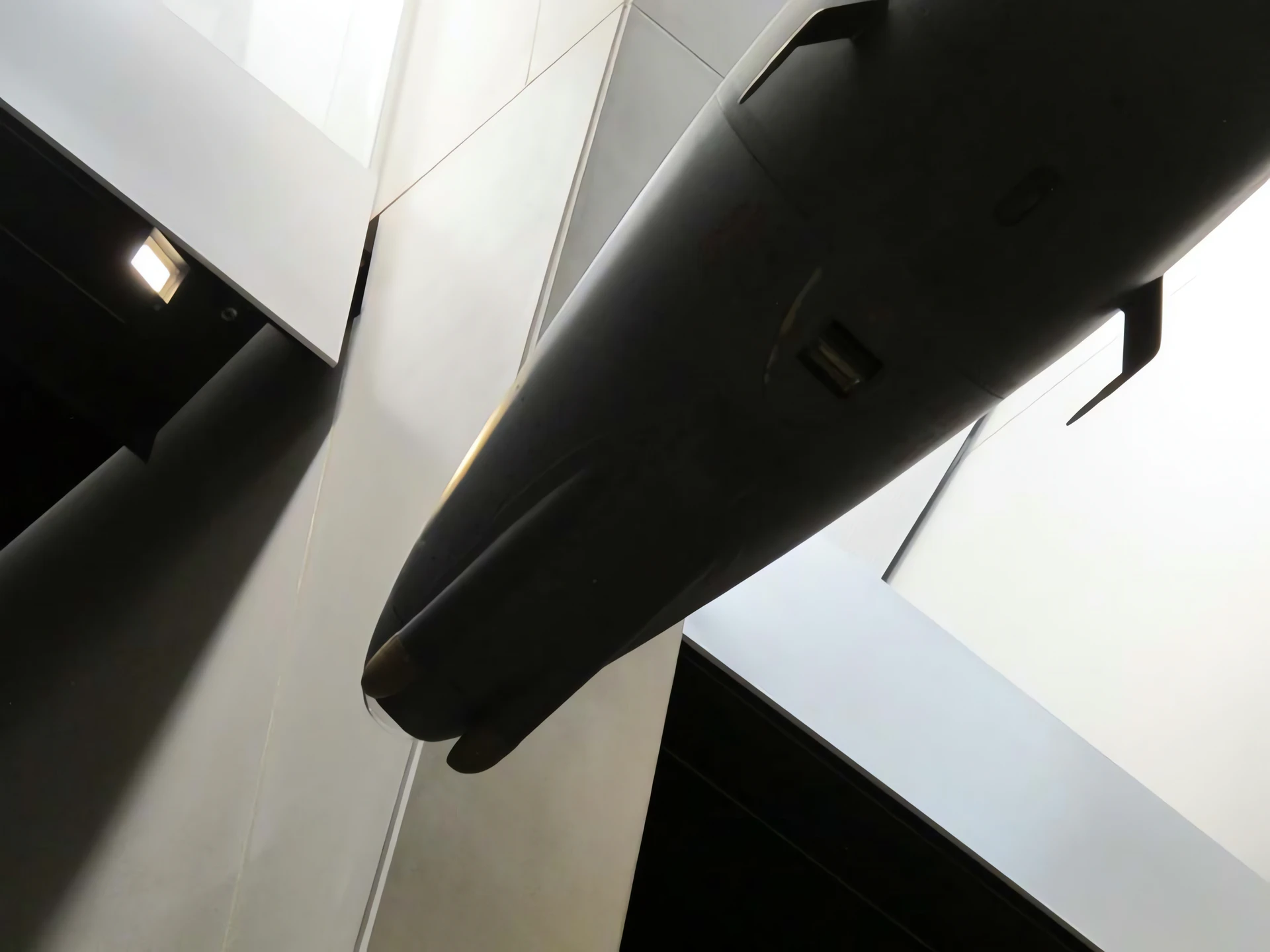

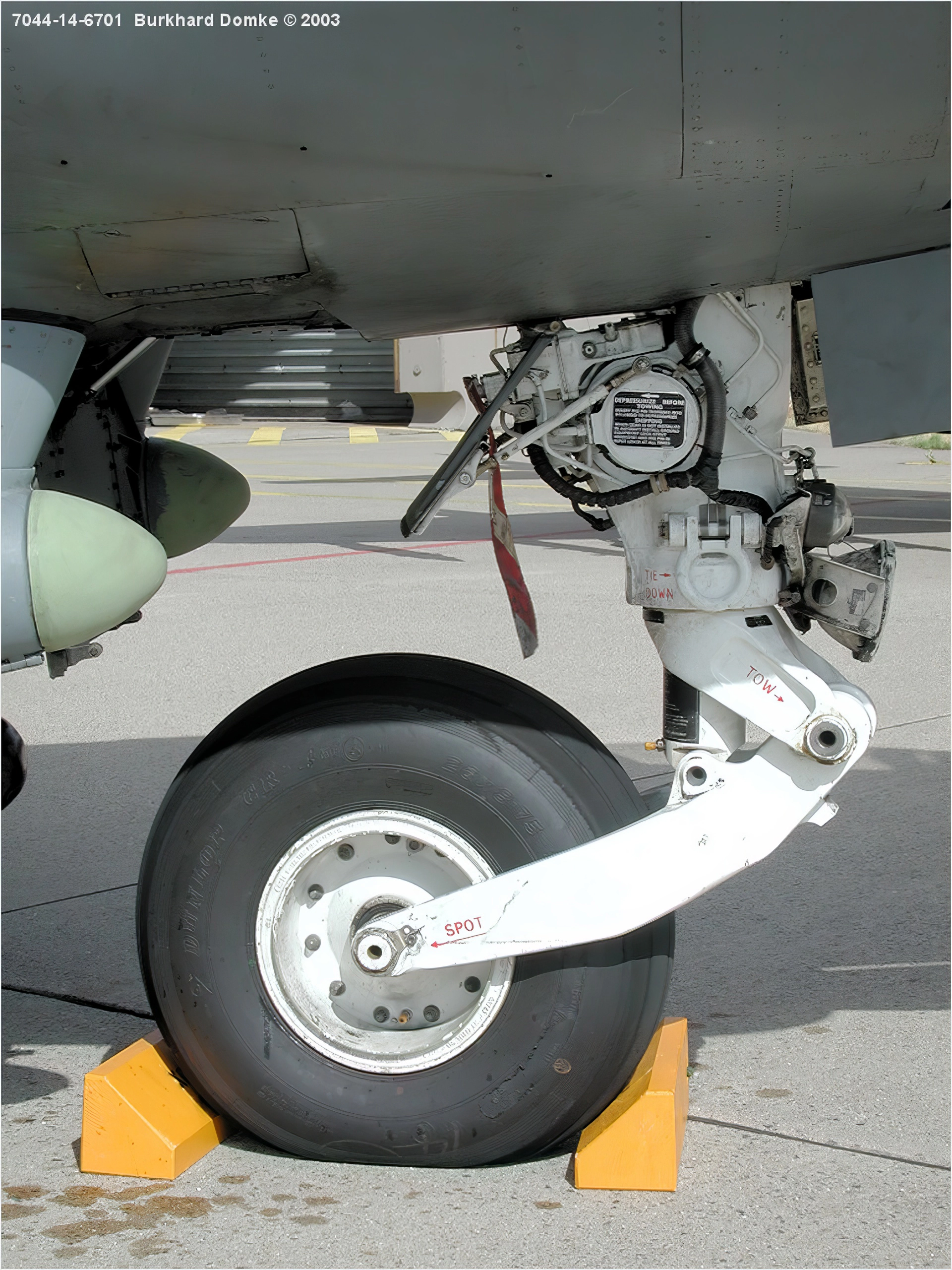
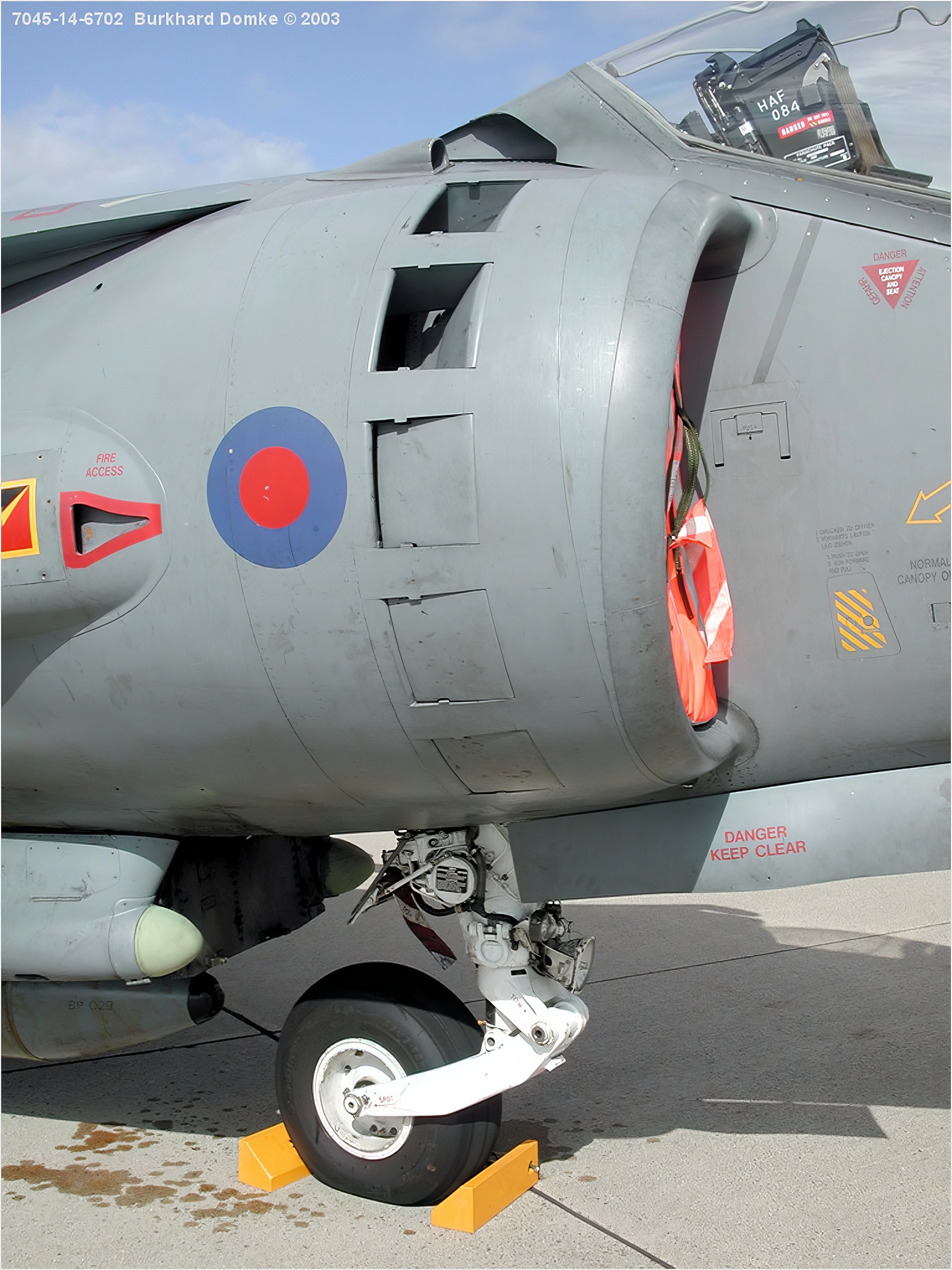
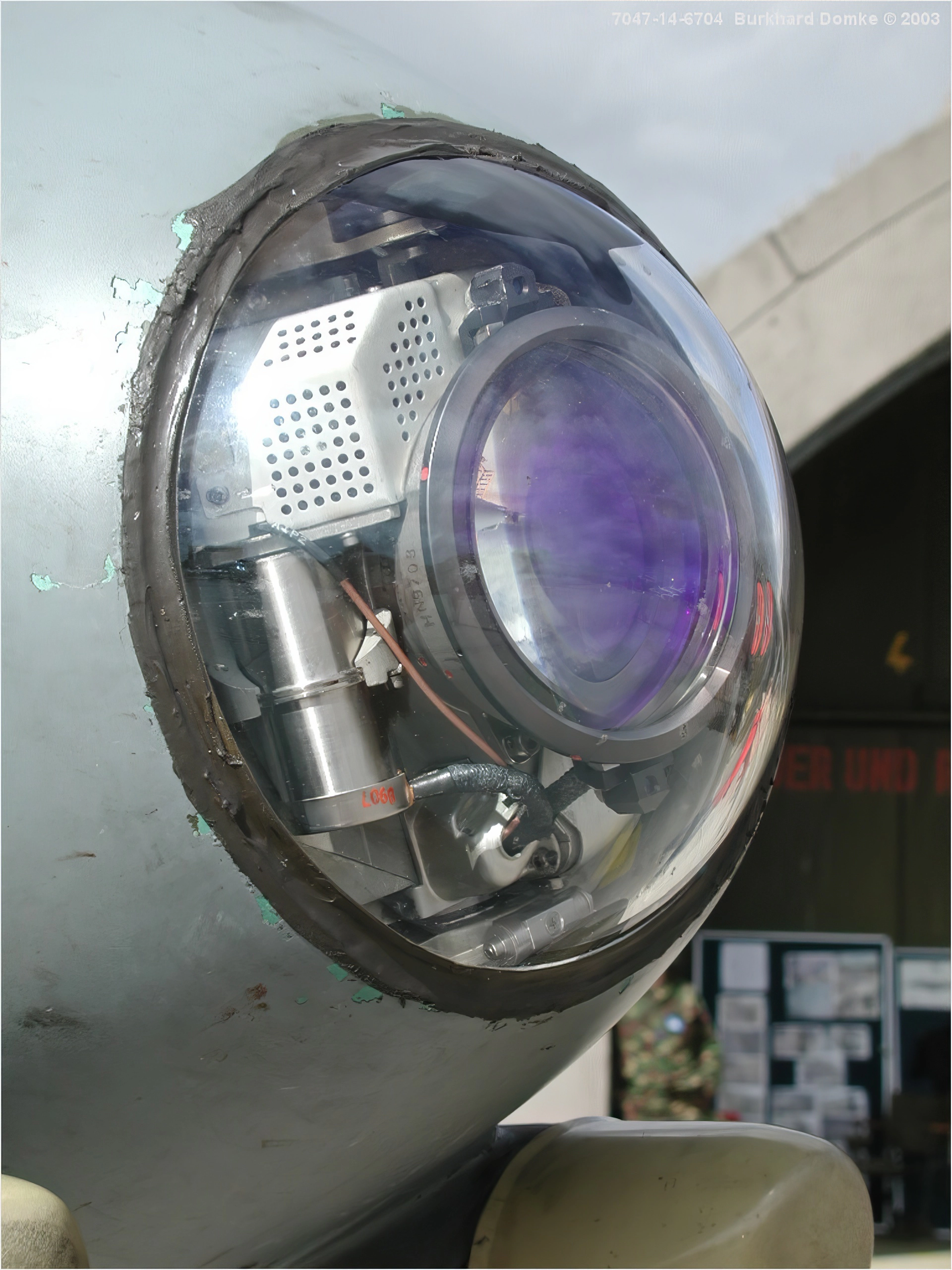
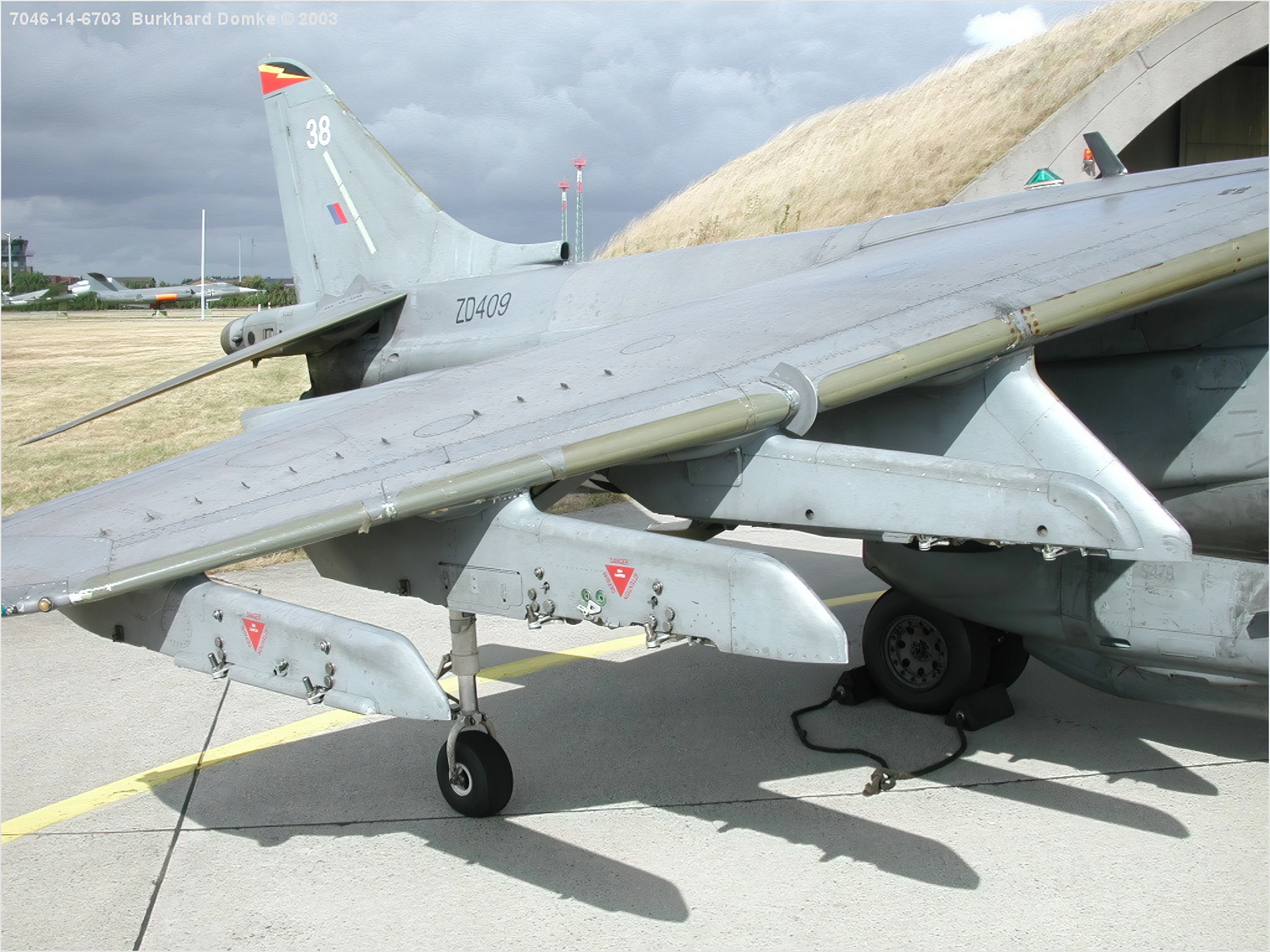
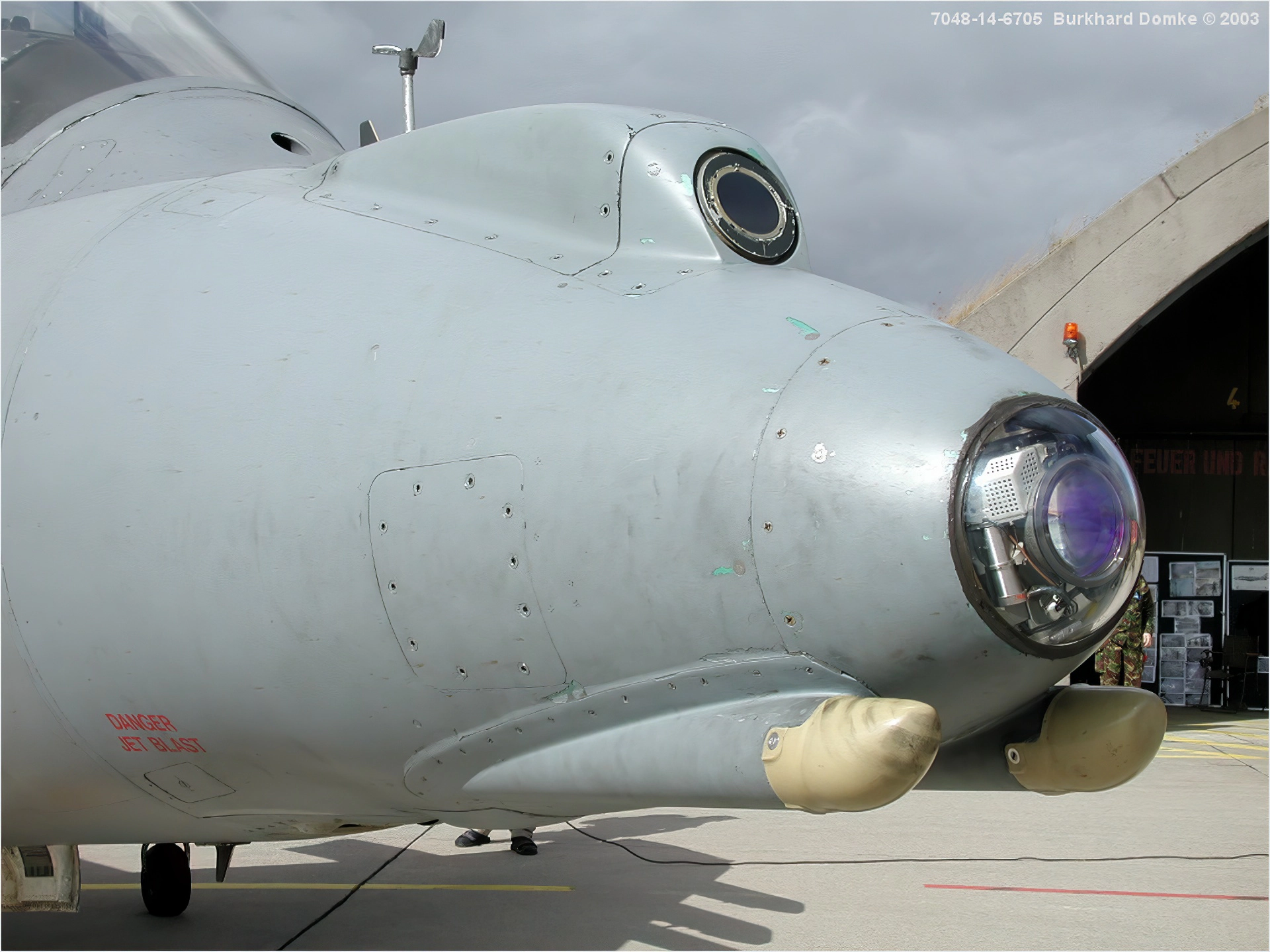
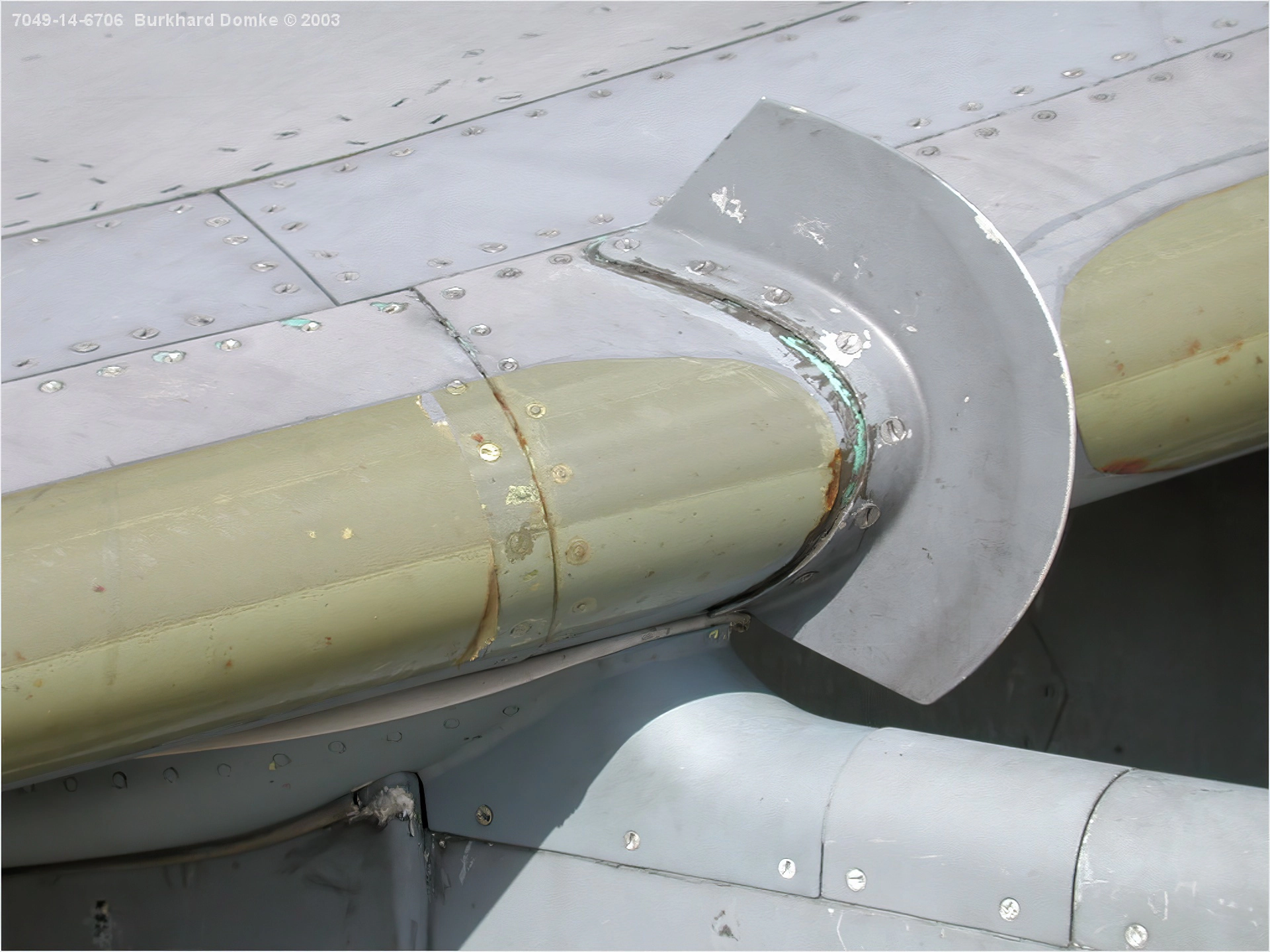
| Harrier GR.7 Walk Around | |
|---|---|
| Photographer | Burhand Donke |
| Localisation | Unknow |
| Photos | 28 |
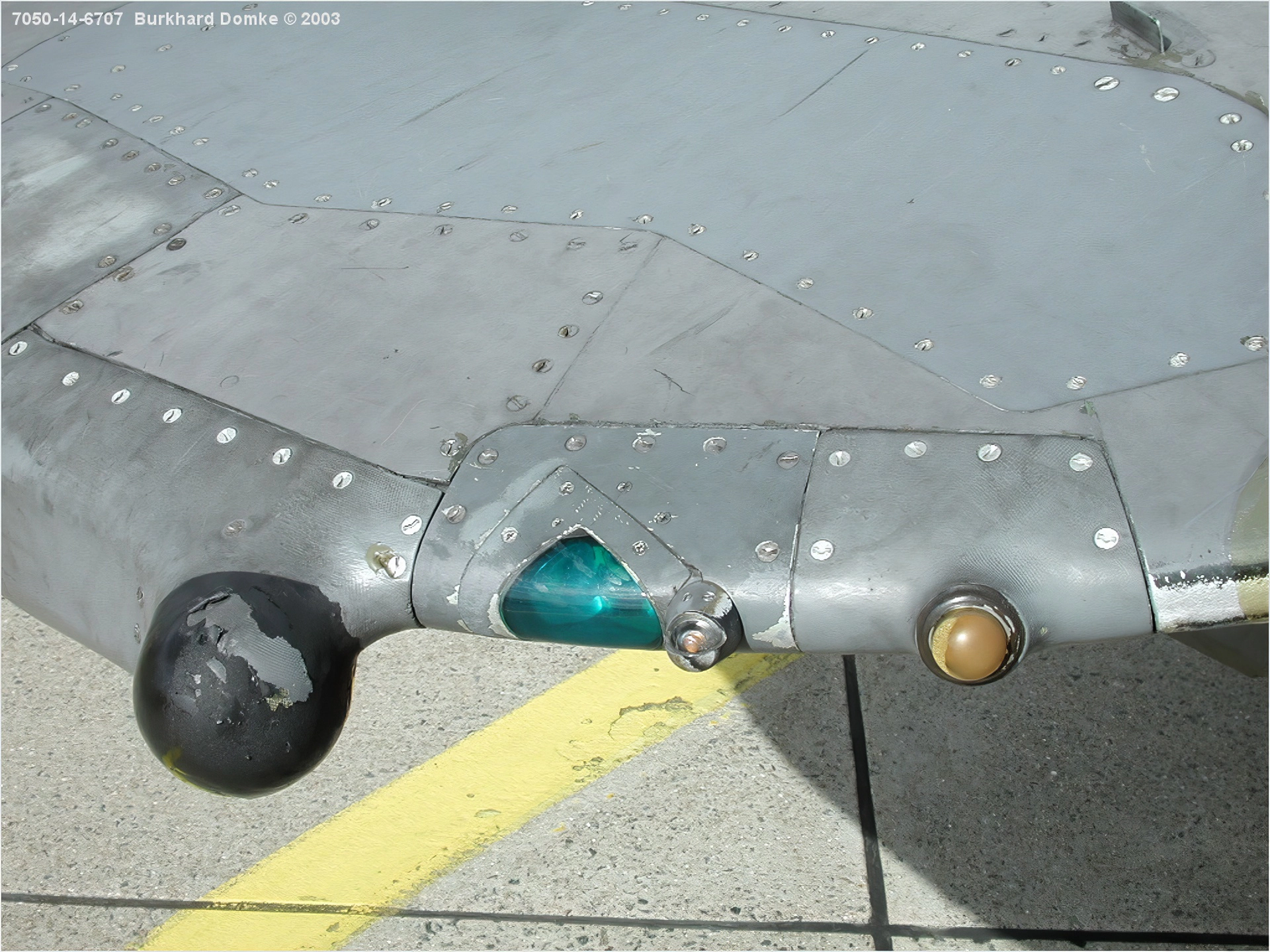
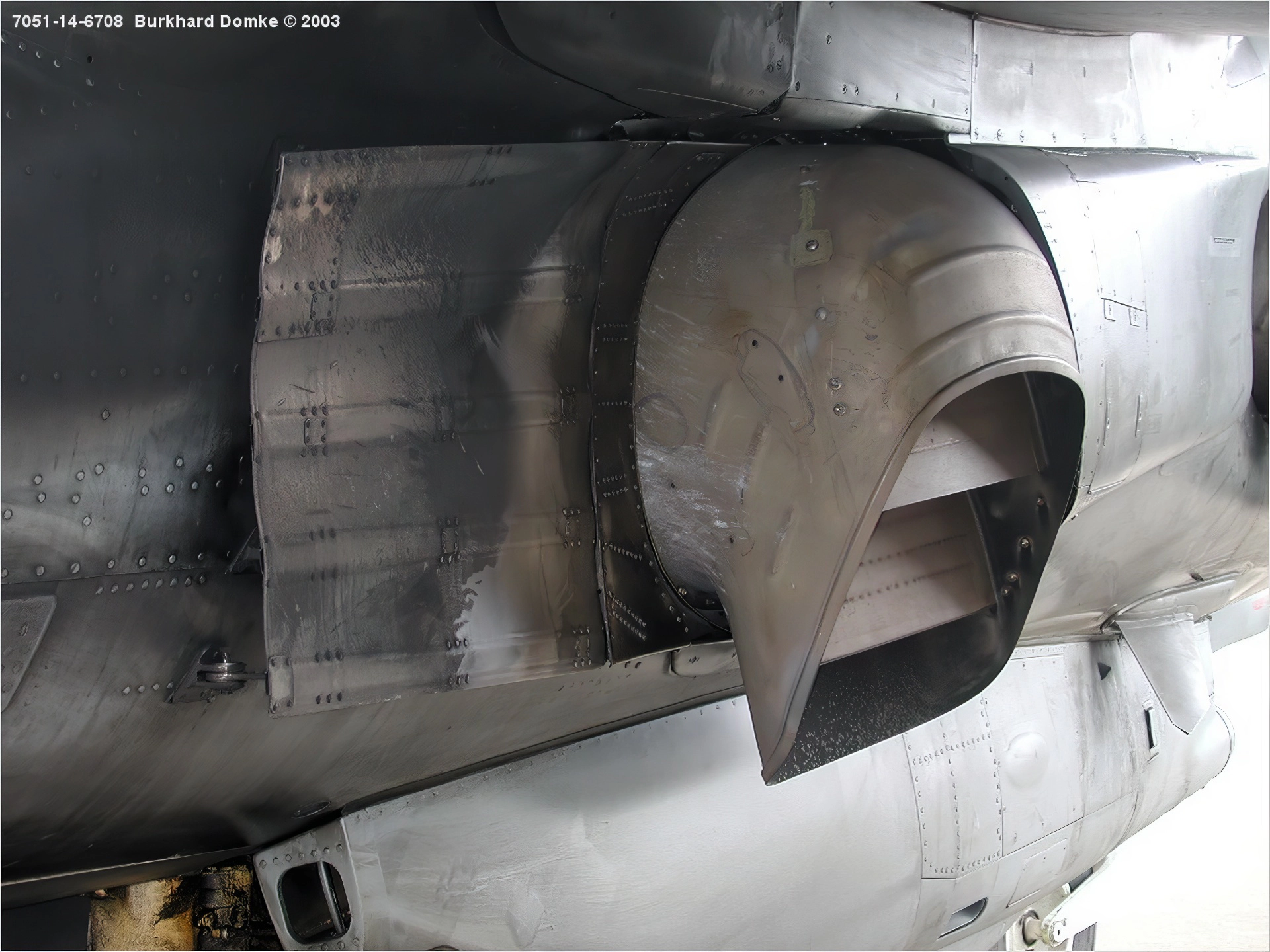
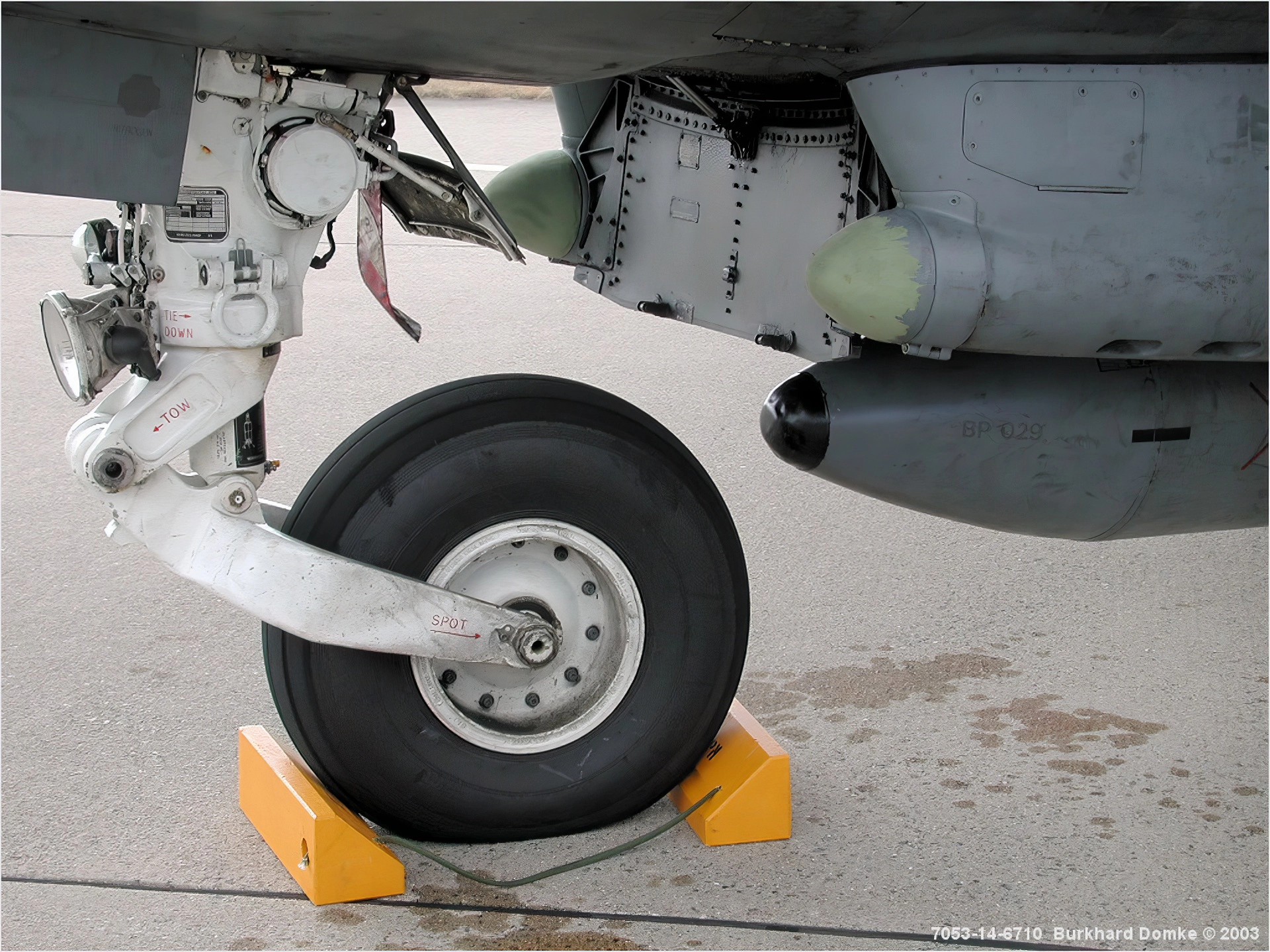
See also:


General Characteristics and Role
The British Aerospace Harrier GR.9 was a major upgrade of the earlier GR.7 model, serving as the final ground-attack/reconnaissance variant of the **second-generation Harrier II family** (a development of the original Hawker Siddeley Harrier). The GR.9 was specifically designed for Vertical/Short Take-Off and Landing (V/STOL) operations, allowing it to operate from small clearings, roads, or the decks of aircraft carriers without a catapult. Its primary role was close air support (CAS) and battlefield interdiction. The upgrade focused on improved avionics, greater precision strike capability (including the integration of modern smart weapons), and a more powerful engine to cope with increased weapon loads. The Harrier GR.9 served with the Royal Air Force (RAF) and the Royal Navy (RN) until the type’s retirement in 2010.
| Property | Typical Value (Harrier GR.9) |
|---|---|
| Role | V/STOL Ground Attack, Reconnaissance |
| National Origin | United Kingdom / United States (Joint Development) |
| Manufacturer | British Aerospace / McDonnell Douglas |
| Service Entry (GR.9) | 2006 |
| Crew | 1 (Pilot) |
| Length | 14.12 m (46 ft 4 in) |
| Wingspan | 9.25 m (30 ft 4 in) |
| Height | 3.56 m (11 ft 8 in) |
| Max Takeoff Weight (STOVL) | 14,000 kg (31,000 lb) |
Powerplant and V/STOL System
- Engine: 1 x Rolls-Royce Pegasus Mk. 107 vectored-thrust turbofan.
- Max Thrust: Approximately 105.87 kN (23,800 lbf).
- Maximum Speed: 1,065 km/h (662 mph; 575 kn) (Mach 0.87) at sea level.
- Operational Range: Approximately 3,300 km (2,000 mi) with external fuel tanks.
- V/STOL Principle: Thrust is directed through four rotating nozzles (two hot exhaust, two cold bypass air) located around the aircraft’s center of gravity. This allows the thrust to be directed downward for vertical flight or rearward for horizontal flight.
Armament and Avionics
- Hardpoints: 7 external stations for weapons and fuel.
- Primary Armament: Often included Paveway II/III laser-guided bombs, Enhanced Paveway II/III GPS-guided bombs, AGM-65 Maverick air-to-ground missiles, and CRV7 rocket pods.
- Avionics: Upgraded navigation and weapon systems, including the integration of GPS/INS for all-weather precision attack and a new digital cockpit architecture.
- Self-Defense: Equipped with defensive aids systems (DAS) including radar warning receivers and chaff/flare dispensers.
Views : 4824
You can see also :
 Sikorsky S-39 – Photos & Videos
 North American NA-64 Yale – Photos & Videos
 Sud-Ouest Triton – Photos & Video
 Culver PQ-14 Cadet – Photos & Video
 Northrop F-20 Tigershark – Photos & Video
 Aeronca L-3 – Photos & Video
 McDonnell F2H Banshee – Photos & Video
 Macchi MC-202 – WalkAround
 Fairey Battle – WalkAround
 Hawker Sea Fury – Walk Around