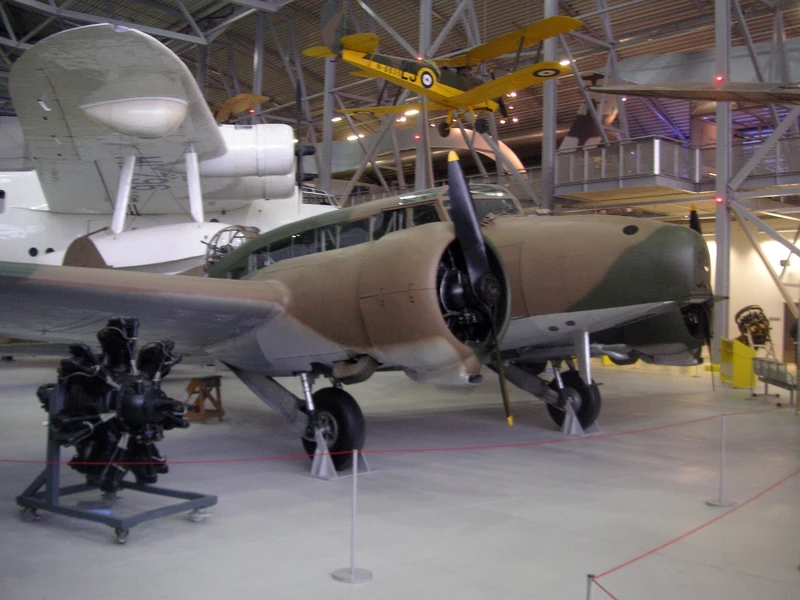
Avro Anson | |
|---|---|
| Country | UJ |
| Role | Multirole aircraft |
| First flight | 24 March 1935 |
| Built | 11020 |
The Avro Anson is a British twin-engined, multi-role aircraft built by the aircraft manufacturer Avro. Large numbers of the type served in a variety of roles for the Royal Air Force (RAF), Fleet Air Arm (FAA), Royal Canadian Air Force (RCAF) and numerous other air forces before, during, and after the Second World War.
Source: Avro Anson on Wikipedia
| Anson Mk.I Walk Around | |
|---|---|
| Photographer | Eric Berg |
| Localisation | Unknow |
| Photos | 24 |
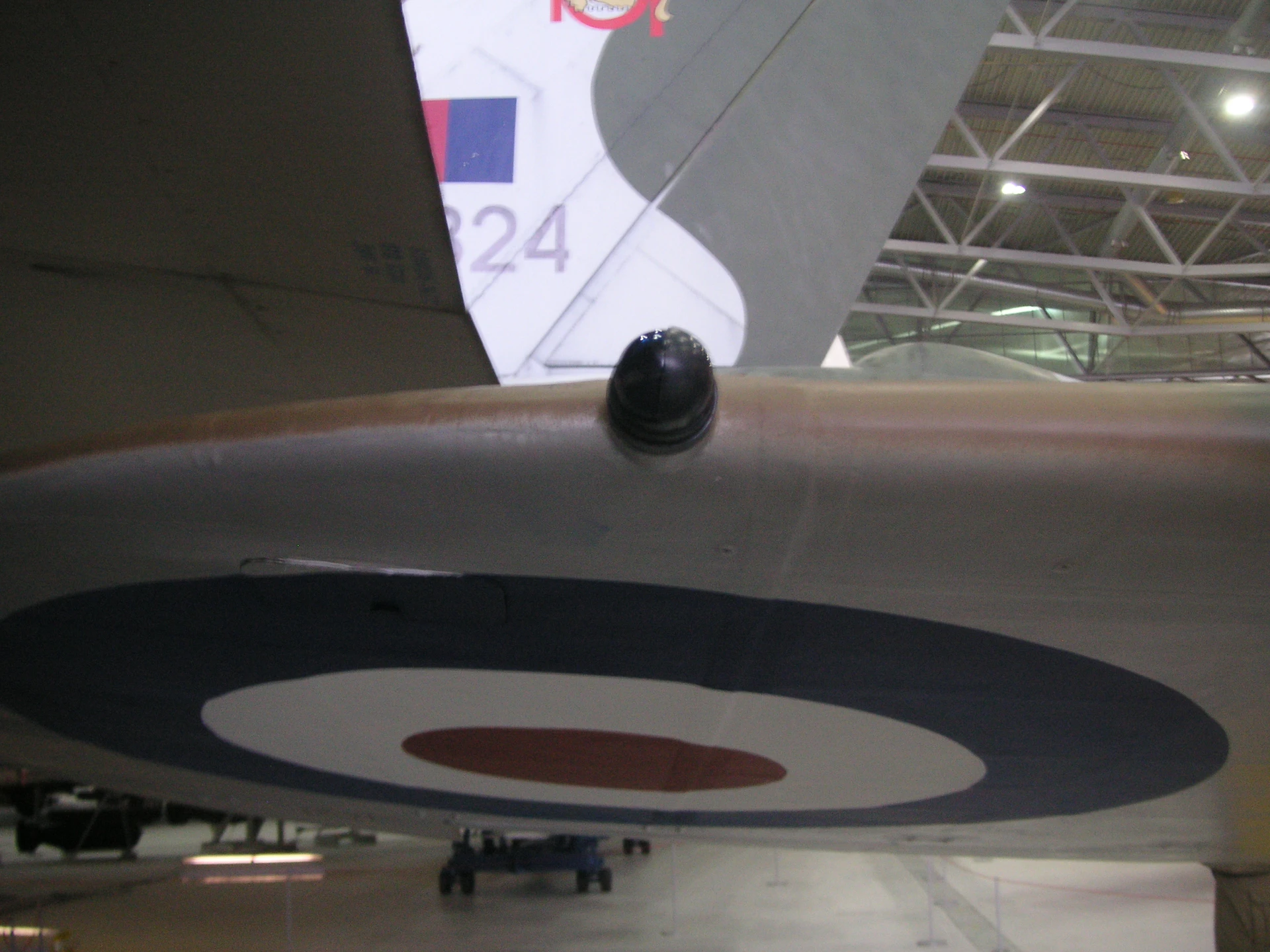
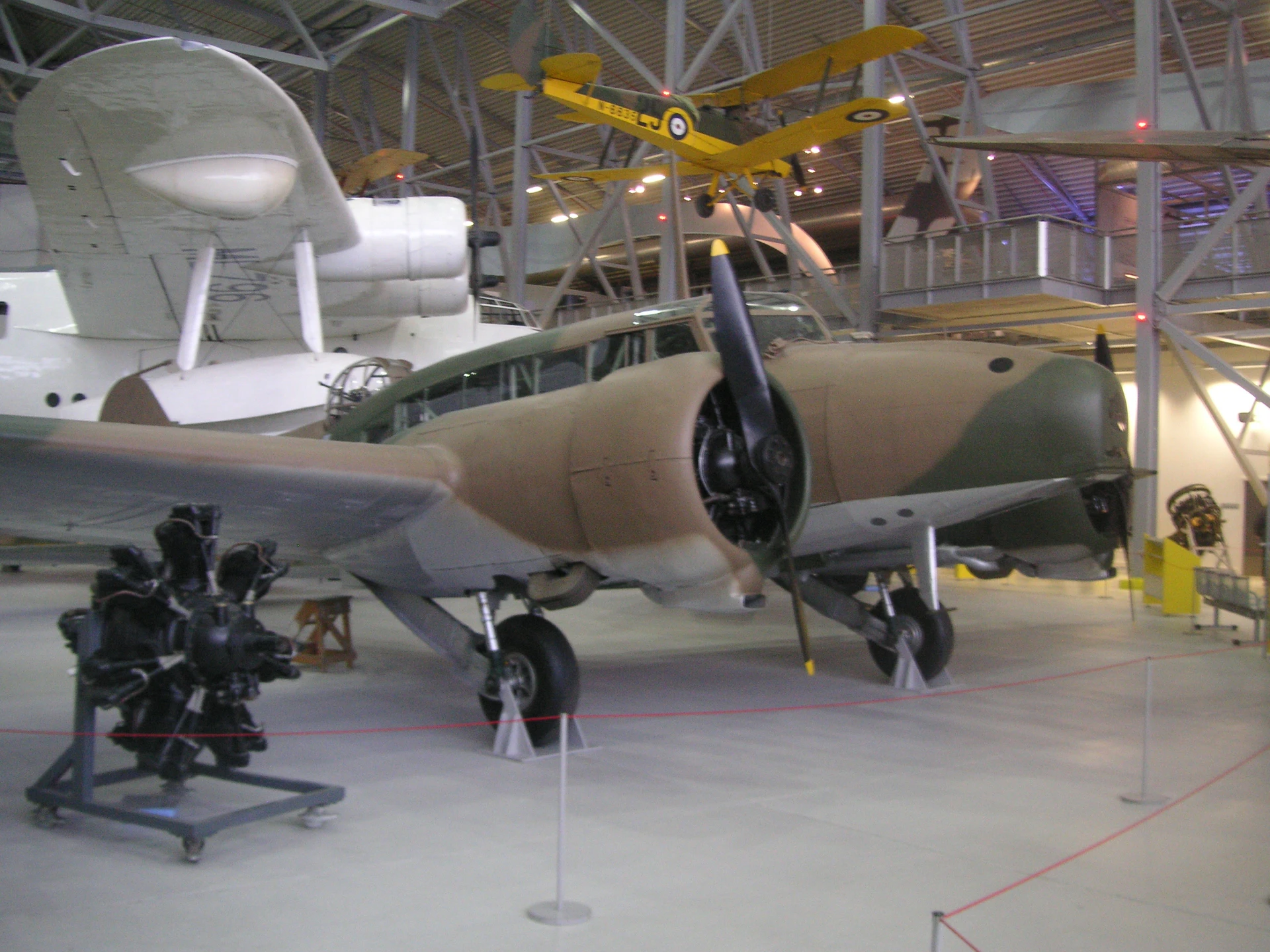
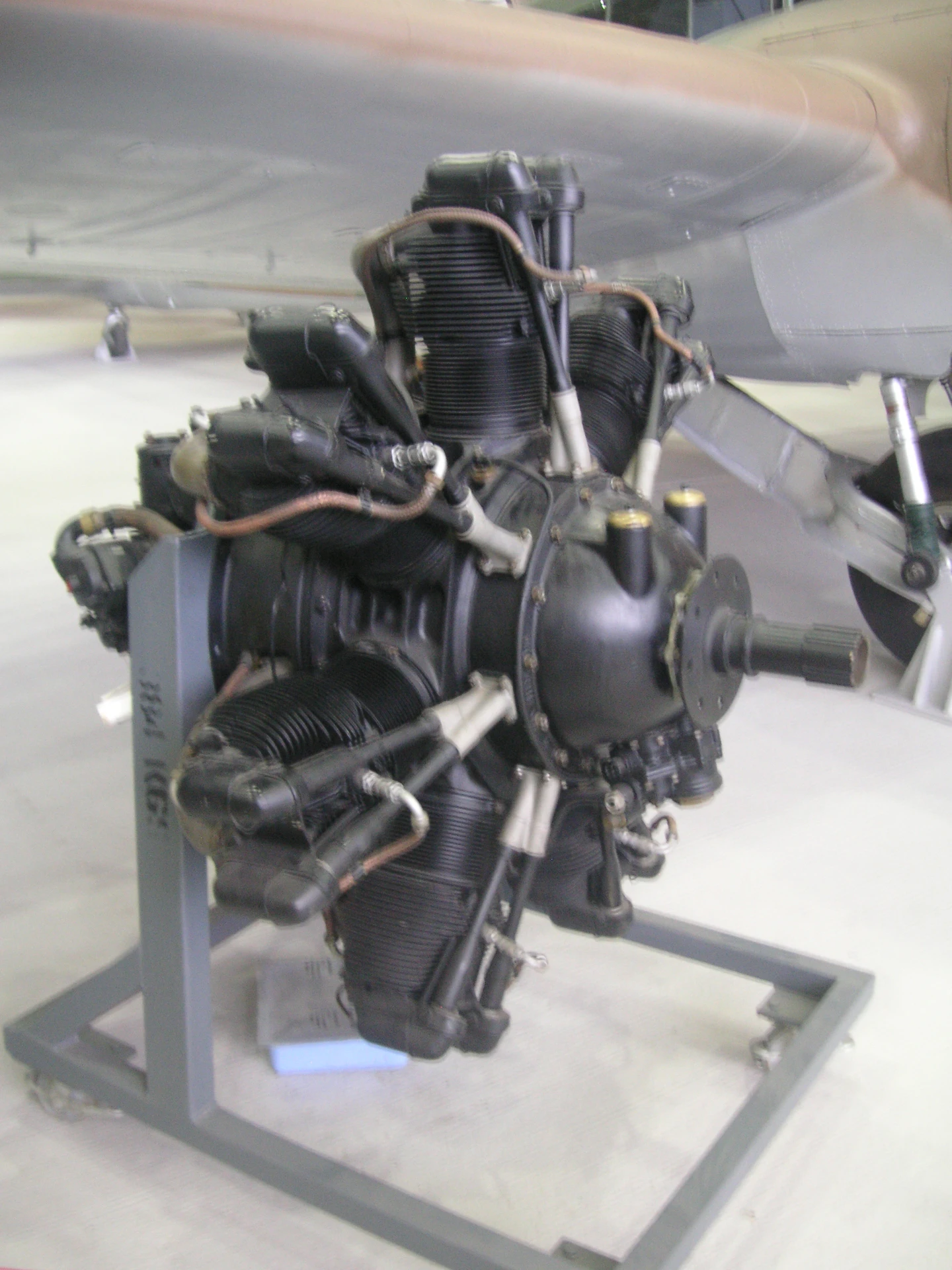
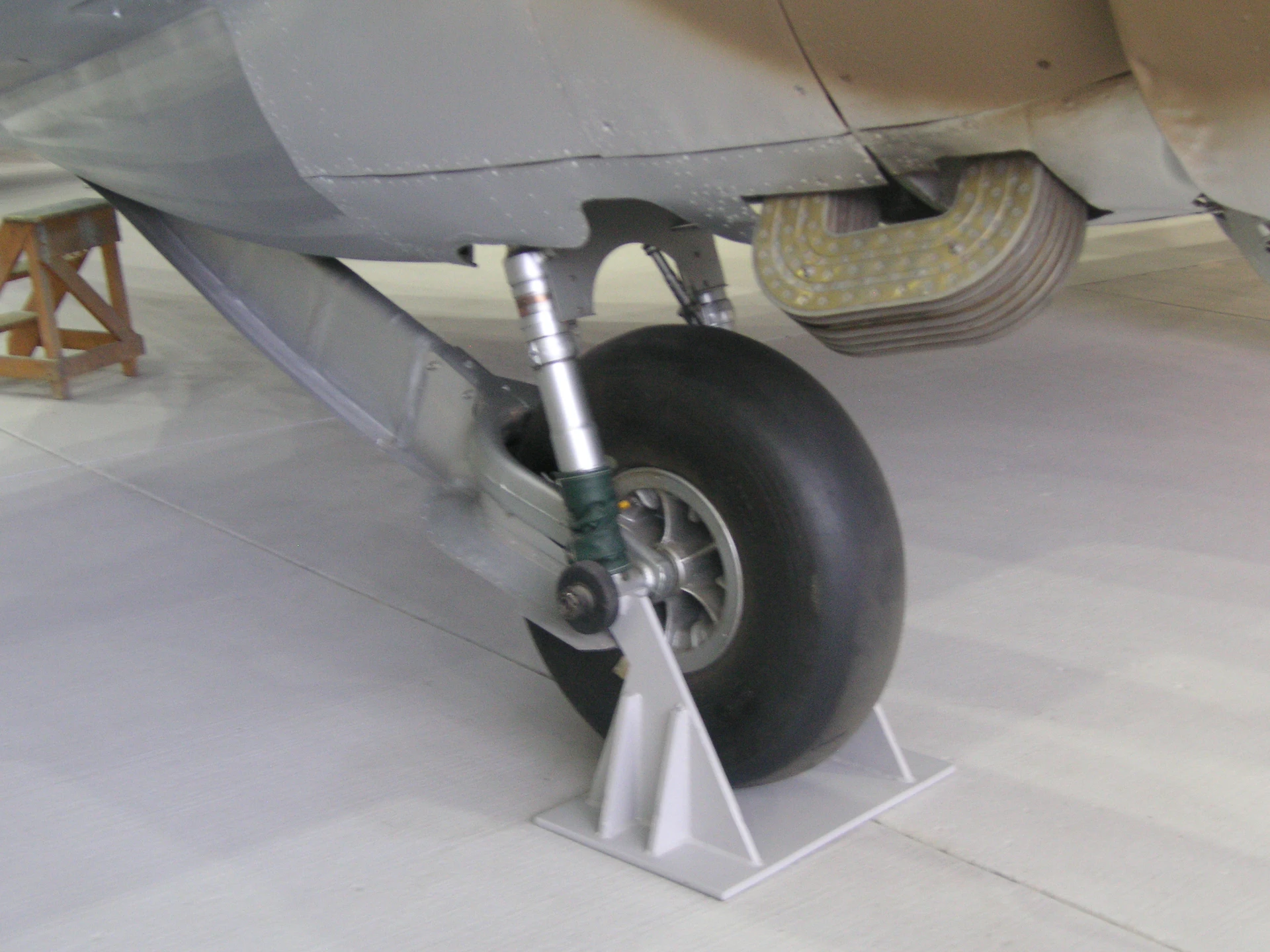
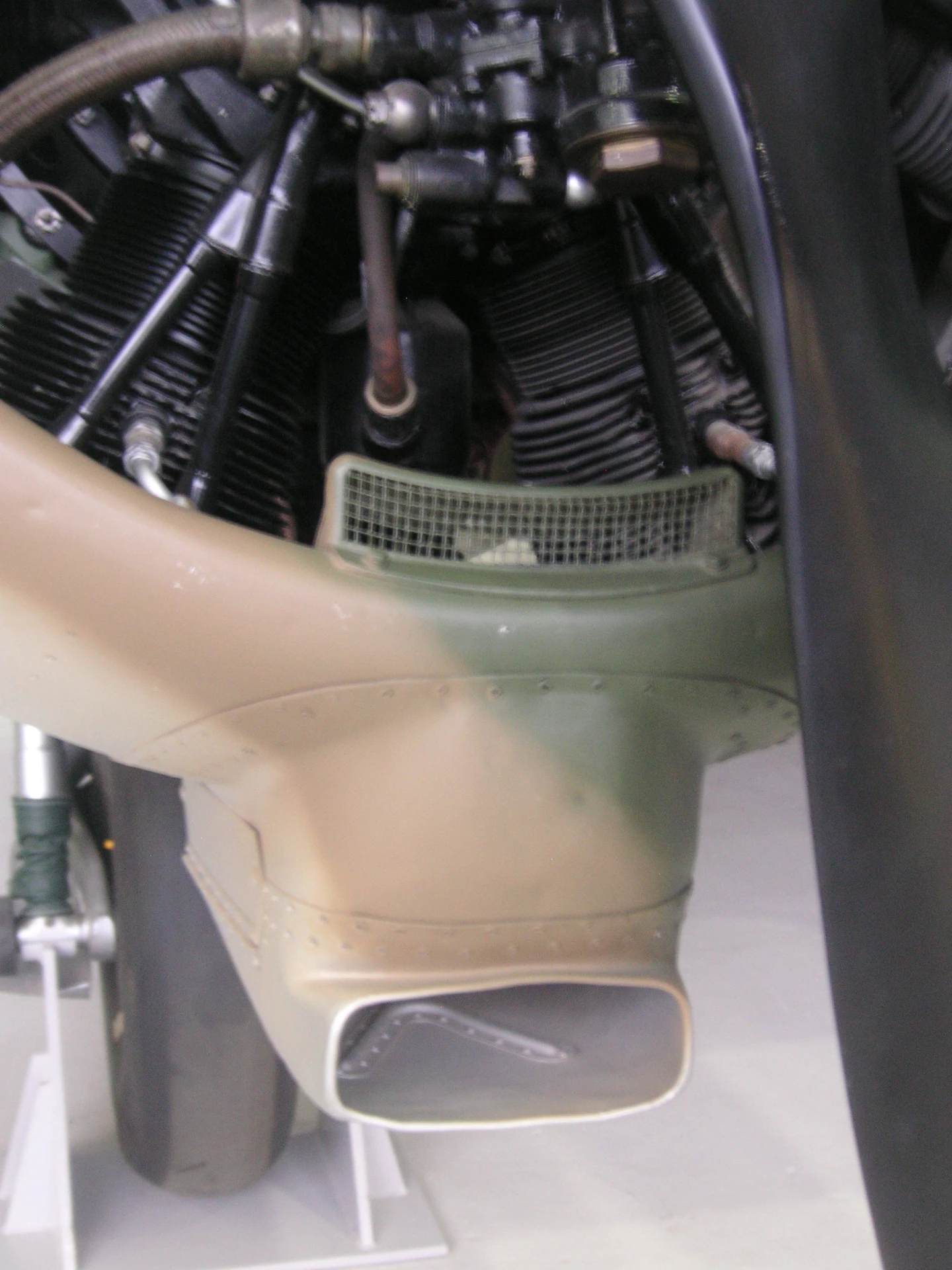


| Avro Anson Mk.I Walk Around | |
|---|---|
| Photographer | Unknow |
| Localisation | Unknow |
| Photos | 33 |
See also:


General Characteristics and Role
The Avro Anson Mk.I was a British twin-engine aircraft developed from the civilian Avro 652 transport. Initially designed for the Royal Air Force (RAF) for the roles of coastal reconnaissance and light bomber, it quickly became obsolete as a frontline combat aircraft after the start of World War II. Its primary and most enduring role, however, became that of a multi-engine aircrew trainer. Nicknamed “Faithful Annie,” the Anson served as the mainstay training aircraft for the British Commonwealth Air Training Plan (BCATP), teaching thousands of pilots, navigators, wireless operators, and bomb aimers in the UK, Canada, Australia, and other Commonwealth nations. Over 8,000 were built in total.
| Property | Typical Value (Mk.I) |
|---|---|
| Role | Trainer / Coastal Reconnaissance / Light Bomber |
| National Origin | United Kingdom |
| Manufacturer | Avro |
| First Flight | 24 March 1935 |
| Crew | 3 (Pilot, Navigator/Wireless Operator, Gunner) (Trainer role varied) |
| Length | 12.88 m (42 ft 3 in) |
| Wingspan | 17.22 m (56 ft 6 in) |
| Height | 3.99 m (13 ft 1 in) |
| Empty Weight | 3,607 kg (7,951 lb) |
| Max Takeoff Weight | 4,763 kg (10,498 lb) |
Powerplant and Performance
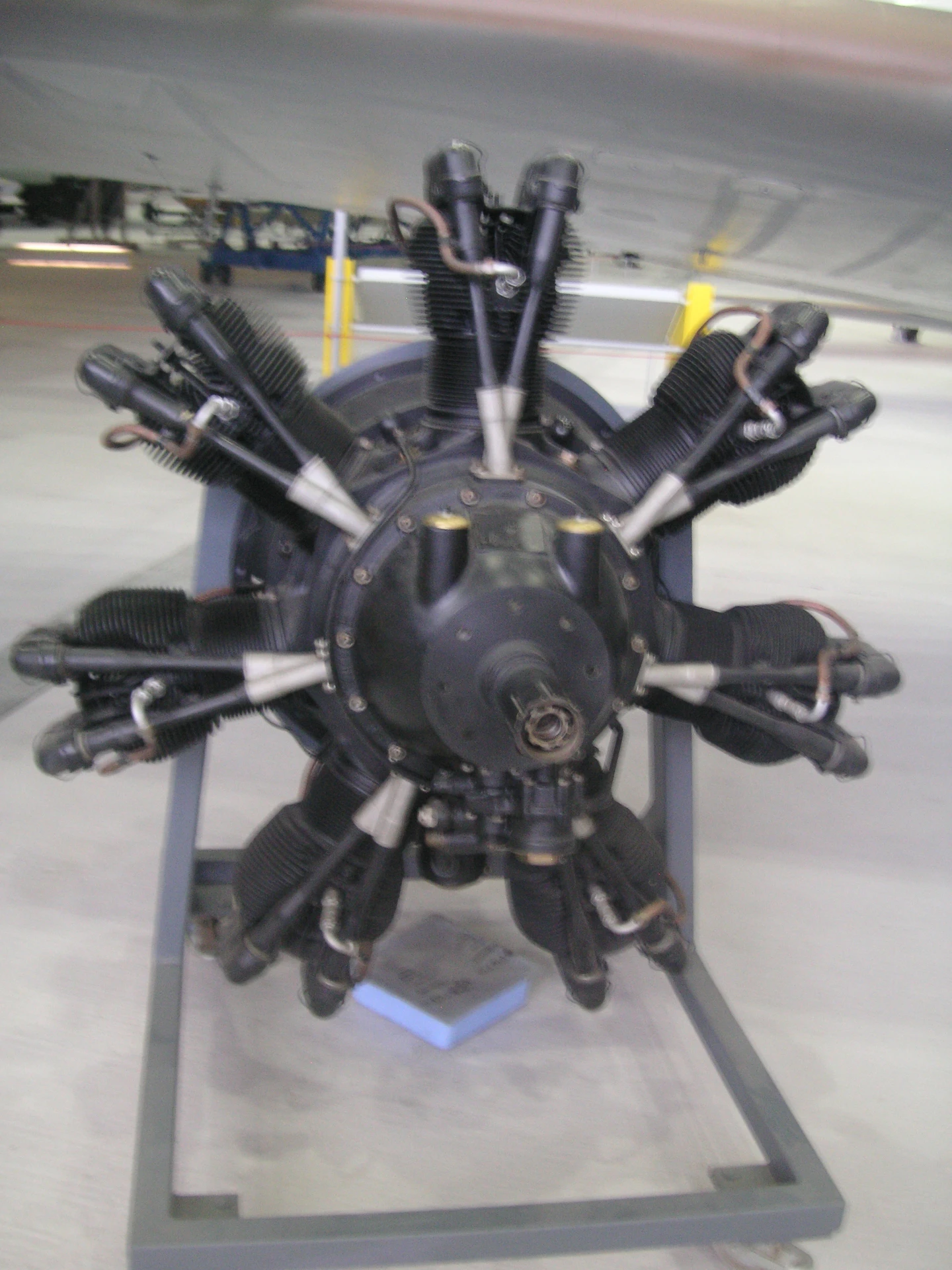
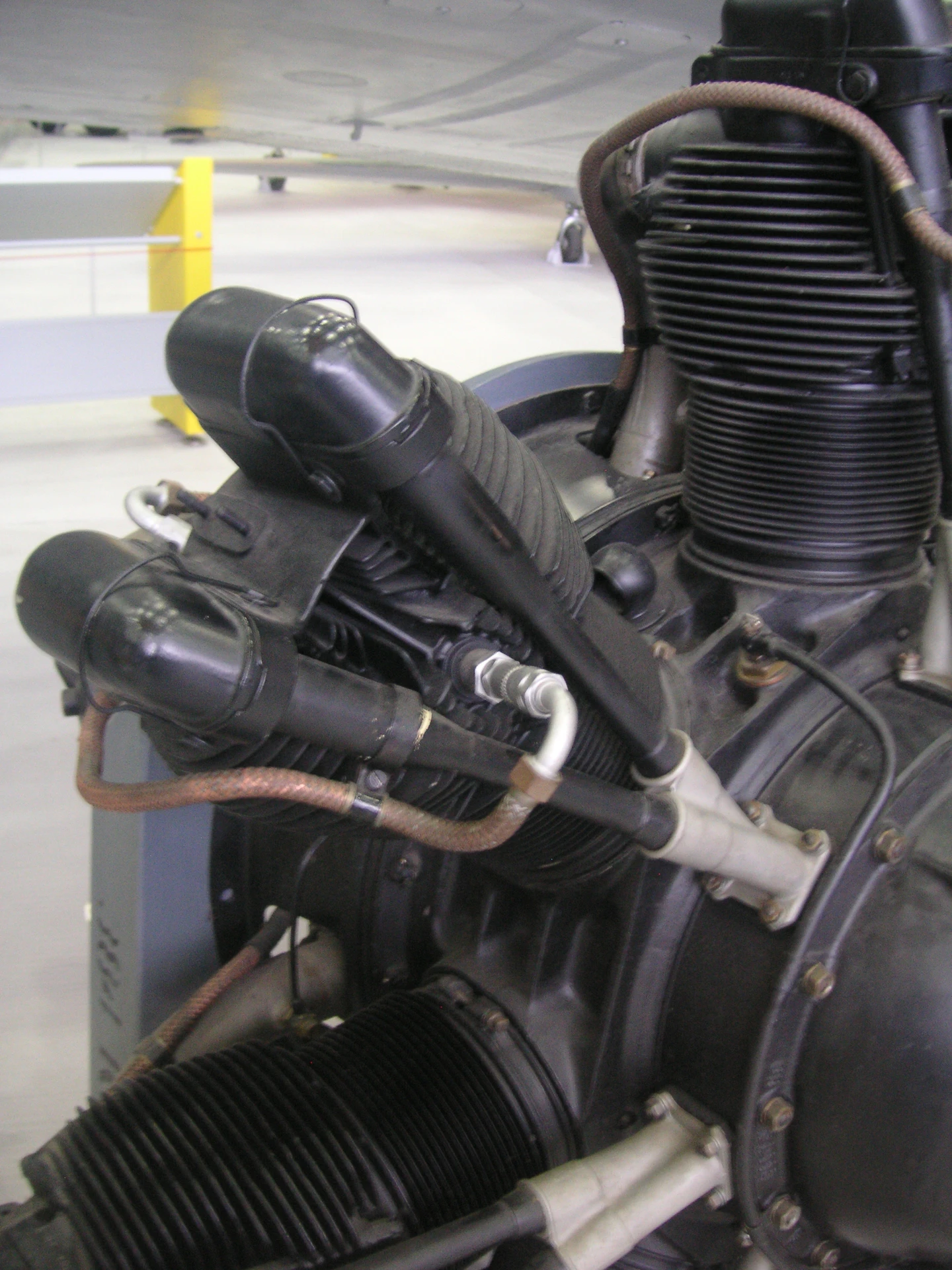
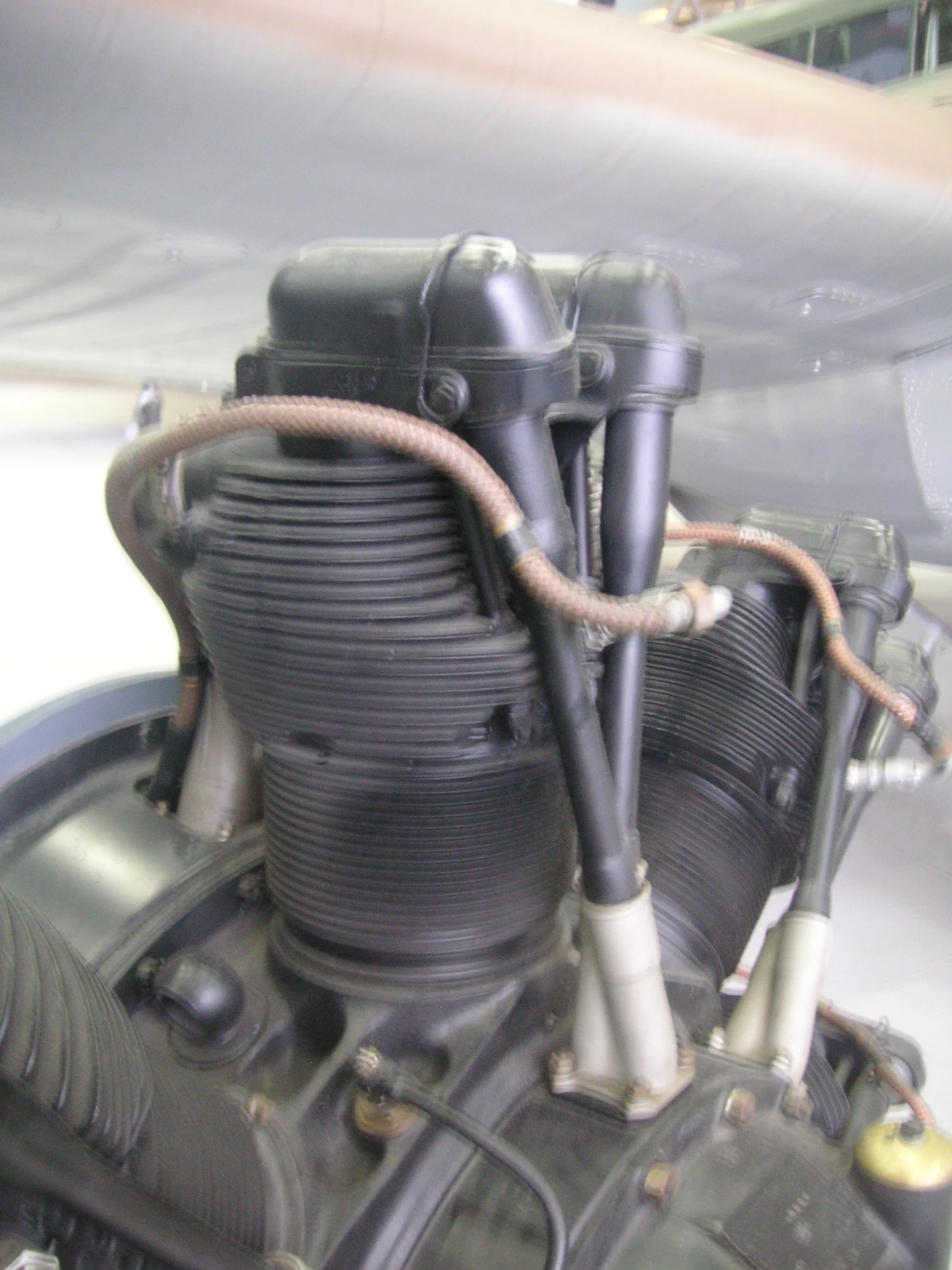
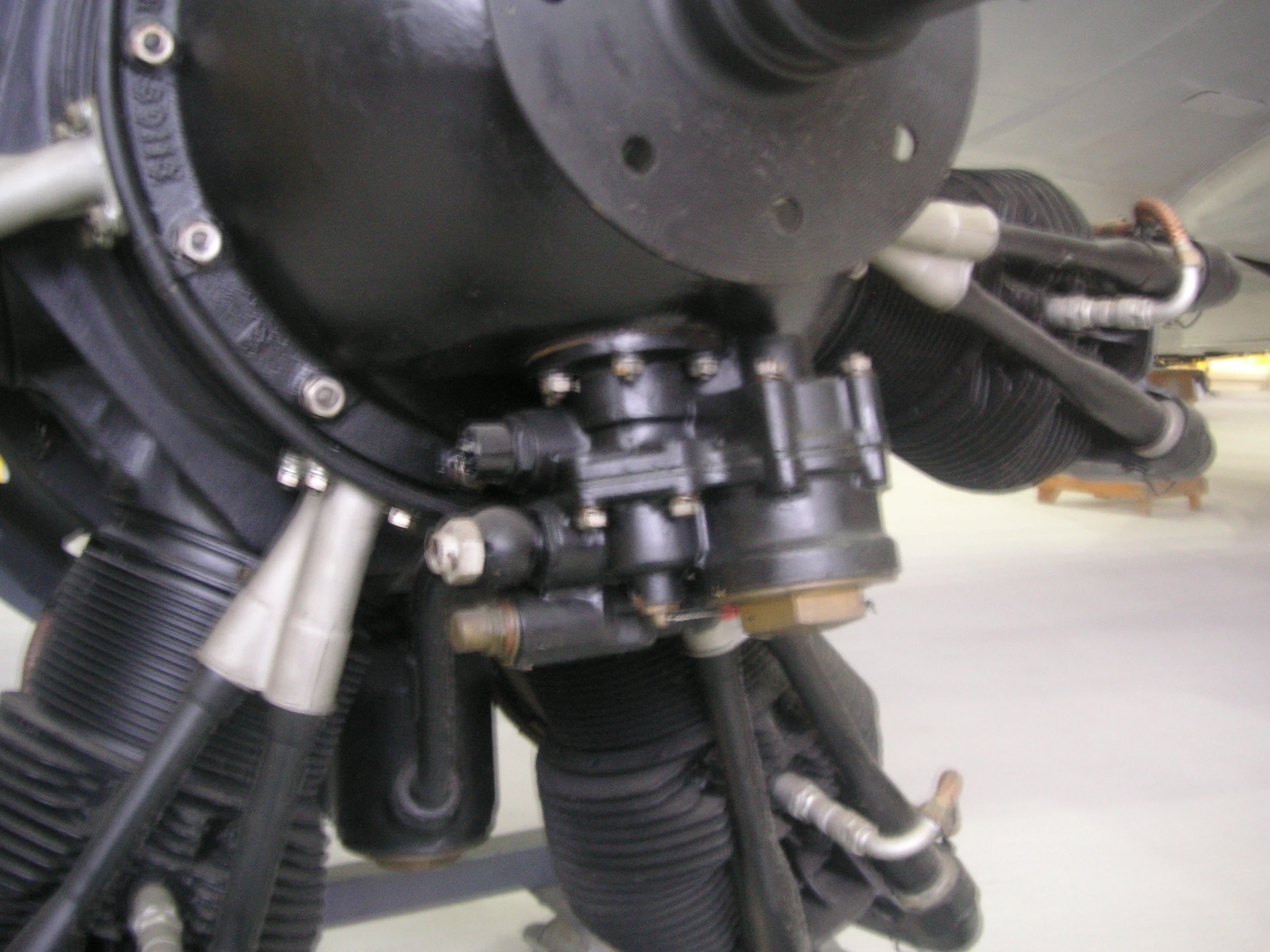
- Engines: 2 x Armstrong Siddeley Cheetah IX nine-cylinder, air-cooled radial engines.
- Power Output (Each): 261 kW (350 hp).
- Maximum Speed: 304 km/h (189 mph; 164 kn) at 2,130 m (7,000 ft).
- Cruise Speed: 250 km/h (155 mph; 135 kn).
- Range: 1,020 km (635 mi; 550 nmi).
- Landing Gear: Manually retractable, often taking the pilot up to 140 turns of a hand crank to deploy or retract.
Armament and Variants
- Fixed Armament: 1 x .303 in (7.7 mm) Vickers machine gun (fixed, forward-firing).
- Defensive Armament: 1 x .303 in (7.7 mm) Lewis or Vickers K machine gun in a dorsal turret.
- Bomb Load: 163 kg (360 lb) of bombs carried internally (4 x 40 lb bombs).
- Construction: The Mk.I was constructed primarily of wood and fabric, which led to structural issues when heavier, more powerful engines were introduced in later marks.
- Post-War Variants: The Anson continued to serve in training and light transport roles long after WWII, notably the Mk.10 and Mk.12 versions with a plywood-stressed skin wing and more powerful engines.
Views : 2853
You can see also :
 Ryan Navion – Photos & Video
 Stinson L-5 Sentinel – Photos & Video
 Piper L-4 Grasshopper – Photos & Video
 Lockheed U-2 – Photos & Video
 P-47G Thunderbolt – WalkAround
 Hawker Sea Fury FBII vol2 – Walk Around
 P-51D Mustang vol2 – Walk Around
 B-17G Flying Fortress – WalkAround
 Messerschmitt Bf 109G-2 – Walk Around
 General Motors FM-2 Wildcat – WalkAround