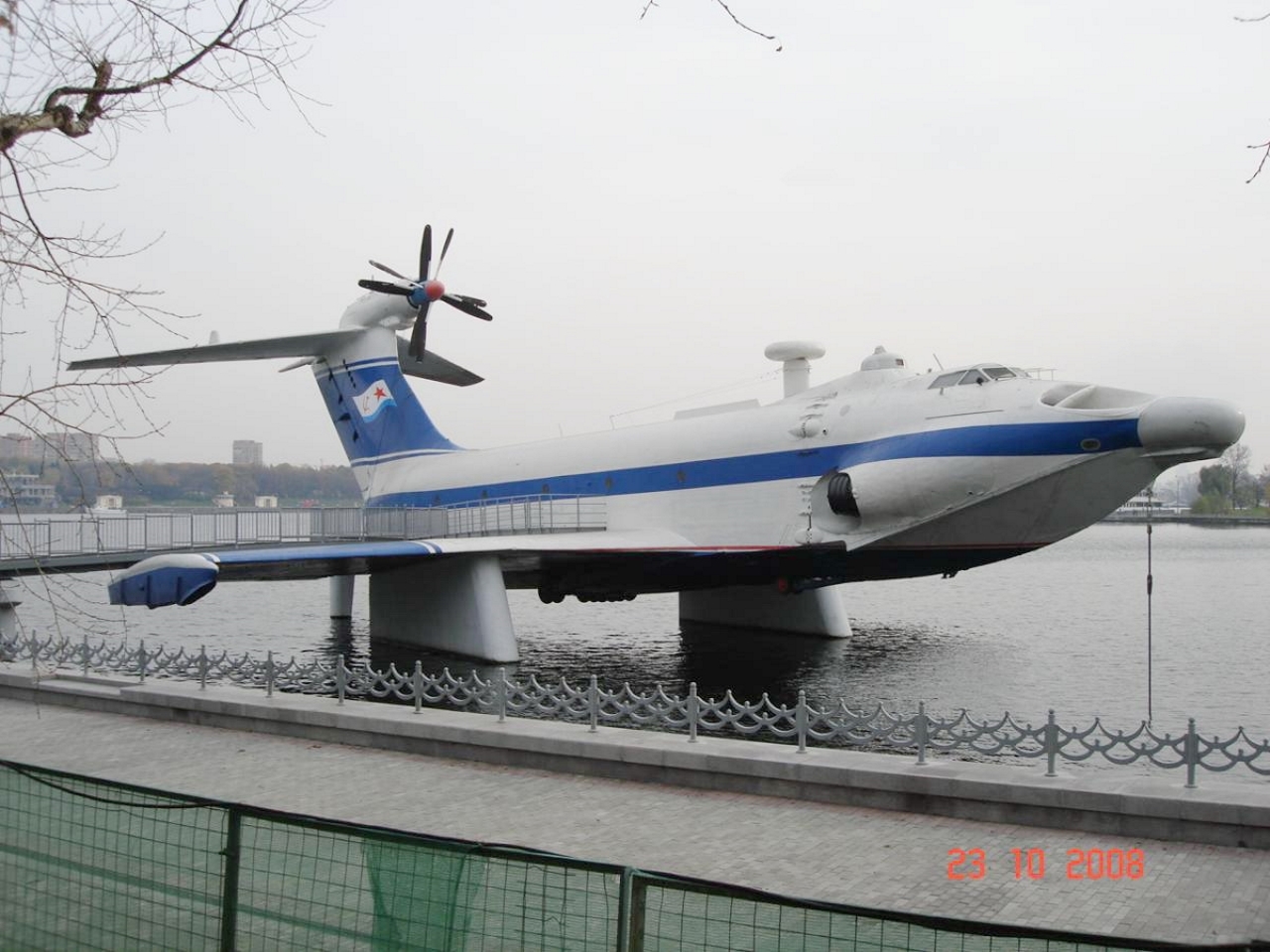
A-90 Orlyonok | |
|---|---|
| Country | Soviet Union |
| Role | Ekranoplan |
| First flight | 1972 |
| Built | Unknow |
The A-90 Orlyonok (Russian: Орлёнок, English: “Eaglet”) is a Soviet ekranoplan (a ground effect vehicle) that was designed by Rostislav Evgenievich Alexeyev of the Central Hydrofoil Design Bureau. The A-90 uses ground effect to fly a few meters above the surface. The Russians classify it as Ekranoplan Class B – it can achieve an altitude of 3,000 m (9,800 ft), placing between Class A – which is limited to ground effect, and Class C, which exploits the ground effect only during take-offs and landings.
Source: A-90 Orlyonok on Wikipedia
| A-90 Orlenok Ekranoplan Walk Around | |
|---|---|
| Photographer | Vladimir Yakubov |
| Localisation | Moscow Naval Museum |
| Photos | 41 |
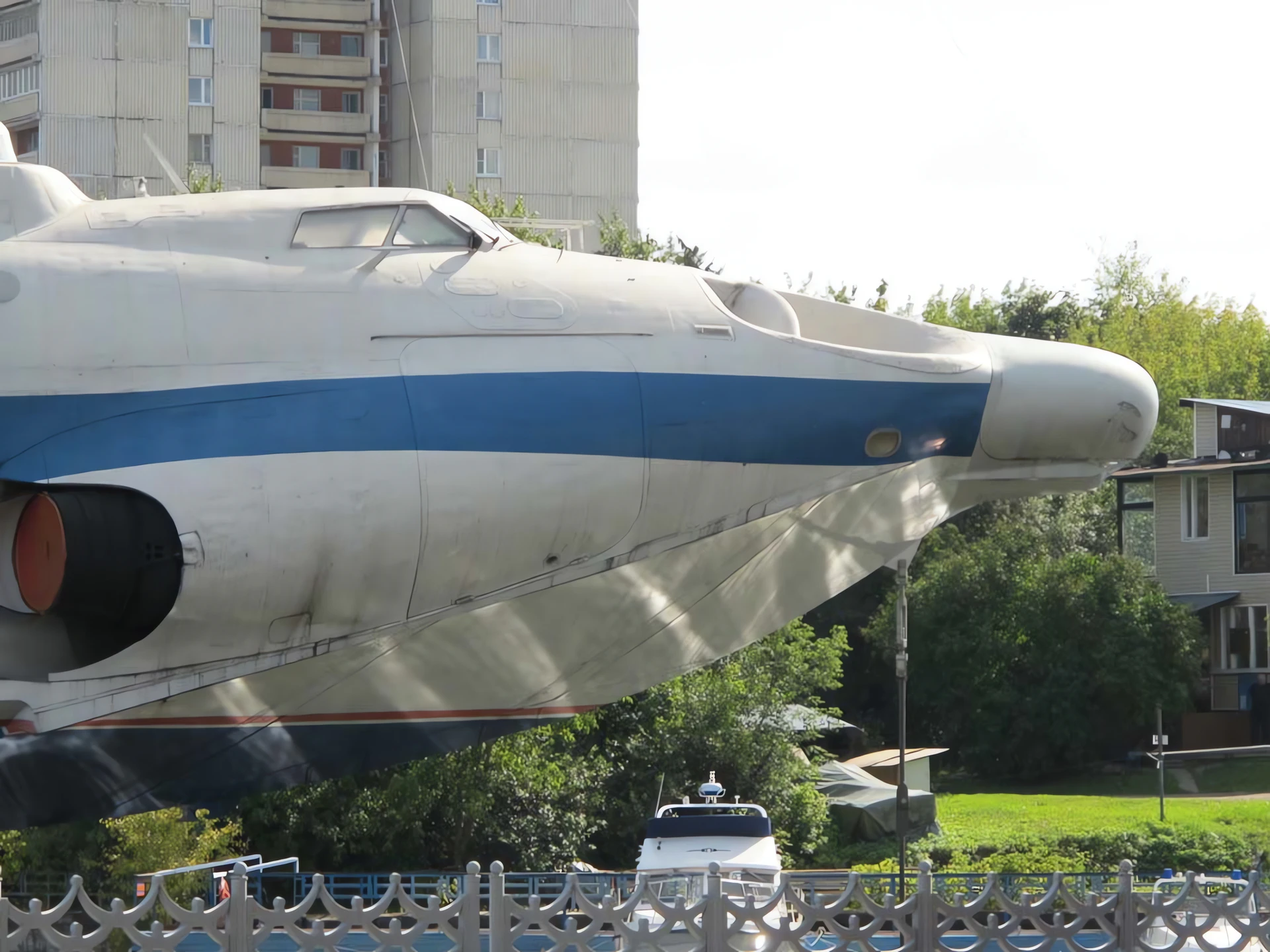
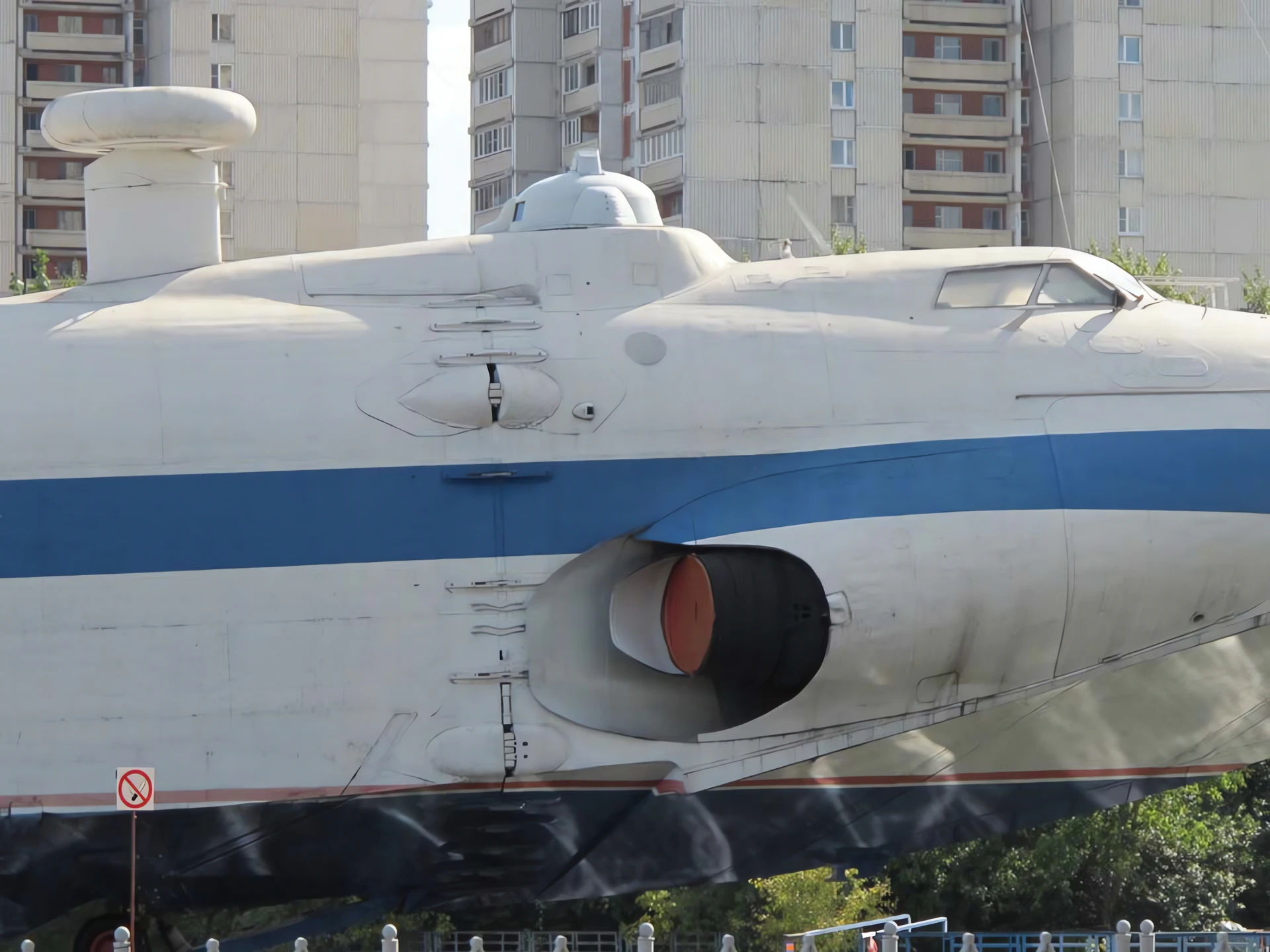
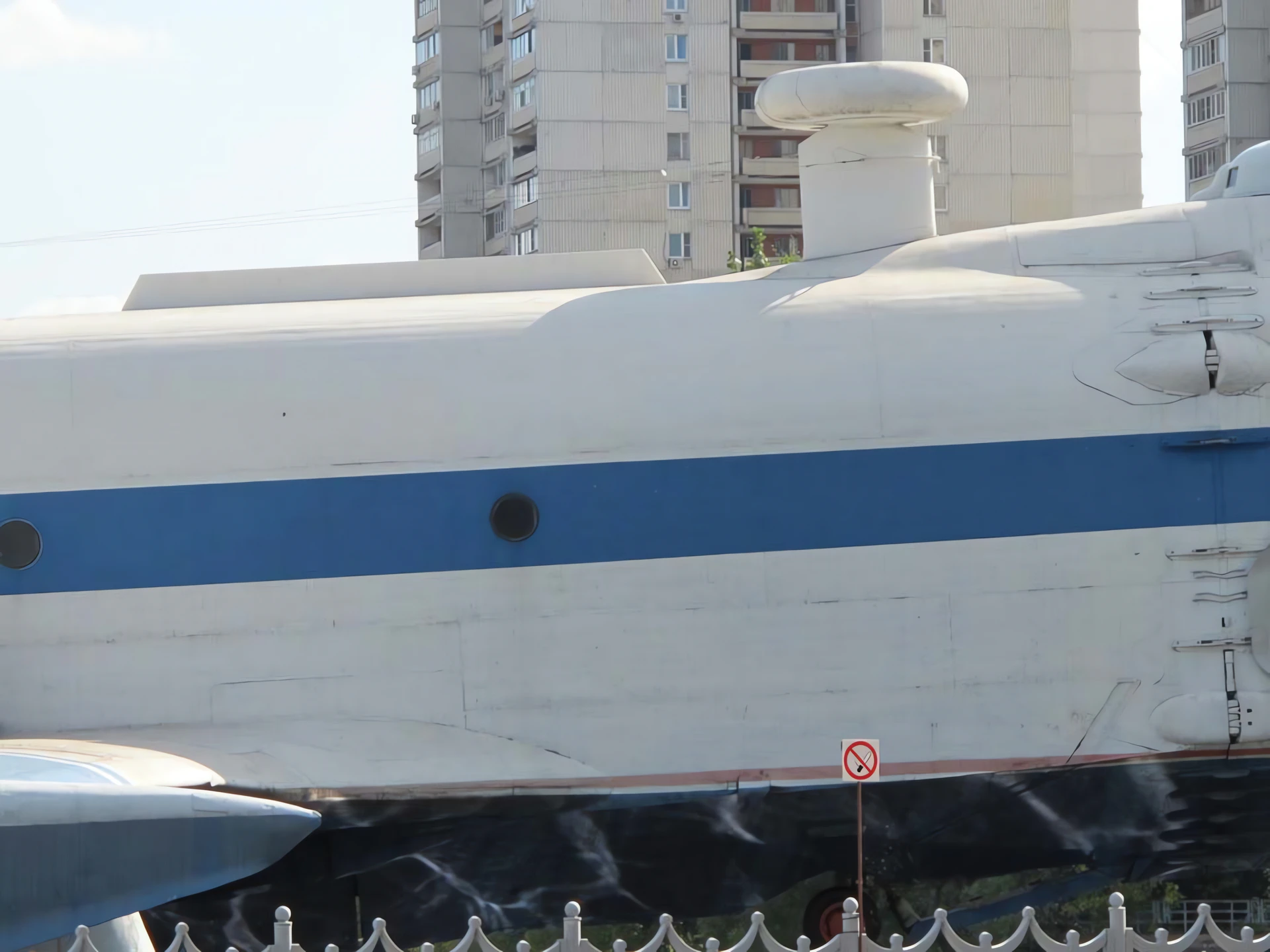
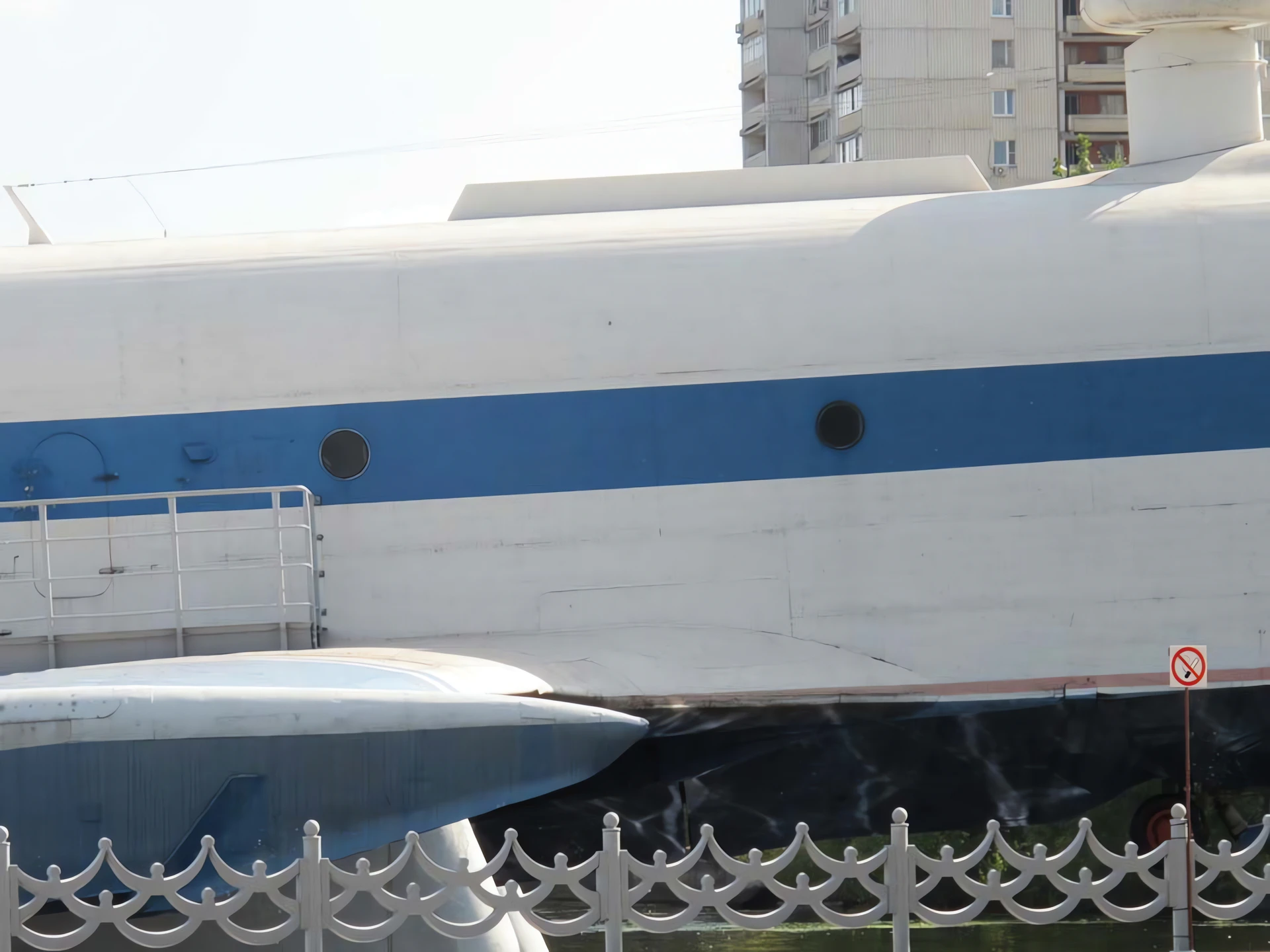
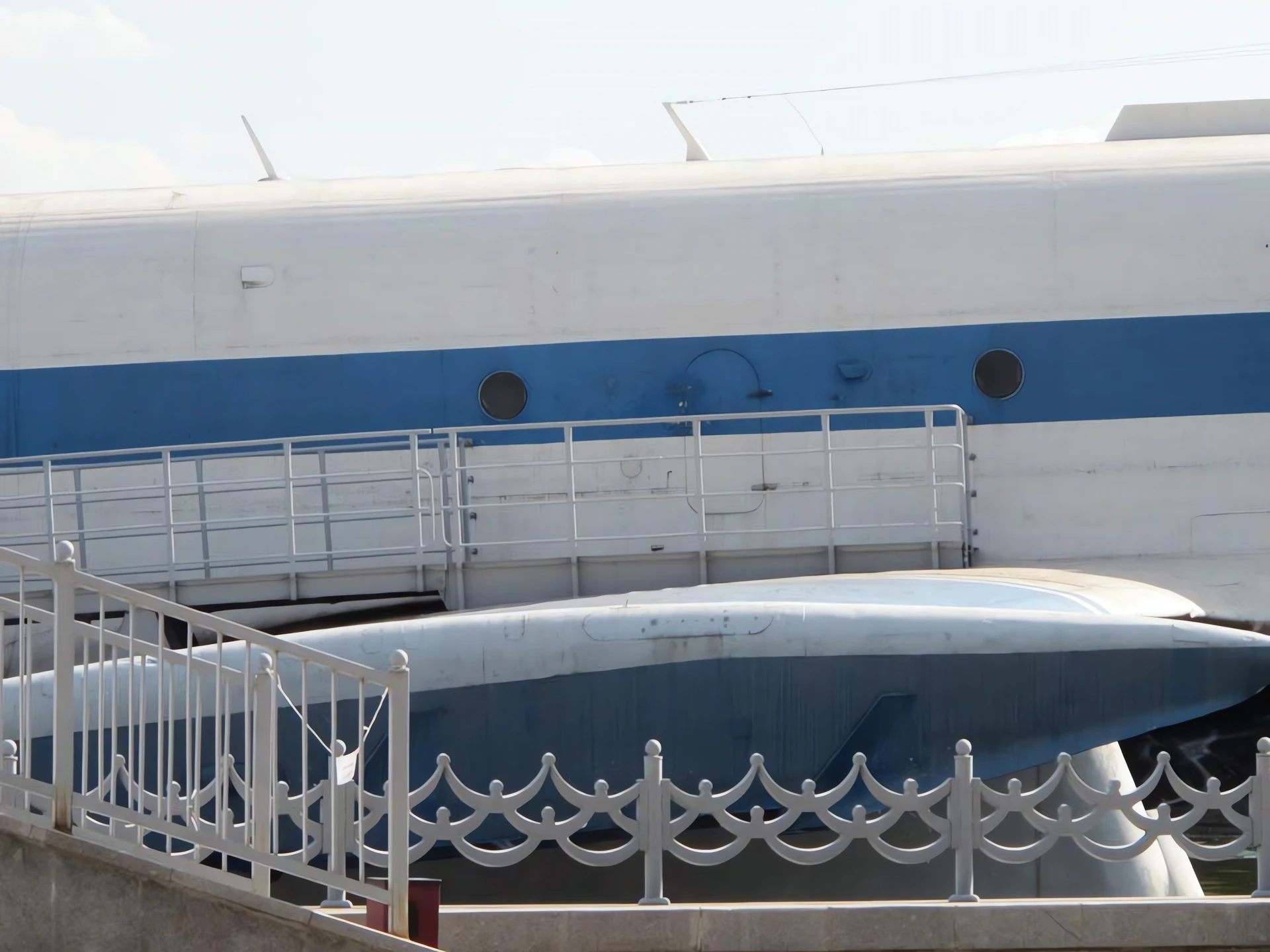
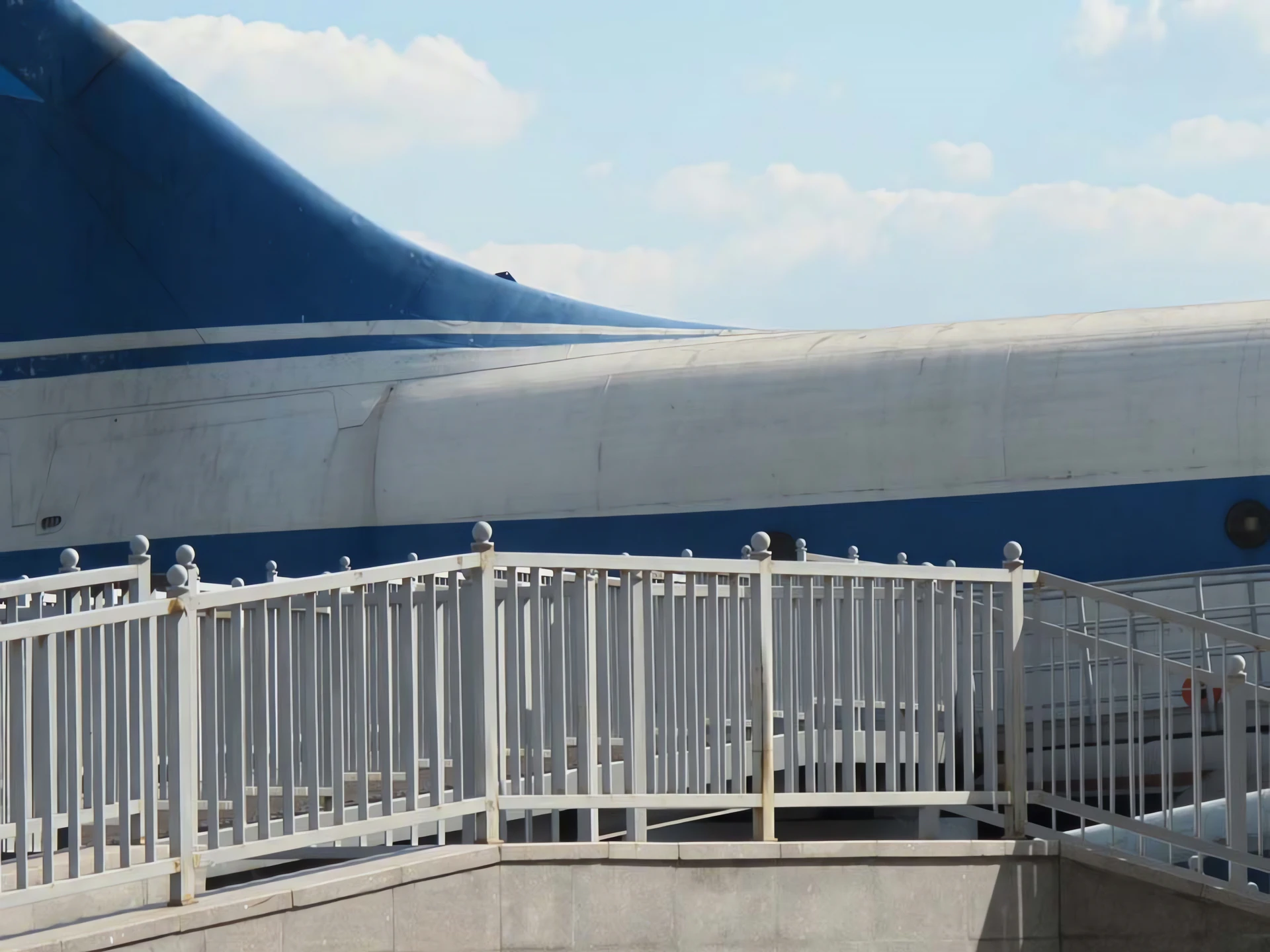
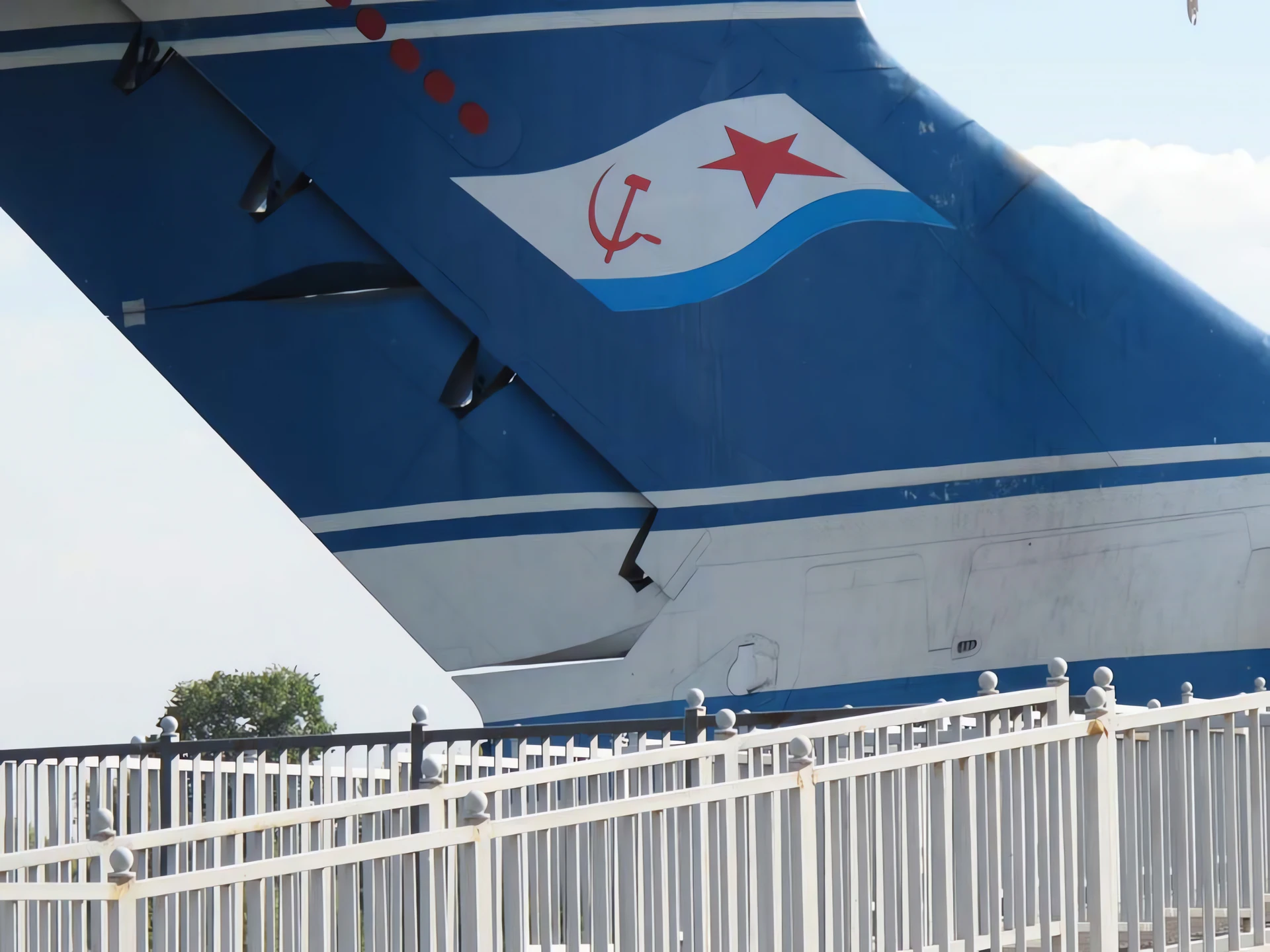
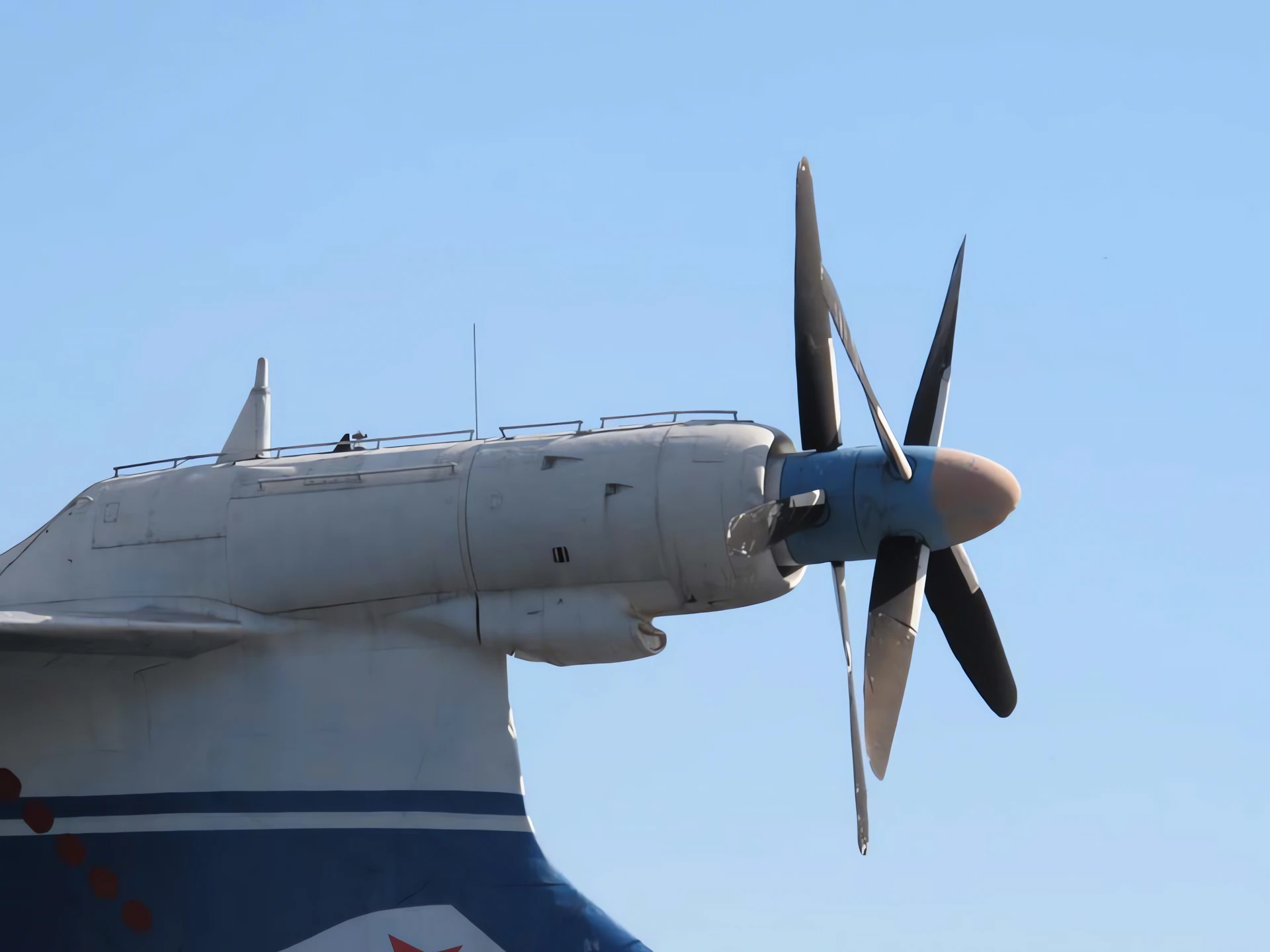
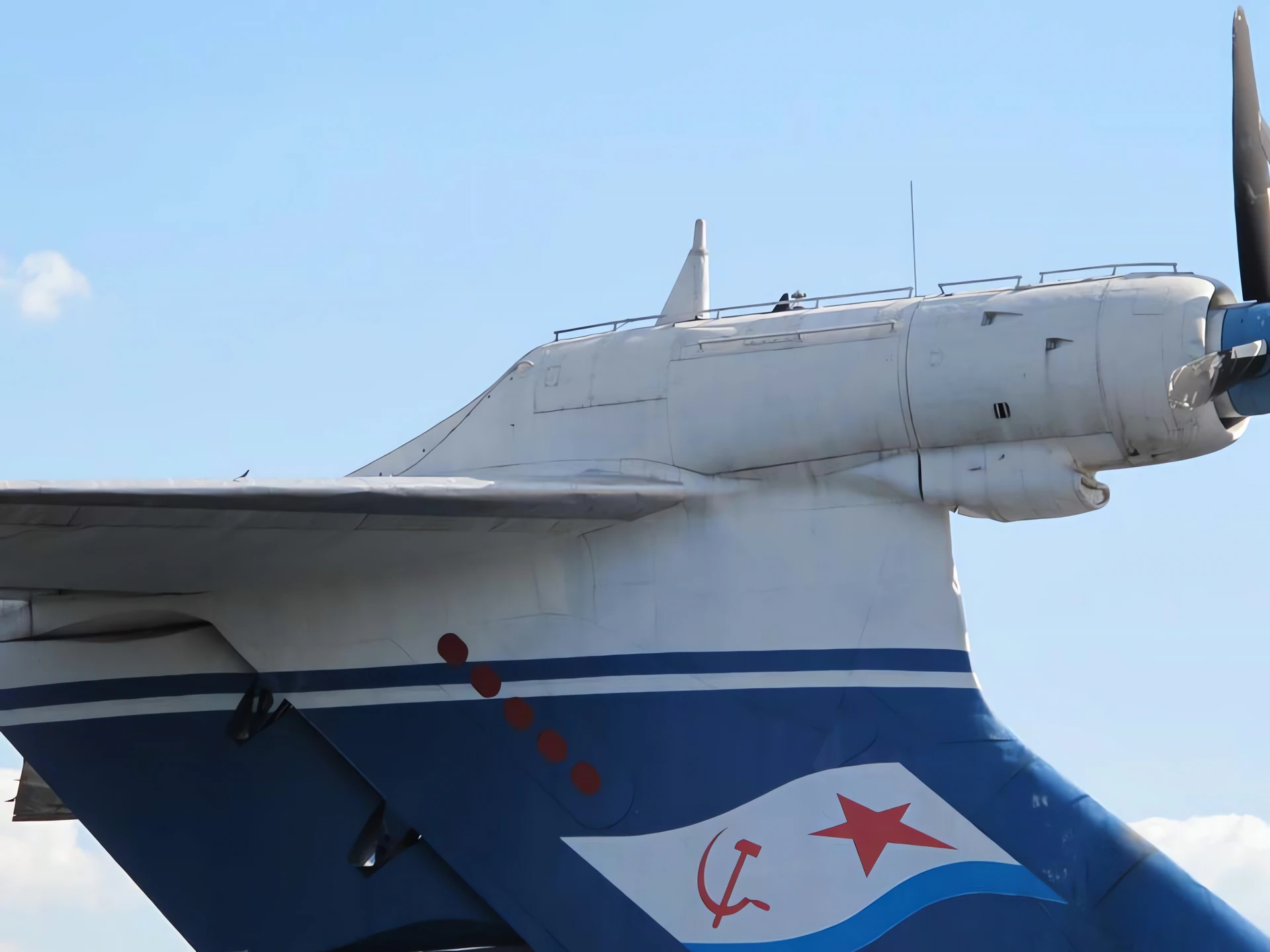

| A-90 Orlyonok Walk Around | |
|---|---|
| Photographer | Unknow |
| Localisation | Unknow |
| Photos | 78 |
See also:


Neither Ship Nor Plane
The A-90 Orlyonok is one of the most successful Ekranoplans (Wing-In-Ground effect vehicles) ever built. Designed by Rostislav Alexeyev, it was intended as a high-speed military transport capable of carrying 150 marines or two BTR armored vehicles at nearly 250 mph. By flying just a few meters above the water’s surface, it utilized Ground Effect to achieve high efficiency and speed, effectively “skipping” over the sea to avoid naval mines and sonar detection.
| Attribute | Technical Specification (A-90) |
|---|---|
| Role | High-Speed Amphibious Transport |
| Crew | 6-9 Officers and Enlisted |
| First Flight | 1972 |
| Cruise Engine | 1 × Kuznetsov NK-12MK turboprop (Mounted on Tail) |
| Boost Engines | 2 × Kuznetsov NK-8-4K turbofans (Mounted in Nose) |
| Maximum Speed | 400 km/h (248 mph) |
| Flying Altitude | 2 to 10 meters (Ground Effect) |
| Payload | 28,000 kg (61,730 lb) |
The Physics of Wing-In-Ground (WIG) Effect
- The “Cushion” of Air: As the Orlyonok flies close to the water, the air becomes “trapped” between the wing and the surface, increasing lift and drastically reducing induced drag. This allows the craft to carry much heavier loads than a standard aircraft of the same size.
- Nose-Mounted Boosters: To help the heavy craft “break” the surface tension of the water and get onto its air cushion, two jet engines are hidden in the nose. Their exhaust is directed under the wings to create static lift during takeoff.
- NK-12 Turboprop: Once at cruise speed, the jets are turned off, and the massive NK-12 turboprop (the same engine used on the Tu-95 Bear bomber) provides efficient forward thrust from its perch atop the vertical stabilizer.
- Hydroskis: For takeoffs and landings in rougher seas, the Orlyonok features a retractable hydroski system on the belly to absorb the impact of the waves.
Unique Operational Features
- The Folding Nose: For rapid loading and unloading of troops or vehicles, the entire nose section of the Orlyonok hinges to the side, allowing BTRs to drive directly onto a beach or ramp.
- Amphibious Capability: Unlike the larger “Caspian Sea Monster,” the Orlyonok was equipped with wheels, allowing it to drive out of the water and onto land for easier maintenance and loading.
- Stealth through Altitude: By flying extremely low, the A-90 remained below the radar horizon of most ships and was invisible to sonar, making it an ideal “surprise” landing craft.
- Survivability: During a test flight, an A-90 lost its entire tail section after hitting a wave. Because of the inherent lift of the hull and wing-in-ground effect, the pilot managed to “float” the craft back to shore safely, proving its extreme durability.
Views : 2336
You can see also :
 Douglas World Cruiser – Photos & Videos
 North American NA-64 Yale – Photos & Videos
 Sud-Ouest Triton – Photos & Video
 Culver PQ-14 Cadet – Photos & Video
 Northrop F-20 Tigershark – Photos & Video
 Aeronca L-3 – Photos & Video
 McDonnell F2H Banshee – Photos & Video
 Macchi MC-202 – WalkAround
 Fairey Battle – WalkAround
 Hawker Sea Fury – Walk Around