
Kariniai orlaiviai | |
|---|---|
| Šalies | Italia |
| Tipas | Bombonešis |
| Modelis | SM-79 |
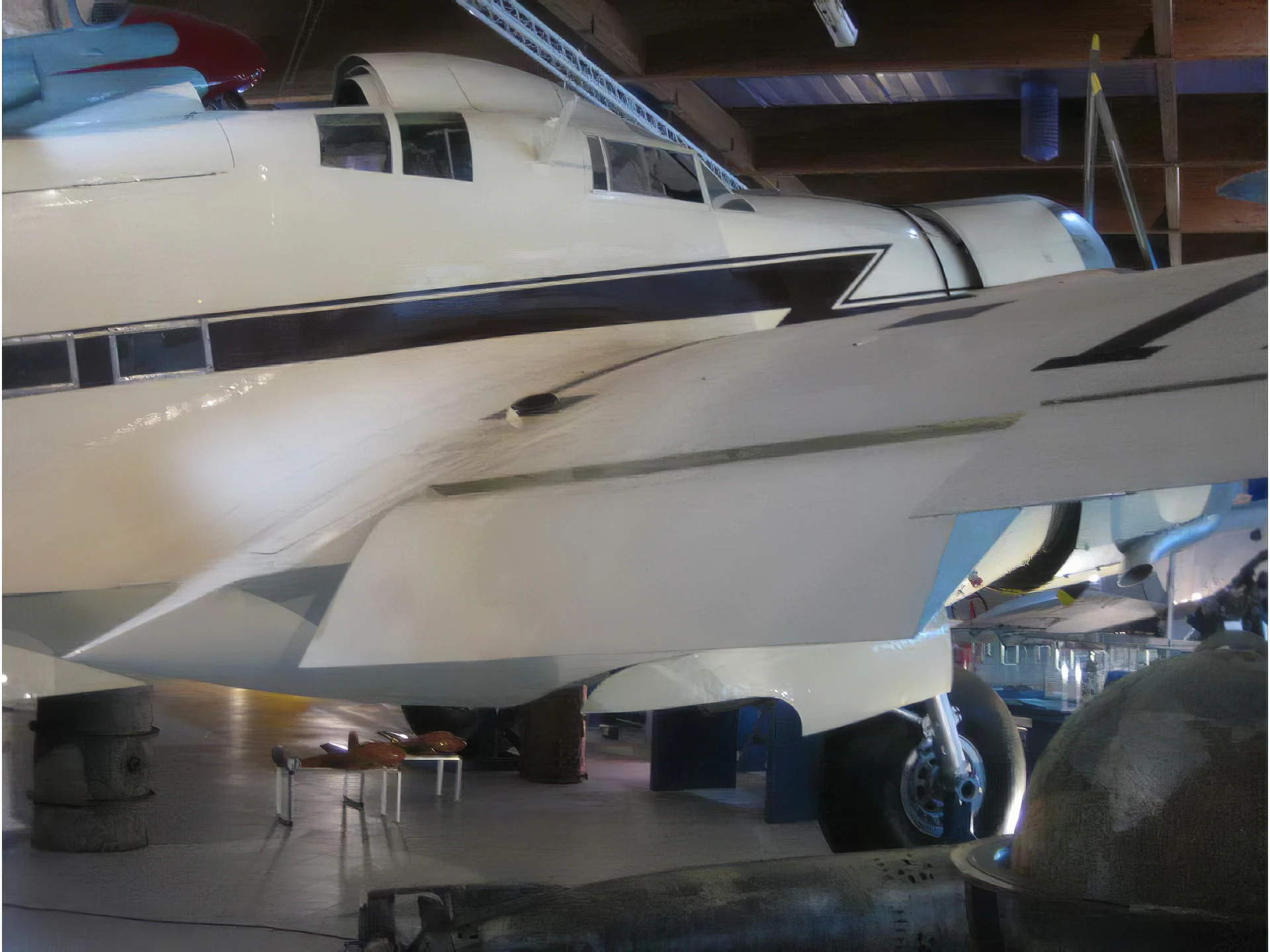
| Tema | Albumas 53 orlaivio nuotraukos Savojos Marchetti SM-79 |
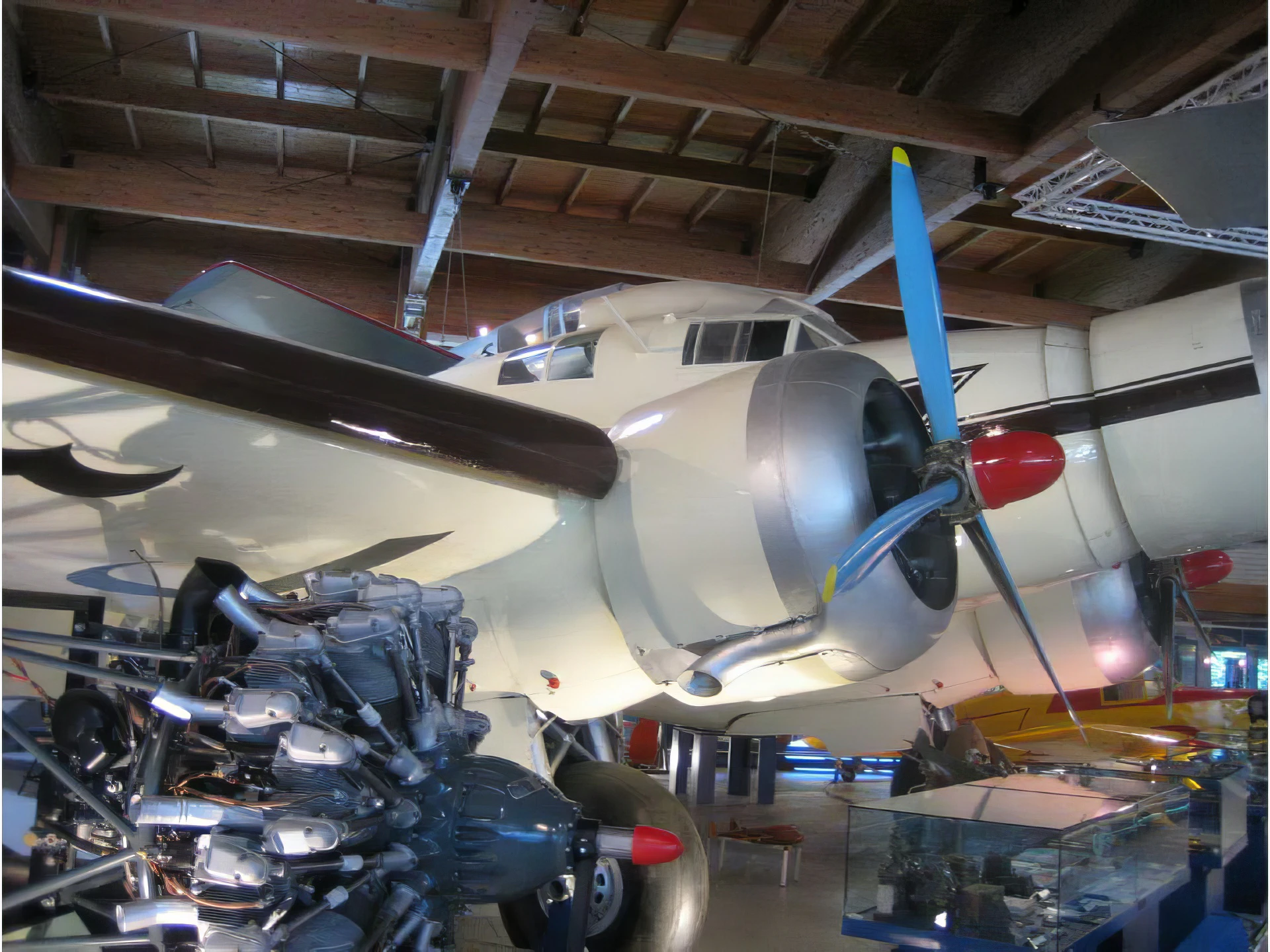
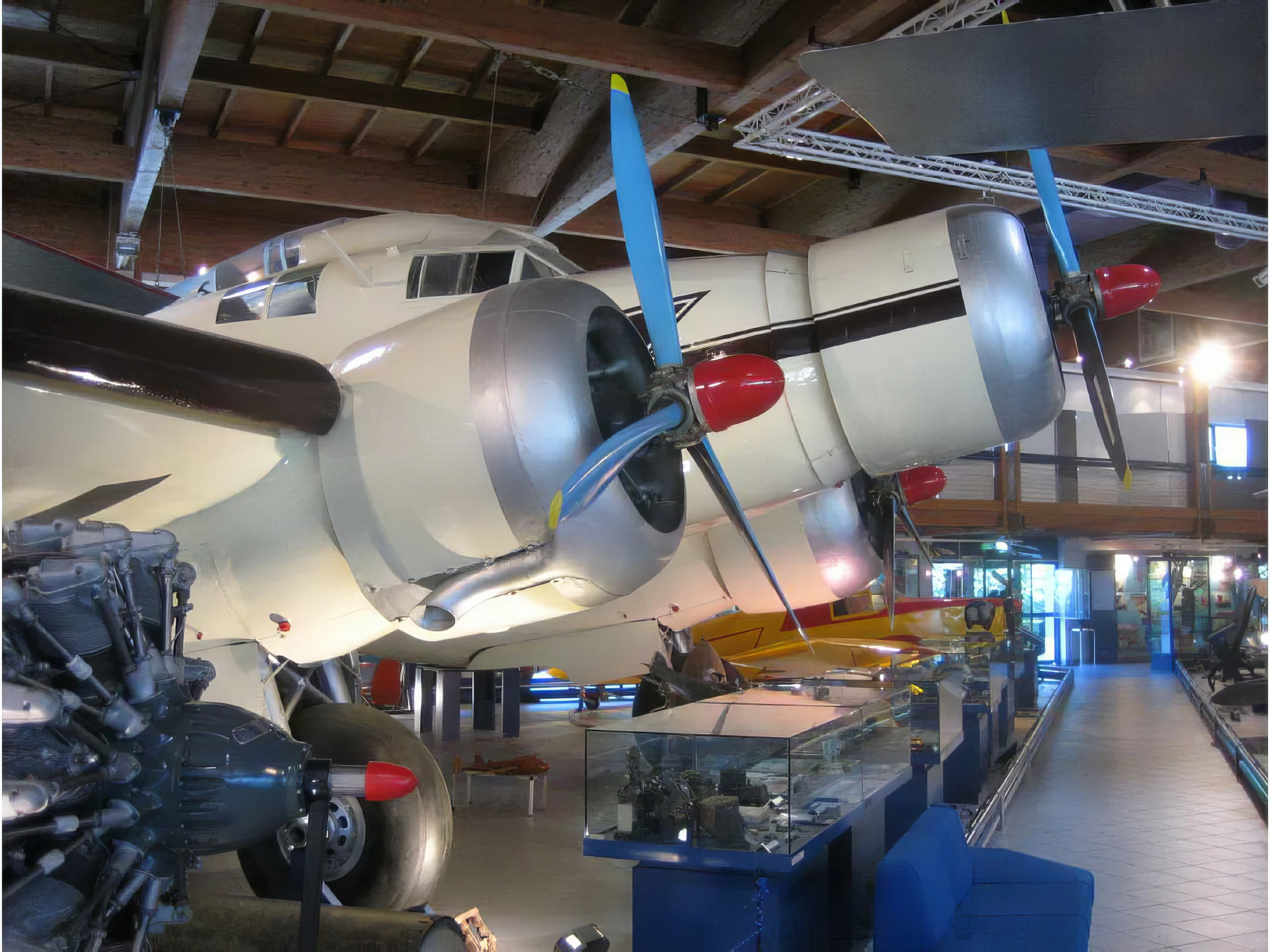
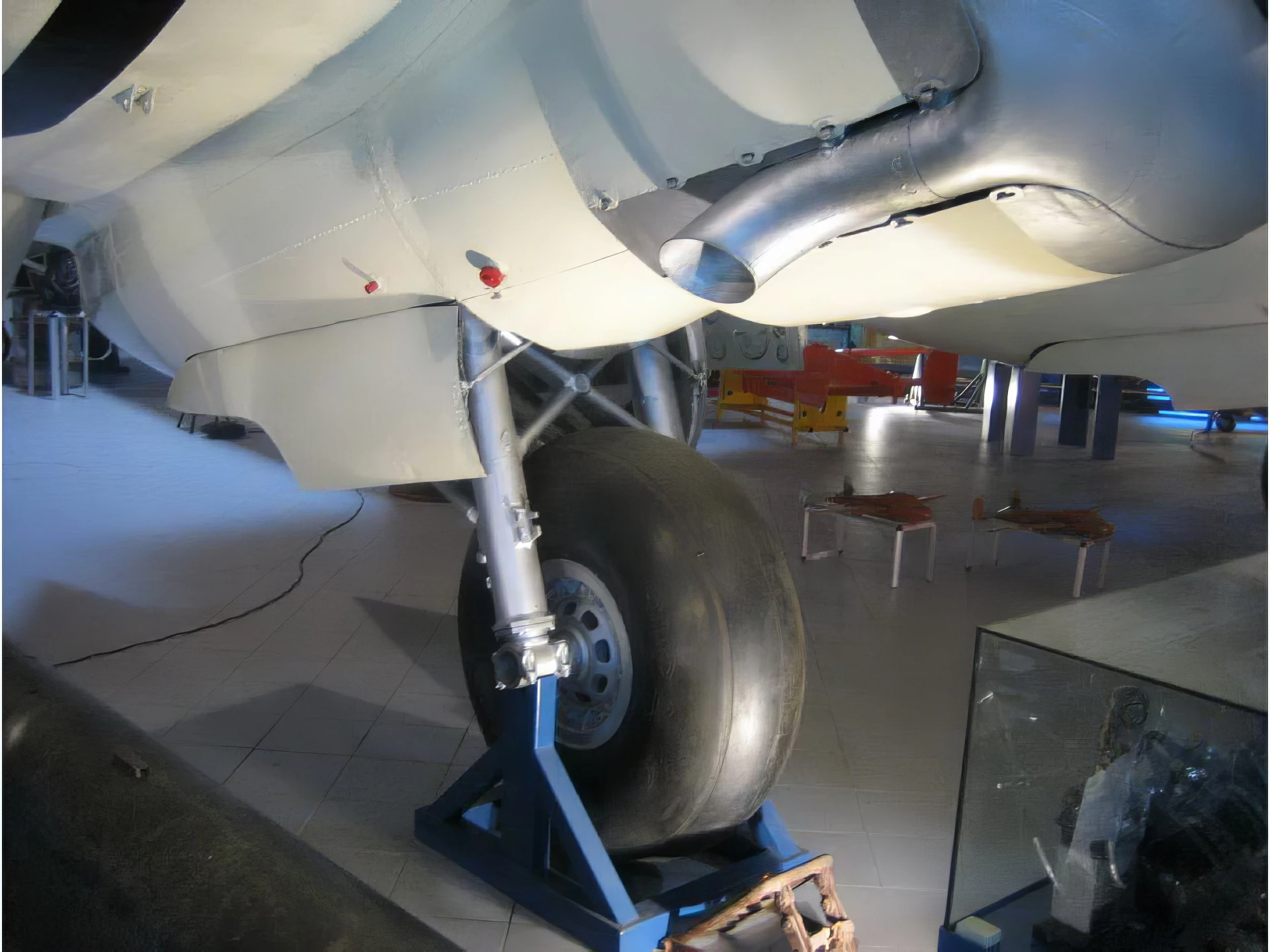
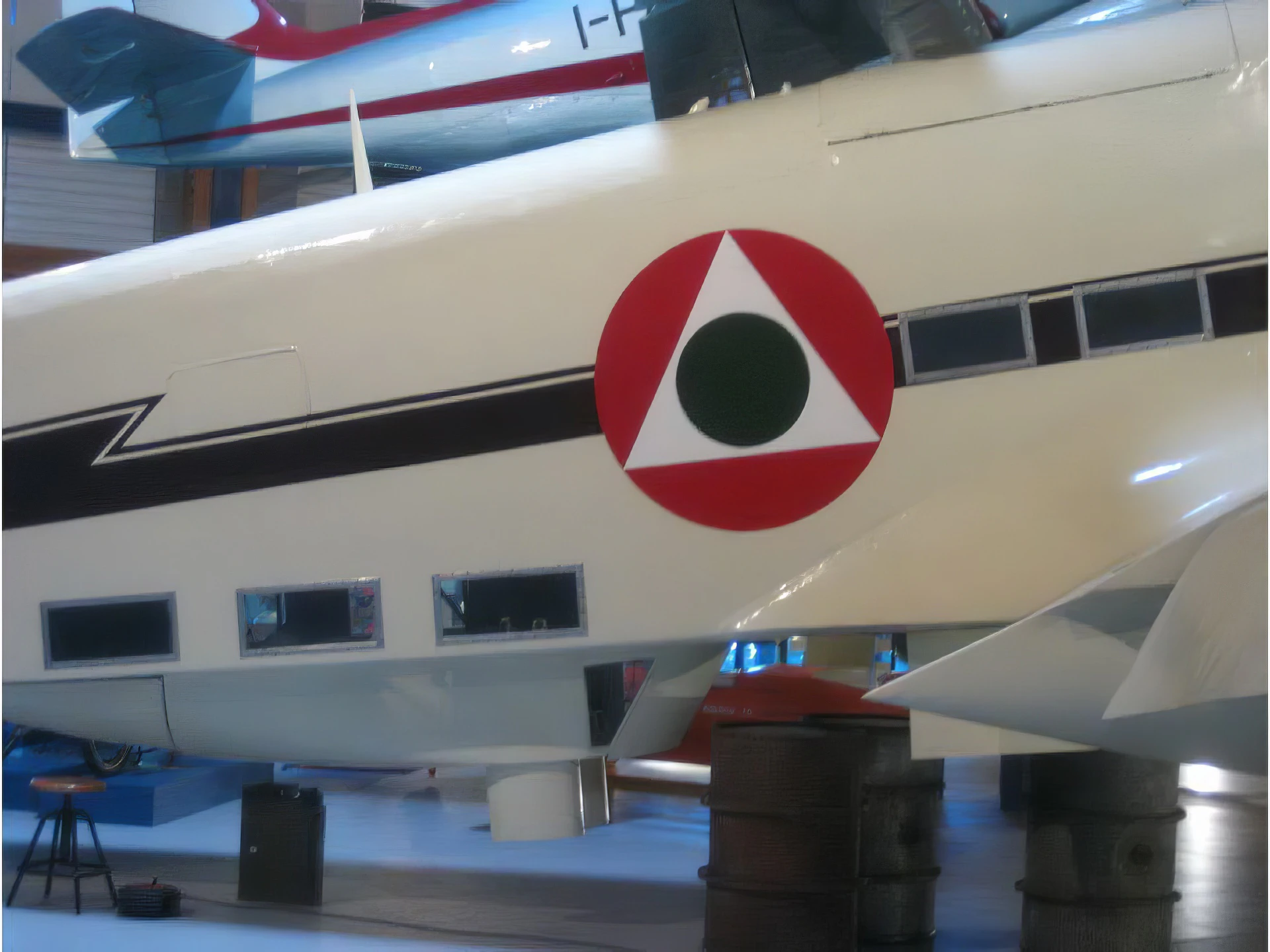
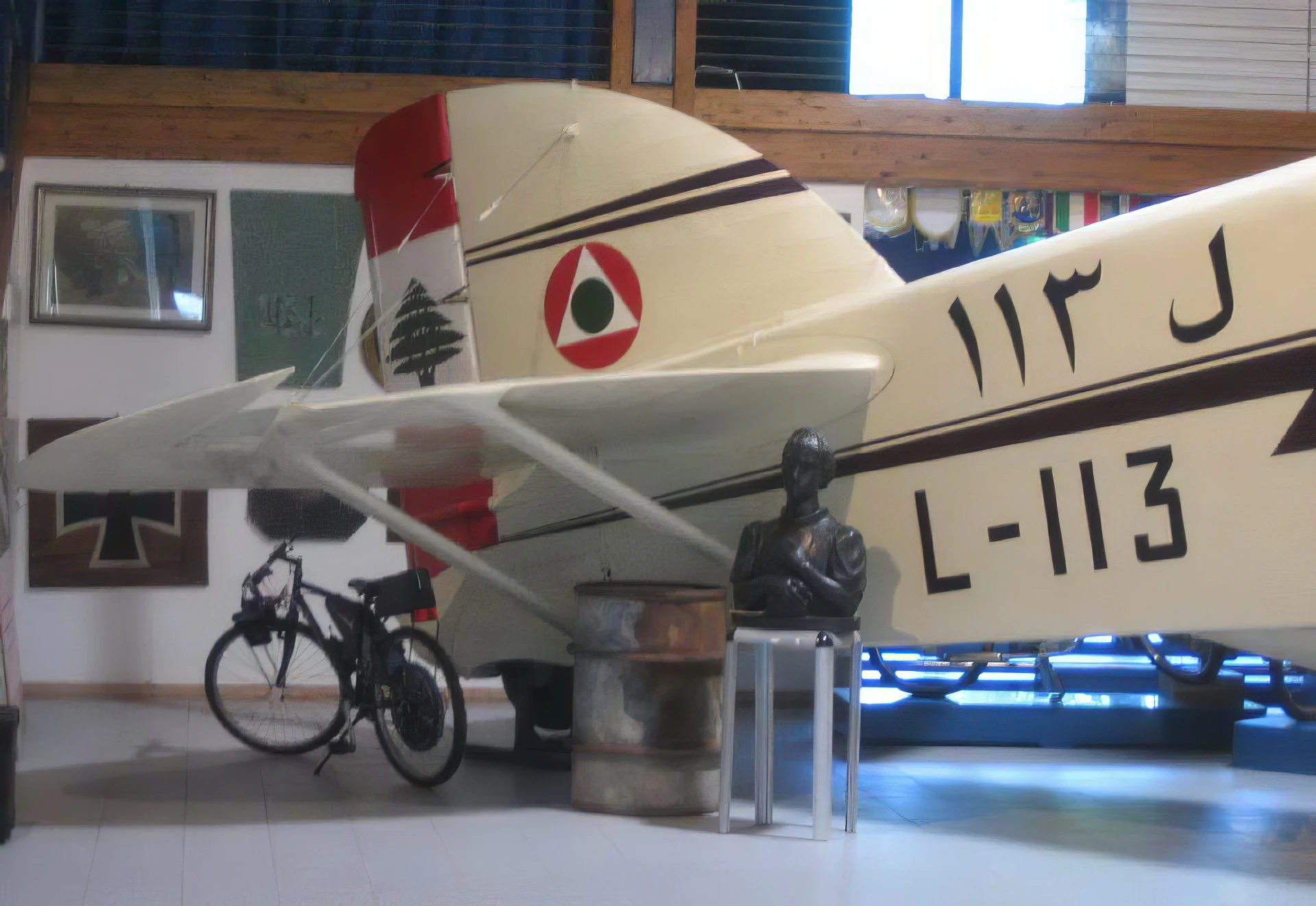
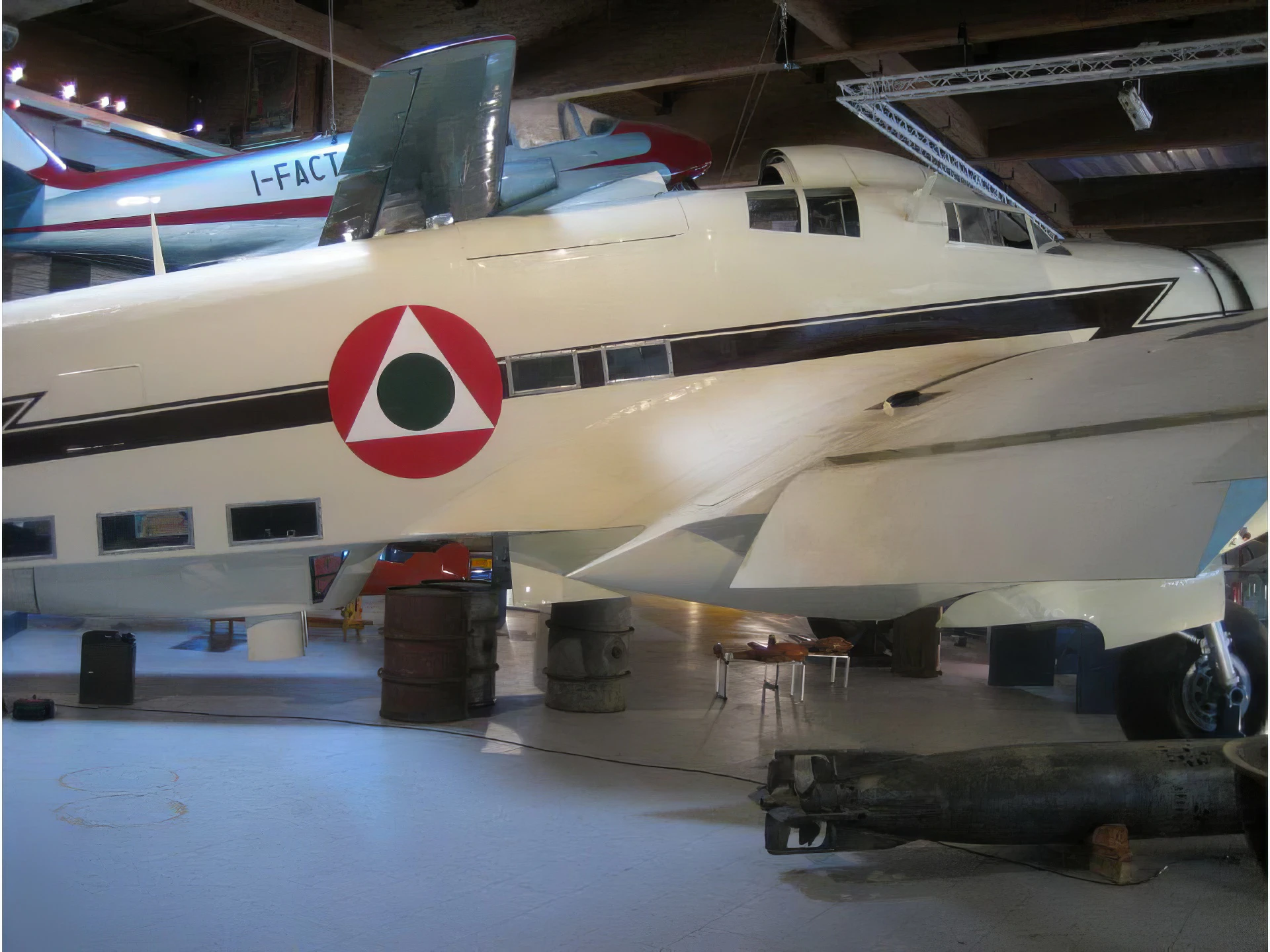
Savoia-Marchetti SM.79 Sparviero (italų už "Sparrowhawk") buvo trijų variklių Italijos vidutinio bombonešis su medžio ir metalo struktūra. 1937–1939 m. jis iš pradžių buvo sukurtas kaip greitas keleivinis orlaivis, šis žemo sparno monoplanas, nustatė 26 pasaulio rekordus, kurie kurį laiką buvo laikomi greičiausiu vidutiniu bombonešiu pasaulyje.
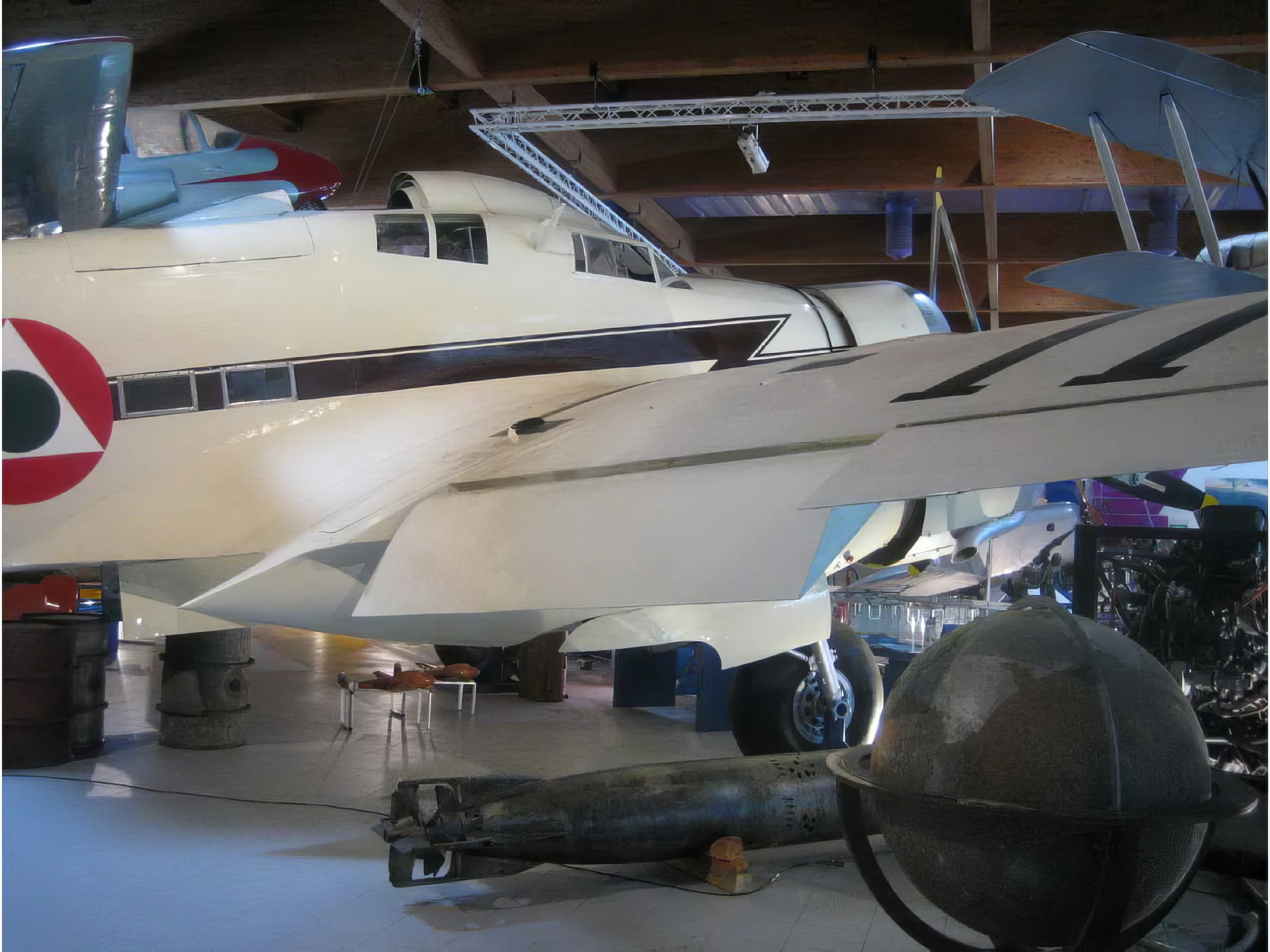
Ji pirmą kartą pamatė veiksmus Ispanijos pilietinio karo metu ir skrido visuose frontuose, kuriuose Italija dalyvavo Antrojo pasaulinio karo metu. Jis tapo žinomas ir pasiekė daug sėkmės kaip torpedos bombonešis Viduržemio jūros teatre. SM.79 buvo išskirtinis orlaivis ir tikrai buvo geriausiai žinomas Antrojo pasaulinio karo Italijos lėktuvas. Jis buvo lengvai atpažįstamas dėl savo išskirtinio fiuzeliažo nugaros "kupra", ir buvo labai mėgstamas savo įgulų, kurios jį pavadino Gobbo Maledetto ("prakeiktas nuojauta"). Tai buvo plačiausiai gaminamas Antrojo pasaulinio karo italų bombonešis, pastatytas apie 1300, iki 1952 m. likęs Italijos tarnyboje.Šaltinis: SM-79 Vikipedijoje

Taip pat žiūrėkite:


The Savoia-Marchetti SM.79 Sparviero was a famous Italian three-engined medium bomber and torpedo bomber that became arguably the best-known Italian aircraft of World War II. Initially designed as a fast, eight-passenger transport in the early 1930s, its excellent performance led to its adoption by the *Regia Aeronautica* (Italian Royal Air Force) for military service.
Design and Nickname
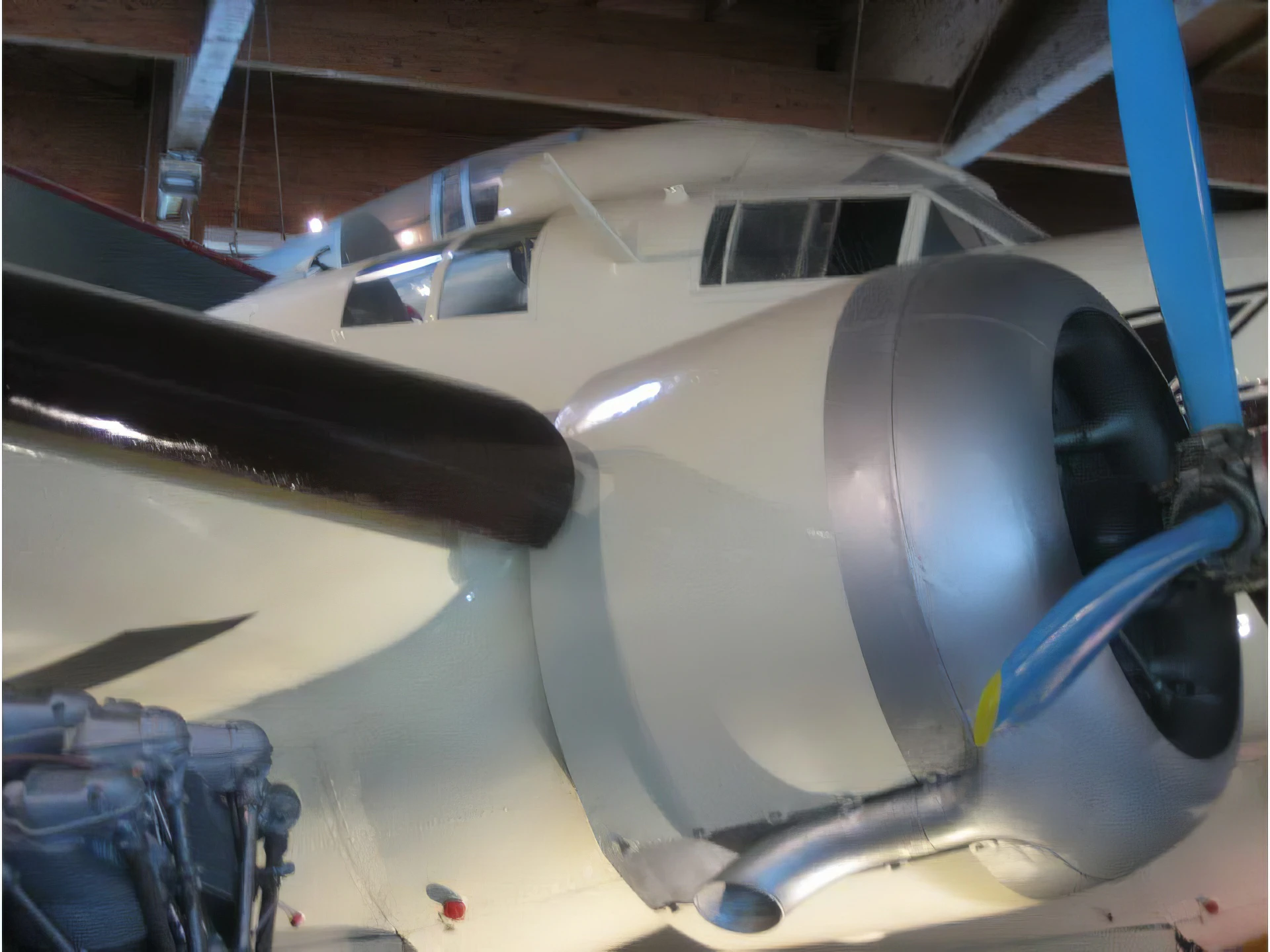
The SM.79 was a cantilever low-wing monoplane. Its construction was a combination of wood and metal, with a fuselage featuring a distinctive dorsal “hump” housing the fixed forward-firing machine gun and the dorsal gunner’s position. This unique silhouette earned it the crew nickname *il gobbo maledetto* (“damned hunchback”).
- Configuration: Trimotor (three engines), with one engine in the nose and one on each wing.
- Statyba: Welded tubular steel fuselage frame, covered with a mix of duralumin, plywood, and fabric. All-wood wings.
- Įgula: Typically 5 or 6 (pilot, co-pilot, flight engineer/gunner, radio operator, bombardier, rear gunner).
- Powerplant: Various radial engines, commonly three Alfa Romeo 126 RC.34 engines, each producing around 780 hp.
- Performance: Early versions set 26 world records between 1937 and 1939, giving it a reputation as one of the fastest medium bombers in the world at the time. Max speed was around 430 km/h.
Wartime Role
The SM.79 first saw combat during the Spanish Civil War and became the backbone of Italy’s bomber force at the start of World War II. It was the most numerous Italian bomber produced during the conflict, with over 1,300 units built.
- Medium Bomber: Used for conventional bombing on multiple fronts, including the Mediterranean, North Africa, and the Eastern Front. It carried an internal bomb load of up to 1,250 kg.
- Torpedo Bomber: In its most successful role, the SM.79-II variant was adapted to carry one or two external torpedoes (450 mm naval torpedoes) and achieved notable success attacking Allied shipping in the Mediterranean. These crews were highly celebrated in Italy.
- Ginkluotės: Defensive weaponry typically included three to four machine guns: a fixed forward-firing 12.7 mm machine gun in the dorsal hump, one flexible 12.7 mm gun in the dorsal position, and a flexible 12.7 mm gun in the ventral “gondola” (a retractable belly position).
The type remained in Italian service until 1952.
Peržiūrėta : 4851
Taip pat galite pamatyti:
 Avro 504 – Nuotraukos ir vaizdo įrašai
 Nardi FN.305 – Nuotraukos ir vaizdo įrašai
 Savoia-Marchetti SM.82 – Nuotraukos ir vaizdo įrašai
 "Northrop YC-125 Raider" - nuotraukos ir vaizdo įrašai
 Grumman AF Guardian – nuotraukos ir vaizdo įrašai
 Fairey Delta 2 - nuotraukos ir vaizdo įrašai
 Handley Page Halifax – nuotraukos ir vaizdo įrašai
 "Grumman G-21 Goose" – nuotraukos ir vaizdo įrašai
 B-25J Mitchell – WalkAround
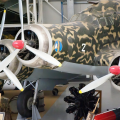 Savoia Marchetti SM-79 – Vaikščioti aplink