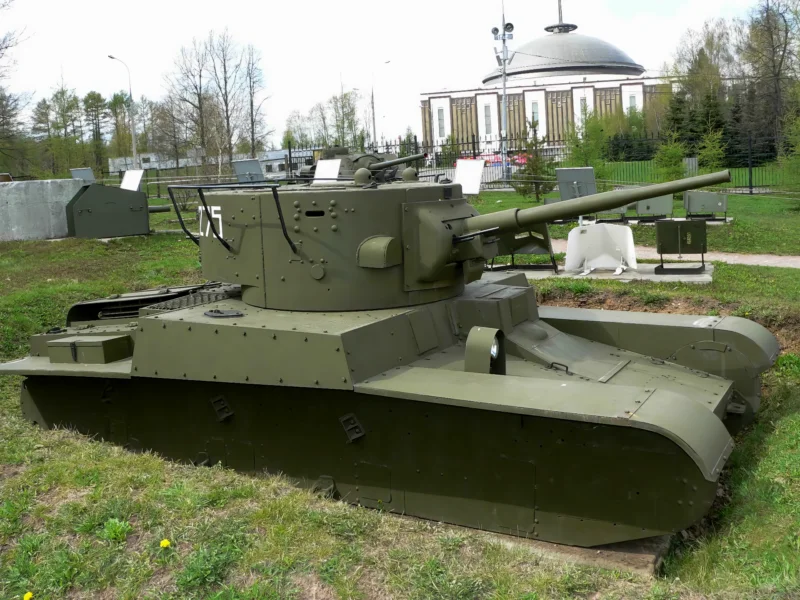
Bakas T-46 | |
|---|---|
| Šalies | URSS (URSS) |
| Tipas | Šviesos bakas |
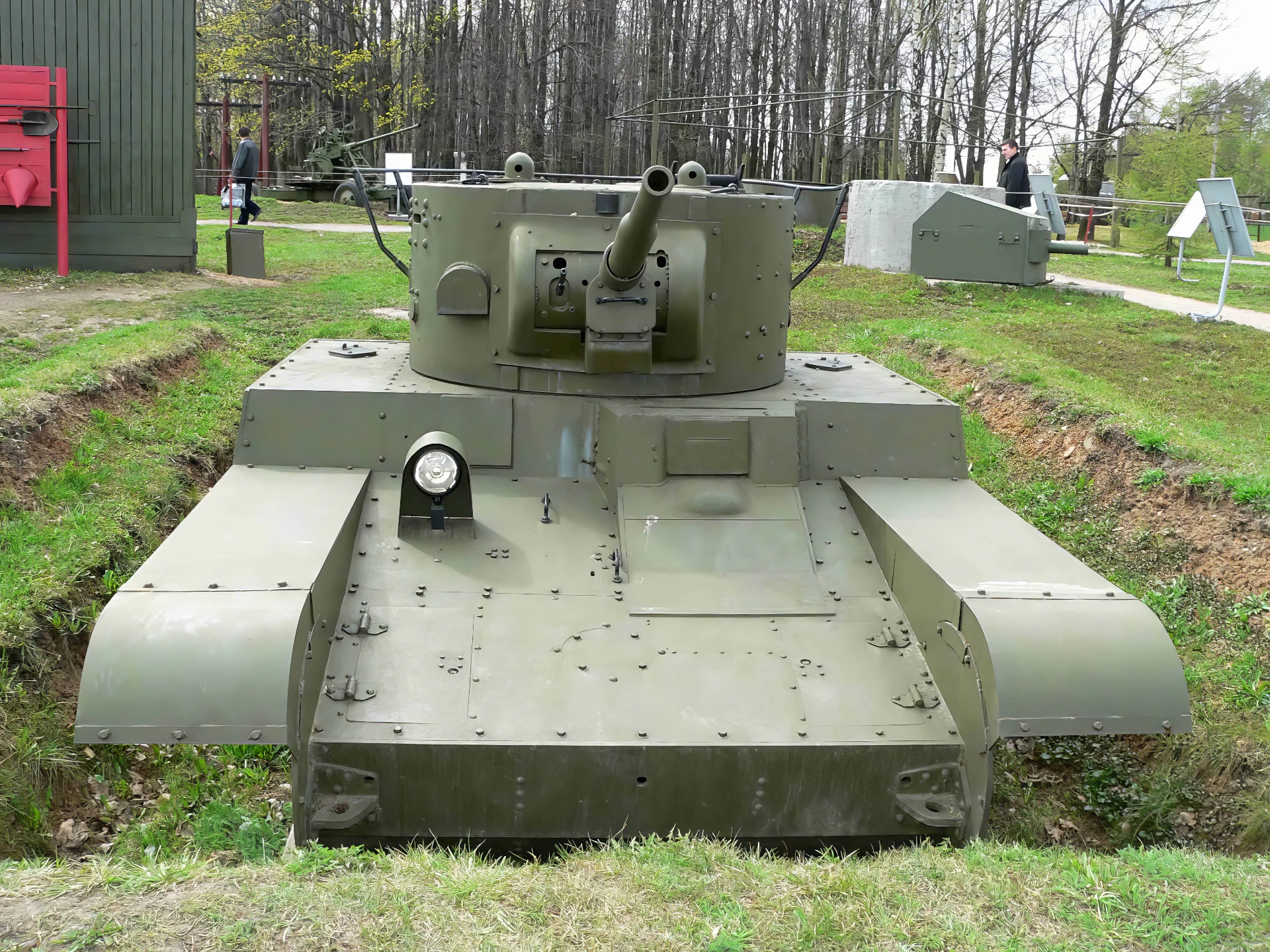
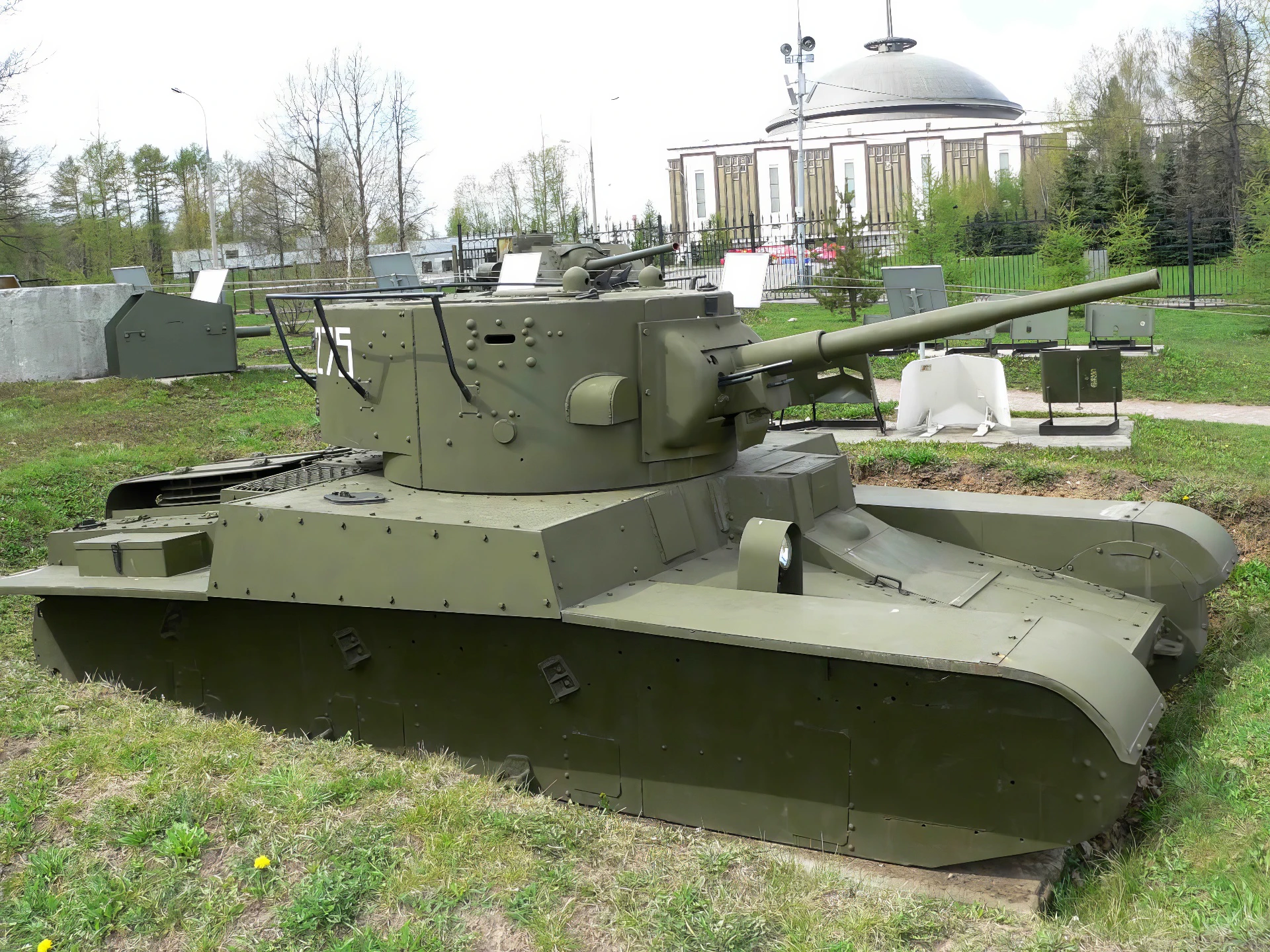
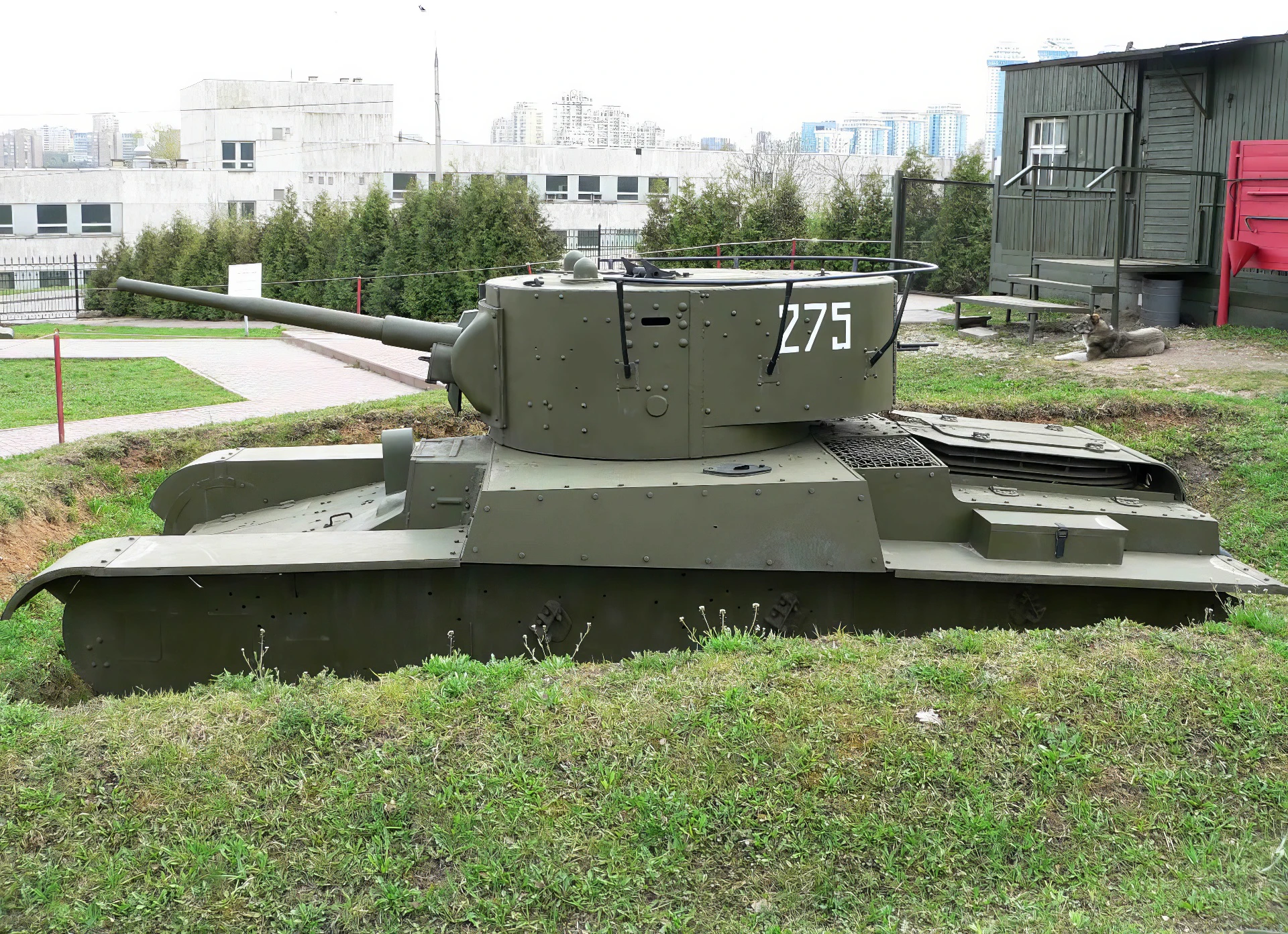
| Aprašymas / kontrolė | Albumas 66 nuotraukos vaikščioti aplink du char T-46 |
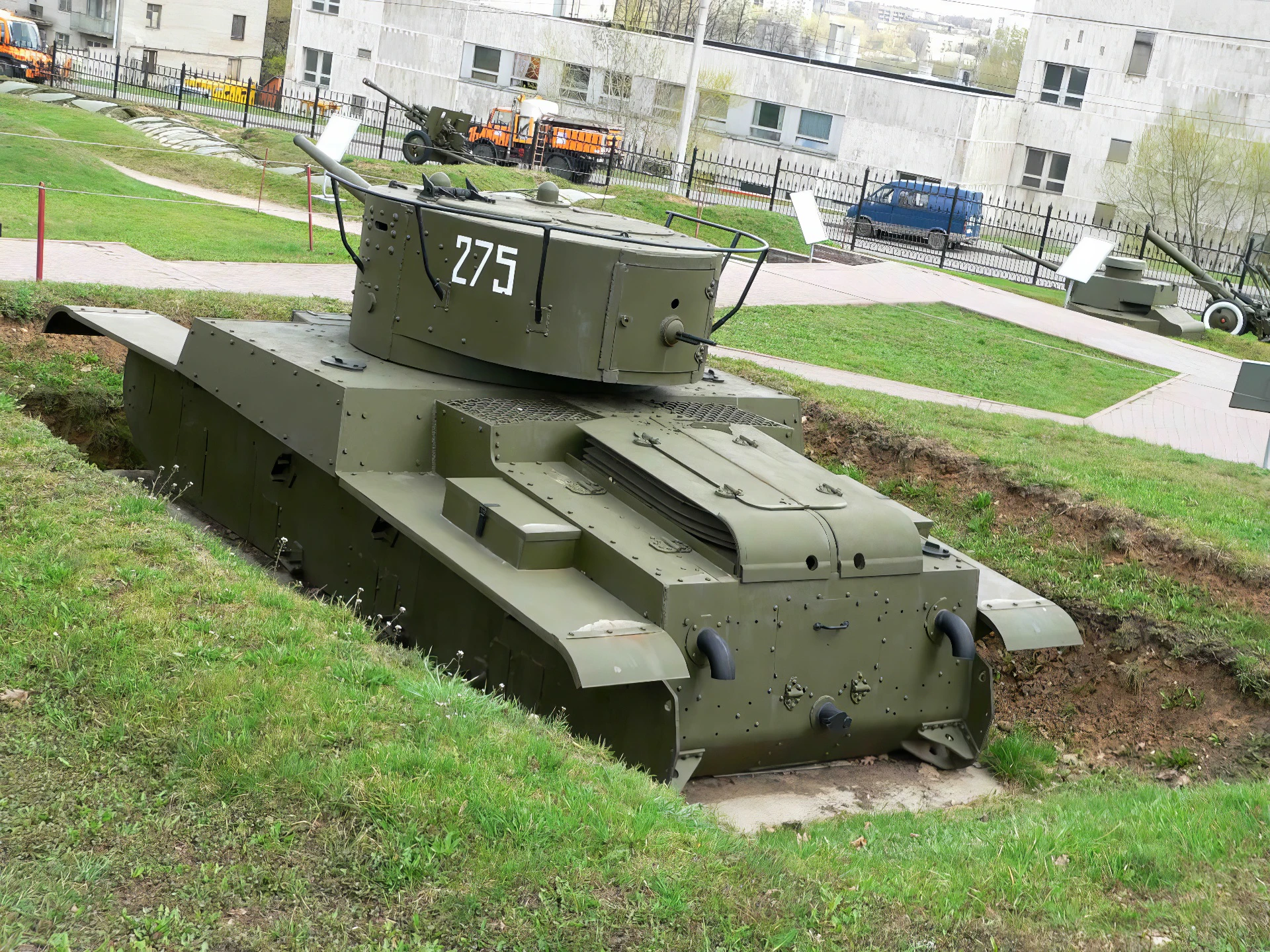
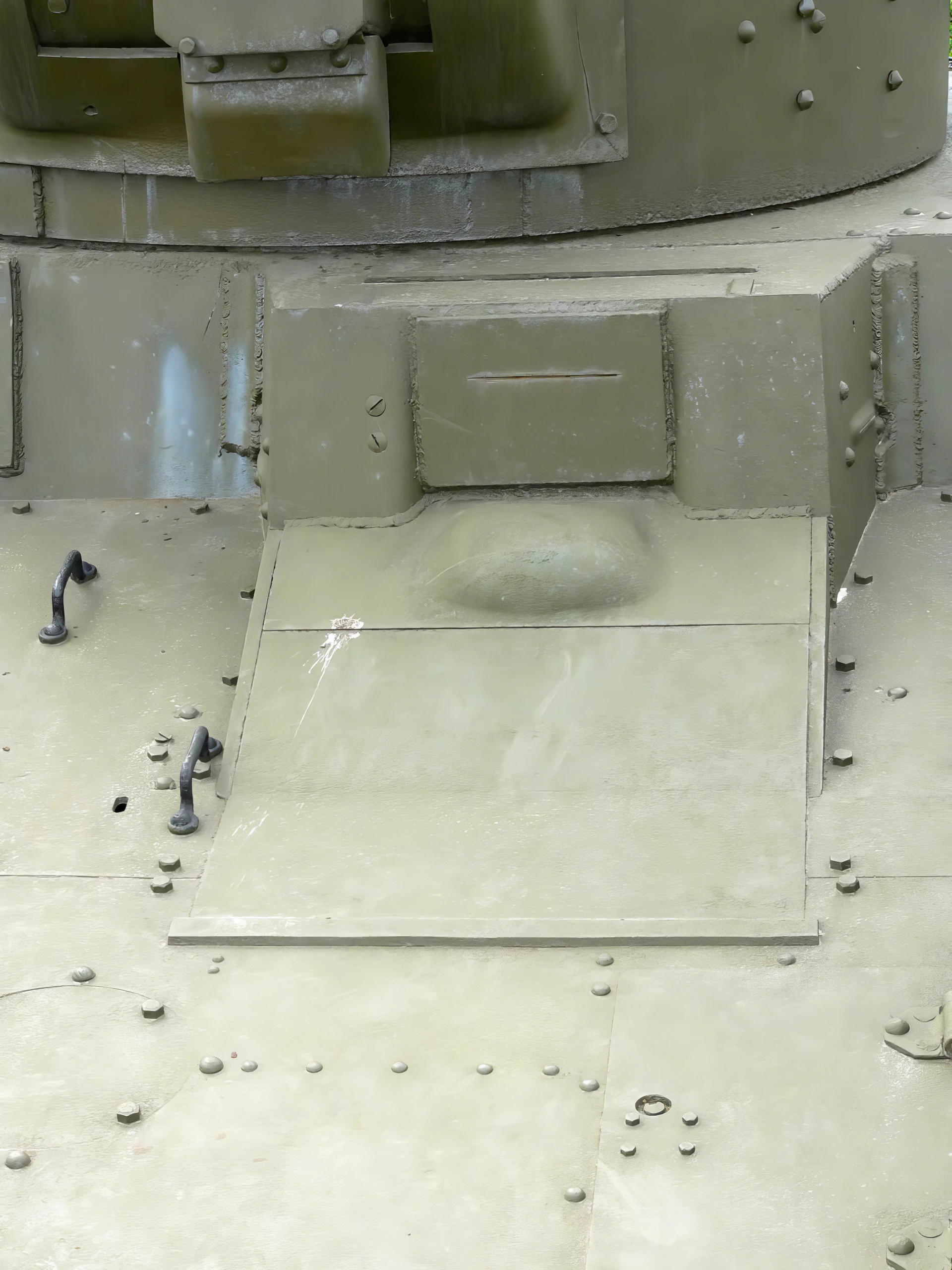
Nuotraukų galerija ant T-46 lengvojo bako, Rusijos tankas T-46 yra jo pirmtako T-26 bako darinys. Tai buvo kabrioletas bakas, galintis persijungti į "vikšro režimą" arba "rato režimą", o tai suteikė jam didelį greičio padidėjimą. Bokštelis ir įvairi įranga buvo laikomi, palyginti su T2-6, todėl šis bakas laikomas tik T-26 pratęsimu, o ne tikru kūriniu, be to, jo gamyba neviršijo kelių dešimčių vienetų, nes ji bus labai greitai išslaptinta atvykus BT-5 ir BT-7 cisternų serijoms.





Taip pat žiūrėkite:


The T-46 was an experimental Soviet light tank developed in the mid-1930s with the goal of increasing the mobility of the existing T-26 light tank. It was ultimately deemed too complex and expensive for mass production, leading to its cancellation after only a small number of prototypes and pre-production units were manufactured.
Key Characteristics and Design
The T-46 was essentially an attempt to merge the T-26’s general layout and armament with the high-speed mobility of the BT-series “fast tanks”:
- Mobility Feature: The tank was designed with a **Christie suspension** system, which allowed it to operate on either its tracks or its large road wheels (a feature known as “wheeling”). This was intended to dramatically increase its speed on prepared roads.
- Variklis: It was powered by a liquid-cooled engine, with variants using up to ~330 hp, giving it a good power-to-weight ratio for a light tank.
- Speed: Top speeds were around 58 km/h (36 mph) on tracks, and potentially higher on wheels.
- Sunkumas: Its combat weight was approximately 10.3 tonnes.
Armament and Armor
The tank carried standard Soviet light tank armament, but its armor offered minimal protection:
- Primary Armament: One 45 mm 20-K cannon, a high-velocity weapon common on Soviet tanks of the period.
- Secondary Armament: Typically included multiple 7.62 mm DT machine guns (coaxial and possibly hull-mounted). Some planned variants also incorporated a flamethrower.
- Šarvas: The armor was very thin, usually around 15 mm on the hull and turret front, providing protection only against small arms fire and shrapnel, but not dedicated anti-tank weapons.
Service and Legacy
The T-46 never entered full production because it was deemed technologically complex and costly, and it offered too few advantages over the existing BT-series. However, some of the handful of existing vehicles saw limited action:
- A small number were used in the Winter War against Finland in 1940.
- During the desperate defense of Moscow in 1941, some were stripped of their wheels and tracks and buried as static firing points (pillboxes) to bolster defense lines.
Views : 2081
Taip pat galite pamatyti:
 ELC projektas – nuotraukos ir vaizdo įrašai
 M551 Sheridan - nuotraukos ir vaizdo įrašai
 M8 šarvuotų ginklų sistema – nuotraukos ir vaizdo įrašai
 M3A1 Stuart vol2 – Nuotraukos &; Video
 Vickers Mk VIb vol2 – Vaikščioti aplink
 Renault FT 17 – WalkAround
 Tanko tipas 95 Ha-Go - WalkAround
 M3A1 Stuart – WalkAround
 M22 Saldžiavaisis – Vaikščioti aplink
 Char rapide BT-5 - Vaikščioti aplink
Pingback: T-46 sovietų lengvasis tankas (1933)