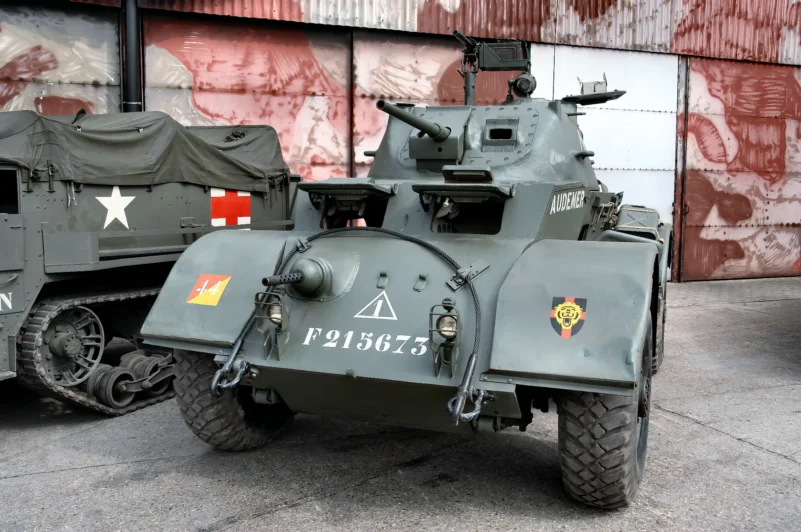
T17E1 Staghound | |
|---|---|
| Šalies | Jk |
| Tipas | Šarvuotas automobilis |
| Aprašymas / kontrolė | Albumas 80 Nuotraukos iš T17E1 Staghound |
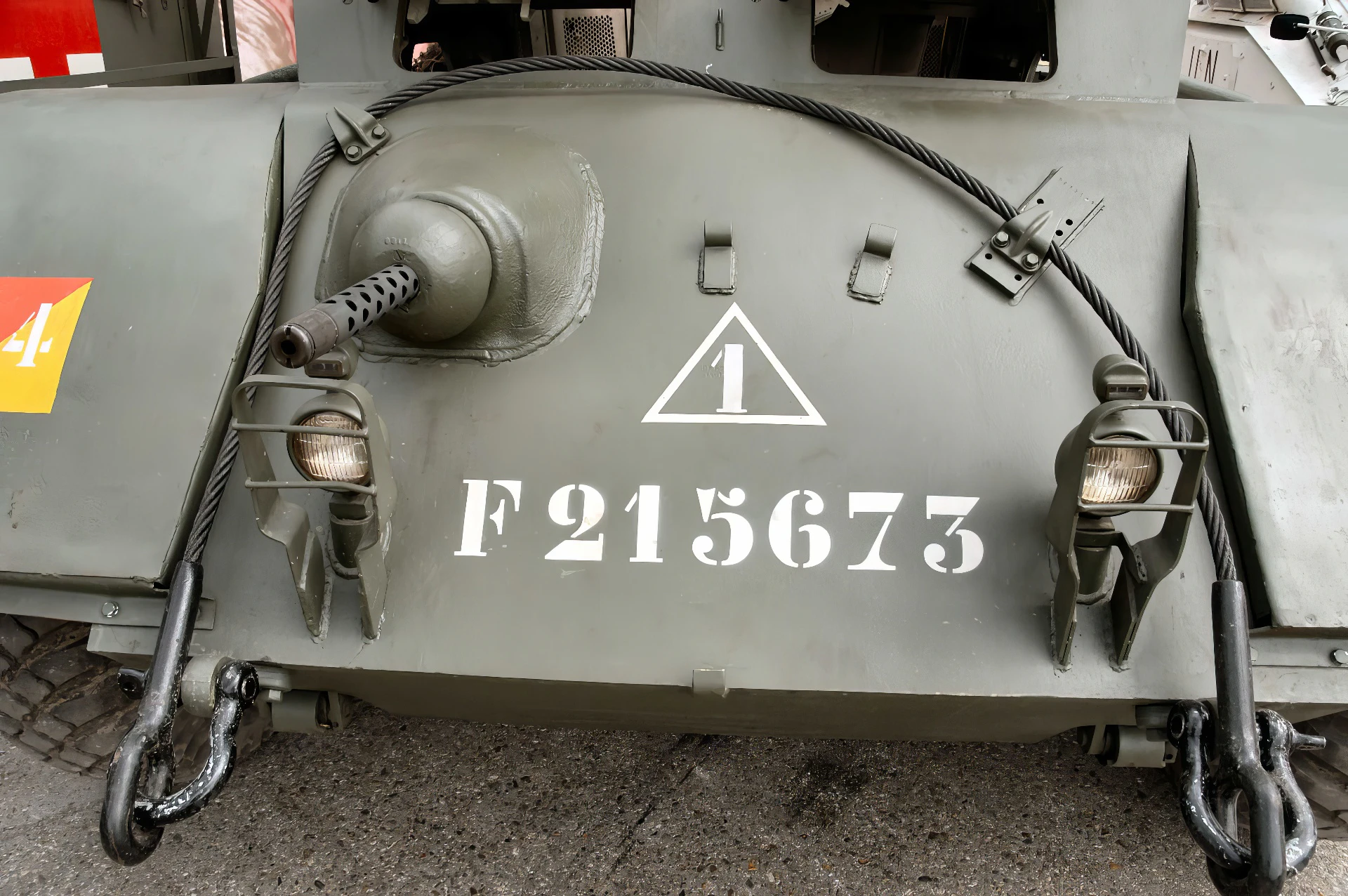
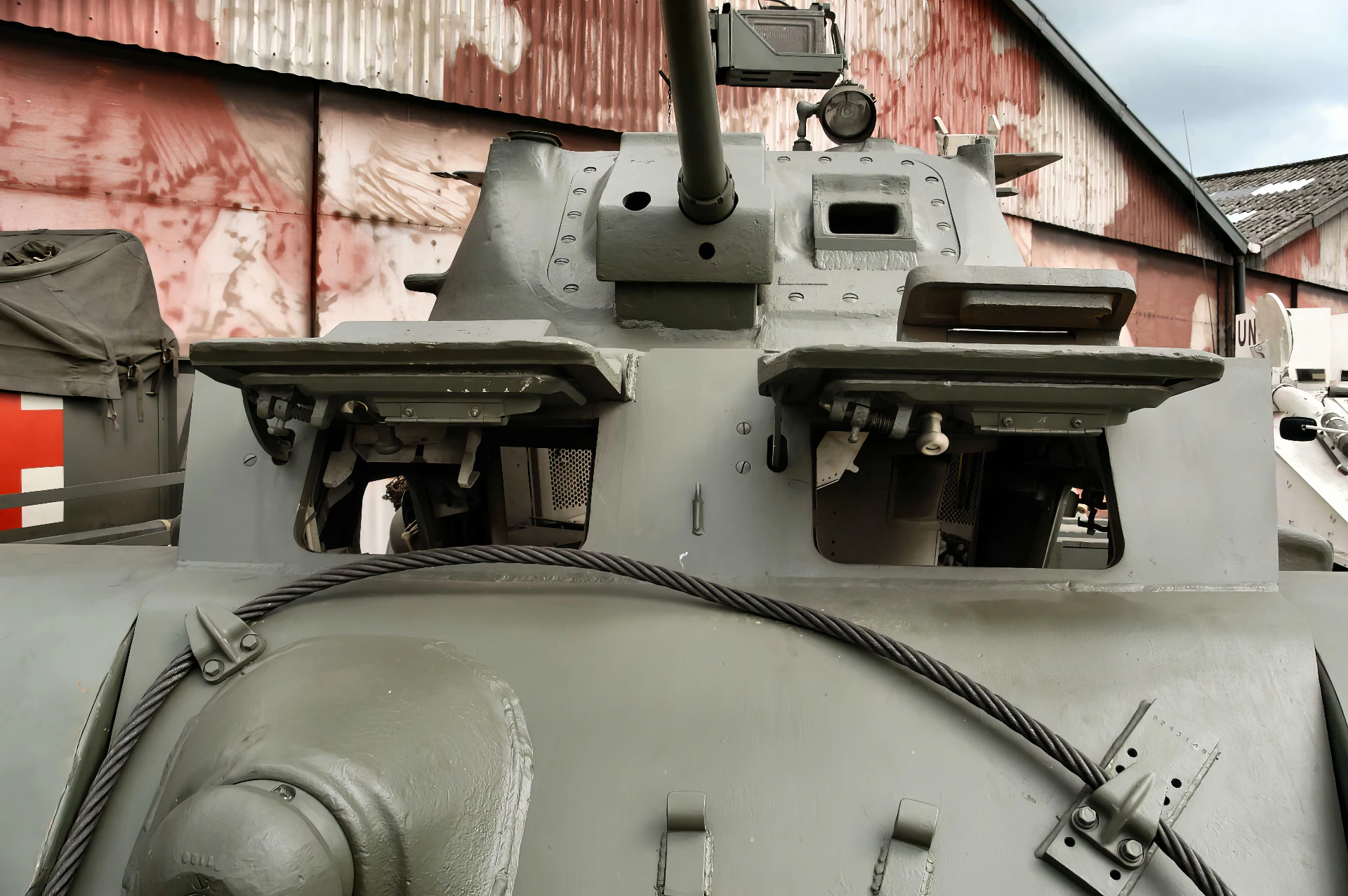
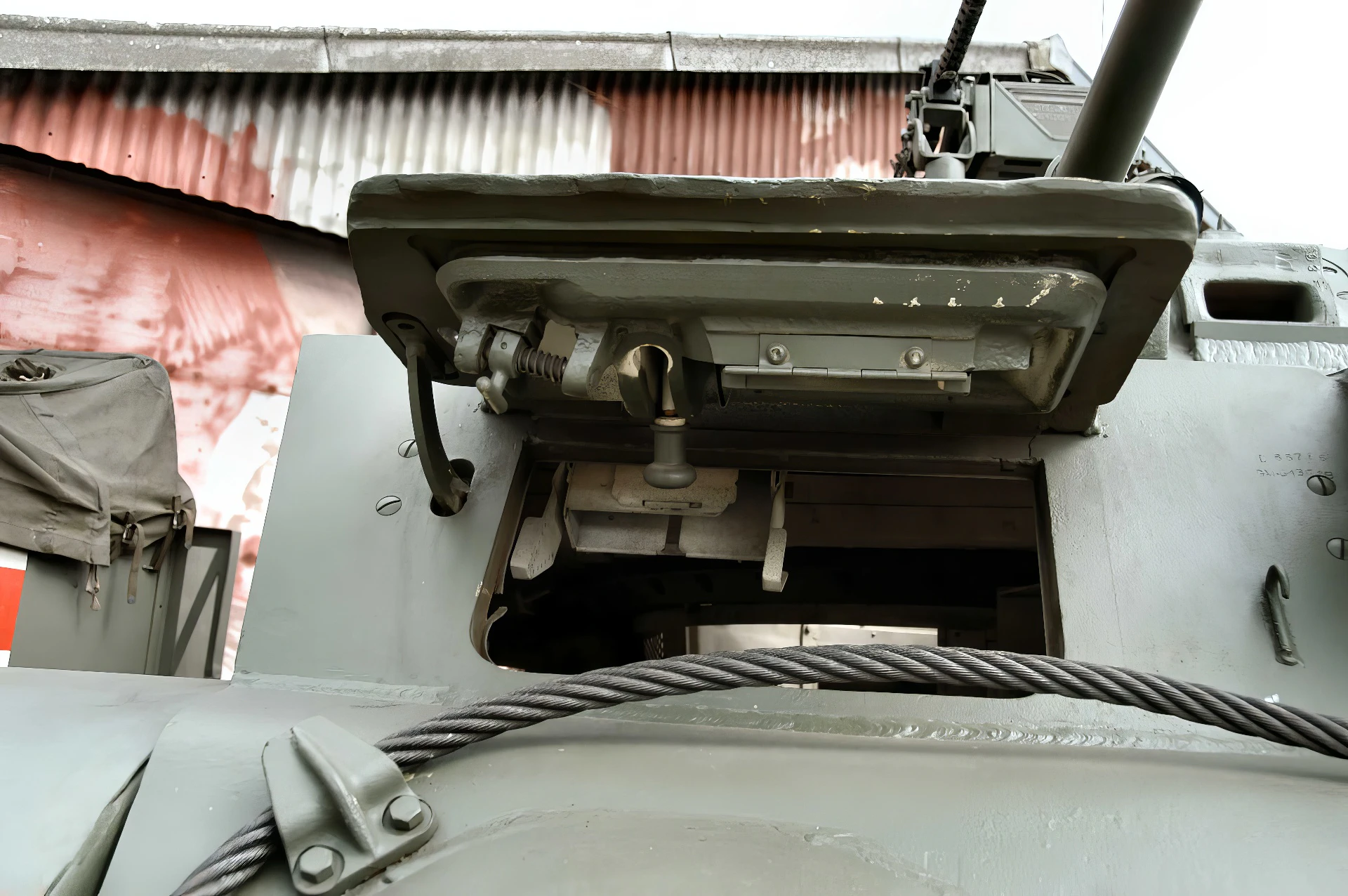
Britų armija davė pavadinimą Staghound aux automitrailleuses de la série T17E. Le début de sa production remonte au mois d’octobre 42. L’armée britannique continue à produire la T17E1 (Près de 4000 exemplaires produits) alors que l’armée américaine adopte la M8 Greyhound qui est plus légère. Les automitrailleuses Staghound buvo aprūpinti keliomis naujoviškomis funkcijomis tuo laikotarpiu, kai jie buvo išleisti.
Šaltinis: Staghound Vikipedijoje

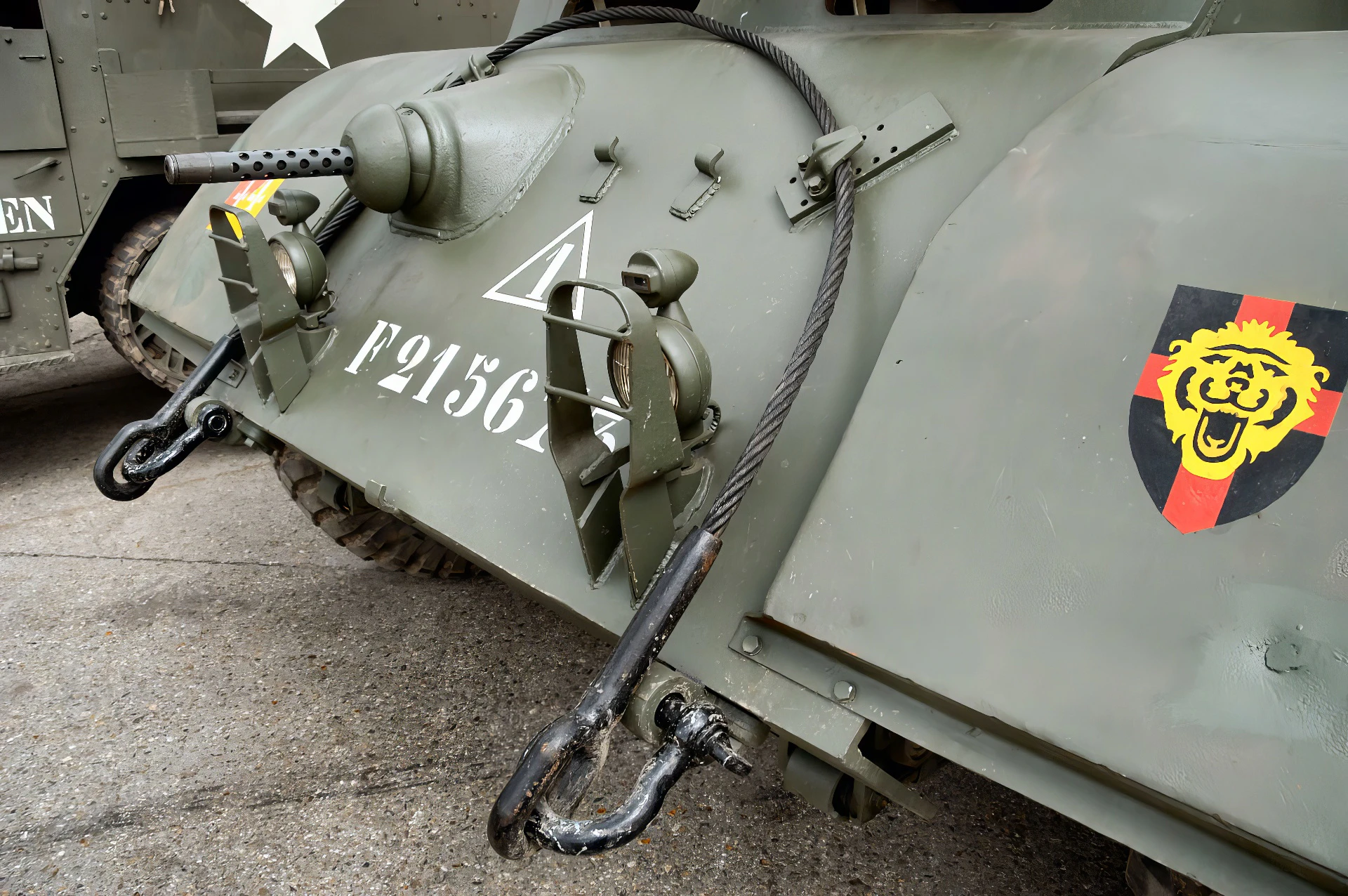
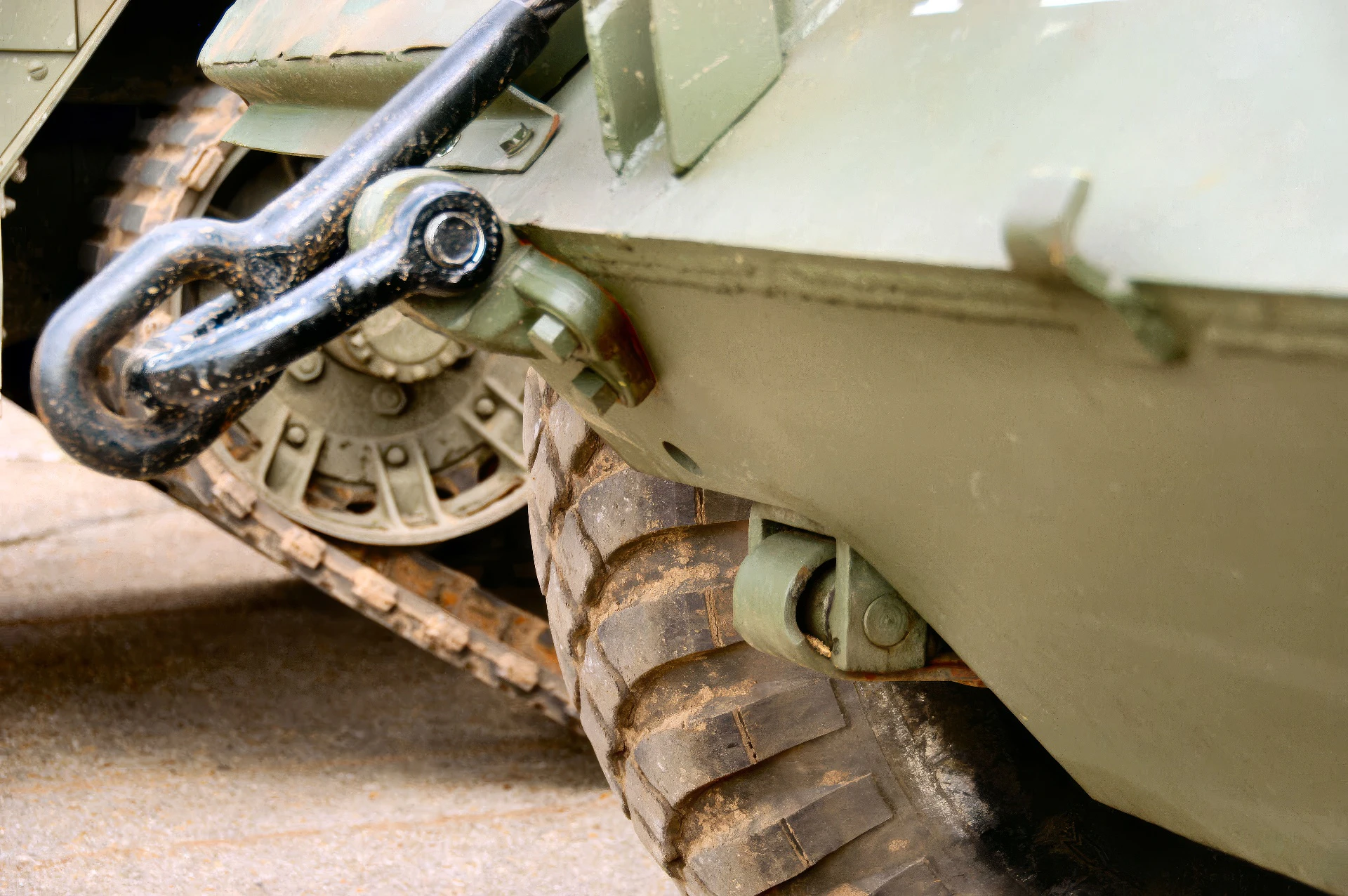

Taip pat žiūrėkite:


Origin and Service
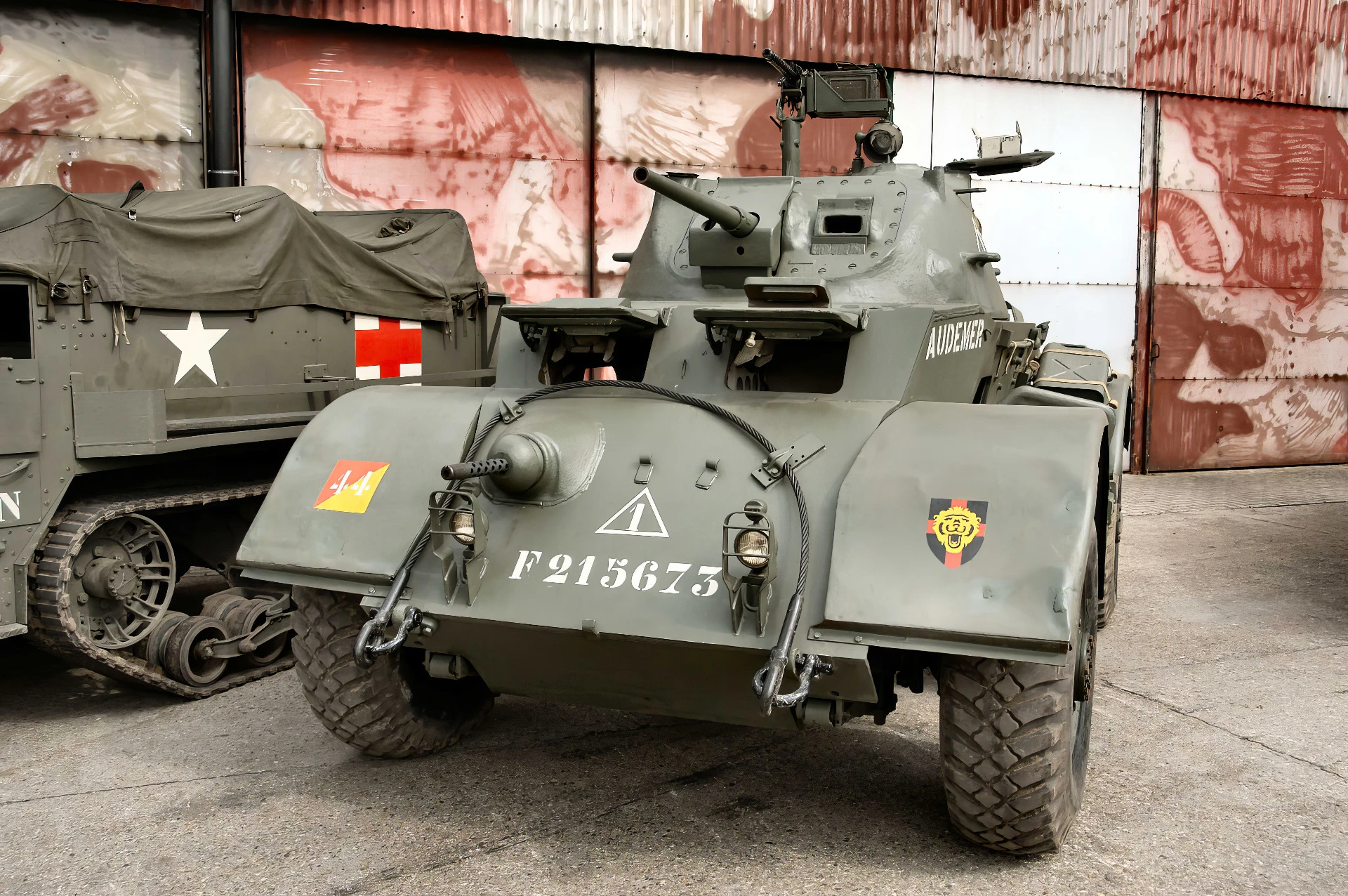
The T17E1 Staghound was a heavy, 4×4 armoured car developed and produced in the United States by Chevrolet during World War II. Despite being an American design, it was never adopted by the US Army for frontline combat; instead, its entire production run was supplied to British and Commonwealth forces under the Lend-Lease Act, where it received the service name Staghound (specifically the Staghound Mark I variant).
The Staghound entered service in 1943, first seeing combat with Commonwealth units in the Italian Campaign before being widely used in North-West Europe. Its high speed and long operational range made it effective for reconnaissance and regimental headquarters duties. The vehicle proved highly successful and robust, remaining in service with several international armies until the 1980s.
Design and Engineering
The Staghound was an innovative design for its time, featuring several advanced characteristics:
- Powerplant: It was powered by a pair of rear-mounted GMC 270 6-cylinder engines, allowing the crew to shut down one engine for fuel economy or if one failed.
- Transmission: It used an automatic transmission and featured selectable two- or four-wheel drive.
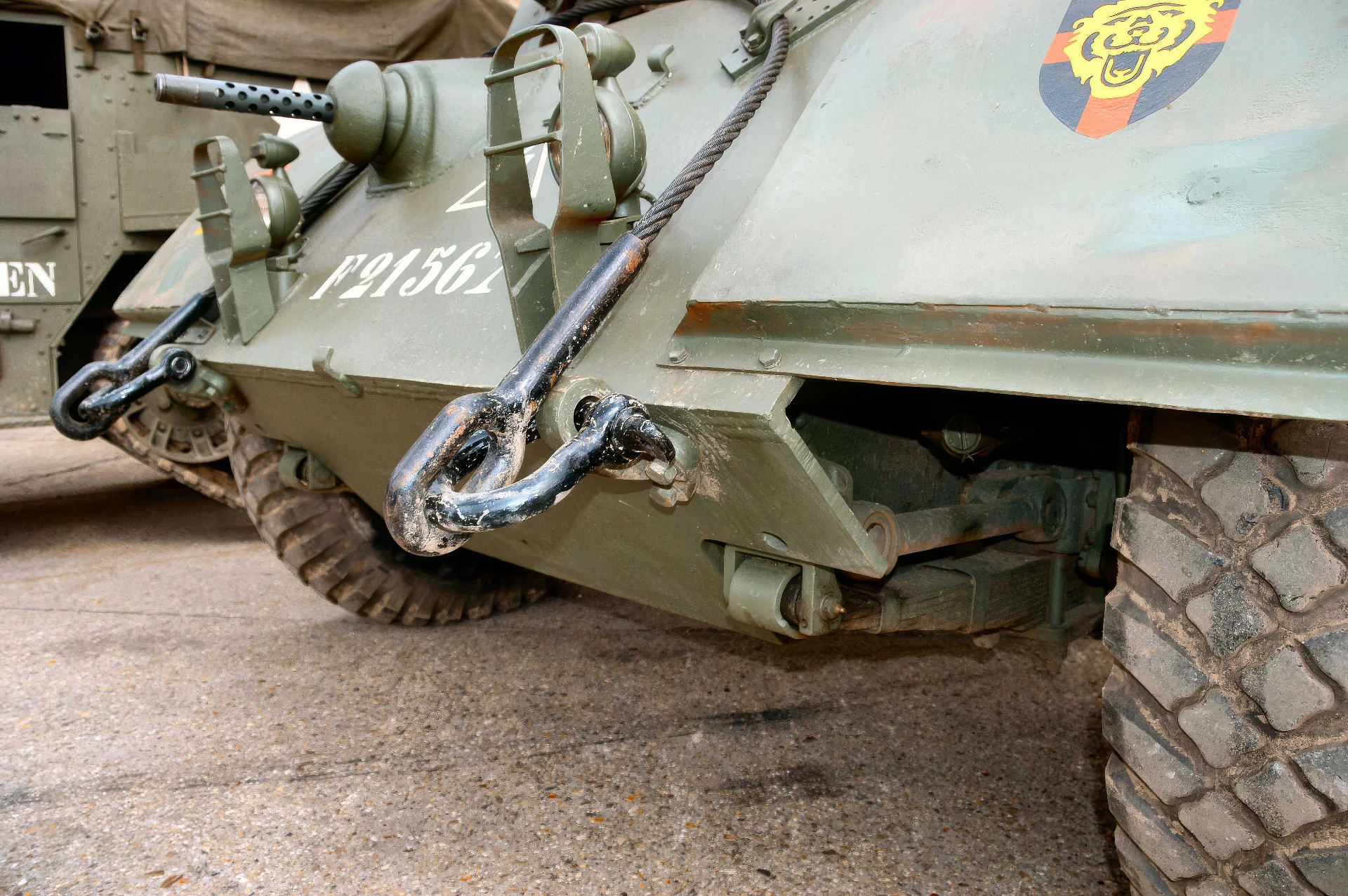
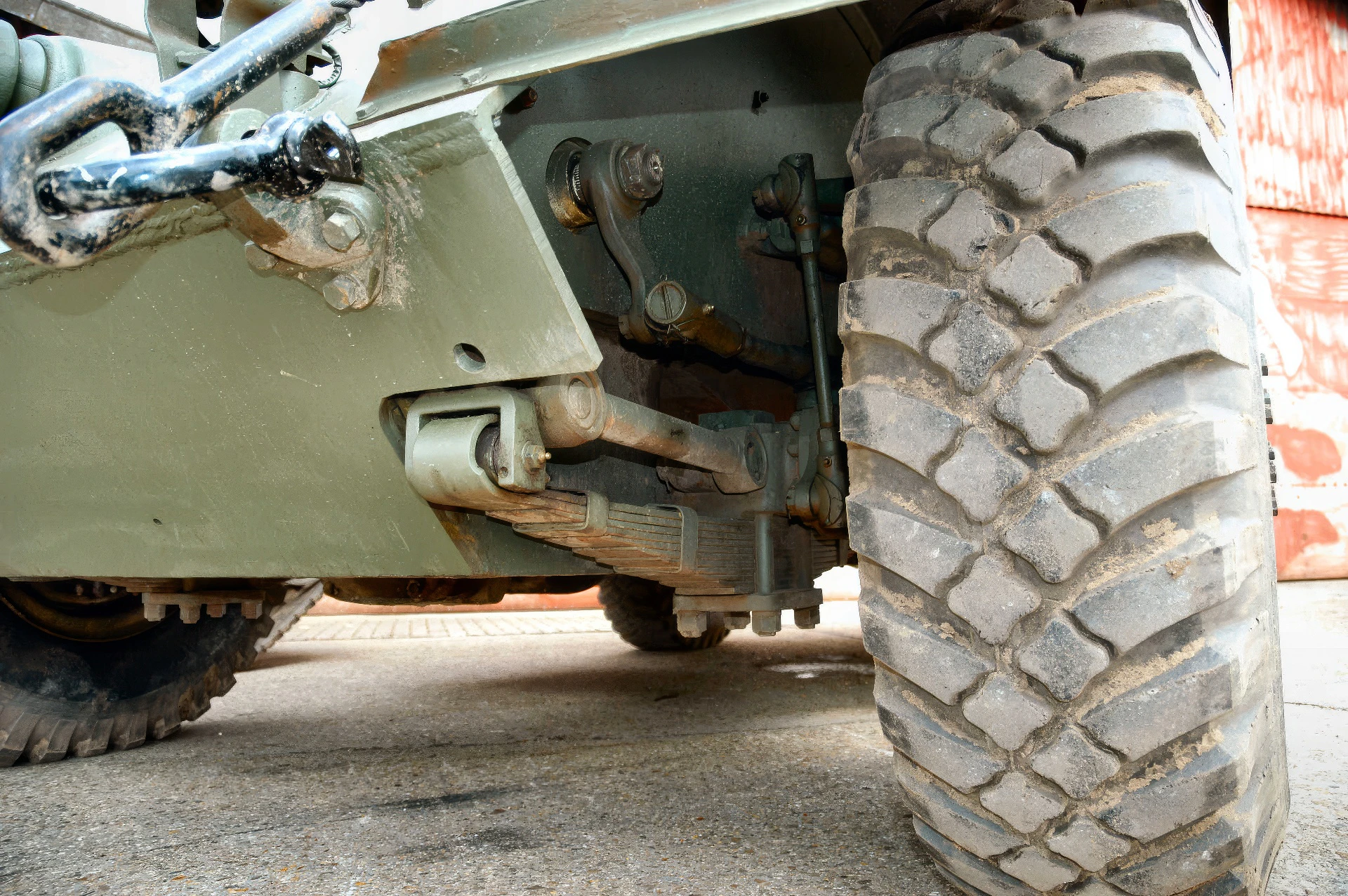
- Statyba: The hull was of rigid, welded construction, which was strong enough that the steering and suspension components could be attached directly, dispensing with the need for a separate chassis frame.
- Įgula: It had a large crew of five: Commander, Gunner, Loader, Driver, and Hull Machine Gunner.
Specifications and Armament (Mark I)
| Category | Detail |
|---|---|
| Masė | Approx. 14 tonnes (32,000 lbs) |
| Max Road Speed | 89 km/h (55 mph) |
| Operational Range | Up to 724 km (450 miles) |
| Armour Thickness | 9 mm to 44 mm |
| Main Armament | 1 x 37 mm M6 gun (often gyroscopically stabilized) |
| Secondary Armament | 2–3 x .30 Cal (7.62 mm) Browning M1919 machine guns |
Variantai
A few key variants were produced or converted by the British:
- Staghound Mark I (T17E1): The standard version with the 37 mm gun.
- Staghound Mark II: A close support version featuring a 3-inch (76 mm) tank howitzer in place of the 37 mm gun for firing HE shells.
- Staghound Mark III: An upgrade that utilized the turret from a Crusader tank, mounting the 75 mm gun for greater firepower.
- Staghound AA (T17E2): An anti-aircraft version featuring an open-topped turret with twin .50 cal (12.7 mm) Browning heavy machine guns.
Views : 3568