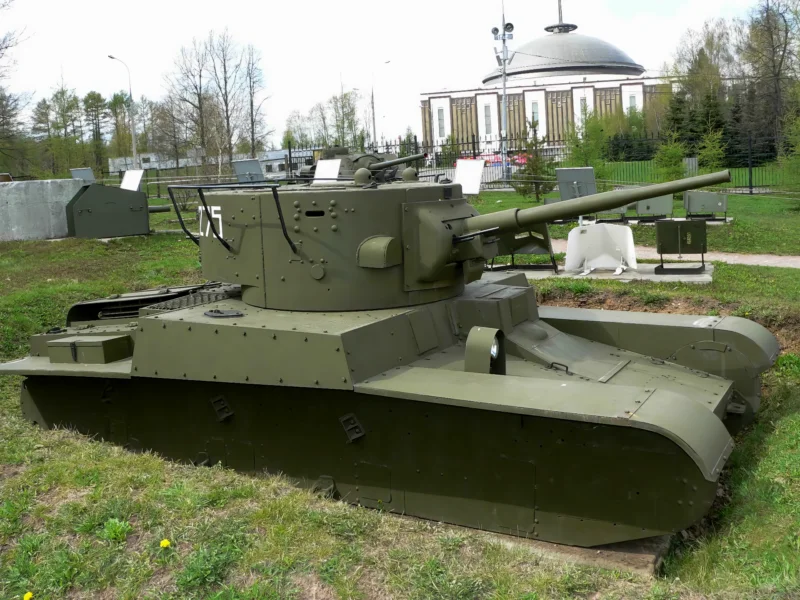
Rezervoar T-46 | |
|---|---|
| Državi | URSS |
| Vrsta | Lahki rezervoar |
| Opis | Album 66 sprehod po fotografijah rezervoarja T-46 |
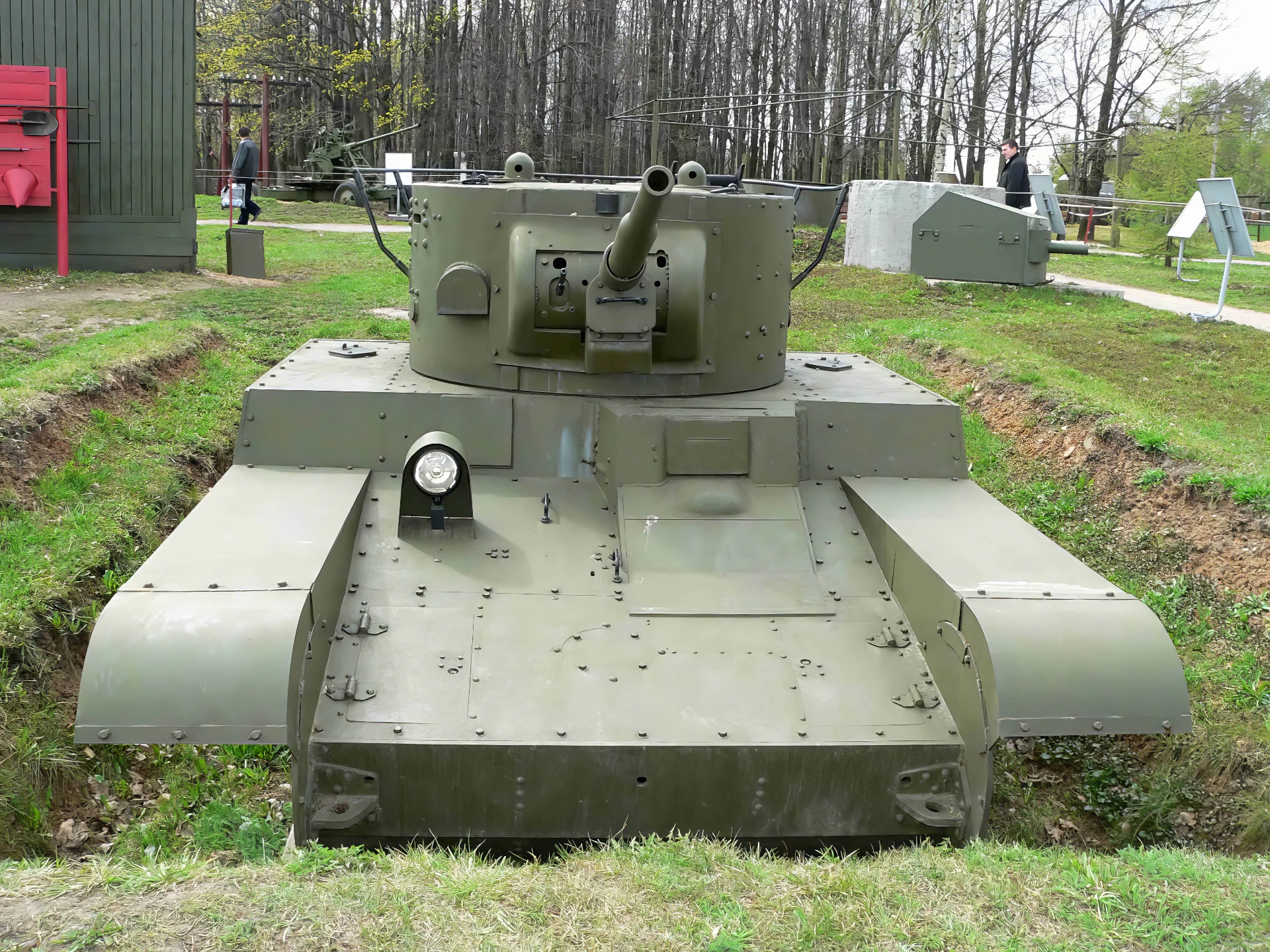
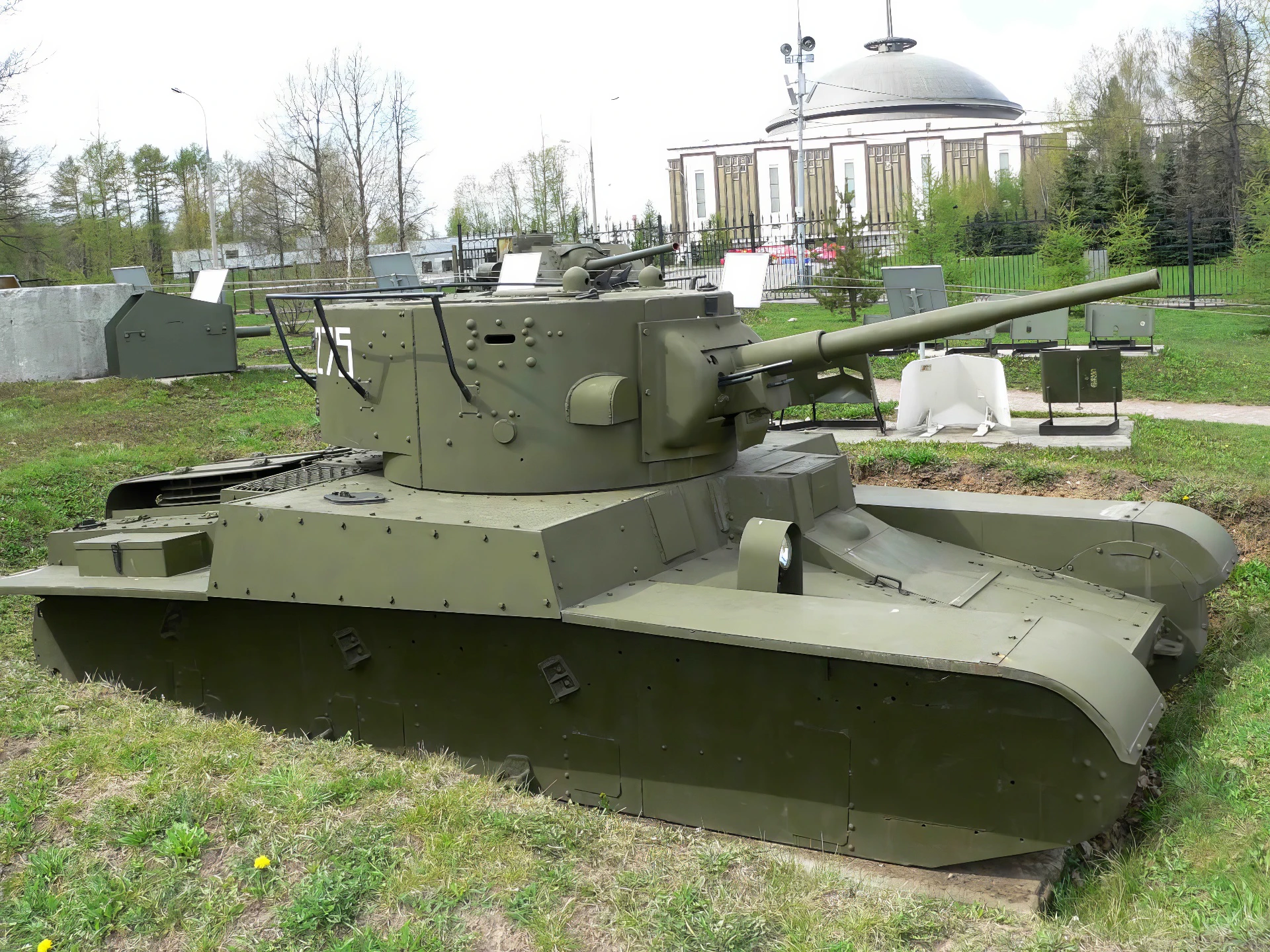
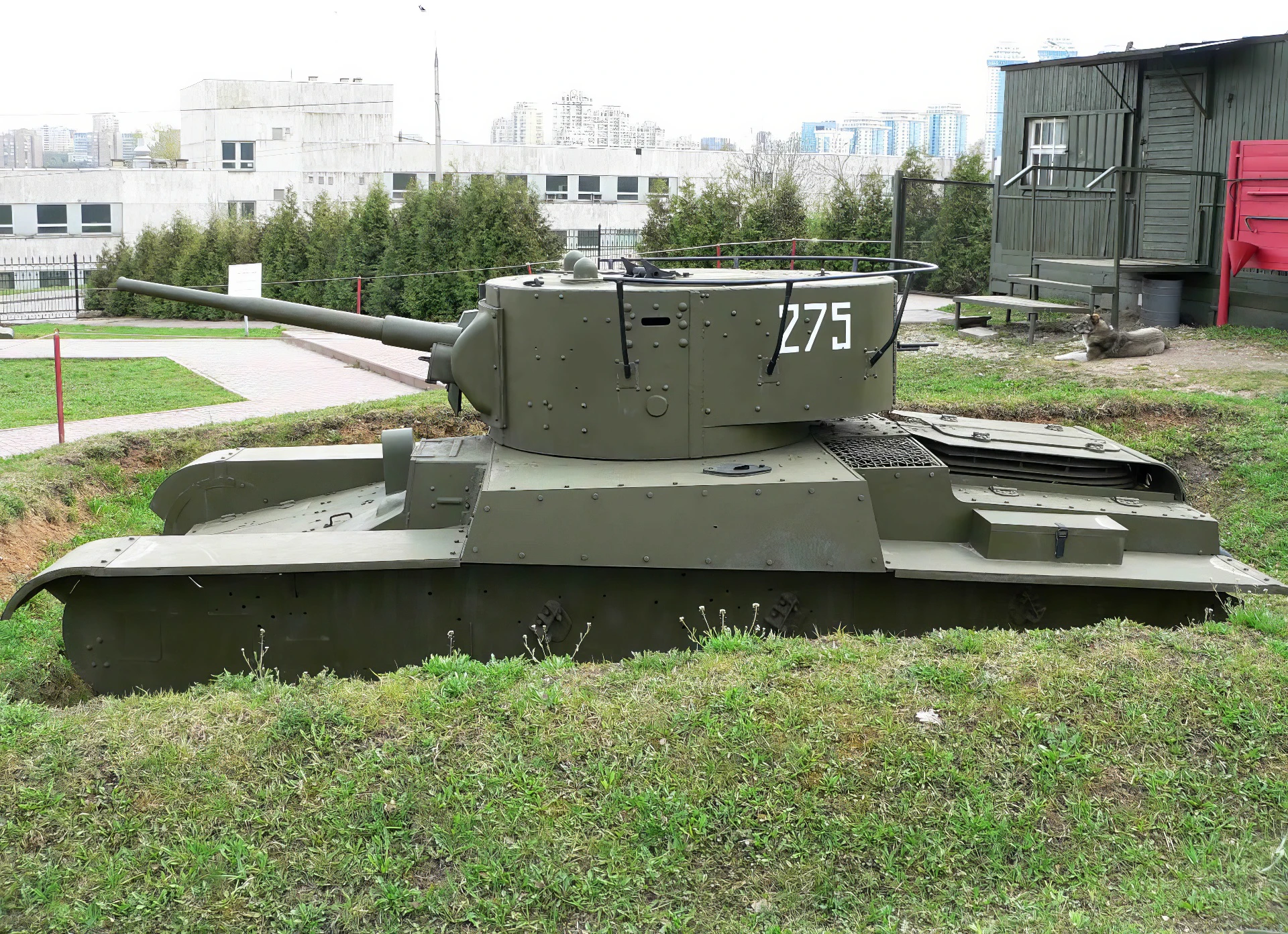
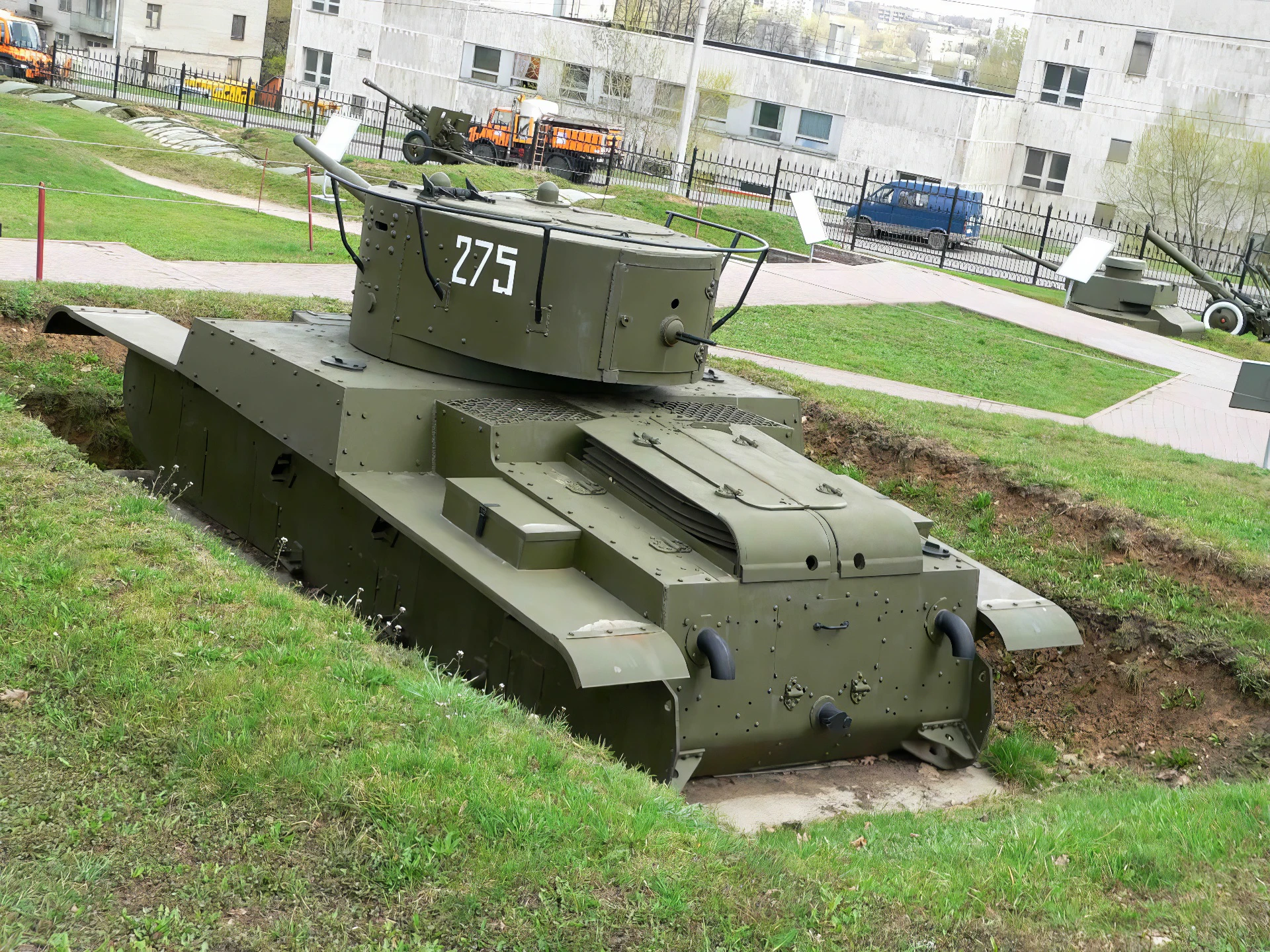
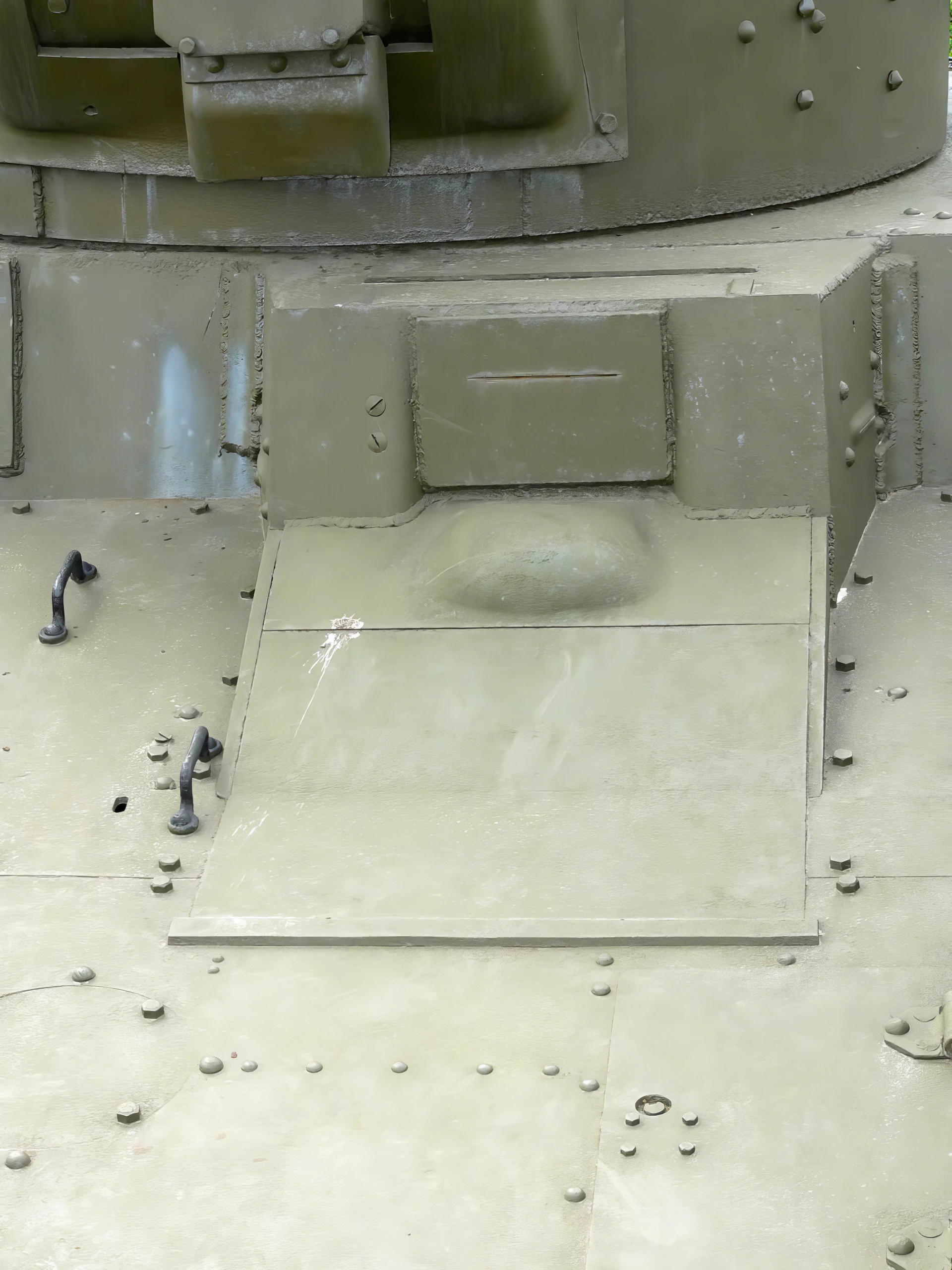
Galerie photo sur un Char léger T-46, Le tank russe T-46 est un dérivé de son prédécesseur le char T-26. C’était un char convertible avec la possibilité de basculer soit en “mode chenilles”, soit en “mode roues” ce qui lui procurait un gain substantiel de vitesse. La tourelle et divers équipements furent conservés par rapport au T2-6 donc ce char n’est considéré que comme un prolongement du T-26 et non comme une réelle création, d’ailleurs sa production ne dépassa pas les quelques dizaines d’unités car il sera très rapidement surclassé par l’arrivée de la série des chars BT-5 et BT-7.





Glej tudi:


The T-46 was an experimental Soviet light tank developed in the mid-1930s with the goal of increasing the mobility of the existing T-26 light tank. It was ultimately deemed too complex and expensive for mass production, leading to its cancellation after only a small number of prototypes and pre-production units were manufactured.
Key Characteristics and Design
The T-46 was essentially an attempt to merge the T-26’s general layout and armament with the high-speed mobility of the BT-series “fast tanks”:
- Mobility Feature: The tank was designed with a **Christie suspension** system, which allowed it to operate on either its tracks or its large road wheels (a feature known as “wheeling”). This was intended to dramatically increase its speed on prepared roads.
- Motor: It was powered by a liquid-cooled engine, with variants using up to ~330 hp, giving it a good power-to-weight ratio for a light tank.
- Speed: Top speeds were around 58 km/h (36 mph) on tracks, and potentially higher on wheels.
- Weight: Its combat weight was approximately 10.3 tonnes.
Armament and Armor
The tank carried standard Soviet light tank armament, but its armor offered minimal protection:
- Primary Armament: One 45 mm 20-K cannon, a high-velocity weapon common on Soviet tanks of the period.
- Secondary Armament: Typically included multiple 7.62 mm DT machine guns (coaxial and possibly hull-mounted). Some planned variants also incorporated a flamethrower.
- Armor: The armor was very thin, usually around 15 mm on the hull and turret front, providing protection only against small arms fire and shrapnel, but not dedicated anti-tank weapons.
Service and Legacy
The T-46 never entered full production because it was deemed technologically complex and costly, and it offered too few advantages over the existing BT-series. However, some of the handful of existing vehicles saw limited action:
- A small number were used in the Winter War against Finland in 1940.
- During the desperate defense of Moscow in 1941, some were stripped of their wheels and tracks and buried as static firing points (pillboxes) to bolster defense lines.
Ogledi : 2088
Prav tako si lahko ogledate:
 Projekt ELC – Fotografije in videoposnetki
 M551 Sheridan – Fotografije & Video posnetki
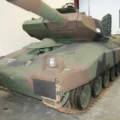 M8 Armored Gun System – Fotografije & Video posnetki
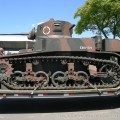 M3A1 Stuart vol2 – Fotografije & Video
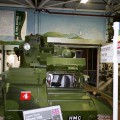 Vickers Mk VIb vol2 – Sprehod Okoli
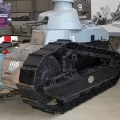 Renault FT 17 – WalkAround
 Tip rezervoarja 95 Ha-Go – WalkAround
 M3A1 Stuart – WalkAround
 M22 Locust – Sprehod Okoli
 Char rapide BT-5 – Sprehod Okoli
Pingback: T-46 soviet light tank (1933)