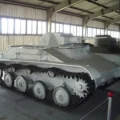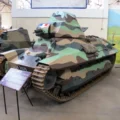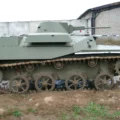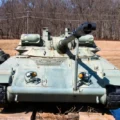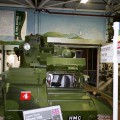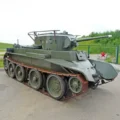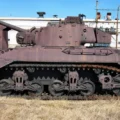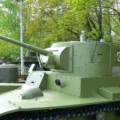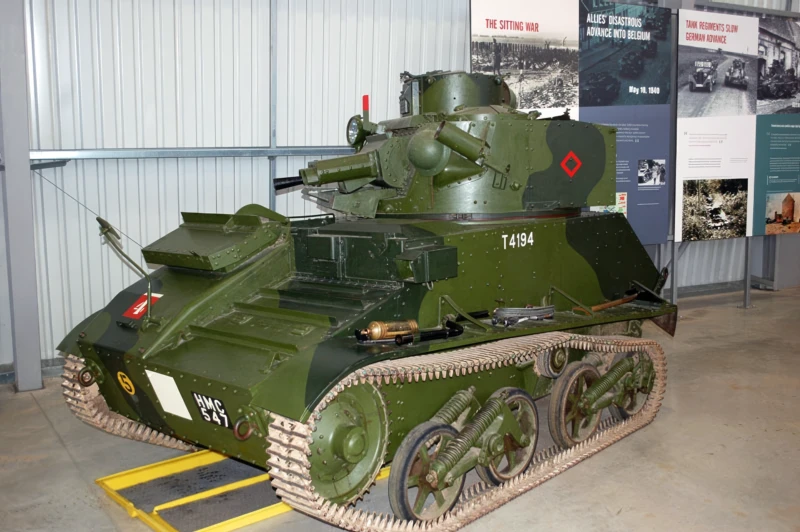
비커스 맥 VIb | |
|---|---|
| 국가 | 영국 |
| 형식 | 경전차 |
| 항목 | 의 앨범 24 탱크 사진 비커스 맥 VIb |
탱크 비커스 맥 VIb 차 세계 대전 동안 영국의 경전차이었다.
포럼에서 볼 수
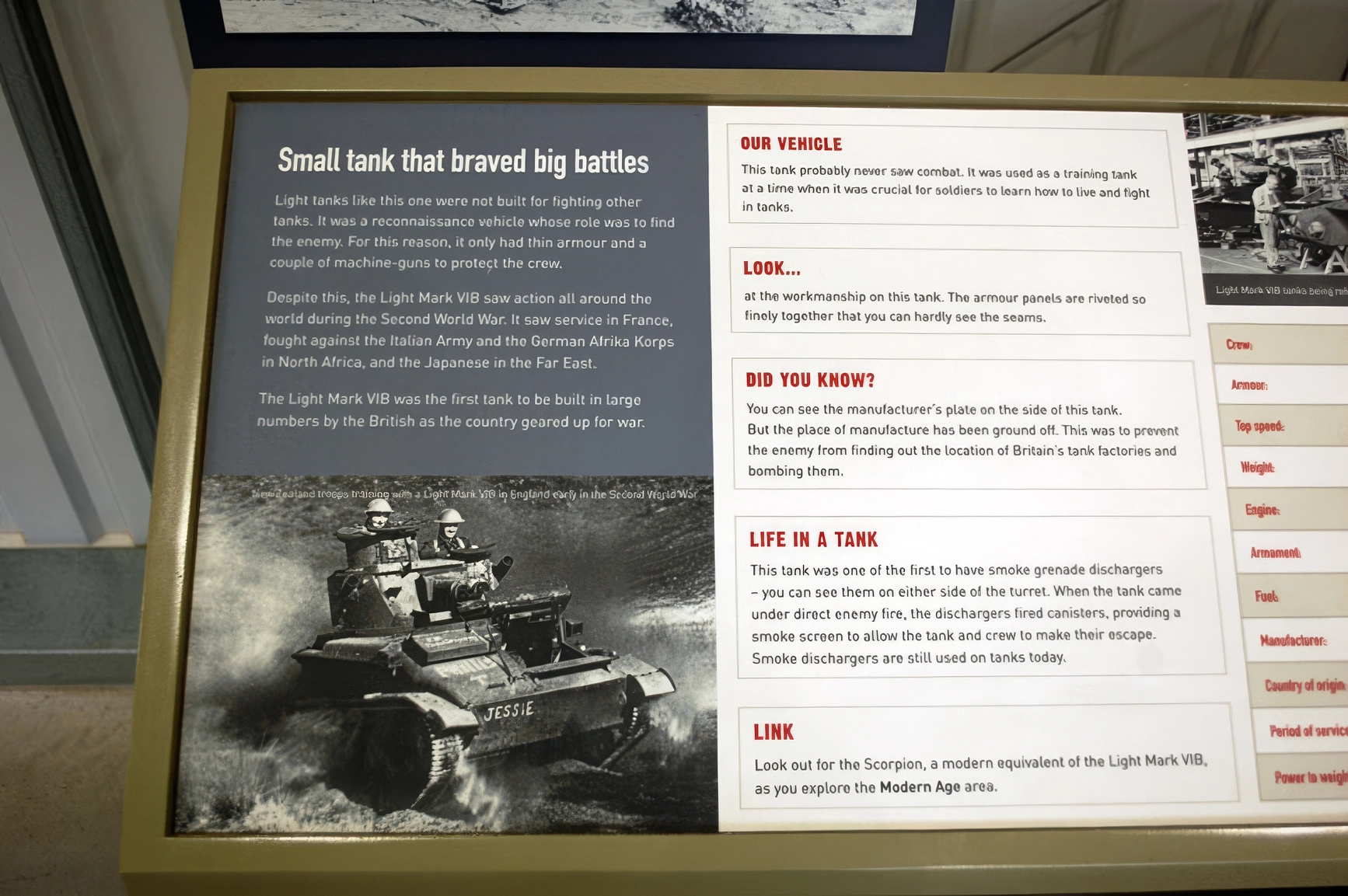
Vickers Mk VIb 01
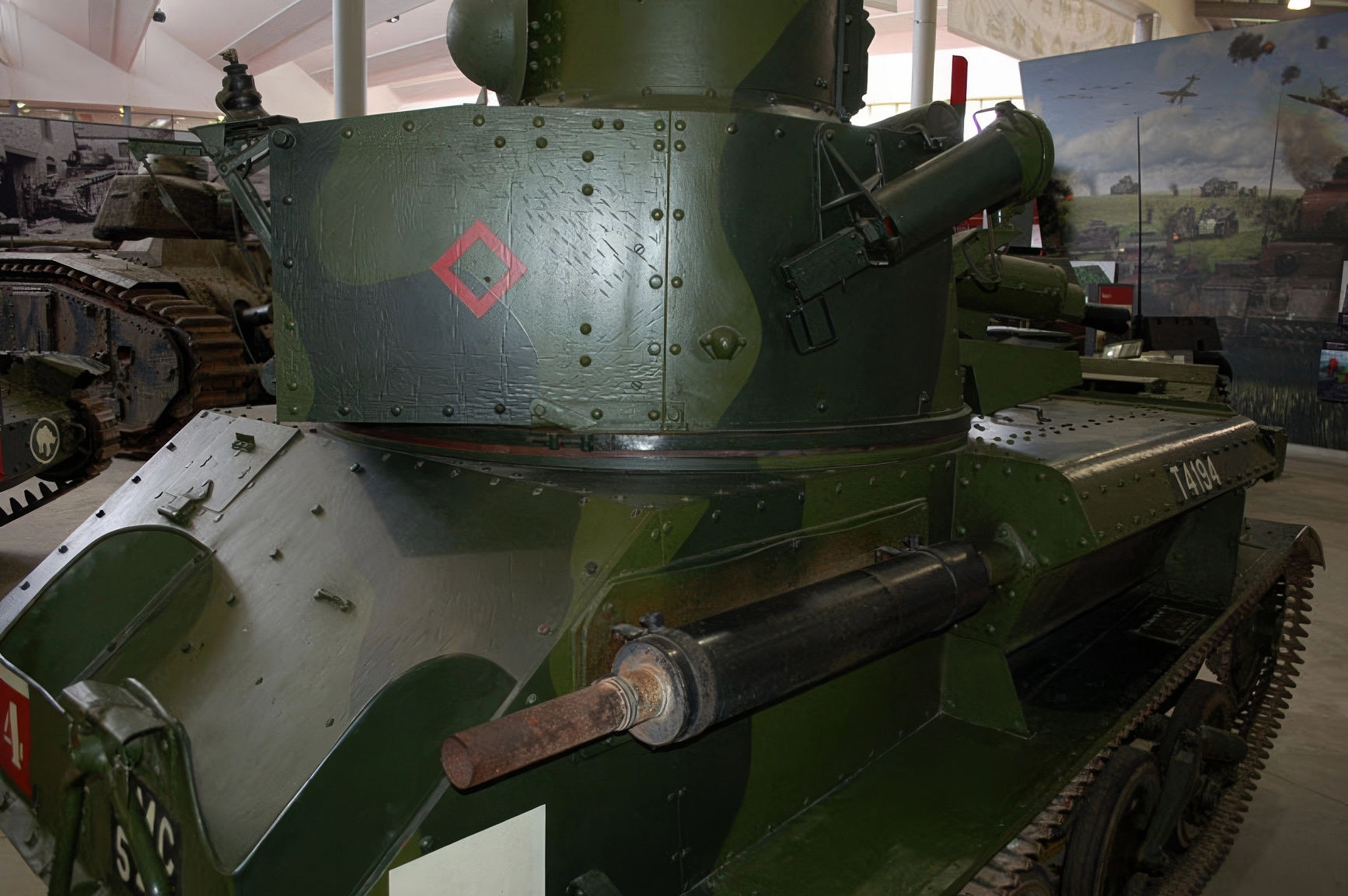
Vickers Mk VIb 02
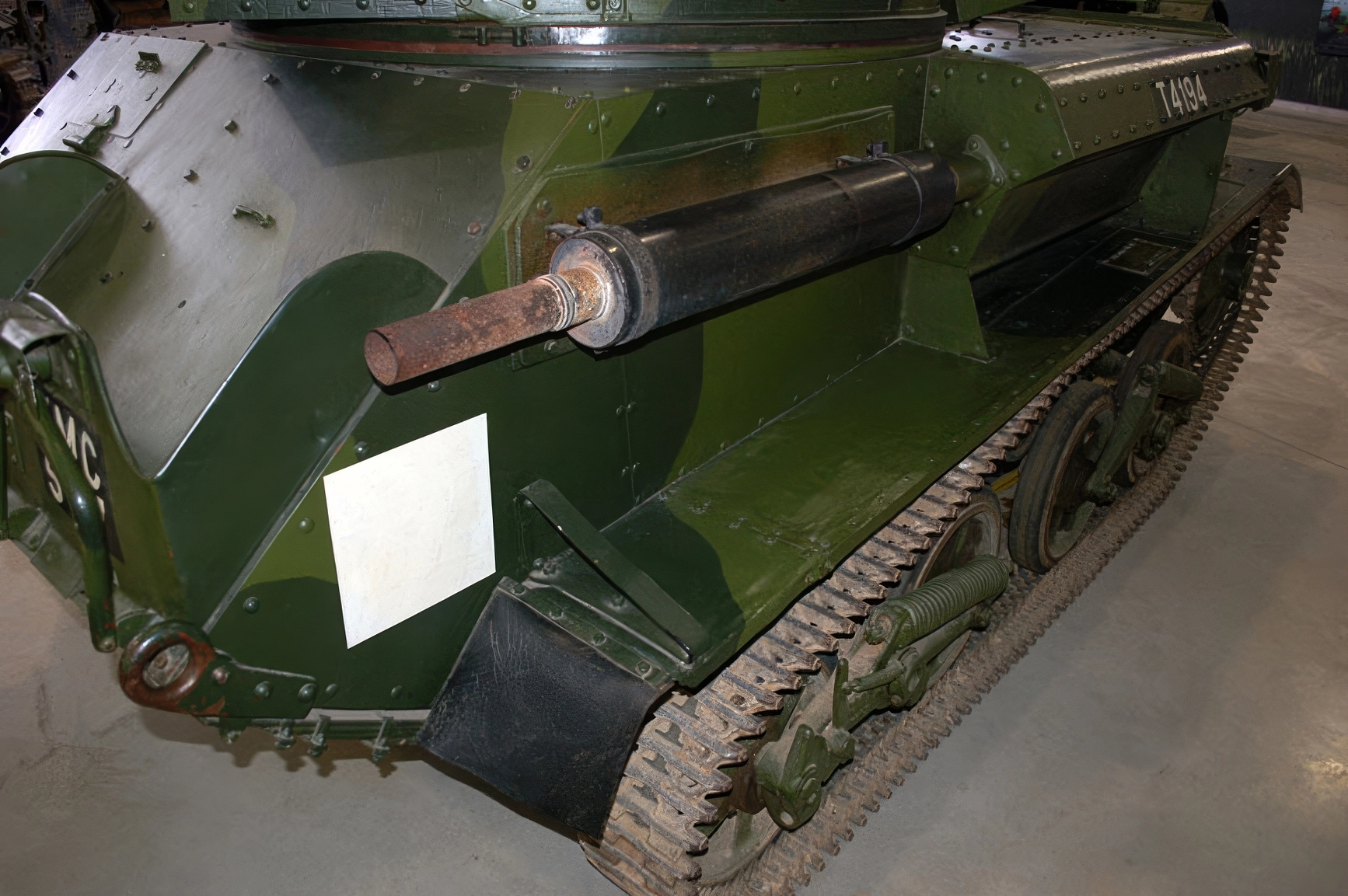
Vickers Mk VIb 03
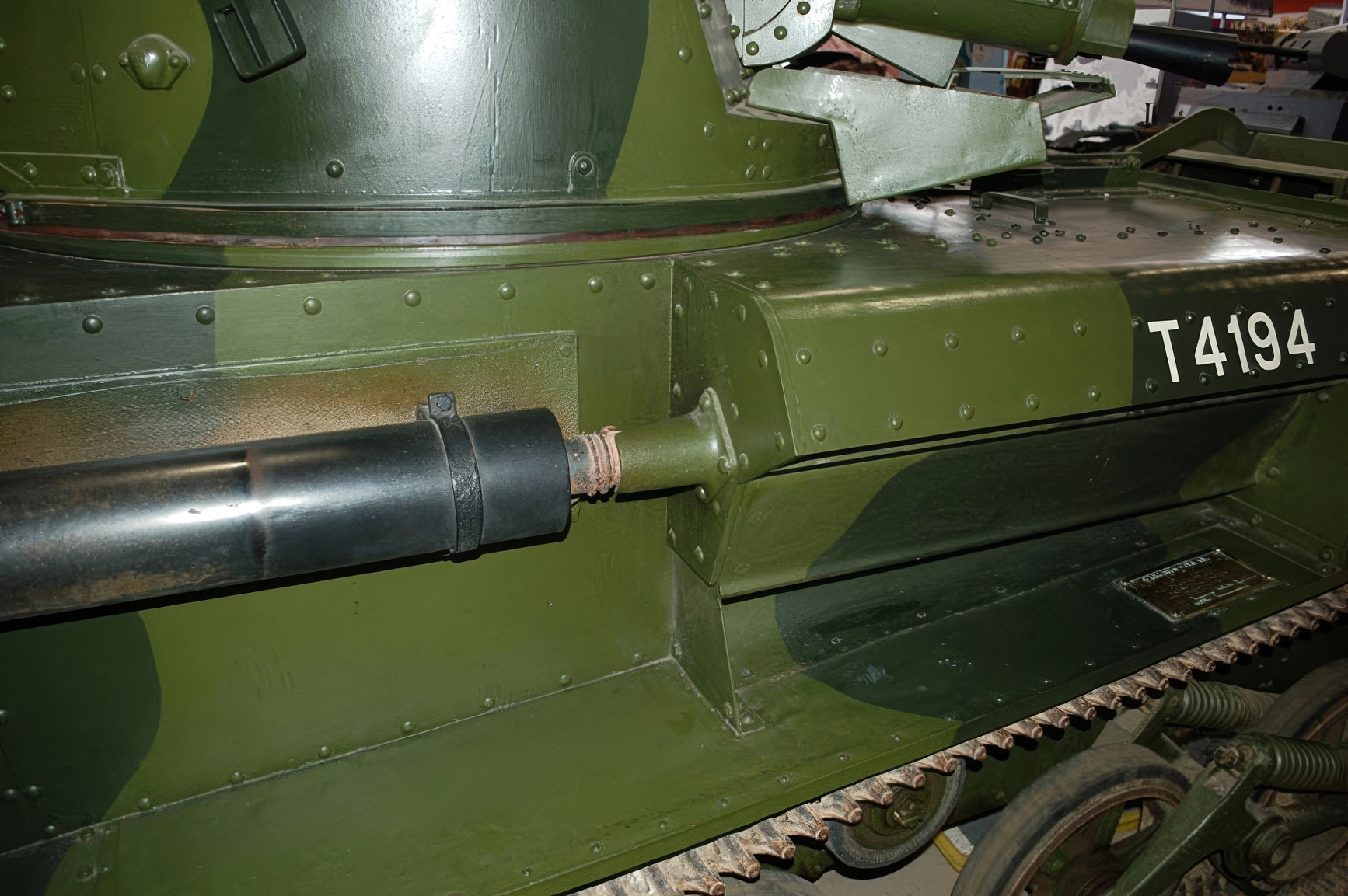
Vickers Mk VIb 04
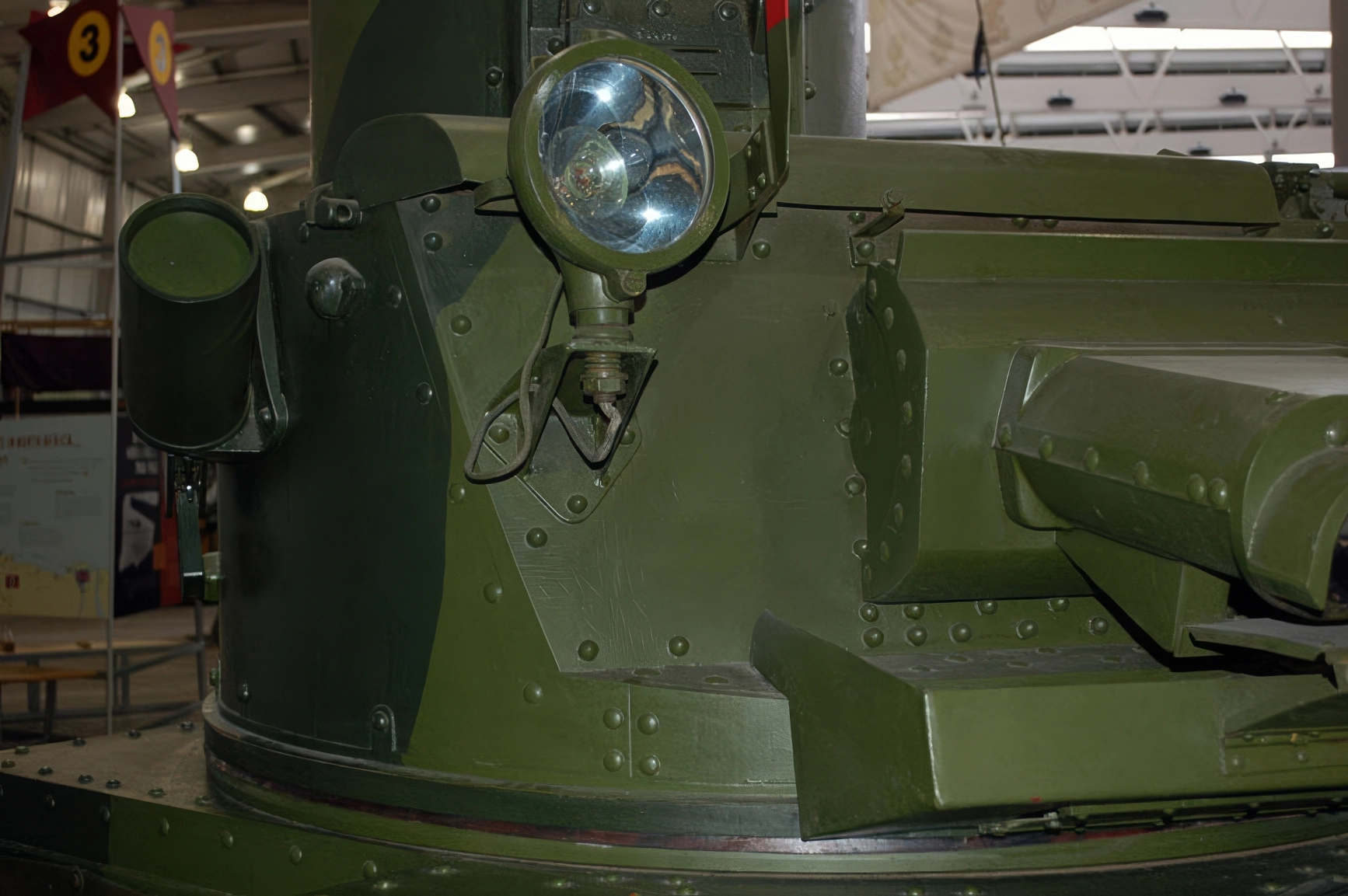
Vickers Mk VIb 05
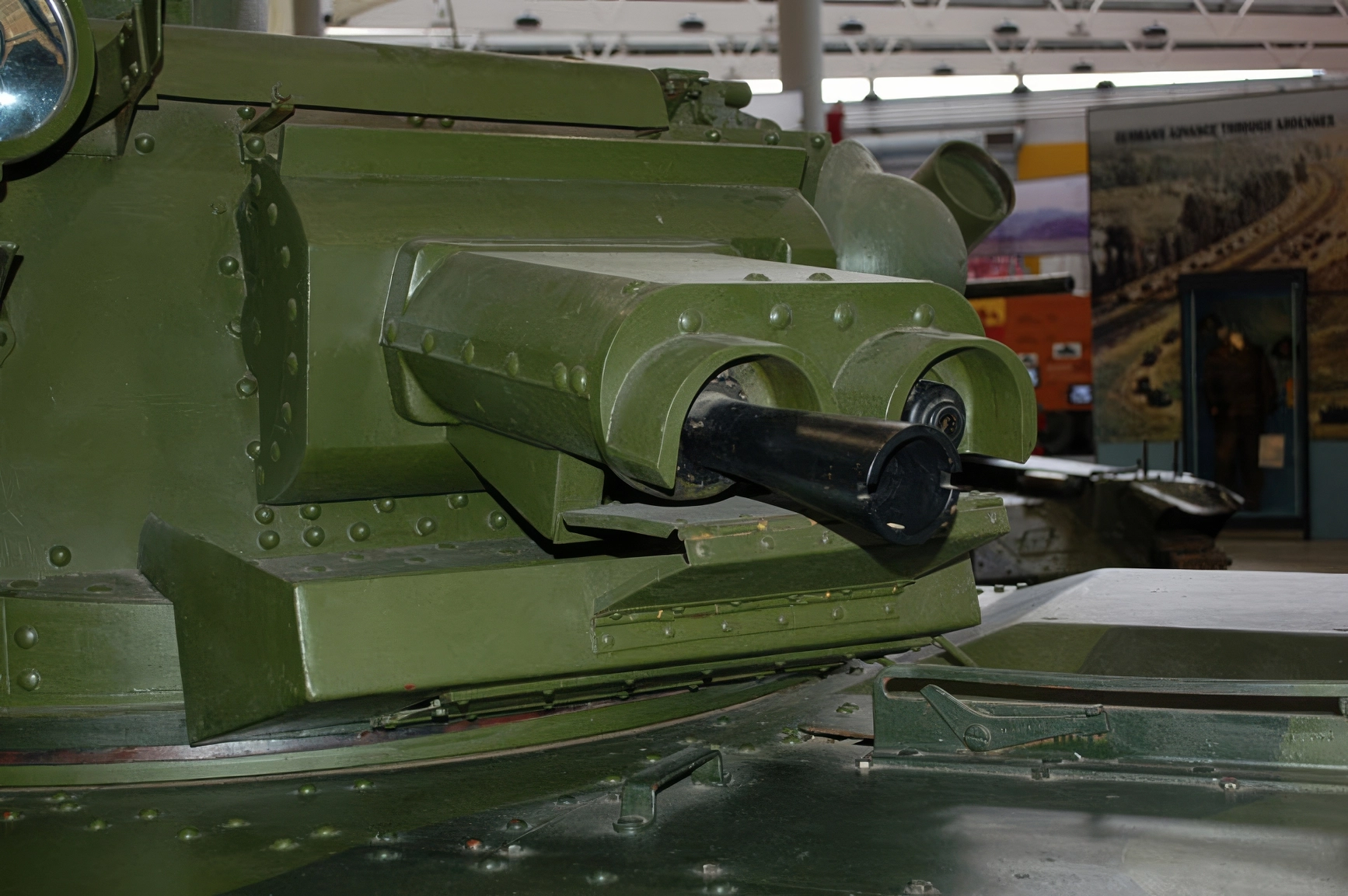
Vickers Mk VIb 06
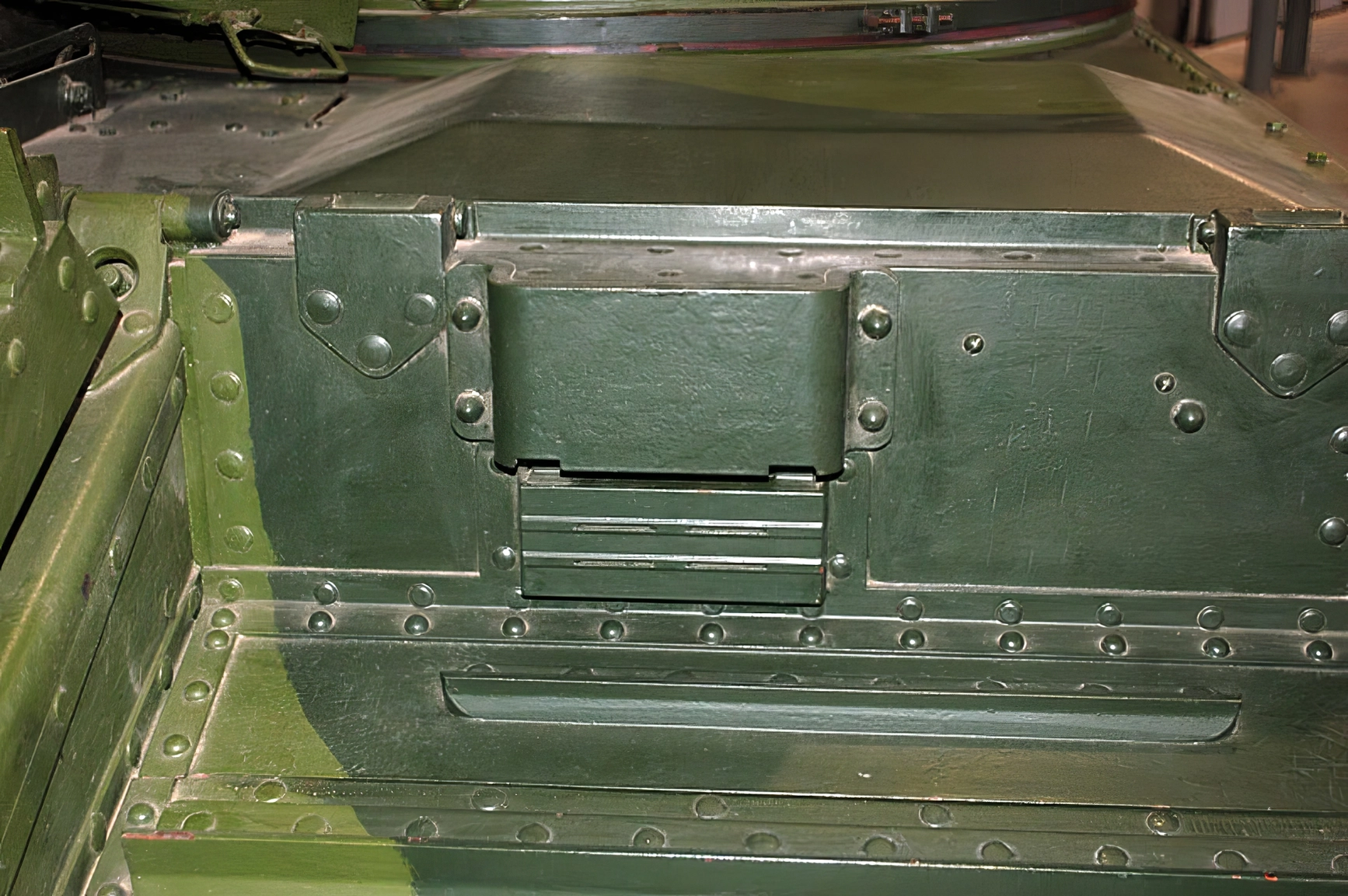
Vickers Mk VIb 08
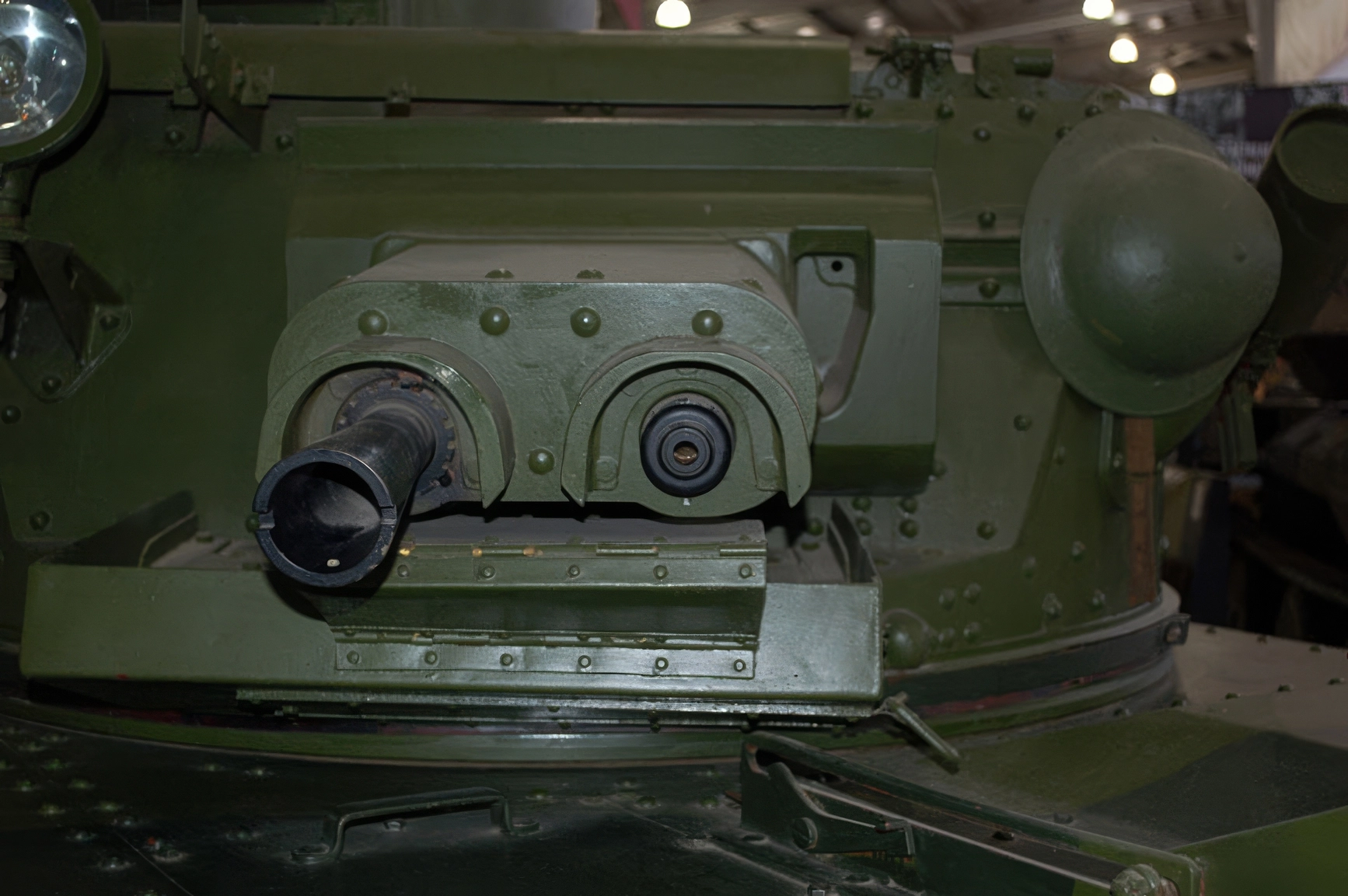
Vickers Mk VIb 07
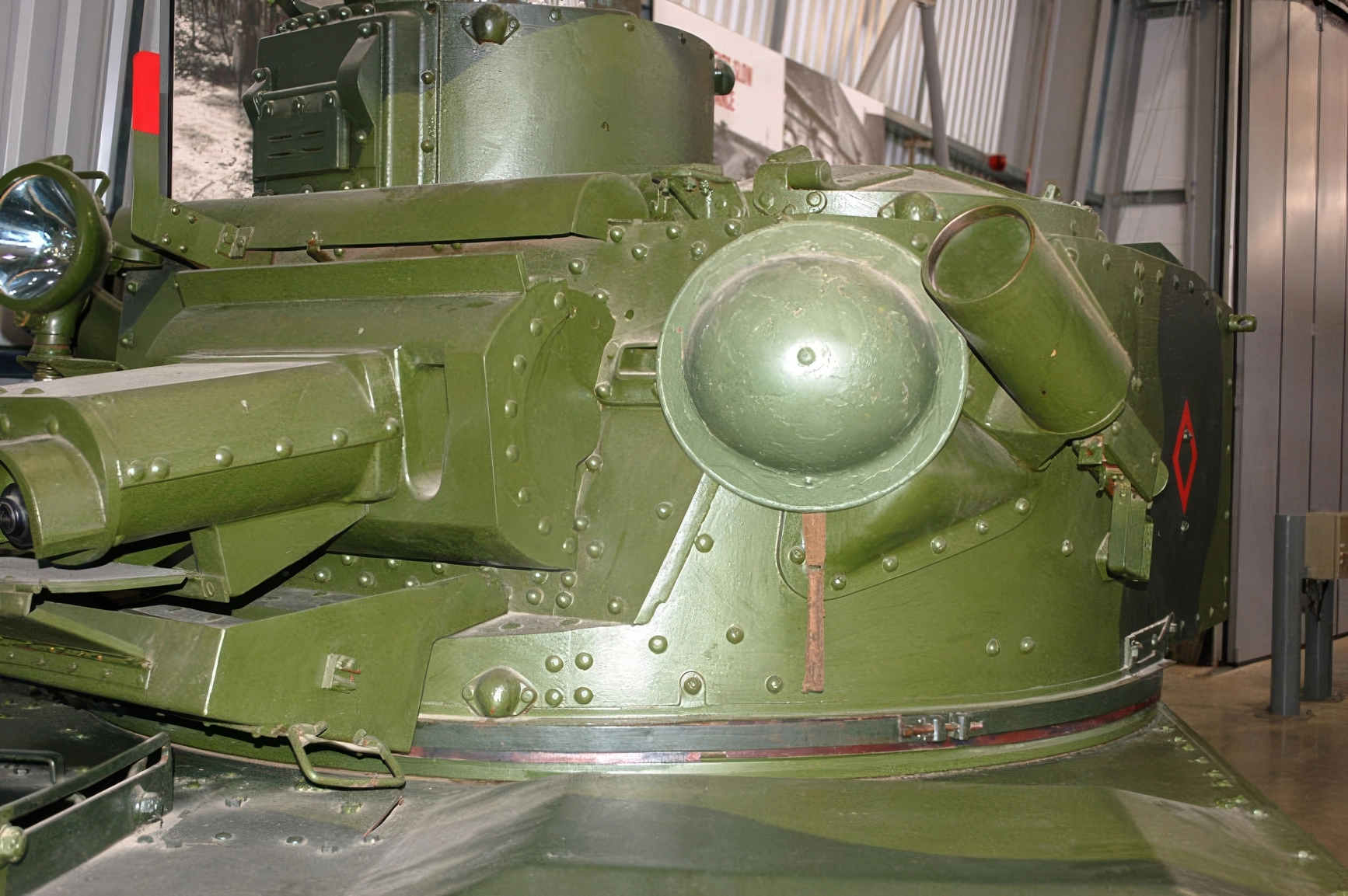
Vickers Mk VIb 09
잠깐, 당신을 위해 비커스 Mk VIb 사진을 검색 ...

참고 항목:


The Lightweight Sentinel of 1940
Tthe 비커스 맥 VIb was the most numerous British tank at the outbreak of World War II. Designed as a reconnaissance vehicle and for “colonial policing,” it was never intended to duel with other tanks. However, due to shortages of cruiser and infantry tanks, it was forced into a front-line role during the Battle of France. Its greatest strengths were its reliability and high road speed, but these were offset by paper-thin armor and a total lack of an anti-tank gun—deficiencies that proved fatal when facing the German Wehrmacht.
| Attribute | Technical Specification (Mk VIb) |
|---|---|
| 역할 | Light Reconnaissance Tank |
| 승무원 | 3 (사령관, 포수, 드라이버) |
| 엔진 | Meadows 6-cylinder petrol (88 hp) |
| 최대 속도 | 56 km/h (35 mph) on road / 40 km/h off-road |
| 주무장 | 1 × .50 inch (12.7 mm) Vickers Machine Gun |
| 보조 무장 | 1 × .303 inch (7.7 mm) Vickers Machine Gun |
| 갑옷 | 4 mm to 14 mm (Rivet-constructed) |
| 서스펜션 | Horstmann coil spring |
Design Engineering: Speed and Simplicity
- The Horstmann Suspension: The Mk VIb utilized the Horstmann coil spring system, which was simple, compact, and required very little maintenance compared to the more complex Christie or torsion bar systems. It gave the tank its characteristic “bouncy” ride at high speeds.
- Two-Tier Firepower: The tank lacked a cannon. Instead, it carried a heavy .50 caliber machine gun to penetrate light armored cars and unarmored trucks, while the .303 was used for infantry. In the Mk VIb, the turret was slightly enlarged to better accommodate the No. 7 wireless radio.
- The Meadows Engine: Positioned to the left of the driver, the Meadows engine was essentially a modified commercial unit. This choice helped Vickers maintain a high production rate, though it made the tank’s interior incredibly loud and hot.
- Asymmetric Profile: To balance the weight of the engine on the left, the turret was offset to the right side of the hull. This gave the tank a distinctive, lopsided silhouette that is easily recognizable to historians.
Operational History: Trial by Blitzkrieg
- Battle of France (1940): The Mk VIb made up the bulk of the British Expeditionary Force’s (BEF) armored strength. While they excelled at scouting, they suffered horrific losses during the retreat to Dunkirk when they were used in desperate counter-attacks against Panzer IIIs and IVs.
- Western Desert Success: In the early stages of the North African campaign (Operation Compass), the Mk VIb was highly effective against the Italian Army, whose own light tanks were similarly matched. The desert’s wide-open spaces allowed the Mk VIb to use its speed to outflank enemy positions.
- The AA Variant: Because the chassis was reliable, it was used to create the Light Tank AA Mk I, which replaced the standard turret with a power-operated one mounting four 7.92mm Besa machine guns for air defense.
- The End of the Line: By 1942, the Mk VI series was withdrawn from front-line service, replaced by the American-built Stuart (Honey). Many were sent to India or used for home defense and training as the war progressed.
Views : 3589