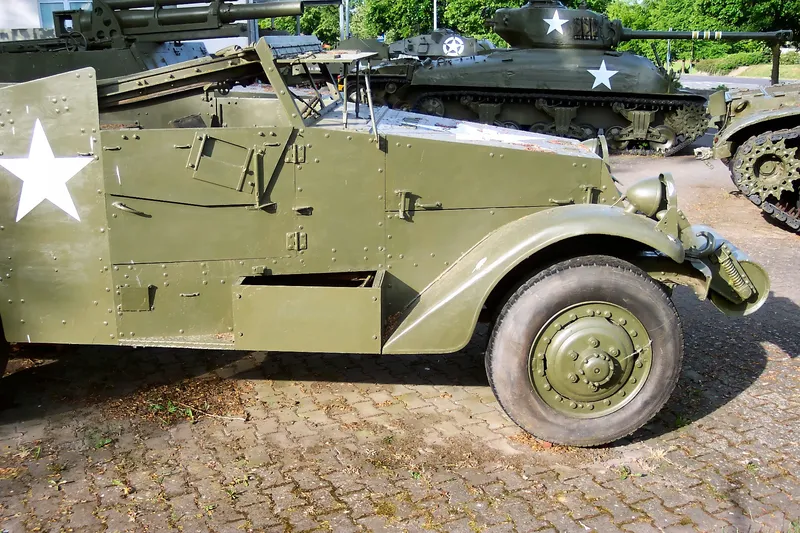
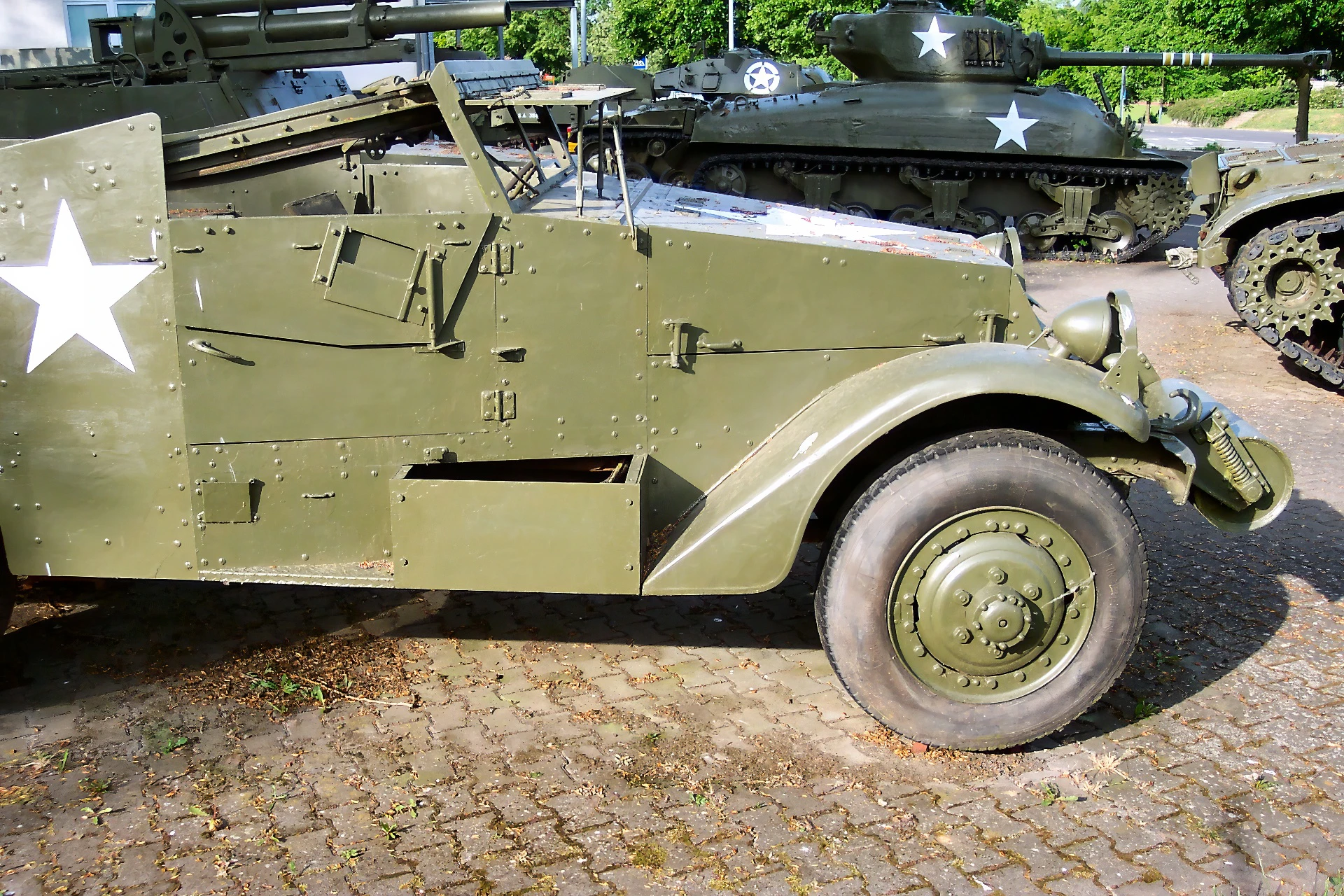
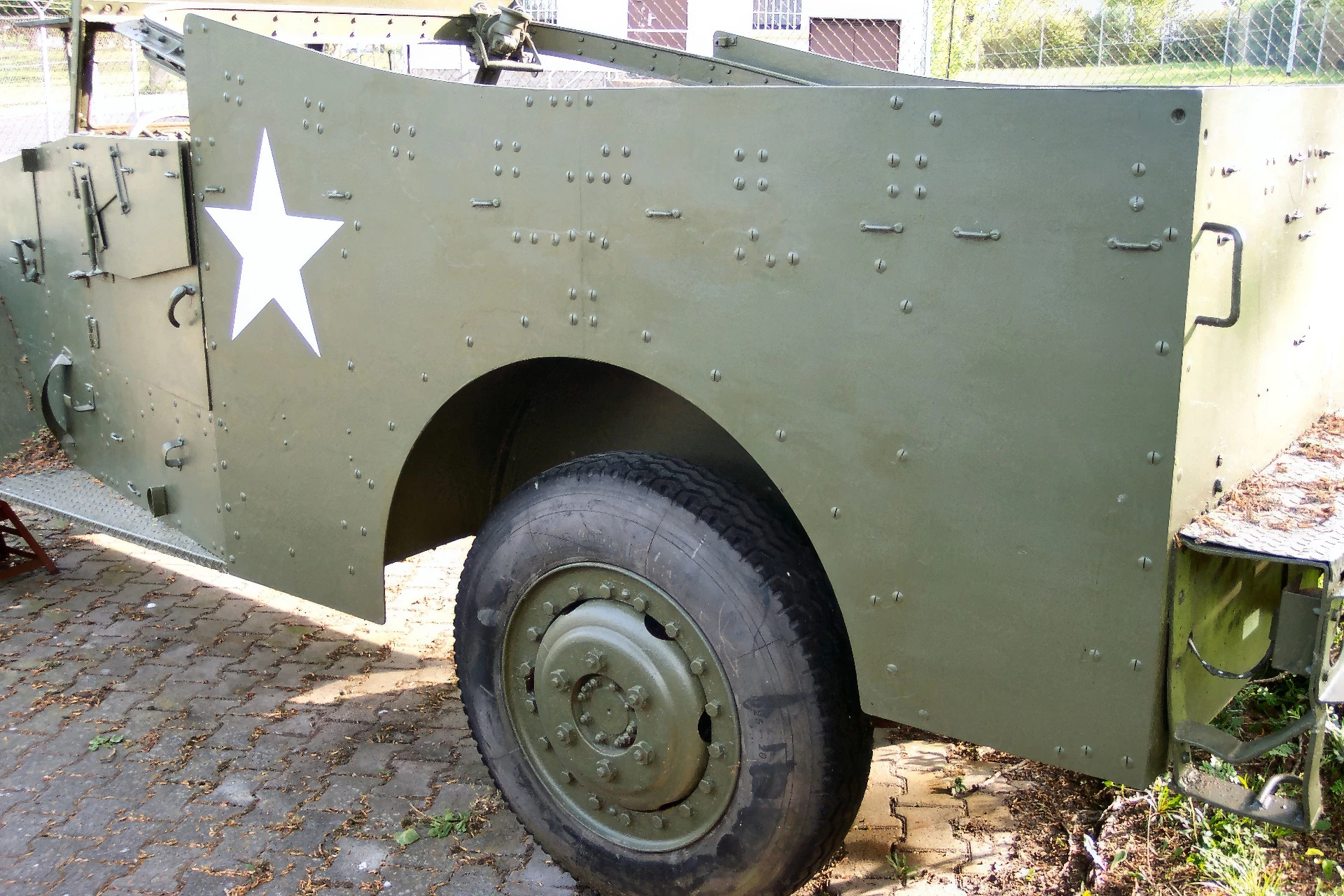
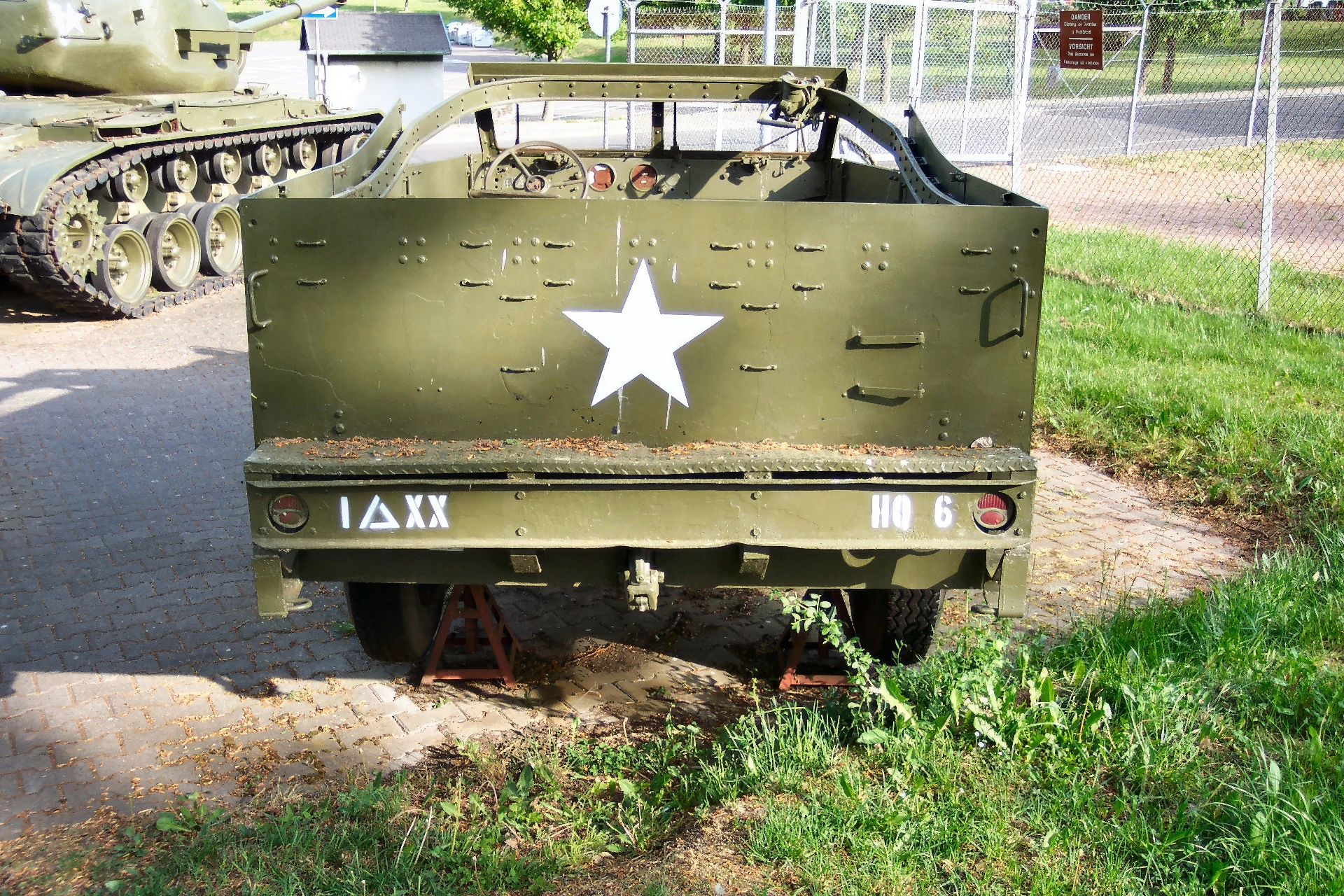
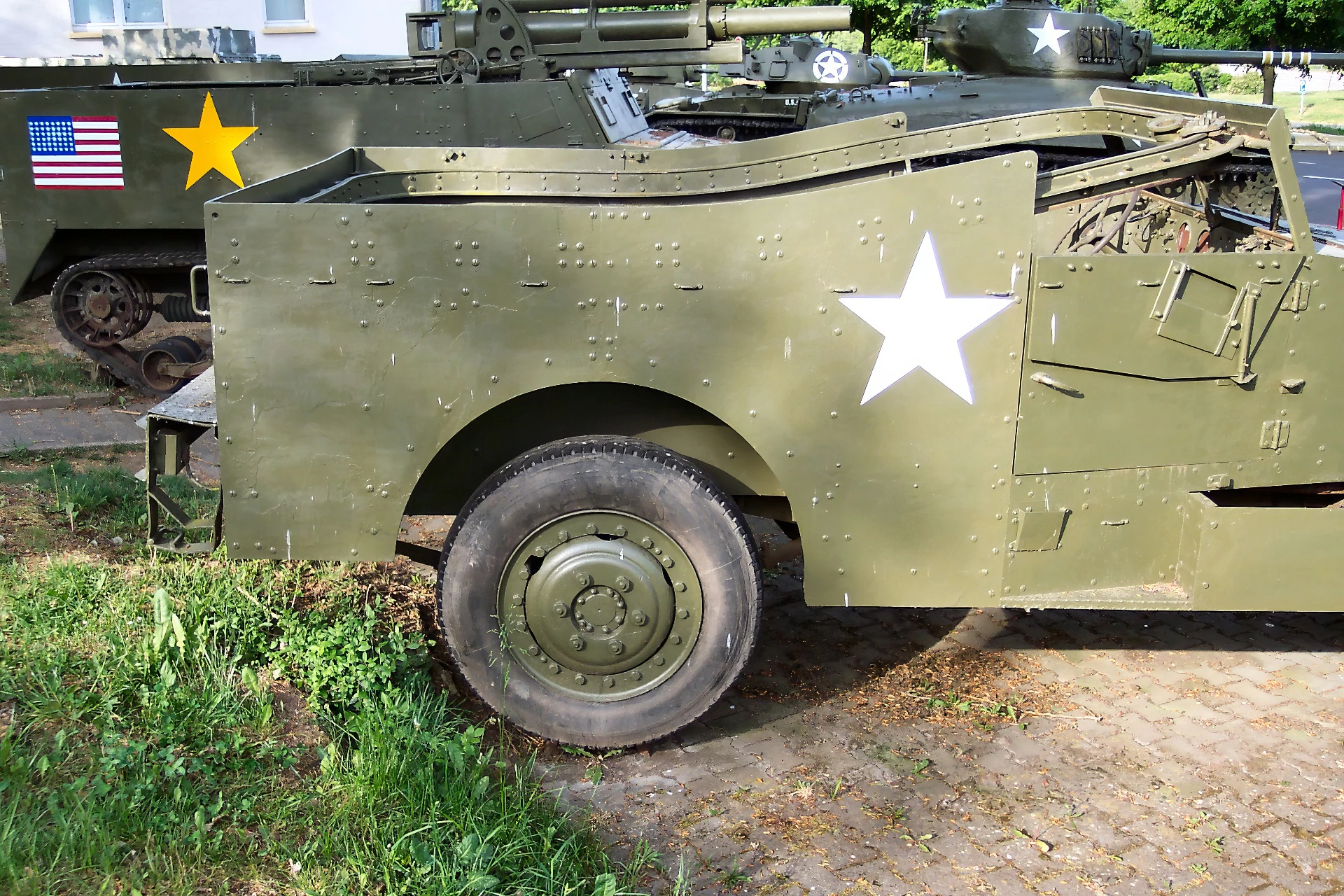
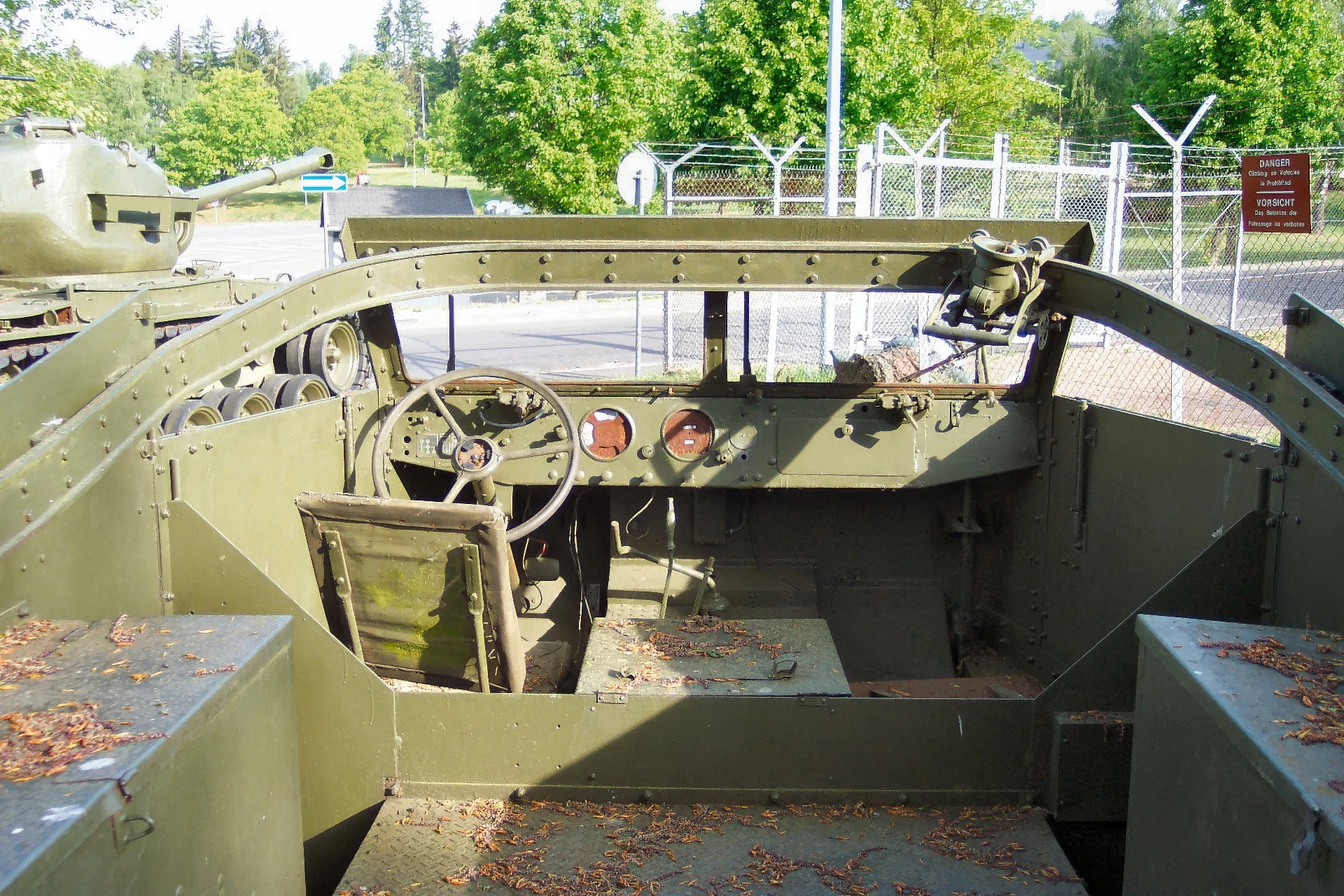
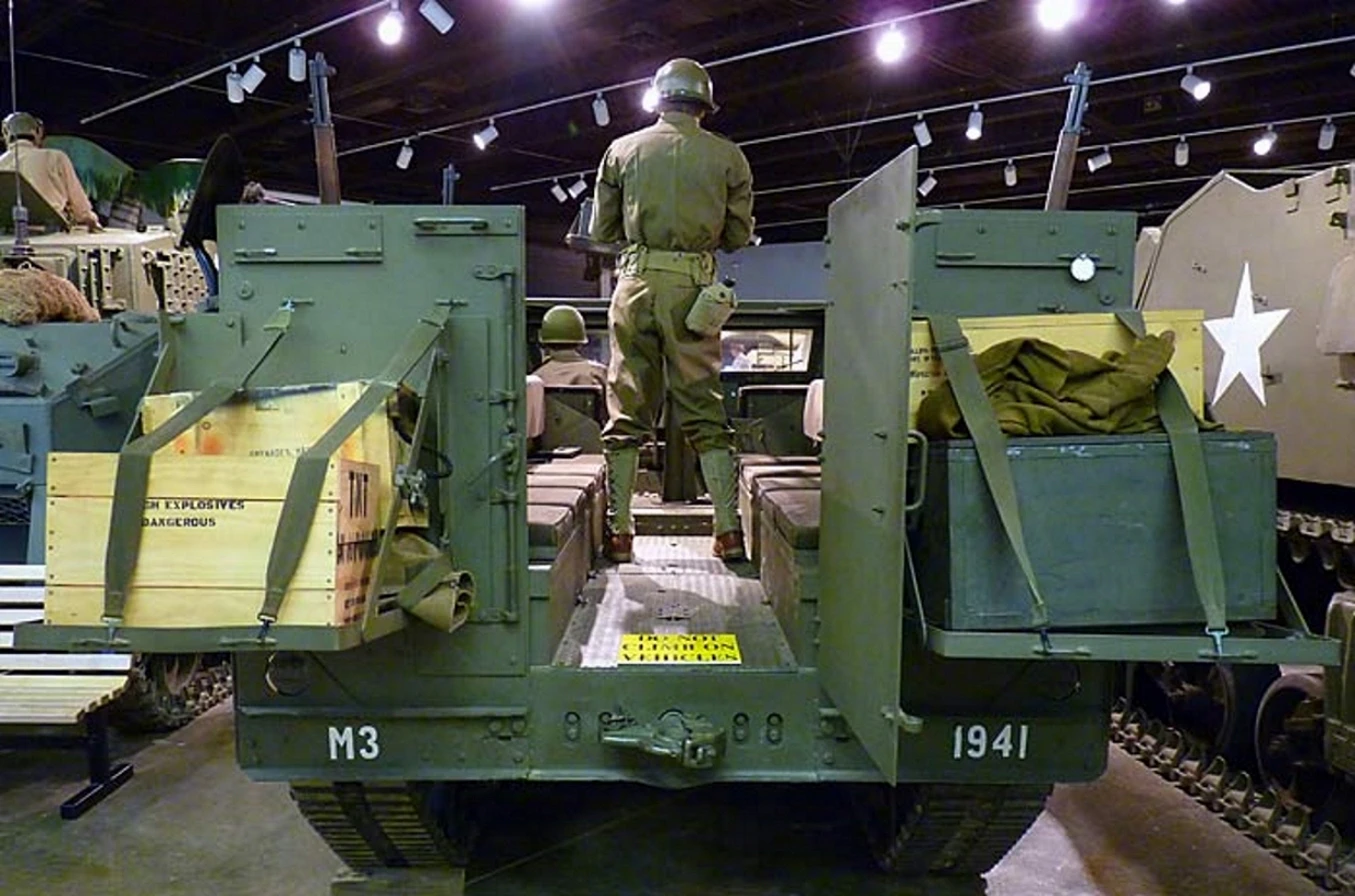
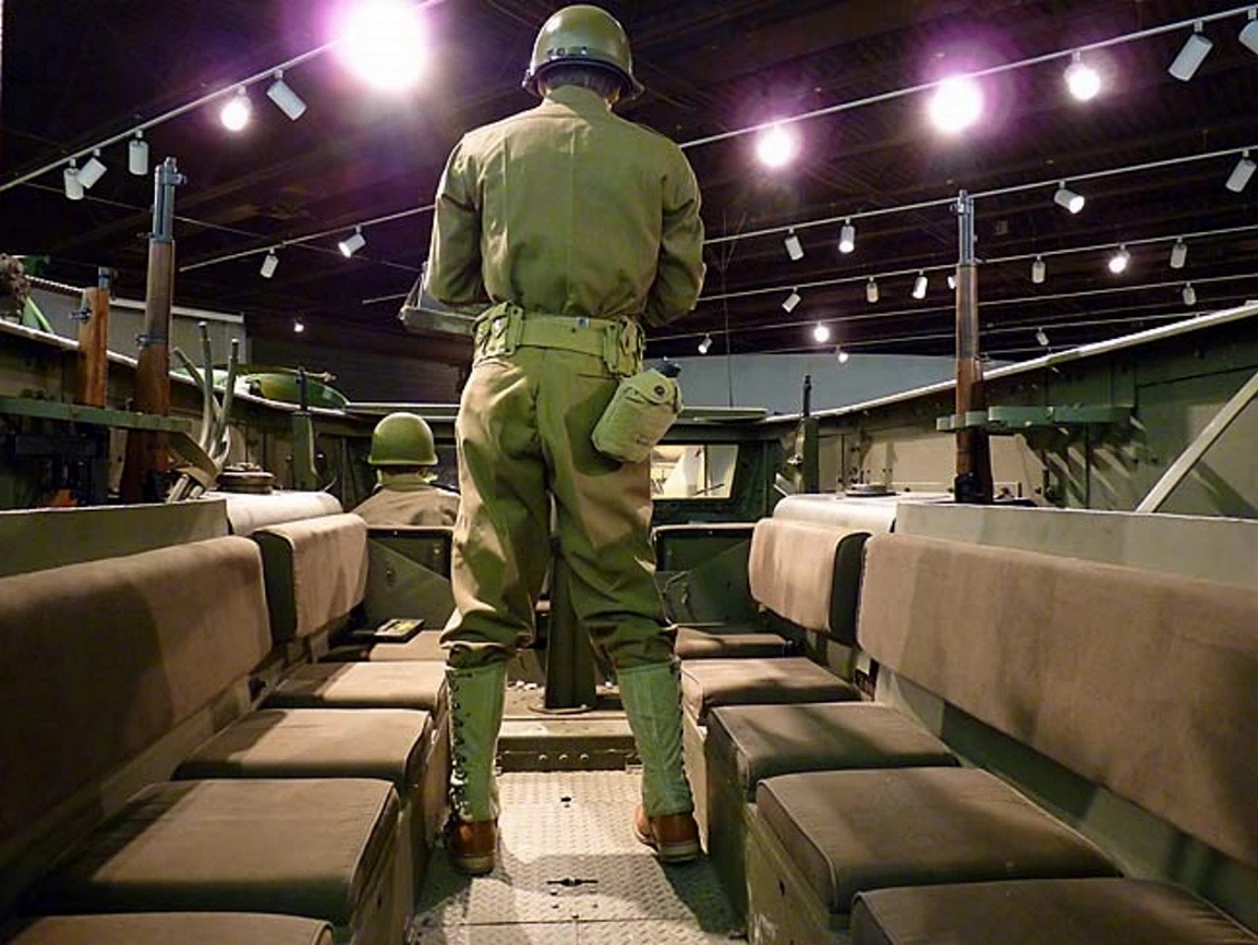
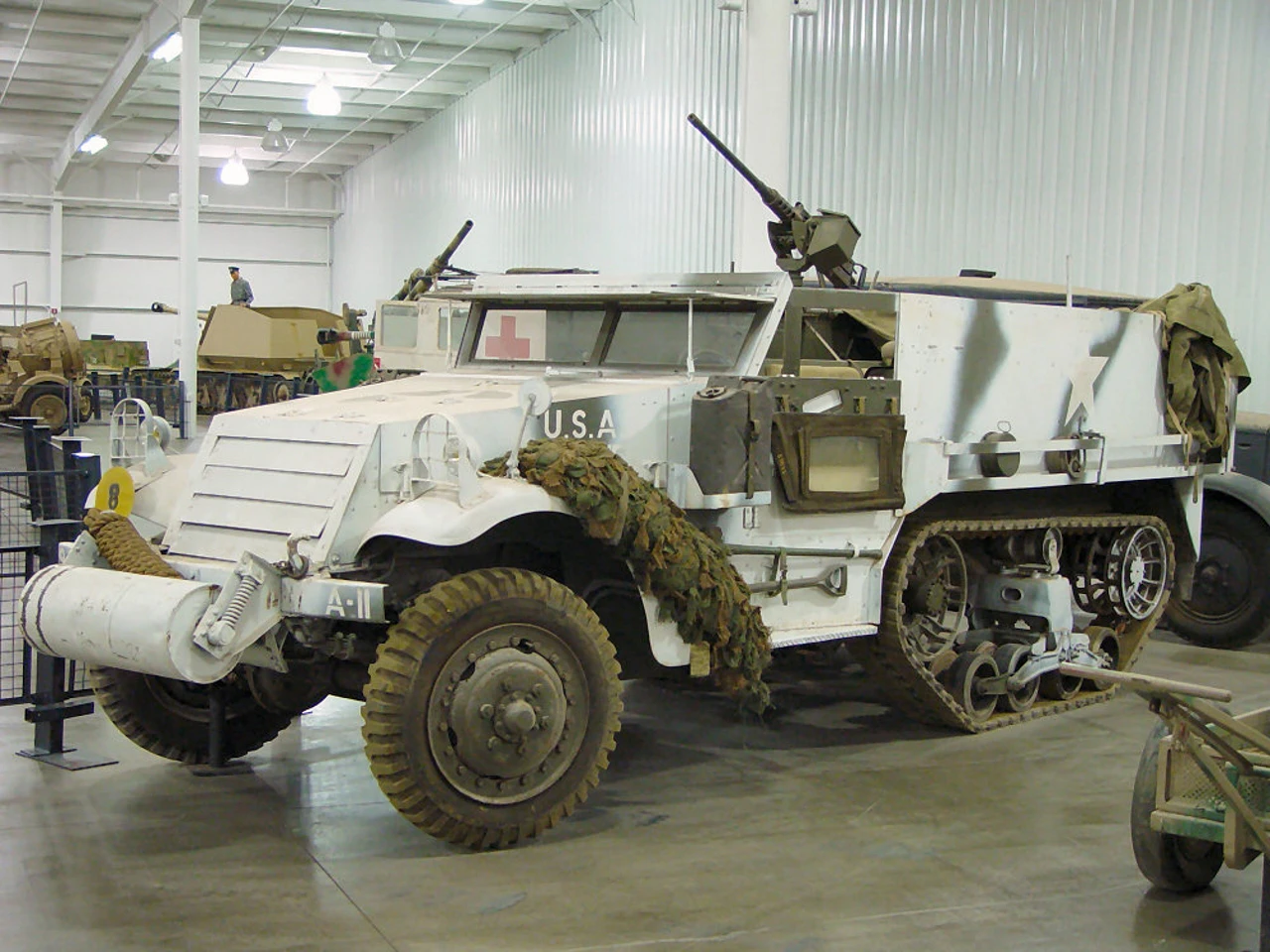
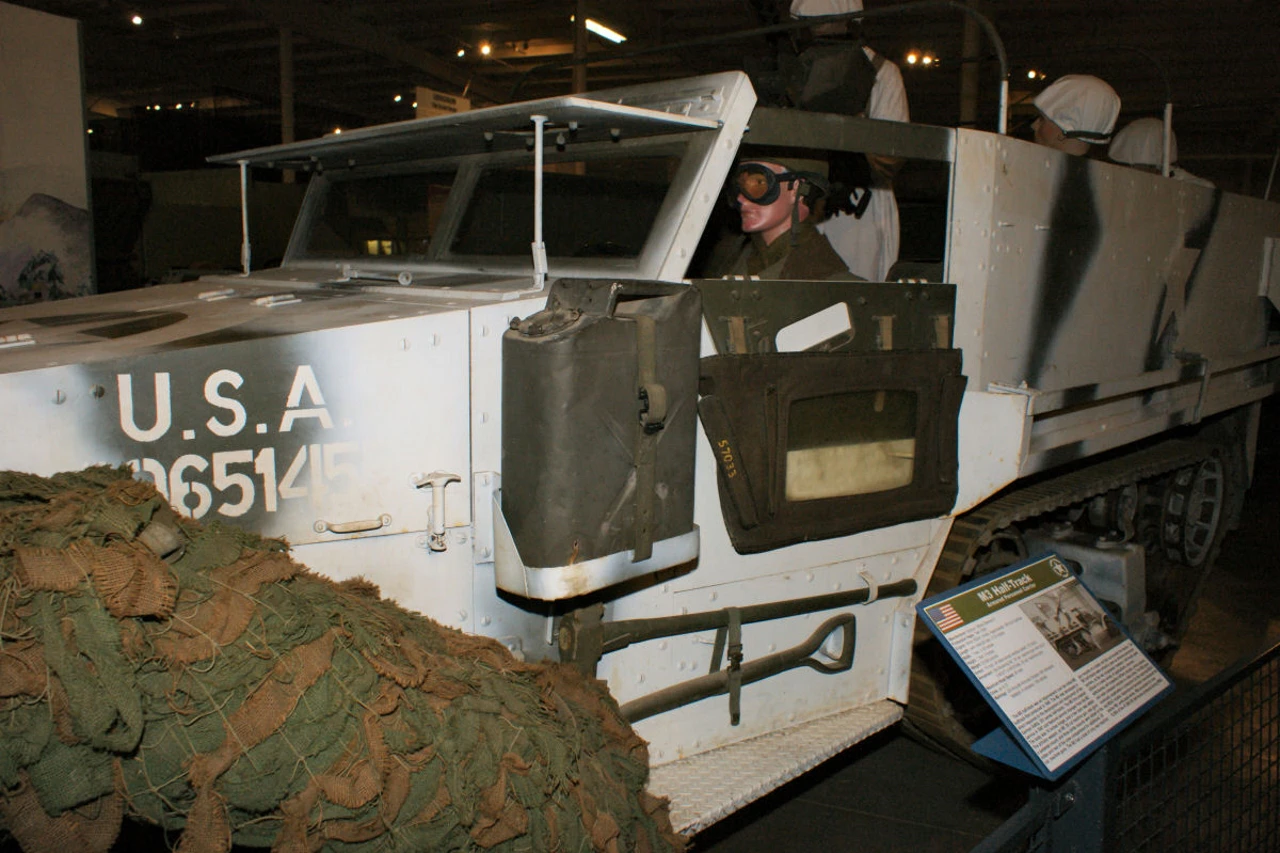
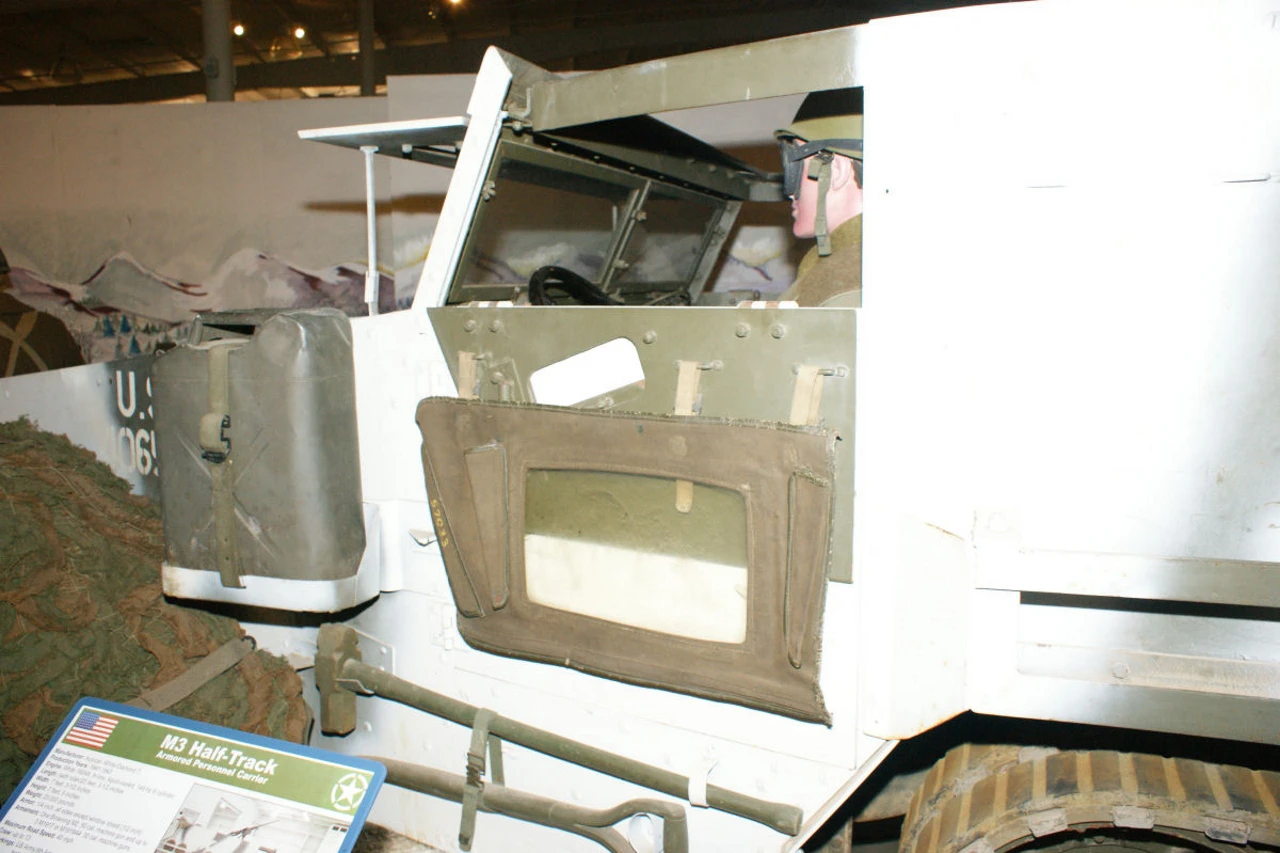
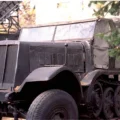
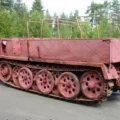
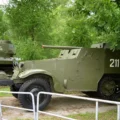
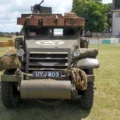
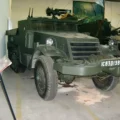
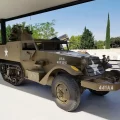
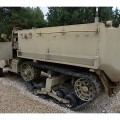
Tthe M3 하프 트랙공식적으로 캐리어로 알려진 인사 하프 트랙 M3는 제 2 차 세계 대전과 냉전 기간 동안 연합군이 널리 사용하는 미국 장갑차 하프 트랙이었습니다. 시트로엥 - 케 그레스 하프 트랙에서 개발 된 M2 하프 트랙 카에서 파생 된 M3는 약 15,000 대와 50,000 개 이상의 파생 변종 (대부분은 임시 디자인)으로 광범위하게 생산되었습니다.
Tthe M3 Half-track Personnel Carrierwas the quintessential multi-role workhorse of American and Allied mechanized infantry during World War II. Developed by the White Motor Company, Autocar, and Diamond T, the M3 was designed to solve a critical battlefield challenge: keeping unarmored infantrymen moving at the exact same high speed as advancing tanks while protecting them from artillery shrapnel and small-arms fire. Unlike the fully tracked, highly complex armored personnel carriers of later generations, the M3 combined a standard heavy truck front end with a rear tracked suspension. This hybrid approach made it exceptionally cheap to mass-produce, incredibly simple to maintain, and highly versatile. Over the course of the war, this humble box-on-tracks served as a troop transport, a communications hub, an ambulance, and a highly effective platform for multiple heavy weapons configurations.
Attribute
Technical Specification (M3 Half-track Standard Personnel Carrier)
역할
Armored Personnel Carrier (APC) / Prime Mover
승무원
13 (1 Driver, 1 Commander/Co-driver, 11 fully equipped infantrymen in the rear)
72 km/h (45 mph) on roads | ~30 km/h (18 mph) cross-country
Combat Weight
9.07 metric tons (10 short tons)
작동 범위
~280 km (175 miles) on roads | ~150 km (93 miles) cross-country
Primary Armament
1 × .50 caliber (12.7mm) Browning M2HB heavy machine gun (mounted on a pintle or ring)
보조 무장
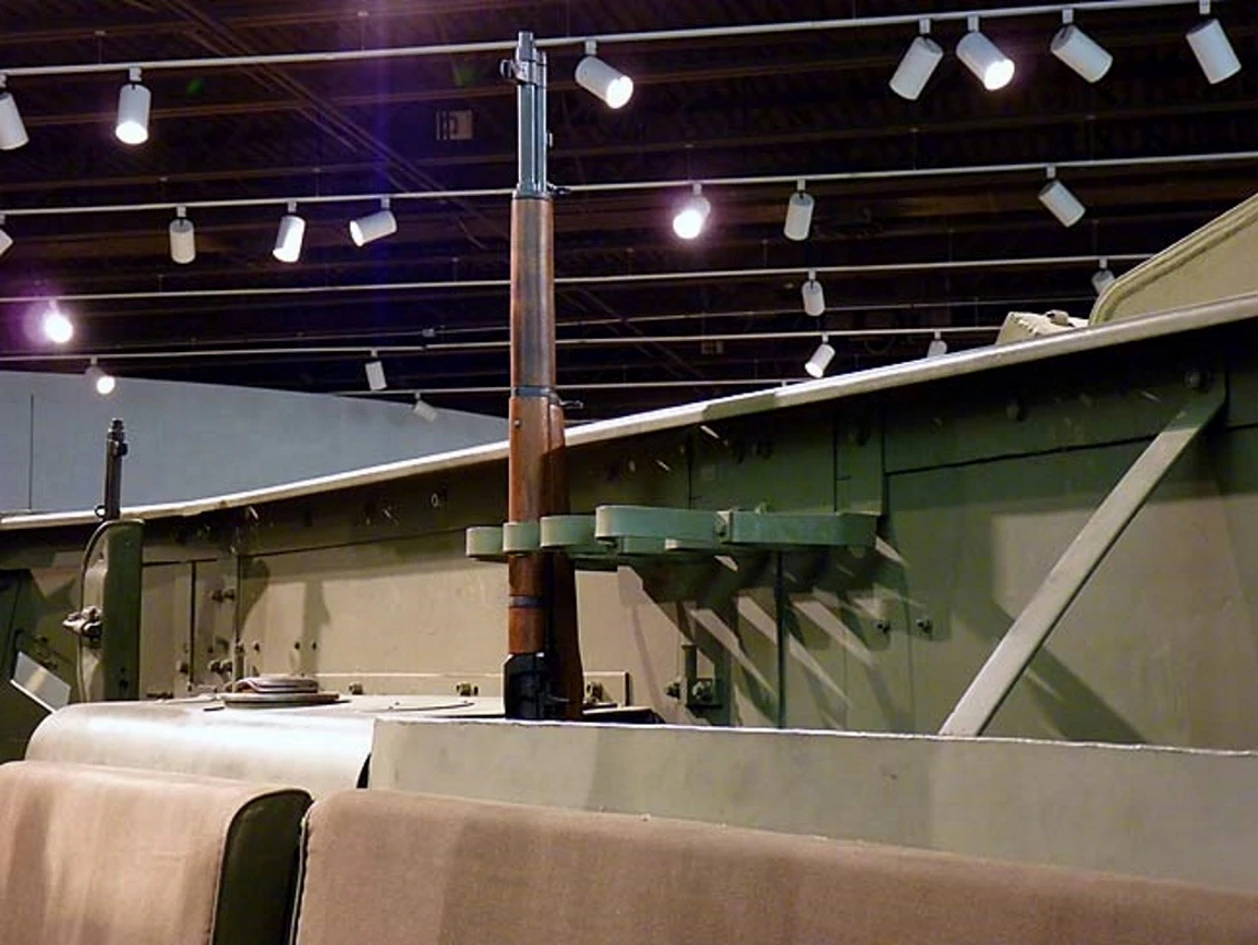
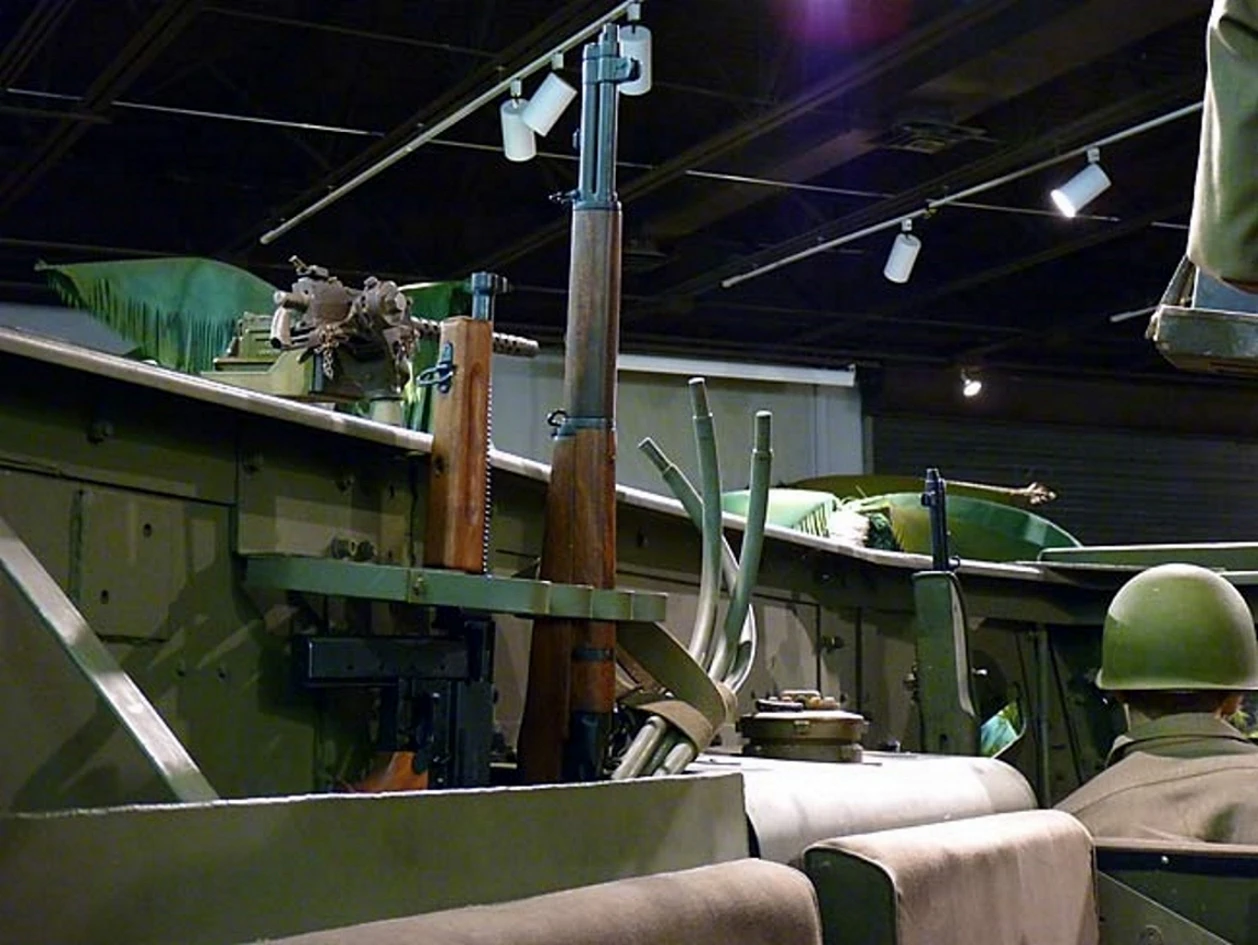
1 to 2 × .30 caliber (7.62mm) Browning M1919A4 machine guns (mounted on side-rail pintles)
Armor Thickness
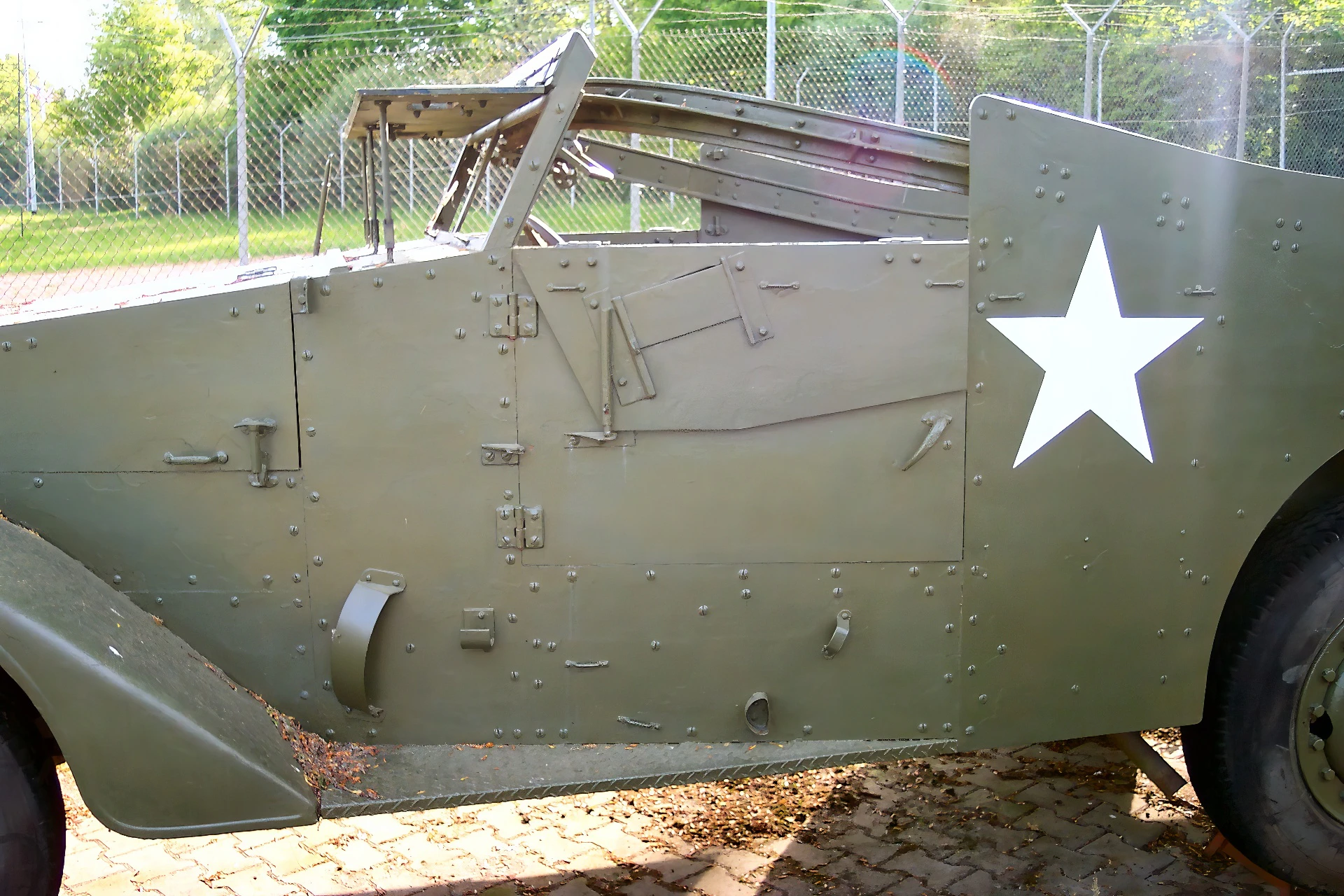
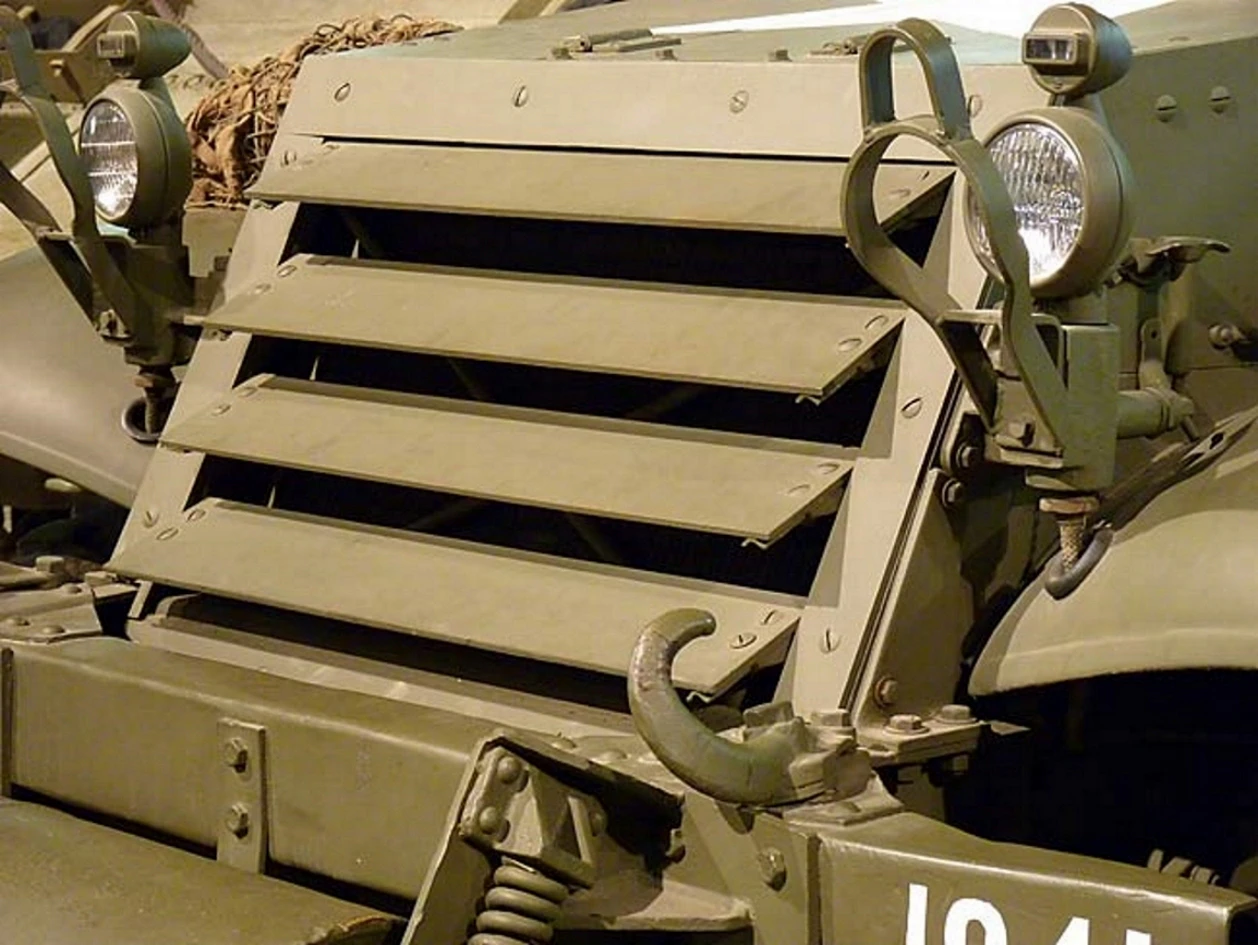
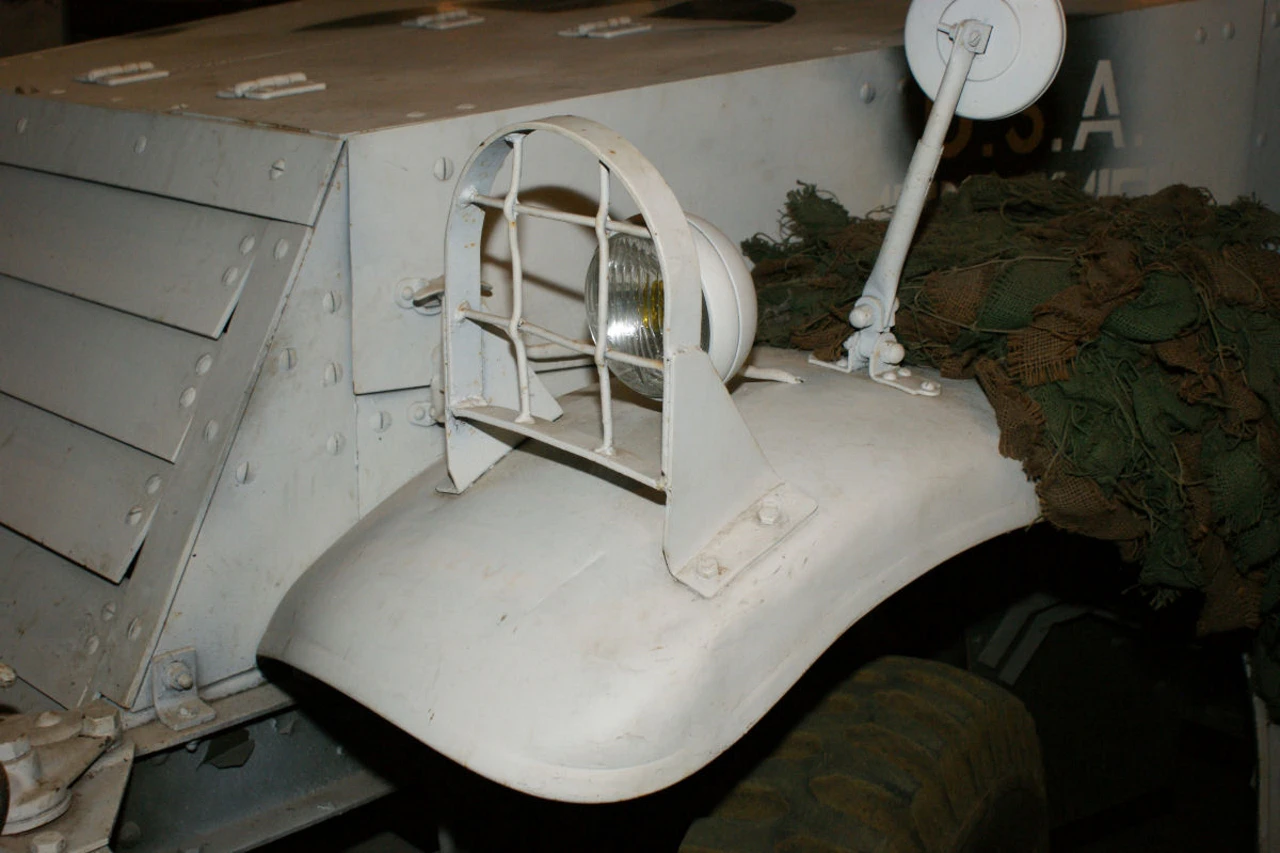
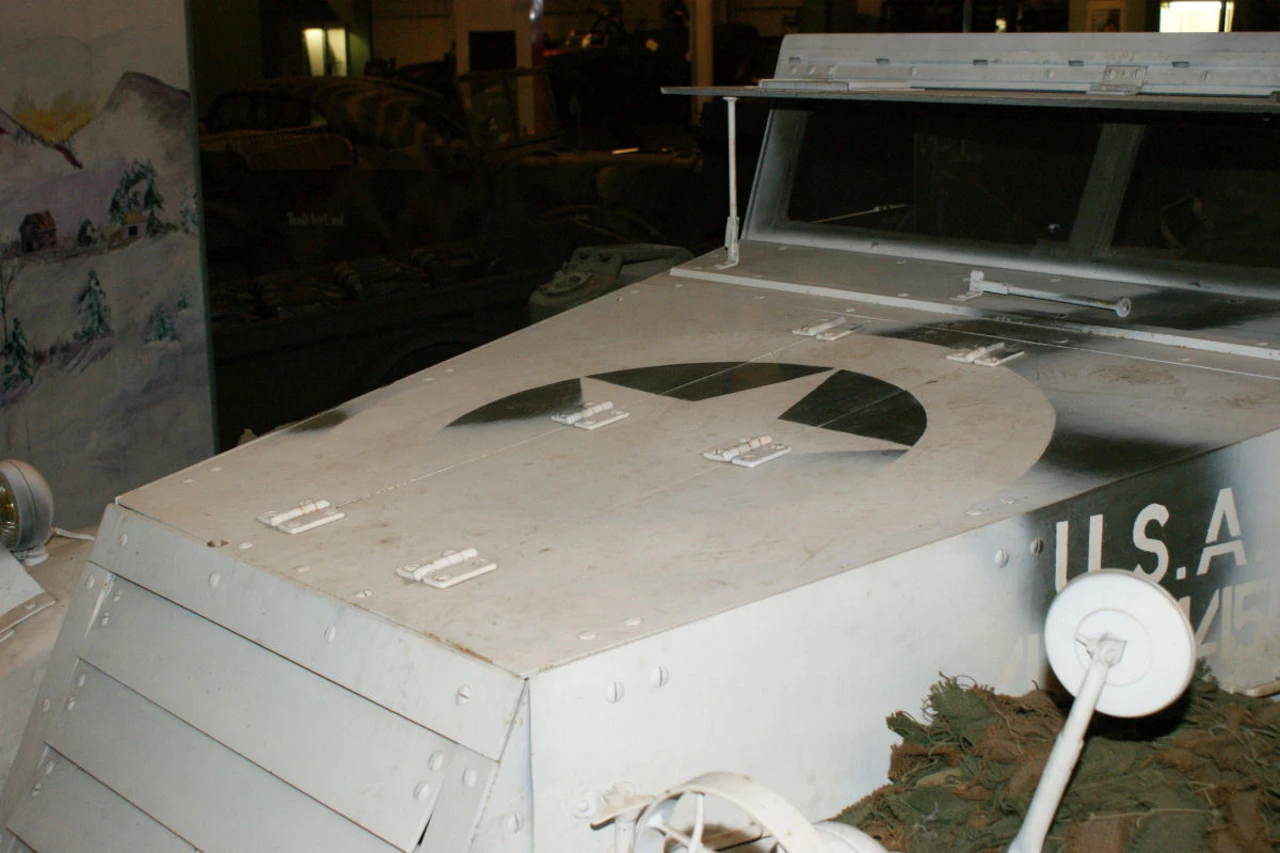
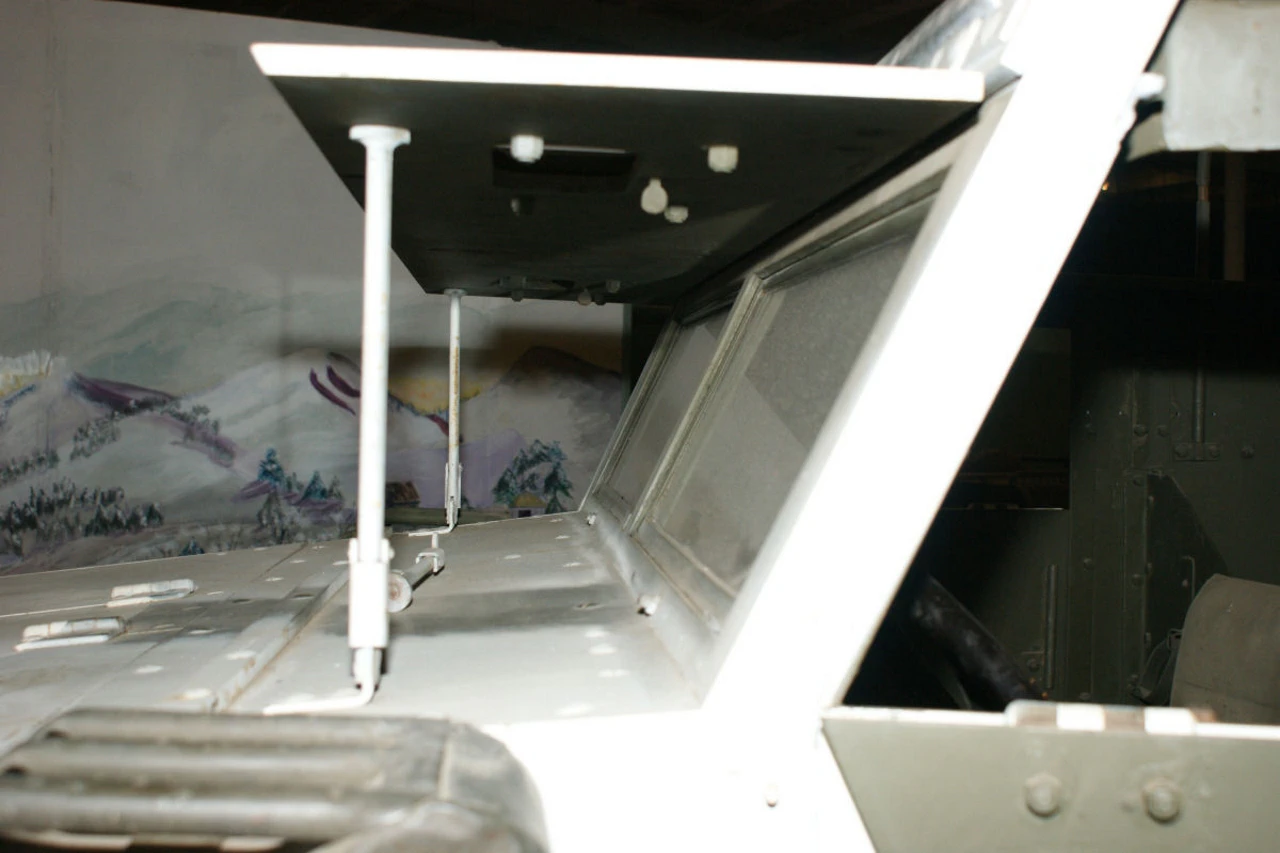
6.35mm (0.25 in) face-hardened armor plate all around | Folding armored windshield shutter with vision slits
Production Total
Over 40,000 units (all M2/M3 half-track variants combined) produced between 1941 and 1945
Design Engineering: Hybrid Tracks, Commercial Engines, and the “Purple Heart Box”
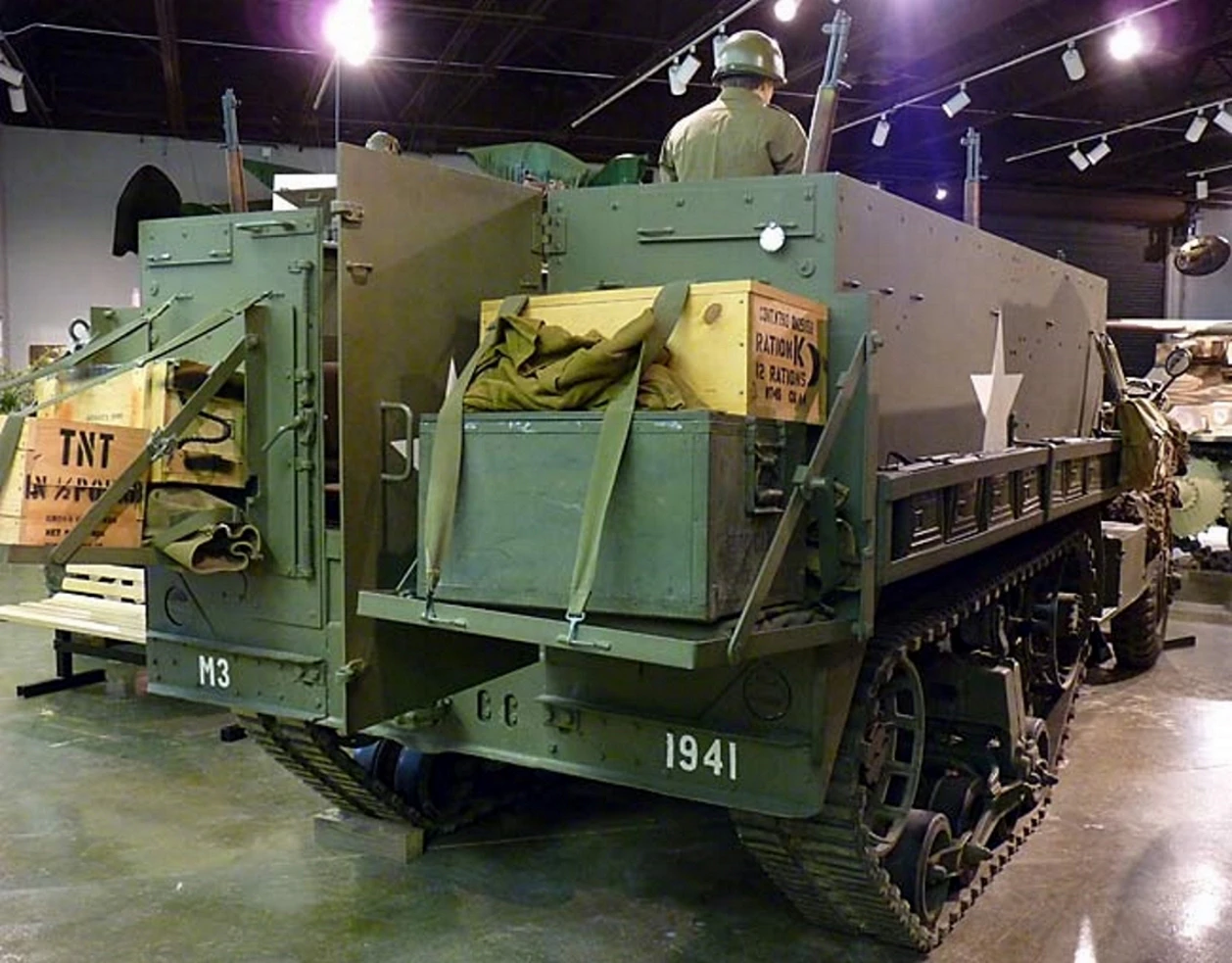
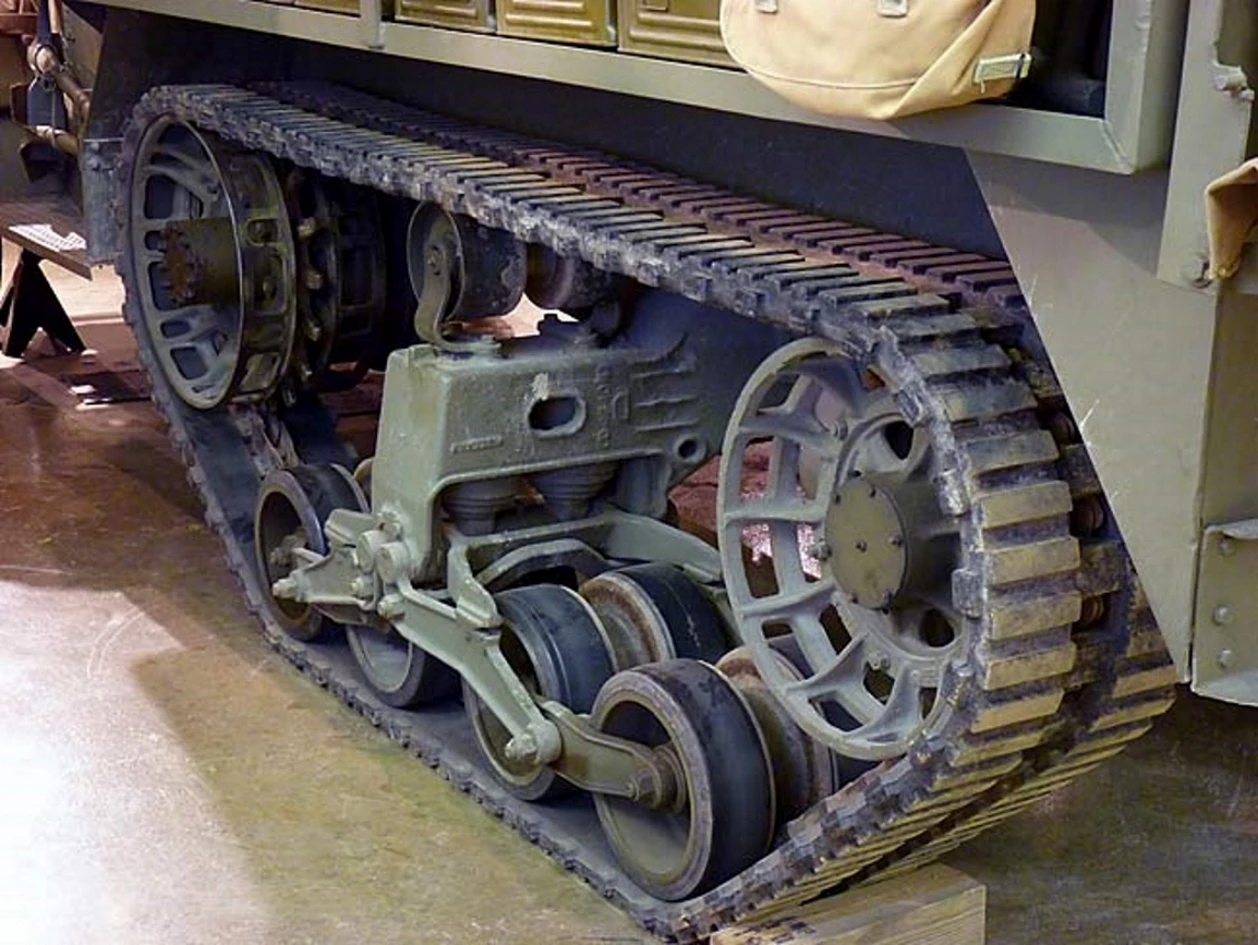
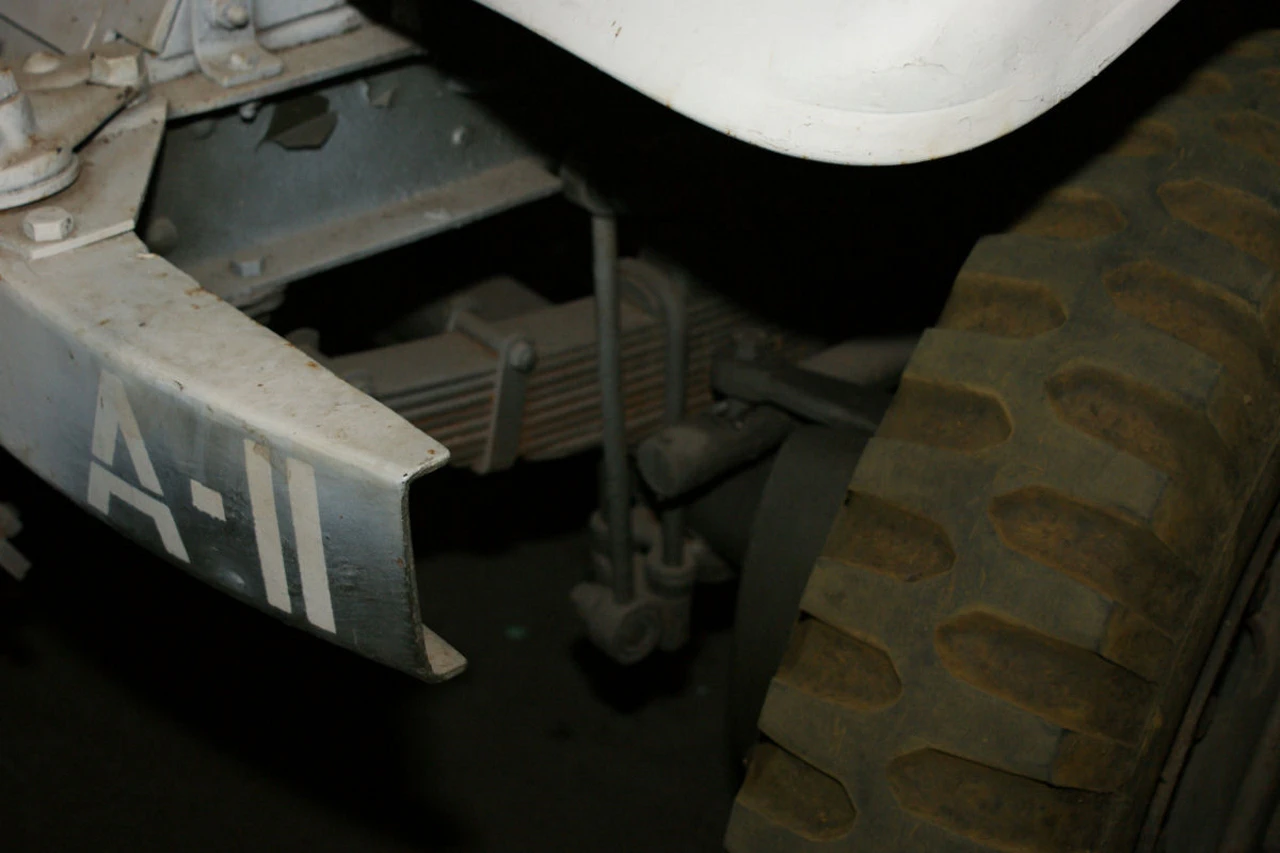
The Half-and-Half Propulsion Concept:To maximize production speed, the M3 used a standard heavy truck drivetrain for the front axle, coupled with a rear track system. The rear tracks utilized a molded, continuous rubber band reinforced with steel cables, wrapping around a bogie suspension system derived from the M3 Light Tank. This configuration offered a massive advantage: driving the half-track was nearly identical to driving a commercial delivery truck, which meant the US military could train civilian recruits to operate and fix them in a matter of hours.
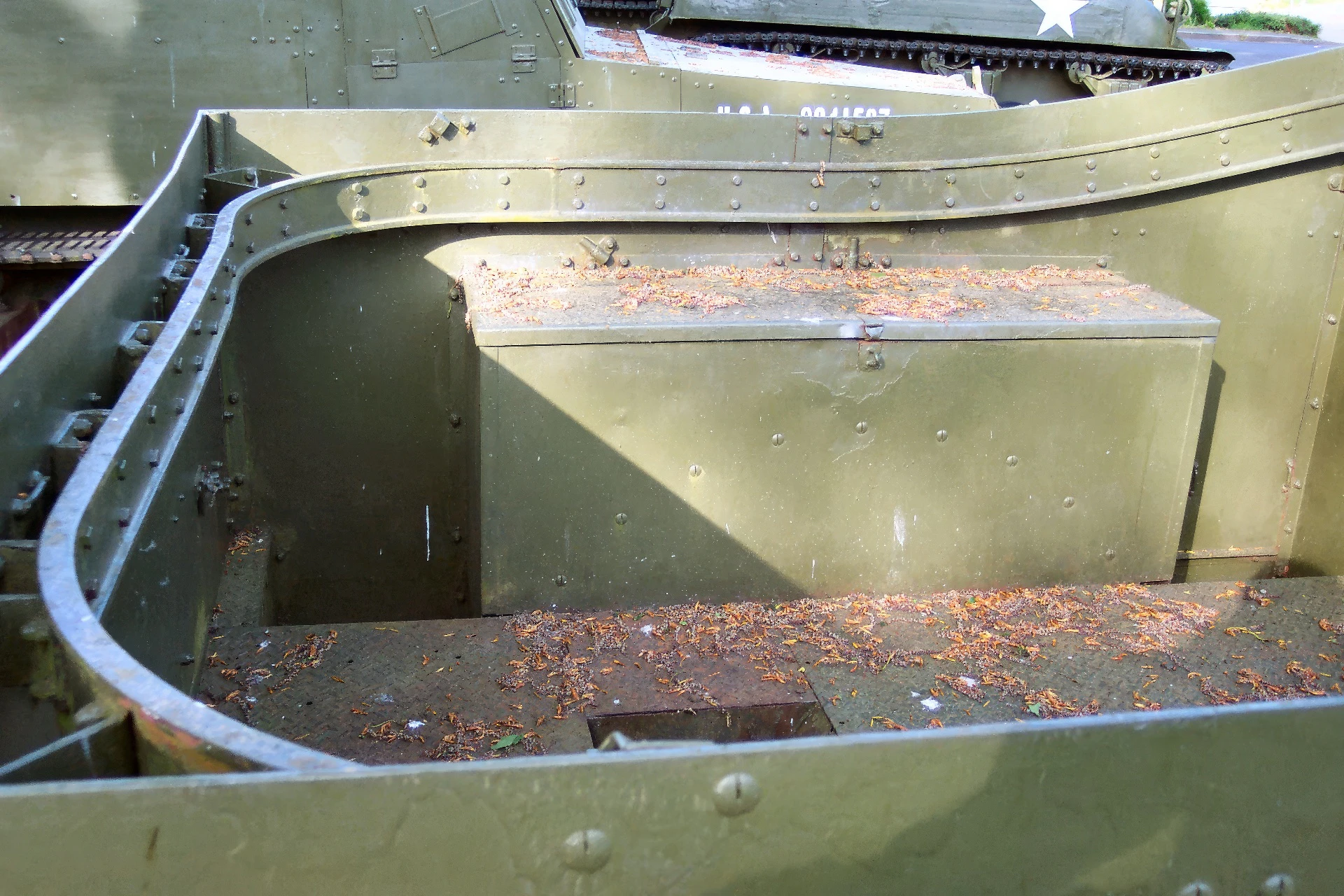
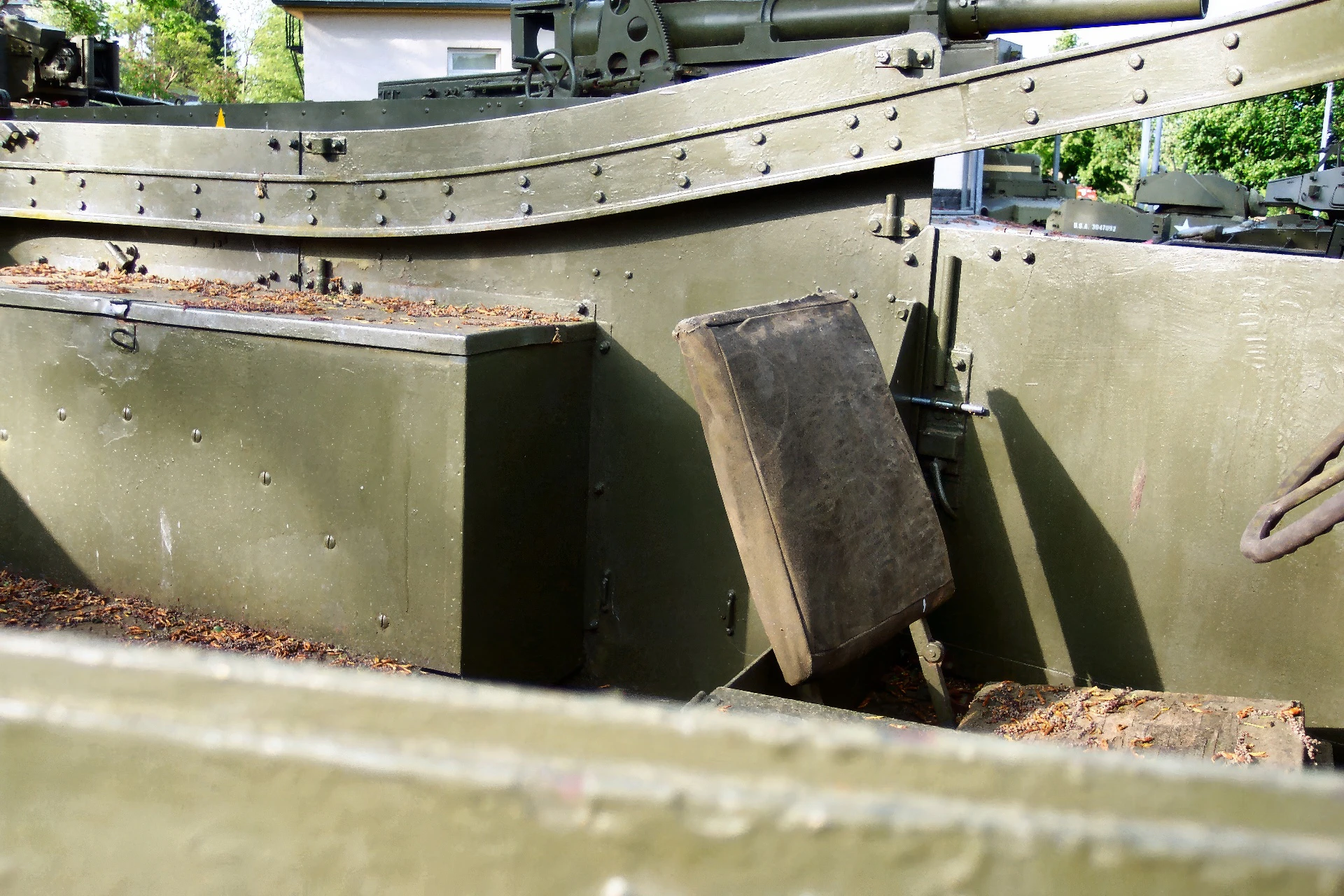
Open-Topped Fragility vs. Battlefield Visibility:The M3 featured an open-topped rear compartment. While this kept the vehicle light and allowed the 11 infantrymen inside to jump out over the sides instantly during an ambush, it left them completely exposed to airburst artillery shells, tree-shrapnel in forested combat, and hand grenades dropped from upper-story windows. US soldiers, in dry military humor, sometimes referred to the vehicle as the *”Purple Heart Box”* due to this vulnerability.
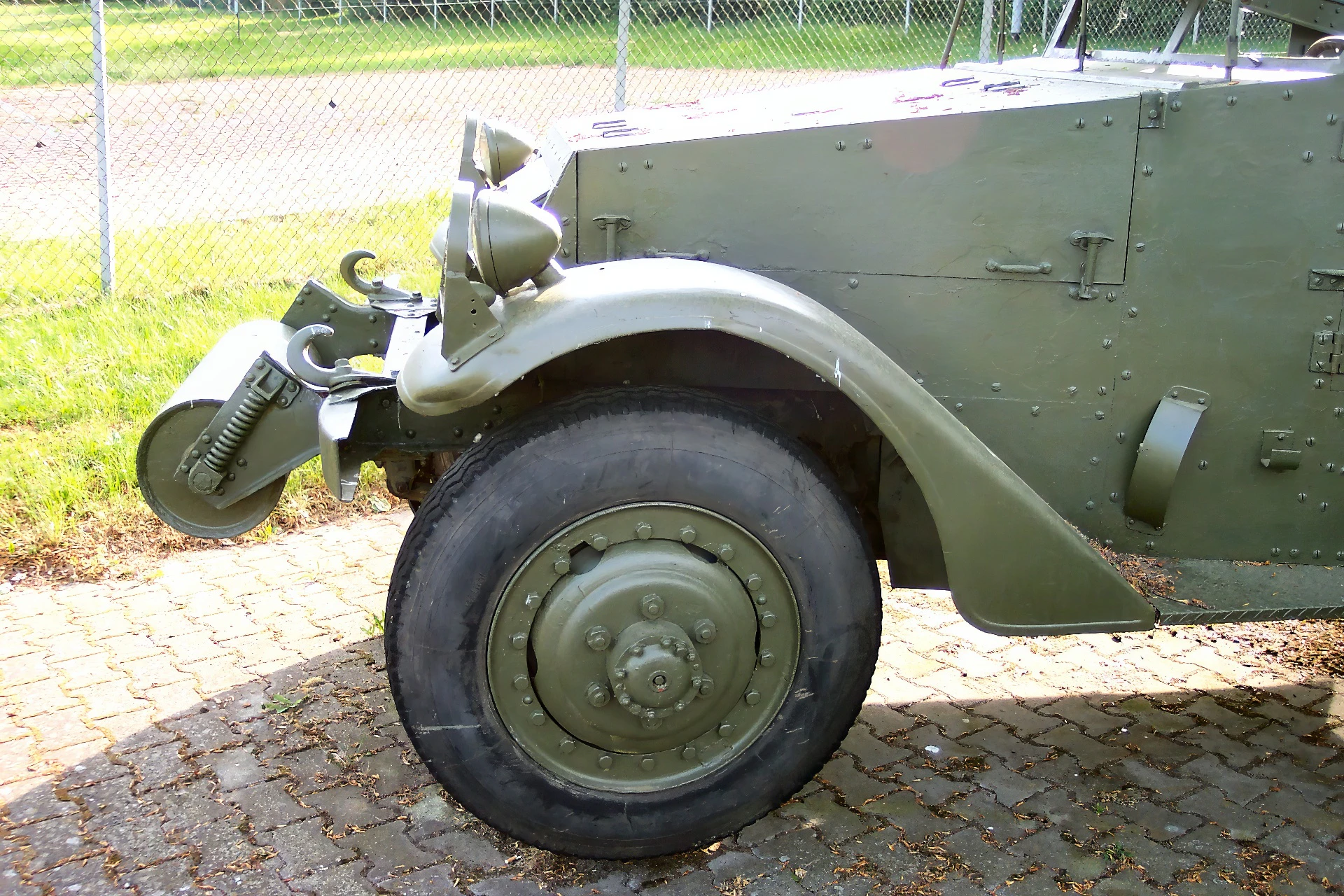
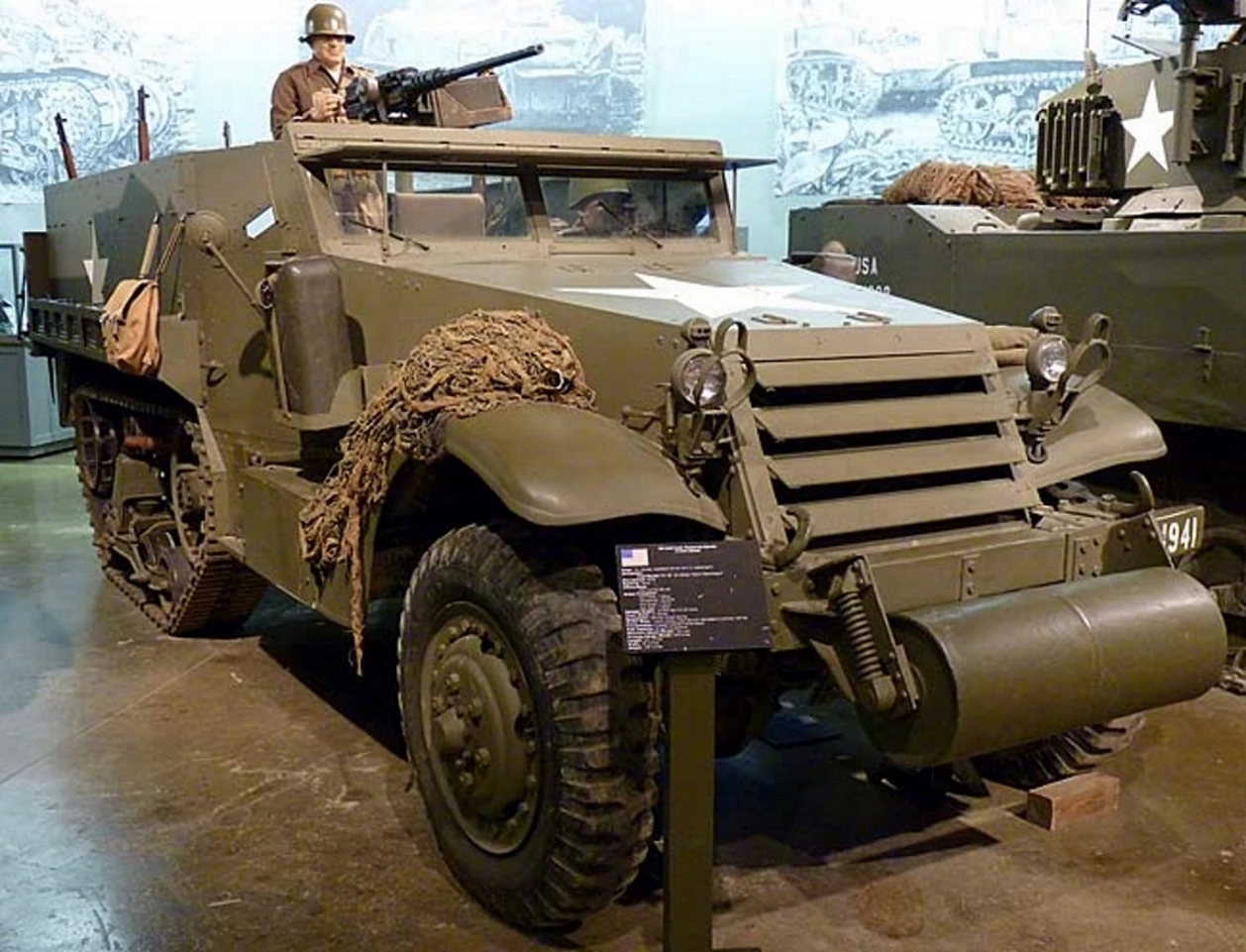
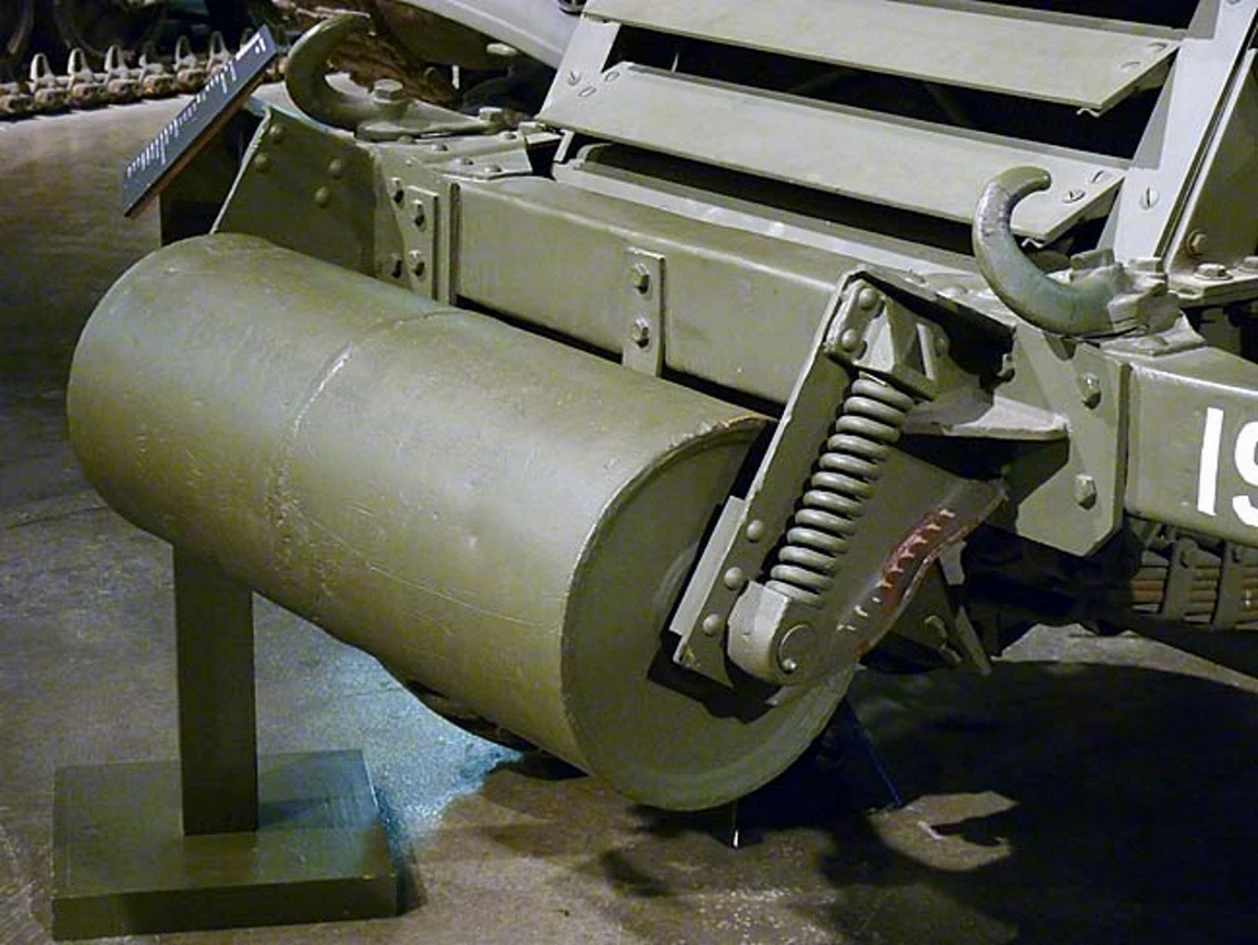
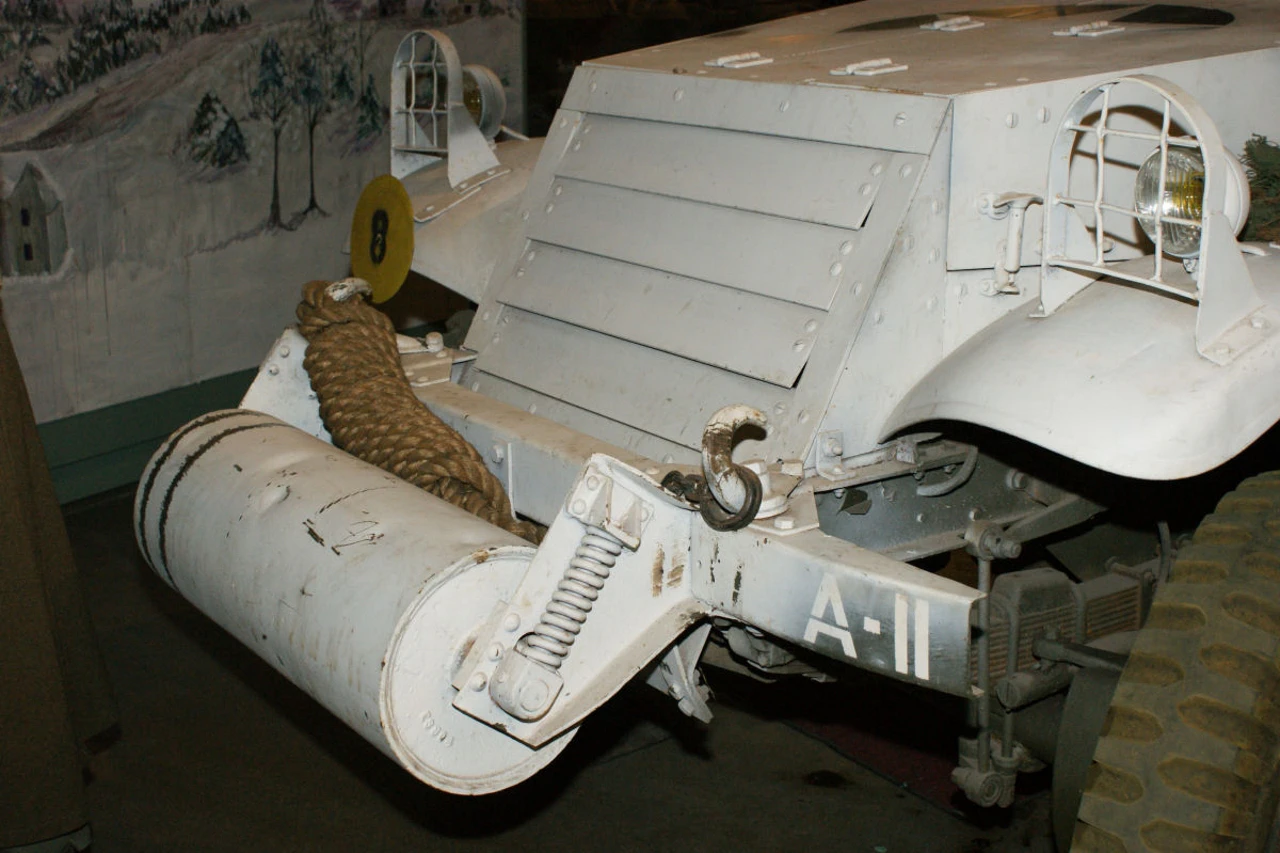
The Front-Mounted Roller Drum:A defining visual feature on many M3 models was a large, heavy steel cylinder mounted directly ahead of the front bumper. This roller was not just a bumper extension; it was a highly functional tool designed to prevent the vehicle from getting stuck. When dropping down into deep ditches, steep river banks, or trenches, the spinning roller would make contact with the opposite bank first, rolling the heavy nose of the vehicle up and over the obstacle rather than letting it dig into the dirt.
The Endless Modular Variant Platform:Because the flat-bedded M3 chassis was so robust, it became a blank canvas for American ordnance designers. They quickly created the **M16 MGMC** (equipped with four devastating .50 caliber machine guns in a power turret to shred enemy aircraft), the **M21 Mortar Carrier** (which allowed crews to fire an 81mm mortar directly from the cargo bed), and various Tank Destroyer models mounting 75mm or 105mm guns to hunt enemy armor.
Operational History: From the Mud of Tunisia to the Remagen Bridgehead
Early Lessons in the Sands of North Africa (1942–1943):The M3 saw its initial major trial-by-fire during Operation Torch and the subsequent Tunisian Campaign. Early-war tactics saw inexperienced crews try to use the thinly armored M3s as frontline combat vehicles, resulting in high losses to German anti-tank weapons and strafing Messerschmitt fighters. US commanders quickly revised their manuals, emphasizing that the M3 was a battlefield *taxi* meant to deliver troops safely near the fight, not a tank meant to trade blows on the front lines.
The Allied Mechanized Blitzkrieg across Europe (1944):Following the Normandy landings, the M3 became the absolute core of Patton’s rapid armored dashes across France. While German infantry units were largely forced to march on foot or rely on horse-drawn wagons for supplies, entire US armored divisions were completely motorized. Infused with unparalleled mobility, US armored infantry could bypass retreating German strongpoints, keeping up with Sherman tanks to secure critical bridges and roads before the enemy could regroup.
The “Meat Chopper” at the Battle of the Bulge:During the winter of 1944, M16 anti-aircraft variants of the M3 half-track played a legendary role in defending Allied ground troops. When the Luftwaffe made a desperate attempt to regain control of the skies over the Ardennes, the M16s unleashed their quad .50 caliber machine guns. The wall of lead was so intense that German pilots nicknamed the M16 the *”Meat Chopper.”* When enemy aircraft weren’t present, the guns were leveled horizontally, proving highly effective at tearing through German infantry attacks.
Lend-Lease Lifelines to the Soviet Union:Under the massive Lend-Lease program, the United States shipped thousands of half-tracks (predominantly the near-identical M5 variant built by International Harvester) to its allies. The Soviet Red Army prized these highly mobile vehicles, using them to pull heavy artillery pieces, escort elite tank brigades, and protect command staff across the vast, muddy plains of the Eastern Front all the way into the ruins of Berlin.