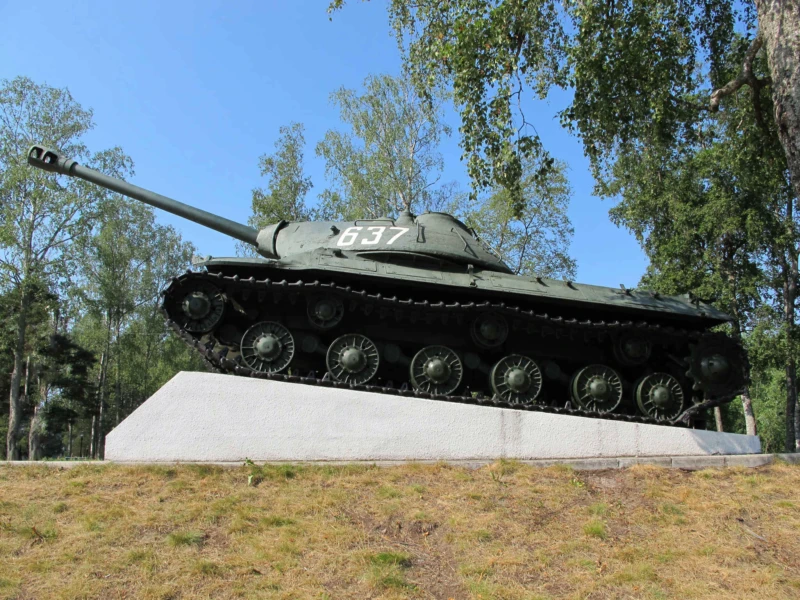
IS-3 | |
|---|---|
| 국가 | 소련 사회주의 연방 공화국 |
| 형식 | 중전차 |
| 설명 | 앨범 드 200 중전차 사진 IS-3 |
의 사진 갤러리 IS-3 시끄러운 탱크, 무거운 탱크 IS-3 est un char de combat soviétique apparu à la fin de la Seconde Guerre mondiale sans qu’il n’ait eu le temps de prendre une part active au combat. On a pu le voir pour la première fois lors du défilé militaire du 7 septembre 1945, au cours duquel il impressionna les puissances occidentales par sa modernité. Son nom provient des initiales du dictateur soviétique Joseph Staline (“I” pour “Iossif”) et le numéro 3 est dû au fait que ce fut la troisième version de la série des chars 요제프 스탈린 설계 및 시운전됩니다.
소스: 위키피디아의 IS-3 중전차

| IS-3 산책 | |
|---|---|
| 사진 작가 | Unknow |
| 로컬라이제이션 | Unknow |
| 사진 | 19 |
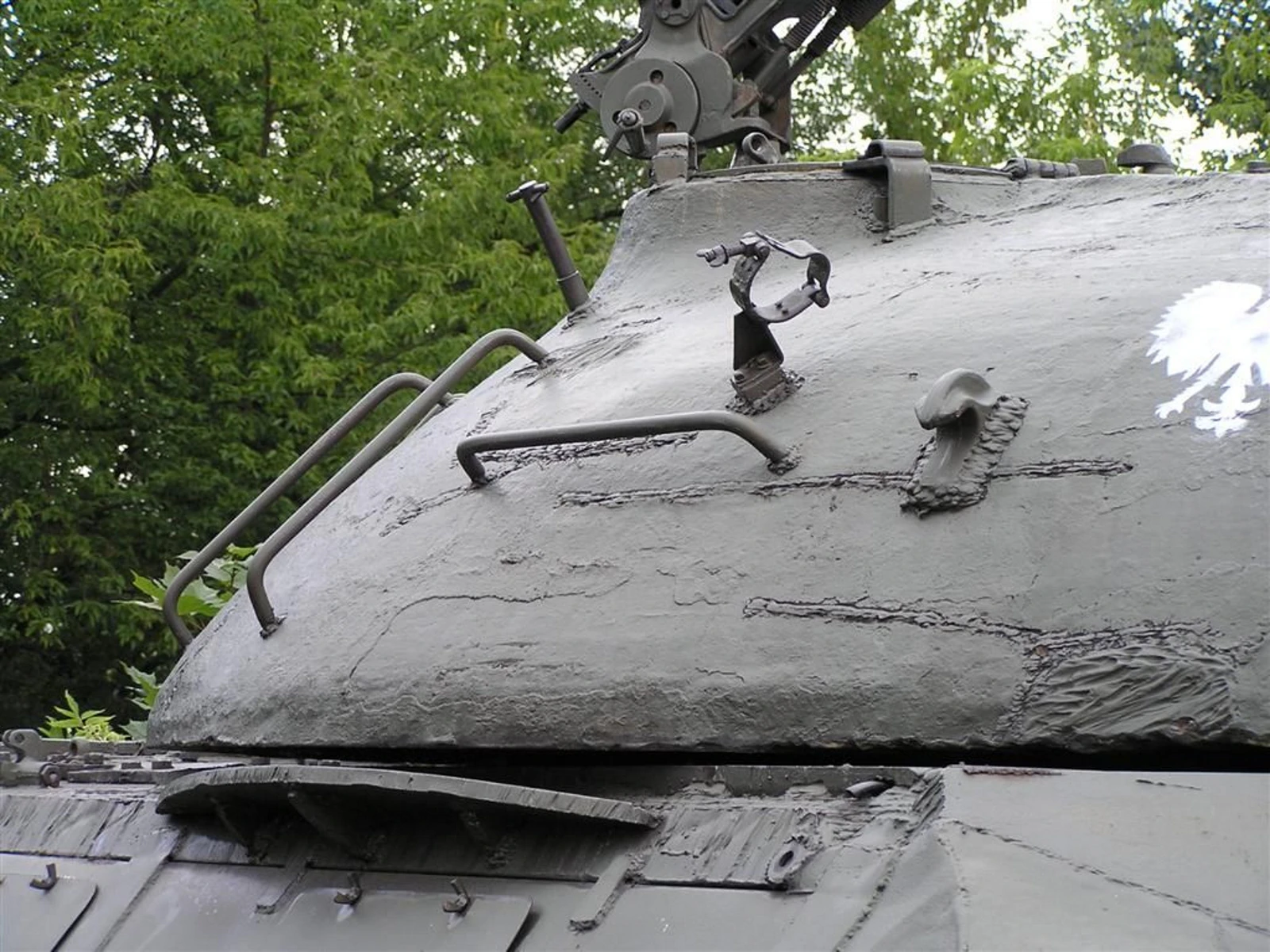
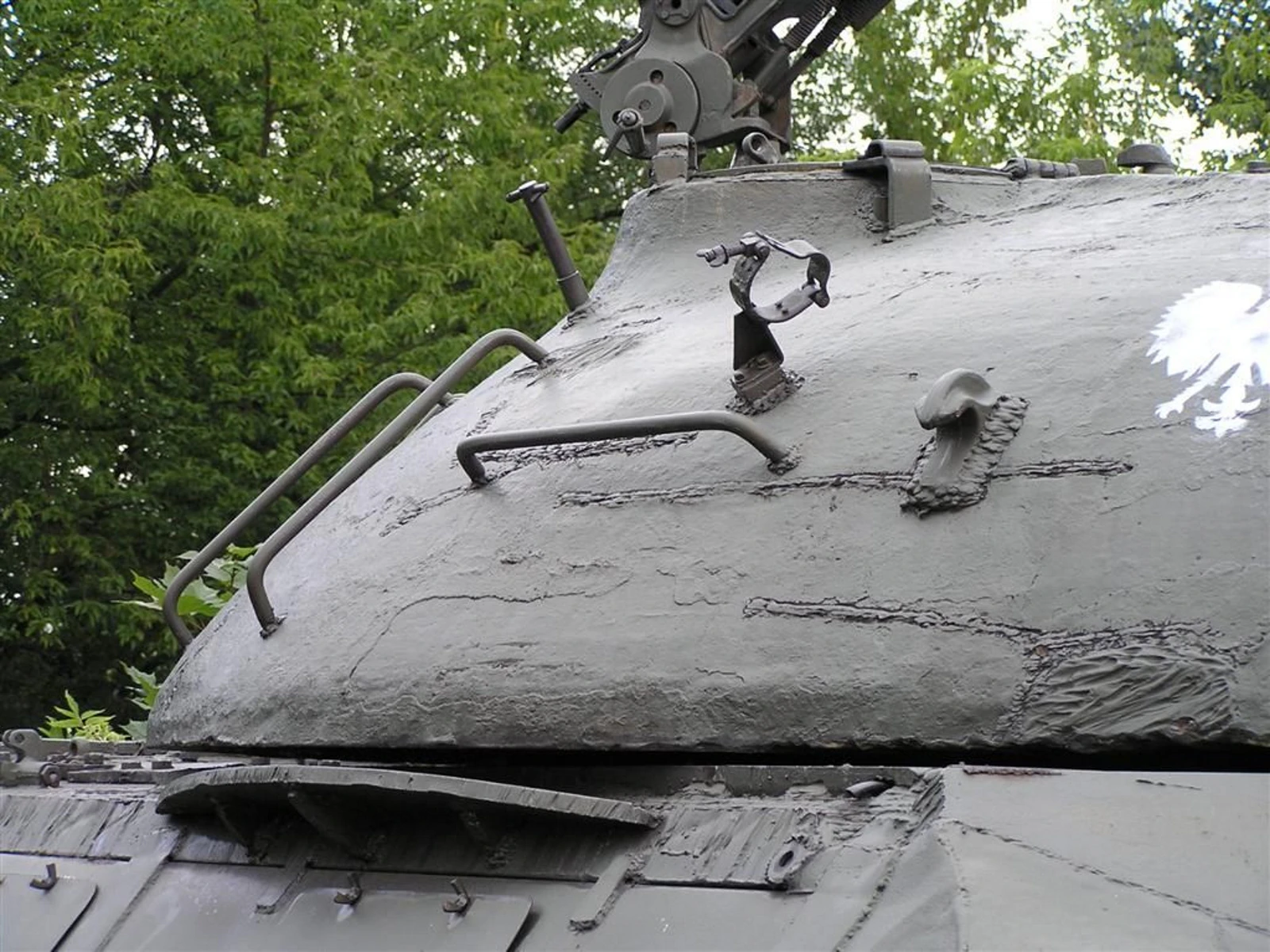
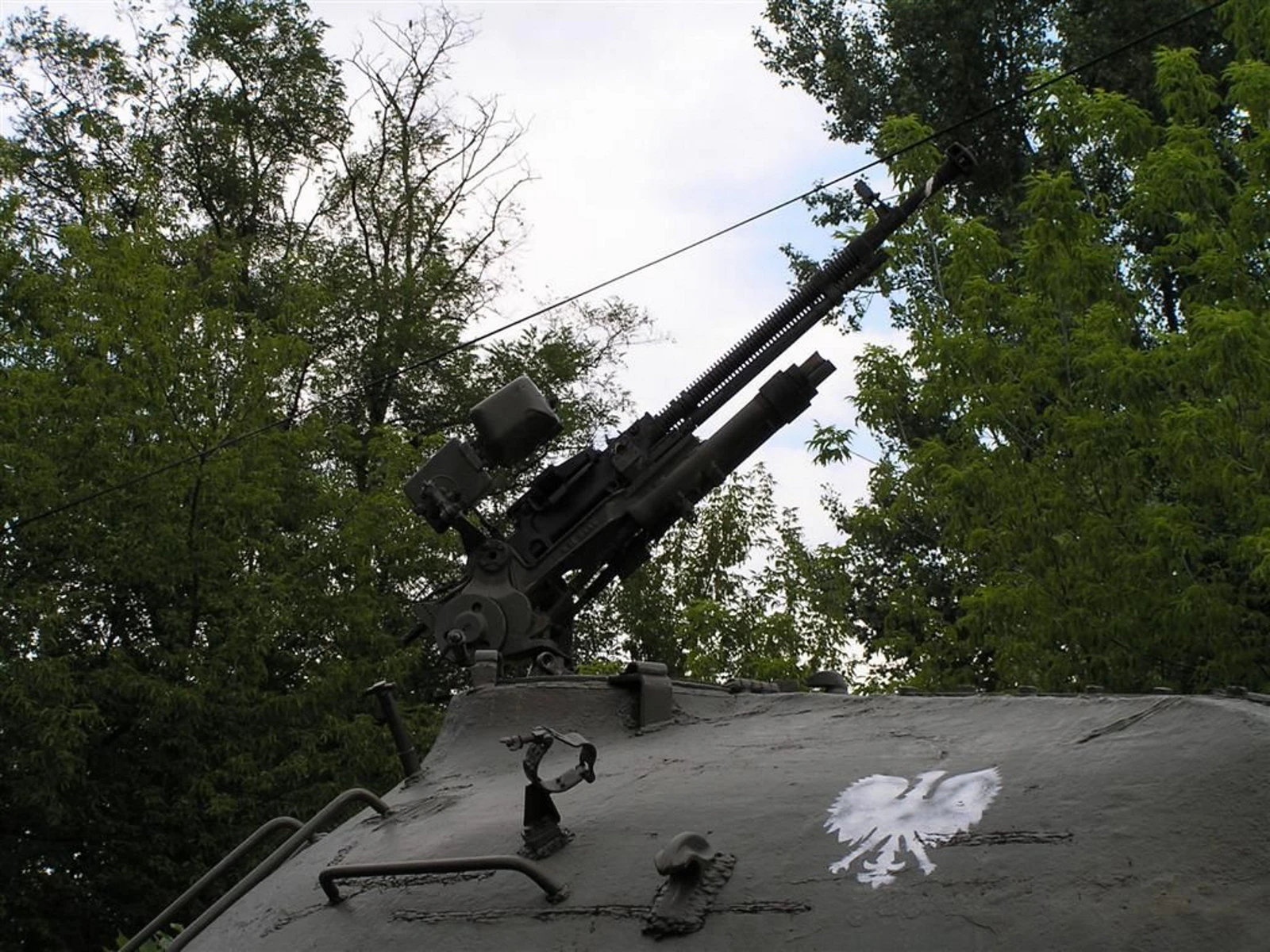
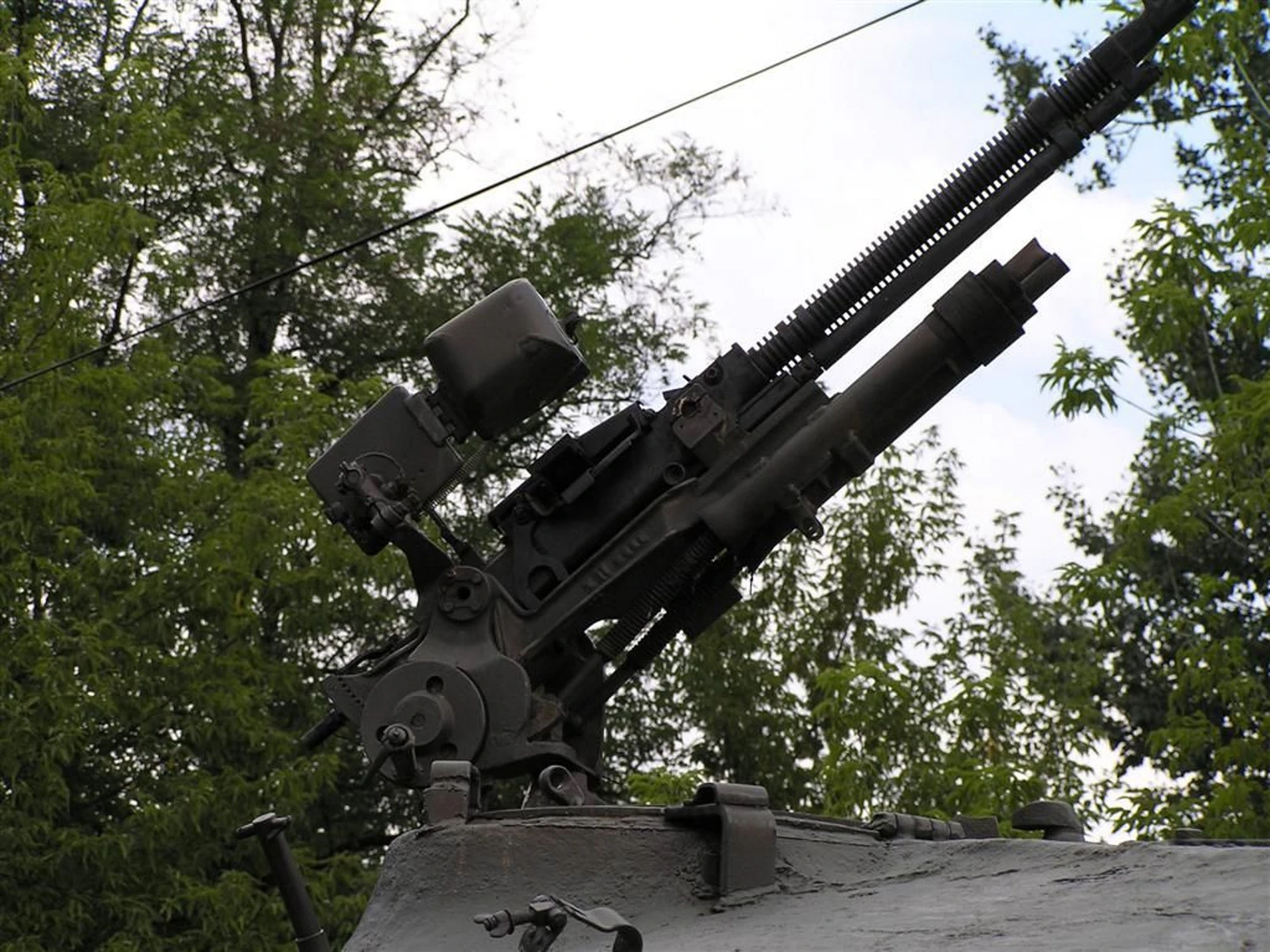
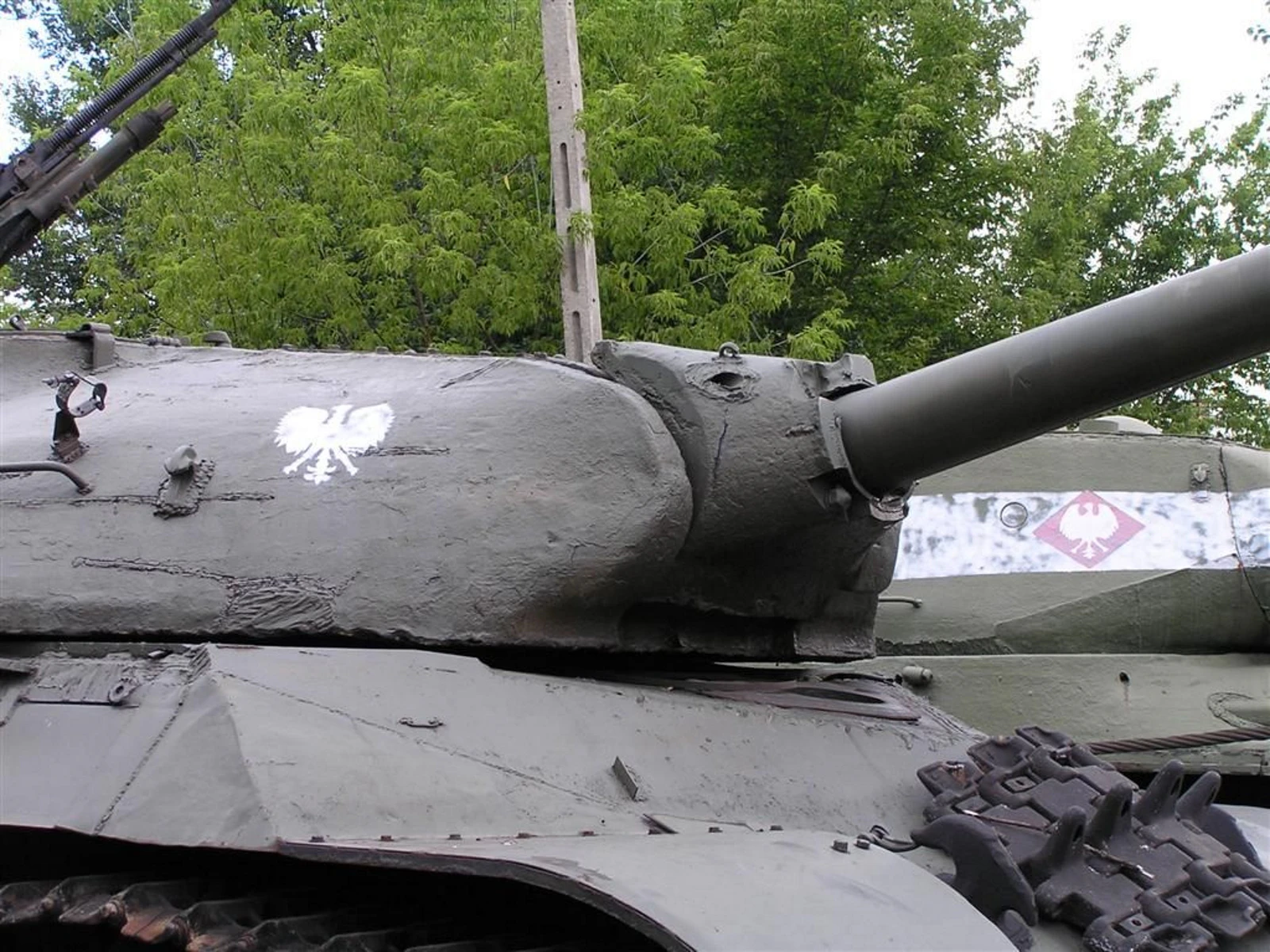
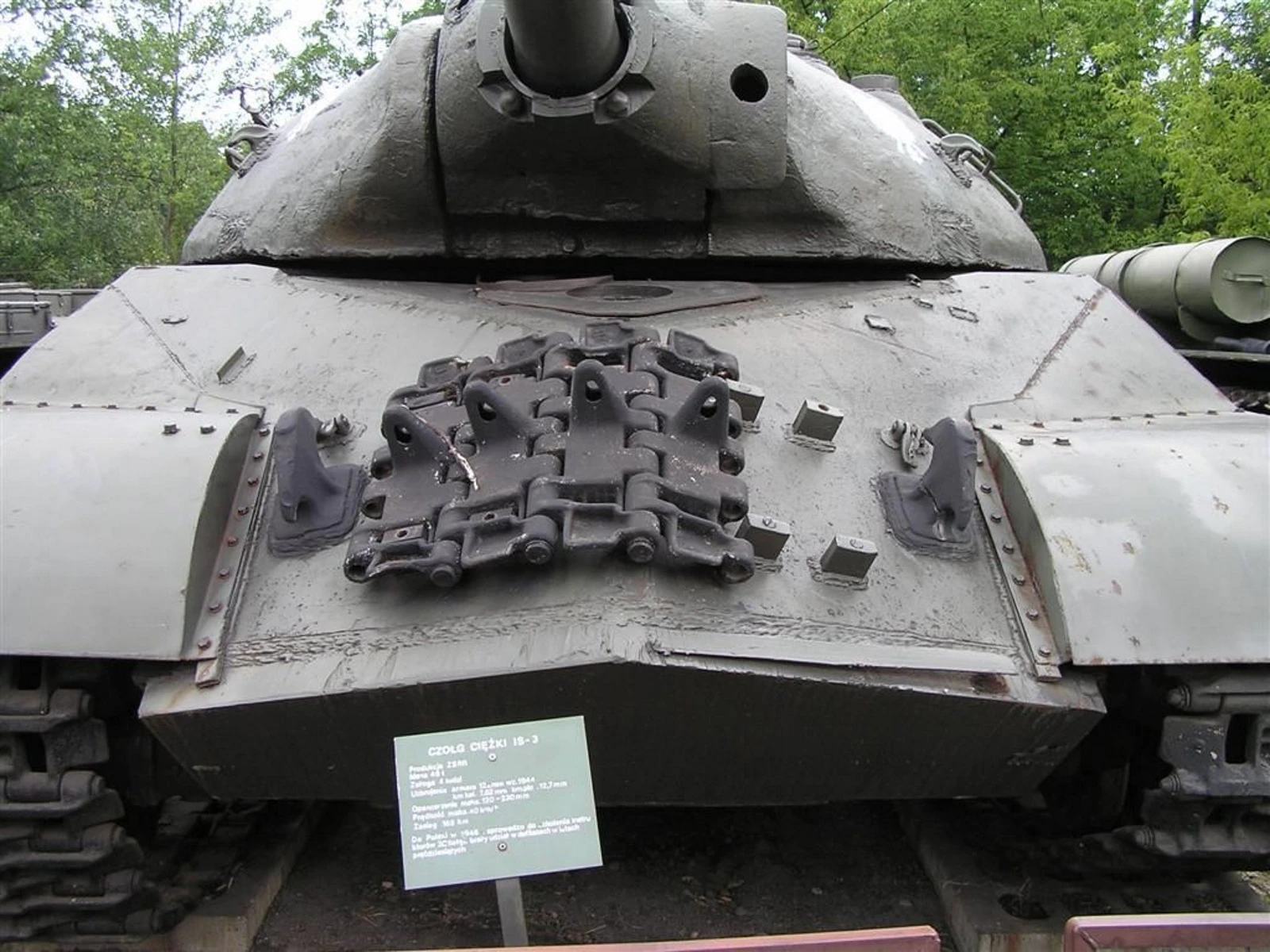
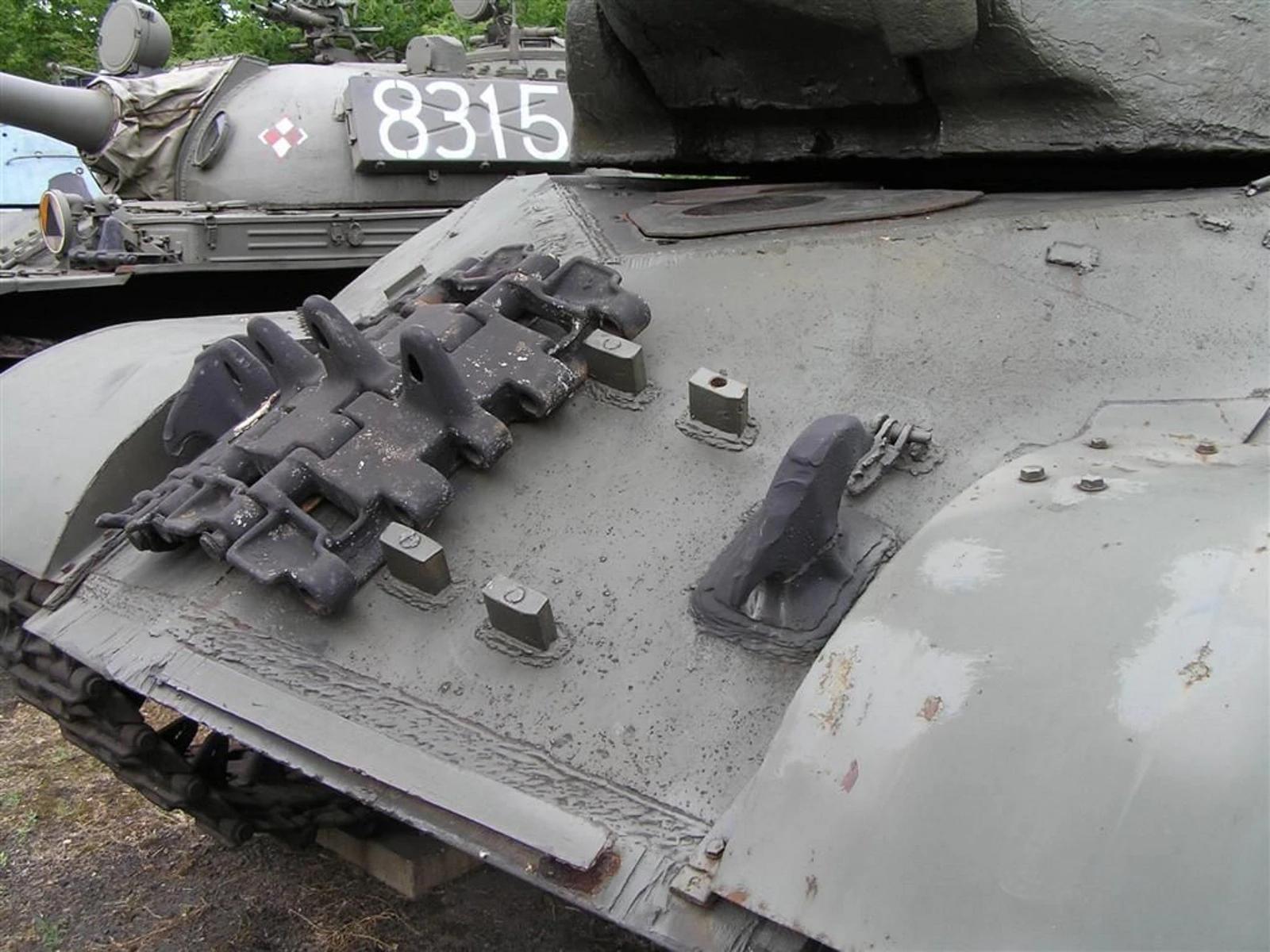
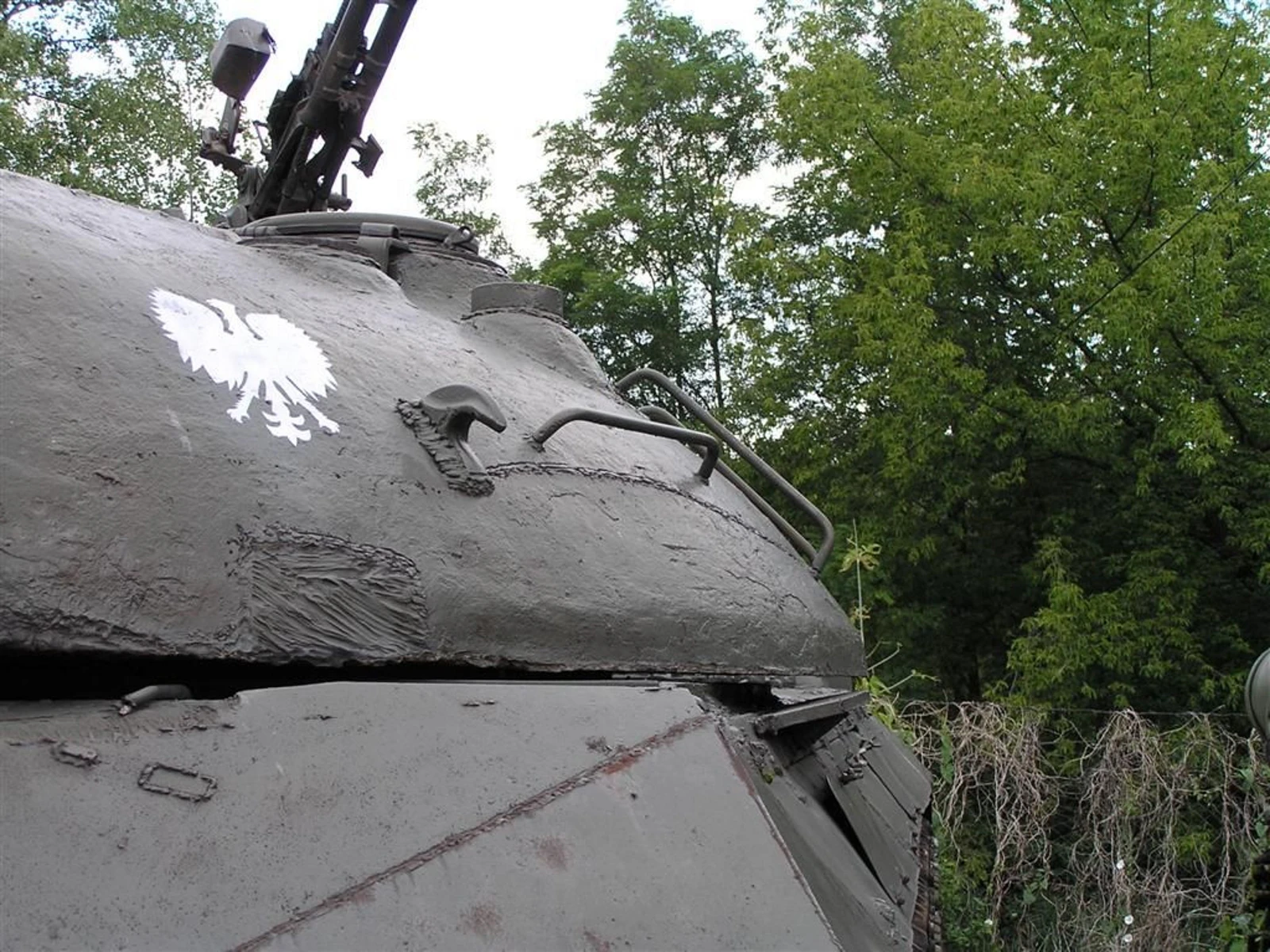
참고 항목:


The “Pike Nose” Heavyweight That Terrified the West
Tthe IS-3 (Iosif Stalin-3) heavy tank was one of the most revolutionary and visually intimidating armored designs of the mid-20th century. Developed in late 1944 under the supervision of Soviet engineers Nikolay Dukhov and Joseph Kotin, the IS-3 was designed to improve upon the weaknesses of the wartime IS-2. While it arrived just after the hostilities in Europe had ended—missing combat in World War II—it sent shockwaves through the Western Allies when it made its public debut. Boasting an incredibly radical, pointed frontal hull and a low, heavily rounded dome turret resembling an inverted soup bowl, the IS-3 packed massive armor protection and a devastating 122mm gun into a vehicle that weighed significantly less than its contemporary Western counterparts. It immediately redefined post-war tank development, forcing NATO to scramble to design entirely new heavy armor to counter it.
| Attribute | Technical Specification (Soviet IS-3 Heavy Tank Standard) |
|---|---|
| 역할 | Heavy Breakthrough Tank |
| 승무원 | 4 (Commander, Gunner, Loader, Driver) |
| 동력 장치 | 1 × V-11-IS-3 12-cylinder liquid-cooled diesel engine (520 hp) |
| 최대 속도 | 40 km/h (25 mph) on roads | ~15 km/h (9 mph) cross-country |
| Combat Weight | 45.8 metric tons (50.5 short tons) |
| 작동 범위 | ~185 km (115 miles) on roads | ~110 km (68 miles) cross-country |
| Primary Armament | 1 × 122 mm D-25T L/43 rifled gun (28 rounds carried) |
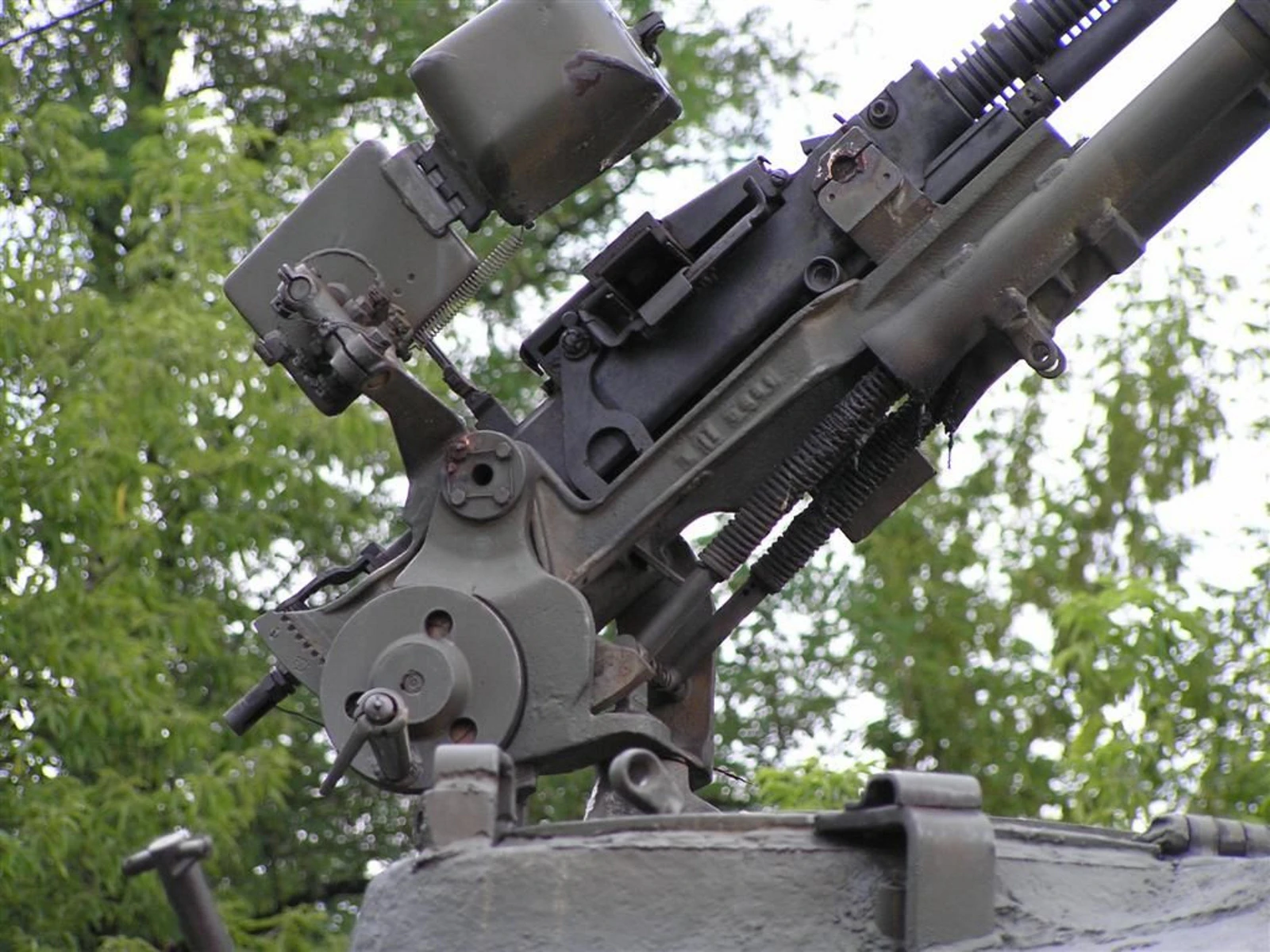
| 보조 무장 | 1 × 12.7mm DShK heavy anti-aircraft machine gun | 1 × 7.62mm DTM coaxial machine gun |
| Armor Thickness | Upper Front Glacis: 110mm angled at 56° with a double-sloped design (~200mm+ effective) | Turret Front: 220mm rounded (~250mm+ effective) |
| Production Total | 2,311 units manufactured primarily at the Chelyabinsk Kirov Plant (ChKZ) between 1945 and 1946 |
Design Engineering: The Pike Nose, Inverted Bowls, and Two-Part Ammo
- The “Pike Nose” Glacis Layout: The most influential design element of the IS-3 was its dual-sloped frontal armor. Instead of a single flat plate, the front hull consisted of two plates welded together at a sharp V-angle, pointing forward like the prow of a ship. This “pike nose” (Shchuka) forced incoming shells to impact at extreme, compound angles, radically increasing the effective armor thickness to over 200mm and maximizing the chance of ricochets without adding massive, unmanageable weight.
- The Inverted Frying Pan Turret: To reduce the tank’s silhouette and eliminate shot traps (where shells deflect off the turret into the thin hull roof), Soviet engineers cast a heavily rounded, dome-shaped turret. With a maximum thickness of up to 220mm of solid steel on its curved face, it was virtually impenetrable to all late-war anti-tank weapons. However, this compact shape left almost zero headroom, forcing the crew to work in incredibly cramped, claustrophobic conditions.
- The Heavyweight 122mm Hammer: The IS-3 carried the colossal 122mm D-25T rifled cannon. Capable of firing heavy high-explosive and armor-piercing shells, it could demolish concrete fortifications or shatter the heavy steel plate of any tank of its era. Because the ammunition was incredibly heavy, it used two-part loading (propellant casing and warhead separately), which restricted the tank’s maximum rate of fire to a slow 2 to 3 rounds per minute.
- Spacer Armor Side Skirts (The “Pocket” Sides): The IS-3 featured an early form of spaced armor. The upper side hull plates sloped inward behind a flat, external storage box assembly. This created an empty structural pocket along the flanks of the tank, which was highly effective at prematurely detonating early hollow-charge (HEAT) infantry anti-tank projectiles before they could punch through the main armored hull.
Operational History: The Shock of Berlin to Middle Eastern Deserts
- The Victory Parade Panic of 1945: On September 7, 1945, the Western Allies held a joint military parade in Allied-controlled Berlin to celebrate the end of World War II. Western military observers were stunned when a column of 52 brand-new Soviet IS-3 heavy tanks rumbled through the streets. The low, sleek, and heavily armored monsters looked decades ahead of any tank the US or Great Britain possessed, triggering a post-war Western scramble to develop super-heavy tanks like the American M103 and British Conqueror.
- Severe Early Mechanical Fractures: Despite its revolutionary exterior, the hasty, late-war rush to put the IS-3 into production resulted in major structural flaws. The massive force of firing the 122mm gun, coupled with the vibrations of the V12 engine, caused the welded seams along the “pike nose” and engine deck to crack and split under stress. The Soviet military was forced to run massive, expensive overhaul programs (called the IS-3M upgrades) in the 1950s to structurally reinforce the hulls of almost every unit built.
- The Brutal Trials of the Six-Day War (1967): The IS-3’s only major tank-on-tank combat occurred in the Middle East after the Soviet Union exported hundreds of units to Egypt. During the 1967 Six-Day War, Egyptian IS-3s clashed with highly mobile Israeli Patton and Centurion tanks in the Sinai Desert. While the Israeli crews struggled to penetrate the IS-3’s thick armor from the front, they easily outmaneuvered the slow-turning Soviet giants. The combination of slow Soviet reloading speeds, poor internal ventilation in desert heat, and mechanical failures led to the capture or destruction of over 70 Egyptian IS-3s.
- Decades of Static Lifespan: Although obsolete by the 1970s, the IS-3 was so difficult to destroy that many spent their retirement years buried to their turrets in dirt, serving as static pillboxes along the heavily fortified Sino-Soviet border. In a bizarre modern twist of history, a decommissioned monument IS-3 on a pedestal in the Donbas region was briefly reactivated by pro-Russian separatists in 2014, showing that its rugged interwar diesel engine and tracks could still rumble back to life even after 70 years of neglect.
Views : 4416