V-2 미사일 | |
| 국가 | 나치 독일 |
| 형식 | 미사일 |
| 생산 | 1942년 3월 16일 – 1945년 |
| 내장 | 3000+ |
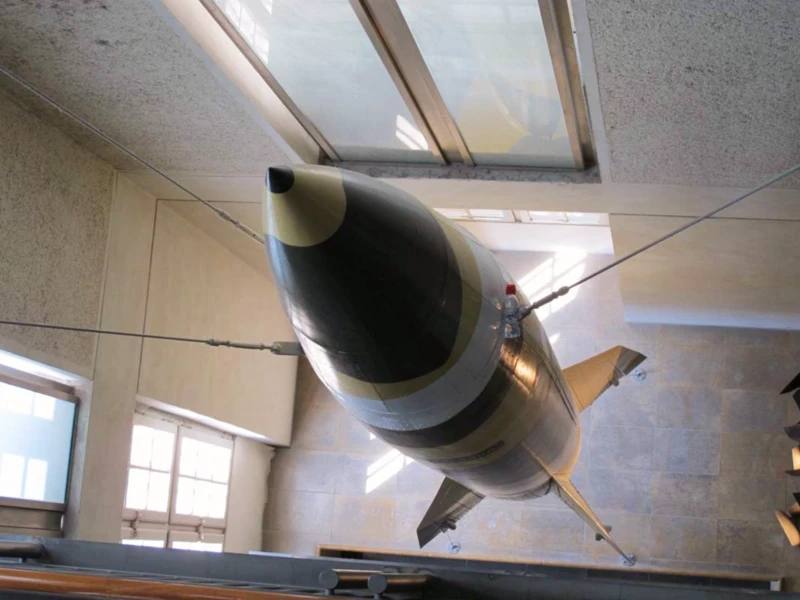
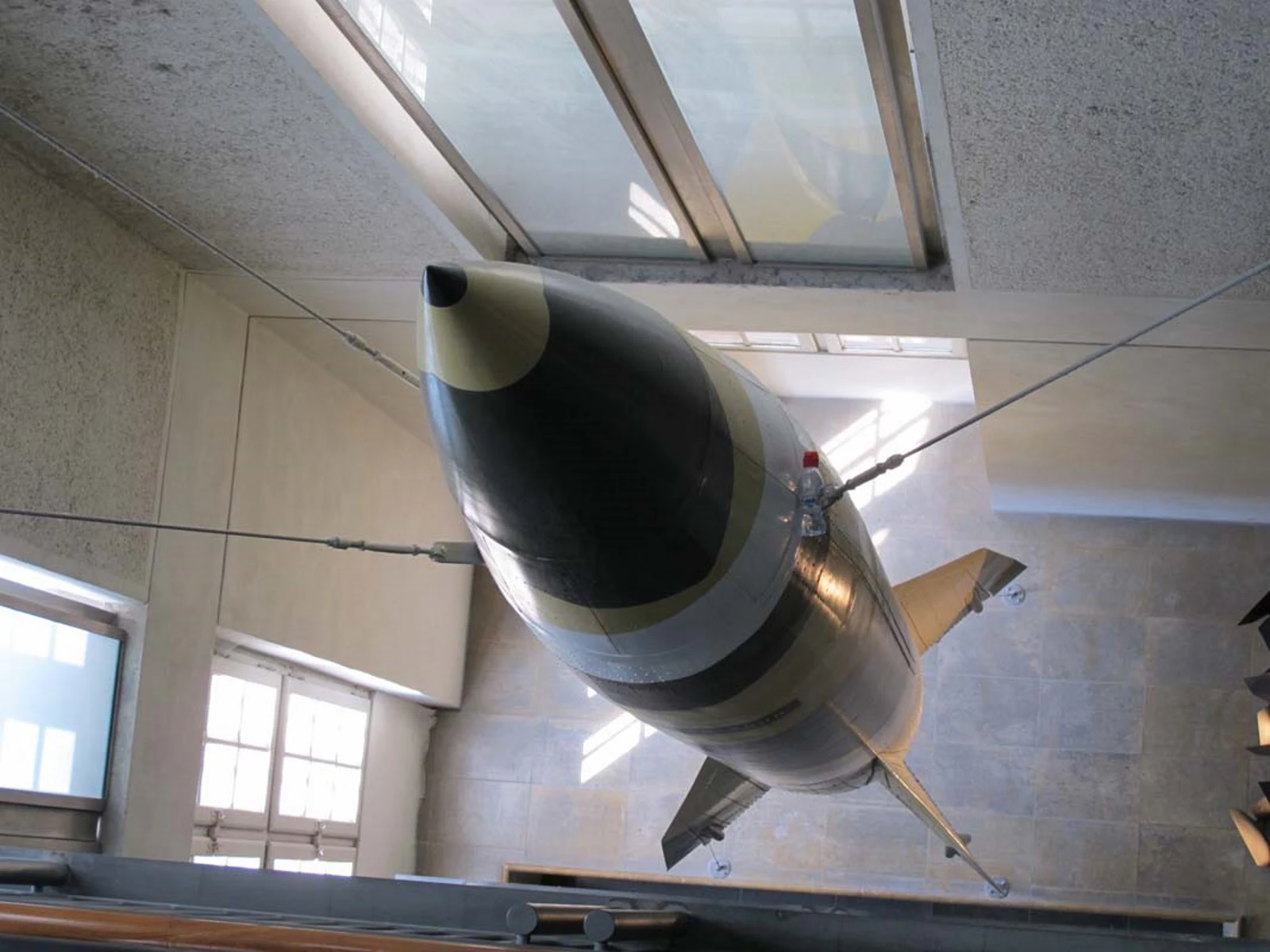
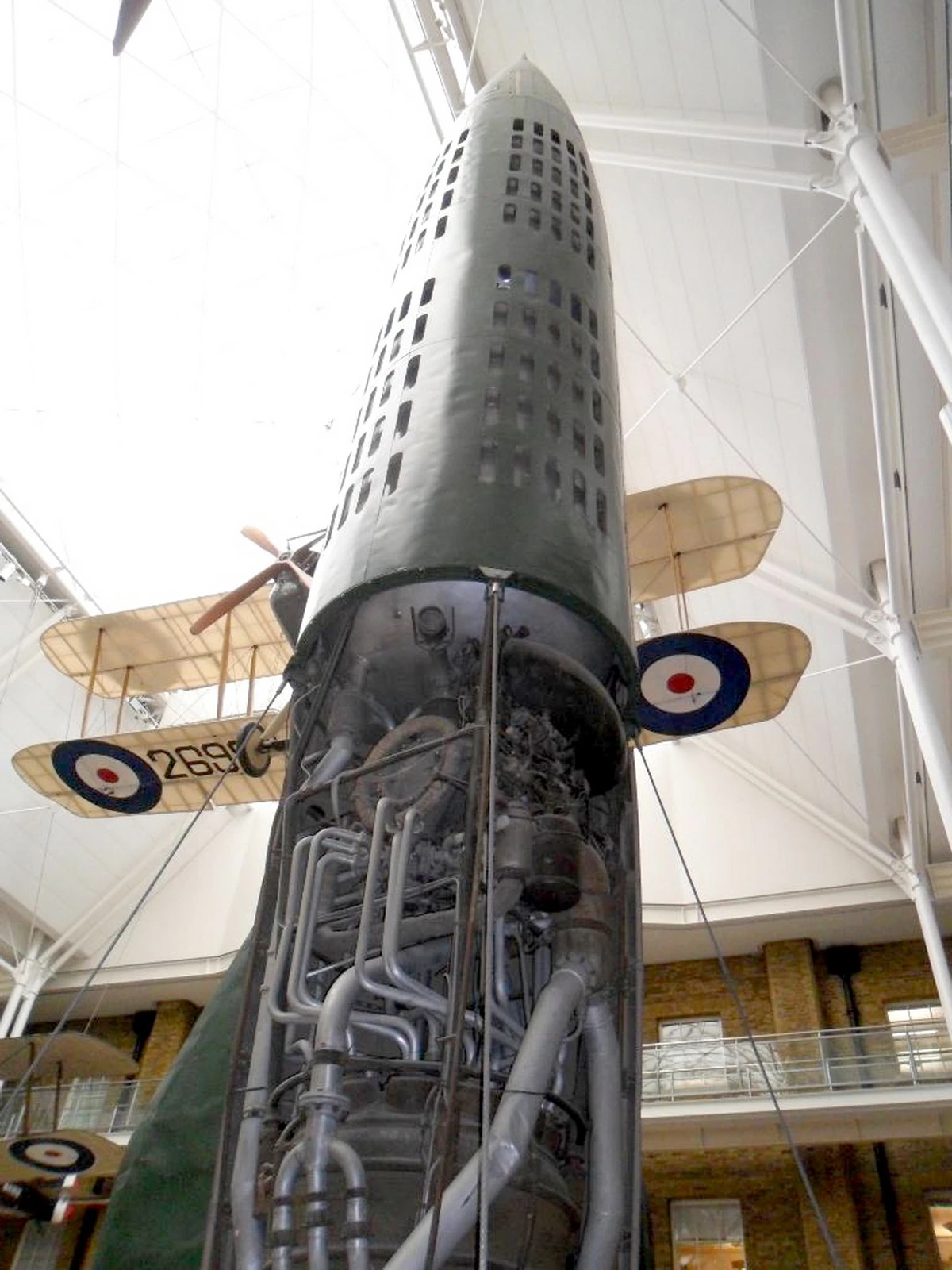
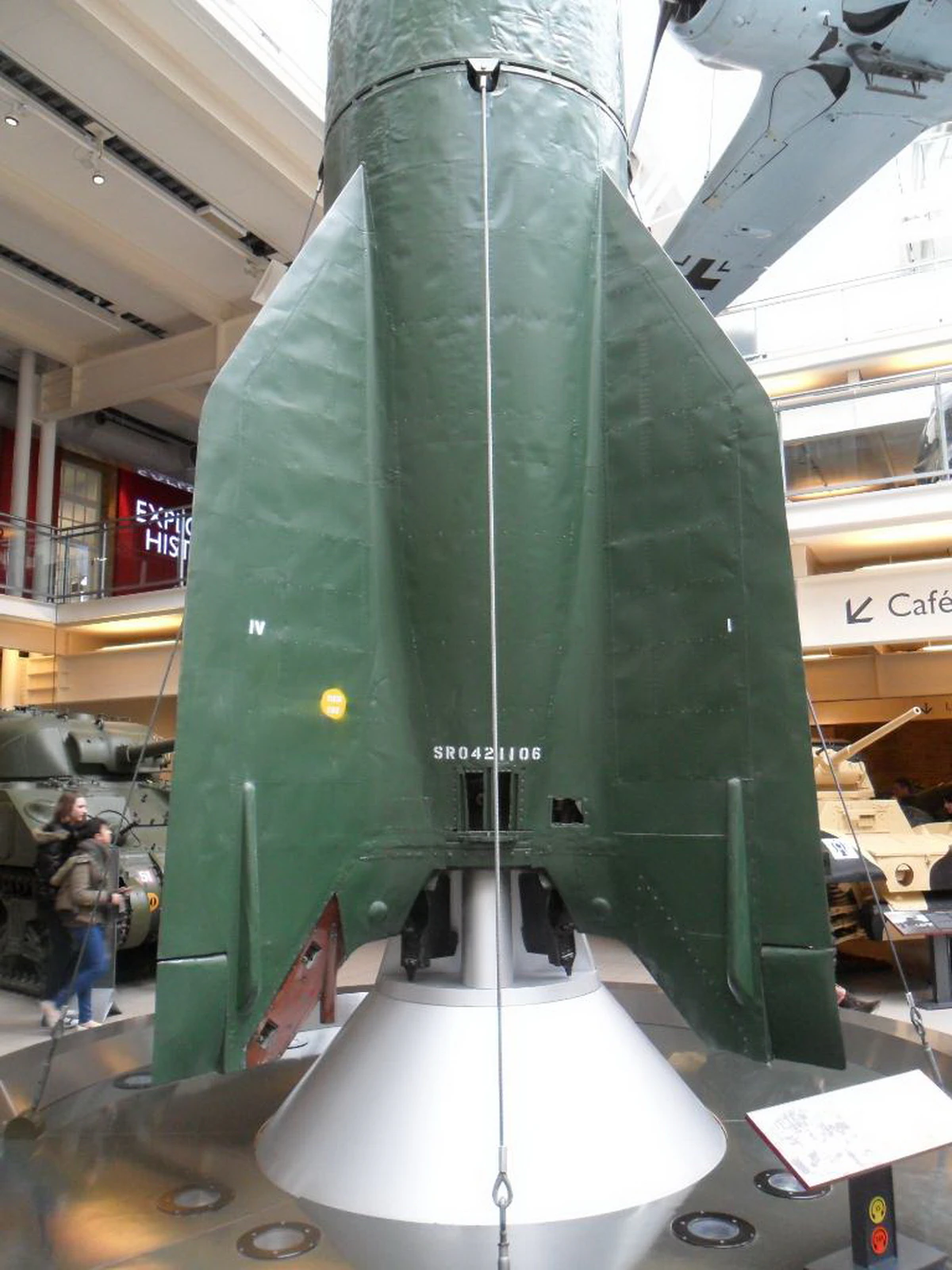
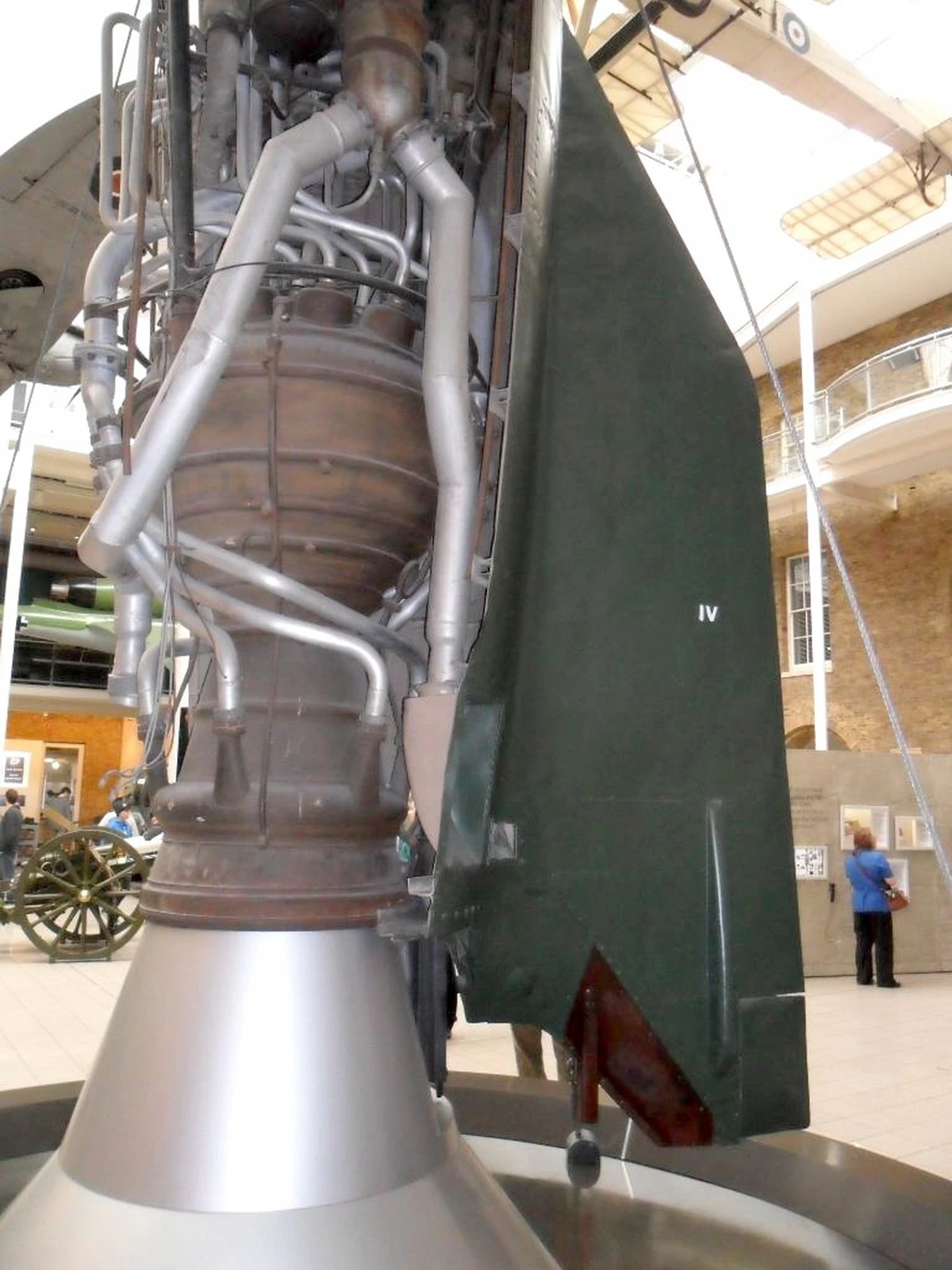
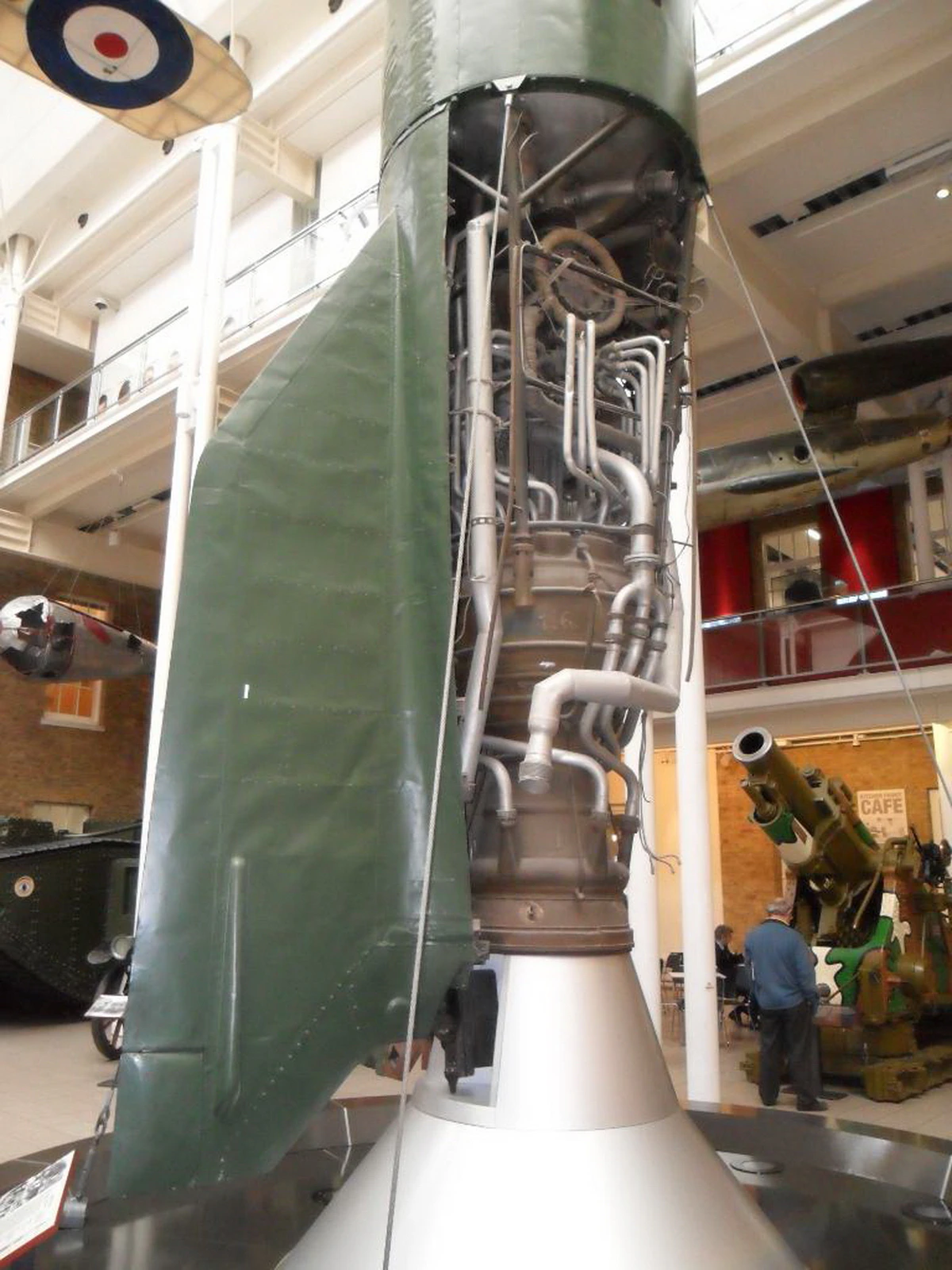
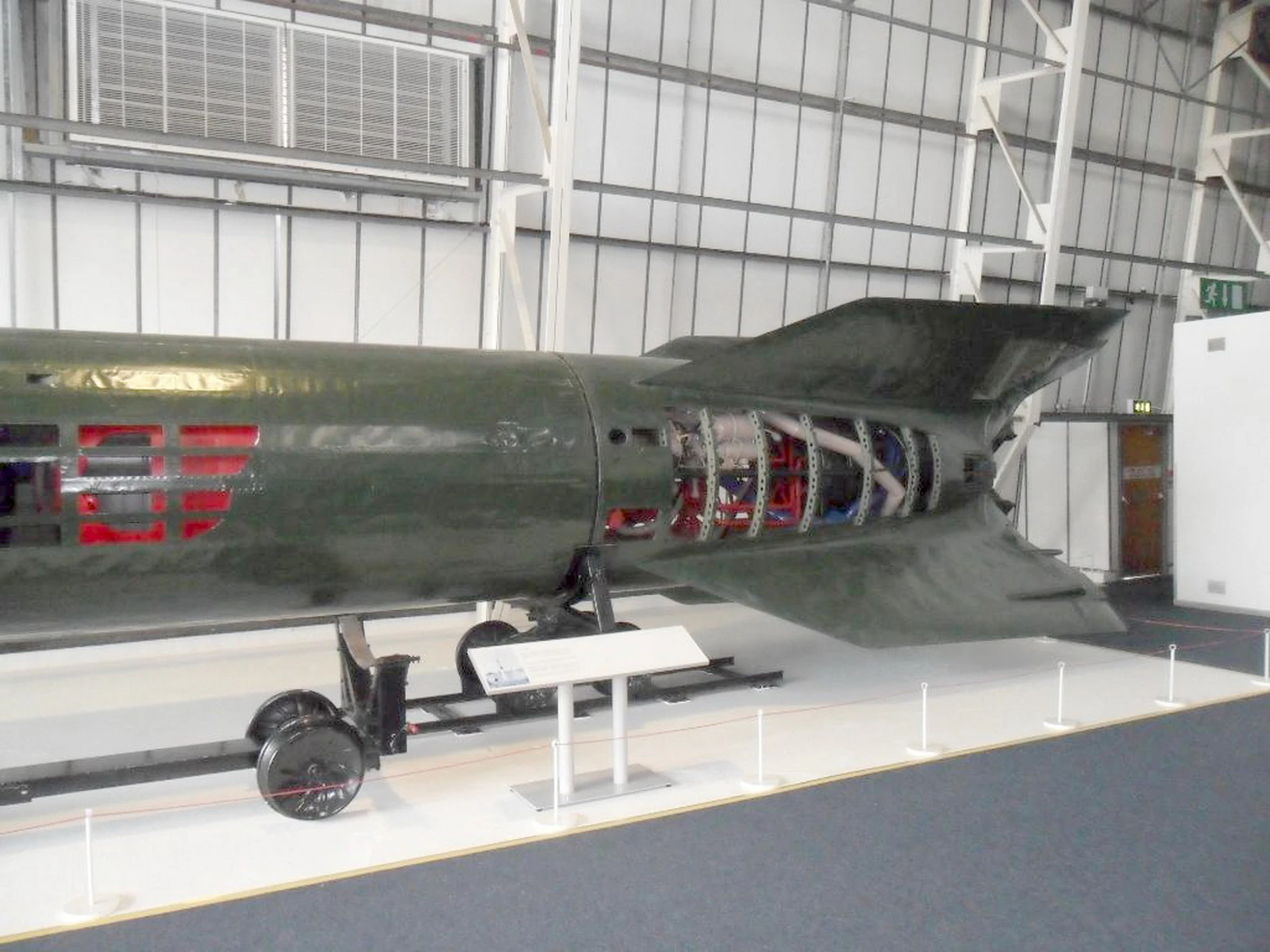
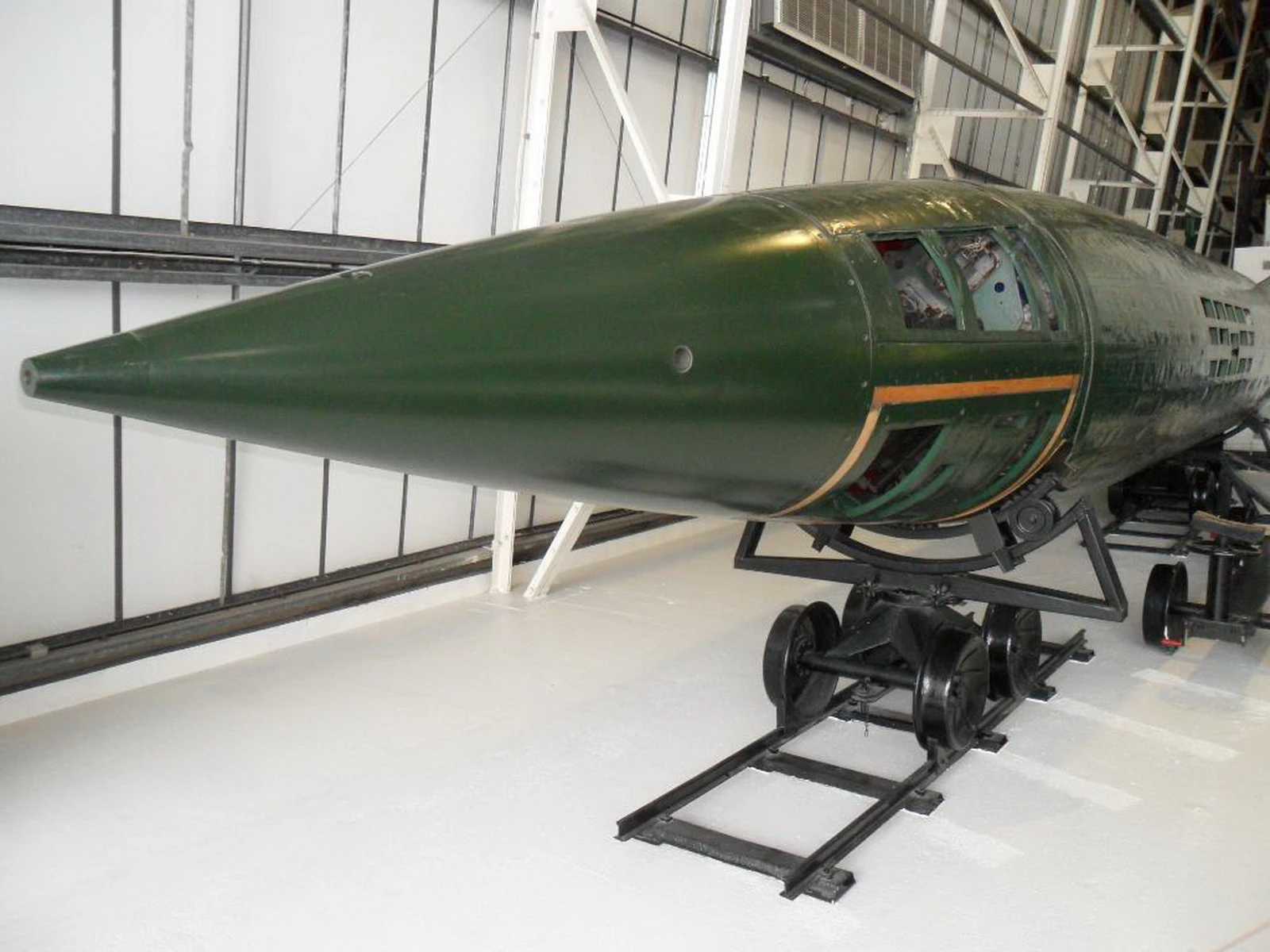
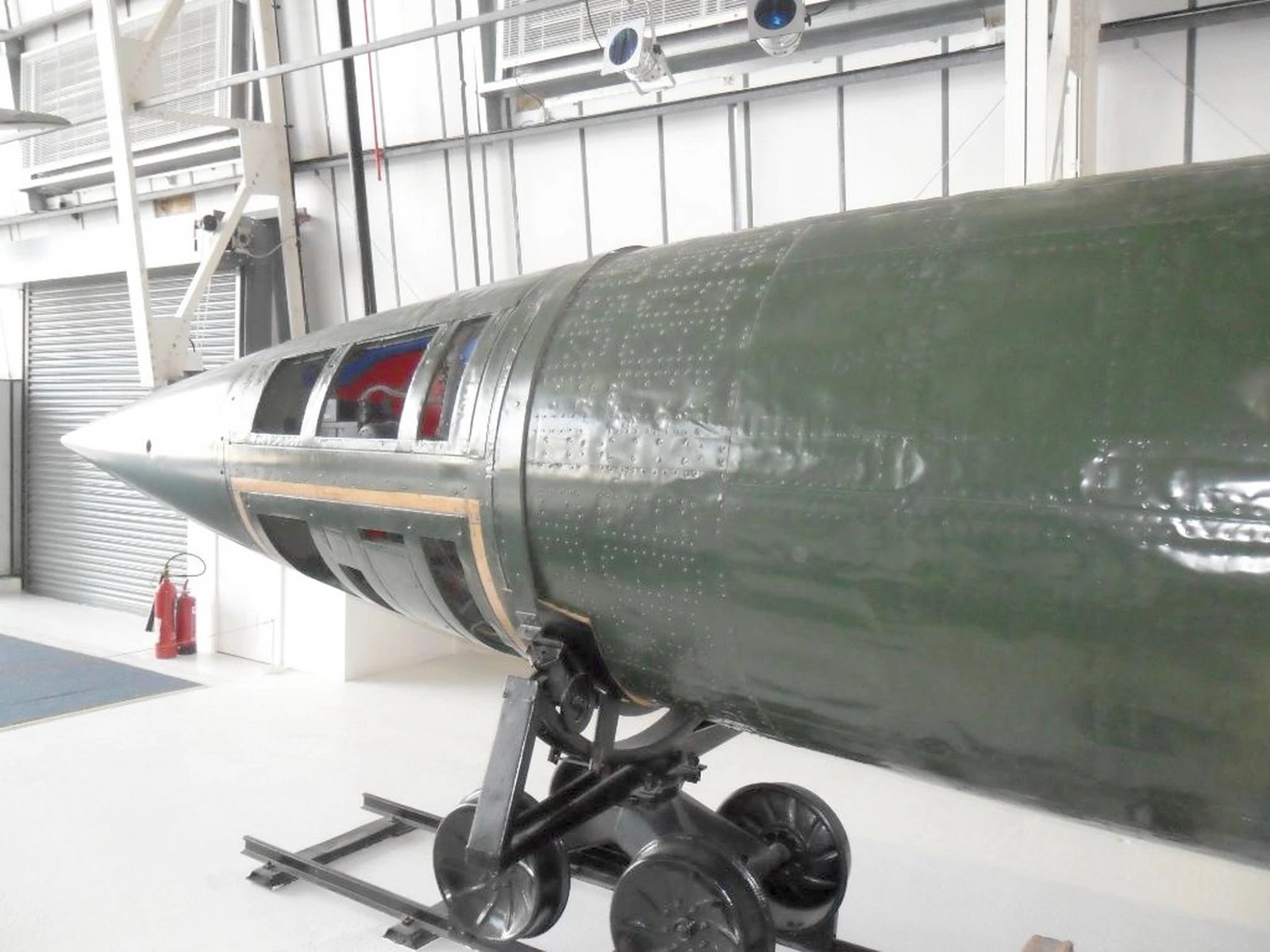
사진 갤러리 V-2 미사일, The V-2 (German: Vergeltungswaffe 2, “Retribution Weapon 2”), technical name Aggregat 4 (A4), was the world’s first long-range guided ballistic missile. The missile with a liquid-propellant rocket engine was developed during the Second World War in Germany as a “vengeance weapon,” designed to attack Allied cities as retaliation for the Allied bombings against German cities. The V-2 rocket also became the first artificial object to cross the boundary of space with the vertical launch of MW 18014 on 20 June 1944.
| V-2 Missile | |
|---|---|
| 사진 작가 | 블라디미르 야쿠보프 |
| 로컬라이제이션 | Unknow |
| 사진 | 29 |
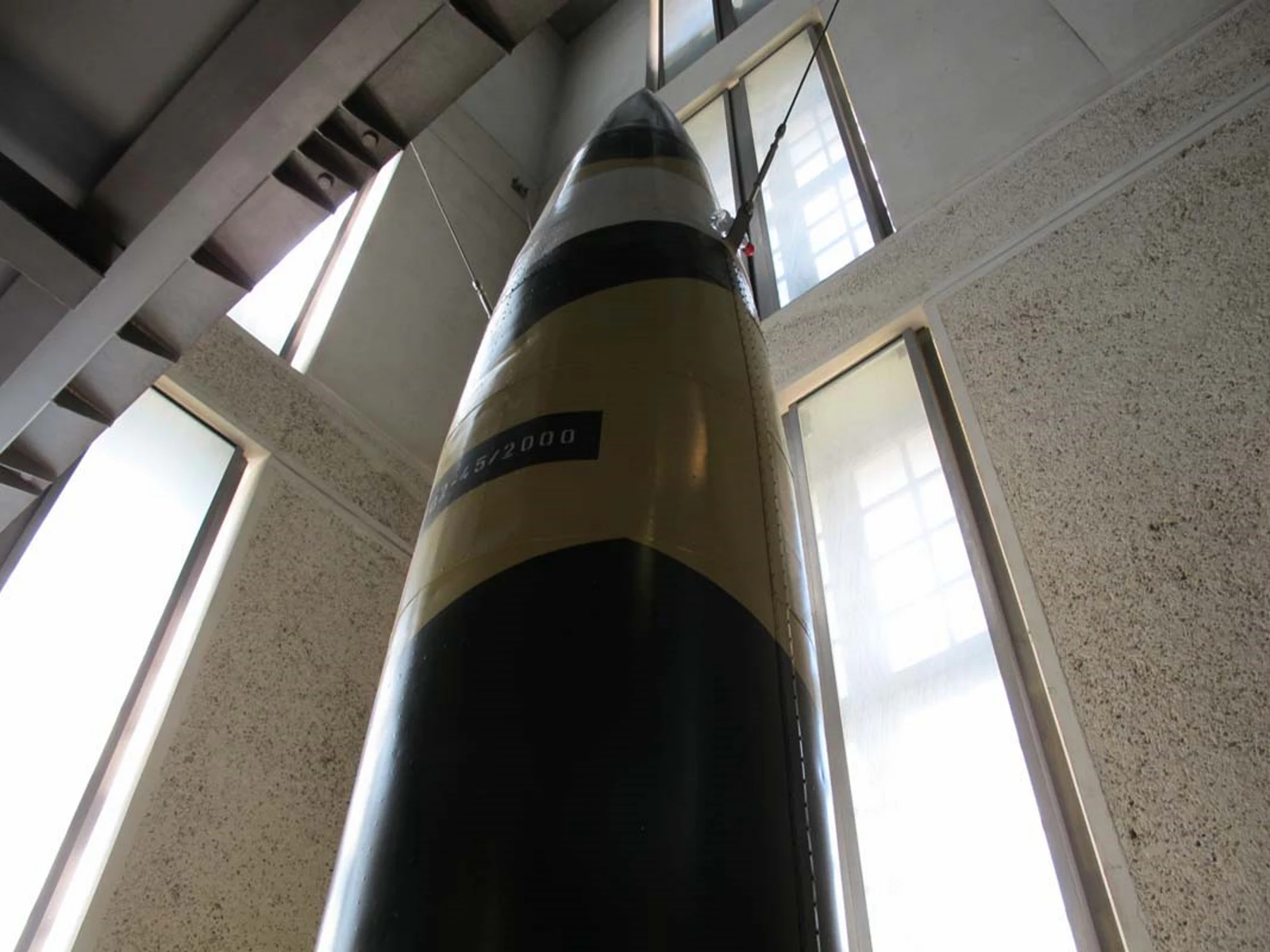
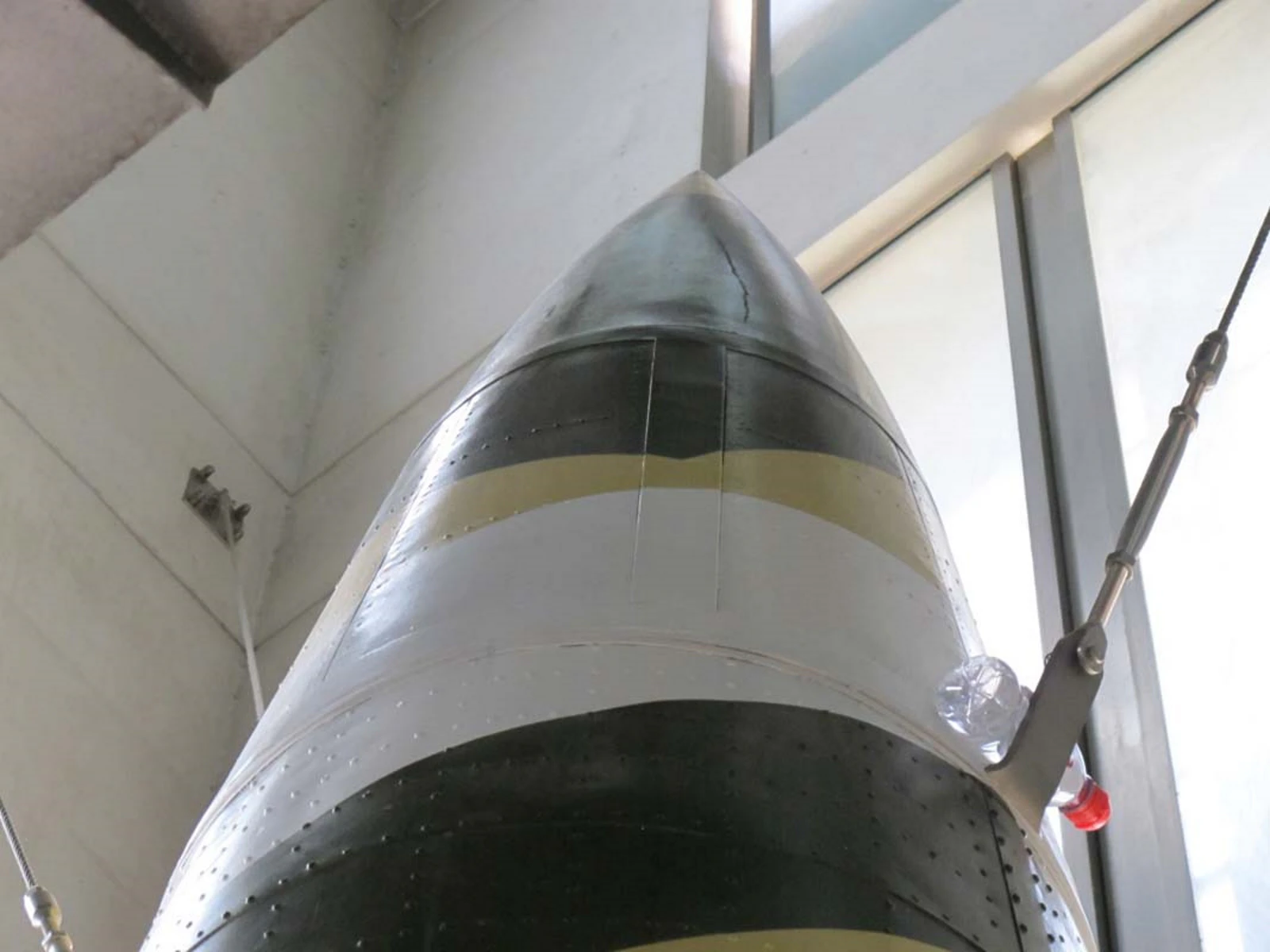
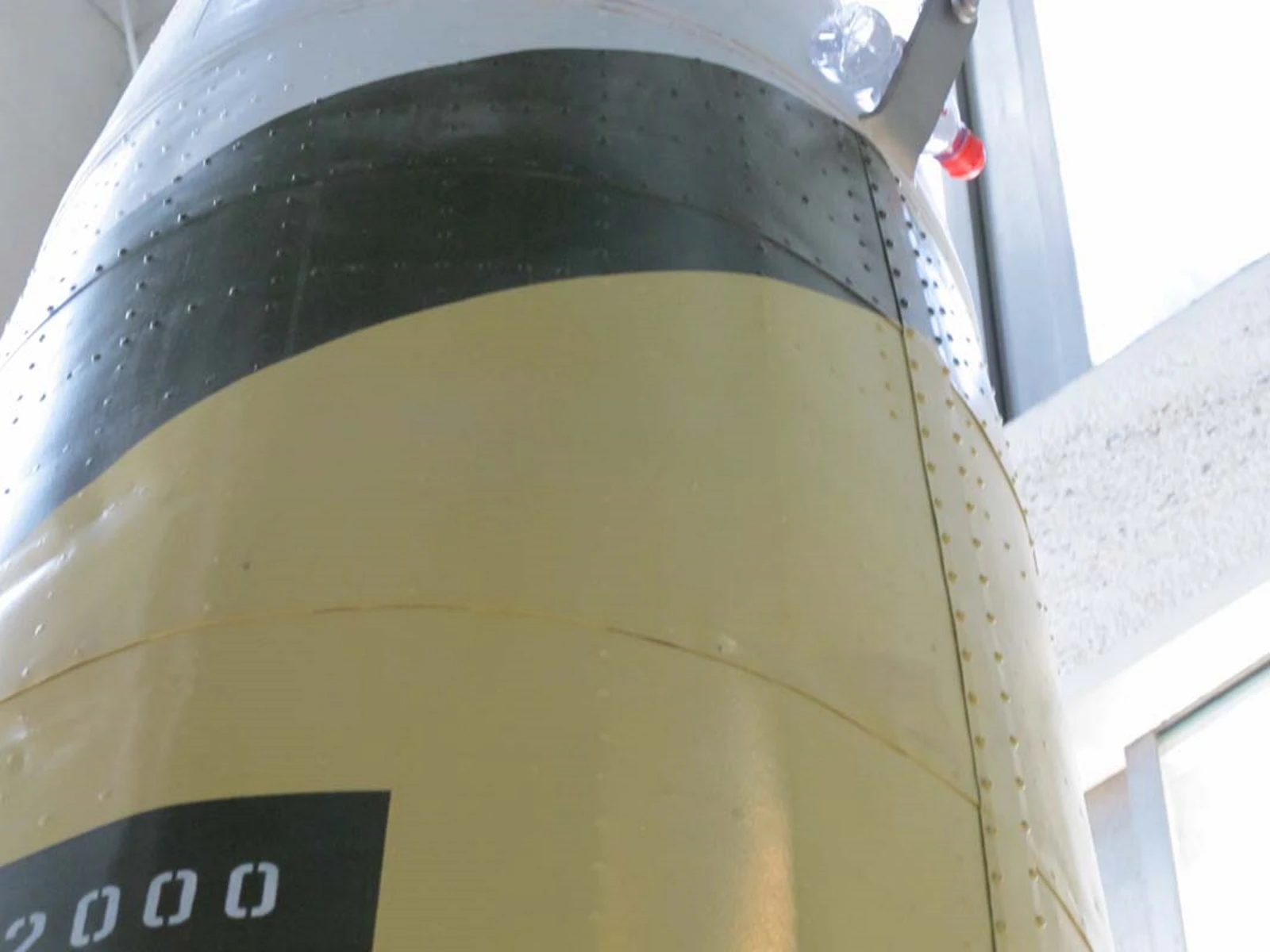
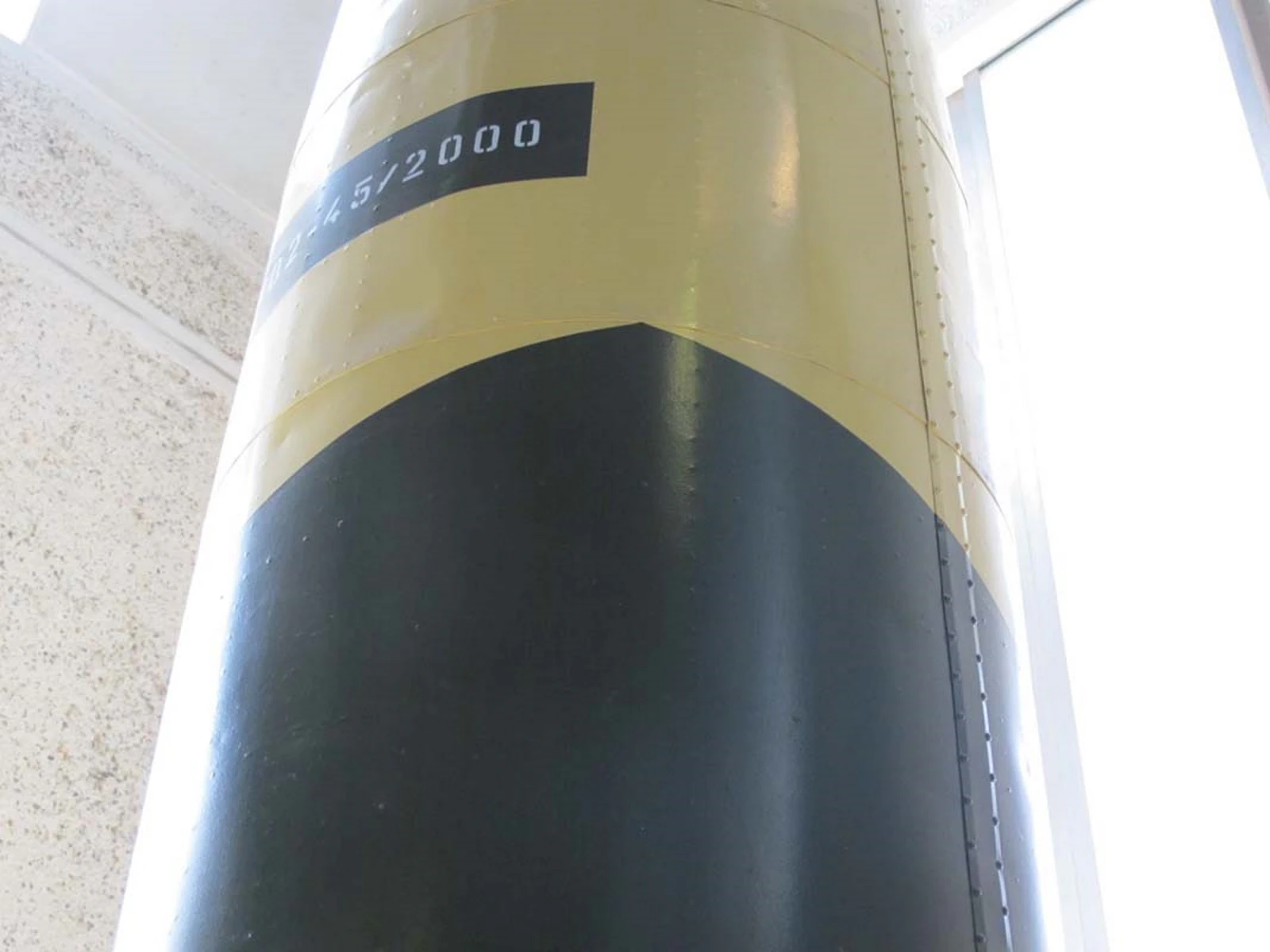
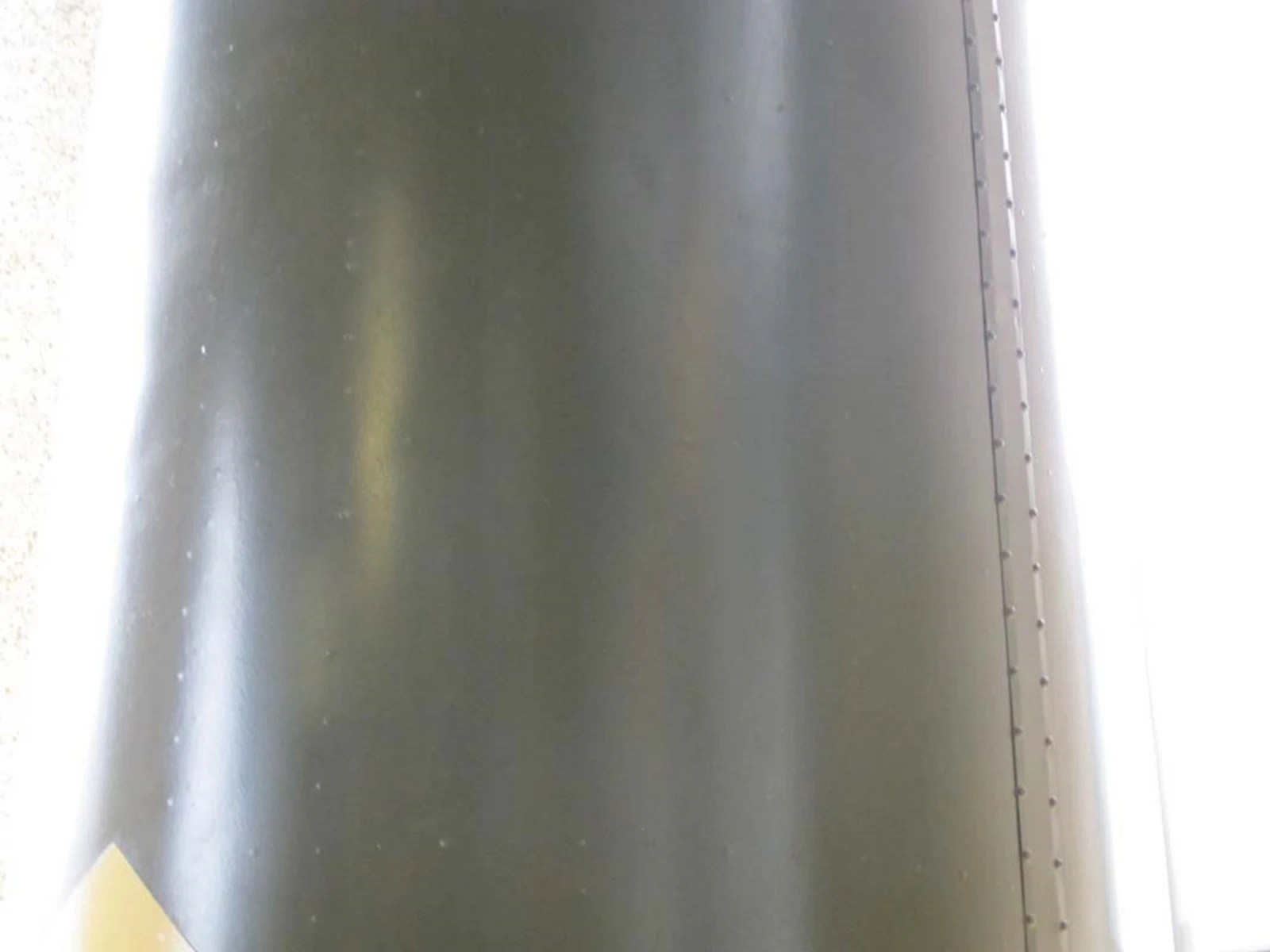
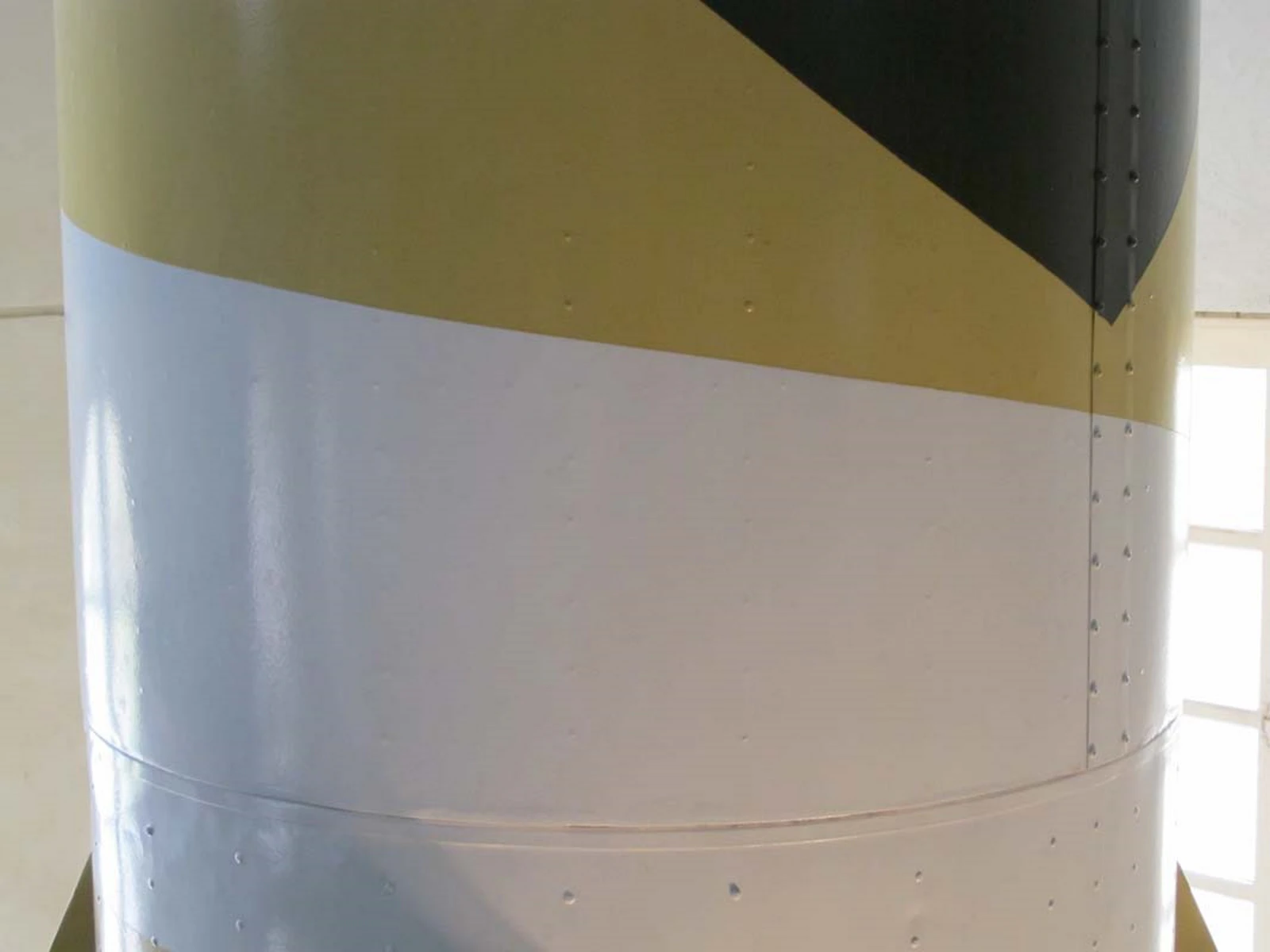
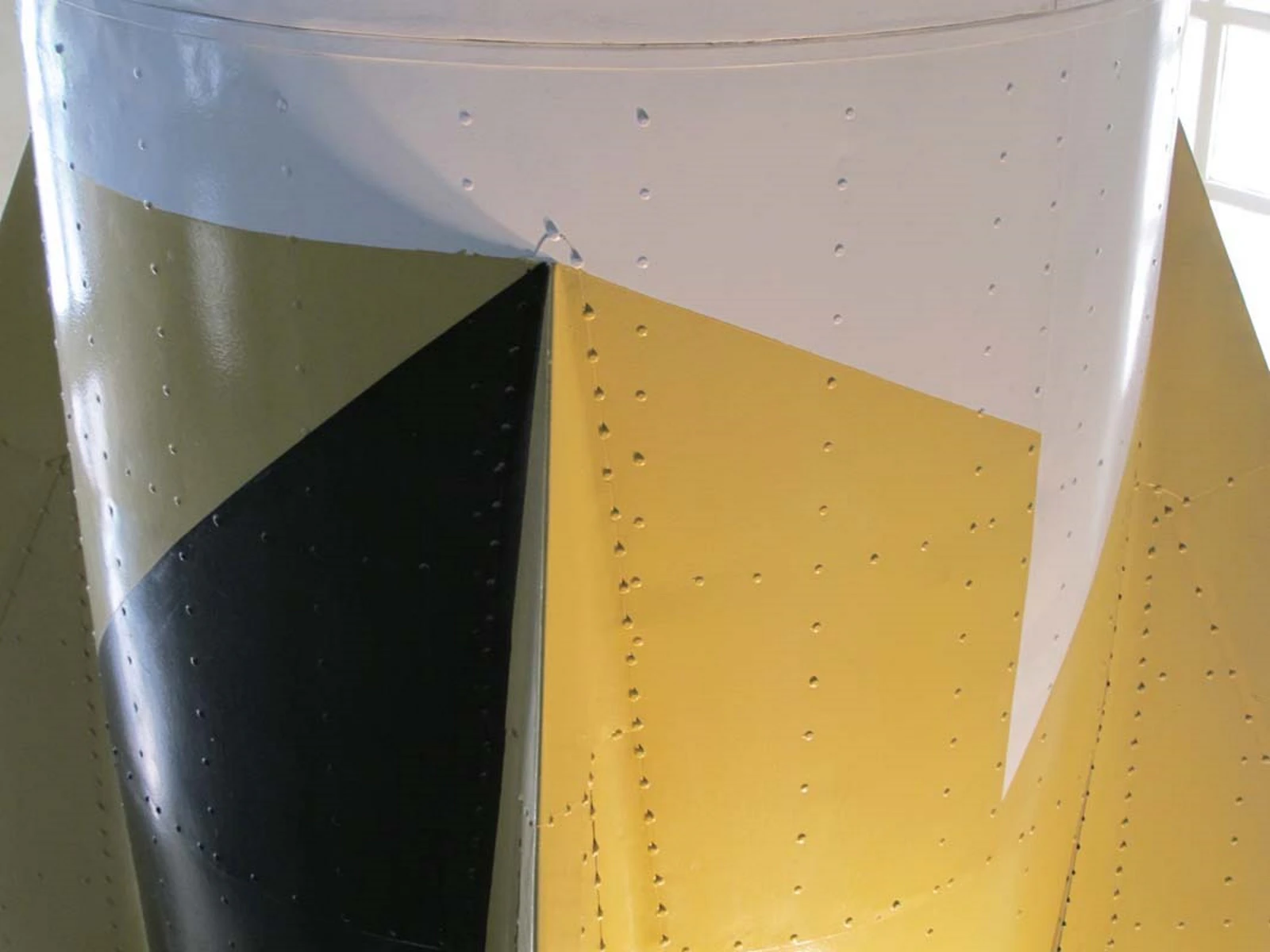
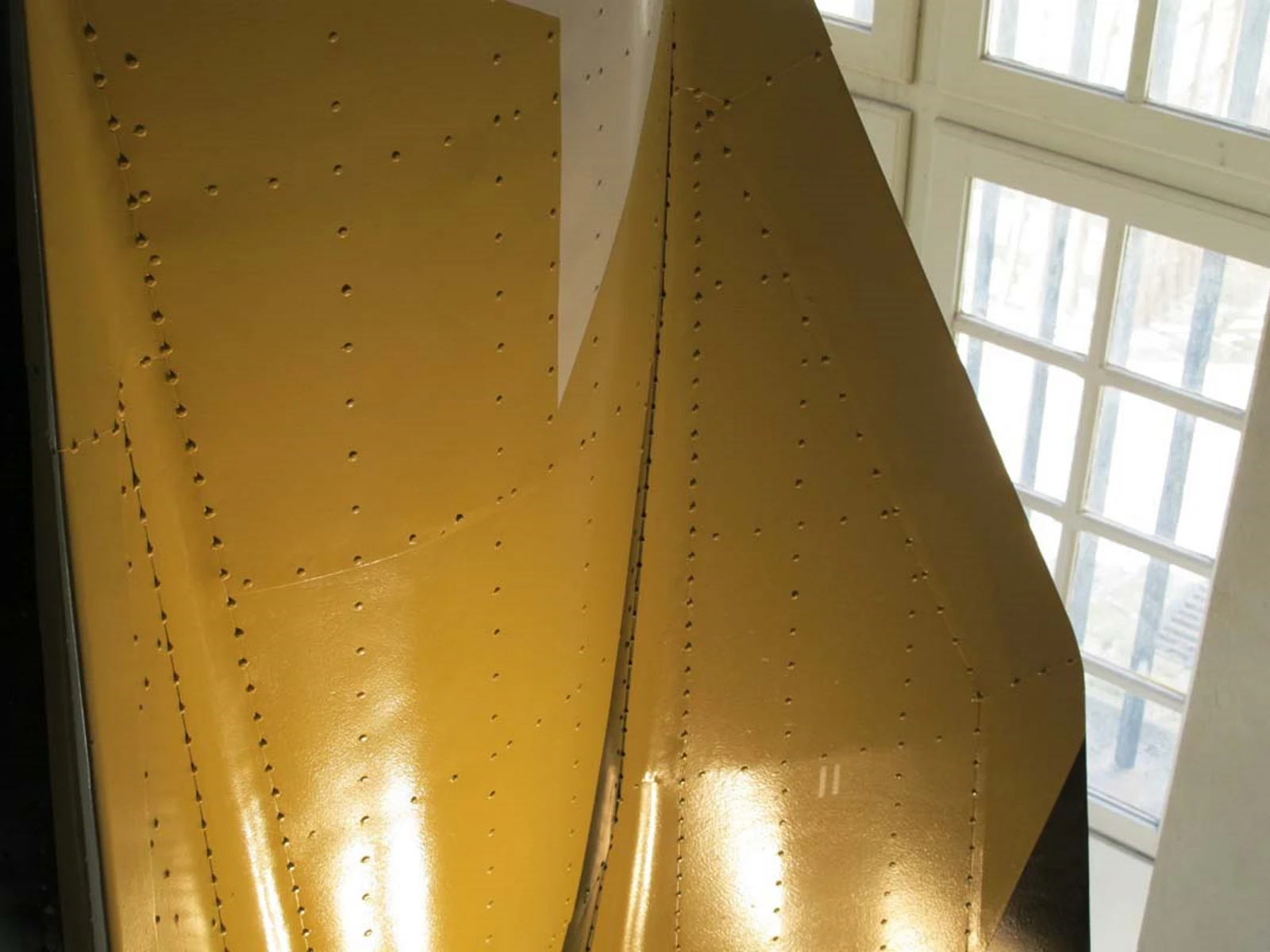

 커피 사줘
커피 사줘| German V-2 Rocket Walk Around | |
|---|---|
| 사진 작가 | Unknow |
| 로컬라이제이션 | Unknow |
| 사진 | 22 |
참고 항목:


The Dawn of the Space Age
Tthe V-2 Rocket (technical name A4) was a terrifying technological marvel that bridged the gap between conventional artillery and the Space Age. Developed by Wernher von Braun and his team at Peenemünde, it was the world’s first long-range guided ballistic missile. Unlike the V-1 “Buzz Bomb,” the V-2 traveled at supersonic speeds, striking without warning from the edge of space. While its military impact was limited by its high cost and inaccuracy, it changed history by proving that liquid-fueled rockets could reach the vacuum of space, laying the foundation for both the Cold War ICBMs and the Apollo moon landings.
| Attribute | Technical Specification (V-2 / A4) |
|---|---|
| 역할 | Short-range Ballistic Missile (SRBM) |
| 엔진 | Liquid-fueled Rocket (Alcohol/Water + Liquid Oxygen) |
| Thrust | 56,000 lbf (250 kN) at sea level |
| 최대 속도 | 5,760 km/h (3,580 mph) — Mach 4.7 |
| Maximum Altitude | 88 km (55 miles) — reaching up to 180 km in tests |
| 레인지 | 320 km (200 miles) |
| Warhead | 1,000 kg (2,205 lb) Amatol explosive |
| Guidance | Inertial (Gyroscopes and PJS) |
Design Engineering: Physics of the “Vengeance” Weapon
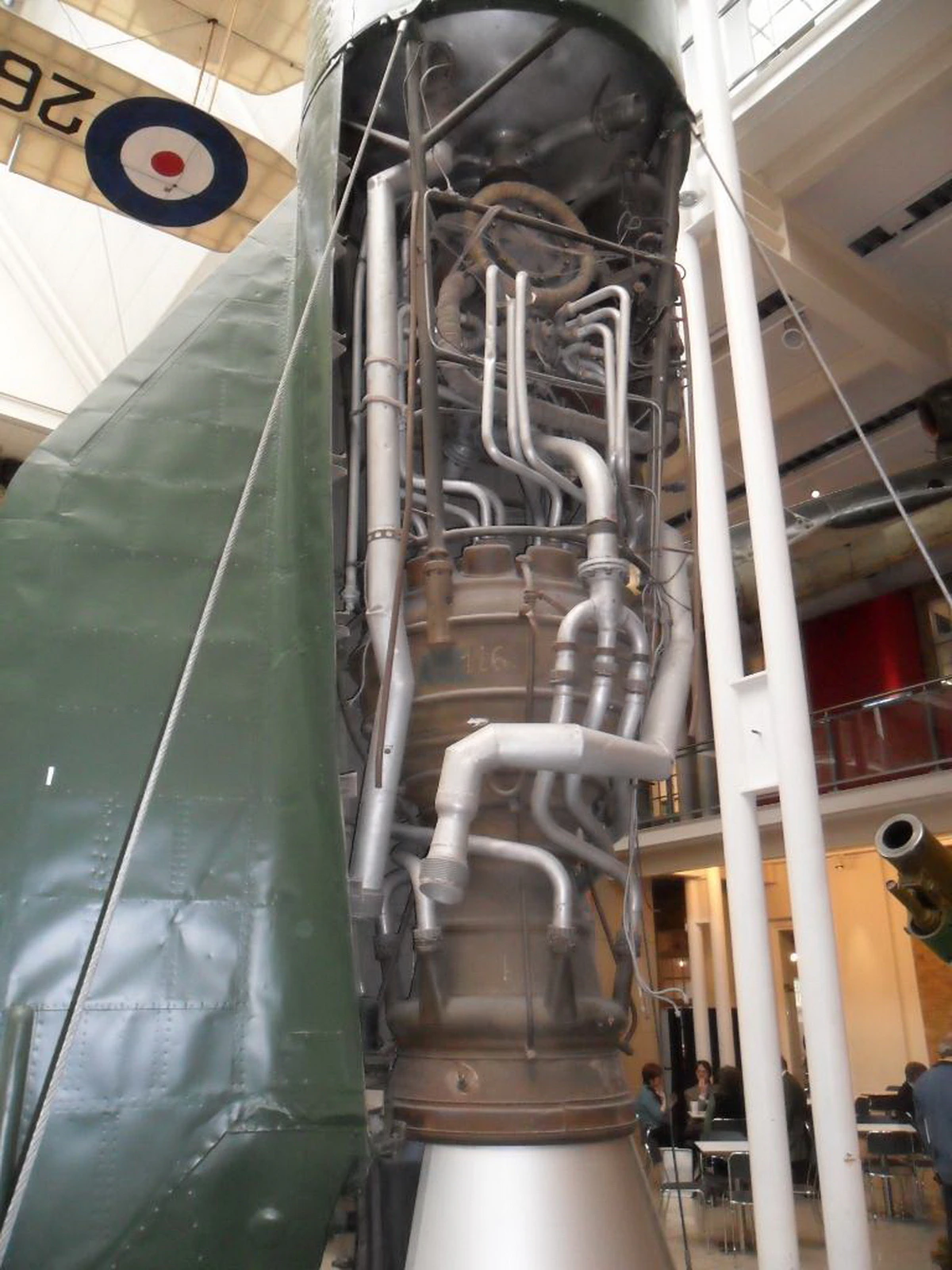
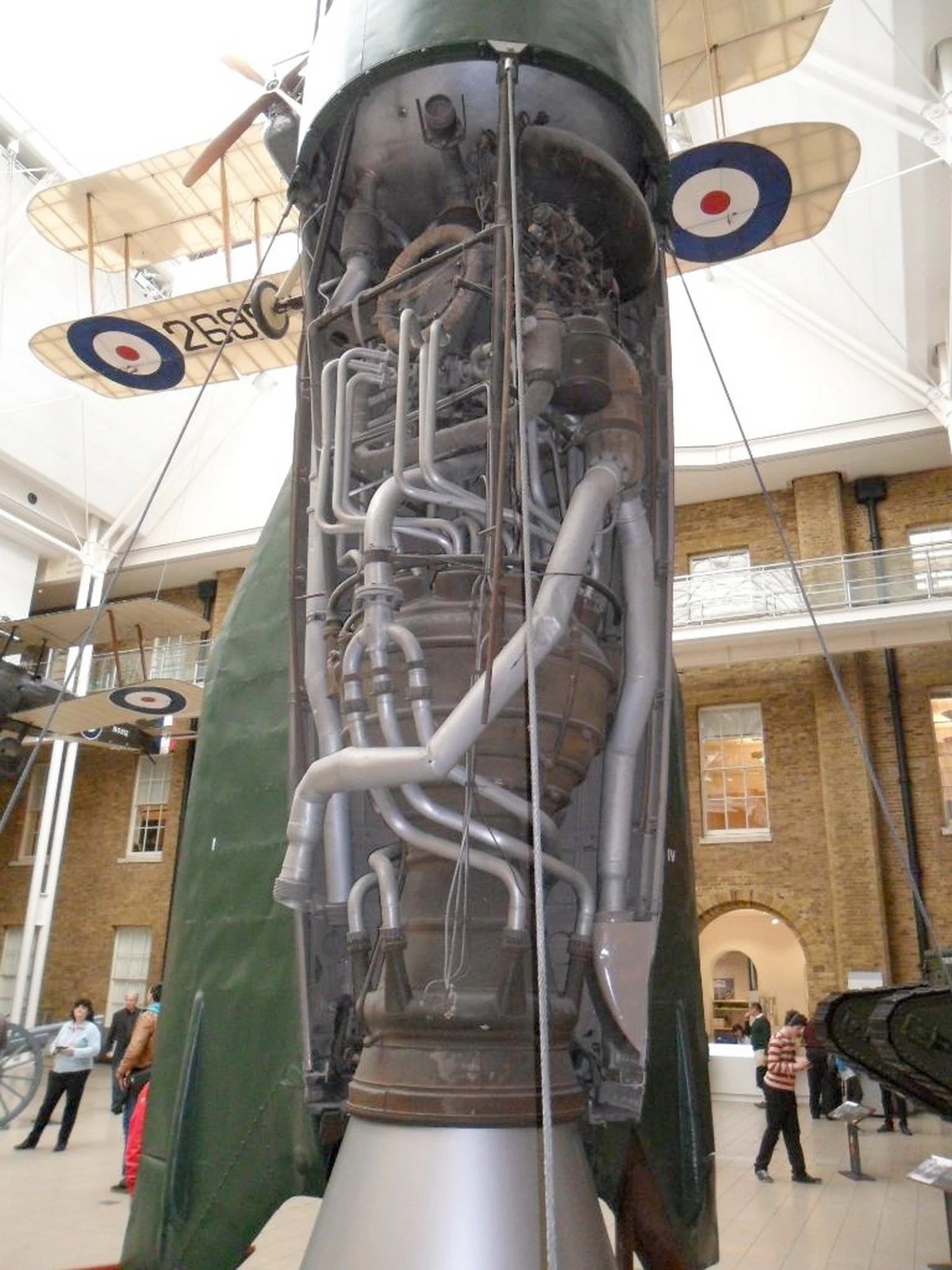
- Liquid Fuel Turbopump: To push massive amounts of fuel into the combustion chamber, the V-2 used a turbopump powered by a steam turbine. The steam was created by mixing hydrogen peroxide with a sodium permanganate catalyst. This same basic turbopump technology is still used in modern rockets today.
- Graphite Vanes: Because the rocket needed to be guided during the initial slow ascent before its aerodynamic fins became effective, it used four heat-resistant graphite vanes placed directly in the engine’s exhaust stream. By tilting these vanes, the rocket could steer itself.
- Regenerative Cooling: To prevent the engine from melting, the alcohol fuel was circulated through a “jacket” around the combustion chamber before being burned. This cooled the metal walls while pre-heating the fuel for better combustion.
- Inertial Guidance: The V-2 carried two gyroscopes that detected deviations in pitch and yaw. An analog computer (the LEV-3) then sent electrical signals to the vanes to keep the rocket on its pre-calculated trajectory.
Legacy: From Peenemünde to Cape Canaveral
- The First Photo from Space: On October 24, 1946, a captured V-2 launched by Americans at White Sands, New Mexico, took the first photograph of Earth from an altitude of 105 km.
- Operation Paperclip: At the end of WWII, the United States and the Soviet Union scrambled to capture V-2 parts and scientists. Wernher von Braun surrendered to the Americans, eventually designing the Saturn V rocket that took humans to the Moon.
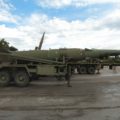
- Mobile Launch: The V-2 was designed to be launched from a mobile platform called the Meillerwagen. This allowed German batteries to set up, fire, and disappear before Allied planes could find them.
- Strategic Failure, Scientific Triumph: While the V-2 was a logistical nightmare for Germany—costing more to produce than the Manhattan Project and killing more people in its forced-labor production than in its actual strikes—it remains the “ancestor” of every modern space launch vehicle.
조회수: 2890