Pz68 플락팬저 | |
|---|---|
| 국가 | 스위스 |
| 형식 | 플락칸처 |
| 사진 | 건터 노이마호르 |
| 항목 | 의 앨범 18 탱크 사진 Pz68 플락팬저 |
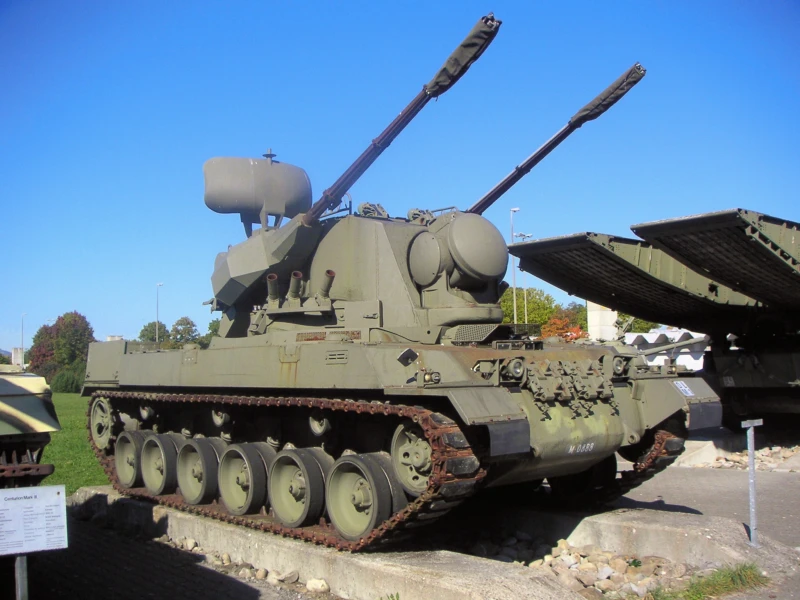
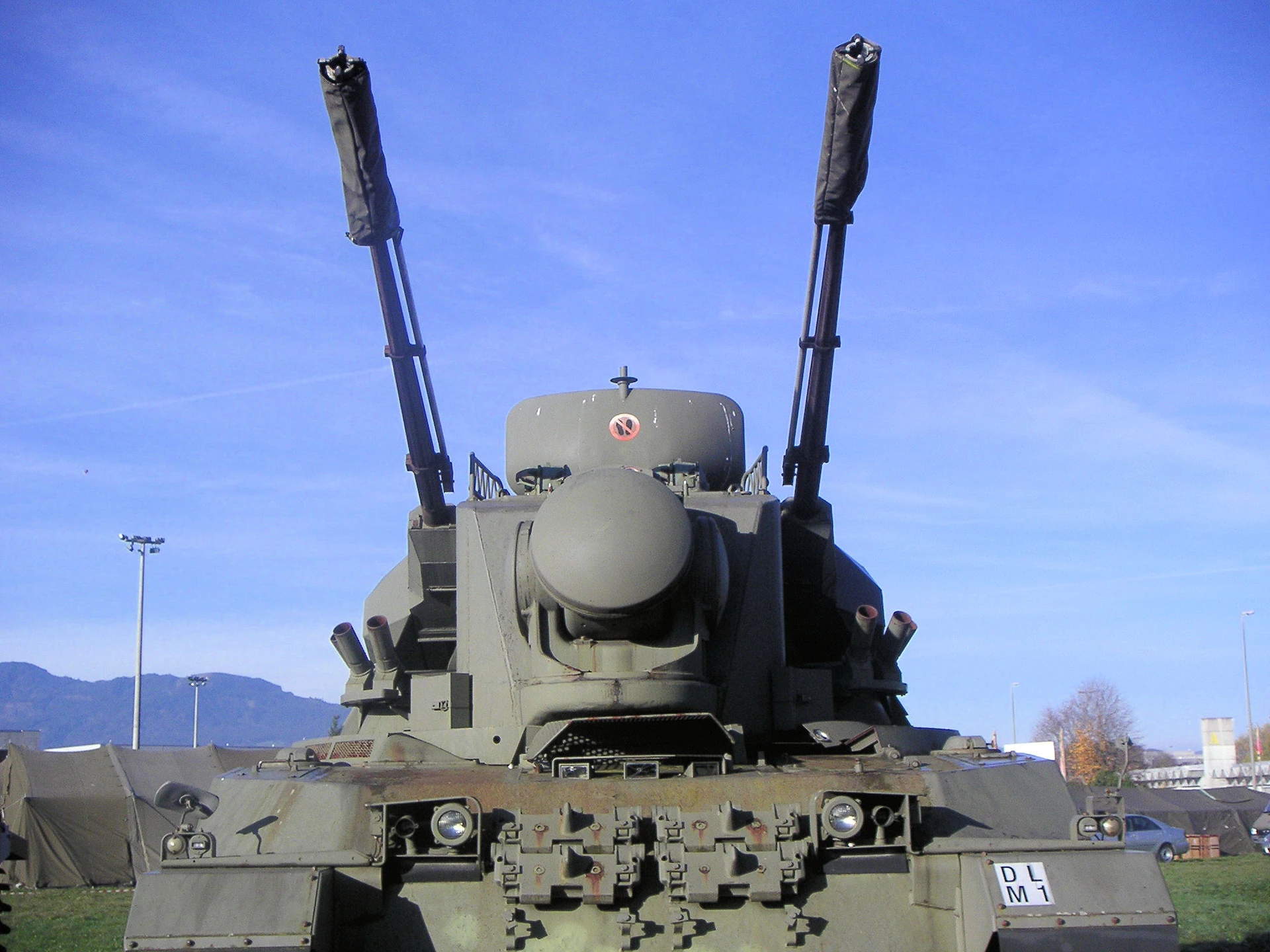
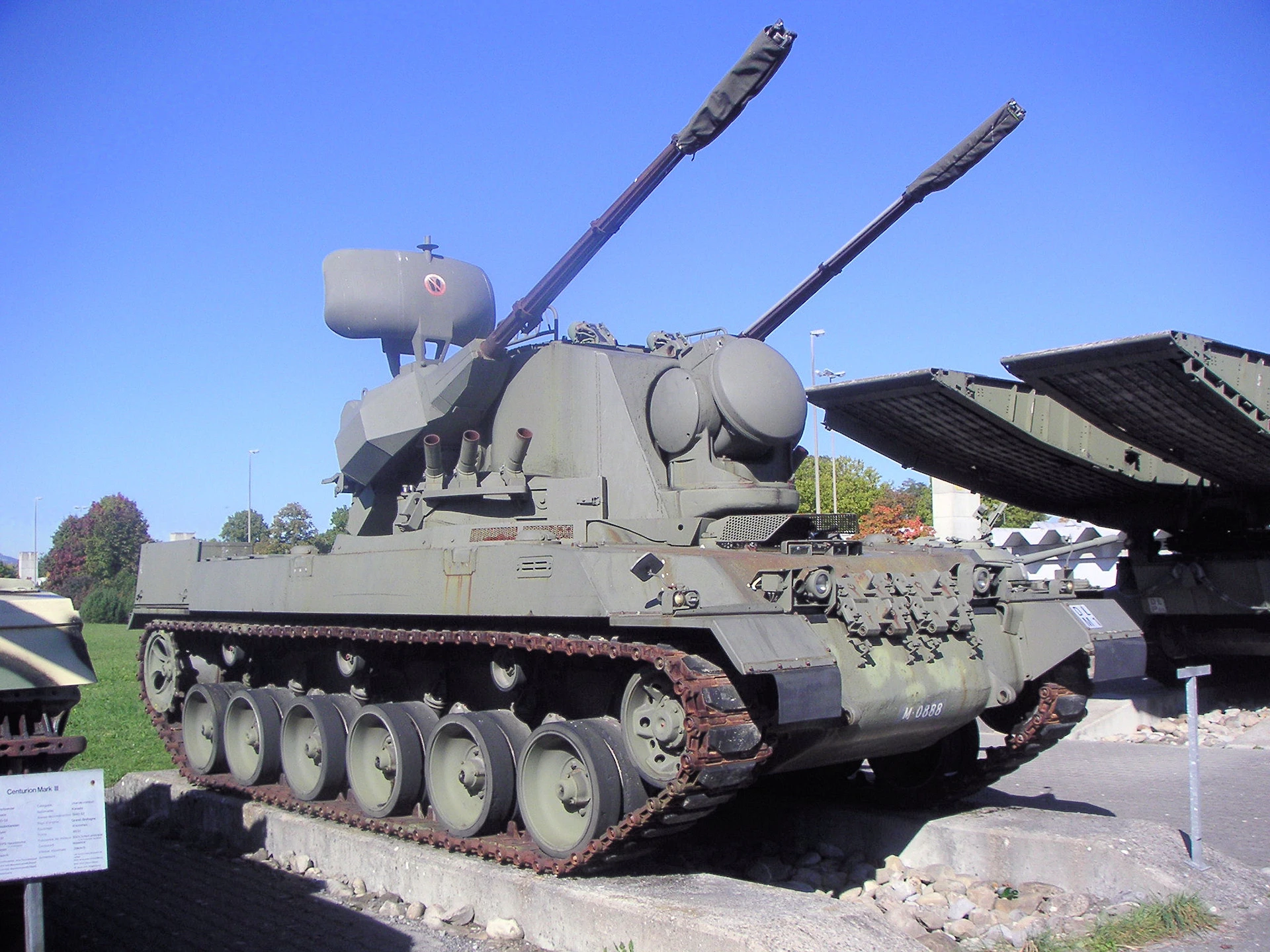
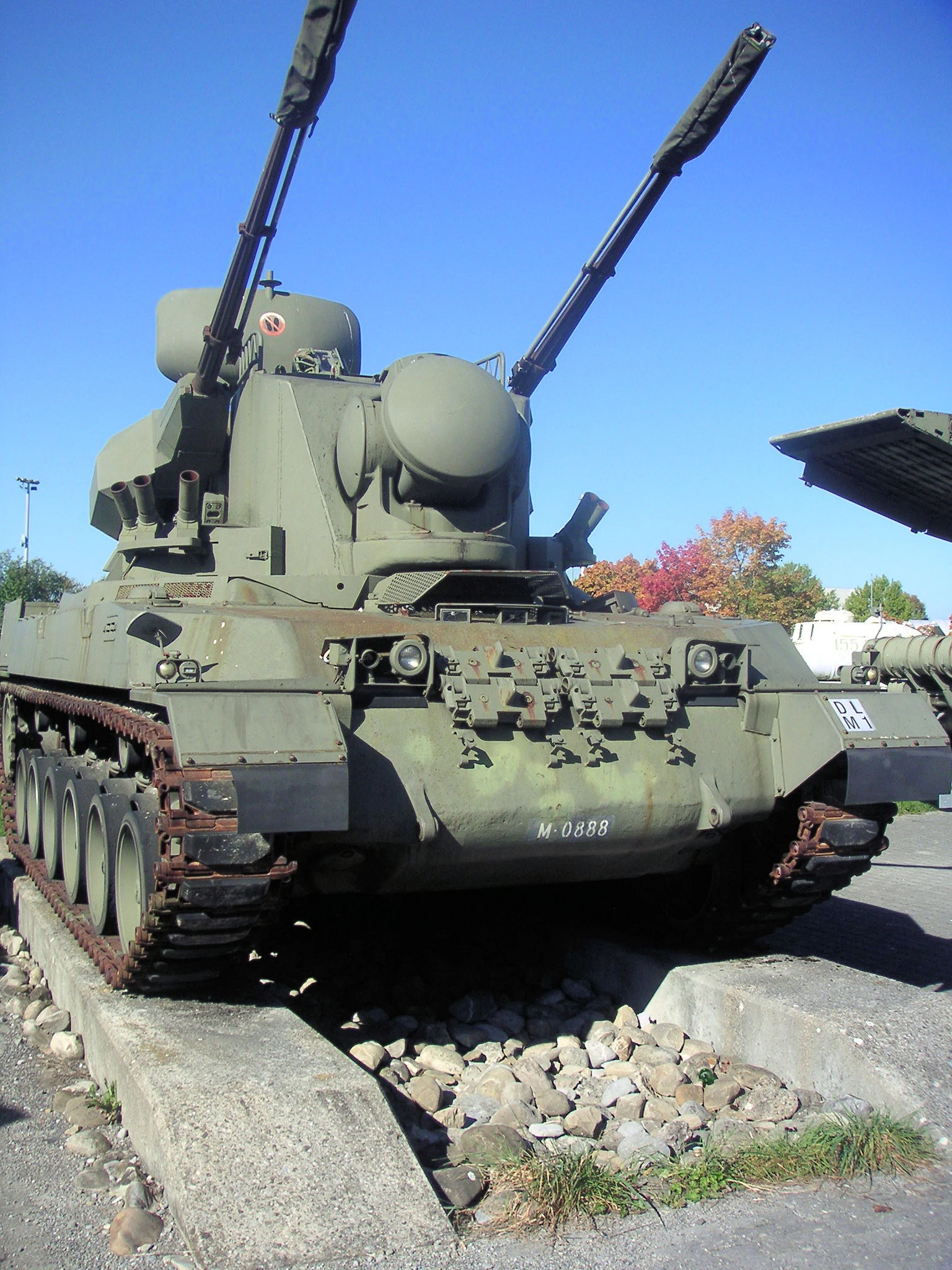
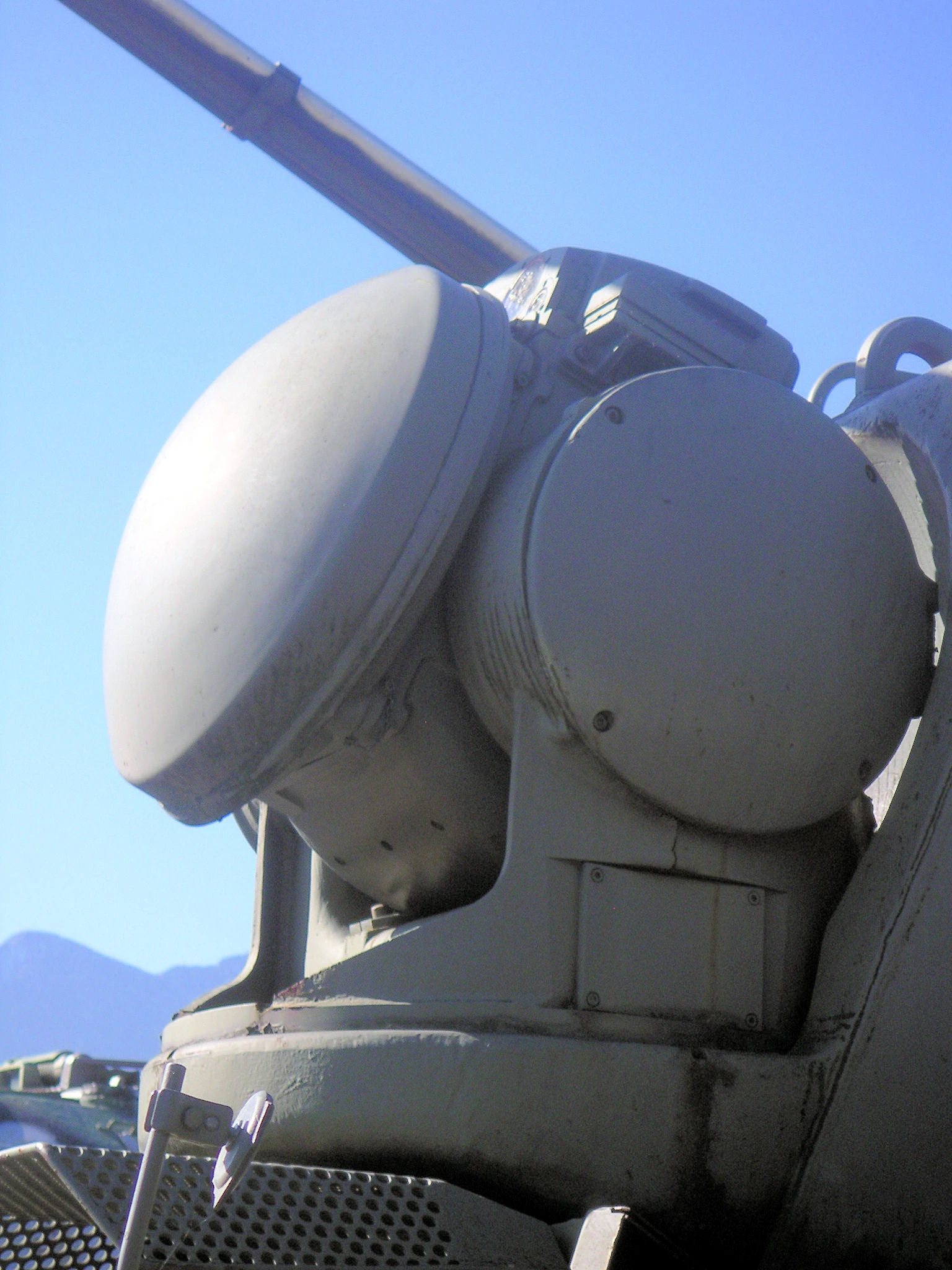
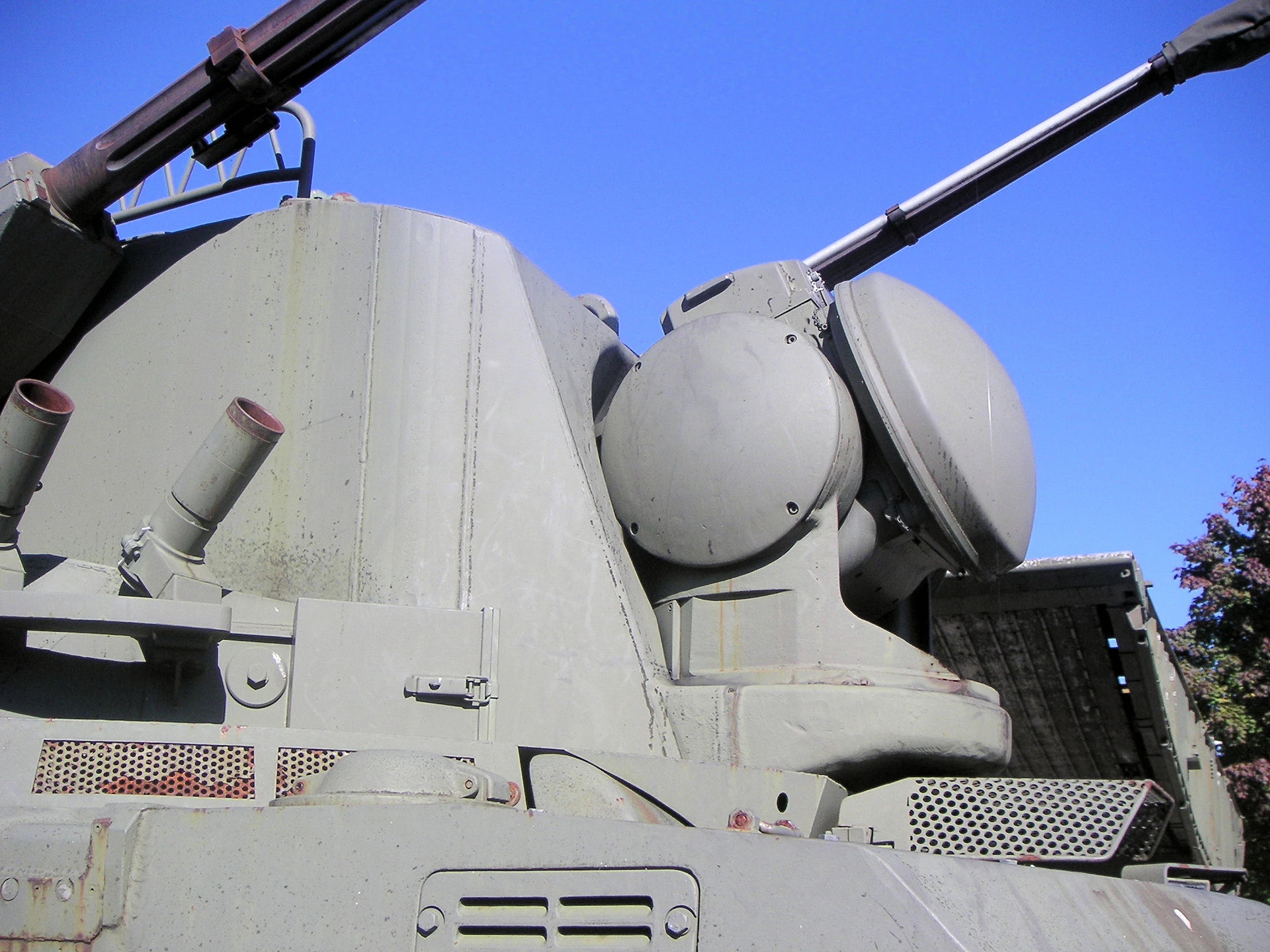
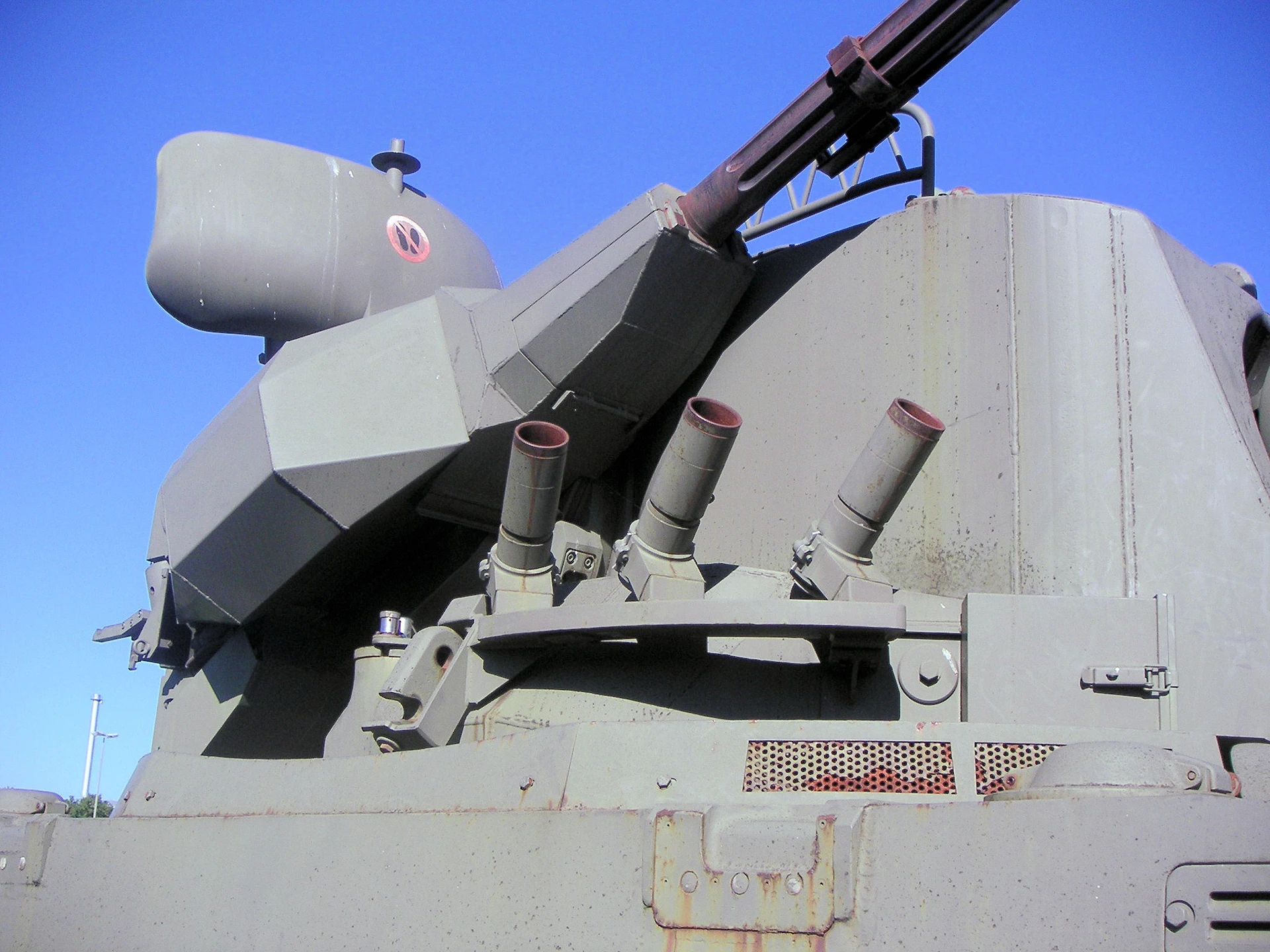
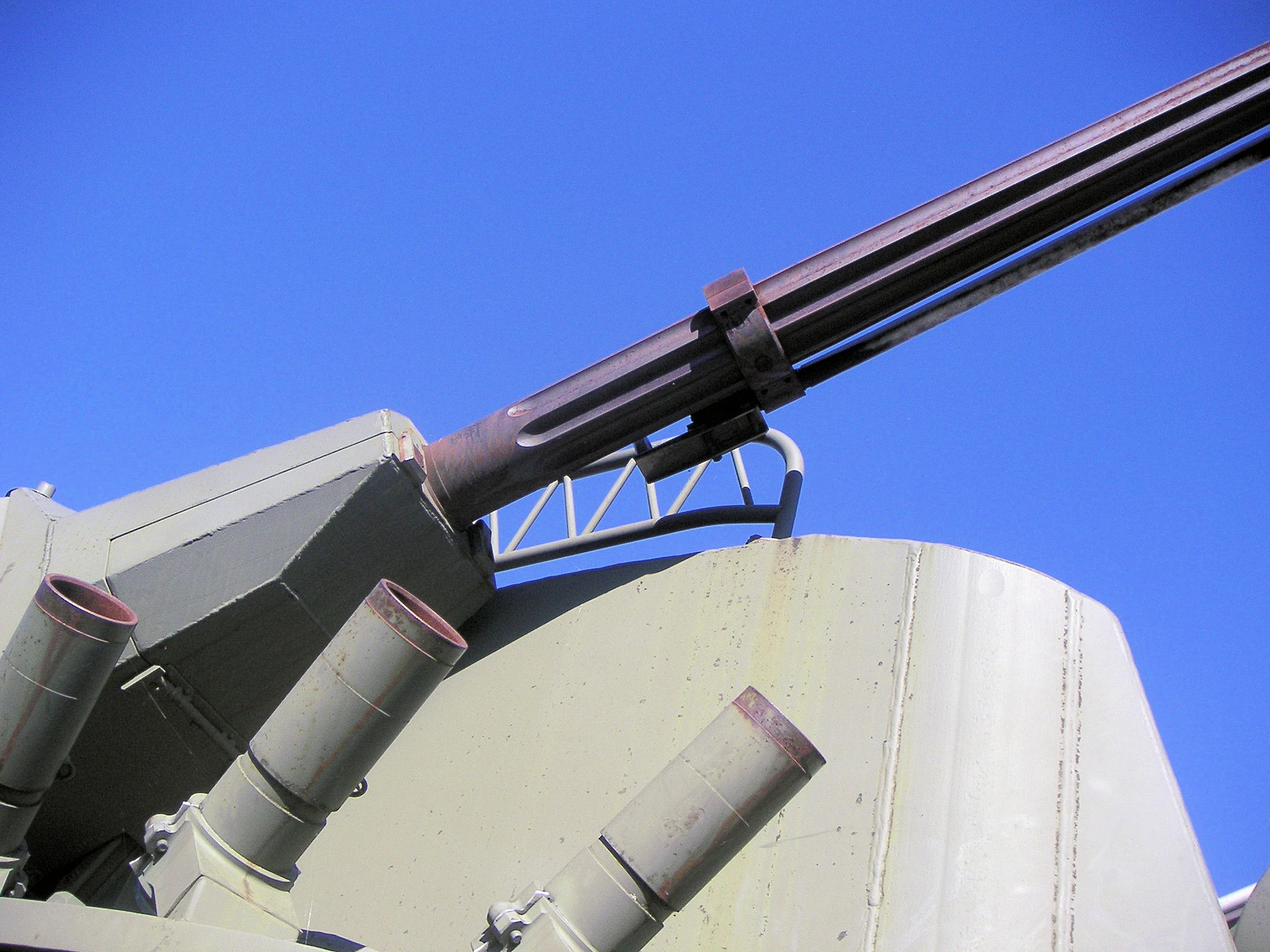
The Panzer 68 was a Swiss main battle tank developed by the Eidgenoessische Konstruktionswerkstaette in Thun in the late 1960s. Fliegerabwehrpanzer 68 : Anti-aircraft Tank 68 – variant fitted with Flakpanzer Gepard turret, mounting two Oerlikon 35mm anti-aircraft guns, on Panzer 68 hull widened by 180 millimetres (7 in); two tanks modified and tested in 1979-1980, not placed into production

 커피 사줘
커피 사줘참고 항목:


A Mountain-Watch Sentry
Tthe Fliegerabwehrpanzer 68 (Flab Pz 68) was Switzerland’s attempt to create a highly mobile, all-weather anti-aircraft system to protect its mechanized divisions. Developed in the late 1970s, it combined the domestically produced 기갑 기갑 기갑 68 chassis with the advanced turret system of the West German 게파드. While the vehicle performed exceptionally well in trials, proving to be a deadly match for low-flying jets and helicopters, it was ultimately canceled in 1980 in favor of the Rapier surface-to-air missile system. Only two prototypes were ever built.
| Attribute | Technical Specification (Flab Pz 68) |
|---|---|
| 역할 | Self-Propelled Anti-Aircraft Gun (SPAAG) |
| 승무원 | 3 (사령관, 포수, 드라이버) |
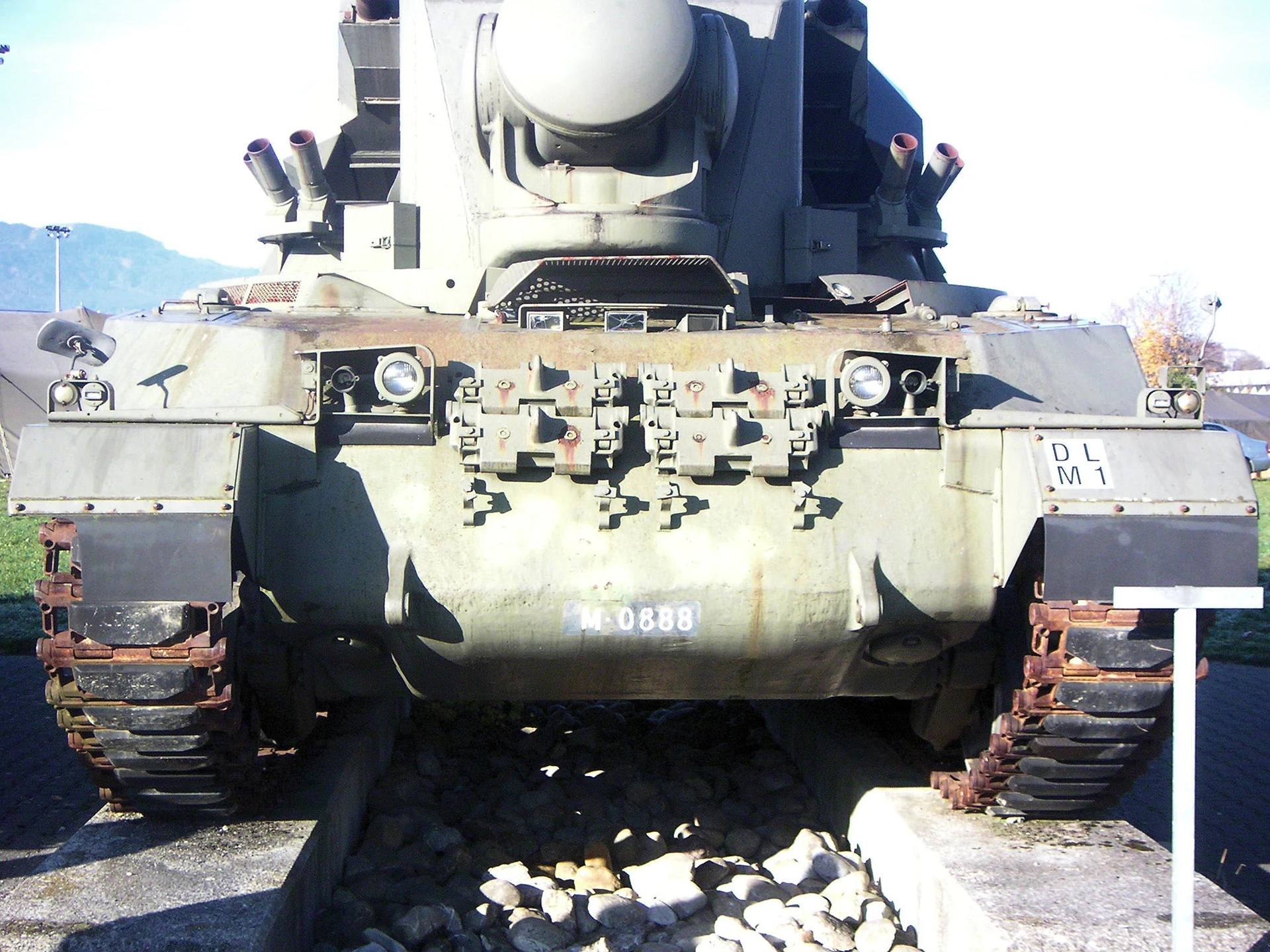
| 섀시 | Modified Panzer 68 (widened by 180mm) |
| 주무장 | 2 × 35mm Oerlikon KDA autocannons |
| Rate of Fire | 1,100 rounds per minute (combined) |
| Detection Radar | S-band (15 km range) |
| 최대 속도 | 52 km/h (32 mph) |
| 무게 | 46 tonnes |
Design Engineering: Swiss Precision meets German Tech
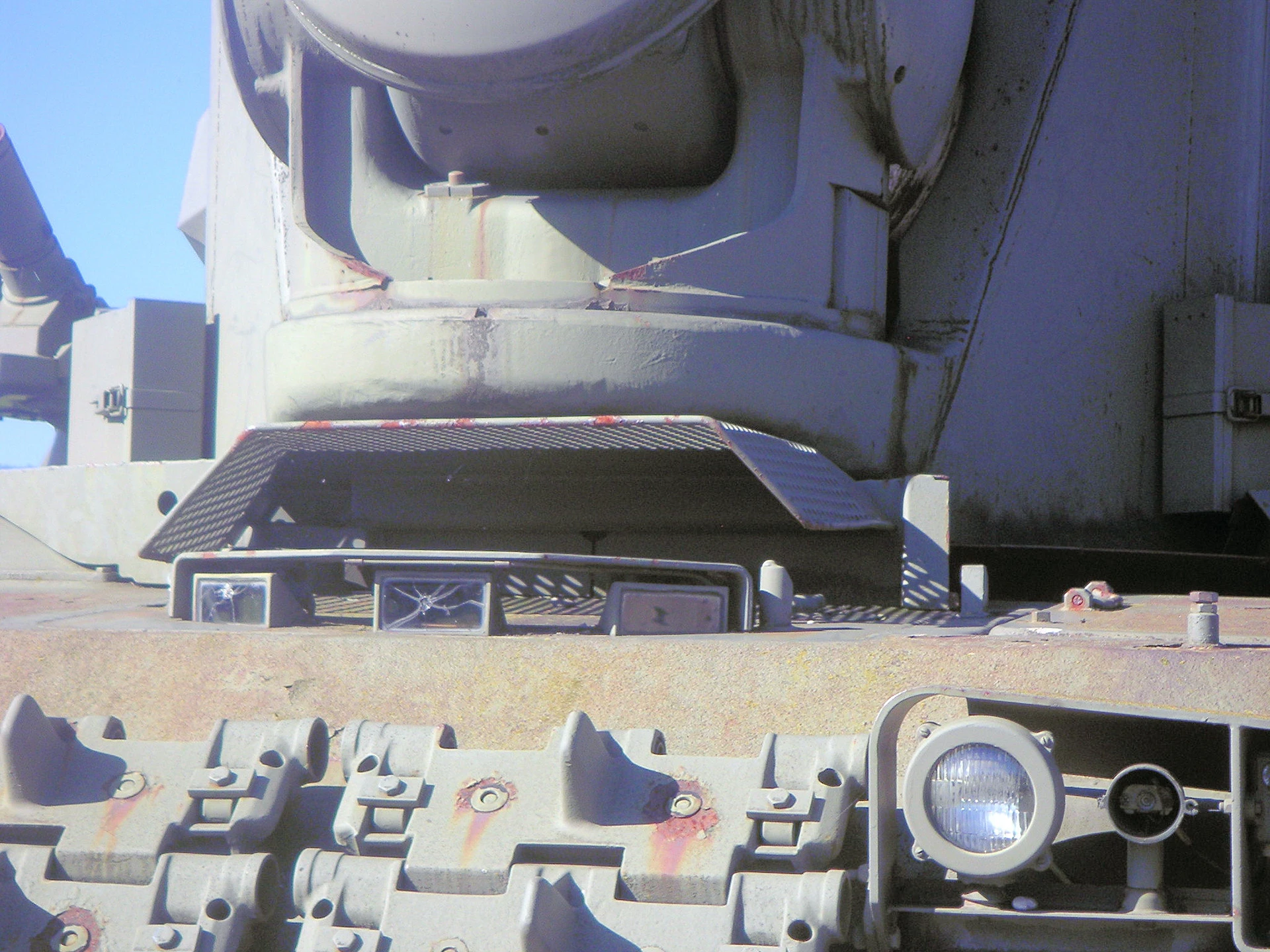
- The Widened Hull: To accommodate the massive Gepard turret, the standard Panzer 68 hull had to be widened by 180mm. This gave the vehicle a more stable footprint when firing its high-recoil 35mm cannons.
- Oerlikon Firepower: The 35mm KDA guns were actually a Swiss design by Oerlikon-Bührle, meaning the Flab Pz 68 was bringing its “homegrown” guns back to a Swiss chassis. These guns could fire a variety of ammunition, including Frag-HE for aircraft and APDS for light armored vehicles.
- Dual Radar System: Like the Gepard, it featured a search radar at the rear of the turret (which could be folded down for transport) and a tracking radar between the guns. This allowed the crew to scan for new targets while simultaneously engaging a locked-on threat.
- Hydrostatic Steering: The vehicle utilized the sophisticated Swiss SLM transmission, which provided continuous, smooth steering—a significant advantage for positioning the vehicle quickly in the rugged Swiss alpine terrain.
What Might Have Been: The Missile vs. The Gun
- The 1979 Trials: Two prototypes (M0888 and M0889) underwent rigorous testing between 1979 and 1980. The results were impressive, with the fire control system proving highly accurate against simulated air strikes.
- The Rapier Decision: Despite its success, the Swiss military decided that the British Rapier missile was more cost-effective for long-range defense. The Flab Pz 68 project was shelved, and the two prototypes were sent to museums.
- Legacy: One of the two prototypes is still preserved at the Swiss Military Museum in Full, serving as a reminder of a time when Switzerland almost fielded one of the most powerful SPAAGs in Europe.
- A Reliable Platform: Because it used the Pz 68 powerpack, the vehicle avoided the catastrophic “spontaneous firing” issues of early Pz 68 main battle tanks (which were caused by radio interference with the turret electronics).
조회수:2559