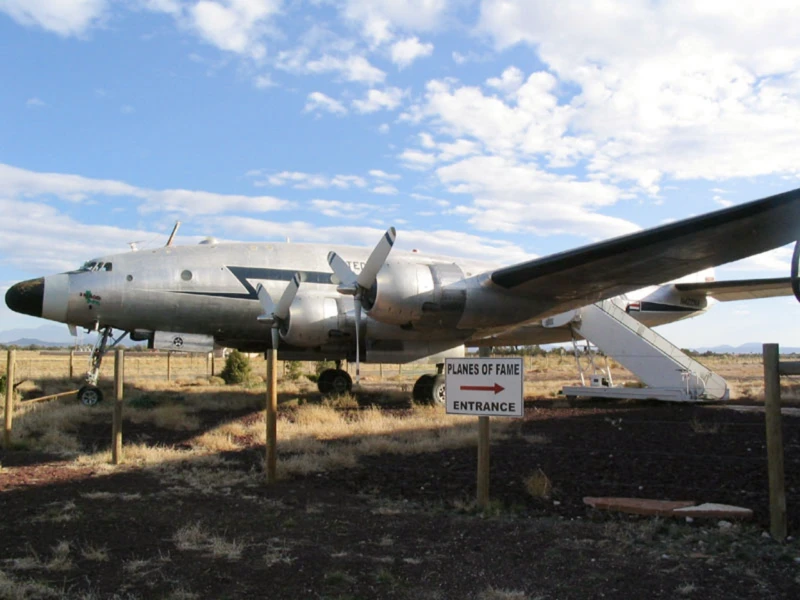
록히드 C-121 별자리 | |
|---|---|
| 국가 | 미국 |
| 역할 | 군사 운송 |
| 첫 비행 | 월 14 1947 |
| 내장 | 332 |
Tthe 록히드 C-121 별자리는 록히드 별자리의 군사 수송 버전이었습니다. 미국 공군과 미 해군을 위해 총 332대의 항공기가 다양한 목적으로 제작되었다.
| VC-121 바탄 산책 | |
|---|---|
| 사진 작가 | 시스 헨드릭스 |
| 로컬라이제이션 | 명성 공기 박물관 |
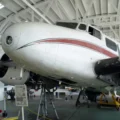
| 코멘트 | '바탄'이라는 이름의 이 '코니'는 한국전쟁 당시 더글러스 맥아더 최고사령관 연합국의 개인 항공기였다. |
| 사진 | 32 |
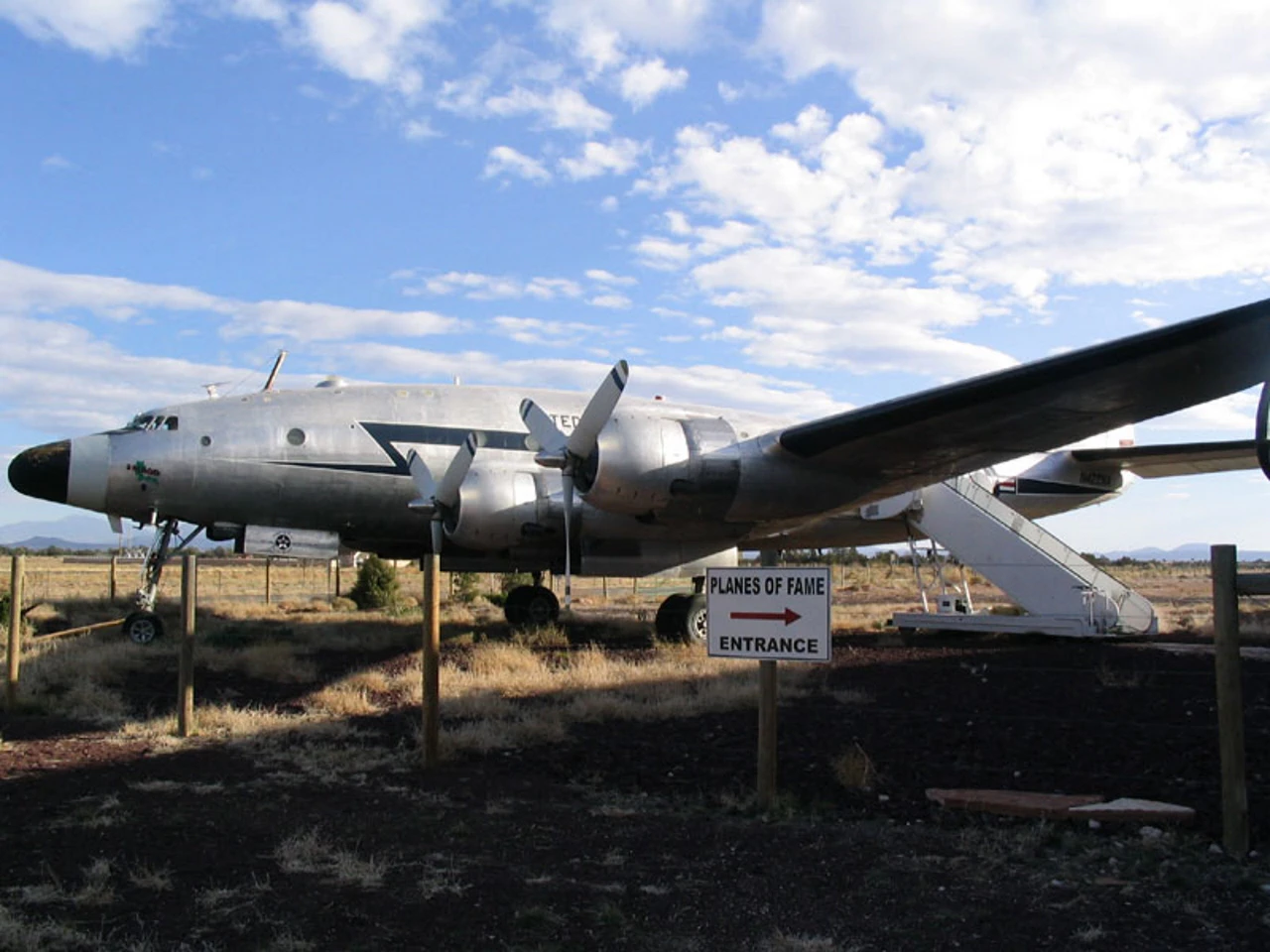
Lockheed VC-121 Bataan 01
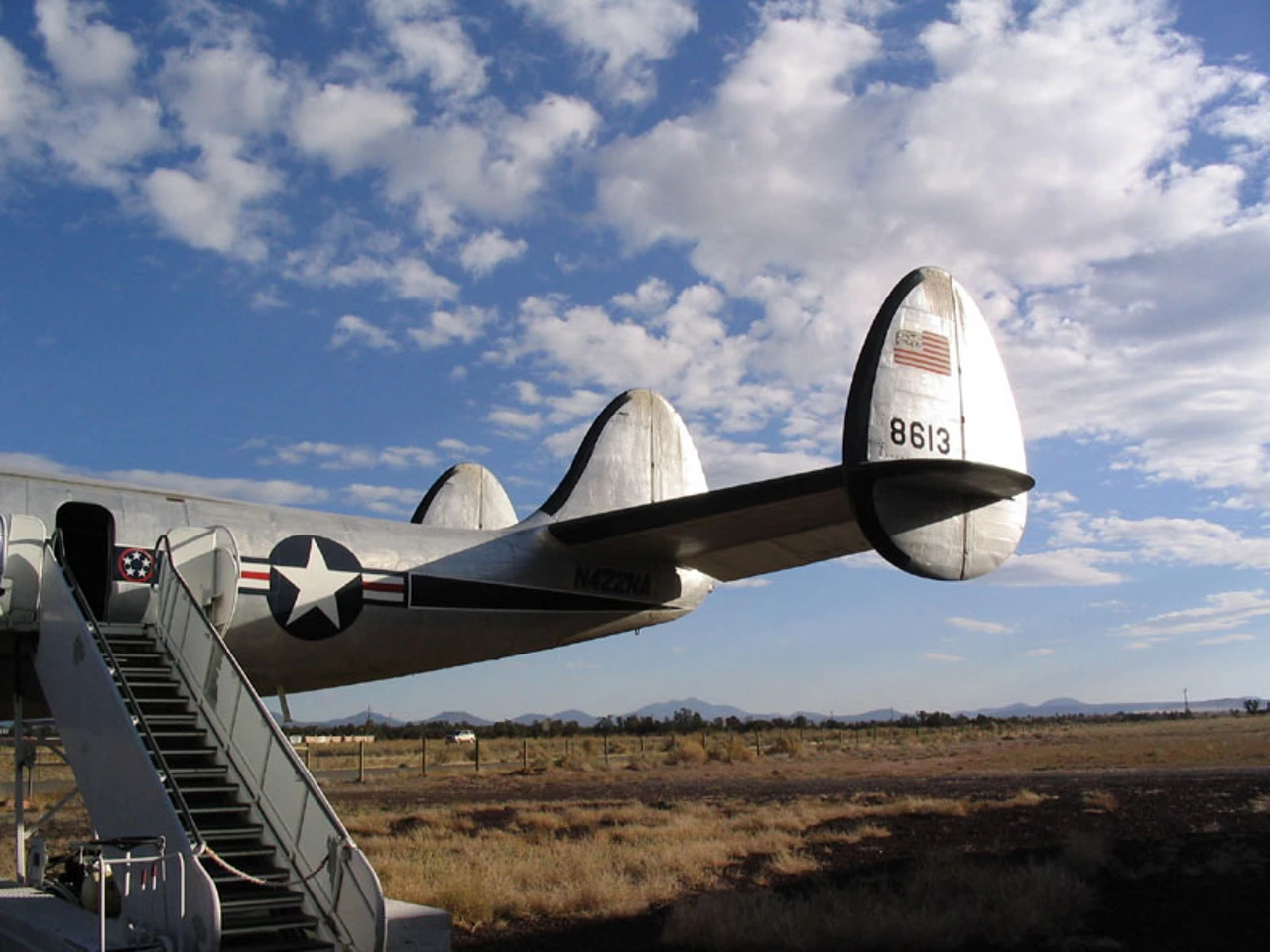
Lockheed VC-121 Bataan 02
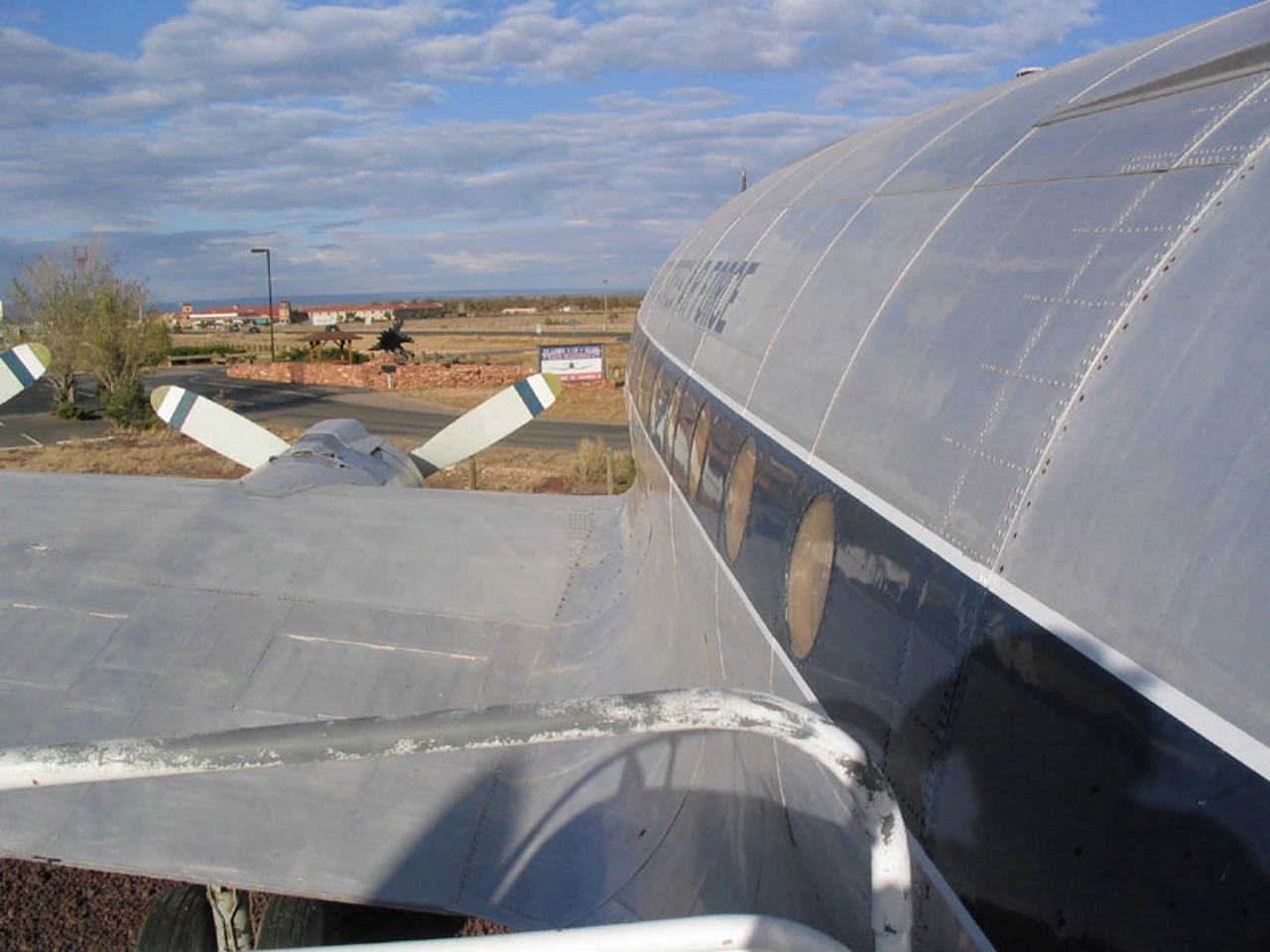
Lockheed VC-121 Bataan 03
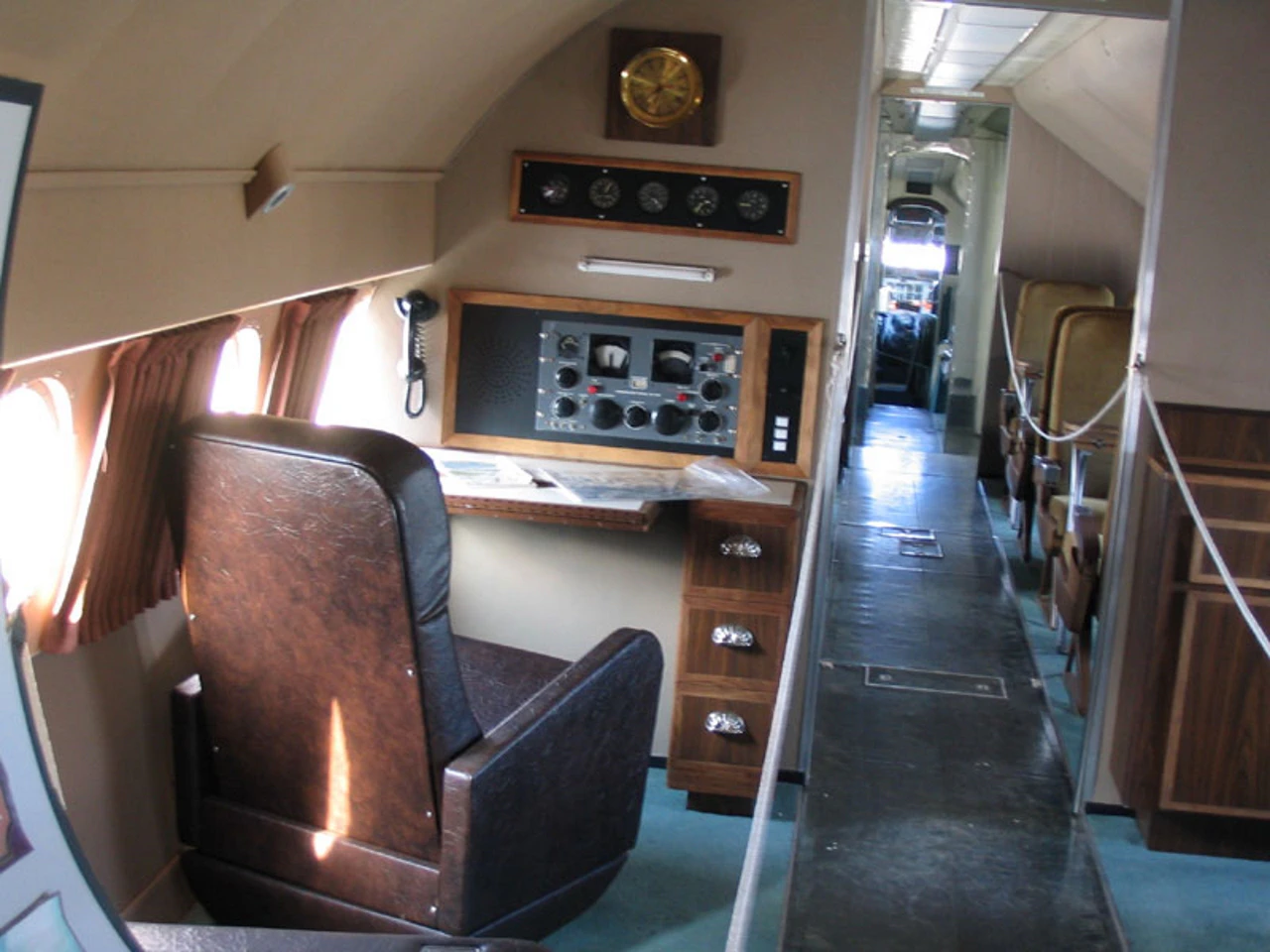
Lockheed VC-121 Bataan 05
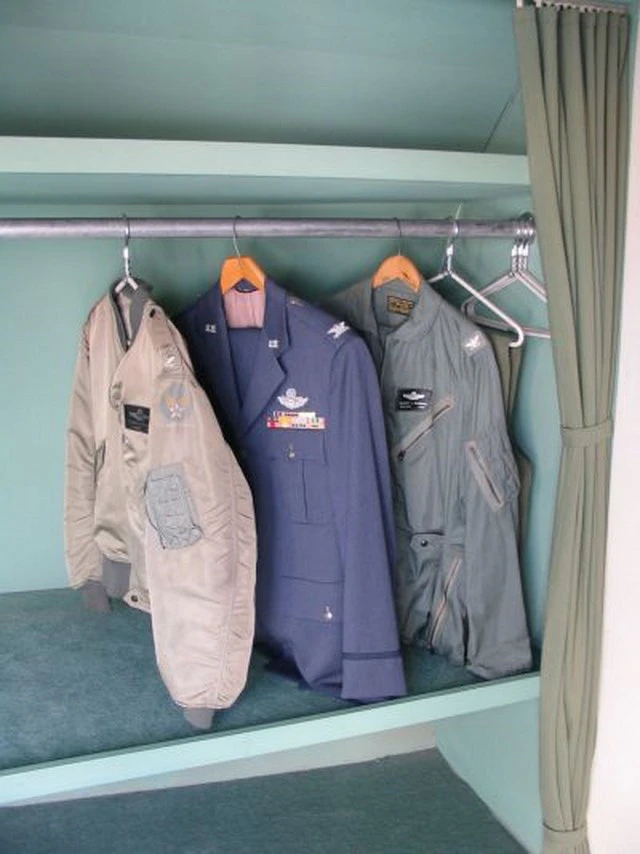
Lockheed VC-121 Bataan 04
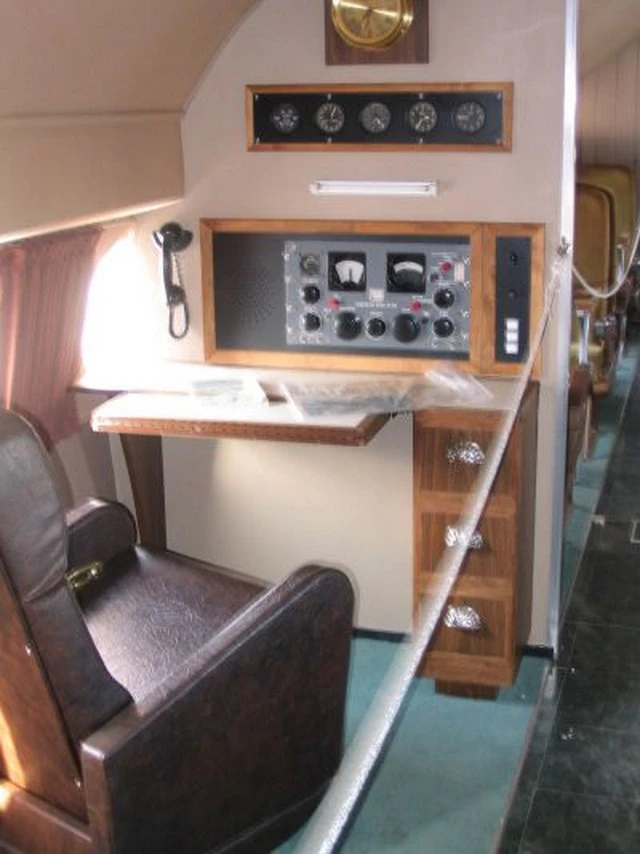
Lockheed VC-121 Bataan 06
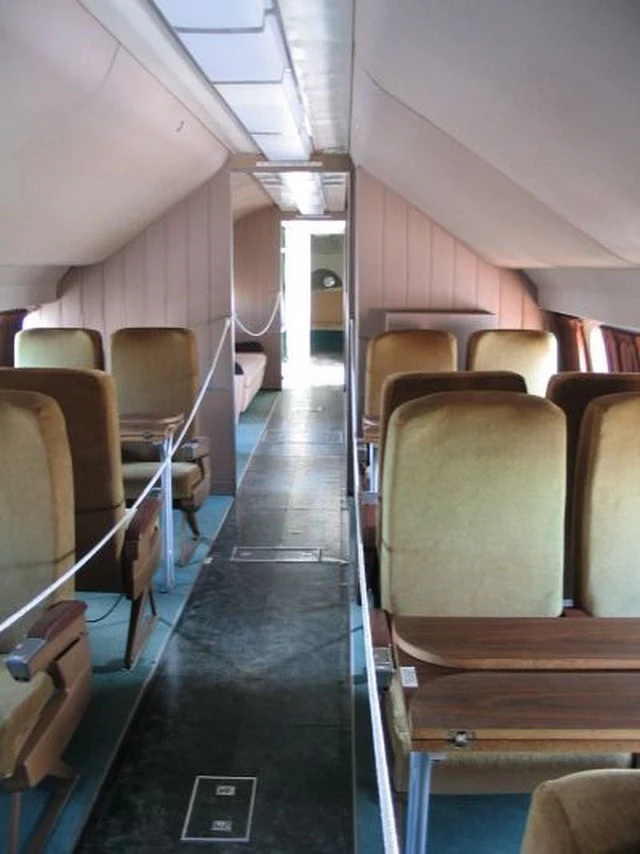
Lockheed VC-121 Bataan 07
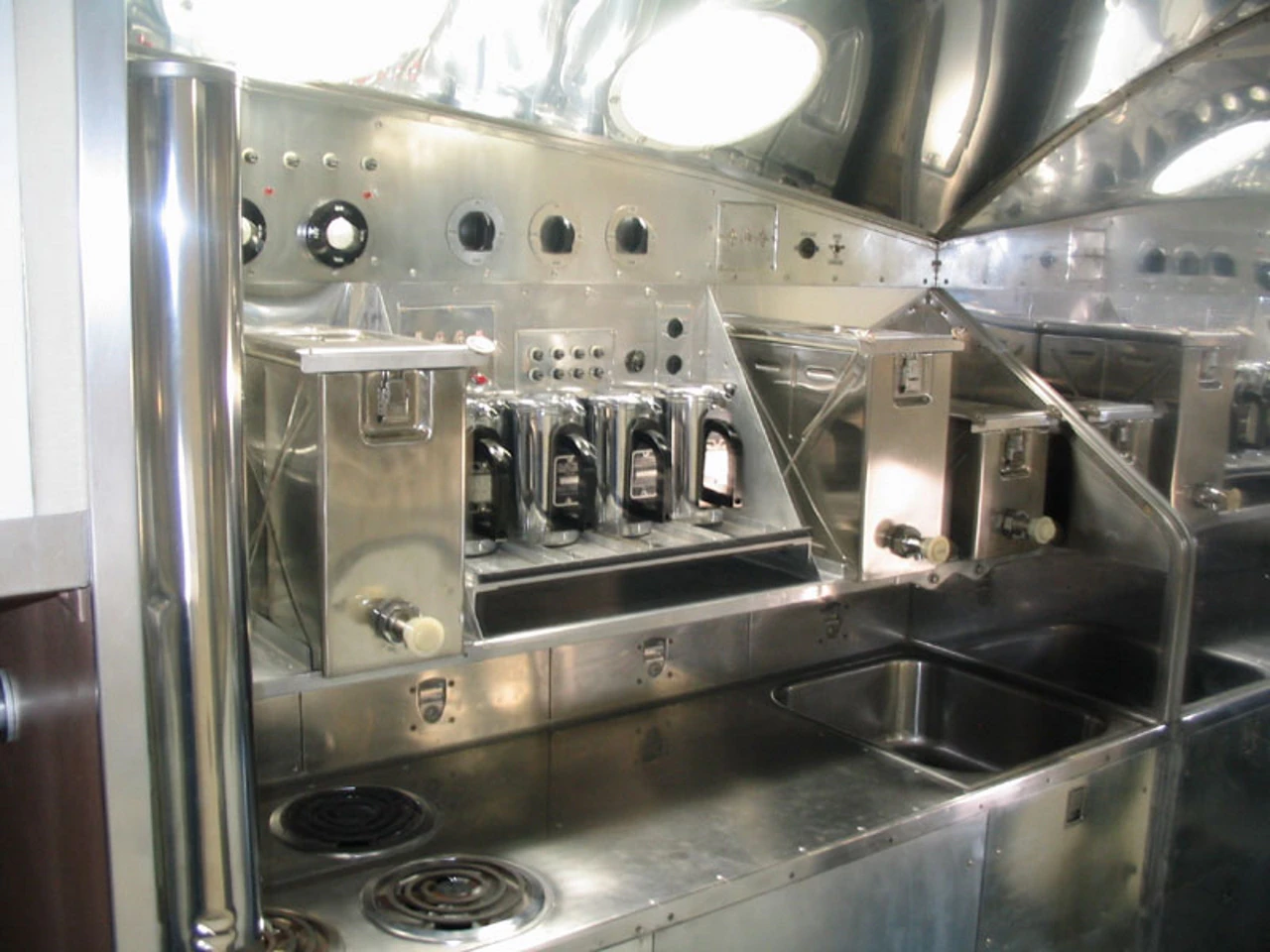
Lockheed VC-121 Bataan 09
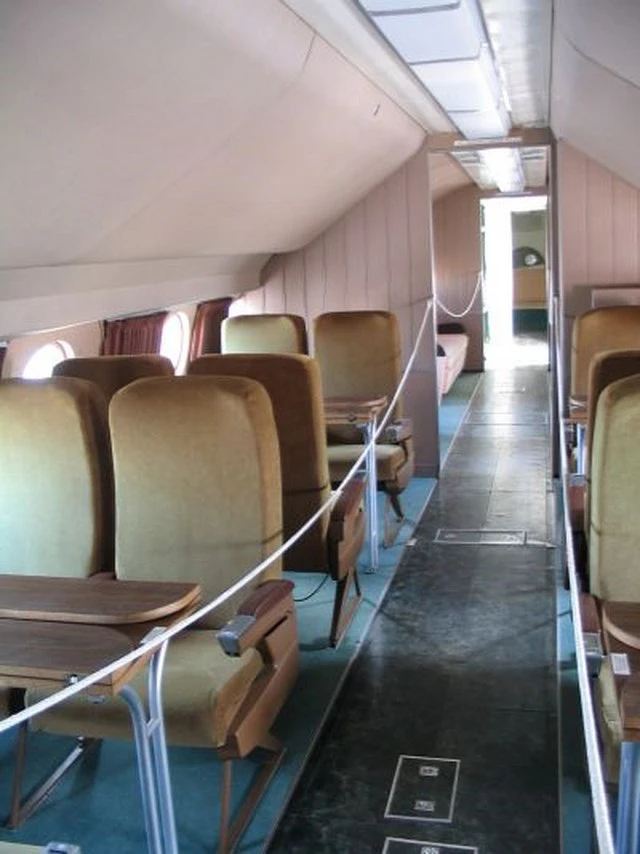
Lockheed VC-121 Bataan 08
잠깐, 당신을 위해 록히드 C-121 별자리를 검색 ...

| Lockheed VC-121E Super Constellation Columbine III Walk Around | |
|---|---|
| 사진 작가 | 블라디미르 야쿠보프 |
| 로컬라이제이션 | USAF 국립 박물관 |
| 사진 | 192 |
| Lockheed Constellation | |
|---|---|
| 사진 작가 | 우아 (우아) |
| 로컬라이제이션 | 우아 (우아) |
| 사진 | 86 |
잠깐, 당신을 위해 록히드 C-121 별자리를 검색 ...
참고 항목:


The Aerodynamic Masterpiece
Tthe 록히드 C-121 별자리 was the military version of the revolutionary L-749 and L-1049 Super Constellation airliners. Known for its distinct “dolphin-shaped” fuselage and triple-tail design, the “Connie” was one of the most advanced piston-engine aircraft ever built. While it began as a high-speed VIP and troop transport, its massive internal volume allowed it to evolve into the world’s first true Airborne Early Warning (AEW) platform, serving as a vital sentinel during the Cold War.
| Attribute | Technical Specification (C-121C / Super Connie) |
|---|---|
| 역할 | Heavy Transport / AEW & Reconnaissance |
| 승무원 | 5 (Flight crew) + up to 106 troops or 26 sensor operators |
| First Flight (C-121A) | March 14, 1948 |
| 동력 장치 | 4 × Wright R-3350-34 Duplex-Cyclone turbo-compound radials |
| Horsepower | 3,250 hp (2,424 kW) per engine |
| 최대 속도 | 340 mph (547 km/h) |
| Service Ceiling | 25,000 feet (7,620 m) |
| 레인지 | 4,300 miles (6,920 km) |
Design Innovation: The Triple-Tail and Turbo-Compounds
- The Triple Tail: The distinctive triple vertical stabilizers weren’t just for style. By splitting the tail into three smaller fins, Lockheed kept the aircraft’s overall height low enough to fit into existing military hangars while still providing enough surface area to control the plane if an engine failed.
- Turbo-Compound Engines: The later C-121s used “Turbo-Compound” versions of the R-3350 engine. These recovered energy from the exhaust gases to turn the crankshaft, providing incredible fuel efficiency for long-range oceanic crossings.
- Variable Camber Wing: The Constellation’s wing was effectively a scaled-up version of the wing found on the P-38 Lightning fighter, giving it exceptional lift and speed characteristics for a transport of its size.
- The Curved Fuselage: The “dolphin” shape ensured that no two bulkhead sections were the same size. This aerodynamic curvature reduced drag and ensured that the fuselage remained perfectly pressurized at high altitudes.
Command, Control, and VIP Service
- Columbine II & III: The C-121 served as the first official “Air Force One.” President Dwight D. Eisenhower’s personal aircraft, Columbine III, is preserved today and remains a symbol of 1950s prestige.
- The Warning Star (EC-121): Modified with massive radar “humps” on the top and bottom of the fuselage, the EC-121 Warning Star became a flying radar station. In Vietnam, these aircraft provided early warning of MiG attacks and guided US pilots to intercepts.
- The Berlin Airlift: Early C-121As played a supporting role in the 1948 Berlin Airlift, proving the aircraft’s ability to move large quantities of cargo and personnel under high-pressure operational tempos.
- End of the Line: The Constellation was the pinnacle of piston-driven technology, but the arrival of the Boeing C-135 (jet) and the C-130 (turboprop) ultimately signaled the end for the complex and maintenance-heavy R-3350 engines.
Views : 3362