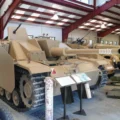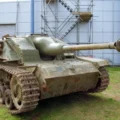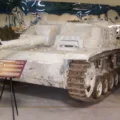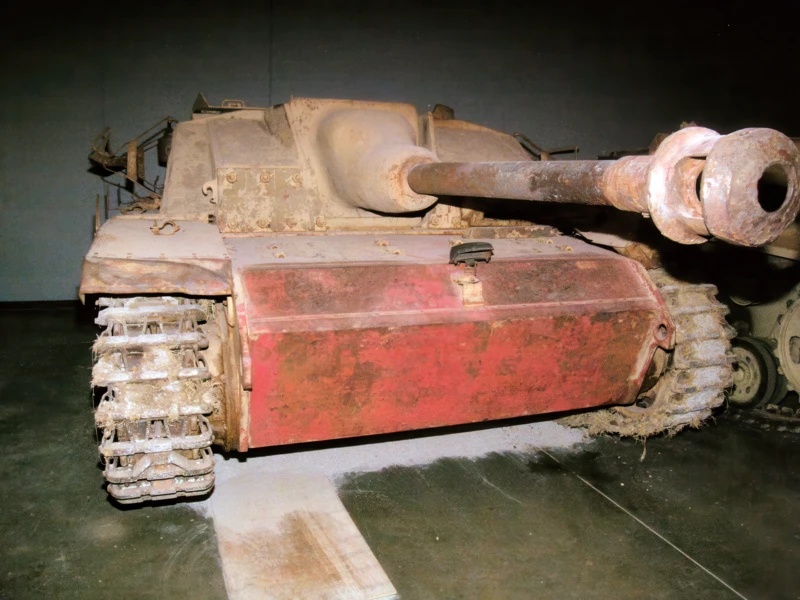
Sturmgeschütz III – Stug III | |
|---|---|
| 국가 | 독일 |
| 역할 | 샤세르 드 차 |
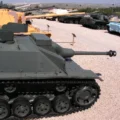
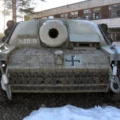
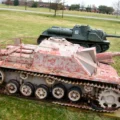
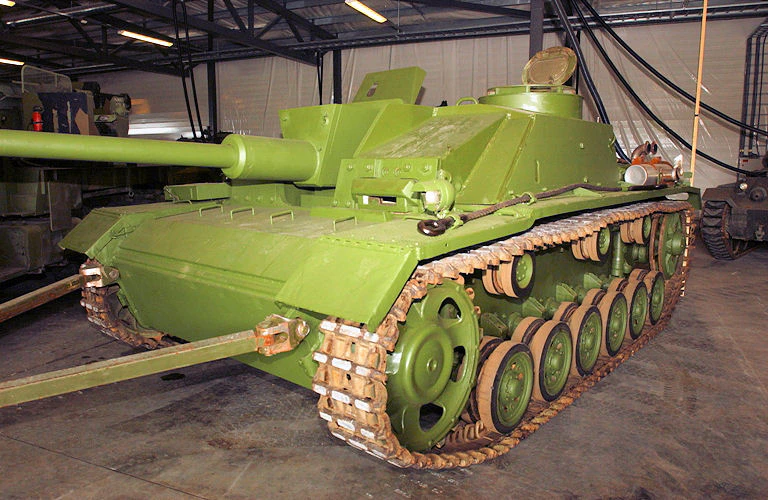
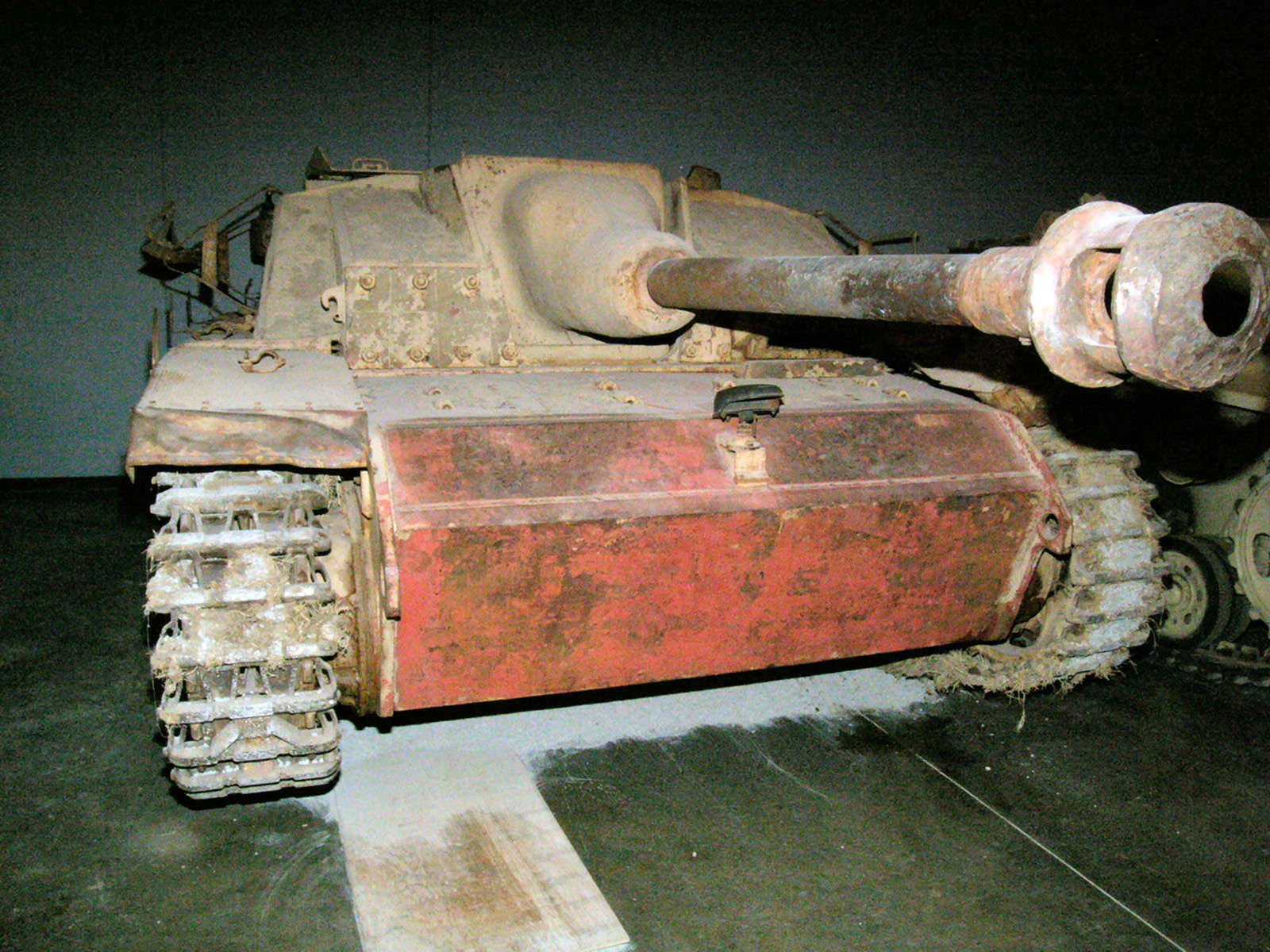
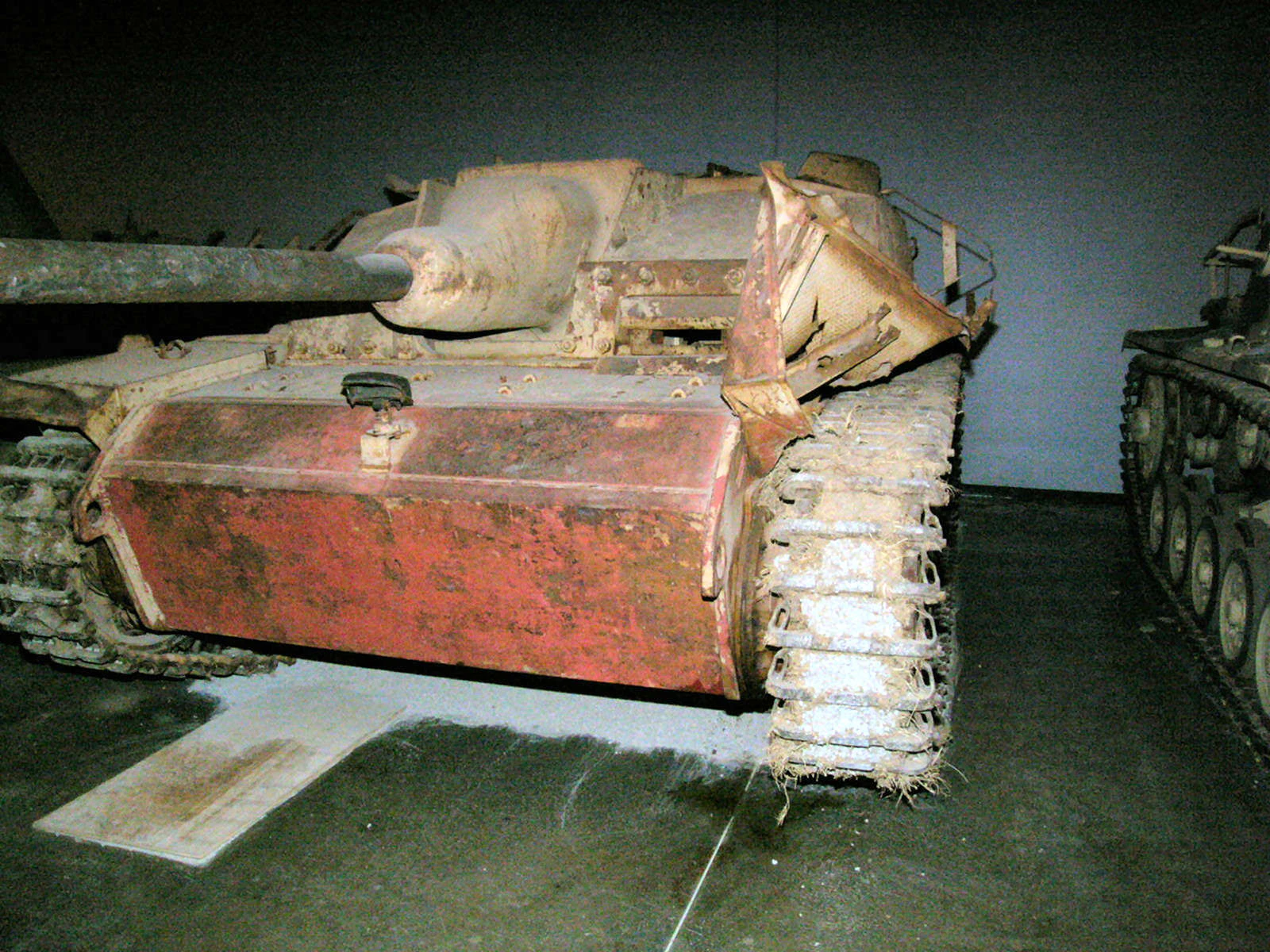
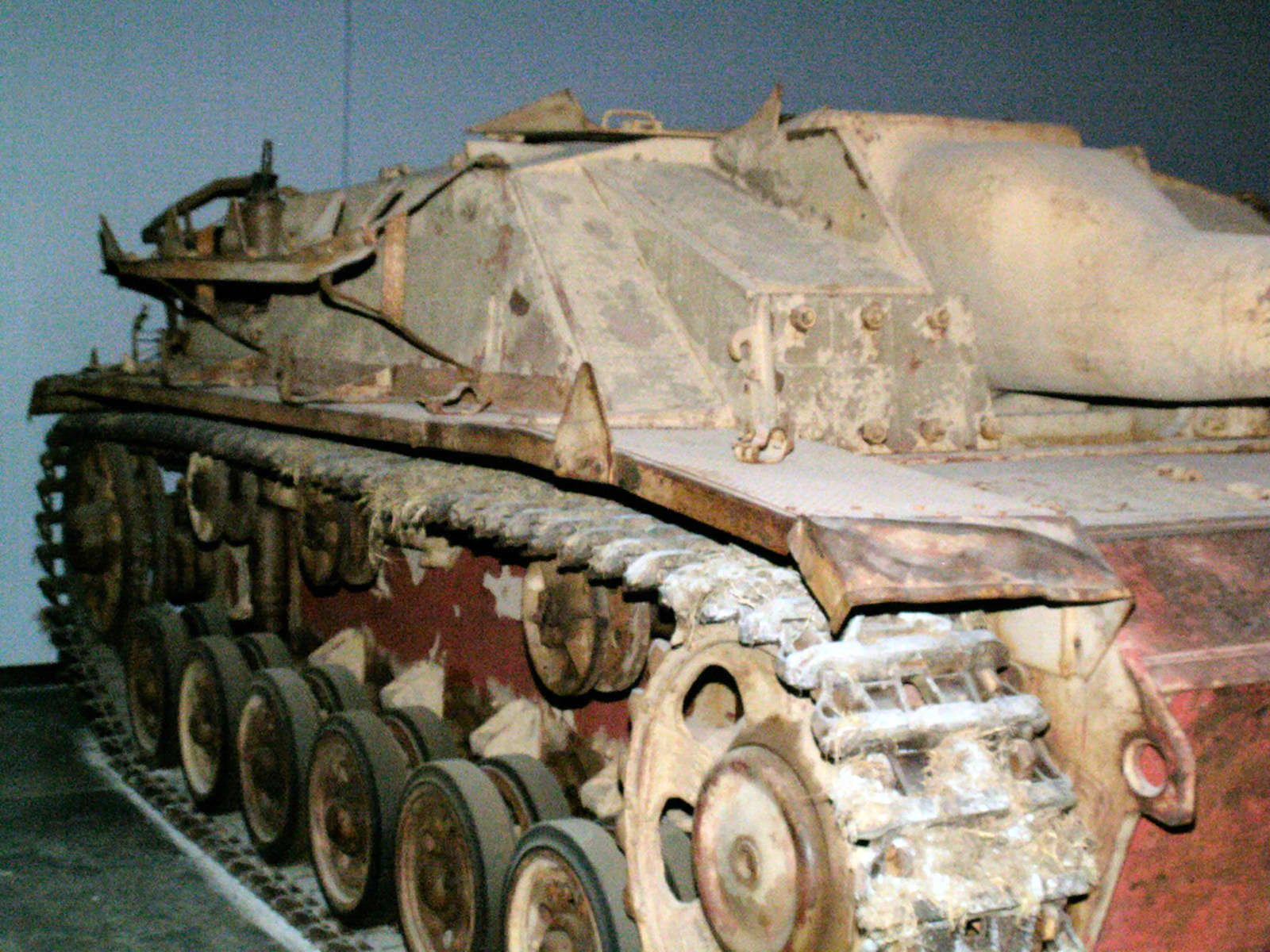
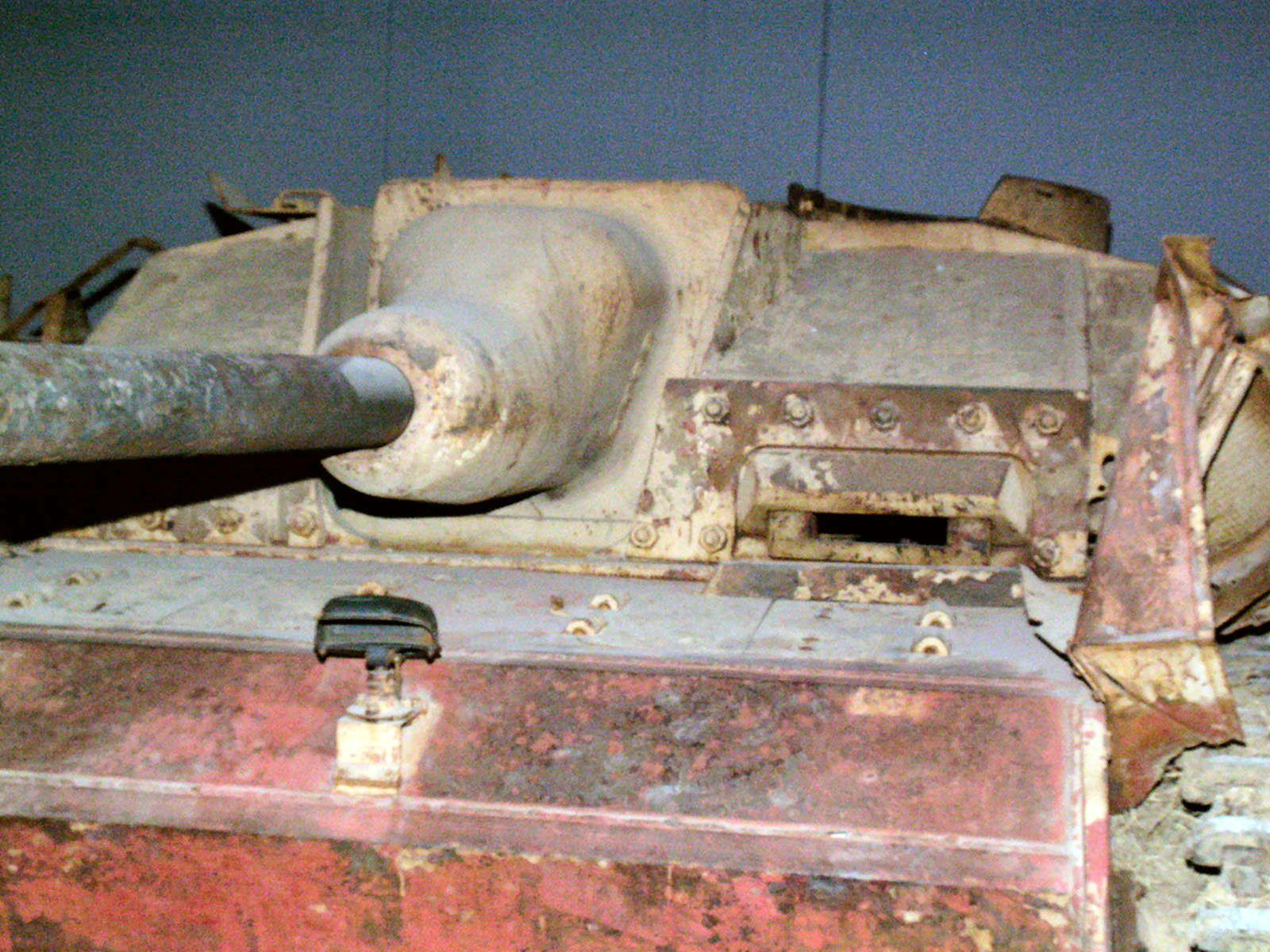
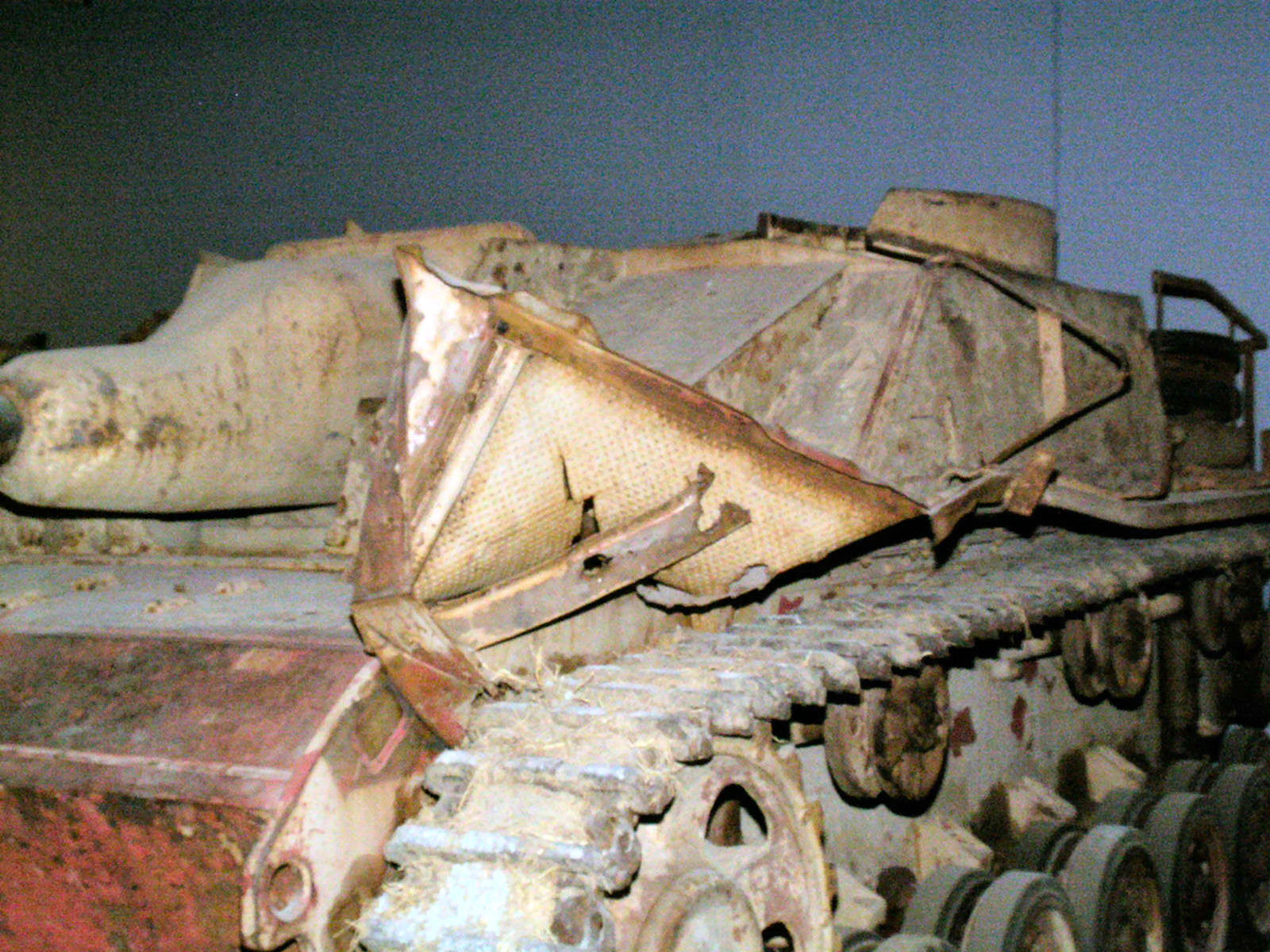
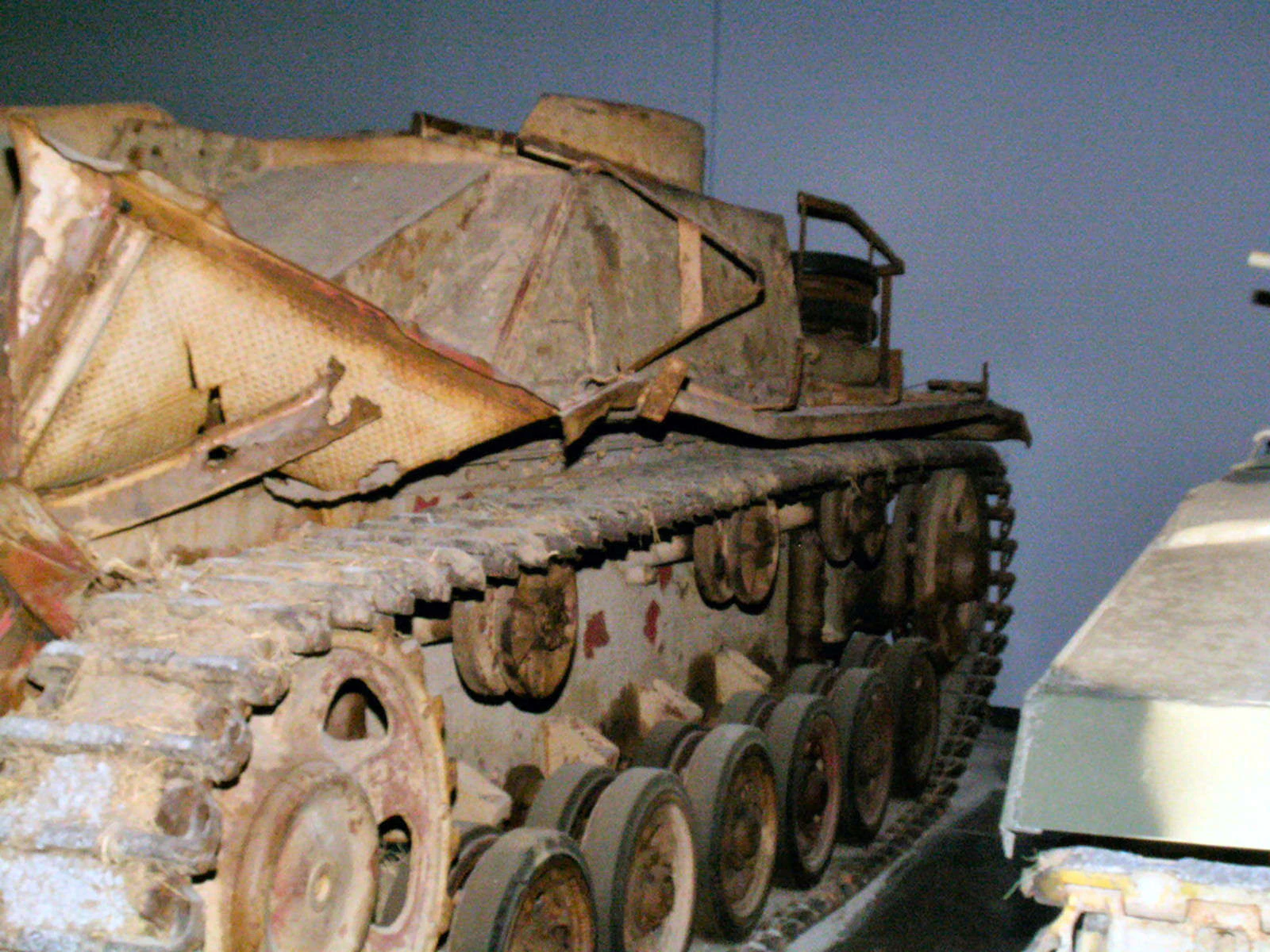
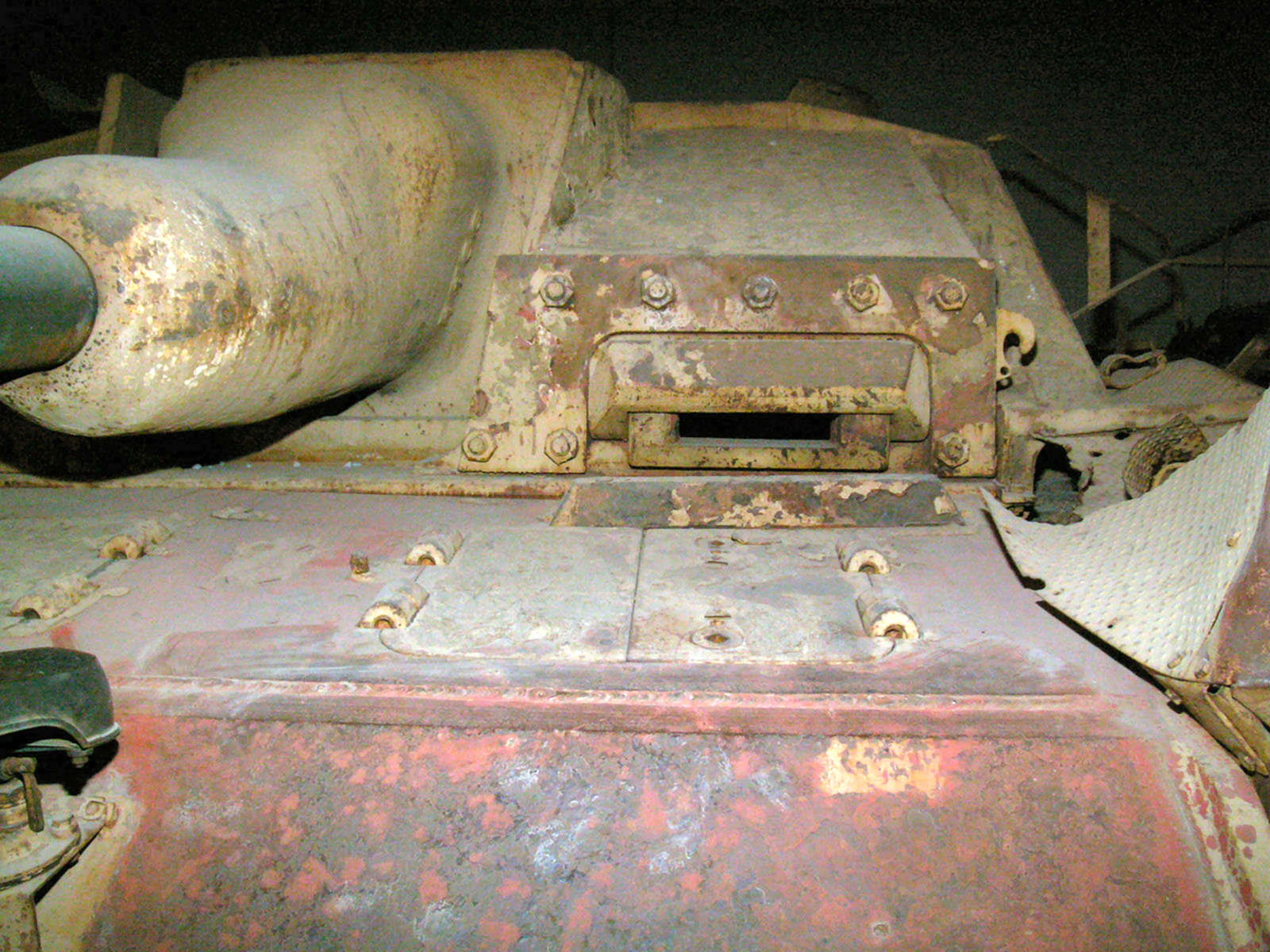
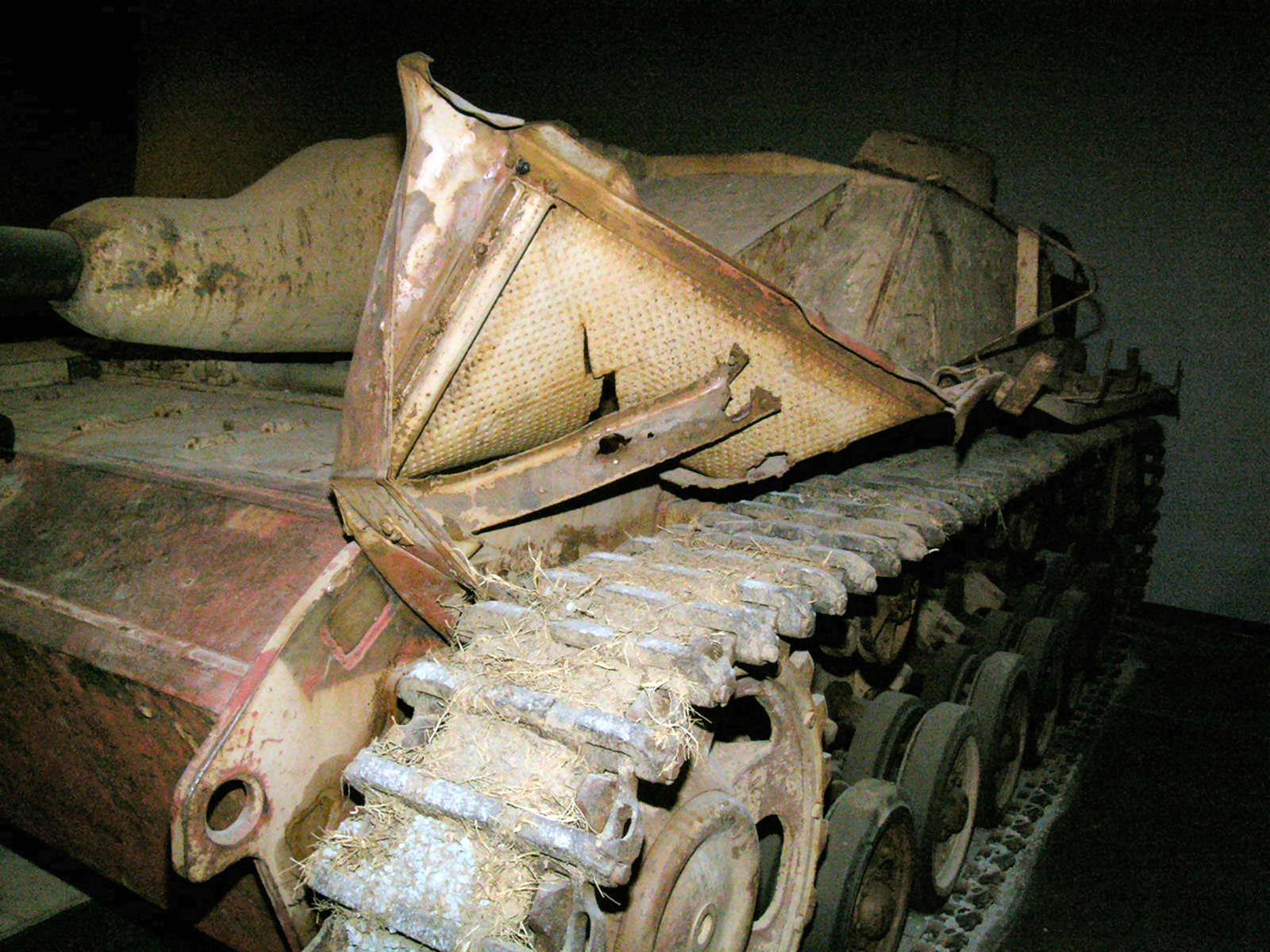
StuG III의 사진 갤러리, The 스튜그 II나는 총을 폭행한다 (스투름게슈슈츠 III) était construit sur une base de char Panzer III, il a été le véhicule blindé de combat dont la production par l’Allemagne a été la plus massive durant la Seconde Guerre mondiale. A l’origine il était conçu comme simple un canon léger blindé d’appui à destination de l’infanterie, puis le StuG II ayant été en permanence amélioré et modifié il a été beaucoup utilisé comme chasseur de chars. Largement répandue (plus de 10000 exemplaires produits) cette série de 스투름게슈슈츠 아주 좋은 품질 / 가격 균형의 혜택을 입었습니다.
소스: 위키백과에 스튜그 III
| Sturmgeschütz III – Stug III | |
|---|---|
| 사진 작가 | Unknow |
| 로컬라이제이션 | Unknow |
| 사진 | 57 |

참고 항목:


The Silent Workhorse of the Panzerwaffe
Tthe 스투름게슈슈츠 III (StuG III) holds the record as Germany’s most-produced fully tracked armored vehicle of WWII. Originally conceived by General Erich von Manstein as a turretless assault gun to provide direct fire support for infantry, it evolved into a lethal tank destroyer. By removing the turret and mounting the gun directly in the hull (a casemate design), engineers created a vehicle that was cheaper to build, easier to hide, and carried a much heavier gun than the Panzer III chassis was ever intended to hold.
| Attribute | Technical Specification (StuG III Ausf. G) |
|---|---|
| 역할 | Assault Gun / Tank Destroyer |
| 승무원 | 4 (Commander, Gunner, Loader, Driver) |
| 섀시 | Modified Panzer III |
| 주무장 | 7.5 cm StuK 40 L/48 (54 rounds) |
| 보조 무장 | 1 or 2 × 7.92 mm MG34 machine guns |
| Frontal Armor | 80 mm (on later Ausf. G models) |
| 최대 속도 | 40 km/h (25 mph) on road |
| Production Total | Over 10,000 (including all variants) |
Design Engineering: Stealth and Simplicity
- The Casemate Advantage: By eliminating the heavy, complex rotating turret, the StuG III stood only 2.16 meters tall—roughly the height of a tall man. This low silhouette made it nearly impossible to spot when hidden in a treeline or behind a low ridge.
- The “Saukopf” Mantlet: Late-war models featured a distinctive cast gun mantlet known as the 사우코프 (Sow’s Head). Its rounded shape was far more effective at deflecting incoming shells than the earlier boxy, welded designs.
- Schürzen (Side Skirts): To protect its thin 30mm side armor from Soviet anti-tank rifles and hollow-charge rounds, the StuG was often fitted with 5mm steel plates hanging from the sides, giving it a bulky, skirted appearance.
- Fixed Traverse: The gun could only move about 10 degrees to the left or right. To aim at targets further away, the entire vehicle had to be turned by the driver, a disadvantage in close-quarters combat but a non-issue for long-range ambushes.
Operational History: The Sniper of the Steppe
- Most Lethal AFV: By the end of the war, StuG units claimed to have destroyed more than 20,000 enemy tanks—more than the Tiger or Panther divisions. Their success came from defensive “shoot and scoot” tactics.
- Finnish “Sturmi”: Finland received dozens of StuG IIIs from Germany. During the 1944 battles against the Soviet Union, Finnish StuG crews achieved a staggering 8-to-1 kill ratio, cementing the vehicle’s legendary status in Finnish military history.
- Post-War Service: The StuG’s service didn’t end in 1945. Several nations continued to use them; most notably, 시리아 used StuG IIIs in combat against Israel as late as the 1967 Six-Day War.
- Infantry’s Best Friend: Unlike the elite Tiger battalions, StuG brigades were often attached directly to infantry divisions. The soldiers loved them because the StuG could get close enough to “knock on the door” of a bunker that was pinning them down.
Views : 4675