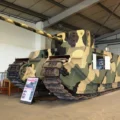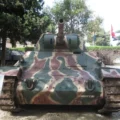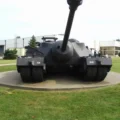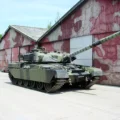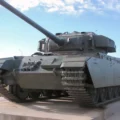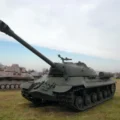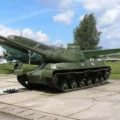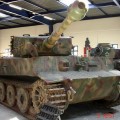
IS-3 | |
|---|---|
| 국가 | 소련 사회주의 연방 공화국 |
| 형식 | 중전차 |
| 설명 | 앨범 드 50 "IS-3"탱크의 산책 사진 |
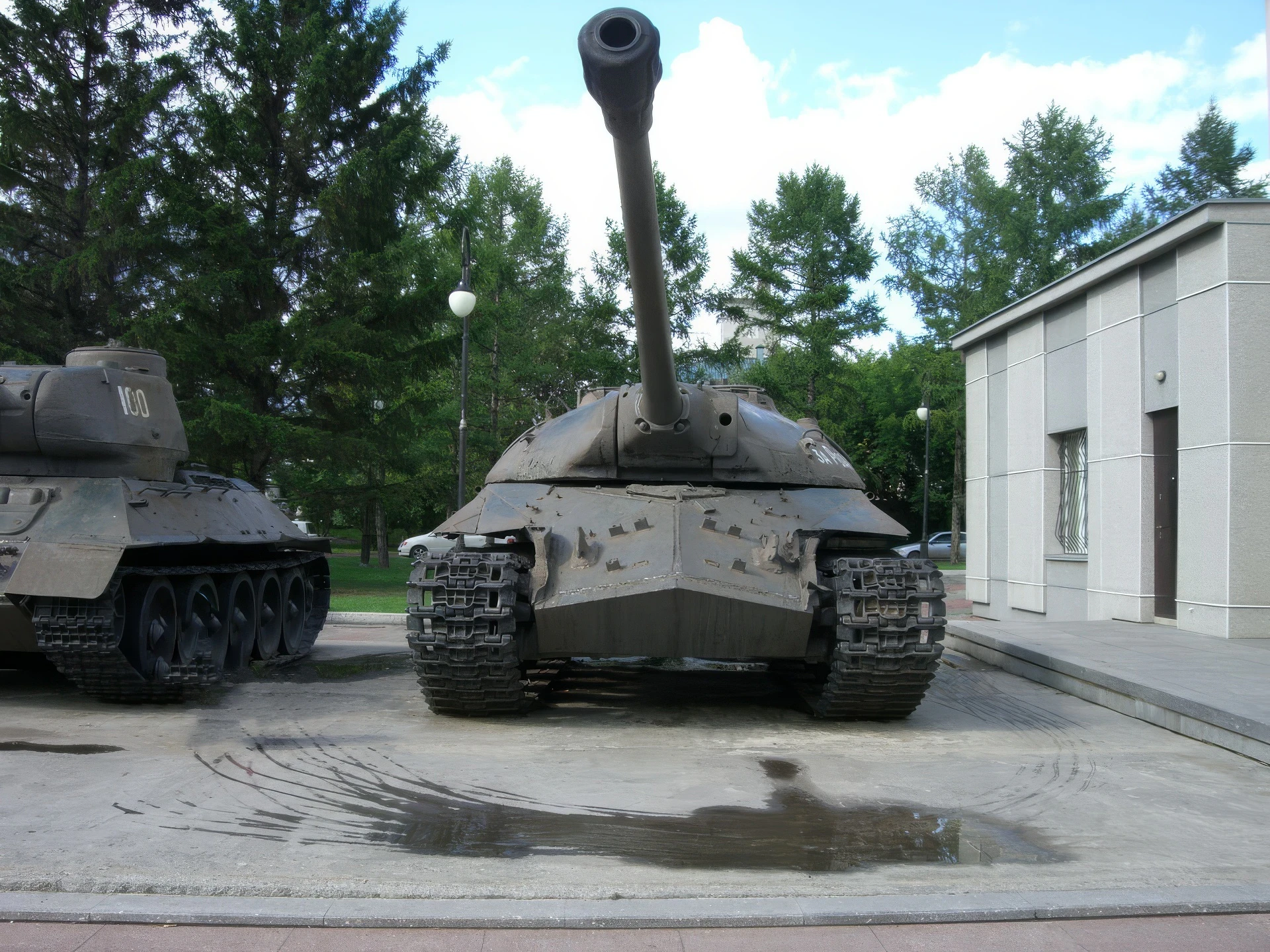
IS-3 중전차의 사진 갤러리, 무거운 탱크 IS-3 는 제 2 차 세계 대전이 끝날 때 전투에 적극적으로 참여할 시간없이 등장한 소련 전투 탱크입니다. 그는 1945 년 9 월 7 일의 군사 퍼레이드에서 처음 보였으며, 그 기간 동안 그는 서구 열강들에게 그의 근대성에 깊은 인상을 남겼습니다. 그 이름은 소비에트 독재자 Joseph Stalin ( "Iossif"의 "I")의 이니셜에서 유래했으며 3 번은 Josef Stalin 탱크 시리즈의 세 번째 버전이라는 사실 때문입니다.
소스: 키 피 디 아
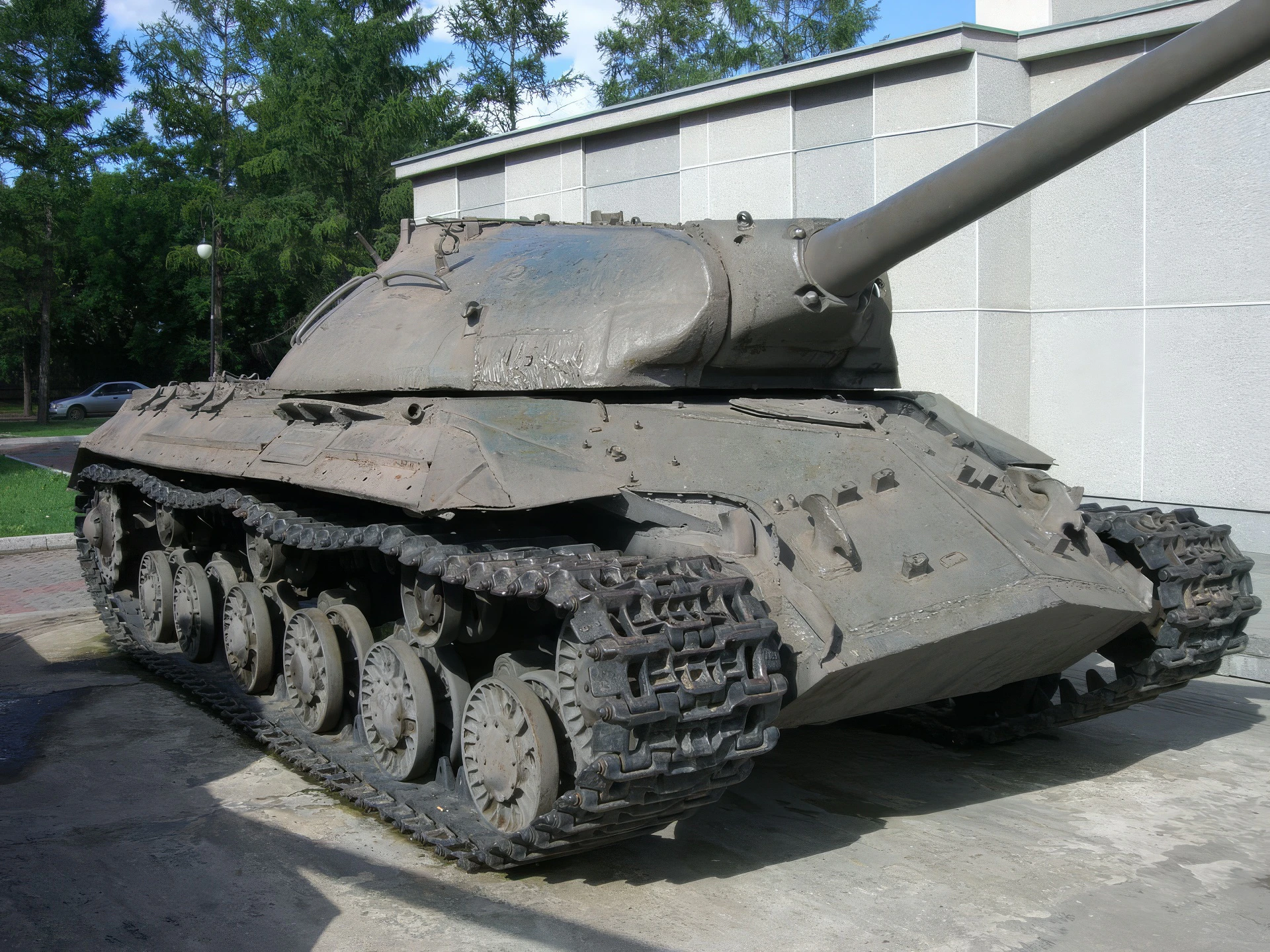
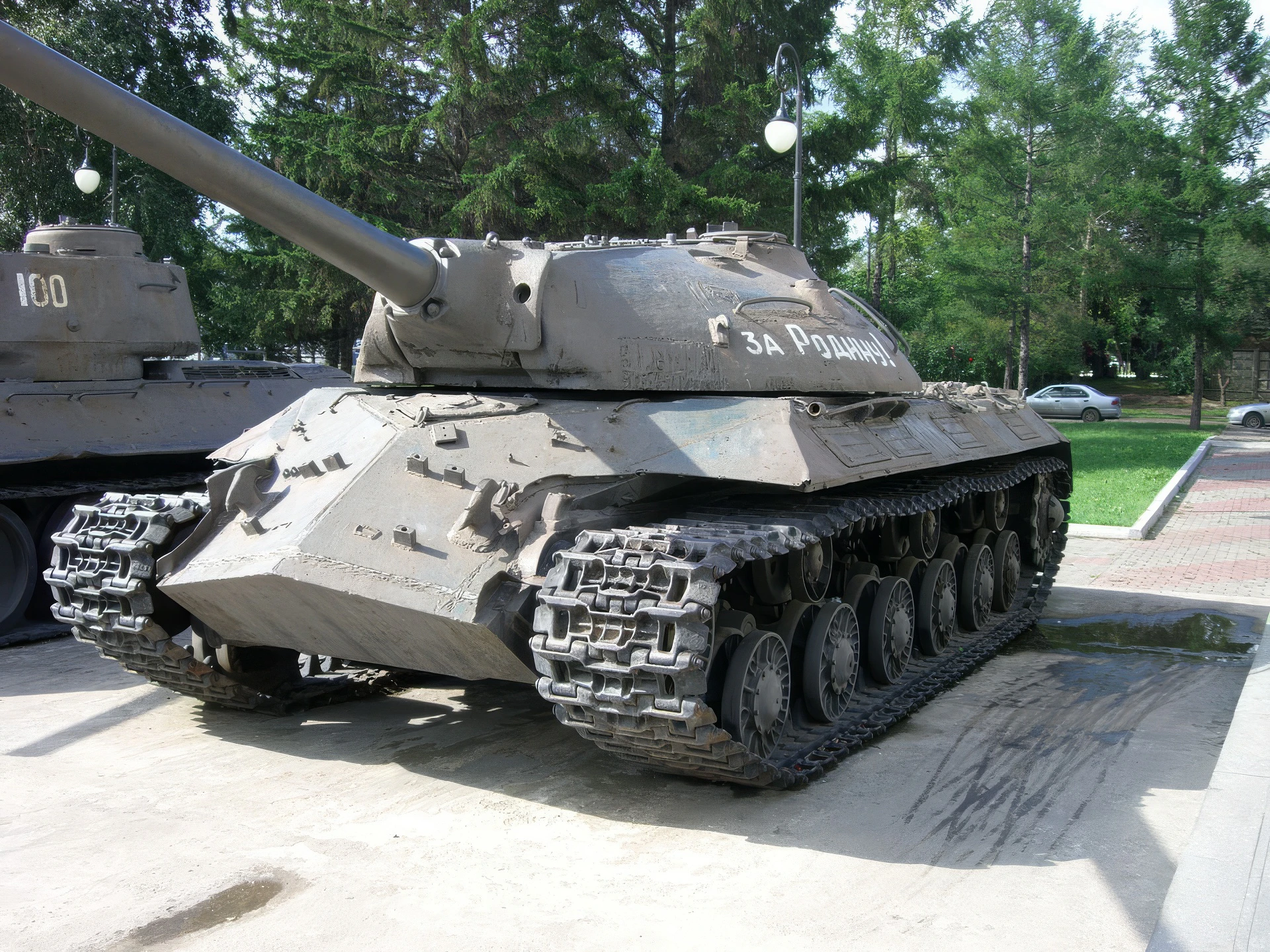
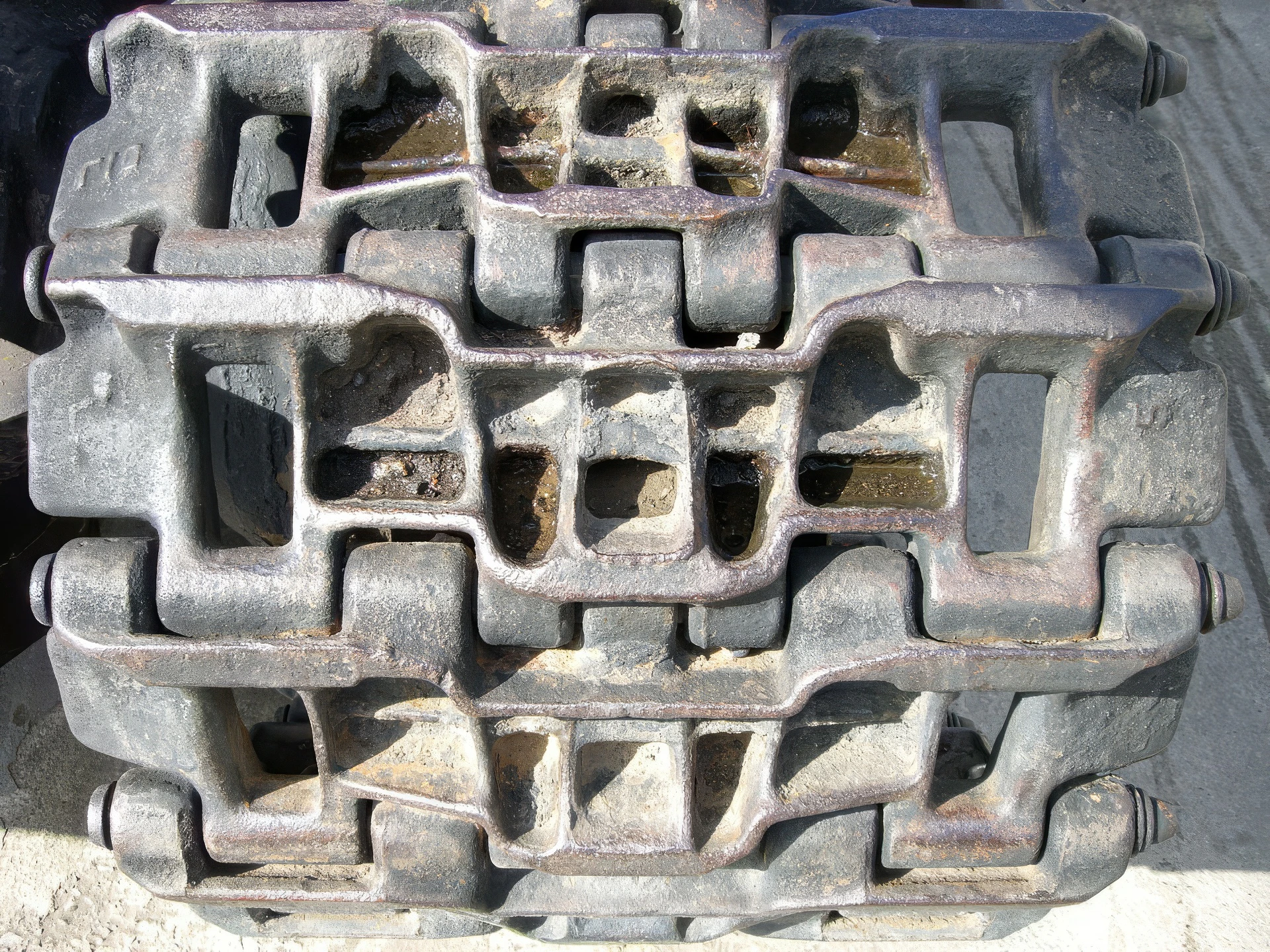
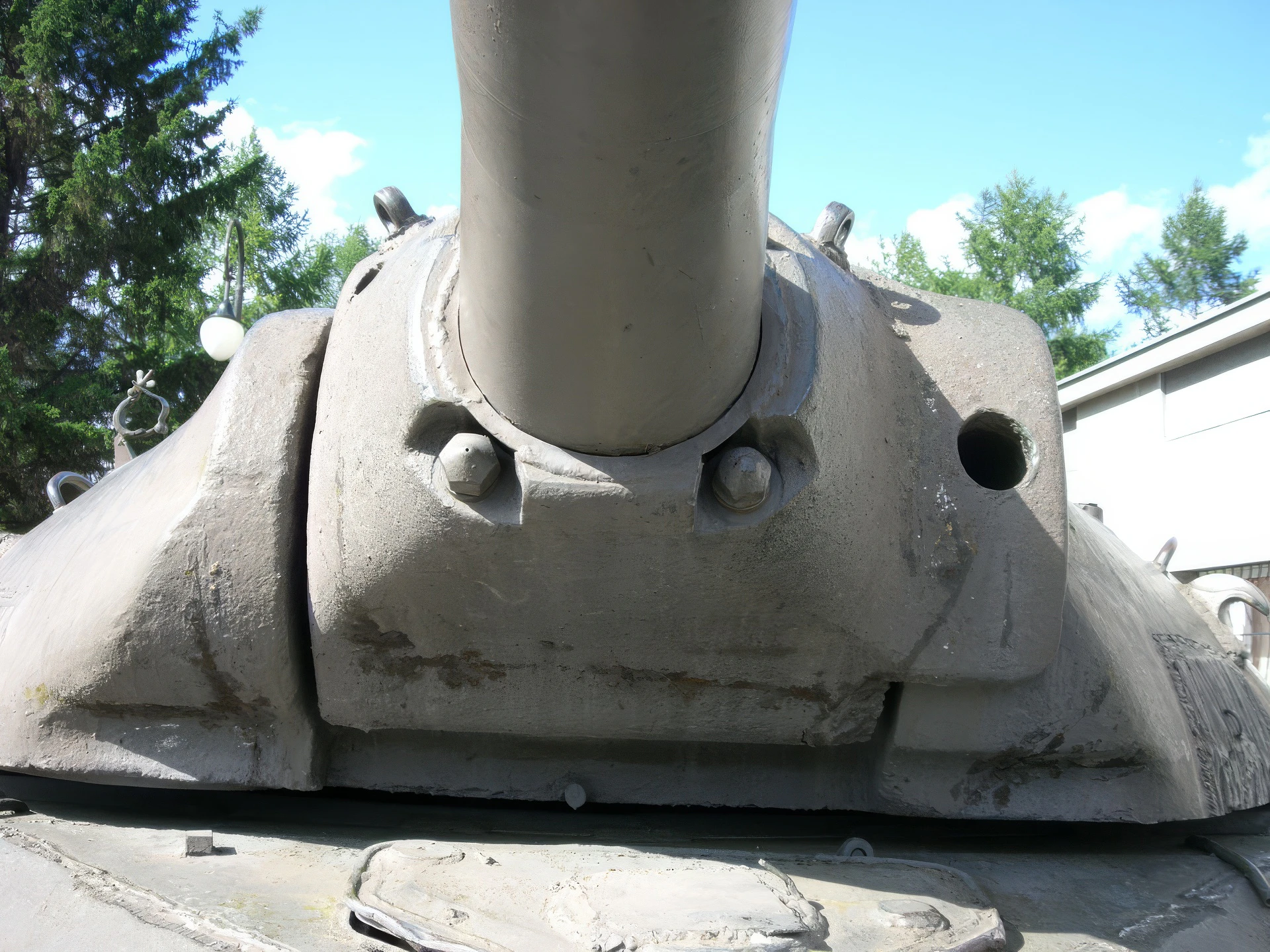
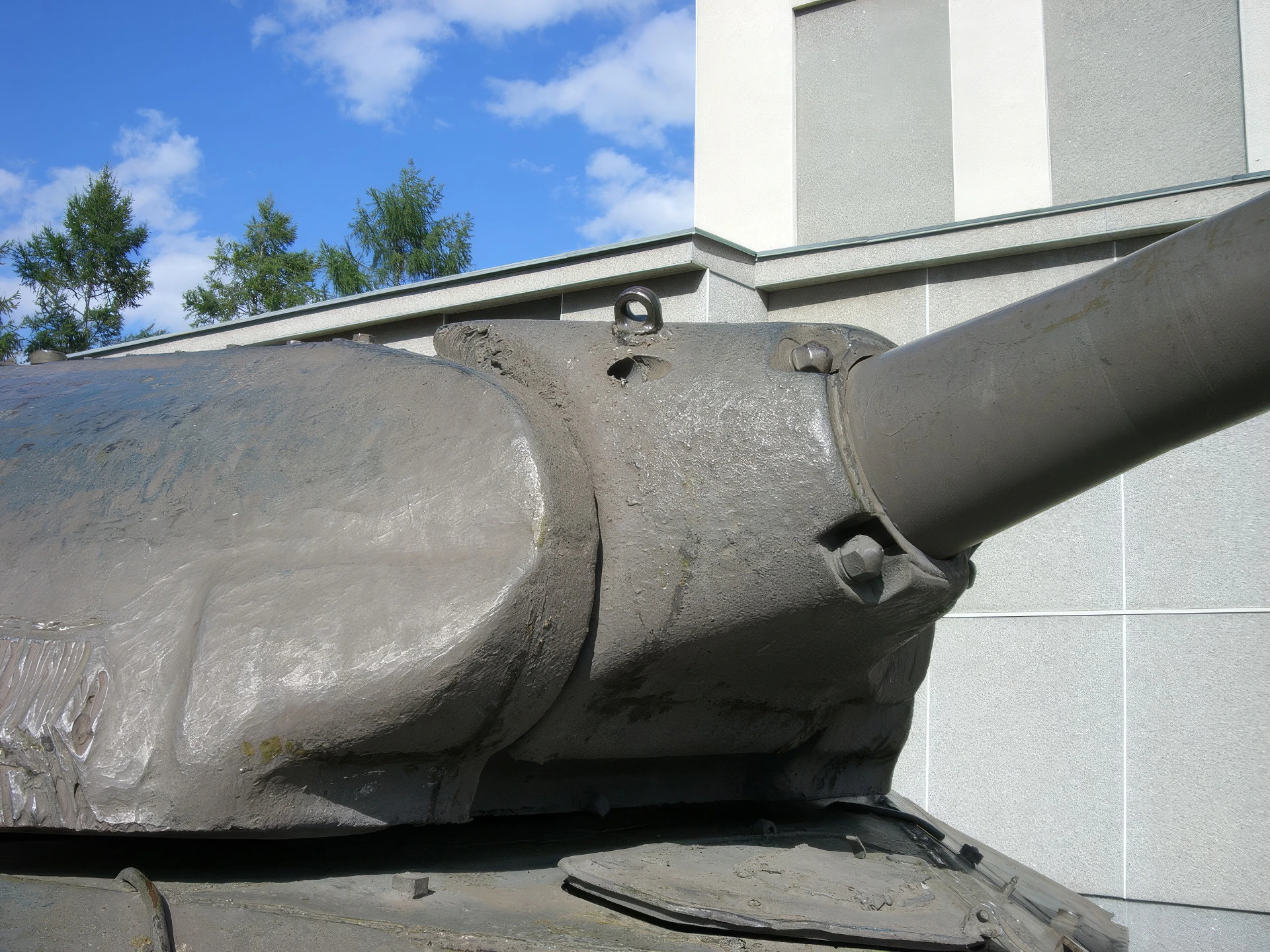
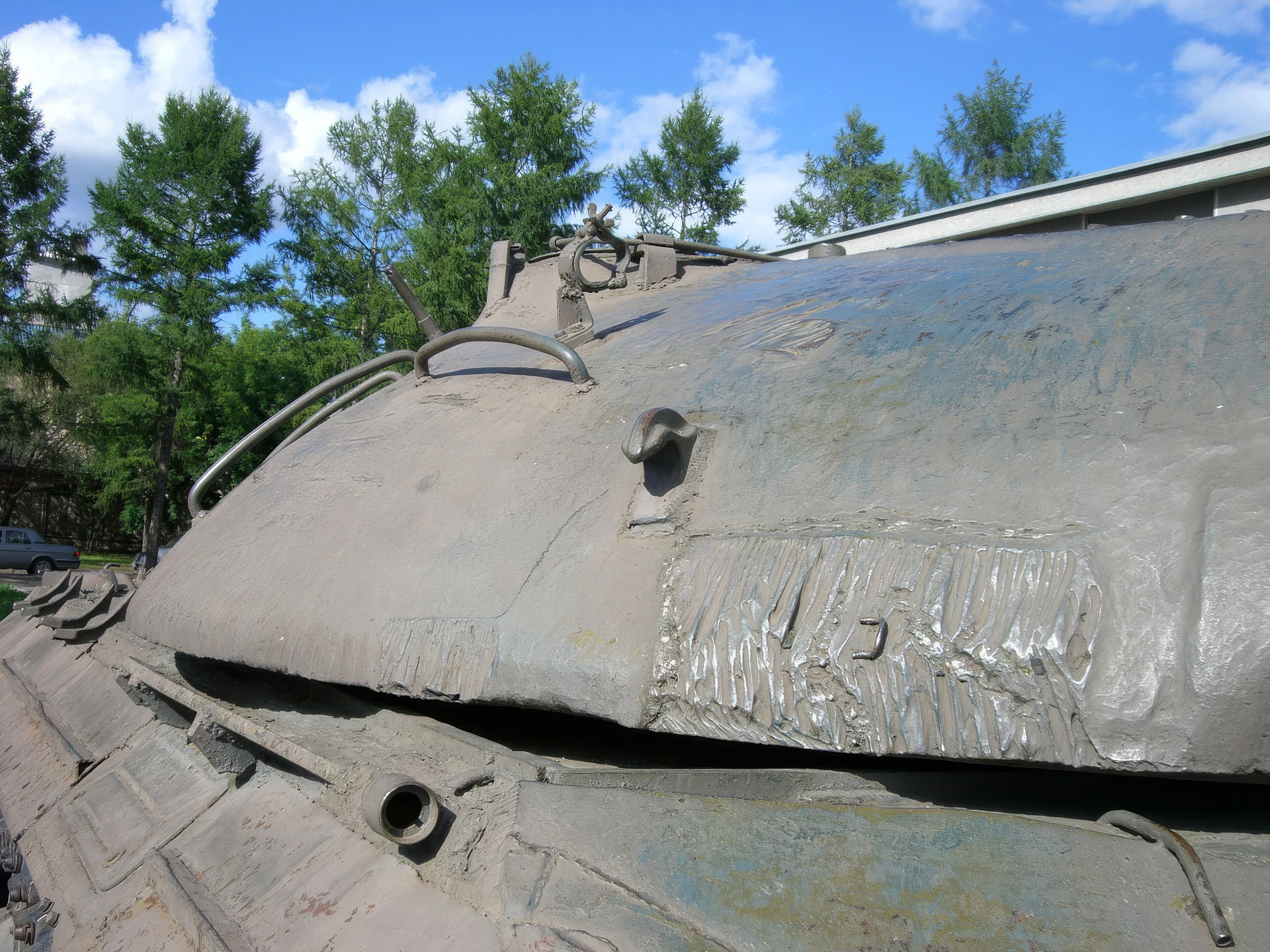
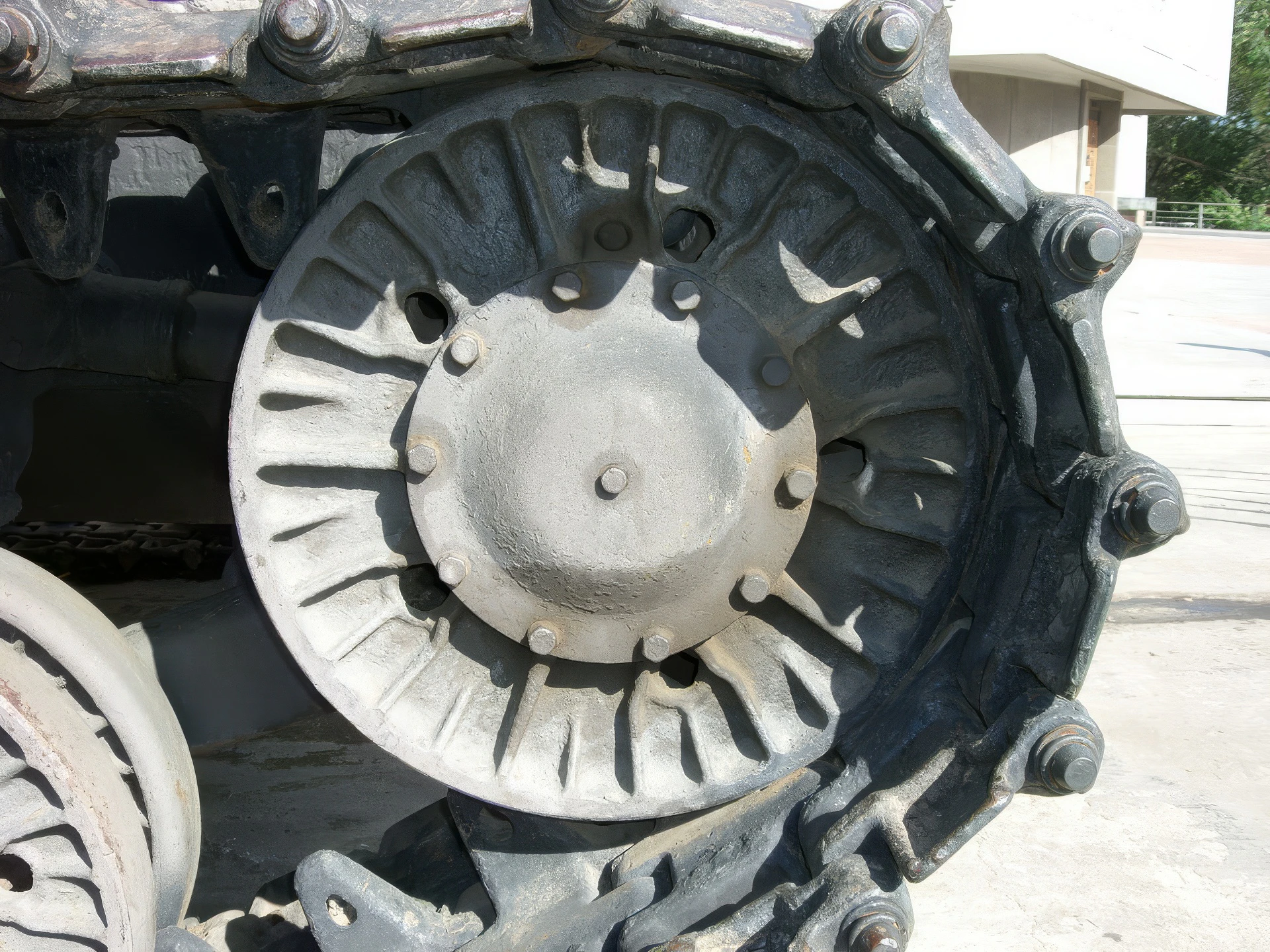

Caractéristiques techniques : Équipage : 4 (un tireur/chef de char, un chargeur, un conducteur et un radio) Longueur : 10 m Largeur : 3,15 m Hauteur : 2,45 m Masse au combat : 46,5 tonnes Blindage : Jusqu’à 255 mm au niveau de la tourelle Armement principal : Un canon D-25T de 122 mm ayant une portée de 15000m Armement secondaire : Une mitrailleuse Degtyarev DP 28 de 7,62 mm et une mitrailleuse DShK de 12,7mm Moteur : Un V-11-1S-3 diesel de 12 cylindres de 38880 cm3 520 chevaux (385 kW) à 2 200 tours par minute Transmission : Chenilles de 6 roues motrices de chaque côté Suspension : Barres de torsion Vitesse sur route : 40 km/h sur route – 19 km/h sur tout terrain Réservoirs : 450 litres + 4 réservoirs extérieurs de 90 litres chacun Consommation : 340 litres pour 100 km Puissance massique : 11,2 chevaux par tonne Autonomie : 185 km
| IS-3 산책 | |
|---|---|
| 사진 작가 | 드미트리 스리브니 |
| 로컬라이제이션 | 육군과 군사 역사의 왕립 박물관, 브뤼셀 |
| 사진 | 31 |
참고 항목:


While designed in late 1944, it arrived too late to see significant combat in World War II, with the first production batch leaving the factory in May 1945. It is, however, considered a transitional design and one of the first post-war Soviet tanks due to its revolutionary armor layout. Its distinctive profile earned it the nickname “Shchuka” (Pike) by its crew.
Soviet IS-3 Heavy Tank (Object 703)
| 특징 | Specification (General/Typical) |
|---|---|
| Full Name | IS-3 (Iosif Stalin 3) / Object 703 |
| 형식 | Heavy Tank (Breakthrough) |
| 서비스 중 | 1945–1980s (Soviet Union) |
| 승무원 | 4 (Commander/Radio Operator, Gunner, Loader, Driver) |
| Mass (Combat) | Approx. 46.5 tonnes (102,500 lb) |
| Length (Gun forward) | 9.85 m (32.3 ft) |
| 높이 | 2.45 m (8 ft 0 in) |
| 주무장 | 1 x 122 mm D-25T rifled tank gun (28 rounds) |
| 보조 무장 | 1 x 7.62 mm DT Coaxial MG, 1 x 12.7 mm DShK AA MG |
| 엔진 | V-2-IS V-12 Diesel |
| Engine Power | 520 hp (390 kW) |
| Max Speed (Road) | Approx. 37 km/h (23 mph) |
| Operational Range (Road) | Approx. 150 km (93 mi) |
Key Design Features
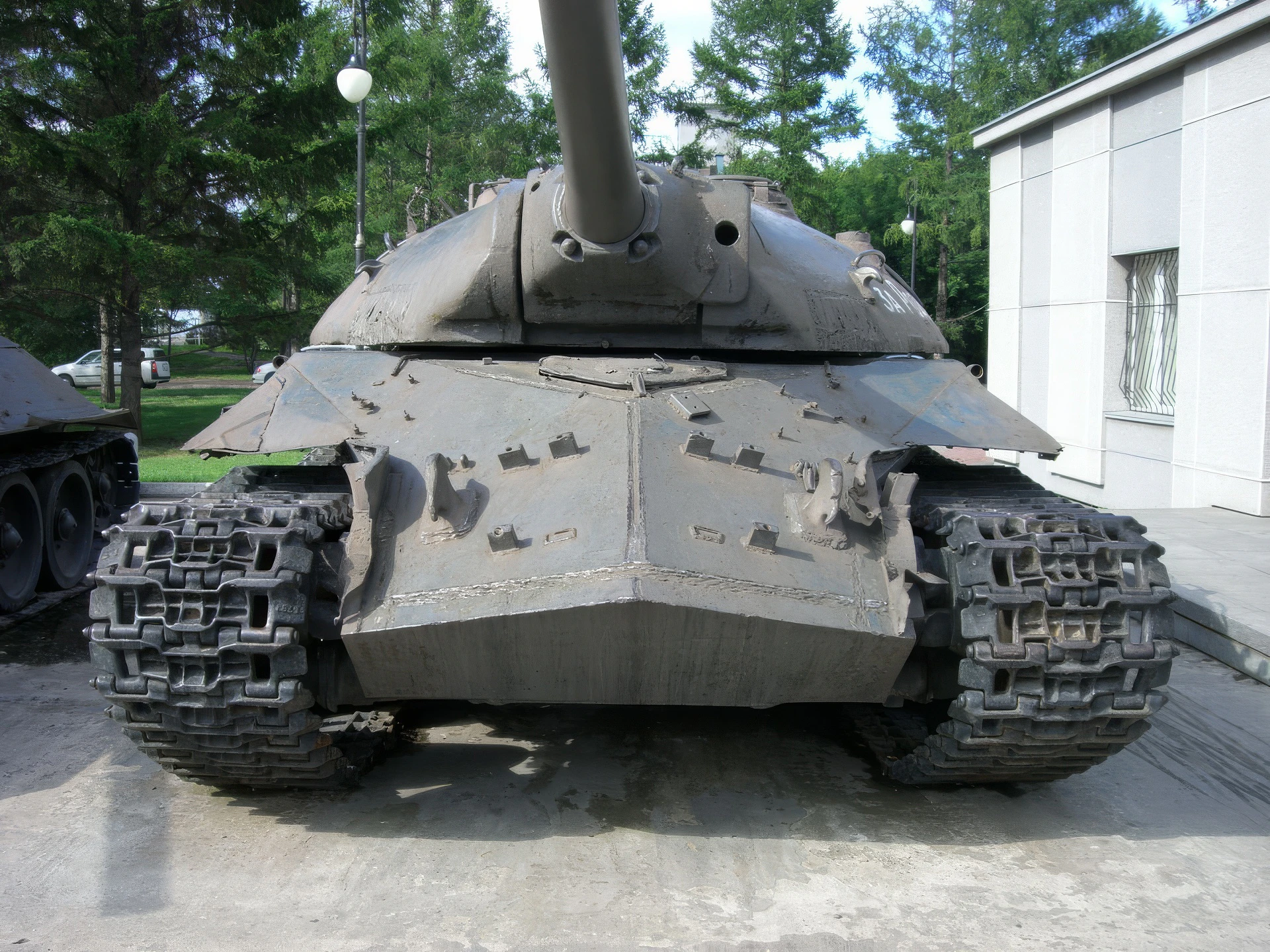
- “Pike Nose” Hull: The most defining feature of the IS-3. The frontal armor was composed of three welded plates angled steeply into a ‘V’ shape, which maximized the chance of shell deflection and increased effective armor thickness (up to 110 mm at 55° on the glacis).
- Hemispherical Turret: The turret was a low, flattened, cast dome (up to 250 mm thick on the front). This shape drastically increased its ballistic protection and became the hallmark of subsequent Soviet tank designs, including the T-54/55.
- Powerful Main Gun: It retained the high-velocity 122 mm D-25T gun from the IS-2, known for its incredible destructive power against armor and soft targets. However, the use of two-piece ammunition (separate shell and charge) resulted in a slow rate of fire (2–3 rounds per minute) and necessitated a dedicated loader.
Service and Legacy
Although it missed the war, the IS-3 had a significant impact on post-war tank design, both Soviet and Western, due to its advanced armor geometry. It was prominently displayed during the 1945 Allied Victory Parade in Berlin, which reportedly caused significant concern among Western military observers. The tank later saw action in conflicts like the Soviet invasion of Hungary (1956) and the Six-Day War (1967).
Views : 5053