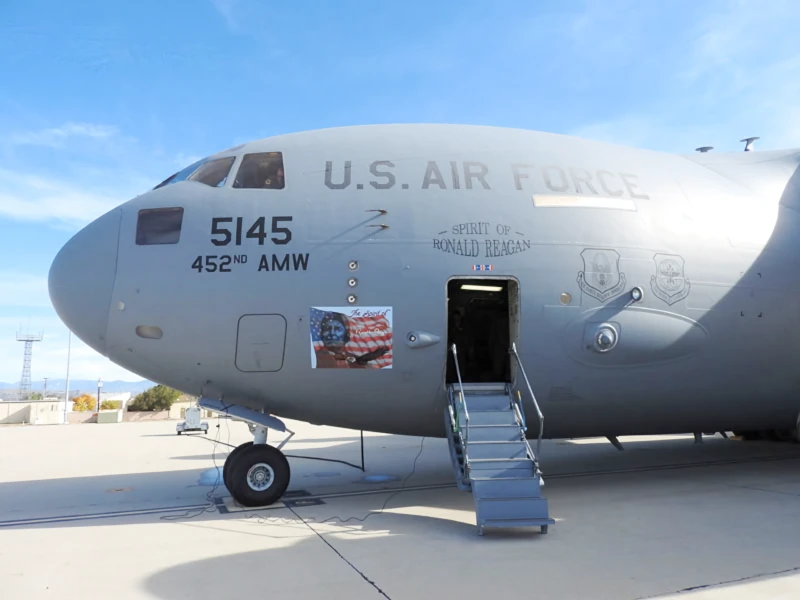
C-17 グローブマスター | |
|---|---|
| 国 | 米国 |
| 型 | 大型軍用輸送機 |
| 生産 | 1991–2015 |
| 構築 | 279 |
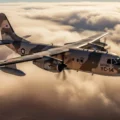
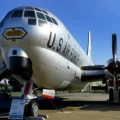
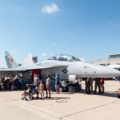
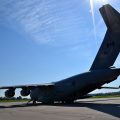
ザ ボーイングC-17グローブマスターIII 大型軍用輸送機です。これは、マクドネル・ダグラスによって1980年代から1990年代初頭にアメリカ空軍(USAF)のために開発されました。同社は後にボーイング社と合併した。C-17は、世界中の主要な運用基地または前方運用基地への軍隊と貨物の迅速な戦略的空輸に使用されます。また、戦術的な空輸、医療避難、空中投下任務を行うこともできます。C-17は、2つの以前の、しかし無関係なピストンエンジン、米軍貨物機、ダグラスC-74グローブマスターとダグラスC-124グローブマスターIIの名前を運びます。もはやアメリカ空軍によって購入されていませんが、C-17は輸出顧客のために建設されています。
| C-17 グローブマスター | |
|---|---|
| カメラマン | 知りません |
| ローカライズ | 知りません |
| 写真 | 60 |
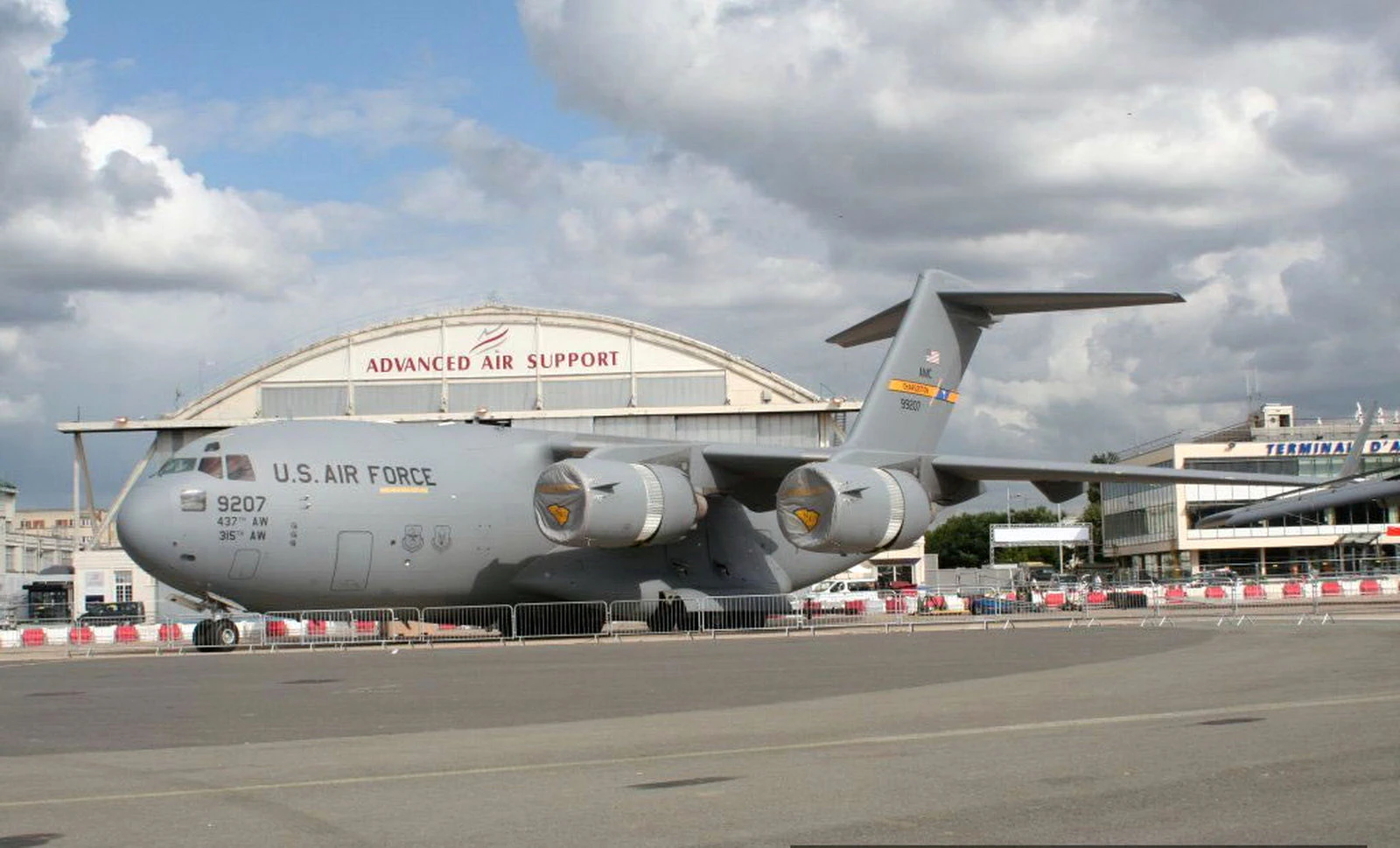
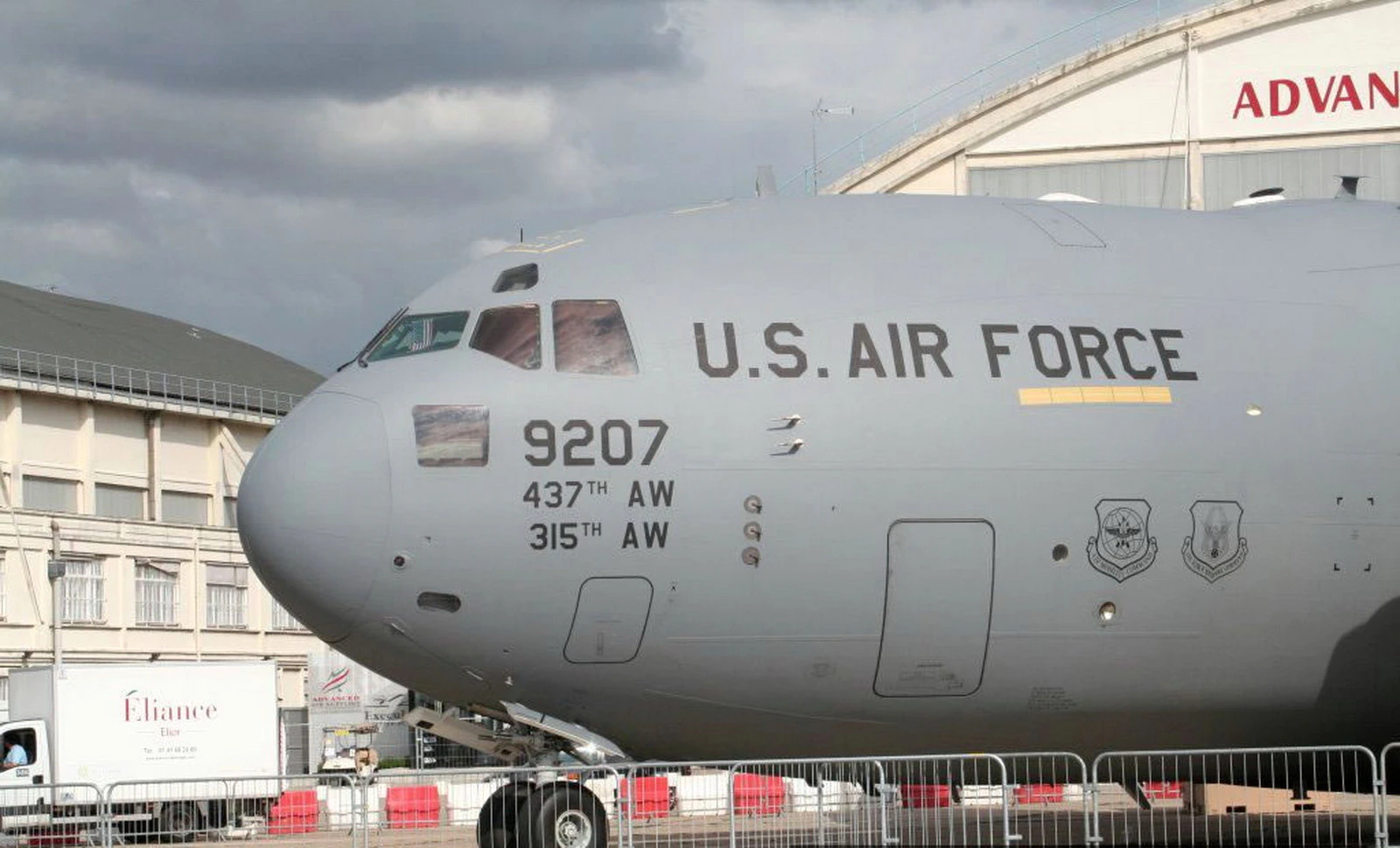
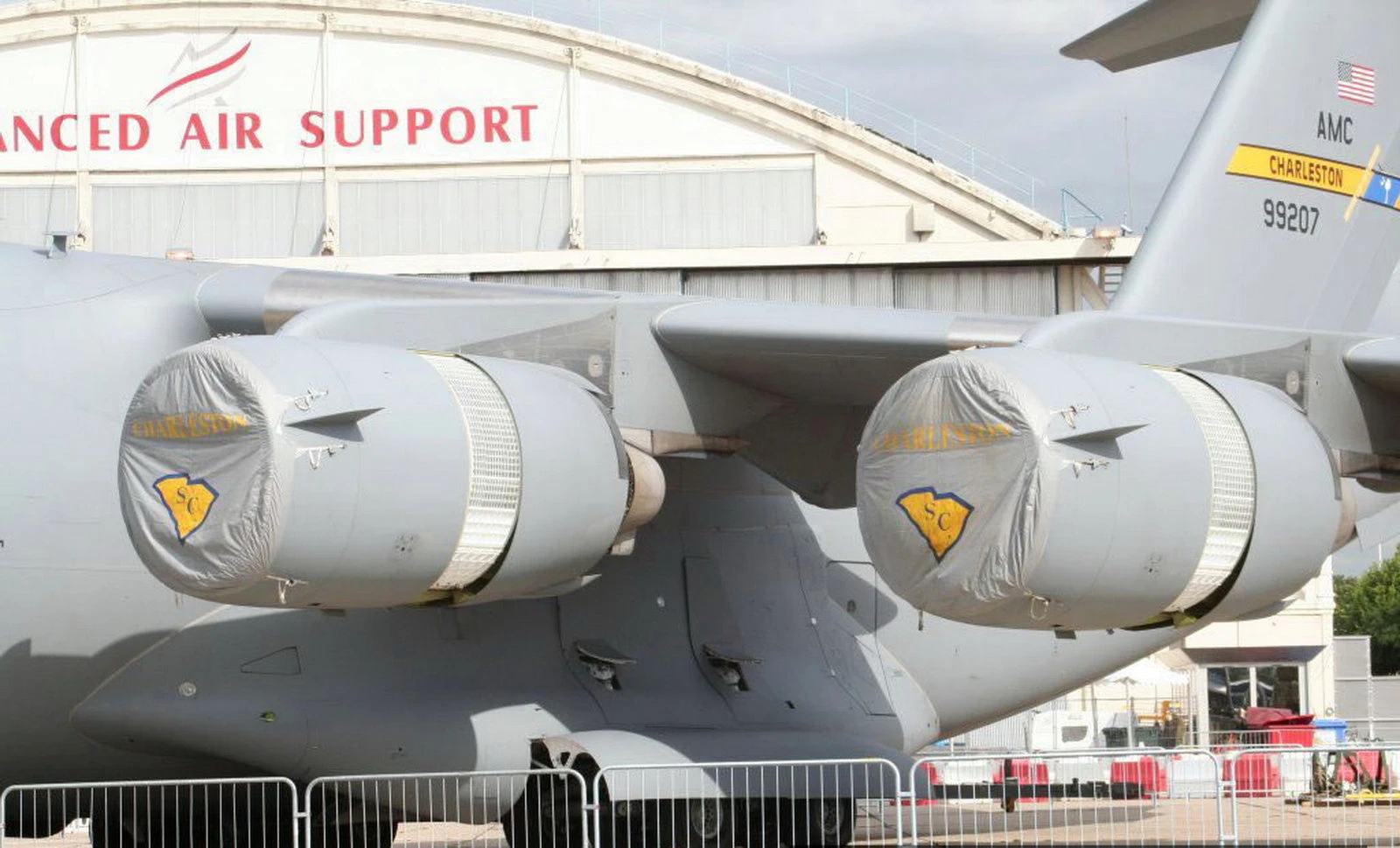

| ボーイングC-17 USAFウォークアラウンド | |
|---|---|
| カメラマン | セス・ヘンドリックス,マイント・デ・ヴレーズ |
| ローカライズ | 知りません |
| 写真 | 143 |
| Boeing C-17A Globemaster III Walk Around | |
|---|---|
| カメラマン | Burhand Donke |
| ローカライズ | 知りません |
| 写真 | 130 |
関連項目:


The “Anywhere, Anytime” Heavy Lifter
ザ C-17 Globemaster III is the premier strategic transport aircraft of the 21st century. Developed by McDonnell Douglas (now Boeing), it was designed to bridge the gap between the massive C-5 Galaxy and the rugged C-130 Hercules. It can carry a massive payload—including an M1 Abrams tank—directly from the United States to a dirt landing strip in a remote combat zone. This unique “strategic-to-tactical” capability has made it the primary tool for rapid troop deployment, humanitarian aid, and aeromedical evacuation worldwide.
| Attribute | Technical Specification (C-17A) |
|---|---|
| 役割 | Strategic / Tactical Military Transport |
| 乗組員 | 3 (Pilot, Co-pilot, Loadmaster) |
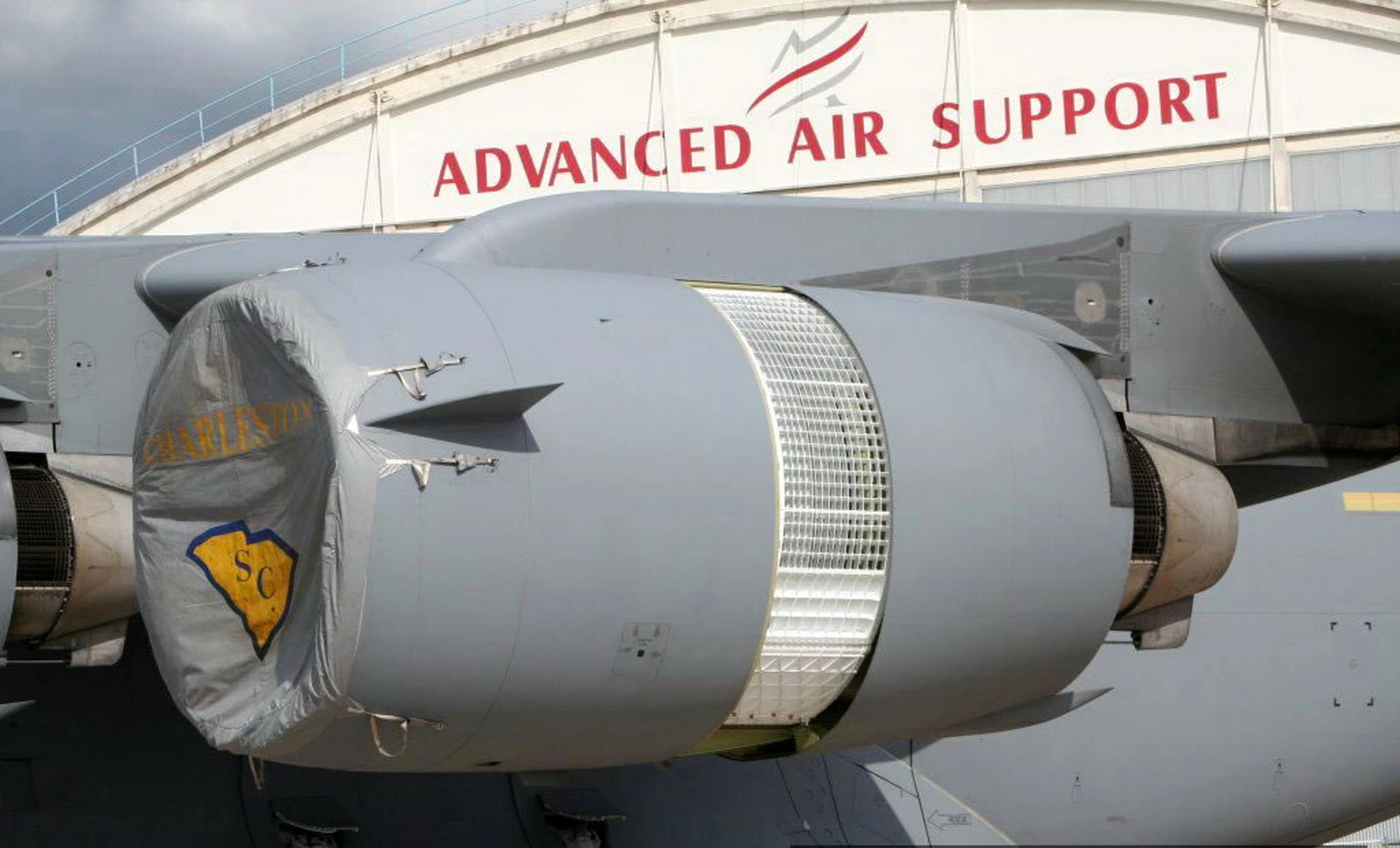
| Engines | 4 × Pratt & Whitney F117-PW-100 turbofans (40,440 lbf each) |
| Max Payload | 77,519 kg (170,900 lbs) |
| Cruise Speed | Mach 0.74 (830 km/h / 450 knots) |
| 範囲 | 4,482 km (2,420 nmi) with max payload |
| Landing Distance | 914 meters (3,000 feet) with max load |
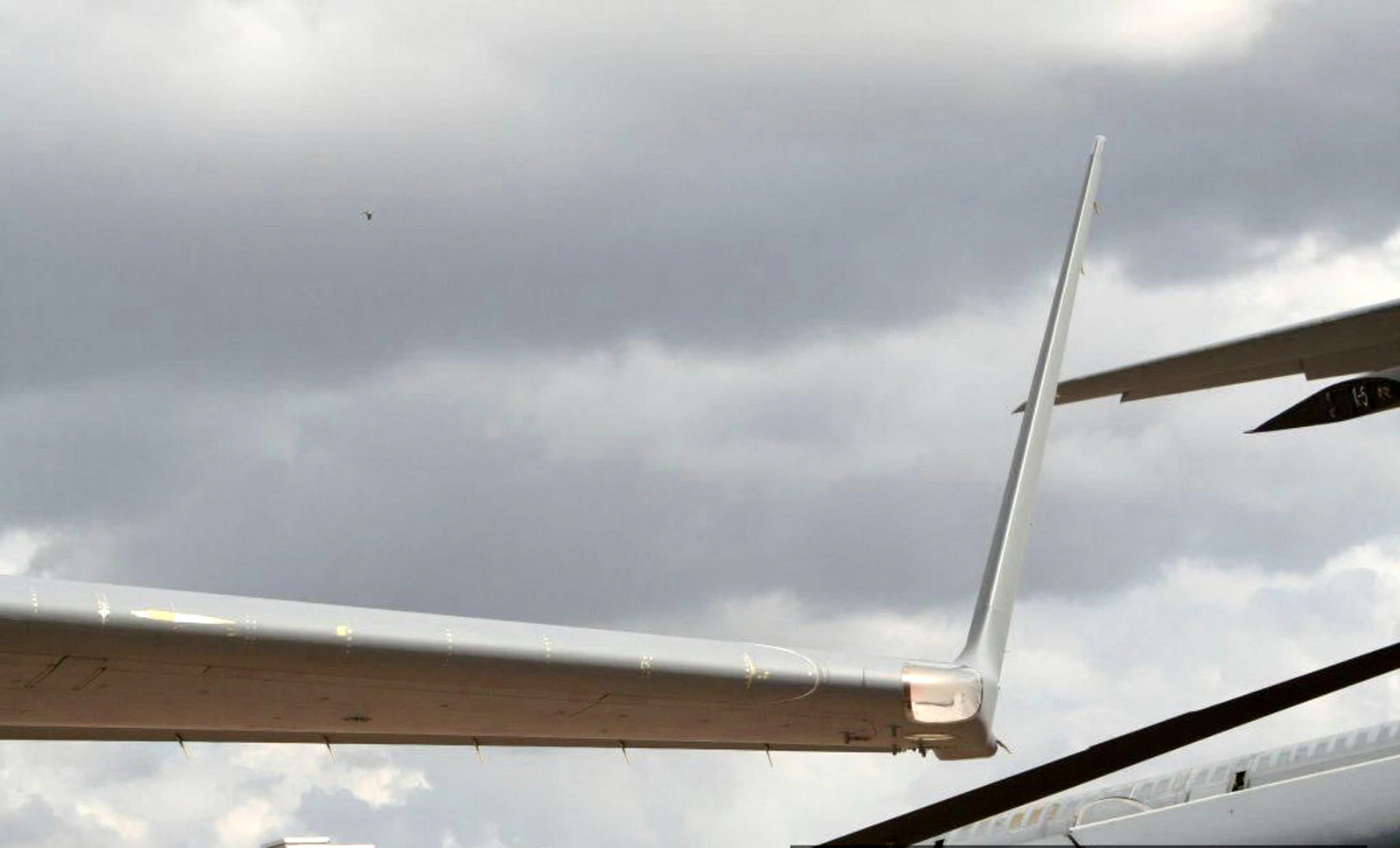
| 翼 | 51.76 meters (169 feet 10 inches) |
Design Engineering: Blown Flaps & Thrust Reversers
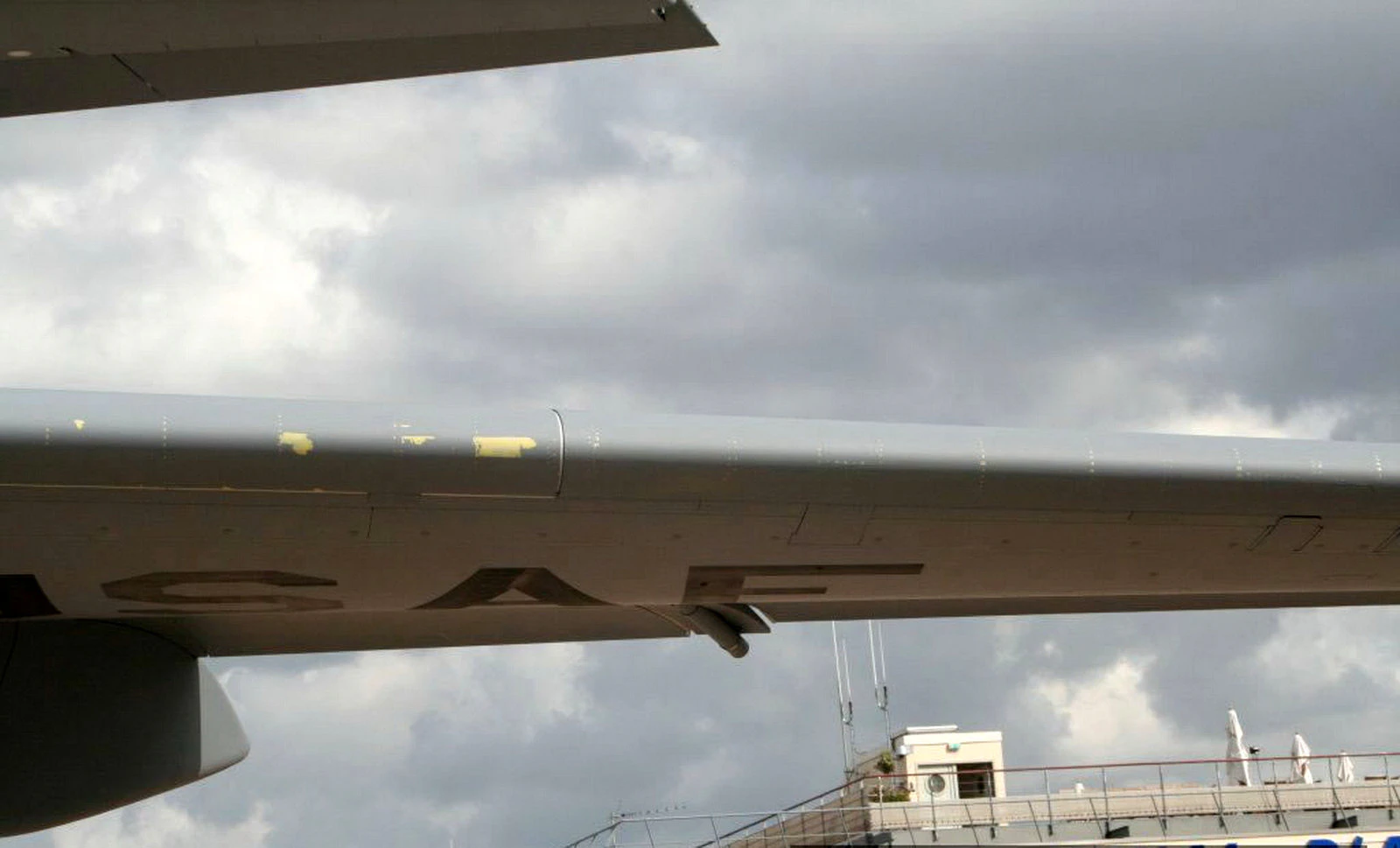
- Externally Blown Flaps: To land a 265-ton aircraft on a short runway, the C-17 uses “blown flaps.” Engine exhaust is directed over and through the huge double-slotted flaps, creating massive amounts of extra lift even at slow speeds.
- Upward-Directed Thrust Reversers: The C-17 can back itself up an incline using its thrust reversers. Crucially, the air is directed upward and forward, preventing the engines from sucking up dust and rocks (FOD) while operating on unimproved dirt airfields.
- Tactical Descent: The C-17 is famous for its ability to perform “tactical descents” at rates of up to 15,000 feet per minute. By using its thrust reversers in flight as speed brakes, it can drop out of the sky quickly to avoid surface-to-air missiles.
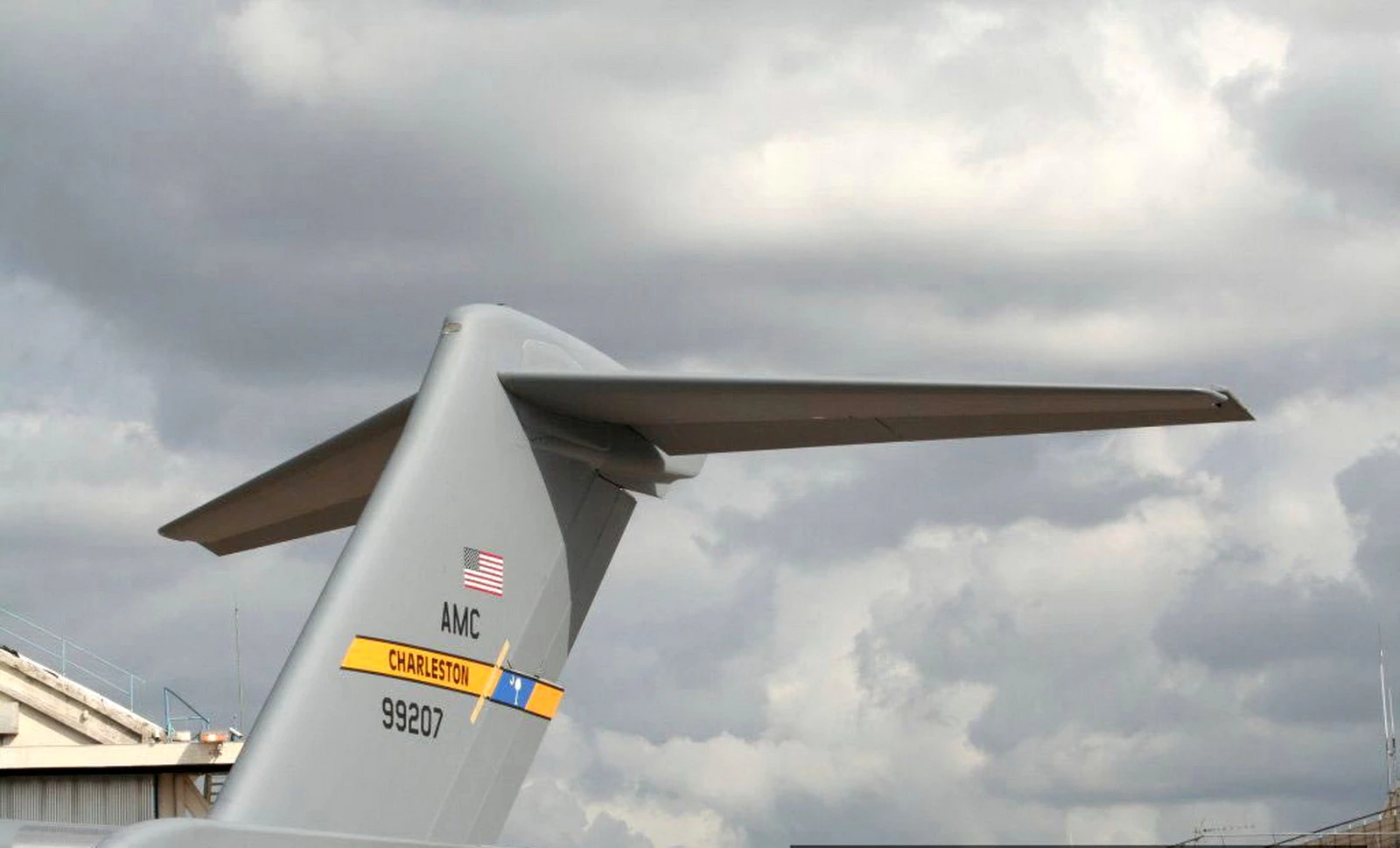
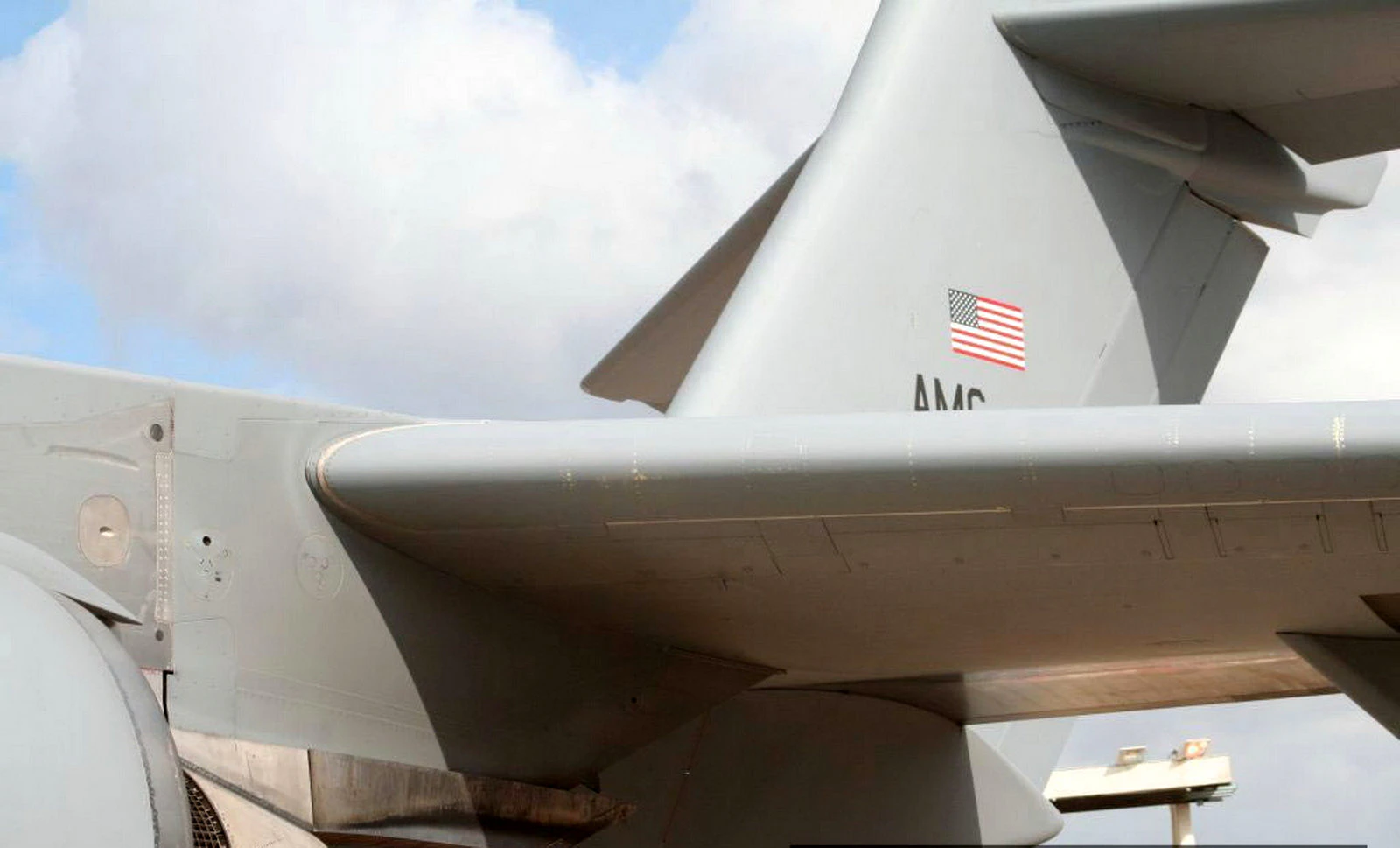
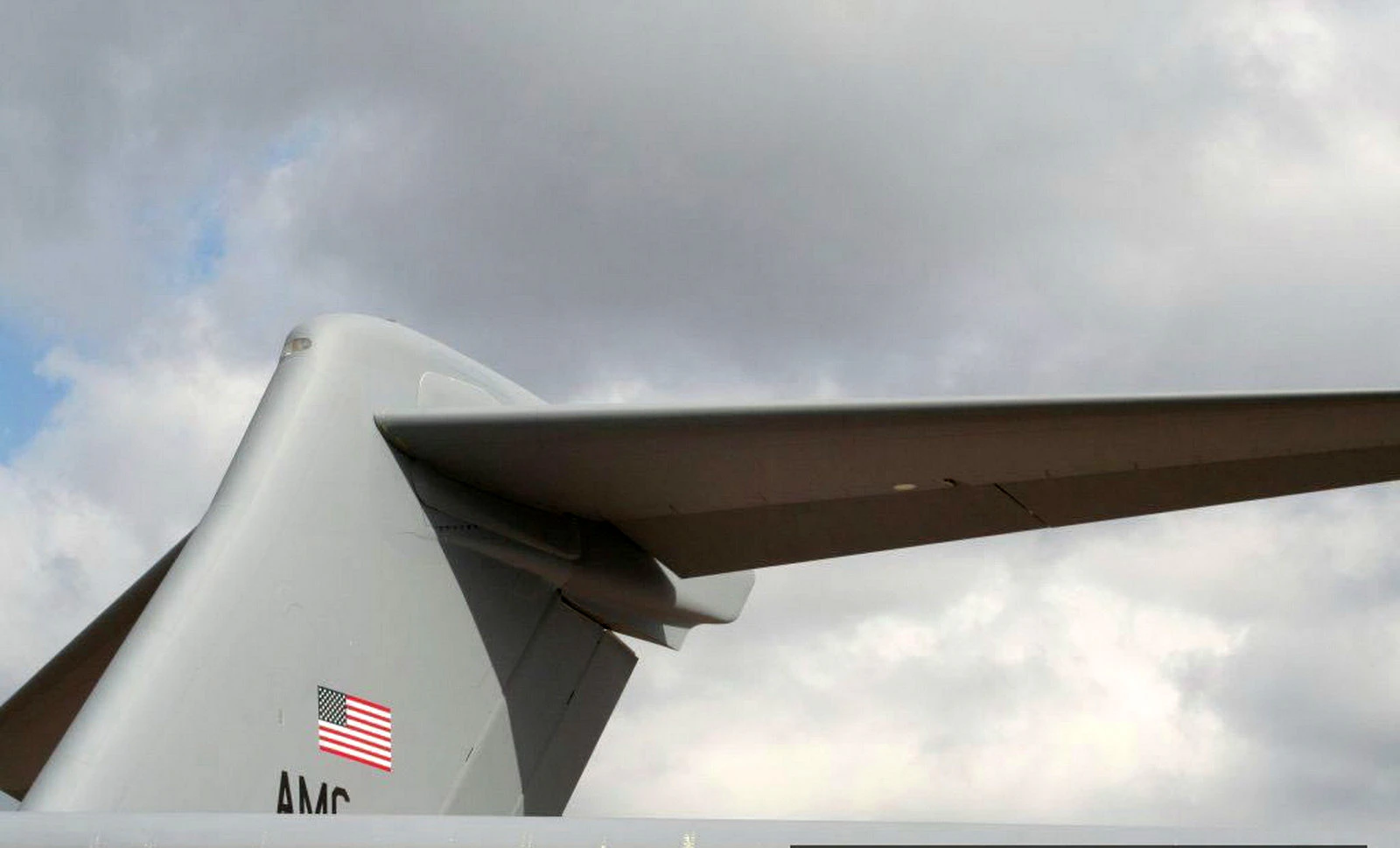
- The T-Tail Design: The high-mounted T-tail keeps the horizontal stabilizers out of the turbulent air created by the wing and engines during high-lift maneuvers, ensuring the pilot maintains precise control during heavy-load landings.
Operational History: A Global Lifeline
- Kabul Airlift (Operation Allies Refuge): In 2021, the C-17 became the face of the evacuation from Afghanistan. One C-17 (Reach 871) famously carried 823 passengers in a single flight, far exceeding its “official” capacity to save lives.
- Humanitarian Giant: From the 2010 Haiti earthquake to the COVID-19 pandemic response, the C-17 is often the first aircraft to arrive with mobile hospitals, food, and water due to its ability to land where other big jets can’t.
- The “Moose”: US Air Force crews affectionately call the plane the “Moose,” supposedly because of the distinct groaning sound the relief valves make when the aircraft is being refueled on the ground.
- International Fleet: Beyond the US, the C-17 is the heavy-lift backbone for the UK (RAF), Australia, Canada, India, and the UAE, as well as the NATO Strategic Airlift Capability in Hungary.
再生 : 3583