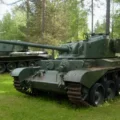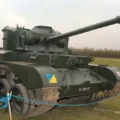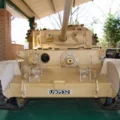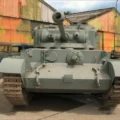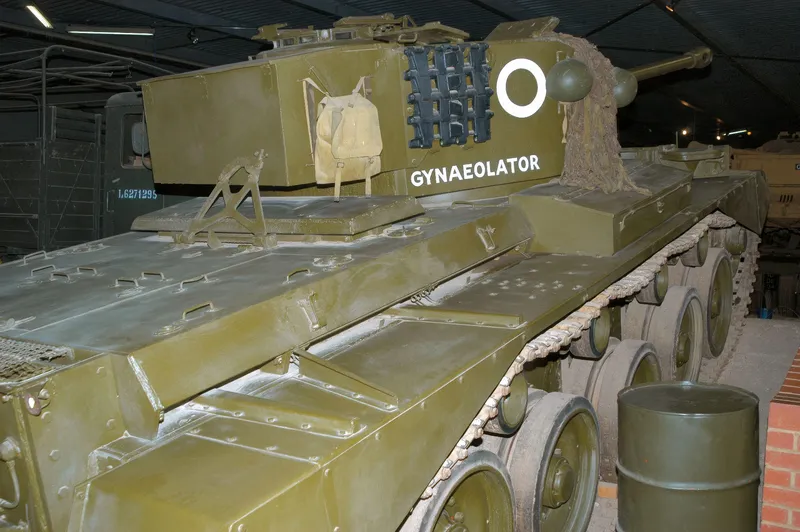
A34彗星婦人科医 | |
|---|---|
| 国 | 英国 |
| 型 | 巡洋艦 |
| 期間 | 第二次世界大戦 |
彗星(A-34)は、第二次世界大戦の終わりにサービスに入り、朝鮮戦争の間にも使用されたイギリスの戦車でした。
ソース: A34 彗星シュルウィキペディア
| A34 Comet Gynaeolator – Walk Around | |
|---|---|
| カメラマン | 知りません |
| ローカライズ | 知りません |
| 写真 | 21 |
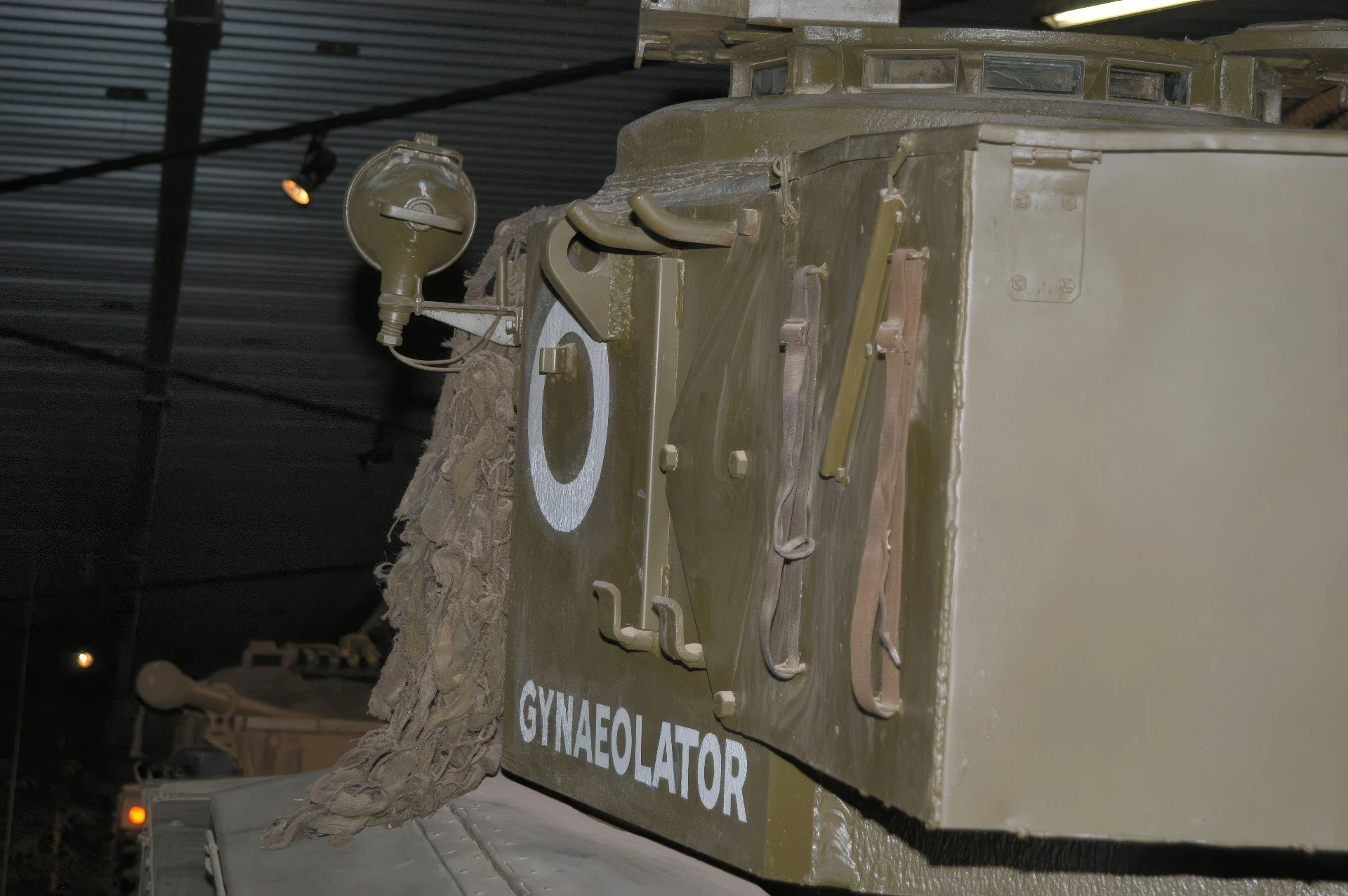
A34 Comet Gynaeolator 10
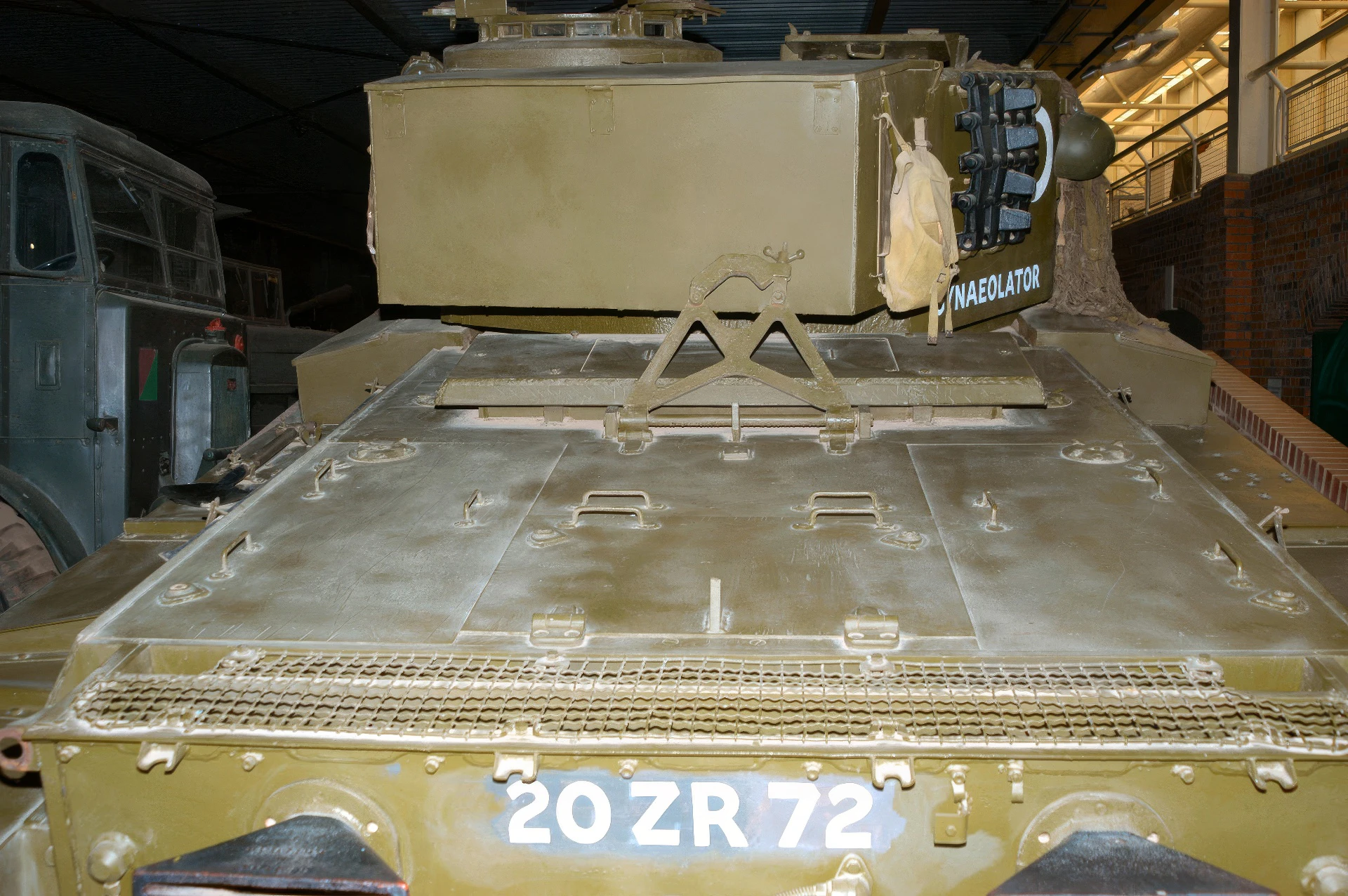
A34 Comet Gynaeolator 11
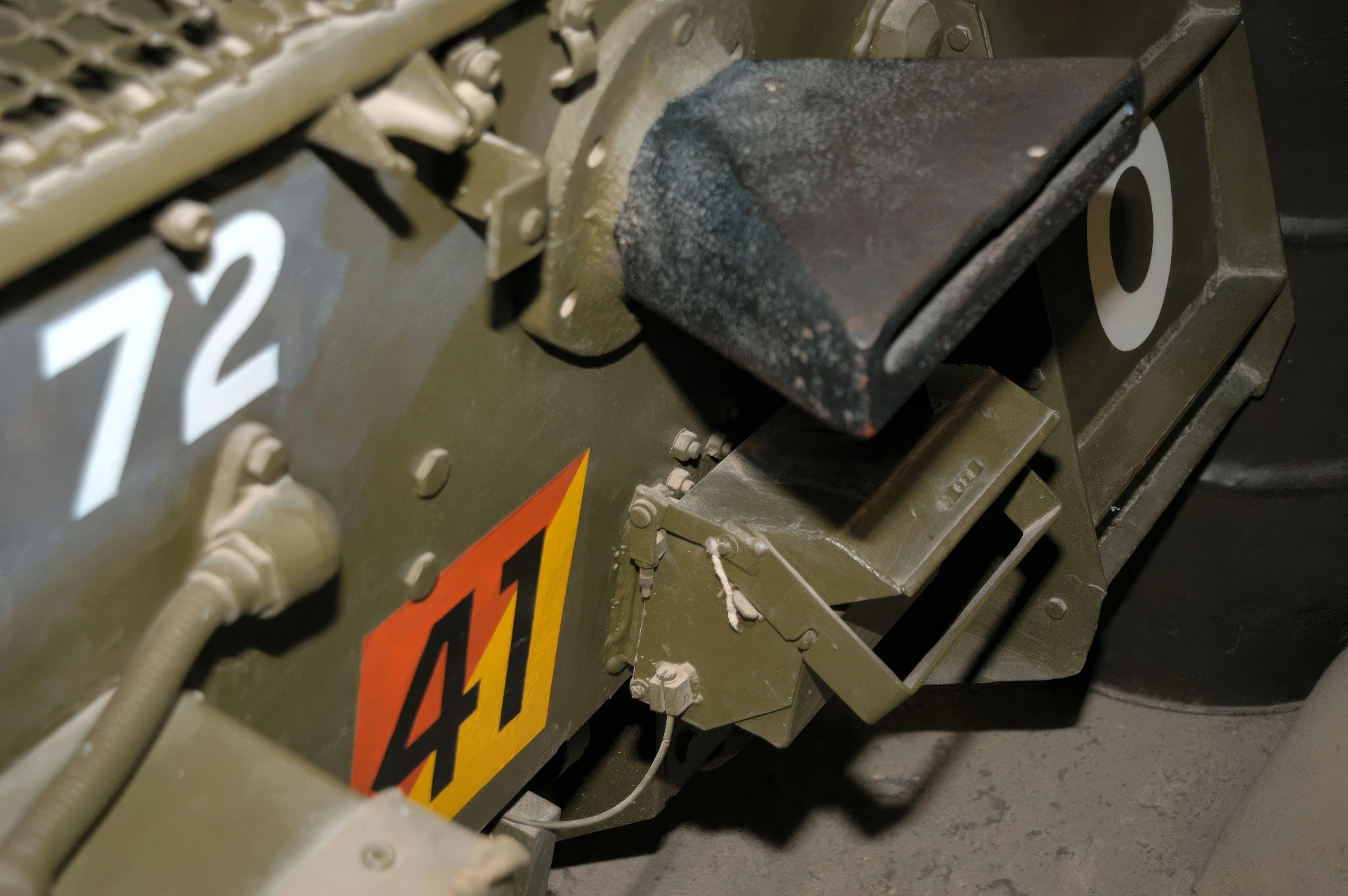
A34 Comet Gynaeolator 12
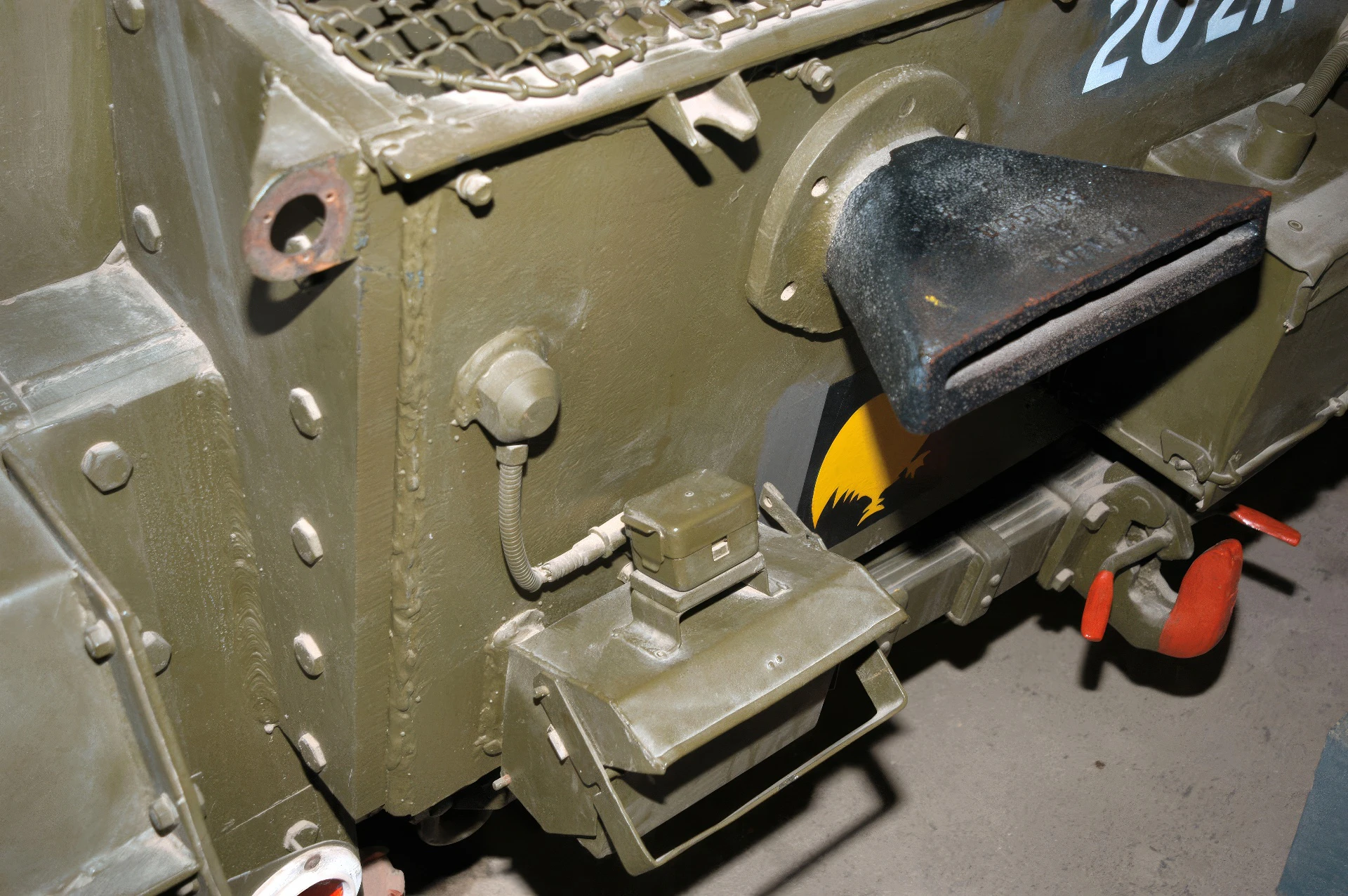
A34 Comet Gynaeolator 13
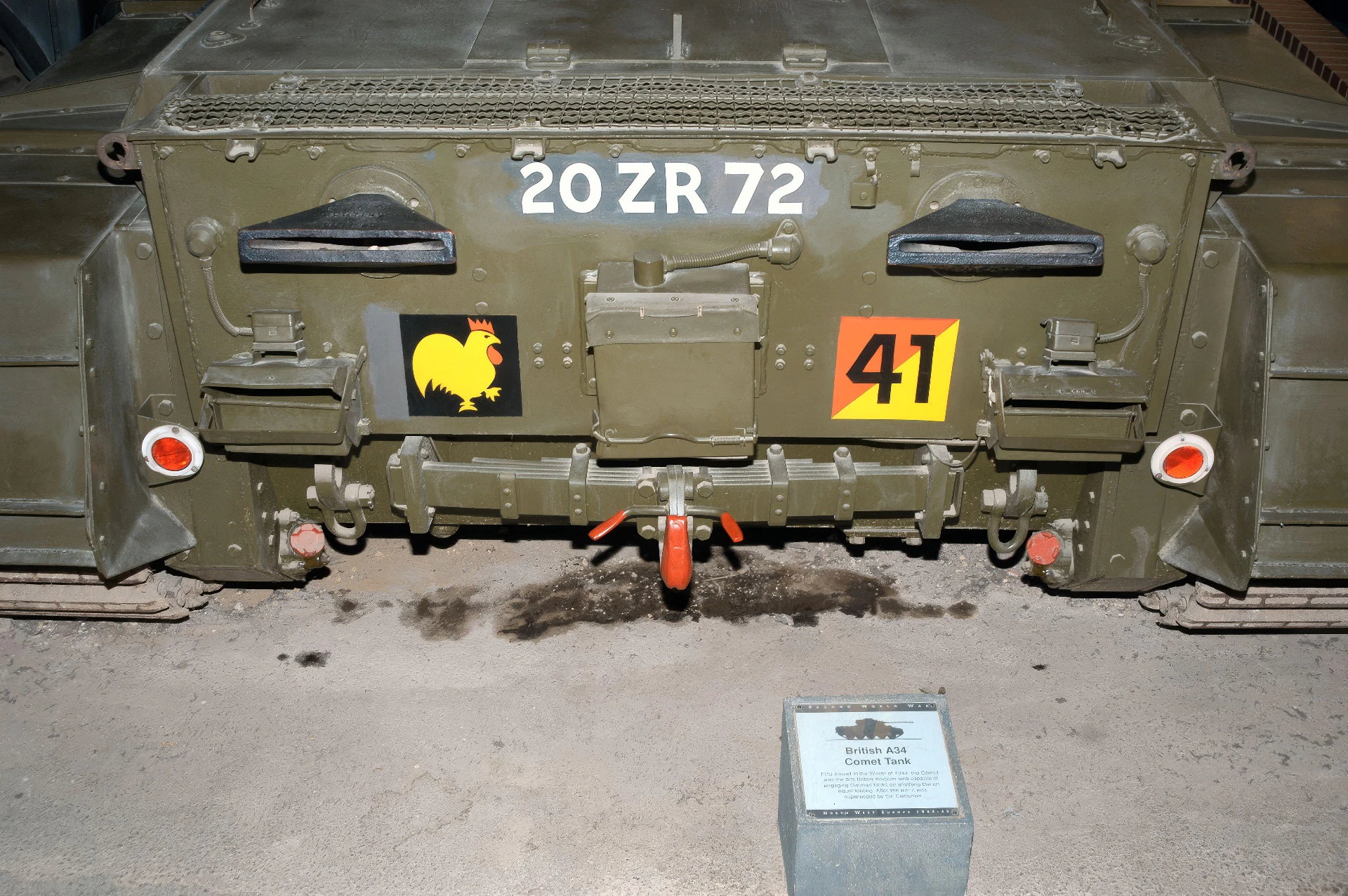
A34 Comet Gynaeolator 14
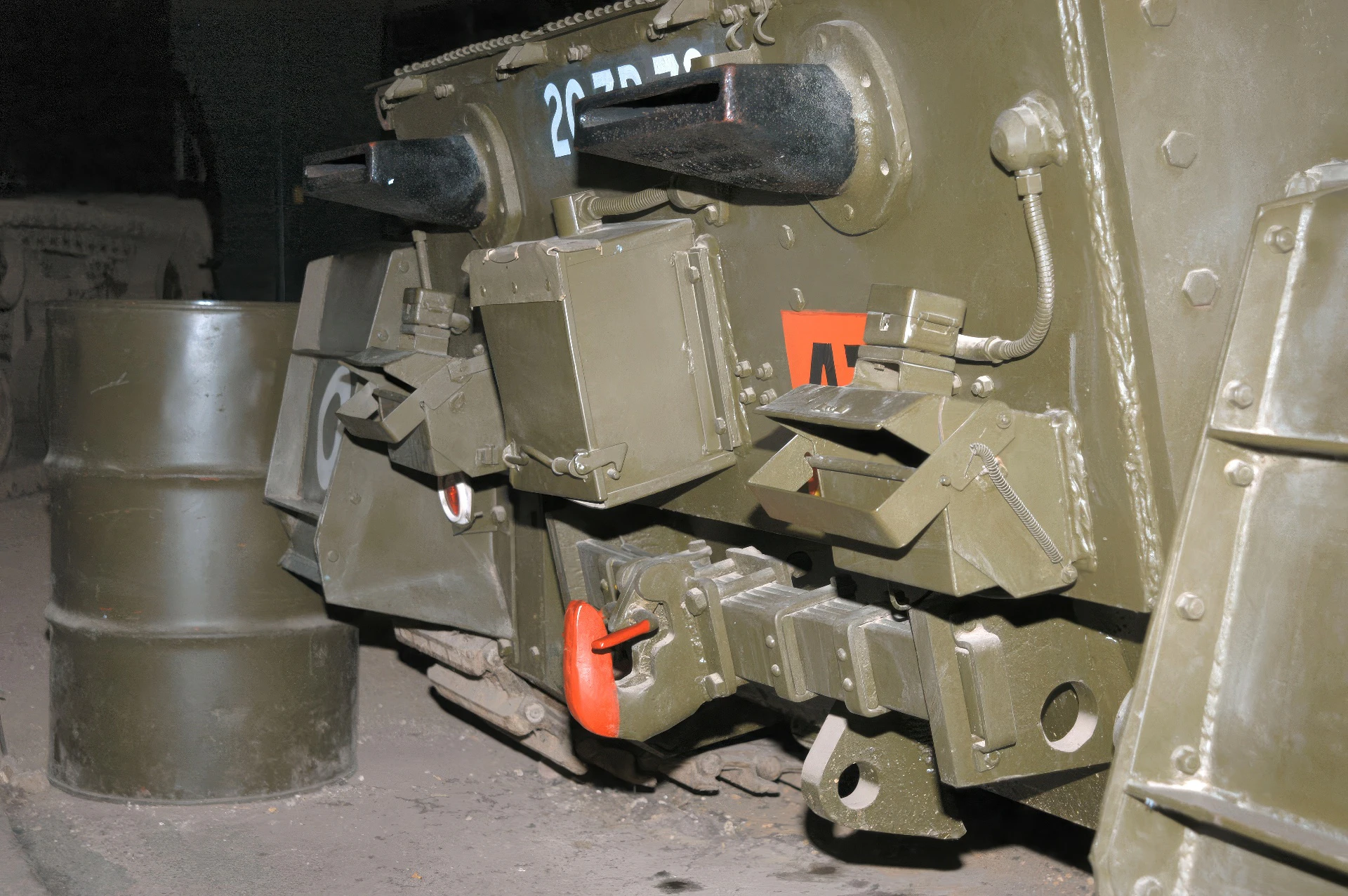
A34 Comet Gynaeolator 15
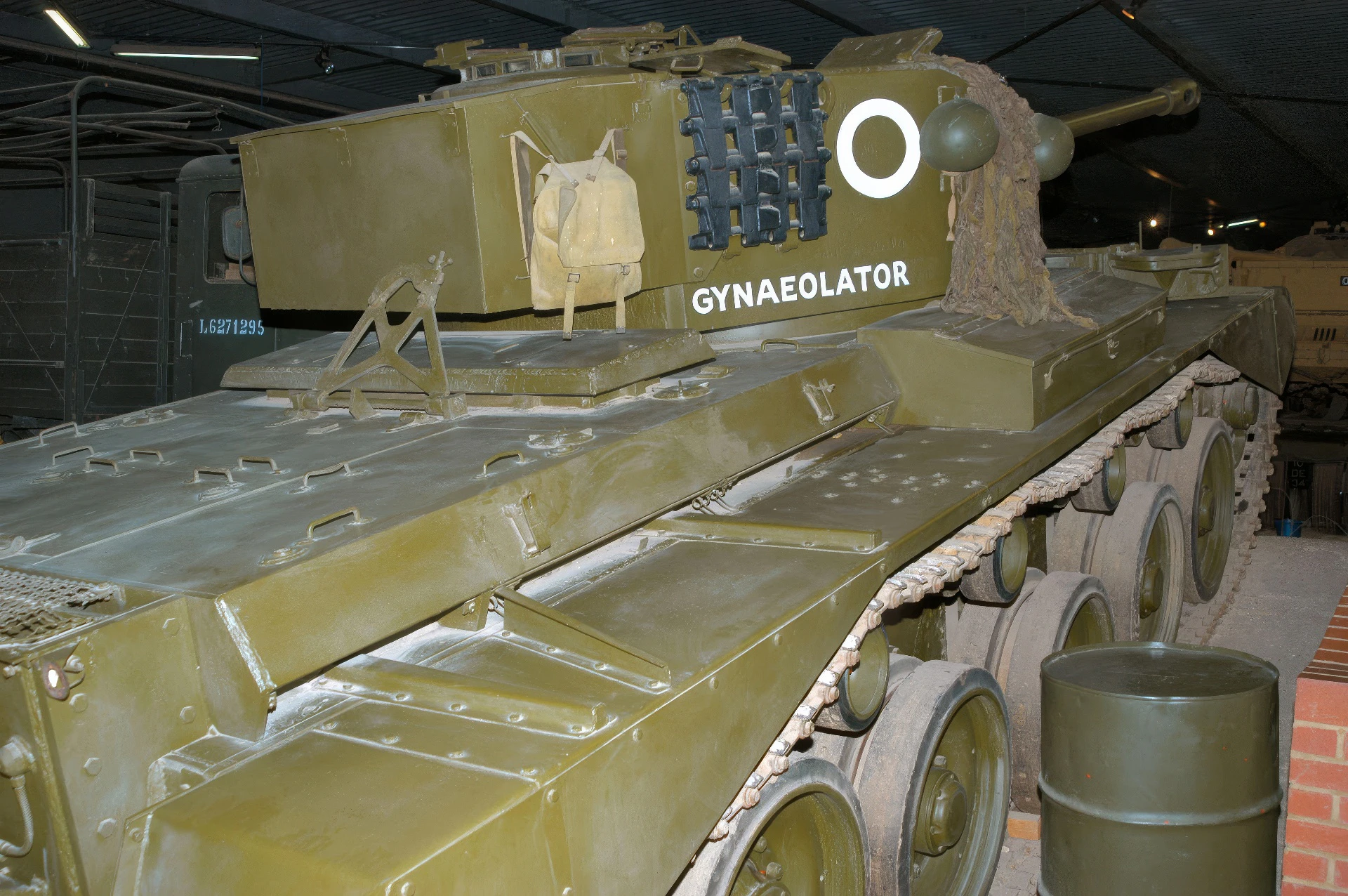
A34 Comet Gynaeolator 16
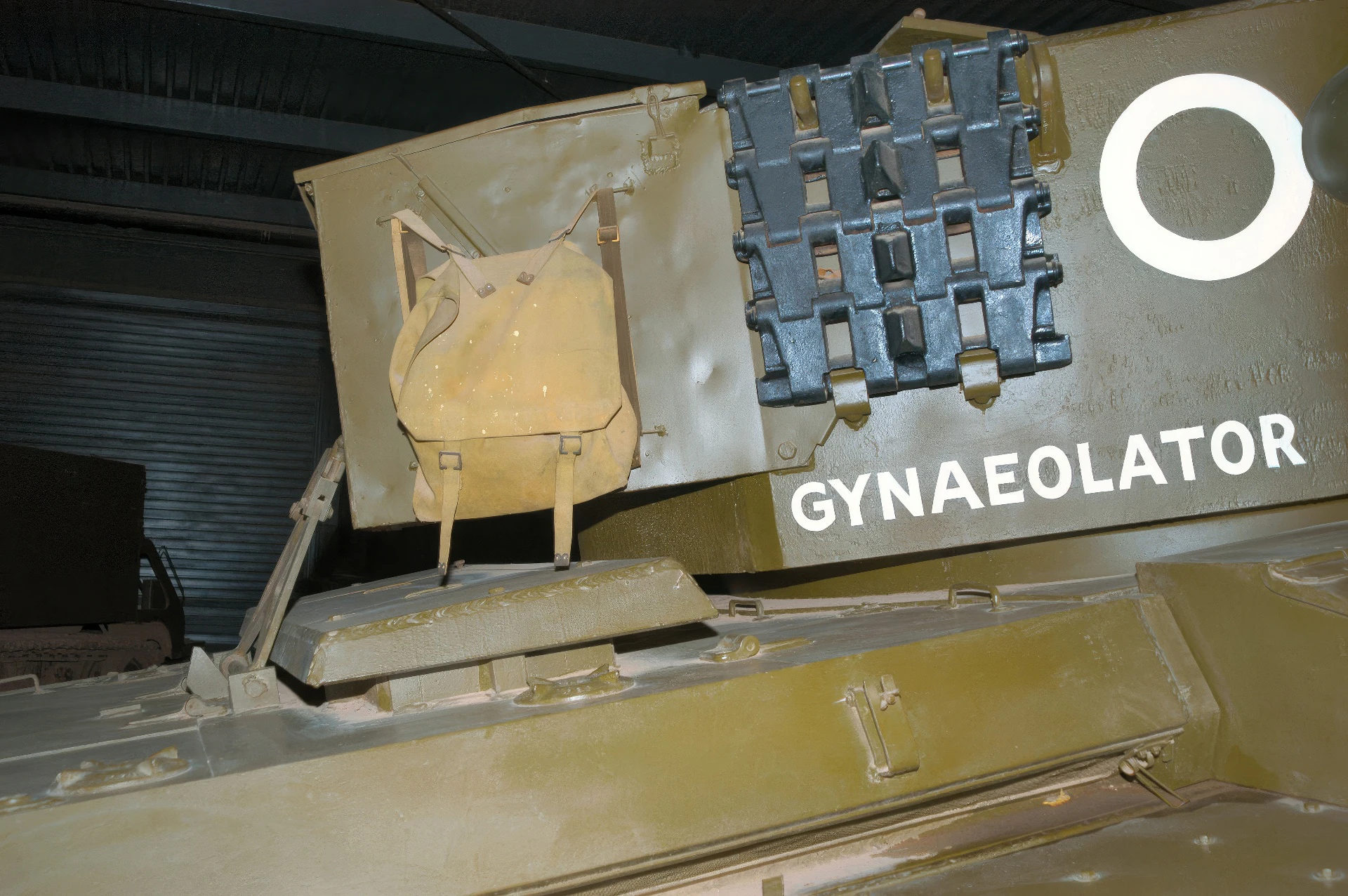
A34 Comet Gynaeolator 17
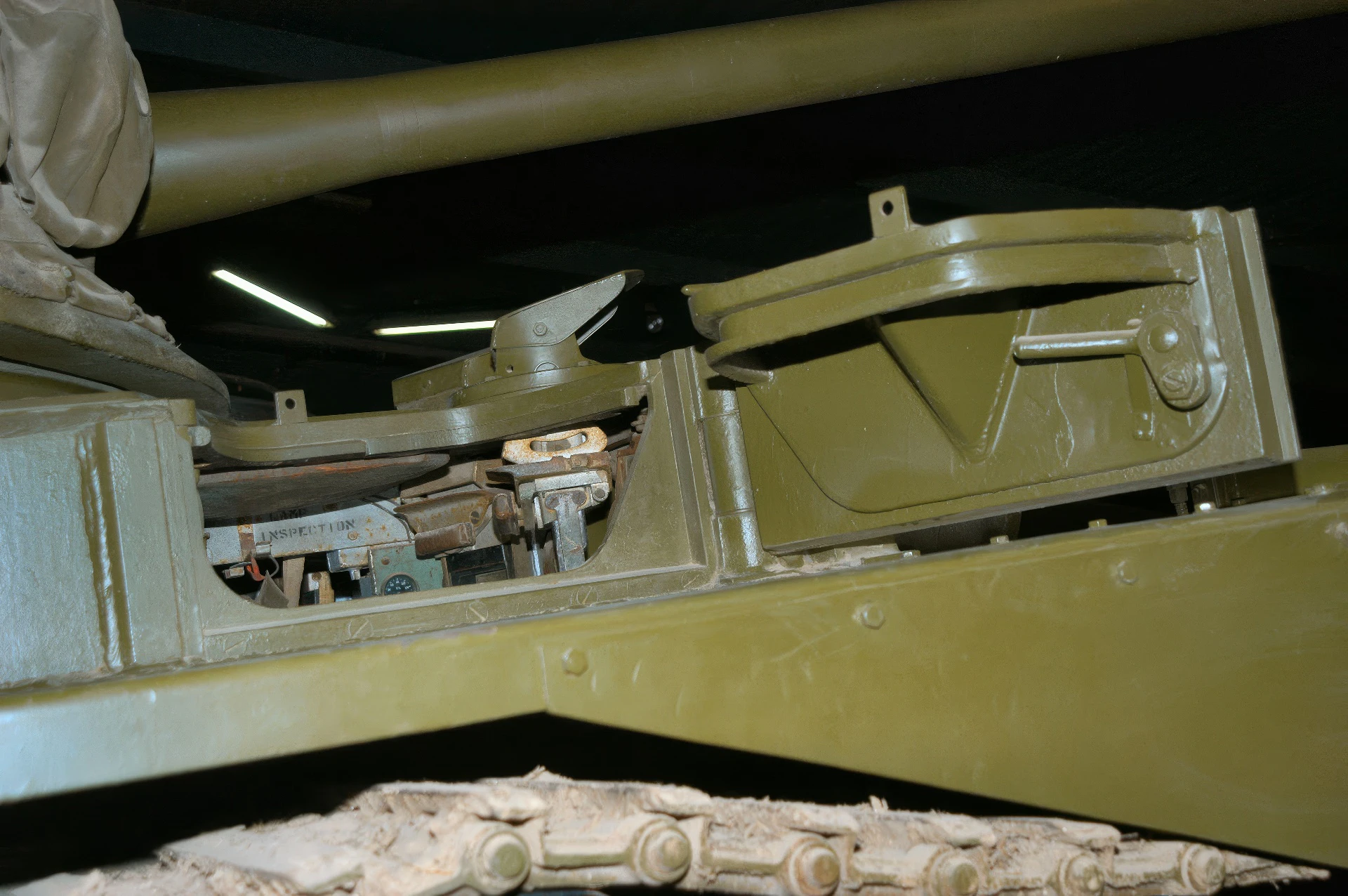
A34 Comet Gynaeolator 18
待って、検索A34彗星婦人科医の写真.

関連項目:


待って、あなたのための巡洋艦タンクを検索しています...
Significance: The Comet (Tank, Cruiser, Comet I, A34) was the final and most successful British cruiser tank to see service in World War II. It was designed to address the major shortcomings of its predecessors, the Cromwell and Challenger, by combining high speed and reliability with a gun powerful enough to confidently engage late-war German heavy tanks like the Panther. The name “Gynaeolator” is not an official variant, but a name painted on a specific surviving vehicle, chassis number T335096, currently preserved at the Imperial War Museum Duxford.
Development and Design
Design work on the A34 began in 1943 by Leyland Motors, using the Cromwell tank’s reliable chassis as a base, but incorporating extensive improvements. The goal was to mount a gun firing a projectile derived from the powerful 17-pounder anti-tank gun.
- Main Armament: The Comet’s defining feature was the Ordnance Quick-Firing 77 mm Gun. Despite its name, this gun had a caliber of 76.2 mm; the unique designation was used to prevent confusion with the 17-pounder (which used a longer cartridge case). When firing Armour-Piercing Discarding Sabot (APDS) ammunition, the 77 mm HV (High Velocity) gun was highly effective against the armor of tanks like the Panther.
- Chassis and Engine: It retained the excellent mobility of the Cromwell, powered by the 600 hp Rolls-Royce Meteor V12 engine (a tank version of the Spitfire’s Merlin engine). Its Christie suspension was strengthened, and return rollers were added to reduce the Cromwell’s tendency to throw tracks at high speed.
- Armor and Turret: The tank featured a new, larger, all-welded turret and a hull that was also fully welded, improving crew safety and armor protection compared to earlier designs.
Wartime Service and Legacy
The Comet arrived too late in the war to have a massive impact on the battlefield, but it proved to be a reliable and highly capable design during the final offensives, restoring the reputation of British tank design.
- Combat Debut: The Comet entered active service in December 1944. Its first major action was during the Western Allied invasion of Germany in early 1945, including the Operation Plunder crossing of the Rhine.
- Crew Satisfaction: Crews generally considered the Comet to be the best British tank of the war, providing a much-needed balance of speed, protection, and firepower.
- Successor: More importantly, the Comet served as the crucial interim design leading to the development of the British post-war Main Battle Tank, the legendary Centurion, which directly utilized the Comet’s successful gun and design features.
- Extended Service: The tank remained in British service until 1958 and was exported to several other nations, including Finland, South Africa, and Ireland, where some were used into the 1980s.
Specifications (A34 Comet I)
| Characteristic | 仕様 |
|---|---|
| Country of Origin | 英国 |
| 型 | 巡洋艦 |
| Mass (Combat) | 35 long tons (35.5 metric tons) |
| 乗組員 | 5 (Commander, Gunner, Loader/Operator, Driver, Hull Gunner) |
| 主砲 | Ordnance QF 77 mm HV Gun |
| Max Armor Thickness | 102 mm (4.0 in) on turret front |
| エンジン | Rolls-Royce Meteor Mark III V12 petrol, 600 hp |
| Max Speed (Road) | 51 km/h (32 mph) |
| 動作範囲 | 200 km (123 miles) |
ビュー : 2060