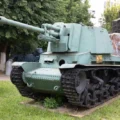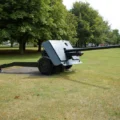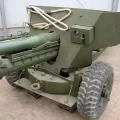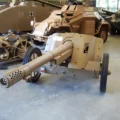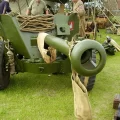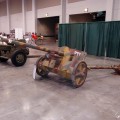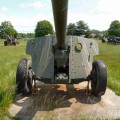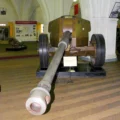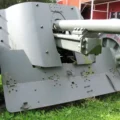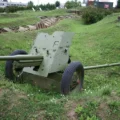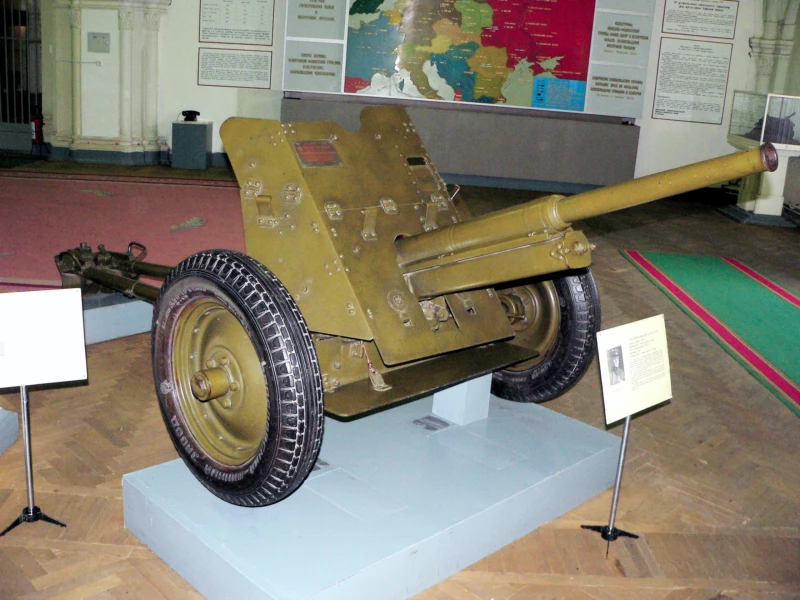
45 mm anti-tank gun M1937 | |
|---|---|
| 国 | ソ連 |
| 役割 | 対戦車砲 |
| 生産 | 1937-1943 |
| 構築 | 37000+ |
ザ 45mm対戦車砲モデル 1937 ●(工場指定53-K)は、ドイツ・ソビエト戦争の第1段階で使用された軽快速発射対戦車砲でした。これは、元デザイナーV.フォン・ベーリングの逮捕と処刑の後、ソ連の砲兵デザイナーM.N.ロジノフによって作成されました。●装甲貫通不足のため、長砲身45mm対戦車砲M1942(M-42)に置き換えられました。
| 45mm 53-K ATガンMod.1937歩き回る | |
|---|---|
| カメラマン | ユーリ・パスホロック |
| ローカライズ | 知りません |
| 写真 | 139 |

関連項目:


The Primary Red Army Anti-Tank Gun of Barbarossa
ザ 45mm対戦車砲 M1937 (factory designation 53-K) was a light, high-velocity anti-tank artillery piece developed by Factory No. 8 in Kaliningrad (now Korolyov) under the direction of designer Mikhail Loginov. Built as an upgraded derivative of the earlier 37 mm and 45 mm M1932 (19-K) guns, the M1937 incorporated a modified carriage, improved breech mechanism, and higher quality sighting optics. Designed to defeat light and medium armor of the late 1930s, the 53-K served as the primary dedicated anti-tank weapon of Soviet infantry divisions during the initial, harrowing phases of Operation Barbarossa in 1941. Affectionately nicknamed Sorokapyatke (“the Little Forty-Five”) by Red Army crews due to its light weight and low profile, it established the foundational lineage for Soviet wartime light artillery.
| Attribute | Technical Specification (45 mm Anti-Tank Gun M1937 / 53-K) |
|---|---|
| 役割 | Light Battalion-Level Anti-Tank Gun / Direct-Fire Infantry Support |
| 乗組員 | 4 to 5 Artillerymen (Commander, Gunner, Loader, Two Ammunition Bearers) |
| Caliber & Barrel Length | 45 mm (1.77 in) | 46-caliber barrel length (L/46, ~2.07 m barrel) |
| Effective / Max Range | 1,000 m (1,093 yards) direct anti-tank fire | 4,400 m (4,811 yards) max indirect fire |
| Armor Penetration | 43 mm at 500 m (90° impact, APBC round) | 32 mm at 1,000 m |
| Rate of Fire | 15 to 20 rounds per minute (maximum combat firing rate) |
| Combat Weight | 560 kg (1,235 lbs) in firing position | Extremely light and man-portable over short distances |
| Carriage Type | Split-trail steel carriage with spoked rubberized tires and protective steel shield |
| Elevation / Traverse | Elevation: -8° to +25° | Traverse: 60° total carriage arc (30° left/right) |
| Production Total | 37,354 units produced across Soviet state arsenals between 1937 and 1943 |
Design Engineering: Semi-Automatic Breech, Split Trails, and Rheinmetall Roots
- Rheinmetall License Lineage: The core architecture of the 53-K stemmed from the German 3.7 cm PaK 36 design, which Soviet authorities had licensed from Rheinmetall in 1930. Soviet designers bored out the receiver to accommodate a larger 45 mm barrel, combining German carriage ergonomics with heavier shell firepower.
- Semi-Automatic Vertical Sliding-Wedge Breech: The M1937 featured a semi-automatic vertical sliding breech mechanism. Upon firing, the recoil stroke automatically ejected the spent brass casing and held the breech open; loading a fresh cartridge triggered the automatic closure of the breech, enabling rapid firing rates up to 20 rounds per minute.
- Suspension and Rubberized Wheels: Unlike earlier wooden-wheeled artillery, the M1937 was built with a sprung axle and sponge-rubber-filled automotive tires (derived from GAZ-A trucks). This allowed high-speed towing behind light trucks, limbers, or tracked artillery tractors without shaking the optics out of alignment.
- Low-Profile Shield and Split-Trail Stability: The gun was equipped with a 4.5 mm thick curved steel gun shield to protect the crew from small-arms fire and shell splinters. Its split-trail carriage could be spread wide to provide a broad 60-degree traverse field without needing to pivot the wheels.
Operational History: Winter War, 1941 Defense, and Tactical Evolution
- First Combat in the Winter War and Spanish Civil War: Early 45 mm variants saw initial service during the Spanish Civil War and the 1939–1940 Winter War against Finland. In Finland, the guns proved crucial for suppressing enemy pillboxes and knocking out light fortifications with high-explosive fragmentation shells.
- The Opening Clashes of Operation Barbarossa (1941): At the onset of the German invasion in June 1941, the 53-K was effective against the majority of German armor, including the Panzer I, Panzer II, Panzer 38(t), and early-model Panzer III and IV tanks. Its low profile allowed Red Army crews to set up deadly close-range ambush positions along tree lines and crossroads.
- Limits Against Heavy Armor and Upgrades: By 1942, as the Wehrmacht introduced upgraded armor plating on Panzer IIIs and IVs and fielded heavy Tigers and Panthers, the M1937’s standard AP ammunition struggled to penetrate frontal arc armor. This forced Red Army crews to wait until targets exposed their thinner side armor, earning the gun the somber frontline nickname “Farewell, Motherland!”
- Transition to the M-42 and Auxiliary Service: Production transitioned in 1942 to the long-barreled 45 mm M-42 (L/66), which offered significantly higher muzzle velocity. However, thousands of original M1937 guns remained in service until the end of WWII as infantry support weapons, firing fragmentation shells to neutralize enemy machine-gun nests and light bunkers.
再生回数 : 4873