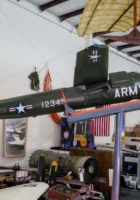
ノースロップ MQM-57B ファルコナー

Radioplane BTT

米国
役割ターゲットドローン
ファーストフライ知りません
構築7300+

ラジオプレーンBTTは、同社ではRP-71、アメリカ海軍ではWS-426/2、アメリカ空軍ではWS-462/2として知られており、ラジオプレーン社(後のノースロップの一部門)が製造したターゲットドローンのファミリーである。

MQM-57 ファルコナー: A variant of the BTT designated the RP-71, also known as the SD-1 Observer and later redesignated MQM-57 Falconer, was built for battlefield reconnaissance, with first flight in 1955. The Falconer was similar in appearance to the Shelduck, but had a slightly longer and stockier fuselage. It had an autopilot system with radio-control backup, and could carry cameras, as well as illumination flares for night reconnaissance. Equipment was loaded through a hump in the back between the wings. Although it only had an endurance of a little more than a half-hour, making it of limited use, about 1,500 Falconers were built and the type was used internationally with several different military forces, remaining in service into the 1970s. Over 73,000 BTT targets were built in all, and the type was used by at least 18 nations. Some may still be lingering in service.

ソース: Radioplane BTTをウィキペディアで

続きを読む

ビュー : 1262

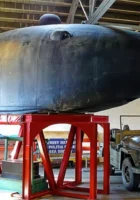
インテリジェントクジラ潜水艦

Intelligent Whale

米国
役割潜水艦
起工1863
構築1

インテリジェントクジラ実験的な手でクランクされた潜水艦は、アウグストゥス・プライスとコーネリアス・スクラントン・ブッシュネルによって1863年にスコーベル・スタージス・メリアムの設計上に建造されました。1864年にアメリカの潜水艦会社が設立され、ブッシュネルとプライスの利益を引き継ぎ、工芸品の所有権をめぐる長年の訴訟が続きました。タイトルが裁判所によって設立されたとき、潜水艦は1869年10月29日に所有者オリバー・ハルステッドと海軍ジョージ・M・ロブソン海軍長官によってアメリカ海軍に行われた契約を通じて売却され、その代償のほとんどは裁判に成功した後に支払われる予定でした。1872年9月、最初の裁判が行われ、失敗し、その後、部門はさらなる支払いを拒否し、プロジェクトを放棄しました。

ソース: ウィキペディアのインテリジェントクジラ

続きを読む

再生 : 1636

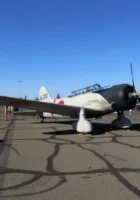
愛知D3Aヴァルレプリカ

Aichi D3A

日本
役割●艦上ダイブボンバー
初飛行1938年1月
構築1495

愛知D3A Type 99 Carrier Bomber (Allied reporting name “Val”) is a World War II carrier-borne dive bomber. It was the primary dive bomber of the Imperial Japanese Navy (IJN) and was involved in almost all IJN actions, including the attack on Pearl Harbor. The Aichi D3A was the first Japanese aircraft to bomb American targets in the war, commencing with Pearl Harbor and U.S. bases in the Philippines, such as Clark Air Force Base. Vals sank more Allied warships than any other Axis aircraf.

ソース: 愛知D3Aウィキペディア

続きを読む

ビュー : 3100

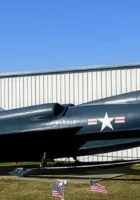
コンベア YF-2Y シーダート

Convair F2Y Sea Dart

米国
役割水上戦闘機
初飛行1953年1月14日
構築5

コンベア F2Y シーダート was an American seaplane fighter aircraft that rode on twin hydro-skis during takeoff and landing. It flew only as a prototype, and never entered mass production. It is the only seaplane to have exceeded the speed of sound. It was created in the 1950s, to overcome the problems with supersonic planes taking off and landing on aircraft carriers. The program was canceled after a series of unsatisfactory results and a tragic accident on 4 November 1954, when test pilot Charles E. Richbourg was killed when the Sea Dart he was piloting disintegrated in midair. The four surviving planes were retired in 1957, but some were kept in reserve until 1962.

ソース: ウィキペディアのコンベア F2Y シーダート

続きを読む

再生 : 2498

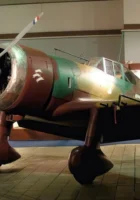
フォッカー D. XXI

Fokker D. XXI

オランダ語
役割戦闘機
初飛行1936年3月27日
構築146

フォッカー D.XXI fighter was designed in 1935 by Dutch aircraft manufacturer Fokker in response to requirements laid out by the Royal Netherlands East Indies Army Air Force (Militaire Luchtvaart van het Koninklijk Nederlands-Indisch Leger, ML-KNIL). The D.XXI was designed as an inexpensive, rugged, and compact fighter aircraft that would possess respectable performance for its era. Entering operational use in the early years of the Second World War, it provided yeoman service for both the Luchtvaartafdeling (Dutch Army Aviation Group) and the Finnish Air Force. Additionally, a few examples were constructed by the El Carmolí factory before it fell into rebel hands during the Spanish Civil War. Following the invasion and occupation of the Netherlands in May 1940, several captured Dutch D.XXIs were subsequently placed into service with the Luftwaffe.

ソース: フォッカー D. XXI ウィキペディア

続きを読む

ビュー : 4227

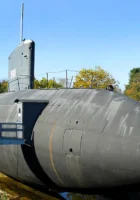
アルバコア

USS Albacore

米国
役割研究潜水艦
開始1953年8月1日
退役1972年12月9日

アルバコア (AGSS-569) was a unique research submarine that pioneered the American version of the teardrop hull form (sometimes referred to as an “Albacore hull”) of modern submarines. The revolutionary design was derived from extensive hydrodynamic and wind tunnel testing, with an emphasis on underwater speed and maneuverability. She was the third ship of the United States Navy to be named for the albacore. Her keel was laid down on 15 March 1952 by the Portsmouth Naval Shipyard of Kittery, Maine. She was launched on 1 August 1953, sponsored by Mrs. J. E. Jowers, the widow of Chief Motor Machinist’s Mate Arthur L. Stanton, lost with the second Albacore (SS-218), and commissioned on 6 December 1953 with Lieutenant Commander Kenneth C. Gummerson in command

ソース: ウィキペディアでの USS アルバコア

続きを読む

ビュー : 3052

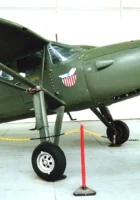
フェアチャイルド・アーガス Mk.III

Fairchild 24

米国
役割STOLブッシュプレーン
初飛行1932
構築2232

フェアチャイルドモデル24フェアチャイルドモデル24アーガス/ UC-61フォワーダーまたはフェアチャイルドモデル24アーガスとも呼ばれ、1930年代にフェアチャイルド航空株式会社によって設計された4人乗りの単発単葉軽輸送機です。アメリカ陸軍航空隊ではUC-61として採用され、イギリス空軍でも採用されました。モデル24自体は以前のフェアチャイルドモデルの開発であり、成功した民間および軍用ユーティリティ航空機になりました。

ソース: ウィキペディアのフェアチャイルド24

続きを読む

ビュー : 1512

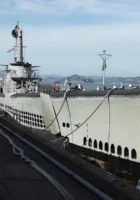
USSパンパニート

USS Pampanito (SS-383)

米国
クラスバラオ級ディーゼル電気潜水艦
開始1943年 7月 12日

USSパンパニート (SS-383/AGSS-383)はバラオ級潜水艦で、ポンパノフィッシュにちなんで名付けられた3隻目のアメリカ海軍の艦船である。1944年から1945年にかけて6回の哨戒を終え、1960年から1971年まで海軍予備役訓練艦として従軍した。彼女は現在、フィッシャーマンズワーフにあるサンフランシスコ海洋国立公園協会の記念碑および博物館船として保存されている国立歴史的建造物です。

ソース: USSパンパニート ウィキペディア

続きを読む

再生 : 2016年

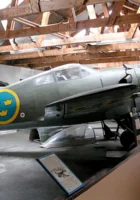
FFV J22

FFVS J 22

スウェーデン
クラス戦闘機
初飛行1942年9月
構築198

フブス J 22 is a Swedish single-engine fighter aircraft developed for the Swedish Air Force during World War II. At the onset of World War II, the Swedish Air Force (Flygvapnet) was equipped with largely obsolete Gloster Gladiator (J 8) biplane fighters. To augment this, Sweden ordered 120 Seversky P-35 (J 9) and 144 P-66 Vanguard (J 10) aircraft from the United States. However, on 18 June 1940 after the German occupation of Norway, the United States declared an embargo against exporting weapons to any nation other than Great Britain.

ソース: ウィキペディアの FFVS J 22

続きを読む

ビュー:2855

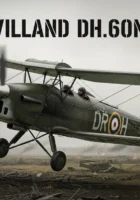
デ・ハビランド DH.60M 蛾

de Havilland DH.60 Moth

英国
クラストレーナー
初飛行1925年2月22日
構築知りません

デ・ハビランド DH.60 蛾 is a 1920s British two-seat touring and training aircraft that was developed into a series of aircraft by the de Havilland Aircraft Company. The DH.60 was developed from the larger DH.51 biplane. The first flight of the Cirrus powered prototype DH.60 Moth (registration G-EBKT) was carried out by Geoffrey de Havilland at the works airfield at Stag Lane on 22 February 1925. The Moth was a two-seat biplane of wooden construction, it had a plywood covered fuselage and fabric covered surfaces, a standard tailplane with a single tailplane and fin. A useful feature of the design was its folding wings which allowed owners to hangar the aircraft in much smaller spaces. The then Secretary of State for Air Sir Samuel Hoare became interested in the aircraft and the Air Ministry subsidised five flying clubs and equipped them with Moths.

ソース: デ・ハビランド DH.60 ウィキペディアの蛾

続きを読む

再生 : 2720