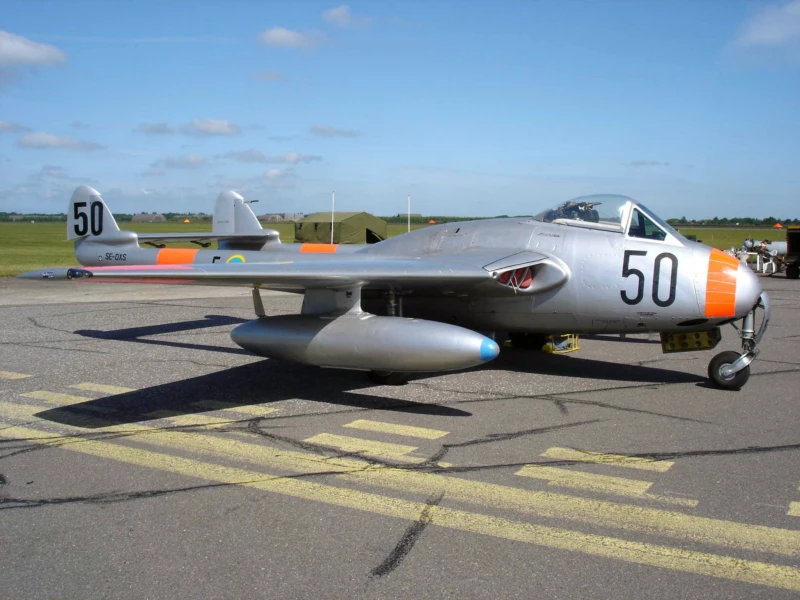
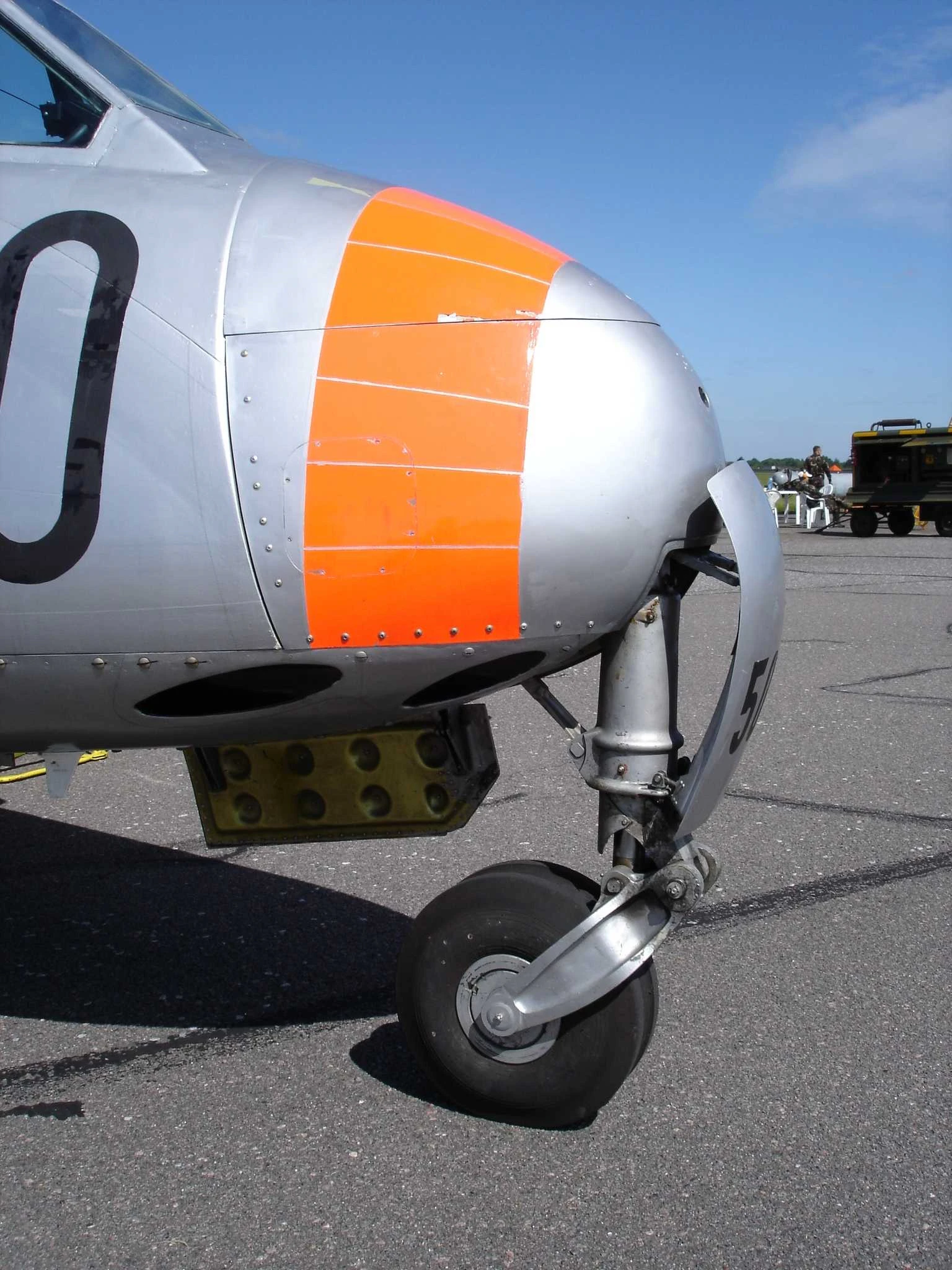
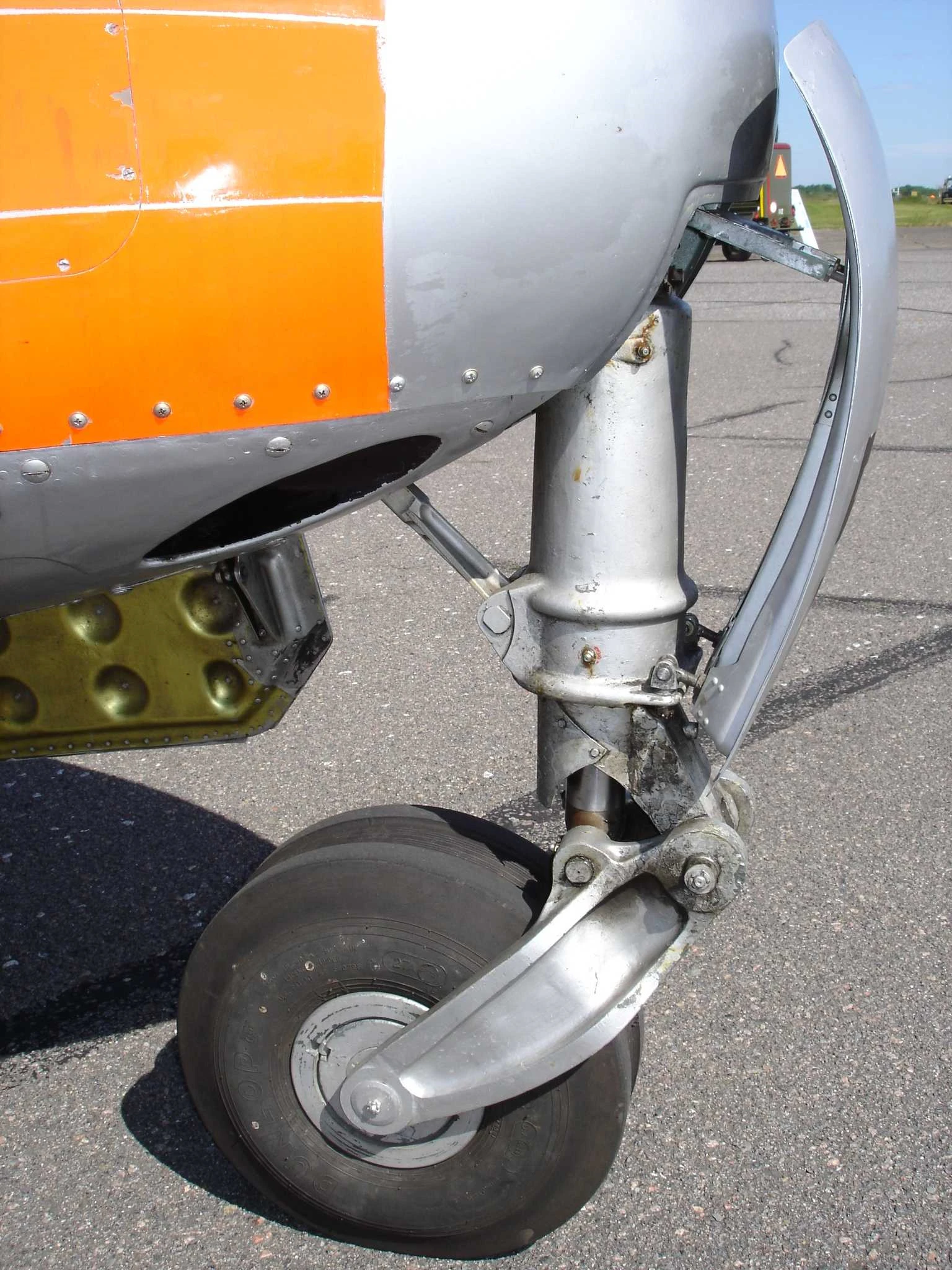
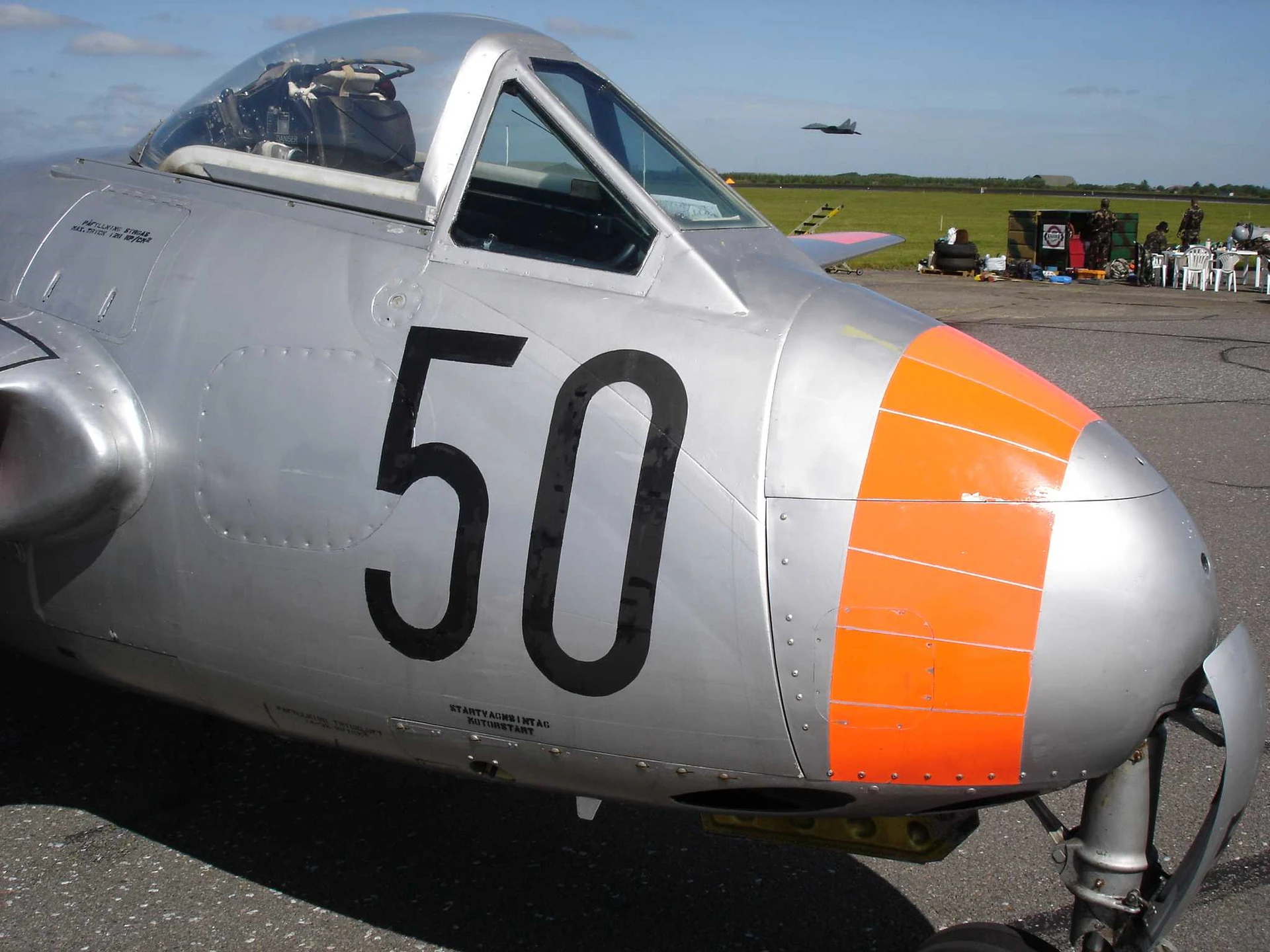
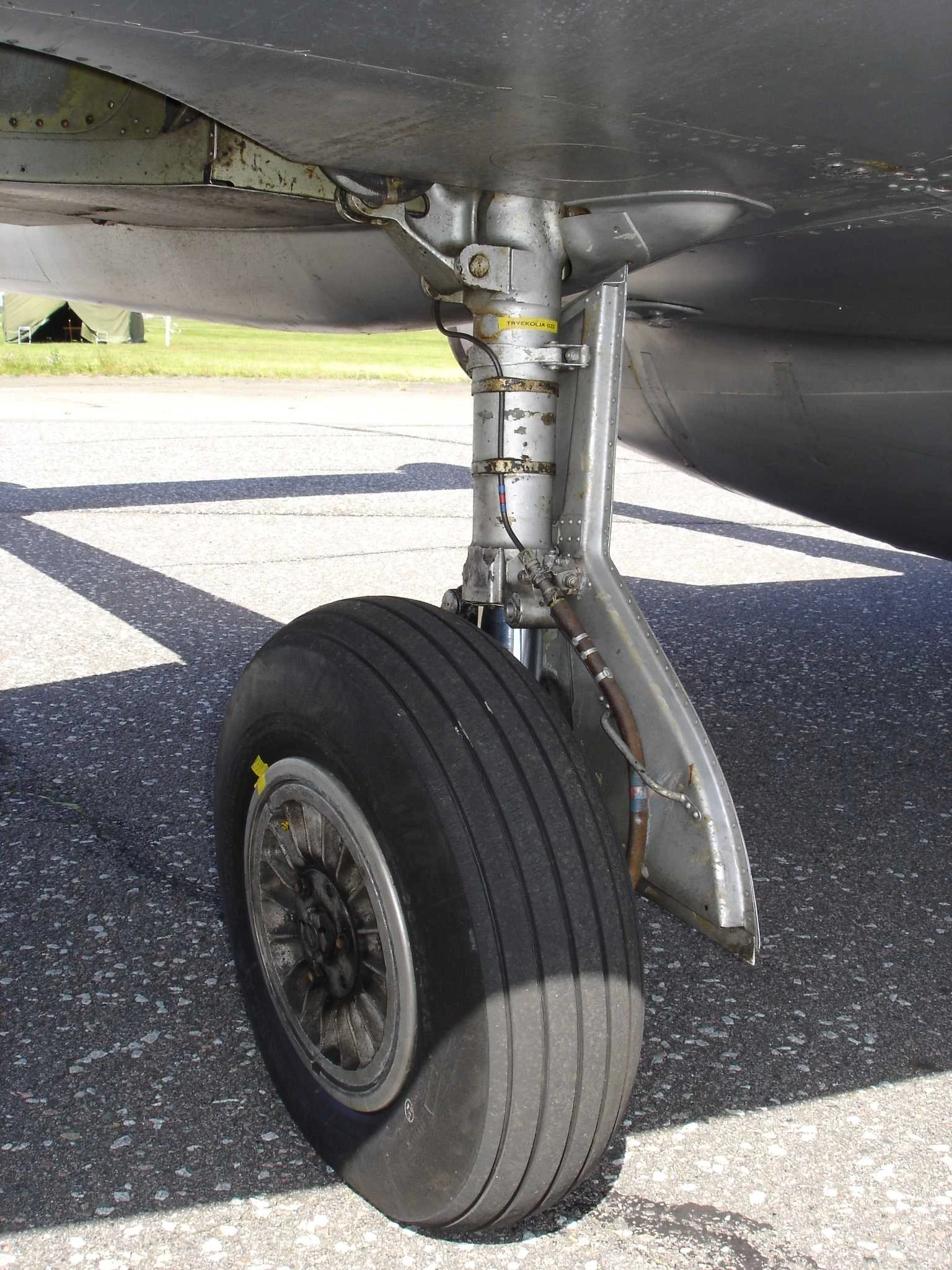
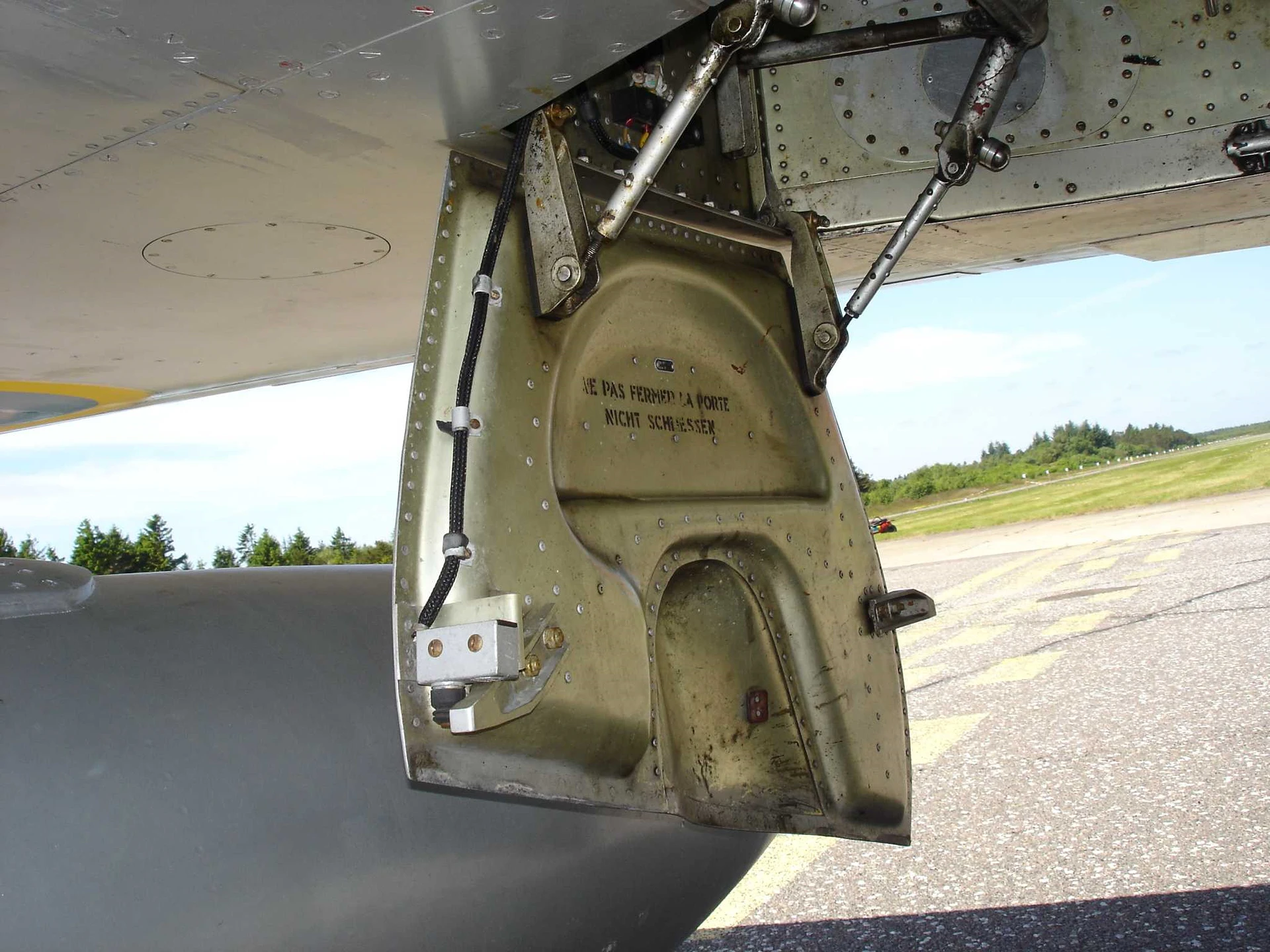
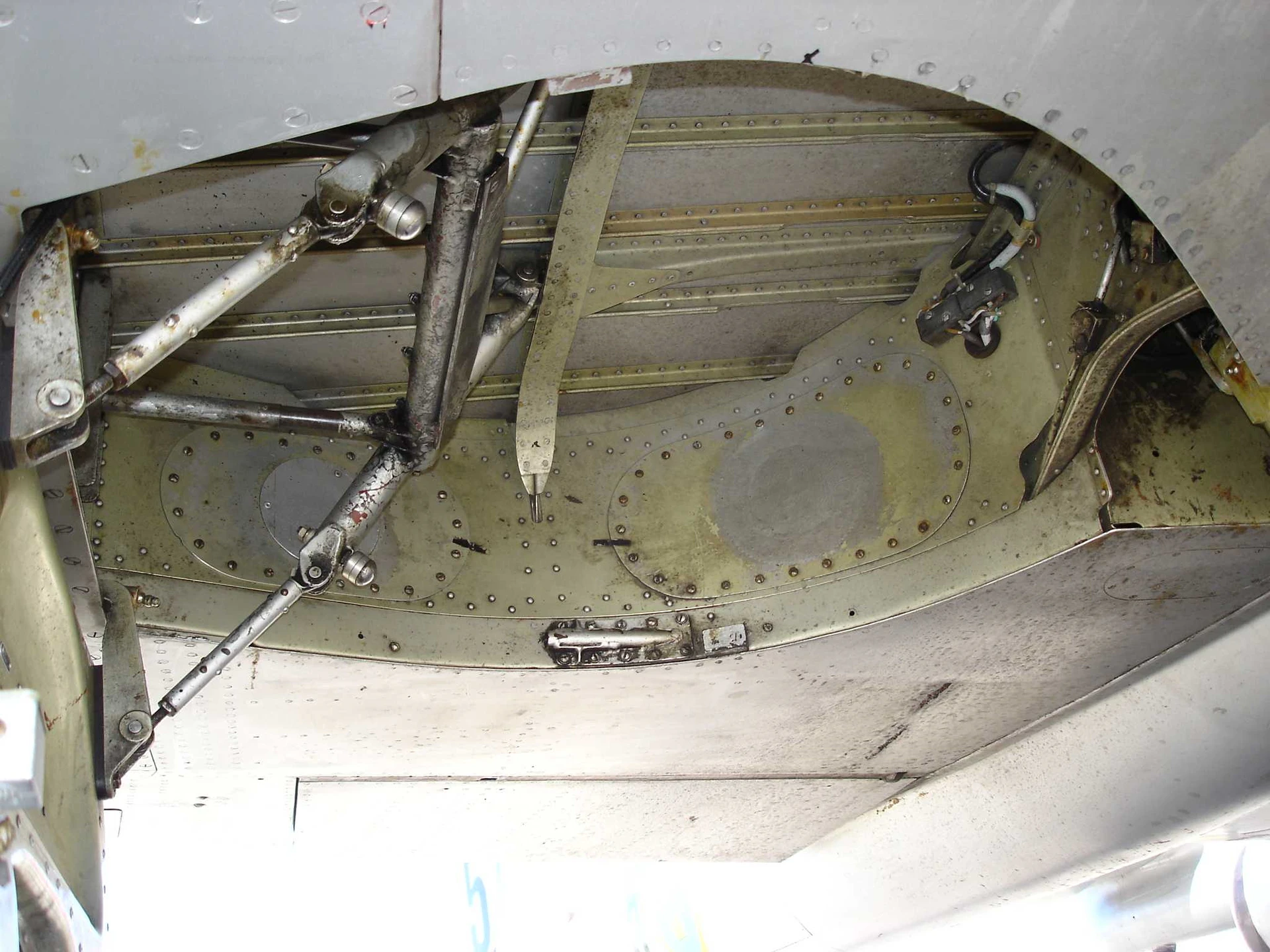
Vampiro J28B | |
|---|---|
| Paese | Regno unito |
| digitare | Caccia |
| Fotografo | Luc Colin |
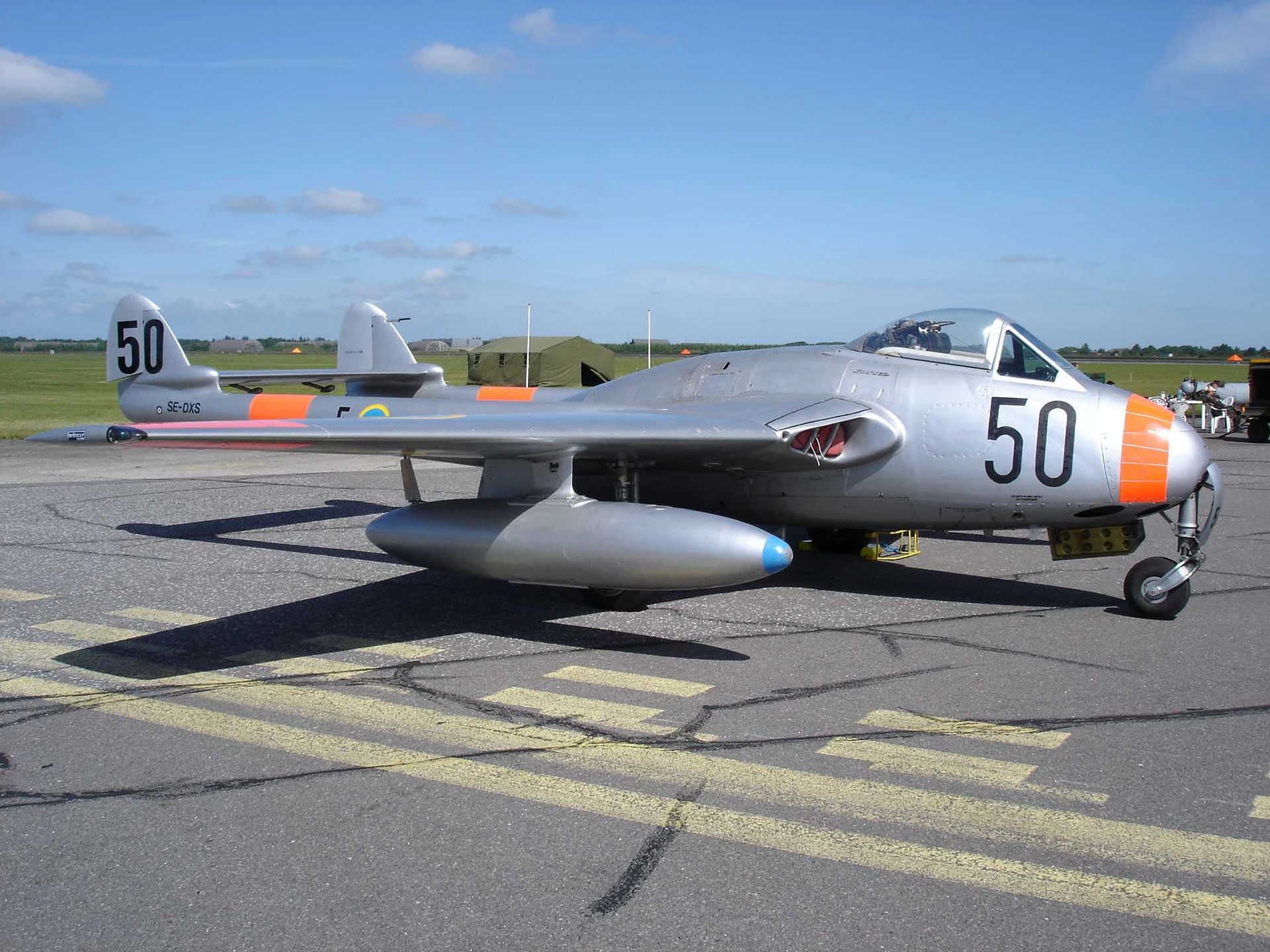
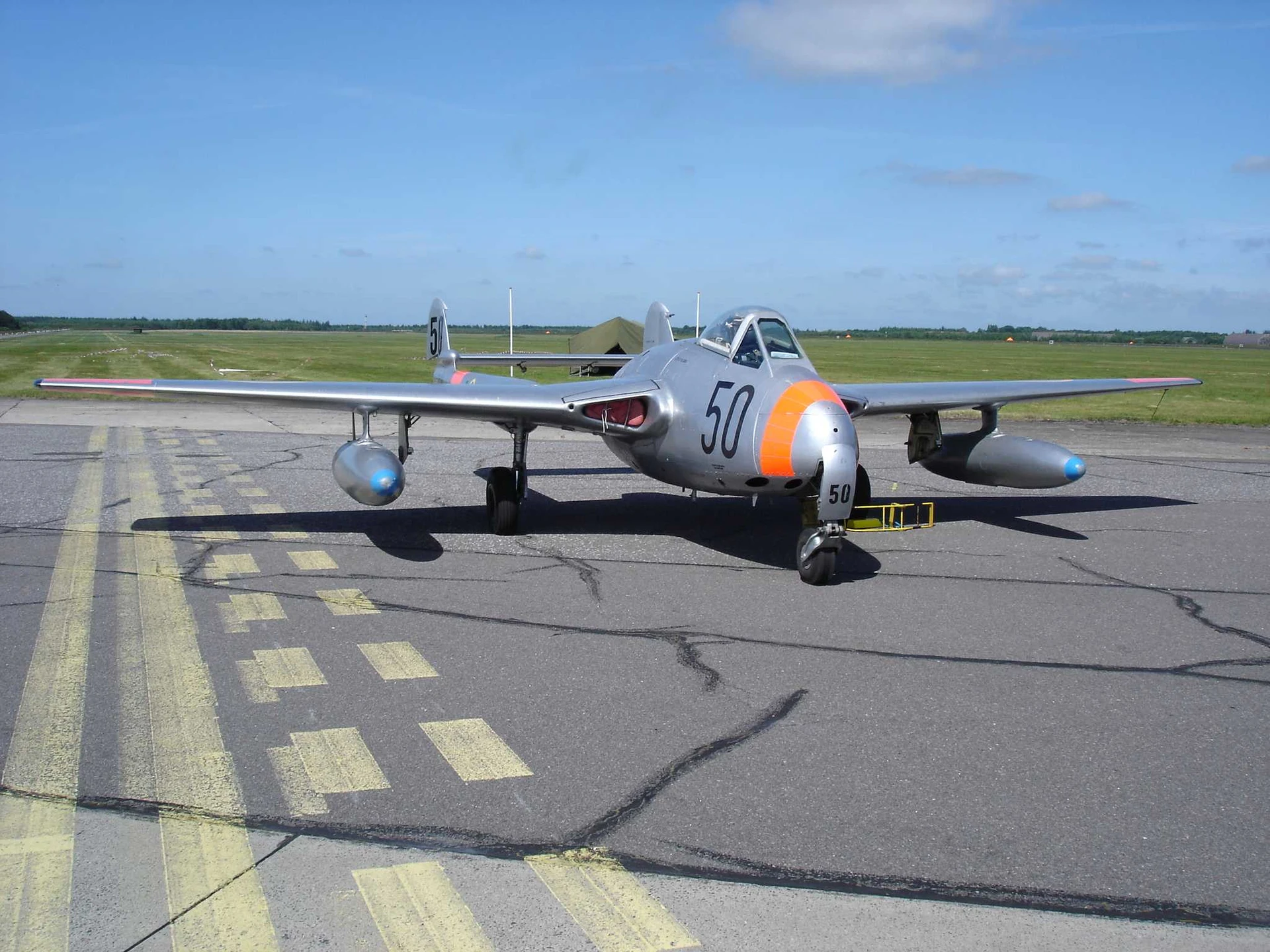
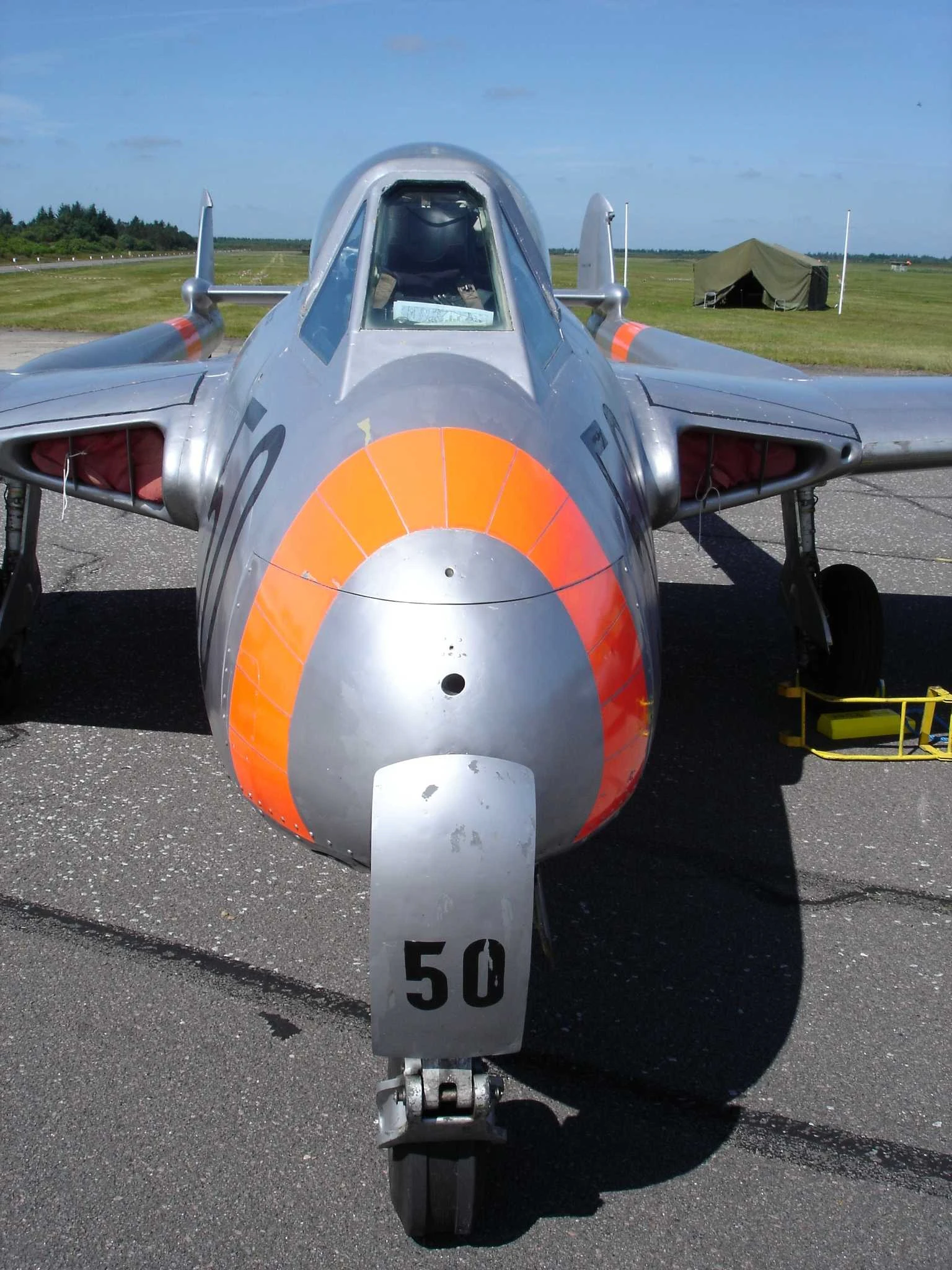
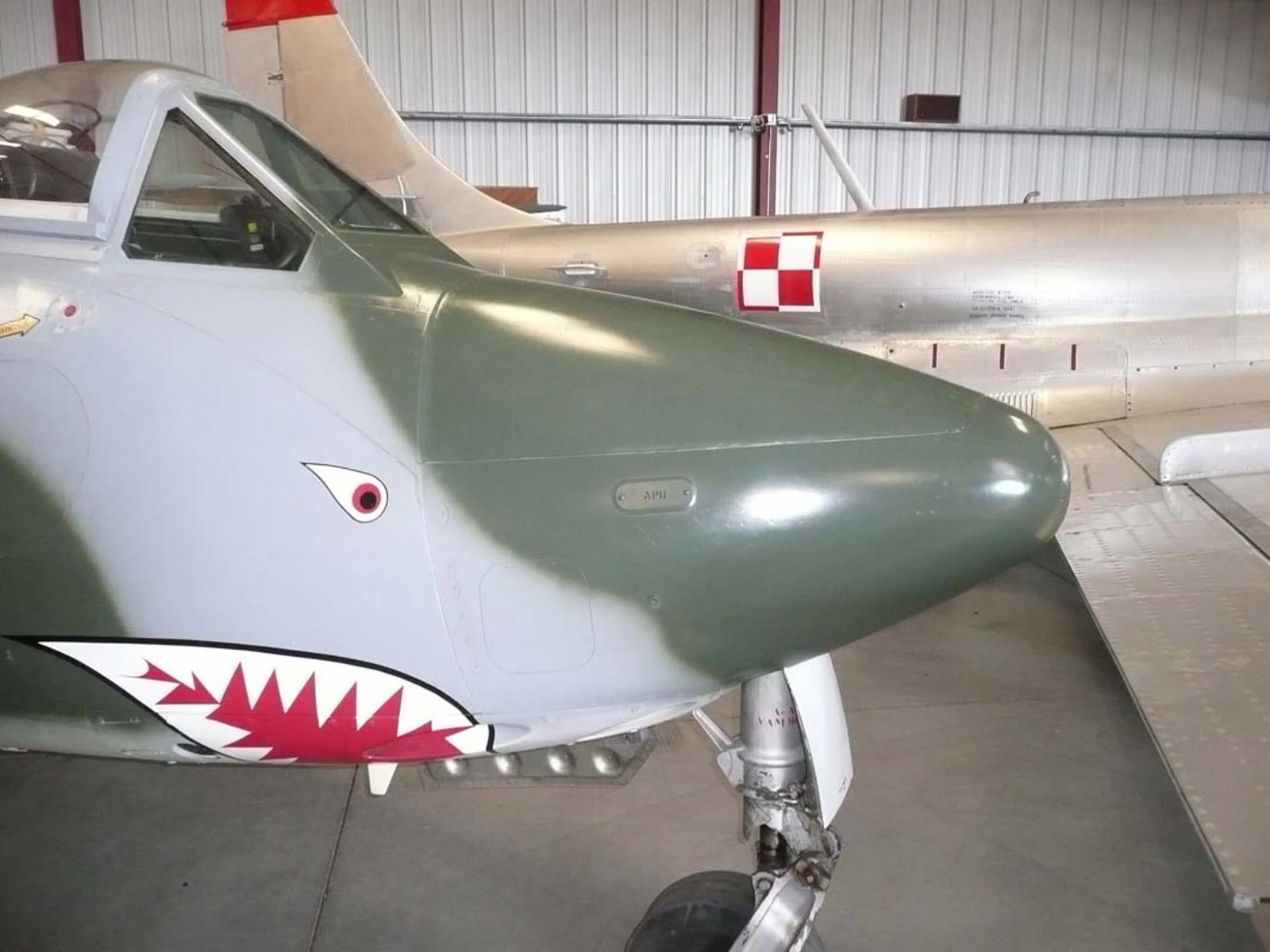
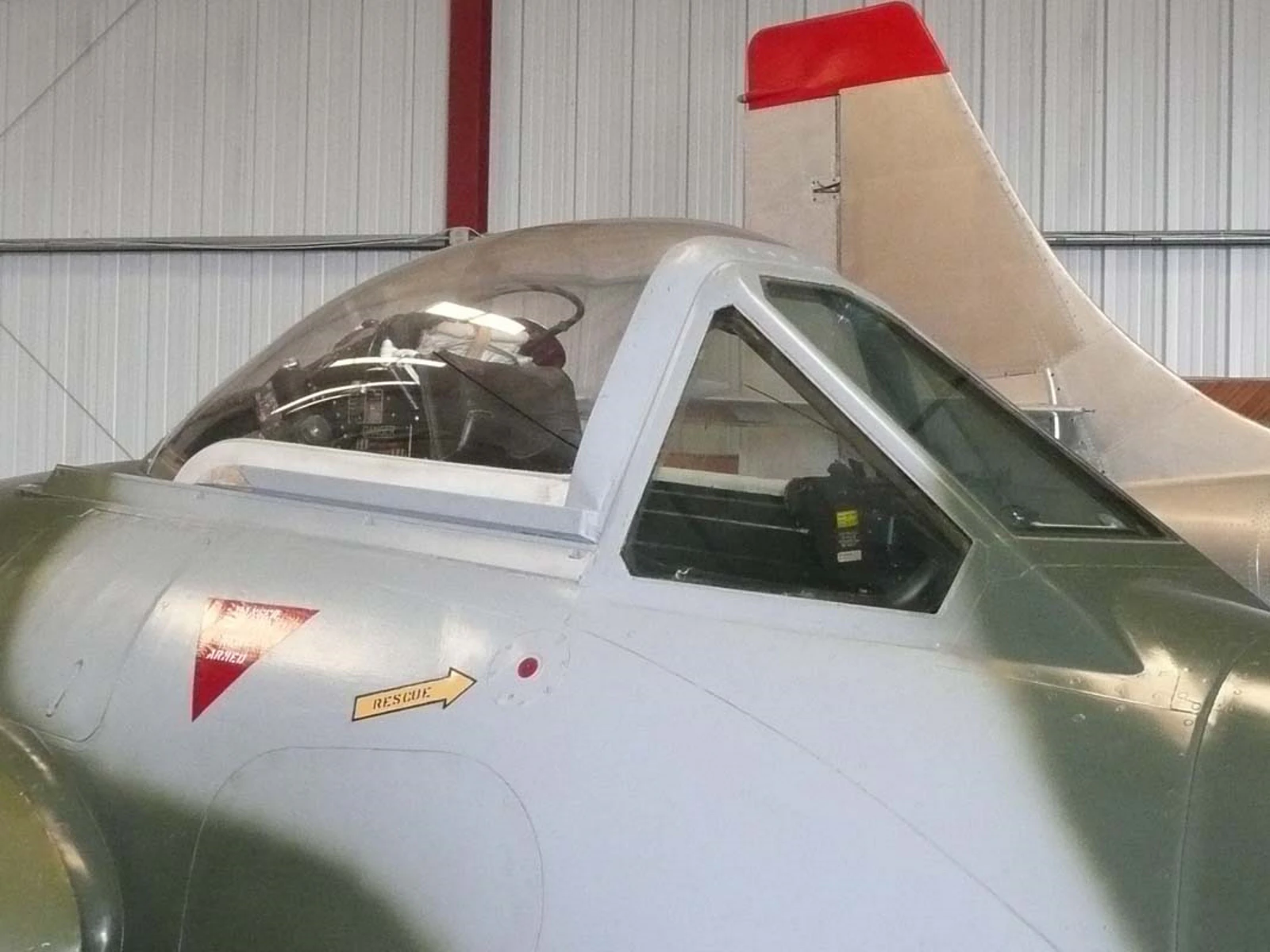
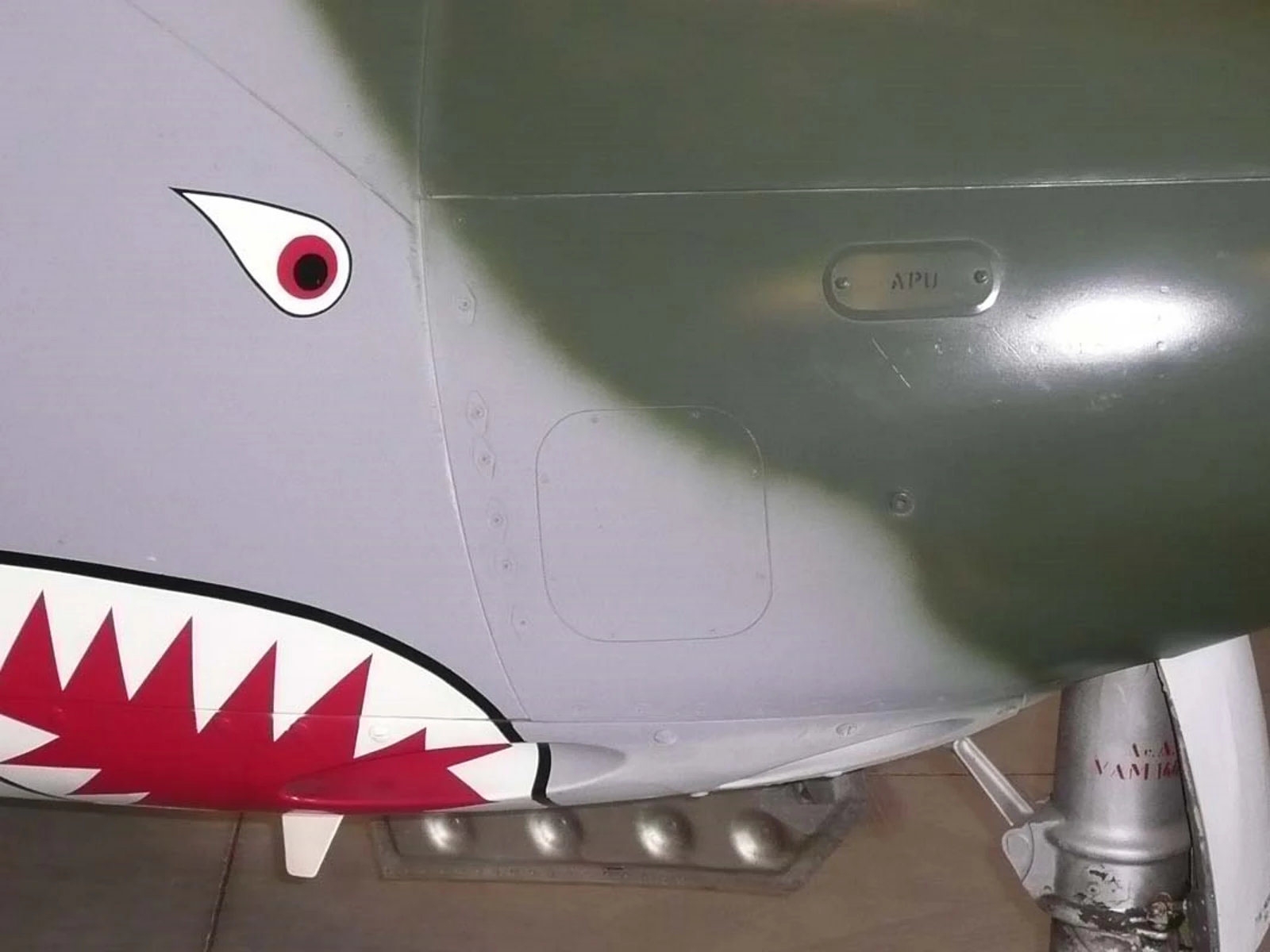
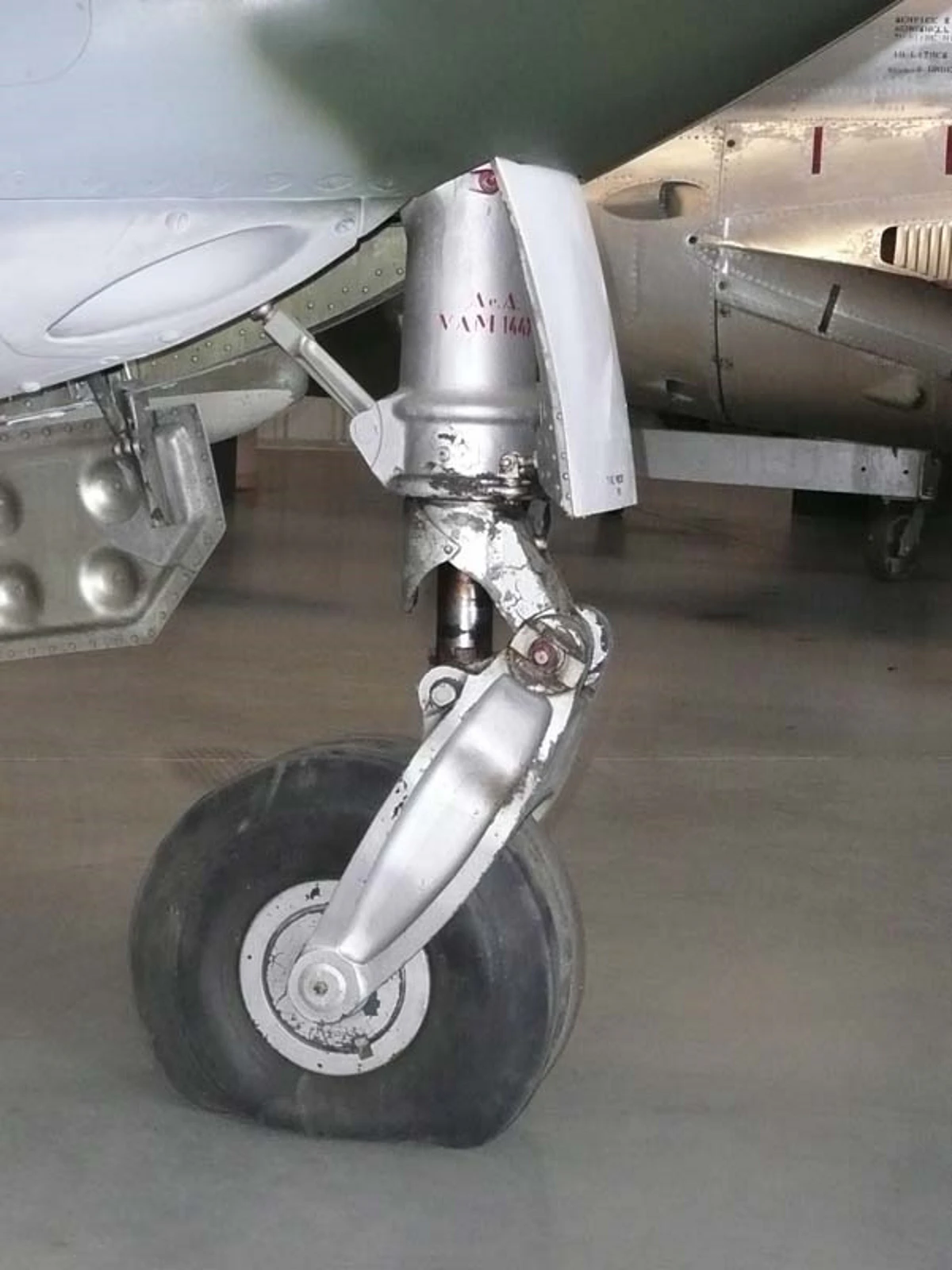
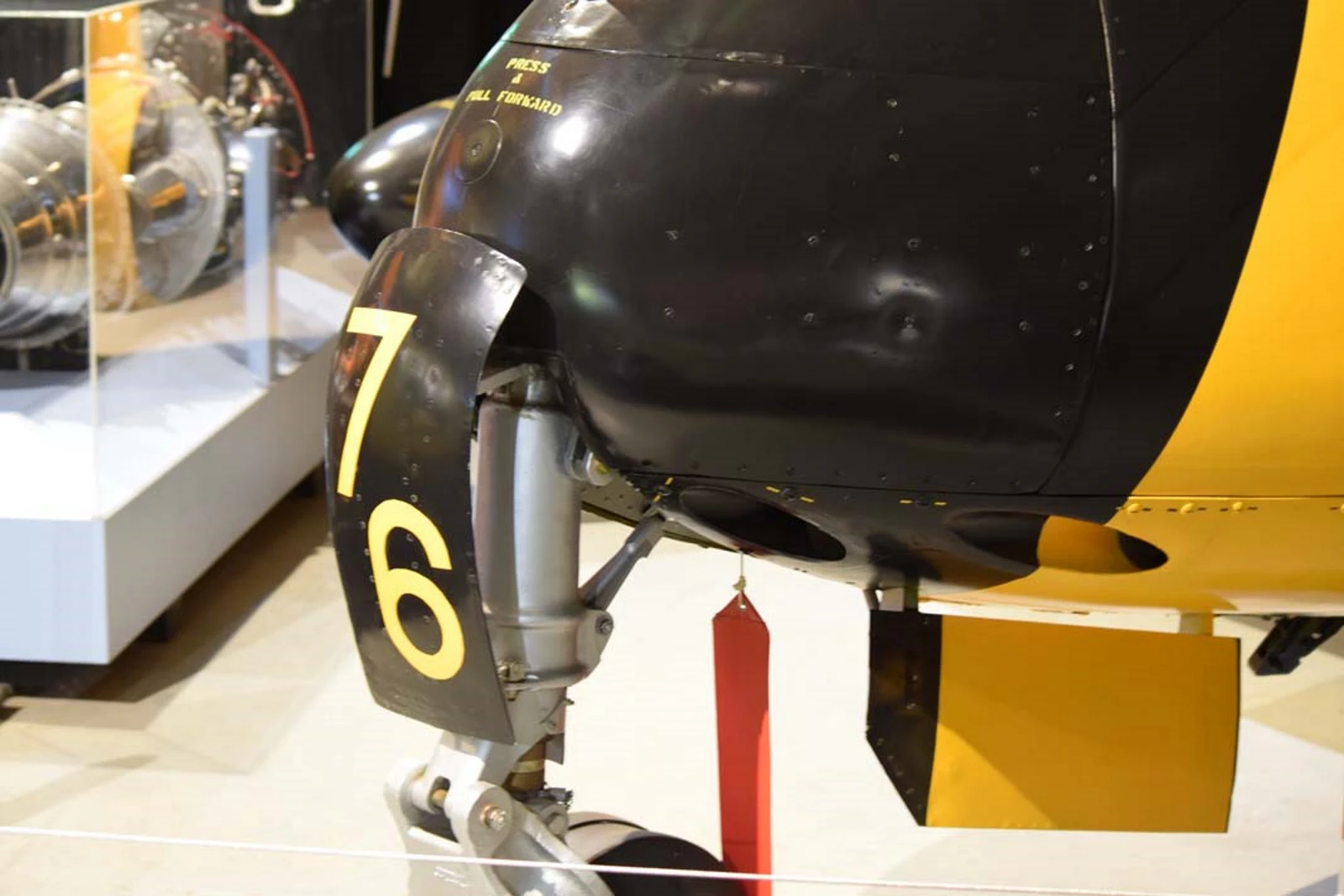
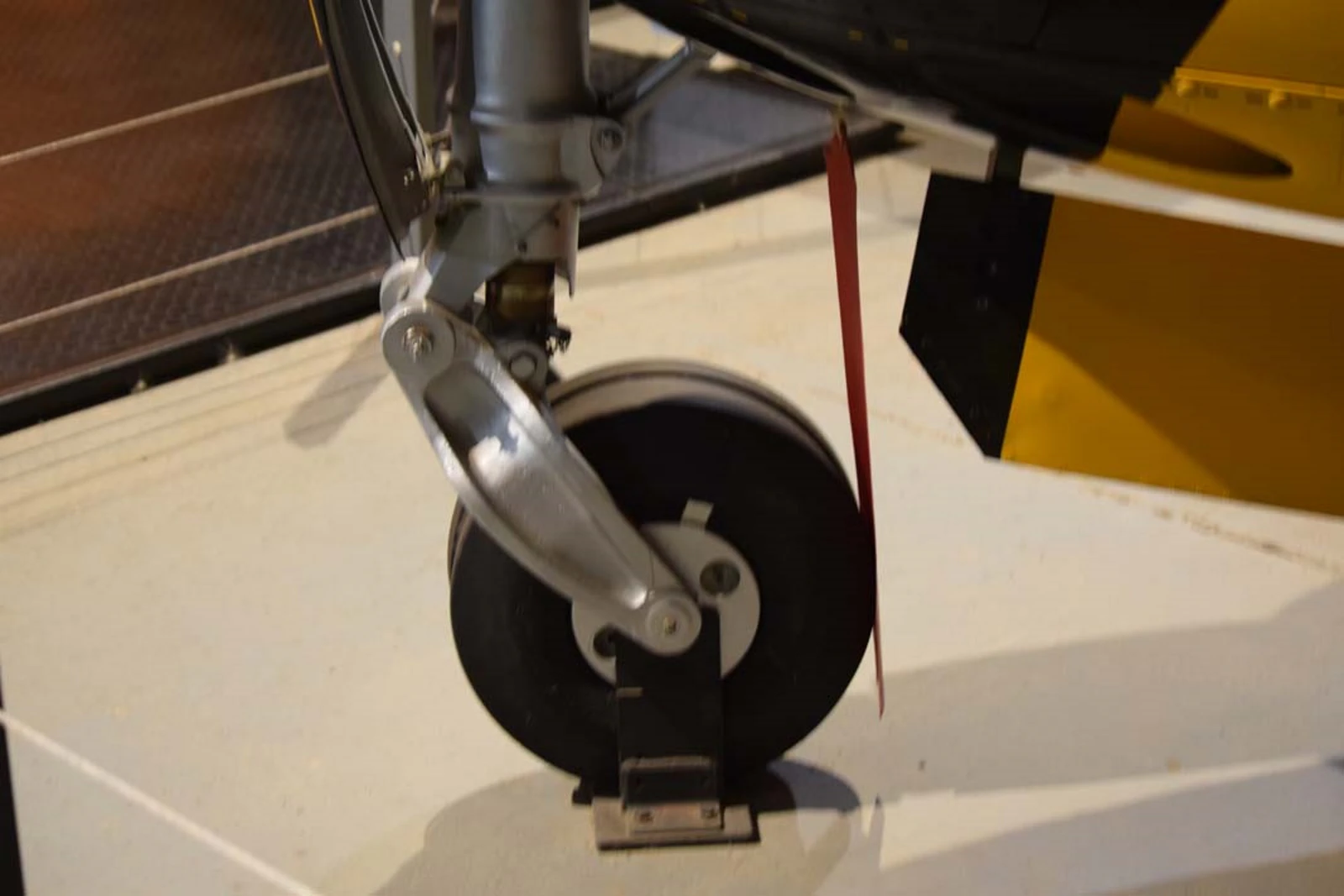
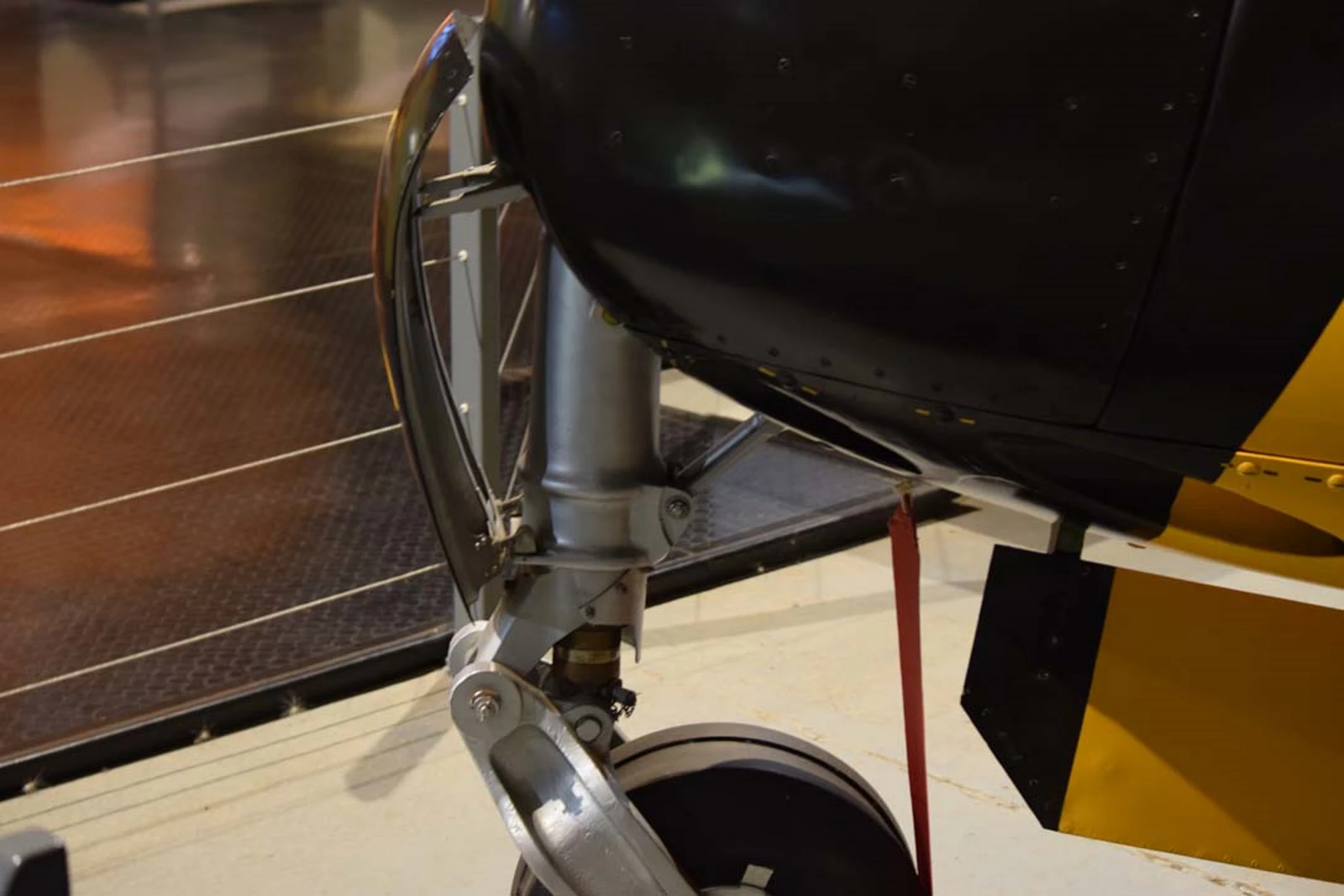
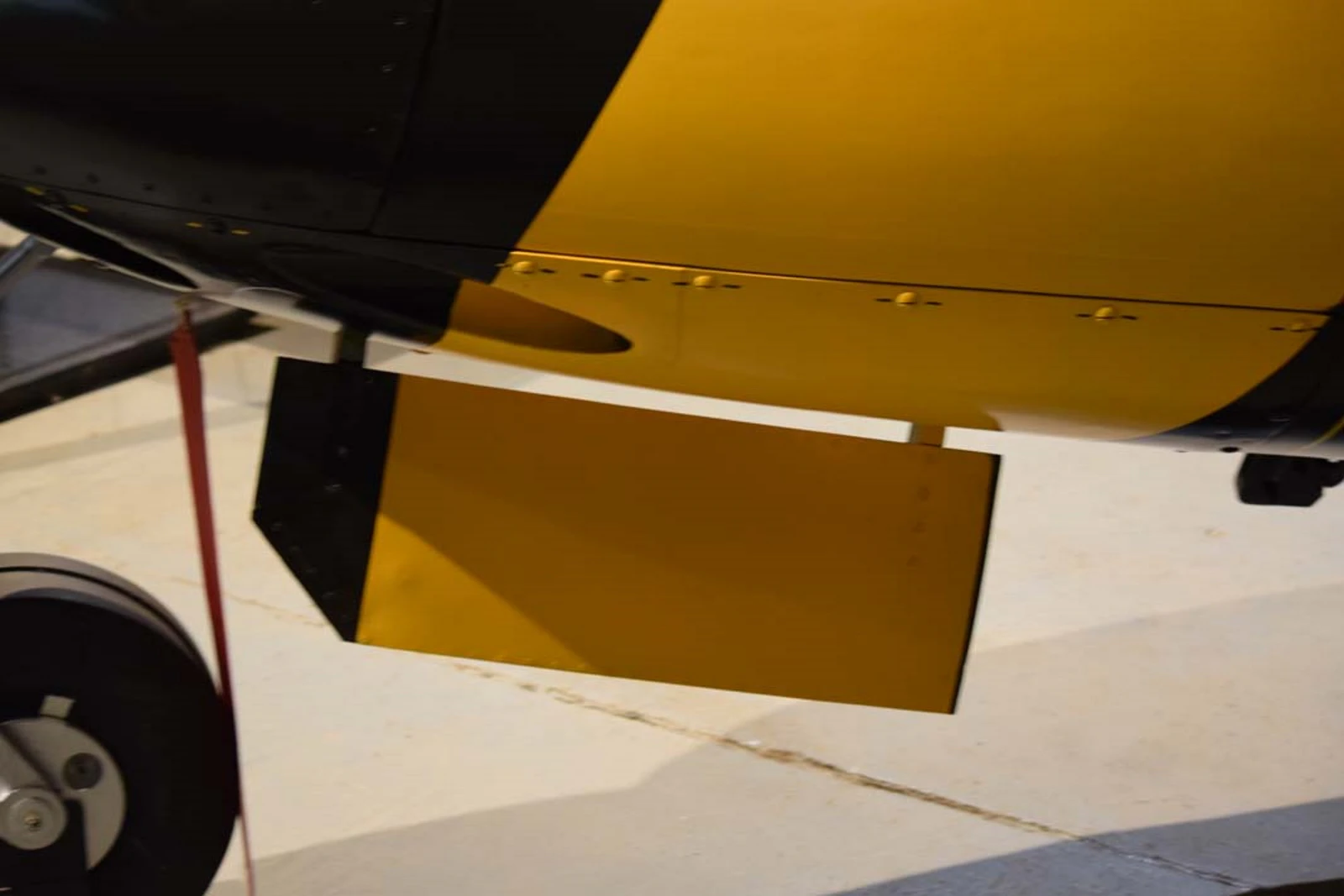
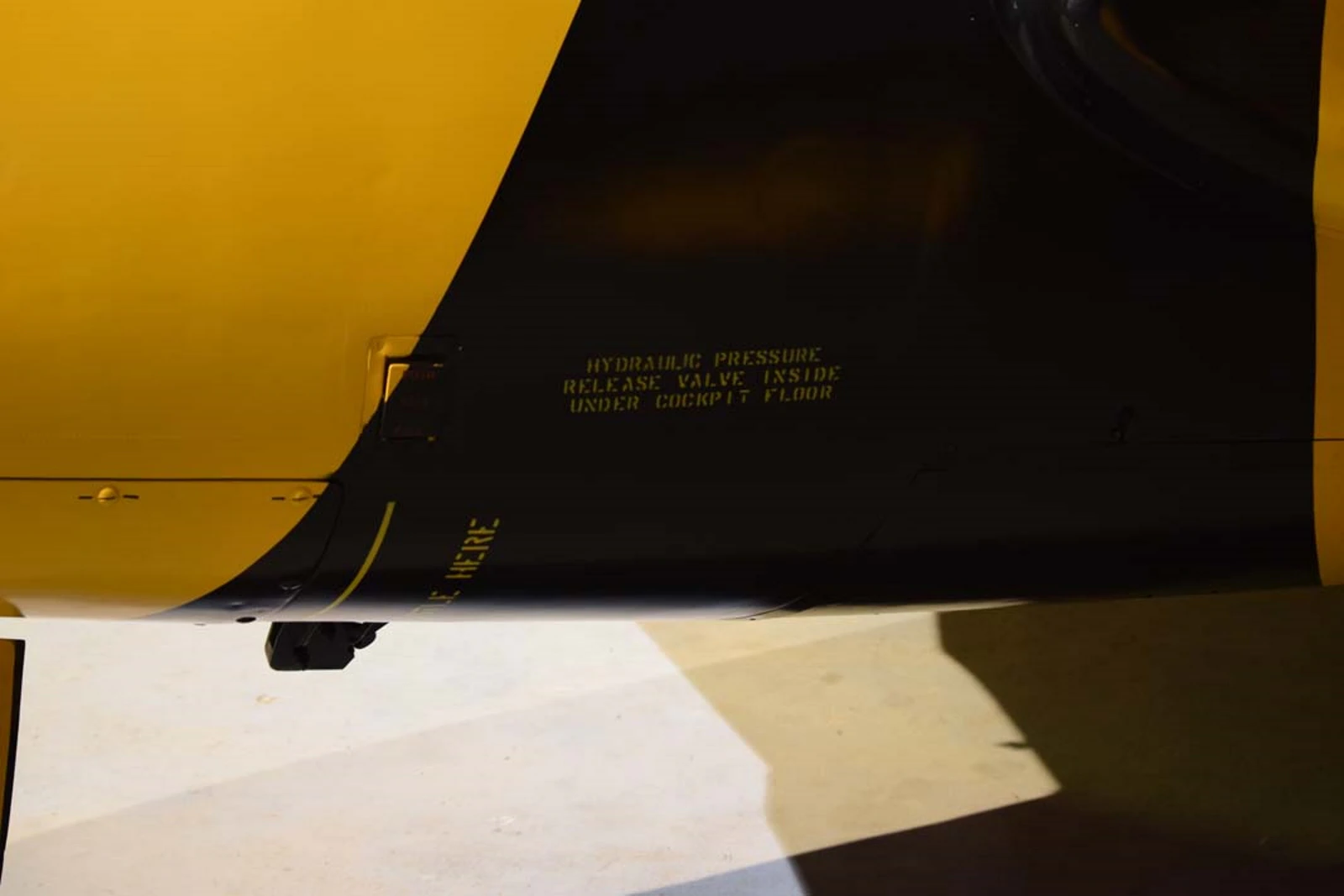
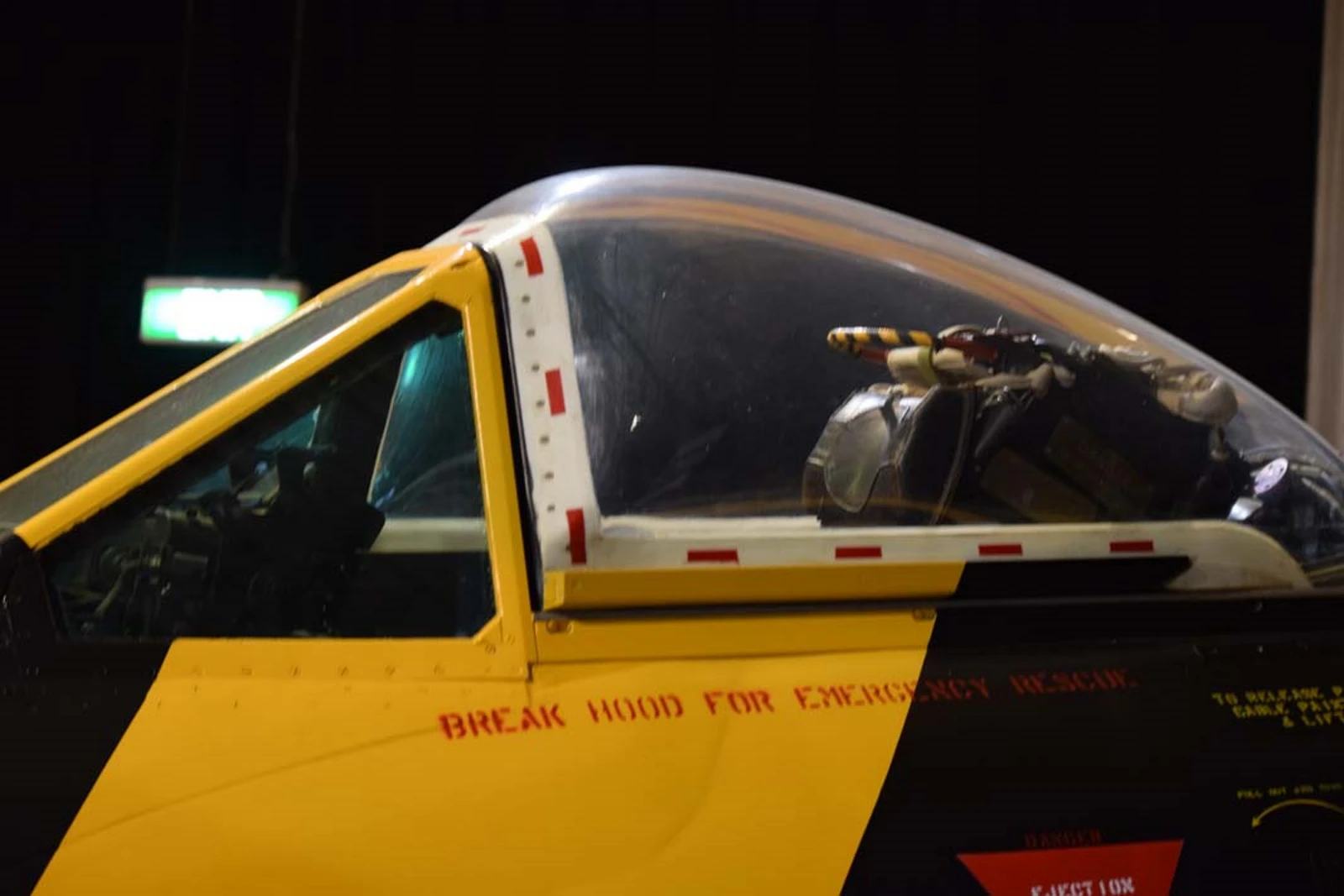
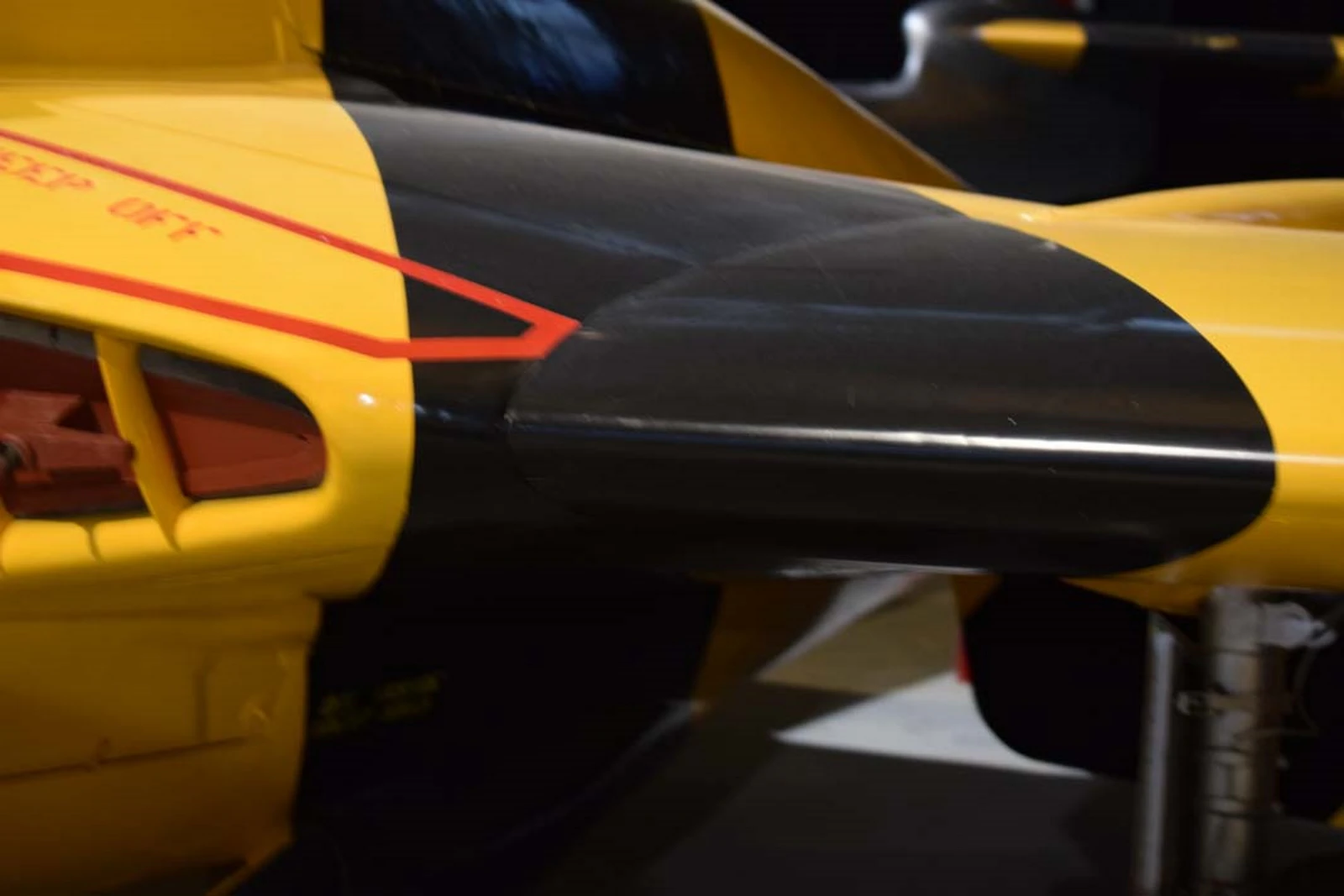
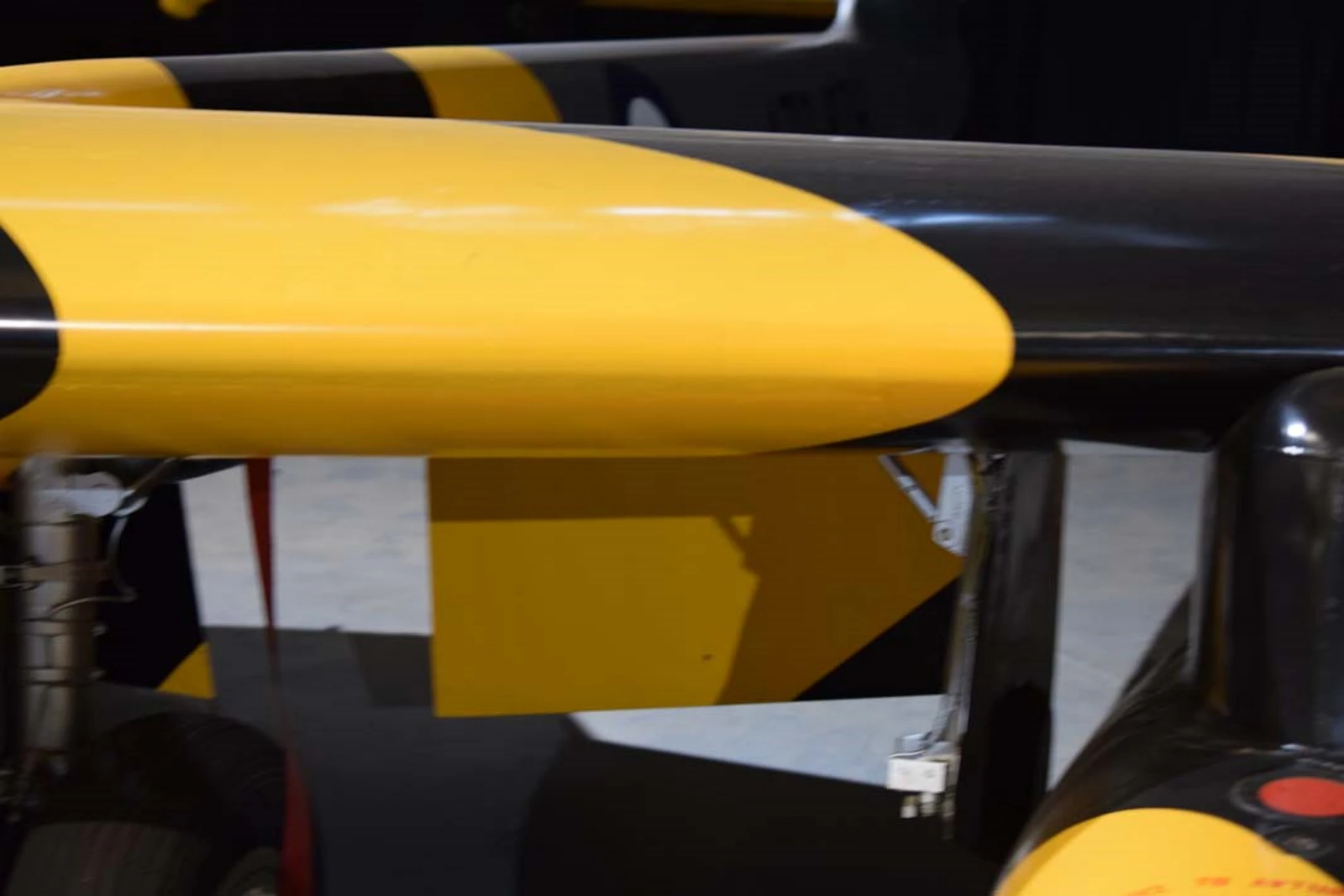
| Argomento | Album di 37 foto walk-around di un «Vampire J28B» |
Galleria fotografica di un Vampiro J28B, The de Havilland DH.100 Vampire was a British jet fighter developed and manufactured by de Havilland. Having been developed during the Second World War to harness the newly developed jet engine, the Vampire entered service with the Royal Air Force (RAF) in 1945. It was the second jet fighter, after the Gloster Meteor, operated by the RAF and its first to be powered by a single jet engine.
fonte: Vampire J28B su Wikipedia

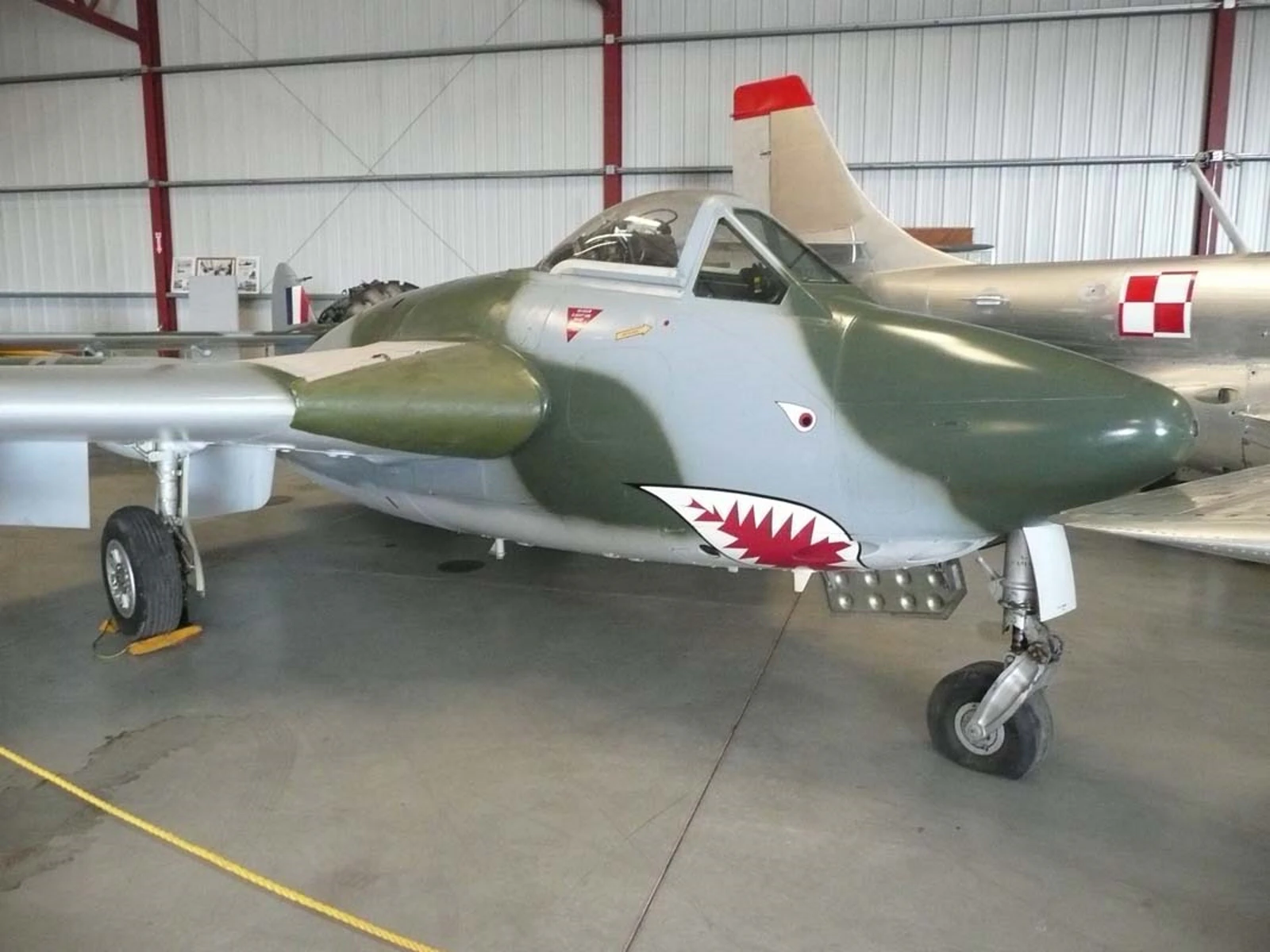
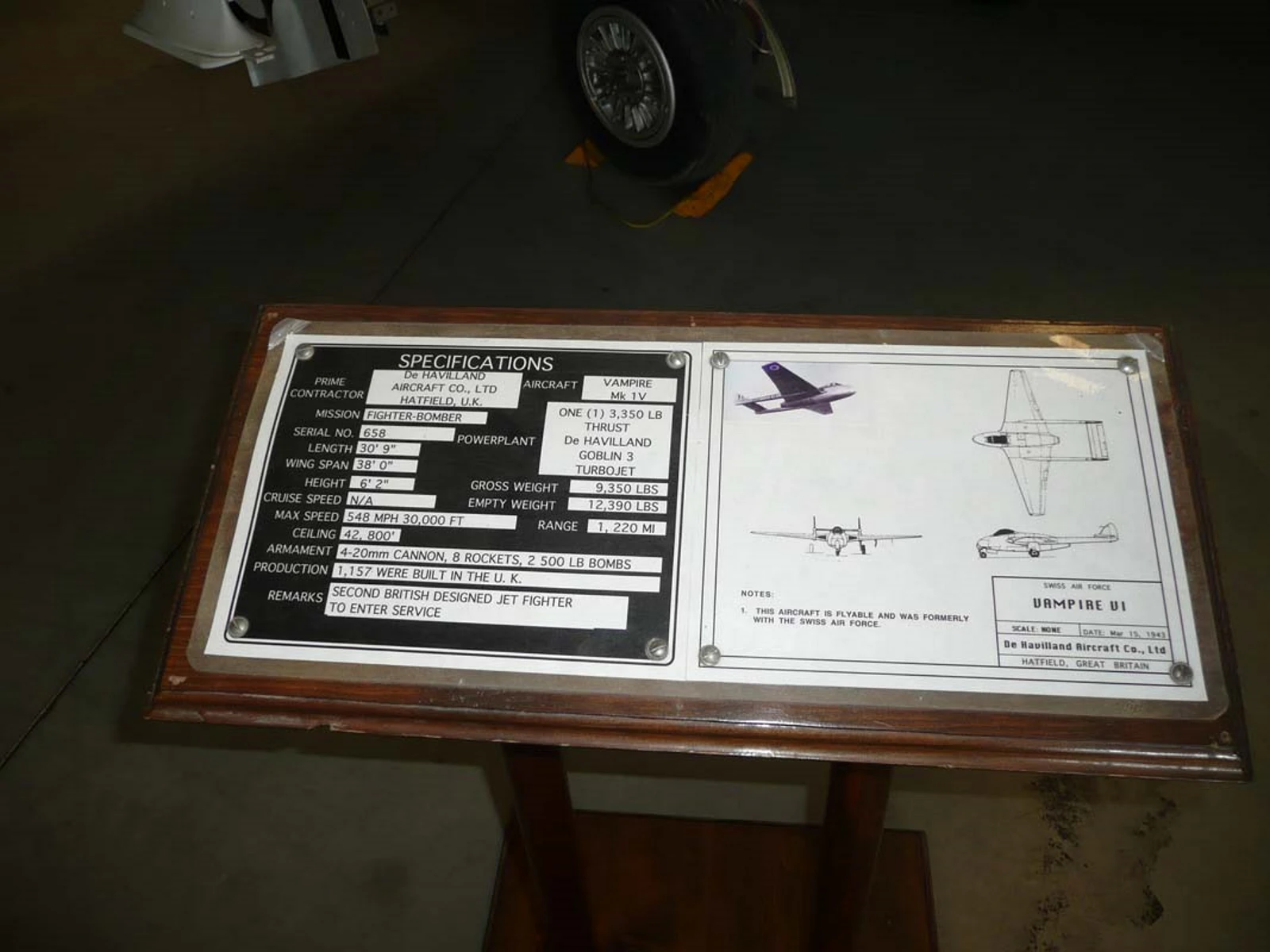
| de Haviland Vampire.MkIV Passeggiata intorno | |
|---|---|
| Fotografo | Vladimir Jakubov |
| Localizzazione | Museo planes of fame |
| Foto | 48 |
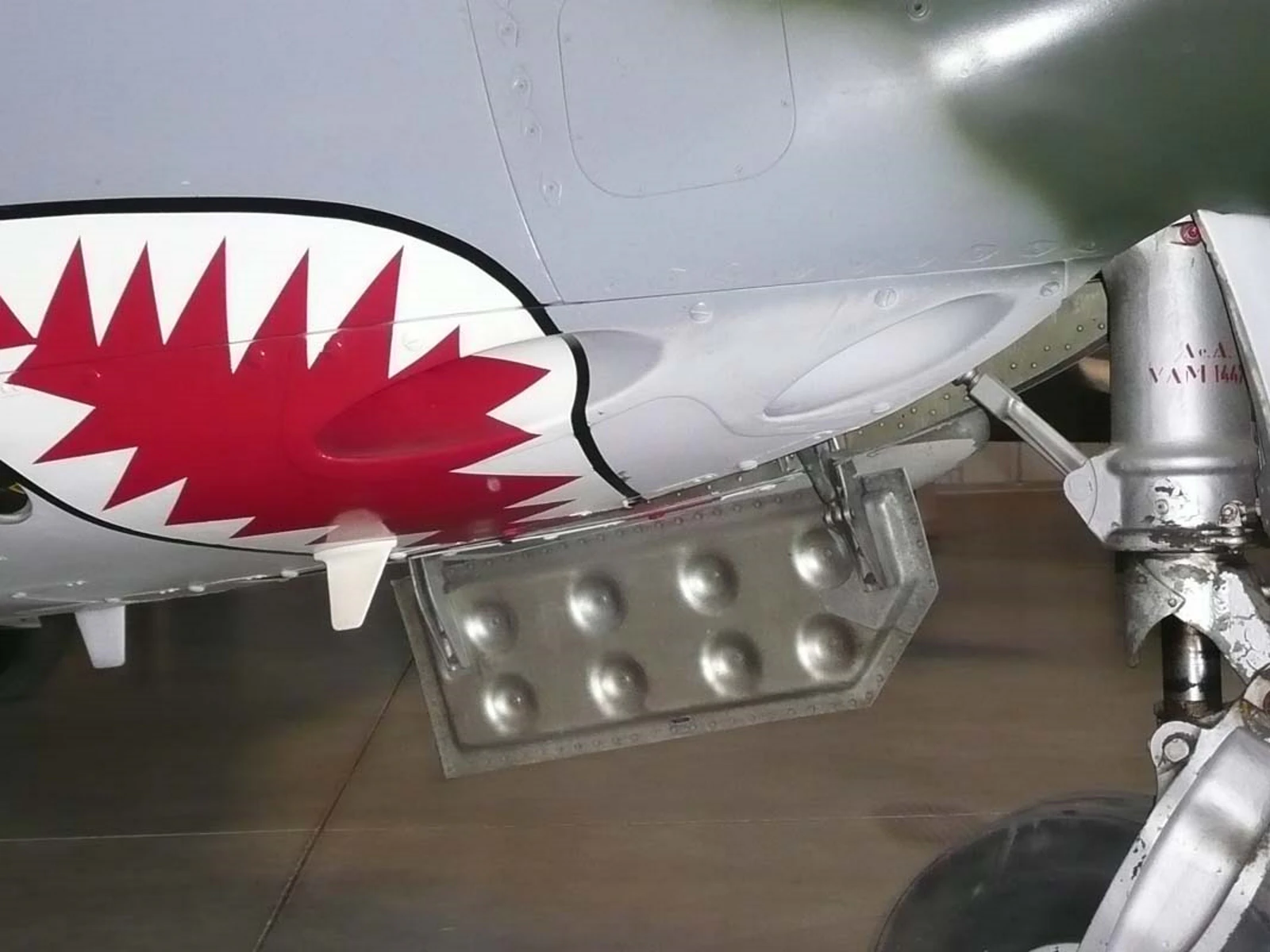
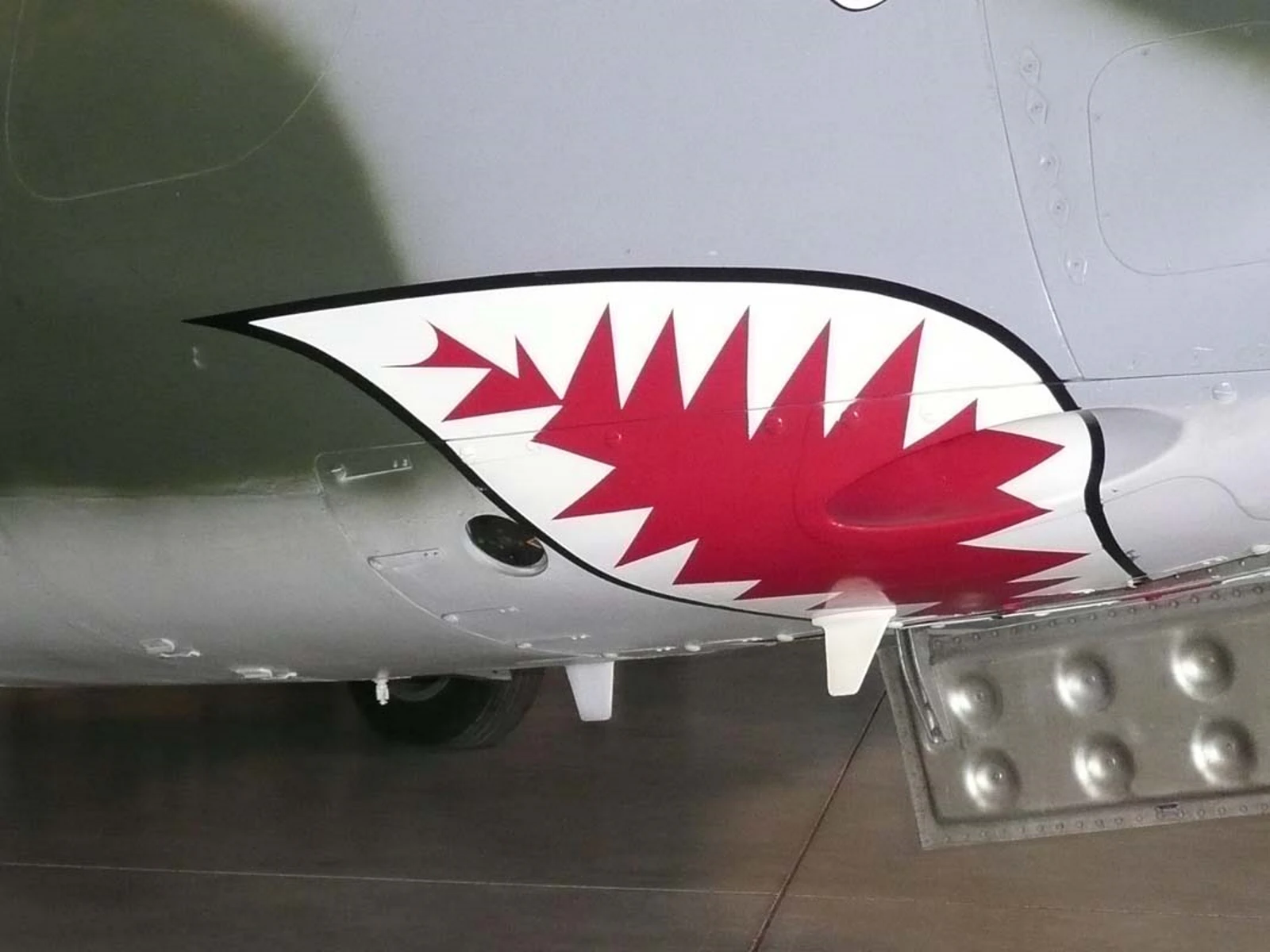
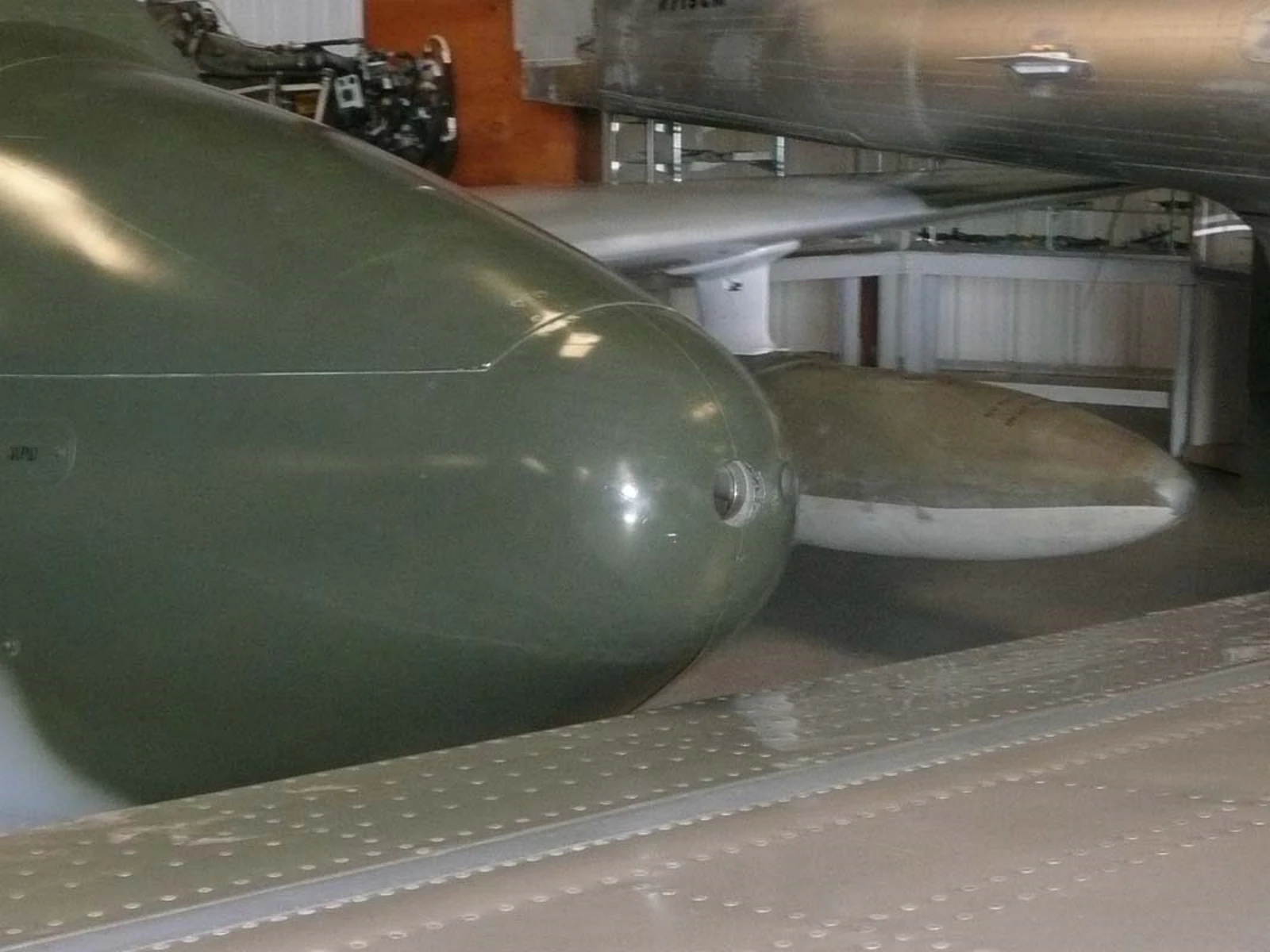
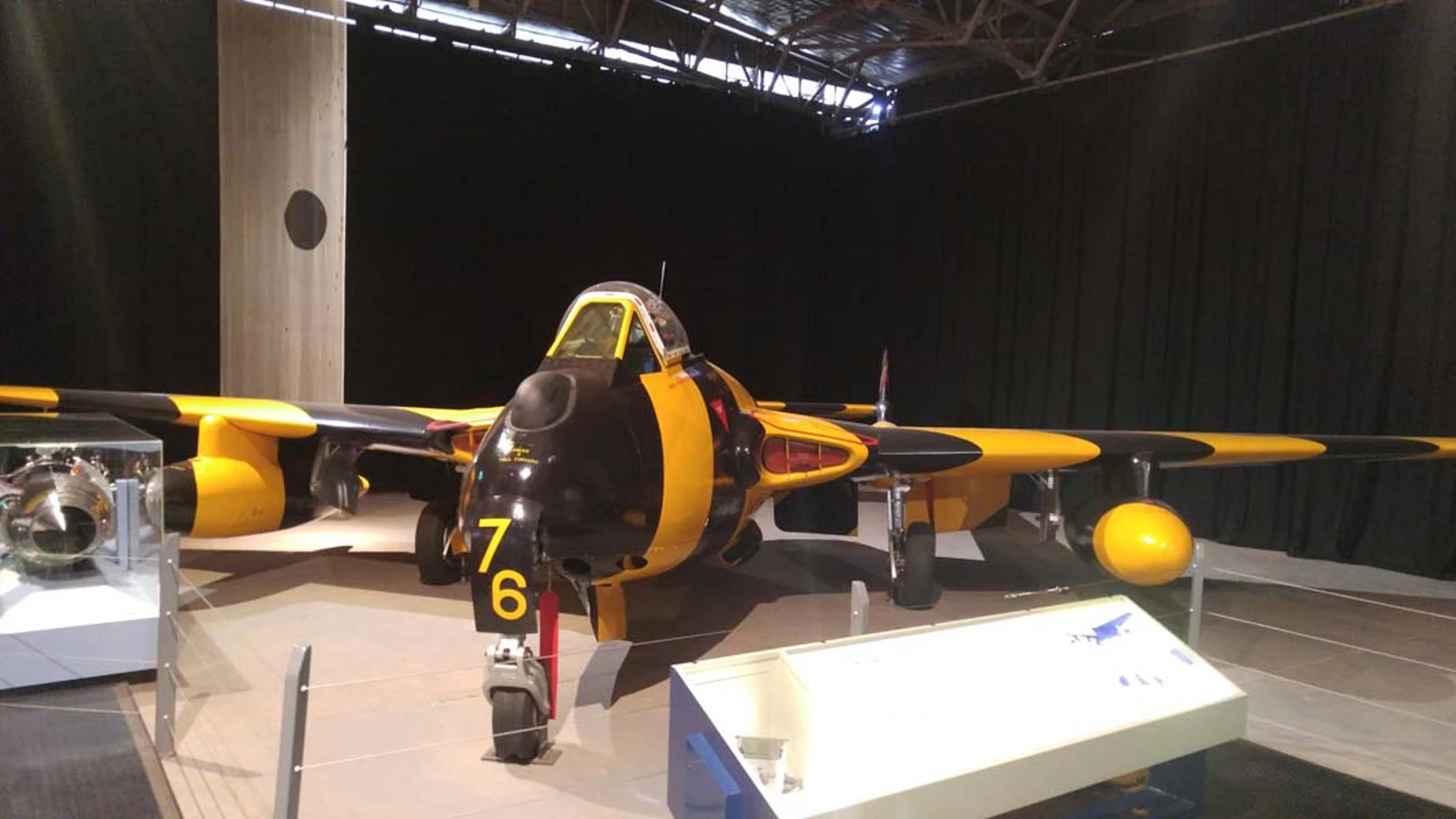
| de Haviland Vampire F Mk.30 A spasso | |
|---|---|
| Fotografo | Vladimir Jakubov |
| Localizzazione | Museo RAAF, Point Cook |
| Foto | 38 |
 Comprami un caffè
Vedi anche:


A British Legend in Swedish Service
Le J 28B was the Swedish designation for the de Havilland Vampire FB.50, a dedicated export version of the British FB.5 fighter-bomber. While it may look delicate with its twin-boom tail and tiny stature, the Vampire was a revolutionary leap for the Swedish Air Force (Flygvapnet). Sweden was one of the first countries to recognize the jet’s potential, purchasing hundreds of them to replace their aging piston-engined fleet. The J 28B was specifically tailored for the “attack” role, capable of carrying rockets and bombs to defend Sweden’s rugged coastlines.
| Attribute | Technical Specification (J 28B) |
|---|---|
| Ruolo | Fighter-Bomber / Ground Attack |
| Equipaggio | 1 (Pilot) |
| Motore | 1 × de Havilland Goblin III (Svenska Flygmotor RM1A) |
| Thrust | 3,300 lbf (14.7 kN) |
| Velocità massima | 860 km/h (535 mph) |
| Armamento principale | 4 × 20mm Hispano Mk.V cannons |
| Payload | 8 × 14.5 cm m/49 rockets or 2 × 500 kg bombs |
| Unique Construction | Molded plywood fuselage pod |
Design Engineering: The Jet Made of Wood
- Composite Construction: Much like the famous Mosquito, the Vampire’s forward fuselage was a “sandwich” of balsa wood and birch plywood. This made it light, easy to repair, and saved critical metals. Only the tail booms and wings were made of metal.
- The Twin-Boom Layout: To maximize the efficiency of the early centrifugal-flow jet engines, de Havilland used a very short exhaust pipe. The twin-boom tail allowed the jet blast to exit directly behind the engine without losing energy in a long internal fuselage pipe.
- The Goblin “Scream”: The centrifugal-flow engine had a very distinct, high-pitched whine. In Sweden, these engines were produced under license as the RM1A, marking the start of a long tradition of Swedish jet engine manufacturing.
- Ground Hugger: The Vampire sat very low to the ground on its tricycle gear. While this made it easy for Swedish ground crews to refuel and rearm without ladders, it also meant the intake could easily suck up debris (FOD) from unpaved runways.
Swedish Operational History
- The Mass Acquisition: Sweden became the largest export customer for the Vampire. Between 1946 and 1952, they operated over 400 airframes across three variants: the J 28A (F.1), J 28B (FB.50), and J 28C (T.55 trainer).
- The Attack Transition: As Sweden developed its own indigenous jets like the J 29 Tunnan, the J 28B was moved from air-to-air combat to the ground-attack role. Its stability and four nose-mounted 20mm cannons made it an excellent platform for strafing.
- A Pilot’s Favorite: Despite being a jet, the Vampire was famous for its “forgiving” flight characteristics. It handled more like a high-performance glider than a twitchy fighter, making it the perfect transition aircraft for pilots moving from propellers to jets.
- Legacy: The J 28 served until 1968 in training roles. Its success paved the way for Sweden to become a global leader in jet design, leading directly to the development of the Saab 32 Lansen e Saab 35 Draken.
Visualizzazioni : 4907
Puoi anche vedere:
 de Havilland DH.104 Dove – Foto e Video
 de Havilland Dragon Rapide – Foto e Video
 de Havilland Canada DHC-2 – Foto e Video
 de Havilland DH.60 Moth – Foto e Video
 de Havilland Canada DHC-4 Caribou – Foto e Video
 de Havilland DH.88 Comet – Foto e Video
 de Havilland DH112 Venom – Foto e Video
 de Havilland DH.82 Tiger Moth – Foto e Video
 Boeing PT-13 – Foto e Video
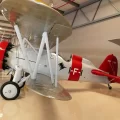 Boeing P-12E - Giron pochi