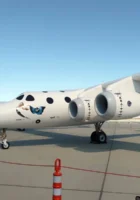
Méretezett kompozitok modell 348

Scaled Composites Model 348

OrszágUsa
SzerepetFlying Spaceplane Carrier
Első repülésDecember 21, 2008
Beépített1

A Méretezett kompozitok modell 348 White Knight Two (WK2) is a quadjet cargo aircraft that is used to lift the SpaceShipTwo spacecraft to release altitude. It was developed by Scaled Composites from 2007 to 2010 as the first stage of Tier 1b, a two-stage to suborbital-space manned launch system. WK2 is based on the successful mothership to SpaceShipOne, White Knight, which itself is based on Proteus. With an “open architecture” design and explicit plans for multi-purpose use, the aircraft could also operate as a zero-g aircraft for passenger training or microgravity science flights, handle missions in high-altitude testing more generally, or be used to launch payloads other than SpaceShipTwo. A study of use of the aircraft as a forest fire water bomber has also been mentioned, one that would utilize a large carbon composite water tank that could be quickly replenished to make repeat runs over fires.

Forrás: Scaled Composites Model 348 on Wikipedia

Olvasd tovább

Megtekintették : 1113

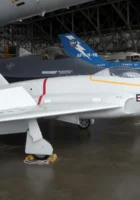
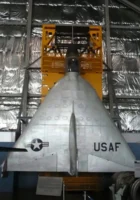
Northrop X-4 Bantam

Northrop X-4 Bantam

OrszágUsa
SzerepetFarok nélküli repülőgép prototípus
Első repülés15 December 1948
Beépített2

A Northrop X-4 Bantam was a prototype small twinjet aircraft manufactured by Northrop Corporation in 1948. It had no horizontal tail surfaces, depending instead on combined elevator and aileron control surfaces (called elevons) for control in pitch and roll attitudes, almost exactly in the manner of the similar-format, rocket-powered Messerschmitt Me 163 of Nazi Germany’s Luftwaffe. Some aerodynamicists had proposed that eliminating the horizontal tail would also do away with stability problems at fast speeds (called shock stall) resulting from the interaction of supersonic shock waves from the wings and the horizontal stabilizers. The idea had merit, but the flight control systems of that time prevented the X-4 from any success.

Forrás: Northrop X-4 Bantam a Wikipédián

Olvasd tovább

Megtekintették : 1828

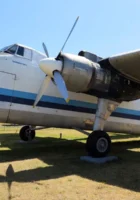
Bristol 170 teherhajó

Bristol Freighter

OrszágEgyesült Királyság
SzerepetTeherszállító repülőgép
Első repülés1945. december 2.
Beépített214

A Bristol Type 170 teherhajó was a British twin-engine aircraft designed and built by the Bristol Aeroplane Company as both a freighter and airliner. Its best known use was as an air ferry to carry cars and their passengers over relatively short distances. A passenger-only version was also produced, known as the Wayfarer. The Freighter was developed during the Second World War, having attracted official attention from the British Air Ministry, which sought the development of a rugged vehicle capable of carrying various cargoes, including a 3-ton truck. Various changes to the design were made to accommodate their requirements, but being completed too late to participate in the conflict, the majority of sales of the Freighter were to commercial operators. In response to customer demand, an enlarged version to maximise vehicle-carrying capacity, known as the Bristol Superfreighter, was developed.

Forrás: Bristol Freighter a Wikipédián

Olvasd tovább

Megtekintő : 2365

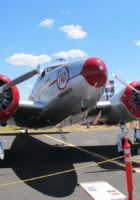
Lockheed Electra 12A

Lockheed Electra 12

OrszágUsa
SzerepetPolgári és katonai haszongépjárművek
Első repülés1936. június 27.
Beépített130

A Lockheed Model 12 Electra A Junior, közismertebb nevén Lockheed 12 vagy L-12, egy nyolcüléses, hatszemélyes, teljesen fém kétmotoros szállító repülőgép az 1930-as évek végén, amelyet kis légitársaságok, vállalatok és gazdag magánszemélyek számára terveztek. A Lockheed Model 10 Electra kicsinyített változata, a Lockheed 12 nem volt népszerű utasszállító repülőgépként, de széles körben használták vállalati és kormányzati közlekedésként. Többet új repülési technológiák tesztelésére is használtak.

Forrás: Lockheed Electra 12 a Wikipédián

Olvasd tovább

Megtekintették : 2211

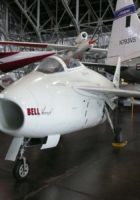
Harang X-5

Bell X-5

OrszágUsa
SzerepetKutató repülőgépek
Első repülés1951. június 20.
Beépített2

A Harang X-5 volt az első repülőgép, amely képes volt megváltoztatni szárnyainak söpörését repülés közben. A német Messerschmitt cég nem tesztelt háborús P.1101 terve ihlette. A német tervvel ellentétben, amelynek szárny visszahúzási szögét csak a földön lehetett beállítani, a Bell mérnökei elektromos motorok rendszerét dolgozták ki a repülés közbeni söprés beállítására.

Forrás: Bell X-5 a Wikipédián

Olvasd tovább

Megtekintették : 1281

Ryan X-13 Vertijet

Ryan X-13 Vertijet

OrszágUsa
SzerepetKísérleti VTOL sugárhajtású repülőgép
Első repülés1955. december 10.
Beépített2

A Ryan X-13 Vertijet (cégmegnevezése: Model 69) egy kísérleti függőleges fel- és leszálló (VTOL) sugárhajtású repülőgép volt, amelyet az 1950-es években repültek az Egyesült Államokban. A projekt fő célja az volt, hogy bemutassa a tiszta sugárhajtómű képességét függőleges felszállásra, lebegésre, vízszintes előremenetre való áttérésre és függőleges leszállásra.

Forrás: Ryan X-13 Vertijet a Wikipédián

Ryan X-13 Vertijet séta körül
FotósokVlagyimir Jakubov
LokalizációAz USAF Nemzeti Múzeuma
Fénykép96
Olvasd tovább

Megtekintették : 905

Észak-amerikai X-15A2

North American X-15

OrszágUsa
SzerepetKoncepció demonstrátor repülőgép
Első repülés2000. október 24.
Beépített2

A Észak-amerikai X-15 egy hiperszonikus rakétahajtású repülőgép volt, amelyet az Egyesült Államok Légiereje és a Nemzeti Repülési és Űrhajózási Hivatal üzemeltetett az X-plane kísérleti repülőgép-sorozat részeként. Az X-15 sebesség- és magasságrekordokat állított fel az 1960-as években, elérte a világűr szélét, és értékes adatokkal tért vissza a repülőgépek és űrhajók tervezéséhez. Az X-15 hivatalos világrekordja a valaha emberes, motoros repülőgép által valaha rögzített legnagyobb sebességről, amelyet 1967 októberében állítottak fel, amikor William J. Knight 6,72 Mach sebességgel repült 102,100 láb (31,120 m), 4,520 mérföld / óra sebességgel (7,274 km / h; 2,021 m / s), 2019 januárjától töretlen maradt.

Forrás: Észak-amerikai X-15 a Wikipédián

Olvasd tovább

Views : 2170

Martin Marietta X-24

Martin Marietta X-24

OrszágUsa
SzerepetKoncepció demonstrátor repülőgép
Első repülés2000. október 24.
Beépített2

A Martin Marietta X-24 was an American experimental aircraft developed from a joint United States Air Force-NASA program named PILOT (1963–1975). It was designed and built to test lifting body concepts, experimenting with the concept of unpowered reentry and landing, later used by the Space Shuttle. Originally built as the X-24A, the aircraft was later rebuilt as the X-24B. The X-24 was drop launched from a modified B-52 Stratofortress at high altitudes before igniting its rocket engine; after expending its rocket fuel, the pilot would glide the X-24 to an unpowered landing.

Forrás: Martin Marietta X-24 a Wikipédián

Olvasd tovább

Megtekintés : 1282

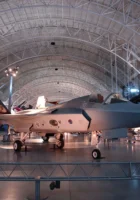
Lockheed Martin X-35B

Lockheed Martin X-35

OrszágUsa
SzerepetKoncepció demonstrátor repülőgép
Első repülés2000. október 24.
Beépített2

A Lockheed Martin X-35 was a concept demonstrator aircraft (CDA) developed by Lockheed Martin for the Joint Strike Fighter program. The X-35 was declared winner over the competing Boeing X-32 and a developed, armed version went on to enter production in the early 21st century as the F-35 Lightning II.

Forrás: Lockheed Martin X-35 a Wikipédián

Olvasd tovább

Megtekintés : 1729

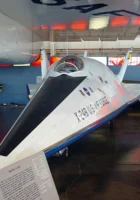
NASA X-38

NASA X-38

OrszágUsa
SzerepetVisszaküldött jármű
Program1995–2002
BeépítettIsmeretlen

A X-38 was an experimental re-entry vehicle designed by NASA to research a possible emergency crew return vehicle (CRV) for the International Space Station (ISS). The 1995–2002 program also developed concepts for a crew return vehicle design that could be modified for other uses, such as a possible joint U.S. and international human spacecraft that could be launched on the French Ariane 5 booster. The program would eventually develop a total of three test prototype flight demonstrators for the proposed Crew Return Vehicle, each having incremental improvements on its predecessor. All three were wingless lifting body vehicles used in drop tests. The X-38 program was cancelled in 2002 due to budget cuts.

Forrás: NASA X-38 a Wikipédián

Olvasd tovább

Megtekintették : 997