
ZIL-135 | |
|---|---|
| Pays | Union soviétique |
| Rôle | Artillery truck |
| Produit | 1959-1963 (ZIL) |
| 1963-1994 (BAZ) | |
| Construit | Inconnu |
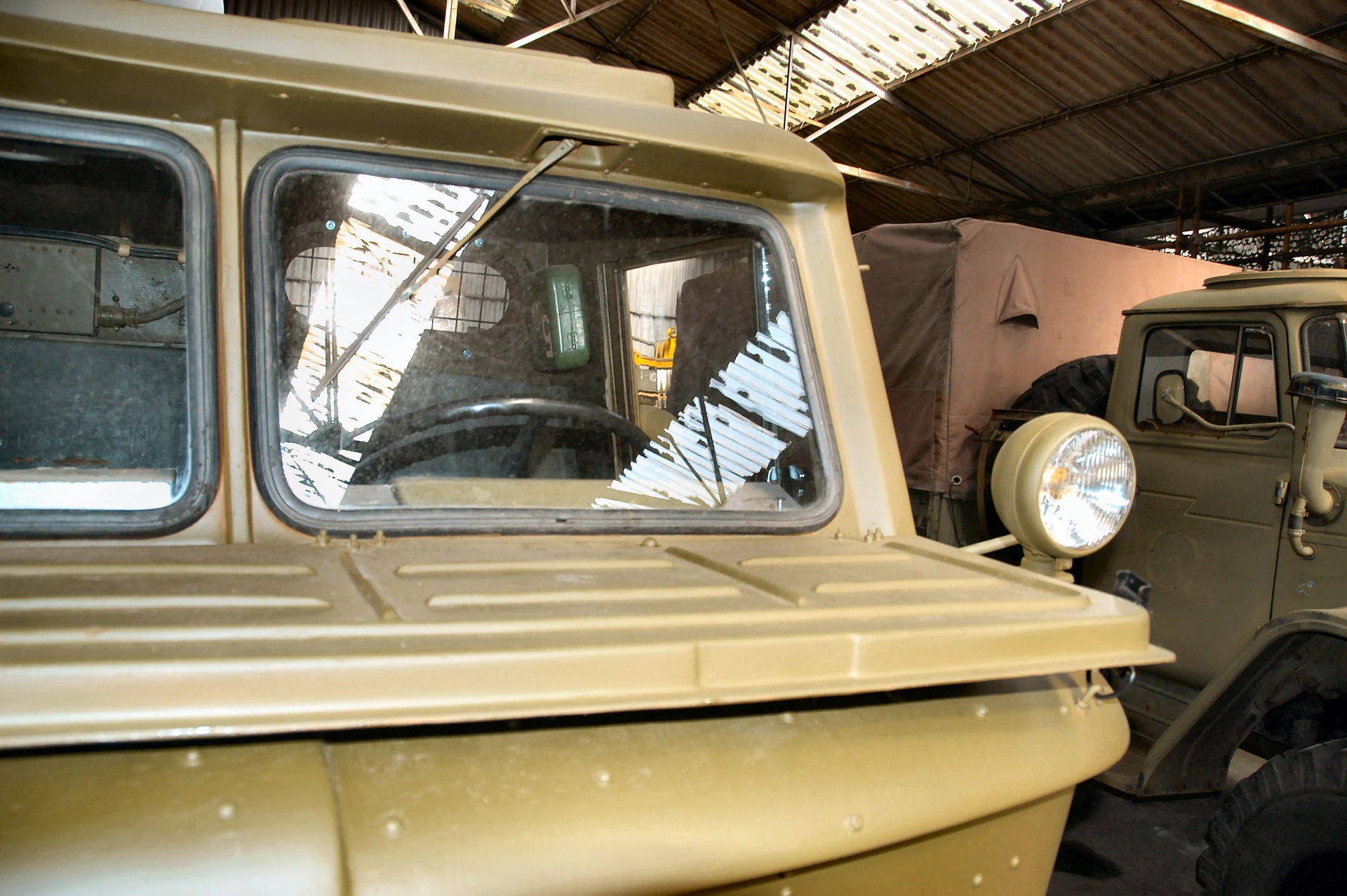
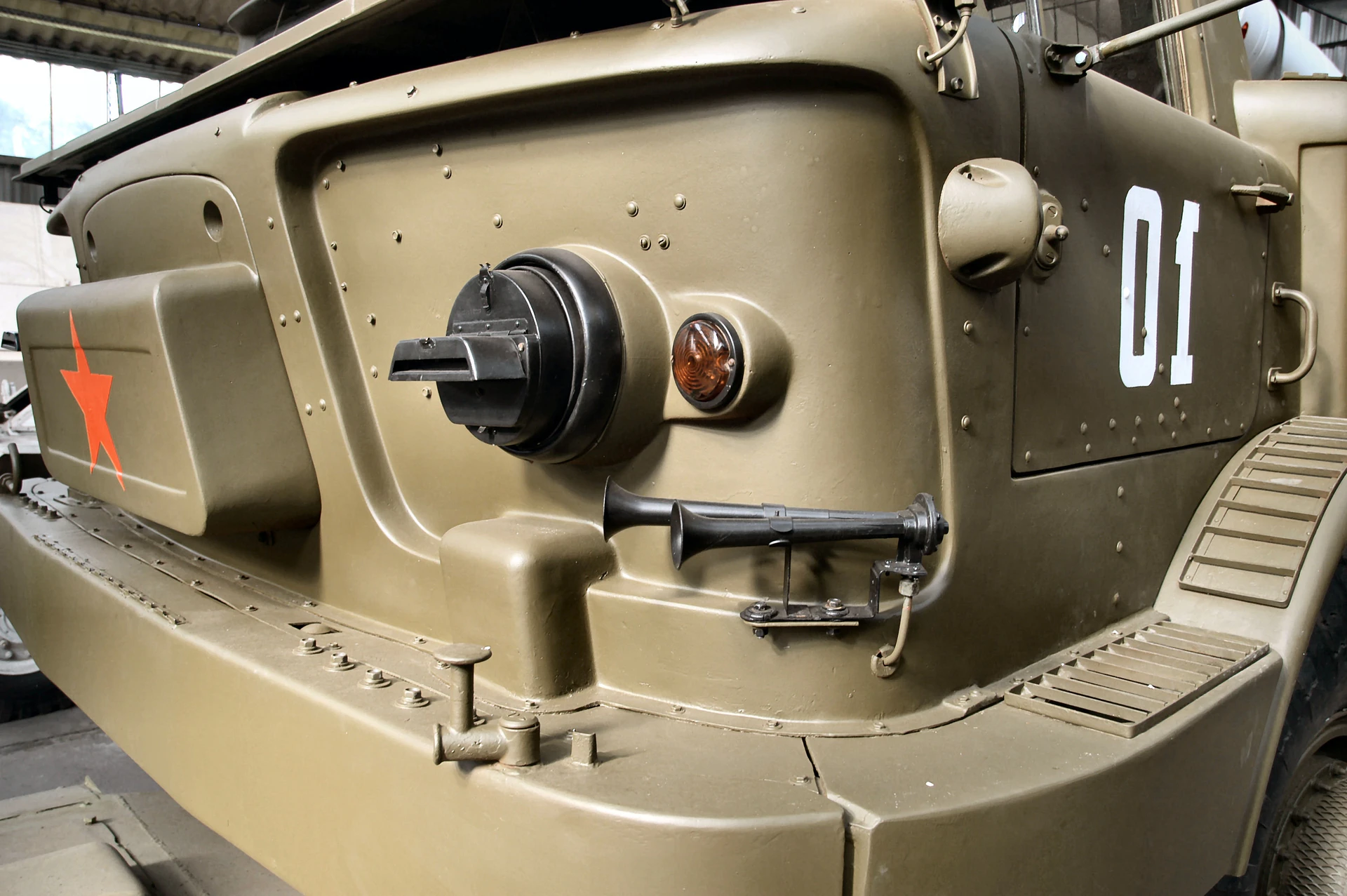
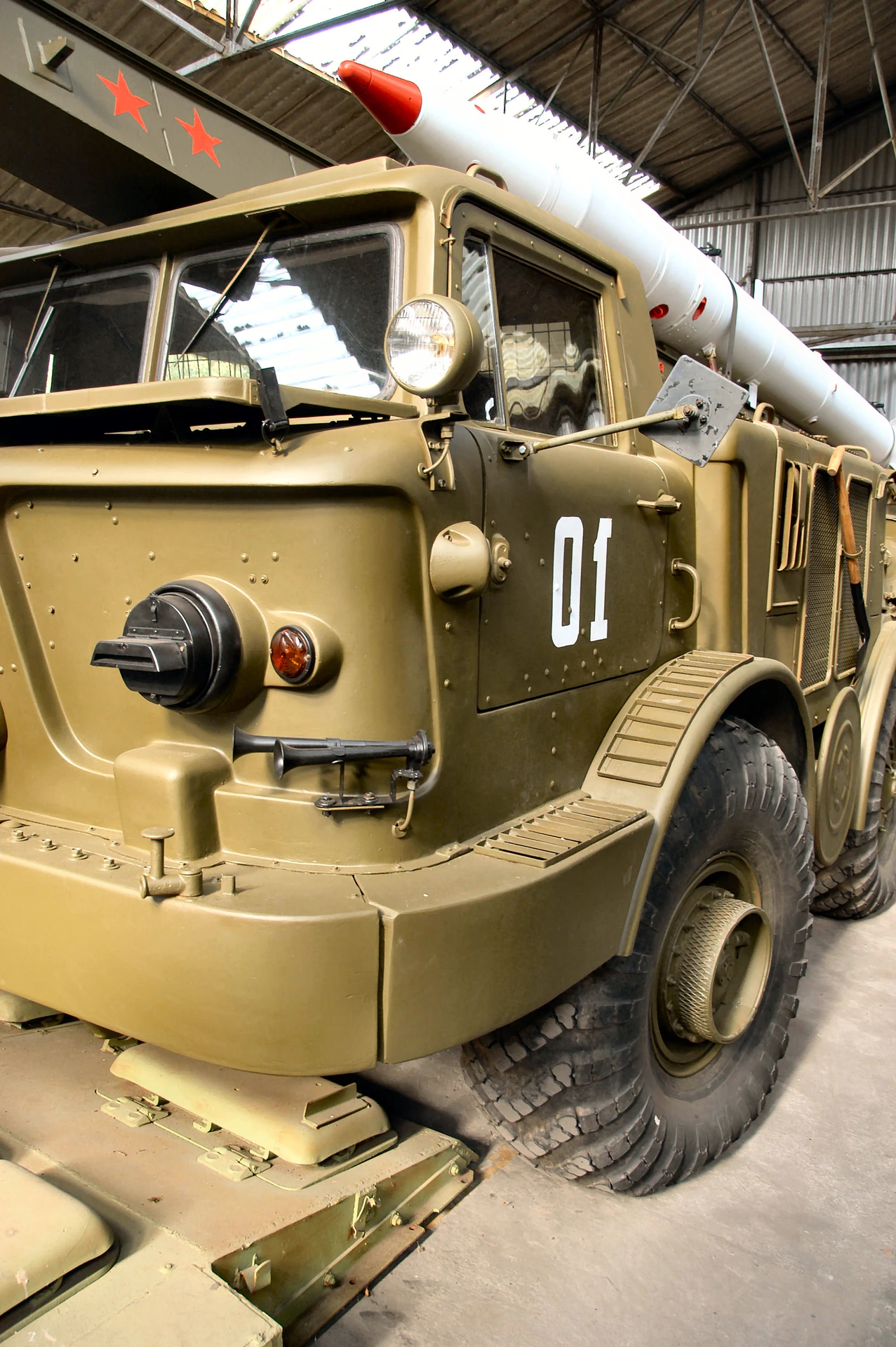
Le ZIL-135 est un grand camion de transport militaire à huit roues et d’artillerie automoteur produit pendant la guerre froide par l’Union soviétique à partir de 1959. Son but était de transporter et de lancer un missile d’artillerie, en particulier un FROG-7, de surface en surface. Le ZIL-135 a été largement exporté vers d’autres pays communistes, notamment la Corée du Nord, où il est un spectacle commun dans les films et les marches militaires. Il a également servi de TEL pour le système de roquettes d’artillerie BM-27 Uragan.
Source: ZIL-135 sur Wikipedia
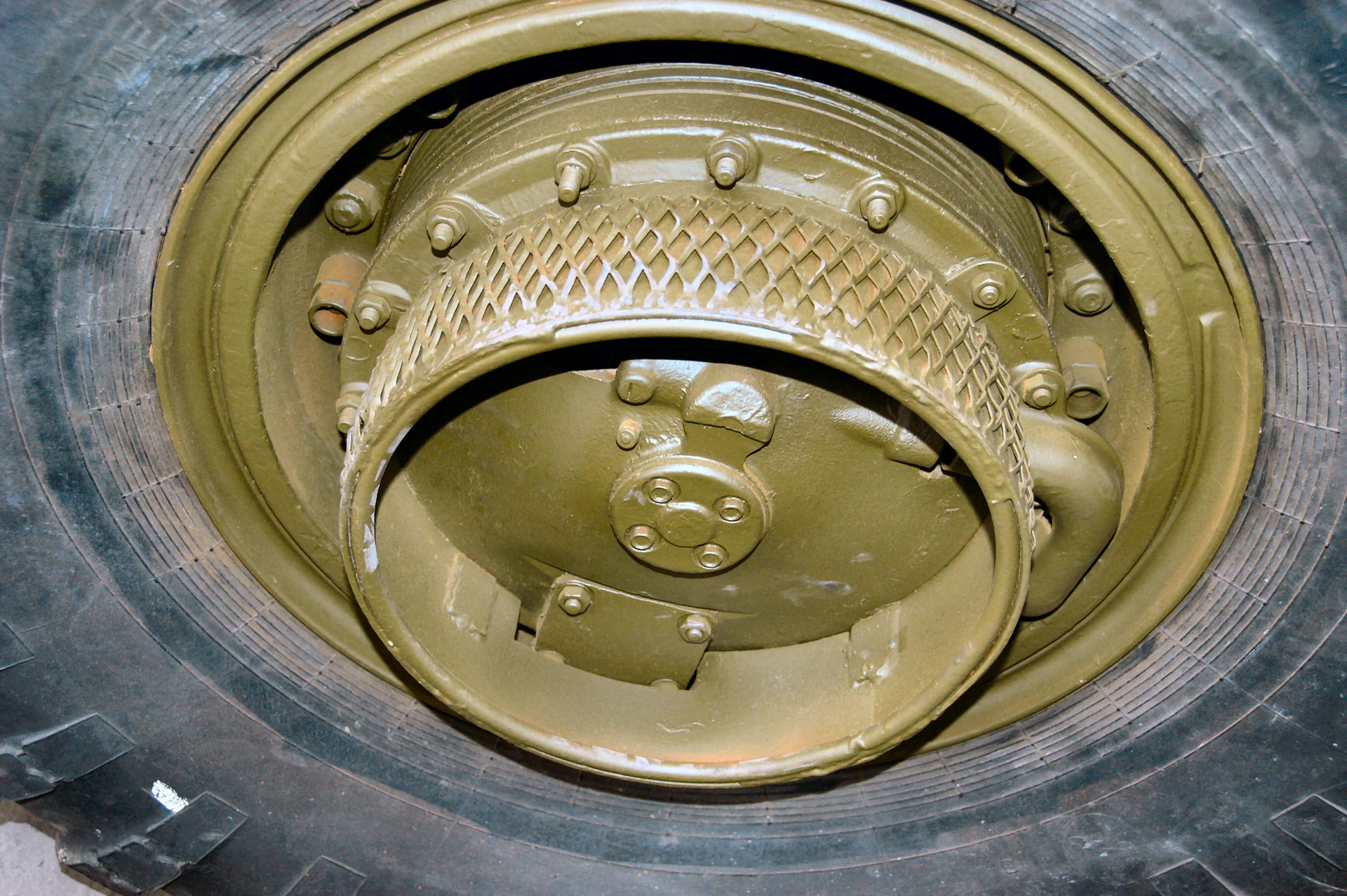
| FROG-7 Luna on BAZ-135 Walk Around | |
|---|---|
| Photographe | Robert De Craecker |
| Localisation | Inconnu |
| Photos | 121 |


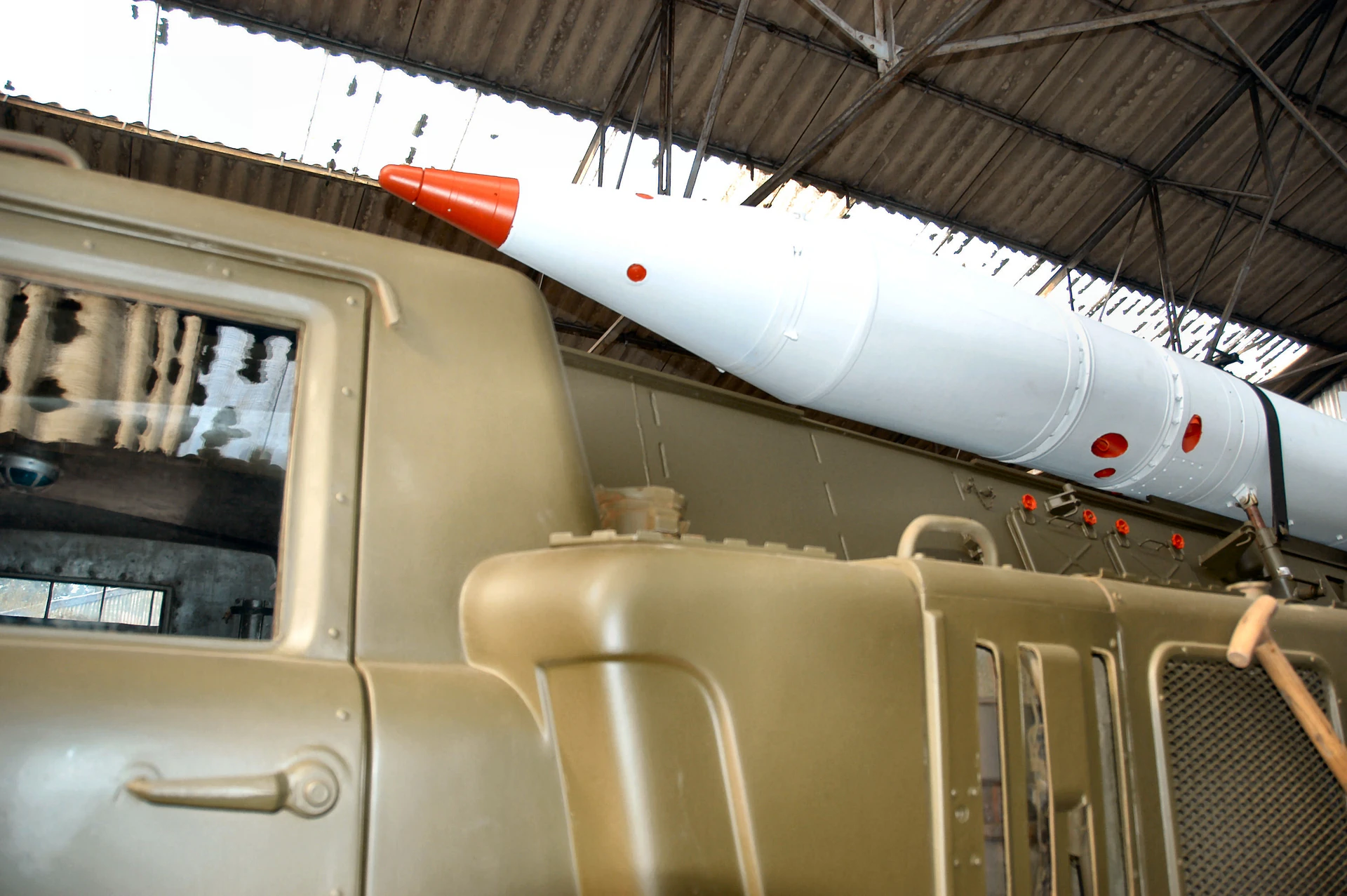


Voir aussi :


General Characteristics and Role
The ZIL-135 is a Soviet/Russian high-mobility, eight-wheeled (8×8) military truck developed by the Likhaev Automobile Plant (ZIL). Designed specifically to carry heavy loads and traverse extremely difficult terrain, it became famous primarily as the transporter and launcher for the BM-27 Uragan and BM-30 Smerch multiple rocket launcher systems (MRLS). Its unusual and highly capable design featured a long, flat cargo area, a distinctive forward-control cab, and a unique engine and transmission setup for optimal off-road performance. It was a staple of Soviet and later Russian missile artillery forces for decades.
| Property | Typical Value (ZIL-135LM) |
|---|---|
| Rôle | Heavy Artillery/Missile Transporter and Launcher |
| National Origin | Soviet Union (USSR) |
| Fabricant | Zavod imeni Likhachova (ZIL) |
| Service Entry | 1963 |
| Crew | 4 (Driver, Commander, 2 Gunners/Operators) |
| Payload Capacity | 9,000 kg (20,000 lb) |
| Length Overall | 9.27 m (30 ft 5 in) |
| Width | 2.80 m (9 ft 2 in) |
| Height | 2.53 m (8 ft 4 in) (Cab Top) |
| Weight (Mass) | Approx. 12,000 kg (Empty) |
Powerplant and Unique Drivetrain
- Engines: 2 x ZIL-375YA V8 petrol engines. (Located directly behind the cab).
- Power Output (Total): 270 kW (360 hp) (180 hp from each engine).
- Drivetrain: A unique setup where each engine drives only one side of the vehicle (one engine for the left-side wheels, one for the right-side wheels), improving off-road capability and reliability.
- Driven Axles: All 8 wheels are driven (8×8).
- Steering: Only the front two axles and the rear two axles are steerable, allowing for a tight turning radius despite the vehicle’s length. The two central axles are fixed.
- Maximum Speed: 65 km/h (40 mph) on road.
- Operational Range: 500 km (310 mi).
Military Systems and Variants
- Primary Role: Transporter/Launcher for MRLS, including:
- BM-27 Uragan (Hurricane) 220 mm MRLS.
- BM-30 Smerch (Tornado) 300 mm MRLS.
- Missile Transport: Also used as the mobile chassis for the Luna-M (Frog-7) tactical ballistic missile system.
- Tire System: Equipped with a Central Tire Inflation System (CTIS), allowing the driver to adjust tire pressure for optimal traction on different surfaces.
- Variantes:
- ZIL-135E: Prototype featuring electrical transmission (electric motors in the hubs).
- ZIL-135K: Prototype for missile transport (never mass-produced).
- ZIL-135LM: Mass-produced model with manual transmission (most common version).
- ZIL-135LN: Variant with a crane and recovery equipment.
Vues : 2749
Vous pouvez voir aussi :
 Lancia TL 51 – Photos & Videos
 Système de transport d’équipement lourd – Photos et vidéos
 M422 Mighty Mite – Photos & Vidéo
 ZIL-157 – Photos et vidéo
 Dodge WC16 – Photos et vidéo
 International Harvester M-2-4-233 – Photos et vidéo
 Ford Maultier v1939 – Walk Around
 Dodge M37 Cargo 4×4 – Promenez-vous
 VBL-25 – WalkAround
 GAZ UAZ-69 - WalkAround