DUKW | |
|---|---|
| Country | USA |
| Type | Véhicule amphibie |
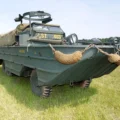
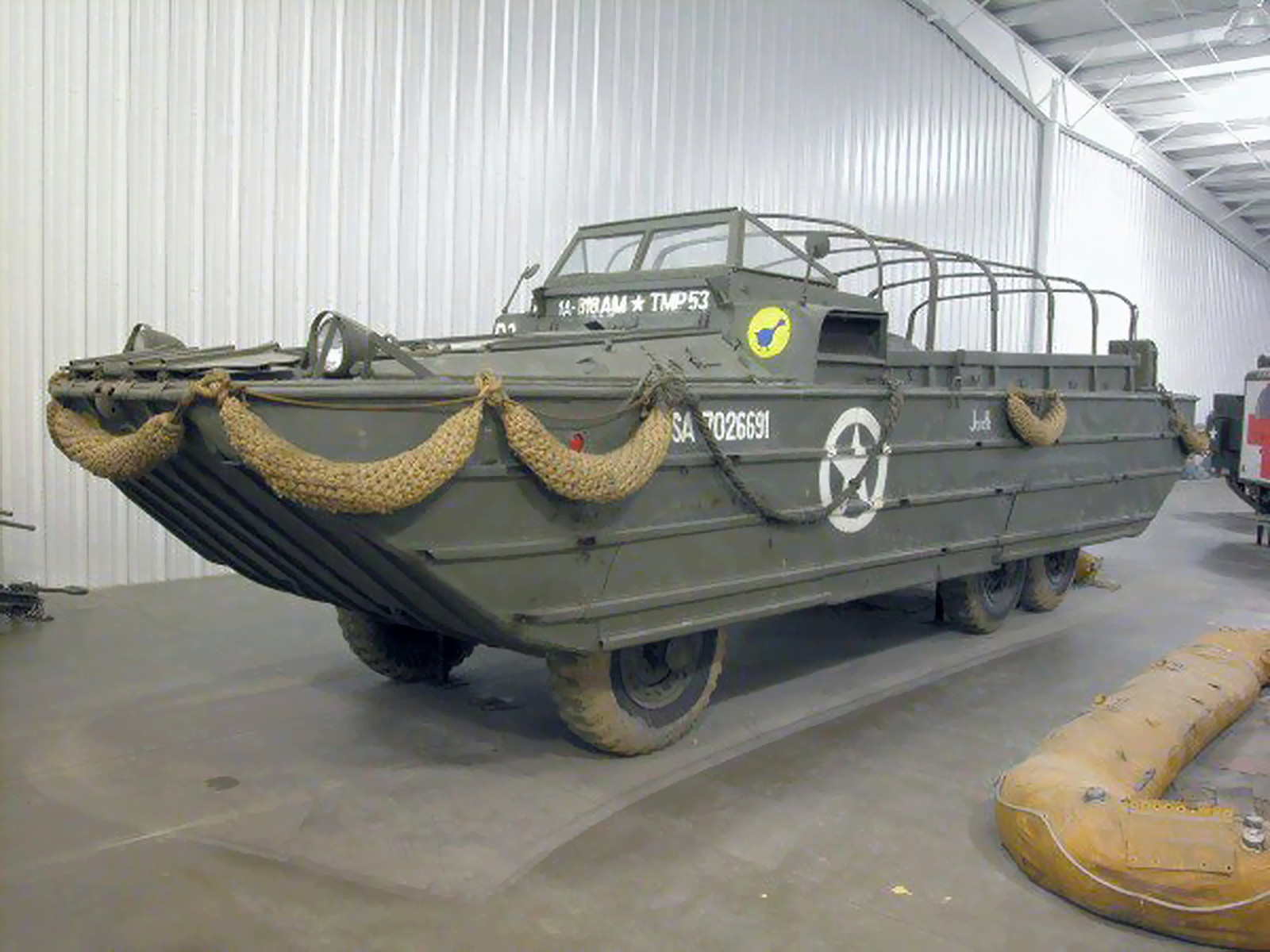
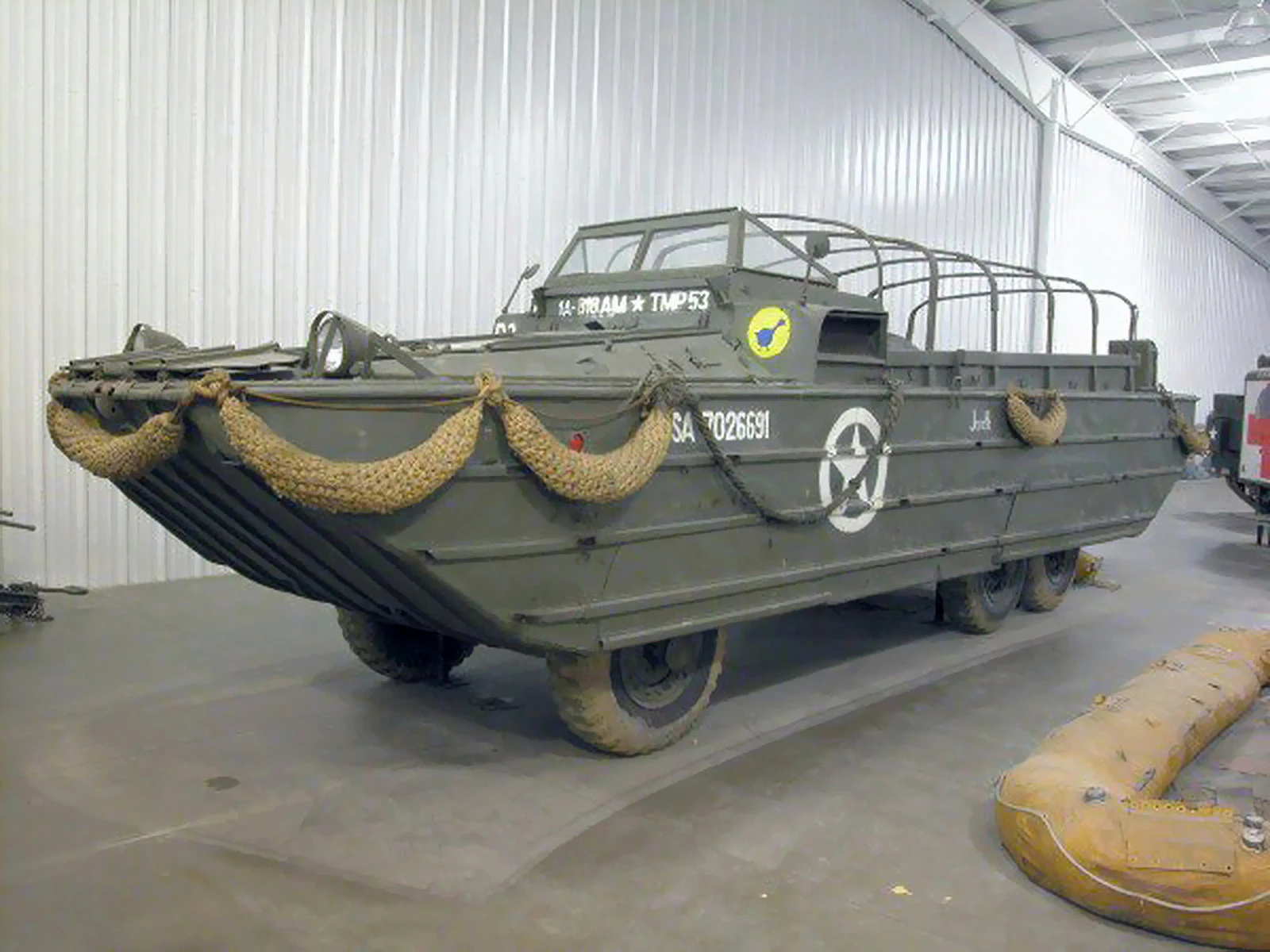
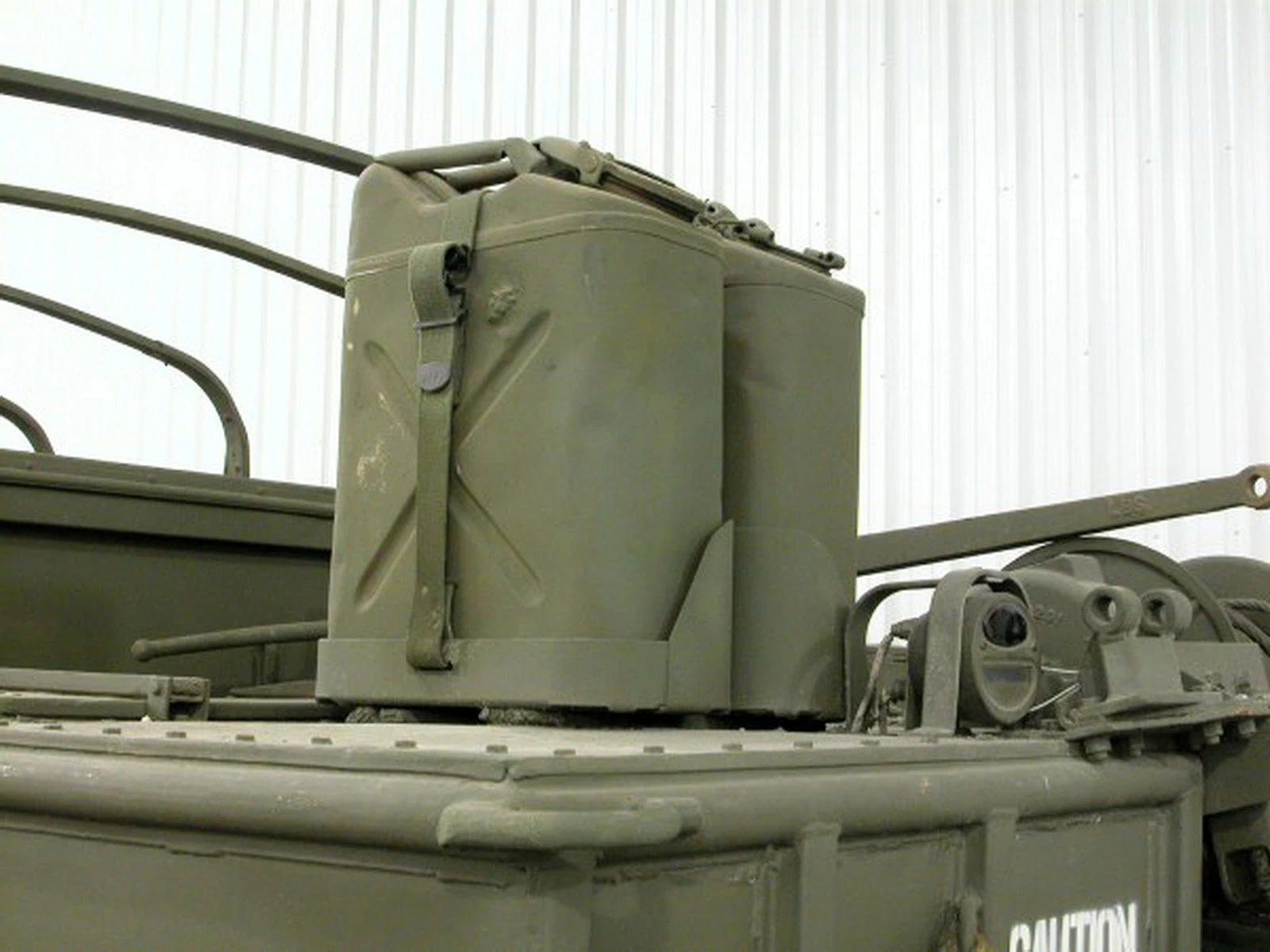
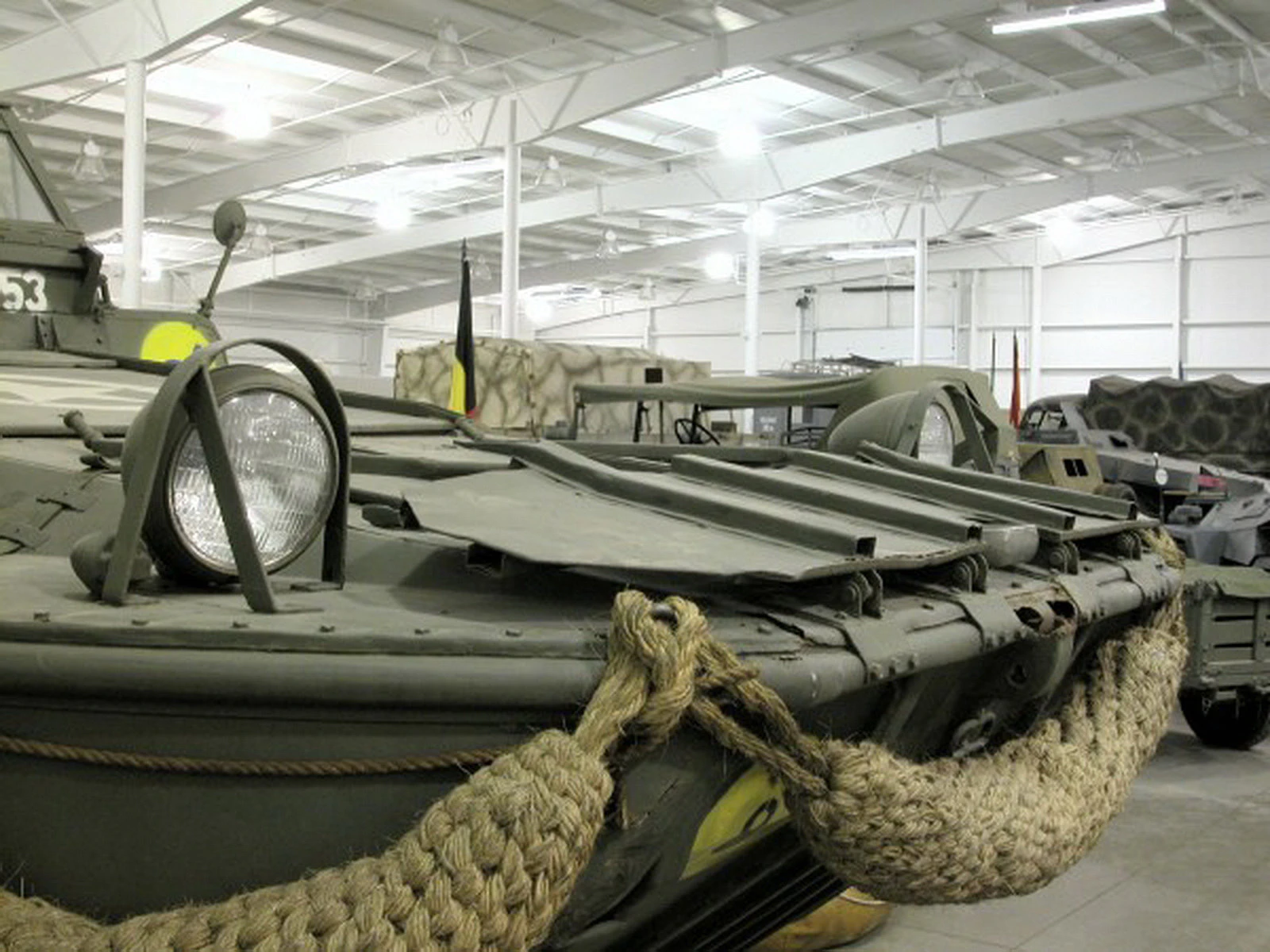
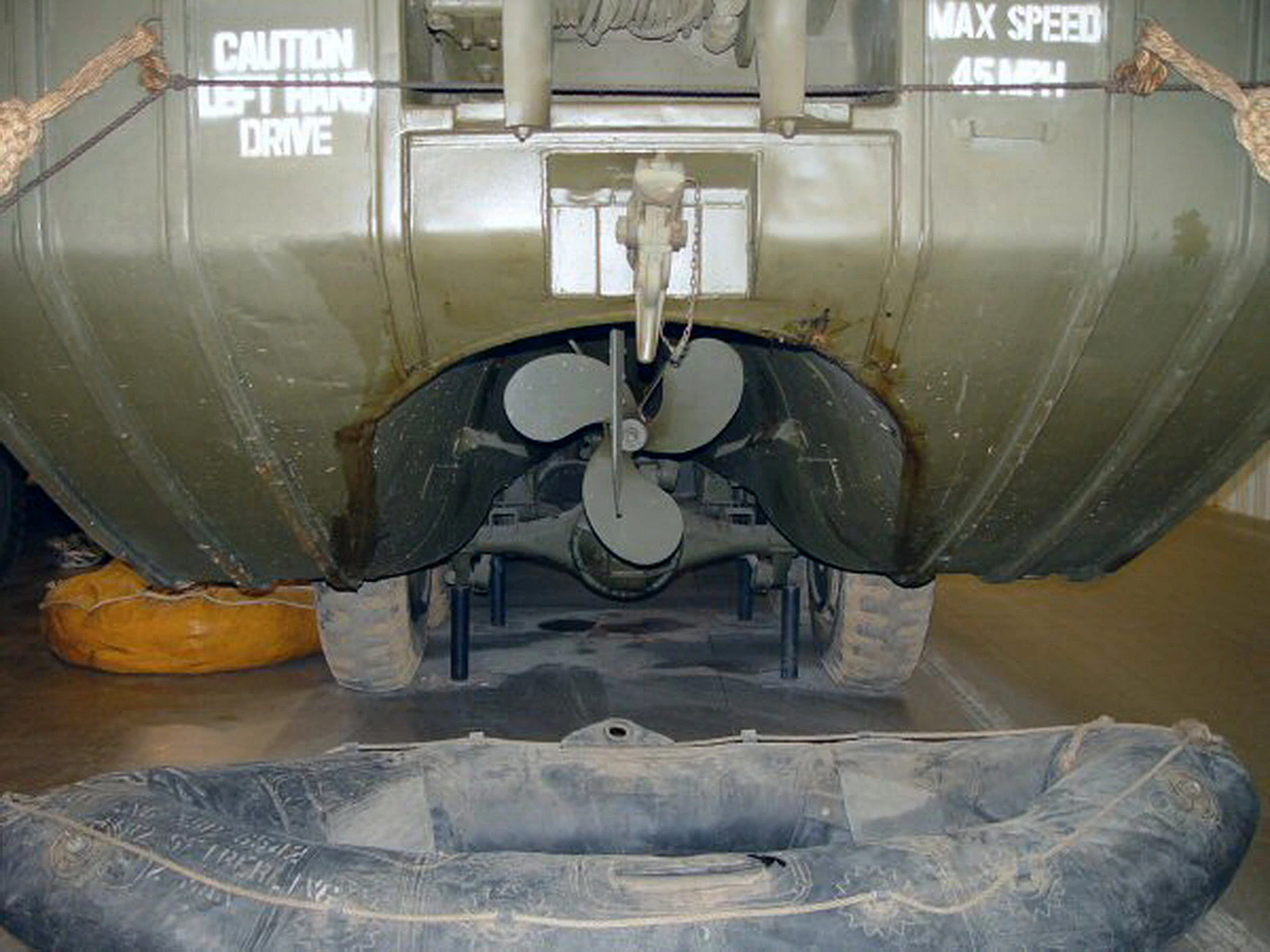
Galerie photo sur un DUKW, Le DUKW 353 était un camion amphibie en activité lors de la seconde guerre mondiale.
| DUKW Walk Around | |
|---|---|
| Photographer | Unknow |
| Localisation | Unknow |
| Photos | 19 |
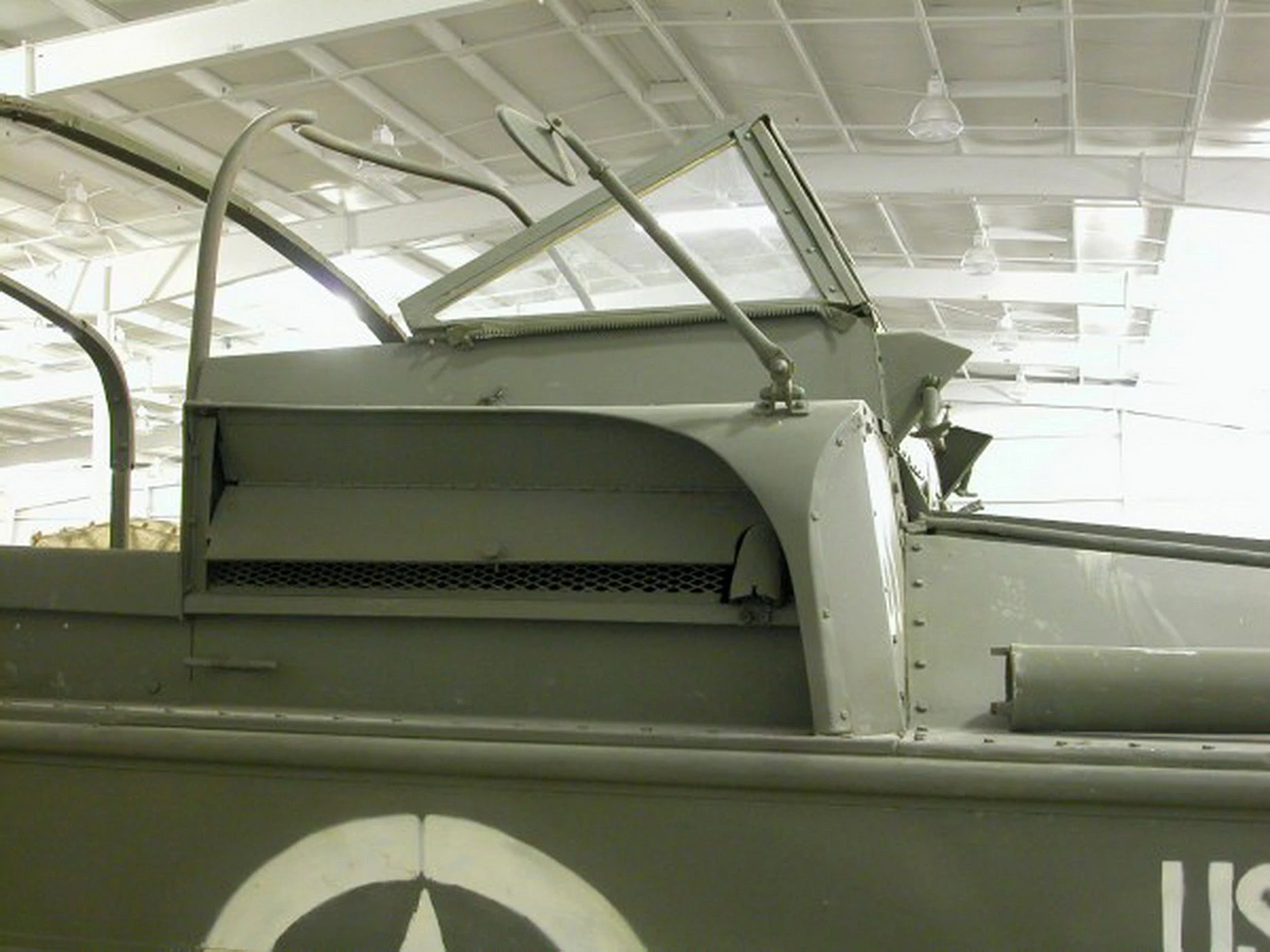
DUKW 01
DUKW 03
DUKW 02
DUKW 04
DUKW 05
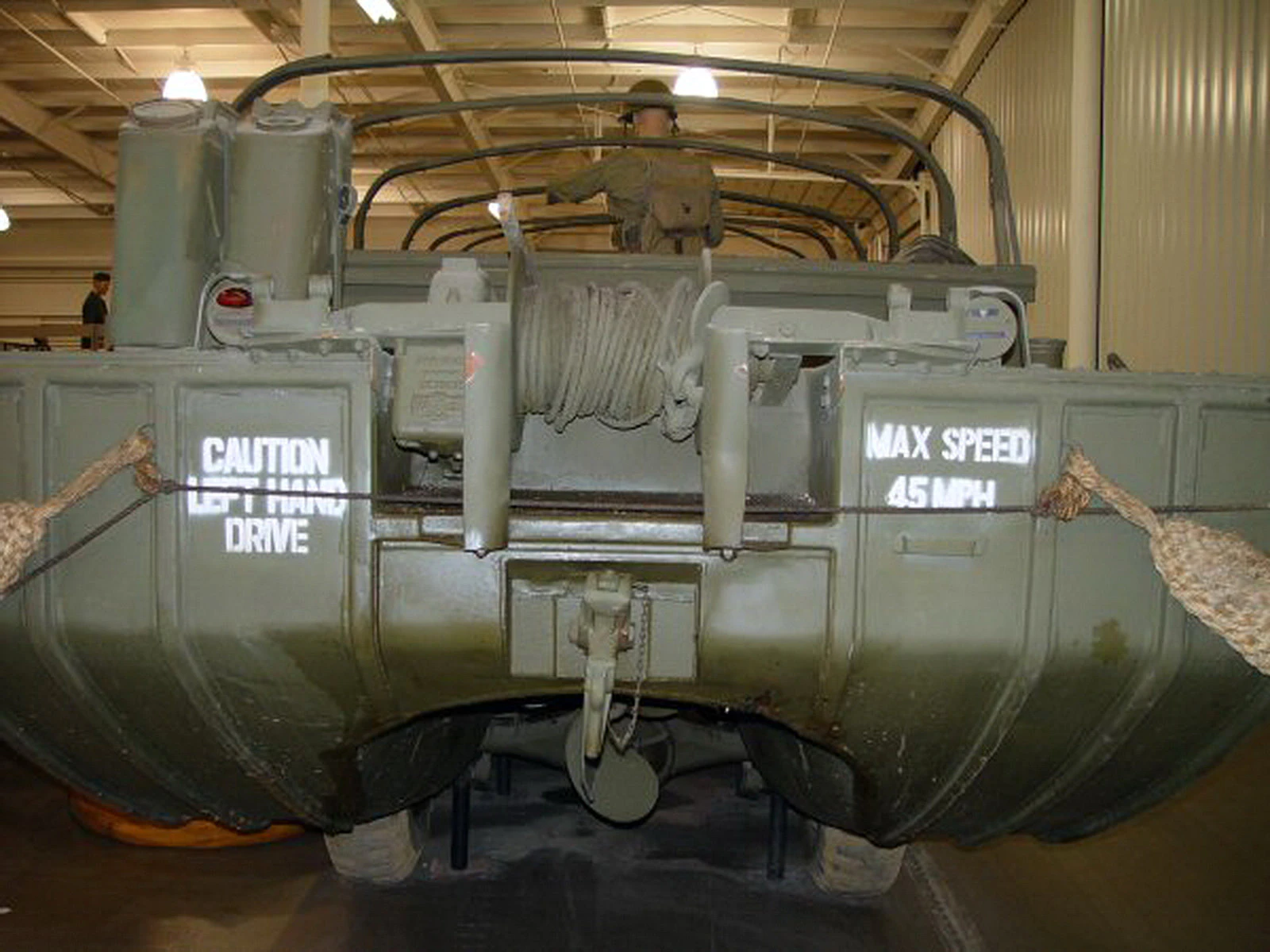
DUKW 06
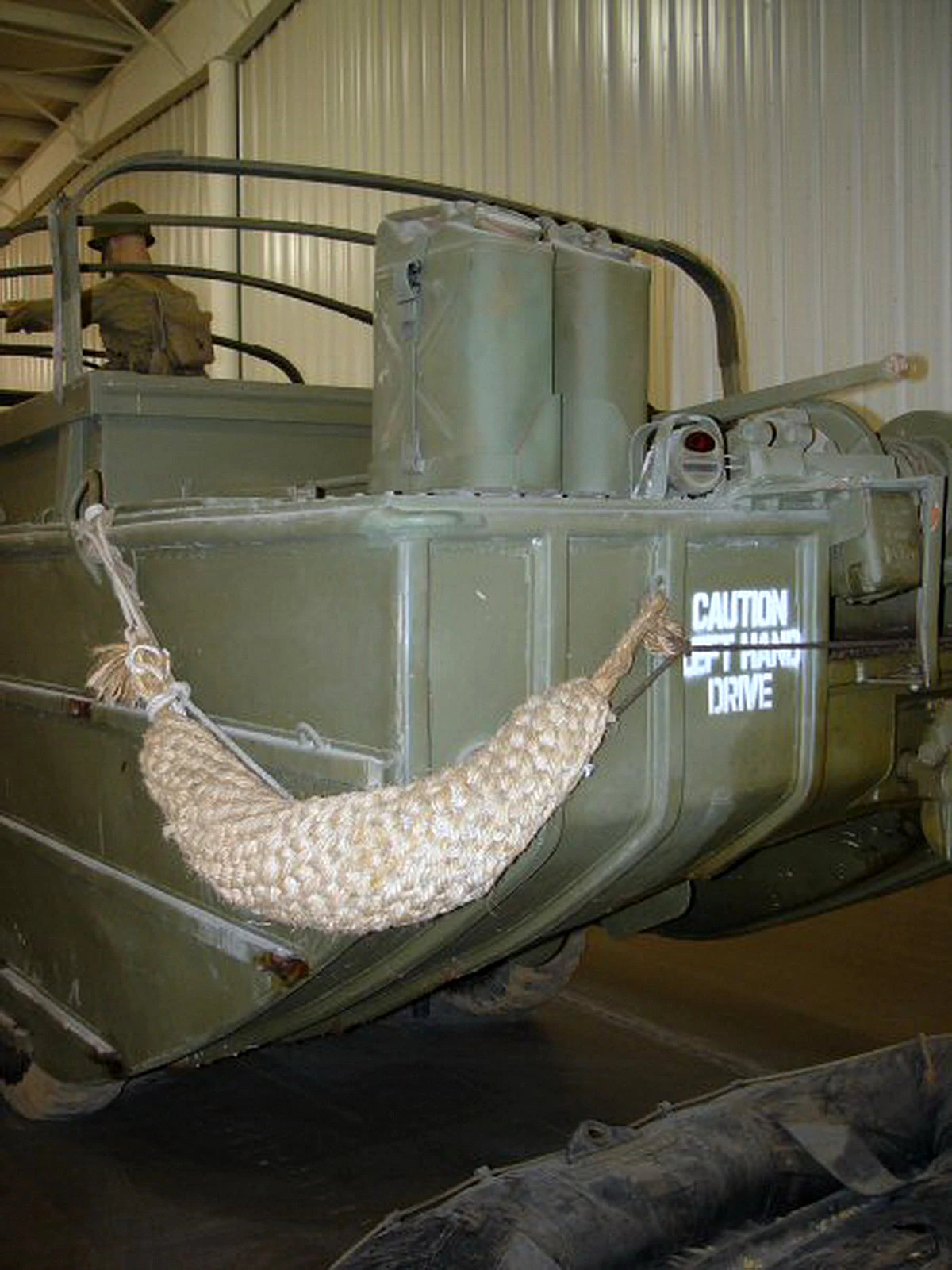
DUKW 07
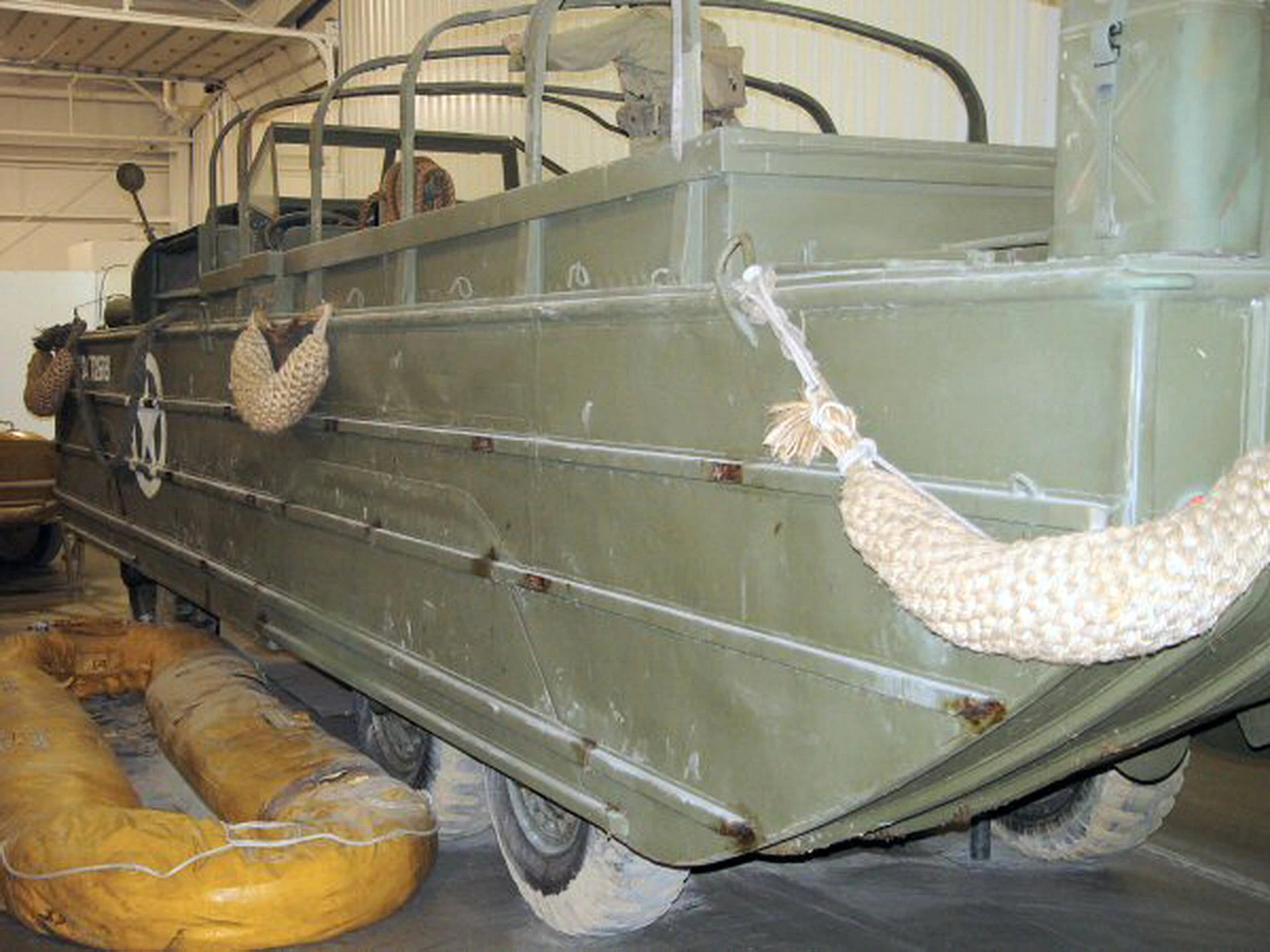
DUKW 08
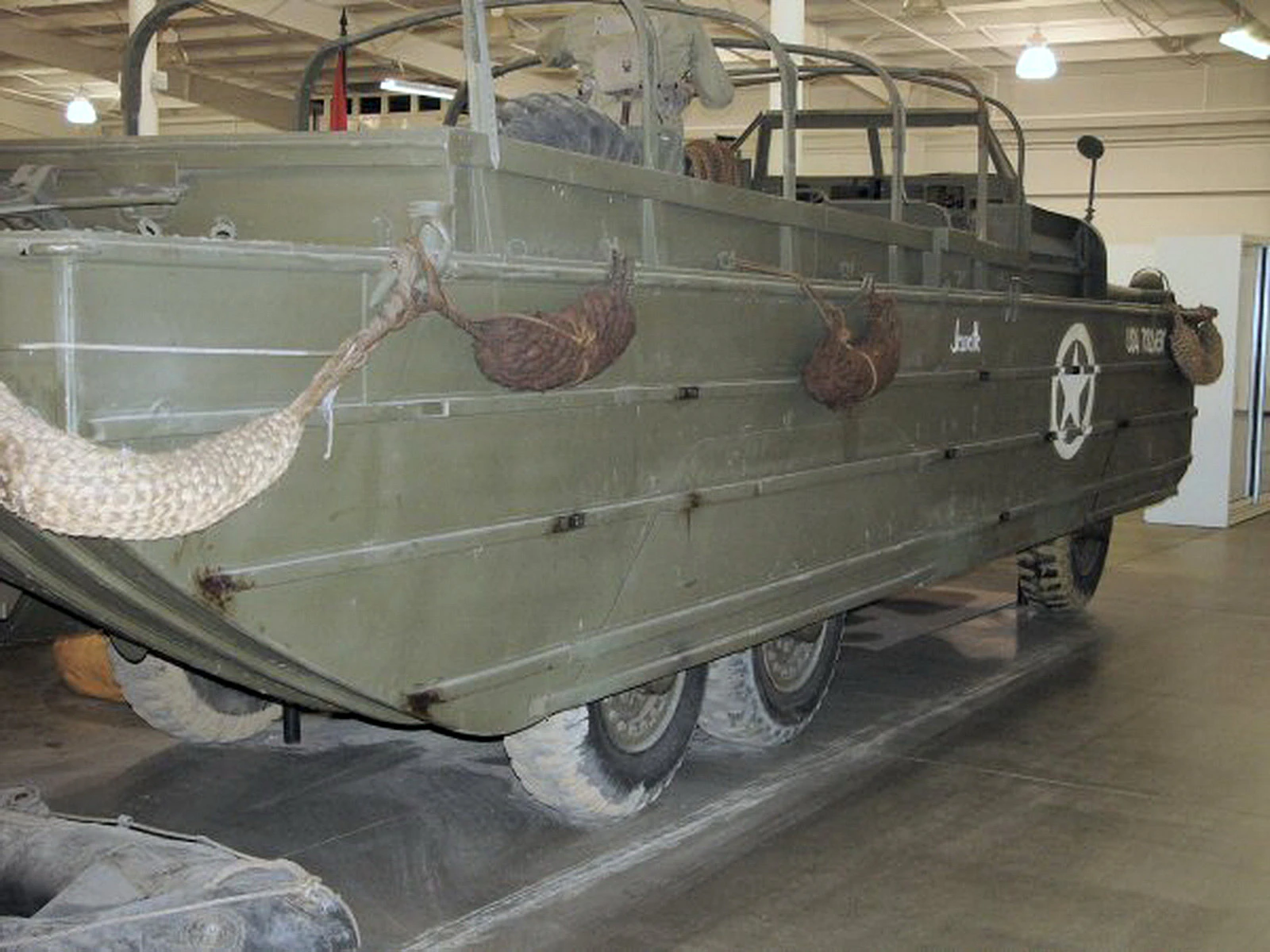
DUKW 09
Wait, Searching DUKW photos for you…

| GMC DUKW-353 Walk Around | |
|---|---|
| Photographer | Yuri Pasholok |
| Localisation | Yanks Lehn Collection |
| Photos | 332 |
| DUKW Utah Beach Walk Around | |
|---|---|
| Photographer | Unknow |
| Localisation | Unknow |
| Photos | 48 |
See also:


| DUKW Walk Around | |
|---|---|
| Photographer | Vladimir Yakubov |
| Localisation | Unknow |
| Photos | 60 |
The Logistics Legend of the Seaborne Invasion
The GMC DUKW (popularly known as the Duck) was one of the most vital inventions of WWII. It solved the « last mile » problem of amphibious warfare: how to get supplies from ships anchored offshore directly to inland depots without stopping at the water’s edge. Built on the rugged chassis of the GMC CCKW 2½-ton truck, it was wrapped in a watertight hull and fitted with a propeller. While military « brass » were initially skeptical, calling it a « clumsy hybrid, » the Duck proved its worth by landing 40% of all Allied supplies at Normandy between June and September 1944.
| Attribute | Technical Specification (GMC DUKW-353) |
|---|---|
| Role | Amphibious Transport Vehicle |
| Crew | 1 to 2 (Driver and Assistant) |
| Engine | GMC Model 270 straight-six (91–104 hp) |
| Top Speed | 80 km/h (50 mph) on land / 10 km/h (6.4 mph) in water |
| Cargo Capacity | 2,300 kg (5,000 lbs) or 25 equipped troops |
| Armament | Occasionally a .50 cal Browning M2 machine gun on a ring mount |
| Operational Weight | Approx. 6.5 tonnes (Empty) |
| Total Production | 21,147 units |
Design Engineering: Yacht Design Meets Truck Power
- The « Yacht » Hull: The DUKW’s hull wasn’t designed by tank engineers, but by Sparkman & Stephens, a famous firm of America’s Cup yacht designers. This gave the Duck surprisingly good « seakeeping » abilities, allowing it to navigate rough surf that would swamp other landing craft.
- Central Tire Inflation System (CTIS): The DUKW was the first vehicle in history to allow the driver to inflate or deflate tires from inside the cab. This was critical for landing: pilots would deflate tires to « float » over soft beach sand, then reinflate them once they reached hard-packed roads.
- The Name « DUKW »: It’s not a military acronym, but a GMC factory code:
- D: Designed in 1942
- U: Utility (Amphibious)
- K: All-Wheel Drive
- W: Dual Rear Driving Axles
- The Bilge Pumps: To survive the thin sheet-metal hull being punctured by flak or rocks, the Duck was equipped with high-capacity bilge pumps that could move hundreds of gallons of water per minute.
Operational History: From Sicily to Sightseeing
- The Rescue That Saved the Project: The DUKW project was nearly canceled until a prototype successfully rescued the crew of a grounded Coast Guard vessel in a 70 mph gale off Cape Cod. The military was finally convinced that if it could handle a Nor’easter, it could handle an invasion.
- Normandy and Sicily: General Eisenhower called the DUKW one of the « four most valuable pieces of equipment » produced by the U.S. in the war. At Normandy, they shuttled constantly between the transport ships and inland supply dumps, bypassing the clogged beaches.
- The Pacific « Quack » Corps: Marines used DUKWs to cross jagged coral reefs that would tear the bottoms out of traditional landing craft, proving essential in the island-hopping campaigns like Saipan and Iwo Jima.
- Post-War « Duck Tours »: After the war, thousands of DUKWs were sold as surplus. They became the foundation for the global « Duck Tour » industry, where they still carry tourists through the streets and rivers of cities like Boston, London, and Tokyo.
Views : 5745