DUKW | |
|---|---|
| País | Eua |
| Tipo | Veículo anfíbio |
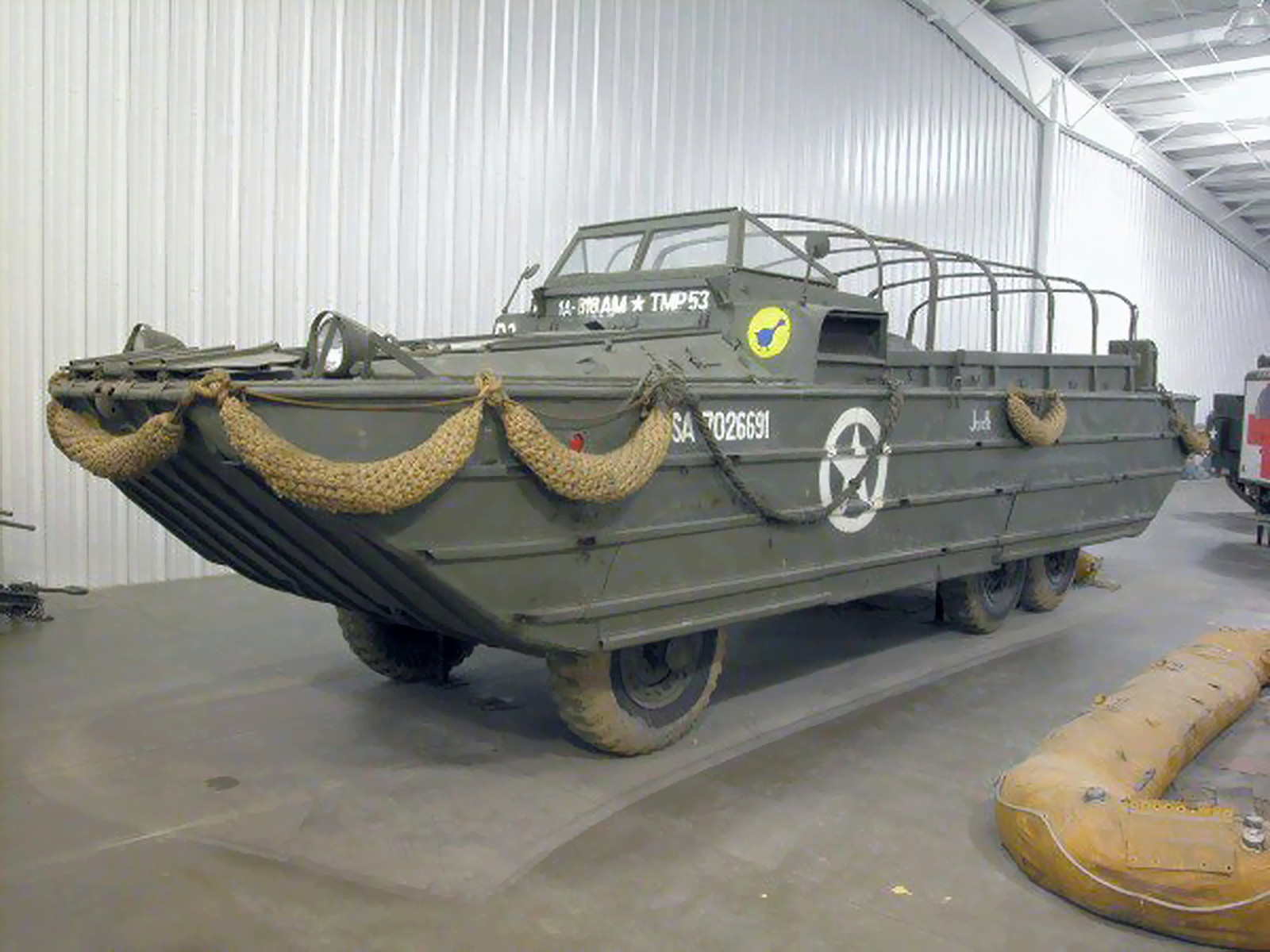
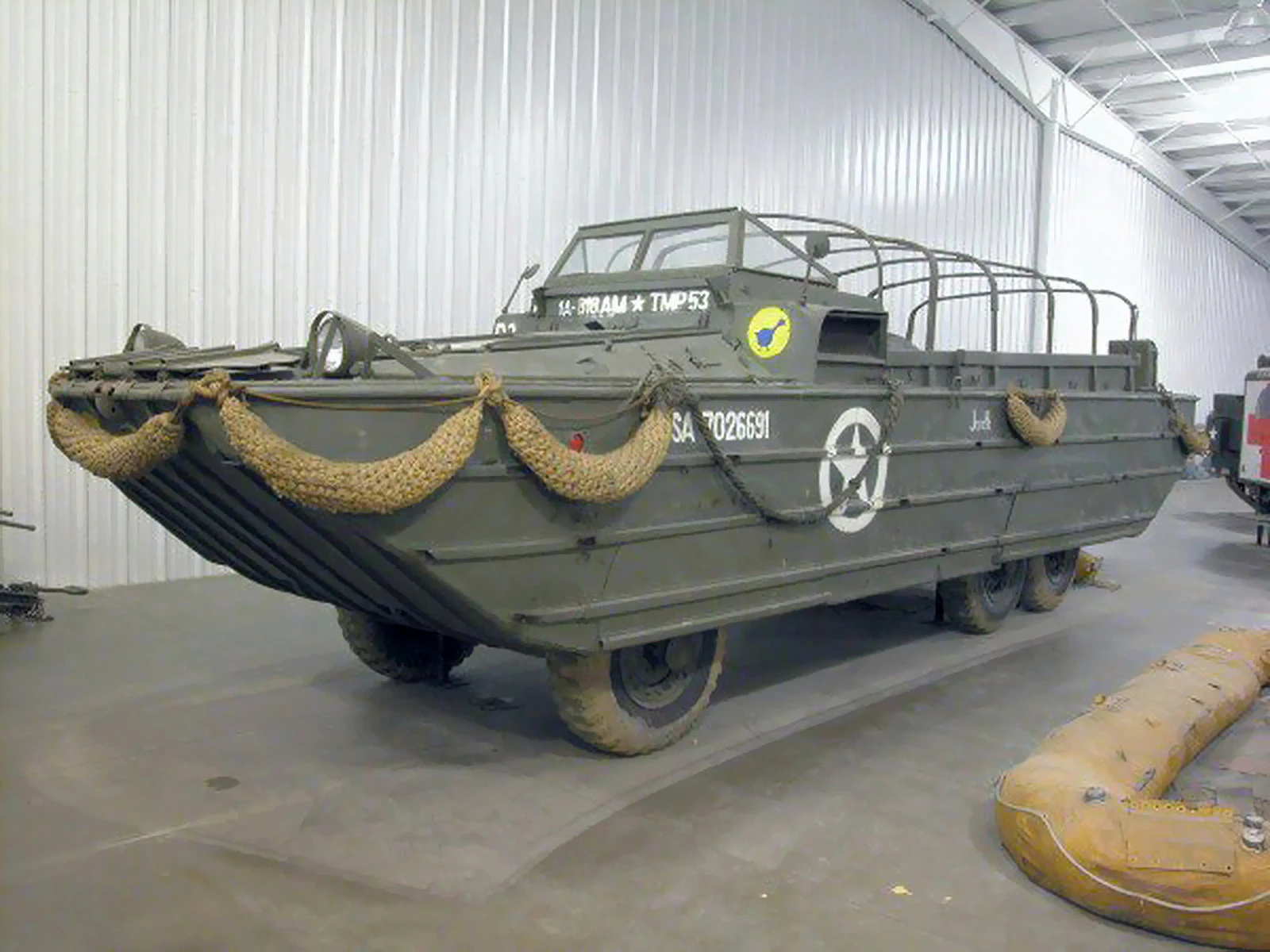
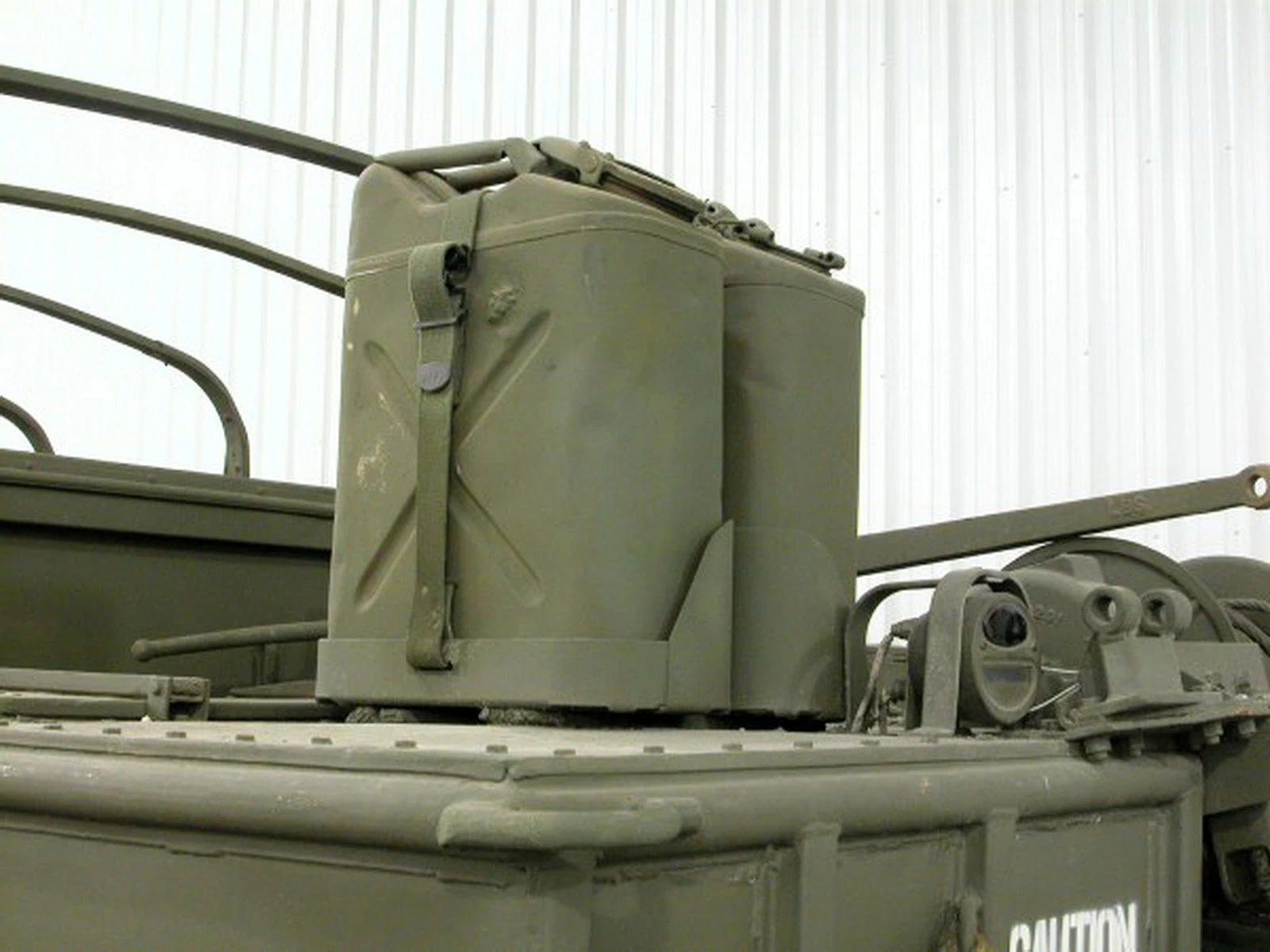
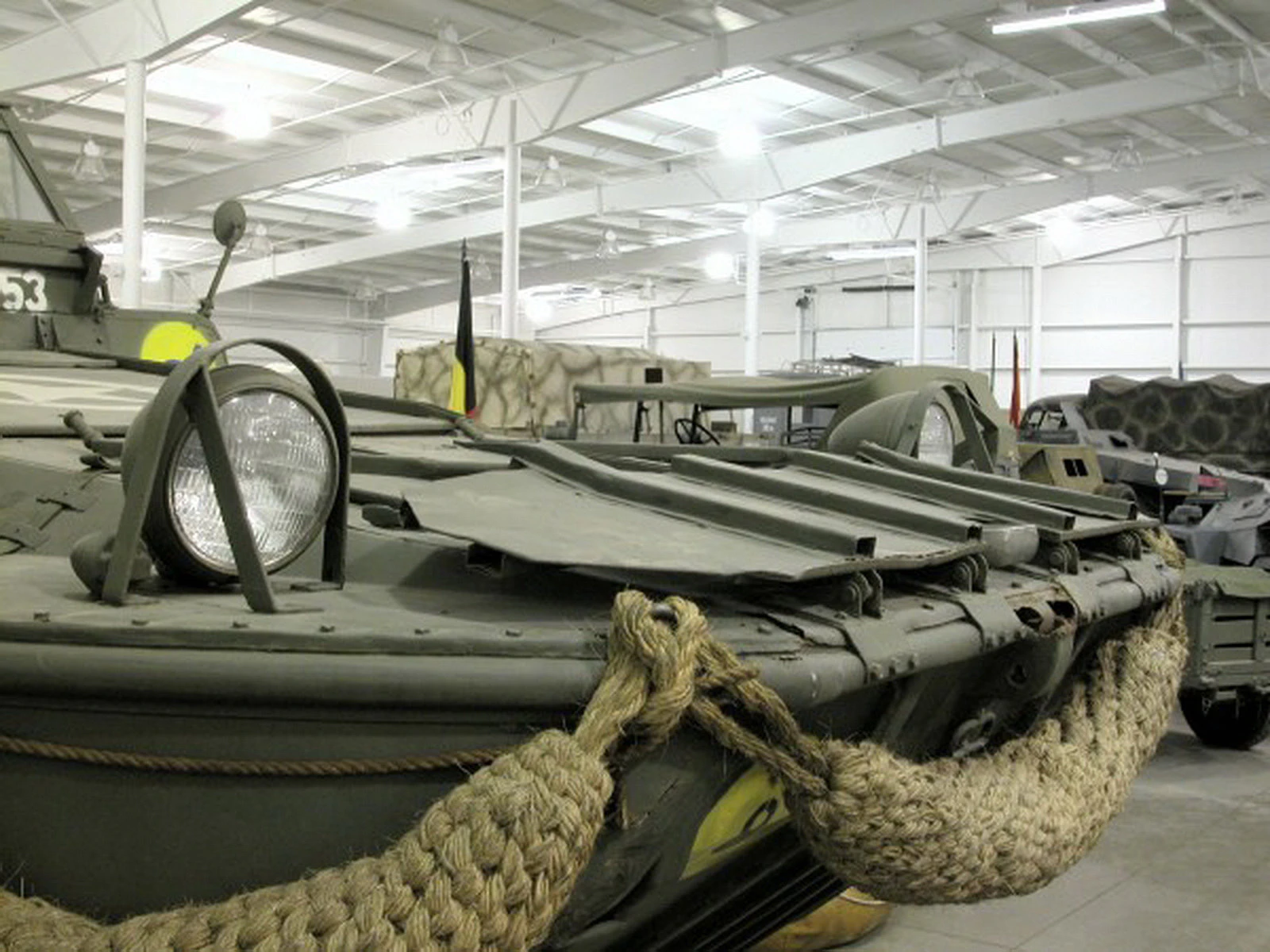
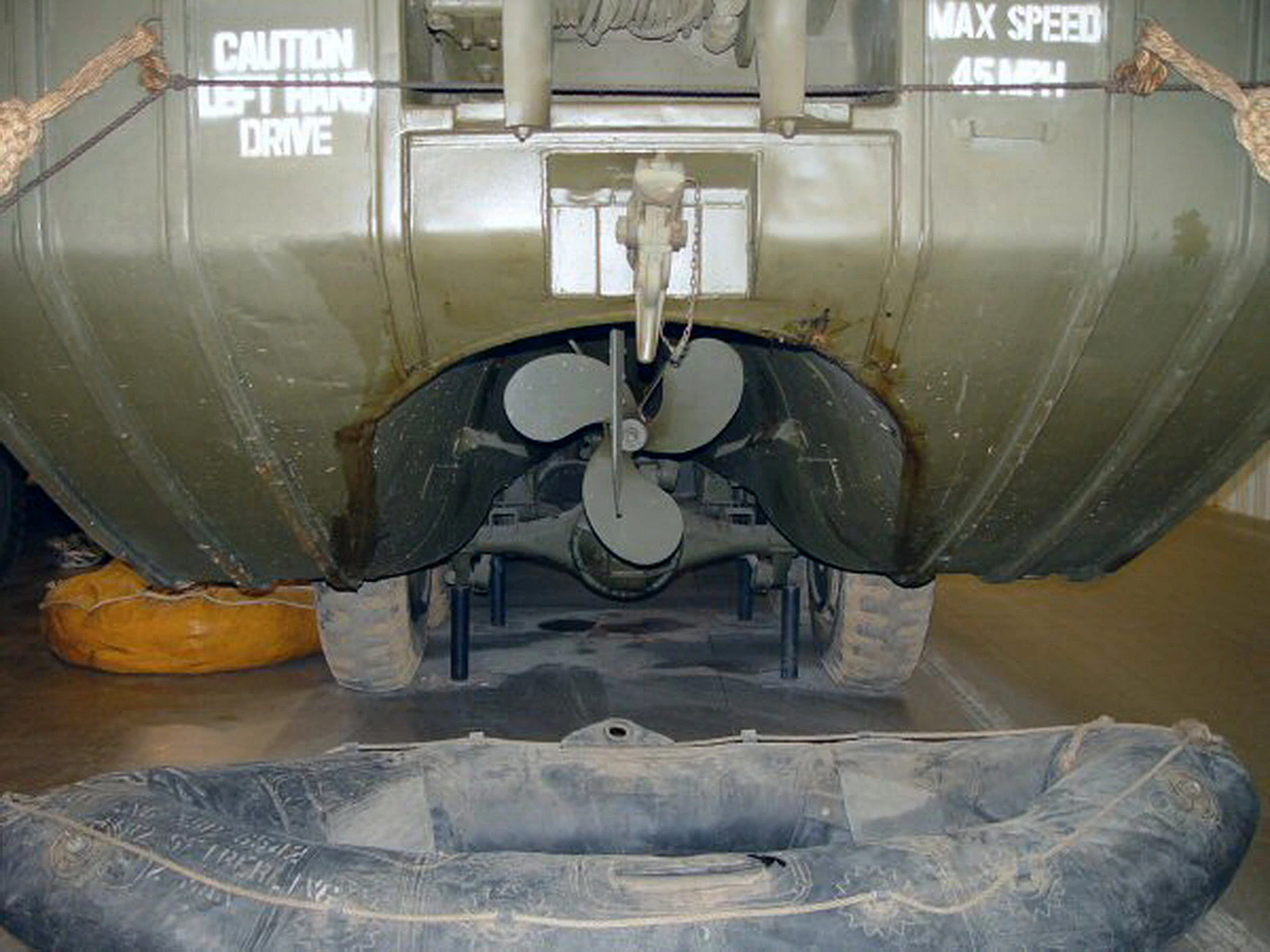
Galeria de fotos em um DUKW, O DUKW O 353 foi um caminhão anfíbio em operação durante a Segunda Guerra Mundial.
| DUKW Walk Around | |
|---|---|
| Fotógrafo | Unknow |
| Localização | Desconhecido |
| Fotos | 19 |
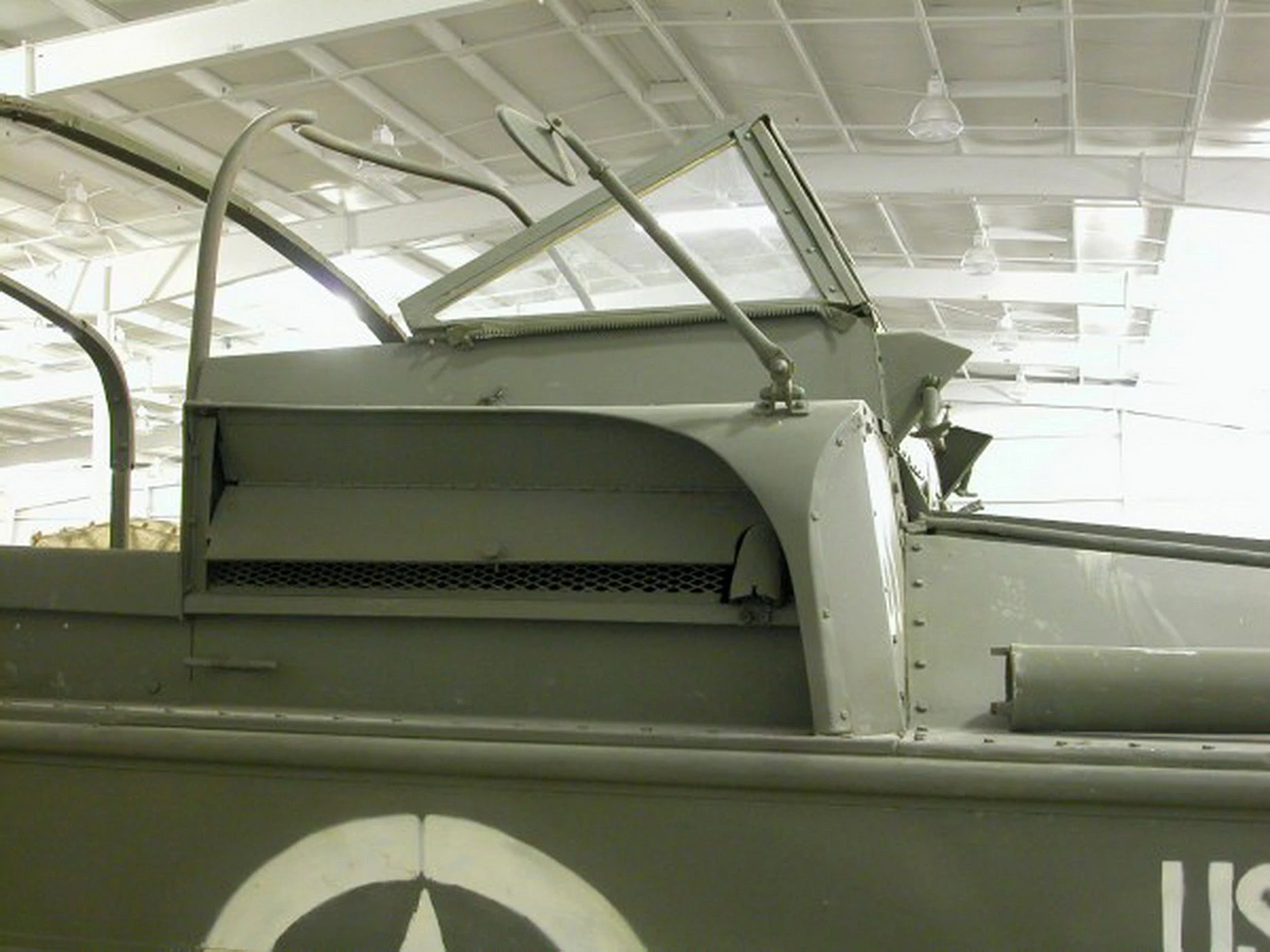
DUKW 01
DUKW 03
DUKW 02
DUKW 04
DUKW 05
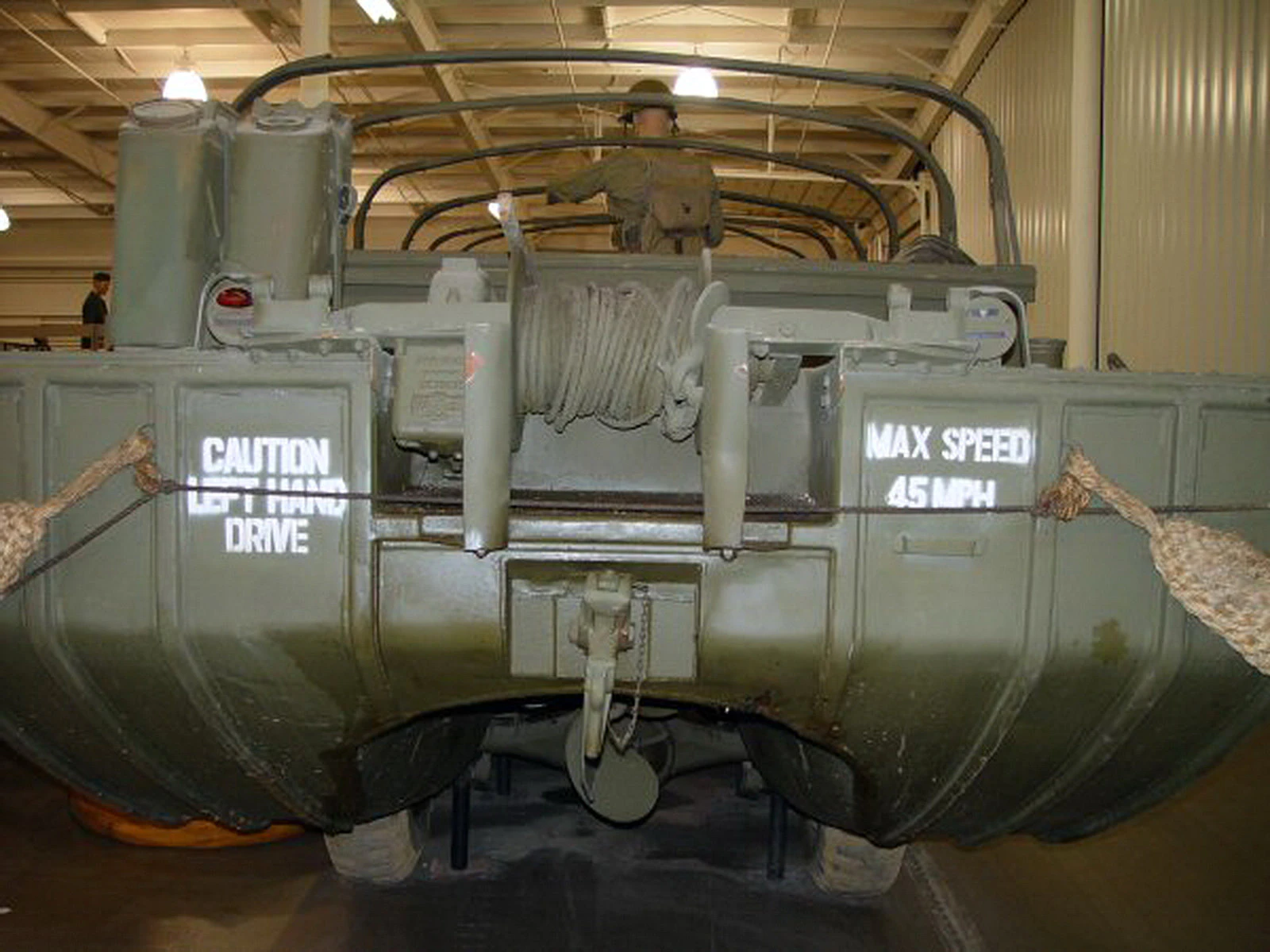
DUKW 06
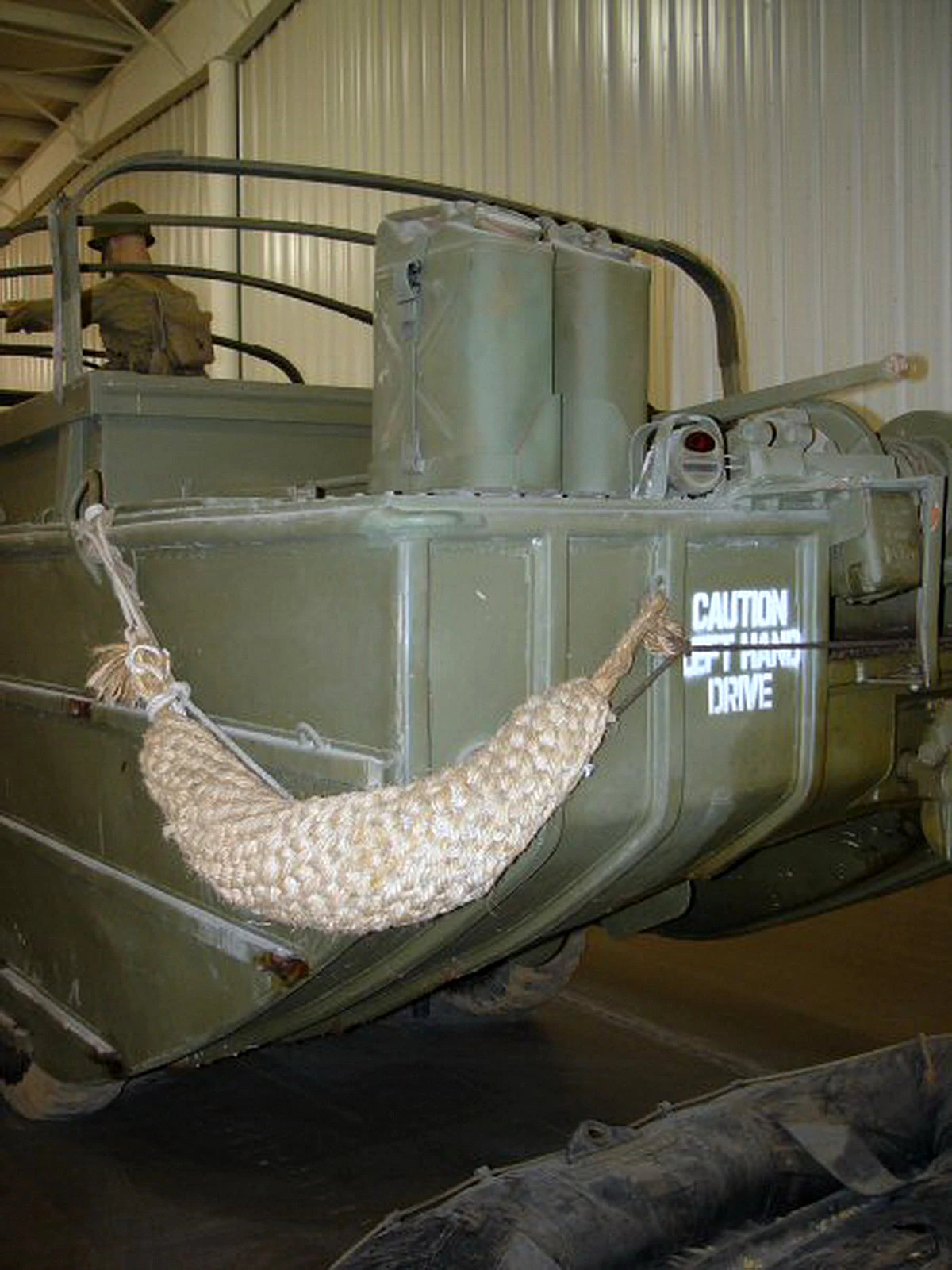
DUKW 07
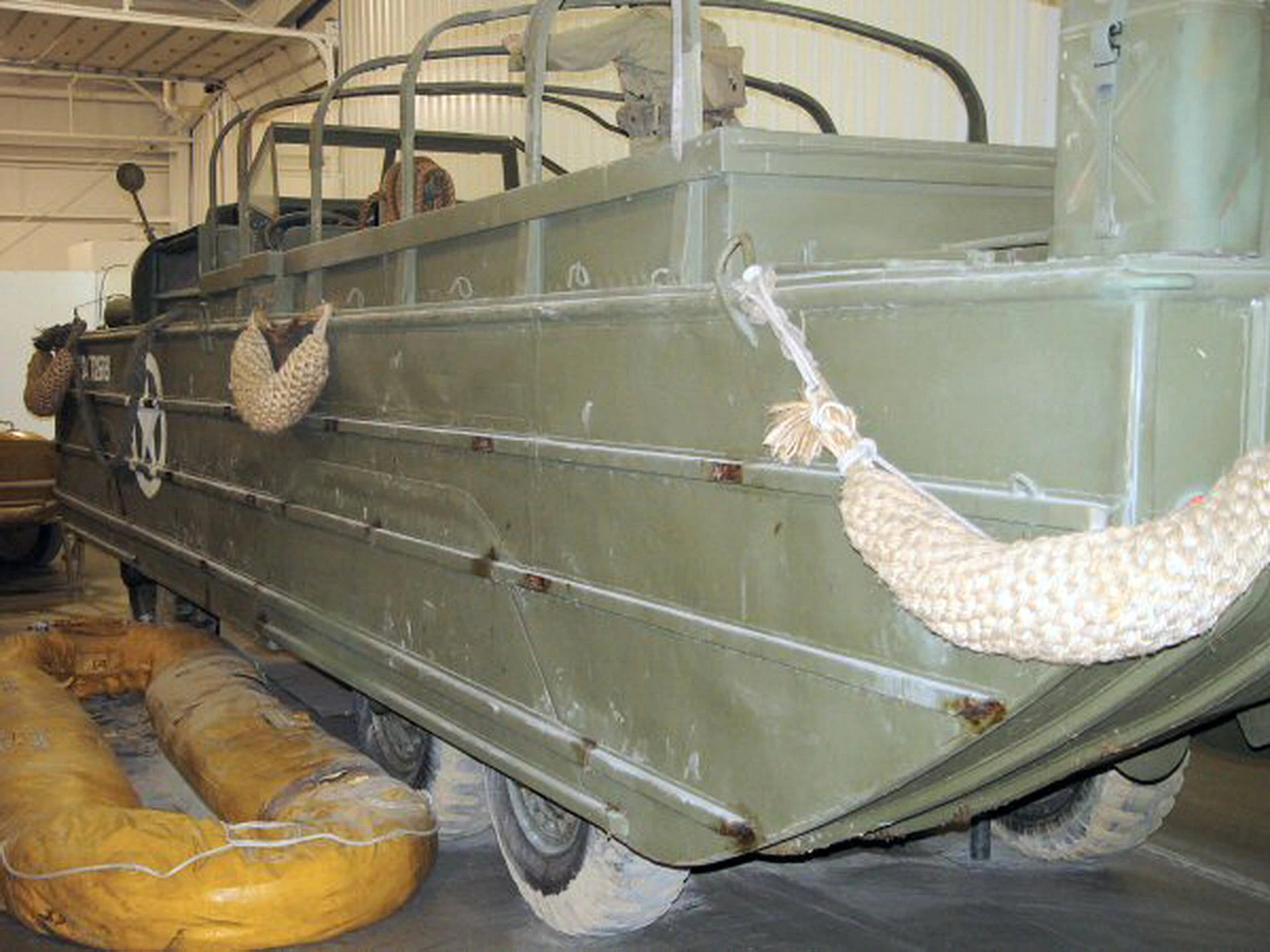
DUKW 08
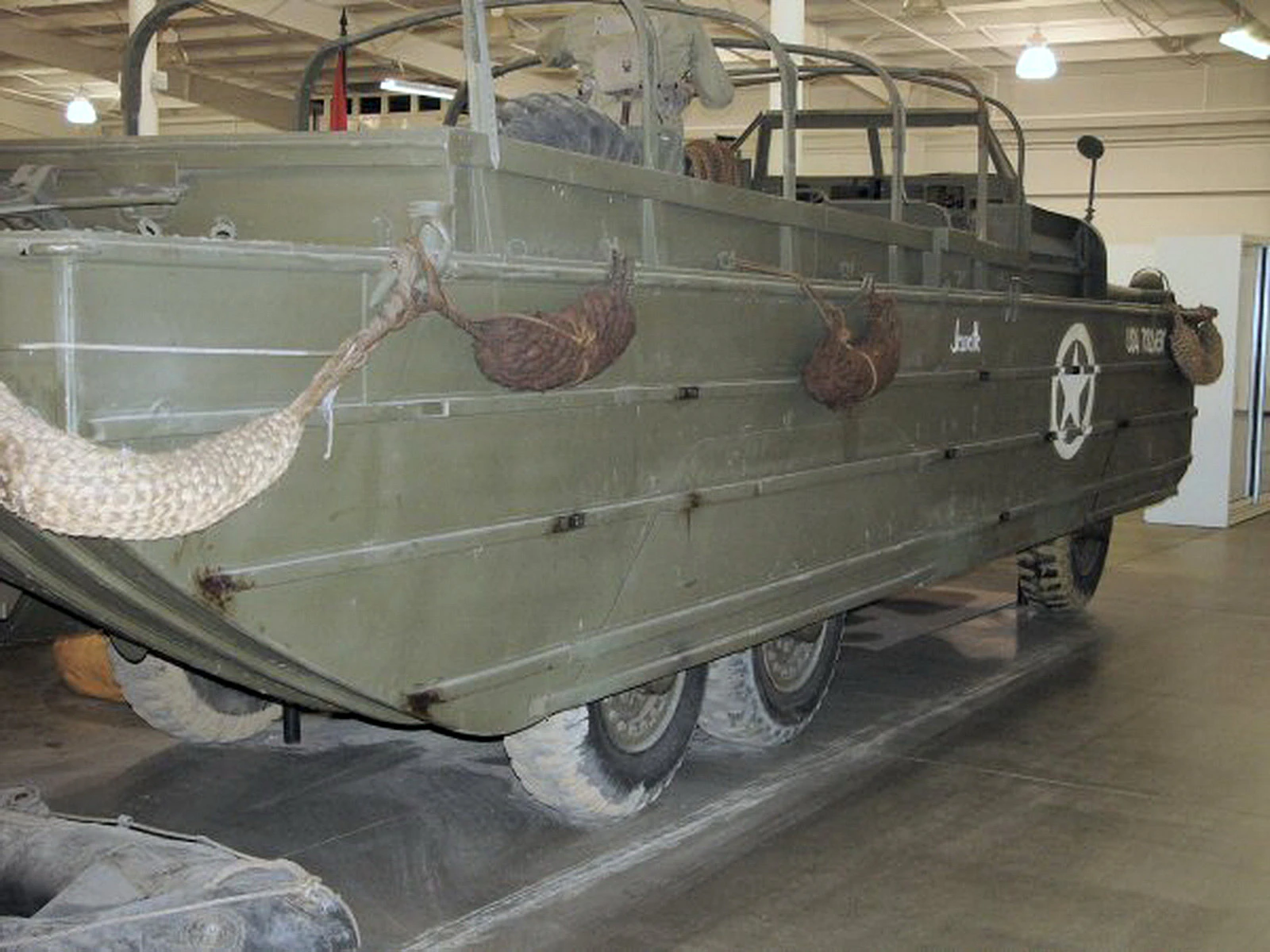
DUKW 09
Espere, Pesquisando fotos DUKW para você ...

| GMC DUKW-353 Walk Around | |
|---|---|
| Fotógrafo | Yuri Pasholok |
| Localização | Coleção Yanks Lehn |
| Fotos | 332 |
| DUKW Utah Beach Walk Around | |
|---|---|
| Fotógrafo | Unknow |
| Localização | Desconhecido |
| Fotos | 48 |
Veja também:


| DUKW Walk Around | |
|---|---|
| Fotógrafo | Vladimir Yakubov |
| Localização | Desconhecido |
| Fotos | 60 |
The Logistics Legend of the Seaborne Invasion
O GMC DUKW (popularly known as the Duck) was one of the most vital inventions of WWII. It solved the “last mile” problem of amphibious warfare: how to get supplies from ships anchored offshore directly to inland depots without stopping at the water’s edge. Built on the rugged chassis of the GMC CCKW 2½-ton truck, it was wrapped in a watertight hull and fitted with a propeller. While military “brass” were initially skeptical, calling it a “clumsy hybrid,” the Duck proved its worth by landing 40% of all Allied supplies at Normandy between June and September 1944.
| Attribute | Technical Specification (GMC DUKW-353) |
|---|---|
| Papel | Amphibious Transport Vehicle |
| tripulação | 1 to 2 (Driver and Assistant) |
| Motor | GMC Model 270 straight-six (91–104 hp) |
| Top Speed | 80 km/h (50 mph) on land / 10 km/h (6.4 mph) in water |
| Cargo Capacity | 2,300 kg (5,000 lbs) or 25 equipped troops |
| Armamento | Occasionally a .50 cal Browning M2 machine gun on a ring mount |
| Operational Weight | Approx. 6.5 tonnes (Empty) |
| Total Production | 21,147 units |
Design Engineering: Yacht Design Meets Truck Power
- The “Yacht” Hull: The DUKW’s hull wasn’t designed by tank engineers, but by Sparkman & Stephens, a famous firm of America’s Cup yacht designers. This gave the Duck surprisingly good “seakeeping” abilities, allowing it to navigate rough surf that would swamp other landing craft.
- Central Tire Inflation System (CTIS): The DUKW was the first vehicle in history to allow the driver to inflate or deflate tires from inside the cab. This was critical for landing: pilots would deflate tires to “float” over soft beach sand, then reinflate them once they reached hard-packed roads.
- The Name “DUKW”: It’s not a military acronym, but a GMC factory code:
- D: Designed in 1942
- U: Utility (Amphibious)
- K: Tração nas quatro rodas
- W: Dual Rear Driving Axles
- The Bilge Pumps: To survive the thin sheet-metal hull being punctured by flak or rocks, the Duck was equipped with high-capacity bilge pumps that could move hundreds of gallons of water per minute.
Operational History: From Sicily to Sightseeing
- The Rescue That Saved the Project: The DUKW project was nearly canceled until a prototype successfully rescued the crew of a grounded Coast Guard vessel in a 70 mph gale off Cape Cod. The military was finally convinced that if it could handle a Nor’easter, it could handle an invasion.
- Normandy and Sicily: General Eisenhower called the DUKW one of the “four most valuable pieces of equipment” produced by the U.S. in the war. At Normandy, they shuttled constantly between the transport ships and inland supply dumps, bypassing the clogged beaches.
- The Pacific “Quack” Corps: Marines used DUKWs to cross jagged coral reefs that would tear the bottoms out of traditional landing craft, proving essential in the island-hopping campaigns like Saipan and Iwo Jima.
- Post-War “Duck Tours”: After the war, thousands of DUKWs were sold as surplus. They became the foundation for the global “Duck Tour” industry, where they still carry tourists through the streets and rivers of cities like Boston, London, and Tokyo.
Views : 5740