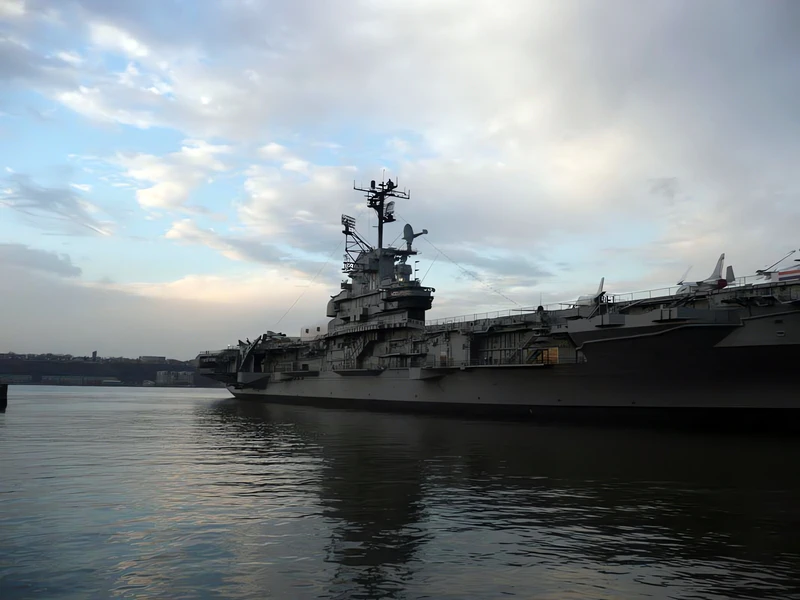
USS Intrepid | |
|---|---|
| Riik | USA |
| Klass ja tüüp | Essex-klassi lennukikandja |
| Käivitatud | 26. aprill 1943 |
| Likvideeritud | 15. märts 1974 |
USS Intrepid (CV/CVA/CVS-11), tuntud ka kui The Fighting "I", on üks 24-st Essex-klassi lennukikandjast, mis ehitati Teise maailmasõja ajal Ameerika Ühendriikide mereväe jaoks. Ta on neljas USA mereväe laev, mis seda nime kannab. 1943. aasta augustis tellitud Intrepid osales vaikse ookeani operatsioonide teatris mitmetes kampaaniates, eriti Leyte lahe lahingus. Varsti pärast sõja lõppu moderniseeriti ja võeti ta 1950. aastate alguses uuesti kasutusele rünnakukandjana (CVA) ning sai lõpuks antisubmariini kandjaks (CVS). Oma teisel karjääril teenis ta peamiselt Atlandi ookeanis, kuid osales ka Vietnami sõjas.
Allikas: USS Intrepid Vikipeedias
| USS Intrepid CVA-11 Walk Around | |
|---|---|
| Photographer | Vladimir Yakubov |
| Localisation | Unknow |
| Photos | 169 |
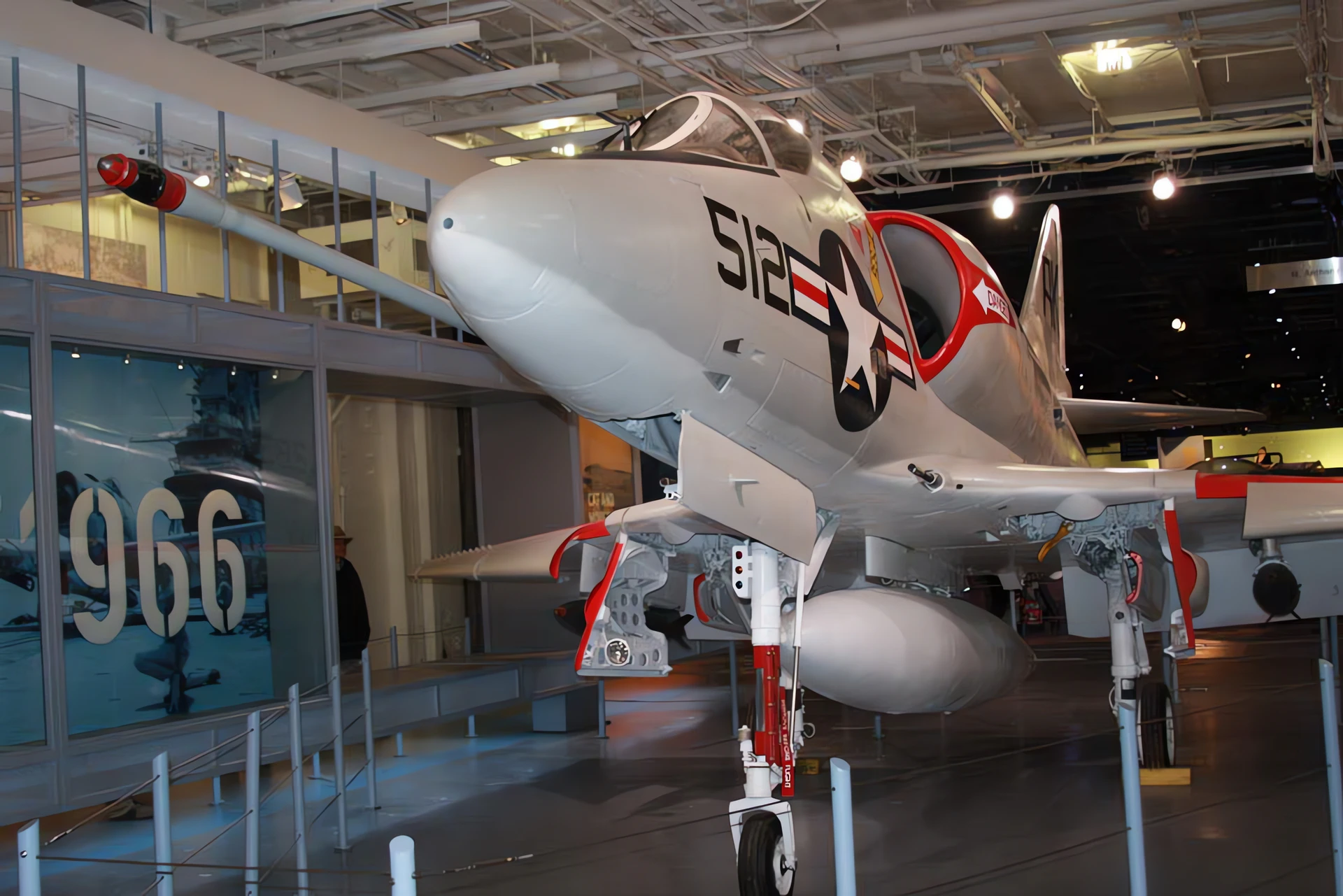
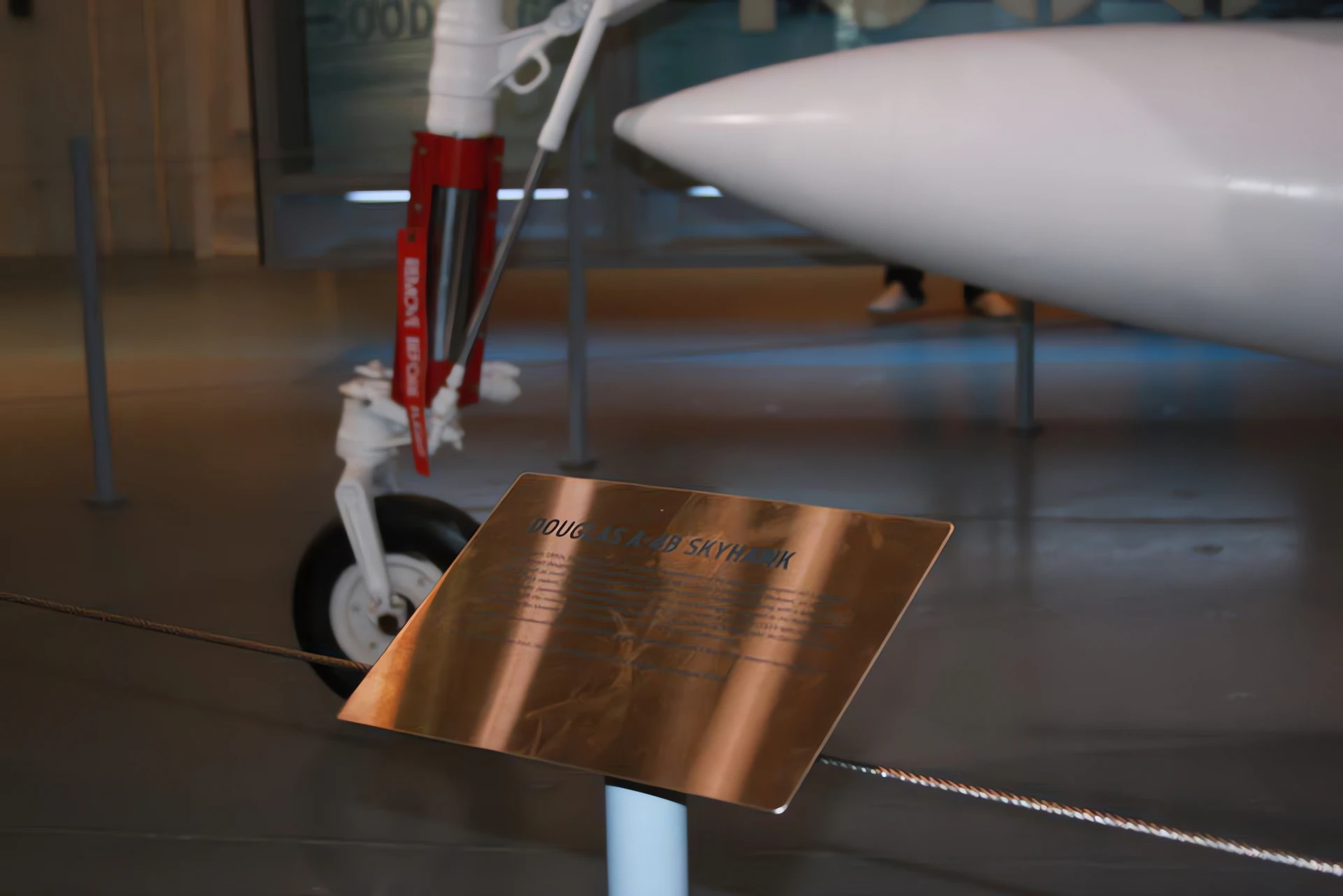
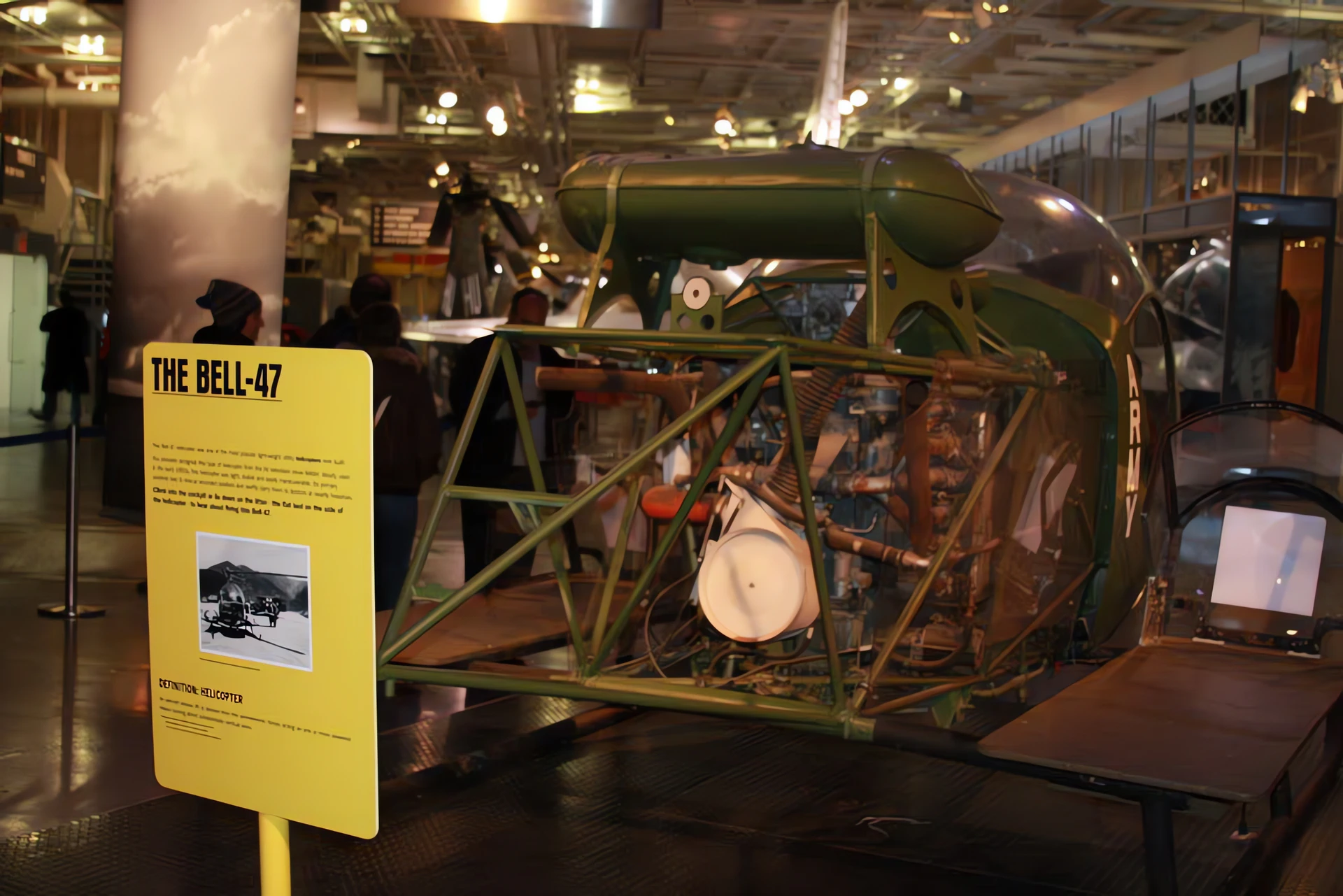
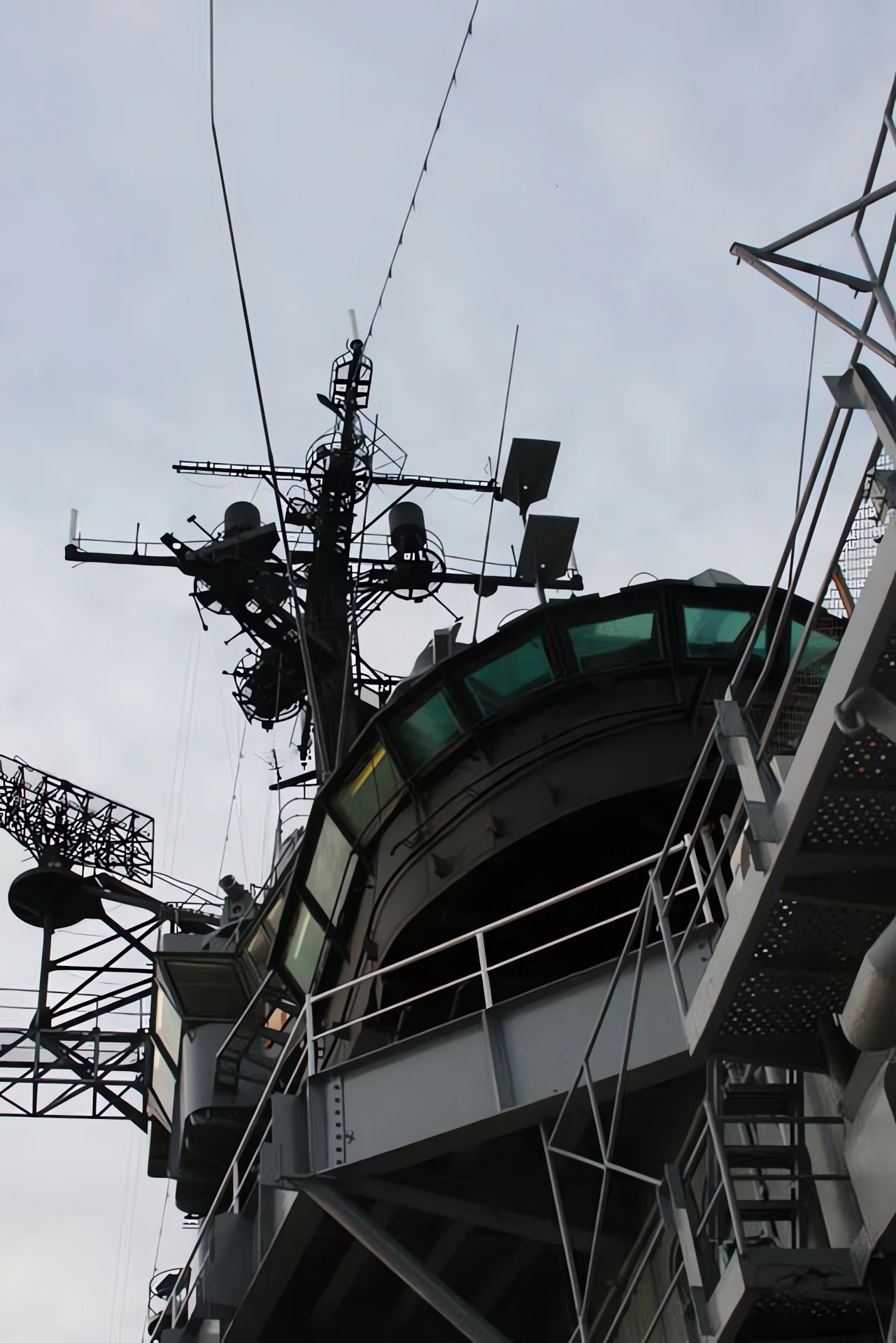

Vaata ka:


General Characteristics and Role
The USS Intrepid (CV-11, later CVA-11 and CVS-11) is an aircraft carrier of the United States Navy’s famed Essex-class. Launched during World War II, the Intrepid saw heavy combat in the Pacific Theater, earning five battle stars. It was one of the most successful and longest-serving carriers of its class. Following World War II, it underwent modernization under the SCB-27C program, which converted it into an Attack Aircraft Carrier (CVA-11) suitable for operating early jet aircraft, and later into an Anti-Submarine Warfare Support Carrier (CVS-11). Today, the Intrepid is preserved as the centerpiece of the Intrepid Sea, Air & Space Museum in New York City.
| Property | Typical Value (Post-SCB-27C Modernization) |
|---|---|
| Klassi | Essex-class (Long-Hull) |
| National Origin | Ameerika Ühendriigid |
| Ehitaja | Newport News Shipbuilding |
| Laid Down | 1 December 1941 |
| Tellitud | 16 August 1943 |
| Displacement | 41,200 long tons (full load) |
| pikkus | 272.7 m (894 ft 8 in) |
| Beam (Flight Deck) | 58.4 m (191 ft 7 in) |
| Draft | 8.5 m (28 ft 0 in) |
| Complement (Crew) | Approx. 3,500 personnel |
Machinery and Performance
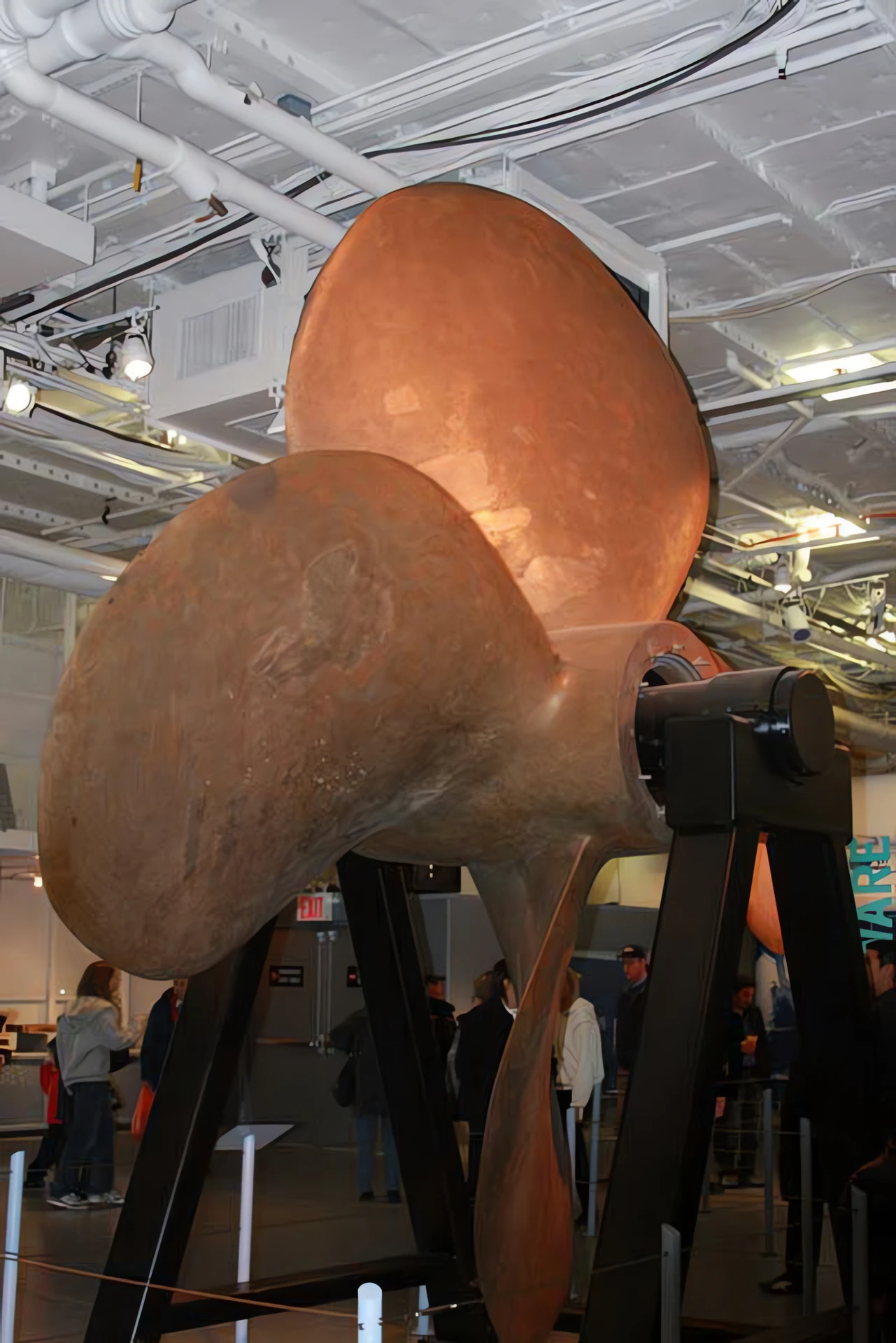
- Propulsion: 8 x Babcock & Wilcox boilers driving 4 x Westinghouse geared steam turbines.
- Power Output: 150,000 shp (110 MW).
- Speed: 33 knots (61 km/h; 38 mph).
- Range: 20,000 nautical miles (37,000 km) at 15 knots.
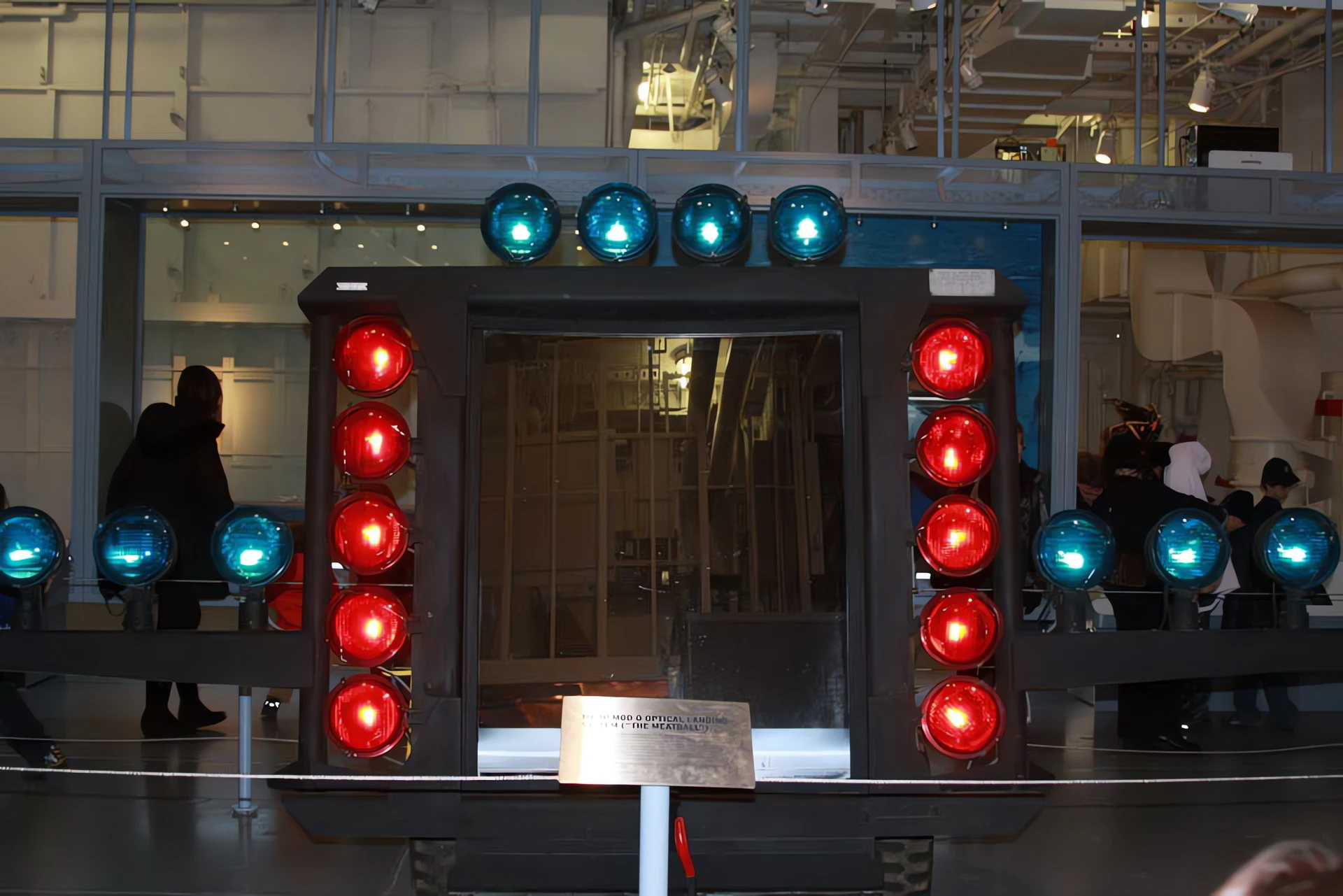
- Modernization Features: After the SCB-27C and SCB-125 modernizations, the carrier featured a strengthened angled flight deck, two steam catapults, and mirror landing systems for jets.
Armament and Air Group
- Air Group (WWII): Approx. 90-100 aircraft (F6F Hellcats, SB2C Helldivers, TBF Avengers).
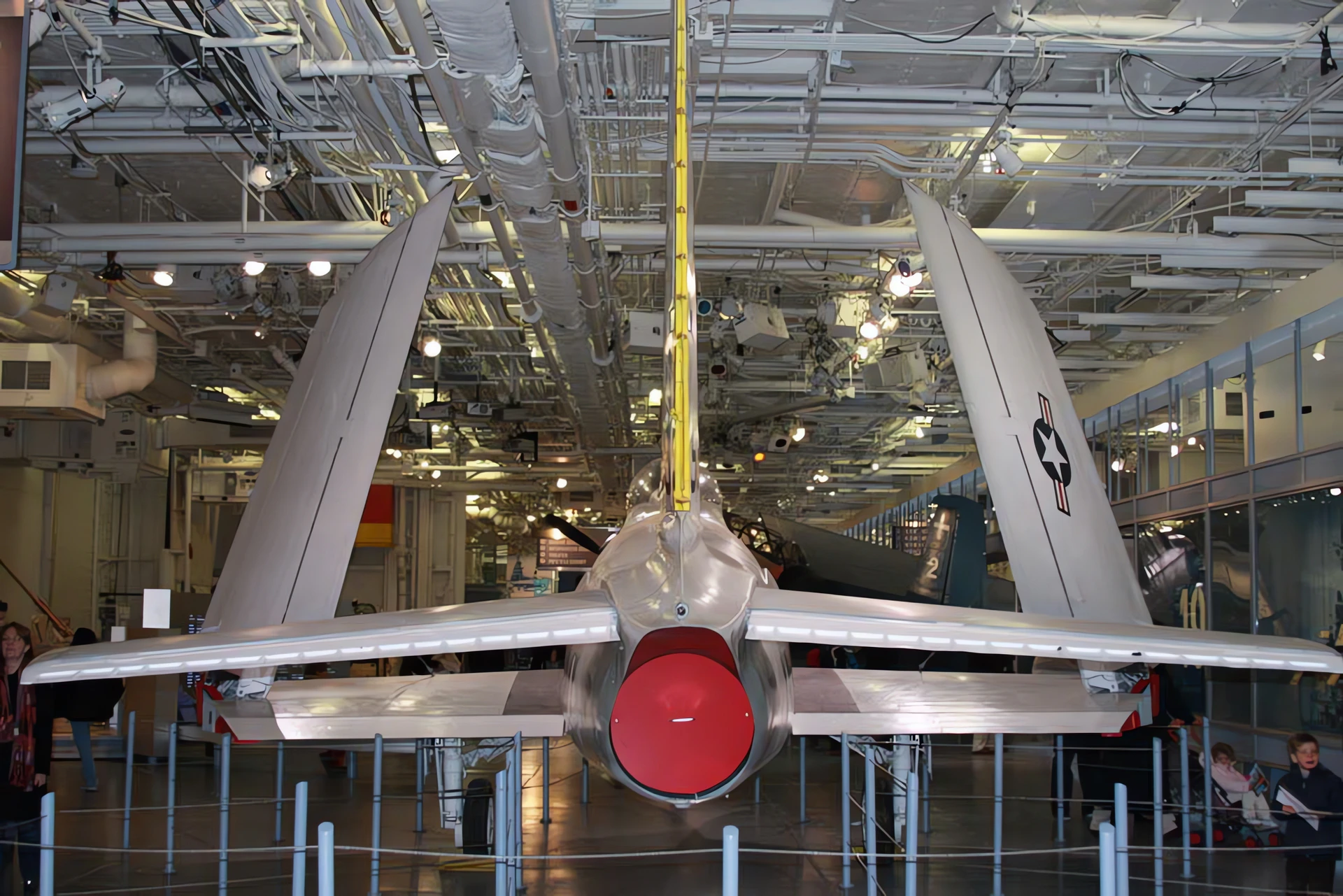
- Air Group (Post-Modernization): Could operate jet fighters and attack aircraft (e.g., F2H Banshees, F9F Cougars, A-1 Skyraiders), or Anti-Submarine Helicopters (e.g., SH-3 Sea Kings) when configured as CVS-11.
- Defensive Armament (Post-WWII): Typically included 127 mm (5 inch) anti-aircraft guns, supplemented by CIWS (Close-in Weapon Systems) later in its service life.
- Notable Service: Served in the Vietnam War (CVA-11 configuration) and acted as the recovery ship for two NASA space missions (Mercury and Gemini).
Views : 2783
Näete ka :
 USS Preble (DDG-88) – fotod ja videod
 USS Bunker Hill (CG-52) - fotod ja videod
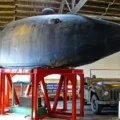 Intelligentne vaal - fotod ja videod
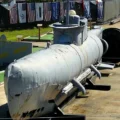 Seehund - fotod ja videod
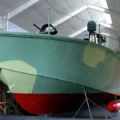 PT paat - fotod ja videod
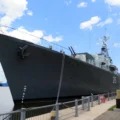 HMCS Haida - fotod ja videod
 USNS Hiddensee - fotod ja video
 USS Blueback (SS-581) – fotod ja video
 USS New Jersey (BB-62) - fotod ja video
 USS Midway (CV-41) – Fotod ja video
Mind paigutati sellele laevale. HS 5.