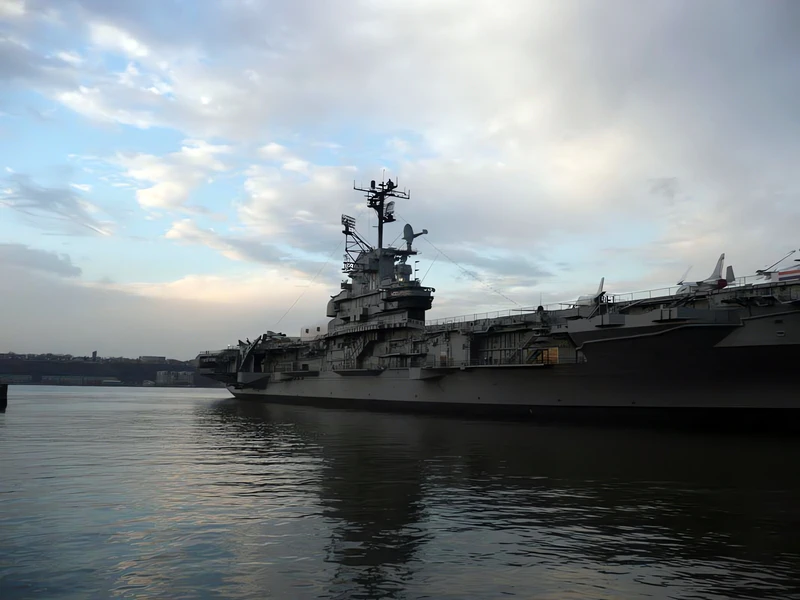
USS Intrepid | |
|---|---|
| Страны | США |
| Класс и тип | Авианосец типа «Эссекс» |
| Запущен | 26 апреля 1943 г. |
| Списан | 15 марта 1974 |
Корабль ВМС США «Интрепид» (CV/CVA/CVS-11), также известный как The Fighting "I", является одним из 24 авианосцев типа "Эссекс", построенных во время Второй мировой войны для ВМС США. Это четвертый корабль ВМС США, носящий это имя. Введенный в строй в августе 1943 года, «Интрепид» участвовал в нескольких кампаниях на Тихоокеанском театре военных действий, в первую очередь в битве в заливе Лейте. Выведенный из эксплуатации вскоре после окончания войны, он был модернизирован и вновь введен в строй в начале 1950-х годов как ударный авианосец (CVA), а затем в конечном итоге стал противолодочным авианосцем (CVS). Во второй карьере она служила в основном в Атлантике, но также участвовала в войне во Вьетнаме.
Источник: USS Intrepid в русской Википедии
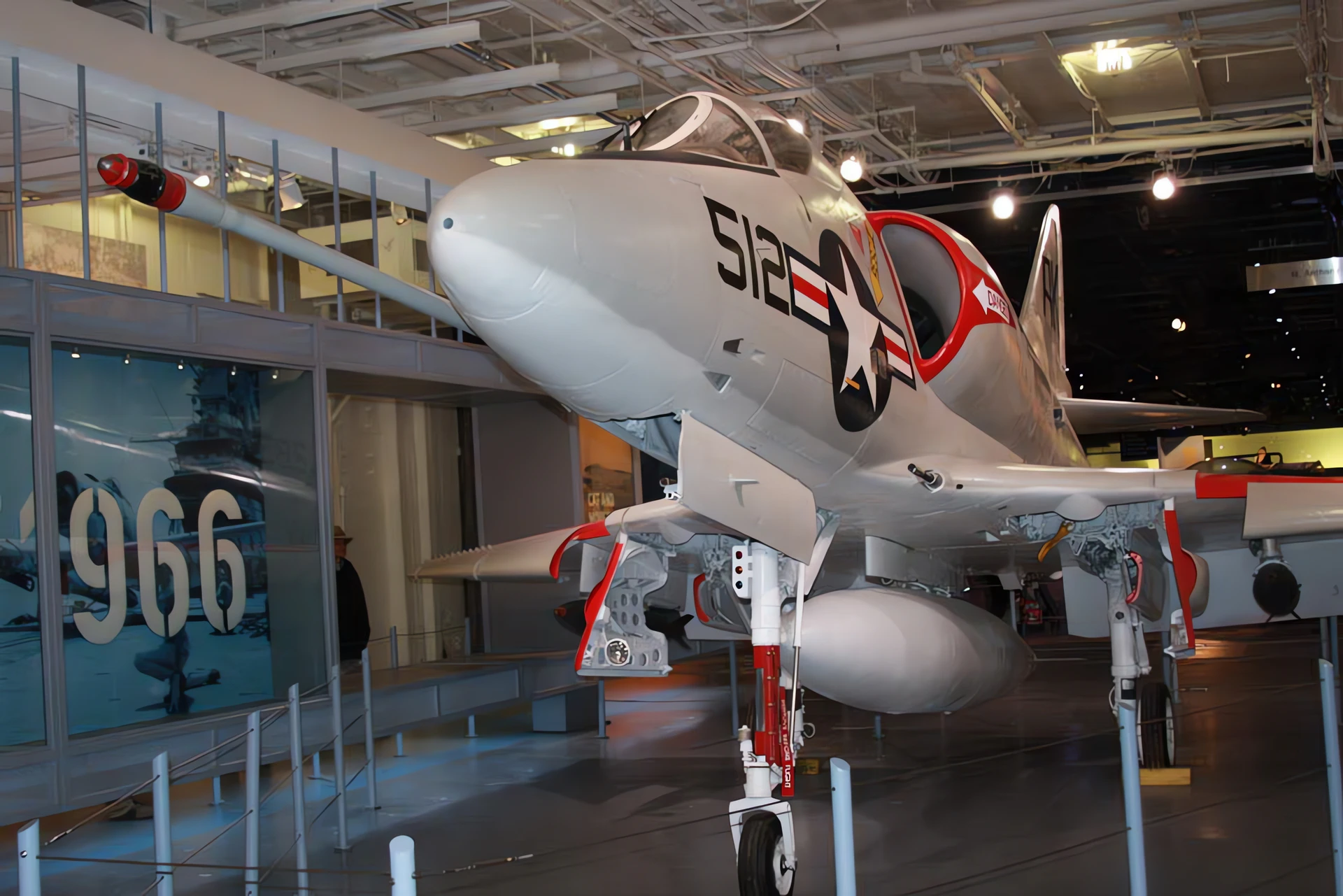
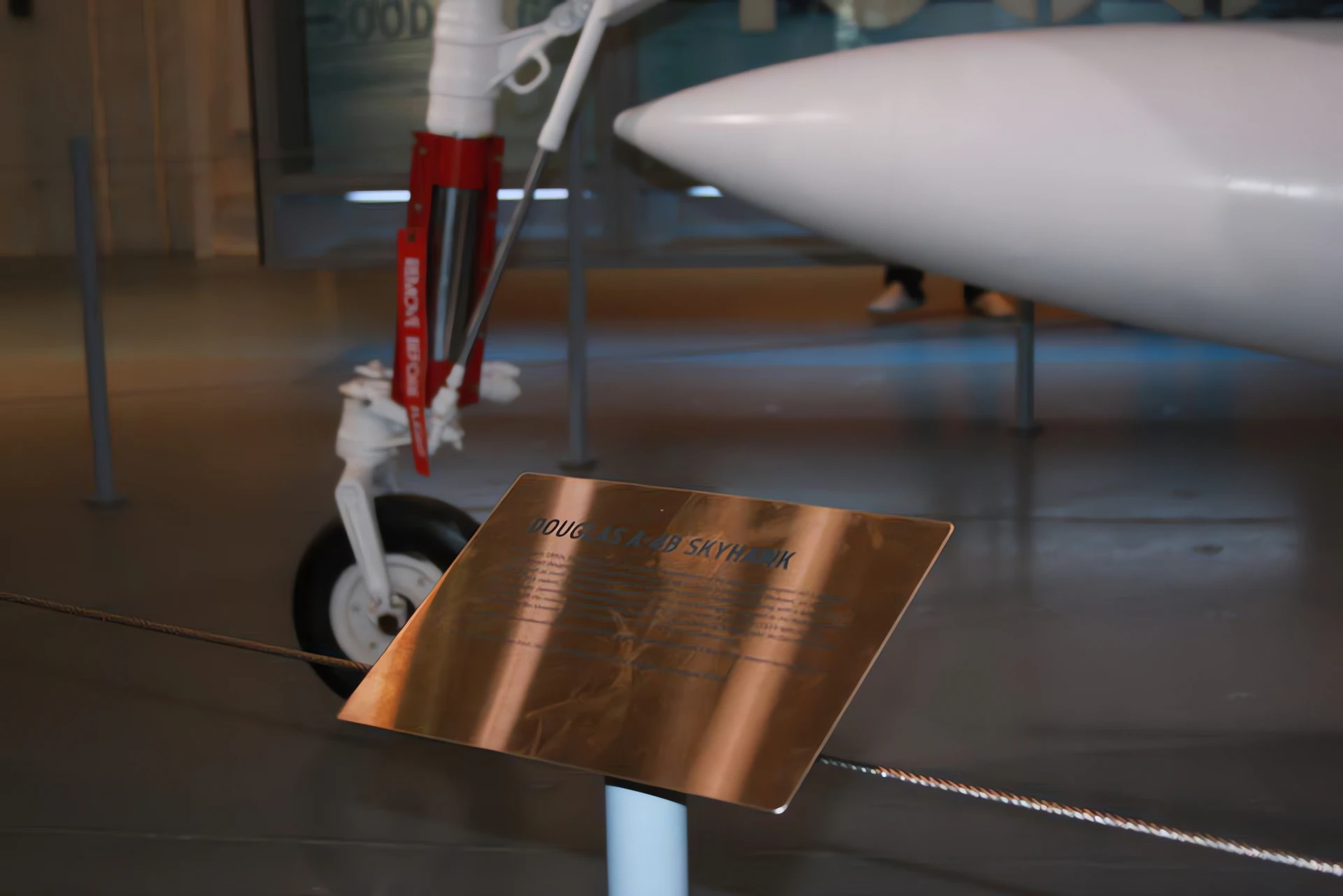
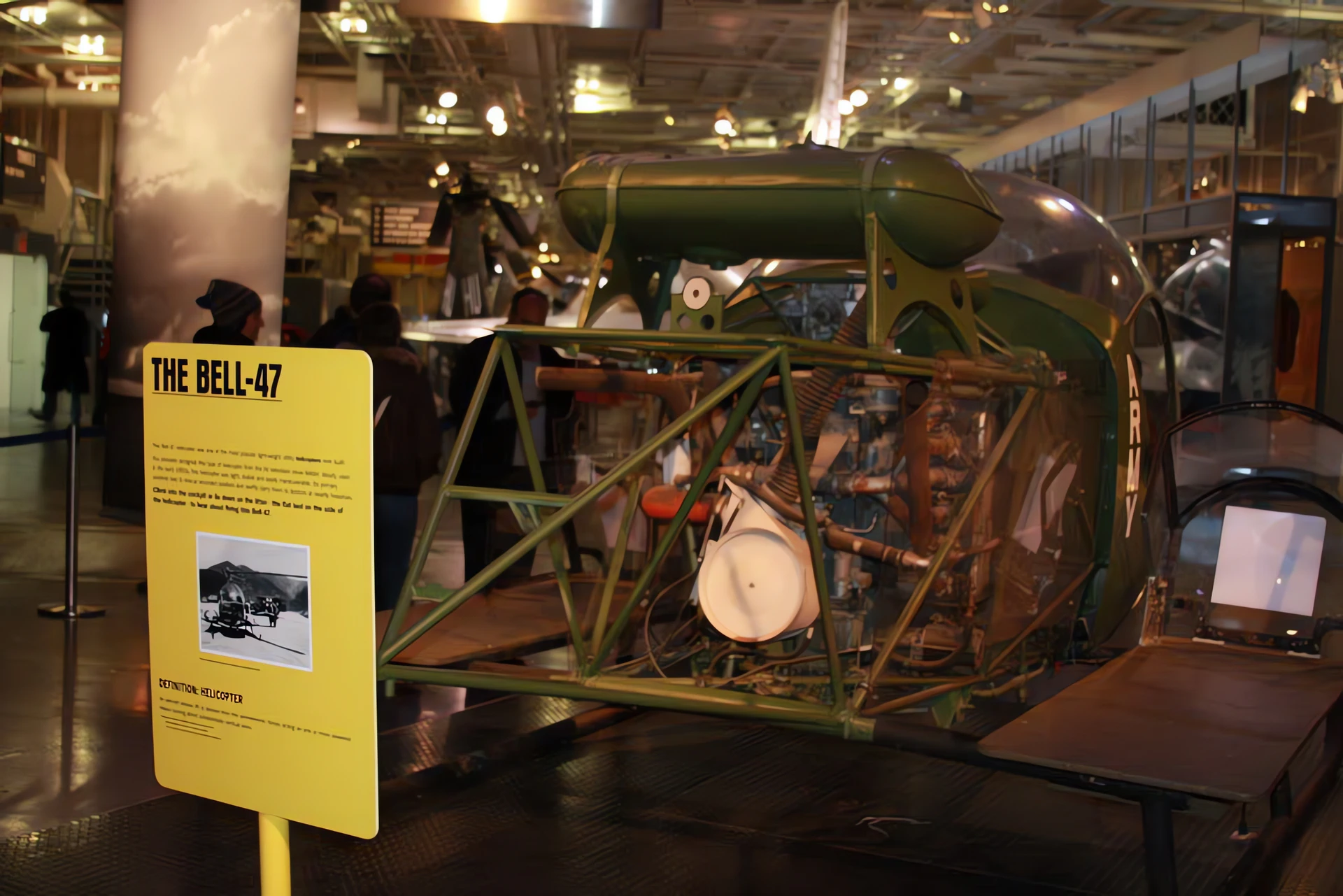
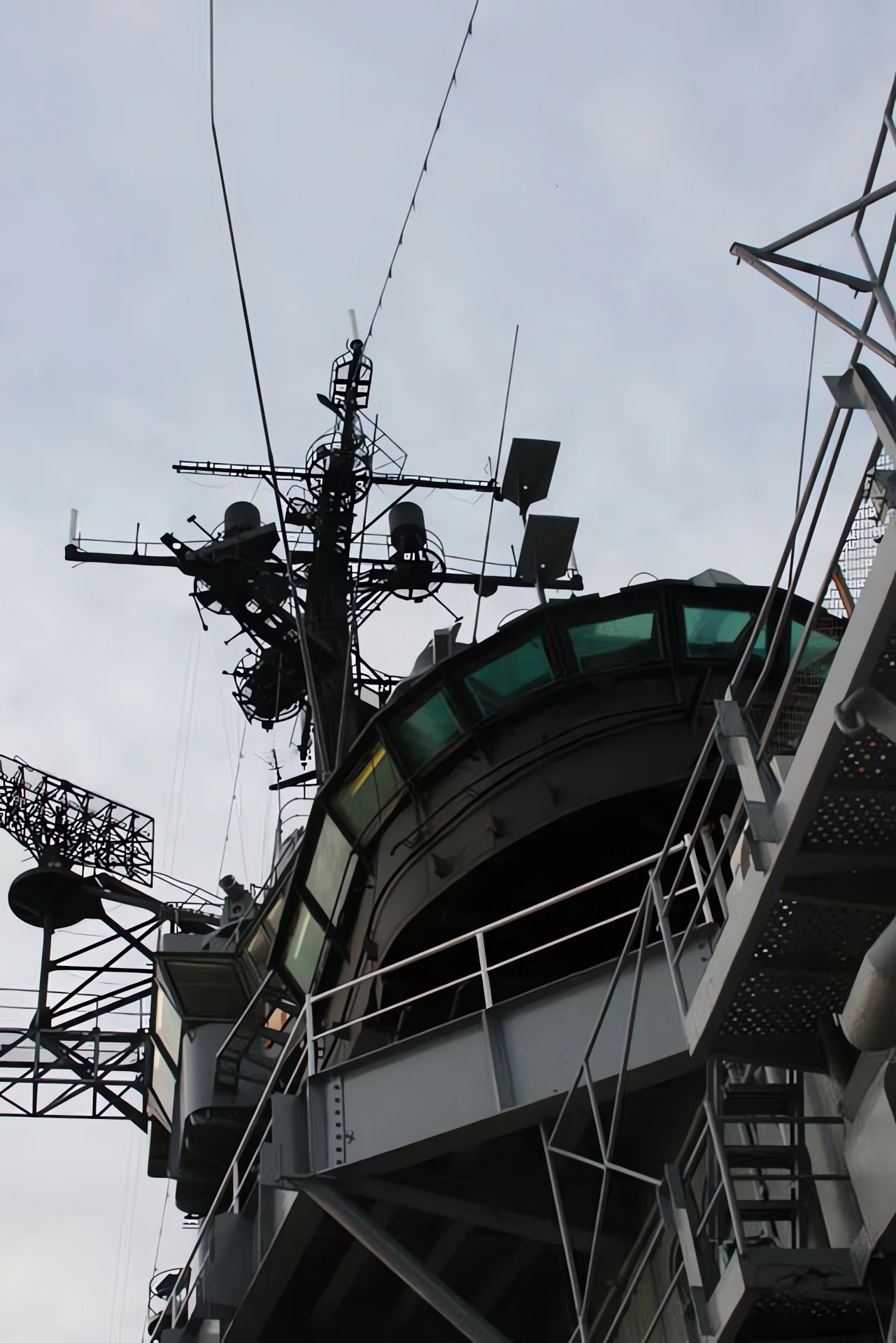
| USS Intrepid CVA-11 Walk Around | |
|---|---|
| Photographer | Vladimir Yakubov |
| Localisation | Unknow |
| Photos | 169 |

Читайте также:


General Characteristics and Role
The USS Intrepid (CV-11, later CVA-11 and CVS-11) is an aircraft carrier of the United States Navy’s famed Essex-class. Launched during World War II, the Intrepid saw heavy combat in the Pacific Theater, earning five battle stars. It was one of the most successful and longest-serving carriers of its class. Following World War II, it underwent modernization under the SCB-27C program, which converted it into an Attack Aircraft Carrier (CVA-11) suitable for operating early jet aircraft, and later into an Anti-Submarine Warfare Support Carrier (CVS-11). Today, the Intrepid is preserved as the centerpiece of the Intrepid Sea, Air & Space Museum in New York City.
| Property | Typical Value (Post-SCB-27C Modernization) |
|---|---|
| класс | Essex-class (Long-Hull) |
| National Origin | США |
| Строитель | Newport News Shipbuilding |
| Laid Down | 1 December 1941 |
| облеченный полномочиями | 16 August 1943 |
| Displacement | 41,200 long tons (full load) |
| Длина | 272.7 m (894 ft 8 in) |
| Beam (Flight Deck) | 58.4 m (191 ft 7 in) |
| Draft | 8.5 m (28 ft 0 in) |
| Complement (Crew) | Approx. 3,500 personnel |
Machinery and Performance
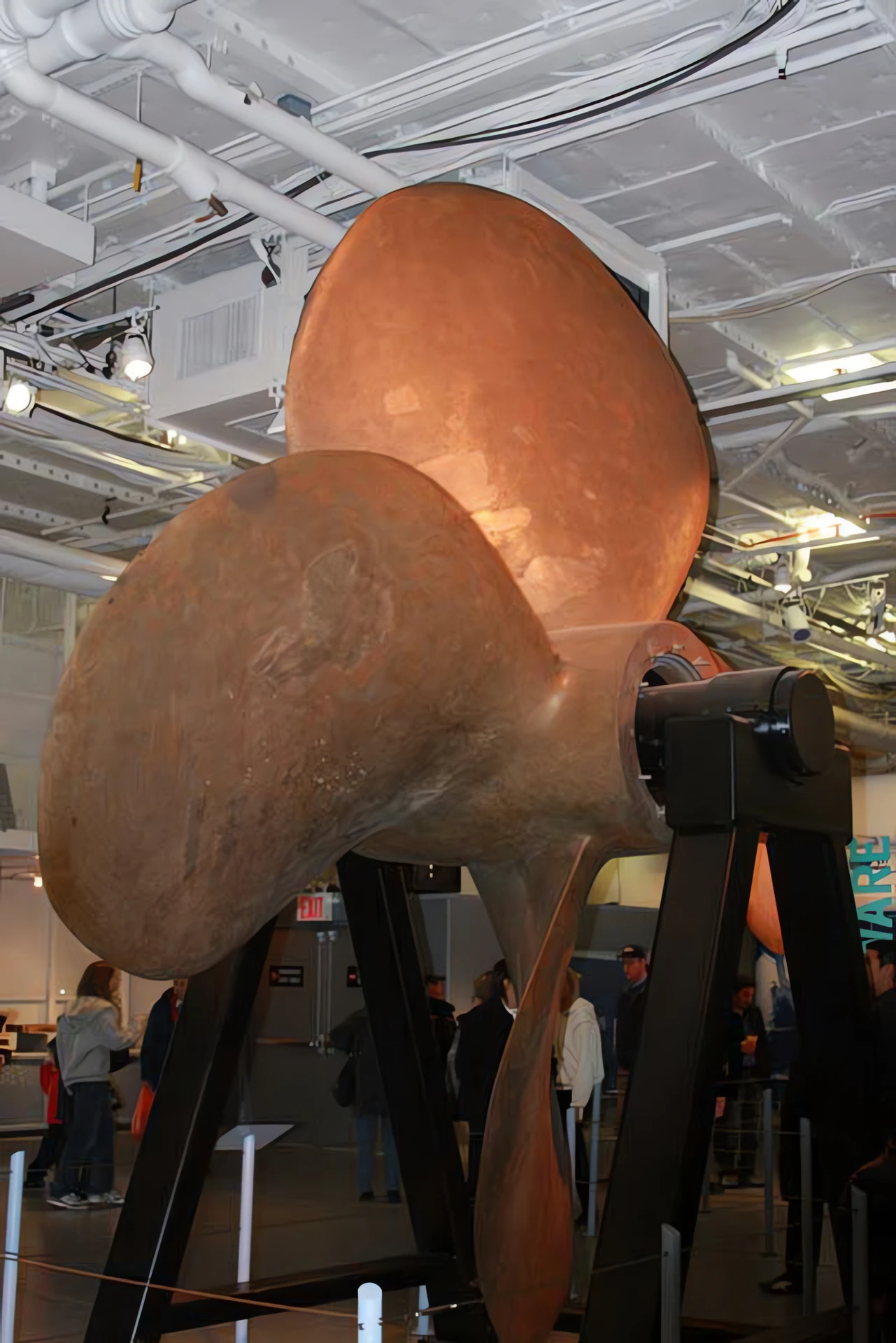
- Propulsion: 8 x Babcock & Wilcox boilers driving 4 x Westinghouse geared steam turbines.
- Power Output: 150,000 shp (110 MW).
- Speed: 33 knots (61 km/h; 38 mph).
- Range: 20,000 nautical miles (37,000 km) at 15 knots.
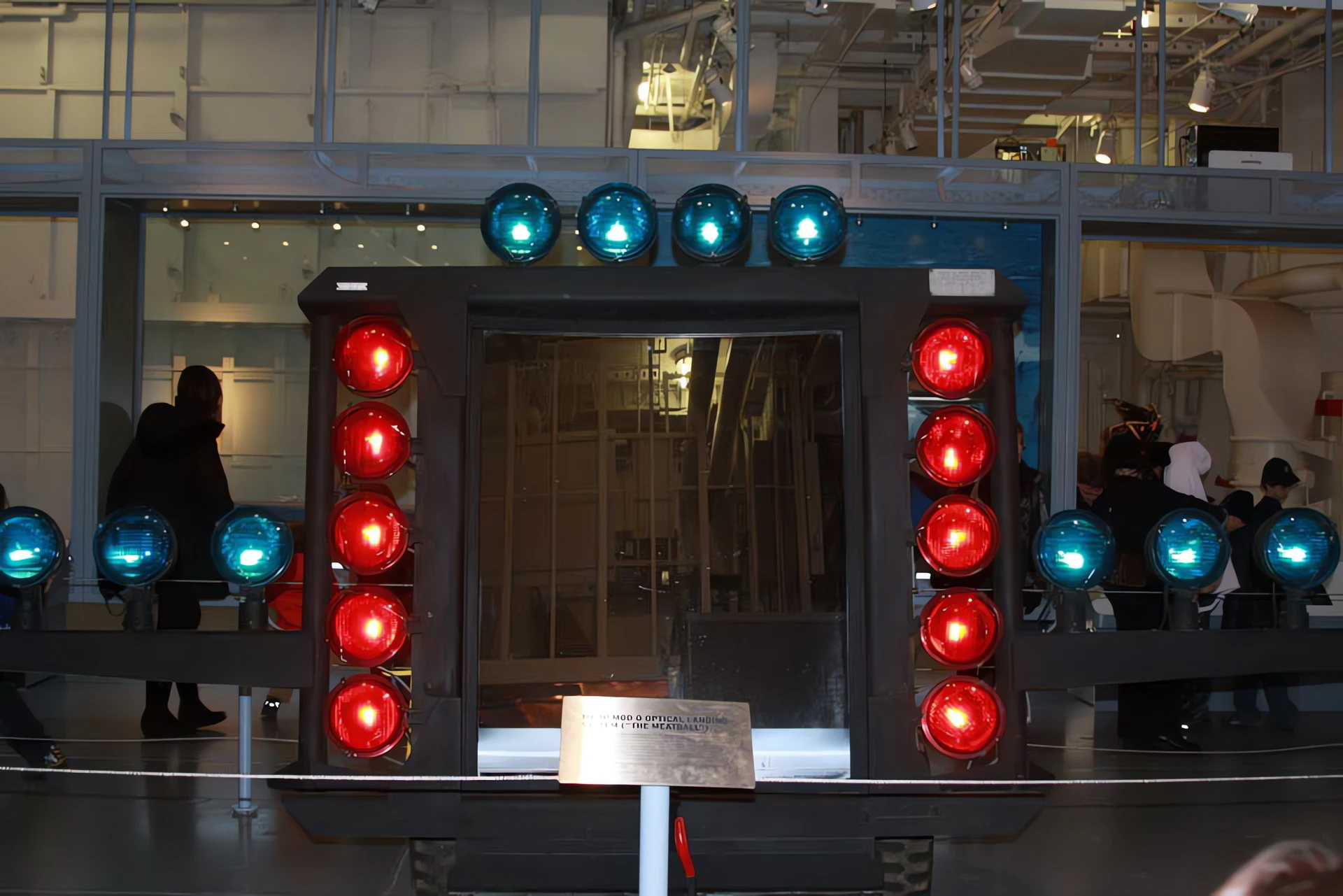
- Modernization Features: After the SCB-27C and SCB-125 modernizations, the carrier featured a strengthened angled flight deck, two steam catapults, and mirror landing systems for jets.
Armament and Air Group
- Air Group (WWII): Approx. 90-100 aircraft (F6F Hellcats, SB2C Helldivers, TBF Avengers).
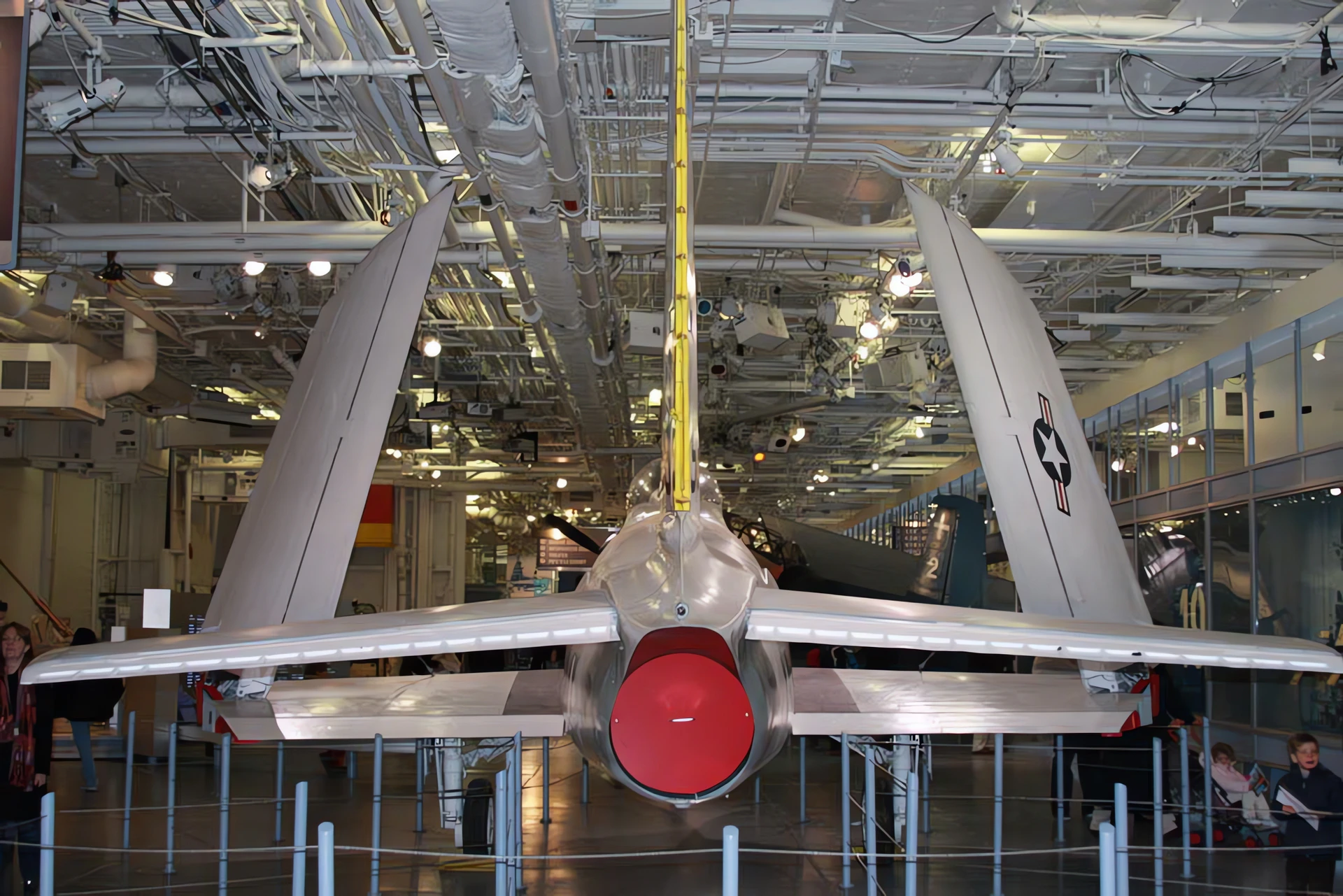
- Air Group (Post-Modernization): Could operate jet fighters and attack aircraft (e.g., F2H Banshees, F9F Cougars, A-1 Skyraiders), or Anti-Submarine Helicopters (e.g., SH-3 Sea Kings) when configured as CVS-11.
- Defensive Armament (Post-WWII): Typically included 127 mm (5 inch) anti-aircraft guns, supplemented by CIWS (Close-in Weapon Systems) later in its service life.
- Notable Service: Served in the Vietnam War (CVA-11 configuration) and acted as the recovery ship for two NASA space missions (Mercury and Gemini).
Просмотры : 2820
Вы также можете увидеть:
 USS Preble (DDG-88) – фото и видео
 USS Bunker Hill (CG-52) – фото и видео
 Умный кит — фото и видео
 Seehund – Фото и видео
 PT лодка – Фото и Видео
 HMCS Хайда – Фото и Видео
 USNS Hiddensee – Фото и видео
 USS Blueback (SS-581) – фото и видео
 USS New Jersey (BB-62) – фото и видео
 USS Midway (CV-41) – Фото и Видео
Я был на этом корабле. ТН ВЭД 5.