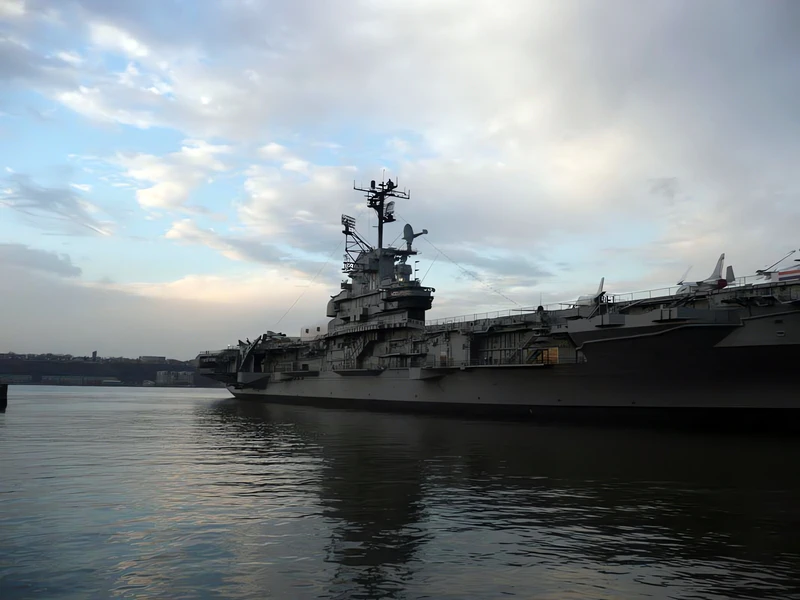
USS Intrepid | |
|---|---|
| Paese | Usa |
| Classe e tipo | Portaerei classe Essex |
| Lanciato | 26 aprile 1943 |
| Disattivato | 15 marzo 1974 |
USS Intrepid (CV/CVA/CVS-11), nota anche come The Fighting "I", è una delle 24 portaerei classe Essex costruite durante la seconda guerra mondiale per la United States Navy. È la quarta nave della Marina degli Stati Uniti a portare questo nome. Entrato in servizio nell'agosto 1943, l'Intrepid partecipò a diverse campagne nel teatro delle operazioni del Pacifico, in particolare alla battaglia del Golfo di Leyte. Dismessa poco dopo la fine della guerra, fu modernizzata e rimessa in servizio nei primi anni 1950 come portaerei d'attacco (CVA), e poi alla fine divenne una portaerei antisommergibile (CVS). Nella sua seconda carriera, ha servito principalmente nell'Atlantico, ma ha anche partecipato alla guerra del Vietnam.
fonte: USS Intrepid su Wikipedia
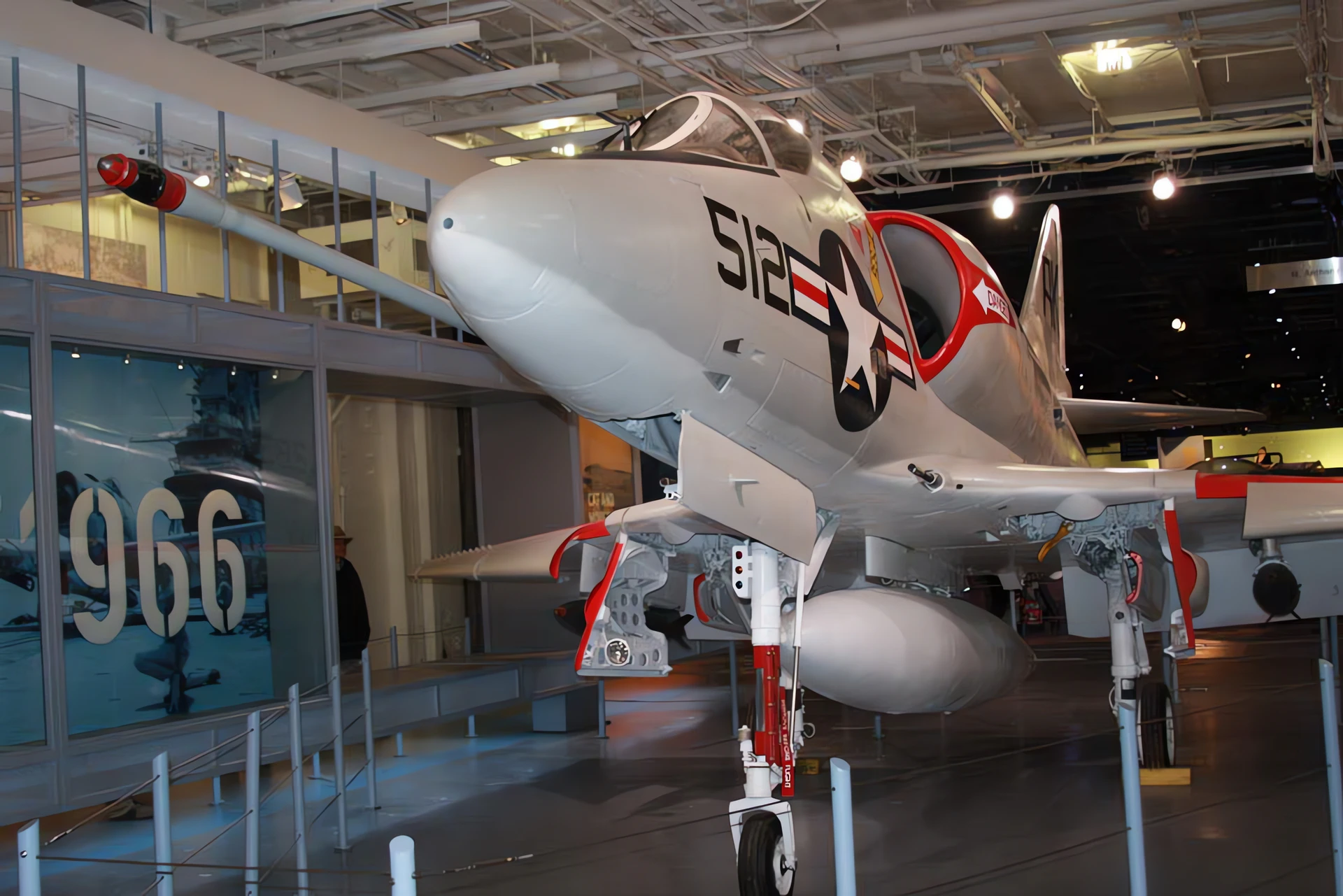
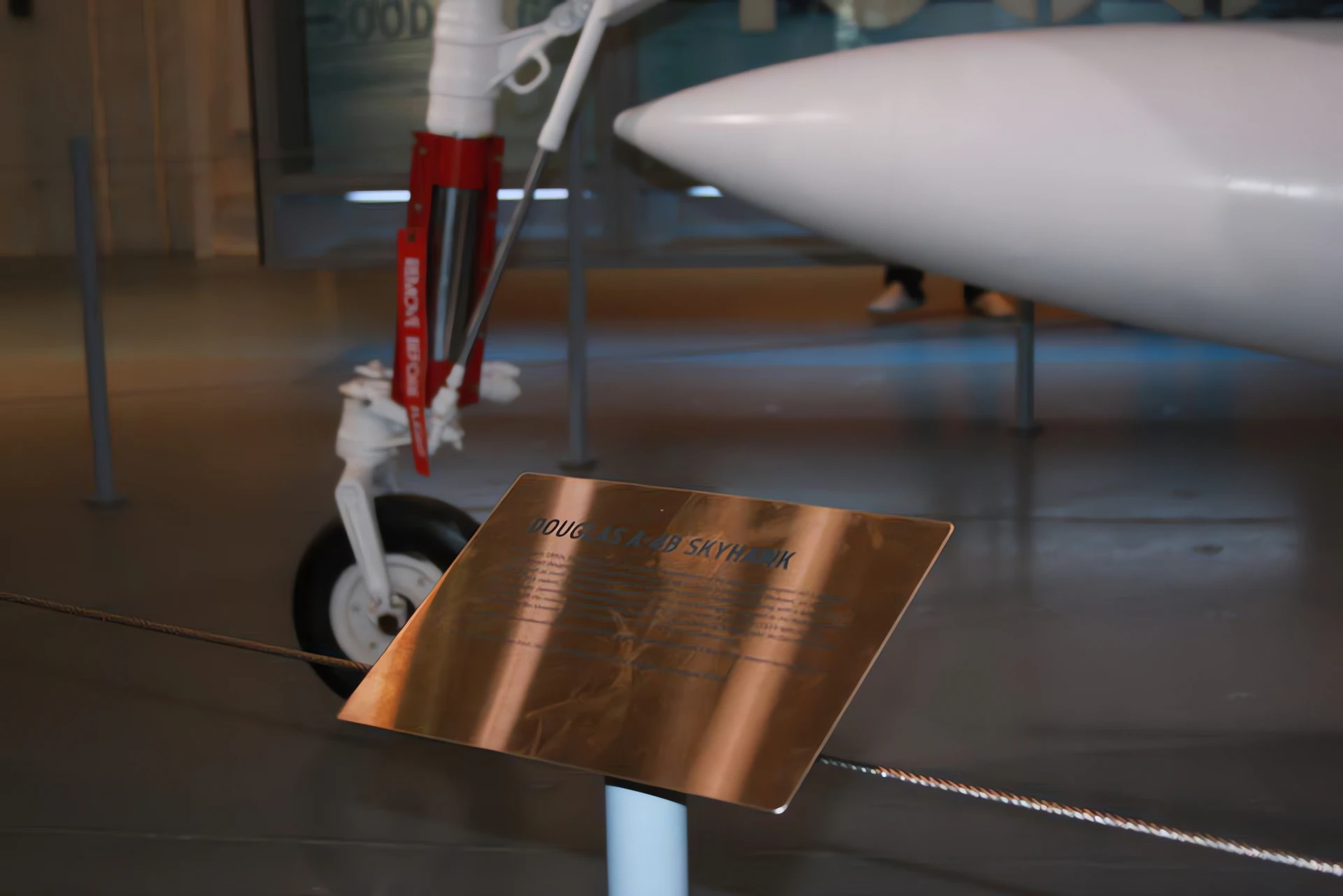
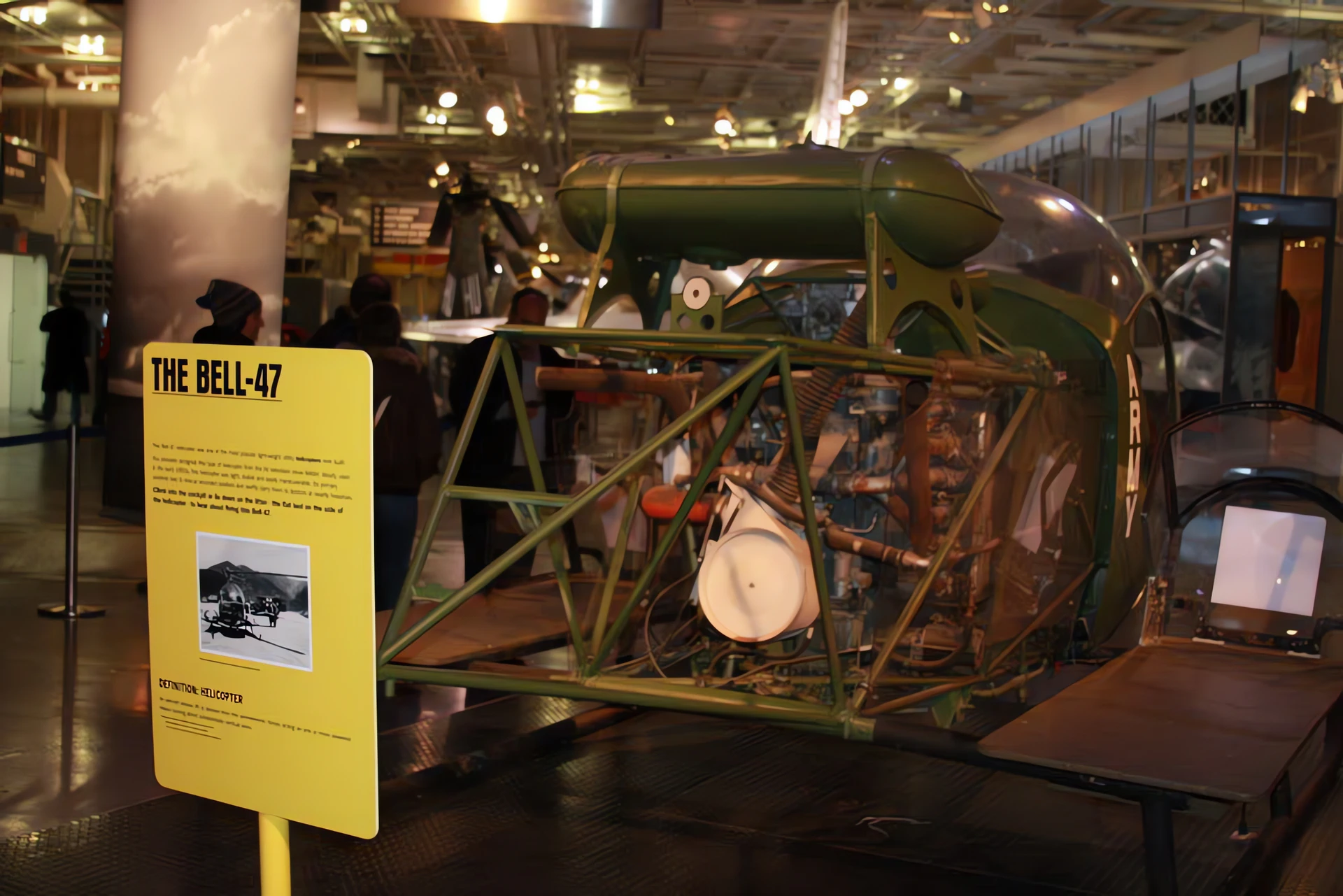
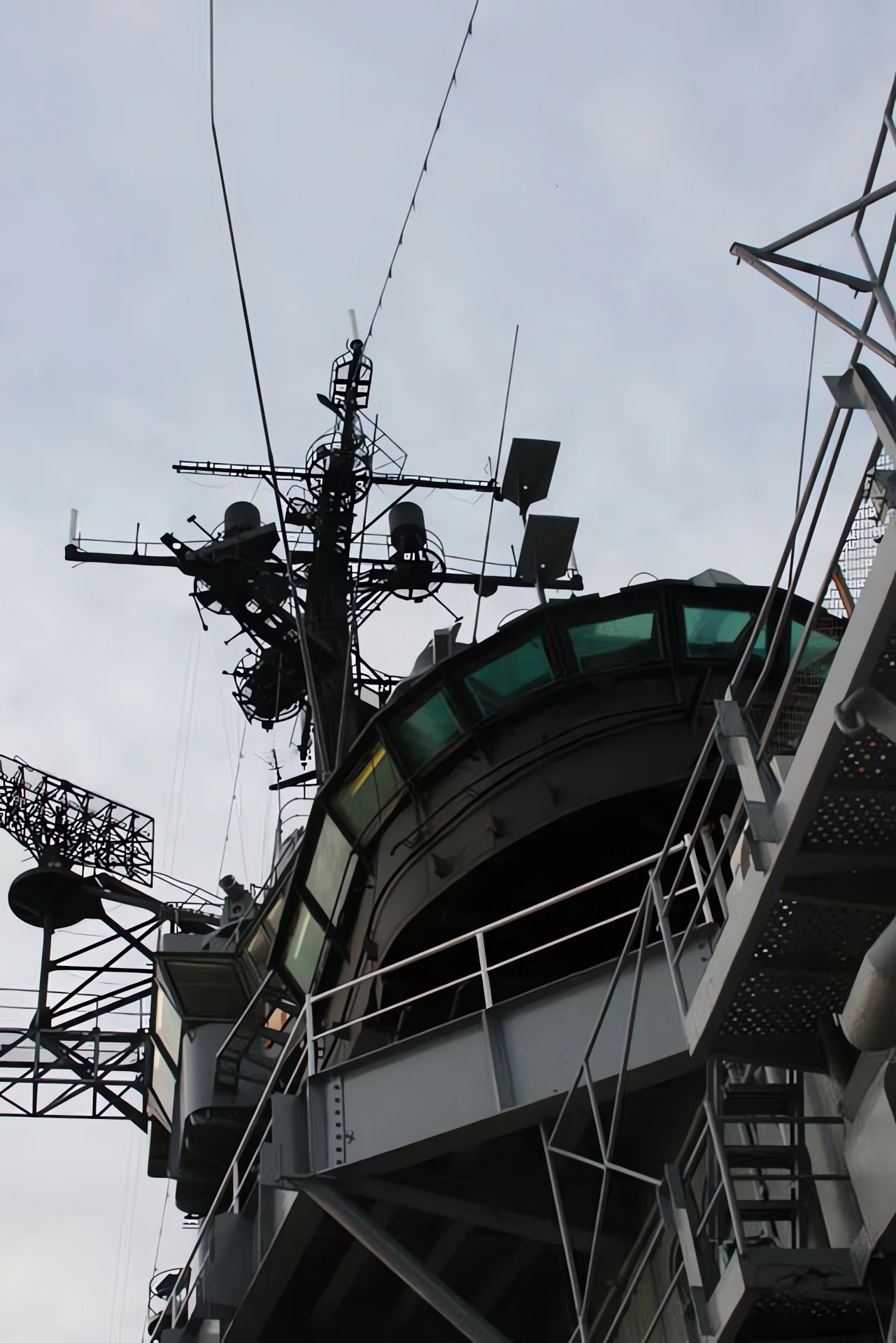
| USS Intrepid CVA-11 Walk Around | |
|---|---|
| Photographer | Vladimir Yakubov |
| Localisation | Unknow |
| Photos | 169 |

Vedi anche:


General Characteristics and Role
The USS Intrepid (CV-11, later CVA-11 and CVS-11) is an aircraft carrier of the United States Navy’s famed Essex-class. Launched during World War II, the Intrepid saw heavy combat in the Pacific Theater, earning five battle stars. It was one of the most successful and longest-serving carriers of its class. Following World War II, it underwent modernization under the SCB-27C program, which converted it into an Attack Aircraft Carrier (CVA-11) suitable for operating early jet aircraft, and later into an Anti-Submarine Warfare Support Carrier (CVS-11). Today, the Intrepid is preserved as the centerpiece of the Intrepid Sea, Air & Space Museum in New York City.
| Property | Typical Value (Post-SCB-27C Modernization) |
|---|---|
| classe | Essex-class (Long-Hull) |
| National Origin | Stati Uniti |
| Muratore | Newport News Shipbuilding |
| Laid Down | 1 December 1941 |
| Commissionato | 16 August 1943 |
| Displacement | 41,200 long tons (full load) |
| Lunghezza | 272.7 m (894 ft 8 in) |
| Beam (Flight Deck) | 58.4 m (191 ft 7 in) |
| Draft | 8.5 m (28 ft 0 in) |
| Complement (Crew) | Approx. 3,500 personnel |
Machinery and Performance
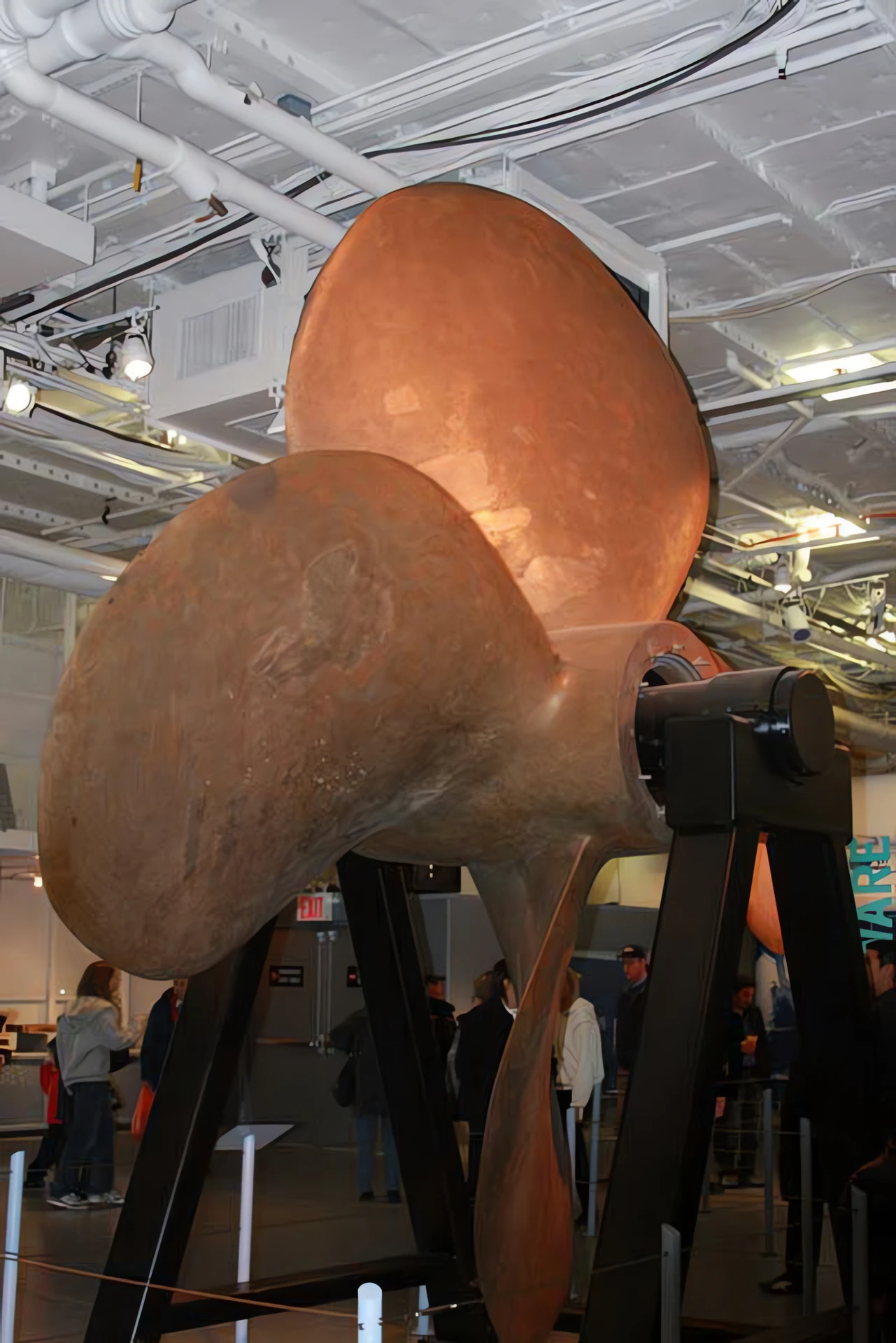
- Propulsion: 8 x Babcock & Wilcox boilers driving 4 x Westinghouse geared steam turbines.
- Power Output: 150,000 shp (110 MW).
- Speed: 33 knots (61 km/h; 38 mph).
- Range: 20,000 nautical miles (37,000 km) at 15 knots.
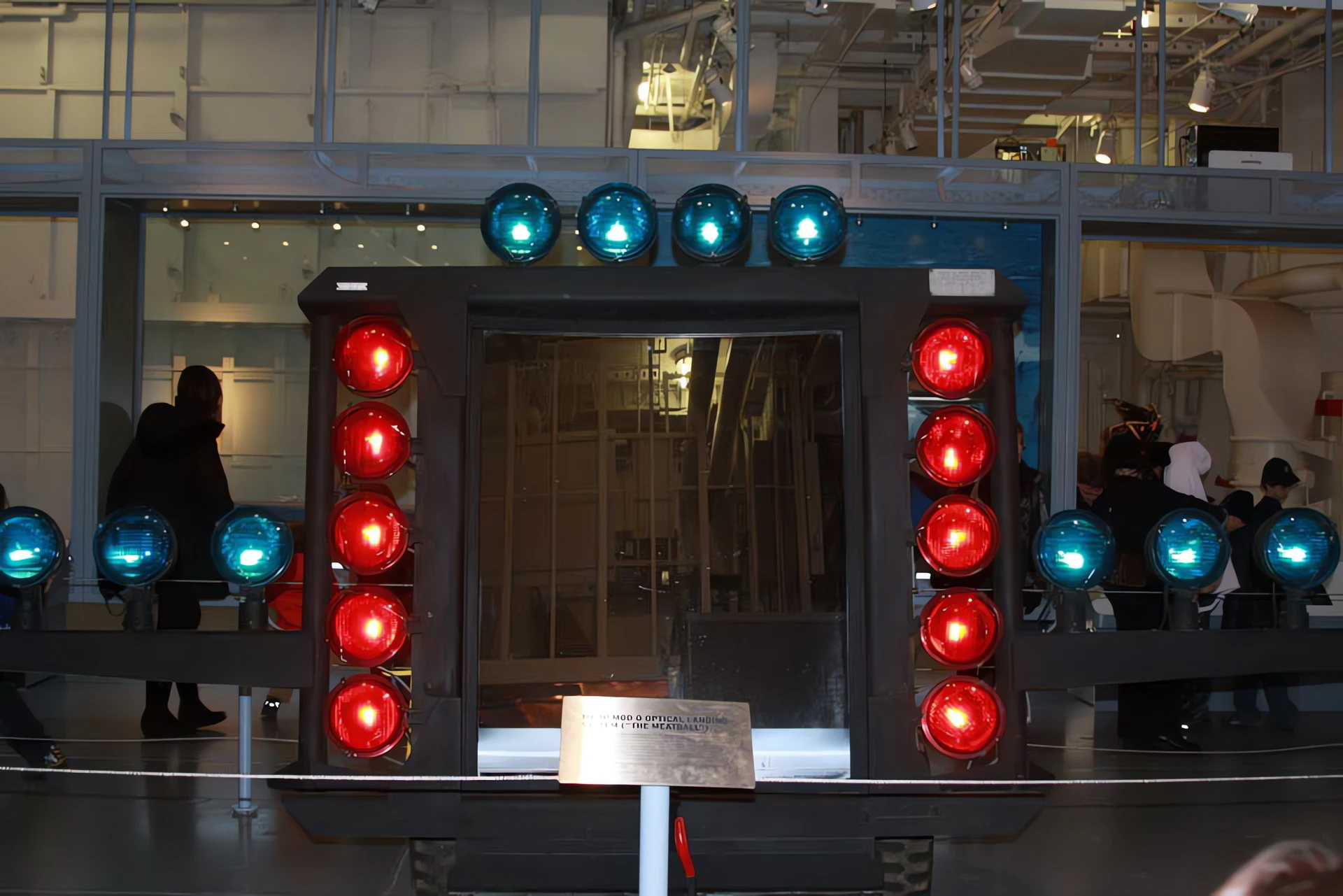
- Modernization Features: After the SCB-27C and SCB-125 modernizations, the carrier featured a strengthened angled flight deck, two steam catapults, and mirror landing systems for jets.
Armament and Air Group
- Air Group (WWII): Approx. 90-100 aircraft (F6F Hellcats, SB2C Helldivers, TBF Avengers).
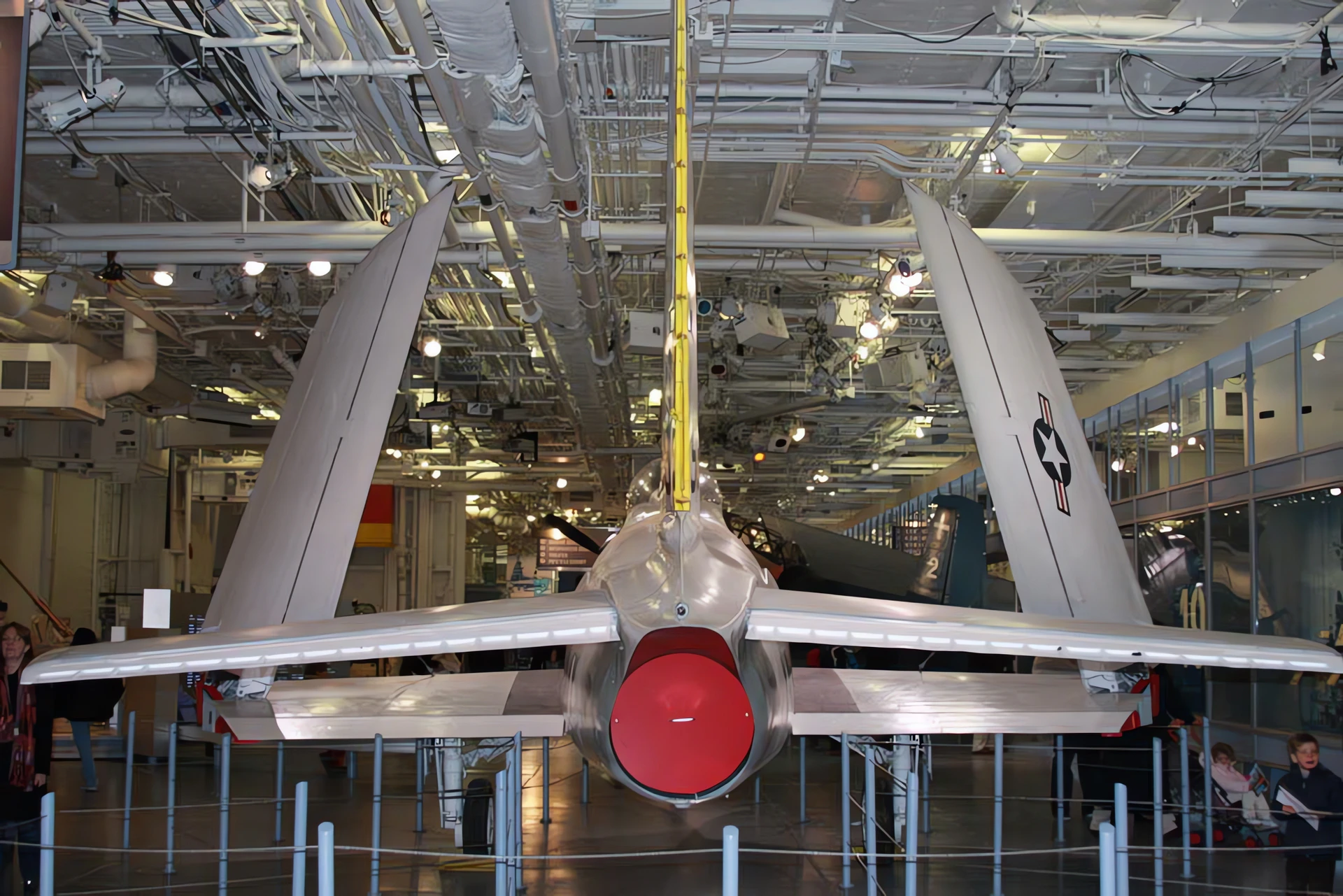
- Air Group (Post-Modernization): Could operate jet fighters and attack aircraft (e.g., F2H Banshees, F9F Cougars, A-1 Skyraiders), or Anti-Submarine Helicopters (e.g., SH-3 Sea Kings) when configured as CVS-11.
- Defensive Armament (Post-WWII): Typically included 127 mm (5 inch) anti-aircraft guns, supplemented by CIWS (Close-in Weapon Systems) later in its service life.
- Notable Service: Served in the Vietnam War (CVA-11 configuration) and acted as the recovery ship for two NASA space missions (Mercury and Gemini).
Visualizzazioni : 2817
Puoi anche vedere:
 USS Preble (DDG-88) – Foto e Video
 USS Bunker Hill (CG-52) – Foto e Video
 Intelligent Whale – Foto e Video
 Seehund – Foto e Video
 PT boat – Foto e video
 HMCS Haida – Foto e Video
 USNS Hiddensee – Foto e video
 USS Blueback (SS-581) – Foto e Video
 USS New Jersey (BB-62) – Foto e video
 USS Midway (CV-41) – Foto e Video
Ero di stanza su quella nave. SA 5.