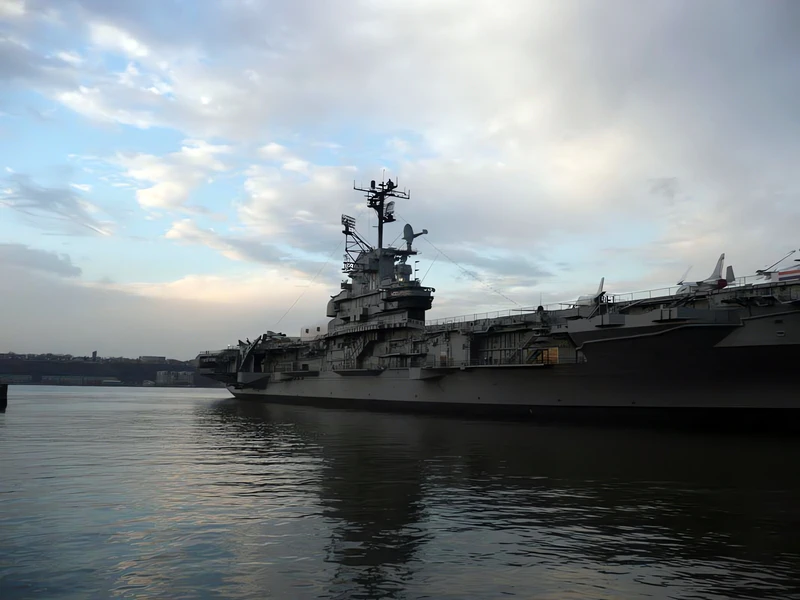
USS Intrepid | |
|---|---|
| Země | SPOJENÉ STÁTY |
| Třída a typ | Letadlová loď třídy Essex |
| Zahájila | 26. dubna 1943 |
| Vyřazení | 15. března 1974 |
USS Intrepid (CV/CVA/CVS-11), také známý jako The Fighting "I", je jednou z 24 letadlových lodí třídy Essex postavených během druhé světové války pro námořnictvo Spojených států. Je čtvrtou lodí amerického námořnictva, která nese toto jméno. Intrepid byl uveden do služby v srpnu 1943 a zúčastnil se několika kampaní v tichomořském operačním prostoru, zejména bitvy o záliv Leyte. Vyřazena z provozu krátce po skončení války, byla modernizována a znovu uvedena do provozu na počátku roku 1950 jako útočná letadlová loď (CVA) a nakonec se stala protiponorkovou letadlovou lodí (CVS). Ve své druhé kariéře sloužila hlavně v Atlantiku, ale také se zúčastnila války ve Vietnamu.
Zdroj: USS Intrepid na Wikipedii
| USS Intrepid CVA-11 Walk Around | |
|---|---|
| Photographer | Vladimir Yakubov |
| Localisation | Unknow |
| Photos | 169 |
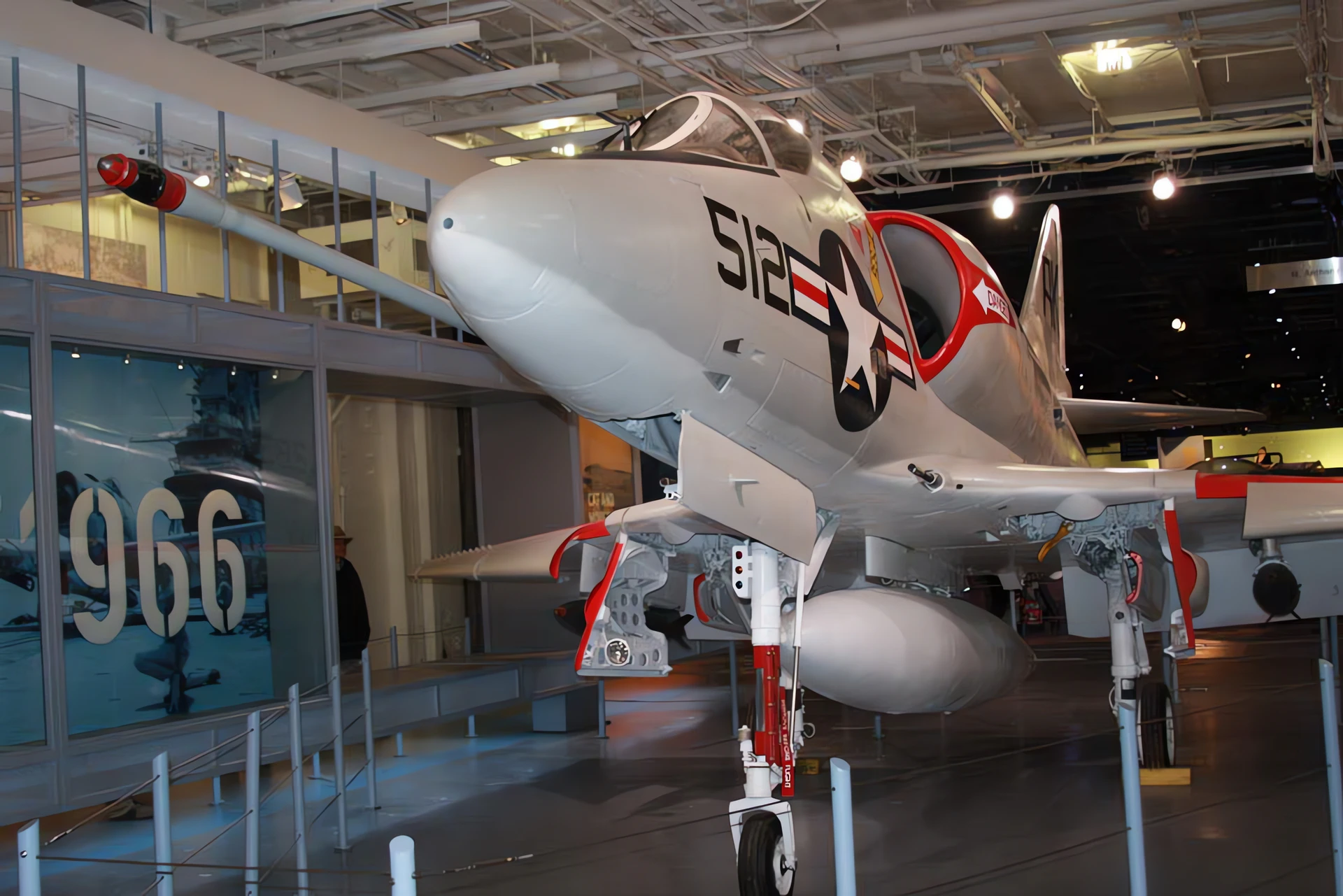
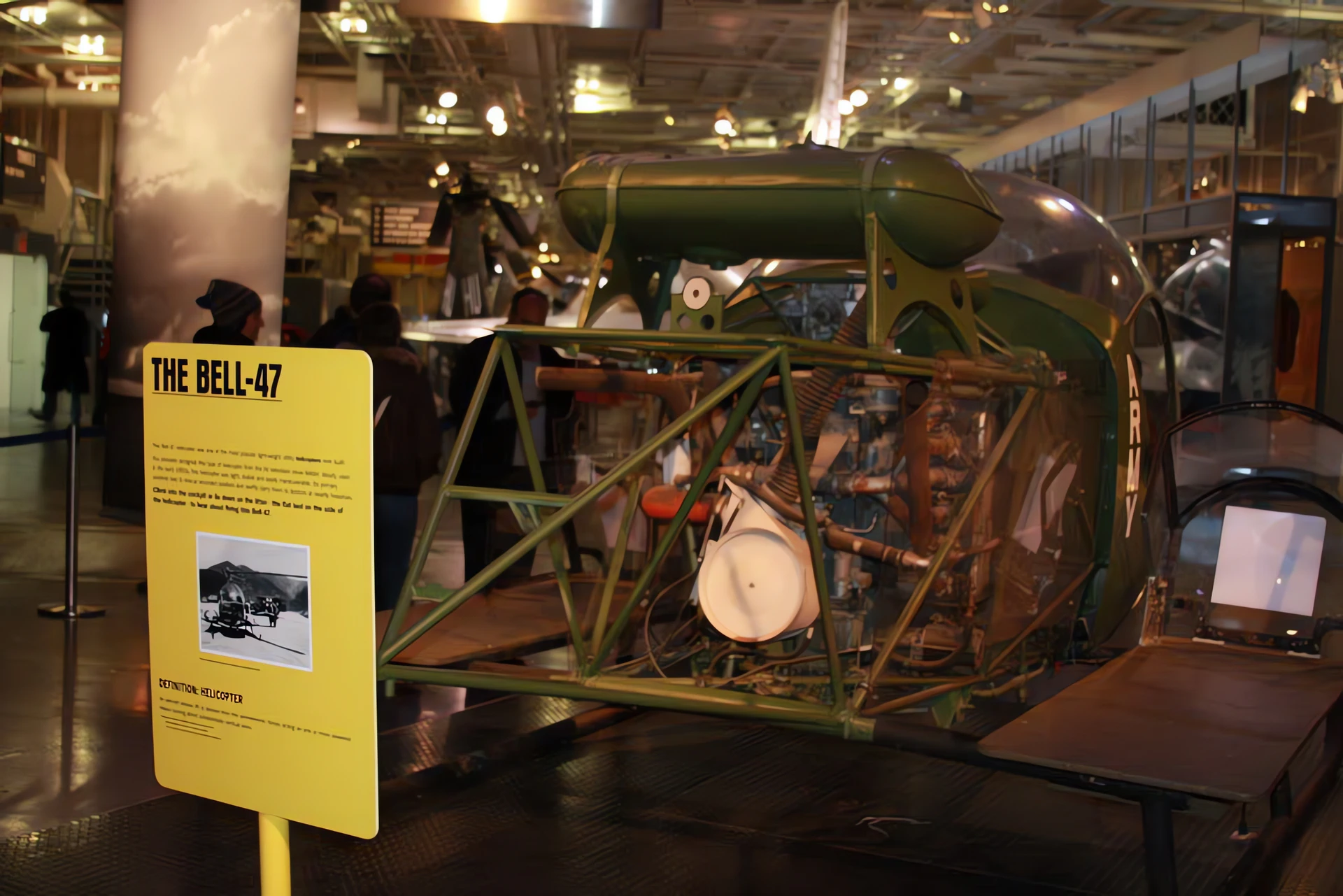
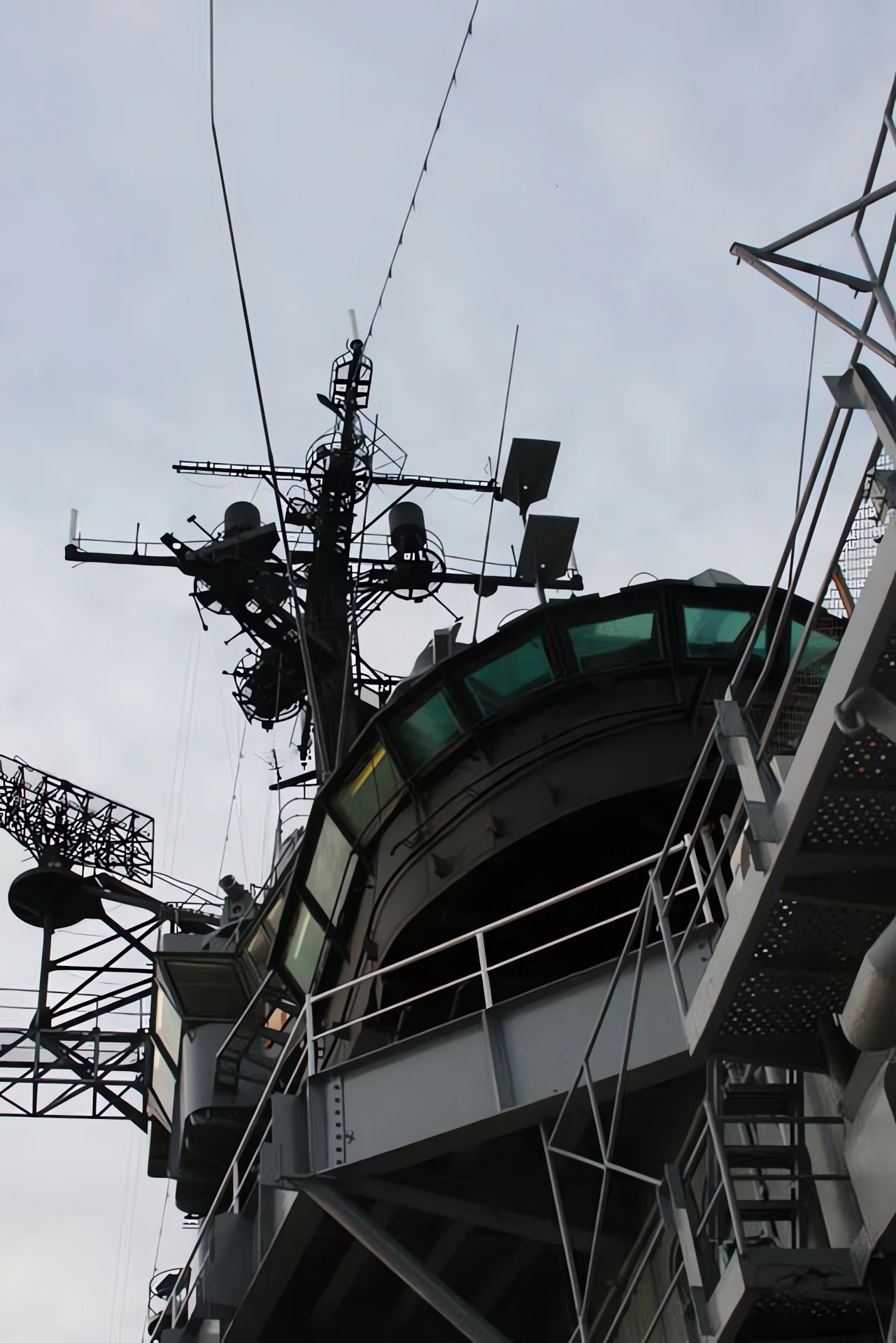
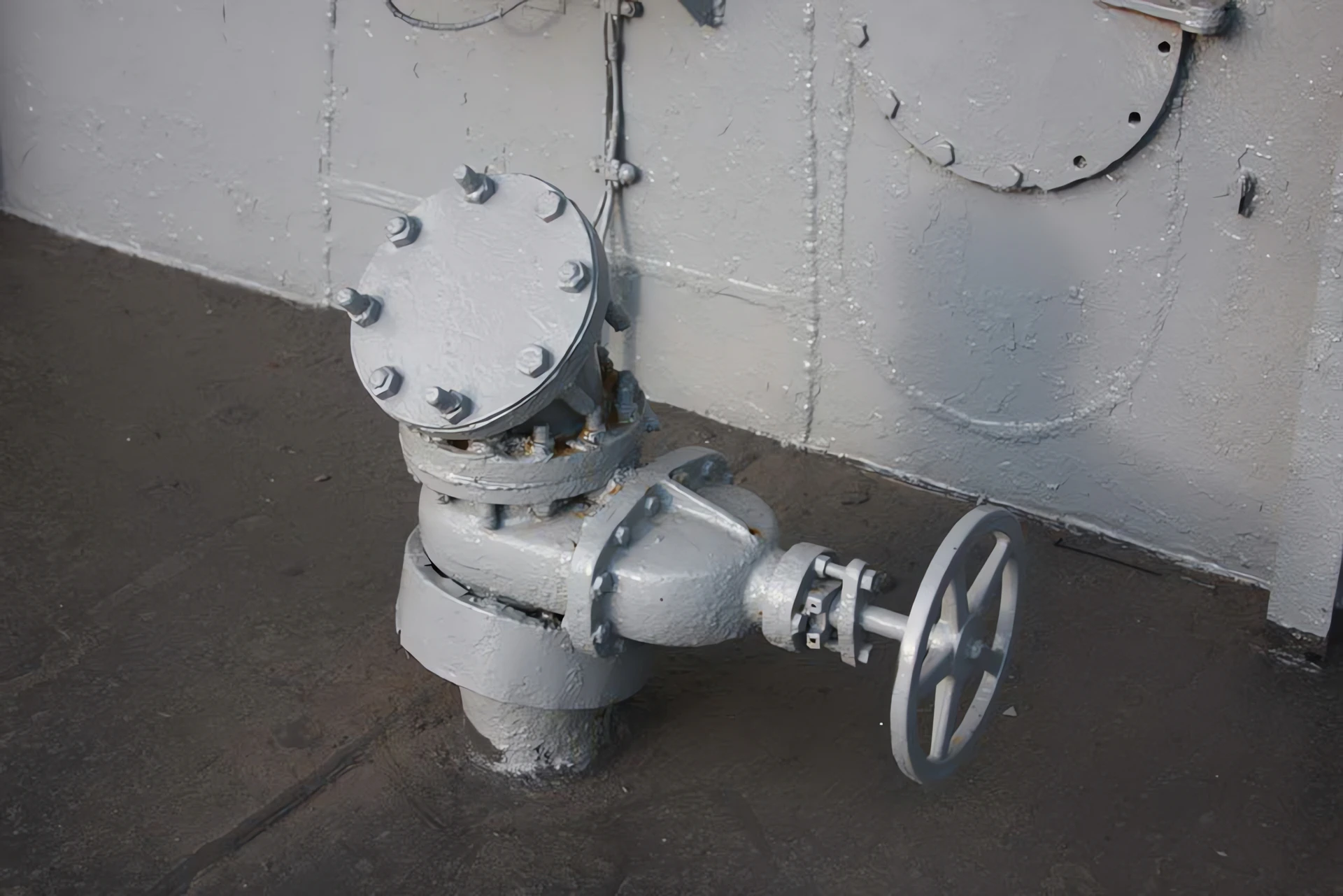
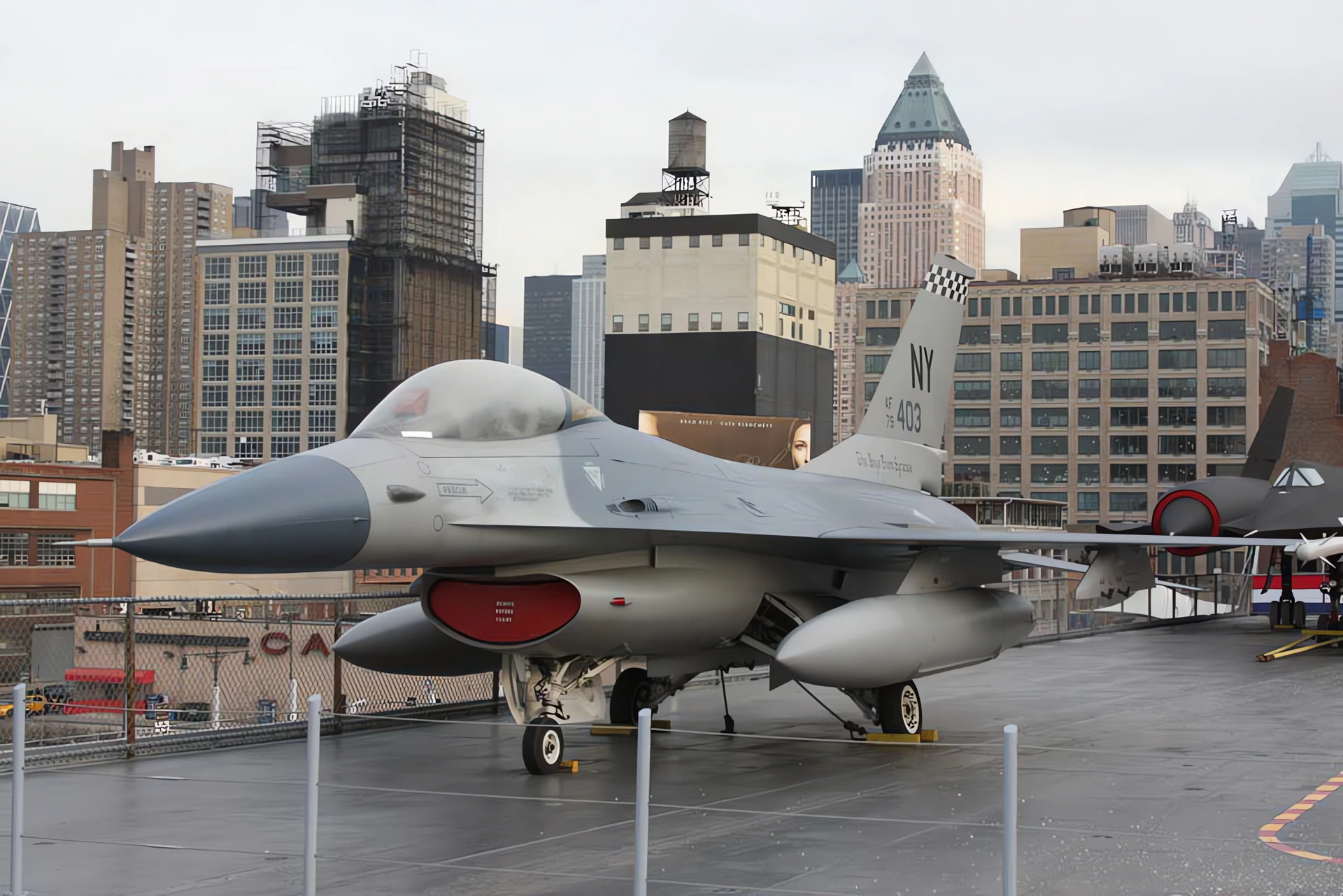

Viz také:


General Characteristics and Role
The USS Intrepid (CV-11, later CVA-11 and CVS-11) is an aircraft carrier of the United States Navy’s famed Essex-class. Launched during World War II, the Intrepid saw heavy combat in the Pacific Theater, earning five battle stars. It was one of the most successful and longest-serving carriers of its class. Following World War II, it underwent modernization under the SCB-27C program, which converted it into an Attack Aircraft Carrier (CVA-11) suitable for operating early jet aircraft, and later into an Anti-Submarine Warfare Support Carrier (CVS-11). Today, the Intrepid is preserved as the centerpiece of the Intrepid Sea, Air & Space Museum in New York City.
| Property | Typical Value (Post-SCB-27C Modernization) |
|---|---|
| Třída | Essex-class (Long-Hull) |
| National Origin | Spojené státy americké |
| Budovatel | Newport News Shipbuilding |
| Laid Down | 1 December 1941 |
| Zmocněný | 16 August 1943 |
| Displacement | 41,200 long tons (full load) |
| Délka | 272.7 m (894 ft 8 in) |
| Beam (Flight Deck) | 58.4 m (191 ft 7 in) |
| Draft | 8.5 m (28 ft 0 in) |
| Complement (Crew) | Approx. 3,500 personnel |
Machinery and Performance
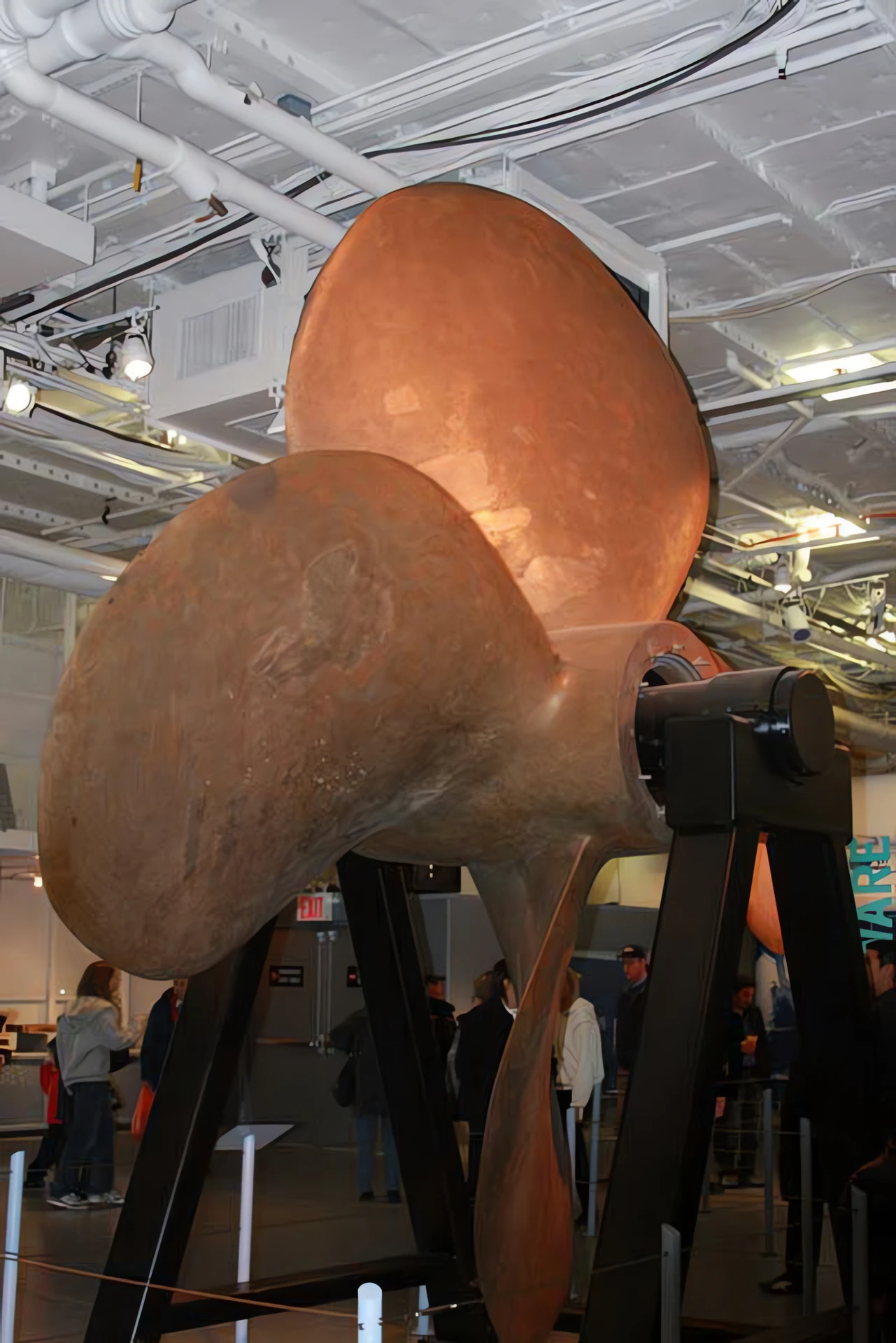
- Propulsion: 8 x Babcock & Wilcox boilers driving 4 x Westinghouse geared steam turbines.
- Power Output: 150,000 shp (110 MW).
- Speed: 33 knots (61 km/h; 38 mph).
- Range: 20,000 nautical miles (37,000 km) at 15 knots.
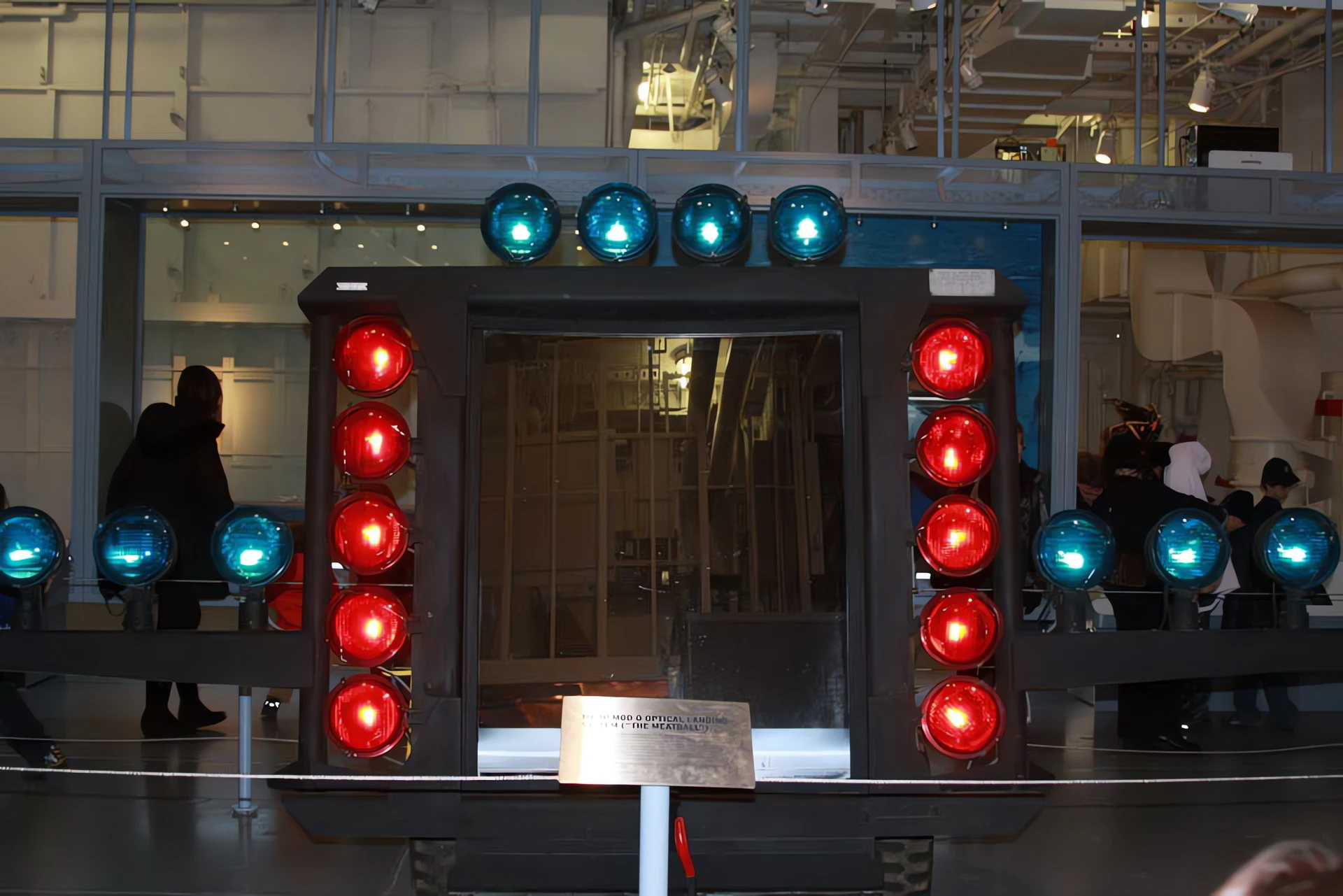
- Modernization Features: After the SCB-27C and SCB-125 modernizations, the carrier featured a strengthened angled flight deck, two steam catapults, and mirror landing systems for jets.
Armament and Air Group
- Air Group (WWII): Approx. 90-100 aircraft (F6F Hellcats, SB2C Helldivers, TBF Avengers).
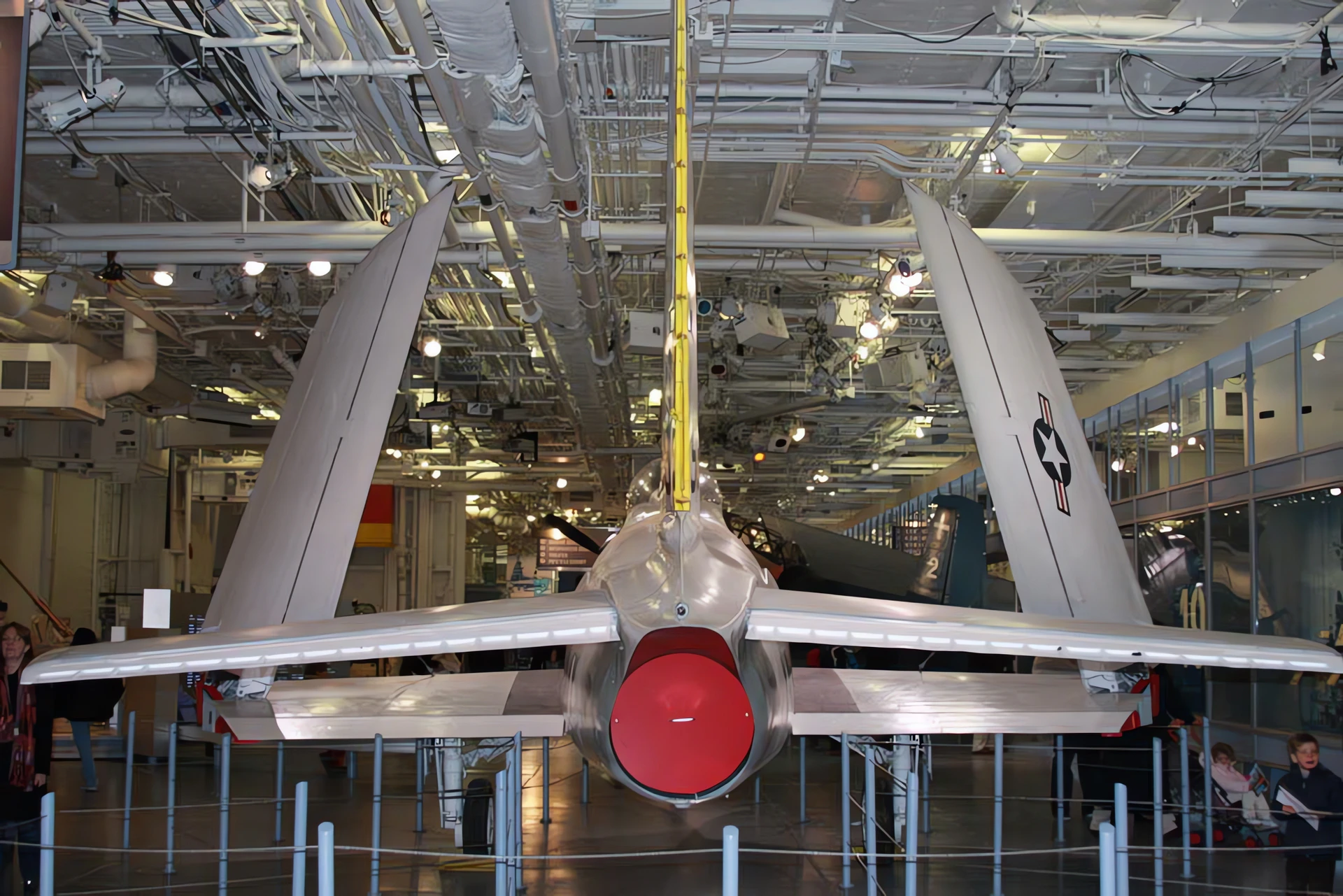
- Air Group (Post-Modernization): Could operate jet fighters and attack aircraft (e.g., F2H Banshees, F9F Cougars, A-1 Skyraiders), or Anti-Submarine Helicopters (e.g., SH-3 Sea Kings) when configured as CVS-11.
- Defensive Armament (Post-WWII): Typically included 127 mm (5 inch) anti-aircraft guns, supplemented by CIWS (Close-in Weapon Systems) later in its service life.
- Notable Service: Served in the Vietnam War (CVA-11 configuration) and acted as the recovery ship for two NASA space missions (Mercury and Gemini).
Zobrazení: 2746
Můžete také vidět:
 USS Preble (DDG-88) – Fotografie & Videa
 USS Bunker Hill (CG-52) – Fotografie a videa
 Inteligentní velryba – Fotografie a videa
 Seehund – Fotografie & Videa
 PT loď – Fotografie a videa
 HMCS Haida – Fotografie a videa
 USNS Hiddensee – Fotografie & Video
 USS Blueback (SS-581) – Fotografie & Video
 USS New Jersey (BB-62) – Fotografie & Video
 USS Midway (CV-41) – Fotografie & Video
Byl jsem umístěn na té lodi. HS 5.