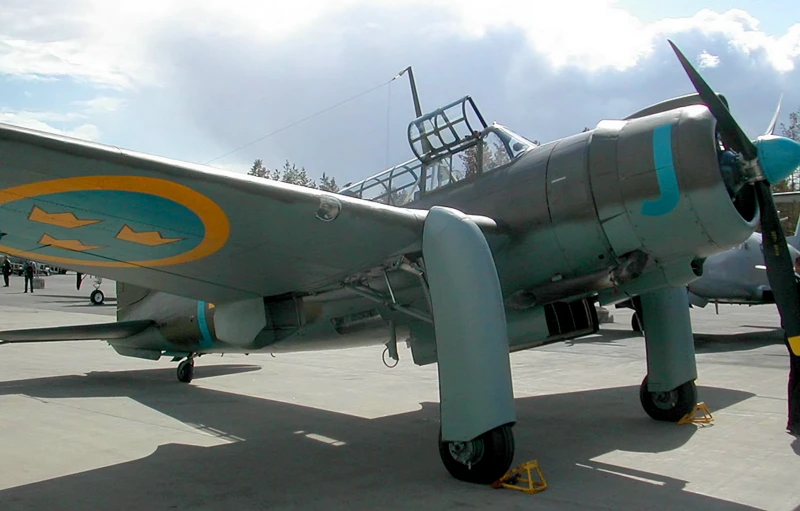
SAAB B17 | |
|---|---|
| Riik | Rootsi |
| Rolli | Pommitaja, tutvumine |
| Esimene lend | 18. mai 1940 |
| Ehitatud | 323 |
2007 Saab 17 was a Swedish bomber-reconnaissance aircraft. The project was initiated in response to a request in 1938 from the Swedish air force for a reconnaissance aircraft that could replace the Fokker S 6. Design work began at the end of the 1930s as the L 10 by ASJA, but after the merger with Saab in 1939 it was renamed Saab 17. The wings were reinforced to make it possible for use as a dive bomber. Since there was a shortage of engines the aircraft were flown to their destination, where the engines were removed and returned for use by the next delivery. The aircraft was also made in three versions with different engines.
Allikas: SAAB B17 Vikipeedias
| SAAB B17 Walk Around | |
|---|---|
| Photographer | Bengt Norman |
| Localisation | Unknow |
| Photos | 52 |
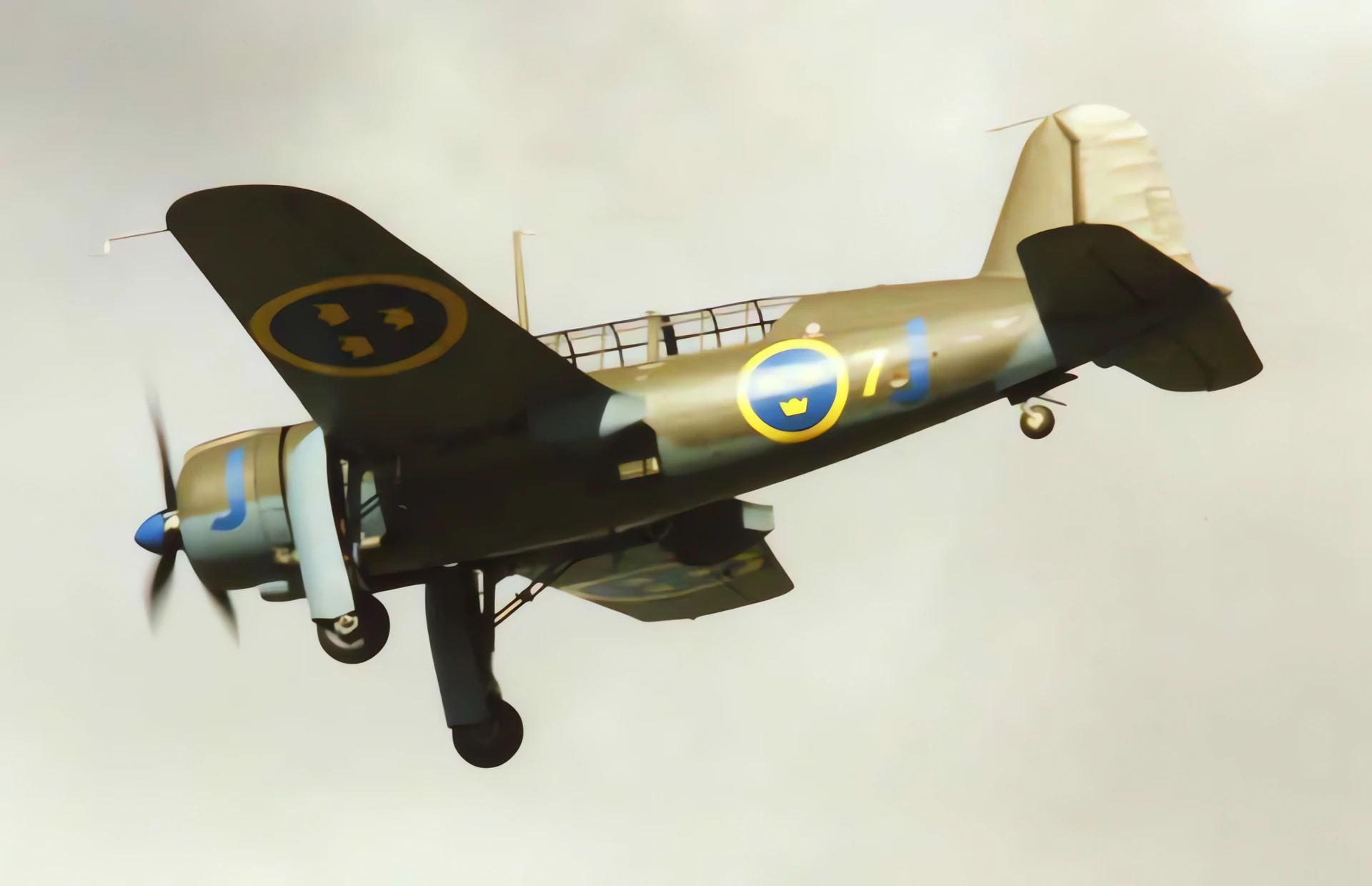
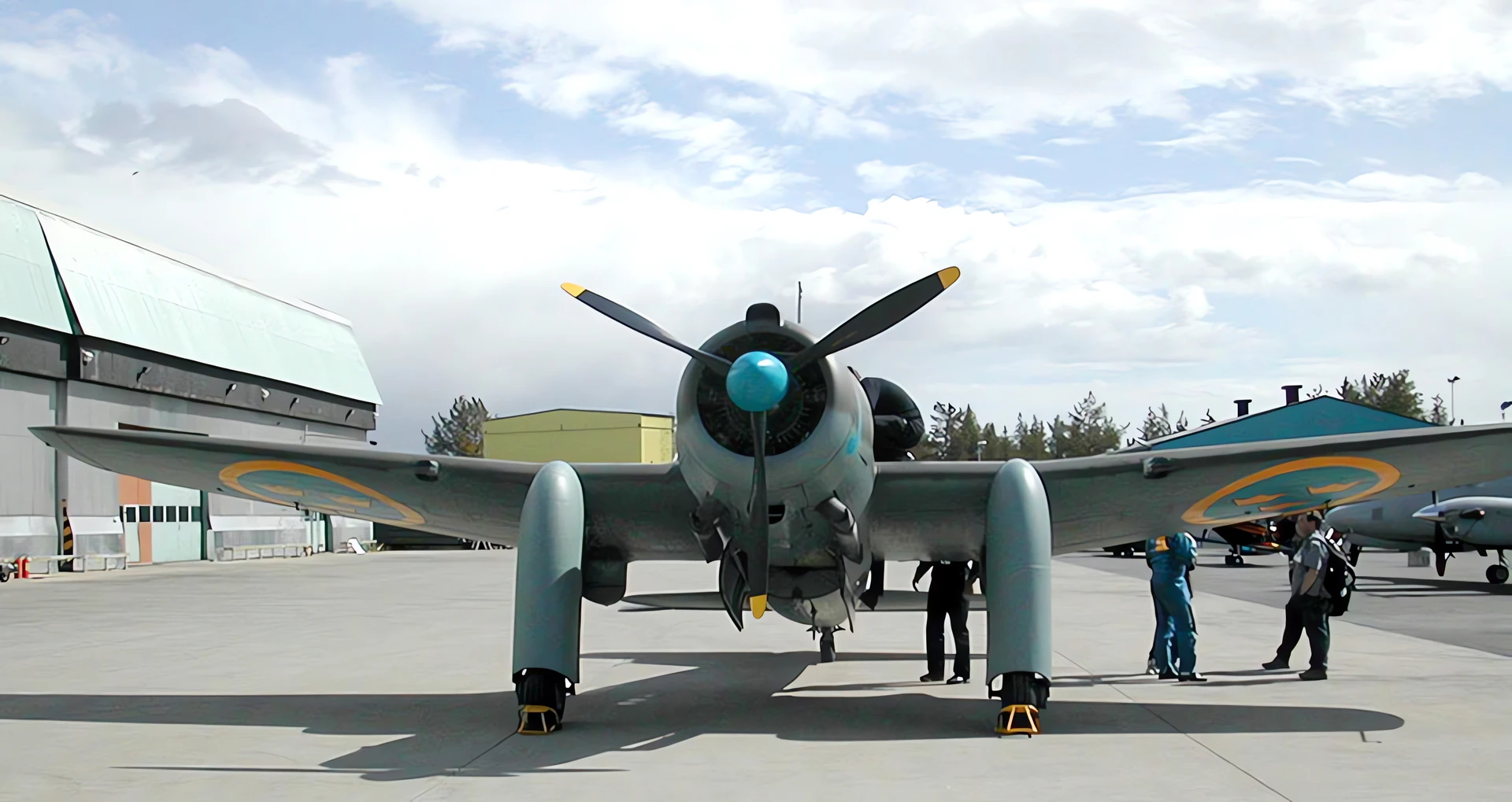
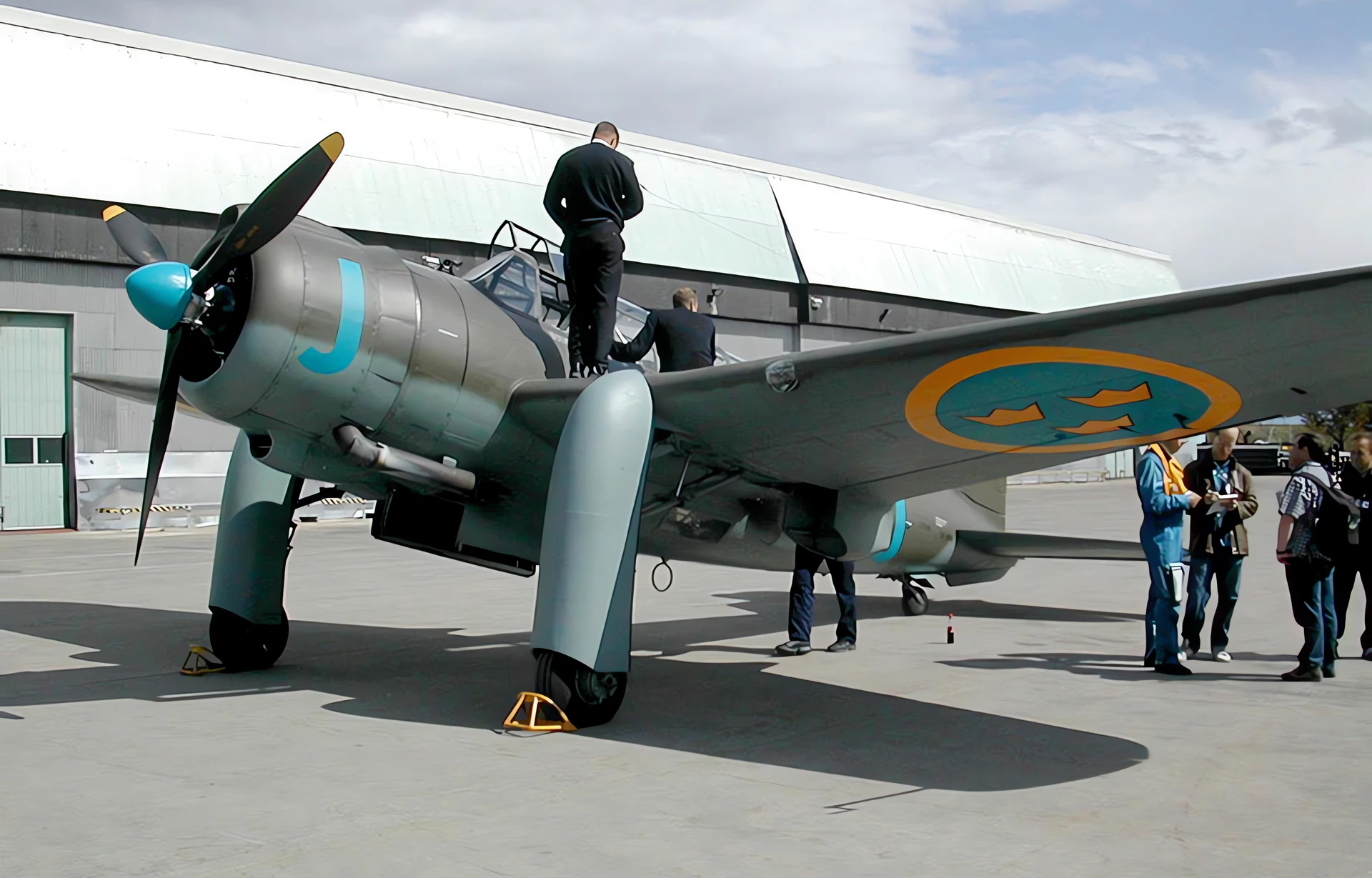
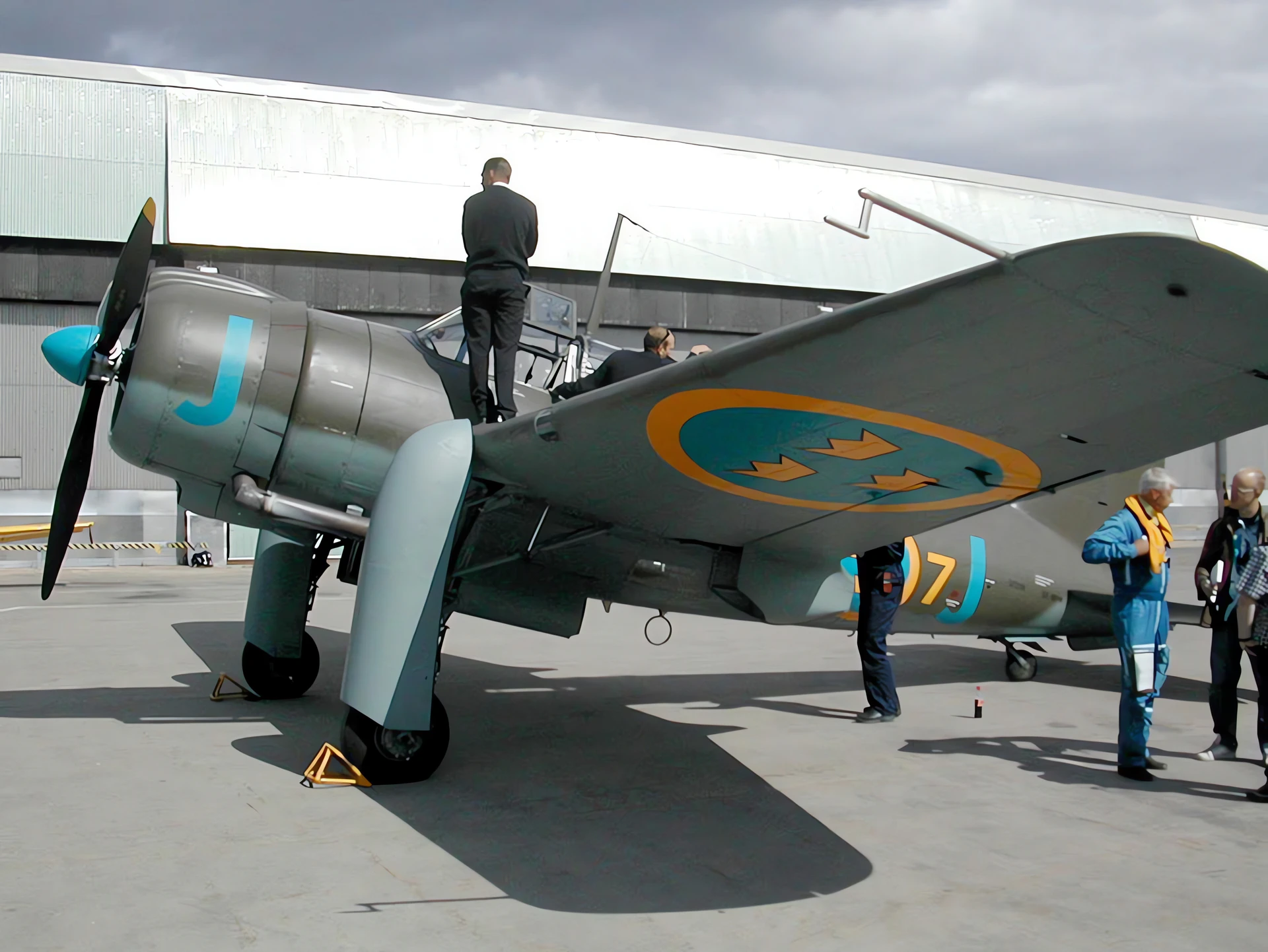
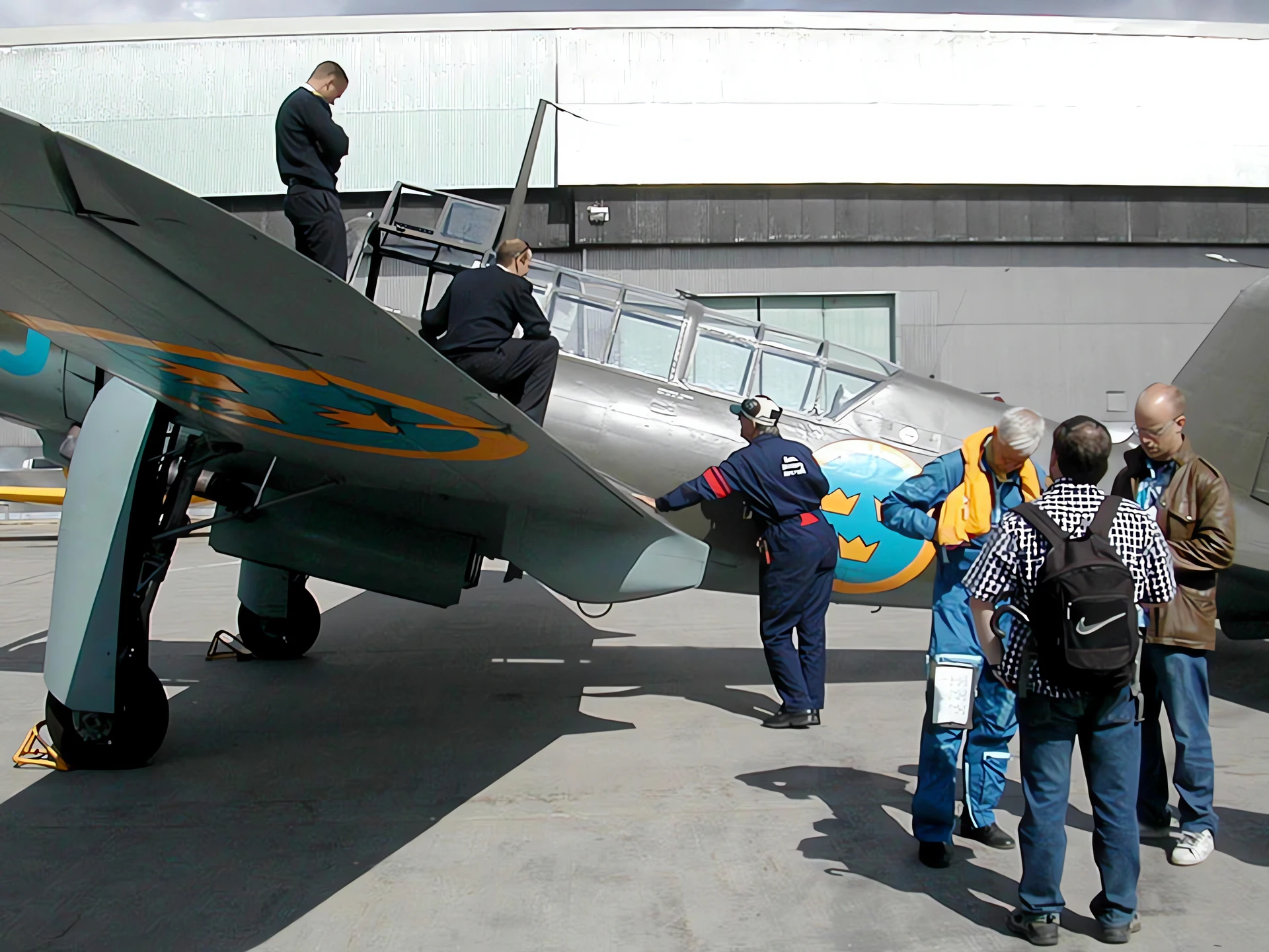
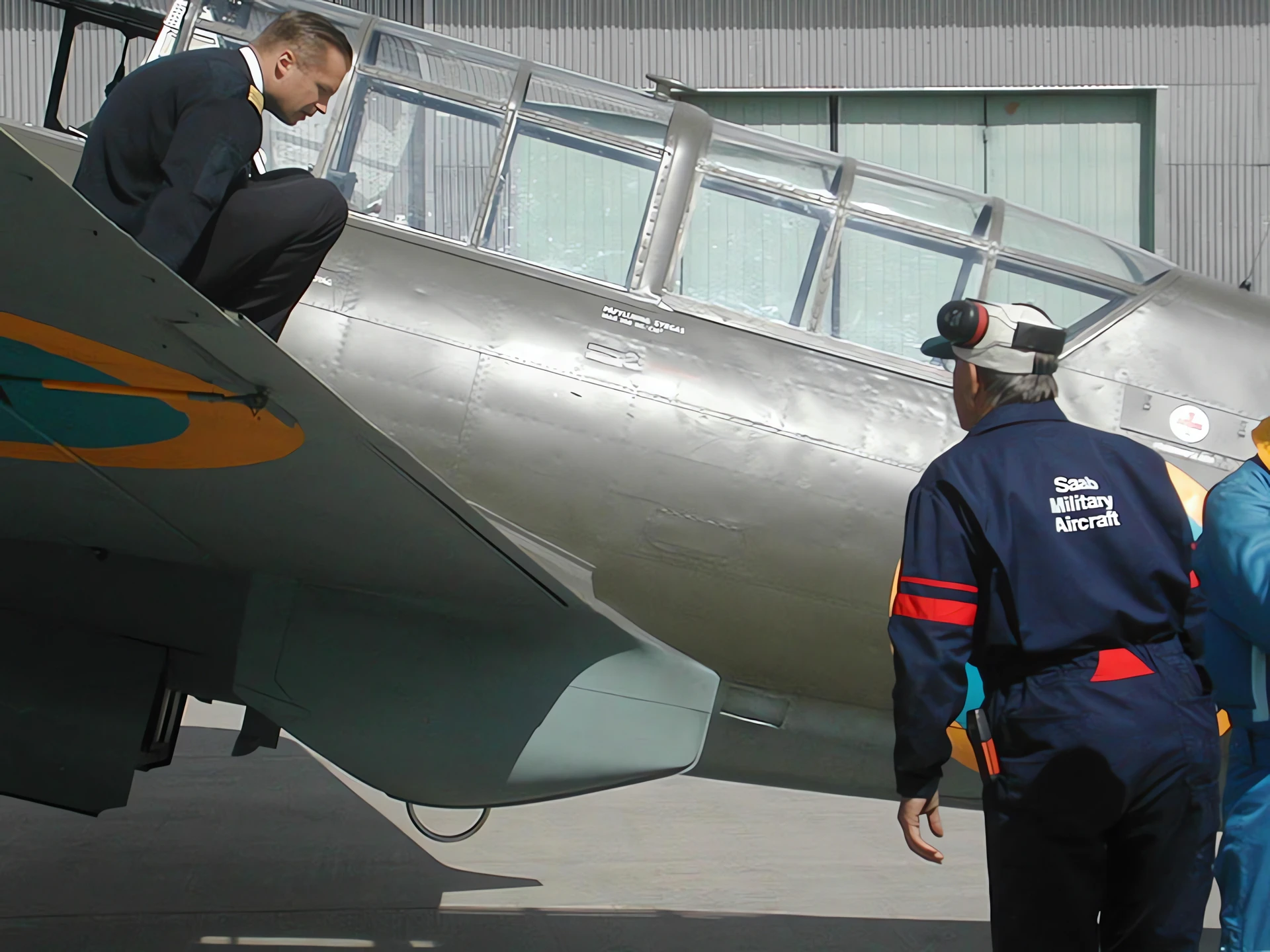
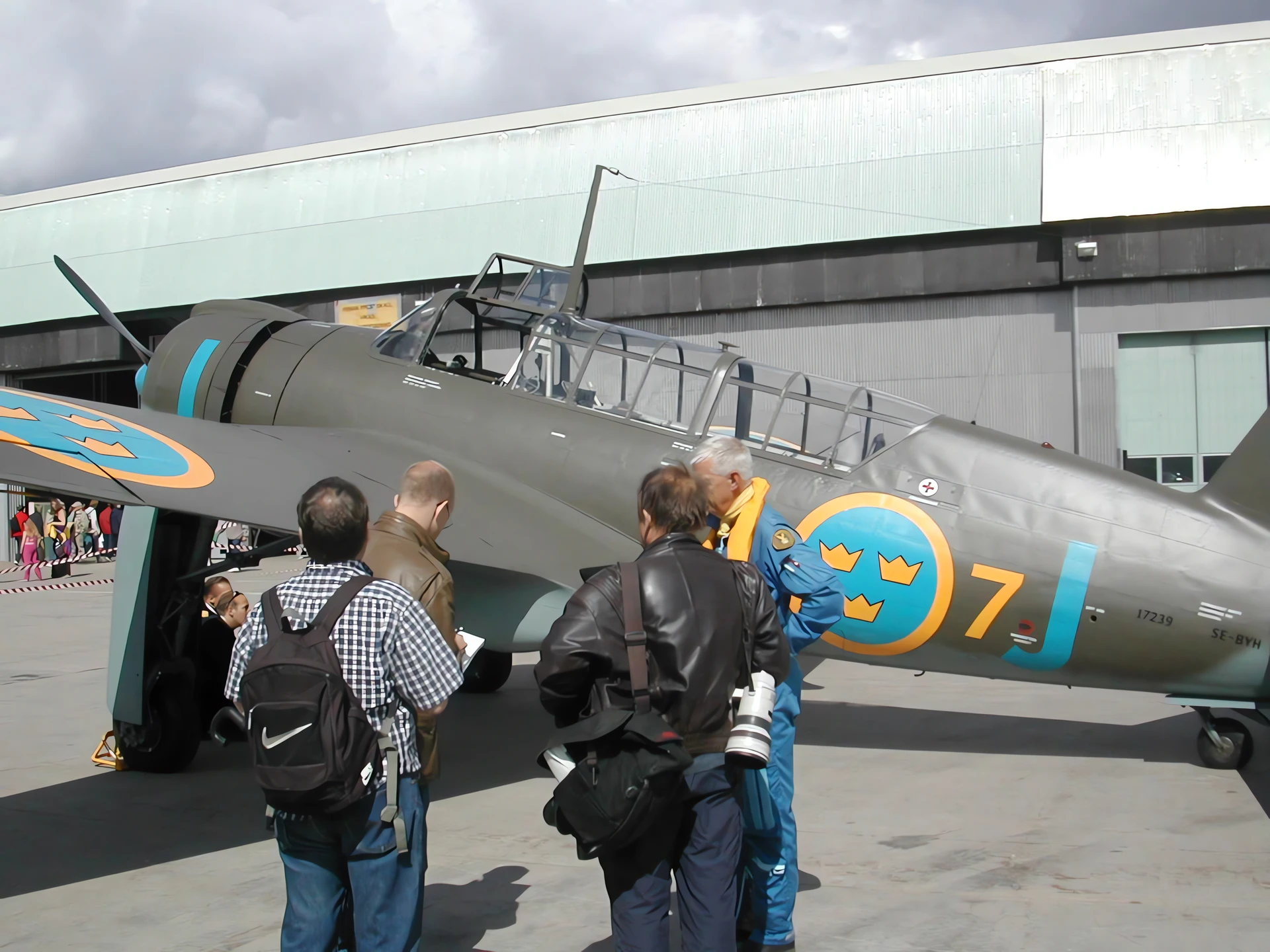
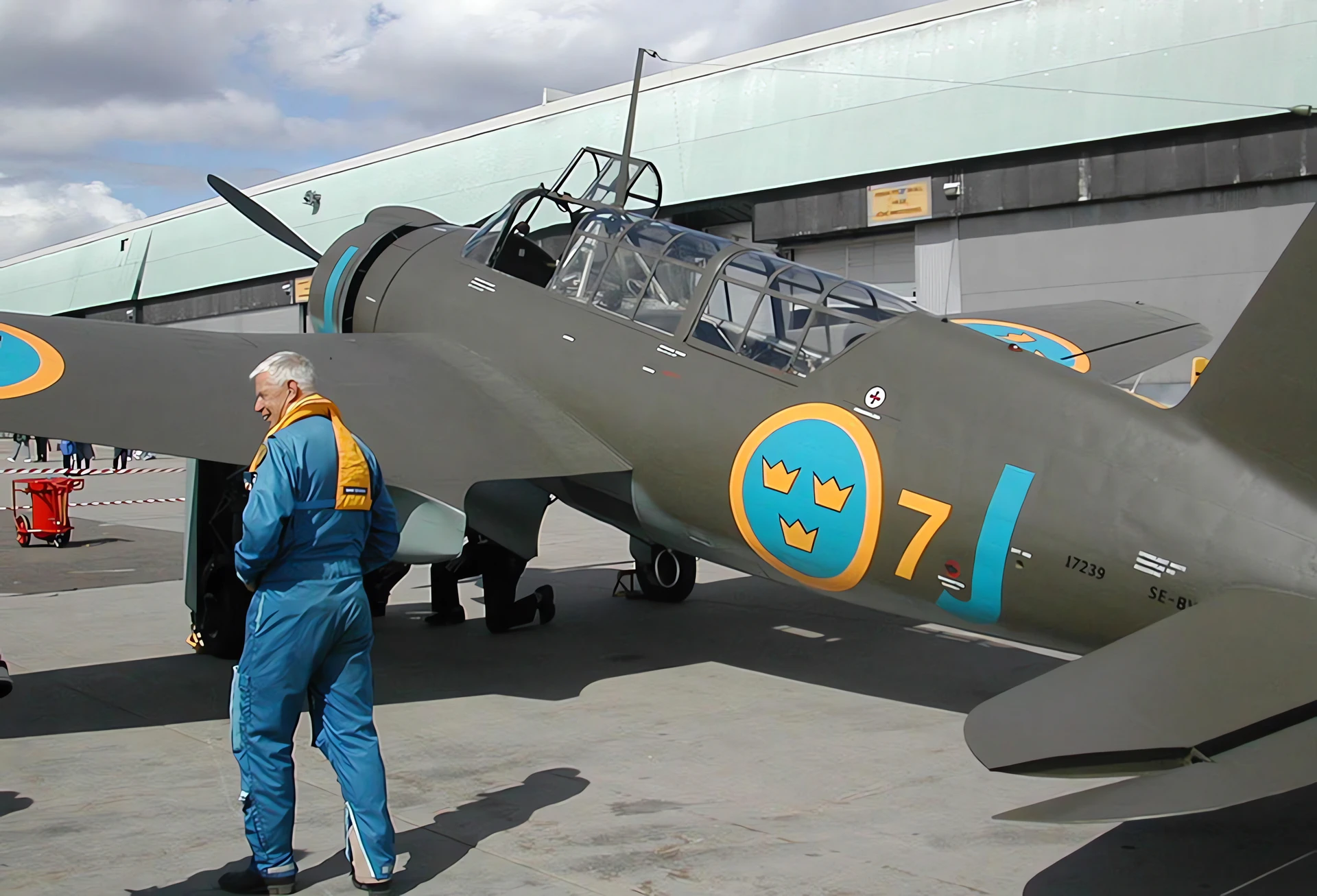
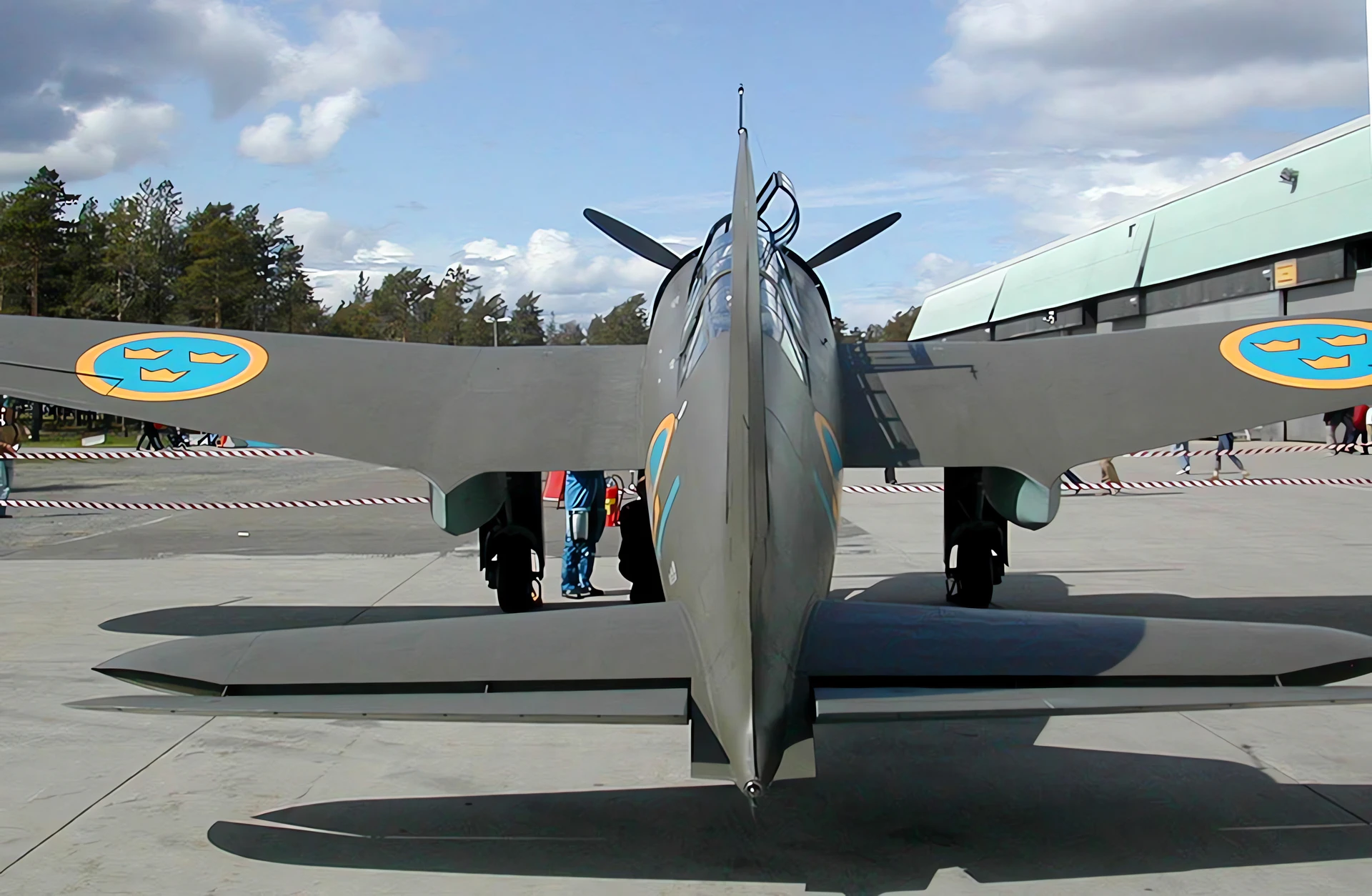

| Saab B 17A Walk Around | |
|---|---|
| Fotograaf | Per Borjeson |
| Lokaliseerimine | Teadmata |
| Fotod | 15 |
Vaata ka:


A Homegrown Defense
2007 SAAB B 17 holds a special place in history as the first all-metal, stressed-skin aircraft designed and built by the newly formed Svenska Aeroplan Aktiebolaget (SAAB). Developed in the late 1930s to meet Sweden’s urgent need for a modern dive bomber and reconnaissance aircraft, it was a highly versatile platform. Its distinctive “heavy-duty” appearance, characterized by massive landing gear fairings that doubled as dive brakes, became a symbol of Swedish neutrality during the dark years of World War II.
| Attribute | Technical Specification (B 17A) |
|---|---|
| Rolli | Dive Bomber / Reconnaissance |
| Meeskonna | 2 (Pilot and Observer/Rear Gunner) |
| First Flight | May 18, 1940 |
| Jõuallikas | 1 × Pratt & Whitney R-1830-S1C3-G Twin Wasp (Licensed) |
| Horsepower | 1,050–1,200 hp (Depending on variant) |
| Maximum Speed | 435 km/h (270 mph) |
| Armament | 2 × 8 mm ksp m/22 fixed; 1 × 8 mm ksp m/22 in rear cockpit |
| Bomb Load | Up to 700 kg (1,540 lbs) |
Unique Design: Gear as Brakes
- The “Landing Gear Brake”: The B 17’s most innovative feature was its landing gear. Instead of traditional dive brakes, the massive, aerodynamically faired landing gear was retracted rearwards. In a dive, the gear could be extended to act as highly effective air brakes, keeping the aircraft stable during steep bombing runs.
- Modular Undercarriage: Reflecting Sweden’s geography, the B 17 was designed to be fitted with wheels, large skis for winter operations, or twin floats for maritime reconnaissance.
- Receding Cockpit Canopy: The rear gunner/observer’s canopy was designed to slide forward or fold away entirely to allow for an unhindered field of fire for the defensive machine gun.
- Bomb Crutch: To ensure the bomb cleared the propeller during a vertical dive, the B 17 utilized a “trapeze” or crutch system that swung the bomb down and away from the fuselage before release.
Operational History: From Neutrality to Export
- Bas 60 Prelude: The B 17 was designed to operate from rough, improvised fields, a philosophy that would eventually evolve into the famous Swedish road-base system used by the Viggen and Gripen.
- Danish Brigade: Near the end of WWII, a unit of Danish exiles was trained on the B 17 in Sweden. They intended to use the aircraft to support the liberation of Denmark, though the war ended before they saw combat.
- The Ethiopian Connection: After the war, surplus B 17s were sold to the Imperial Ethiopian Air Force. They remained in service there until the late 1960s, proving the airframe’s extreme durability in hot, high-altitude environments.
- Restoration: Today, a flying example of the B 17 (the B 17A) is maintained by the Swedish Air Force Historic Flight, often appearing at airshows as a living testament to the birth of SAAB.
Vaadatud : 2887
Näete ka :
 SAAB 340 AEW - fotod ja videod
 Saab 37 Viggen - fotod ja videod
 Saab 210 – fotod ja videod
 Saab 21R – fotod ja video
 Saab JAS 39 Gripen – fotod ja video
 Saab J-29F Tunnan - fotod ja video
 General Motors FM-2 Wildcat – WalkAround
 Junkers Ju-52 tädi Ju – jalutada
 Messerschmitt Me-109E – kõnni ringi
 Supermarine Spitfire Mk.XVI – Jalutada