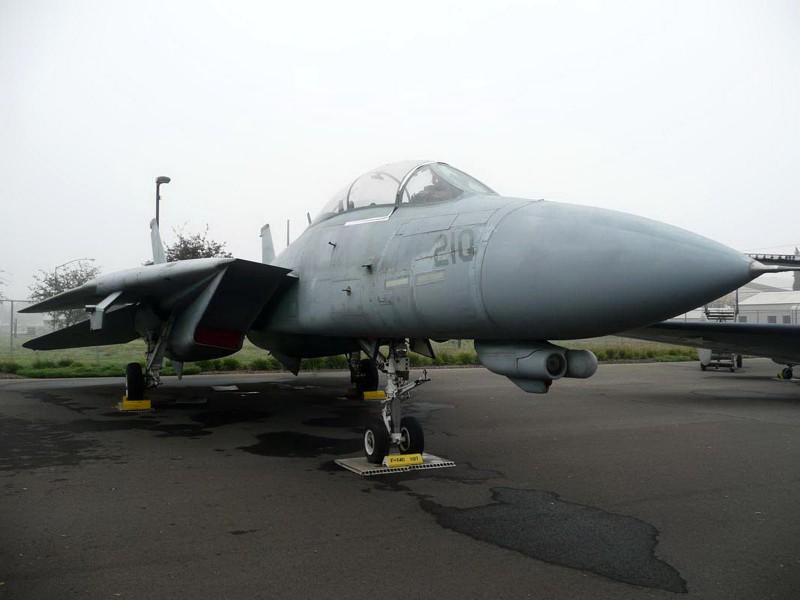
Grumman F-14 Tomcat | |
|---|---|
| País | E.e.u.u |
| Tipo | Aviones de combate de ala de barrido variable |
| Primer vuelo | 21 de diciembre de 1970 |
| Construido | 712 |
el Grumman F-14 Tomcat es un avión de combate supersónico, bimotor, de dos asientos y ala de barrido variable. El Tomcat fue desarrollado para el programa Experimental de Caza Naval (VFX) de la Armada de los Estados Unidos después del colapso del proyecto F-111B. El F-14 fue el primero de los cazas estadounidenses de la serie adolescente que fueron diseñados incorporando la experiencia de combate aéreo contra los combatientes de MiG durante la guerra de Vietnam.
Fuente: F-14 Tomcat en Wikipedia
| Grumman F-14 Tomcat | |
|---|---|
| Fotógrafo | Unknow |
| Localización | Unknow |
| Fotos | 193 |
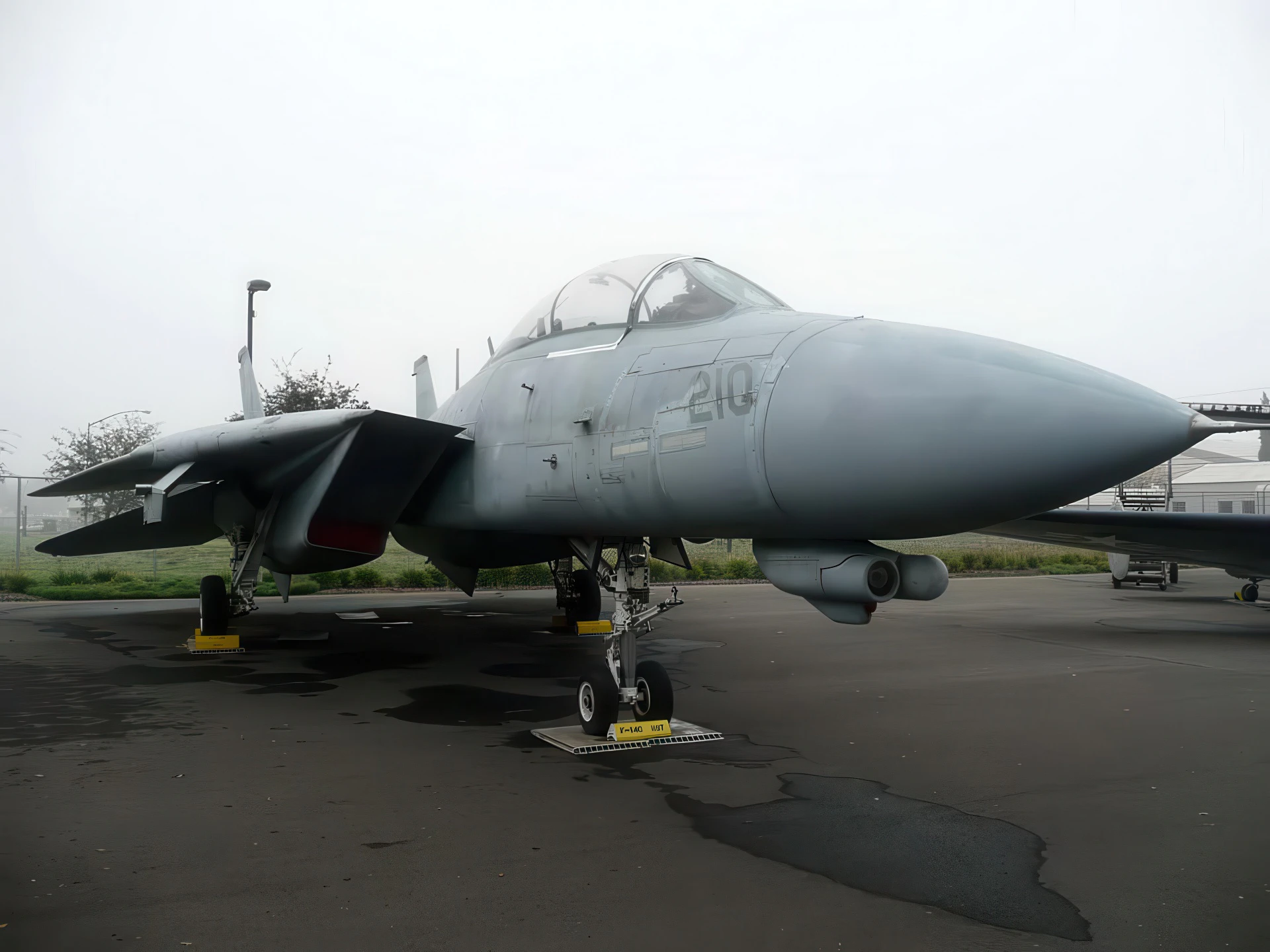
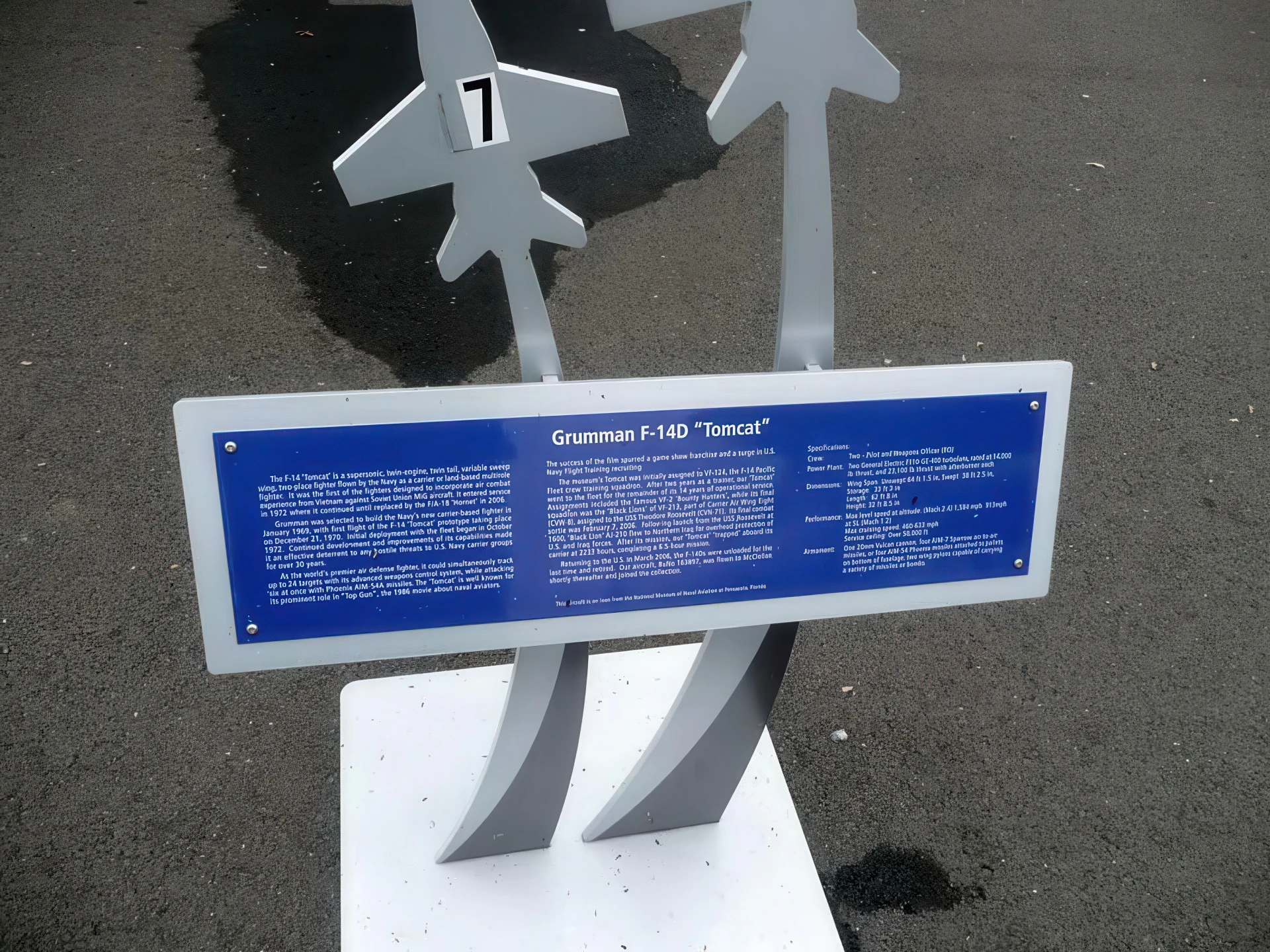
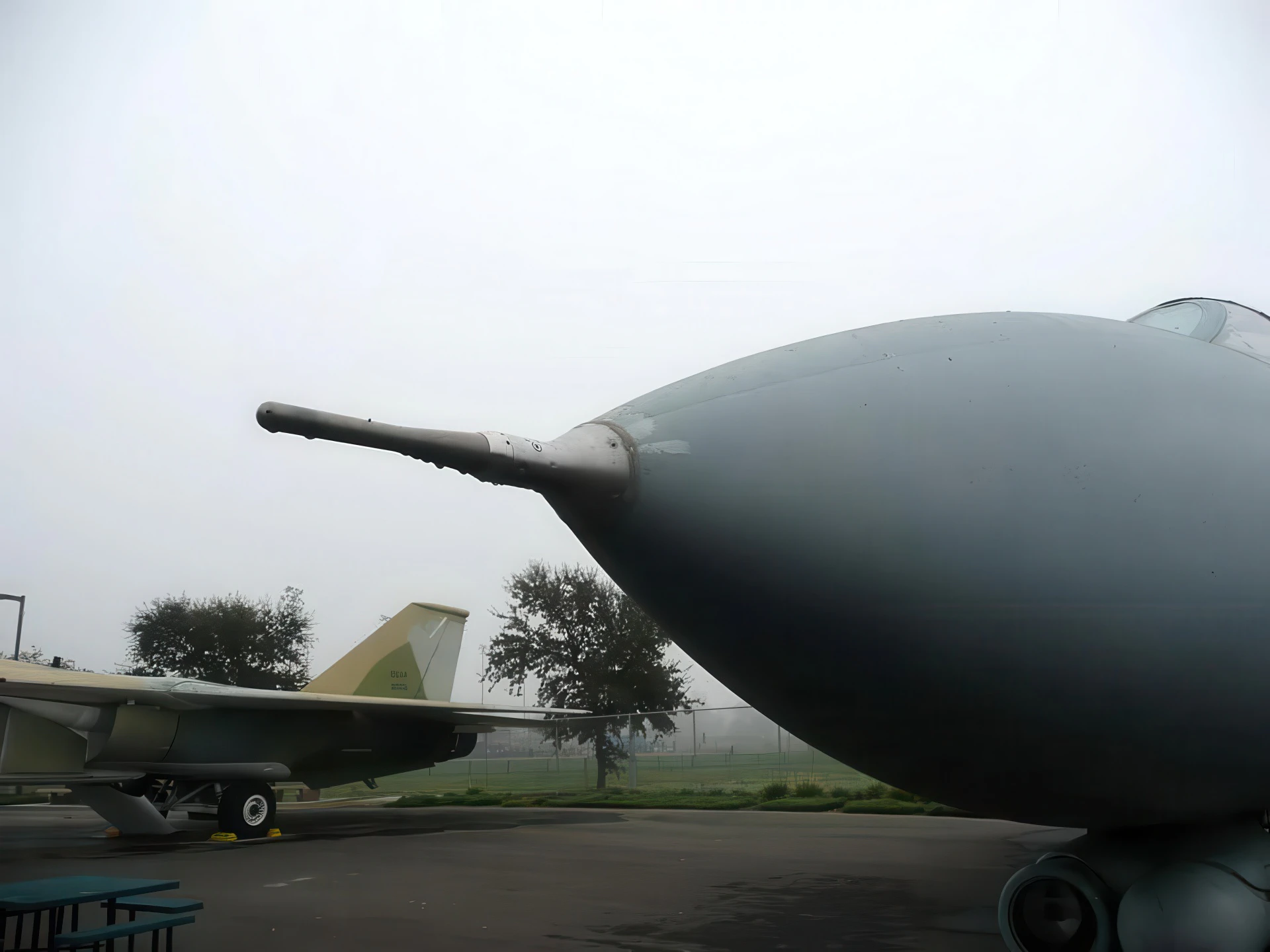
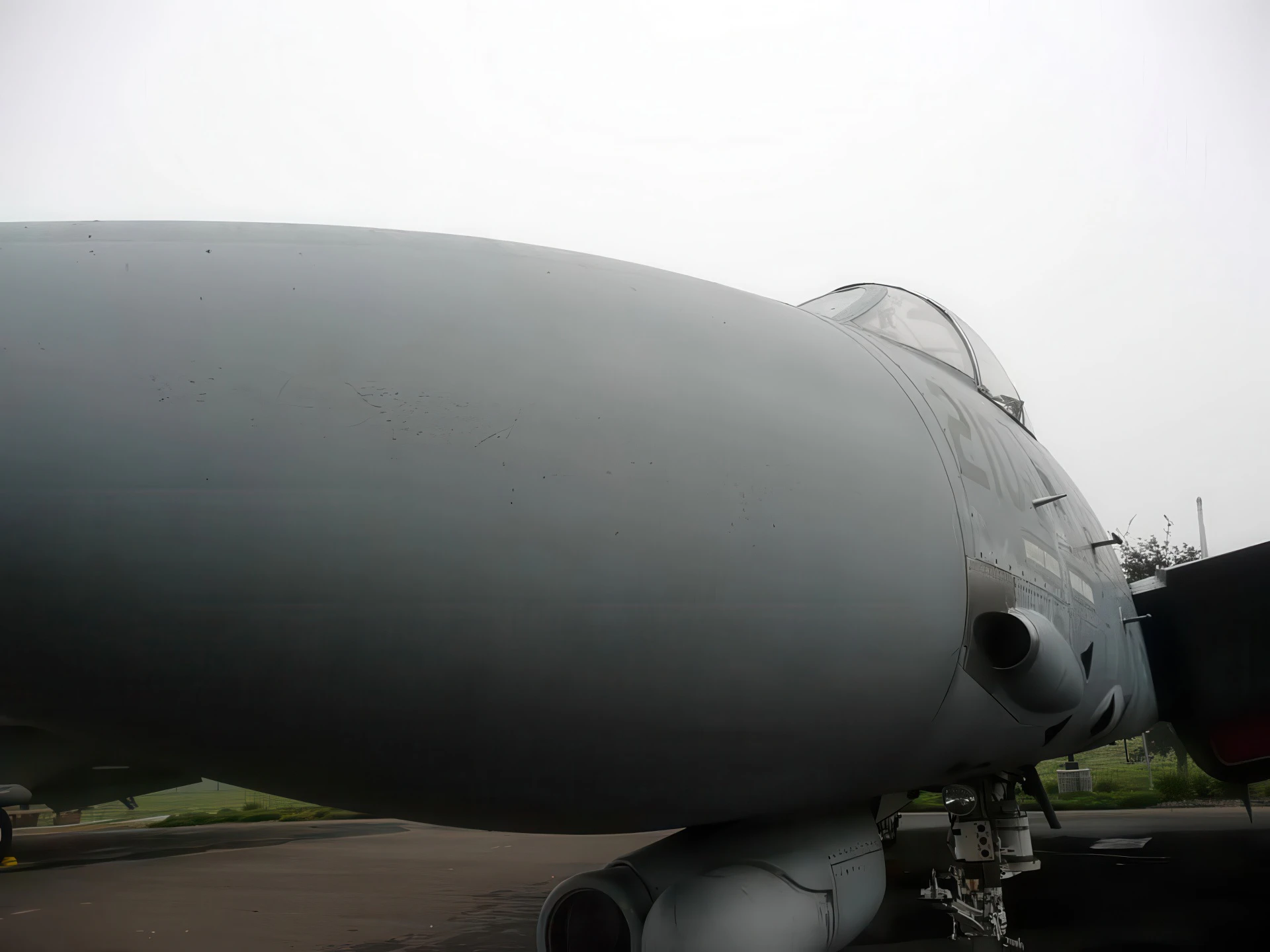
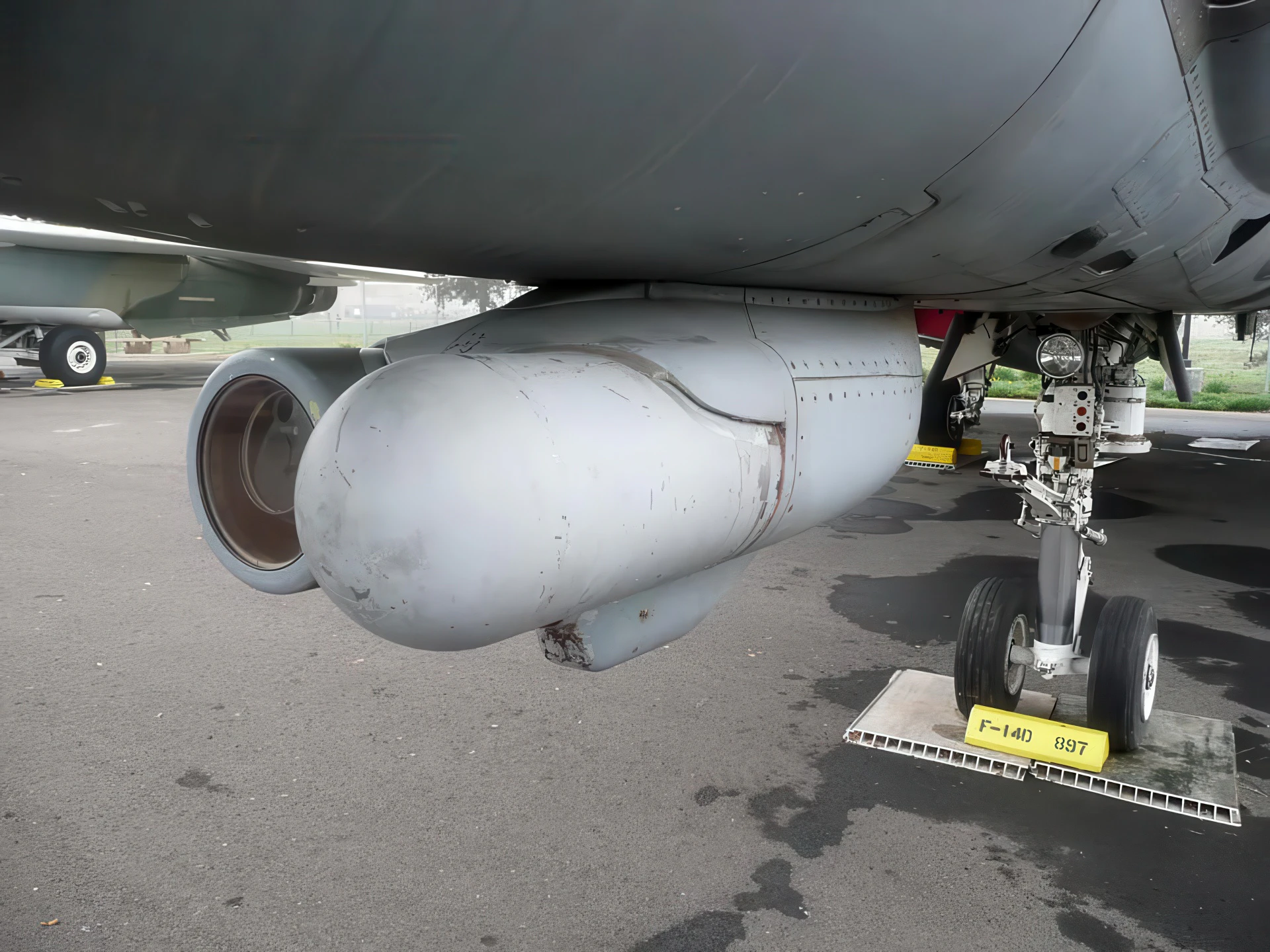
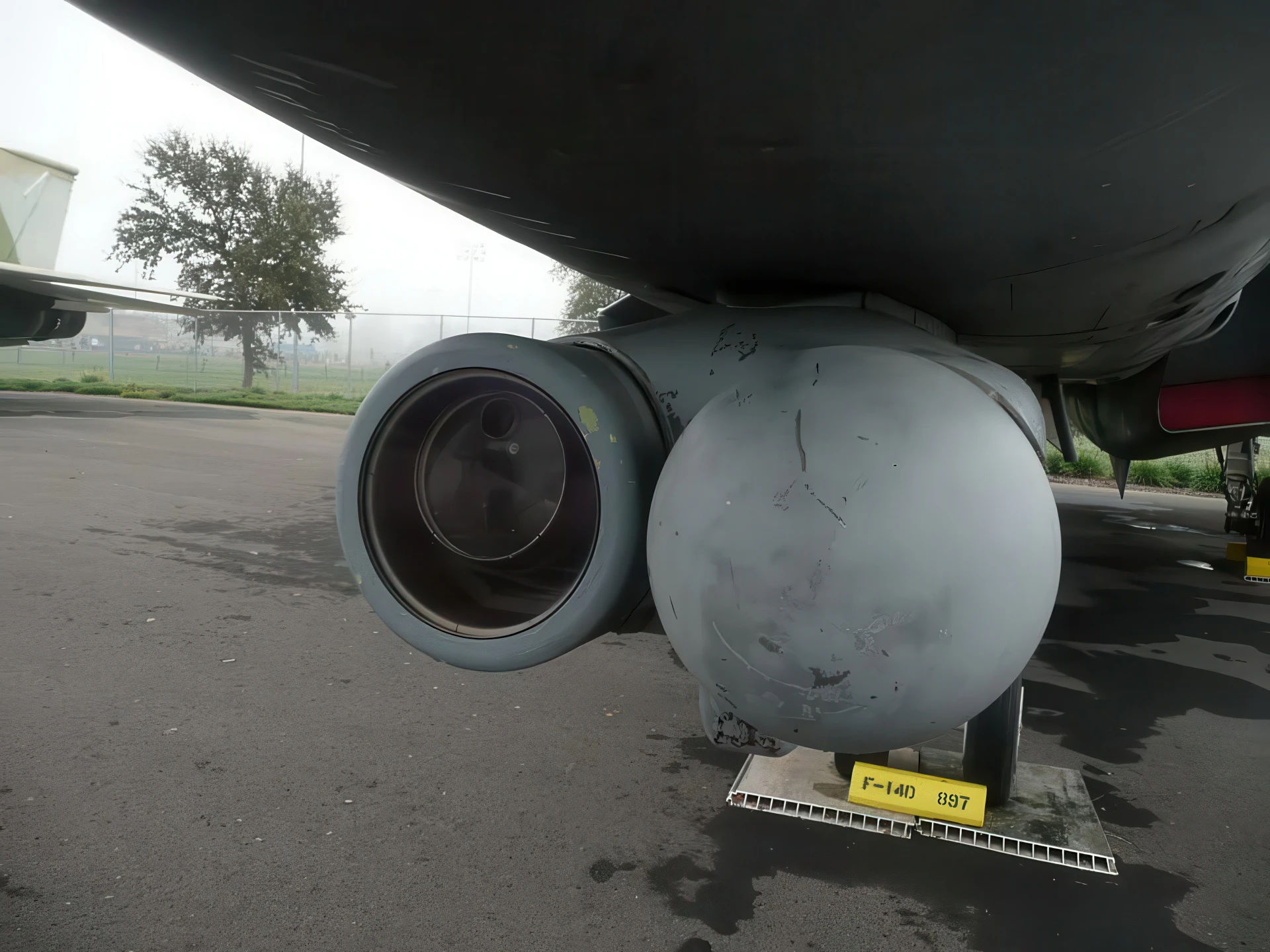
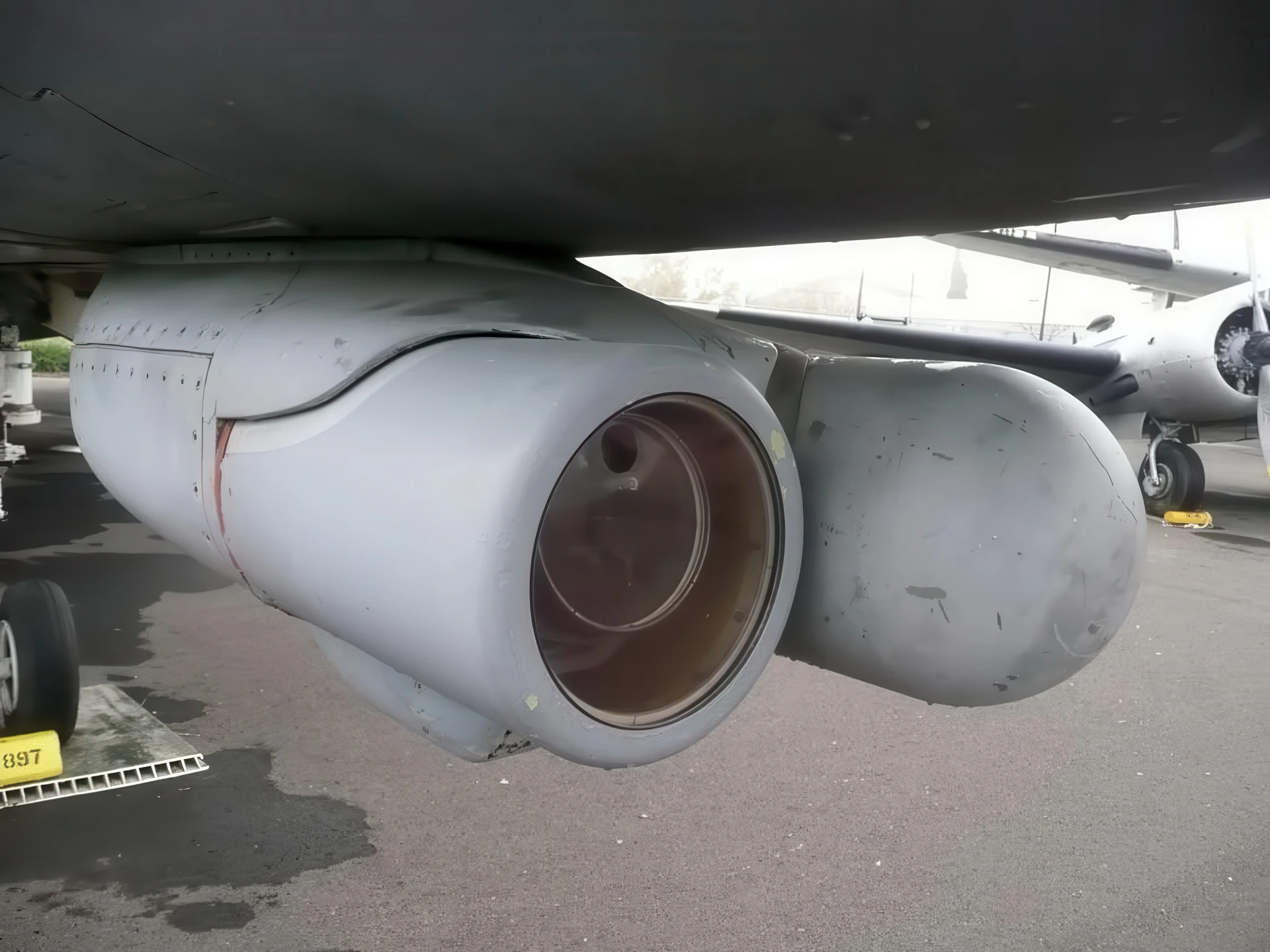
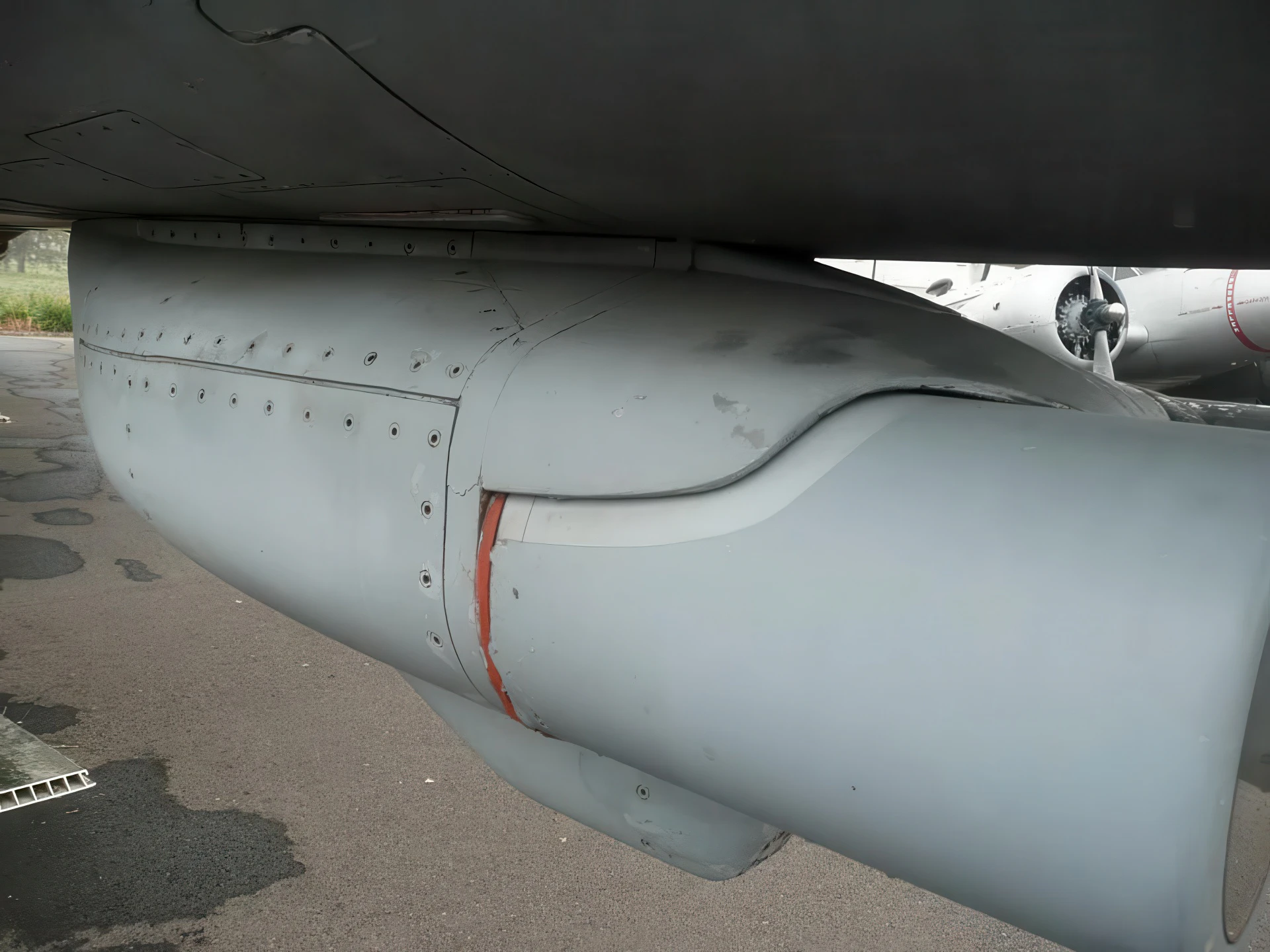
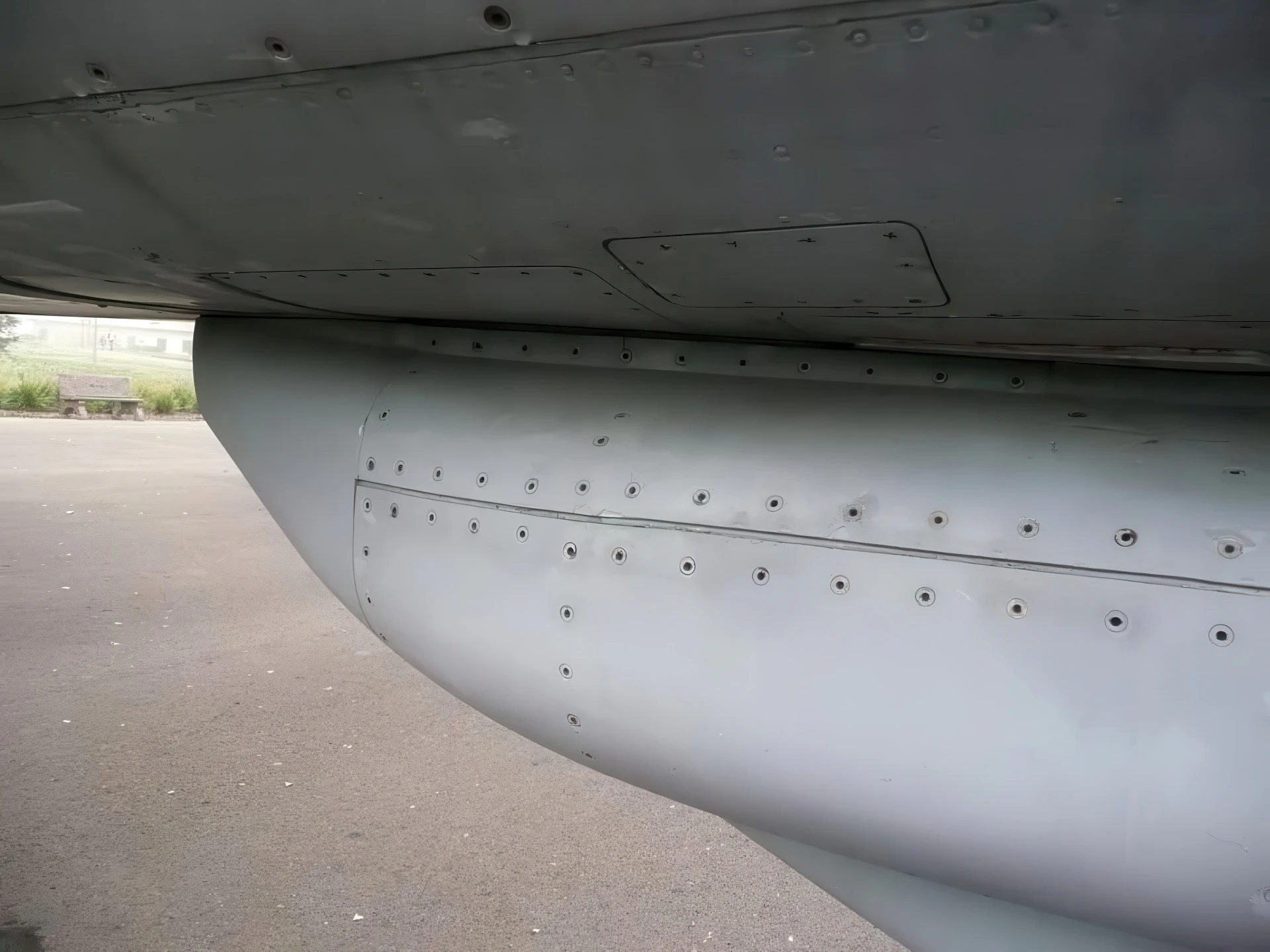

| Grumman YF-14A Tomcat Walk Around | |
|---|---|
| Fotógrafo | Vladimir Yakubov |
| Localización | Museo del Aire de Campo de Marzo |
| Fotos | 122 |
| Grumman F-14D Super Tomcat | |
|---|---|
| Fotógrafo | Cees Hendriks |
| Localización | Unknow |
| Fotos | 121 |
| Grumman F-14A Tomcat Walk Around | |
|---|---|
| Fotógrafo | Vladimir Yakubov |
| Localización | Museo del Vuelo del Oeste, Torrance |
| Fotos | 107 |
| Grumman F-14B Tomcat Walk Around | |
|---|---|
| Fotógrafo | Bill Maloney |
| Localización | Museo del Aire MAPS |
| Fotos | 19 |
Ver también:


El Grumman F-14 Tomcat is an iconic American carrier-capable, supersonic, twin-engine, two-seat, twin-tail, **variable-sweep wing** fighter aircraft. It was the U.S. Navy’s primary maritime air superiority fighter and fleet defense interceptor for over three decades, renowned for its formidable long-range defense capabilities and starring role in the movie Top Gun.
Key Design Features
- Variable-Sweep Wings (Swing Wings): This is the F-14’s most distinctive feature. The wings could sweep automatically from a wide spread of 64 feet for low-speed flight (like takeoff and landing on an aircraft carrier) to a fully swept position of about 38 feet for high-speed supersonic flight (up to Mach 2.34).
- Tripulación: It is a two-seat aircraft with a **Pilot** and a **Radar Intercept Officer (RIO)** seated in tandem. The RIO in the back seat was crucial for operating the aircraft’s powerful radar and weapons system.
- Engines: It is powered by twin turbofan engines, initially the Pratt & Whitney TF30 (in the F-14A) and later upgraded to the more powerful and reliable General Electric F110-GE-400 (in the F-14B/D).
- Radar and Weapons System: The F-14 was built around the powerful AN/AWG-9 radar (and later the AN/APG-71 in the F-14D) and its signature weapon, the **AIM-54 Phoenix** air-to-air missile. The AWG-9 system could simultaneously track up to 24 targets and guide Phoenix missiles to engage six of them at ranges up to 100 nautical miles.
Primary Roles and Armament
The F-14 was designed for fleet air defense y air superiority.
Air-to-Air Armament:
- AIM-54 Phoenix: Long-range, radar-guided missile.
- AIM-7 Sparrow: Medium-range, semi-active radar-guided missile.
- AIM-9 Sidewinder: Short-range, infrared-guided missile for close combat (dogfighting).
- M61 Vulcan 20mm Cannon: Internal rotary cannon for close-in engagements.
Secondary Roles:
- Reconnaissance: Many Tomcats were equipped with the Tactical Air Reconnaissance Pod System (TARPS), making it the Navy’s primary aerial reconnaissance platform for years.
- Ground Attack: In its later life, the F-14 was upgraded with the Low Altitude Navigation and Targeting Infrared for Night (**LANTIRN**) pod, allowing it to deliver precision-guided munitions like laser-guided bombs. This multi-role capability earned it the nickname “**Bombcat**”.
Service History
- Development: The Tomcat was developed in the late 1960s as part of the Navy’s VFX (Naval Fighter Experimental) program to replace the failed F-111B project and provide a superior interceptor to defend the fleet against Soviet aircraft and missiles.
- First Flight and Deployment: It first flew on December 21, 1970, and was first deployed with the U.S. Navy in 1974 aboard the USS Enterprise.
- Notable Combat: US Navy F-14s had air-to-air victories against Libyan aircraft over the Gulf of Sidra in 1981 and 1989. The aircraft was also used extensively in reconnaissance and strike roles over Bosnia, Iraq, and Afghanistan.
- International Service: The only export customer was Irán, which received F-14s before the 1979 revolution and successfully used them in the Iran-Iraq War. The F-14 is still in service with the Iranian Air Force.
- US Navy Retirement: The F-14 Tomcat was retired from U.S. Navy service on **September 22, 2006**, replaced by the Boeing F/A-18E/F Super Hornet.
Vistas : 18722
También puede ver:
 Grumman F9F Panther – Fotos y Videos
 Grumman AF Guardian – Fotos y videos
 Grumman G-21 Goose – Fotos y Videos
 Grumman C-1 Trader – Fotos y Video
 Grumman A-6A Intruder - Fotos y Video
 C-2A Greyhound – Fotos y Video
 Grumman HU-16 Albatross – Fotos y Video
 Northrop Grumman E-2 Hawkeye – WalkAround
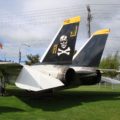 Grumman F-14 Tomcat vol2 – WalkAround
 Grumman OV-1 Mohawk – Camina
Nuevo conjunto de 121 fotos de un Grumman F-14D Super Tomcat