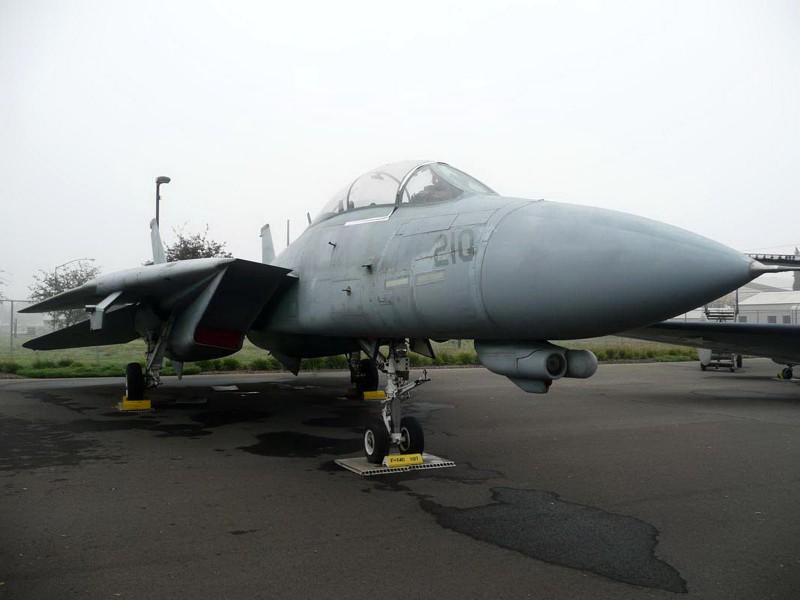
Grumman F-14 Tomcat | |
|---|---|
| Šalies | Jav |
| Tipas | Kintamo šlavimo sparnų naikintuvai |
| Pirmasis skrydis | 1970 m. gruodžio 21 d. |
| Pastatytas | 712 |
2007 Grumman F-14 Tomcat yra viršgarsinis, dviejų variklių, dviejų vietų, kintamo sparno naikintuvas. "Tomcat" buvo sukurtas Jungtinių Valstijų karinio jūrų laivyno karinio jūrų laivyno naikintuvų eksperimentinei (VFX) programai po F-111B projekto žlugimo. F-14 buvo pirmasis iš amerikiečių paauglių serijos naikintuvų, kurie buvo sukurti atsižvelgiant į oro kovos su MiG naikintuvais patirtį Vietnamo karo metu.
Šaltinis: F-14 Tomcat Vikipedijoje
| Grumman F-14 Tomcat | |
|---|---|
| Fotografas | Nežinoti |
| Lokalizavimo | Nežinoti |
| Nuotraukos | 193 |
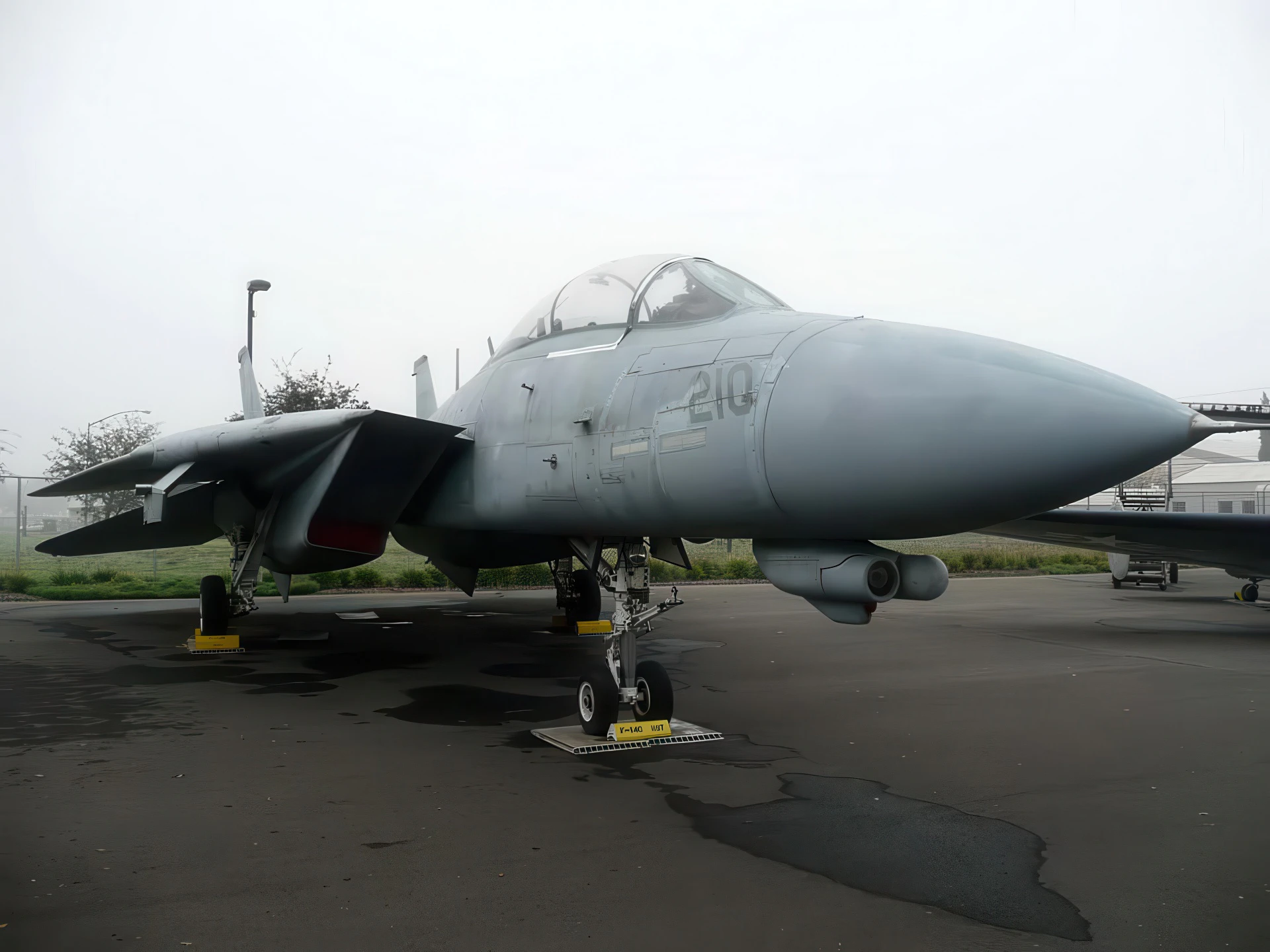
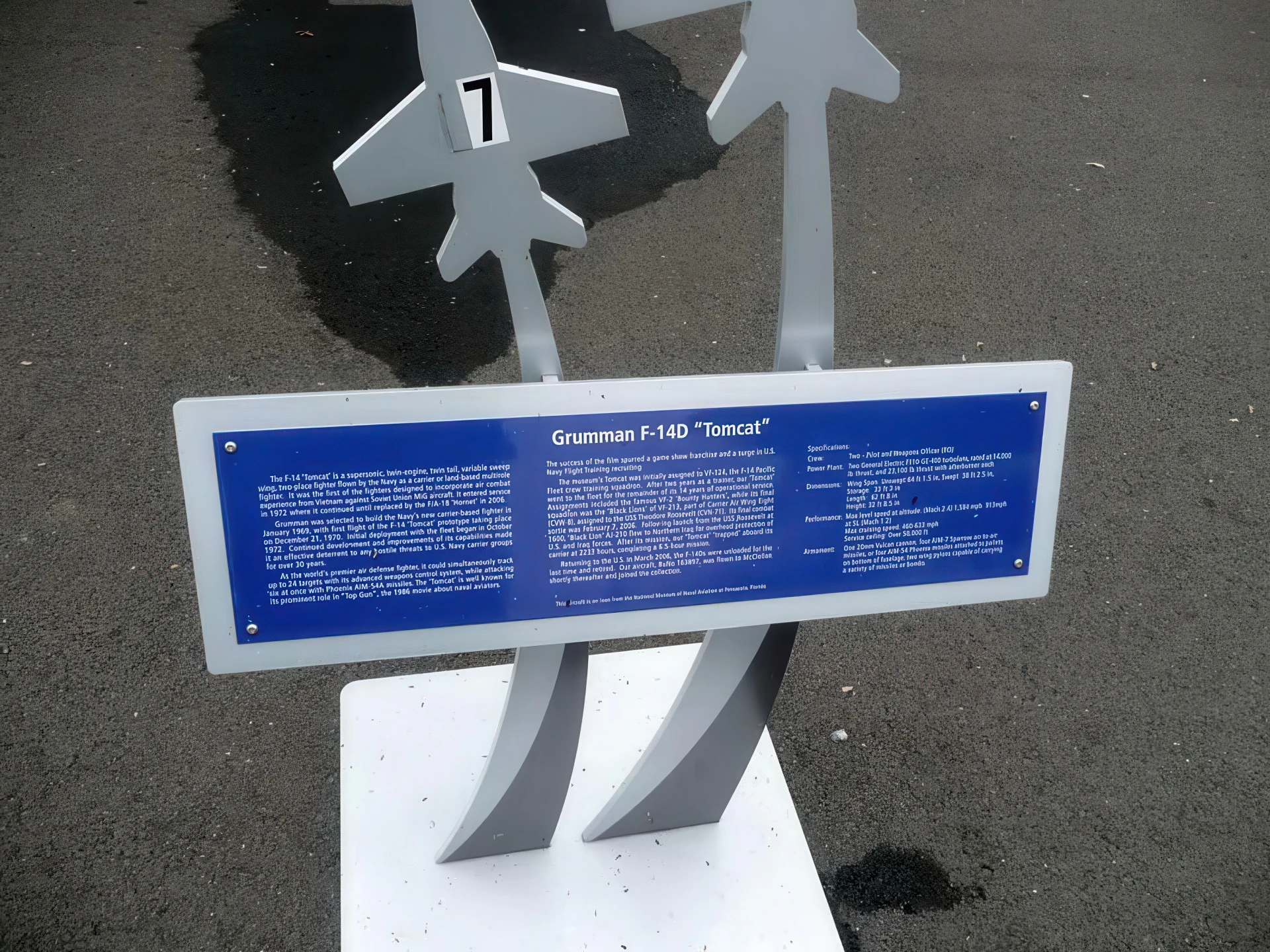
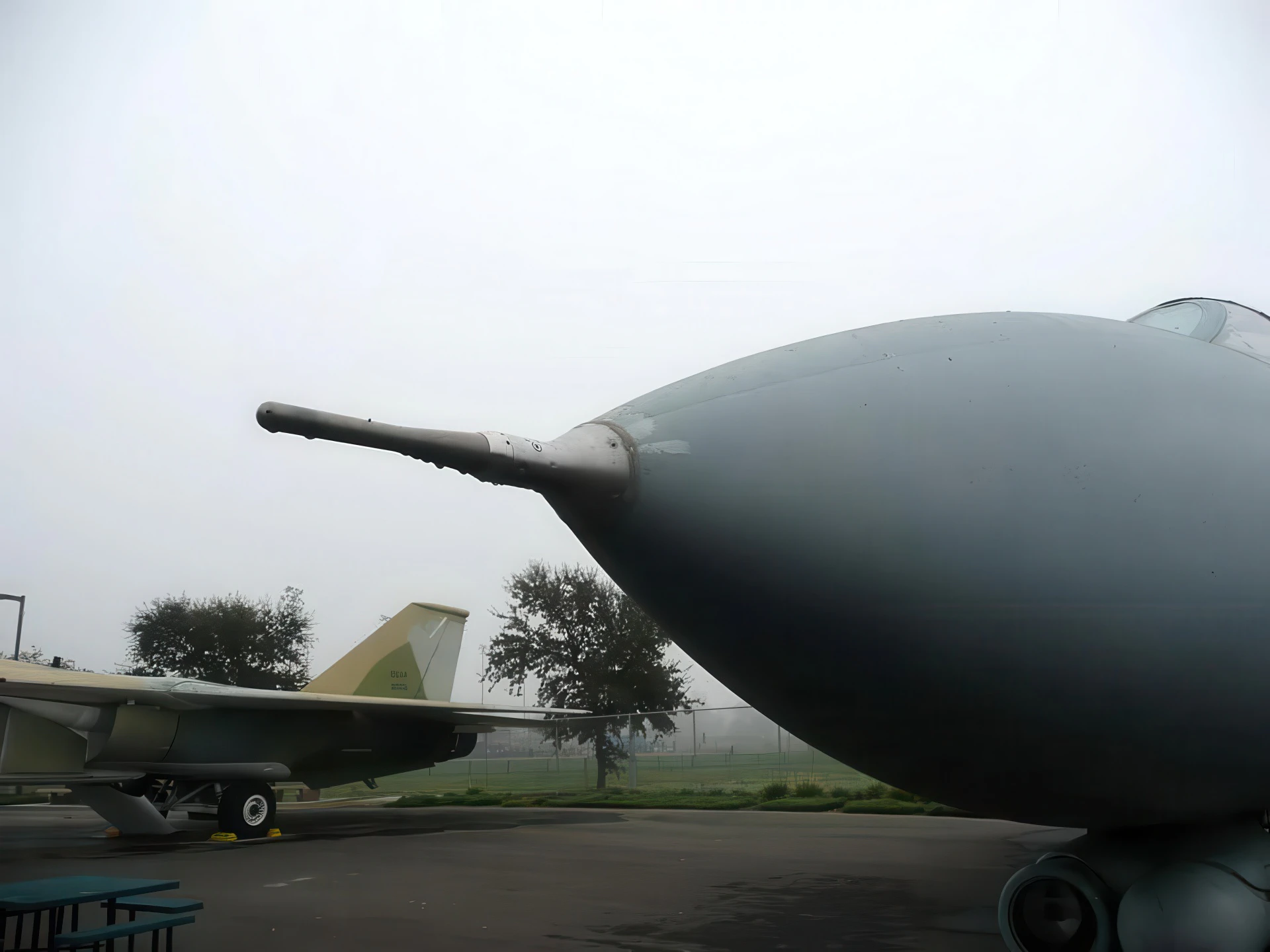
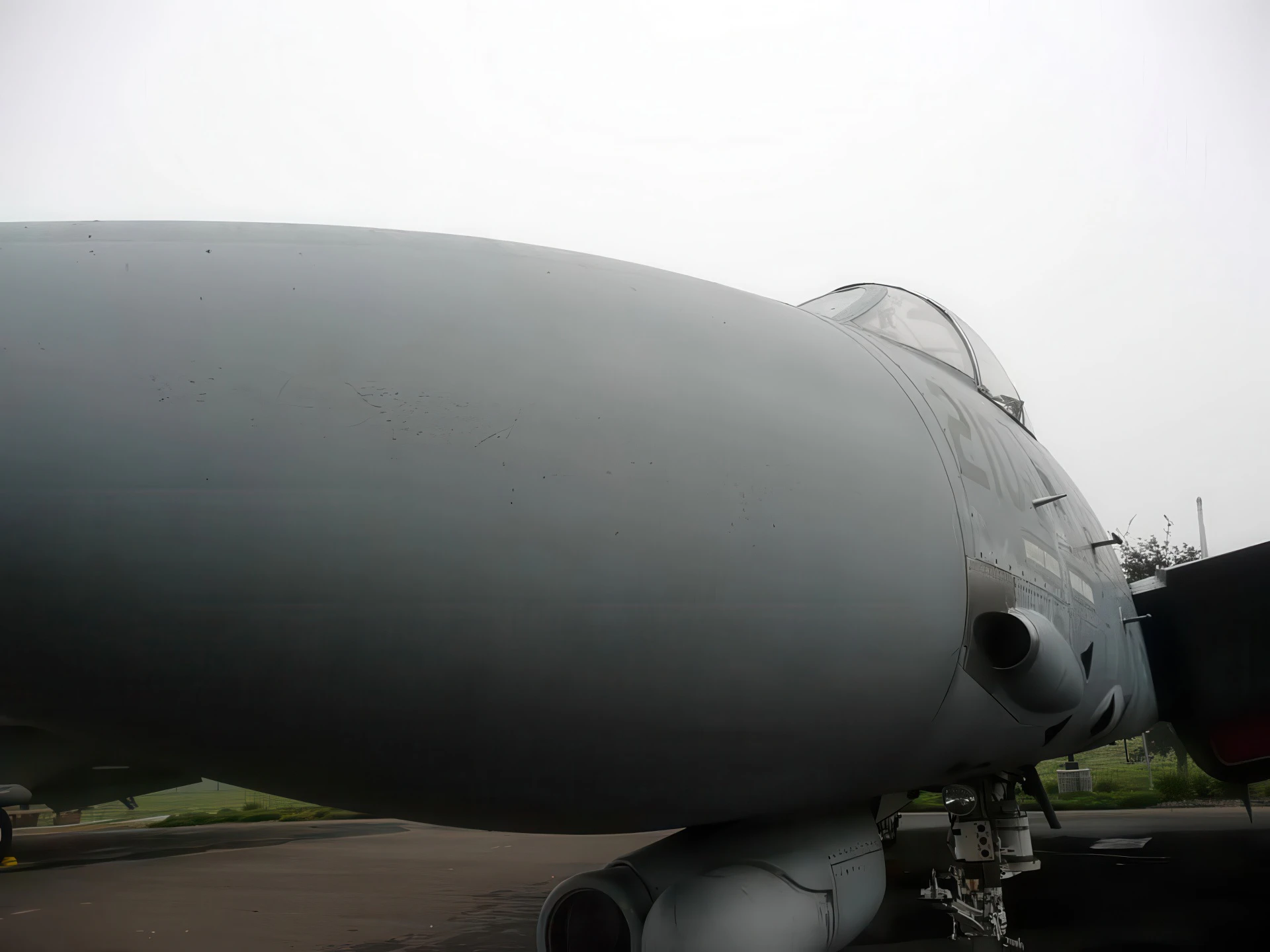
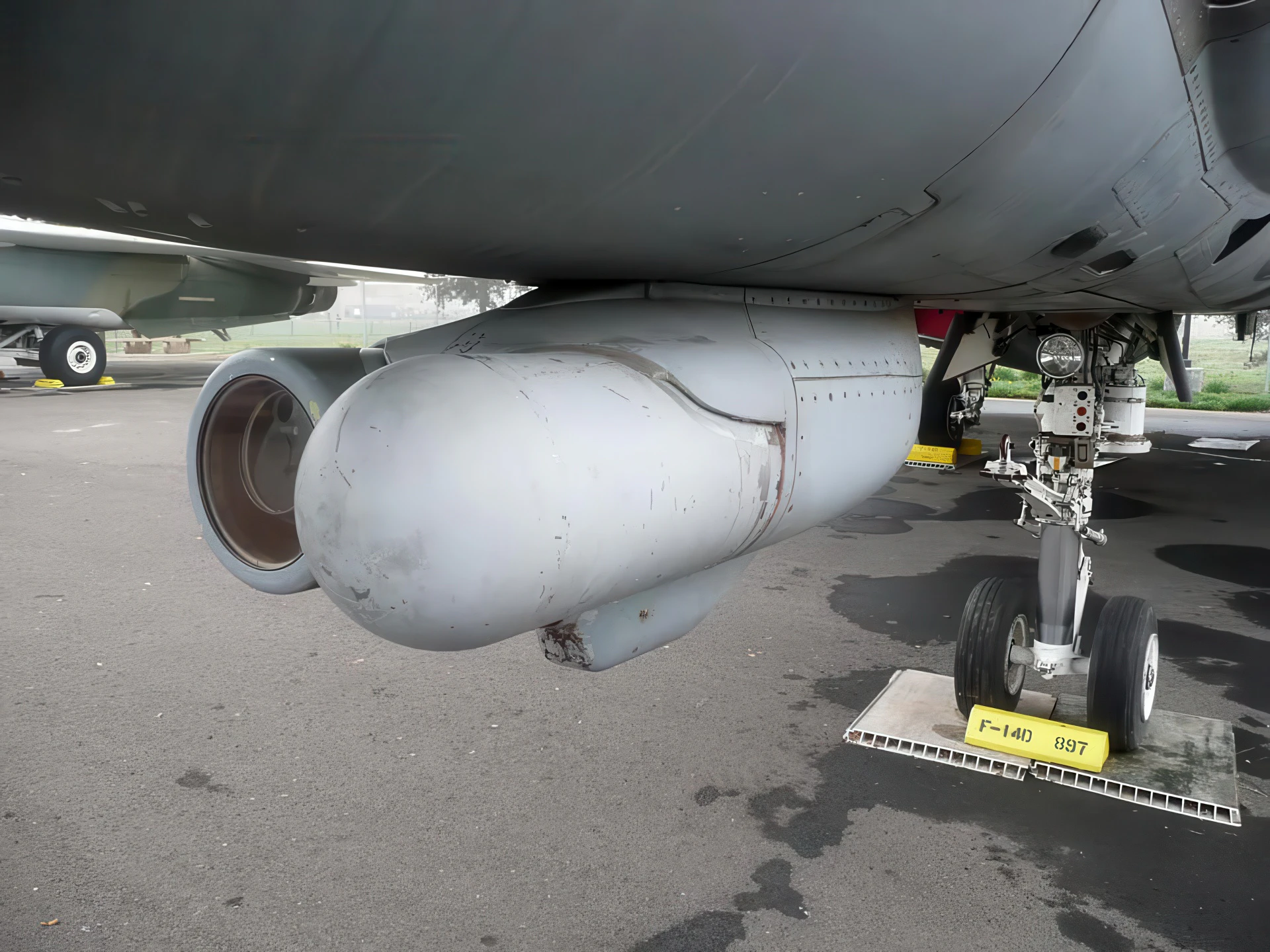
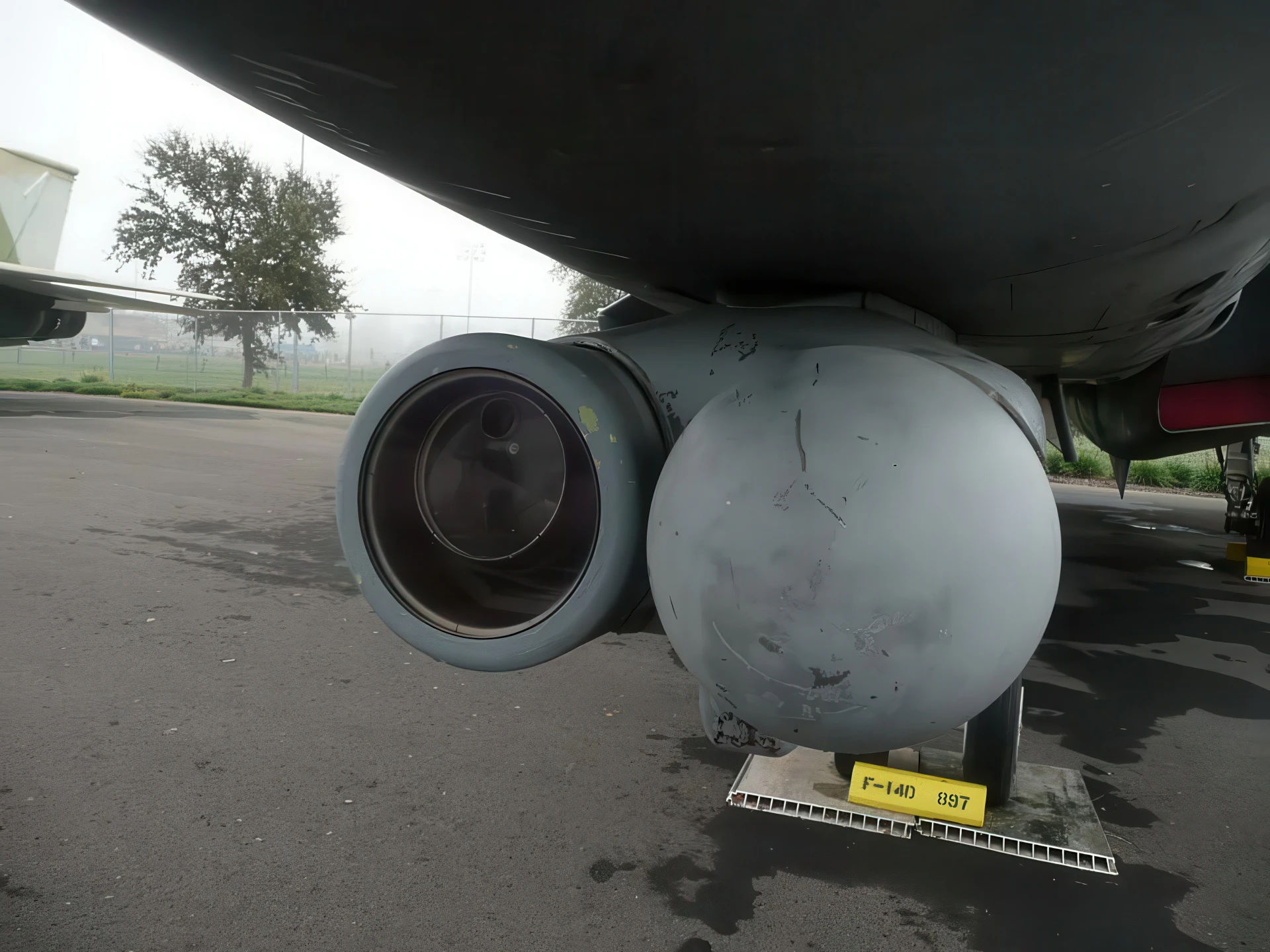
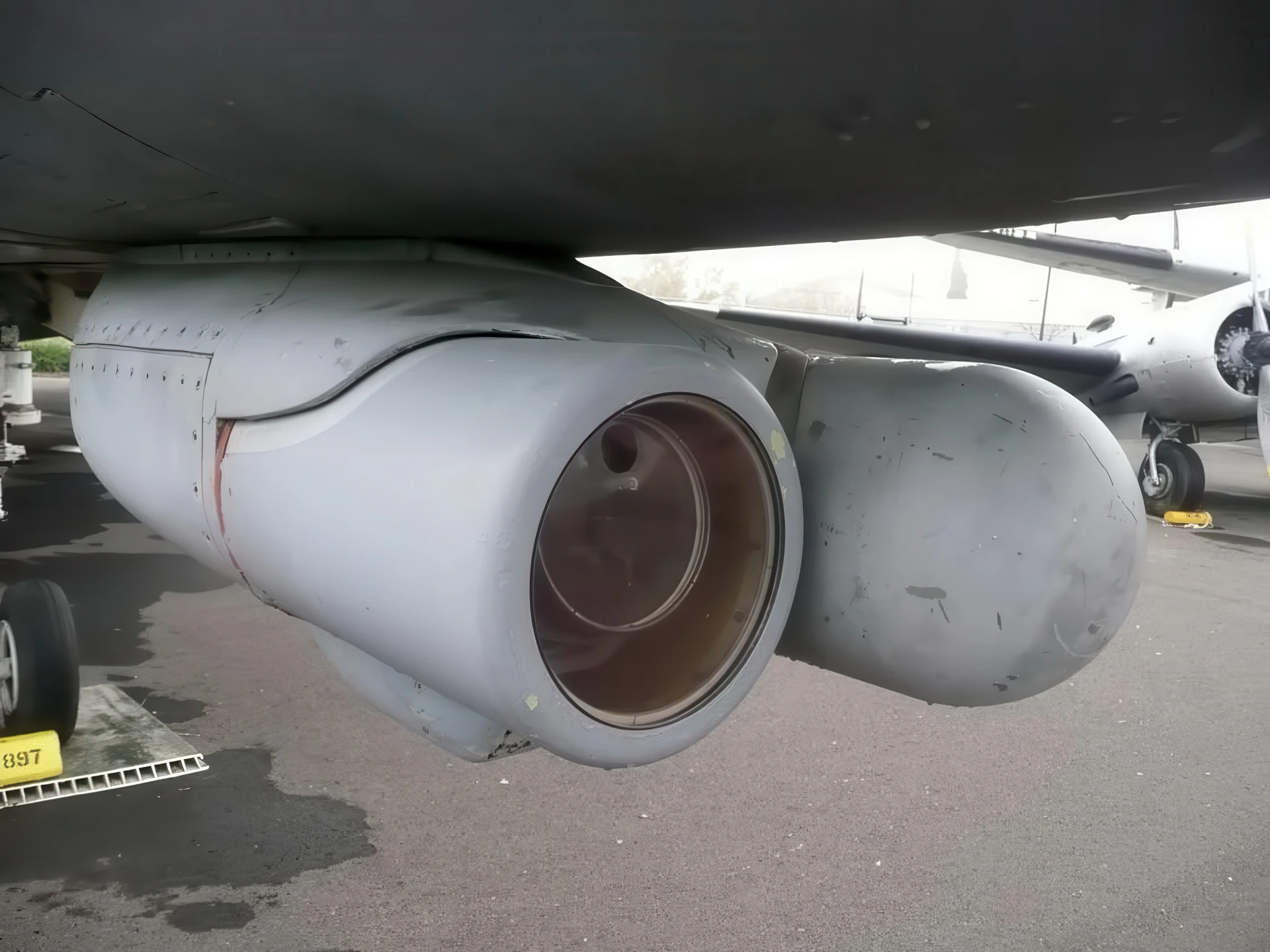
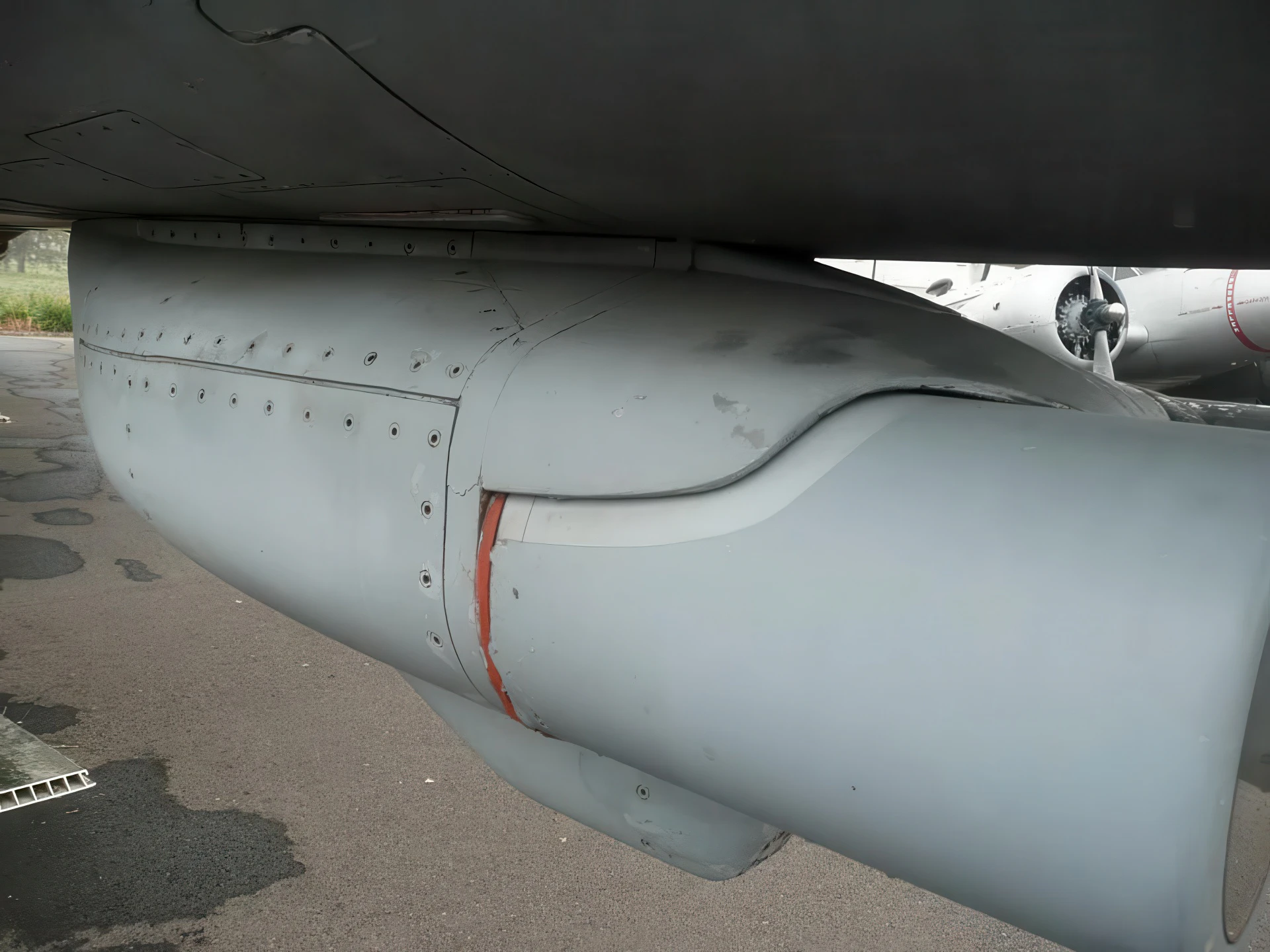
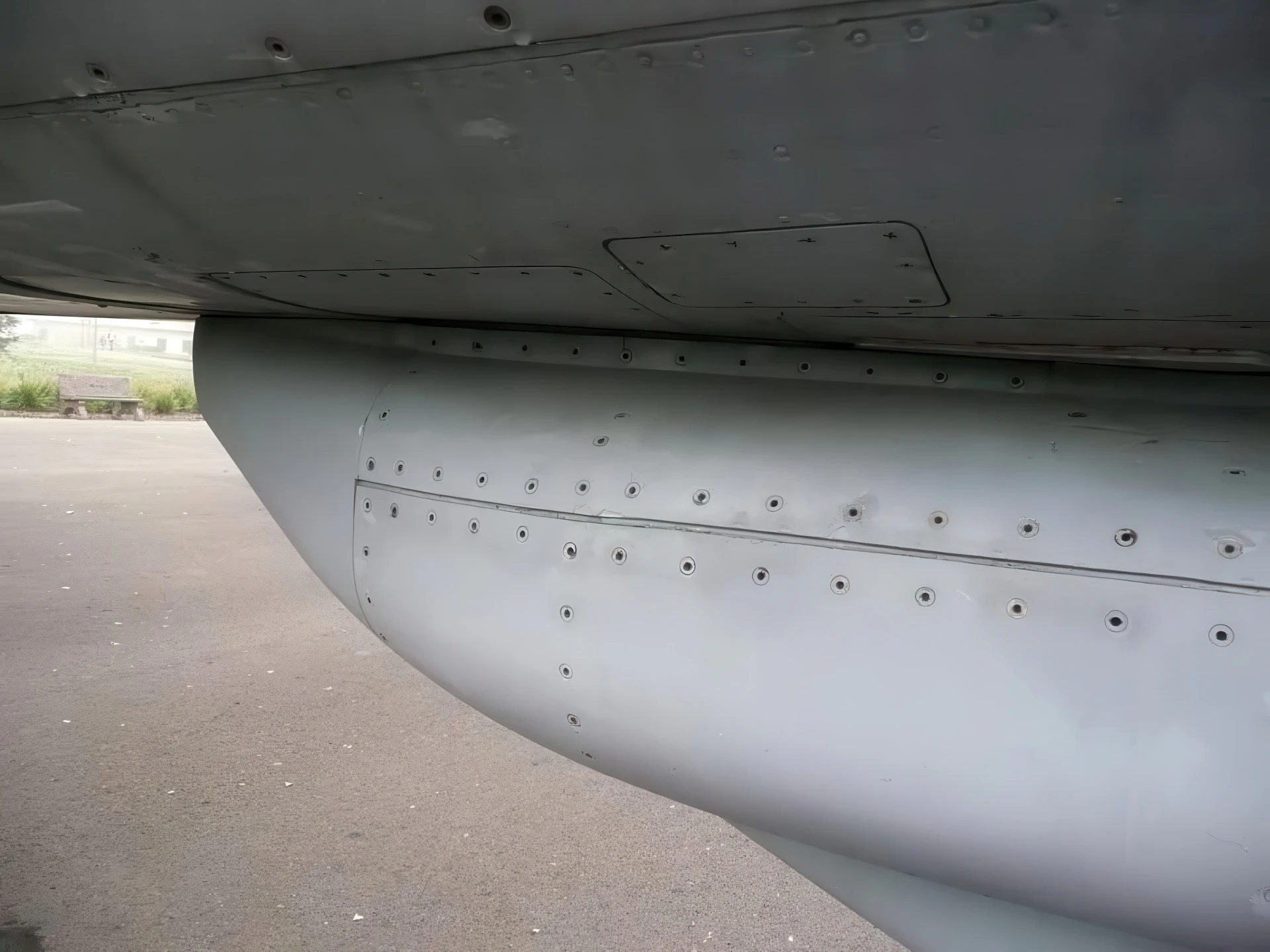

| Grumman YF-14A Tomcat Walk Around | |
|---|---|
| Fotografas | Vladimiras Yakubovas |
| Lokalizavimo | Kovo lauko oro muziejus |
| Nuotraukos | 122 |
| Grumman F-14D Super Tomcat | |
|---|---|
| Fotografas | Cees Hendriksas |
| Lokalizavimo | Nežinoti |
| Nuotraukos | 121 |
| Grumman F-14A Tomcat Walk Around | |
|---|---|
| Fotografas | Vladimiras Yakubovas |
| Lokalizavimo | Vakarų skrydžio muziejus, Torrance |
| Nuotraukos | 107 |
| Grumman F-14B Tomcat Walk Around | |
|---|---|
| Fotografas | Bill Maloney |
| Lokalizavimo | MAPS oro muziejus |
| Nuotraukos | 19 |
Taip pat žiūrėkite:


Grummanas F-14 Tomcat is an iconic American carrier-capable, supersonic, twin-engine, two-seat, twin-tail, **variable-sweep wing** fighter aircraft. It was the U.S. Navy’s primary maritime air superiority fighter and fleet defense interceptor for over three decades, renowned for its formidable long-range defense capabilities and starring role in the movie Top Gun.
Key Design Features
- Variable-Sweep Wings (Swing Wings): This is the F-14’s most distinctive feature. The wings could sweep automatically from a wide spread of 64 feet for low-speed flight (like takeoff and landing on an aircraft carrier) to a fully swept position of about 38 feet for high-speed supersonic flight (up to Mach 2.34).
- Įgula: It is a two-seat aircraft with a **Pilot** and a **Radar Intercept Officer (RIO)** seated in tandem. The RIO in the back seat was crucial for operating the aircraft’s powerful radar and weapons system.
- Engines: It is powered by twin turbofan engines, initially the Pratt & Whitney TF30 (in the F-14A) and later upgraded to the more powerful and reliable General Electric F110-GE-400 (in the F-14B/D).
- Radar and Weapons System: The F-14 was built around the powerful AN/AWG-9 radar (and later the AN/APG-71 in the F-14D) and its signature weapon, the **AIM-54 Phoenix** air-to-air missile. The AWG-9 system could simultaneously track up to 24 targets and guide Phoenix missiles to engage six of them at ranges up to 100 nautical miles.
Primary Roles and Armament
The F-14 was designed for laivyno oro gynyba Ir air superiority.
Air-to-Air Armament:
- AIM-54 Phoenix: Long-range, radar-guided missile.
- AIM-7 Sparrow: Medium-range, semi-active radar-guided missile.
- AIM-9 Sidewinder: Short-range, infrared-guided missile for close combat (dogfighting).
- M61 Vulcan 20mm Cannon: Internal rotary cannon for close-in engagements.
Secondary Roles:
- Reconnaissance: Many Tomcats were equipped with the Tactical Air Reconnaissance Pod System (TARPS), making it the Navy’s primary aerial reconnaissance platform for years.
- Ground Attack: In its later life, the F-14 was upgraded with the Low Altitude Navigation and Targeting Infrared for Night (**LANTIRN**) pod, allowing it to deliver precision-guided munitions like laser-guided bombs. This multi-role capability earned it the nickname “**Bombcat**”.
Service History
- Development: The Tomcat was developed in the late 1960s as part of the Navy’s VFX (Naval Fighter Experimental) program to replace the failed F-111B project and provide a superior interceptor to defend the fleet against Soviet aircraft and missiles.
- First Flight and Deployment: It first flew on December 21, 1970, and was first deployed with the U.S. Navy in 1974 aboard the USS Enterprise.
- Notable Combat: US Navy F-14s had air-to-air victories against Libyan aircraft over the Gulf of Sidra in 1981 and 1989. The aircraft was also used extensively in reconnaissance and strike roles over Bosnia, Iraq, and Afghanistan.
- International Service: The only export customer was Iranas, which received F-14s before the 1979 revolution and successfully used them in the Iran-Iraq War. The F-14 is still in service with the Iranian Air Force.
- US Navy Retirement: The F-14 Tomcat was retired from U.S. Navy service on **September 22, 2006**, replaced by the Boeing F/A-18E/F Super Hornet.
Views : 18724
Taip pat galite pamatyti:
 Grumman F9F Panther – nuotraukos &; Vaizdo įrašai
 Grumman AF Guardian – nuotraukos ir vaizdo įrašai
 "Grumman G-21 Goose" – nuotraukos ir vaizdo įrašai
 Grumman C-1 Trader – Nuotraukos &; Vaizdo įrašas
 "Grumman A-6A Intruder" - nuotraukos ir vaizdo įrašas
 "C-2A Greyhound" – nuotraukos ir vaizdo įrašai
 "Grumman HU-16 Albatross" – nuotraukos ir vaizdo įrašas
 Northrop Grumman E-2 Hawkeye – WalkAround
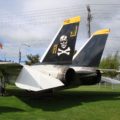 Grumman F-14 Tomcat vol2 – WalkAround
 Grumman OV-1 Mohawk – Pasivaikščiojimas
Naujas "Grumman F-14D Super Tomcat" 121 nuotraukų rinkinys