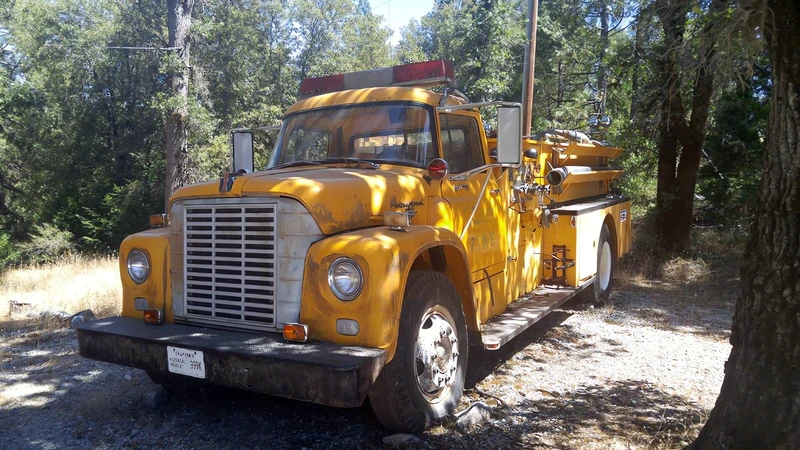
International Harvester Loadstar Firetruck | |
|---|---|
| Land | Usa |
| Klasse | 4×2 Muldenkipper |
| Produktion | 1962-1976 |
| Gebaut | 940000+ |
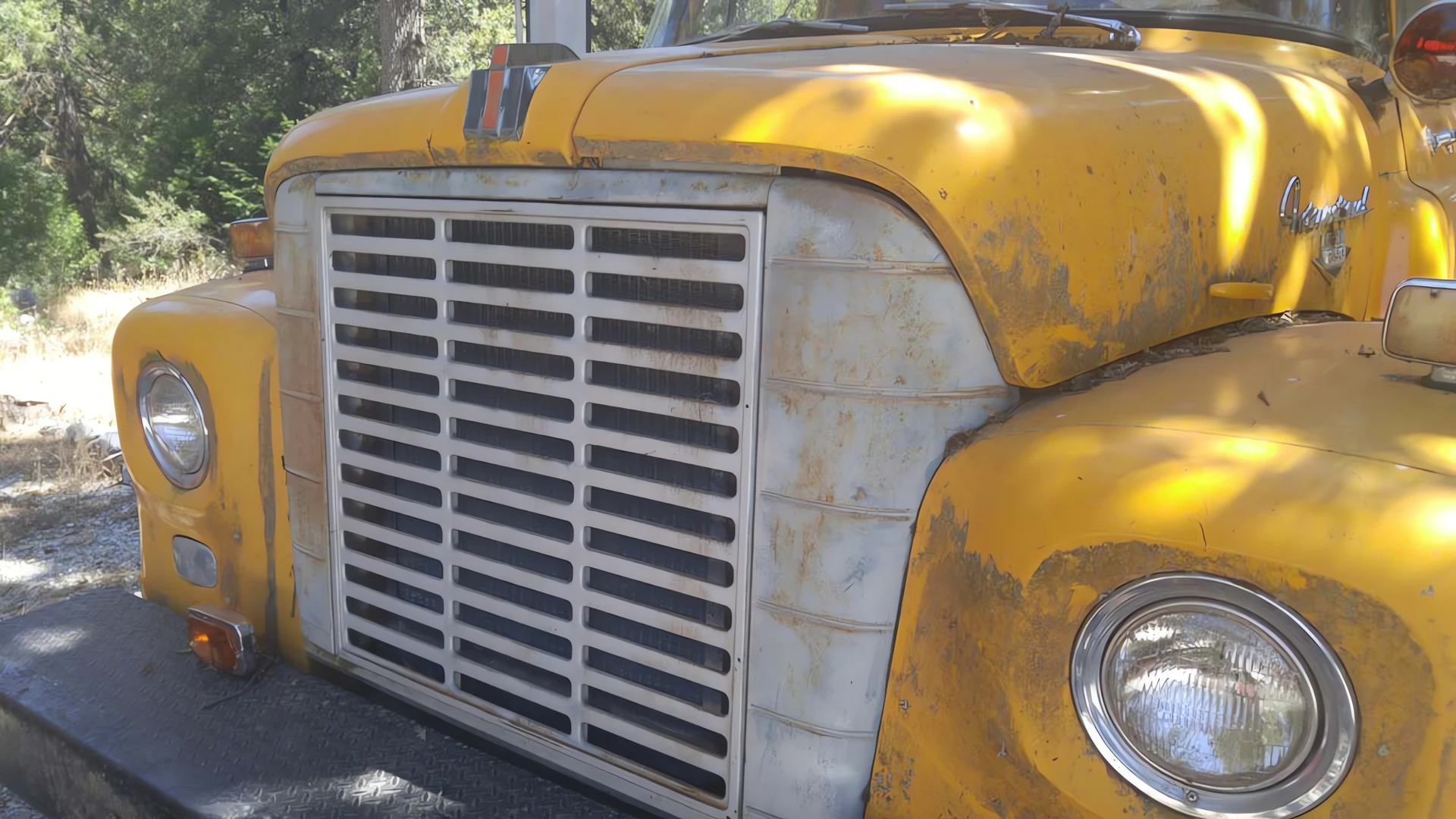
das Loadstar war ein 1962 eingeführter Medium-Duty-Kurzhauben-Konventioneller. Bei seiner Einführung hatte es einen grauen Grill und eine "Schmetterlingshaube", aber 1971 wurde eine einteilige Kipphaube zum Standard. Das Fahrerhaus, das auch im Fleetstar verwendet wurde, war 1957 in der A-Serie eingeführt worden. Cab-over-Motor-Modelle waren ebenfalls erhältlich, bis sie 1971 durch den Cargostar ersetzt wurden. Der Loadstar wurde für die lokale Lieferung, den Bau, die Landwirtschaft und als Sattelzugmaschine eingesetzt. Mit Allradantrieb wurde es auch für Feuerwehrfahrzeuge, Schneepflüge und Versorgungsarbeiten verwendet. Schoolmaster-Chassis wurden für Anbieter-Schulbus-Aufbauten verwendet. Die Loadstar Conventionals wurden 1977 durch die S-Serie ersetzt.
Quelle: International Harvester Loadstar Firetruck auf Wikipedia
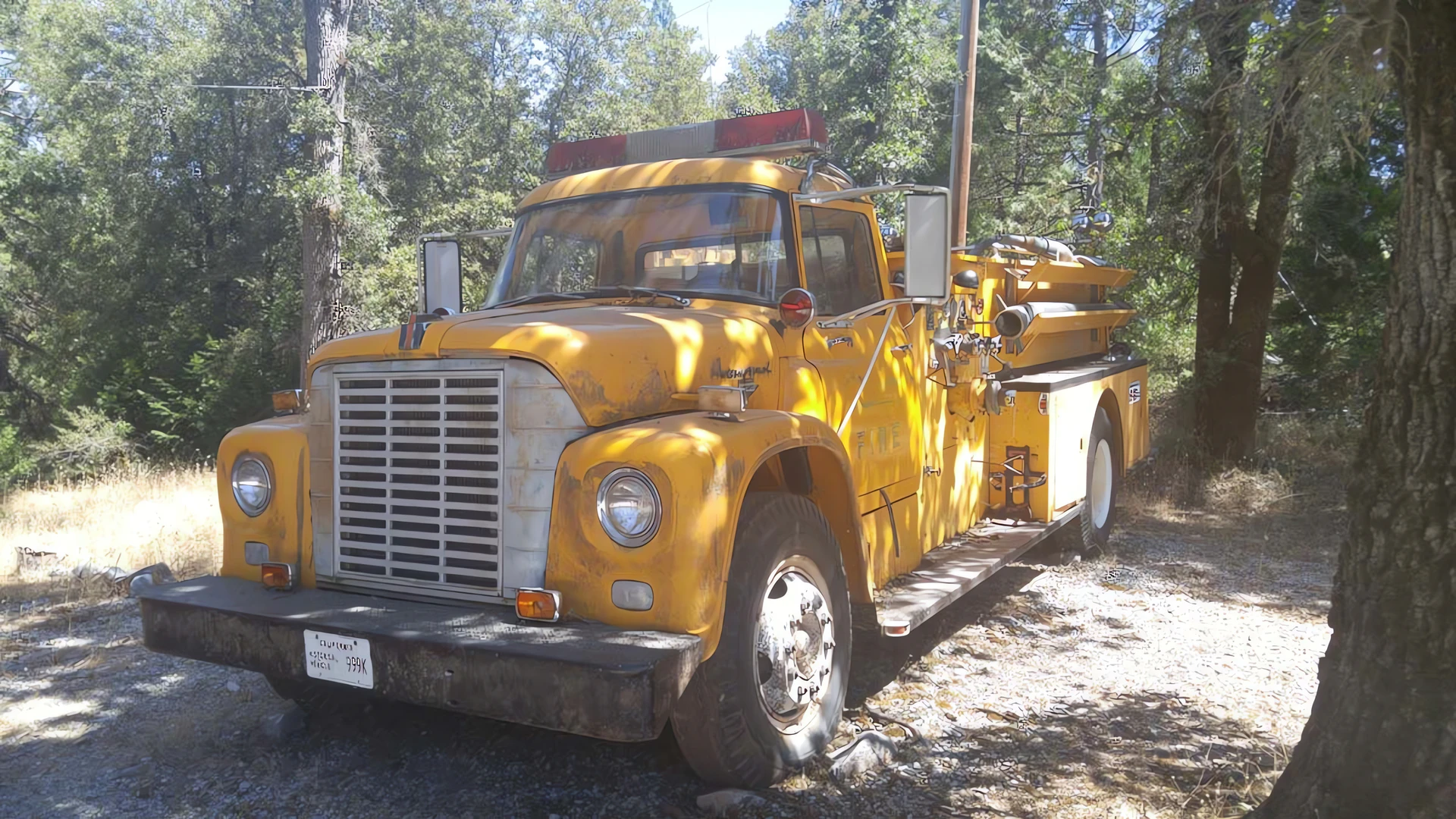
| International Harvester Loadstar 1890 Firetruck Walk Around | |
|---|---|
| Photographer | Vladimir Yakubov |
| Localisation | Black Chasm Cavern, Volcano |
| Photos | 61 |
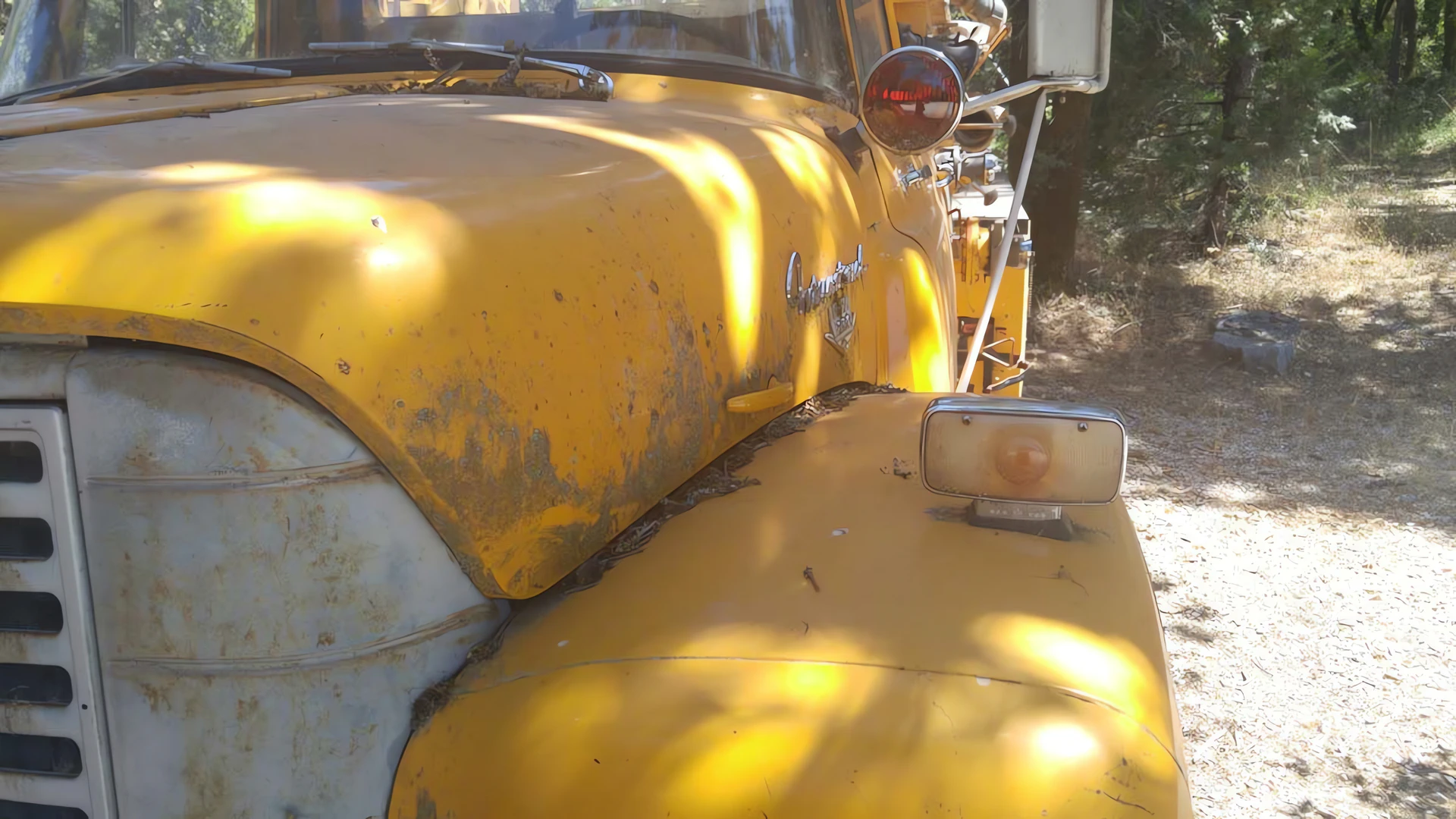
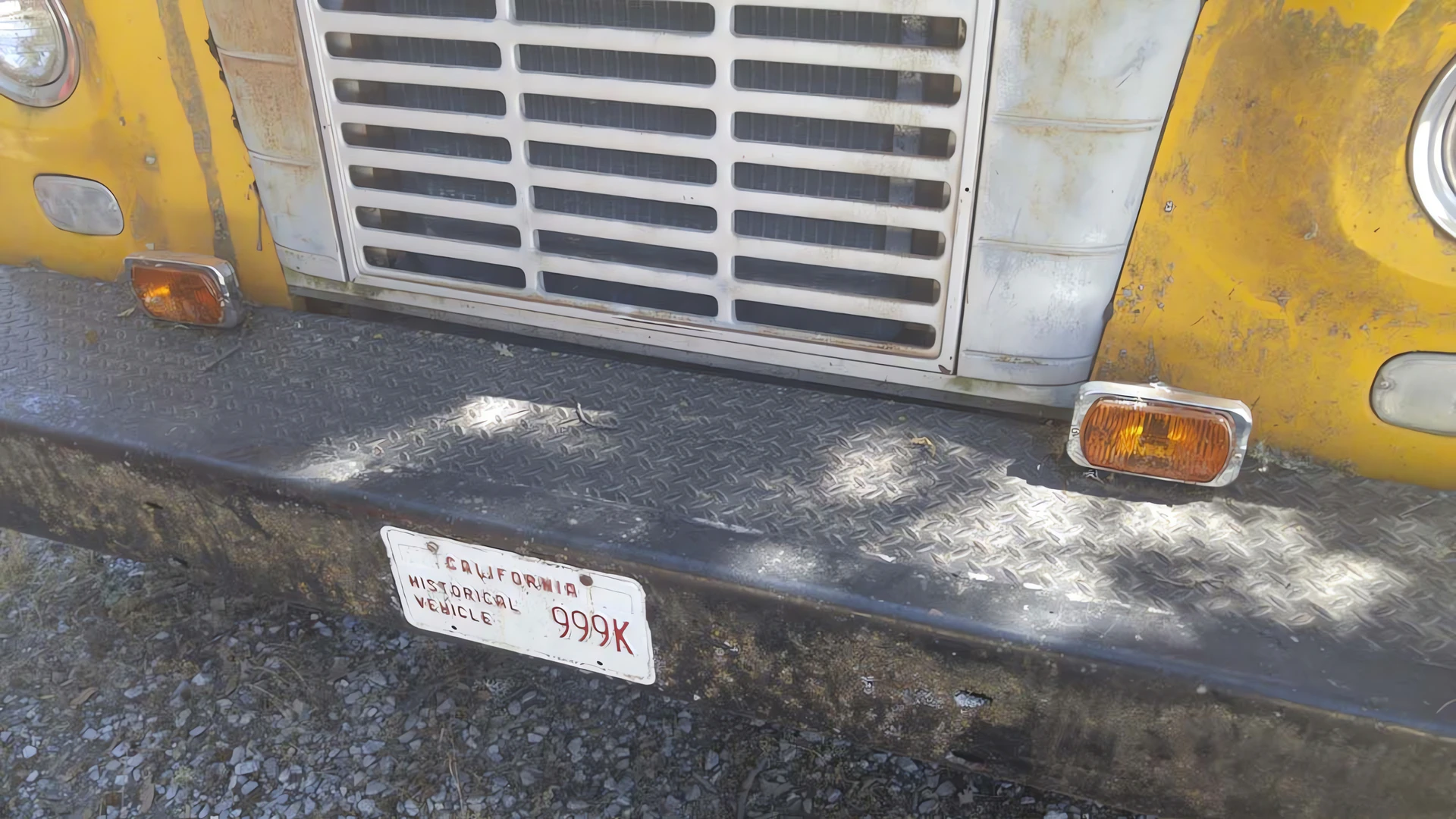
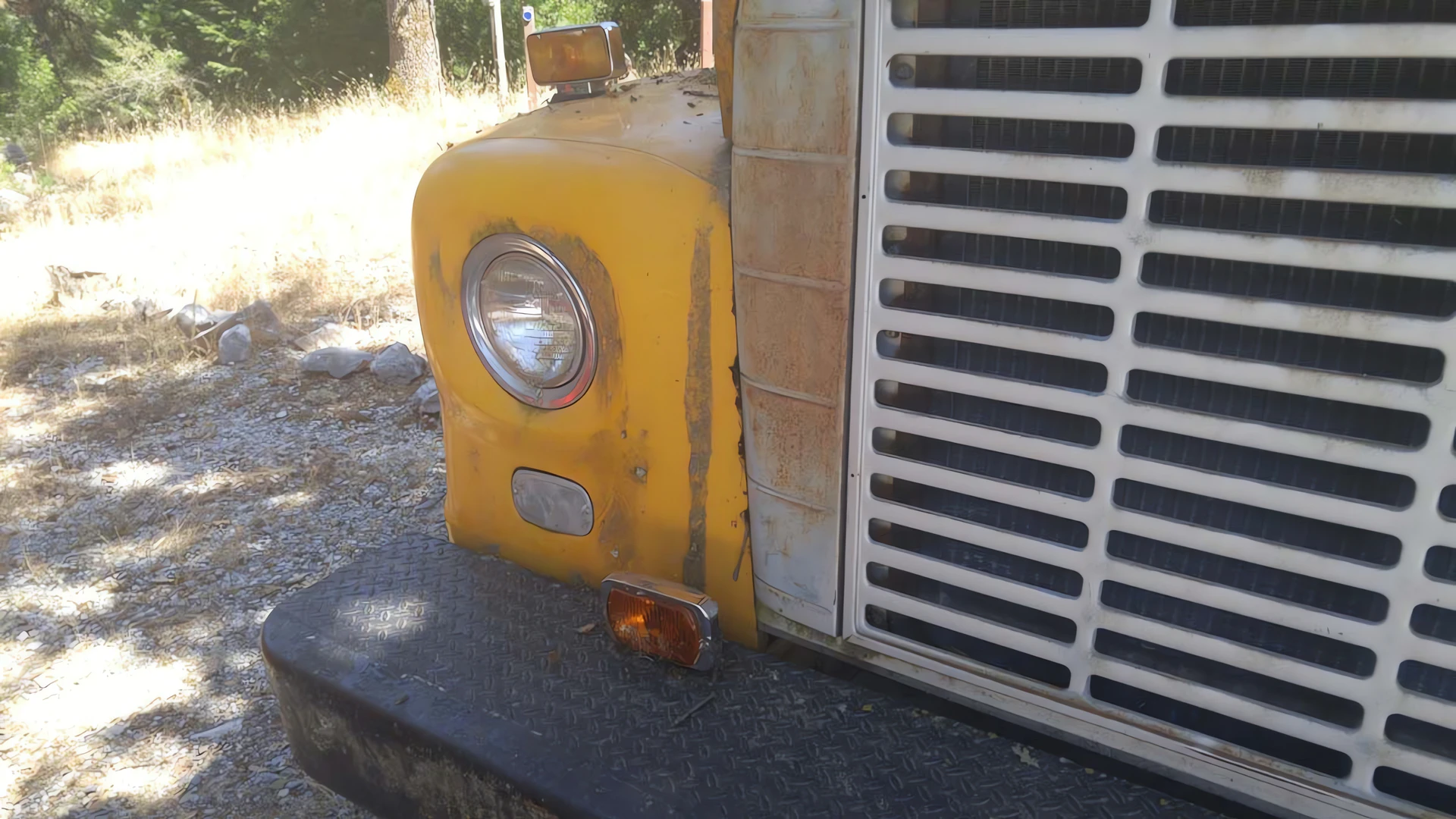
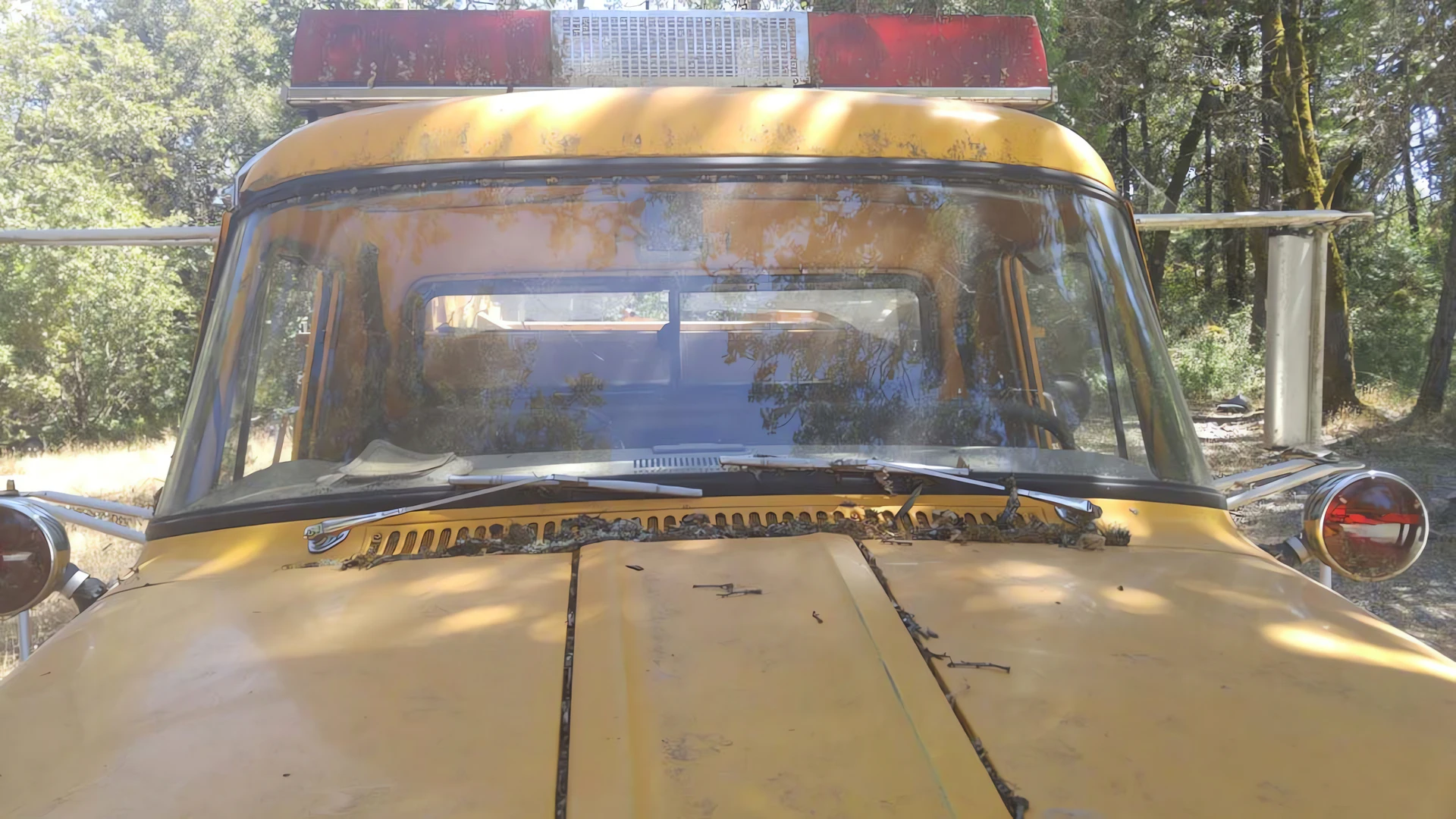
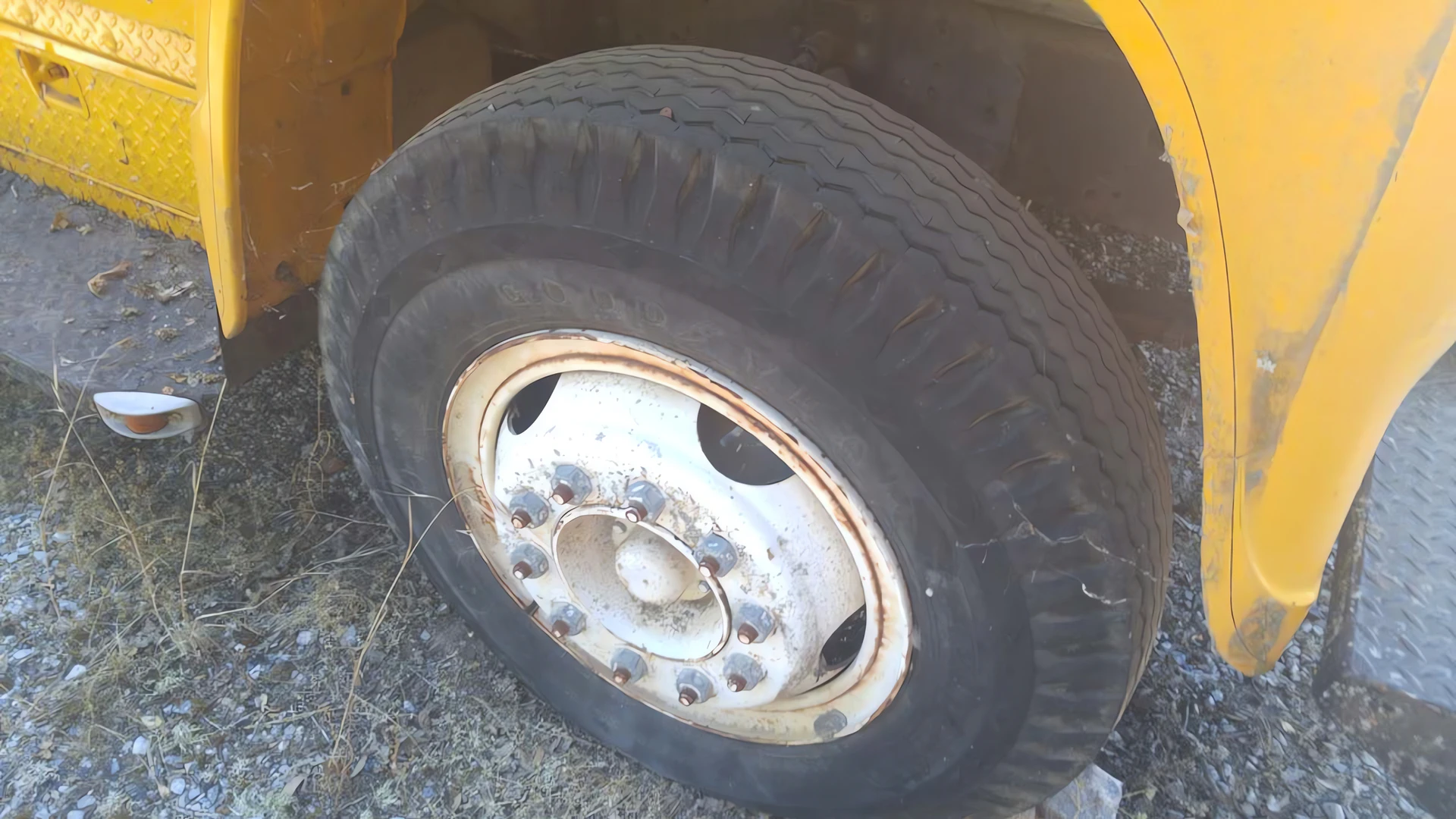
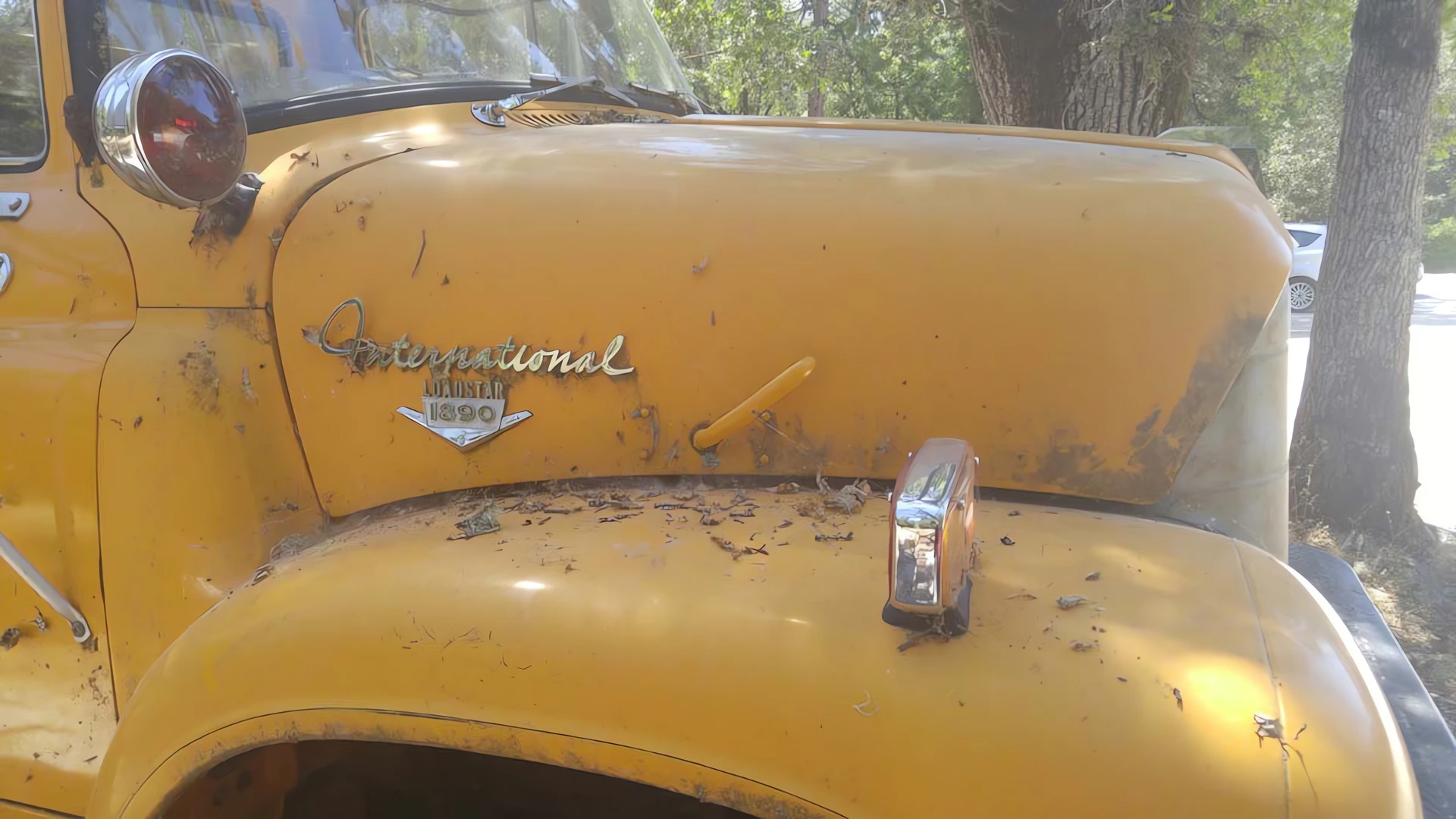

Siehe auch:


General Characteristics and Role
The International Harvester (IH) Loadstar is a series of medium-duty trucks produced from 1962 to 1978, which became one of the most popular chassis for fire apparatus in North America. The Loadstar was designed for versatility, ruggedness, and a tight turning radius, making it ideal for both city and rural fire departments. It was often configured as a pumper (carrying water and hoses) or a tanker (carrying large volumes of water). The specific models used for fire trucks, such as the Loadstar 1700 and 1800, were prized for their dependable V8 gasoline engines and robust chassis, capable of handling the heavy loads of water tanks and pumping equipment.
| Property | Typical Value (Loadstar Fire Chassis) |
|---|---|
| Rolle | Medium-Duty Fire Apparatus (Pumper/Tanker) |
| National Origin | USA |
| Hersteller | International Harvester (IH) |
| Production Era | 1962–1978 |
| Chassis Models | 1600, 1700, 1800 series |
| Drive Layouts | 4×2 standard, 4×4 optional (common for forest service) |
| GVWR Range | Typically 18,200 to 30,200 lbs (8,300 to 13,700 kg) |
| Cab Type | Conventional (short bonneted cab), often with optional crew cab |
Powerplant and Firefighting Capabilities
- Common Engines: IH V-304, V-345, or V-392 overhead valve gasoline V8s.
- Power Output Range: Approximately 150 to 230 hp (112 to 172 kW).
- Transmission: Typically featured 4- or 5-speed manual transmissions, often paired with a 2-speed rear axle for heavy hauling. Automatic transmissions were also available.
- Pumping Capacity: The chassis could accommodate pumps with capacities ranging from 500 to 750 gallons per minute (GPM), with some heavy-duty setups reaching higher.
- Key Design Feature: The short hood and wide-track front axle provided an excellent turning circle, crucial for maneuvering in tight urban streets or rough rural terrain.
Legacy and Variations
- Durability: The Loadstar was highly regarded for its robust, all-truck components and simple design, making it reliable for emergency service applications over decades.
- Variations: Fire trucks were built using many different Loadstar models. The Loadstar 1700 4×4 was particularly popular for forest service and off-road applications, often carrying smaller tanks (e.g., 500 gallons) for mobility.
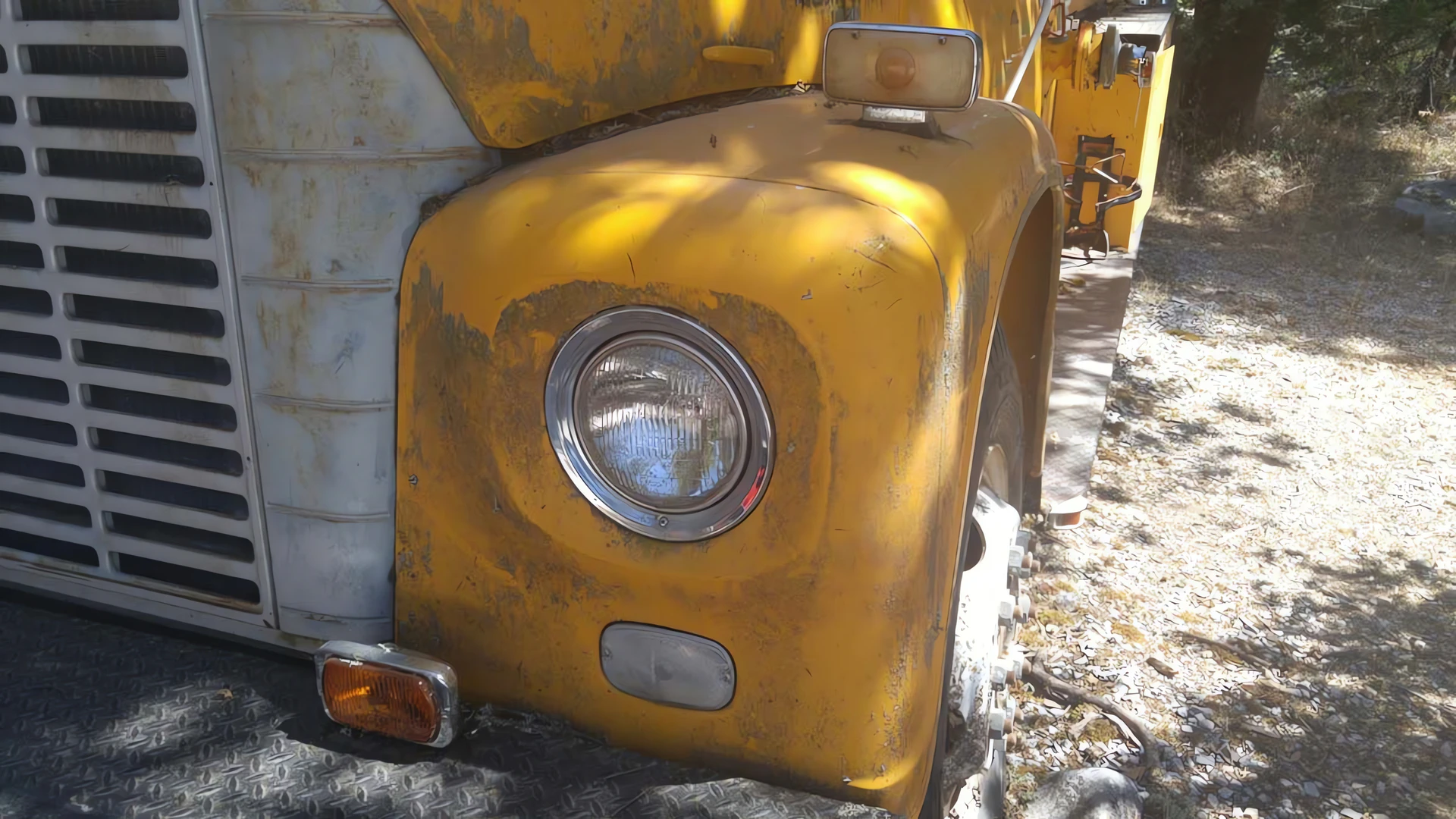
- Appearance Changes: Early models (1962-1971) had a distinct curved fender and “butterfly” hood. Later models (1972 onwards) introduced a squared-off, one-piece fiberglass tilting hood.
- Current Status: Many Loadstar fire trucks remain preserved today by collectors and museums, a testament to their long service life.
Aufrufe : 1796
Sie können auch sehen:
 Opel Blitz 3.6 – Fotos & Video
 ZiS-151 – Fotos & Video
 M54 Guntruck – Fotos und Videos
 Dodge WC-57 – Fotos & Video
 M35 21/2-Tonnen-Lastkraftwagen – Fotos & Video
 Chevrolet 1.5 Ton Truck – Zu Fuß um
 WC-57 3-4 Ton 4X4 – Walk Around
 Zis-5 – Walk Around
 GMC – 2 1,2 T-Dollar – 6×6 – Rundgang
 Dodge WC3 – Walk Around