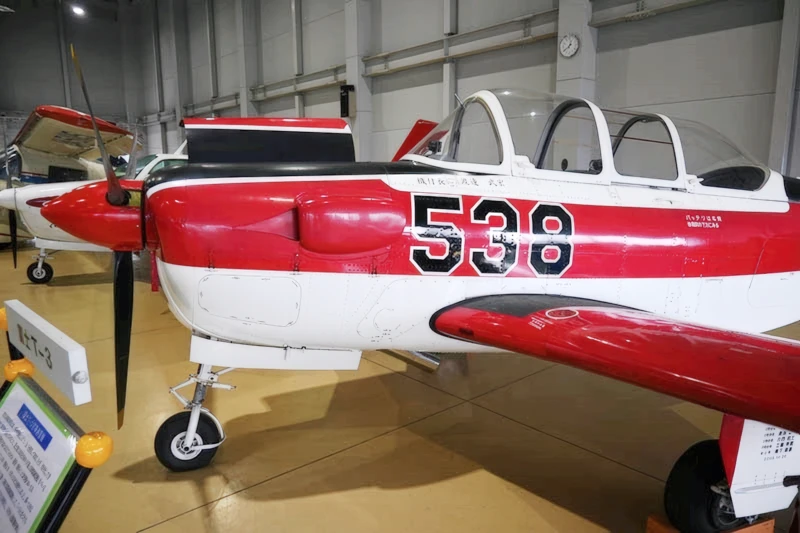
Fuji T-3 |
|
|---|---|
| Land | Japan |
| Rolle | Primärtrainer |
| Erstflug | 1978 |
| Anzahl Gebaut | 50 |
das Fuji T-3 is a primary military trainer aircraft used by the Japan Air Self Defense Force, manufactured by Fuji Heavy Industries. Its first flight was in 1978. In the course of its service life, 50 units were produced. It has been replaced by the Fuji T-7.
Quelle: Fuji T-3 on Wiki
| Fuji T-3 Trainer Walk Around | |
|---|---|
| Fotograf | Meindert de Vreeze |
| Lokalisierung | Unbekannter |
| Fotos | 45 |
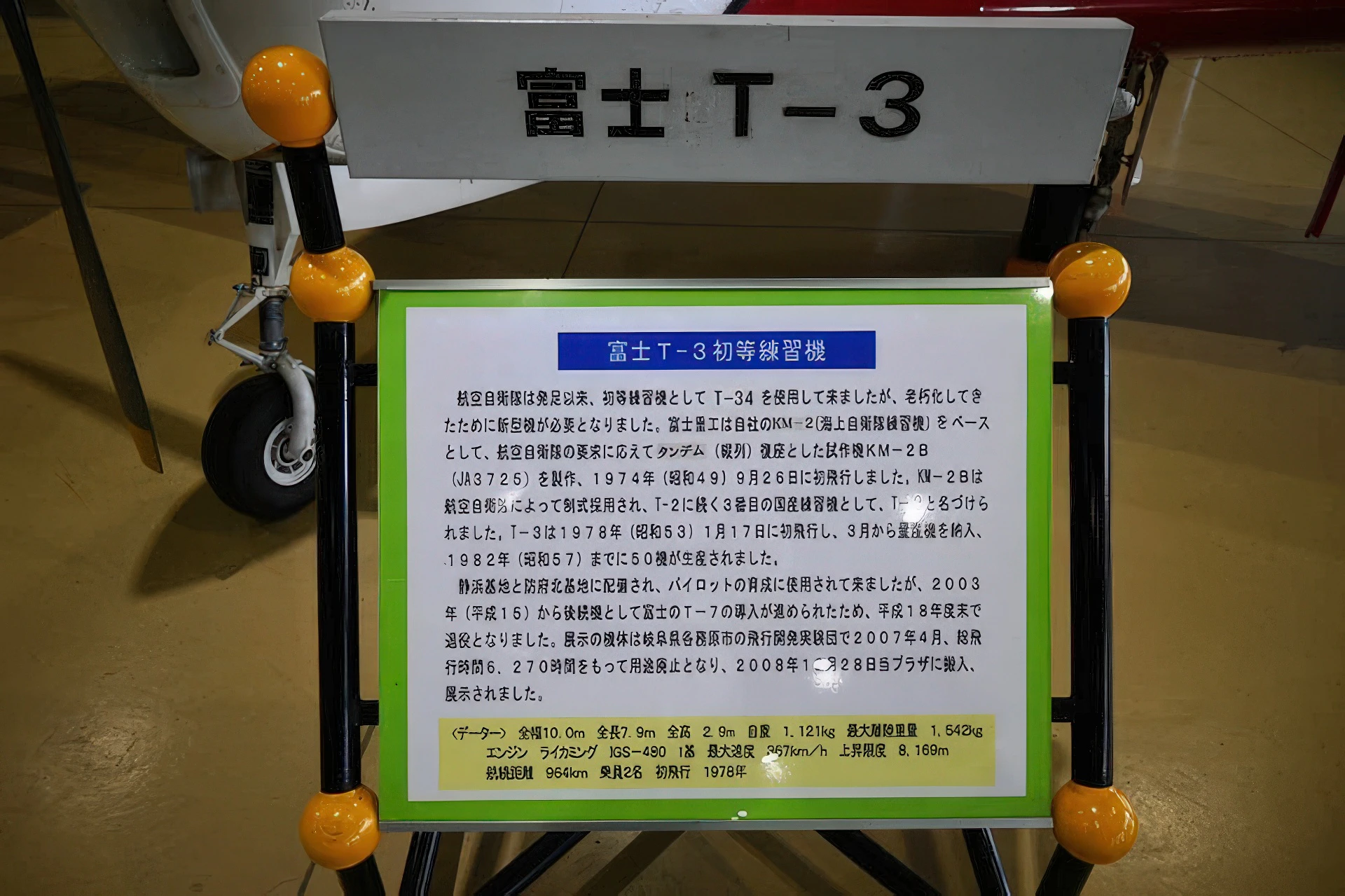
Fuji T-3 Trainer 01
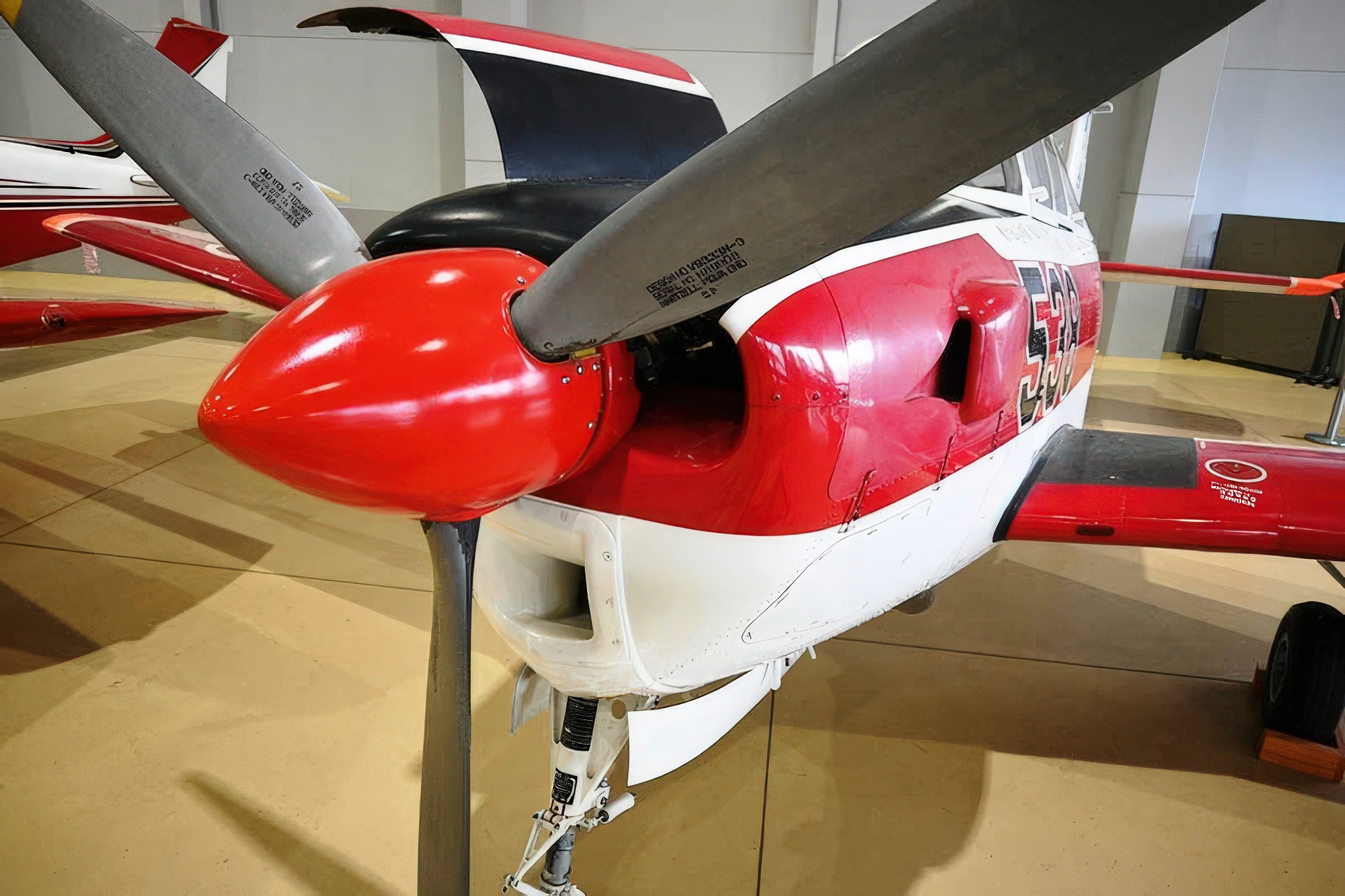
Fuji T-3 Trainer 02
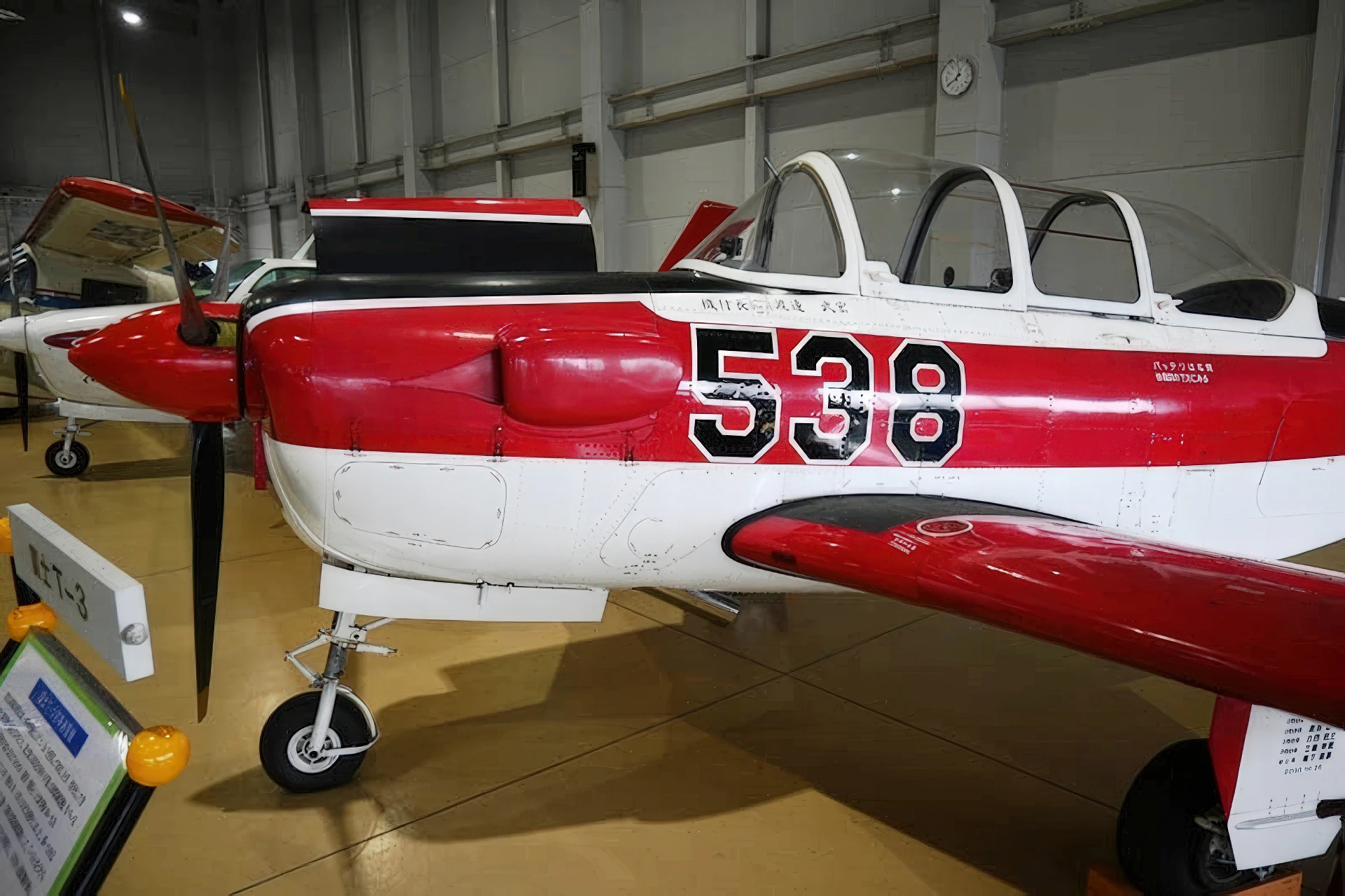
Fuji T-3 Trainer 03
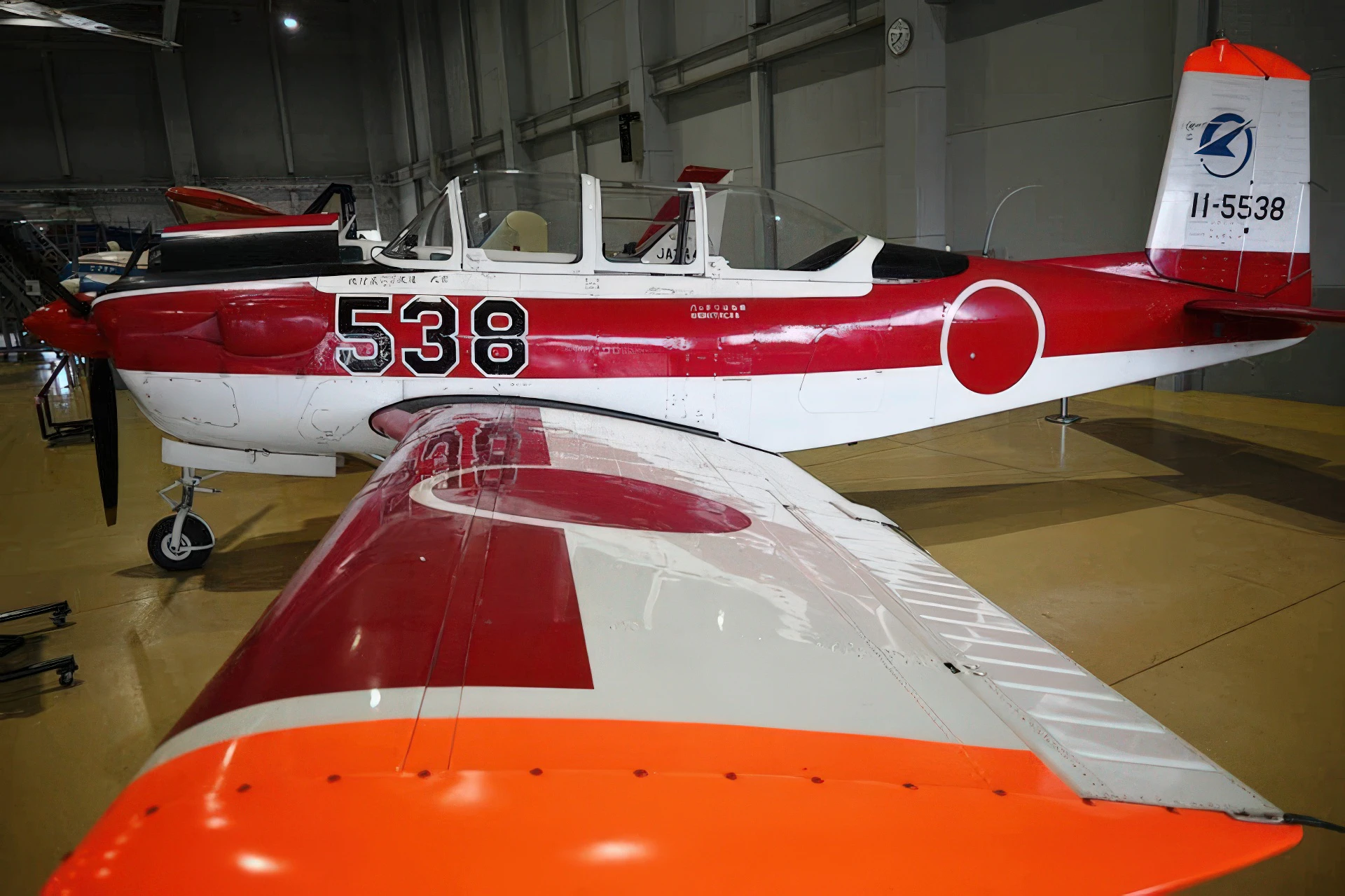
Fuji T-3 Trainer 04
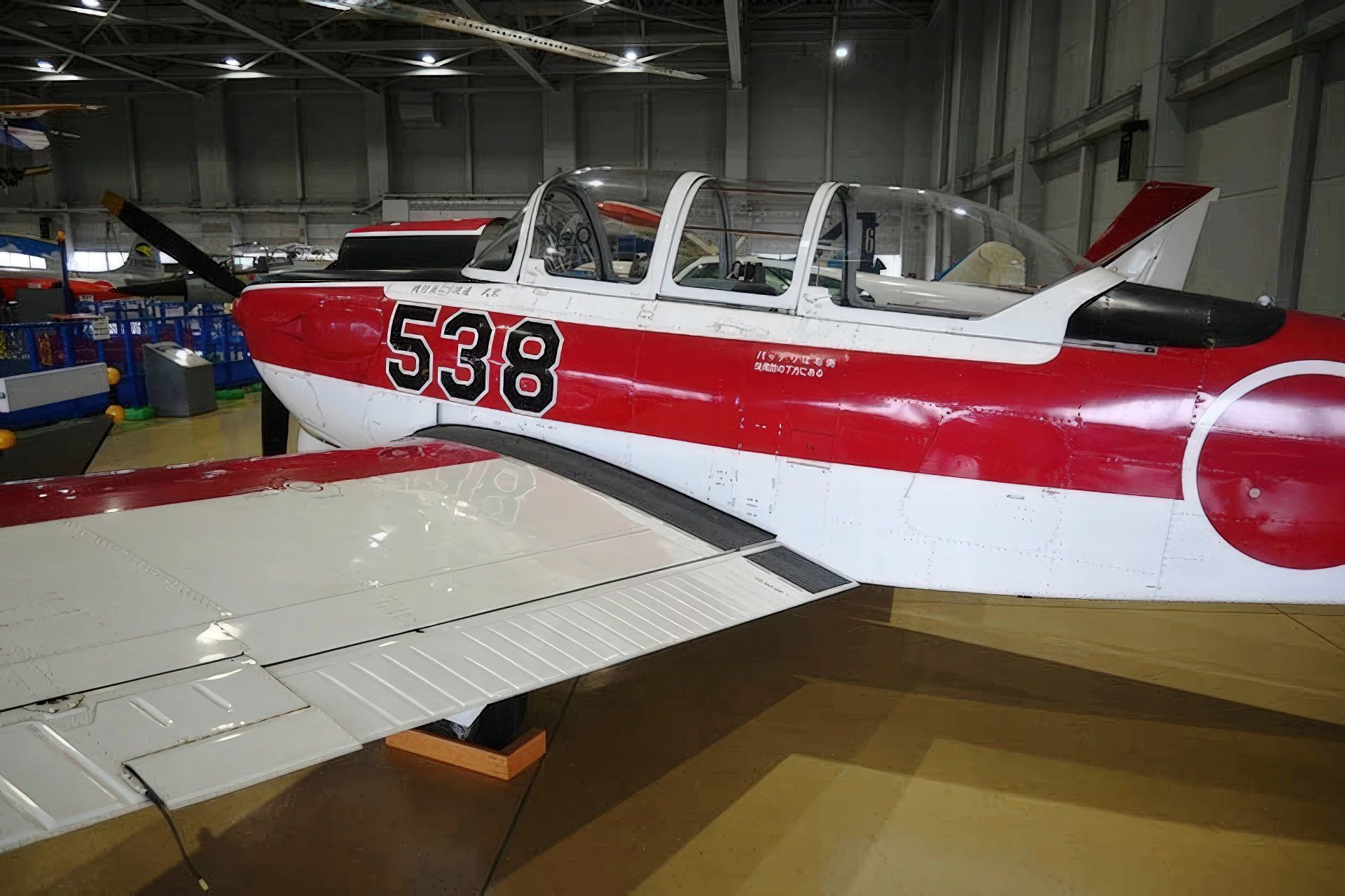
Fuji T-3 Trainer 05
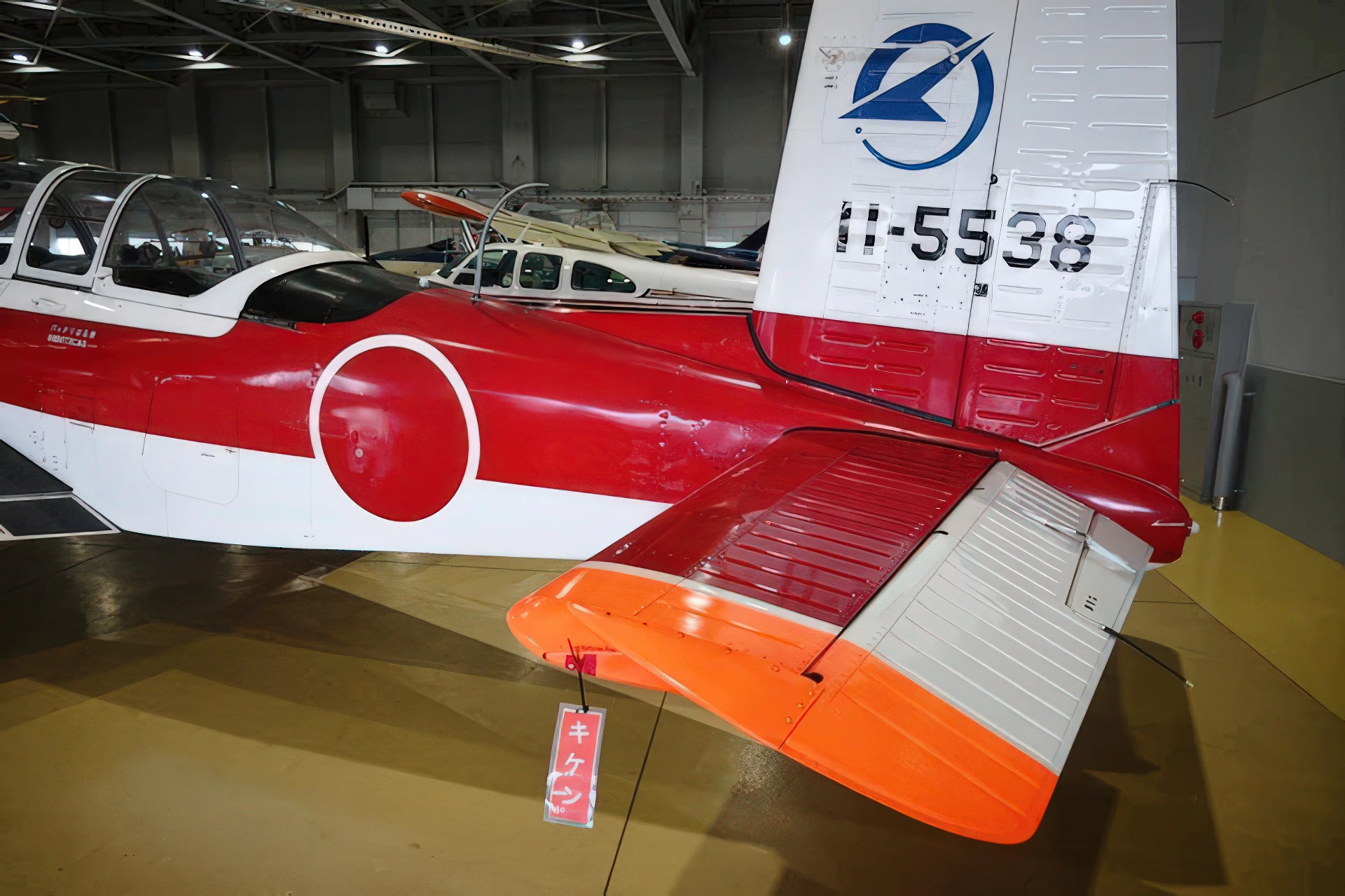
Fuji T-3 Trainer 06
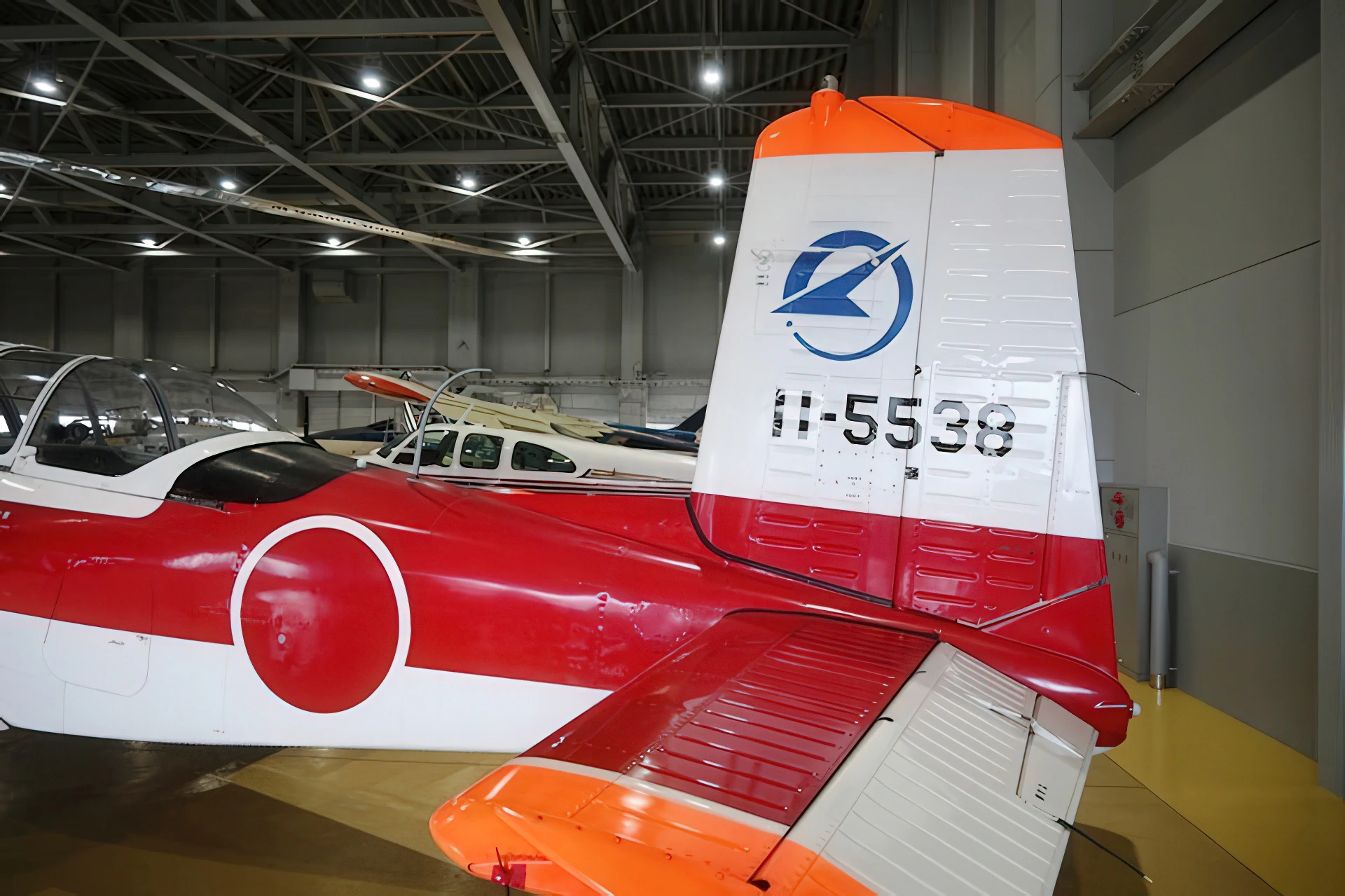
Fuji T-3 Trainer 07
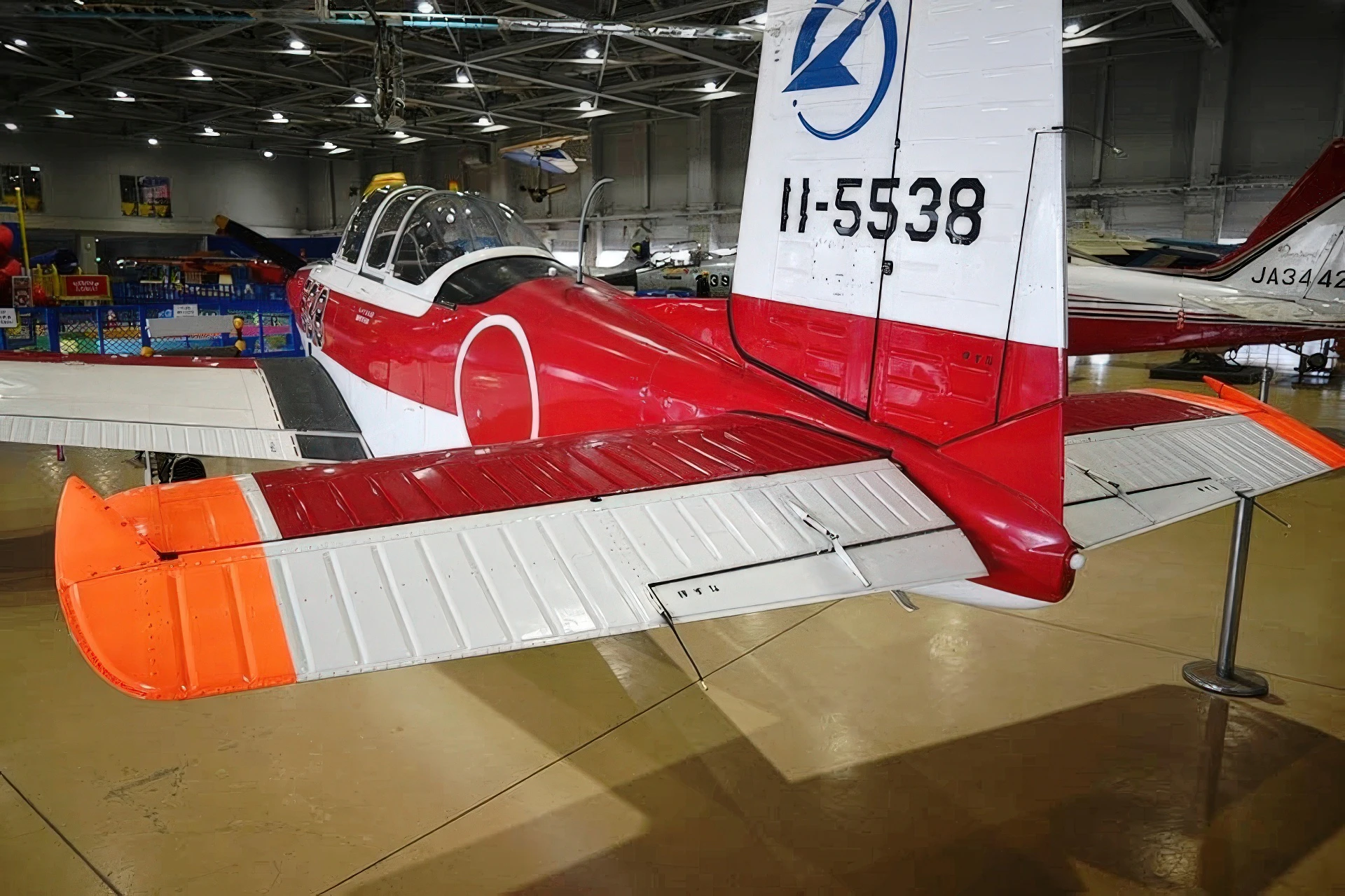
Fuji T-3 Trainer 08
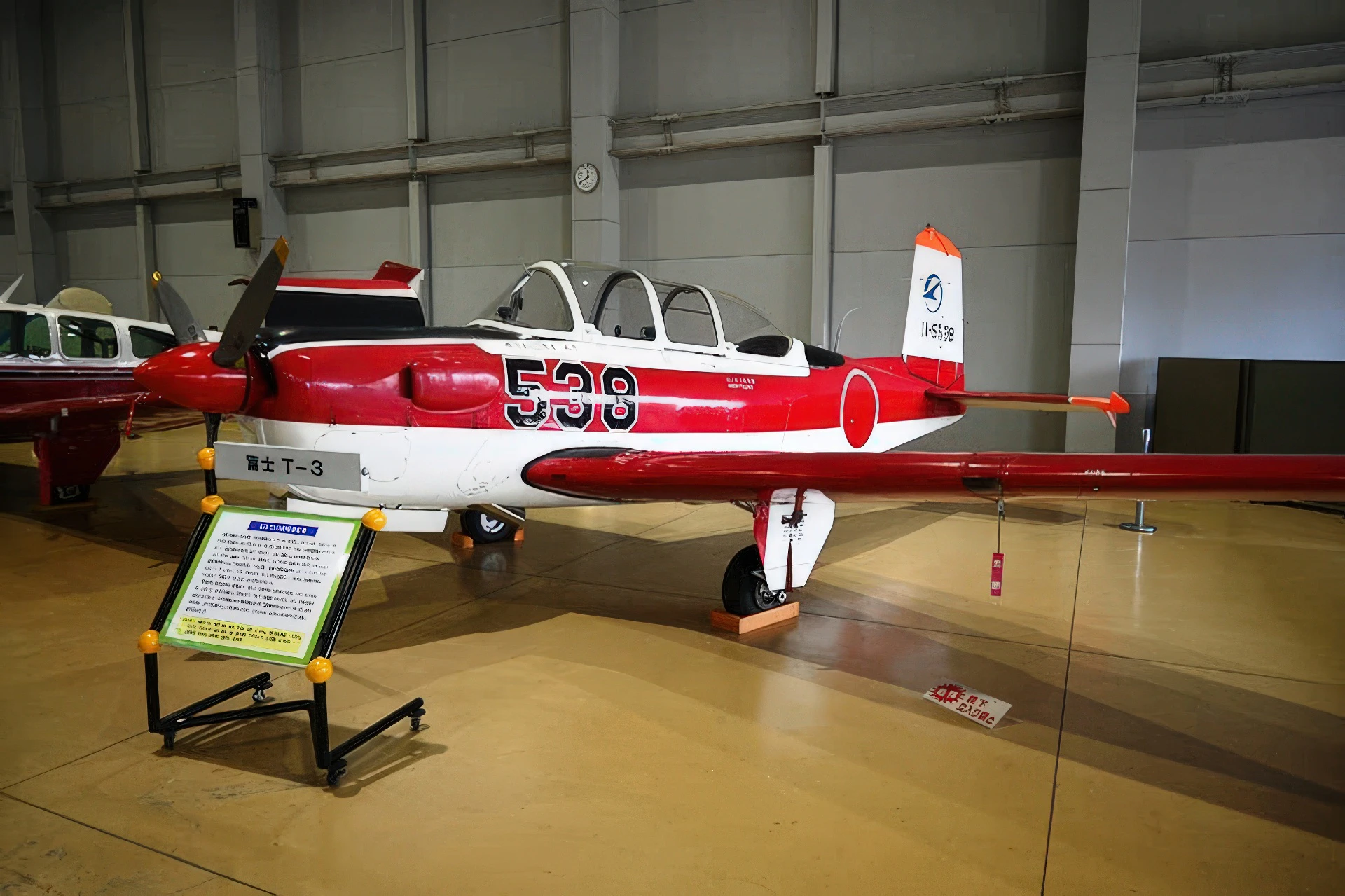
Fuji T-3 Trainer 09
Wait, Searching Fuji T-3 for you…

Siehe auch:


Origins and Development
das Fuji T-3 was a primary trainer used by the Japan Air Self-Defense Force (JASDF). It was a direct evolution of the Fuji KM-2, which itself was a Japanese-modified version of the American Beechcraft T-34 Mentor. Entering service in 1978, the T-3 was designed to be the very first aircraft a student pilot would fly. It replaced the aging Beechcraft T-34A and served for over 25 years as the “gatekeeper” to the Japanese cockpit, ensuring students mastered basic airmanship before moving on to jet trainers like the T-4.
| Attribute | Technical Specification (Fuji T-3) |
|---|---|
| Rolle | Primary Trainer |
| Crew | 2 (Student and Instructor in tandem) |
| First Flight | January 17, 1978 |
| Länge | 8.04 meters (26 ft 5 in) |
| Flügelspannweite | 10.0 meters (32 ft 10 in) |
| Triebwerk | 1 x Lycoming IGSO-480-A1F6 air-cooled flat-six |
| Horsepower | 340 hp (254 kW) |
| Höchstgeschwindigkeit | 377 km/h (234 mph / 204 knots) |
| Service Ceiling | 8,170 meters (26,800 ft) |
Design Characteristics
- Tandem Seating: Unlike the side-by-side Bulldog you looked at earlier, the T-3 retained the tandem seating (one behind the other) arrangement of the T-34. This better prepares students for the feel of a fighter cockpit.
- The KM-2 Heritage: The T-3 utilized the airframe of the Fuji KM-2 but was simplified for military training. It featured a more powerful engine and updated avionics compared to the original Beechcraft design.
- Rugged Construction: Built to withstand the rigors of student landings, the T-3 featured a tricycle landing gear and a low-wing, all-metal semi-monocoque fuselage.
- Supercharged Engine: The Lycoming engine was supercharged, allowing the aircraft to maintain better performance at higher altitudes compared to naturally aspirated trainers.
Operational History and Retirement
- Primary Gateway: For decades, every JASDF pilot began their journey in the T-3 at the 11th and 12th Flying Training Wings.
- Retirement: The T-3 was officially retired in 2007. It was replaced by the Fuji T-7, which looks remarkably similar but is powered by a much more powerful turboprop engine.
- Legacy: The T-3 is remembered for its crisp handling and high reliability. Several are preserved in Japanese aviation museums, such as the Hamamatsu Air Park.
Aufrufe : 367
Sie können auch sehen:
 General Dynamics F-111C – Fotos & Videos
 AIDC F-CK-1 Ching-kuo – Fotos & Videos
 Curtiss F11C Goshawk – Fotos & Videos
 Curtiss-Wright XP-55 Ascender – Fotos & Videos
 Fokker F27 Friendship – Fotos & Videos
 Petlyakov Pe-2 – Fotos & Videos
 Fiat G.91 – Fotos & Videos
 Saab 210 – Fotos & Videos
 B-35 – de Havilland Mosquito – WalkAround
 Mirage IIIC – WalkAround