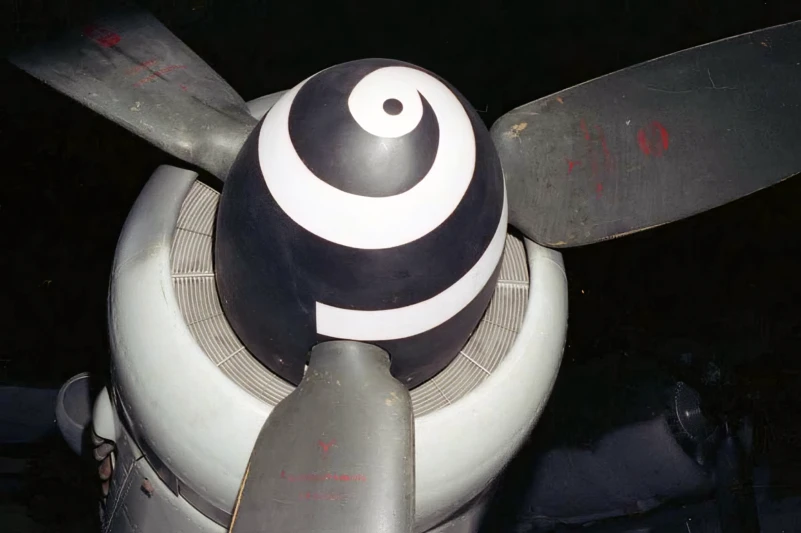
Focke-Wulf FW-190 | |
|---|---|
| Land | Deutschland |
| Typ | Einmotoriges Jagdflugzeug |
| Erstflug | 1. Juni 1939 |
| Gebaut | 20000+ |
Fotogalerie eines Focke-Wulf FW-190A-9, Die Focke-Wulf Fw 190 Würger (Shrike) war ein einsitziges, einmotoriges Jagdflugzeug, das von Kurt Tank in den späten 1930er Jahren entworfen wurde. Angetrieben von einem Radialmotor hatte der 190 reichlich Leistung und konnte größere Lasten heben als sein bekanntes Pendant, die Messerschmitt Bf 109. Die 190 wurde von der Luftwaffe in einer Vielzahl von Rollen eingesetzt, darunter Tagesjäger, Jagdbomber, Bodenangriffsflugzeuge und, in geringerem Maße, Nachtjäger.
Quelle: Focke-Wulf auf Wikipedia
| Focke-Wulf FW-190A-9 | |
|---|---|
| Fotograf | Unbekannter |
| Lokalisierung | Unbekannter |
| Fotos | 48 |
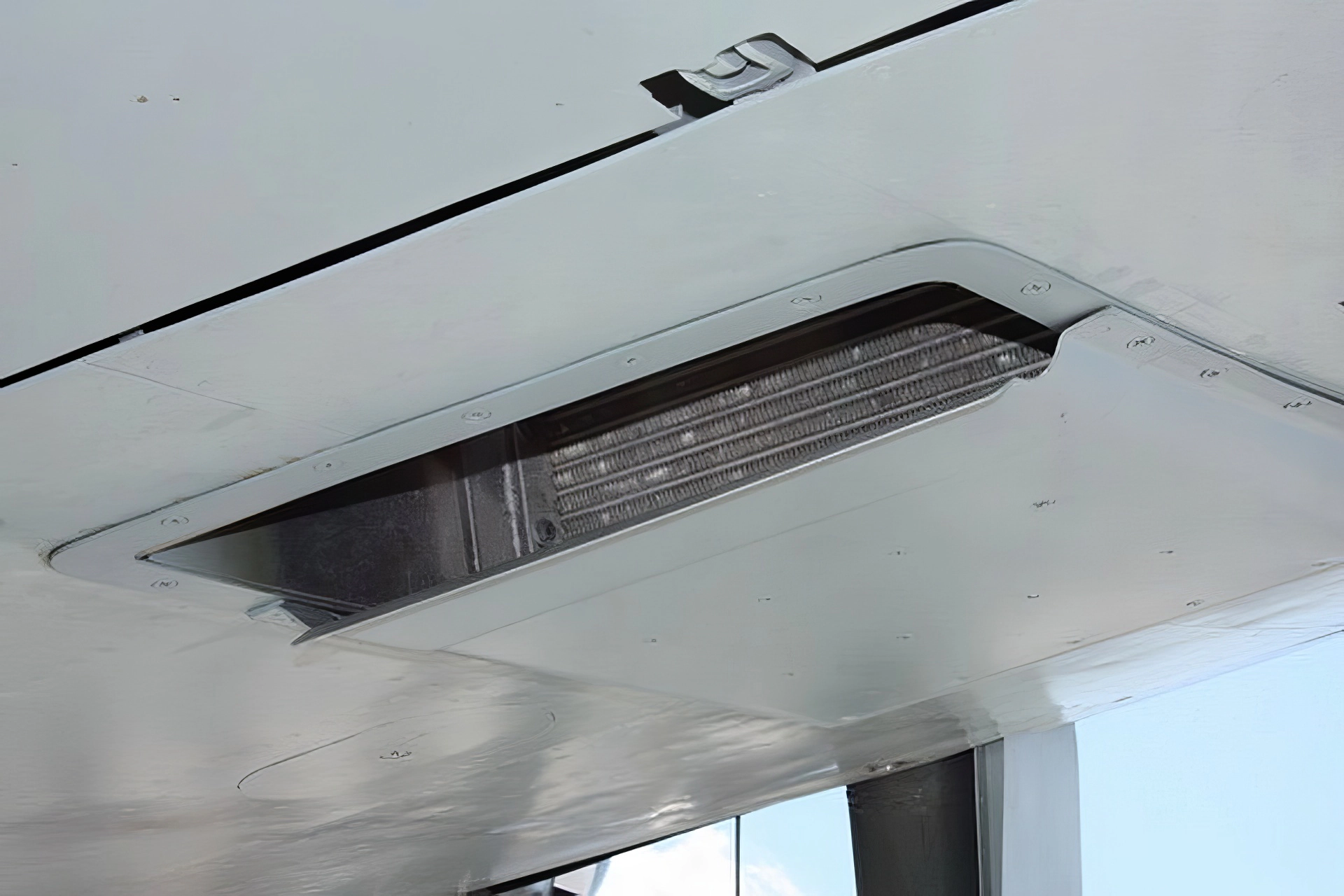
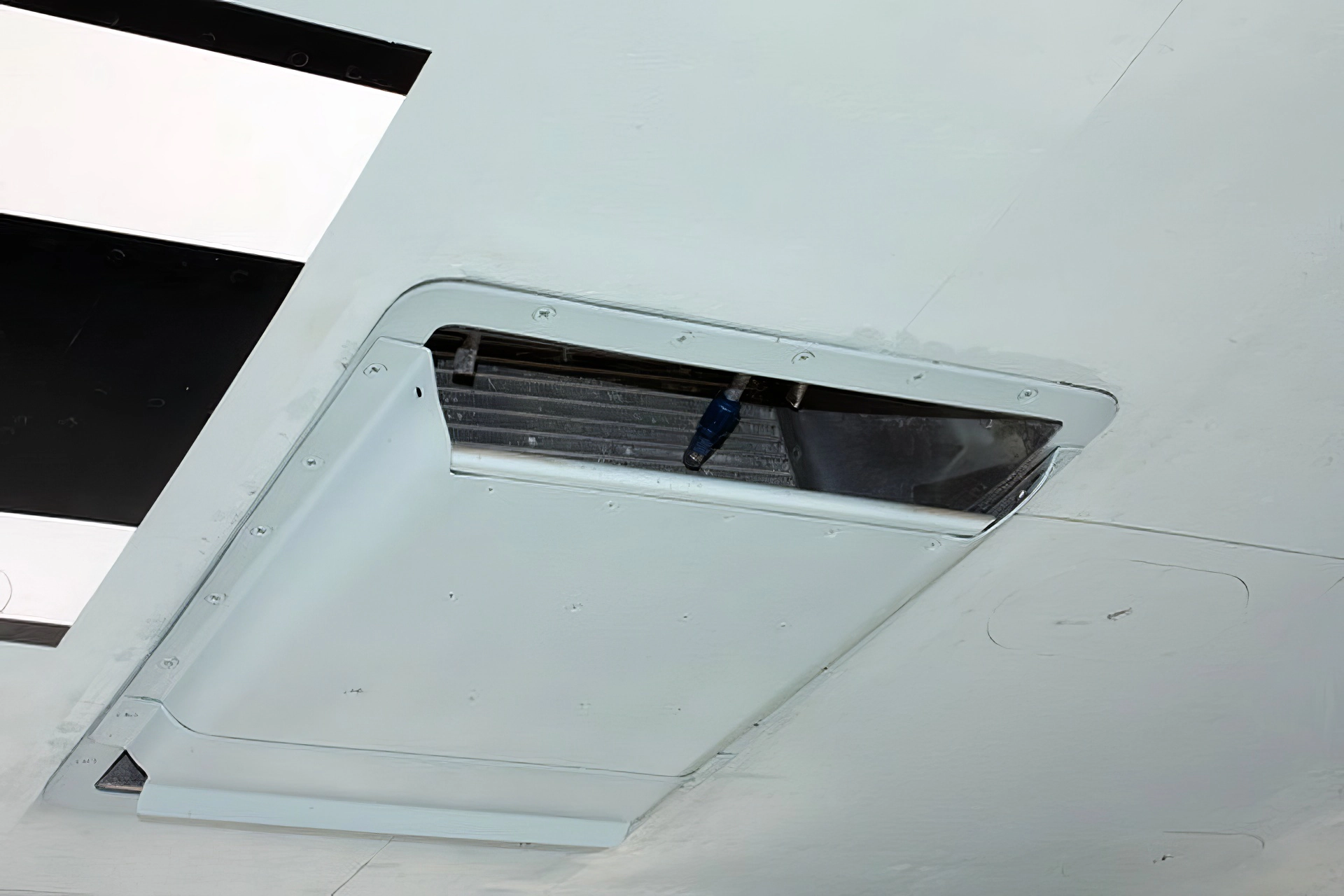
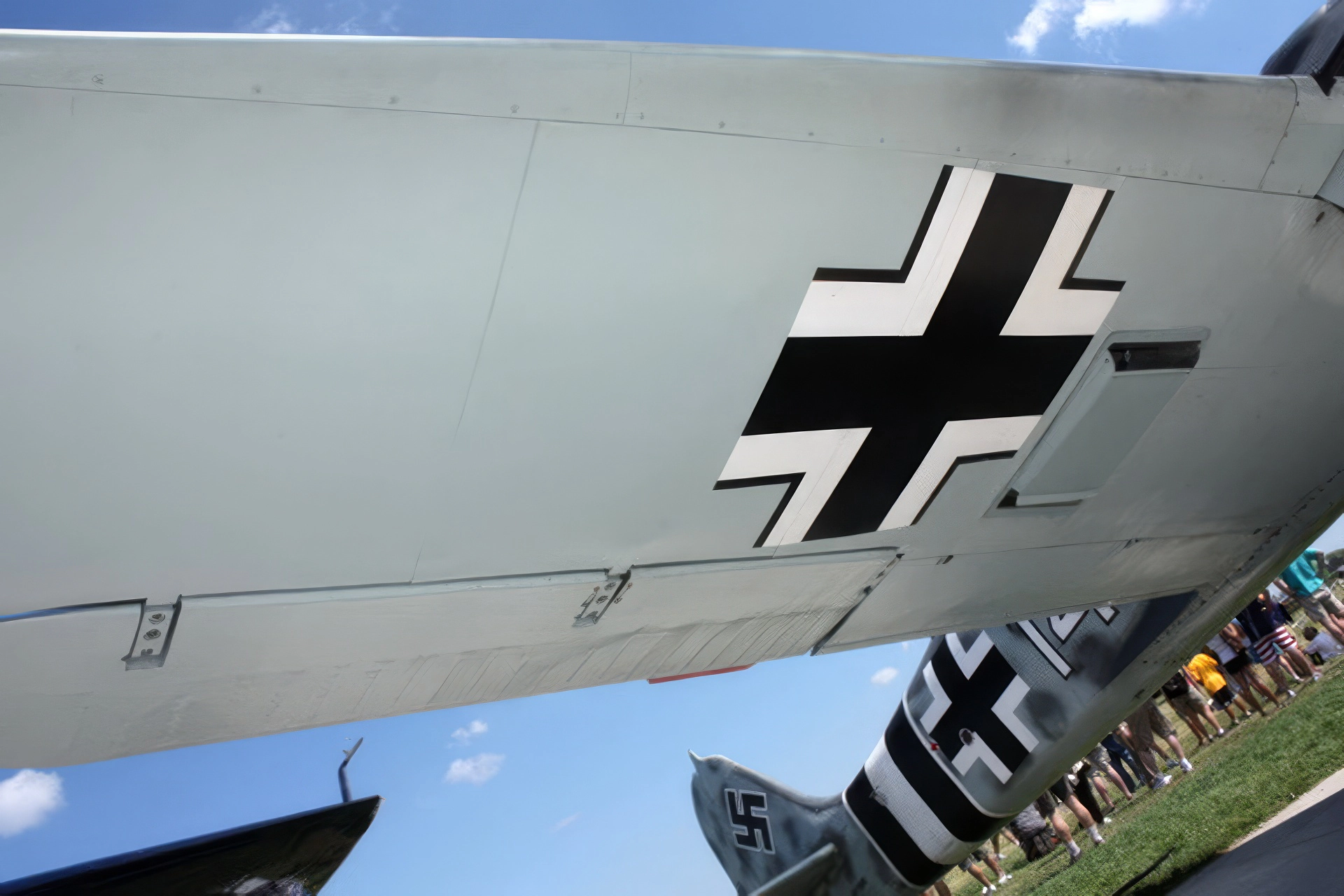
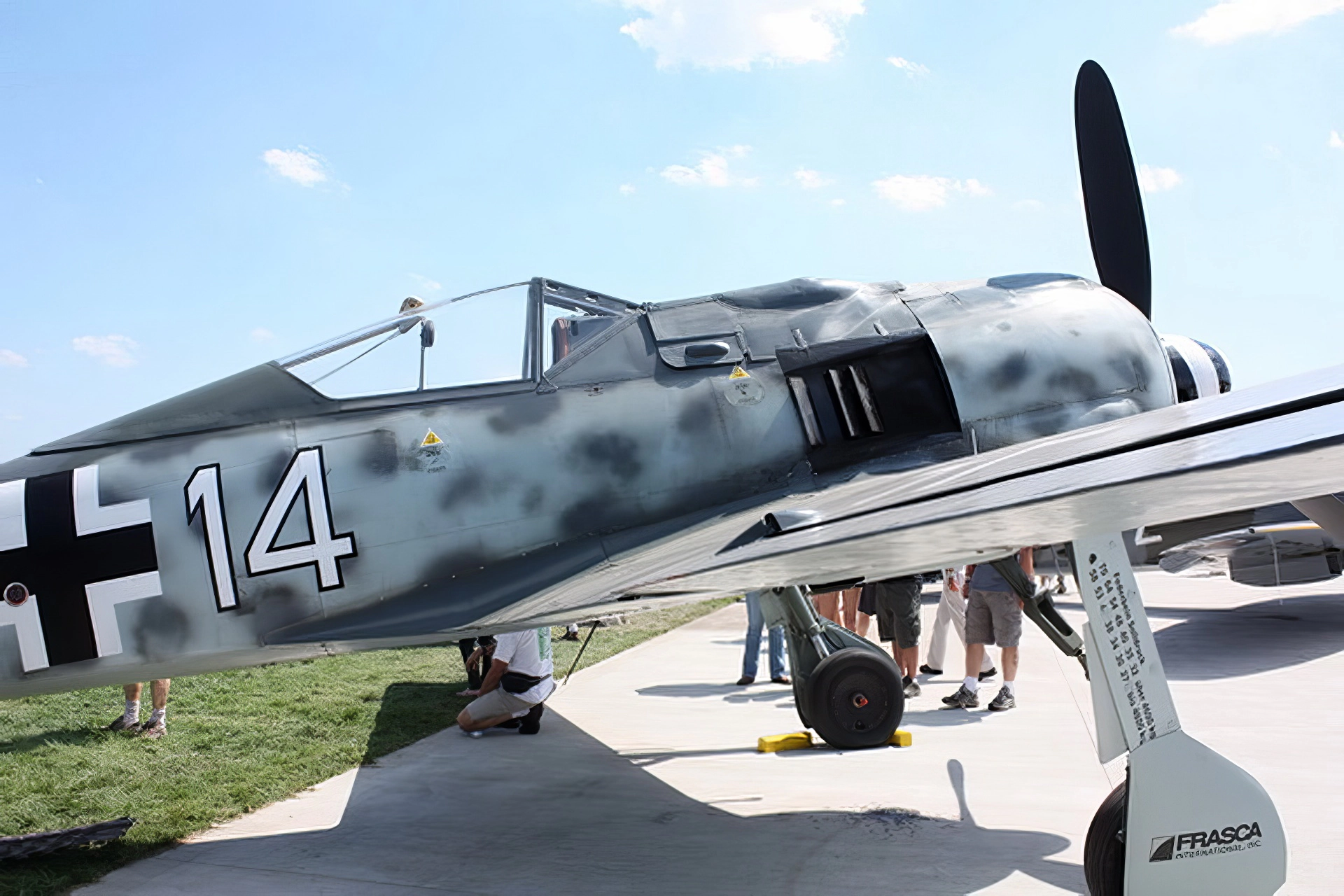
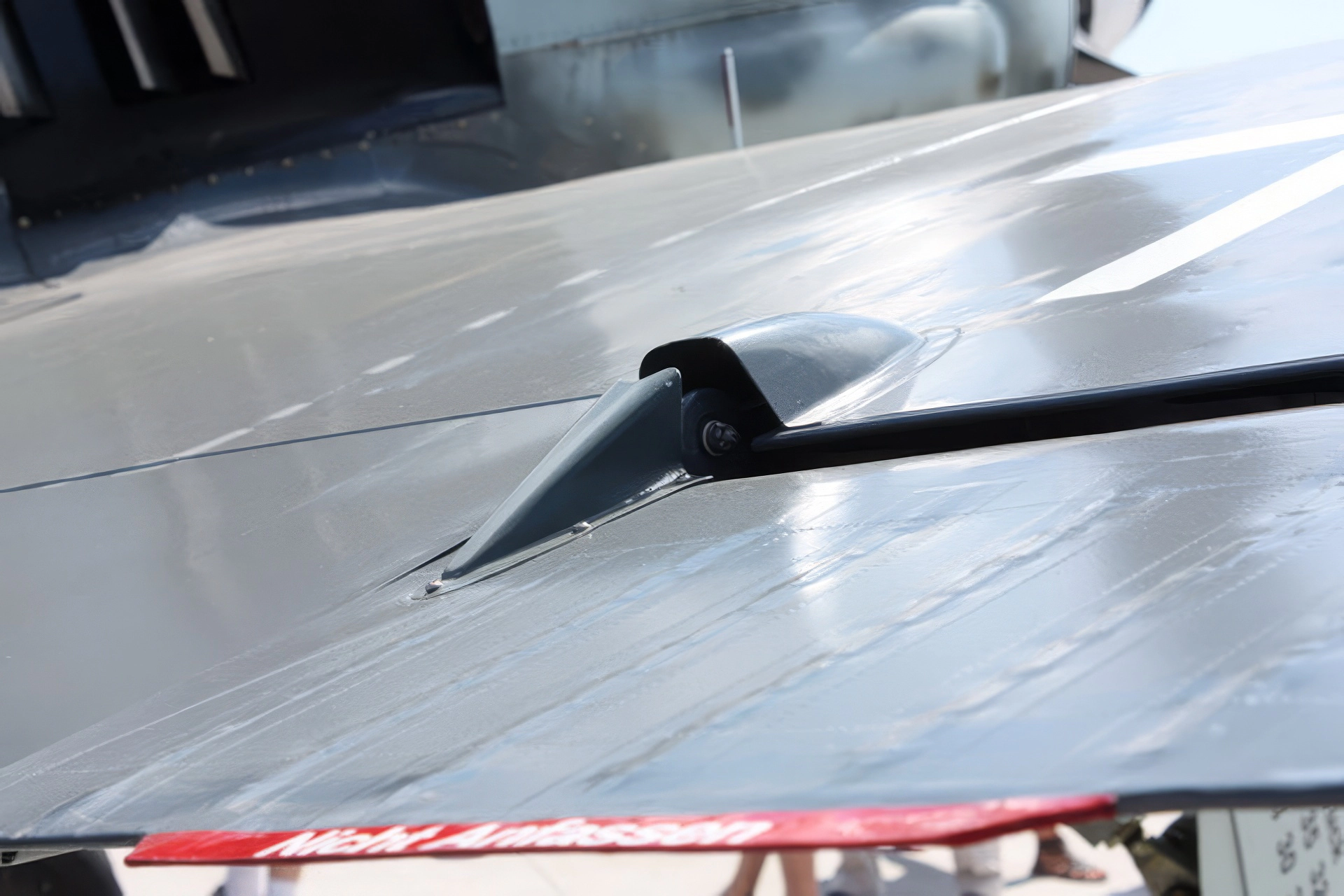
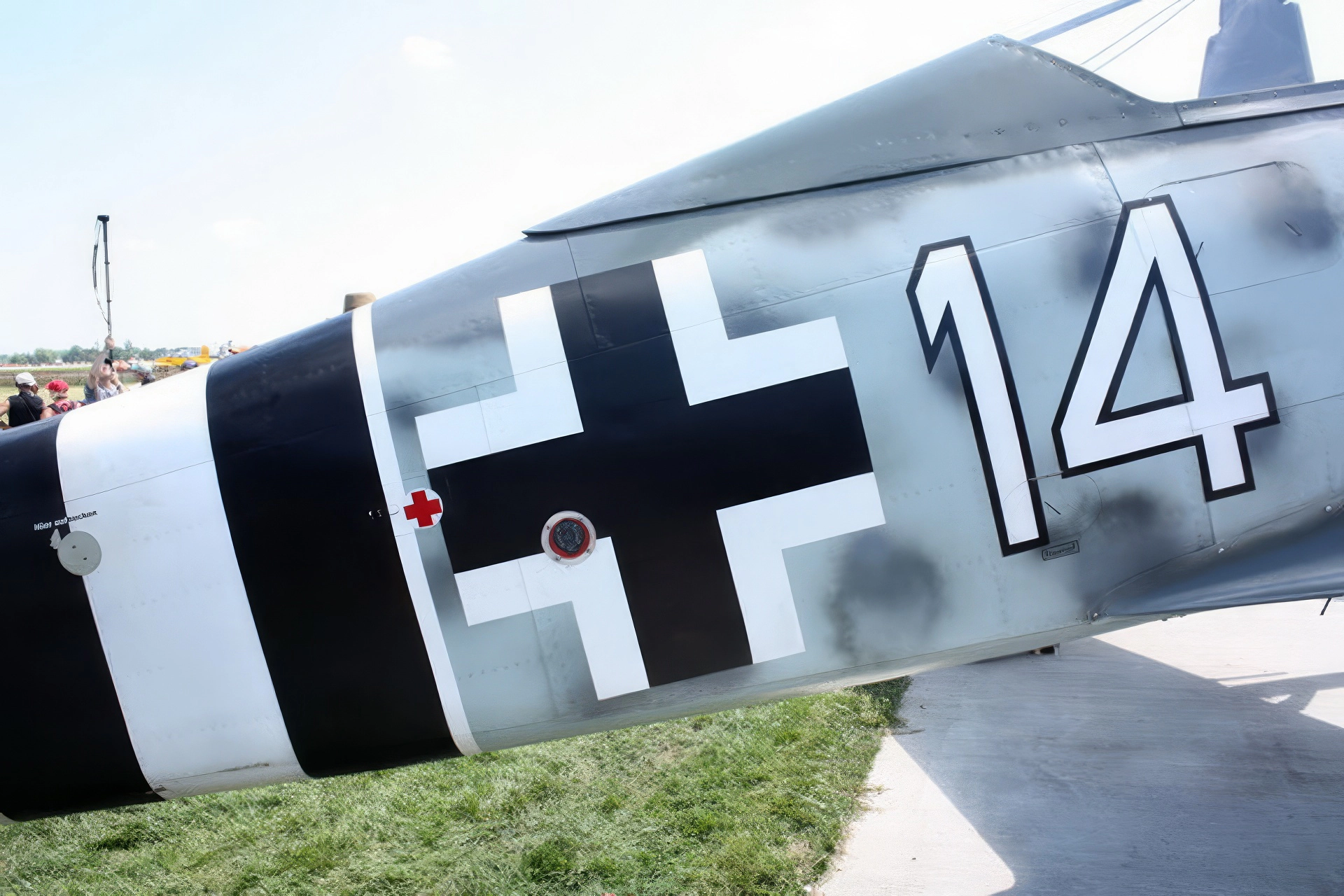
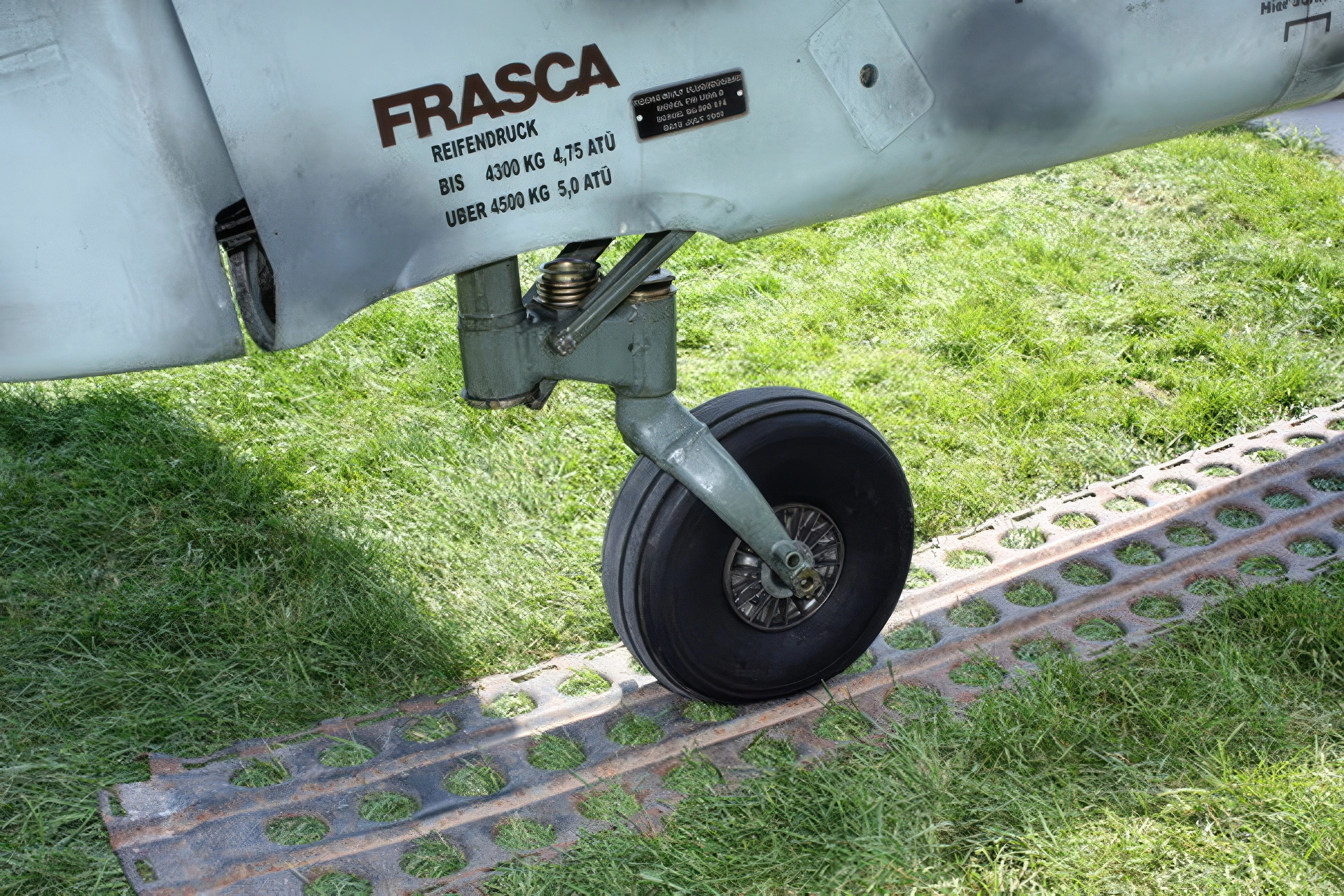
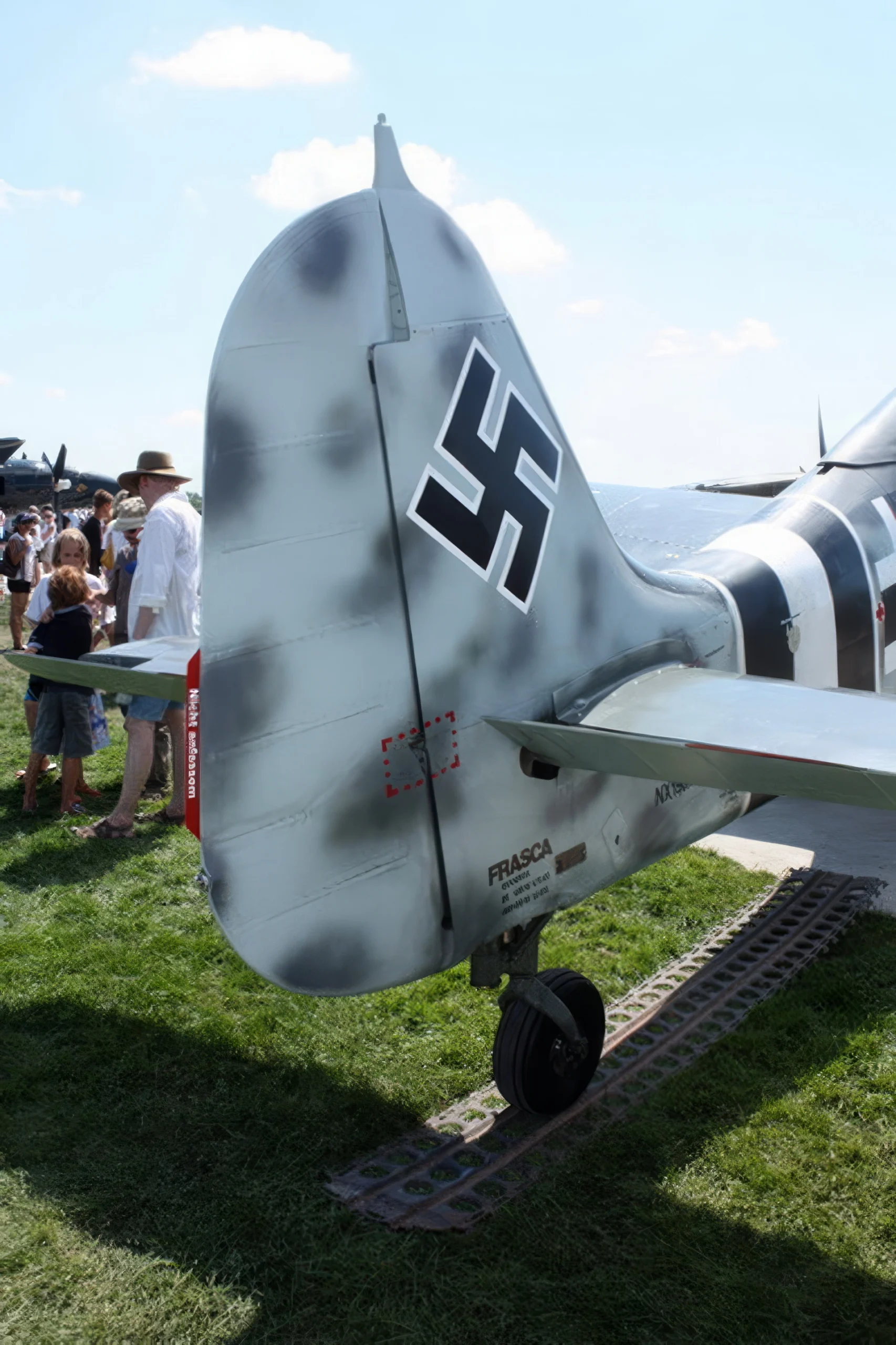
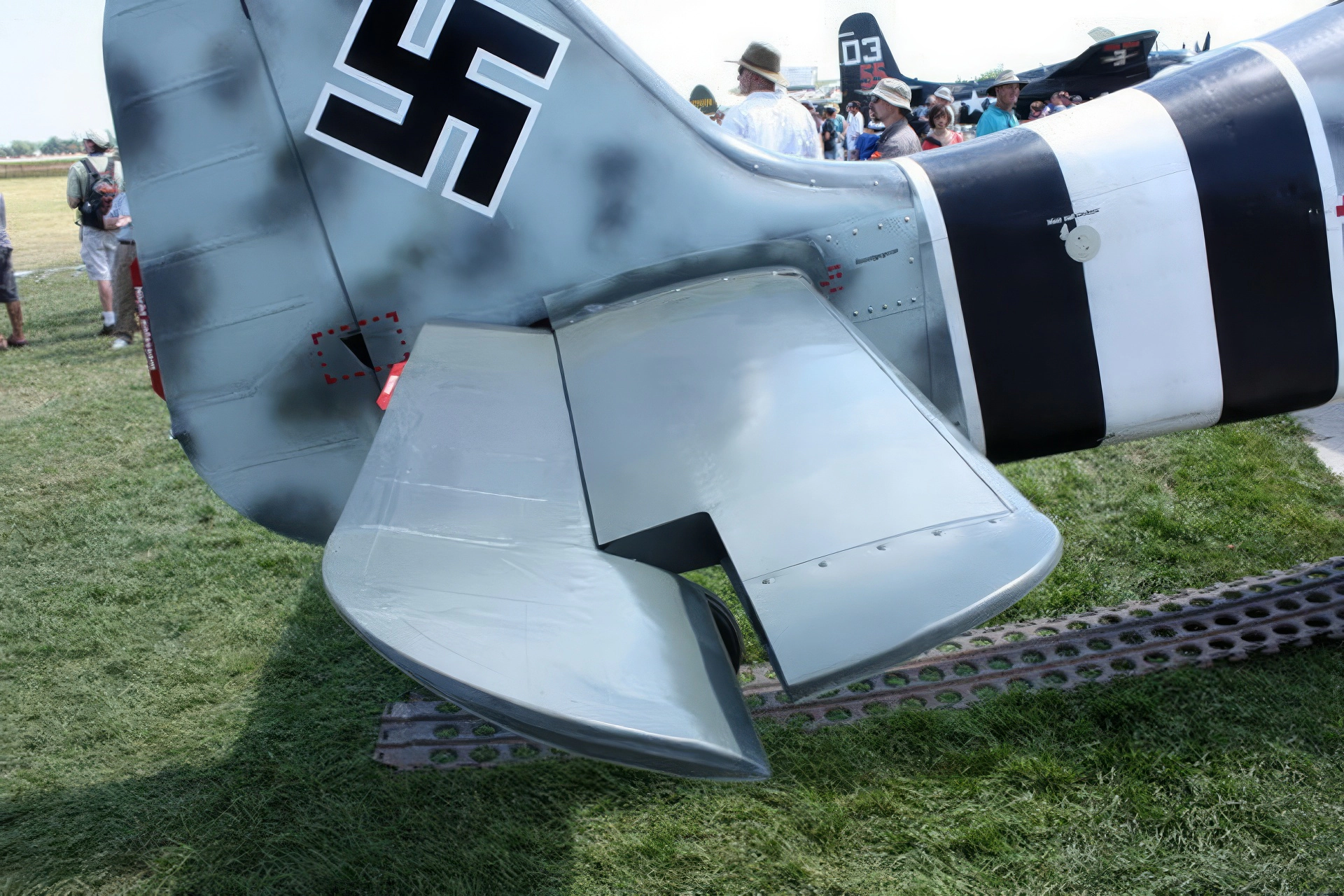

| Focke-Wulf Fw 190A5 Walk Around | |
|---|---|
| Fotograf | Wladimir Nikolajewitsch Jakubow |
| Lokalisierung | Flying Heritage Collection |
| Fotos | 72 |
Siehe auch:


| Focke-Wulf Fw 190 Walk Around | |
|---|---|
| Fotograf | Legion |
| Lokalisierung | Unbekannter |
| Fotos | 44 |
| Focke Wulf FW.190 F-8 Walk Around | |
|---|---|
| Fotograf | Cees Hendriks |
| Lokalisierung | Unbekannter |
| Fotos | 57 |
| Focke Wulf Fw 190 A-8 | |
|---|---|
| Fotograf | Kenneth Eck |
| Lokalisierung | Unbekannter |
| Fotos | 19 |
| FW 190 Walk Around | |
|---|---|
| Fotograf | Vittorio Arena |
| Lokalisierung | Unbekannter |
| Fotos | 15 |
The Focke-Wulf Fw 190, often nicknamed the “Würger” (Shrike) or “Butcher Bird,” was a single-seat, single-engine fighter aircraft designed by Kurt Tank and widely used by the German Luftwaffe during World War II.
When it was introduced on the Western Front in 1941, it was considered superior to the main Allied fighter at the time, the Spitfire Mk. V, particularly at low and medium altitudes.
Key Roles
The Fw 190 was one of the most versatile and important aircraft of the Luftwaffe, serving in numerous capacities:
- Day Fighter/Air Superiority: Its initial and primary role.
- Fighter-Bomber (Jabo): Capable of carrying significant bomb loads for ground attacks.
- Ground-Attack Aircraft (Schlachtflugzeug/Erdkampfflugzeug): das F-series Und G-series variants were specialized for this role, often featuring additional armor.
- Bomber Interceptor (“Pulkzerstörer”): Later variants, heavily armed with cannons and even large rockets (like the WGr. 21) to break up Allied bomber formations.
- Reconnaissance (Aufklärer): Fitted with cameras for photo-recon missions.
- Night Fighter (Nachtjäger): Though to a lesser degree than its day fighter role.
Key Variants
The Fw 190 was continuously developed throughout the war, resulting in several major series:
| Variant Series | Primary Engine | Role/Distinguishing Feature |
|---|---|---|
| Fw 190 A-Series | BMW 801 radial engine | The initial and most produced series. It was a fast, robust, and heavily armed fighter, though its performance dropped at high altitudes. The A-8 was one of the most prolific models. |
| Fw 190 F-Series | BMW 801 radial engine | Ground-attack specialist. Developed from the A-series with reinforced airframe and wings to carry heavier bomb loads and withstand ground fire. (e.g., Fw 190 F-8) |
| Fw 190 G-Series | BMW 801 radial engine | Fighter-bomber/long-range ground attack. Similar to the F-series but often configured for longer range by carrying drop tanks. |
| Fw 190 D-Series (“Dora”) | Junkers Jumo 213 in-line engine | High-altitude fighter. This variant featured a lengthened nose (hence the nickname “Long-Nose Dora”) to accommodate the in-line engine, improving performance at higher altitudes to counter new Allied fighters like the P-51 Mustang. (e.g., Fw 190 D-9) |
General Specifications (Fw 190A-8)
| Feature | Specification (Approximate) |
|---|---|
| Triebwerk | 1 BMW 801 D-2 14-cylinder radial engine |
| Engine Output | 1,700 – 2,100 hp (depending on variant and power setting) |
| Flügelspannweite | 10.5 m (34 ft 6 in) |
| Länge | 8.95 m (29 ft 4 in) (A-series) |
| Max Speed | Up to 653 km/h (406 mph) (A-series) |
| Bewaffnung | Typically included a combination of 7.92 mm machine guns (MG 17/MG 131) and 20 mm cannons (MG 151/20), with options for 30 mm cannons (MK 108/MK 103), rockets, and bombs. |
Aufrufe : 26357
Sie können auch sehen:
 Boeing X-32 – Fotos & Videos
 Avro 504 – Fotos & Videos
 Nardi FN.305 – Fotos & Videos
 Northrop YC-125 Raider – Fotos & Videos
 Grumman AF Guardian – Fotos & Videos
 Fairey Delta 2 – Fotos & Videos
 Handley Page Halifax - Fotos & Videos
 Grumman G-21 Goose – Fotos & Videos
 British Aerospace Harrier II – Fotos & Videos
 B-25J Mitchell – WalkAround
Das letzte Bild (1schwarze Nummer) wurde 2010 auf dem Flugplatz "La Ferté Alais" aufgenommen. Heute gehört dieser Flieger zum Hangar 10 in Norddeutschland, hat aber eine neue Lackierung.