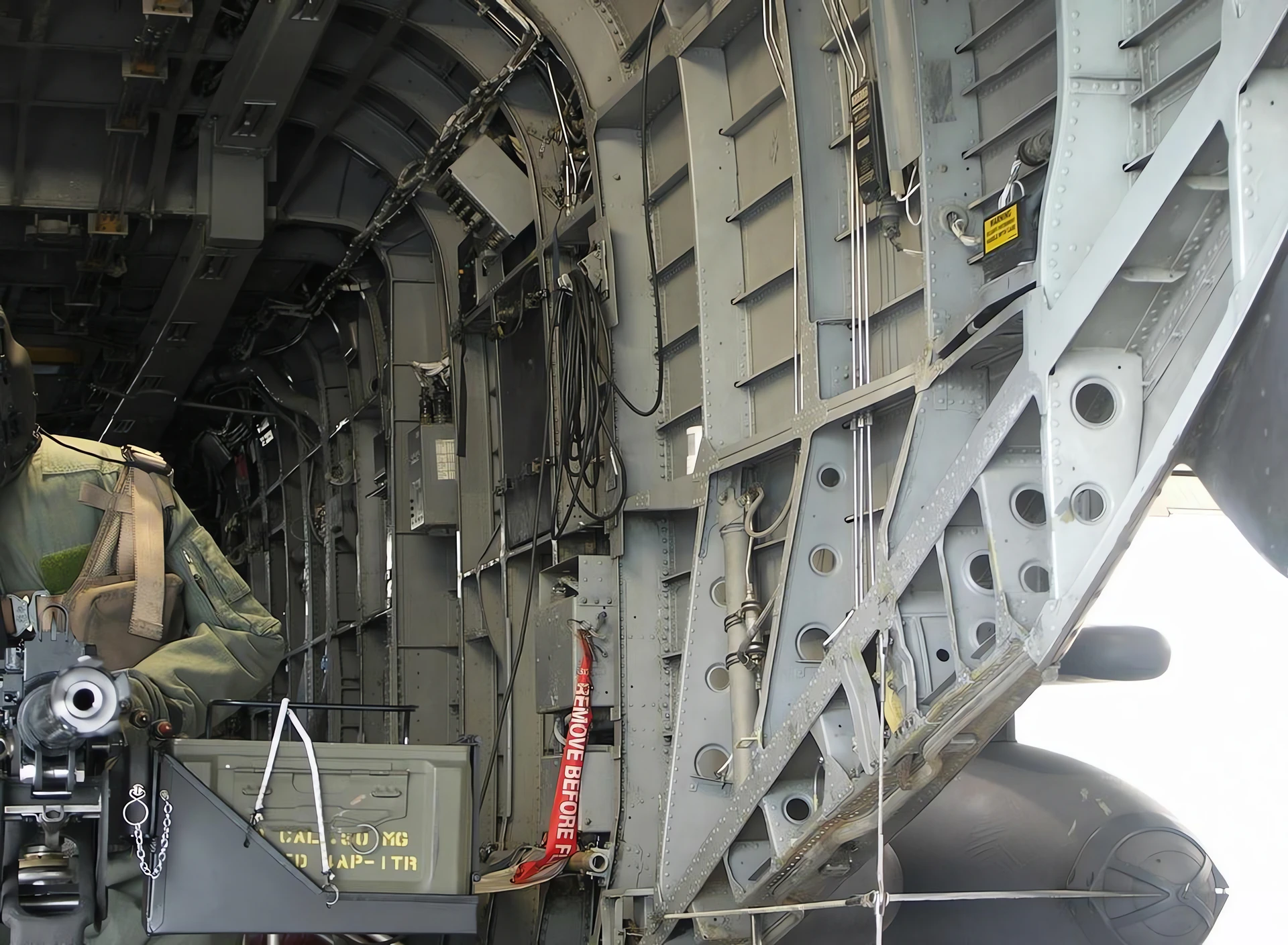
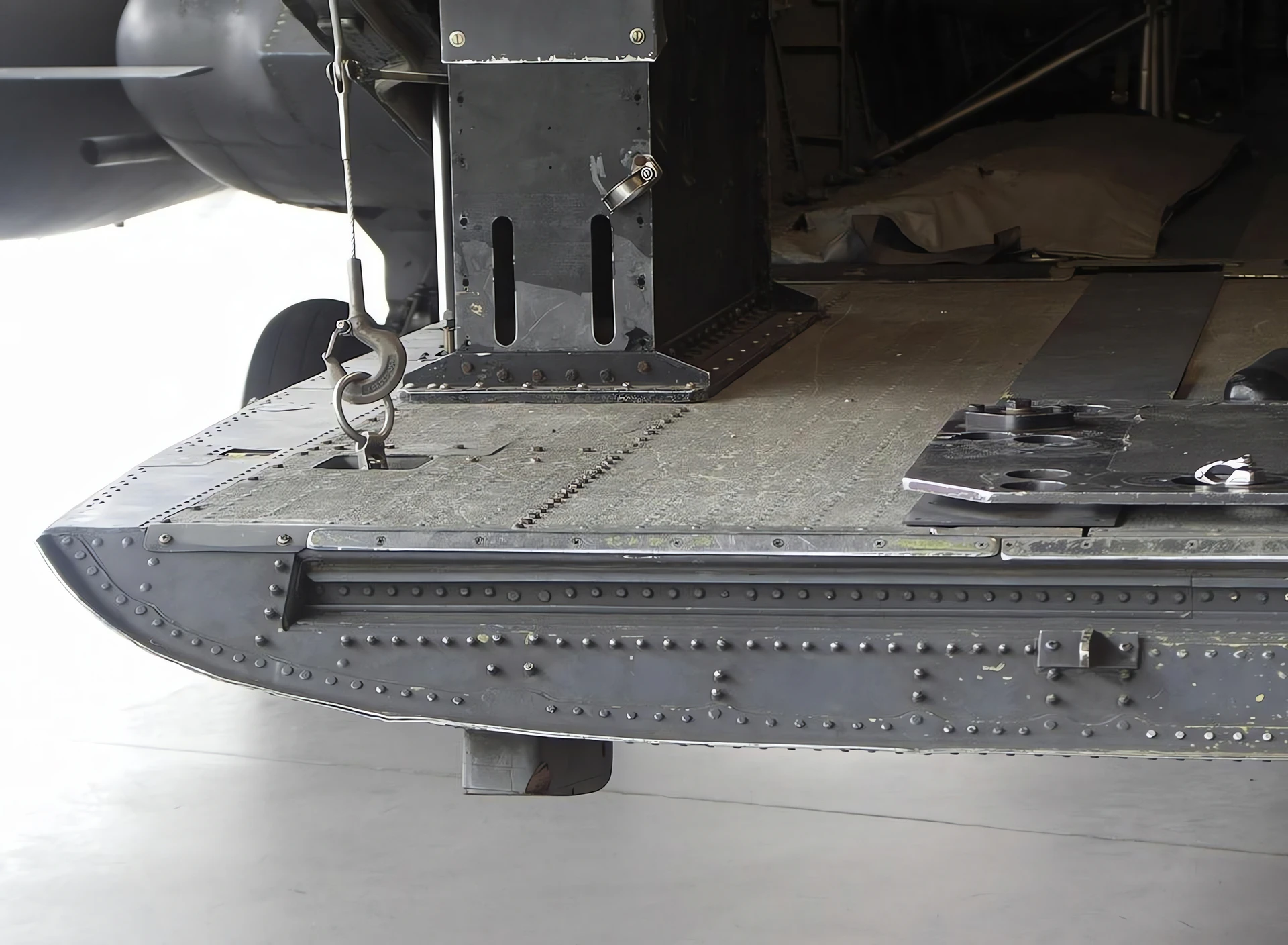
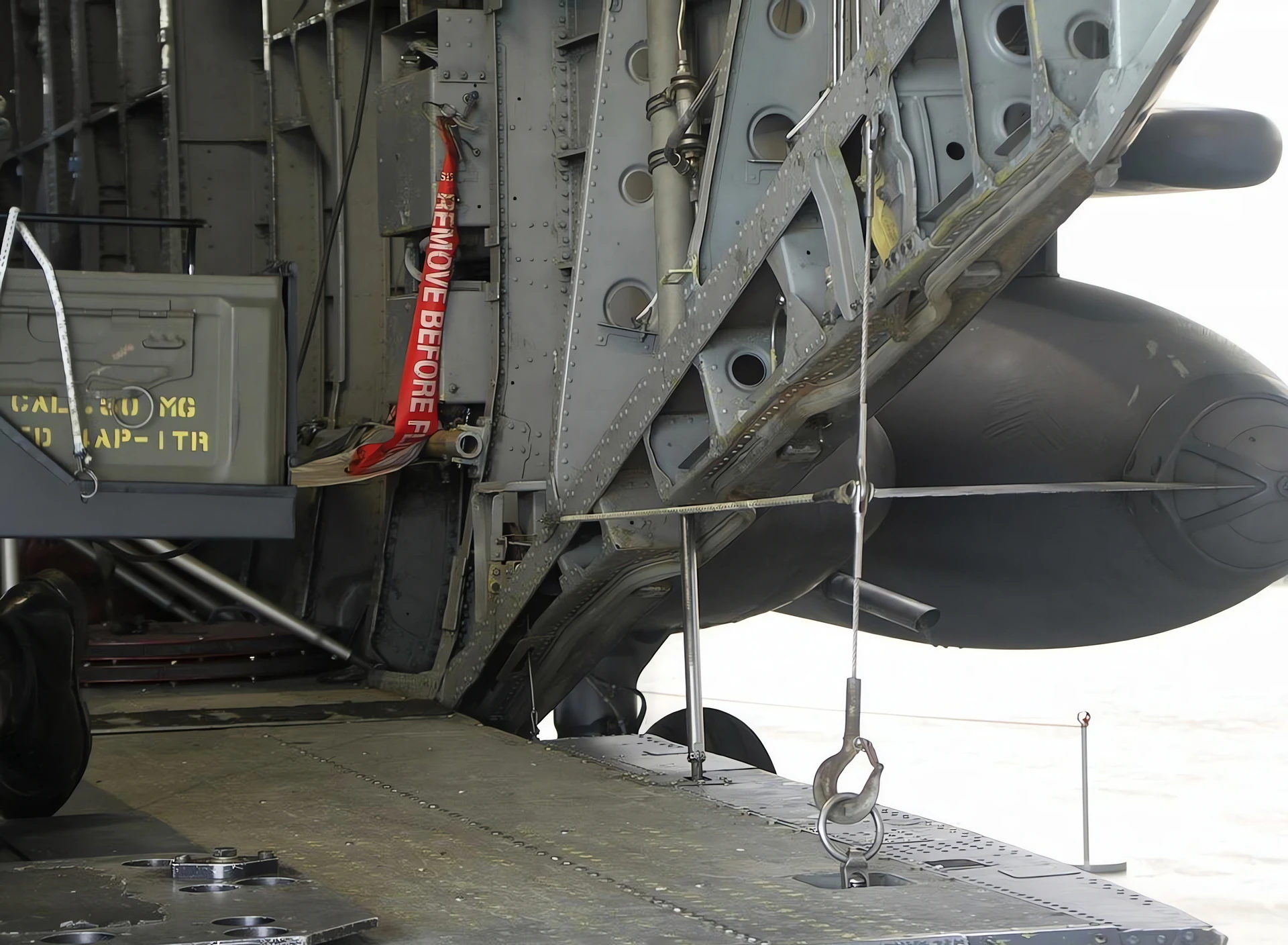
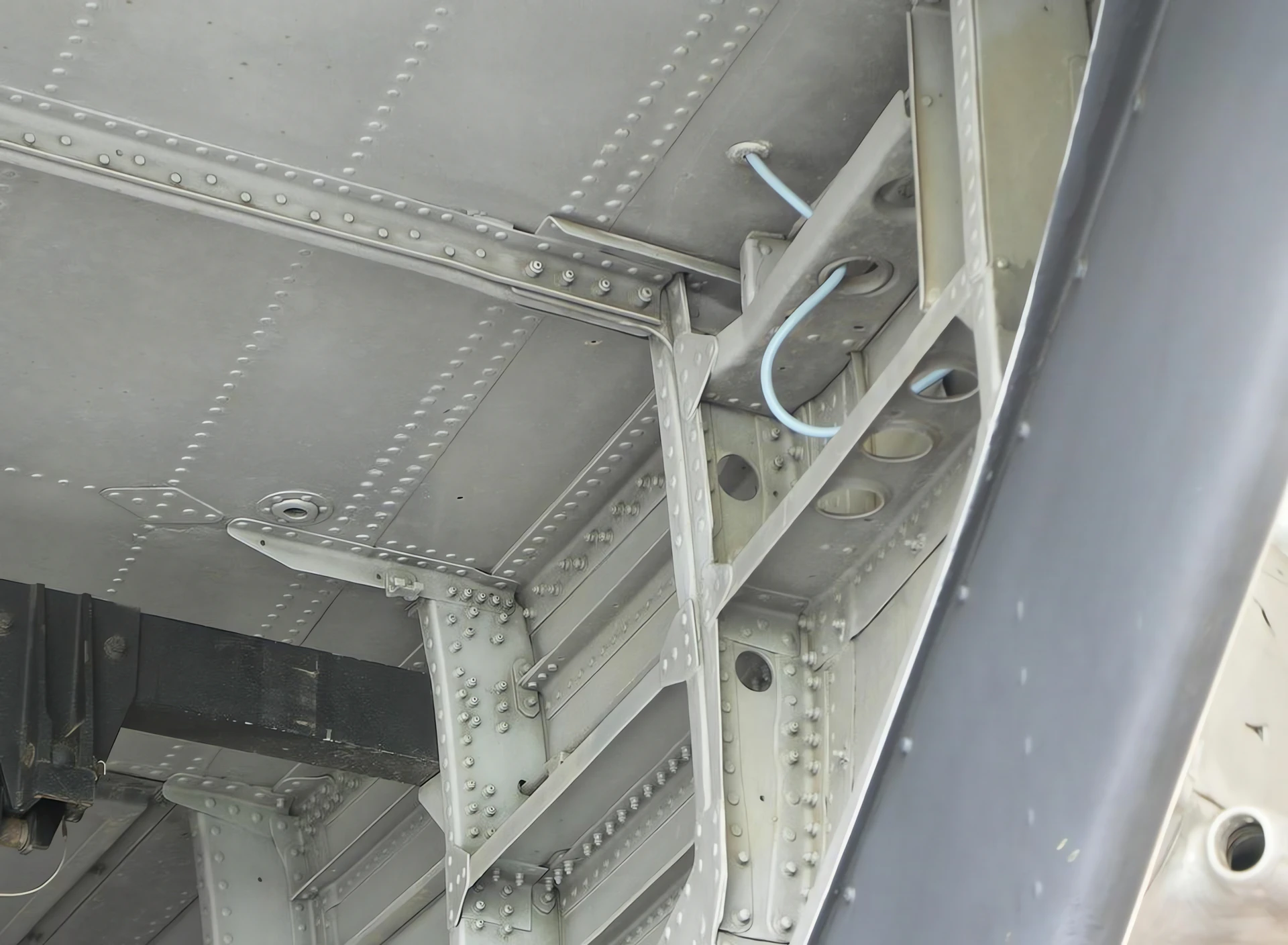
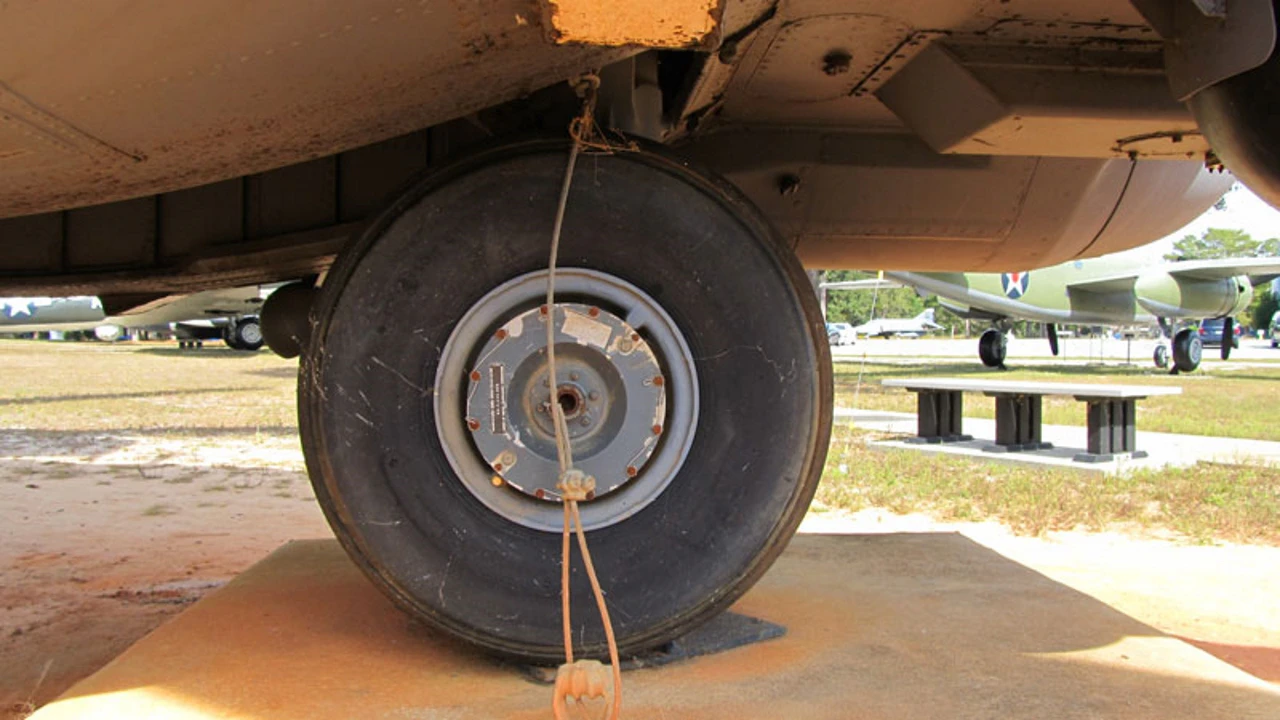
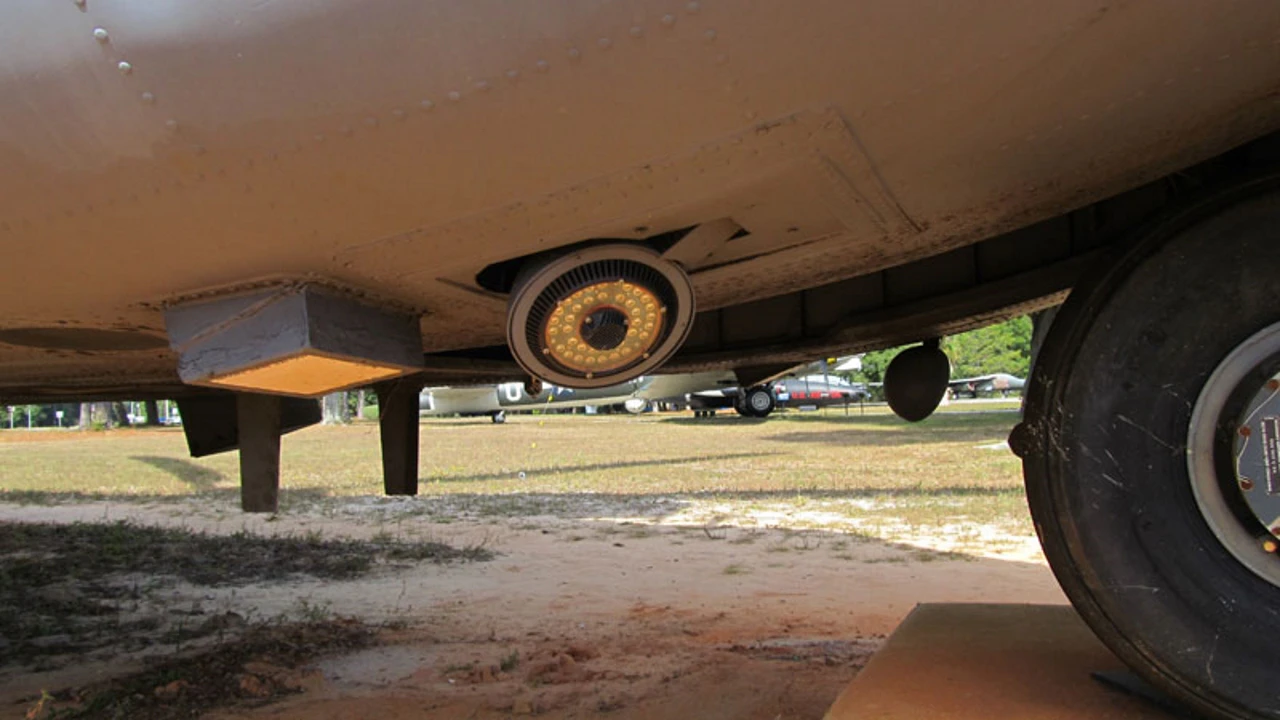
Fotogalleri af en Sikorsky MH-53,
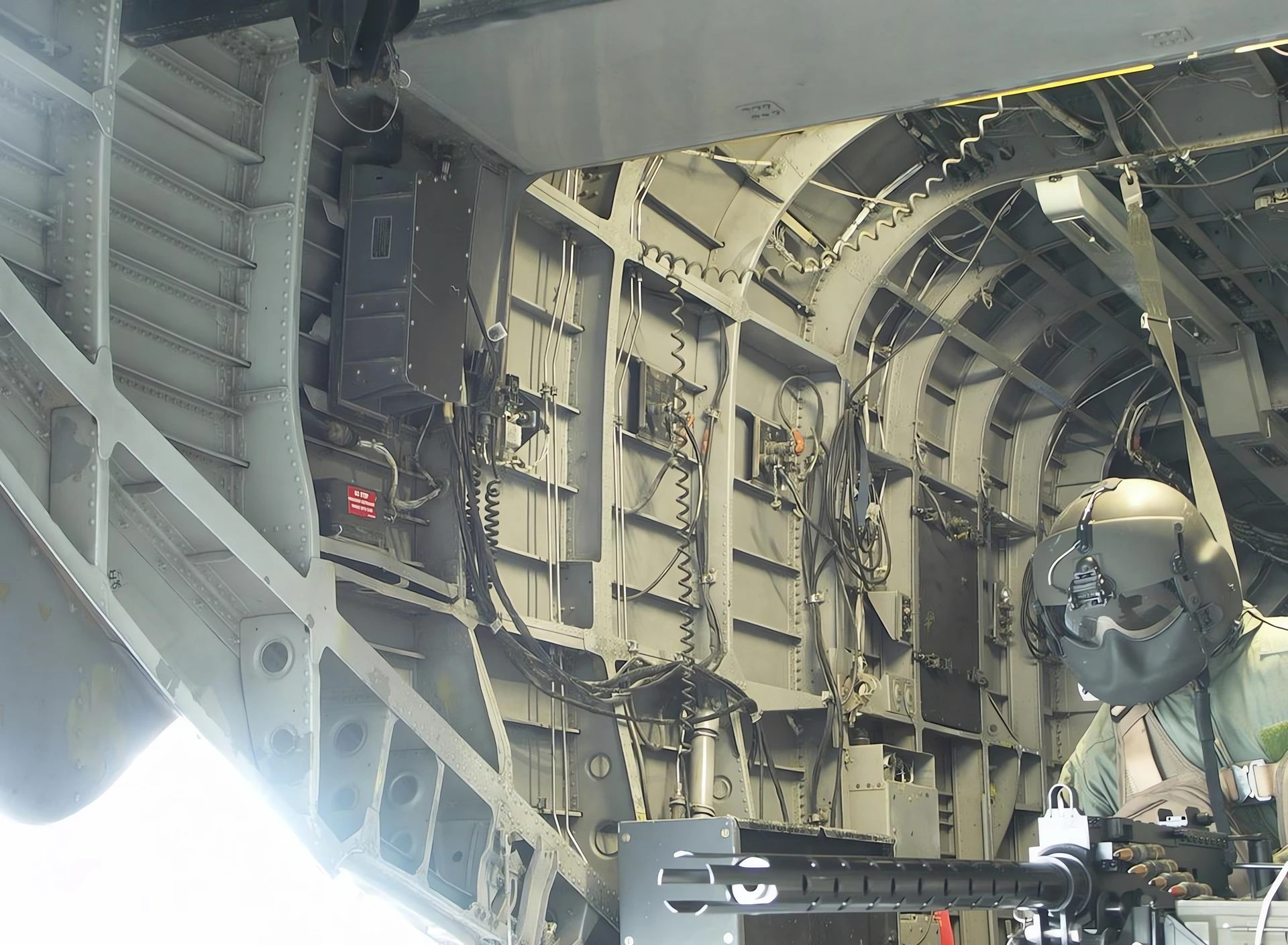
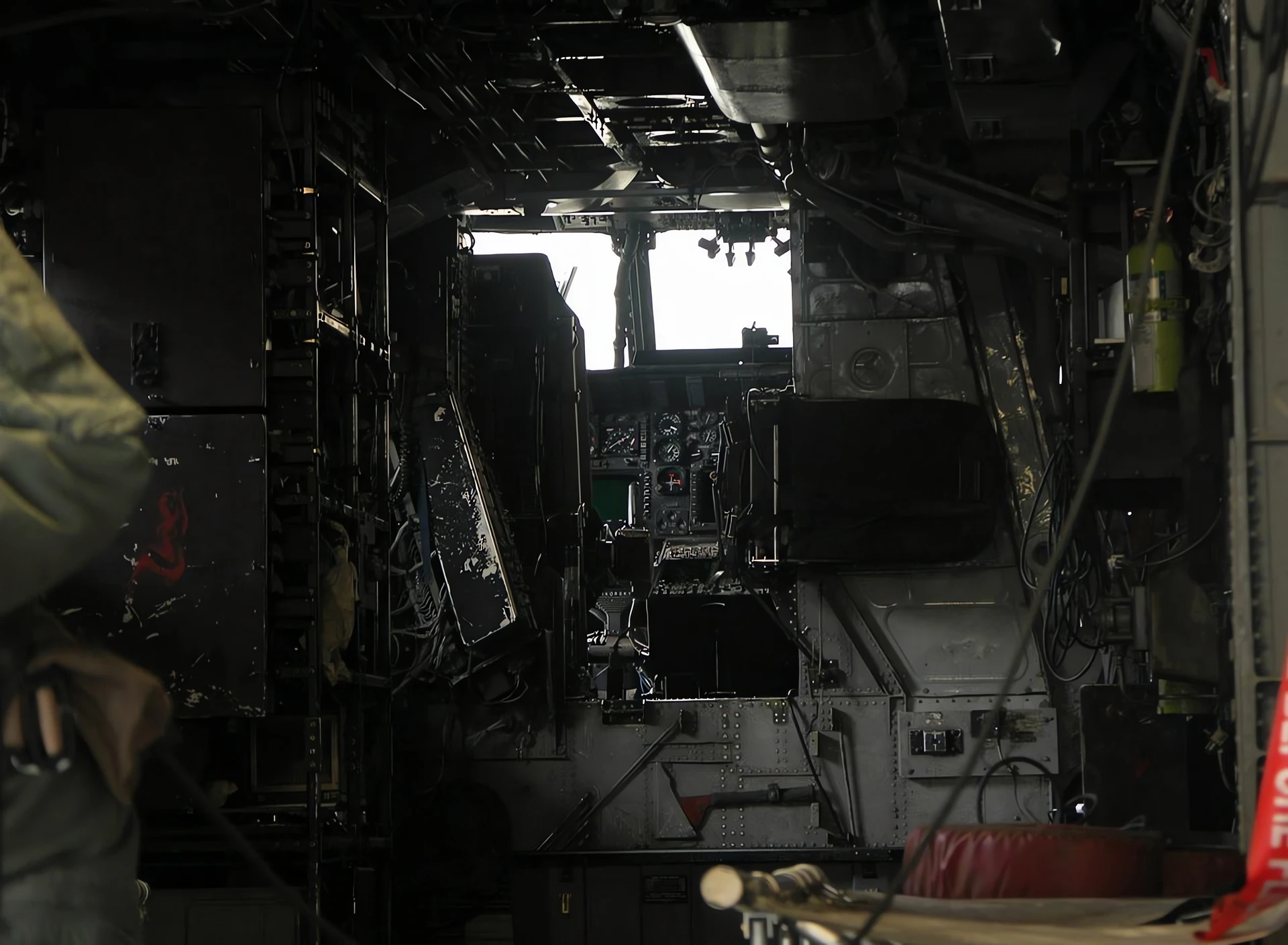
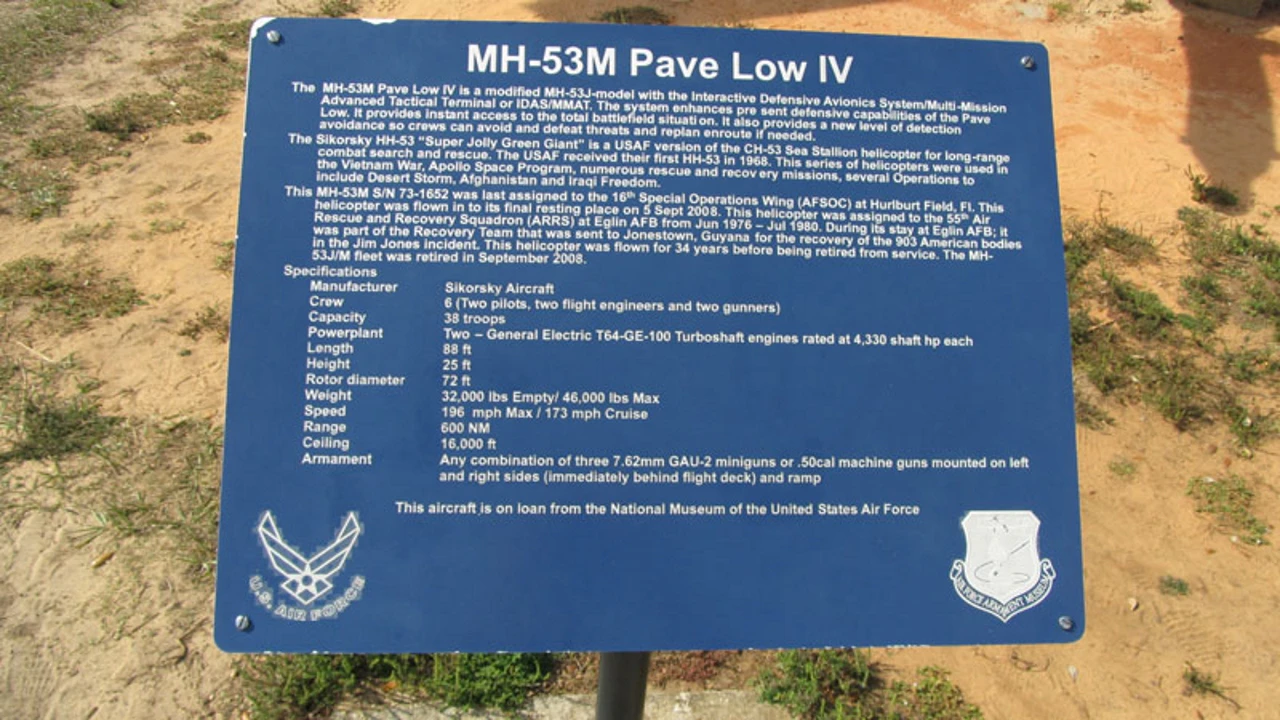
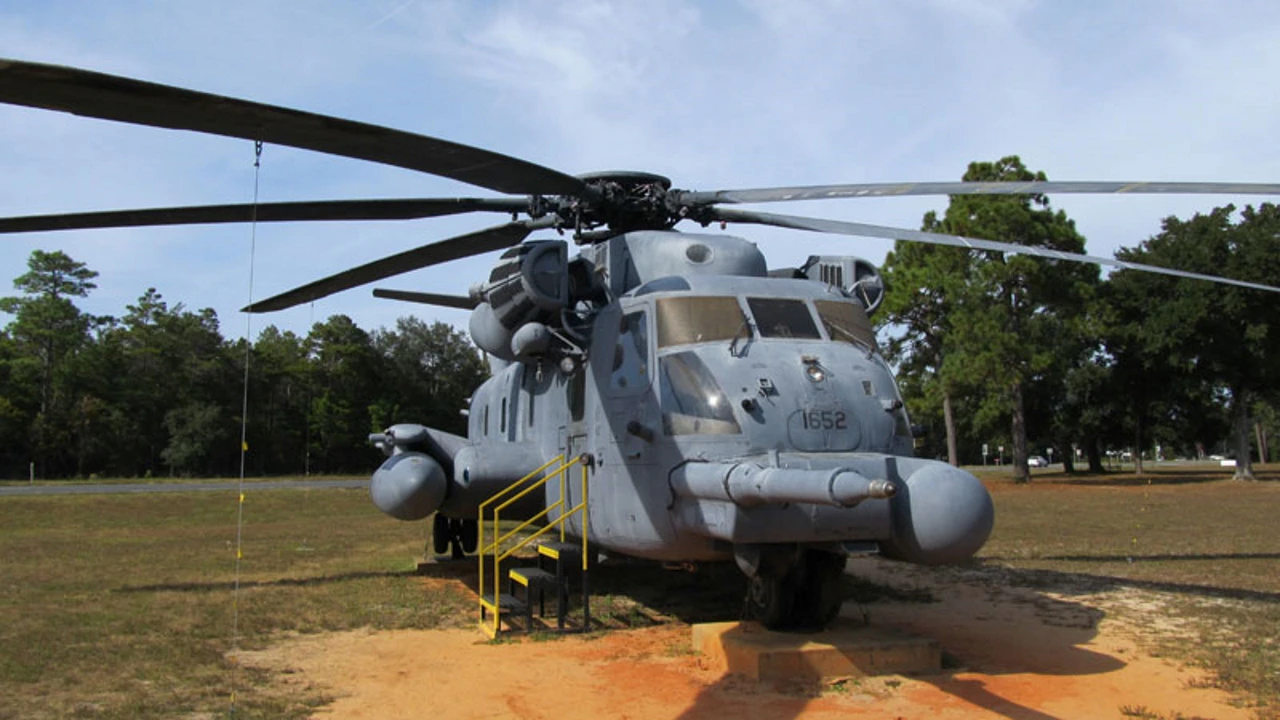
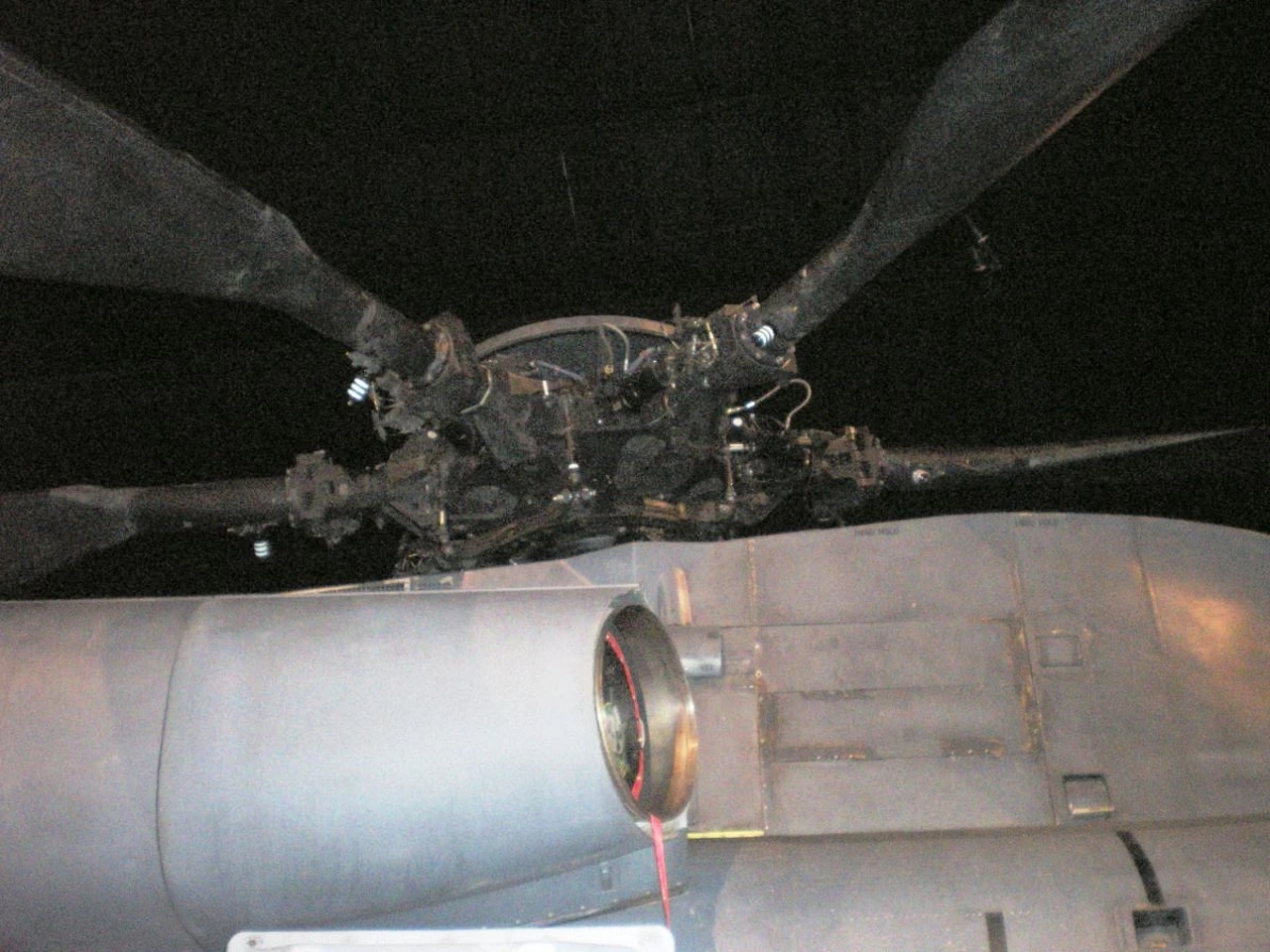
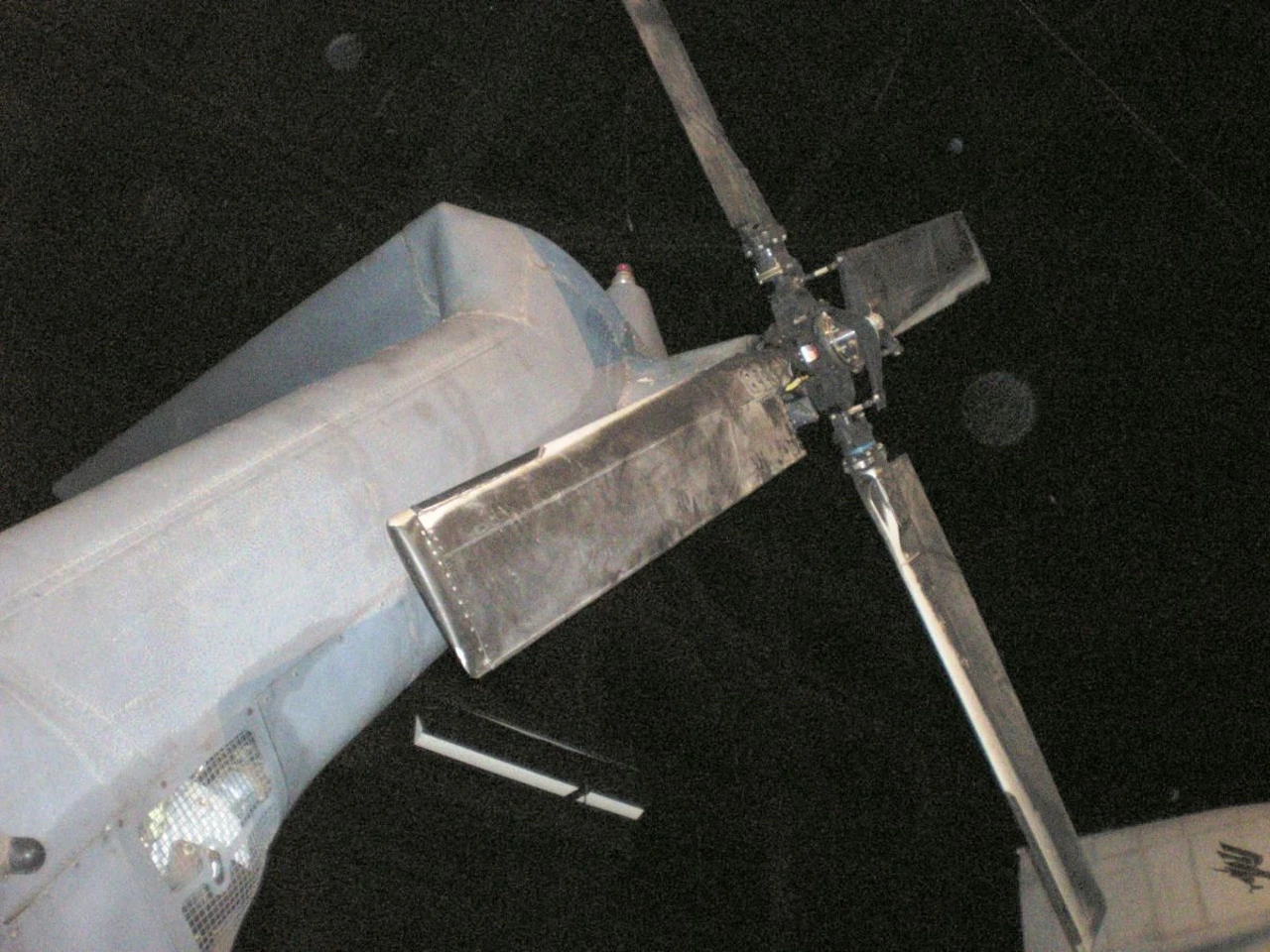
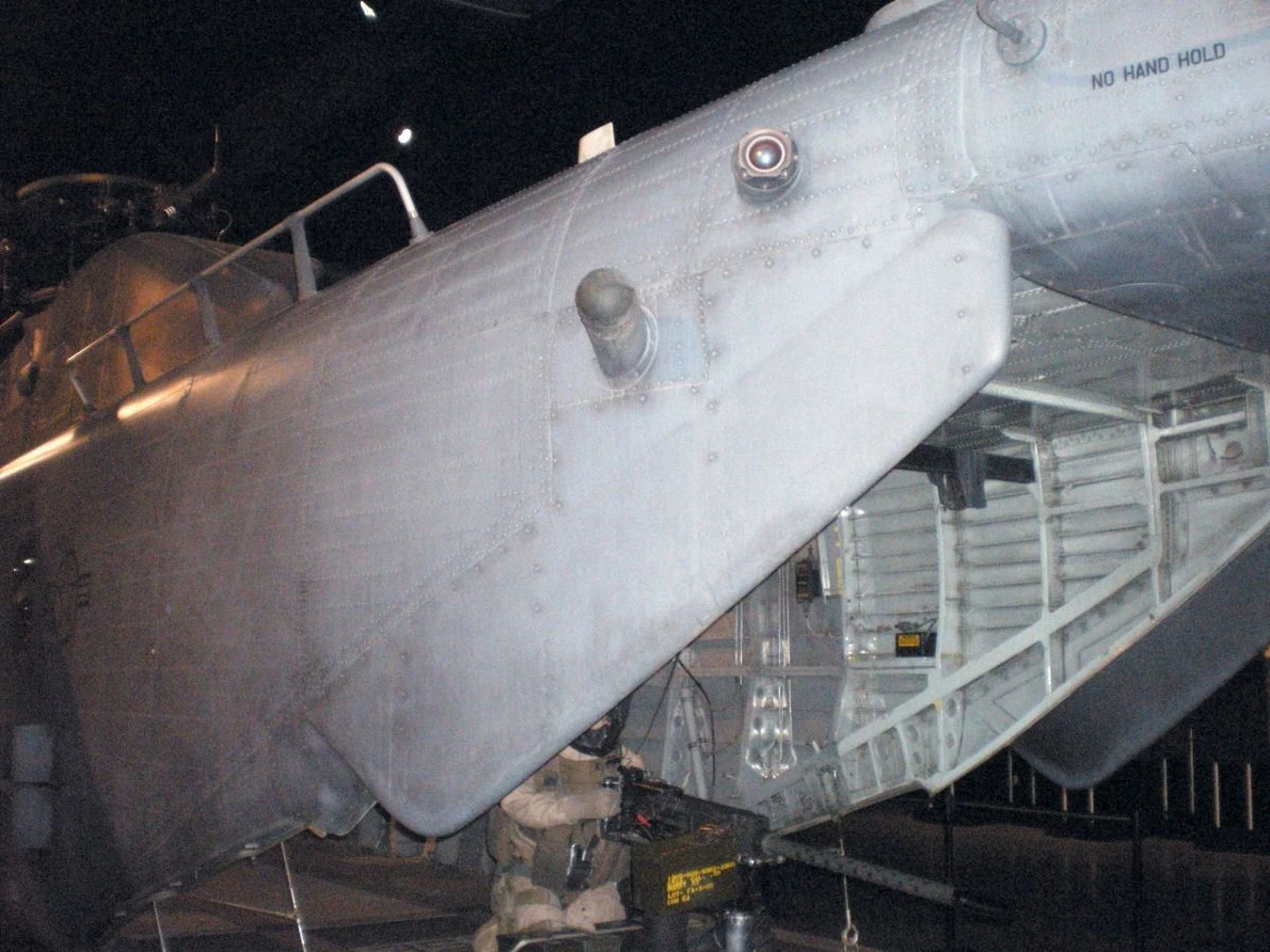
The Sikorsky MH-53 Pave Low series is a long-range combat search and rescue (CSAR) helicopter for the United States Air Force. The series was upgraded from the HH-53B/C, variants of the Sikorsky CH-53 Sea Stallion. The HH-53 “Super Jolly Green Giant” was initially developed to replace the HH-3 “Jolly Green Giant”. The helicopters later transitioned to Special Operations missions. The U.S. Air Force’s MH-53J/M fleet was retired in September 2008.
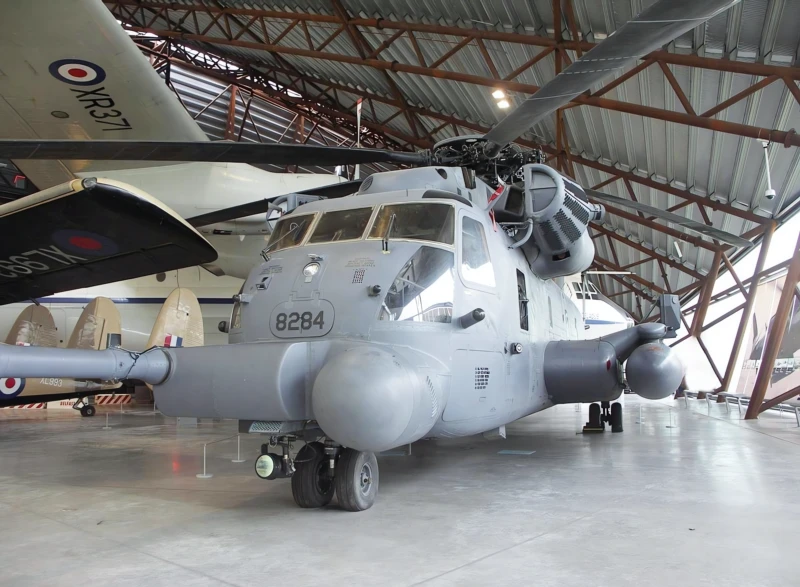
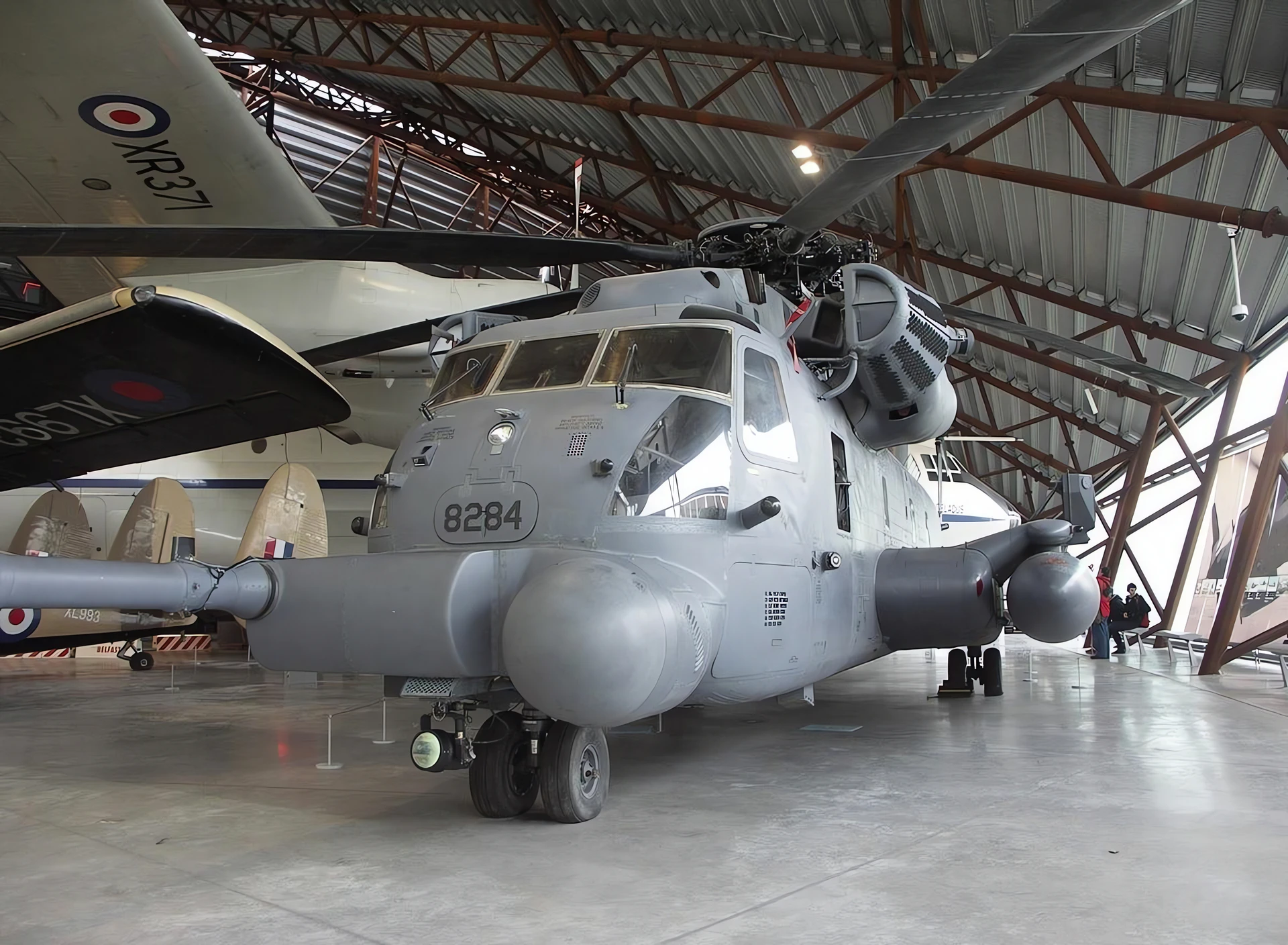
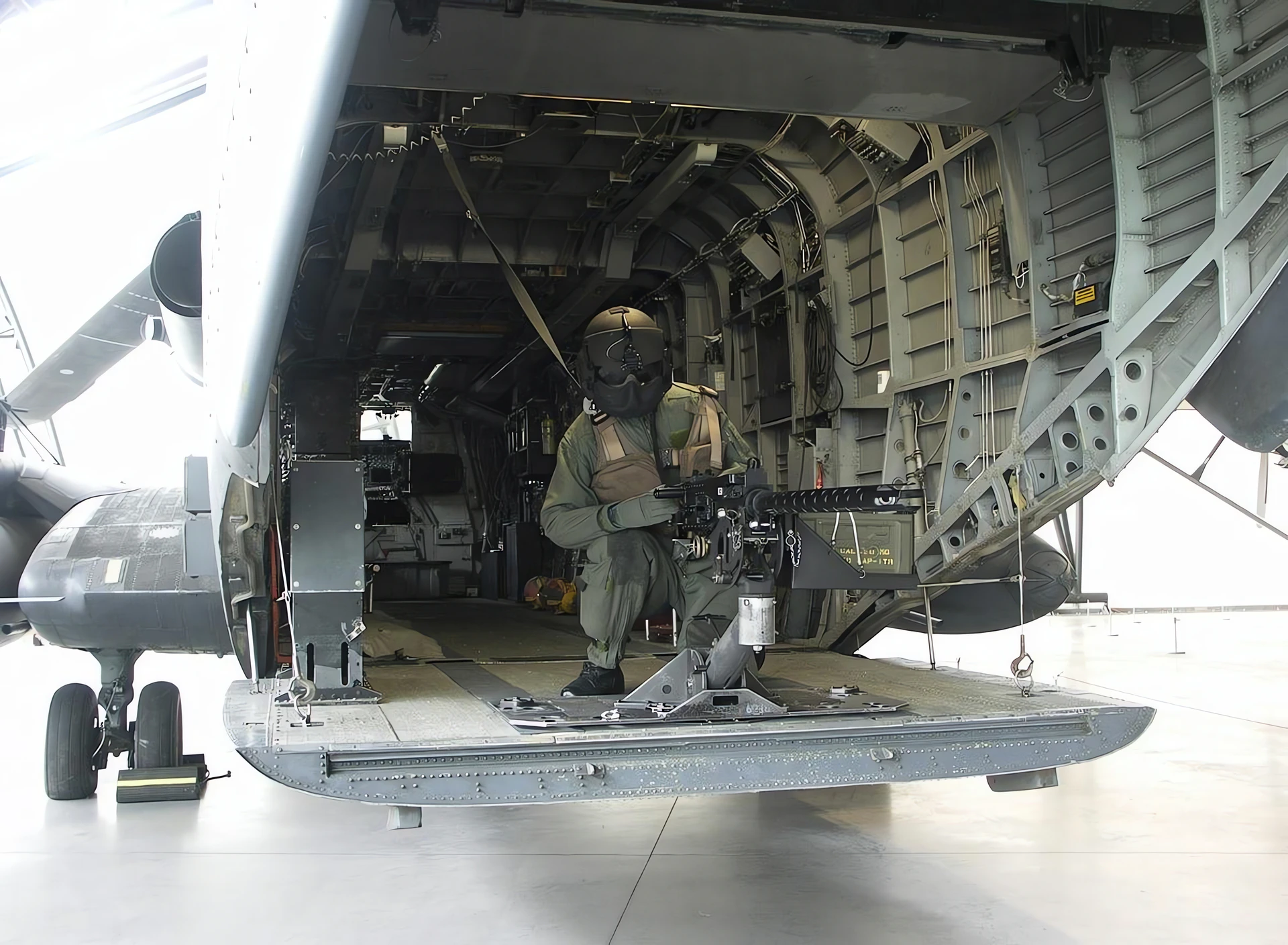
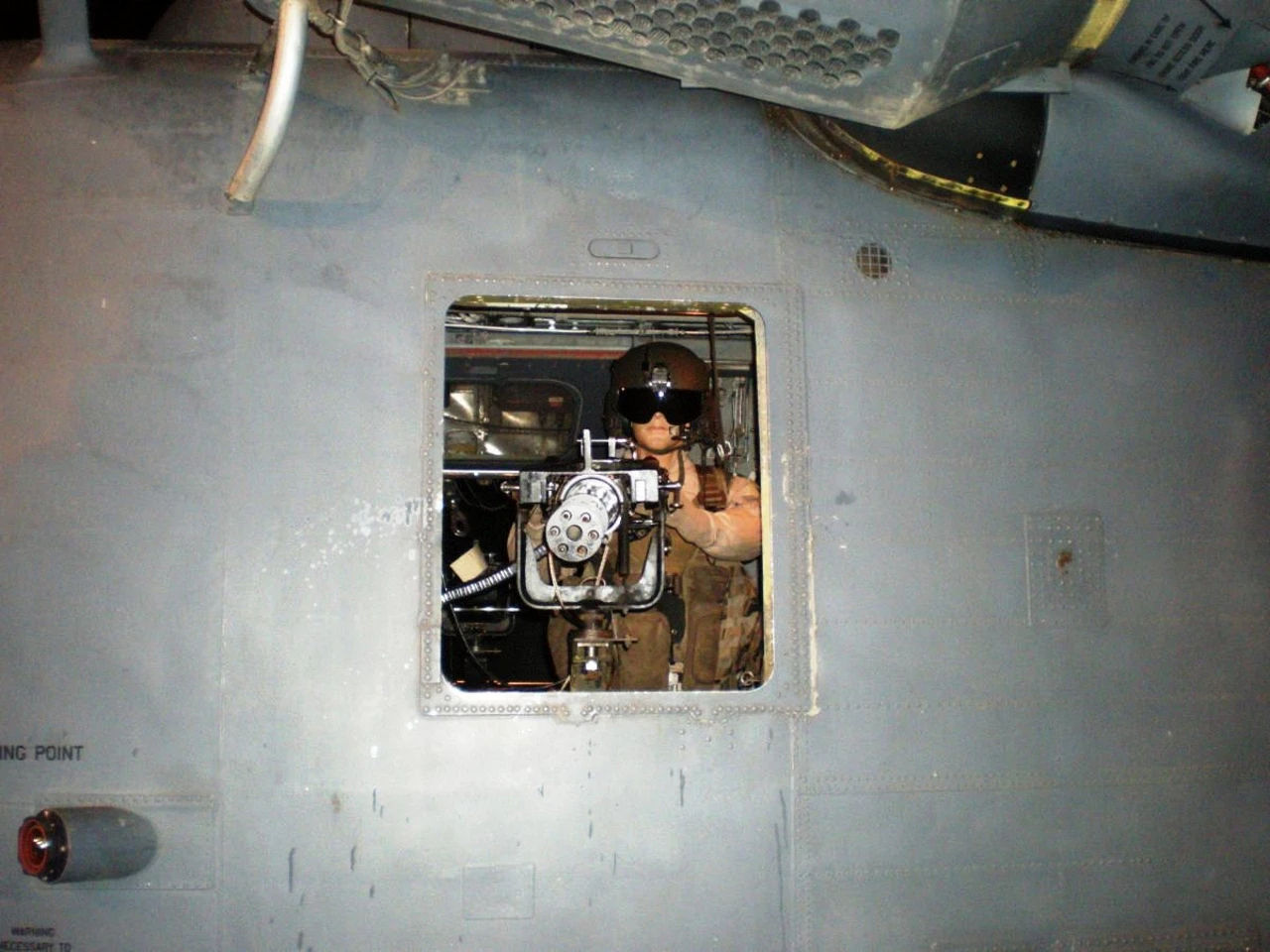
Den Sikorsky MH-53 Pave Lowwas the most sophisticated helicopter in the world during its service. Evolved from the HH-53 “Super Jolly Green Giant” used for combat search and rescue in Vietnam, the MH-53JPave Low IIIand MH-53MPave Low IVwere dedicated special operations platforms. Their mission was simple but incredibly dangerous: fly low-level, long-range missions into enemy territory, at night and in marginal weather, to insert or extract Special Forces. With its massive lifting power and “all-weather” sensors, the Pave Low was the “heavy lifter” of the Air Force Special Operations Command (AFSOC).
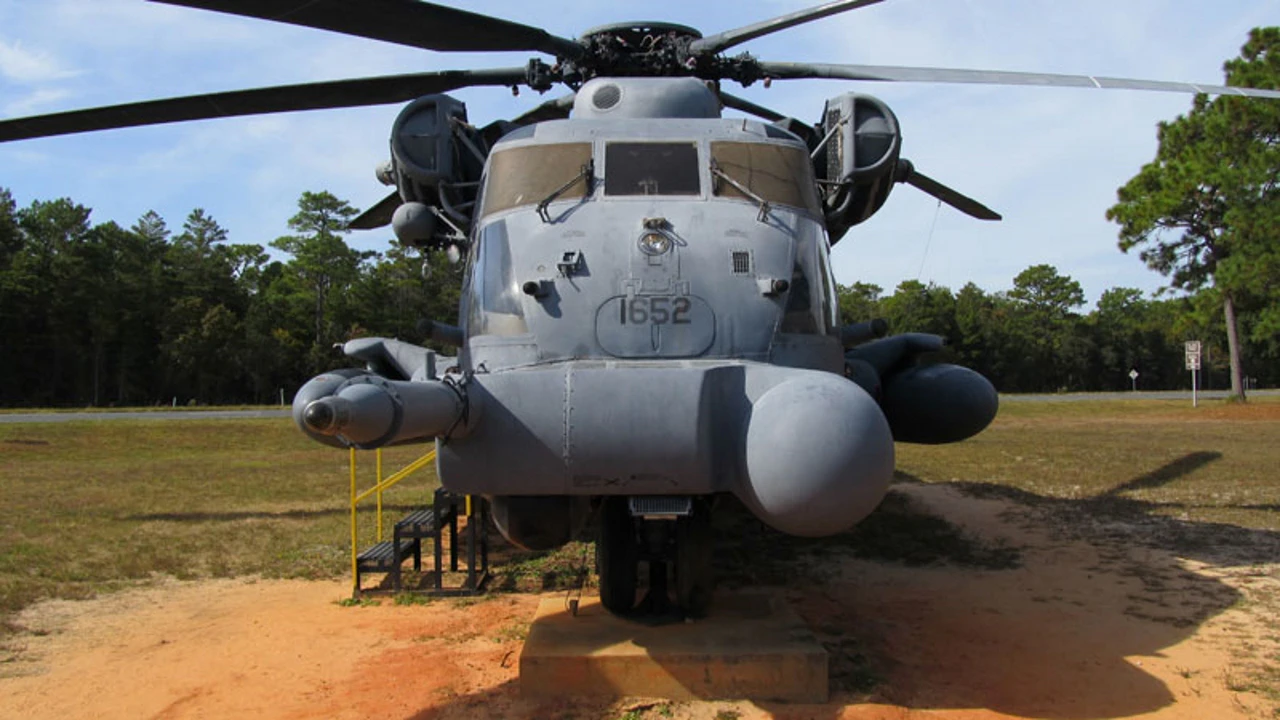
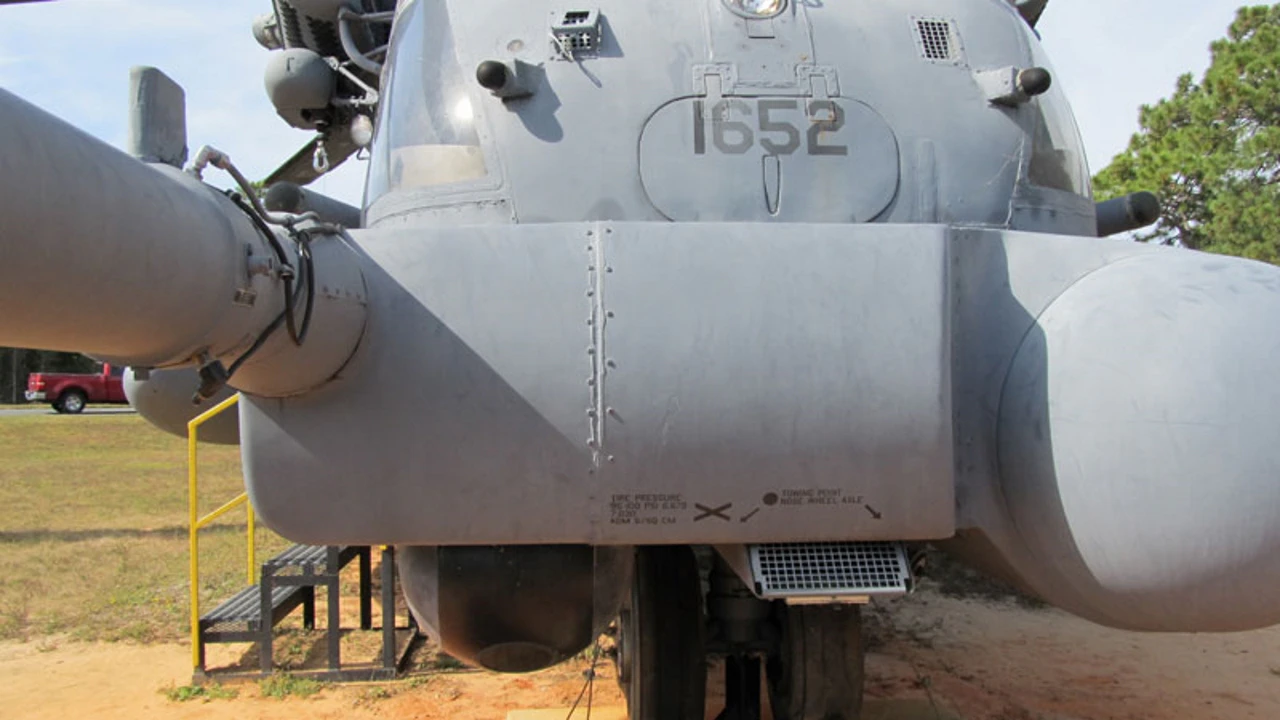
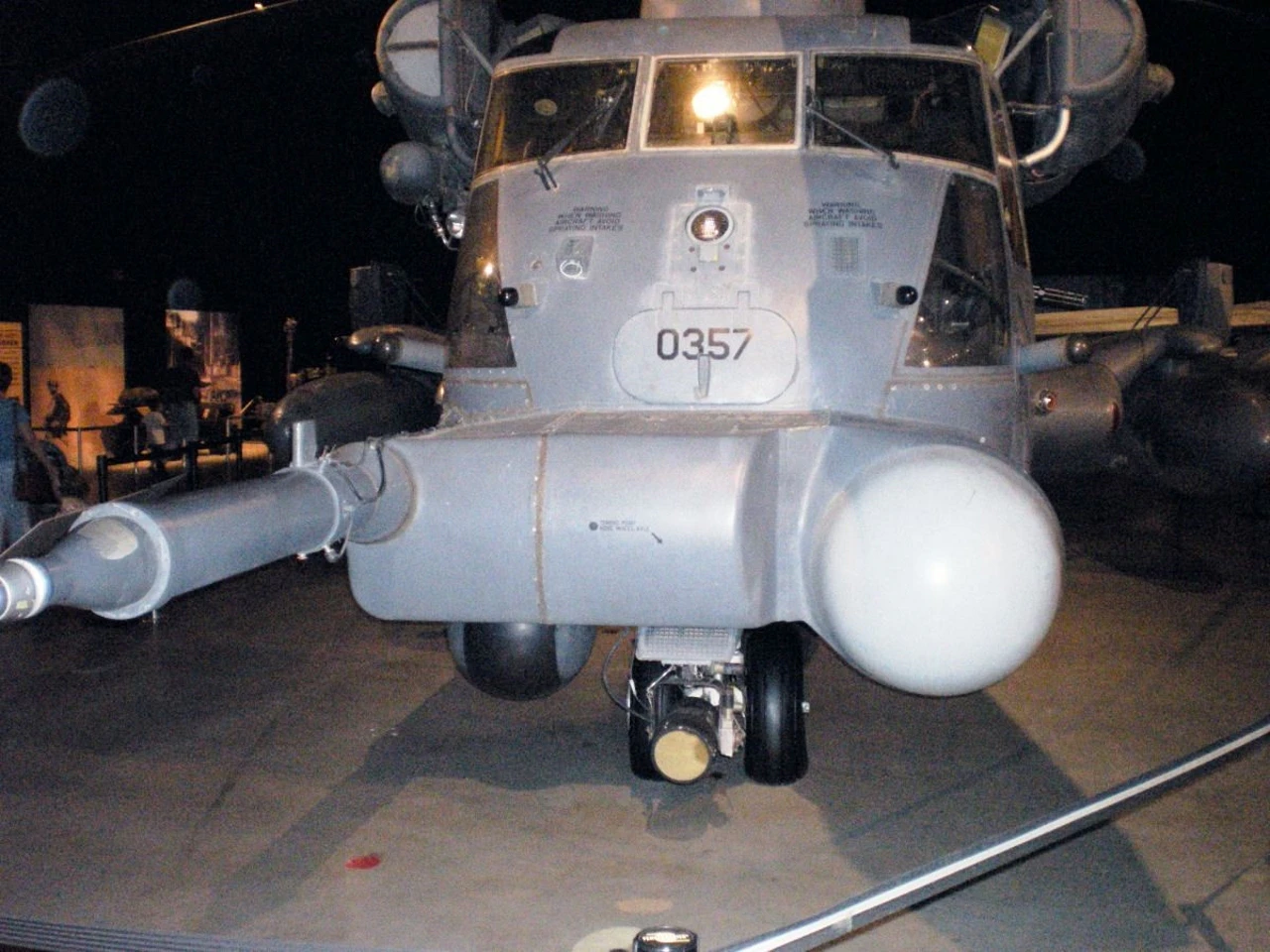
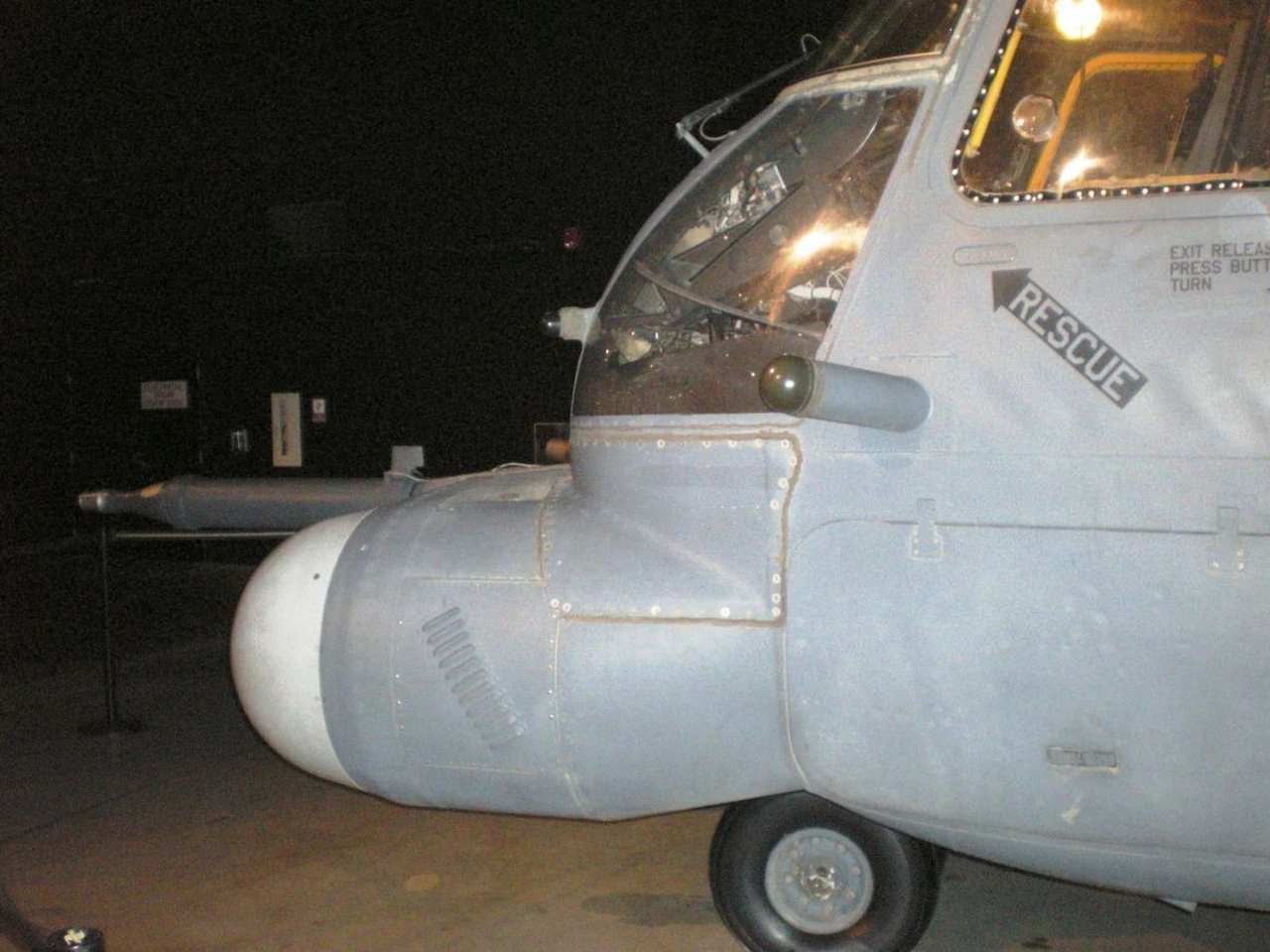
Terrain Following Radar (TFR):The “Pave” in its name refers to the sophisticated electronics suite. The MH-53 featured a massive nose-mounted radar that allowed it to fly at tree-top level in total darkness or thick fog, automatically following the contours of the Earth.
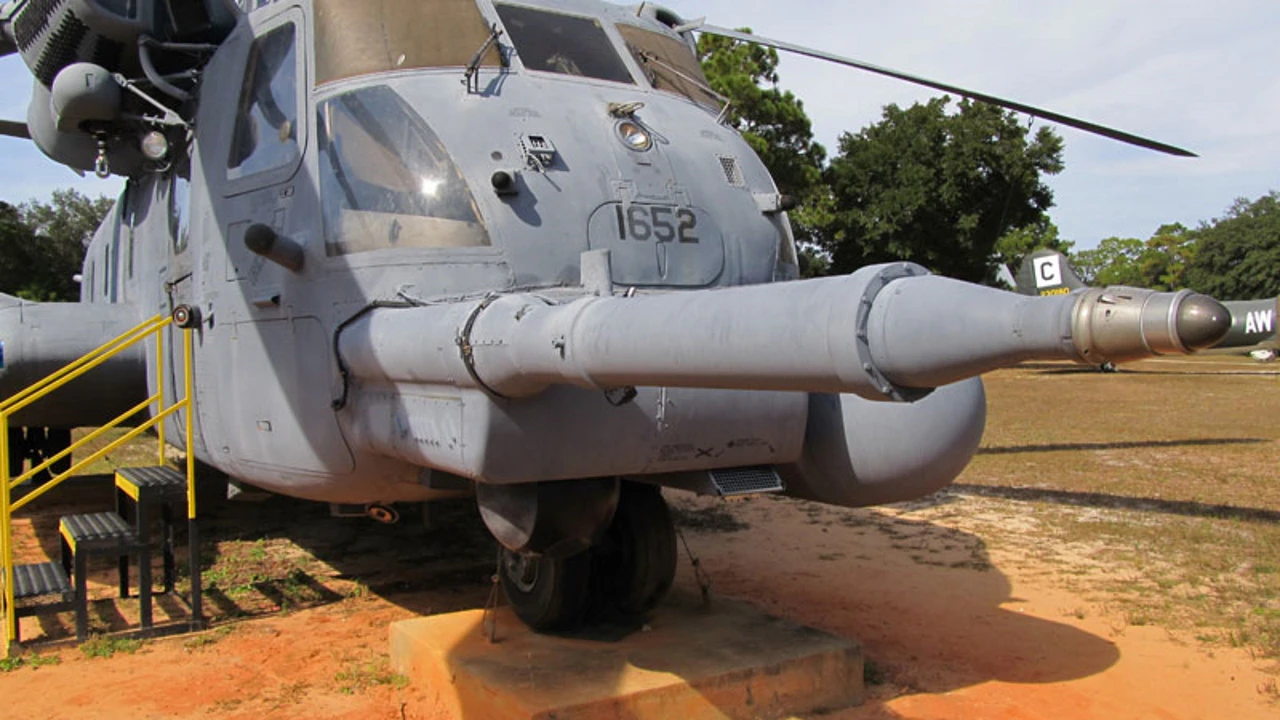
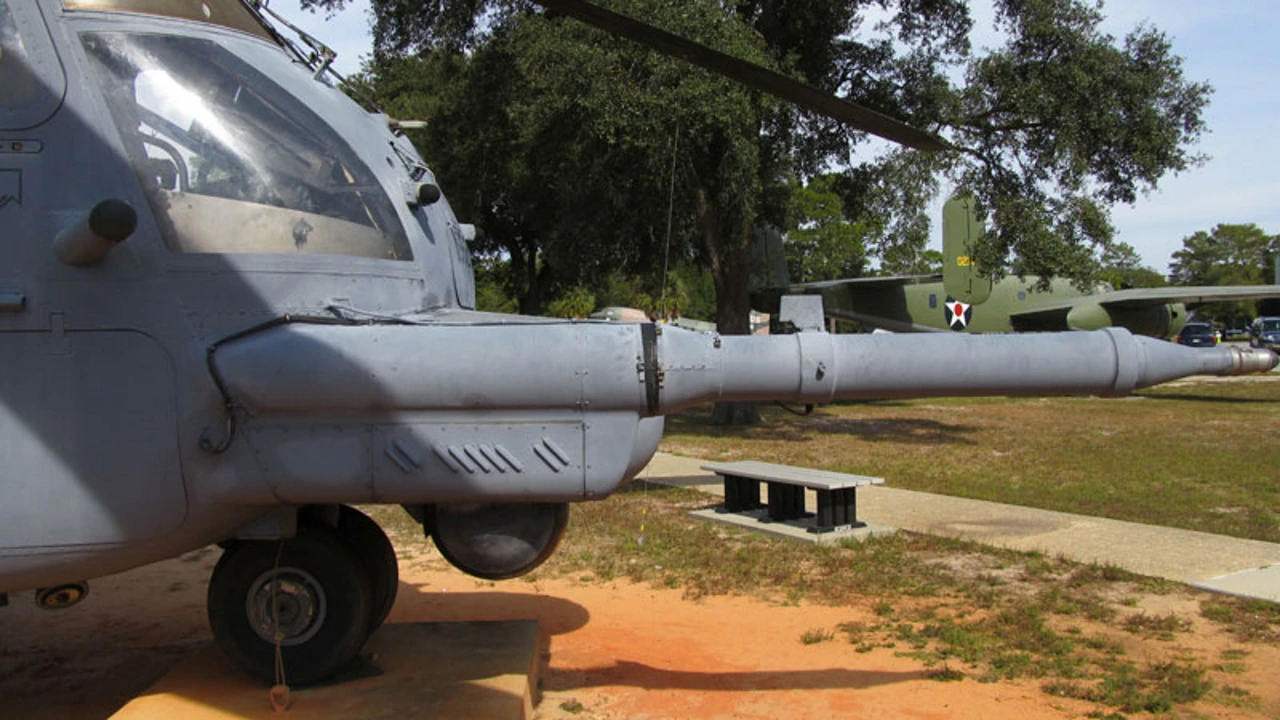
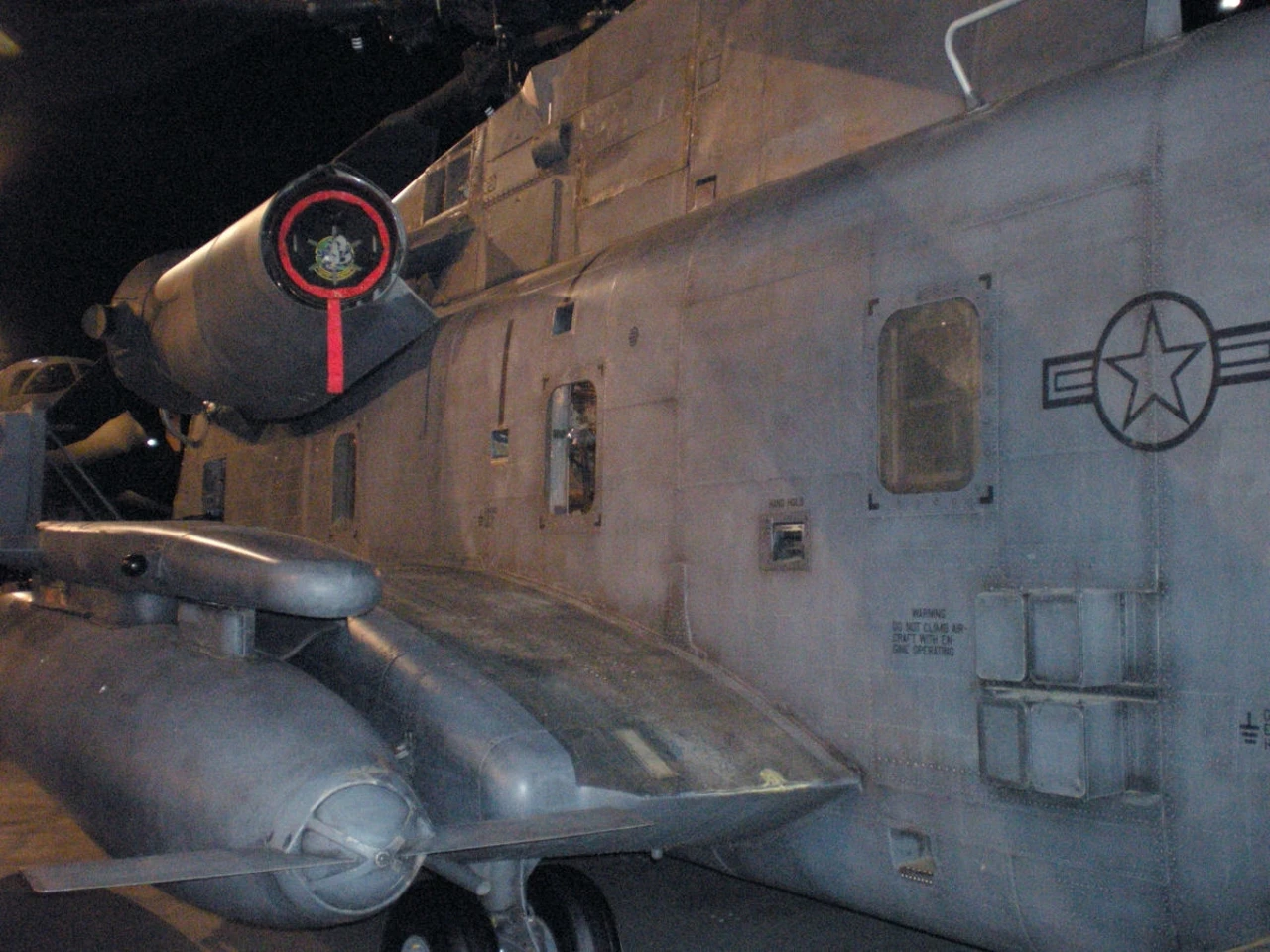
The Refueling Probe:To achieve “infinite” range, the Pave Low featured a long, extendable refueling probe on the right side of the nose. This allowed it to drink fuel from HC-130 tankers while flying mid-air.
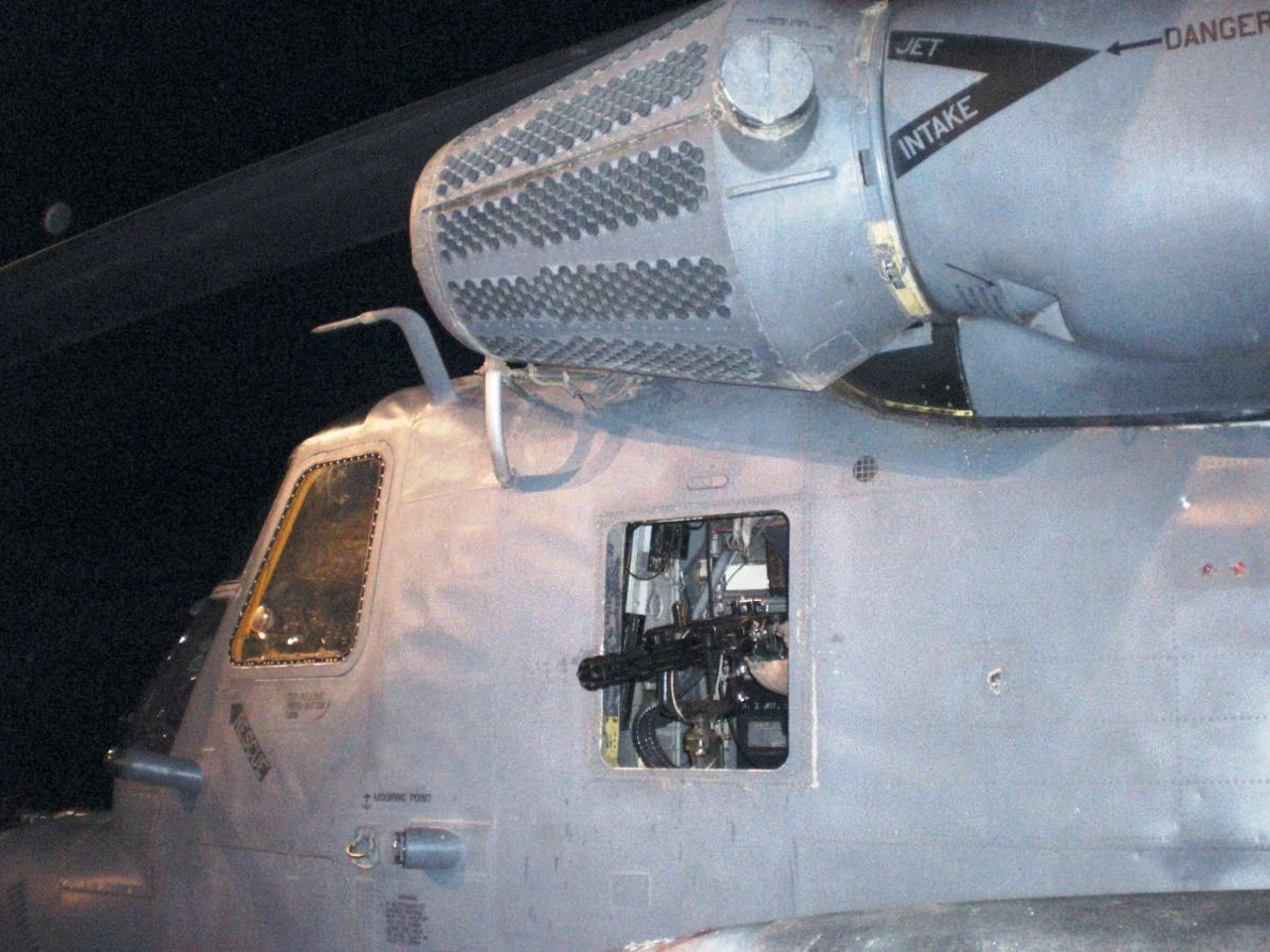
Titanium Armor:The pilots and critical components were shielded by titanium armor plating, necessary for an aircraft expected to fly through “hot” landing zones at low altitudes.
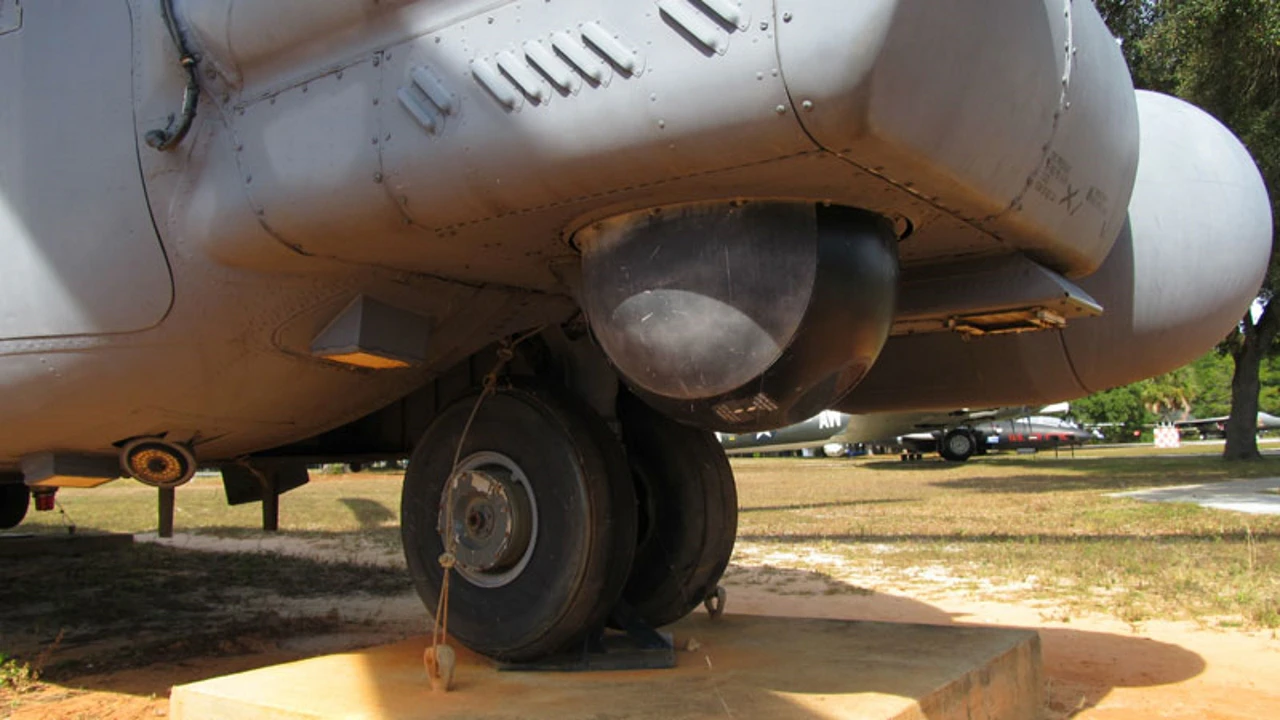
External Fuel Tanks:To support its thirsty twin-turbine engines, the MH-53 almost always carried two massive 650-gallon external fuel tanks on outriggers attached to the fuselage.
Combat History: Leading the Way
Desert Storm:In the opening minutes of the 1991 Gulf War, MH-53Js led the way for Apache gunships to destroy Iraqi radar sites, “opening the door” for the air war. They used their precise navigation systems to guide the Apaches across the featureless desert.
Operation Ivory Coast:Its predecessor, the HH-53, was the lead aircraft in the 1970Son Tay Raid, a daring attempt to rescue POWs deep inside North Vietnam.
The Last Flight:The MH-53 was retired in 2008, replaced by the CV-22 Osprey. Many pilots were heartbroken to see it go, as the “Lead Sled” was known for its ability to take immense battle damage and keep flying.
IDAS/MATT:The MH-53M “Pave Low IV” featured an Interactive Defensive Avionics System that gave the crew real-time “God’s eye” views of enemy threats, allowing them to dodge missiles and radar sites in real-time.

 Køb mig en kop kaffe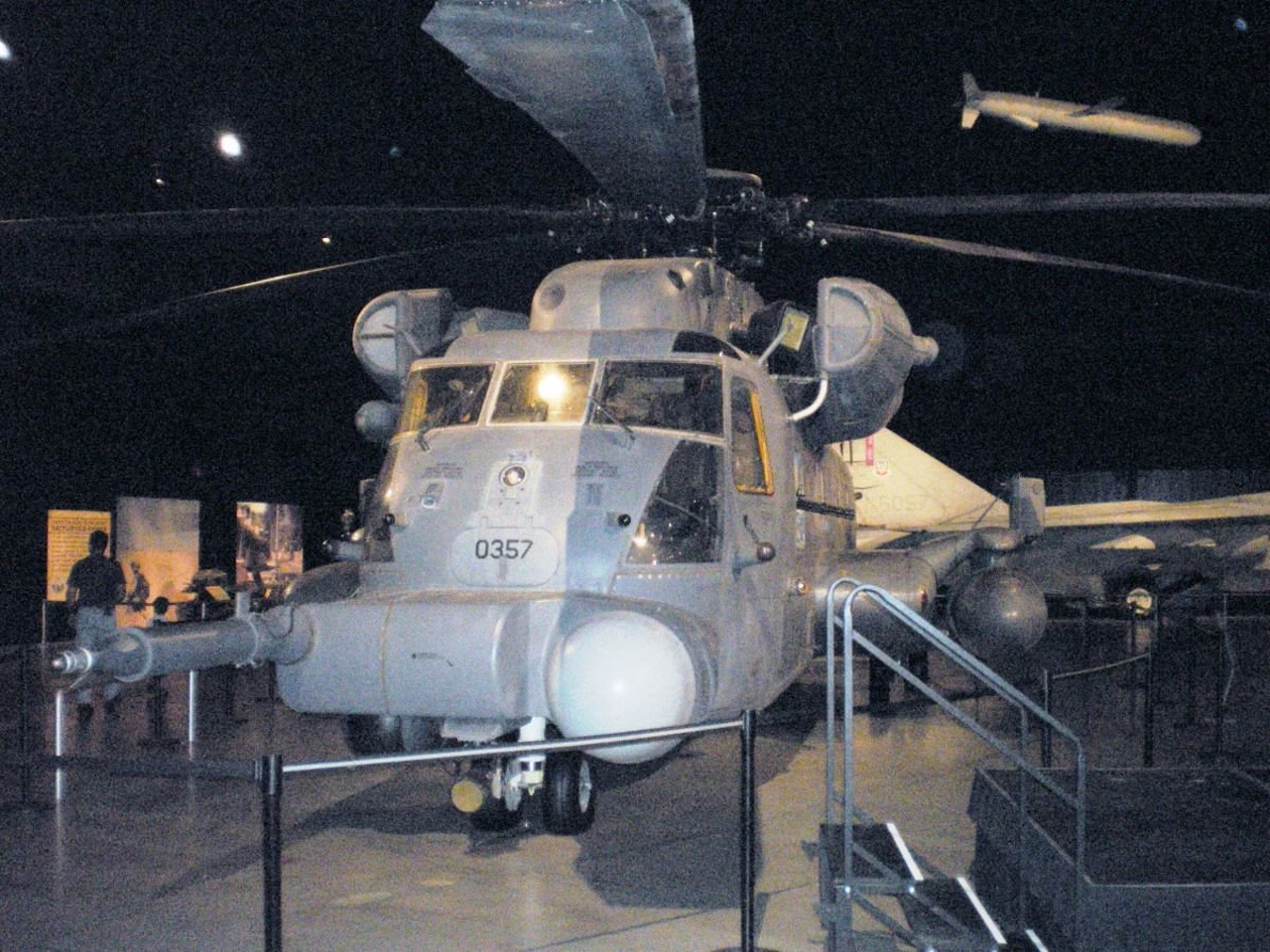


 Sikorsky MH-60 Jayhawk – Billeder & Videoer
 Sikorsky R-4 – Billeder og videoer
 Sikorsky HH-60 Pave Hawk – Billeder & Videoer
 Sikorsky SH-60B SeaHawk – Billeder og videoer
 Sikorsky SH-3 Sea King – Billeder og videoer
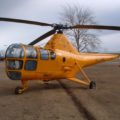 Sikorsky H-5 – Billeder og video
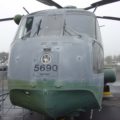 Sikorsky S-61R – Billeder & Video
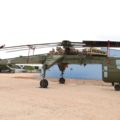 Sikorsky CH-54 Tarhe – Billeder og video
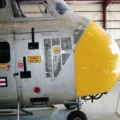 UH-19D Chickasaw – Billeder & Video
 UH-60A Blackhawk – Billeder & Video