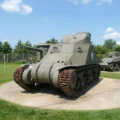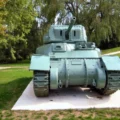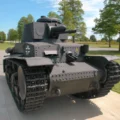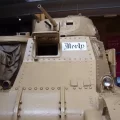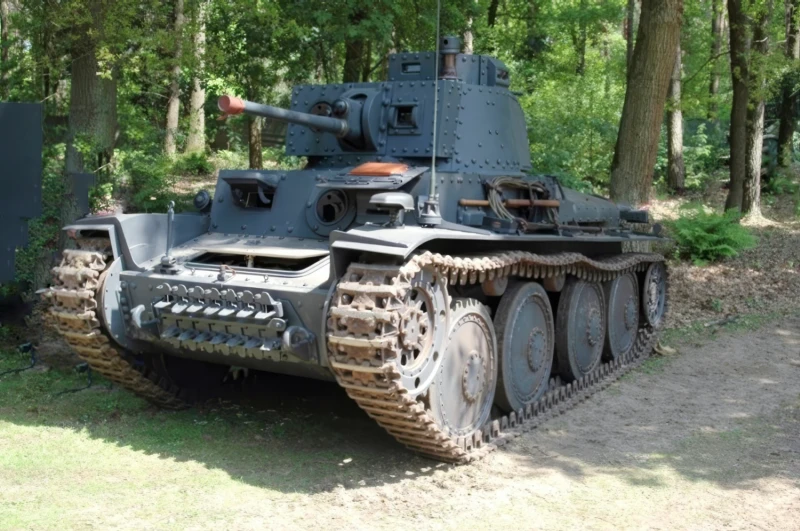
Panzer 38(t) | |
|---|---|
| Land | Tyskland |
| Type | Mellemstor tank |
| Periode | ww2 |
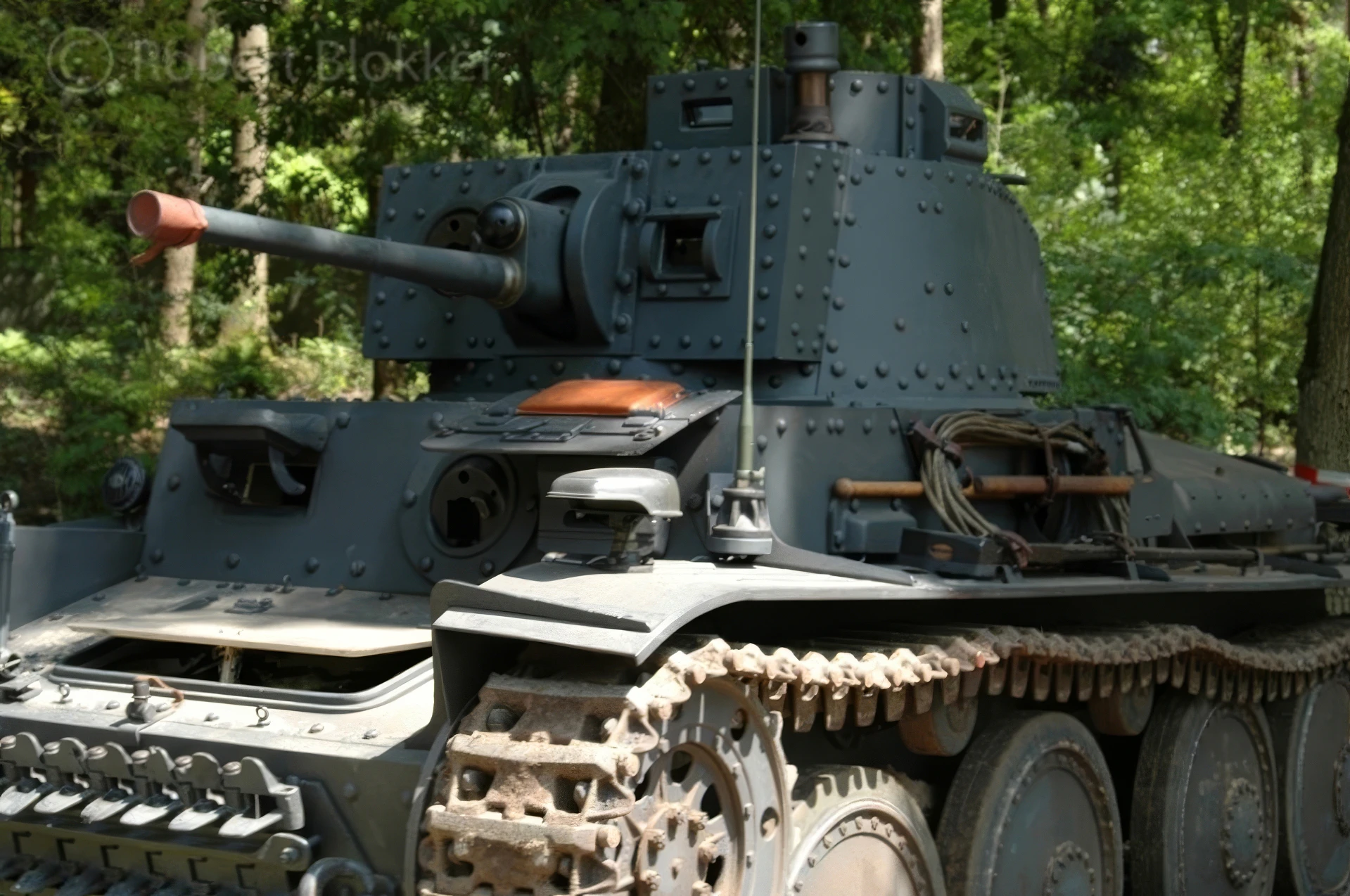
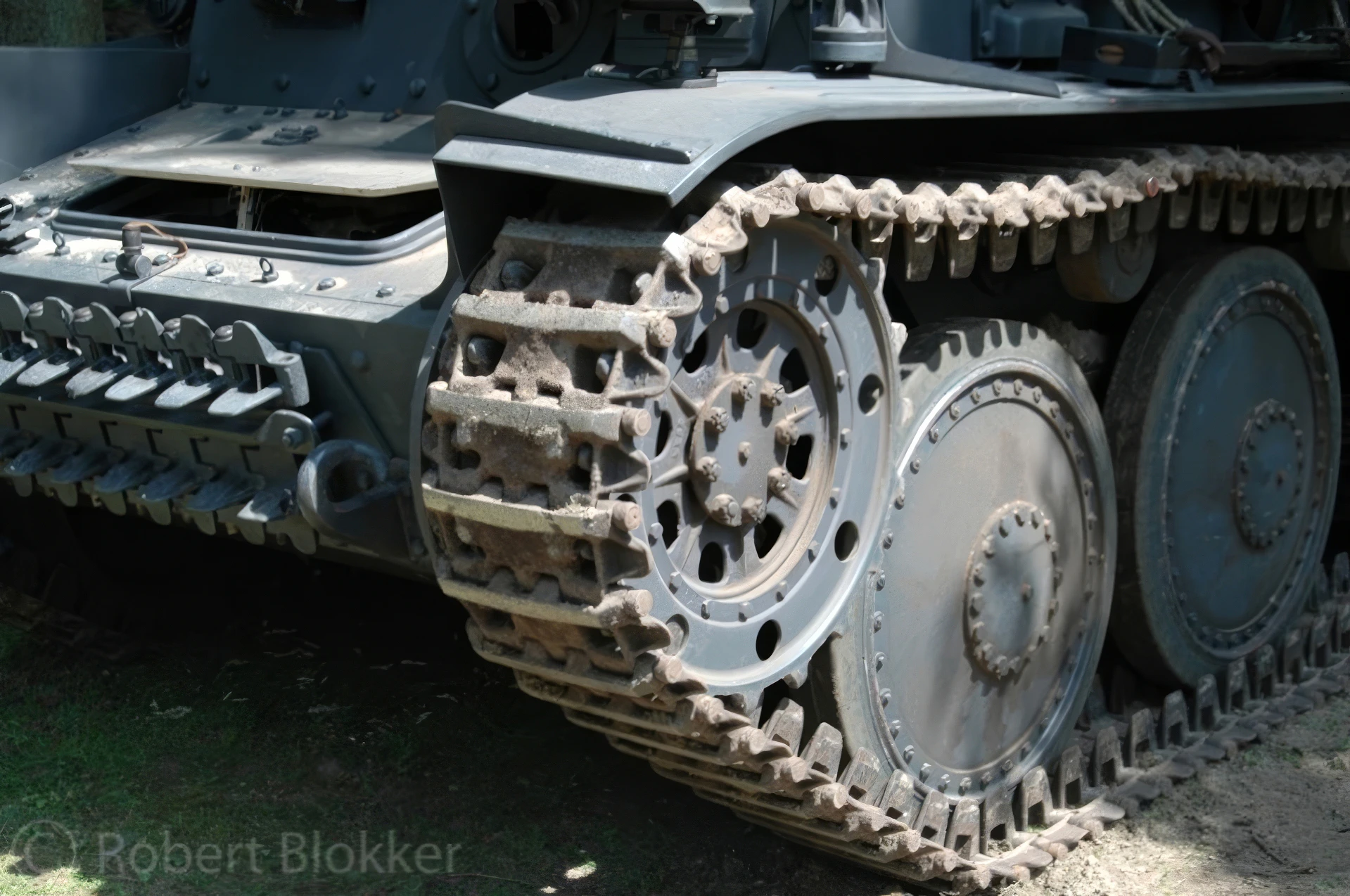
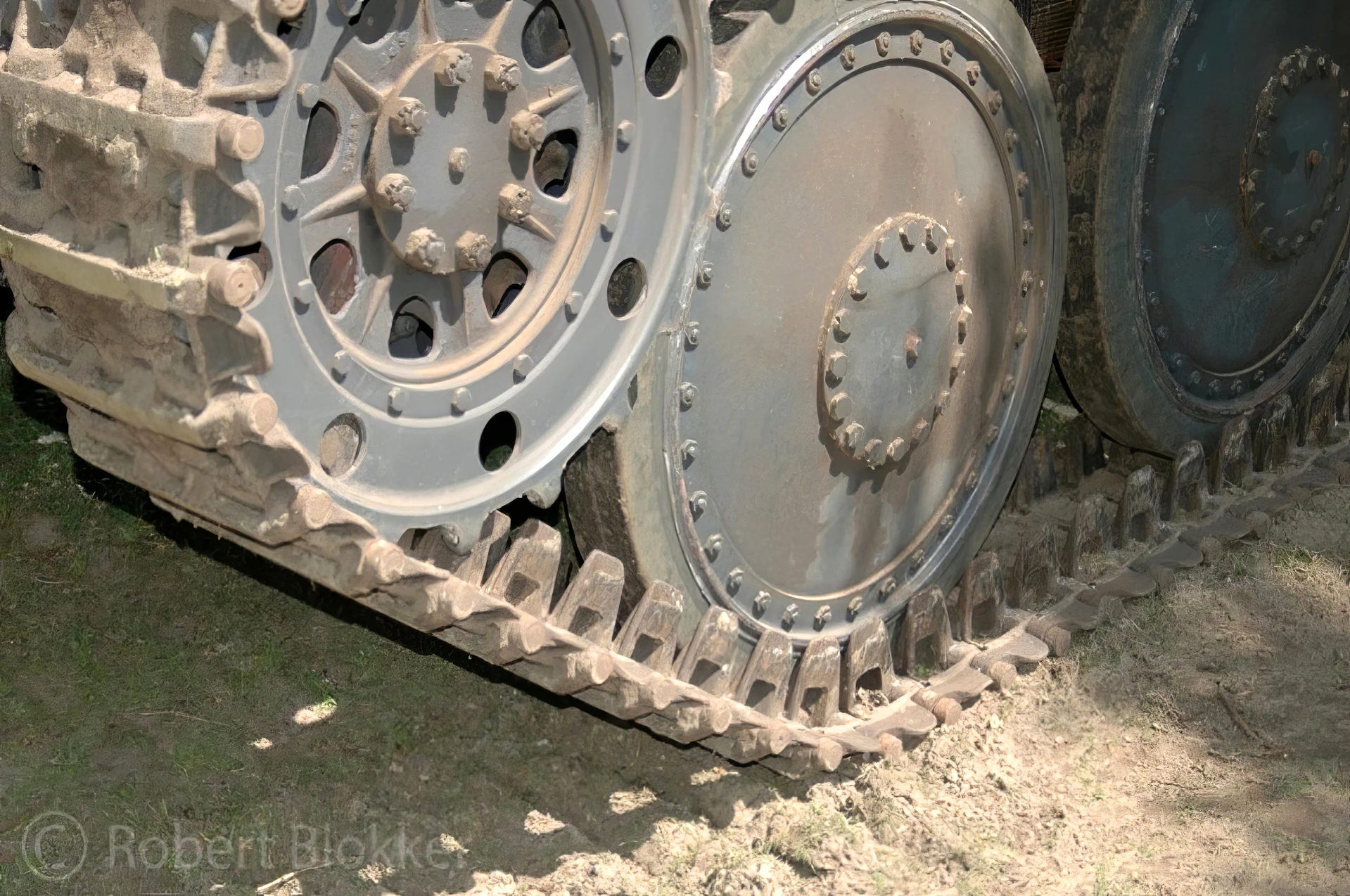
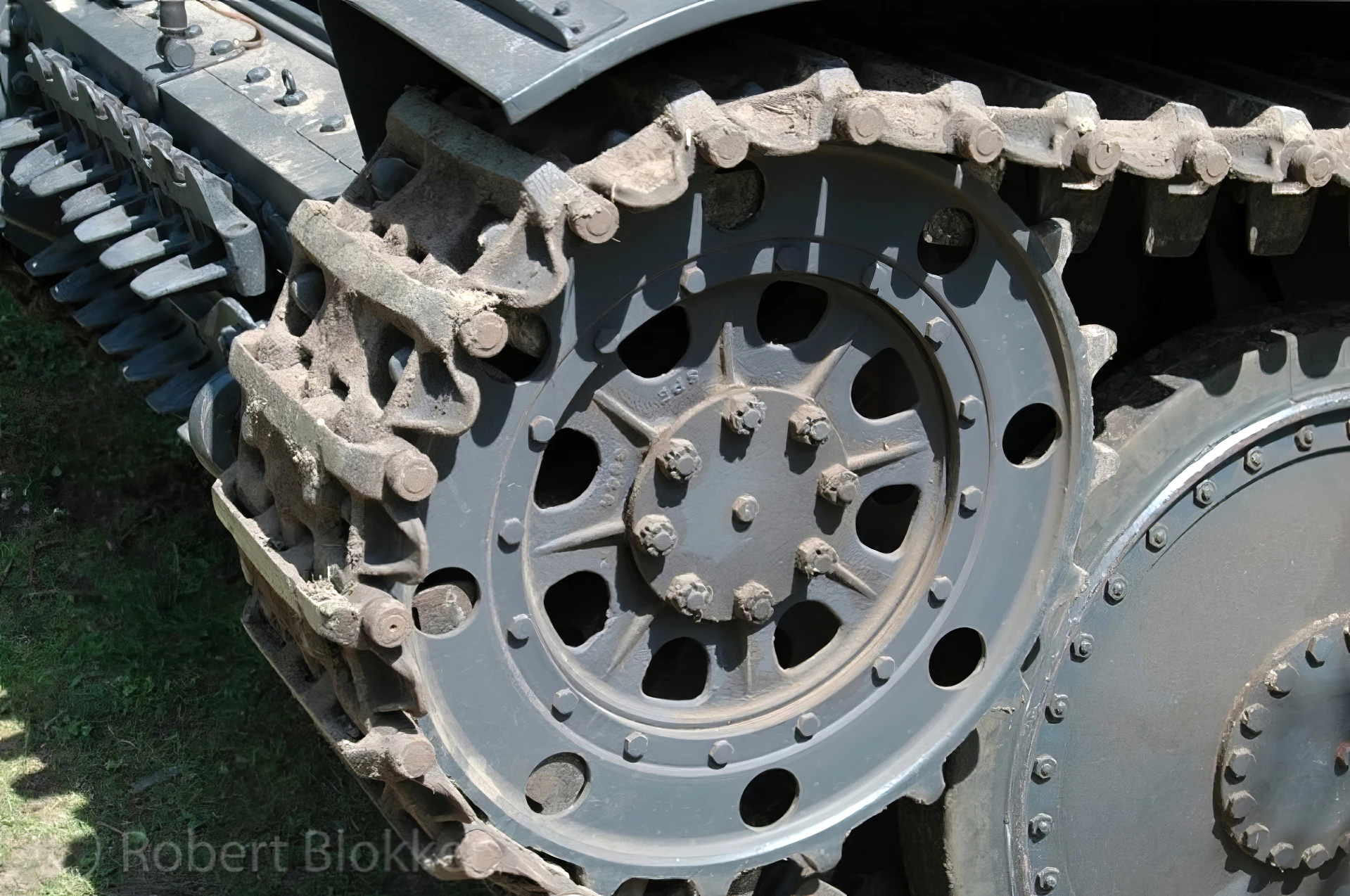
| Emne | Album af 235 billeder af en tank Panzer 38(t) |
Panzerkampfwagen 38(t) var oprindeligt en tjekkisk kampvogn af design fra før Anden Verdenskrig. Efter at Tjekkoslovakiet blev overtaget af Tyskland, blev det vedtaget af den tyske hær og så tjeneste i invasionerne af Polen, Frankrig og Rusland. Produktionen sluttede i 1942, da dens bevæbning blev anset for utilstrækkelig. I alt blev der fremstillet over 1400. Chassiset blev fortsat produceret til Marder III (1942-1944) og Hetzer (1944-1945) tank destroyere, tårnløse stormkanoner, anti-tank kanoner og anti-fly kanoner.
Kilde: Wikipedia
Set på forum
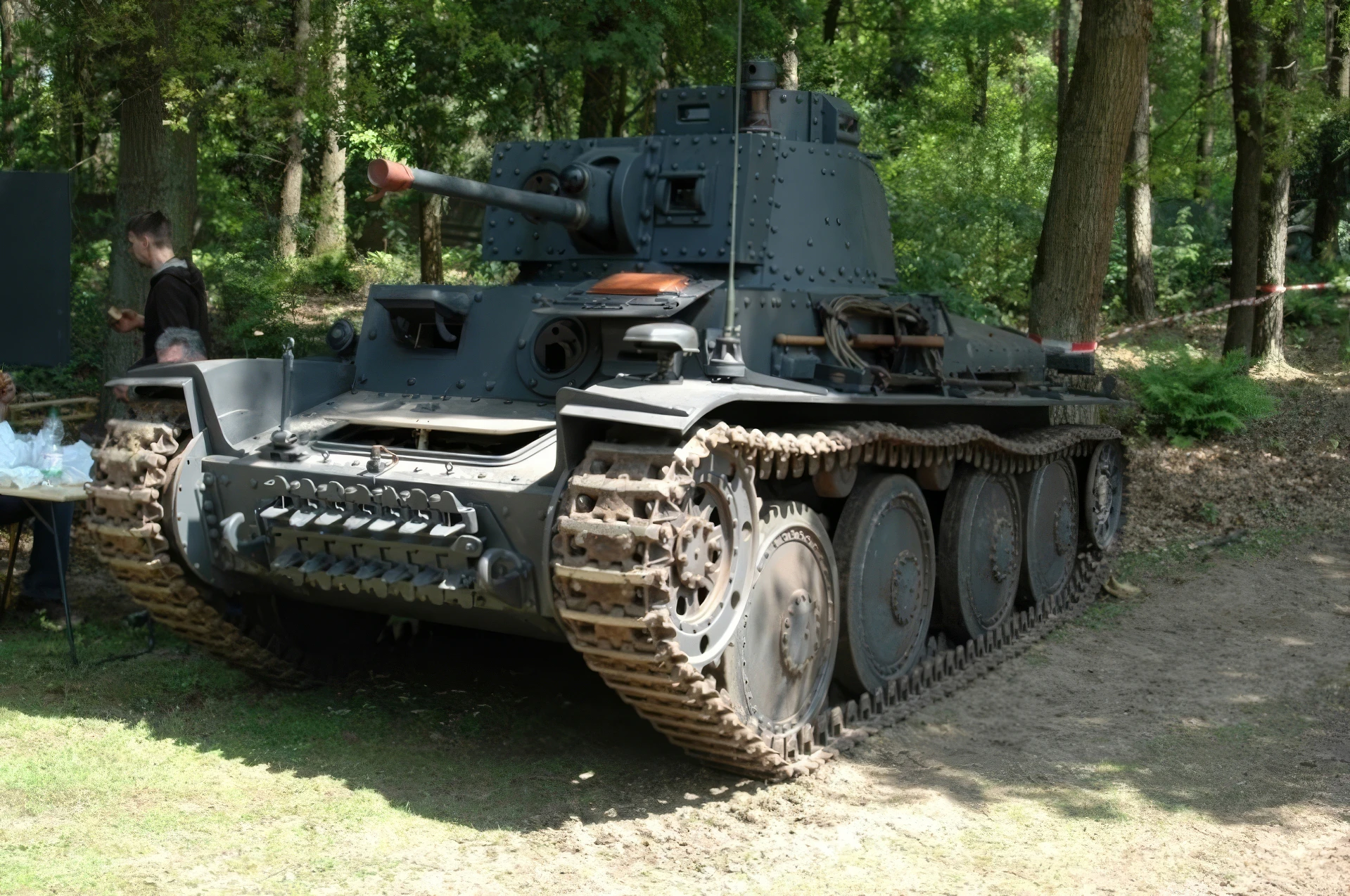
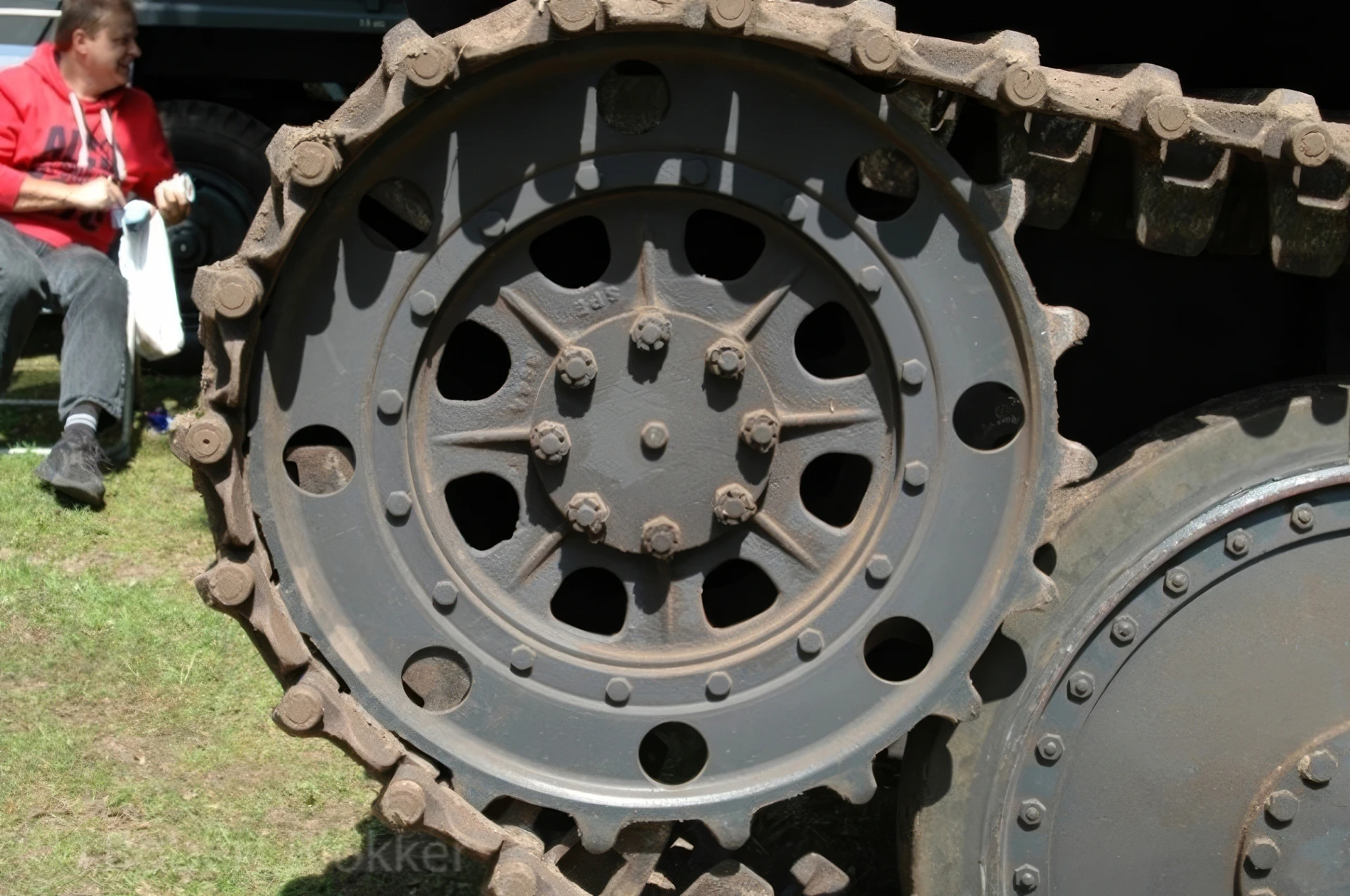
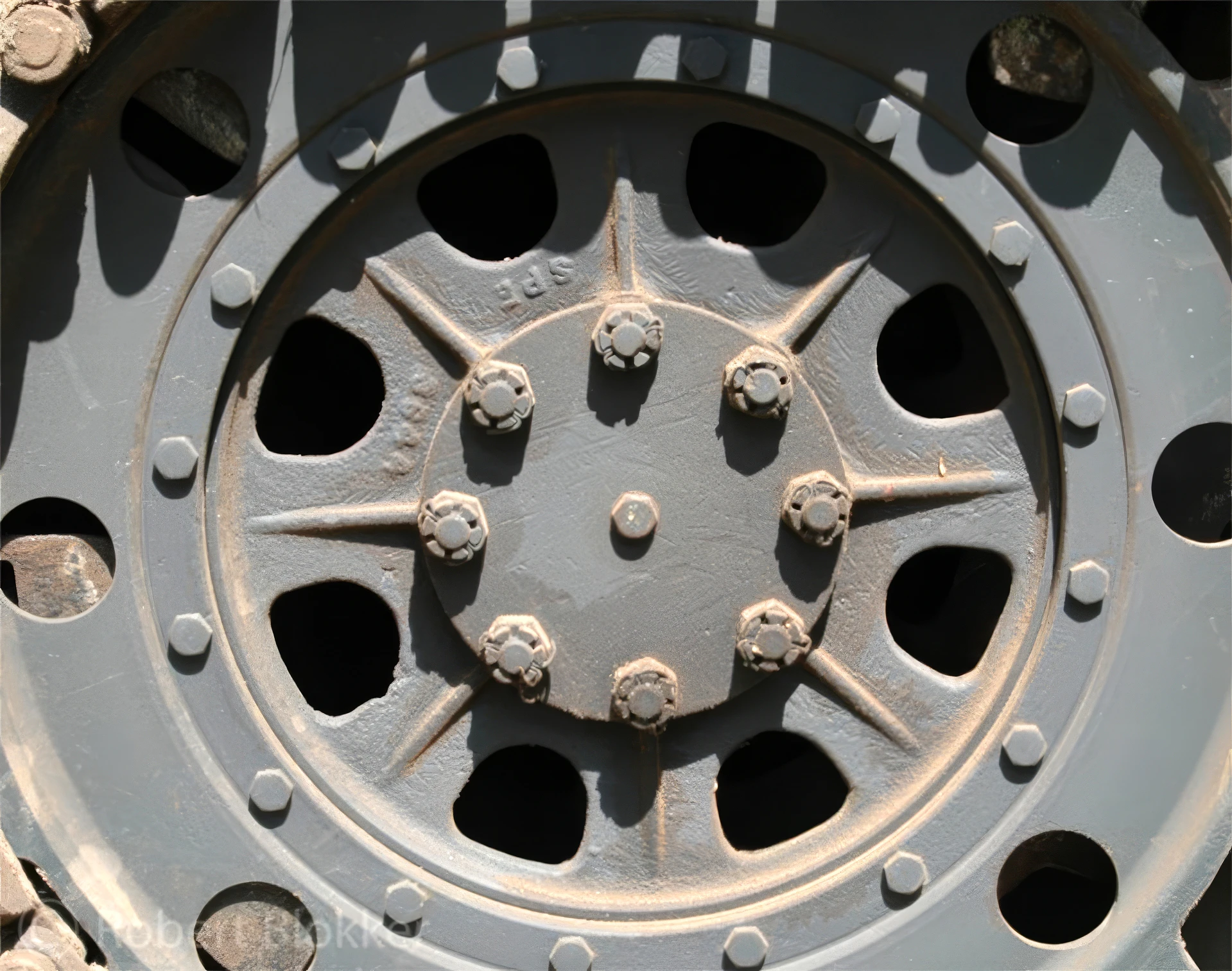
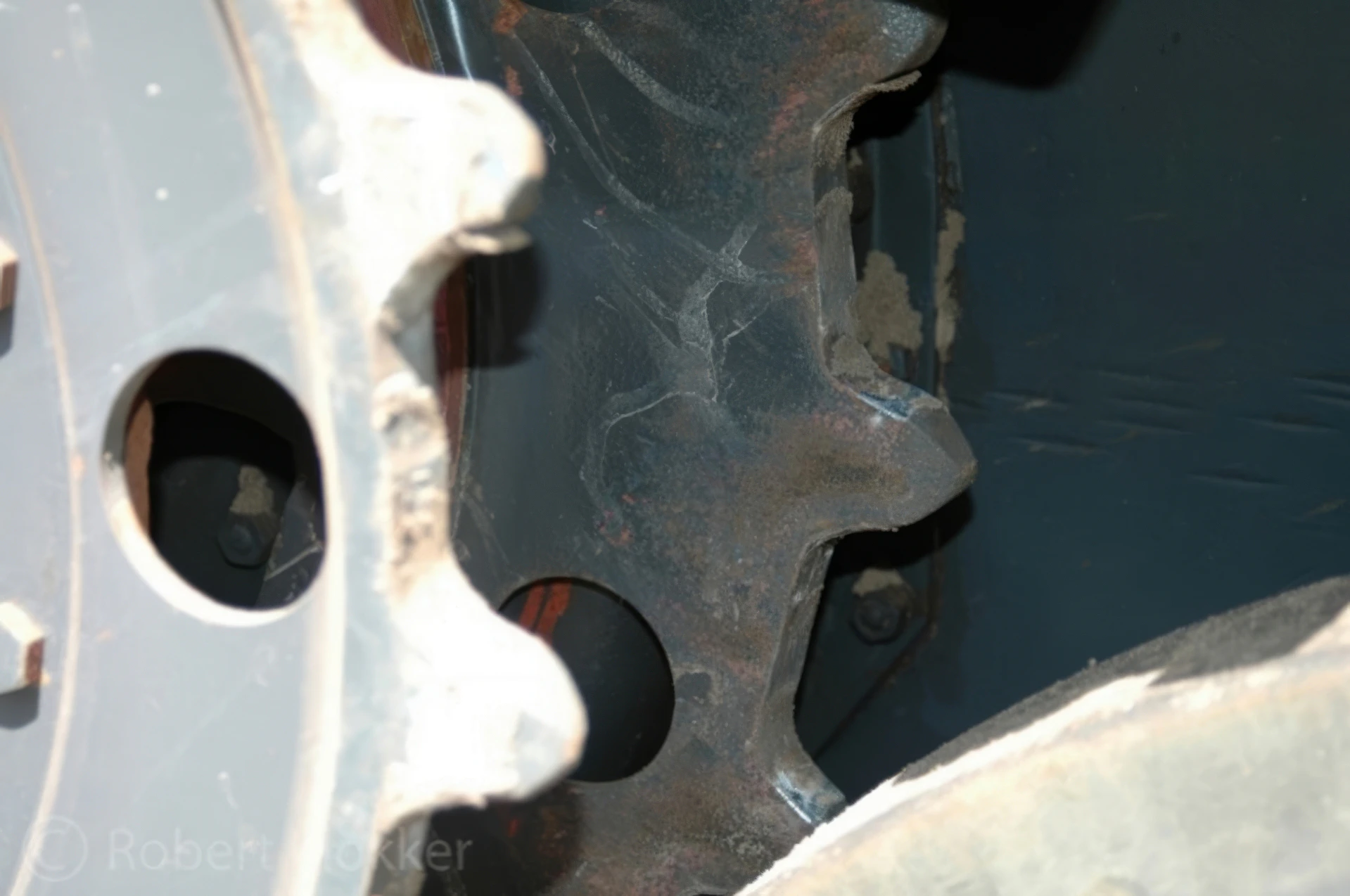
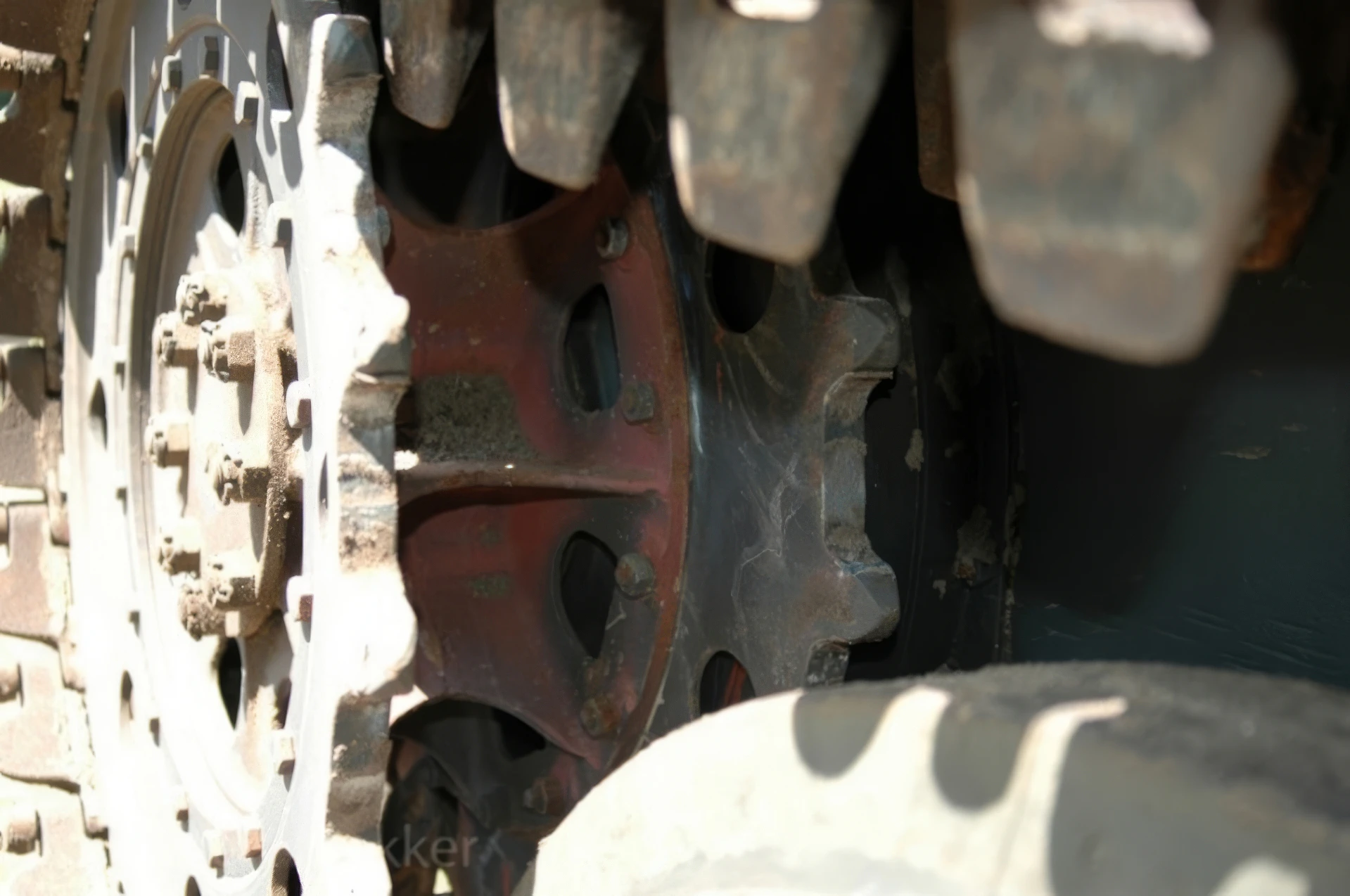

| Panzer 38(t) Walk Around | |
|---|---|
| Fotograf | Jan Peters |
| Lokalisering | Unknow |
| Billeder | 23 |
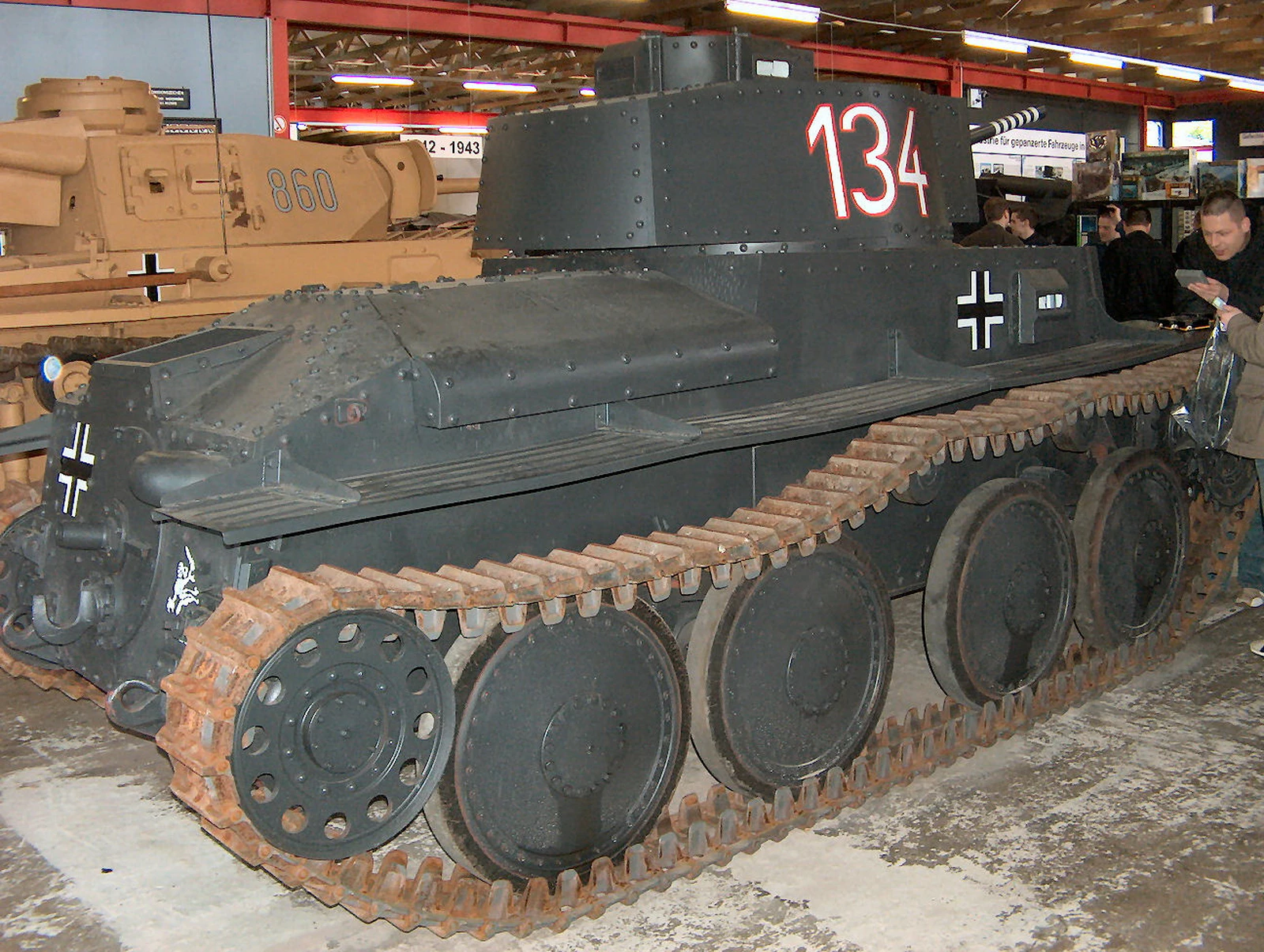
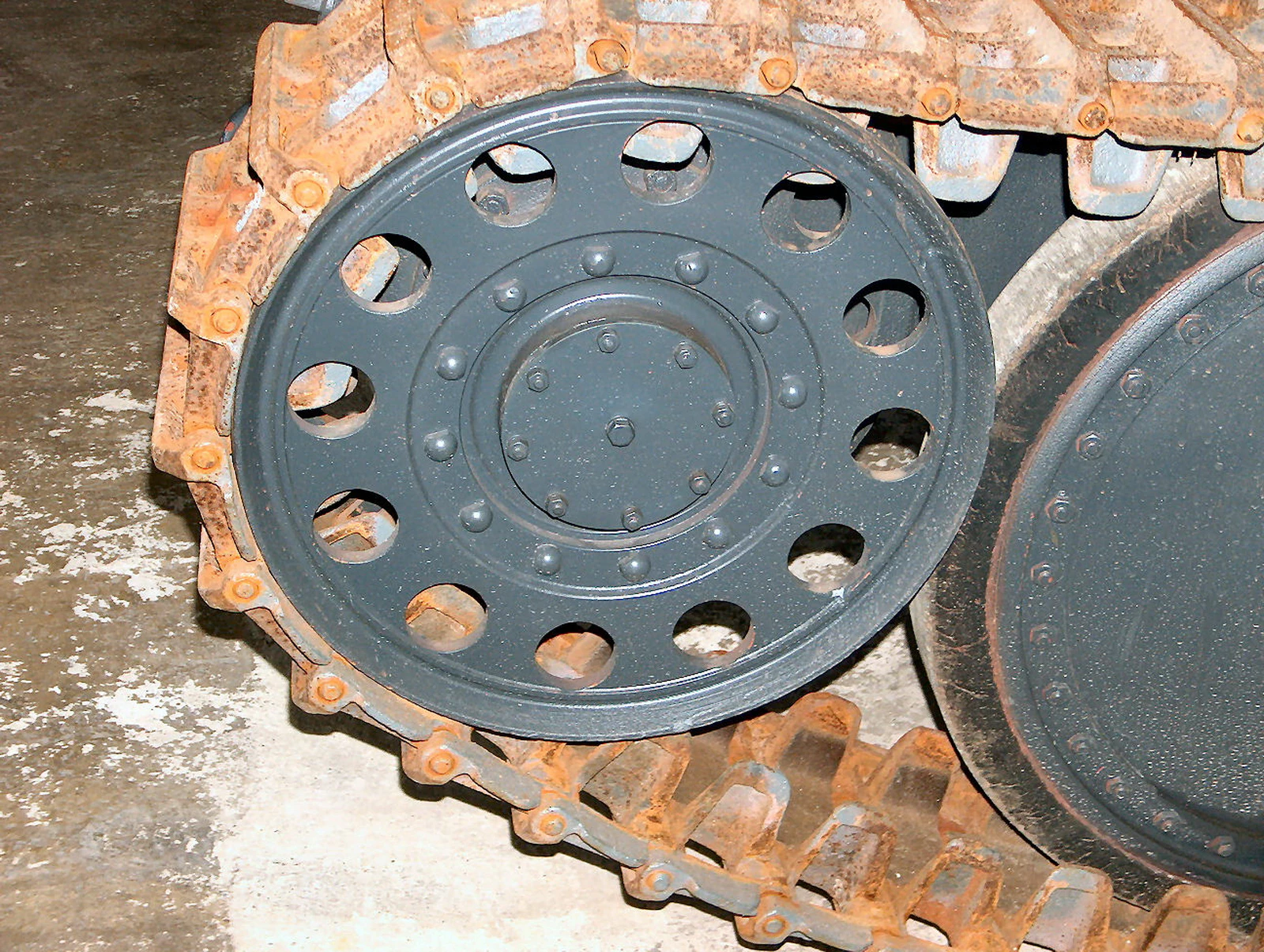
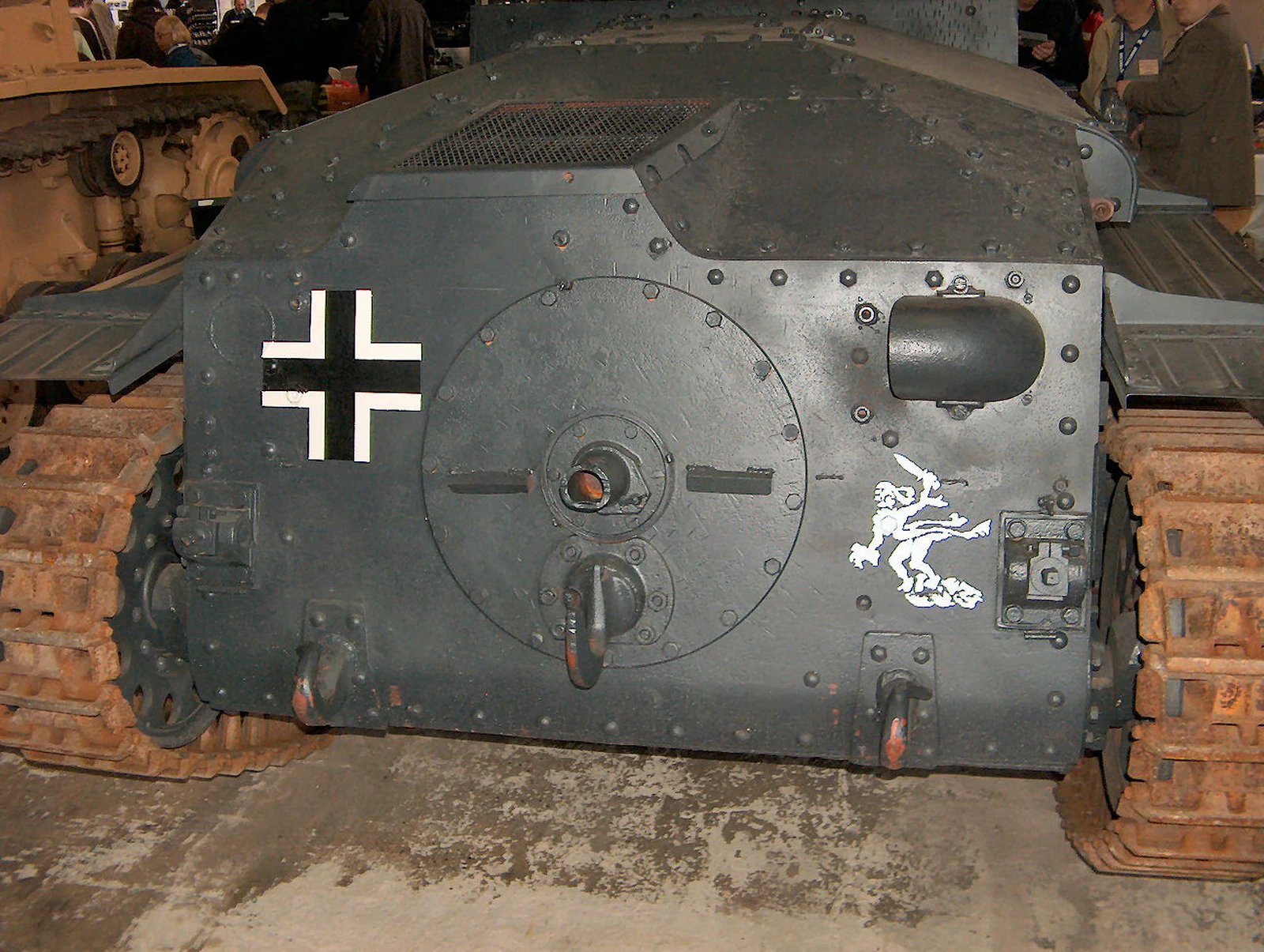
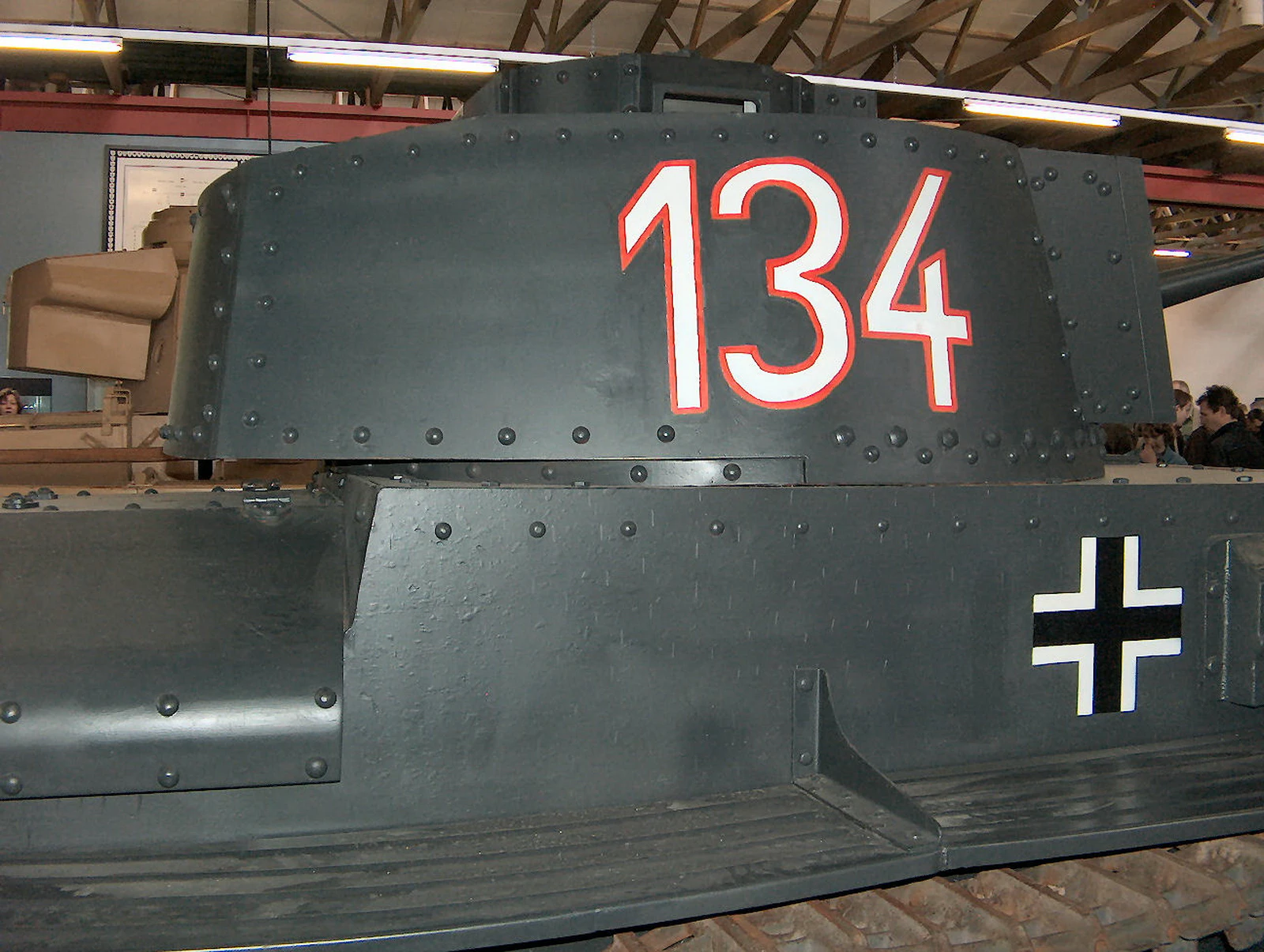
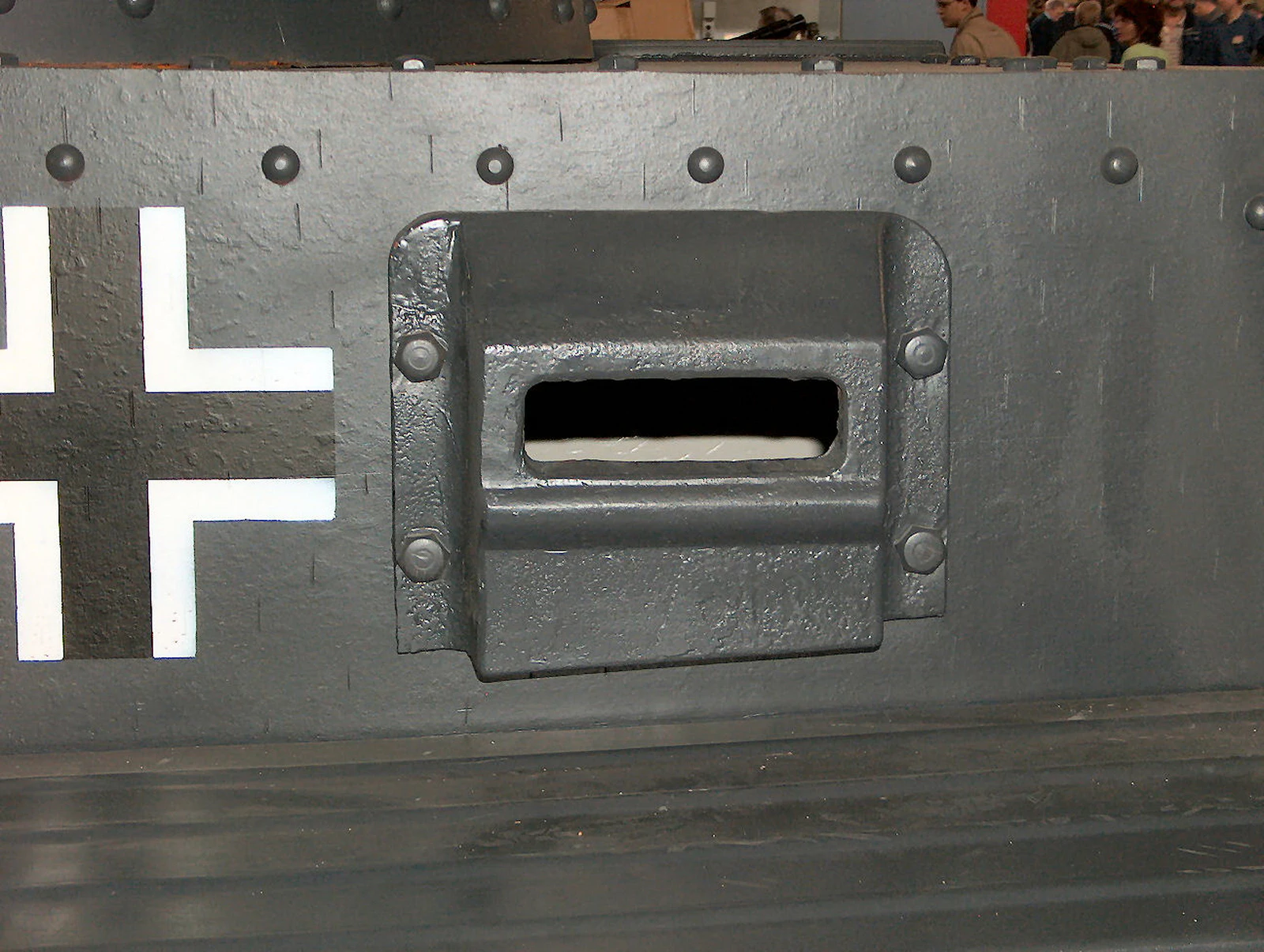
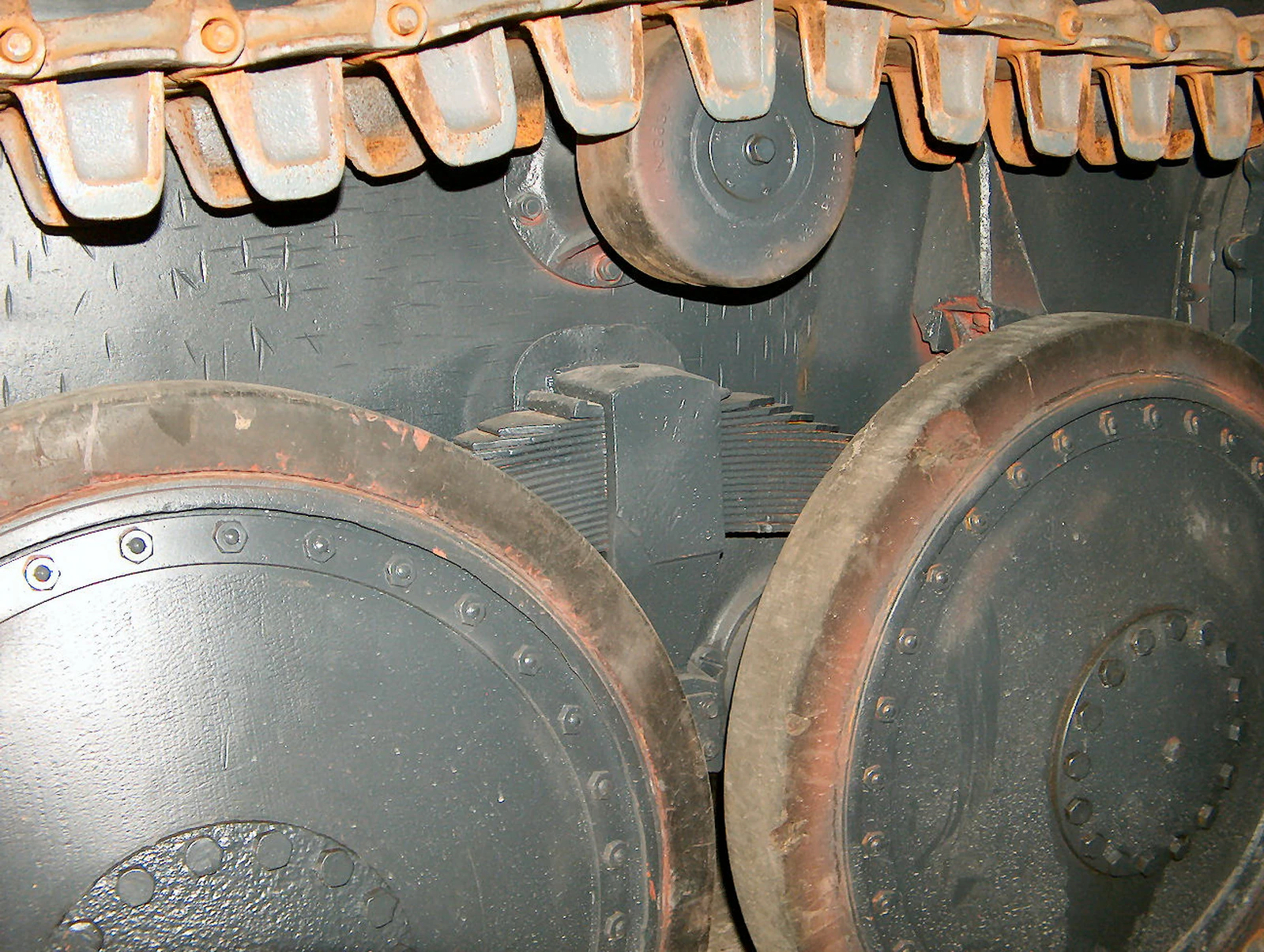
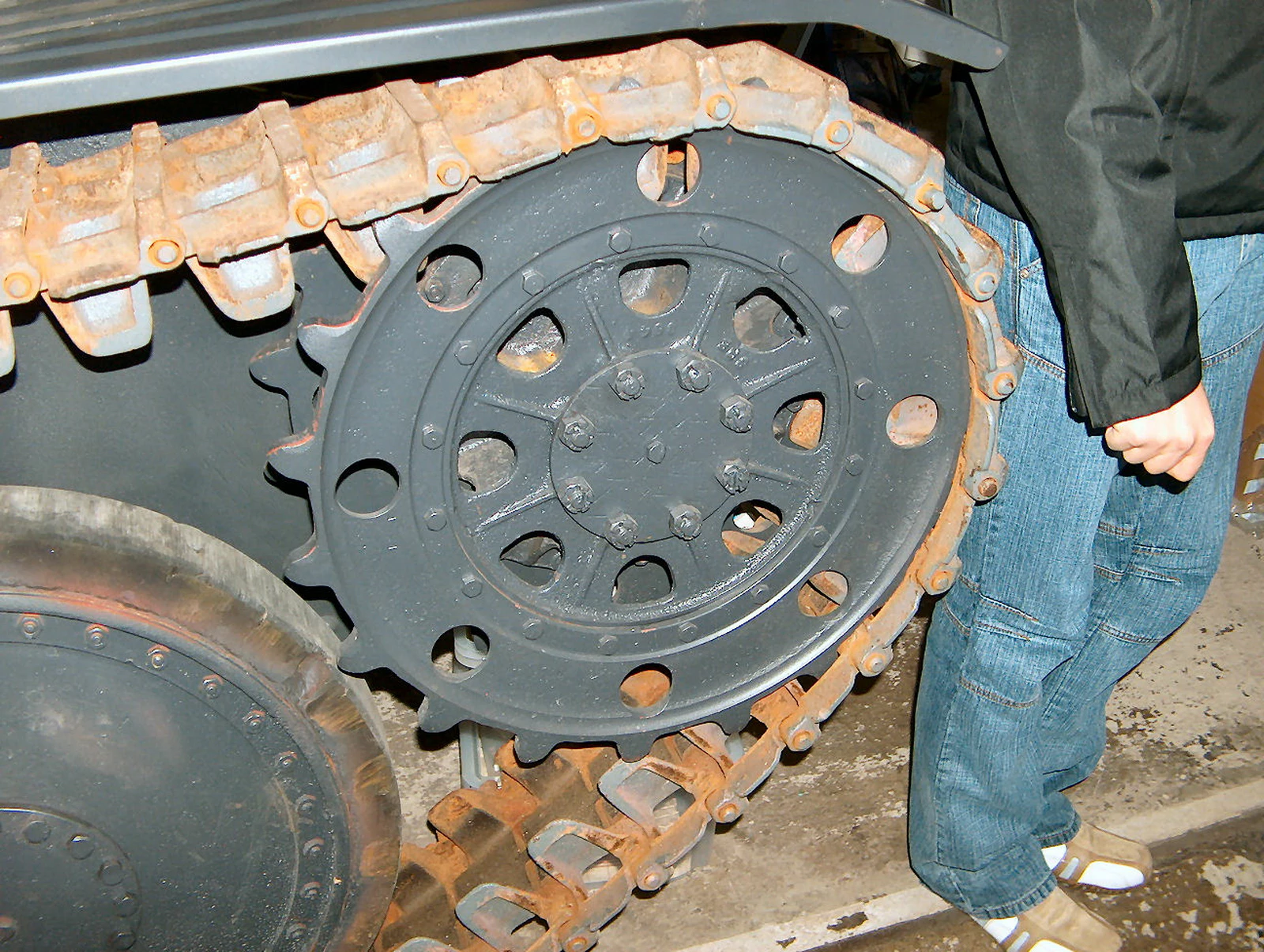
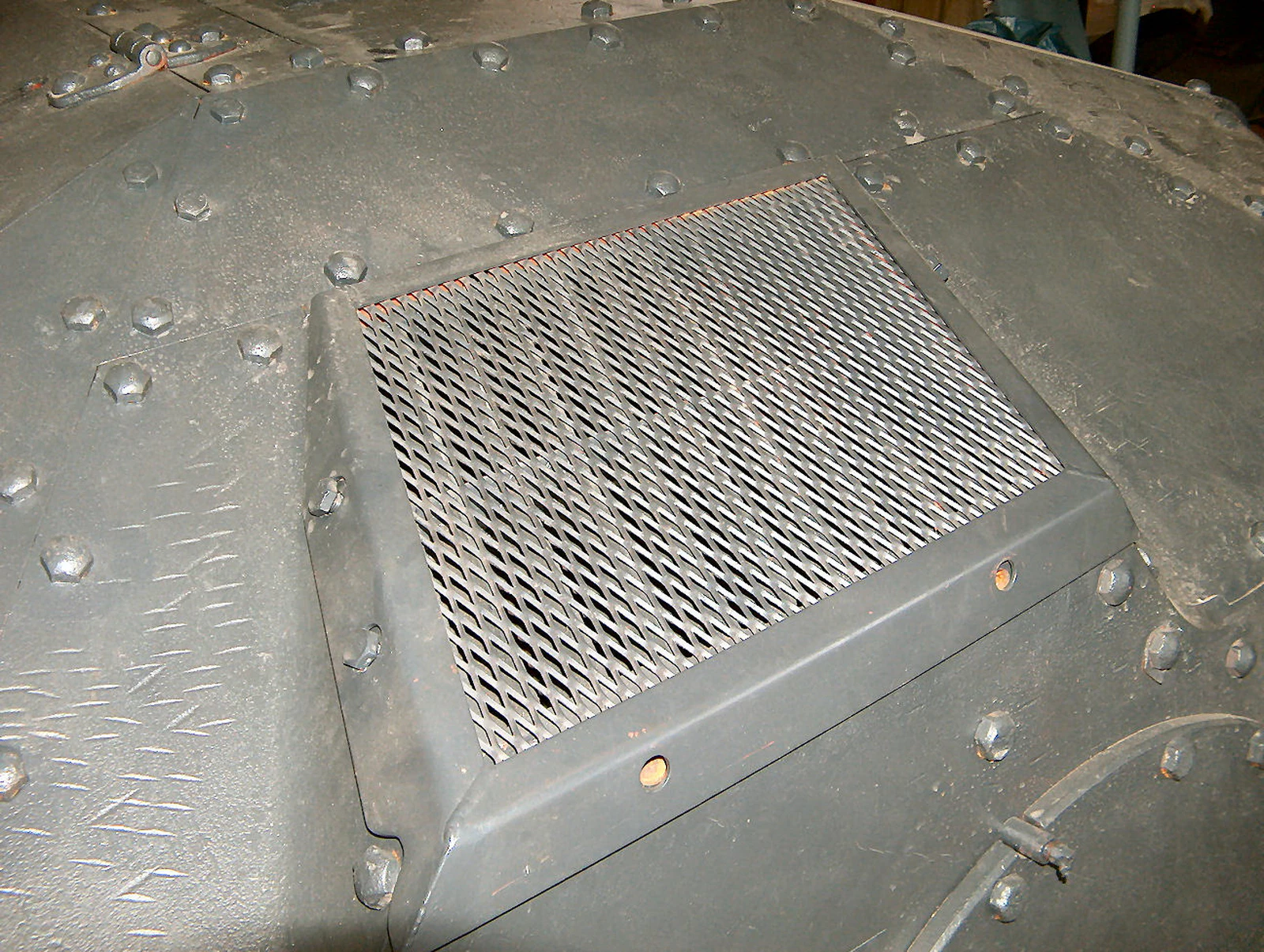
| LT vz.38 Walk Around | |
|---|---|
| Fotograf | Unknow |
| Lokalisering | Unknow |
| Billeder | 24 |
Se også:


The Captured Masterpiece
Den Panzer 38(t) was not originally a German design. It began life as the LT vz. 38, developed by the Czechoslovakian firm ČKD. When Germany occupied Czechoslovakia in 1939, they were so impressed by its reliability and firepower that they adopted it immediately. The “(t)” stands for Tschechisch (German for Czech). It was technically superior to the German Panzer I and II, providing a vital “stop-gap” that allowed German armored divisions to punch through Poland and France while the heavier Panzer III and IV were still in short supply.
| Attribute | Technical Specification (Ausf. E/F) |
|---|---|
| Rolle | Light Tank / Cavalry Tank |
| Besætning | 4 (Commander/Gunner, Loader, Driver, Radio Op) |
| Motor | Praga EPA 6-cylinder liquid-cooled (125 hp) |
| Maximum Speed | 42 km/h (26 mph) on road |
| Main Armament | 37 mm KwK 38(t) L/47.8 (90 rounds) |
| Secondary Armament | 2 × 7.92 mm MG 37(t) machine guns |
| Armor (Front) | 25 mm (early) / 50 mm (Ausf. E onwards) |
| Vægt | 9.85 tonnes (Combat weight) |
Design Engineering: Mechanical Perfection
- Legendary Reliability: The 38(t) was famous for its mechanical endurance. During the invasion of Russia, it was common for 38(t) units to drive hundreds of miles with zero breakdowns—a feat nearly impossible for the more complex, indigenous German designs.
- The “Christie-Style” Suspension: Though it looked like the Christie suspension used on Soviet BT tanks, it actually used four large, rubber-tired road wheels on leaf-spring bogies. This provided a very stable firing platform and excellent cross-country mobility.
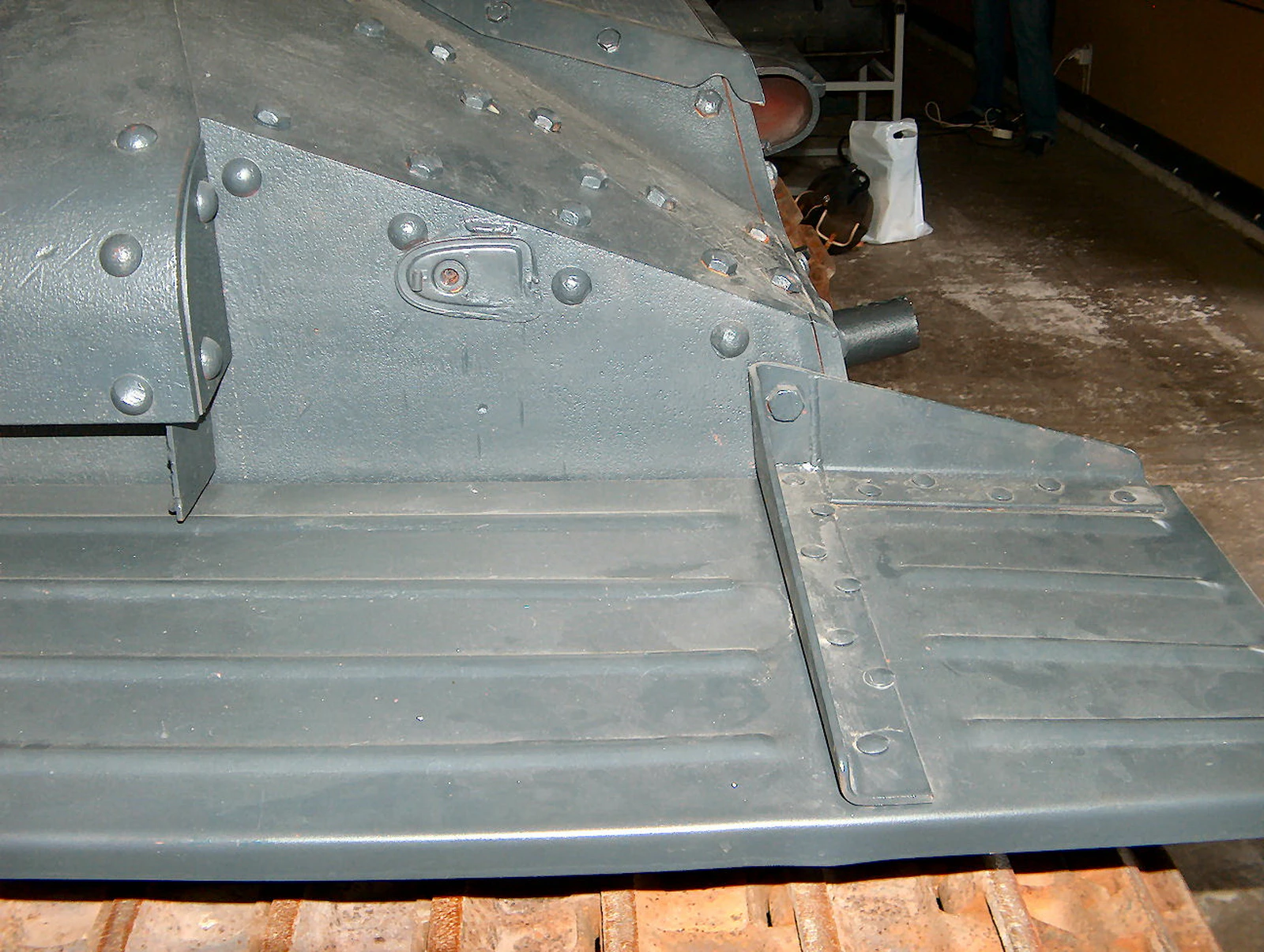
- Riveted Construction: Unlike the welded German tanks, the 38(t) was largely riveted. While easier to manufacture, this was a lethal flaw; a non-penetrating hit from a high-caliber shell could cause the rivets to snap and act like shrapnel inside the tank, killing the crew.
- Dual-Control Machine Guns: The hull machine gun could be locked forward and fired by the driver via a trigger on his steering lever, or operated traditionally by the radio operator—a unique feature for the time.
Operational History: The Spearhead of Rommel
- The “Ghost Division”: Erwin Rommel’s 7th Panzer Division was largely equipped with the 38(t) during the 1940 Fall of France. Its speed and reliability allowed Rommel to move so fast that neither the French High Command nor his own superiors knew where he was.
- Barbarossa and Beyond: By June 1941, nearly 25% of the German tank force was composed of 38(t)s. However, it met its match in the Soviet T-34. The 37mm gun was nicknamed the “Door Knocker” because it simply bounced off the sloped Soviet armor.
- The Chassis that Wouldn’t Die: While the tank was obsolete by 1942, its chassis was so reliable that it became the “Lego set” of the Wehrmacht. It was used for the Marder 3. tank destroyer, the Gitter self-propelled gun, and the legendary Jagdpanzer 38(t) “Hetzer”.
- International Service: Many were sold to German allies, including Hungary, Romania, and Slovakia. Sweden even licensed the design as the Stridsvagn m/41, which remained in service until the 1950s!
Views : 25820