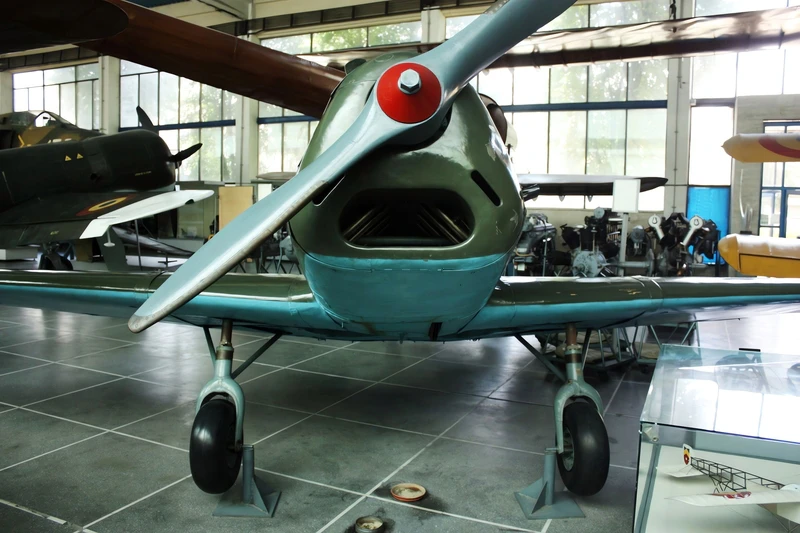
Nardi FN.305 | |
|---|---|
| Land | Italia |
| Rolle | Fighter træner og forbindelse monoplan |
| Første flyvning | 19. februar 1935 |
| Bygget | 211 |
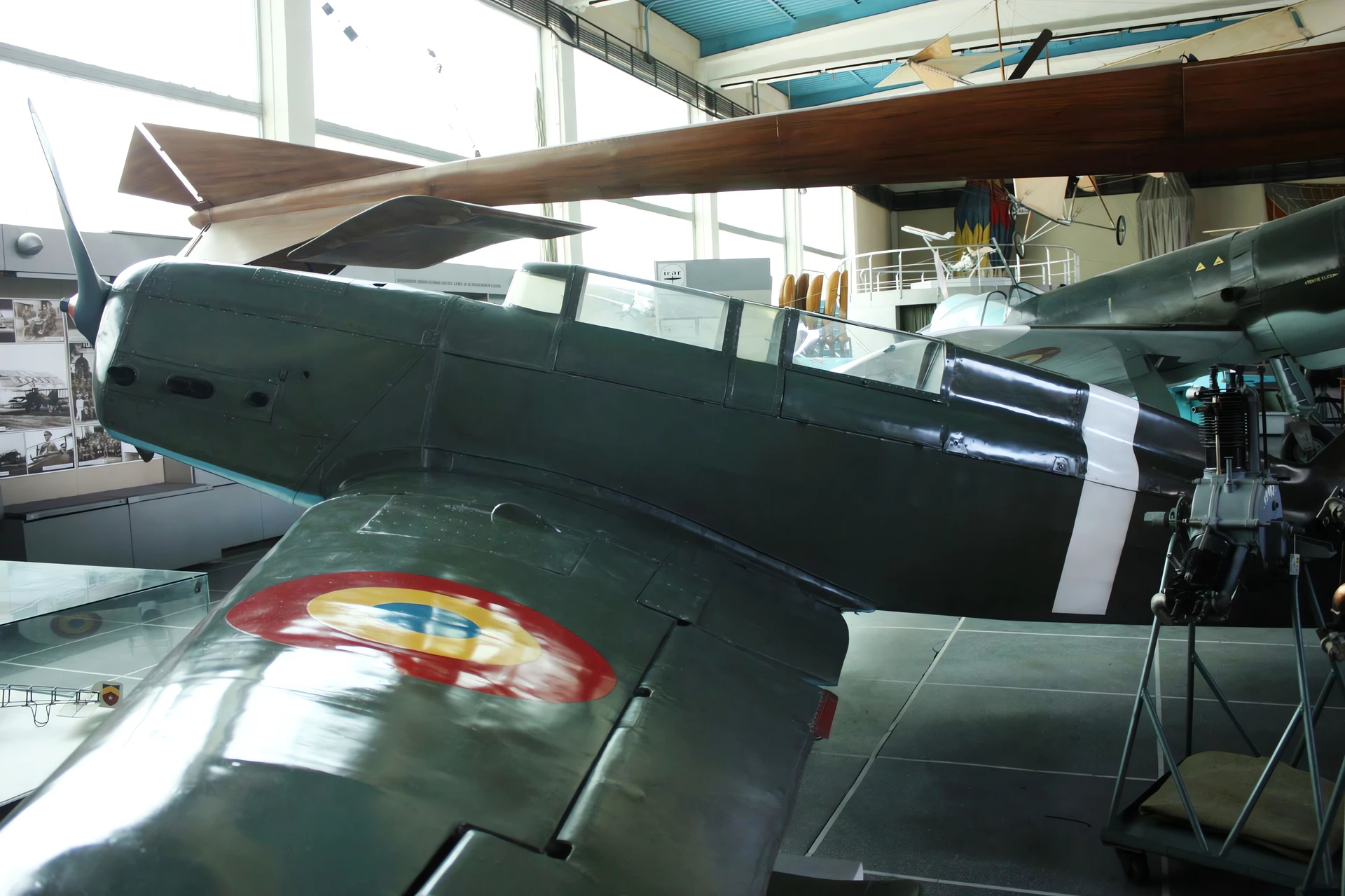
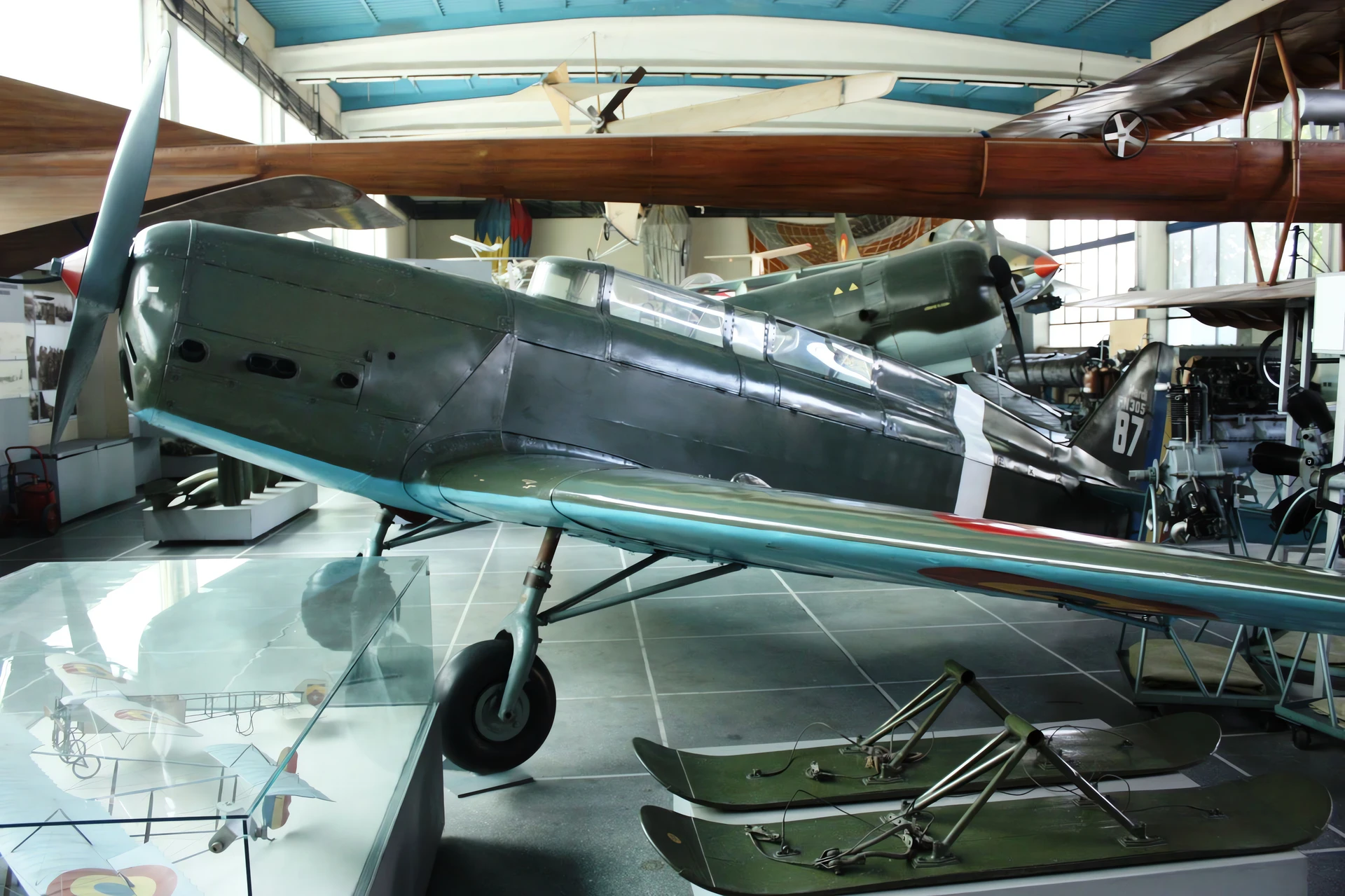
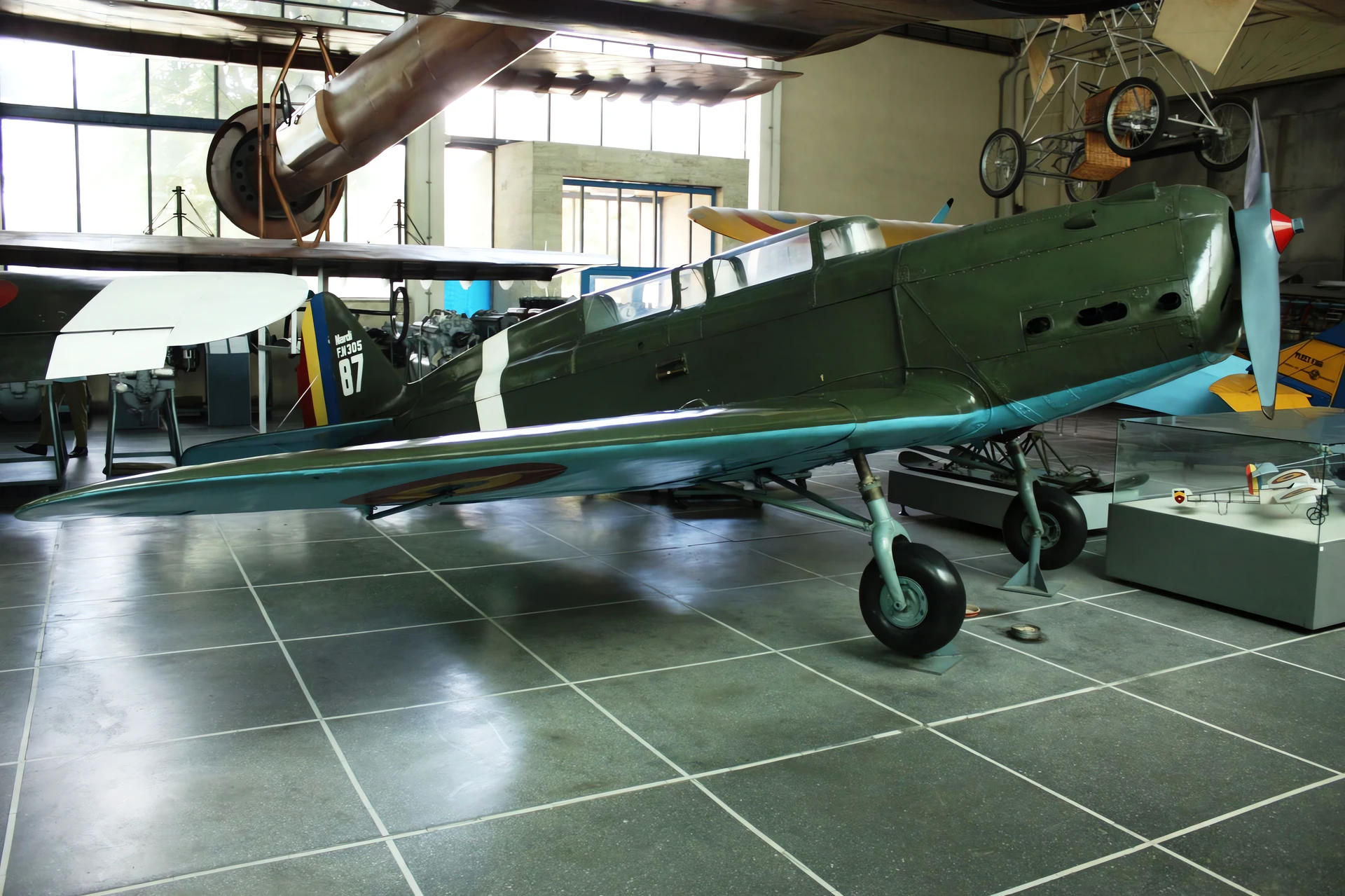
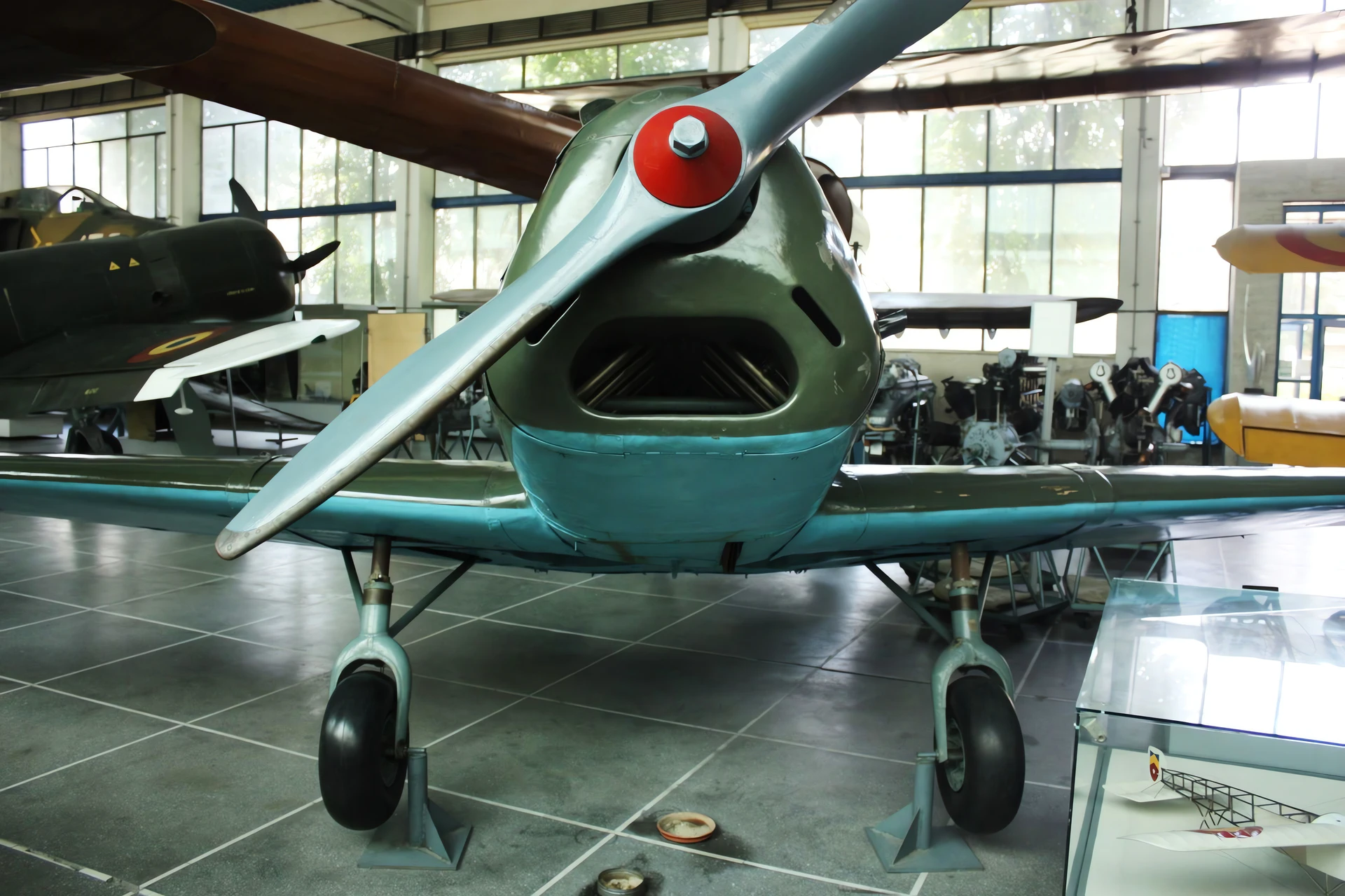
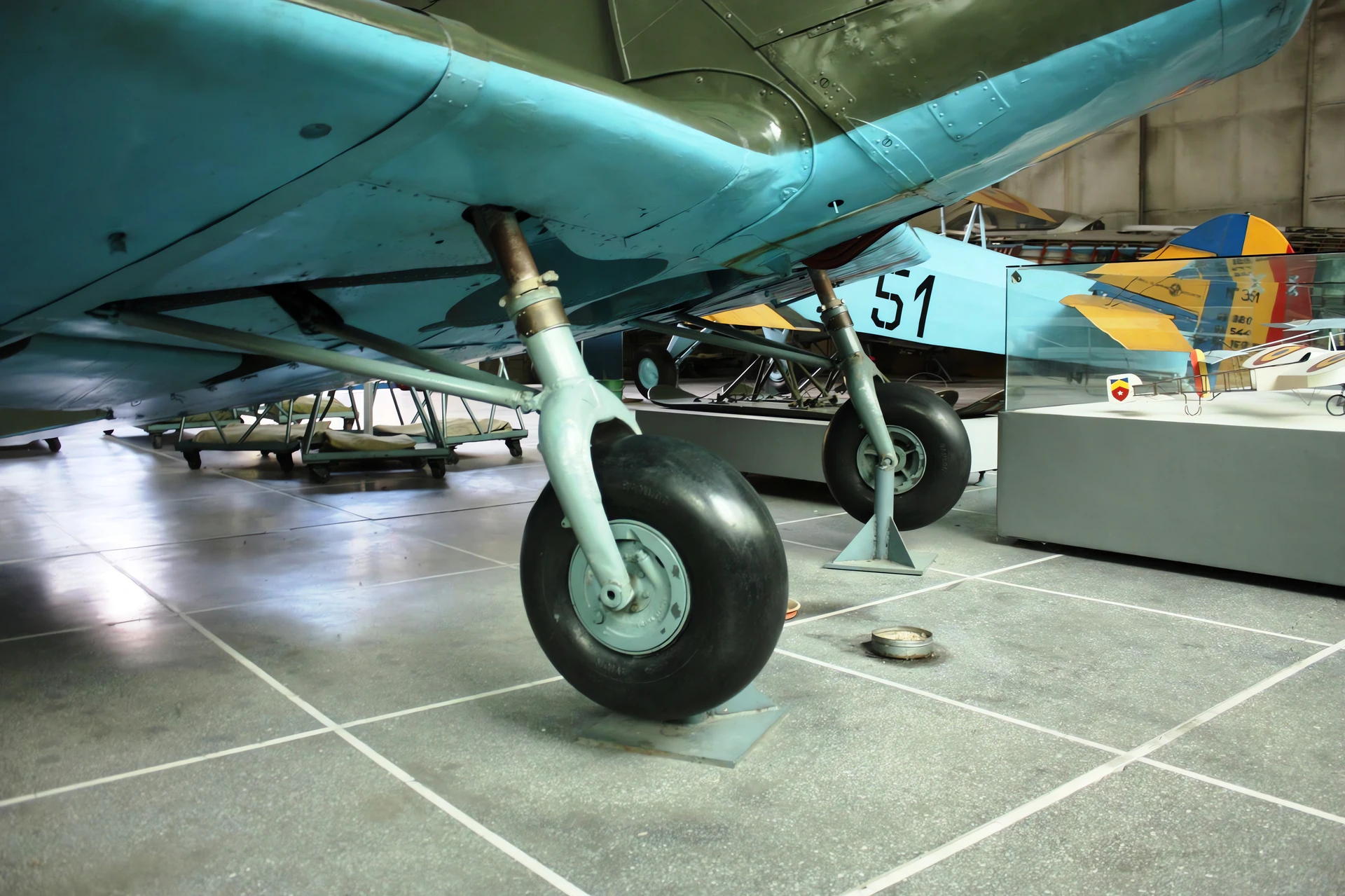
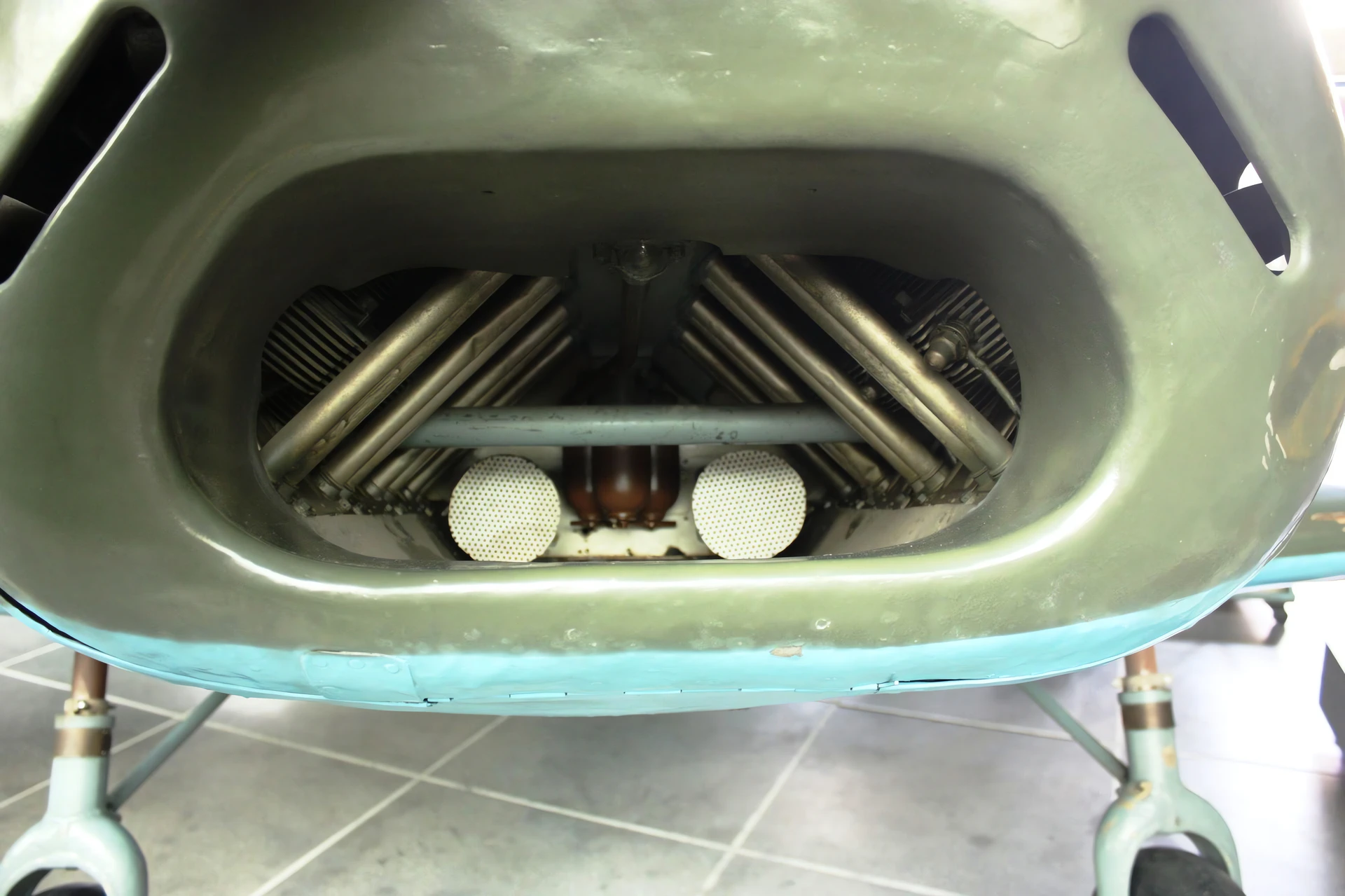
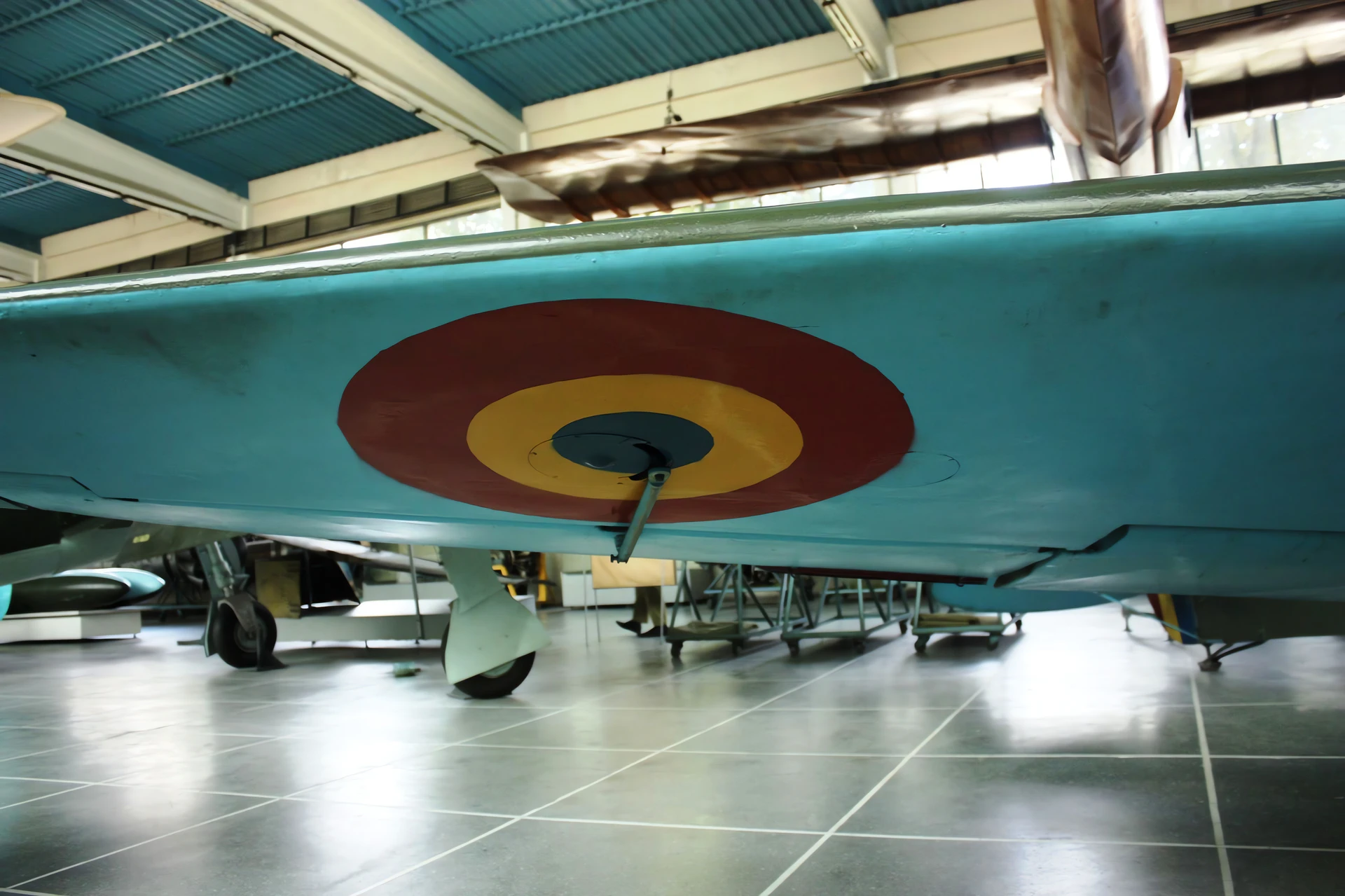
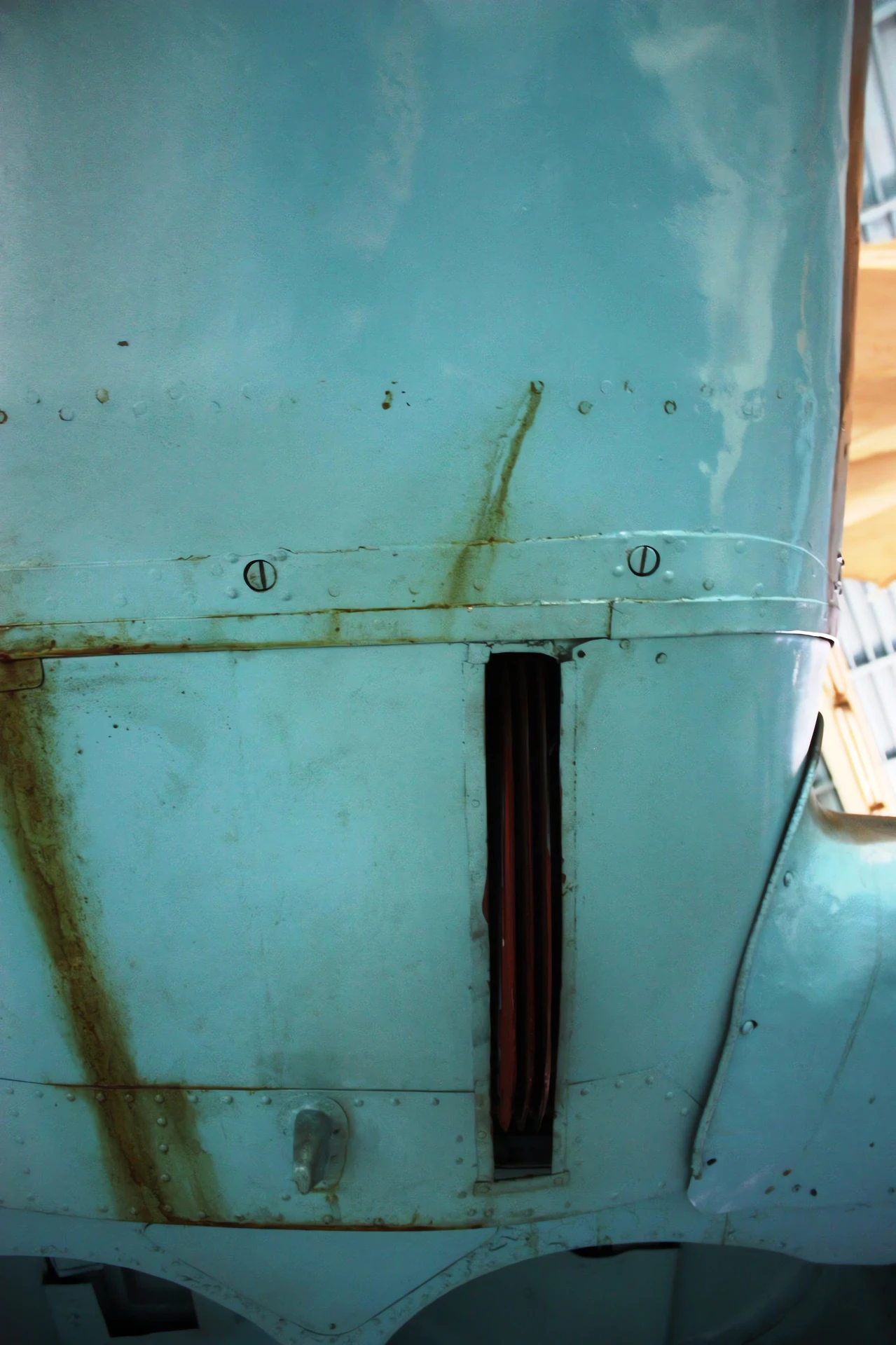
Den Nardi FN.305 was an Italian fighter trainer and liaison monoplane developed by the Fratelli Nardi company. The FN.305 was designed as a trainer and liaison aircraft and the prototype first flew on 19 January 1935. The FN.305 was a low-wing cantilever monoplane of mixed construction. It had tailskid landing gear, with the main gear retracting inwards. It was powered by a nose-mounted 200 hp (149 kW) Fiat A.70S inline piston engine. The prototype was a tandem two-seater with an enclosed cockpit. It was intended to produce both single-seat and two-seat variants and the next prototype was a single-seat fighter trainer followed by a two-seat basic trainer prototype which both had open cockpits.
Kilde: Nardi FN.305 på Wikipedia
| Nardi FN.305 A Walk Around | |
|---|---|
| Fotograf | Unknow |
| Lokalisering | Unknow |
| Billeder | 10 |

Se også:


General Characteristics
The Nardi FN.305 was an Italian two-seat, low-wing cantilever monoplane developed by the Fratelli Nardi company in the mid-1930s. It was designed to fill the roles of intermediate trainer, fighter trainer, and liaison aircraft. The Nardi FN.305 was notable for being one of the first Italian light aircraft to feature a fully retractable landing gear and an enclosed cockpit, which initially led to skepticism but ultimately demonstrated superior performance. The FN.305A was the main production variant, built under contract by Piaggio for the Regia Aeronautica (Italian Air Force) as the Nardi factory was too small for mass production. It was exported to several countries, including France, Hungary, and Romania, with the latter building it under license.
| Property | Typical Value (FN.305A) |
|---|---|
| Rolle | Fighter Trainer, Intermediate Trainer, Liaison |
| National Origin | Italien |
| Producent | Piaggio (Main Producer), Fratelli Nardi (Designer) |
| First Flight (Prototype) | February 1935 |
| Service Entry | 1939 |
| No. Built (Total FN.305) | ~390 (including foreign license production) |
| Besætning | 2 (Pilot and Pupil, in tandem enclosed cockpit) |
| Længde | 6.98 m (22 ft 10.75 in) |
| Vingefang | 8.47 m (27 ft 9.5 in) |
| Empty Weight | 704 kg (1,552 lb) |
| Max Takeoff Weight | 984 kg (2,169 lb) |
Powerplant and Performance
- Engine: 1 x Alfa Romeo 115 6-cylinder, air-cooled, inverted inline piston engine.
- Power Output: 138 kW (185 hp).
- Maximum Speed: 300 km/h (186 mph).
- Range: 620 km (385 mi).
- Service Ceiling: 6,000 m (19,685 ft).
- Key Feature: The sleek design and retractable landing gear allowed it to achieve high speeds and a good rate of climb for its relatively low engine power, making it an excellent platform for advanced flight training.
Armament and Operational History
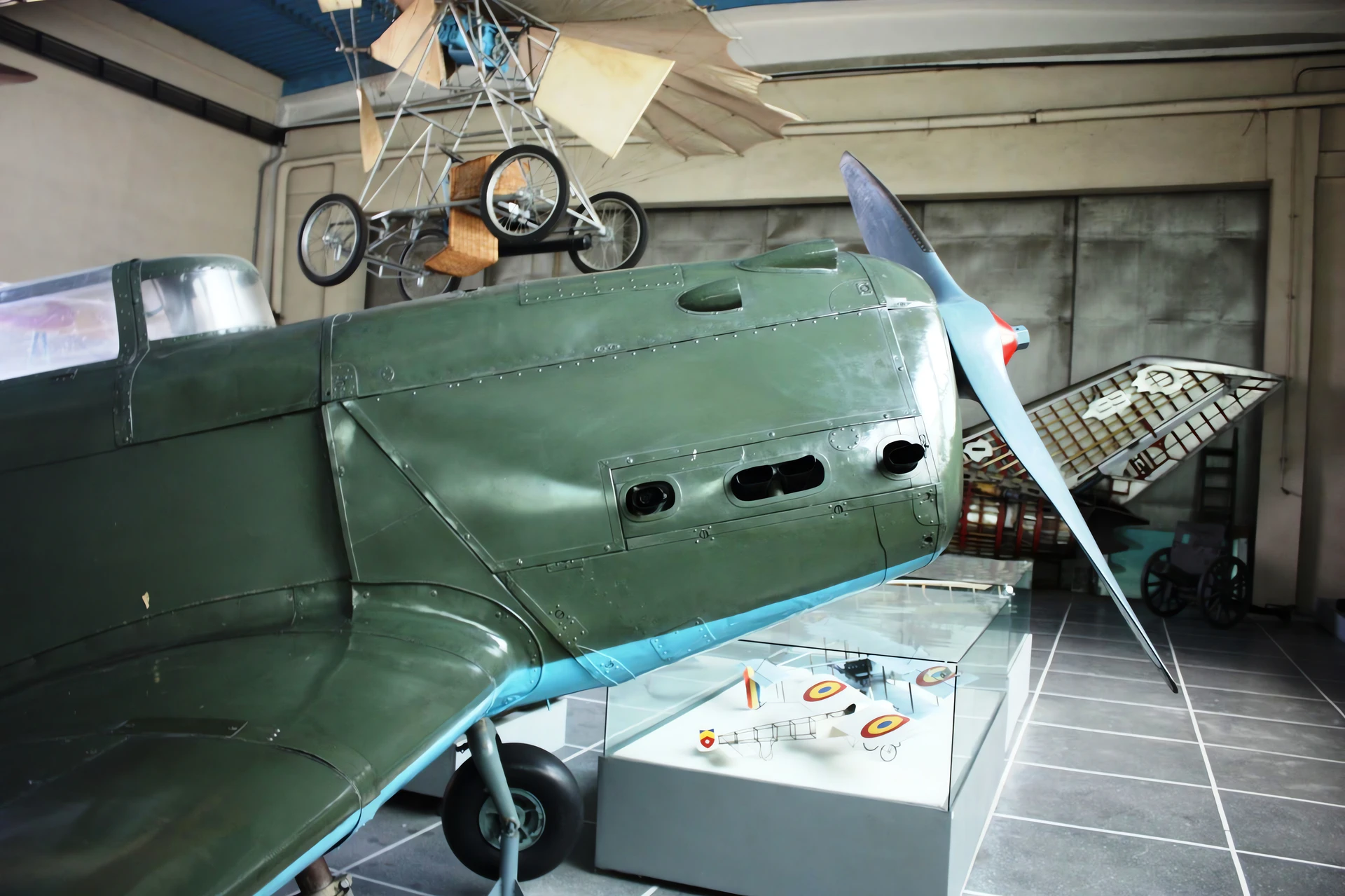
- Armament (Optional): 1 or 2 synchronized 7.7 mm (.303 in) Breda-SAFAT machine-guns mounted in the engine cover, firing through the propeller. This armament was typically fitted for the “fighter trainer” role.
- Wartime Service: It served primarily in Italian flying schools and as a liaison aircraft during World War II. Its stability and enclosed cockpit also made it suitable for photographic survey and high-speed courier duties.
- Record Flights: The long-range FN.305D variant was used to set a class record in 1939 by making a non-stop flight from Rome to Addis Ababa (Ethiopia), covering over 4,400 km.
- Export/License Production: The design was highly sought after, with significant sales and production rights going to Romania (IAR factory) and smaller sales to Hungary and Chile.
Set antal gange : 950
Du kan også se:
 Nordamerikanske NA-64 Yale - Billeder og videoer
 Sud-Ouest Triton – Billeder og video
 Culver PQ-14 Cadet – Billeder og video
 Northrop F-20 Tigershark – Billeder & Video
 Aeronca L-3 – Billeder & Video
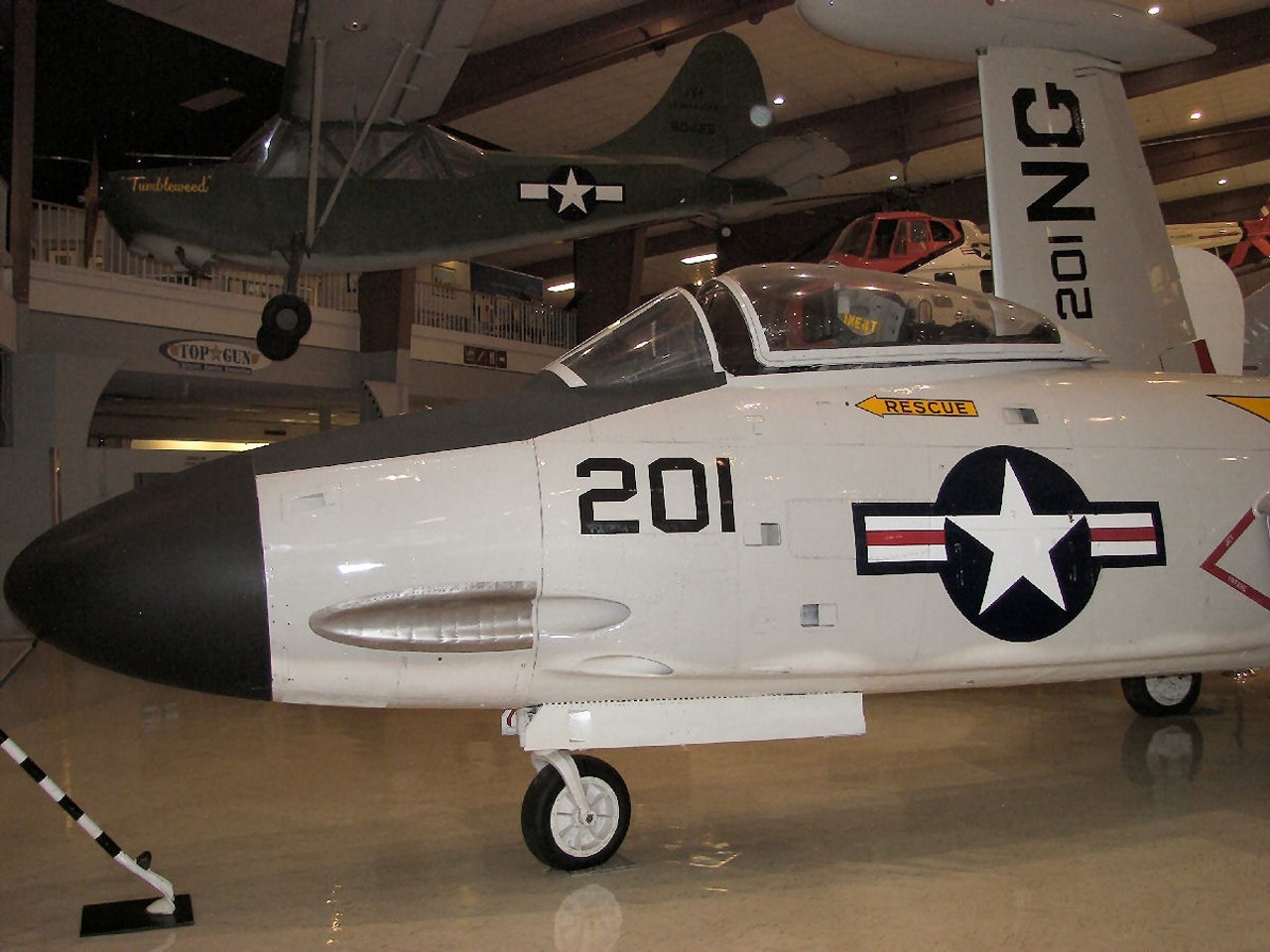 McDonnell F2H Banshee – Billeder & Video
 Macchi MC-202 - WalkAround
 Fairey Kamp - WalkAround
 Hawker Sea Fury - Gå rundt
 Junkers JU-52 – Gå rundt