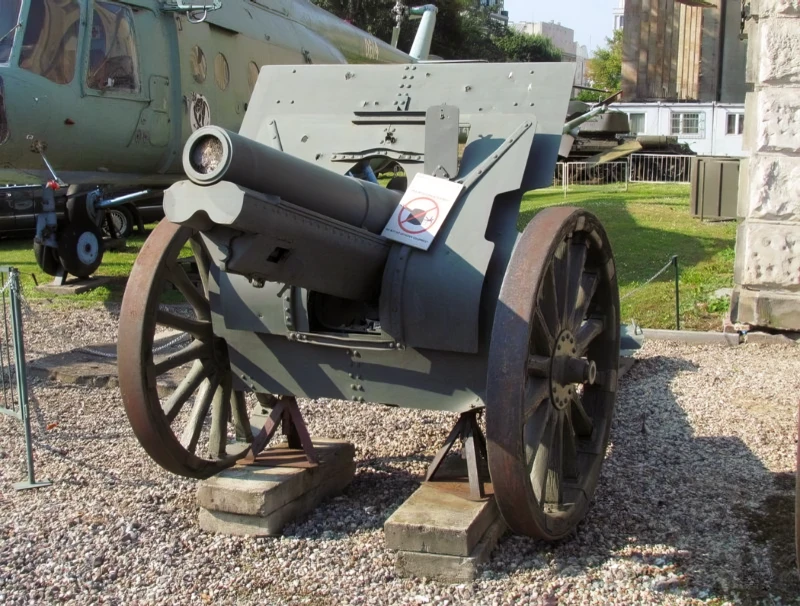
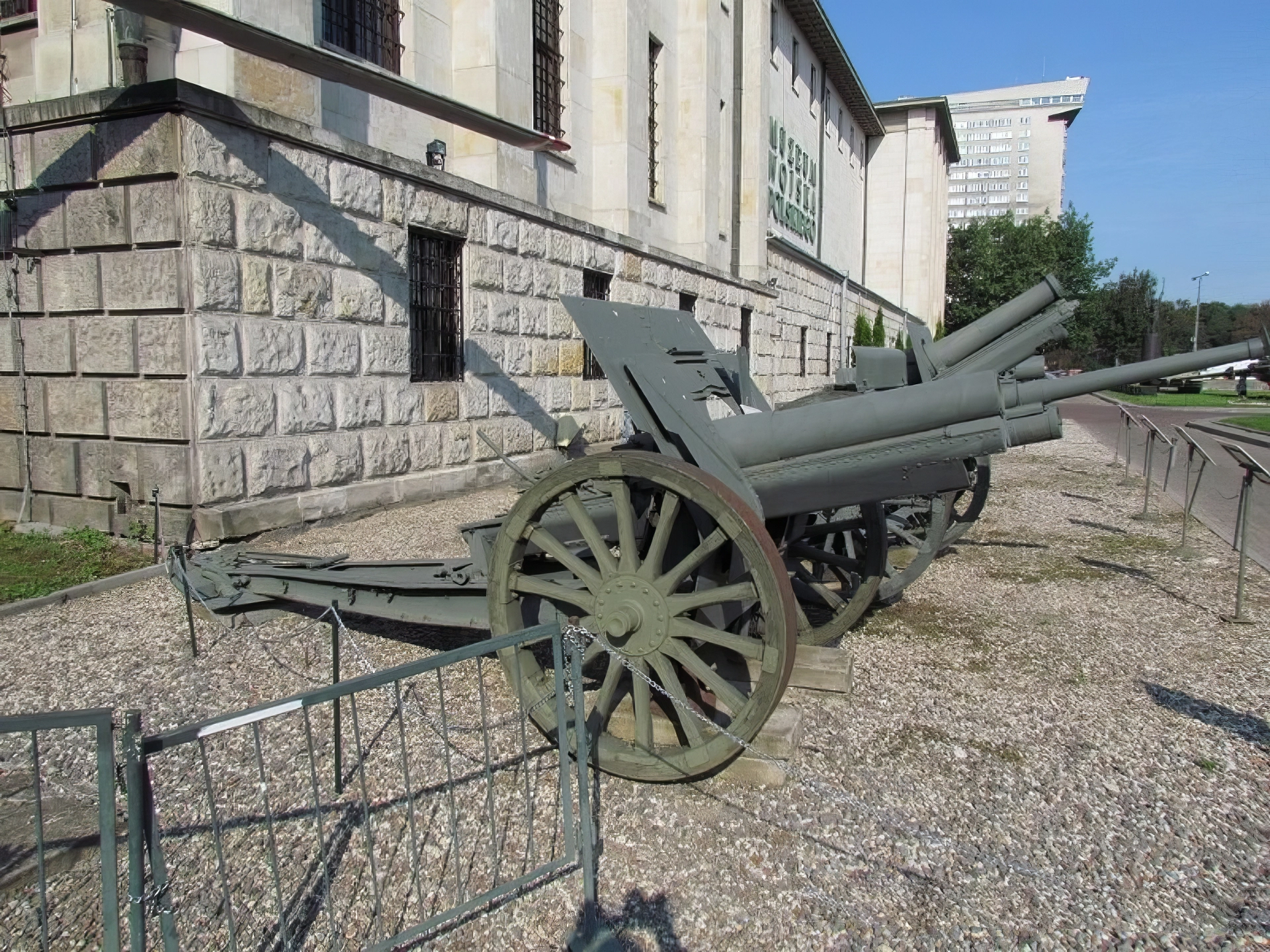
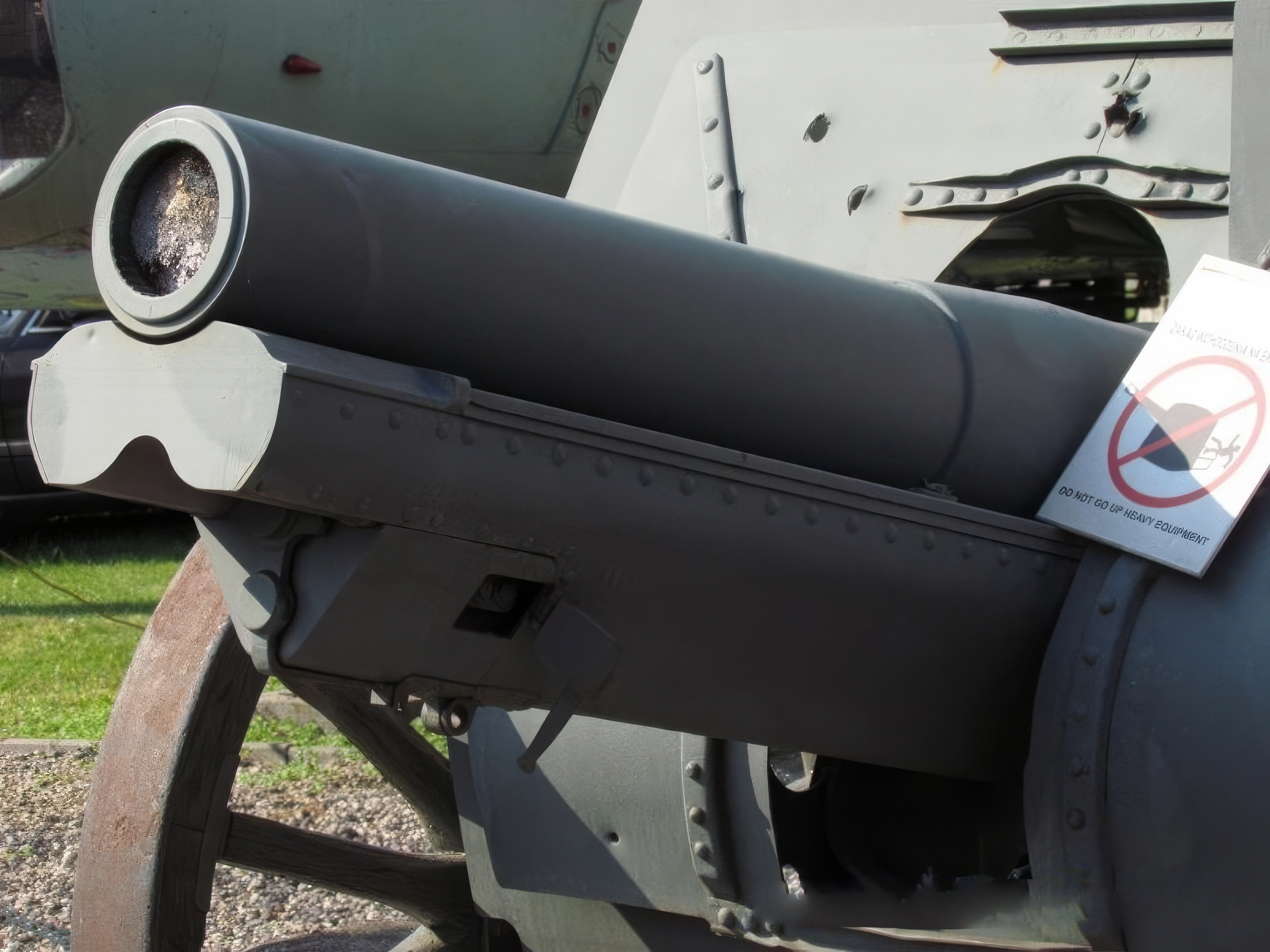
122 mm haubits M1910/30 | |
|---|---|
| Land | Sovjetunionen |
| Type | Haubits |
| Fotograf | Darek Szenfeld |
| Emne | Album af 20 billeder af en 122 mm haubits M1910/30 |
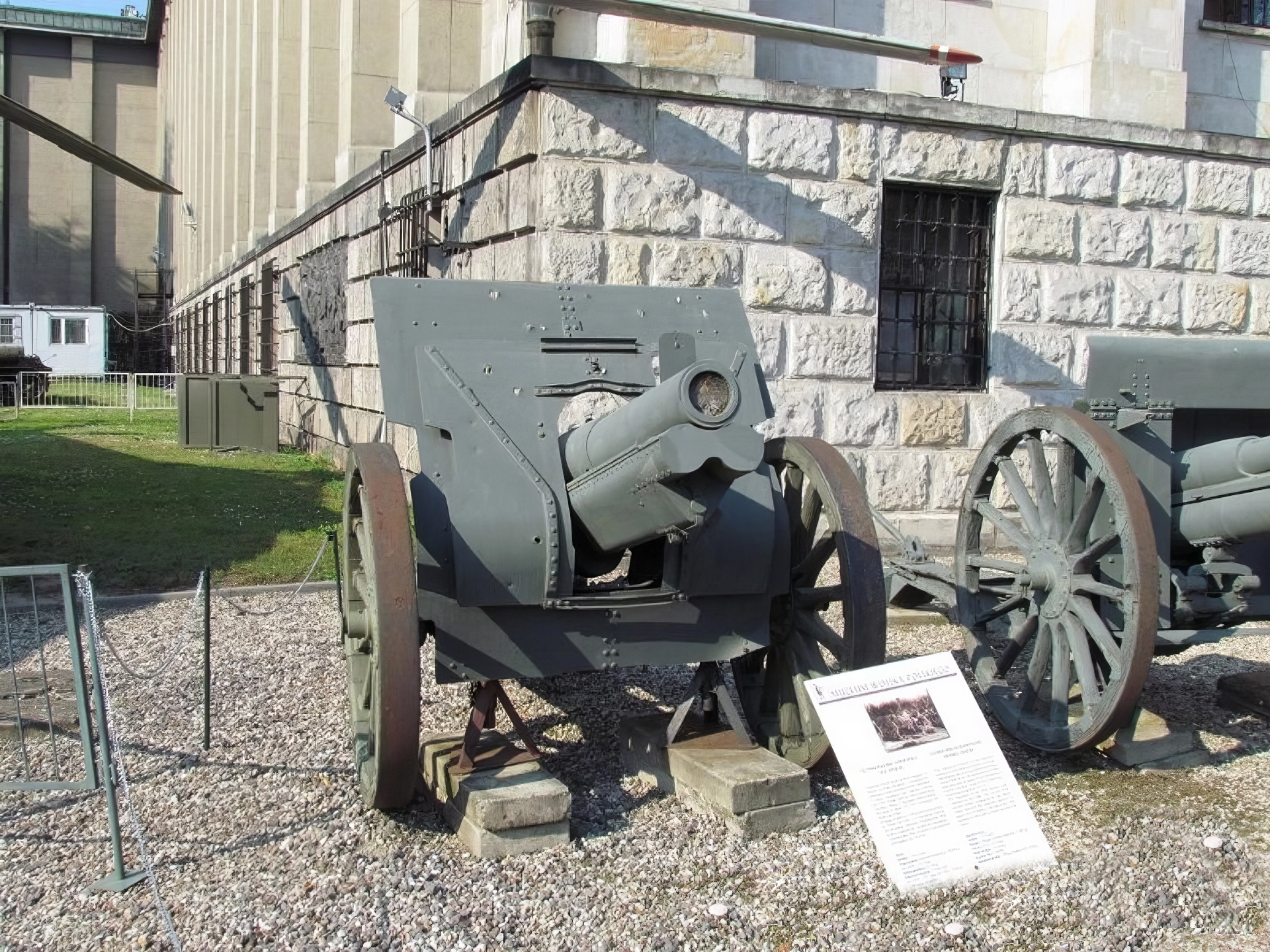
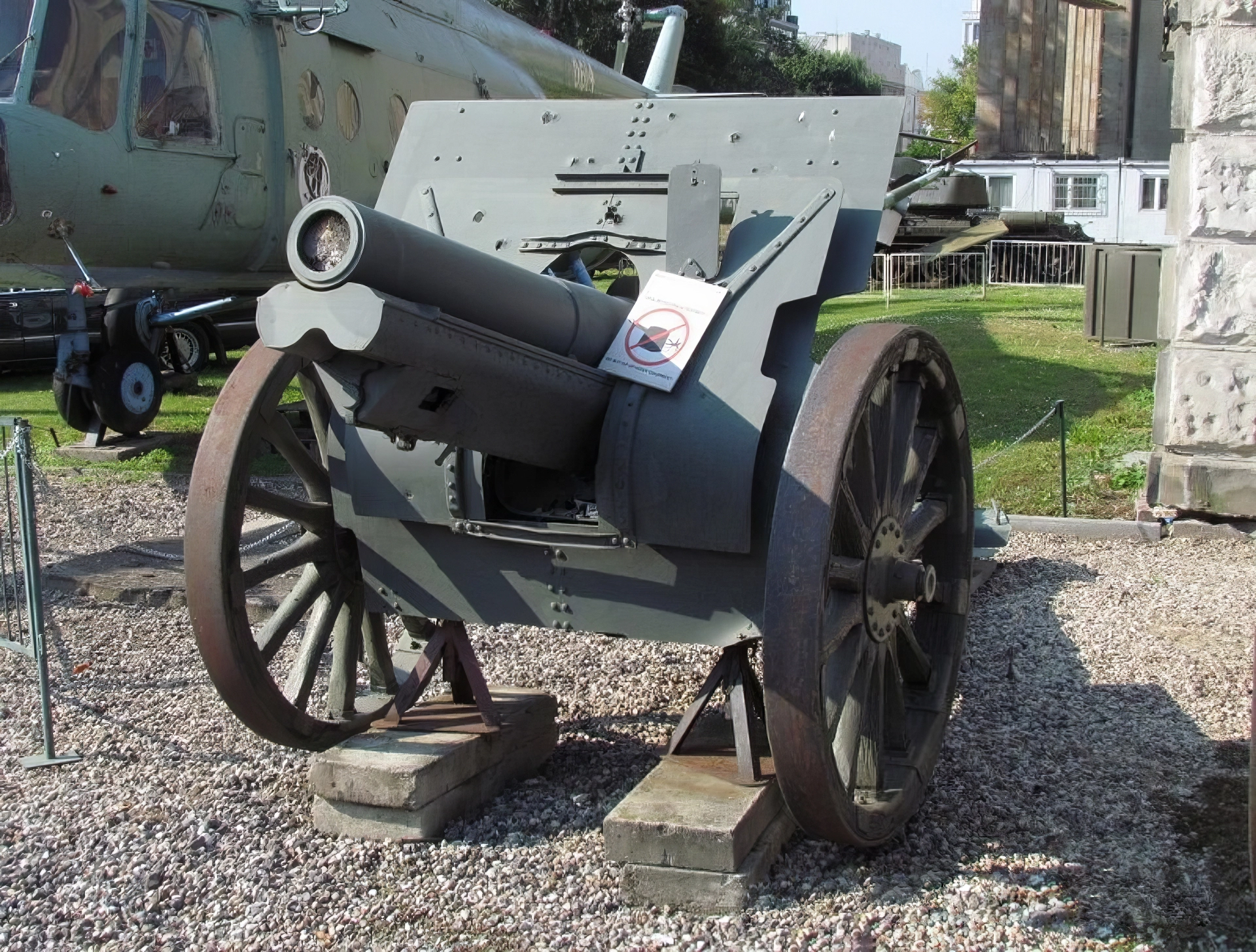
Foto stormvejr af en 122 mm haubits M1910/30, The 122 mm howitzer M1910/30 (Russian: 122-мм гаубица обр. 1910/30 гг.) was a Soviet 121.92 mm (4.8 inch) howitzer, a modernization of World War I era 122-mm howitzer M1910. It was the most numerous divisional howitzer of the RKKA at the outbreak of Great Patriotic War and remained in service throughout the war.



 Køb mig en kop kaffe
Se også:


The Tsar’s Sledgehammer
Den 122 mm Howitzer M1910 was a heavy-hitting, Russian field artillery piece that formed the absolute backbone of Imperial Russian and early Soviet artillery doctrine. Designed originally by the French armament firm Schneider prior to World War I, this rugged weapon combined a destructive high-explosive payload with a durable carriage built to survive the unforgiving mud and freezing winters of the Eastern European plains. It proved so mechanically sound and reliable that modernized variants served continuously through the Russian Revolution, the Winter War, and the brutal opening acts of World War II.
| Attribute | Technical Specification (M1910 Baseline) |
|---|---|
| Rolle | Field Howitzer / Indirect Fire Artillery |
| Besætning | 7 to 8 (Gun commander, gunners, and loaders) |
| Barrel Length | 1.57 m (5 ft 2 in) / L/12.8 caliber barrel |
| Muzzle Velocity | 335 m/s (1,100 ft/s) |
| Maximum Range | ~7,700 m (8,420 yds) indirect fire |
| Rate of Fire | 3 to 5 rounds per minute |
| Weapon Weight | ~1,330 kg (2,932 lbs) in combat position |
| Shell Weight | ~23 kg (50.7 lbs) High-Explosive (HE) standard |
Design Engineering: Hydro-Pneumatic Recoil and Wooden Wheels
- Schneider Hydro-Pneumatic System: The M1910 featured an advanced, French-designed fluid and compressed-air recoil cylinder mounted directly beneath the short barrel. This system absorbed the violent rearward energy of the heavy 122mm firing sequence, ensuring the gun carriage stayed stable and didn’t lose its aiming solution between shots.
- Single-Trail Carriage: Built on a traditional “box trail” frame, the gun’s lateral aim (traverse) was limited to just a few degrees without physically lifting and shifting the whole carriage. However, this heavy steel box structure gave the howitzer immense physical durability during rough towing across broken terrain.
- Interrupted Screw Breech: To safely seal the ignition chamber against high gas pressures, the M1910 utilized a robust, multi-threaded interrupted screw breech block. Well-trained loaders could slam the heavy shell into place, swing the breech shut, and lock it with a single swift rotation of the lever.
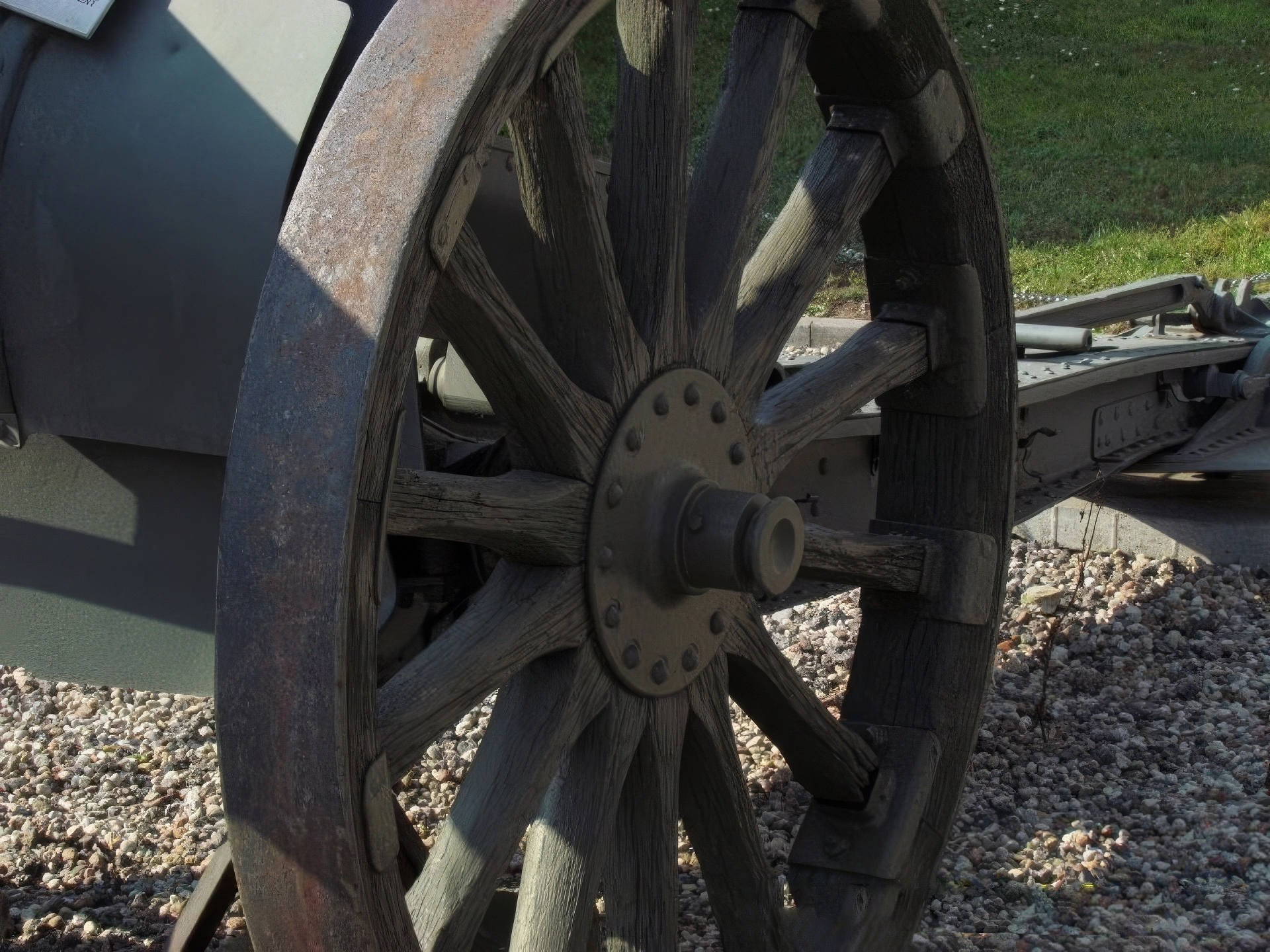
- Wartime Wheel Adaptations: The original baseline versions were manufactured with heavy, steel-rimmed wooden spoke wheels meant to be pulled slowly by horse teams. During later Soviet modernization drives (resulting in the M1910/30), many surviving carriages were retrofitted with solid steel wheels and thick rubber tires to tolerate mechanization and faster vehicle towing.
Operational History: From Imperial Frontlines to Operation Barbarossa
- World War I Firepower: The Russian Empire ordered hundreds of these weapons to counter the superior heavy artillery of the German and Austro-Hungarian armies. Its heavy 122mm shells were highly effective at shattering enemy barbed-wire networks and collapsing fortified log-and-earth trenches.
- Red vs. White Civil War: Following the 1917 revolution, the M1910 became a prized asset for both the Bolshevik Red Army and the counter-revolutionary White factions. Because it was simple to operate and repair, it was frequently mounted onto improvised armored trains to project heavy firepower along critical rail corridors.
- The 1930 Modernization: Realizing the design was showing its age, Soviet engineers bored out the firing chamber to accept heavier propellant charges and added upgraded sights. This cost-effective face-lift extended the maximum range by over two kilometers, keeping the aging weapon tactically relevant.
- Clashing with the Wehrmacht: When Nazi Germany invaded the Soviet Union in 1941, thousands of M1910 and M1910/30 howitzers were rushed into desperate defensive positions. While many were overrun and captured by the Germans (who pressed them into service as the *12.2cm leFH 388(r)*), they successfully bought the Red Army precious time to spin up massive production of newer artillery systems.
Set antal gange : 4316
Du kan også se:
 Howitzer 149-19 – Photos & Video
 220 mm TR mle 1915/1916 – Billeder & Video
 QF 3.7-tommer haubits - Billeder og videoer
 10,5 cm leFH 16 – Billeder & Videoer
 M109 haubits - Billeder og videoer
 QF 4.5-tommer haubits - Billeder og video
 FH70 haubits – Billeder og video
 M198 haubits – Billeder og video
 76 mm regimentskanon M1927 – Billeder & Video
 21cm Morser 18 Haubits - Gå rundt