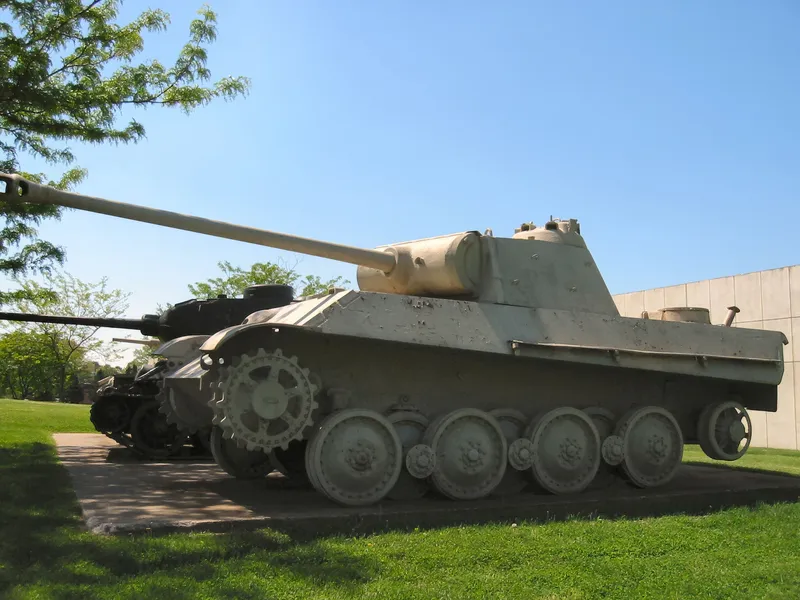
Panther SdKfz.171 | |
|---|---|
| Land | Tyskland |
| Rolle | Mellemstor tank |
| I brug | 1943–1945 |
| Bygget | 6000+ |
Panther er en tysk mellemstor kampvogn, der blev indsat under Anden Verdenskrig på øst- og vestfronten i Europa fra midten af 1943 til krigens afslutning i 1945. Det havde ammunitionsopgørelsesbetegnelsen Sd.Kfz. 171. Det blev udpeget som Panzerkampfwagen V Panther indtil 27. februar 1944, da Hitler beordrede, at romertallet "V" skulle slettes. Moderne engelsksprogede rapporter henviser undertiden til det som "Mark V".
Kilde: Panther på Wikipedia
| Panther | |
|---|---|
| Fotograf | Unknow |
| Lokalisering | Unknow |
| Billeder | 40 |
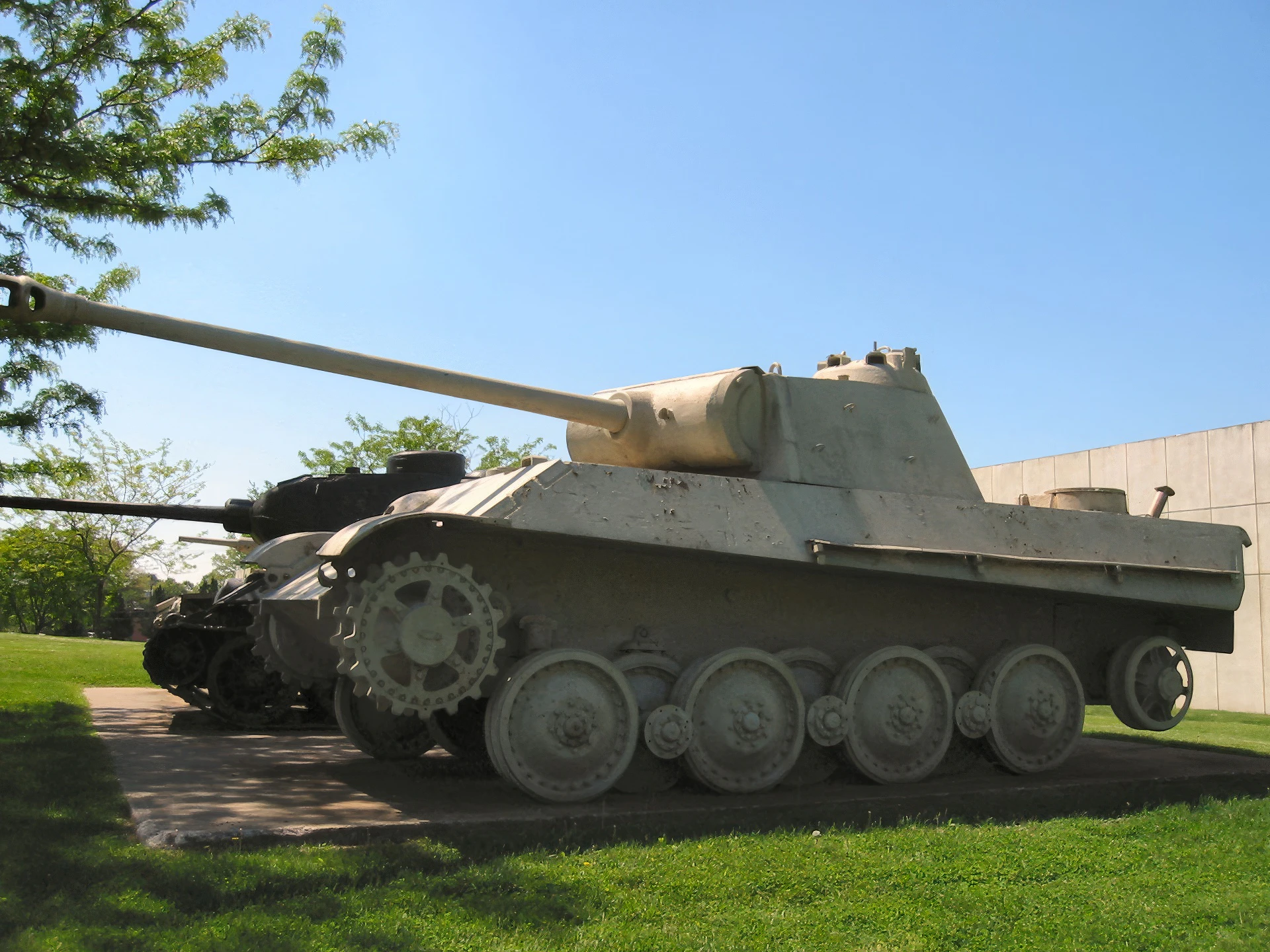
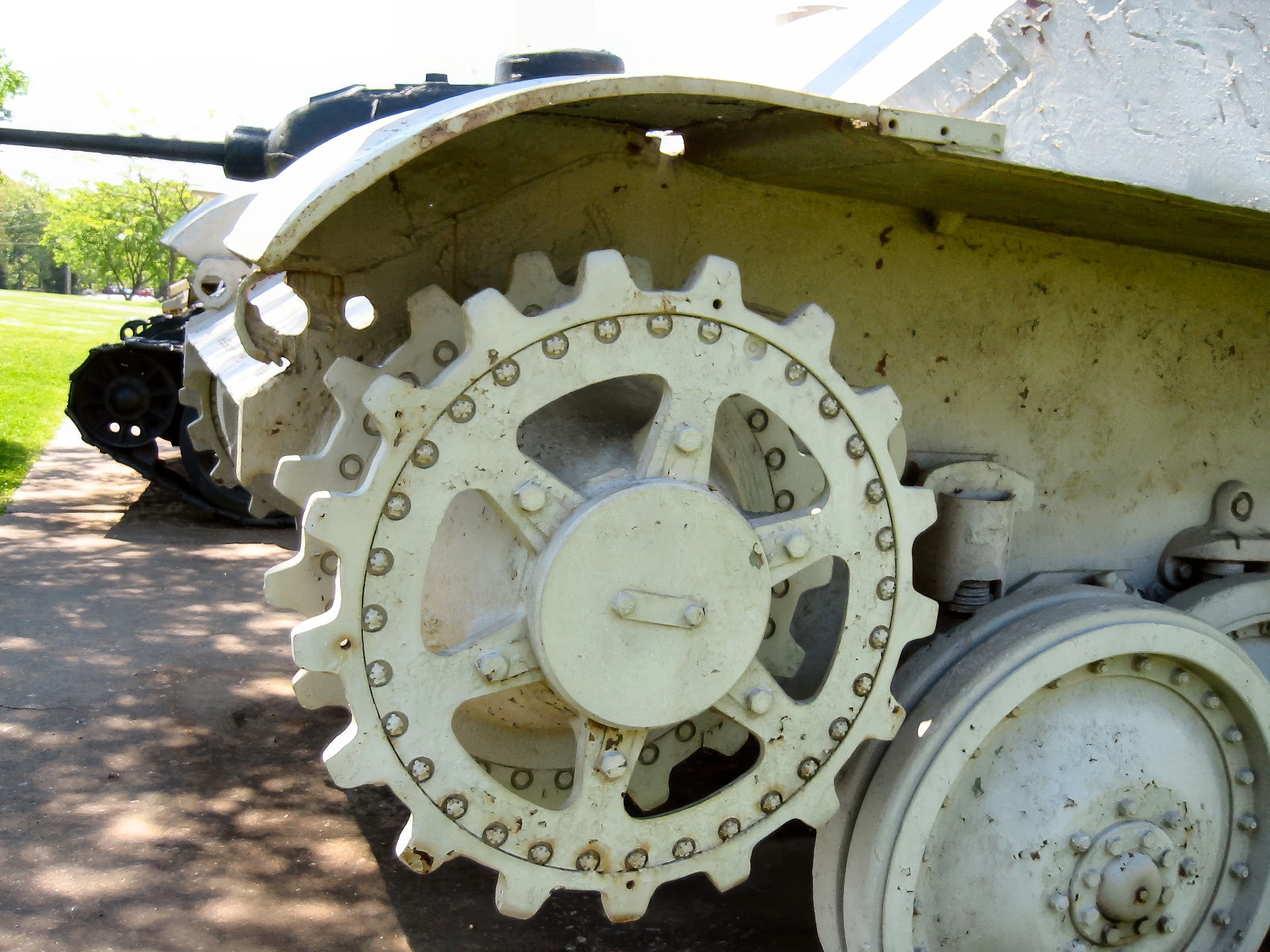
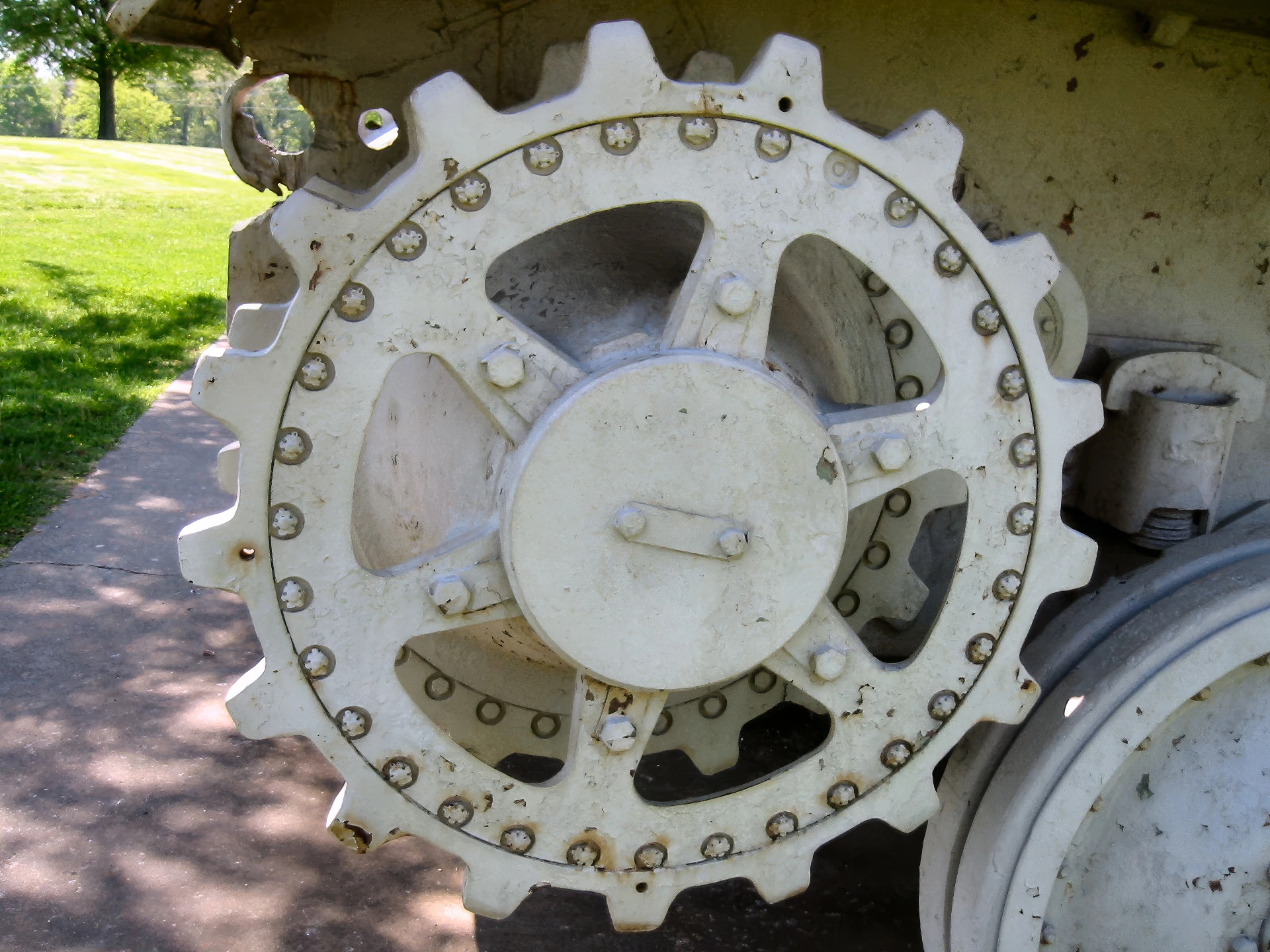
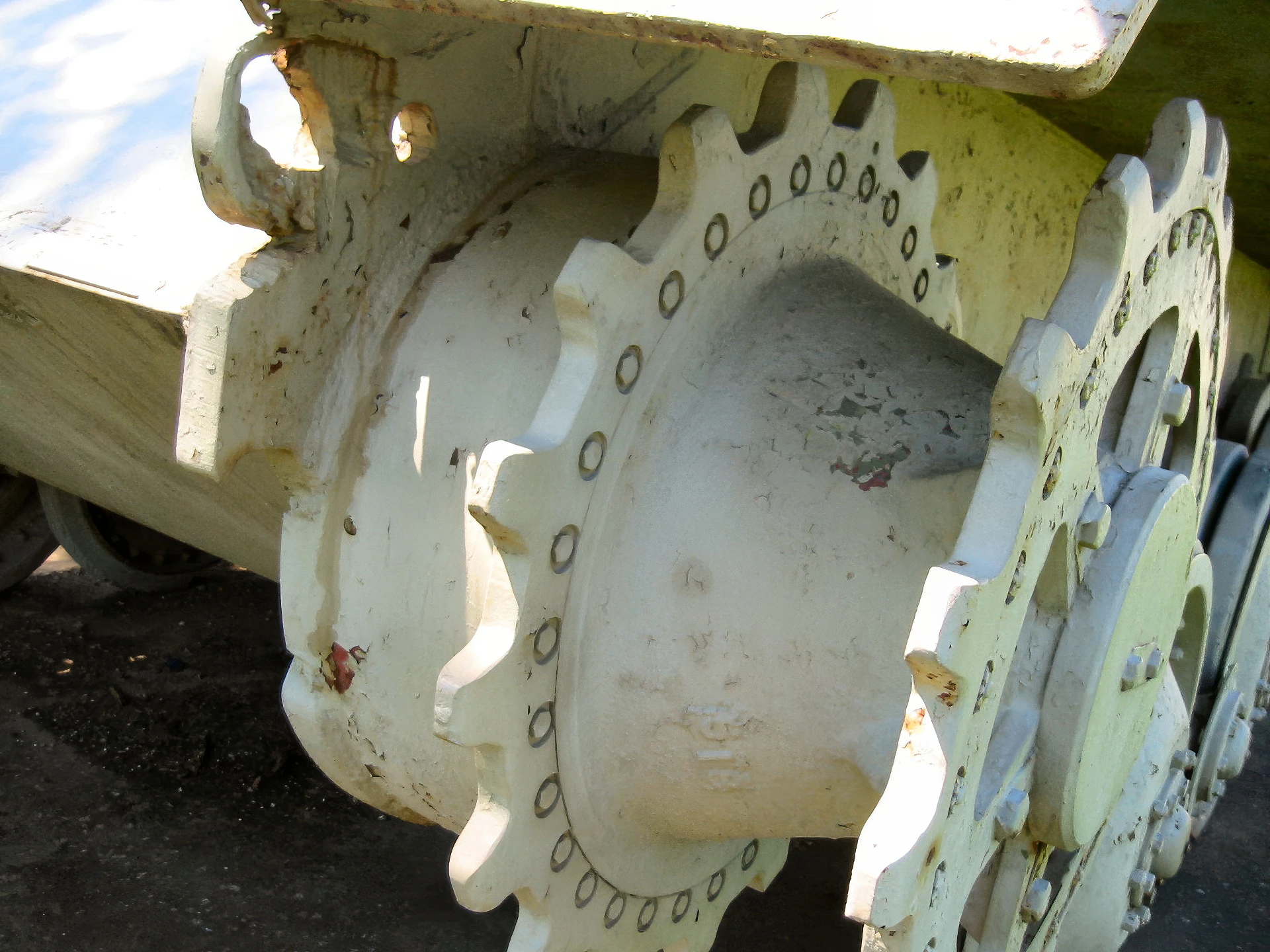
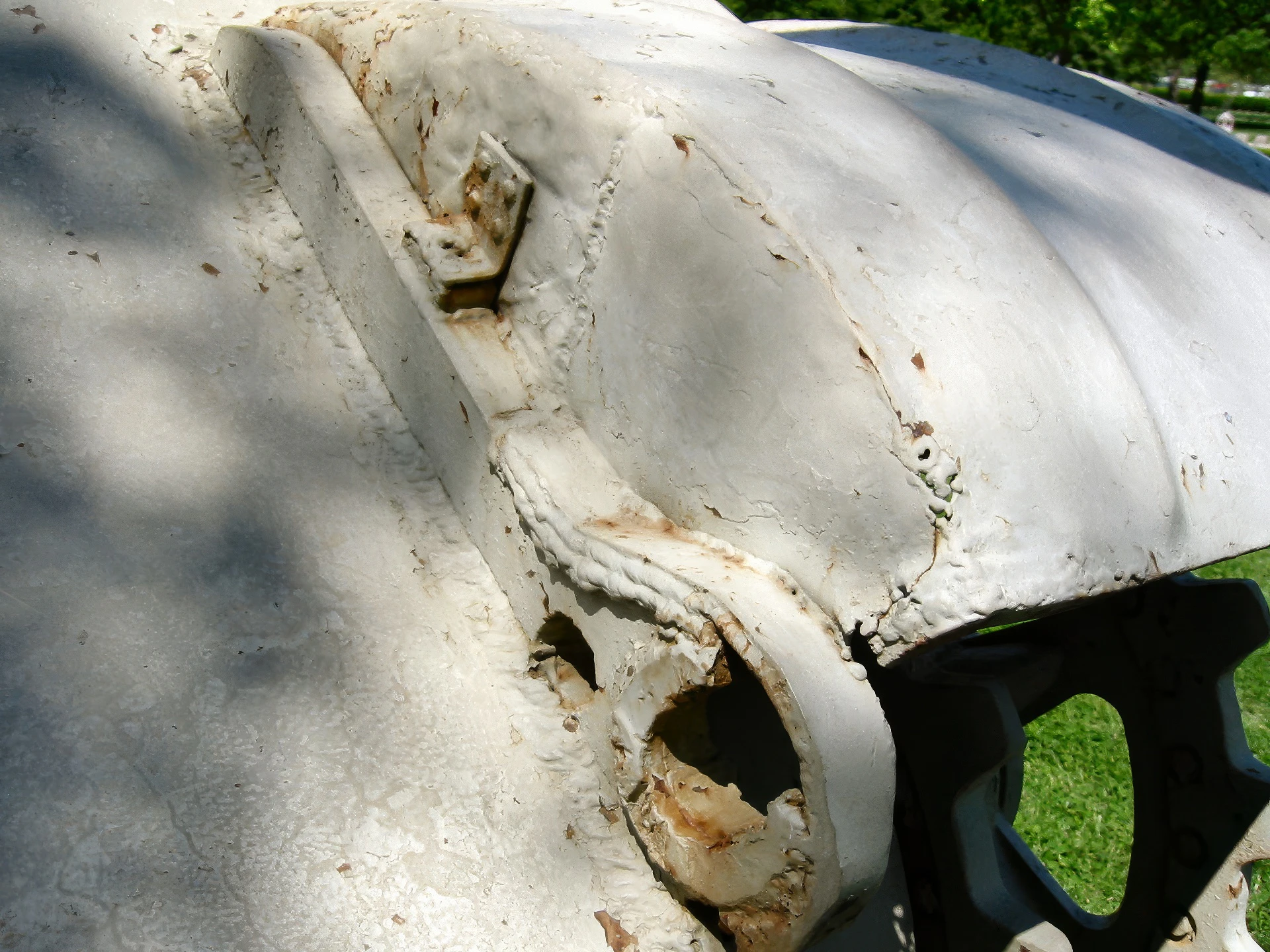
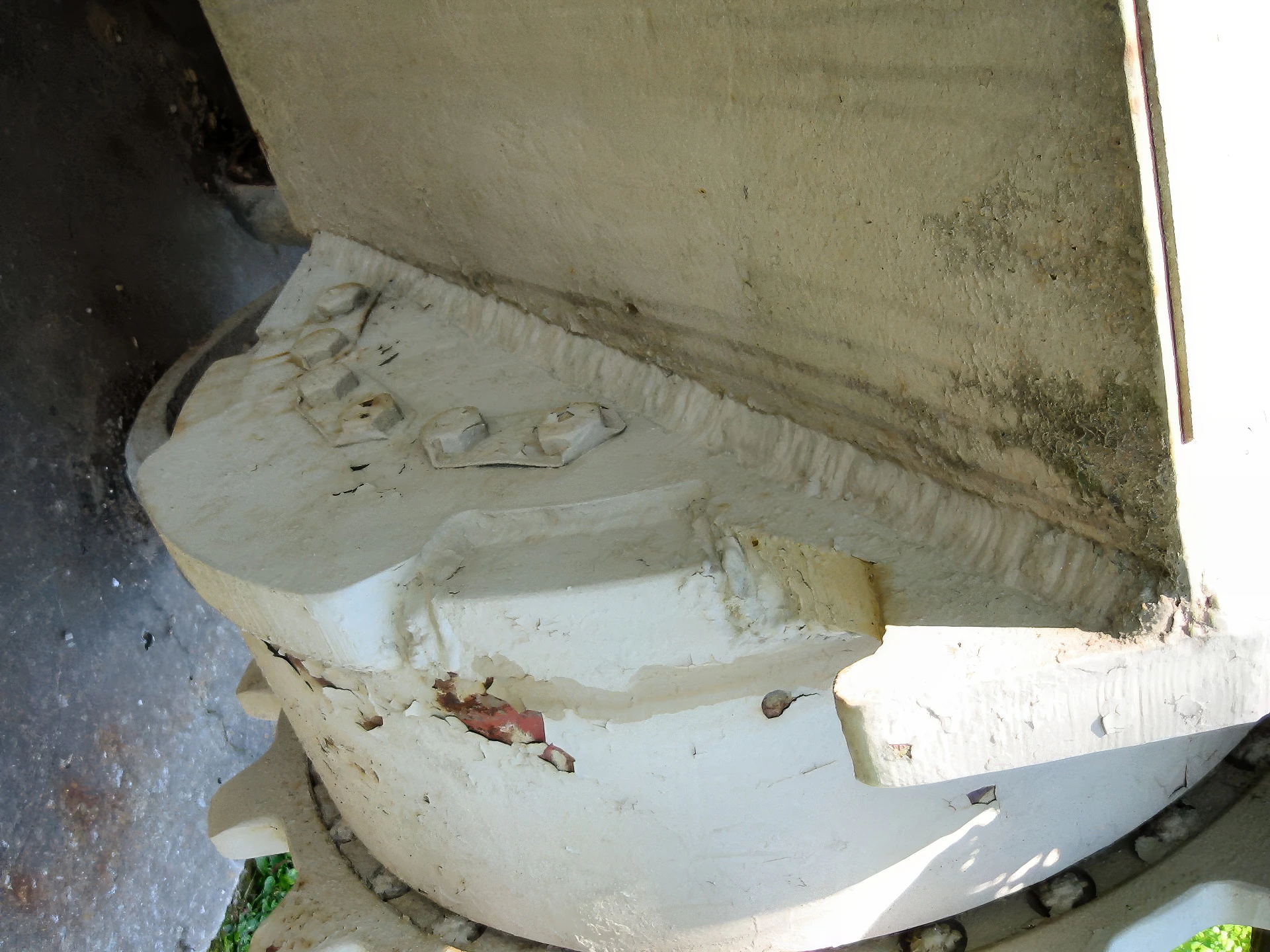
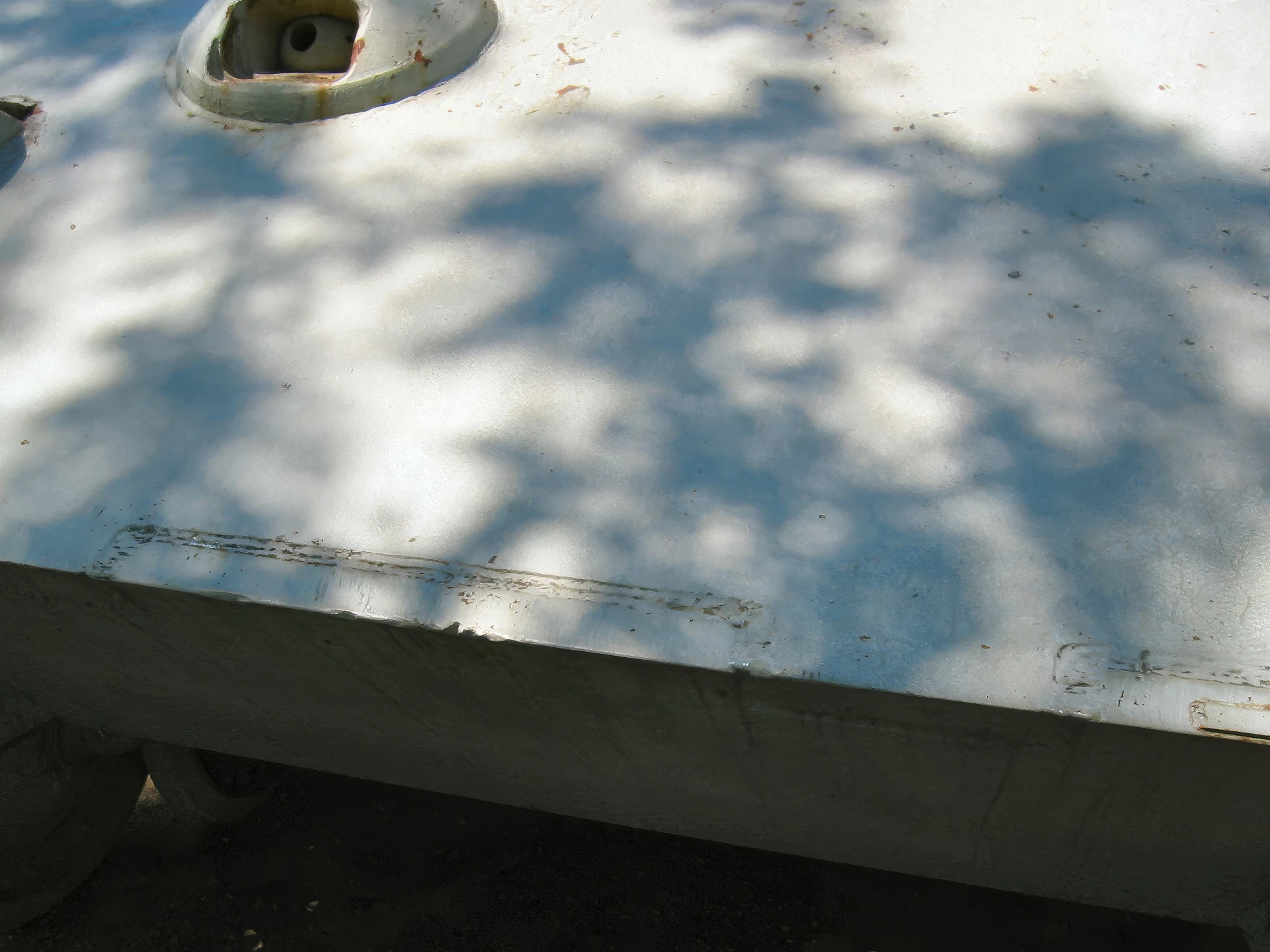
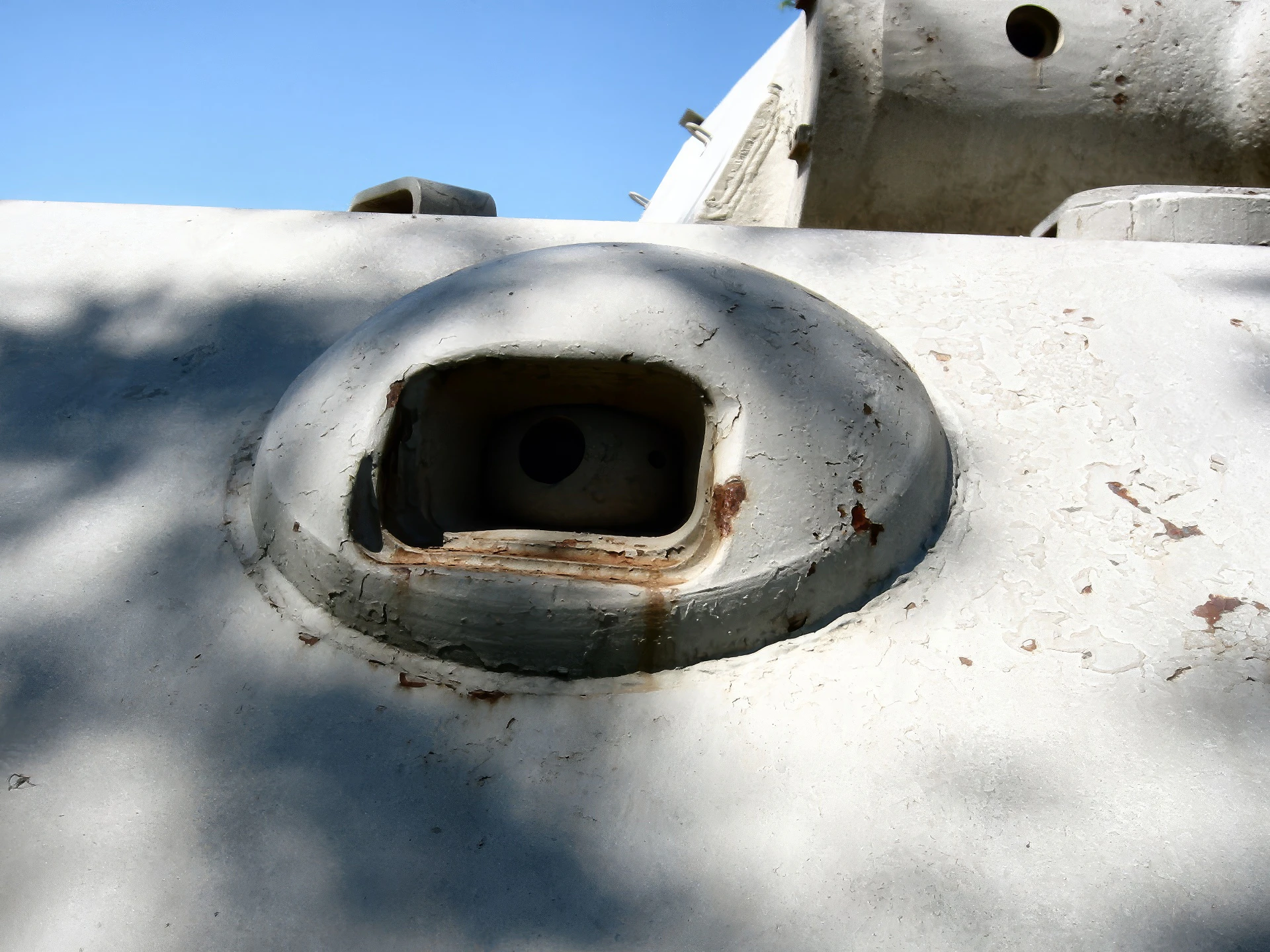
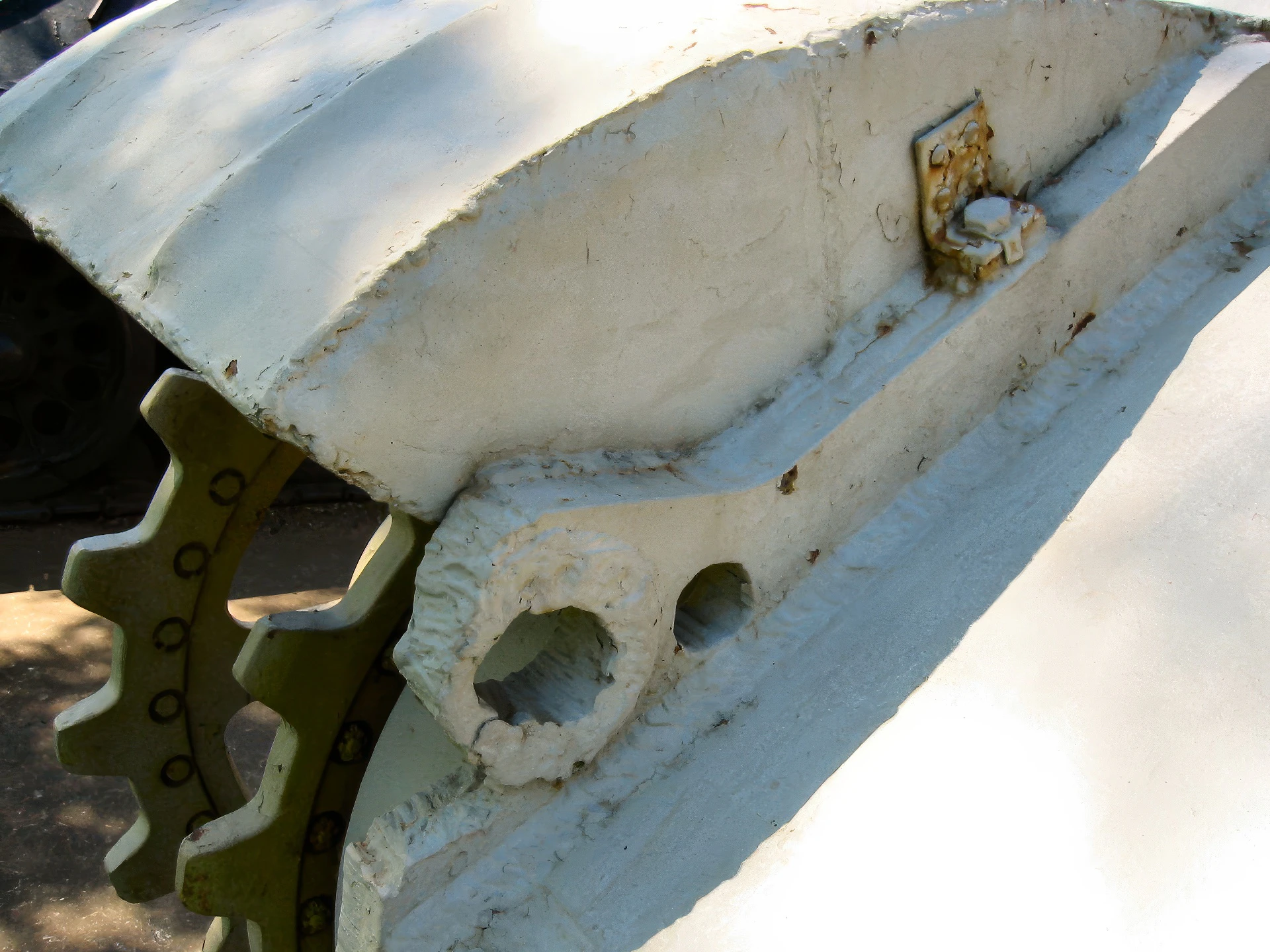

| Panther Panzerkampfwagen Mk V Walk Around | |
|---|---|
| Fotograf | Bill Maloney |
| Lokalisering | Unknow |
| Billeder | 22 |
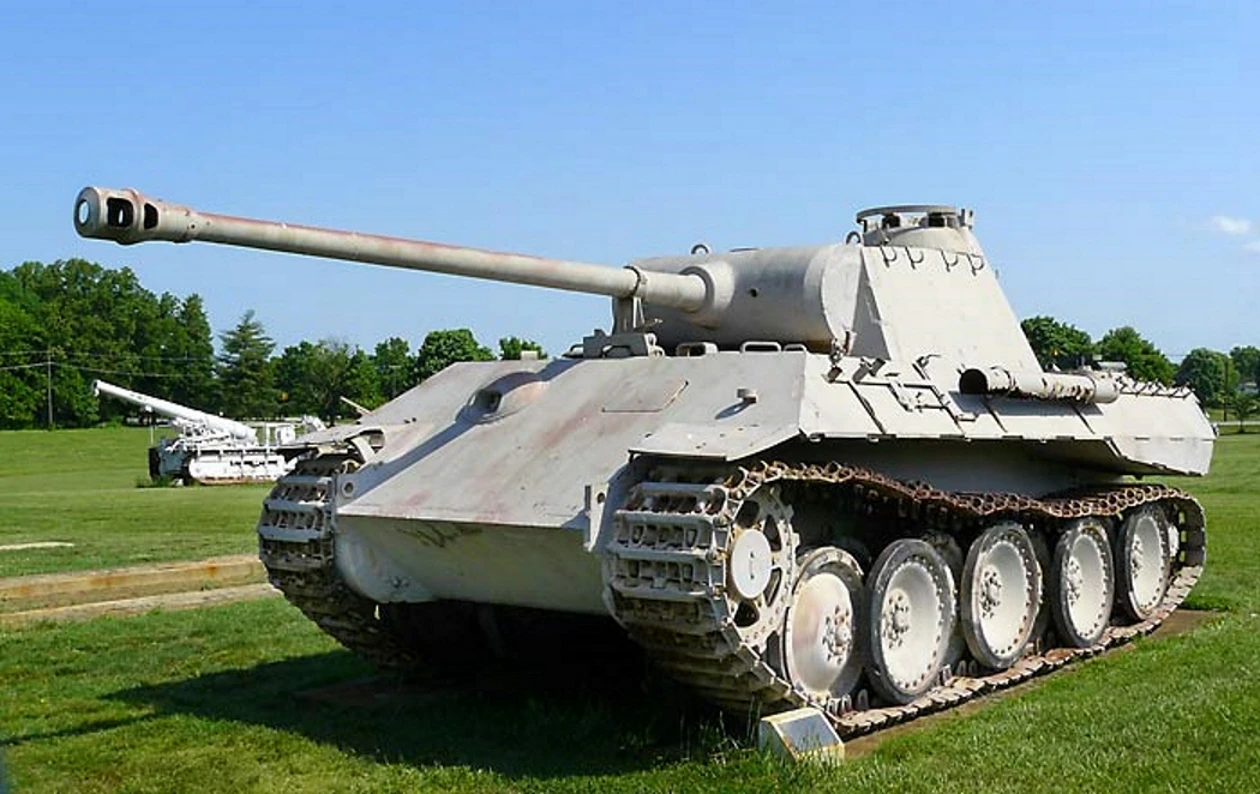
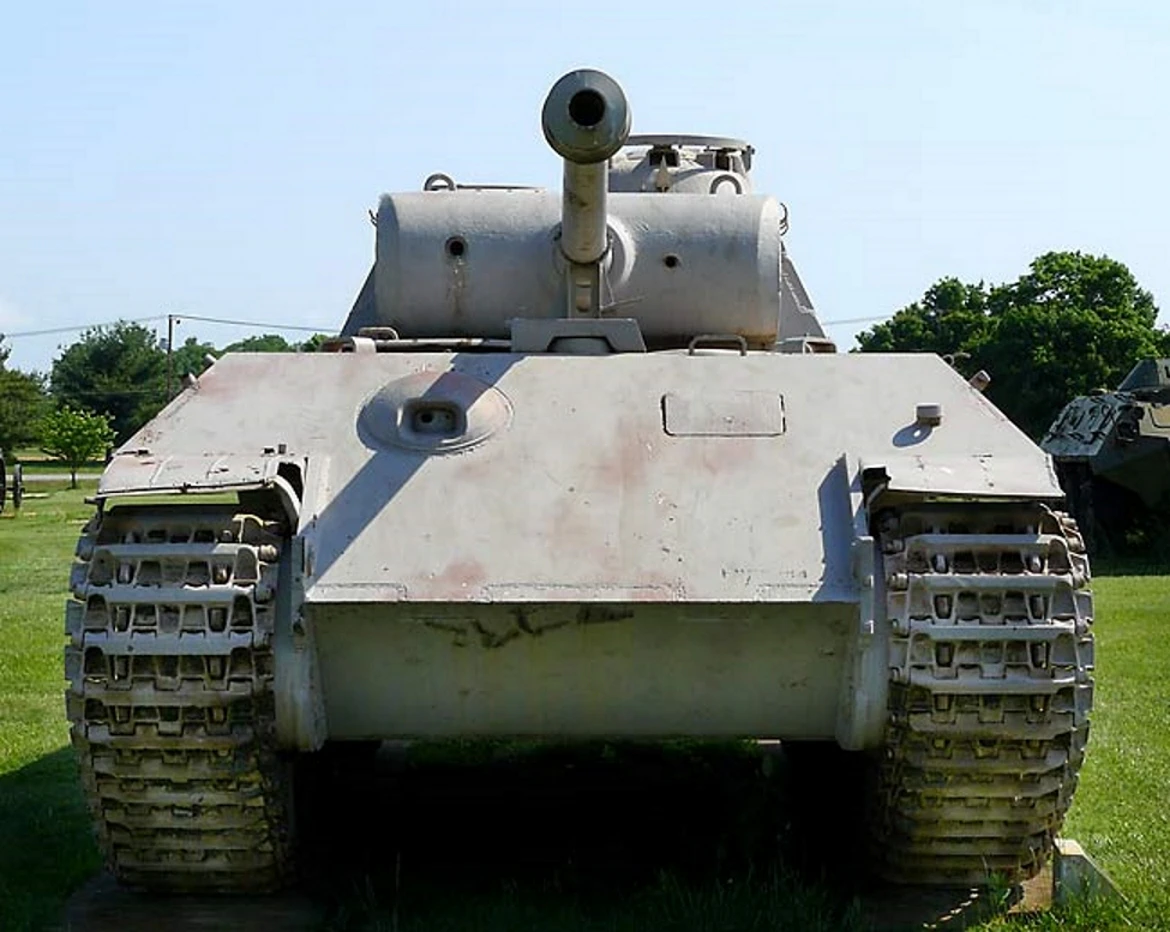
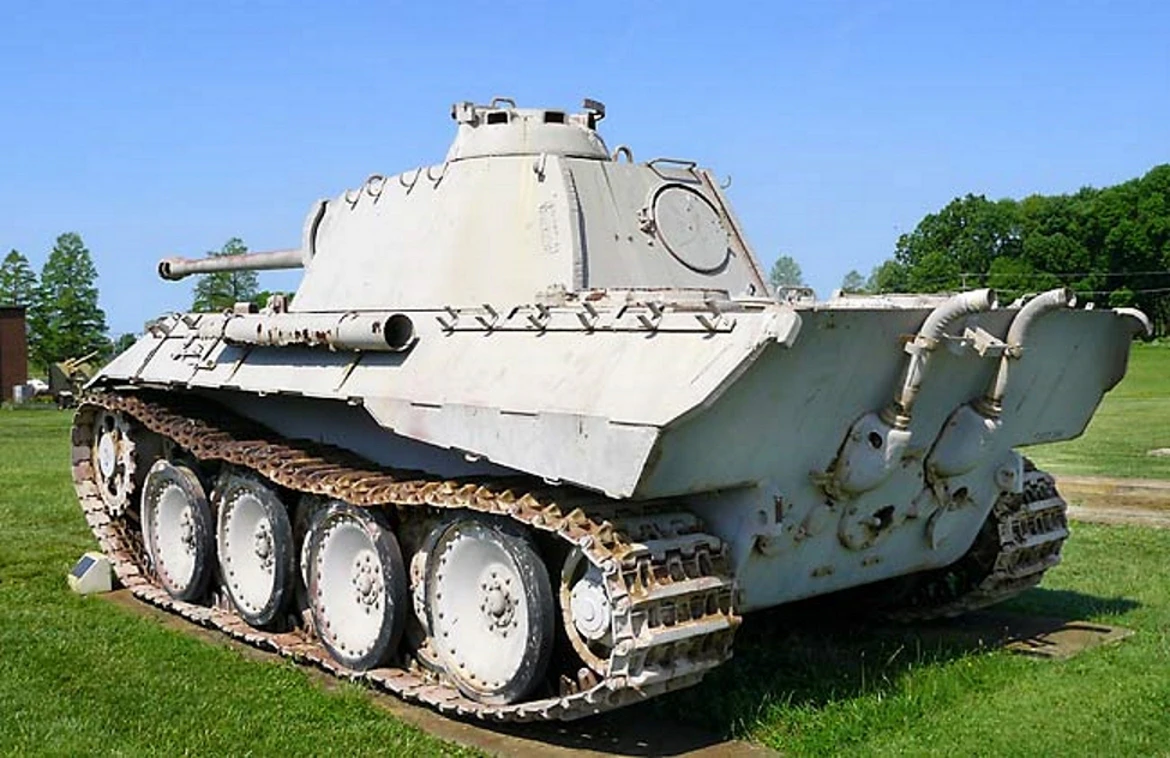
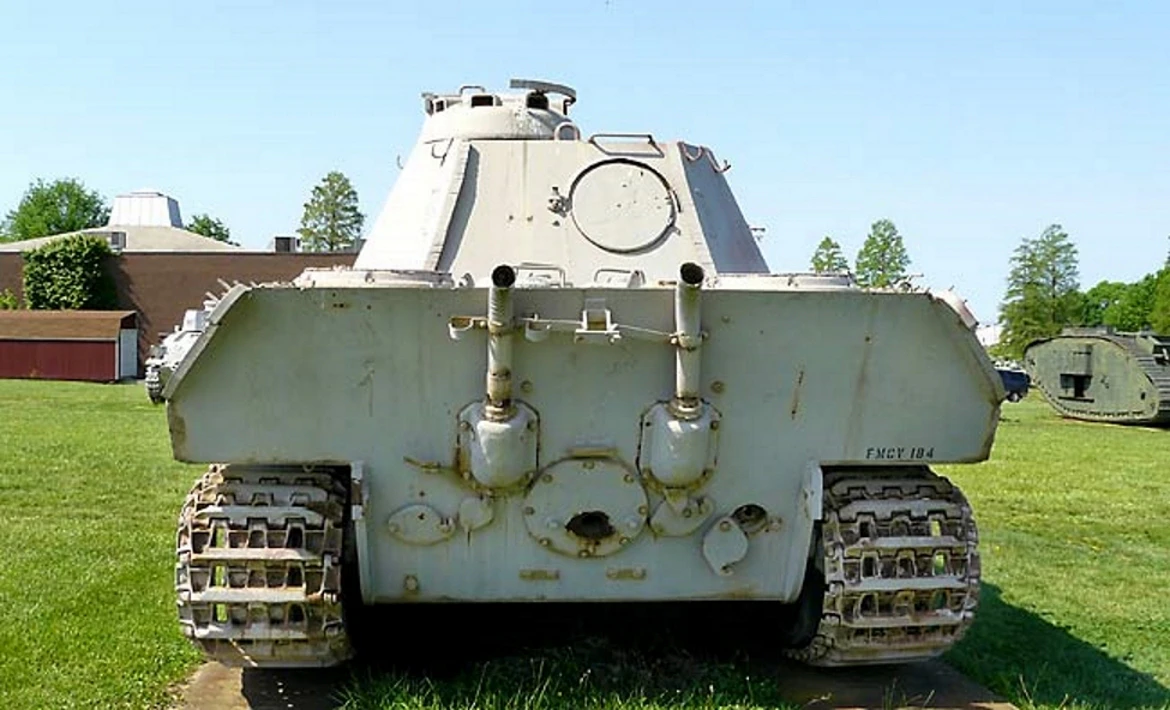
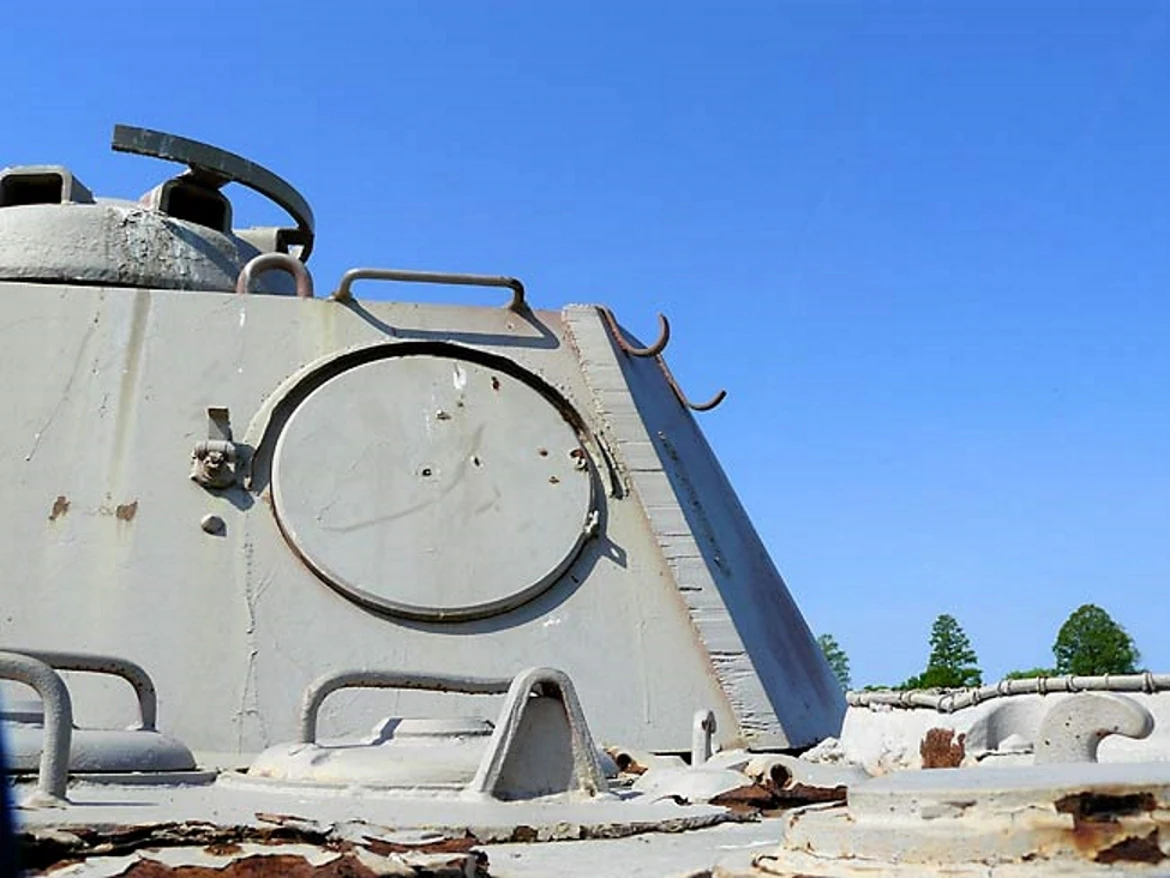
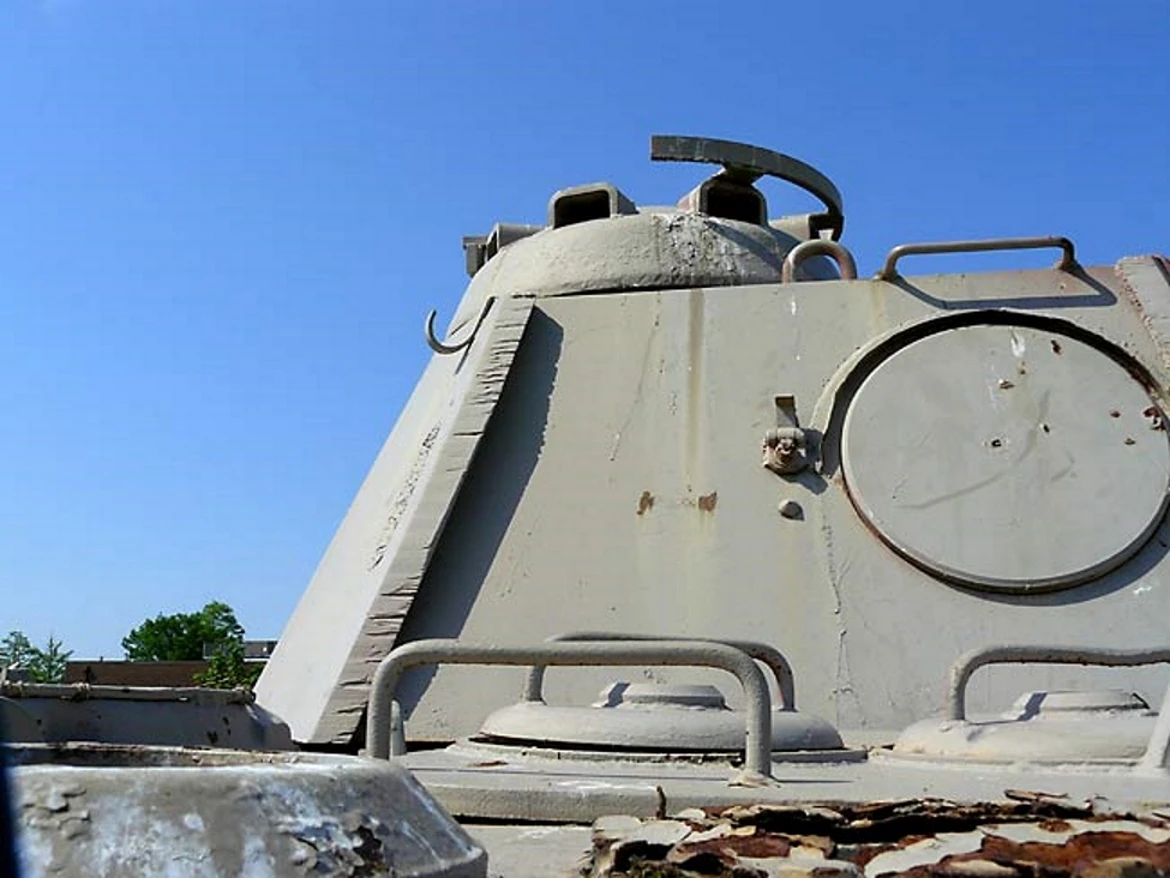
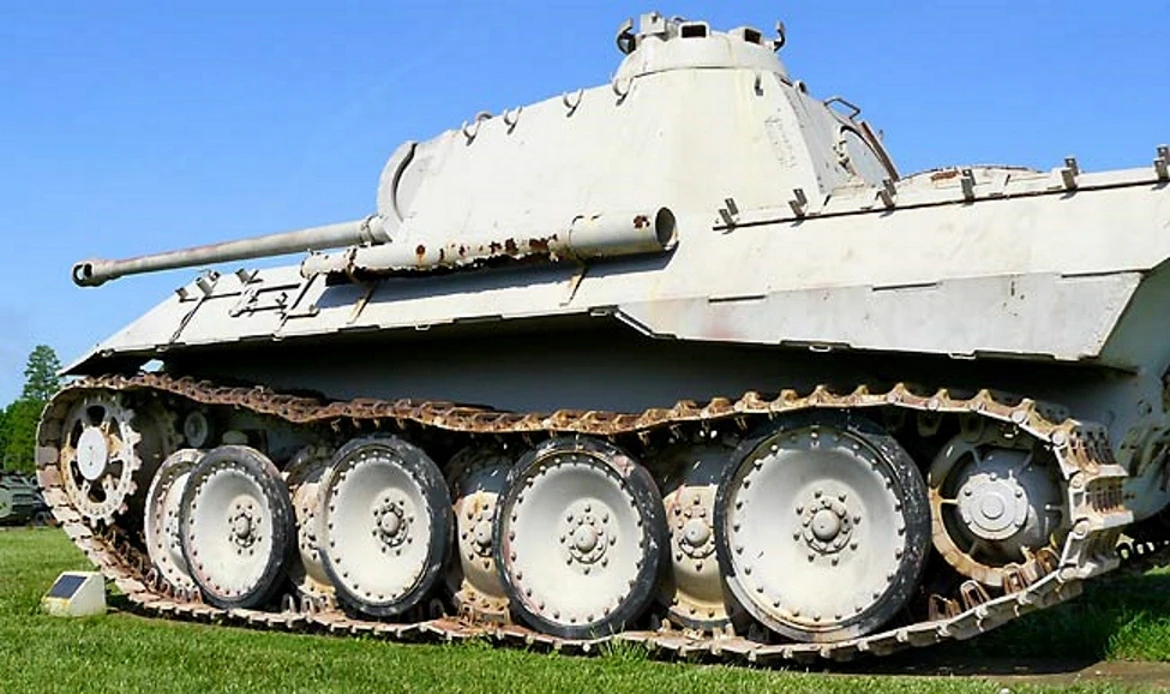
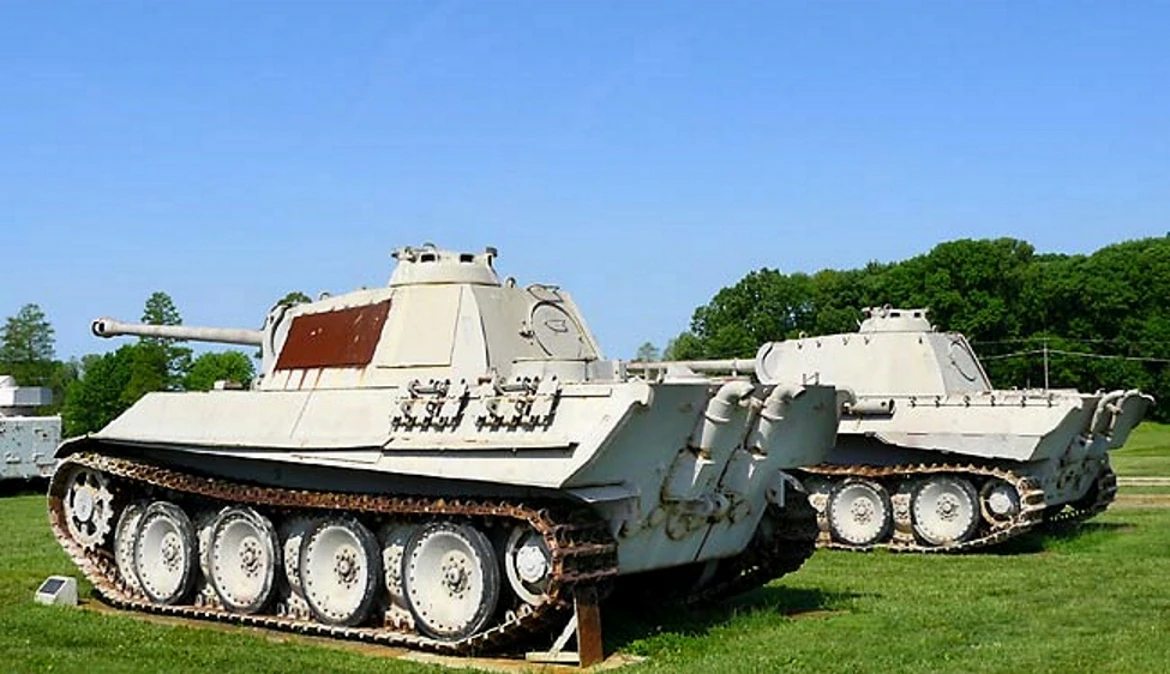
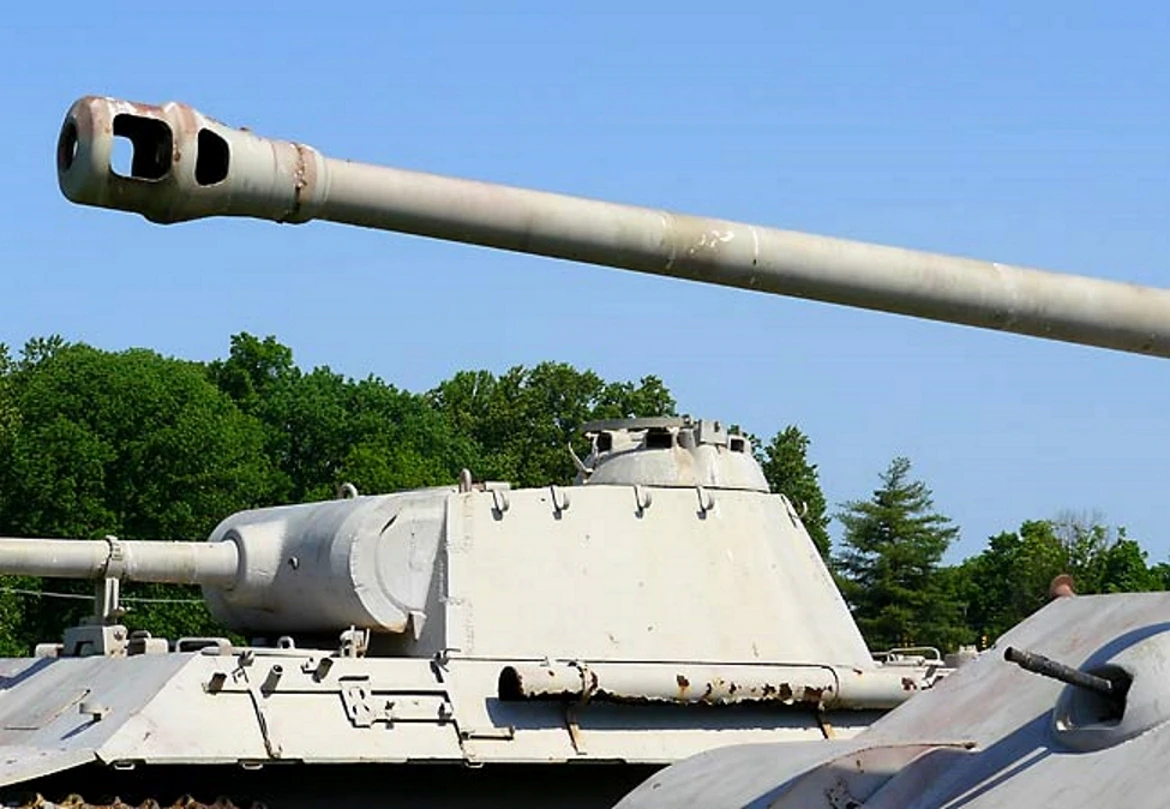
Se også:


A Revolutionary Response
Den Panzer V Panther was born out of shock. When German forces encountered the Soviet T-34 in 1941, they realized their Panzer III and IV tanks were obsolete. The Panther was the “crash program” answer, incorporating the T-34’s most effective feature: sloped armor. Often cited as the best overall tank of World War II, it struck a legendary balance between speed, protection, and firepower. While the Tiger was a heavy breakthrough brute, the Panther was the refined duelist—faster, sleeker, and equipped with a gun that could punch through almost anything it saw.
| Attribute | Technical Specification (Ausf. G) |
|---|---|
| Rolle | Medium Tank (though heavy by Allied standards) |
| Besætning | 5 (Commander, Gunner, Loader, Driver, Radio Op) |
| Main Armament | 7.5 cm KwK 42 L/70 (High Velocity) |
| Frontal Armor | 80 mm (Lower) / 100 mm (Mantlet) at steep slopes |
| Motor | Maybach HL 230 P30 V12 (700 hp) |
| Vægt | Approx. 44.8 tonnes (Combat Loaded) |
| Maximum Speed | 46 km/h (29 mph) on road |
| Production Total | Approx. 6,000 units |
Design Engineering: High Tech, High Cost
- The Long 75: The Panther’s 75mm gun had a longer barrel ($L/70$) than the Tiger I’s 88mm. This gave the shell a higher muzzle velocity, meaning it had a flatter trajectory and superior armor penetration at long ranges.
- Torsion Bar Suspension: The Panther featured a complex “interleaved” wheel system (Schachtellaufwerk). While it provided a smooth ride and a stable firing platform, it was a nightmare for mechanics; if an inner wheel broke, several outer wheels had to be removed to reach it.
- The Sloped Glacis: Unlike the boxy Tiger, the Panther’s front plate was angled at 55 degrees. This effectively doubled the protection, causing Allied shells to ricochet harmlessly away rather than bite into the steel.
- Infrared Night Vision: Late-war Panthers (Ausf. G) were some of the first tanks in history to be equipped with active infrared “Vampir” scopes, allowing them to hunt in total darkness.
Operational History: Greatness vs. Gremlins
- The Kursk Disaster: The Panther’s debut at the Battle of Kursk (1943) was a mechanical catastrophe. More Panthers were lost to engine fires and transmission failures than to Soviet fire. The design had been rushed into production before the “bugs” were worked out.
- The Normandy Shock: By 1944, the “bugs” were largely fixed. Allied tankers in Normandy were horrified to find that their standard M4 Shermans could not penetrate the Panther’s front even at point-blank range, while the Panther could snip Shermans from over 2,000 meters away.
- The “Glass Jaw” Sides: To keep weight down, the Panther had relatively thin side armor (40–50mm). Experienced Allied and Soviet crews learned that they couldn’t fight a Panther head-on—they had to outmaneuver it and hit it from the side.
- Post-War French Service: The Panther was so highly regarded that the French Army actually operated a full regiment of captured Panthers (the 503e Régiment de Chars de Combat) for several years after the war ended.
Views : 4961
Du kan også se:
 Sdkfz 179 Bergepanther – Billeder & Video
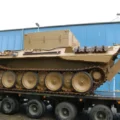 Bergepanther – Gå rundt
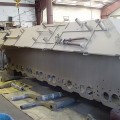 Panther Restauration – Gå rundt
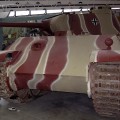 Panther Ausf.G – Gå rundt
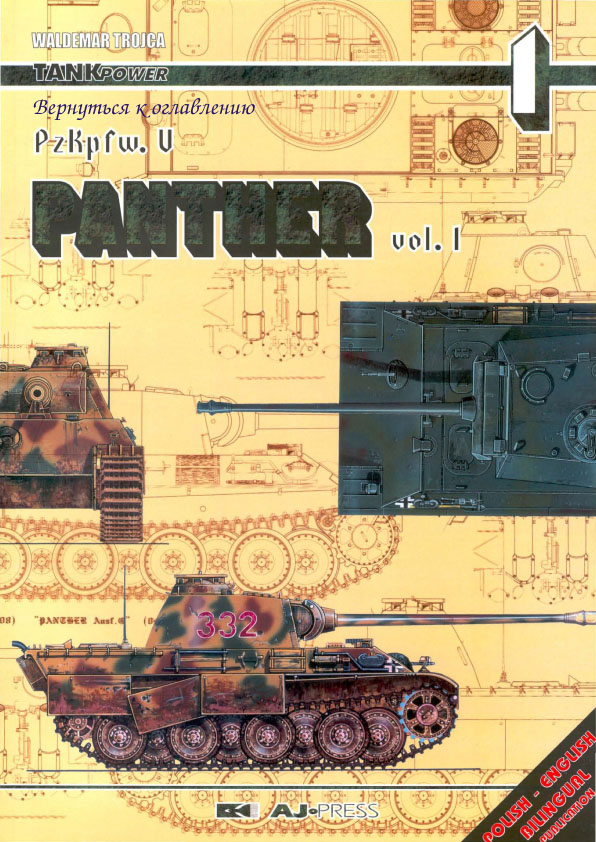 PzKpfw V Panther vol. 1 – TankPower 01
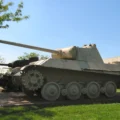 Panter - Gå rundt
 Panther – Waffen Arsenal Sønderband 24
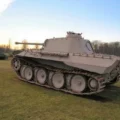 Panther Ausf.D – Gå rundt
 Panther Familie - Arsenal 083 Våben
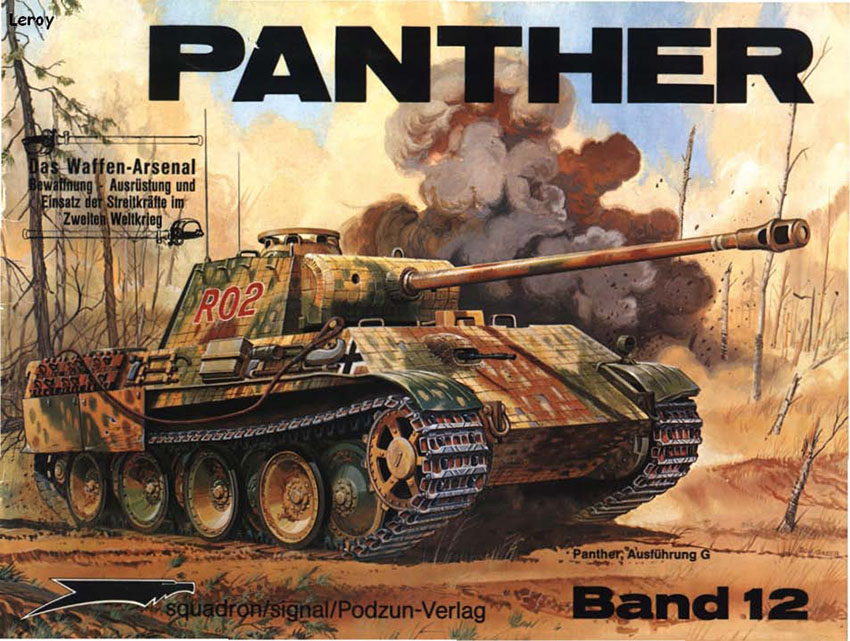 Panther – Waffen Arsenal 012