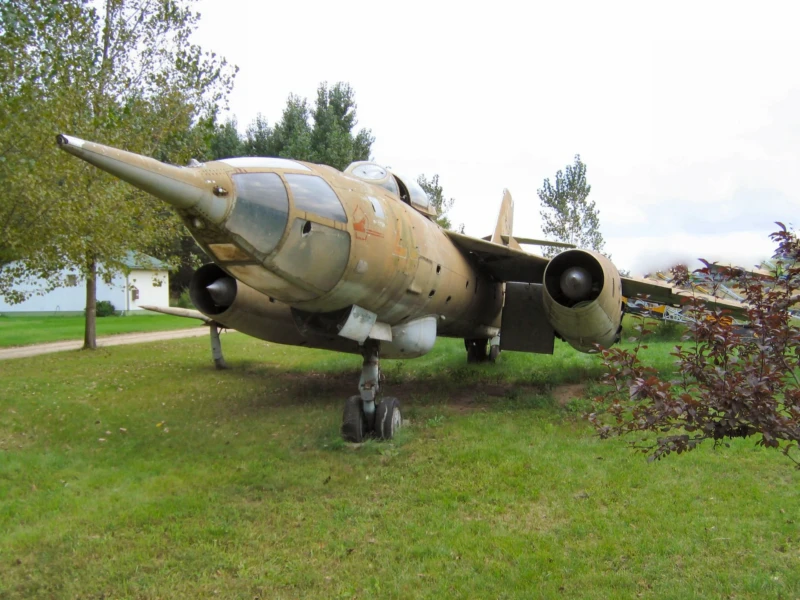
Yak-28 Požární panel | |
|---|---|
| Země | Sovětský svaz |
| Typ | Bojová letadla |
| První let | 5. března 1958 |
| Postaven | 1180 |
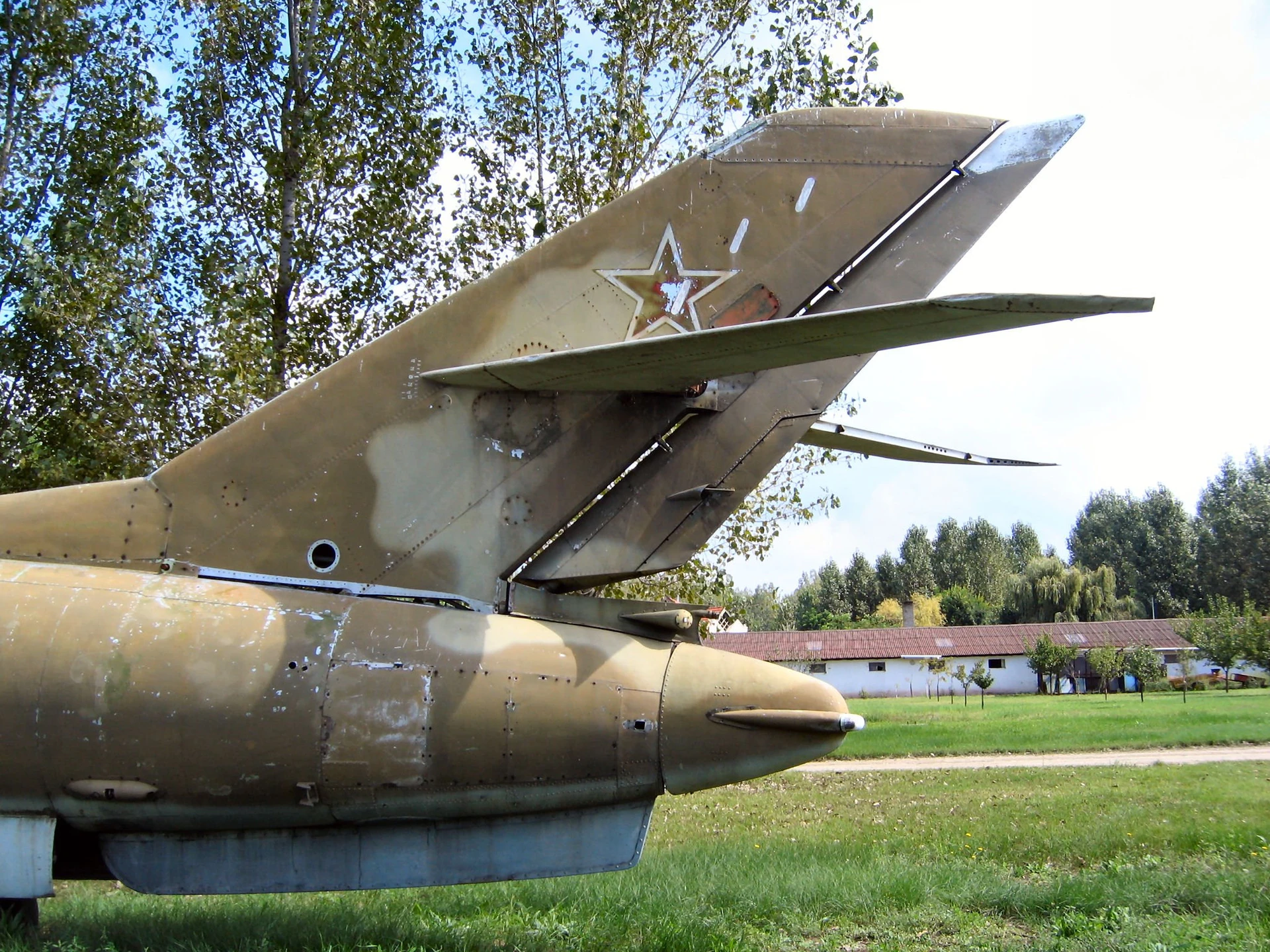
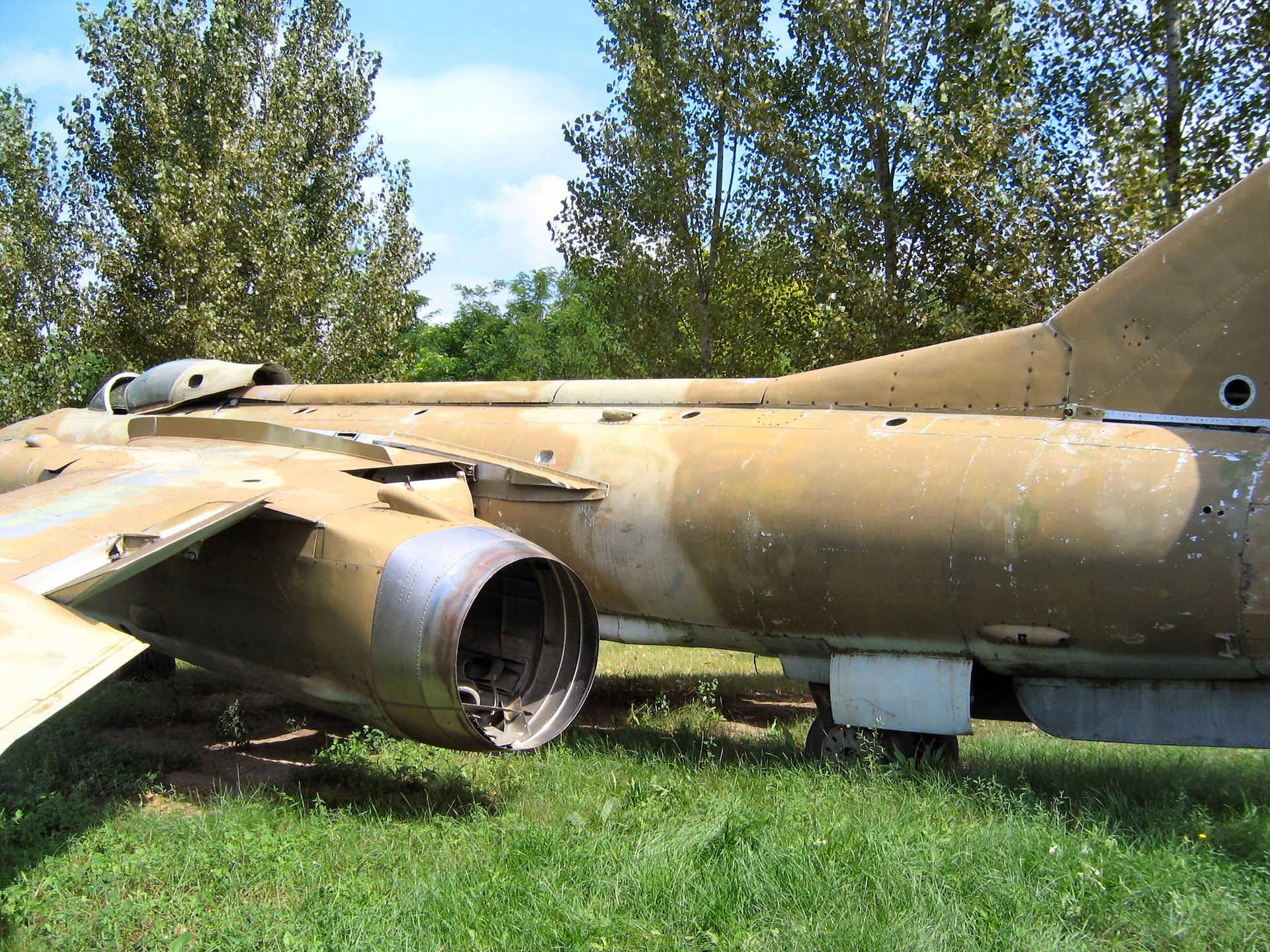
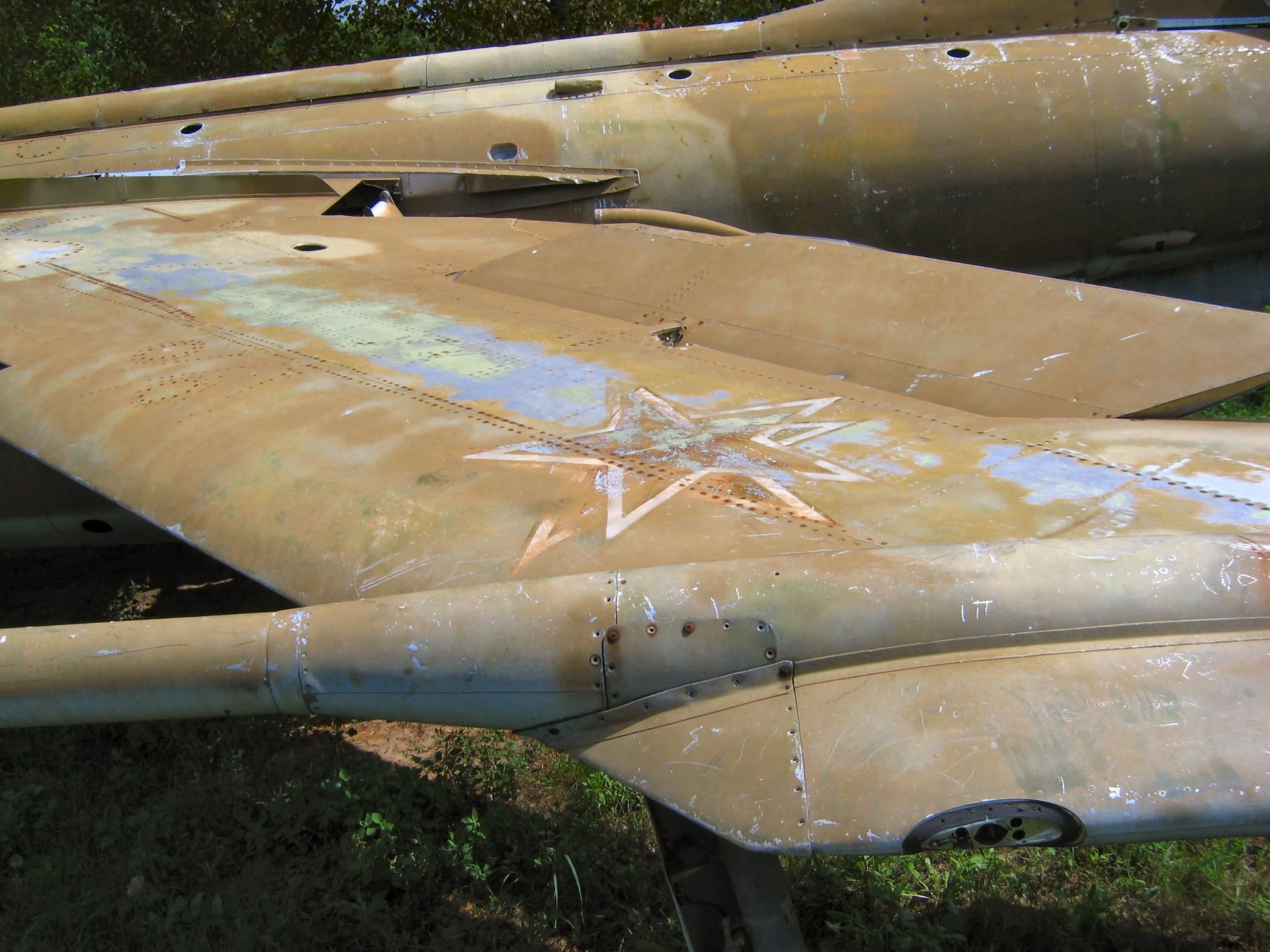
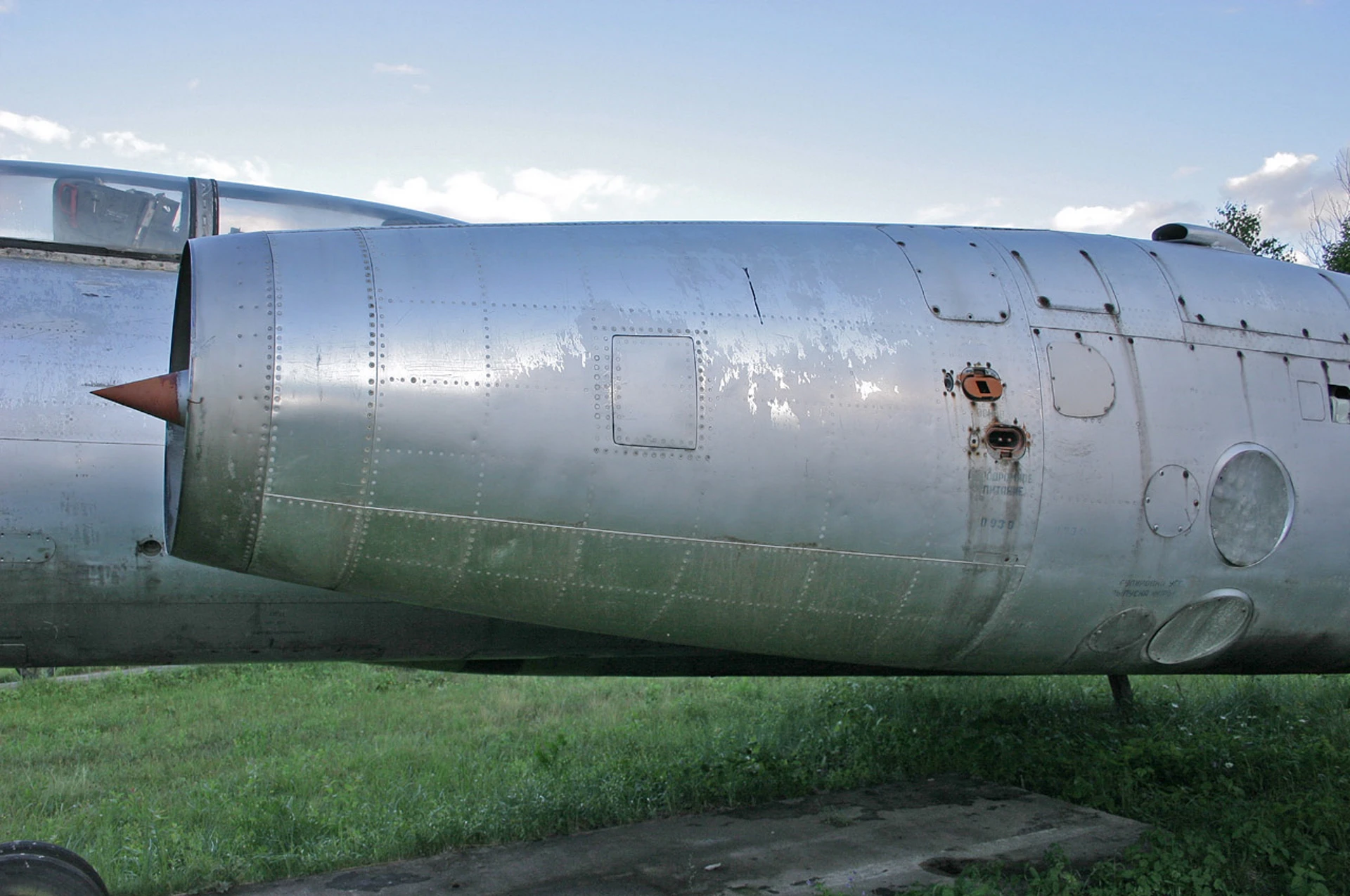
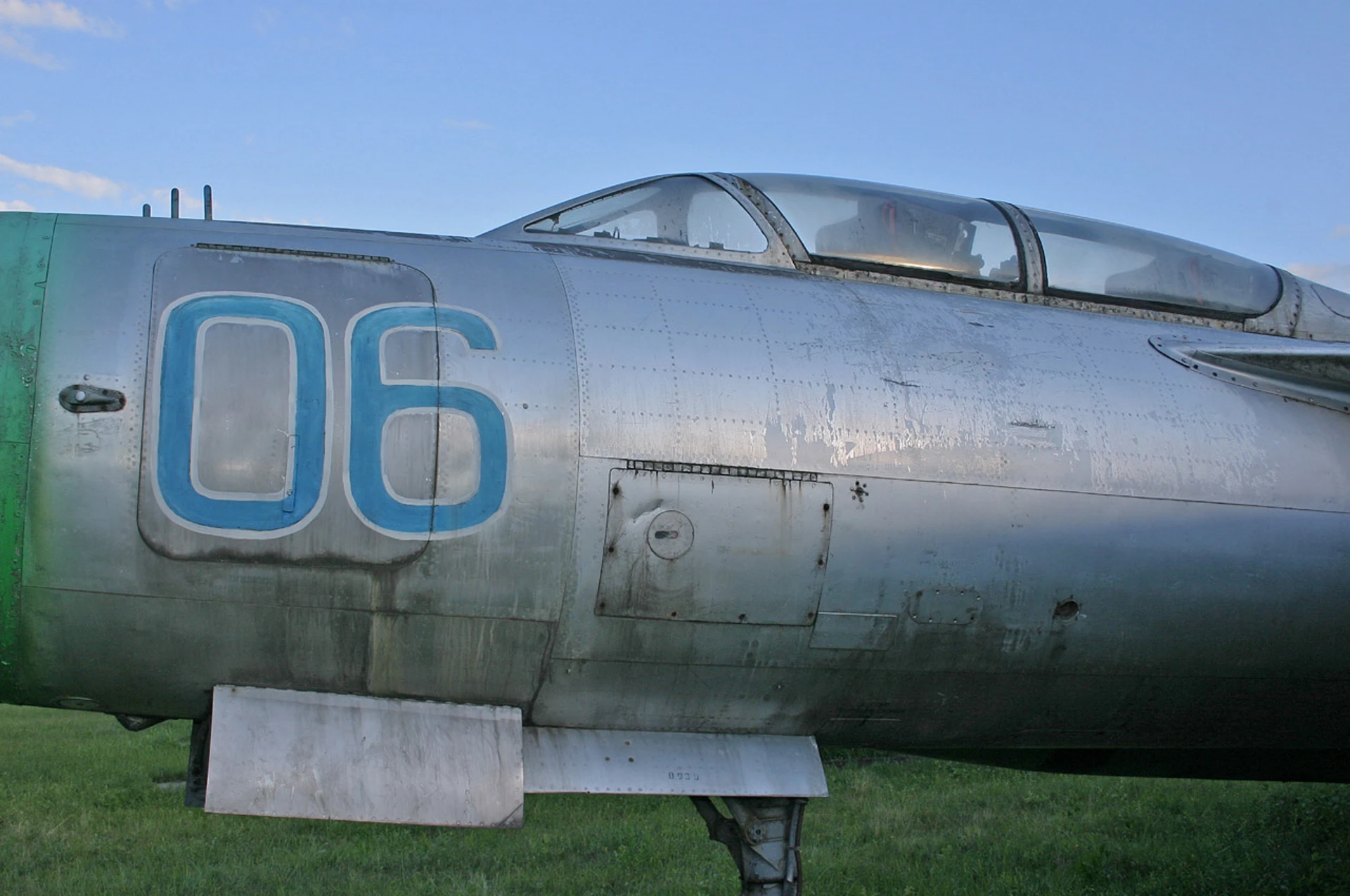
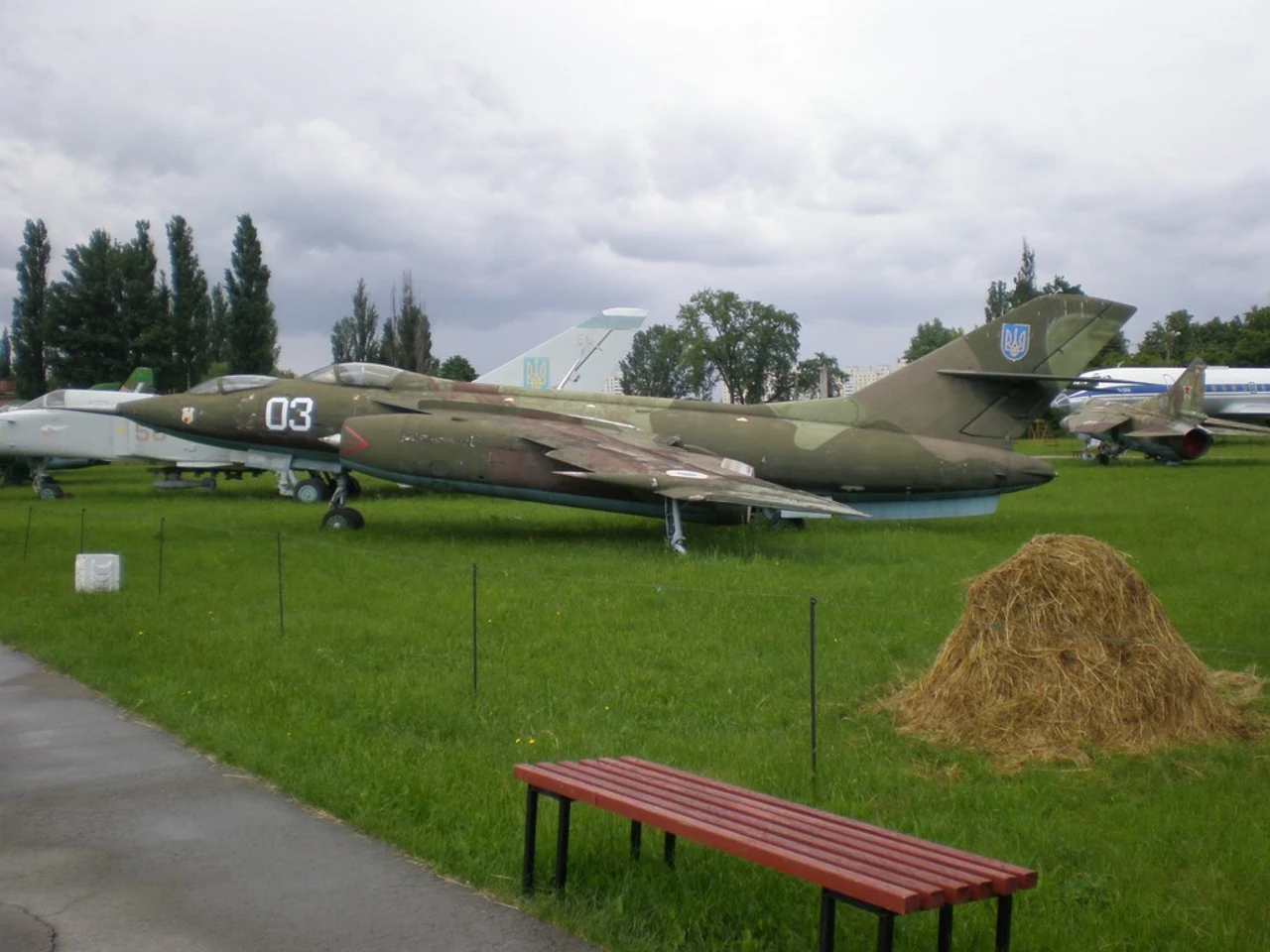
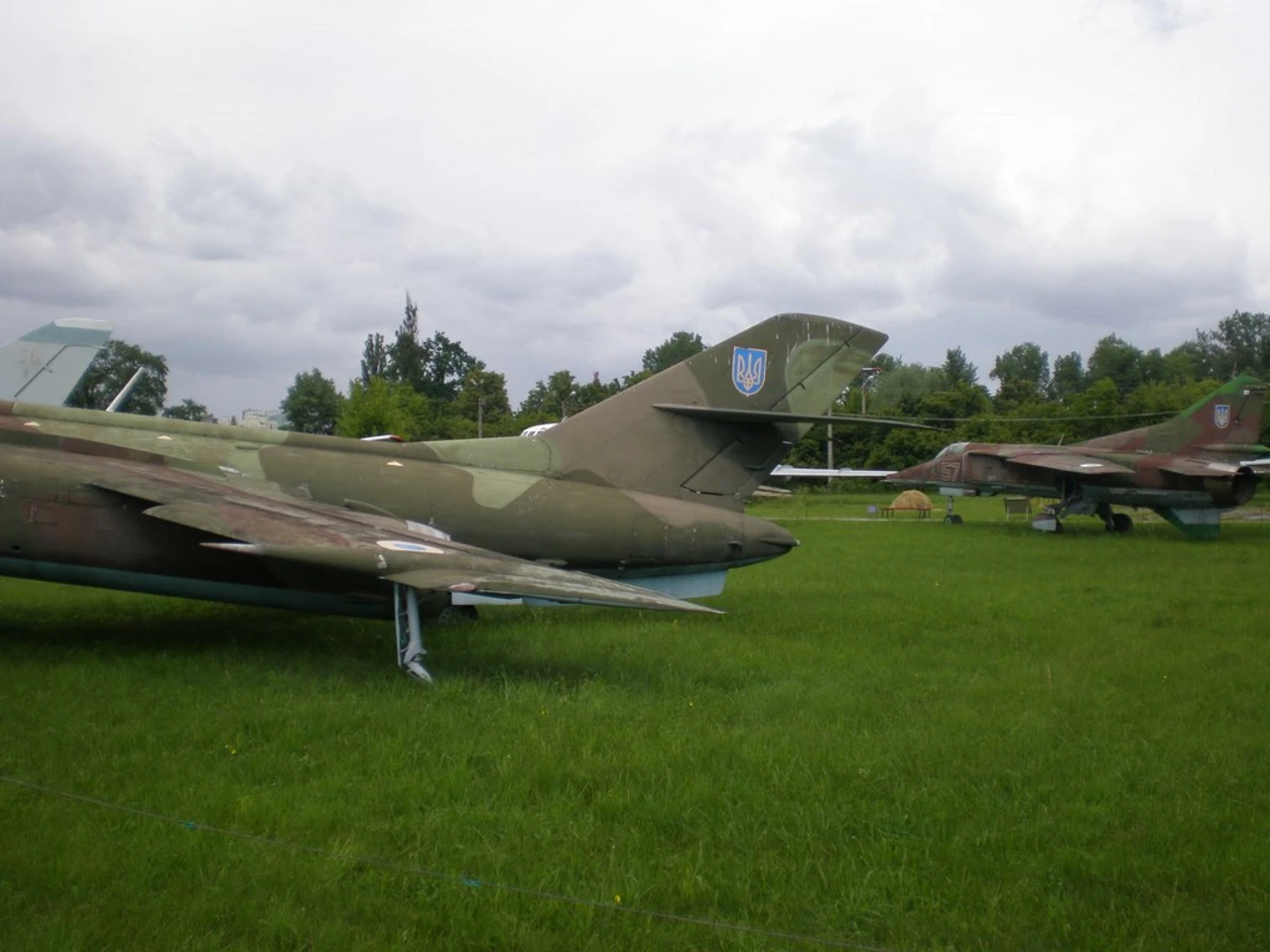
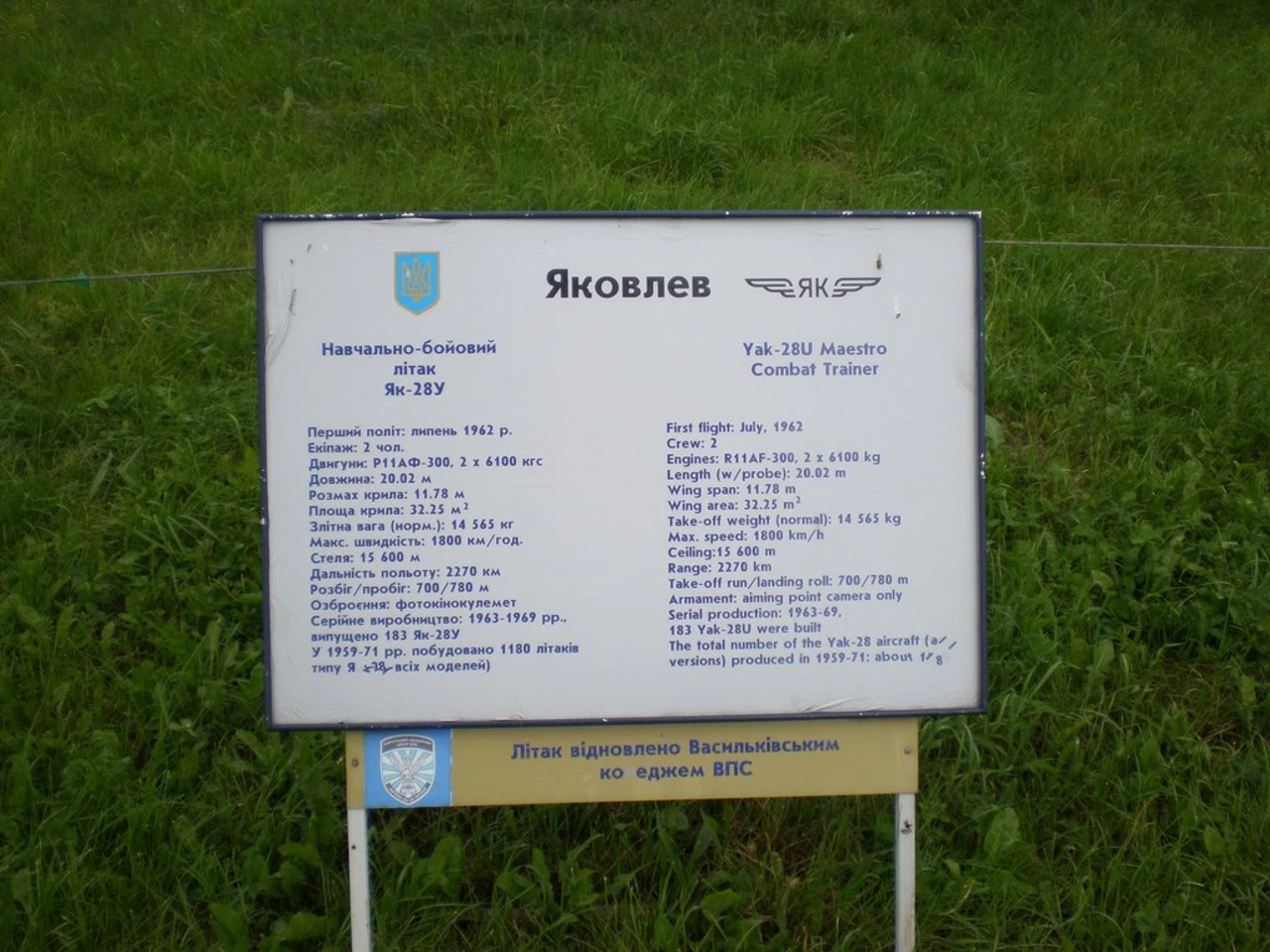
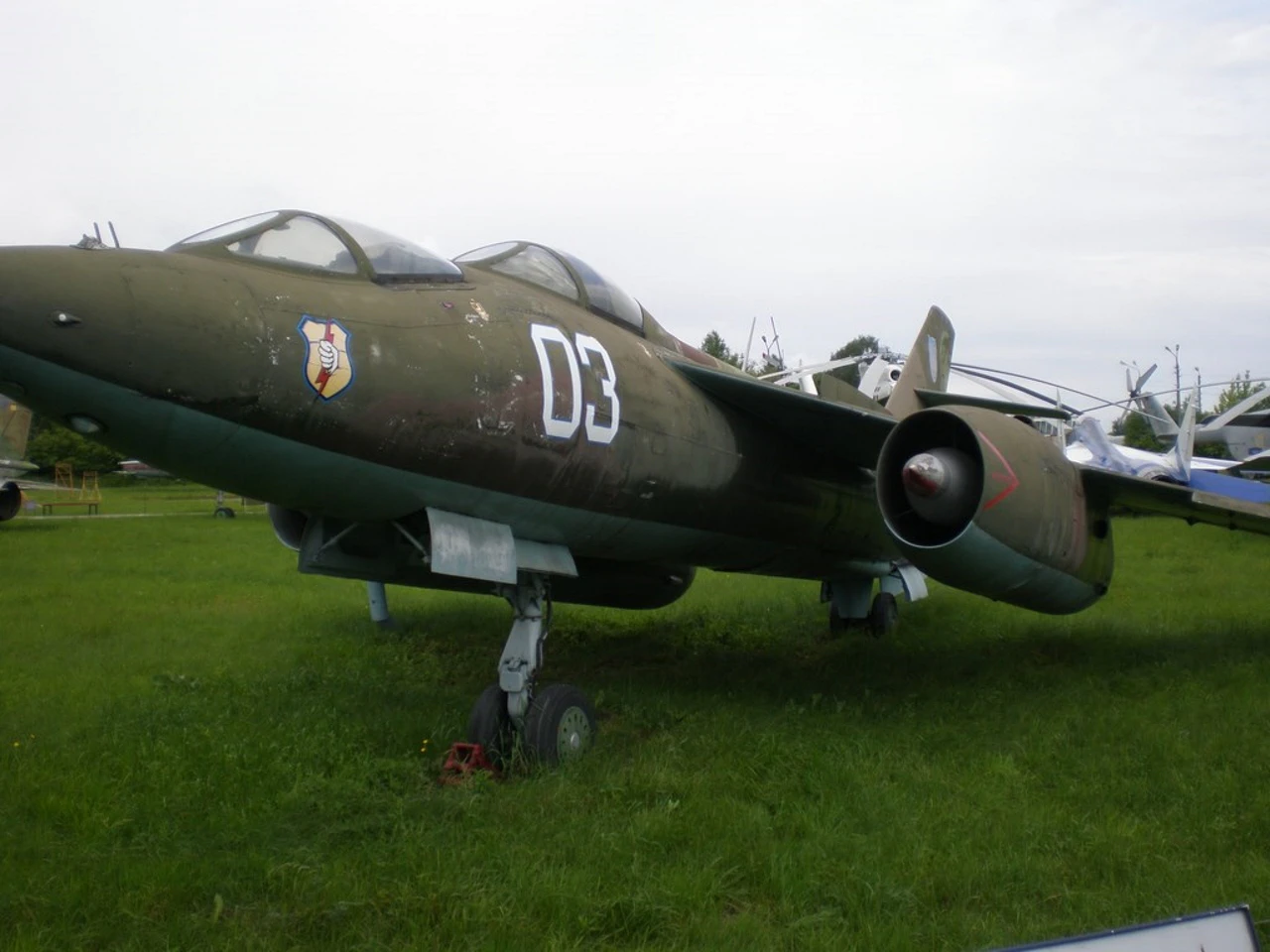
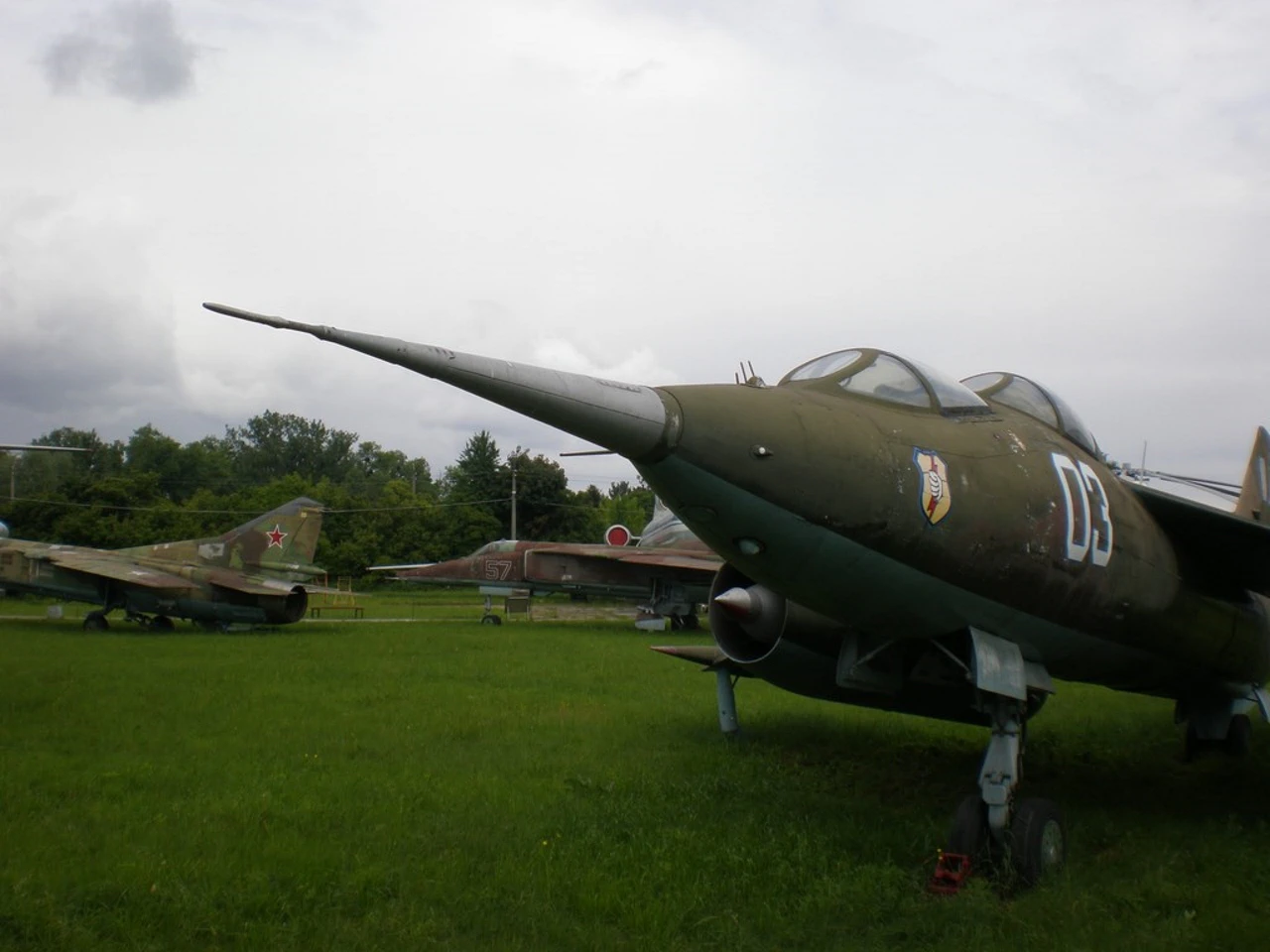
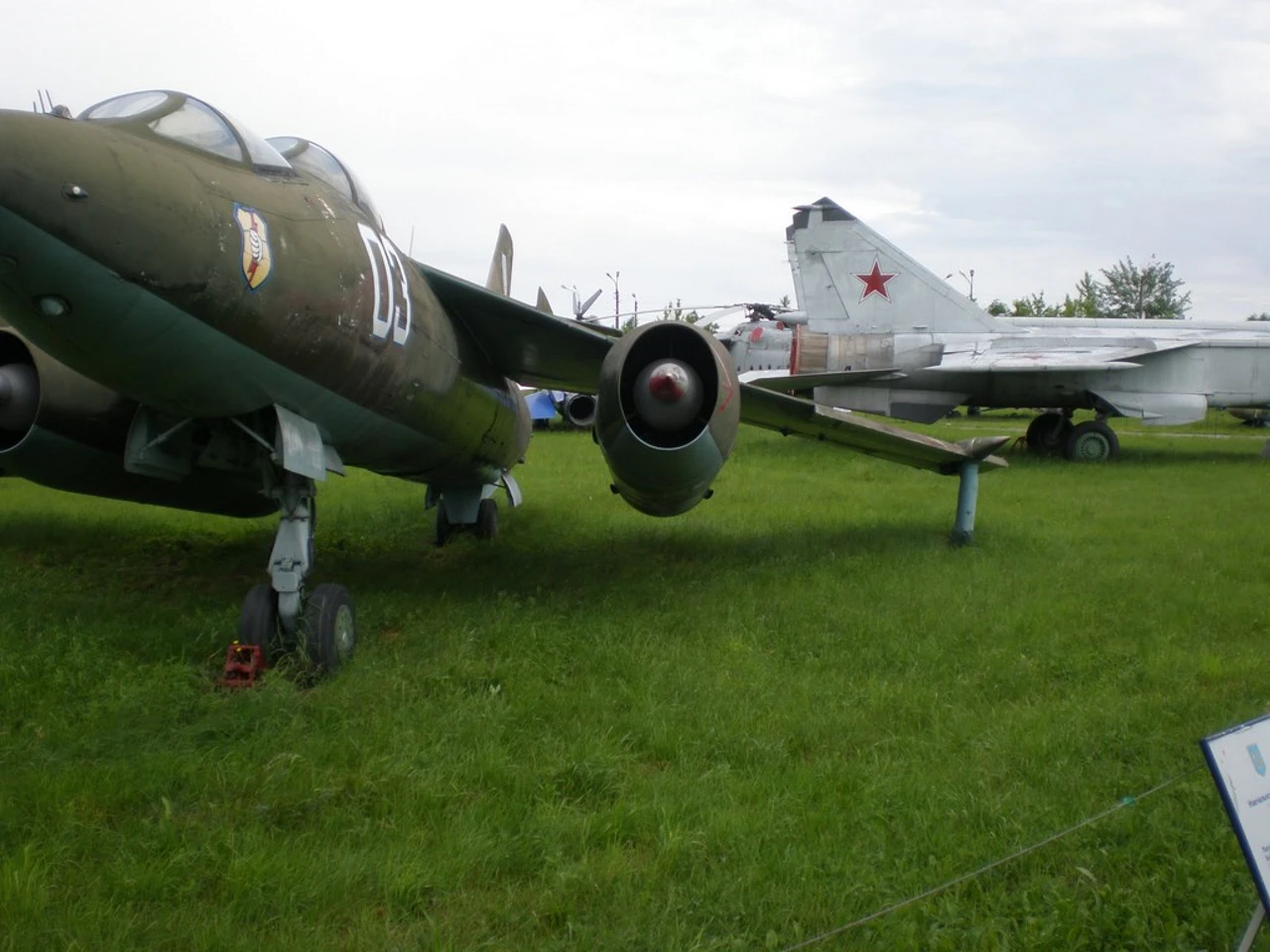
Fotogalerie Yak-28 Požární panel, The Yakovlev Yak-28 was a swept wing, turbojet-powered combat aircraft used by the Soviet Union. Produced initially as a tactical bomber, it was also manufactured in reconnaissance, electronic warfare, interceptor, and trainer versions, known by the NATO reporting names Brewer, Firebar, and Maestro respectively. Based on the Yak-129 prototype first flown on 5 March 1958, it began to enter service in 1960.
Zdroj: Yak-28 Firebar na Wikipedii
| Yak-28 Požární panel | |
|---|---|
| Fotograf | Erped Pinter |
| Lokalizace | Neznámé |
| Fotografie | 106 |

 Kupte mi kávu
Viz také:


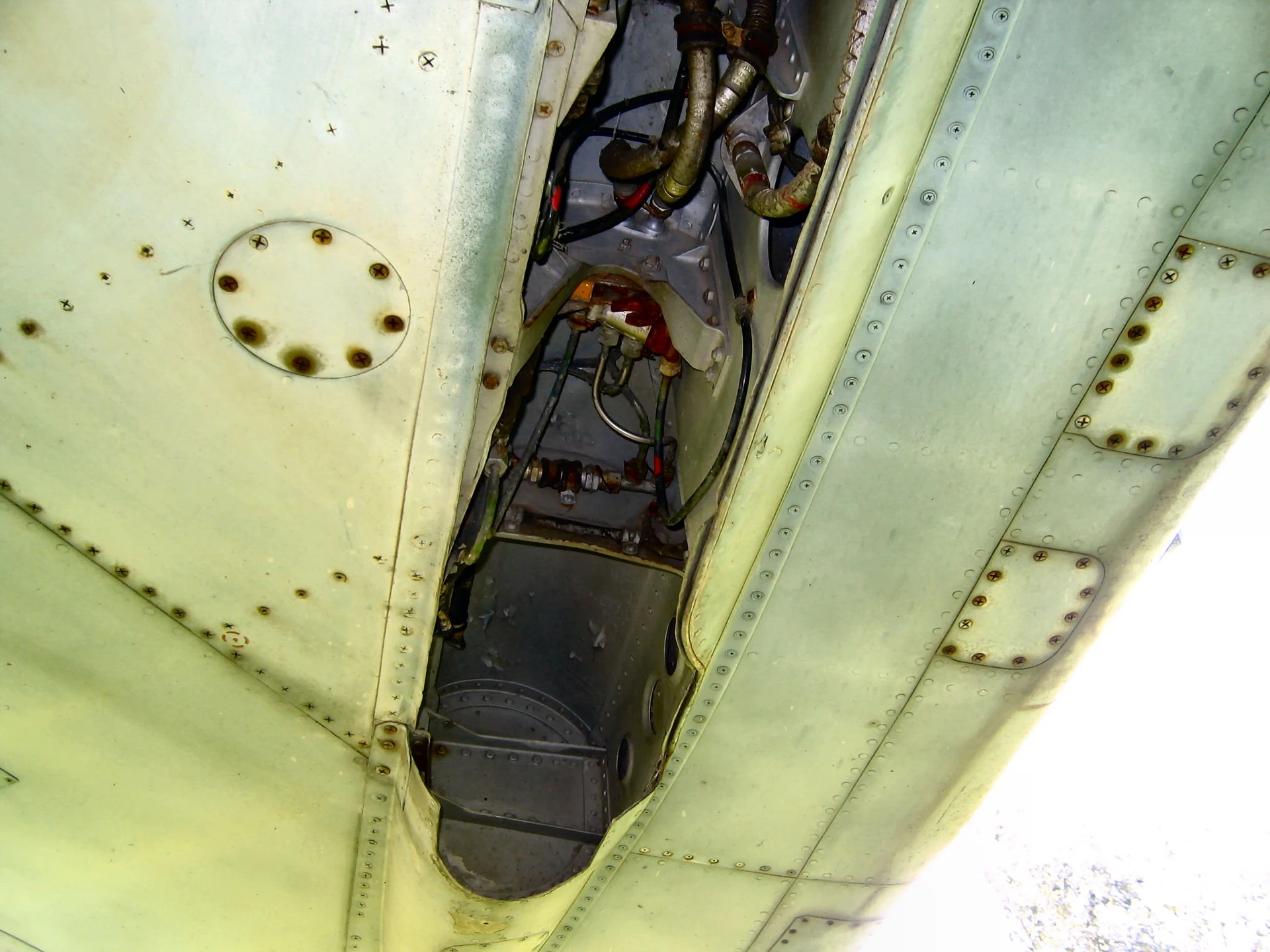
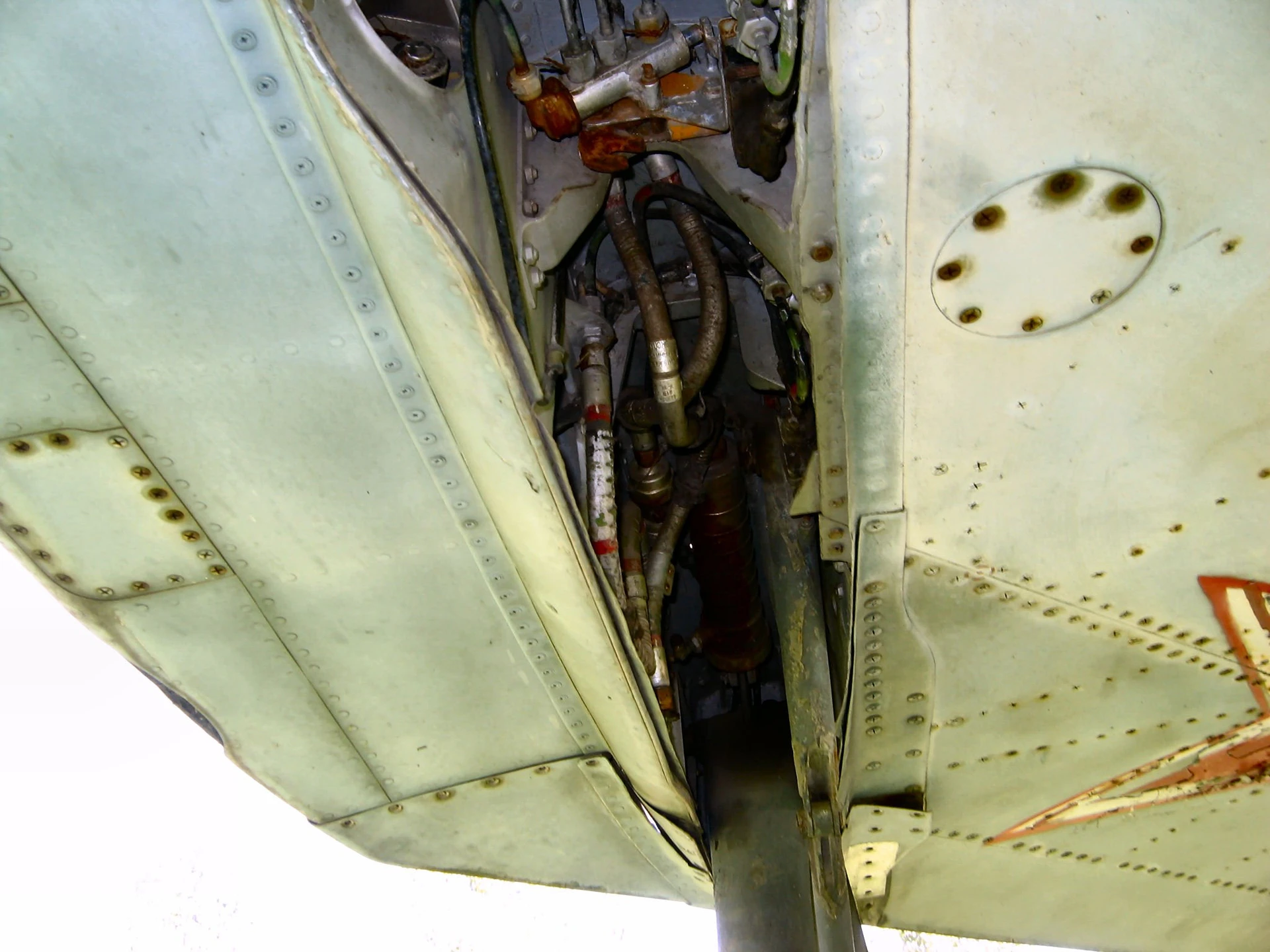
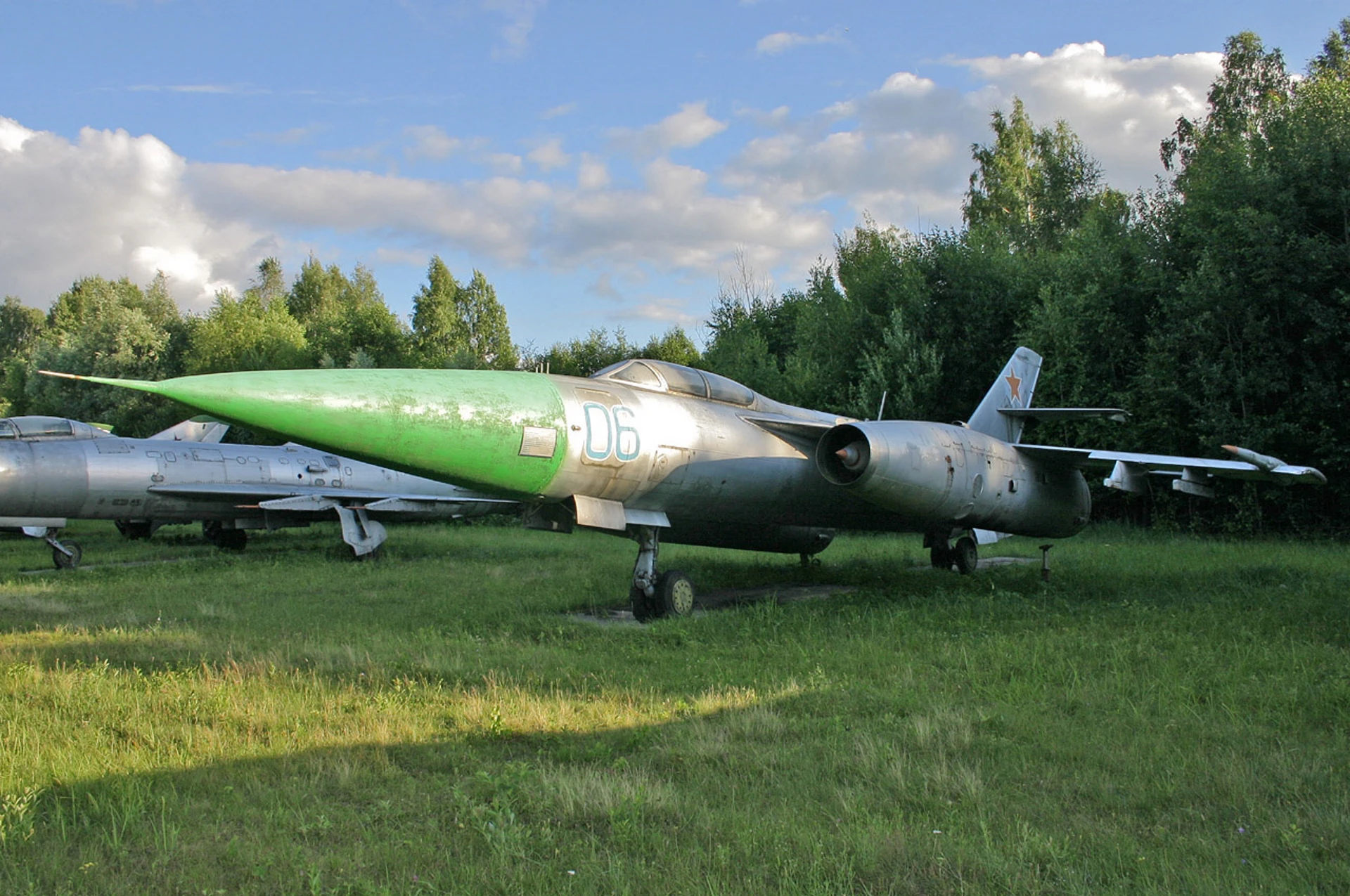
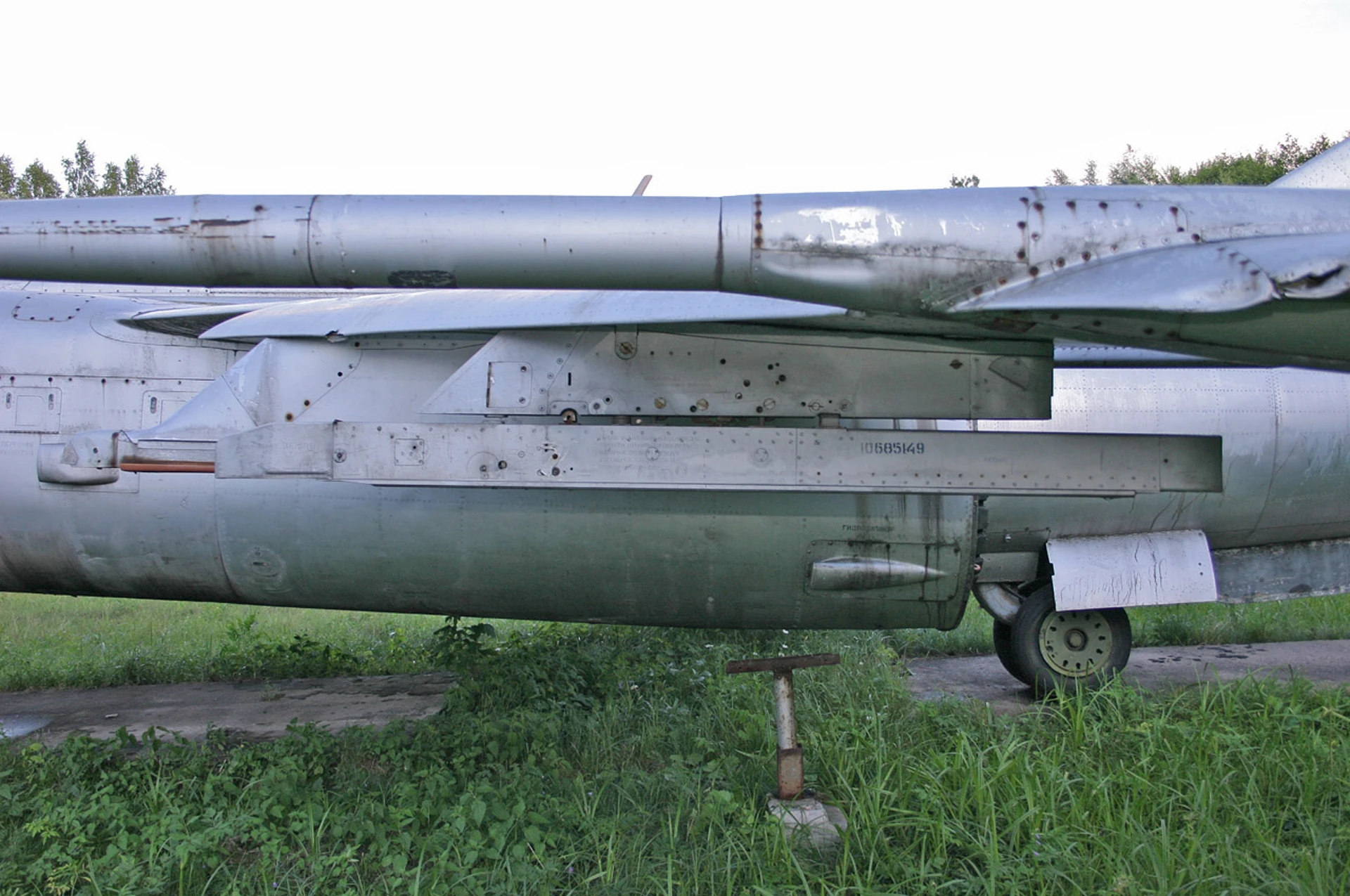
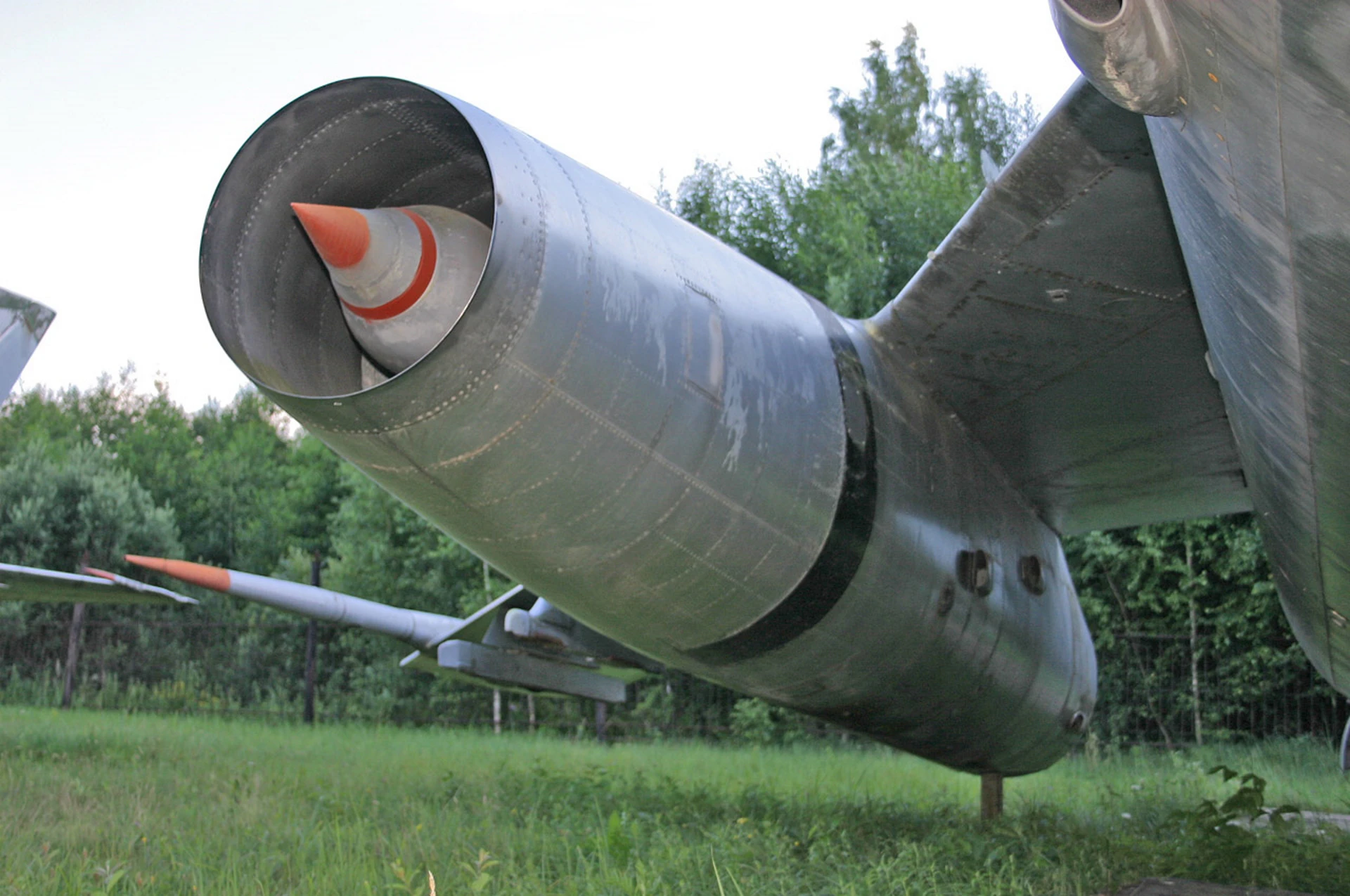
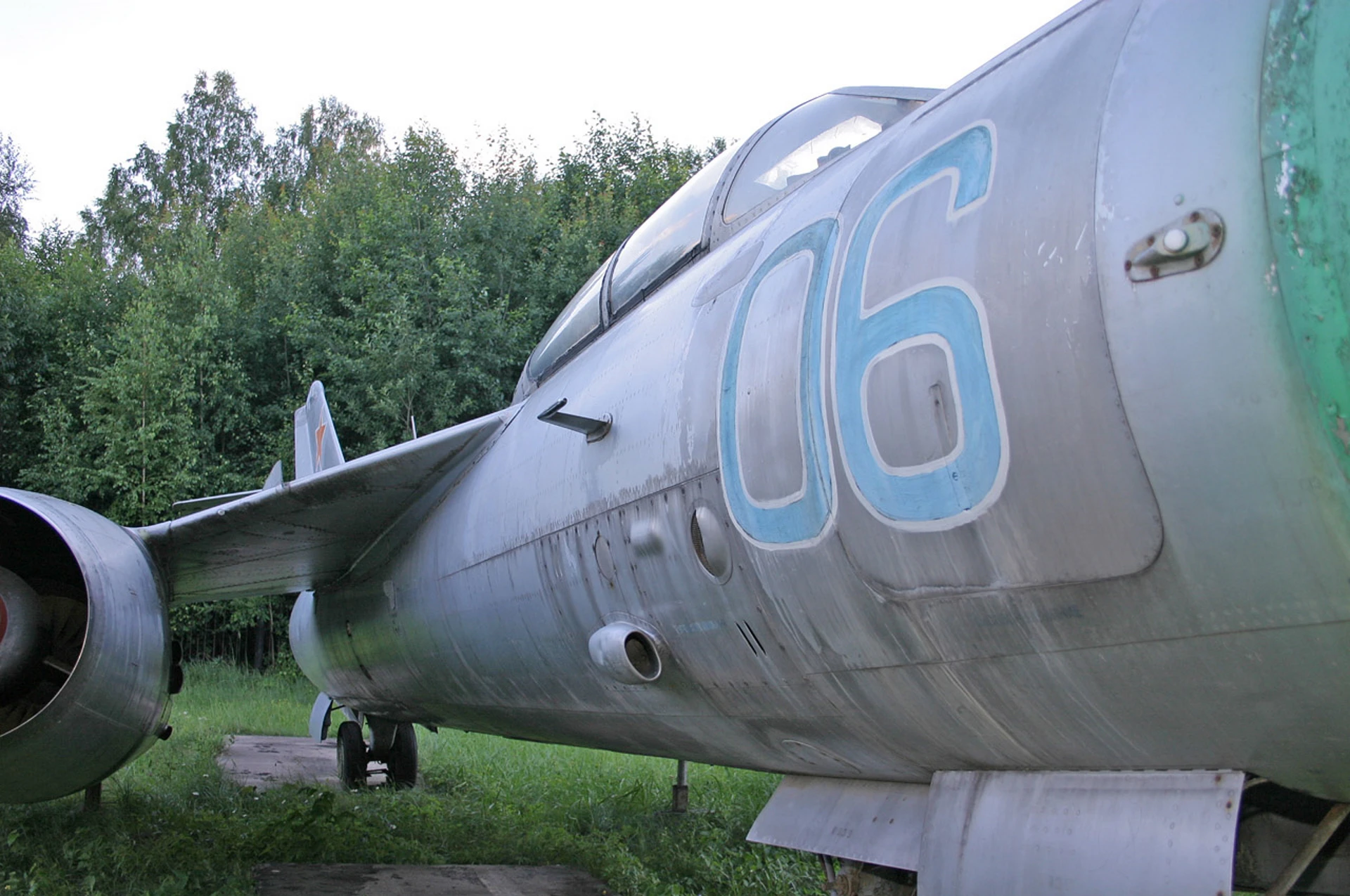
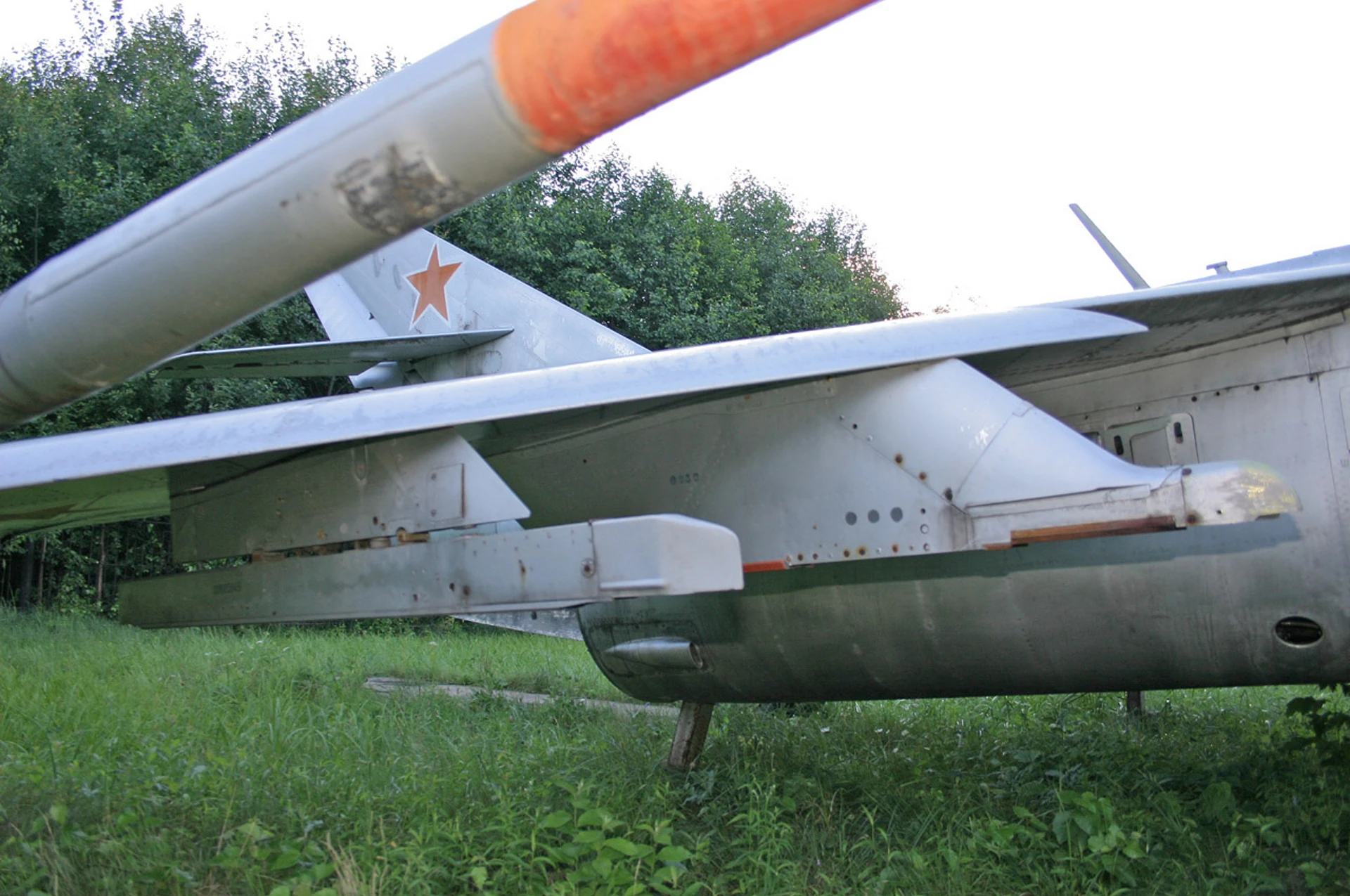
| Yak-28P Firebar Procházka Kolem | |
|---|---|
| Fotograf | Alexandr Melihov |
| Lokalizace | Neznámé |
| Fotografie | 16 |
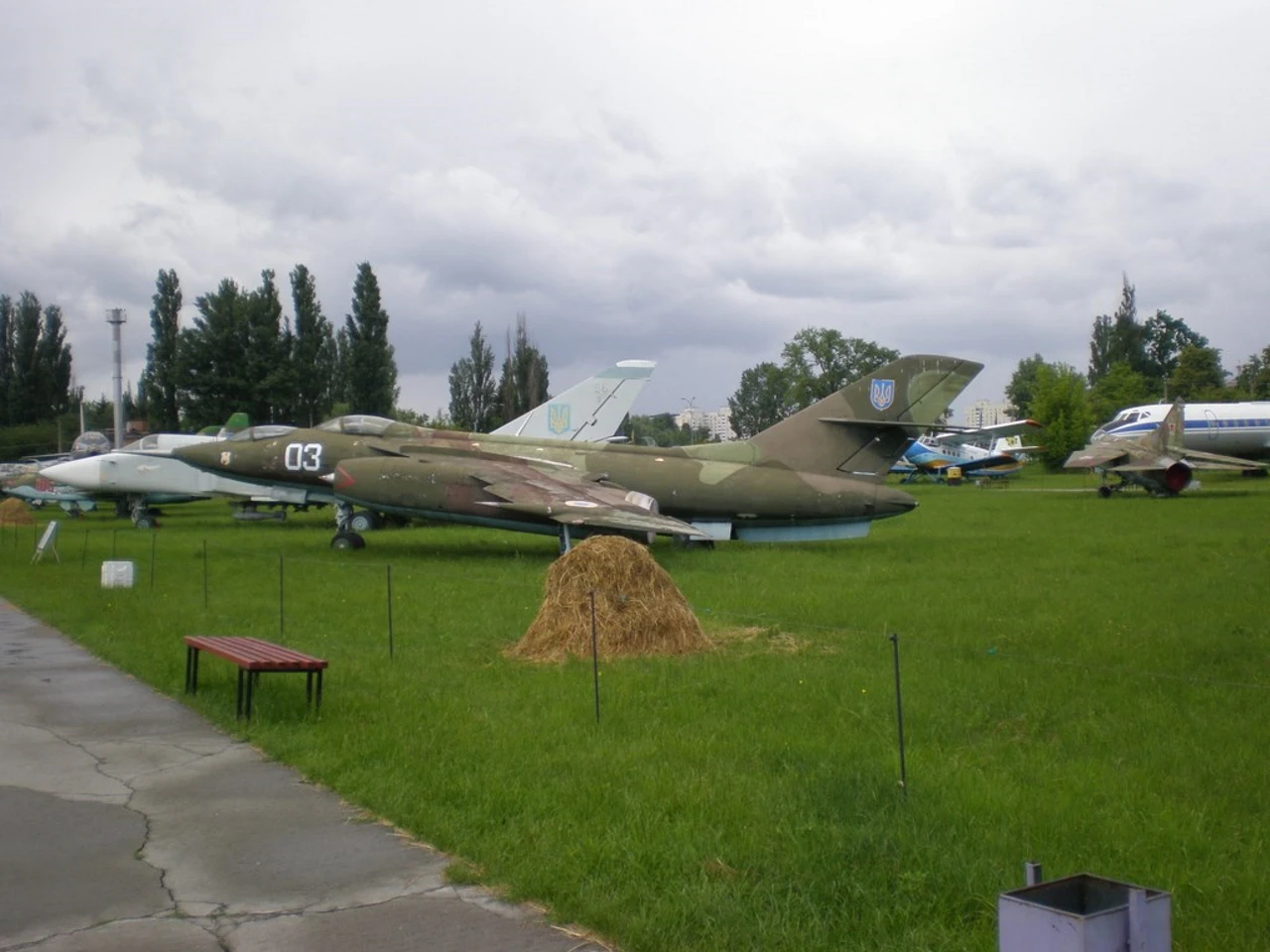
| Jak-28U Procházka Kolem | |
|---|---|
| Fotograf | Neznámé |
| Lokalizace | Neznámé |
| Fotografie | 25 |
| Yakovlev Yak-28P Walk Around | |
|---|---|
| Fotograf | Vladimir Jakubov |
| Lokalizace | Neznámé |
| Fotografie | 96 |
A Jack-of-All-Trades in a Supersonic Age
Tá Jakovlev Jak-28 was one of the most versatile and visually striking Soviet aircraft of the Cold War. While the bomber versions were nicknamed “Brewer” by NATO, the Yak-28P “Firebar” was a dedicated long-range, all-weather interceptor. With its slender fuselage, sharply swept wings, and engines slung in massive pods, it looked more like a science-fiction craft than a frontline fighter. It was tasked with patrolling the vast, lonely frontiers of the USSR, designed to hunt down NATO bombers before they could reach Soviet airspace.
| Attribute | Technical Specification (Yak-28P) |
|---|---|
| Roli | Long-Range All-Weather Interceptor |
| Posádky | 2 (Pilot and Radar Operator in tandem) |
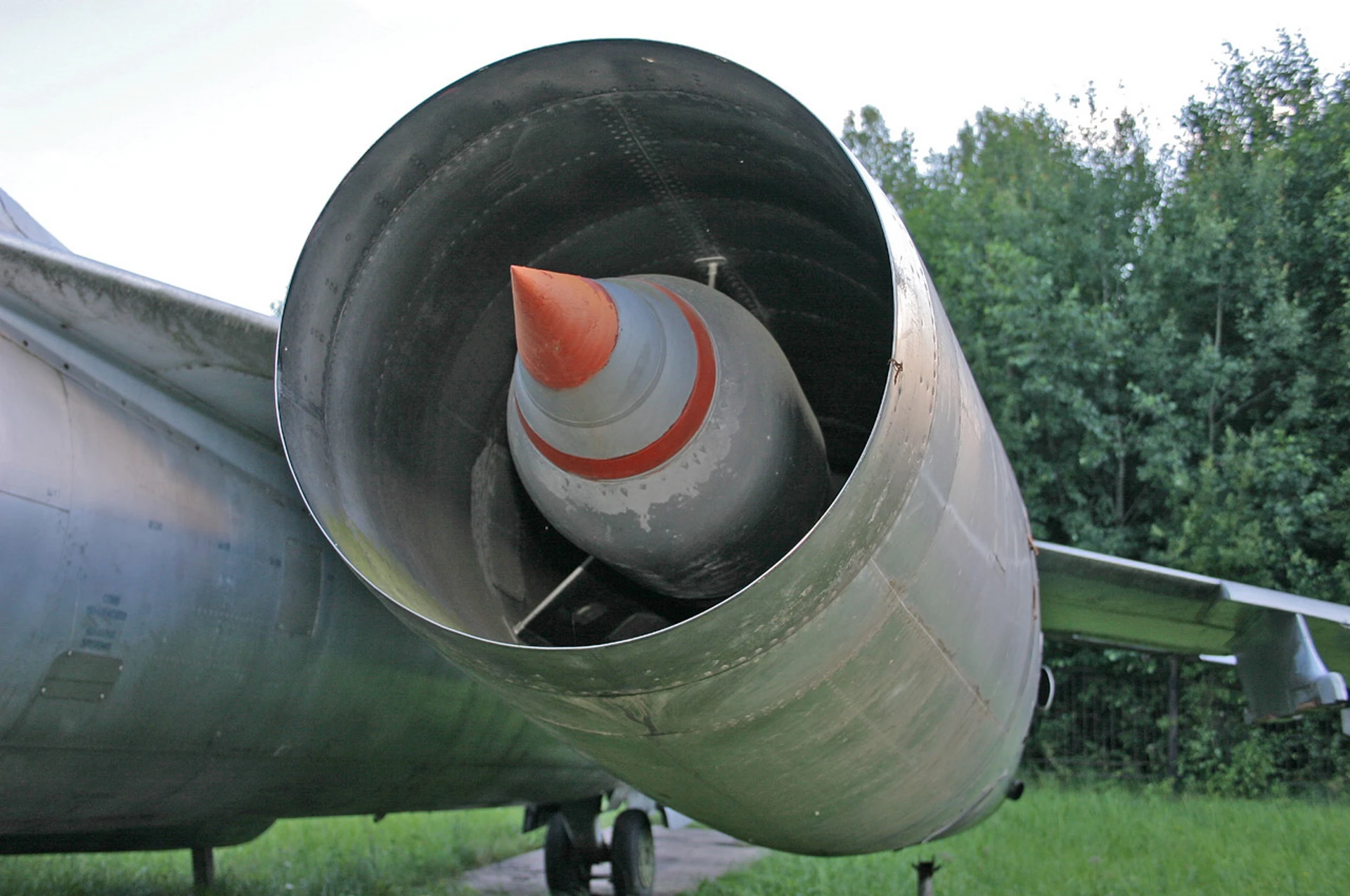
| Motory | 2 × Tumansky R-11F2-300 afterburning turbojets |
| Max Speed | 1,840 km/h (1,140 mph / Mach 1.5) |
| Service Ceiling | 16,750 m (54,950 ft) |
| Main Armament | 2 × R-98 (AA-3 ‘Anab’) Air-to-Air Missiles |
| Secondary Armament | 2 × K-13 (AA-2 ‘Atoll’) Missiles (later variants) |
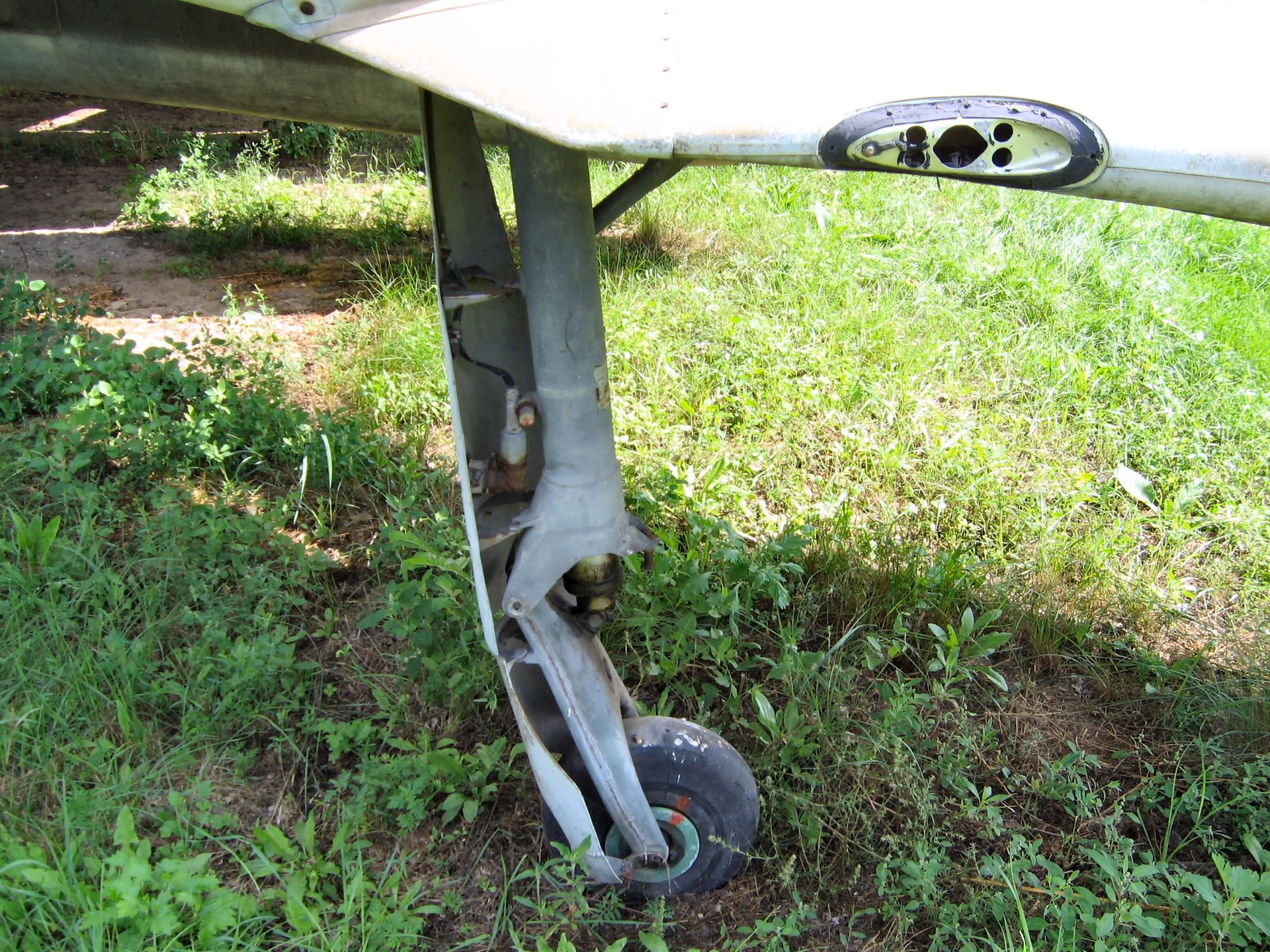
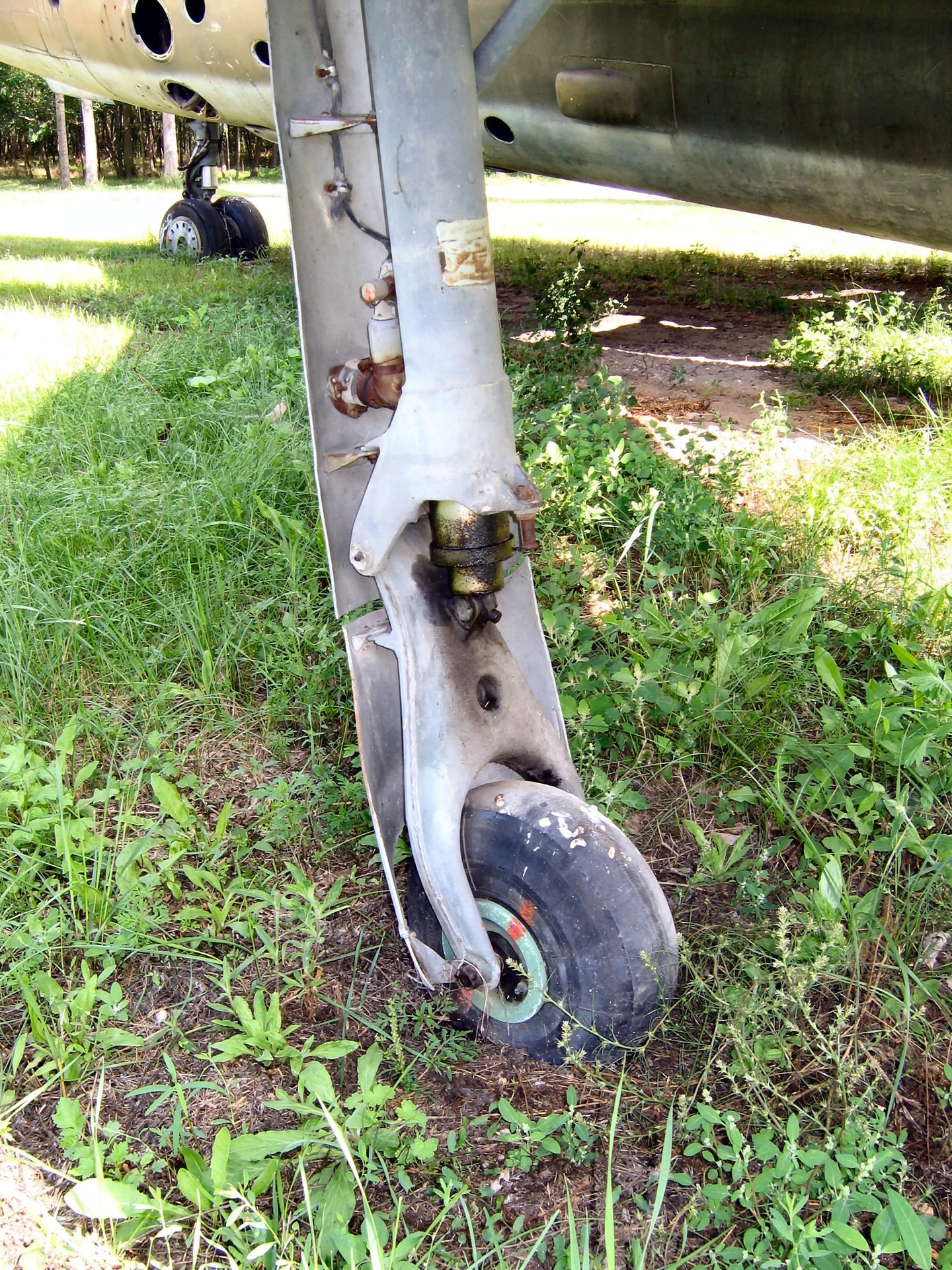
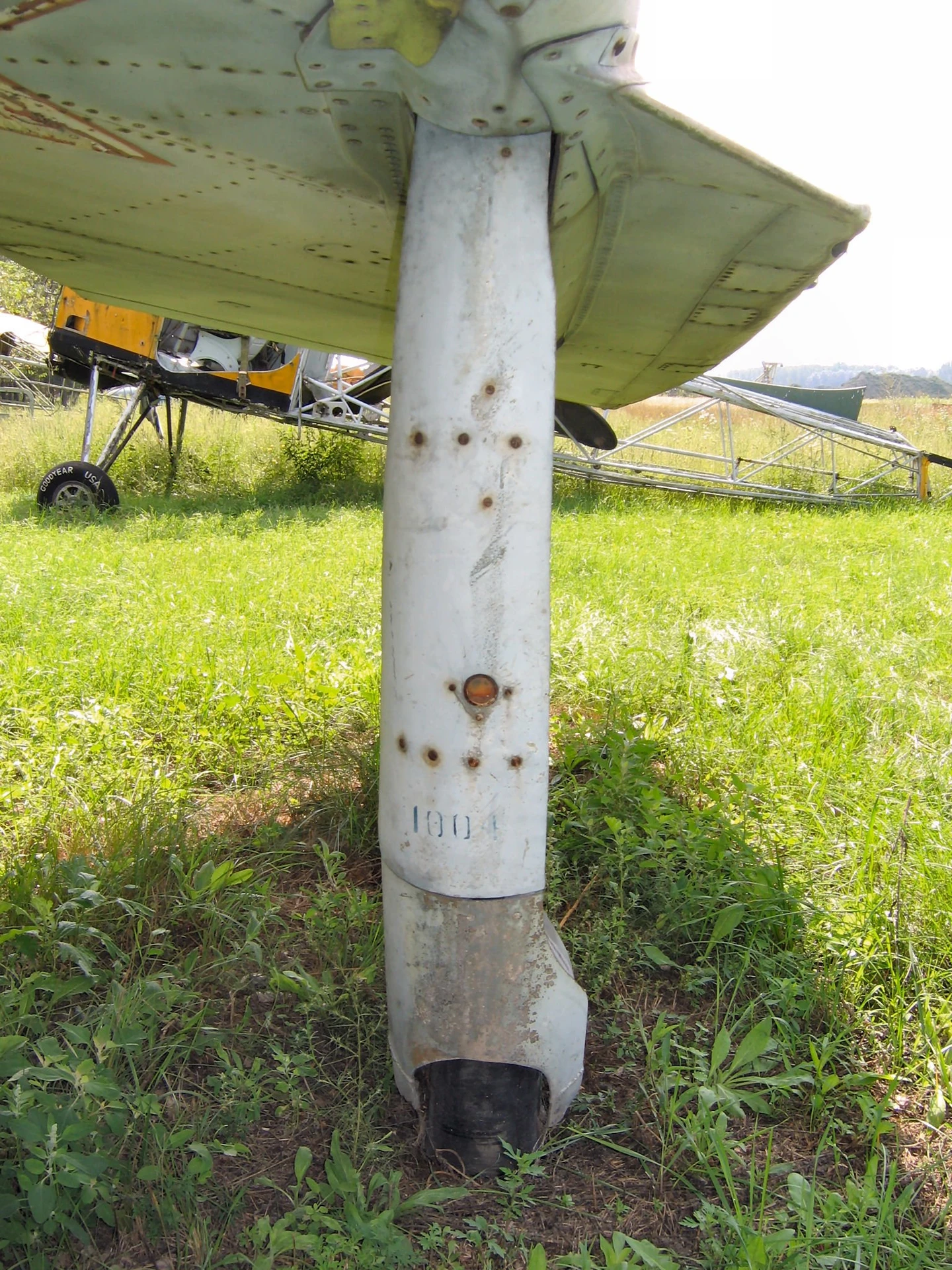
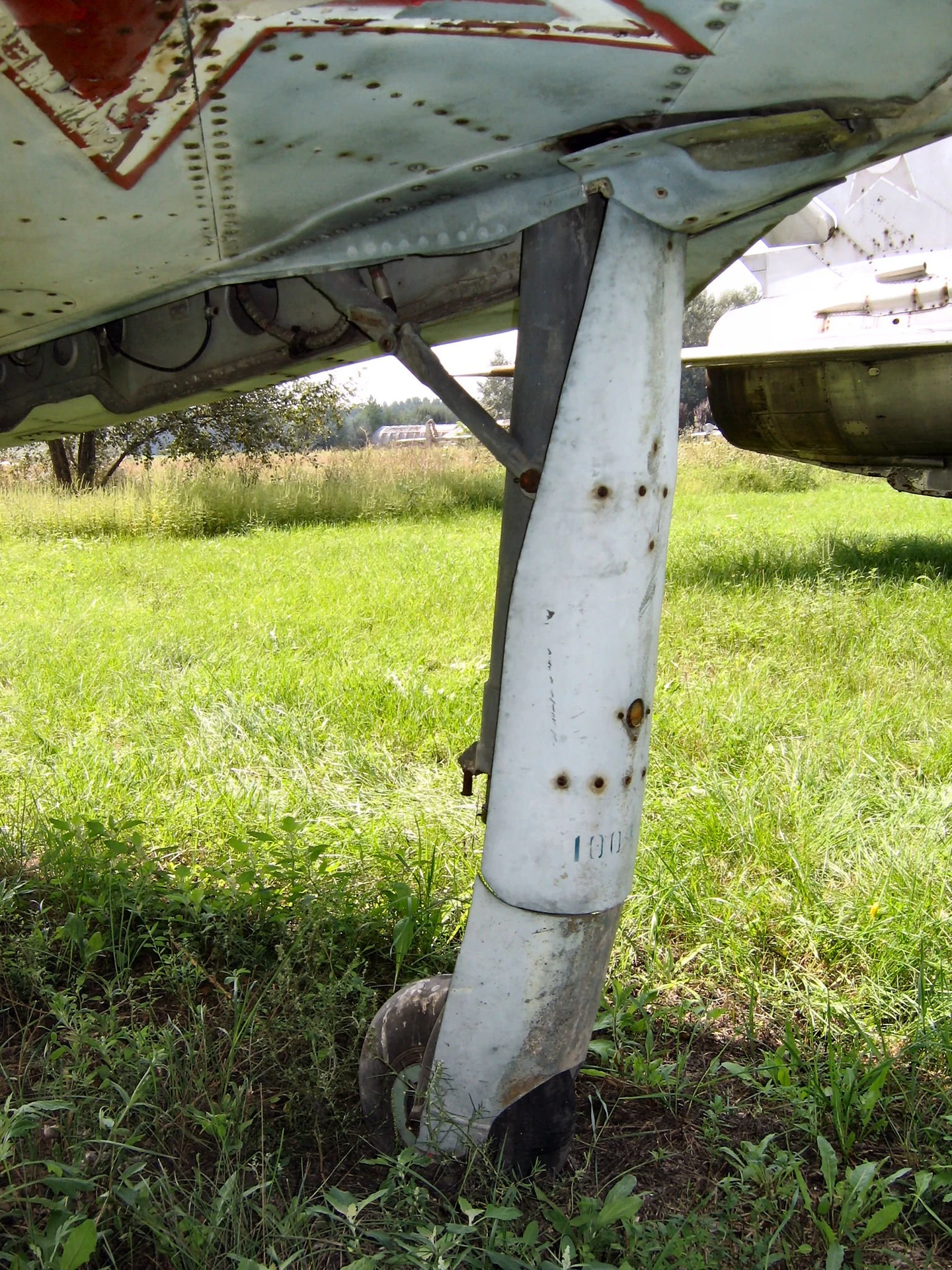
| Unique Layout | Bicycle-style landing gear with wingtip outriggers |
Design Engineering: High Risk, High Thrust
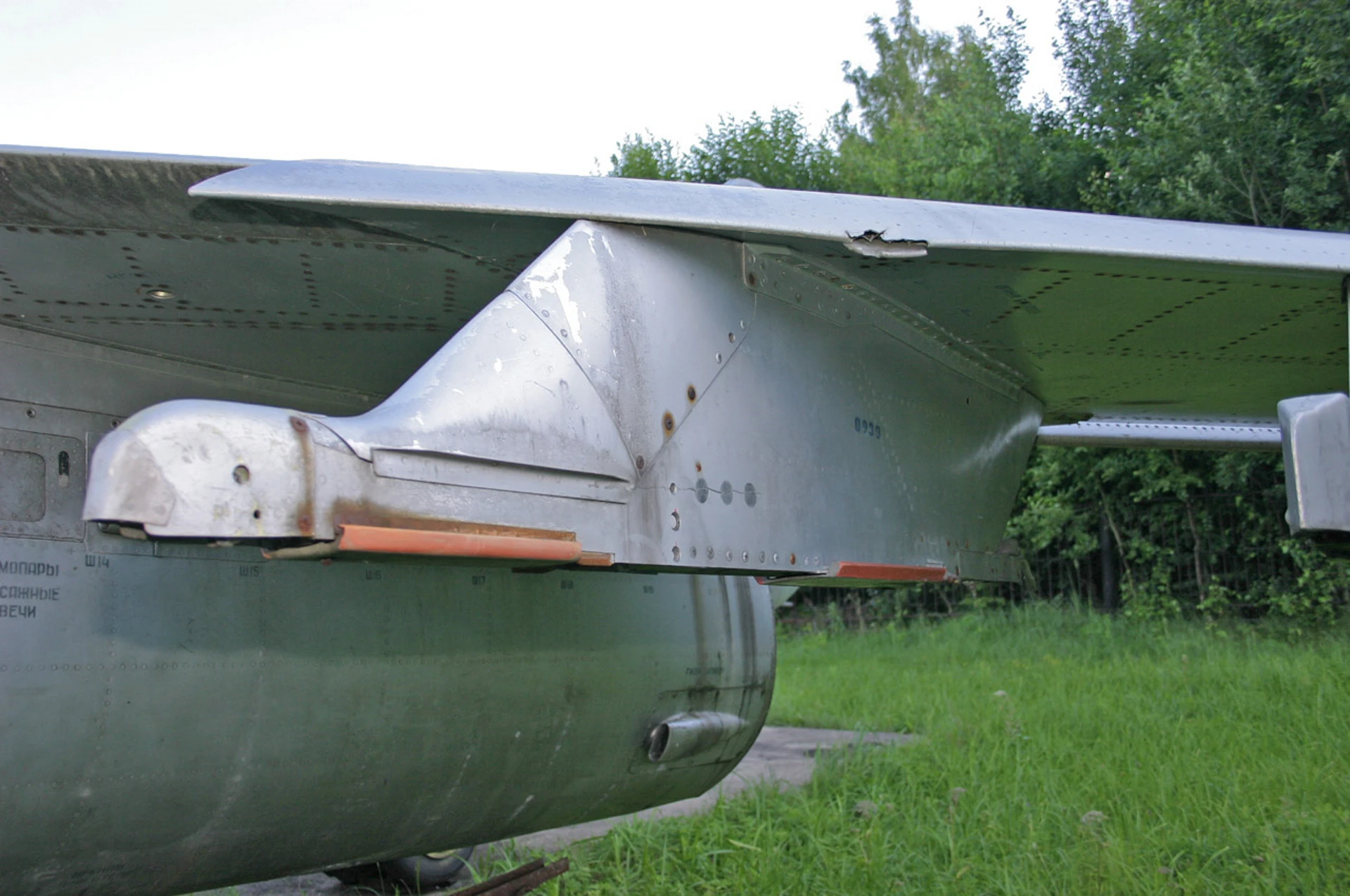
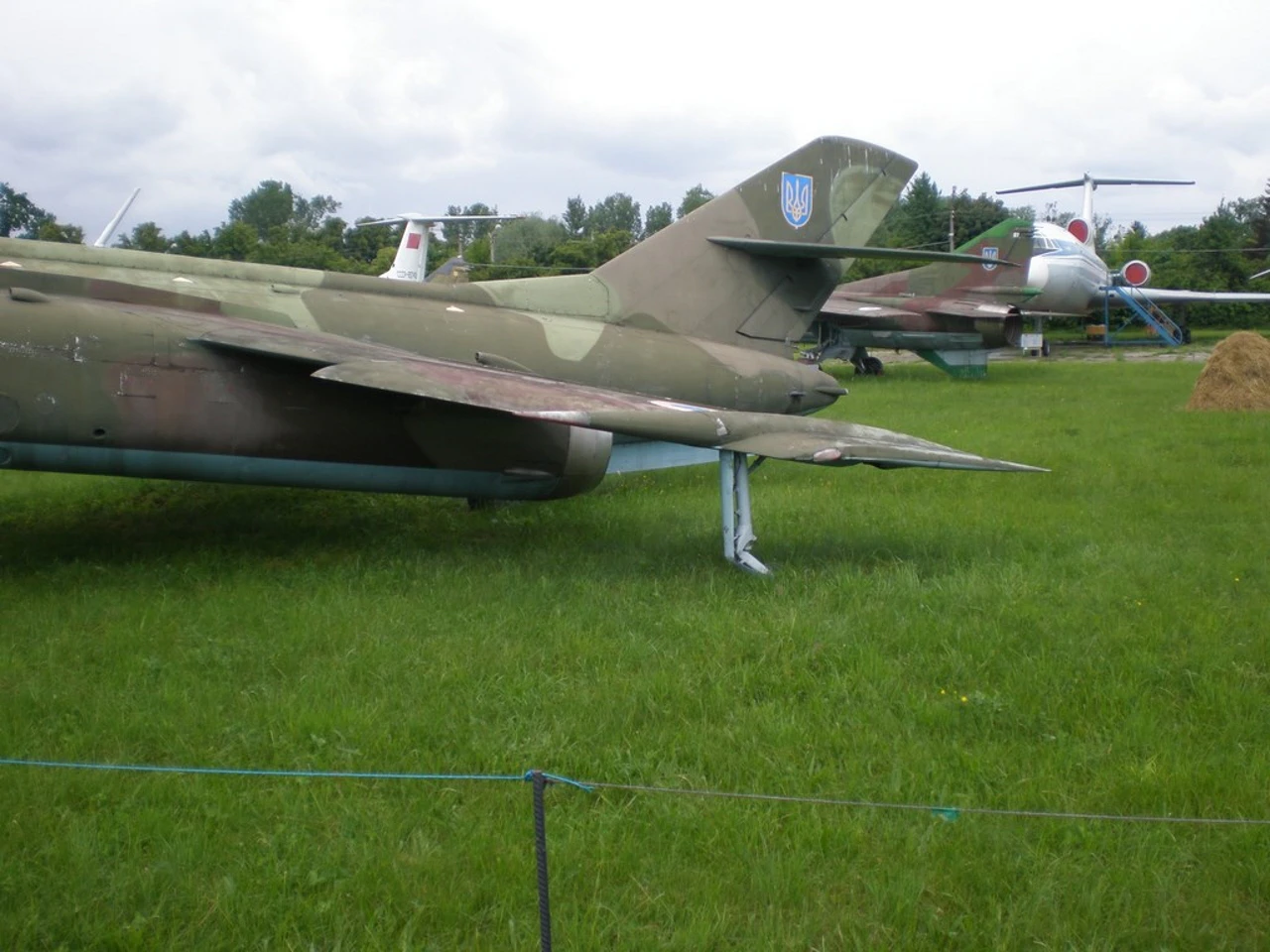
- Bicycle Landing Gear: To keep the fuselage clear for a large internal bomb bay (on bomber variants) or massive fuel tanks (on the interceptor), Yakovlev used a “bicycle” gear: two main wheel sets under the fuselage and tiny outrigger wheels on the wingtips. This made landings notoriously difficult, requiring a perfectly level touch-down to avoid “shaving the tail” or dragging a wing.
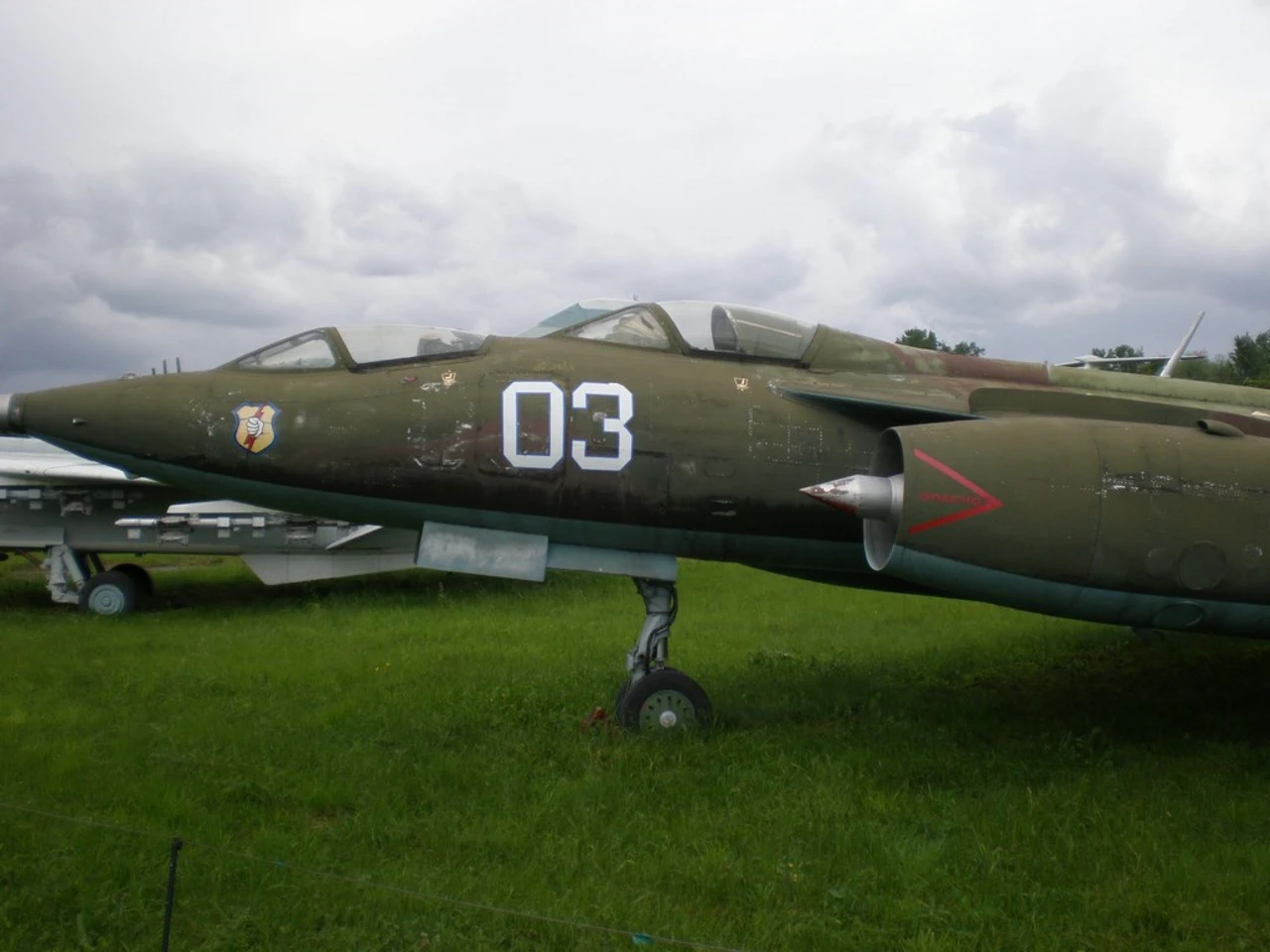
- The “Firebar” Nose: Unlike the bomber versions which had a glass “greenhouse” nose for the navigator, the Firebar featured a long, pointed radome housing the Oriol-D radar. Late-model Firebars had an even longer, sharper conical nose to improve supersonic aerodynamics.
- The Engine Asymmetry Problem: The R-11 engines were powerful (the same used in the MiG-21), but their placement in underwing pods was dangerous. If one engine failed during takeoff, the massive asymmetric thrust would often flip the plane over before the pilot could react—a flaw that led to many early accidents.
- No Gun: The Yak-28P was a “pure” interceptor. It carried no internal cannon, relying entirely on its large R-98 missiles. The standard loadout was one radar-guided and one infrared-guided missile, fired together to maximize the chance of a kill against a maneuvering target.
Operational History: The Silent Sentry
- The PVO Workhorse: The Firebar served almost exclusively with the PVO (Soviet Air Defense Forces). Because of its long range, it was the primary protector of the Siberian and Arctic frontiers throughout the 1960s and 70s.
- The “Brewer” Cousins: The Yak-28 airframe was so adaptable that while the Firebar was intercepting intruders, the Yak-28PP “Brewer-E” was acting as the Soviet’s first dedicated electronic jamming aircraft, and the Yak-28R “Brewer-D” was taking high-speed reconnaissance photos.
- The 1966 Berlin Heroics: In April 1966, a Yak-28 suffered double engine failure over West Berlin. The pilots, Boris Kapustin and Yuri Yanov, stayed with the aircraft to steer it away from residential areas and a hospital, crashing into Lake Stößensee. They were posthumously honored for their bravery in avoiding civilian casualties.
- Retirement: The Firebar remained in service until the late 1980s. It was eventually phased out by the much more powerful and stable Suchoj Su-15 A Mikoyan MiG-31, though it remains a cult favorite among aviation enthusiasts for its unique, aggressive silhouette.
Views : 10875
Můžete také vidět:
 Jakovlev Jak-1 – Fotografie & Video
 Jakovlev Jak-52 – Fotografie & Video
 Jakovlev Jak-50 – Fotografie & Video
 Jakovlev Jak-18 – Fotografie & Video
 Jakovlev UT-2 – Fotografie & Video
 Jak-52 – Fotografie & Video
 Jak-11 – Fotografie & Video
 Jak-25 Svítilna - Fotografie & Video
 Jak-15 – Fotografie & Video
 Jakovlev Jak-38 – Fotografie & Video
Nová sada 25 fotografií