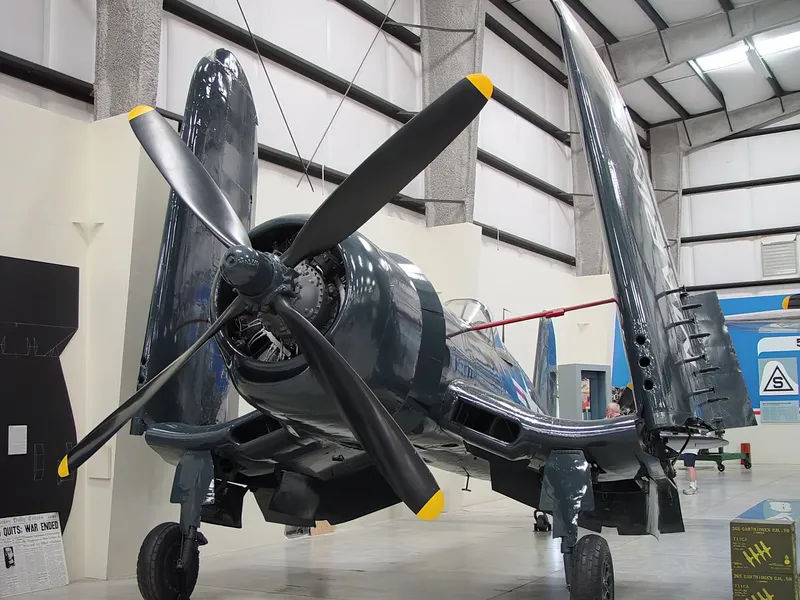
F4U-4 Pima Corsair | |
|---|---|
| Země | SPOJENÉ STÁTY |
| Typ | Stíhací letoun |
| Popis | Album 21 fotografie "F4U-4 Pima Corsair" |
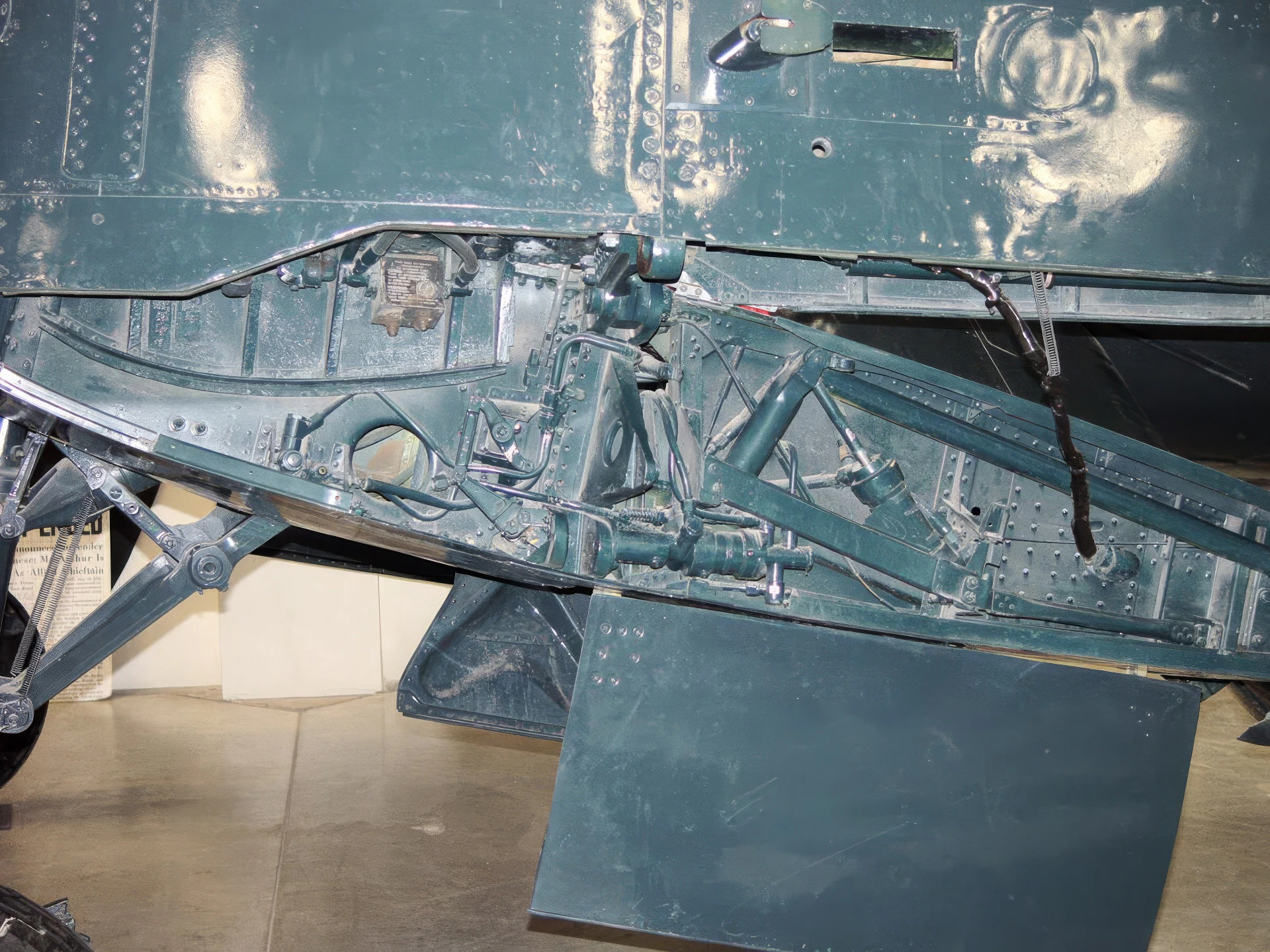
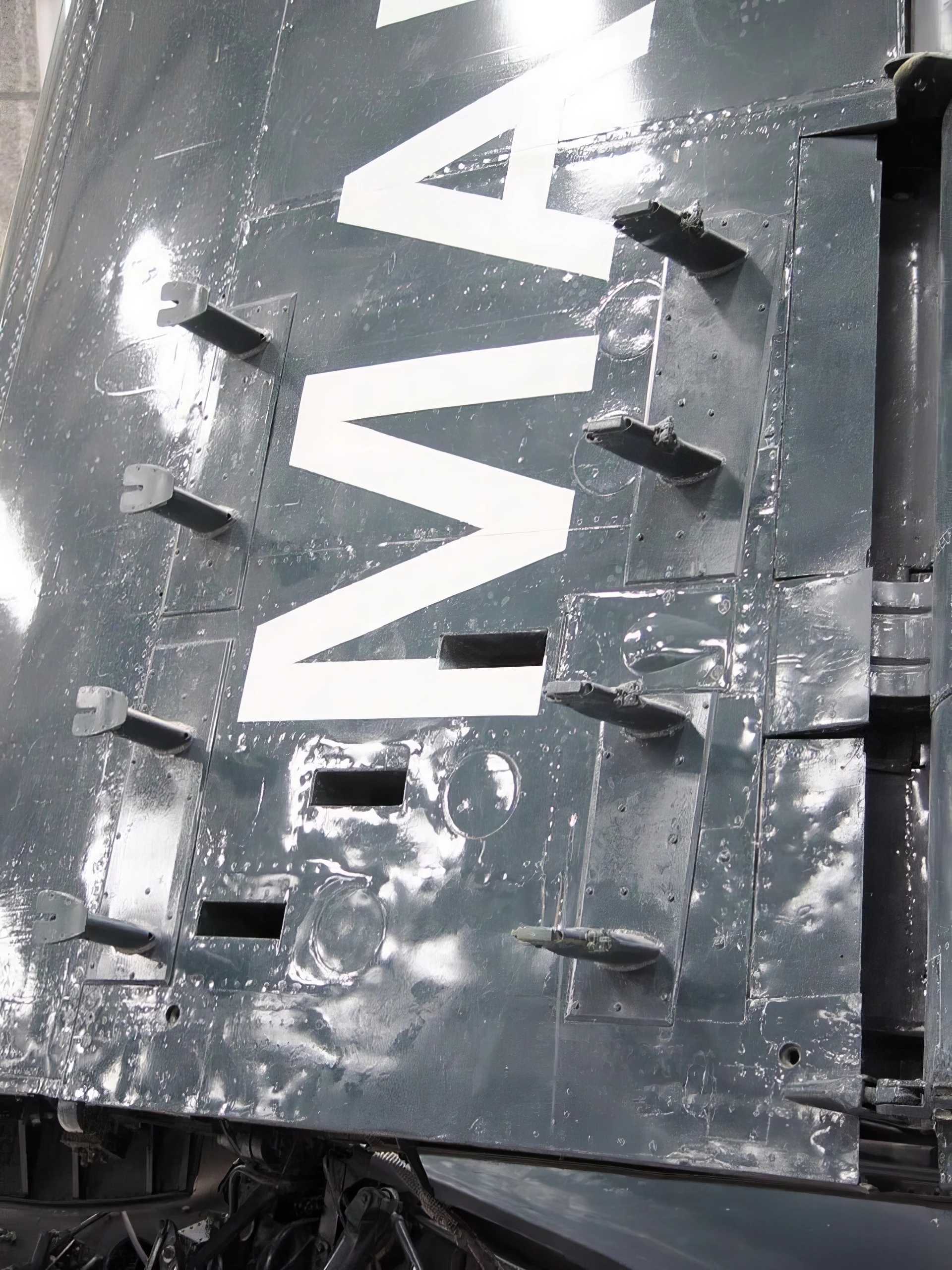
Fotogalerie na F4U-4 Pima Corsair, Vought Chance F4U Corsair est un avion militaire, fabriqué par les États-Unis, utilisé de la Seconde Guerre mondiale jusqu’en 1968. C’est l’un des appareils les plus connus de la Seconde Guerre mondiale, notamment grâce à la série télévisée Les Têtes brûlées. Il s’illustra essentiellement dans le Pacifique, servant à la fois au sein de l’US Navy et de l’US Marine Corps. Le Corsair byl nasazen hlavně během tichomořských tažení v boji proti novému nepříteli japonské císařské armády od roku 1943. Mezi 7. a 30. dubnem 1945 Corsair byl nasazen do 305 letadel americkým námořnictvem pro bitvu u Okinawy, s podporou 192 dalších korzérů námořní pěchoty. Z 600 misí tyto jednotky získaly 124 vítězství, což z Corsairu dělá legendární letadlo a přezdívá se mu "Zlatíčko Okinawy". Celkem měl letoun více než 2 140 vítězství, což z něj činí druhé nejvíce připisované letadlo v Pacifiku, a pouze 189 letadel bylo sestřeleno ve vzdušném boji.
Zdroj: F4U-7 Corsair na Wikipedii
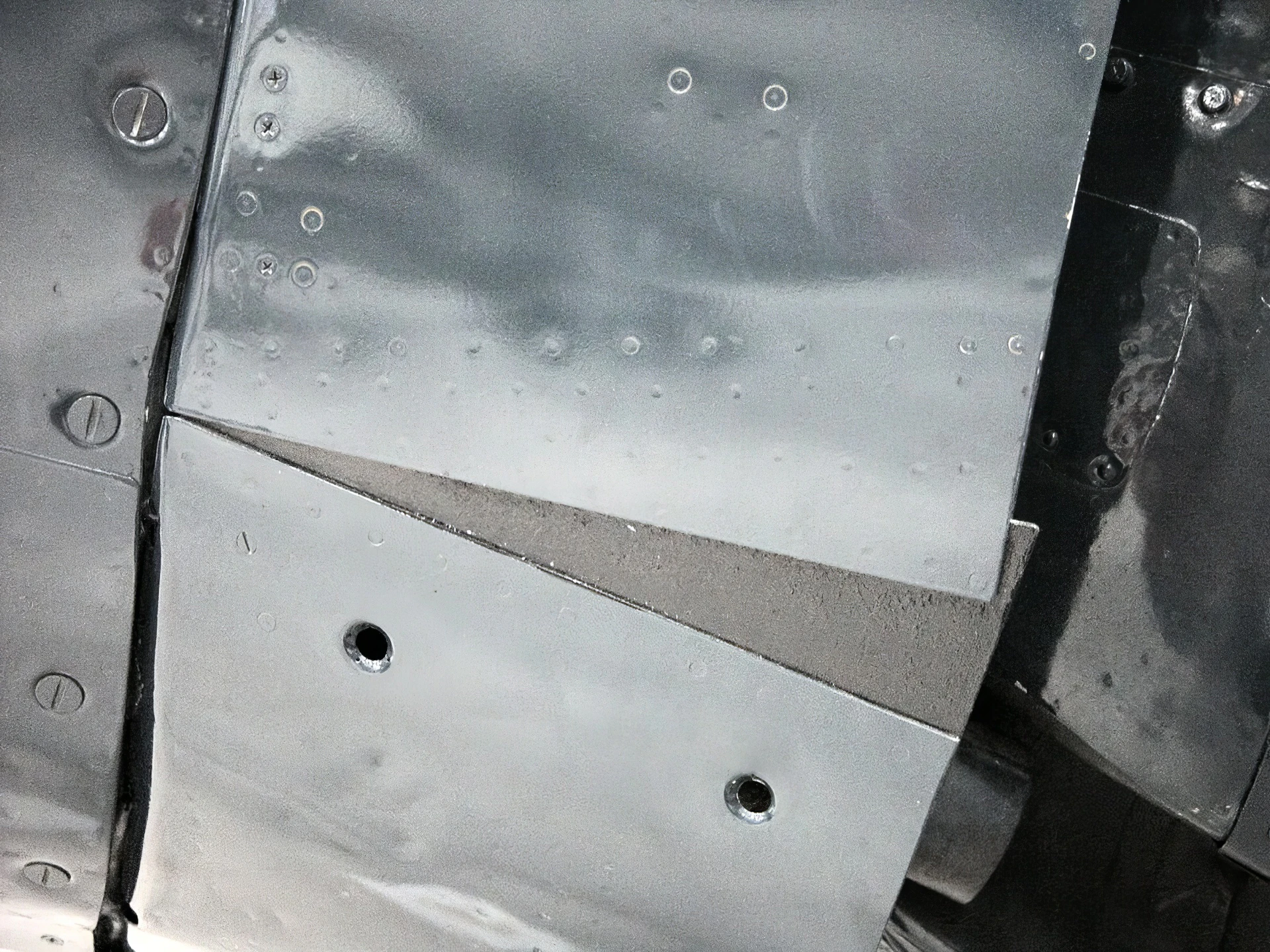
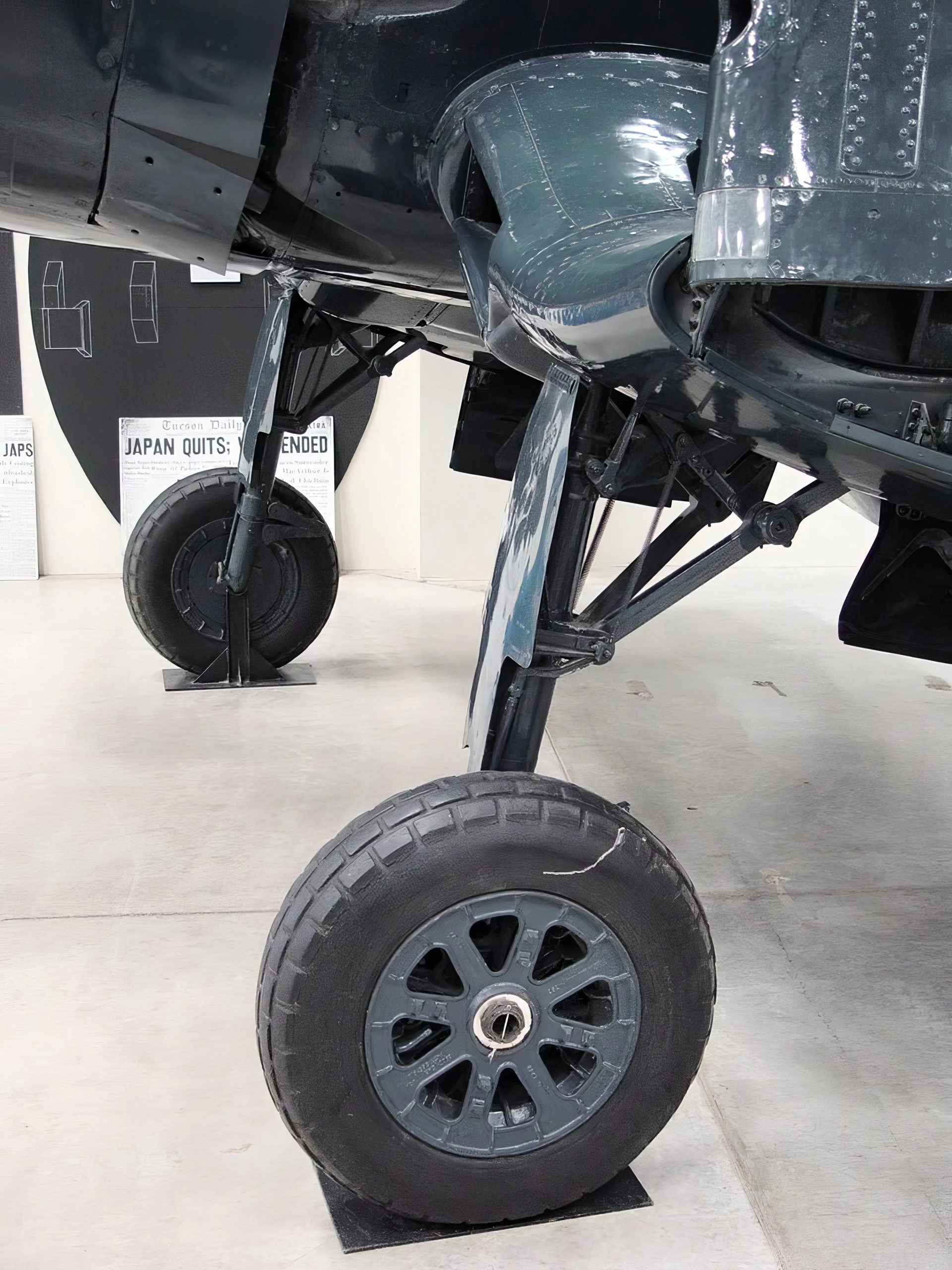
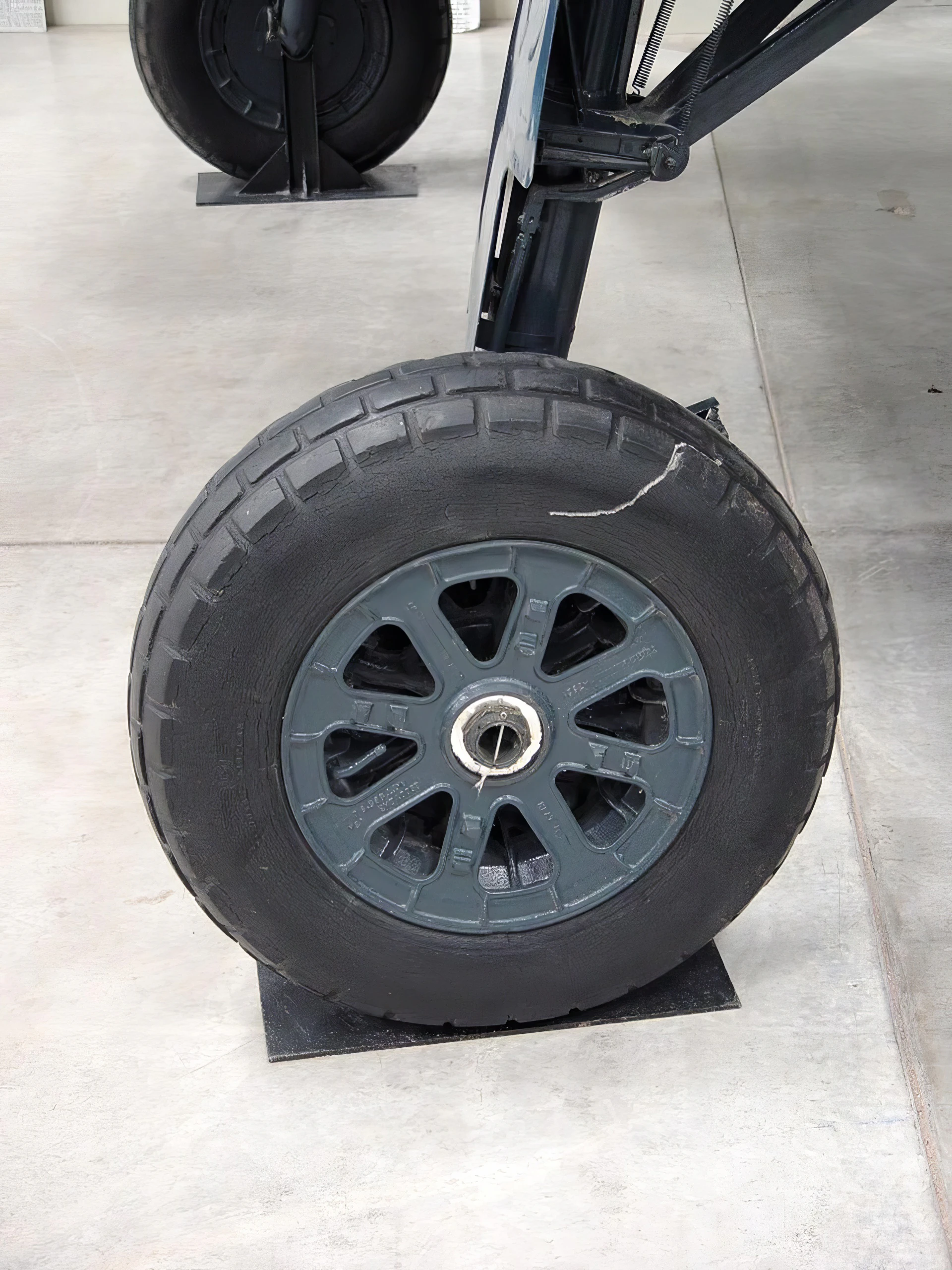
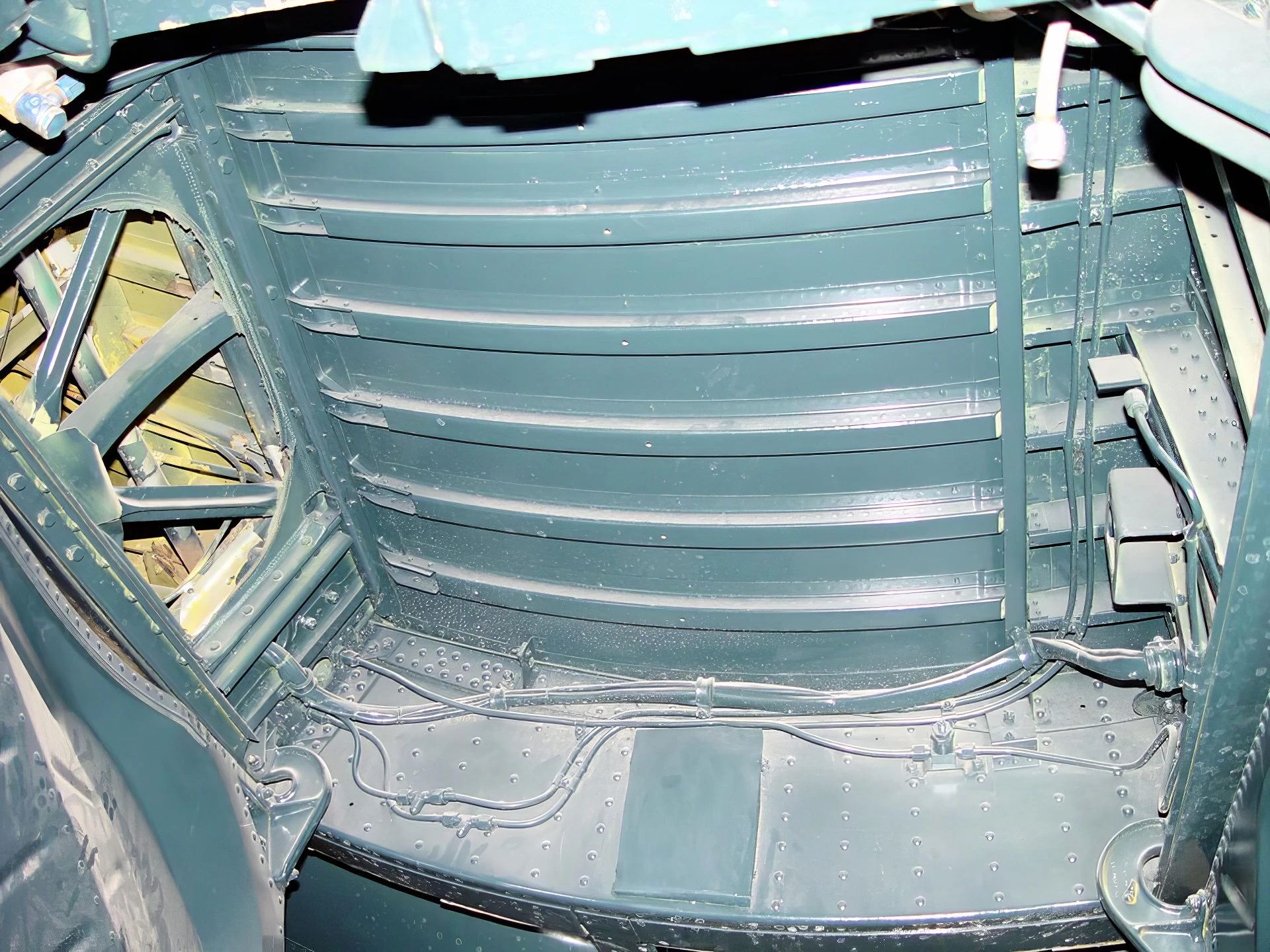

Viz také:


The F4U-4 was one of the most significant later variants of the Vought Corsair, a legendary US Navy and Marine carrier-based fighter. It featured a major engine upgrade, improving its speed and climb performance for the late stages of World War II and heavy use in the Korean War.
Key Characteristics of the F4U-4
- strong Engine Upgrade:strong The primary difference from earlier models (like the F4U-1) was the shift to the more powerful Pratt & Whitney R-2800-18W Double Wasp engine, producing 2,100 hp (up to 2,450 hp with water injection).
- strong Speed and Climb:strong This gave the F4U-4 a top speed of up to 446 mph and an impressive initial climb rate of 3,870 ft/min.
- strong Role:strong The -4 model excelled as both a high-altitude fighter and a tough ground attack aircraft (fighter-bomber), utilizing its heavy payload capacity.
- strong Armament:strong The F4U-4 could be fitted with six .50 caliber machine guns or four 20mm cannons, along with up to 4,000 lbs of bombs or eight 5-inch rockets (HVARs).
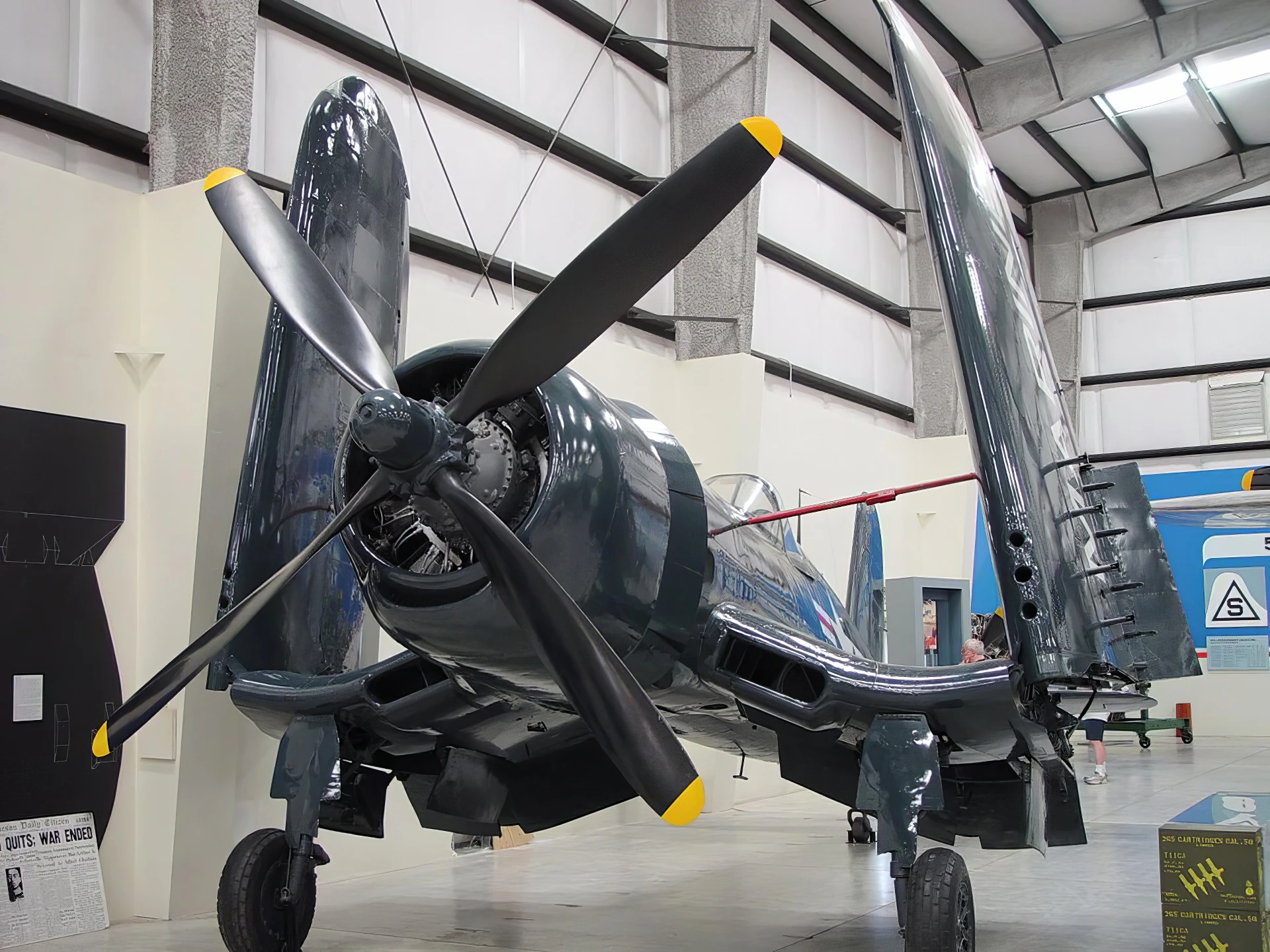
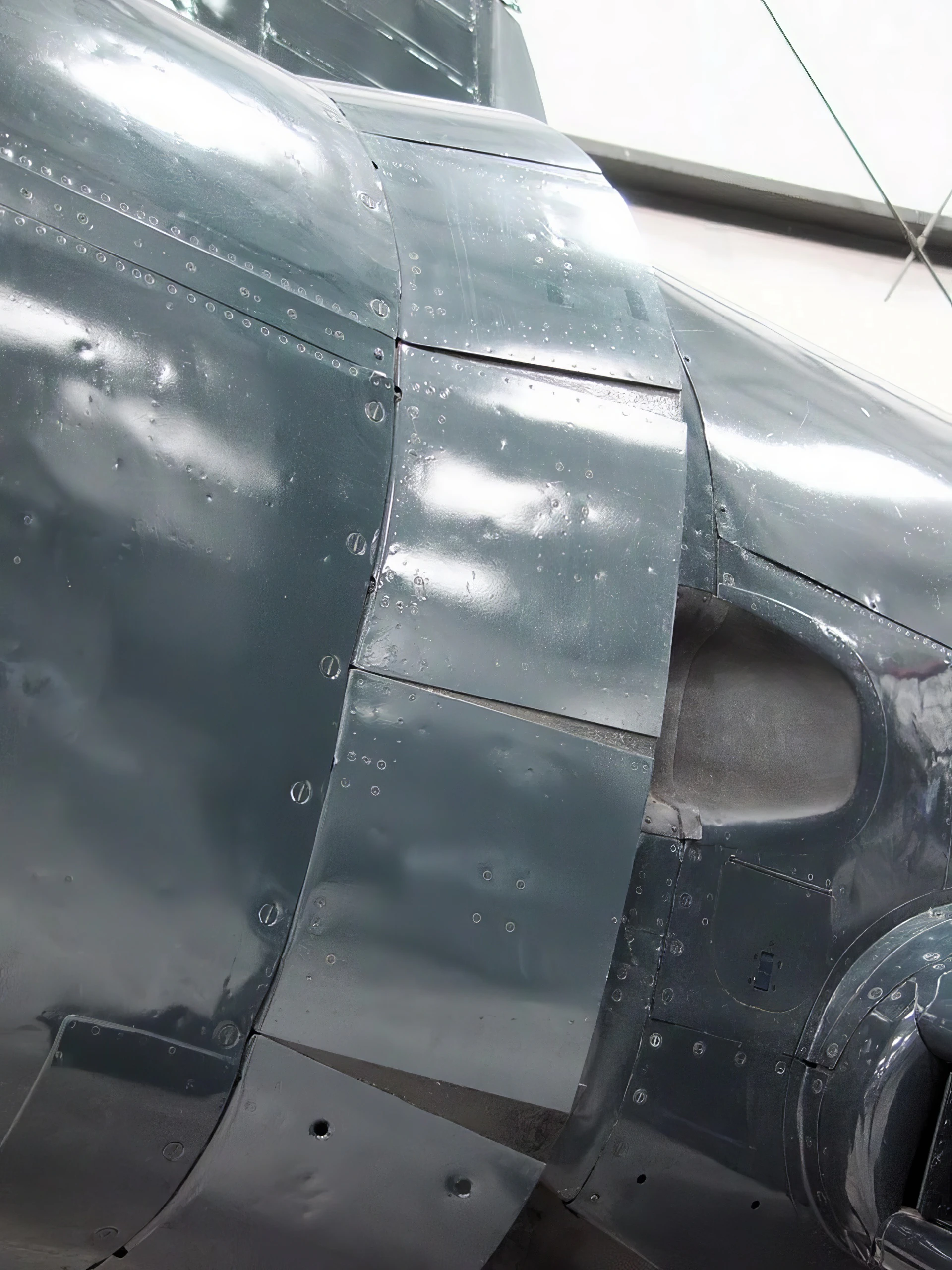
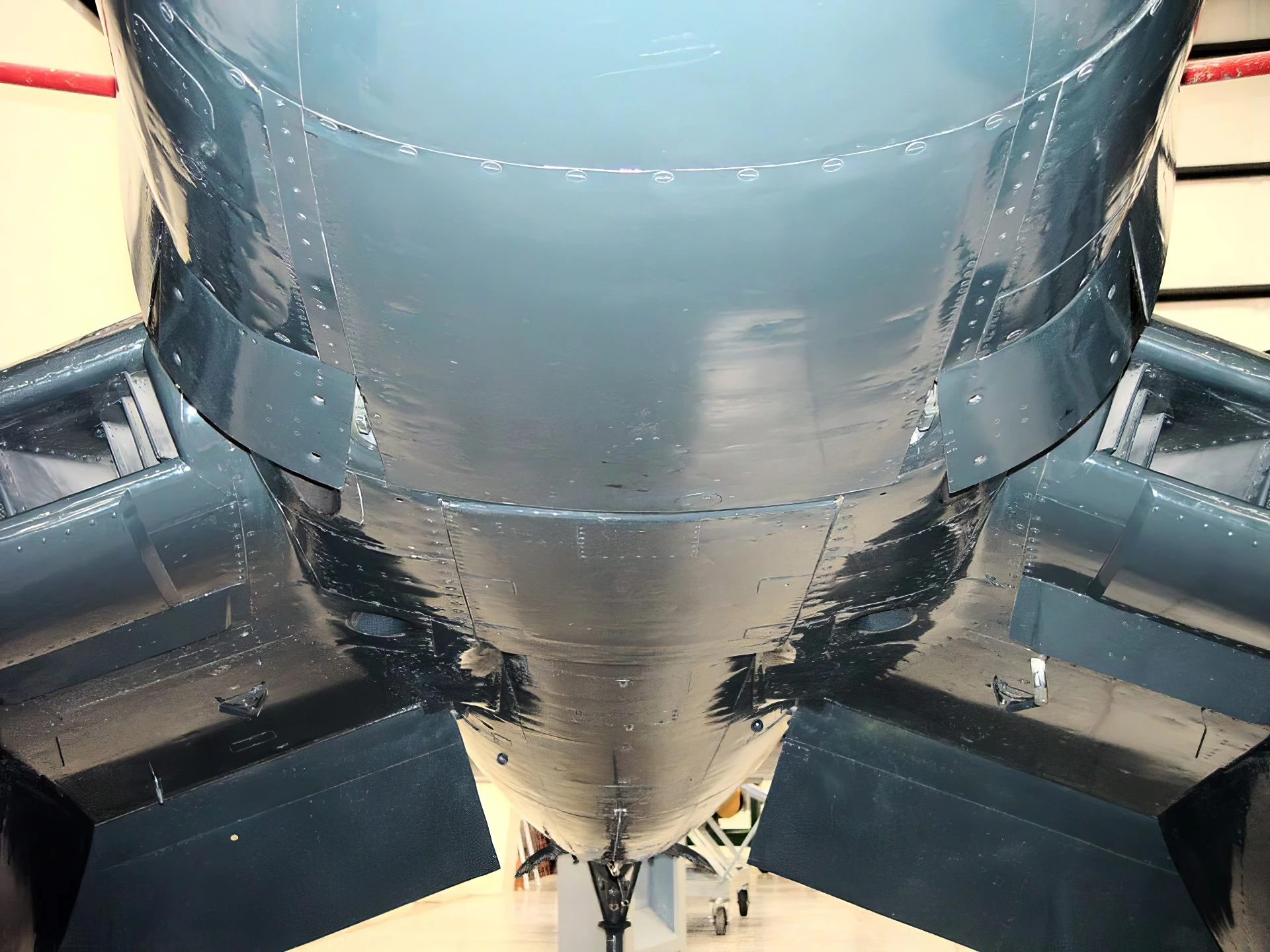
- strong Distinctive Feature:strong Externally, the F4U-4 typically featured an air intake scoop at the bottom of the engine cowling, differentiating it from the earlier models.
Pima Air & Space Museum Exhibit
The Pima Air & Space Museum in Tucson, Arizona, often features an F4U-4 Corsair among its collections, representing its crucial role in US military aviation.
- The F4U-4 on display (Bureau Number 97142) is typically on loan from the National Museum of the Marine Corps.
- It represents the aircraft that was the backbone of Marine close air support during the Korean War (1950–1953).
F4U-4 Corsair Specifications Summary
| Category | Specifikace |
|---|---|
| strong Powerplantstrong | Pratt & Whitney R-2800-18W (2,100–2,450 hp) |
| strong Wingspanstrong | 40.90 ft (12.47 m) |
| strong Lengthstrong | 33.67 ft (10.26 m) |
| strong Max Speedstrong | 446 mph (718 km/h) at sea level |
| strong Service Ceilingstrong | 41,500 ft (12,650 m) |
| strong Armament (Typical)strong | 6 x .50 cal MGs OR 4 x 20mm cannons |
Pohledy : 5446
Můžete také vidět:
 Canadair CF-104 Starfighter – fotografie a videa
 SPAD S.XIII – Fotografie & Videa
 Lockheed P-38 Lightning – Fotografie & Video
 A-7B Corsair II – Procházka
 Lockheed F-22A Raptor – Fotografie & Video
 Suchoj Su-27 – WalkAround
 Grumman F7F Tigercat – Procházka
 Vought F4U Corsair – Procházka
 F4U-4 Corsair - WalkAround
 F4U-7 Corsair – Procházka