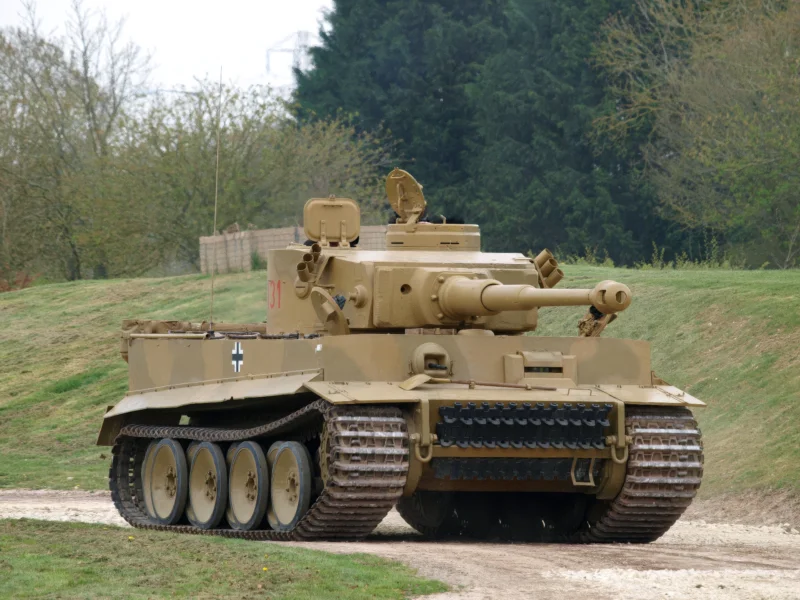
Тигър цистерна | |
|---|---|
| Страна | Германия |
| Тип | Тежък танк |
| Описание | Album of 27 photos walk-around of a «Tiger Tank» |
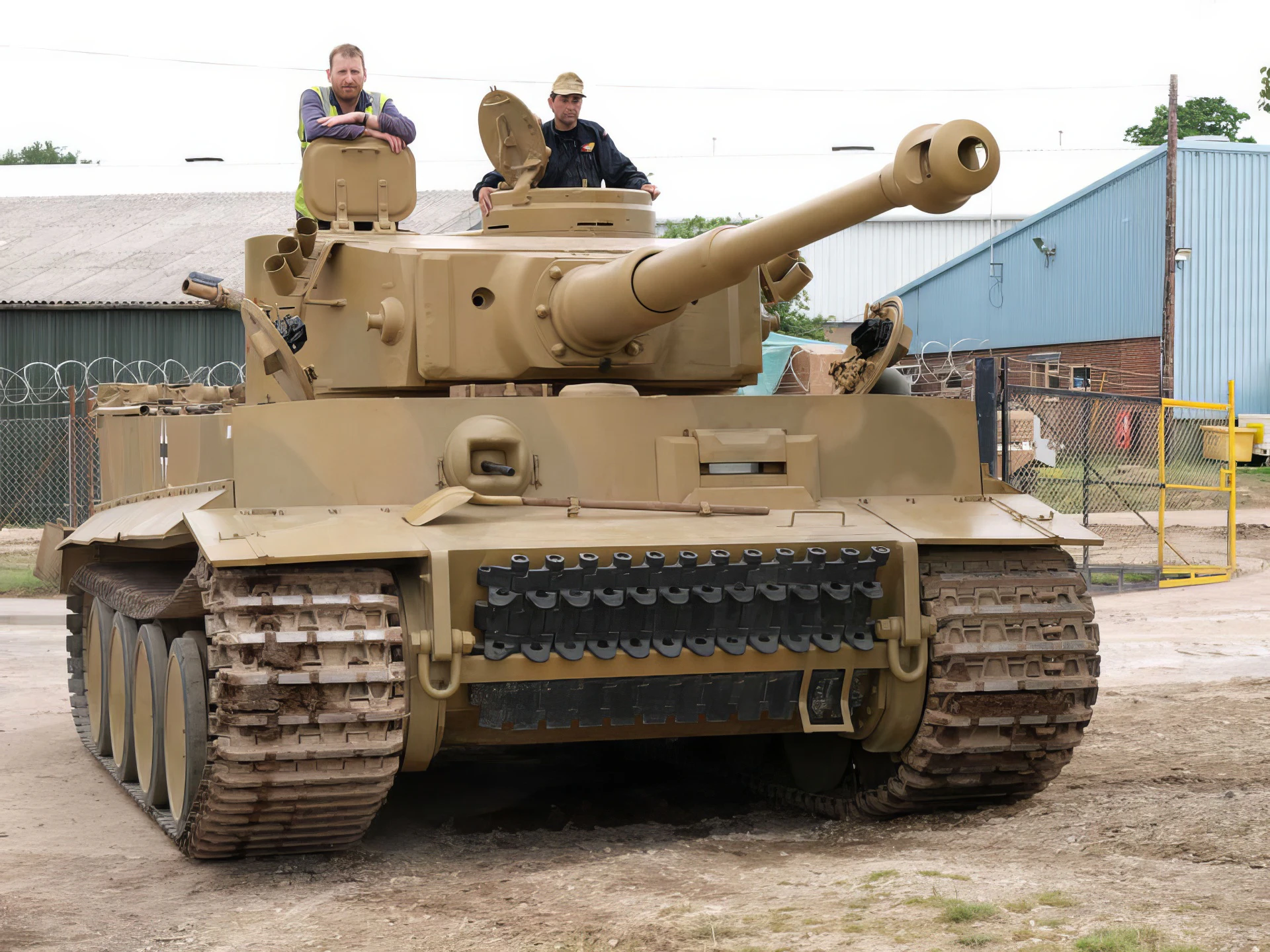
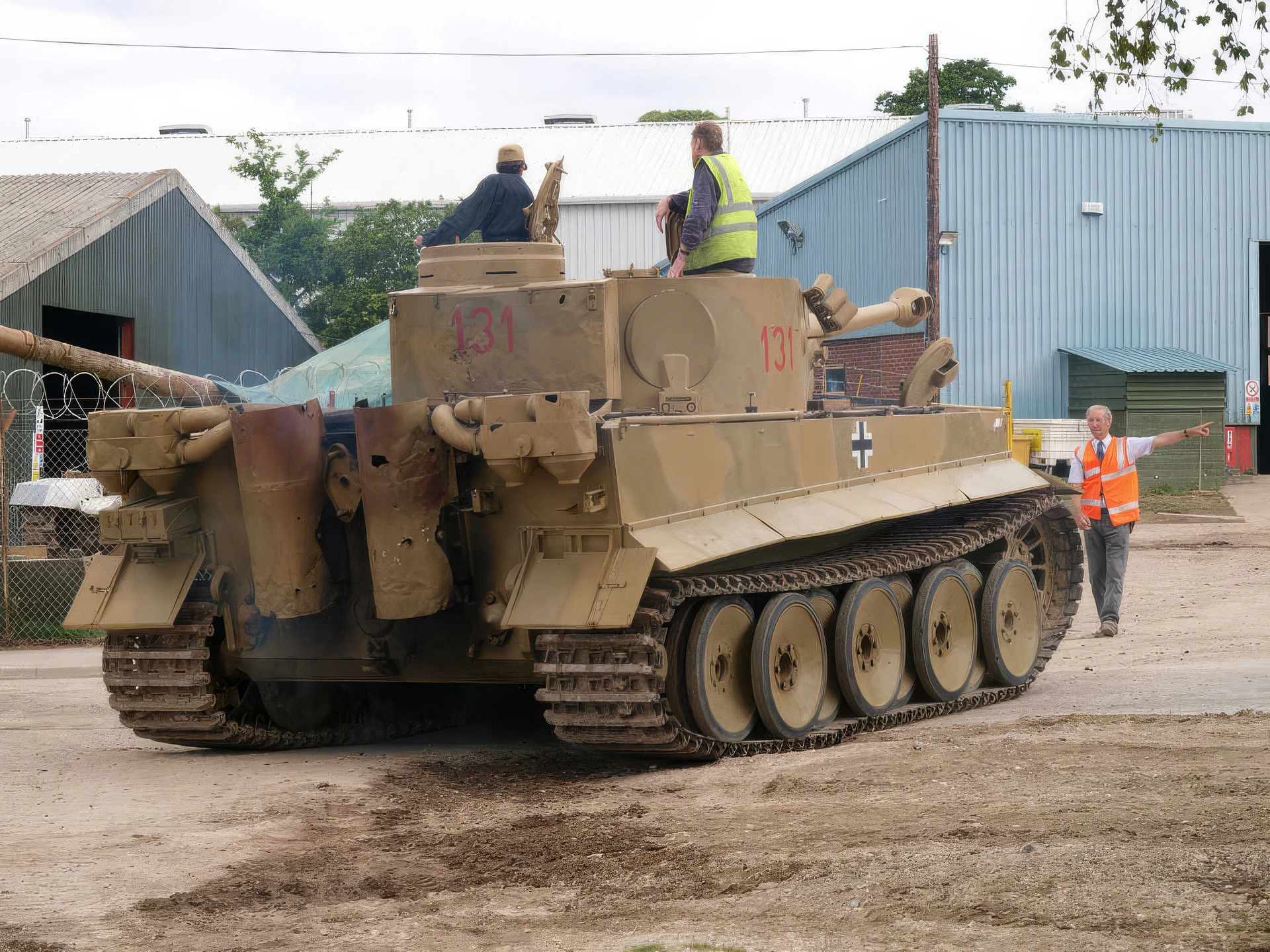
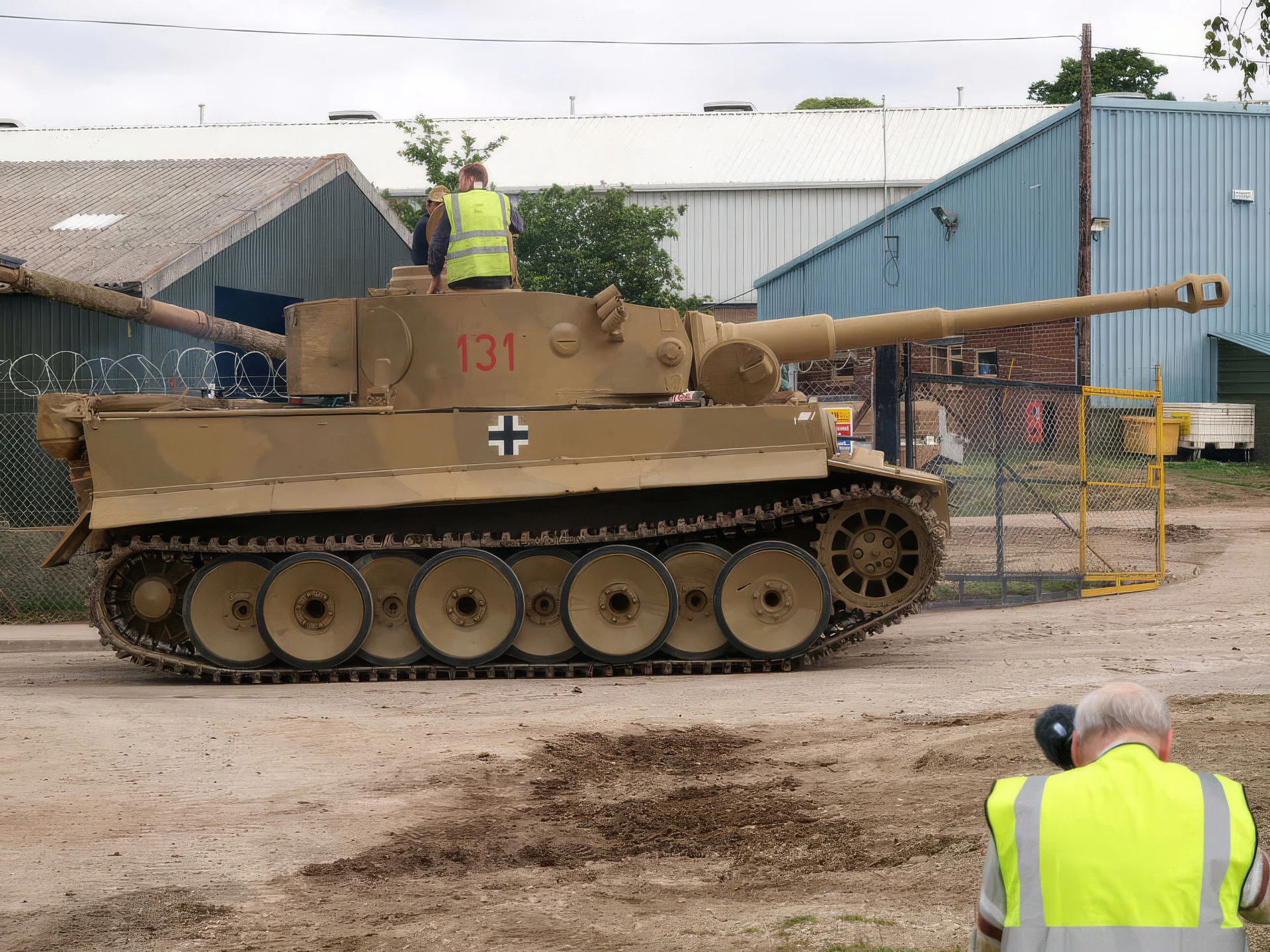
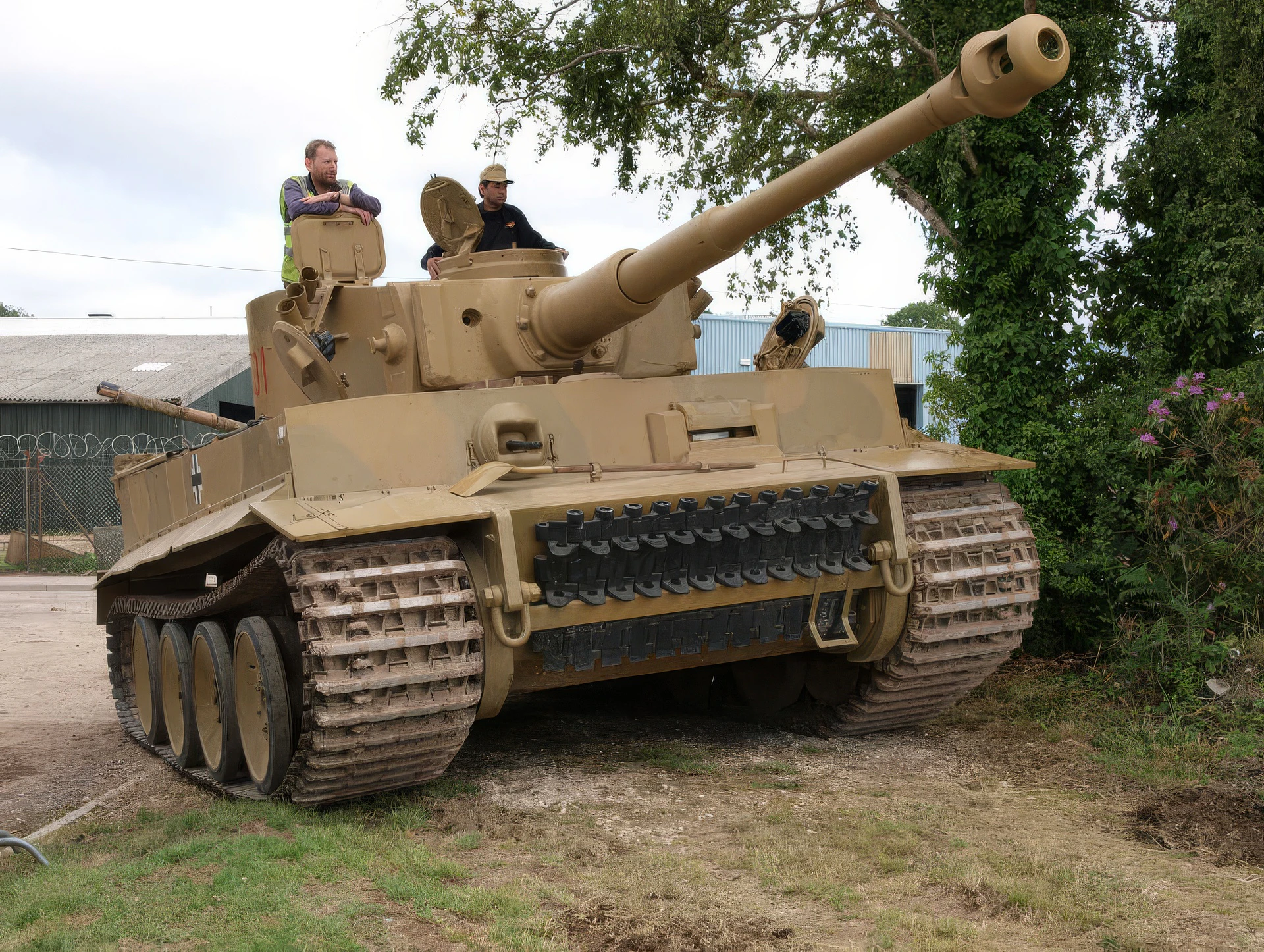
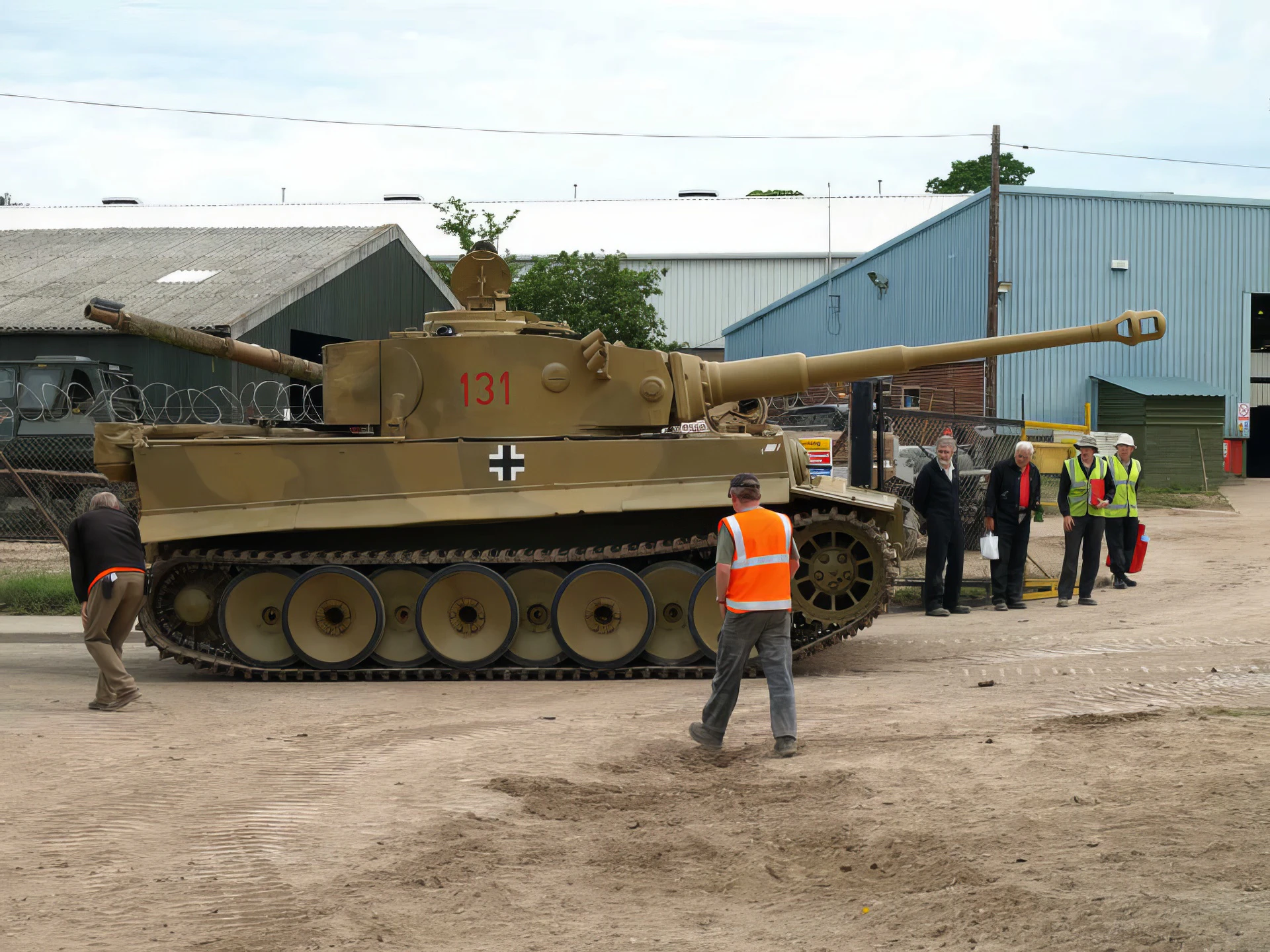
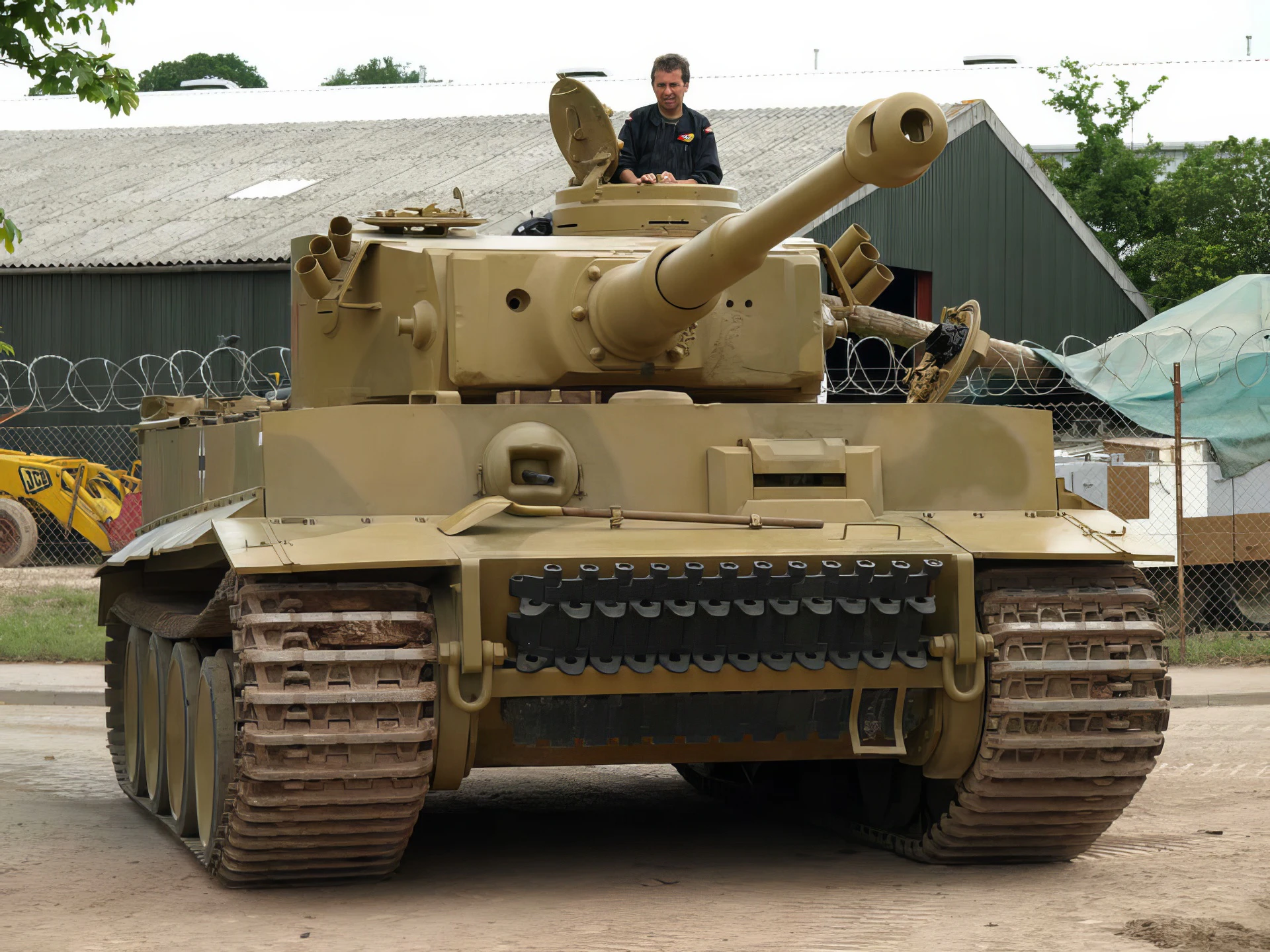
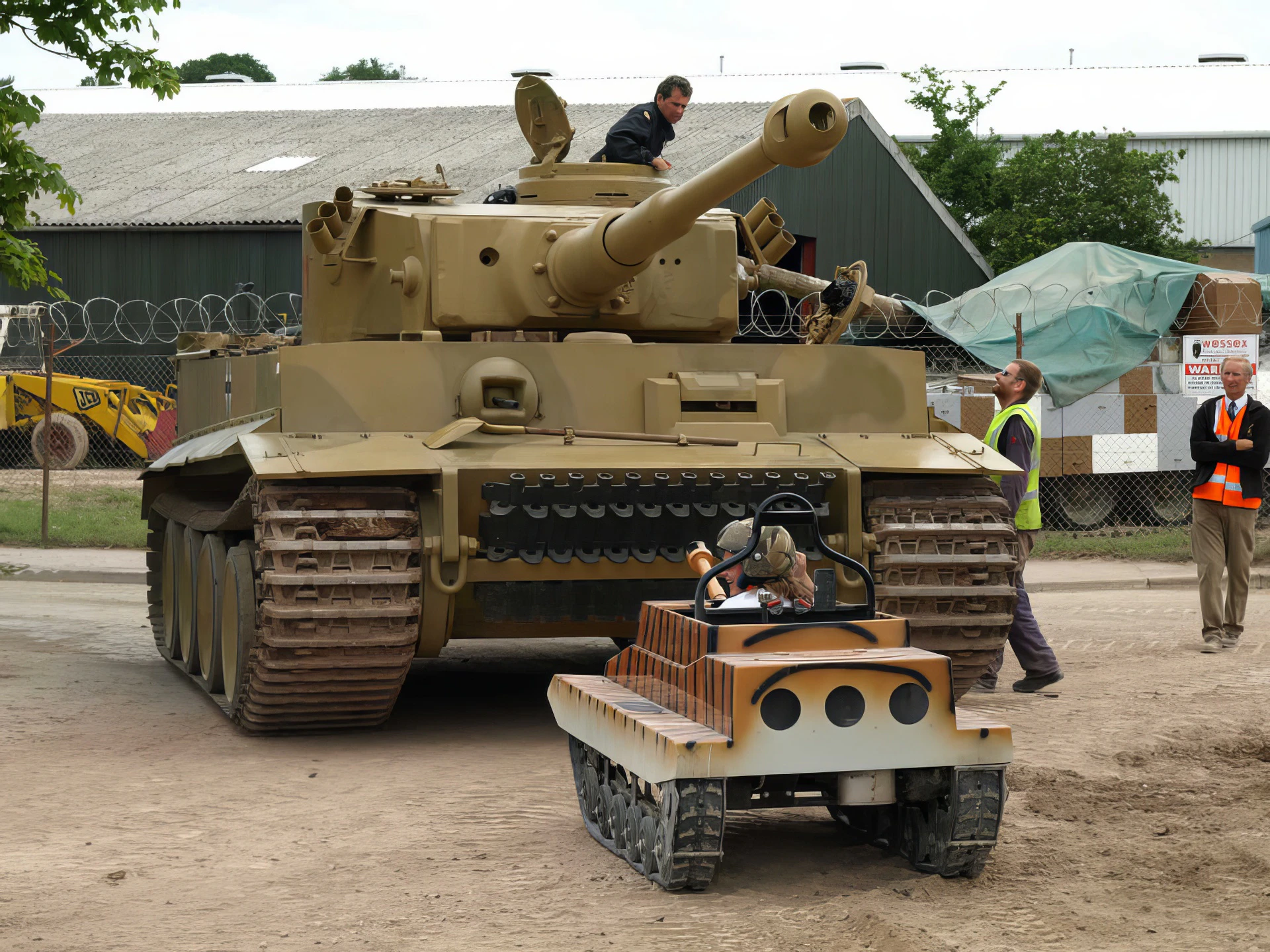
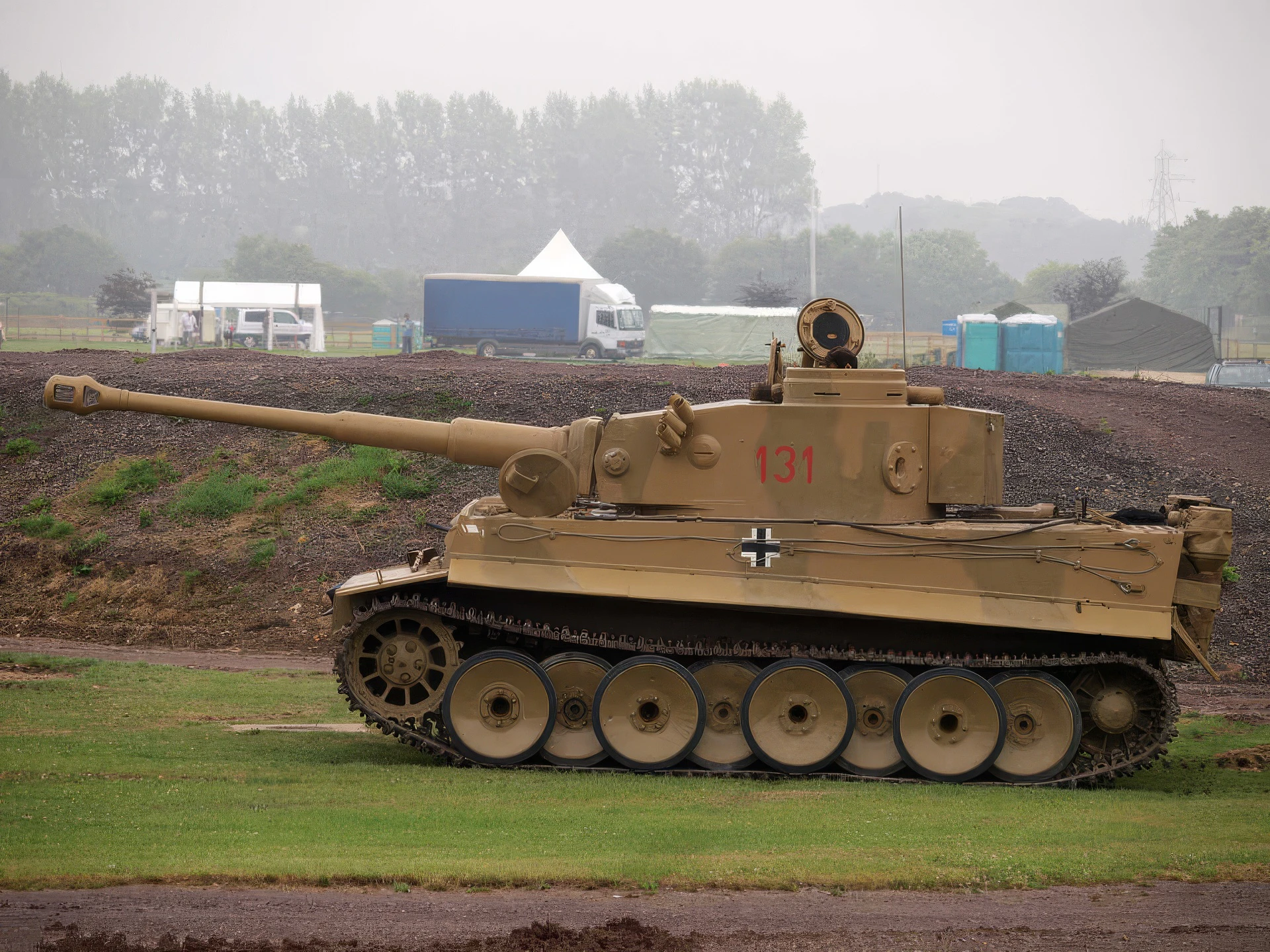
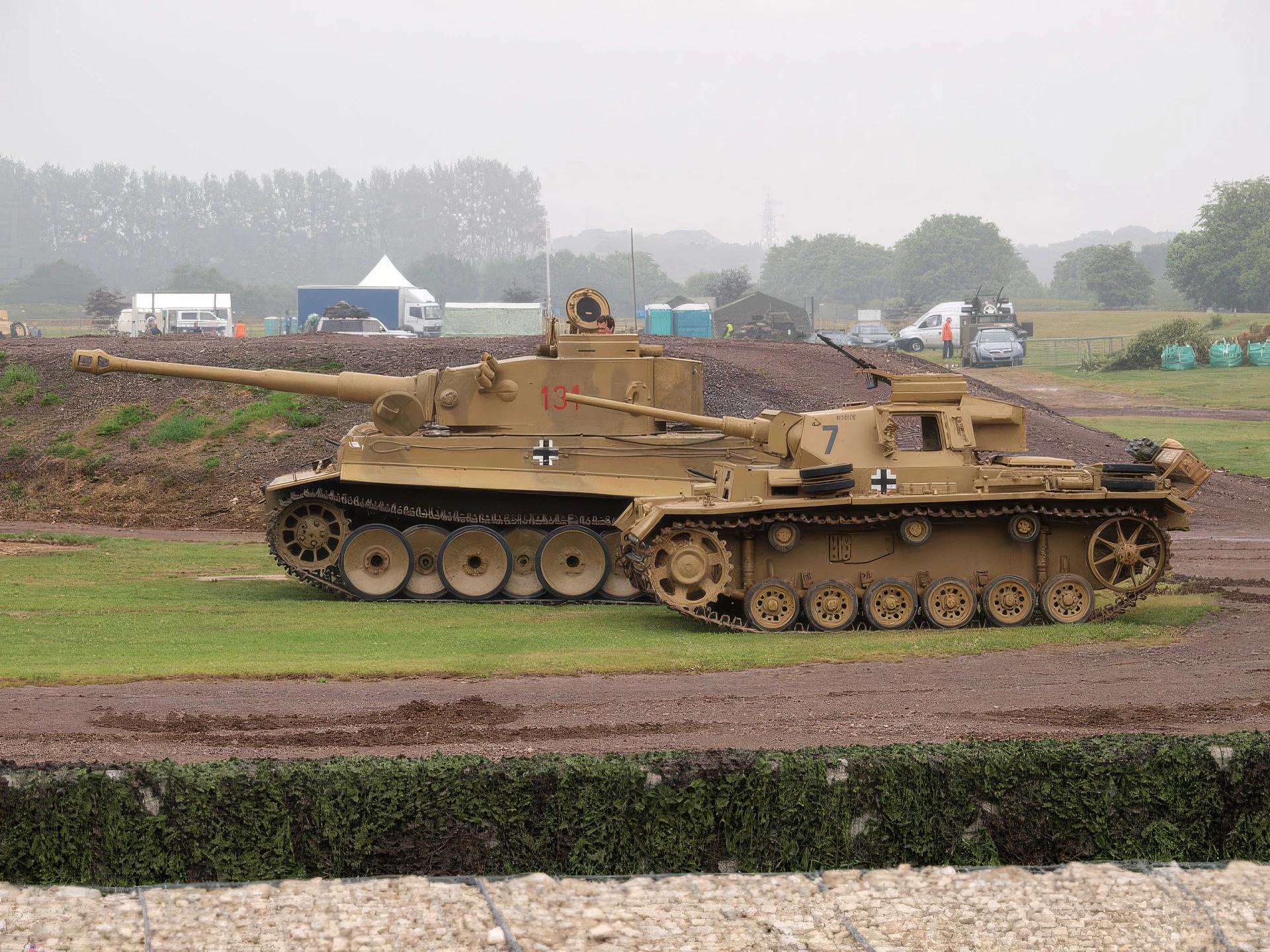
Фото галерия на тигърски танк в действие, Тигър I е общото име на немски тежък танк, разработен през 1942 г. и използван през Втората световна война. Окончателното официално немски обозначение е Panzerkampfwagen VI Тигър Ausf.E, често съкратен до Тигър. Това е отговор на неочаквано страхов съветската броня, срещана в първите месеци на нахлуването на Оста на Съветския съюз, особено на Т-34 и КВ-1. Тигърът, който дизайнът е дал на Вермахта първия си резервоар монтаж на 88 мм оръдие, в първоначалната си бронирана бойна машина- посветена версия, която в своята версия Flak преди това е показала ефективността си както срещу въздушни, така и наземни цели. По време на войната, Тигърът, който видях на всички германски бойни предшествания. Обикновено е разположен в независими танкова батальона, които се оказаха доста страшни.

Вижте също:


1. Panzerkampfwagen VI (Pz.Kpfw. VI), commonly known as the Тигър, was a series of German heavy tanks used during World War II. It was a formidable and revolutionary design, primarily known for its incredibly heavy armor and powerful main gun. The series includes two primary models: the Tiger I and the Tiger II.
1. Panzer VI Tiger I (Sd.Kfz. 181)
The original Tiger I was a response to the unexpectedly strong Soviet tanks encountered during the invasion of the USSR. It entered service in 1942 and quickly established a fearsome reputation.
- Роля: Heavy Tank, designed for breakthrough and long-range engagement.
- Основно въоръжение: The devastating 88 mm KwK 36 L/56 cannon, which could penetrate most Allied tank armor at extreme distances.
- Защитна обвивка: Featured very heavy, though largely flat and vertical, armor. Frontal hull armor was typically 100 mm thick, with the gun mantlet up to 200 mm. Its protection relied on sheer thickness.
- Weight: Около 57 tonnes.
- Подвижност: Powered by a 700 hp Maybach V-12 engine. Capable of speeds up to 38 to 45 km/h on roads. Its complex interleaved road wheel suspension provided good off-road performance but was mechanically demanding and maintenance-intensive.
- Crew: 5 (Commander, Gunner, Loader, Driver, Radio Operator).
2. Panzer VI Tiger II (Königstiger / King Tiger) (Sd.Kfz. 182)
The Tiger II, or “King Tiger,” was the successor to the Tiger I and represented an evolution in German tank design. It entered production in late 1943.
- Роля: Heavy Tank.
- Основно въоръжение: The superior 88 mm KwK 43 L/71 cannon. This longer-barreled gun significantly increased muzzle velocity and anti-tank performance.
- Защитна обвивка: Combined the sheer thickness of the Tiger series with sloped armor. The frontal hull plate was 150 mm thick and angled at 50, making it virtually impervious to most Allied tank guns from the front.
- Weight: Почти 68.5 tonnes, making it the heaviest tank used by Germany during the war.
- Drawbacks: Its extreme weight severely strained its powertrain, leading to significant mechanical reliability issues and placing a massive burden on German logistics and manufacturing.
Views : 9229
Можете да видите също :
 TOG2 – Снимки и видео
 P26/40 резервоар – Снимки и видеоклипове
 Т-28 Супер тежък танк – снимки и видео
 Танк за вожд – разходка около
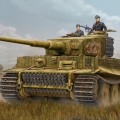 Пз.Кпфв. VI Тигър I – ХОБИ ШЕФ 82601
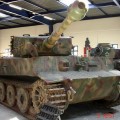 Панцер VIХ Тигър – разходка около
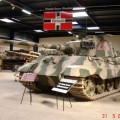 Тигър II – Кьонигстигер vol3 – разходка около
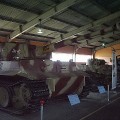 Тигър I – Разходка Около
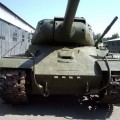 Шм2-М – Разходка Около
 Панцеркампфуейген VI – ТИГЪР – Sdkfz.181 – Уайдавничово милитария 074