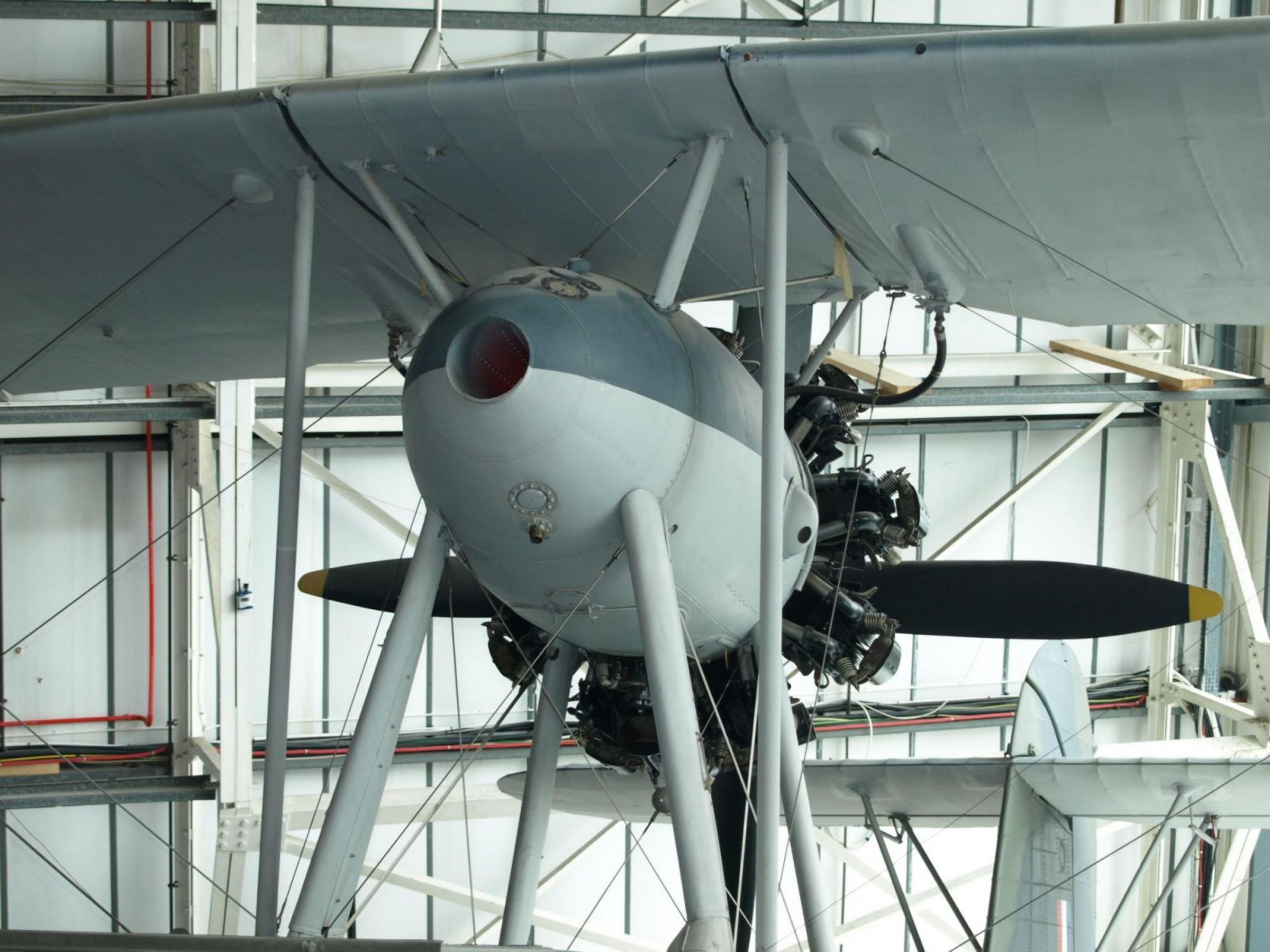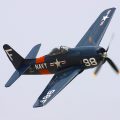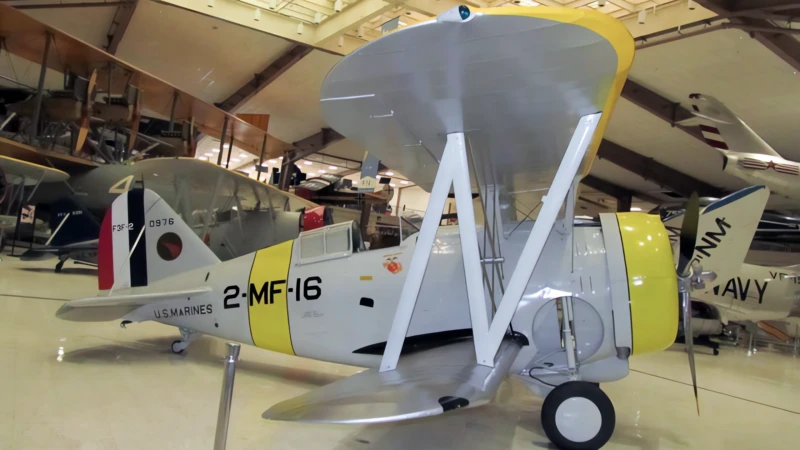
Grumman F3F | |
|---|---|
| 국가 | 미국 |
| 역할 | 전투기 |
| 첫 비행 | 1935년 3월 20일 |
| 내장 | 147 |
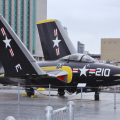
Tthe 그루먼 F3F 미국 해군에 인도 된 마지막 미국 복엽기 전투기 (실제로 미국 군용 공중 팔에 전달 된 마지막 복엽기 전투기)였으며 전쟁 사이에 봉사했습니다. 단일 좌석 F2F의 개선으로 설계된이 제품은 1936 년에 서비스에 들어갔다. 그것은 제 2 차 세계 대전에서 봉사 할 수 있기 전에 1941 년 말에 최전선 비행 중대에서 은퇴했으며 브루스터 F2A 버팔로로 처음 대체되었습니다. Grumman FF에서 처음 사용된 Leroy Grumman이 설계한 개폐식 메인 랜딩 기어 구성을 계승한 F3F는 궁극적으로 훨씬 더 성공적인 F4F Wildcat으로 발전한 복엽기 설계의 기초가 되었습니다.
소스: 그루먼 F3F 위키 백과에
| 그루먼 F3F-3 산책 | |
|---|---|
| 사진 작가 | 시스 헨드릭스 |
| 로컬라이제이션 | Unknow |
| 사진 | 40 |
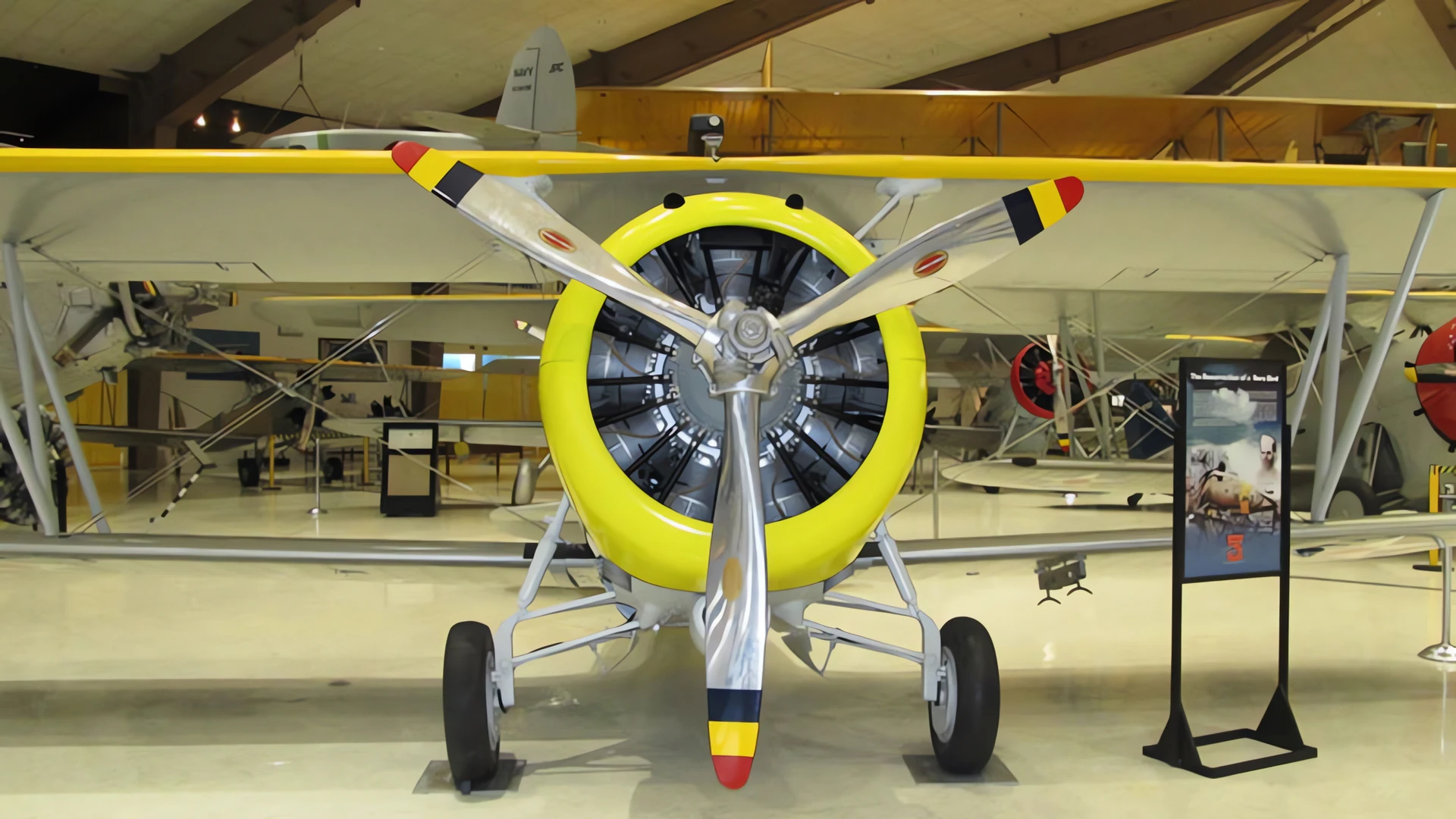
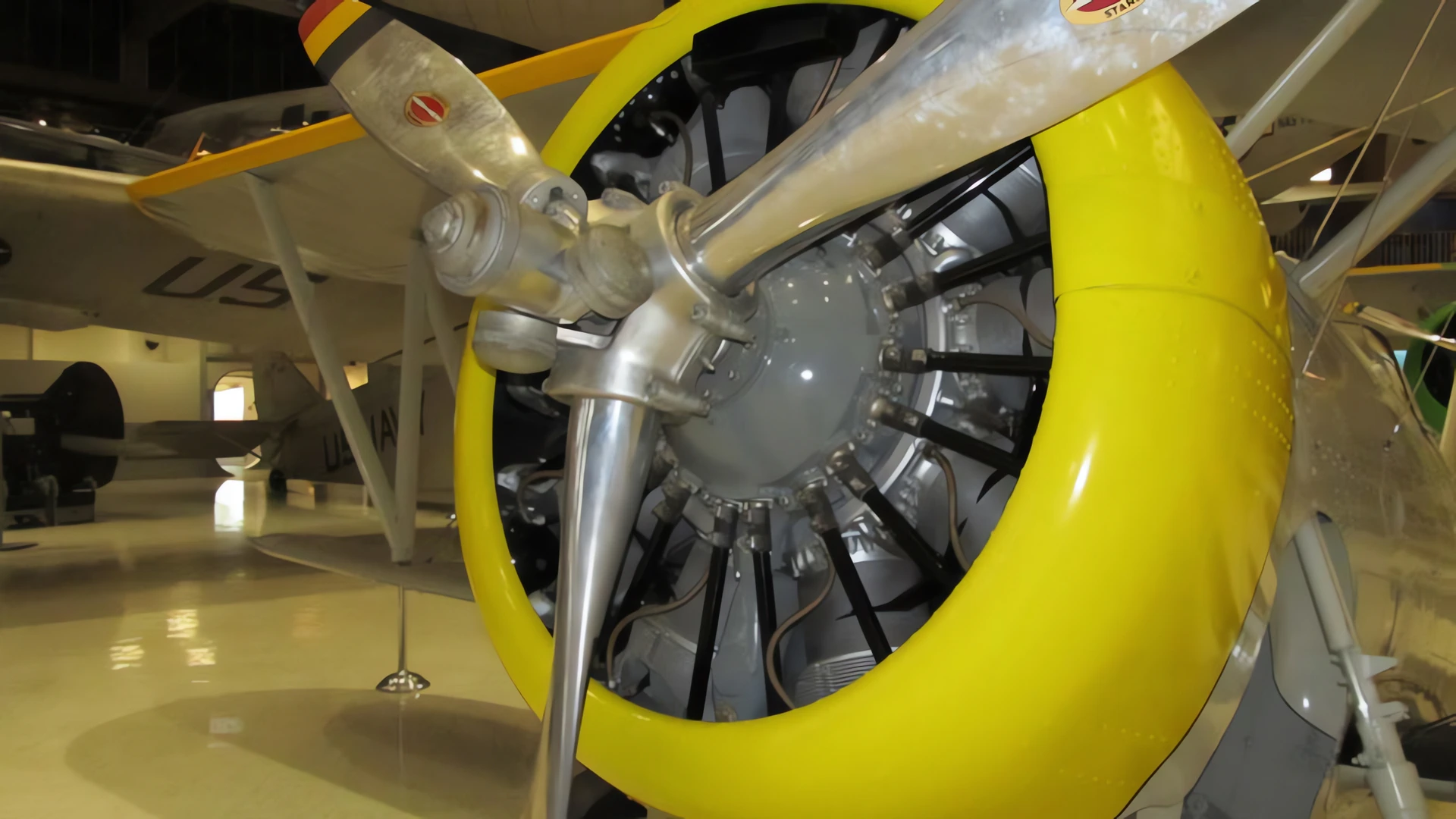
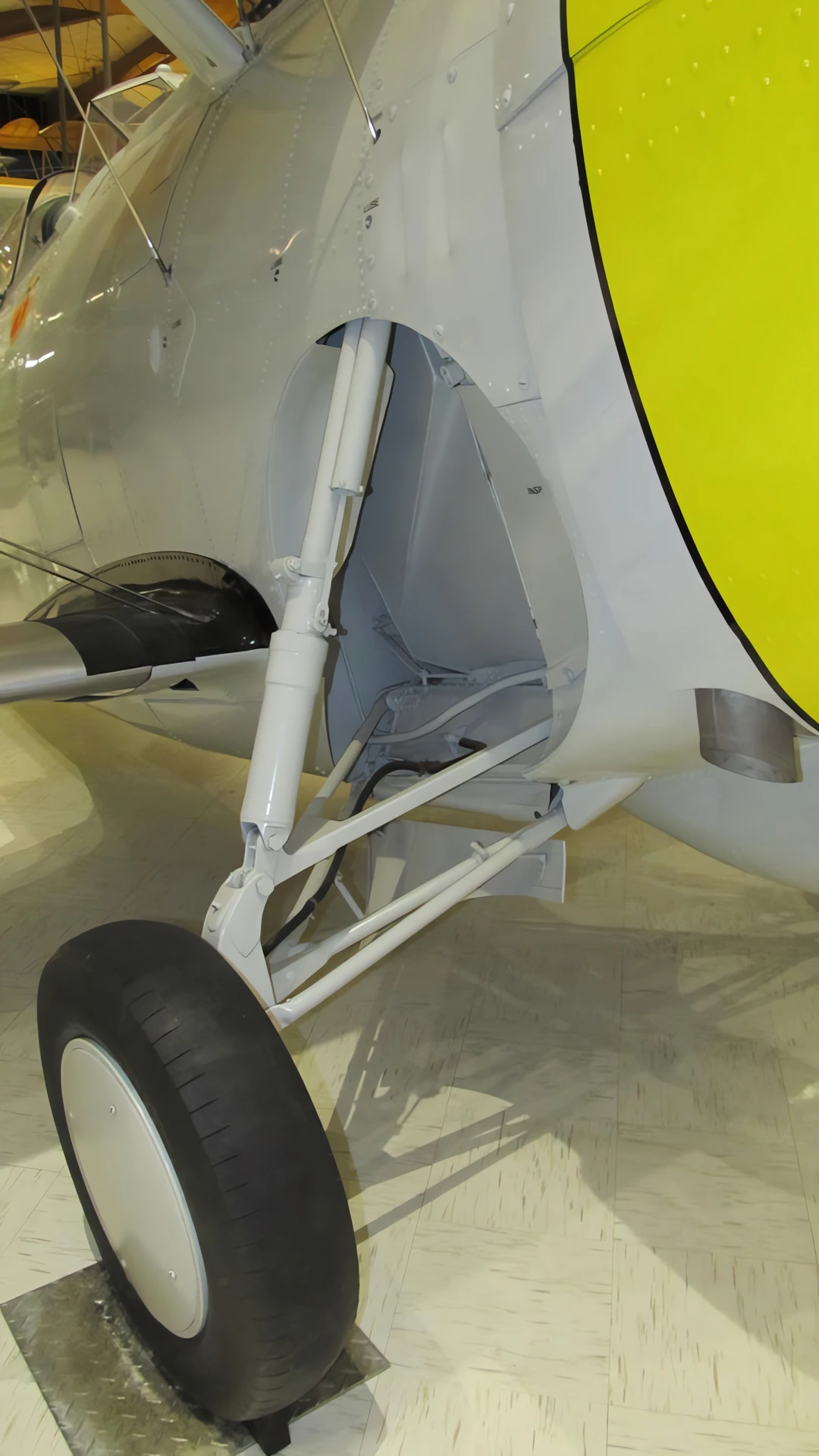
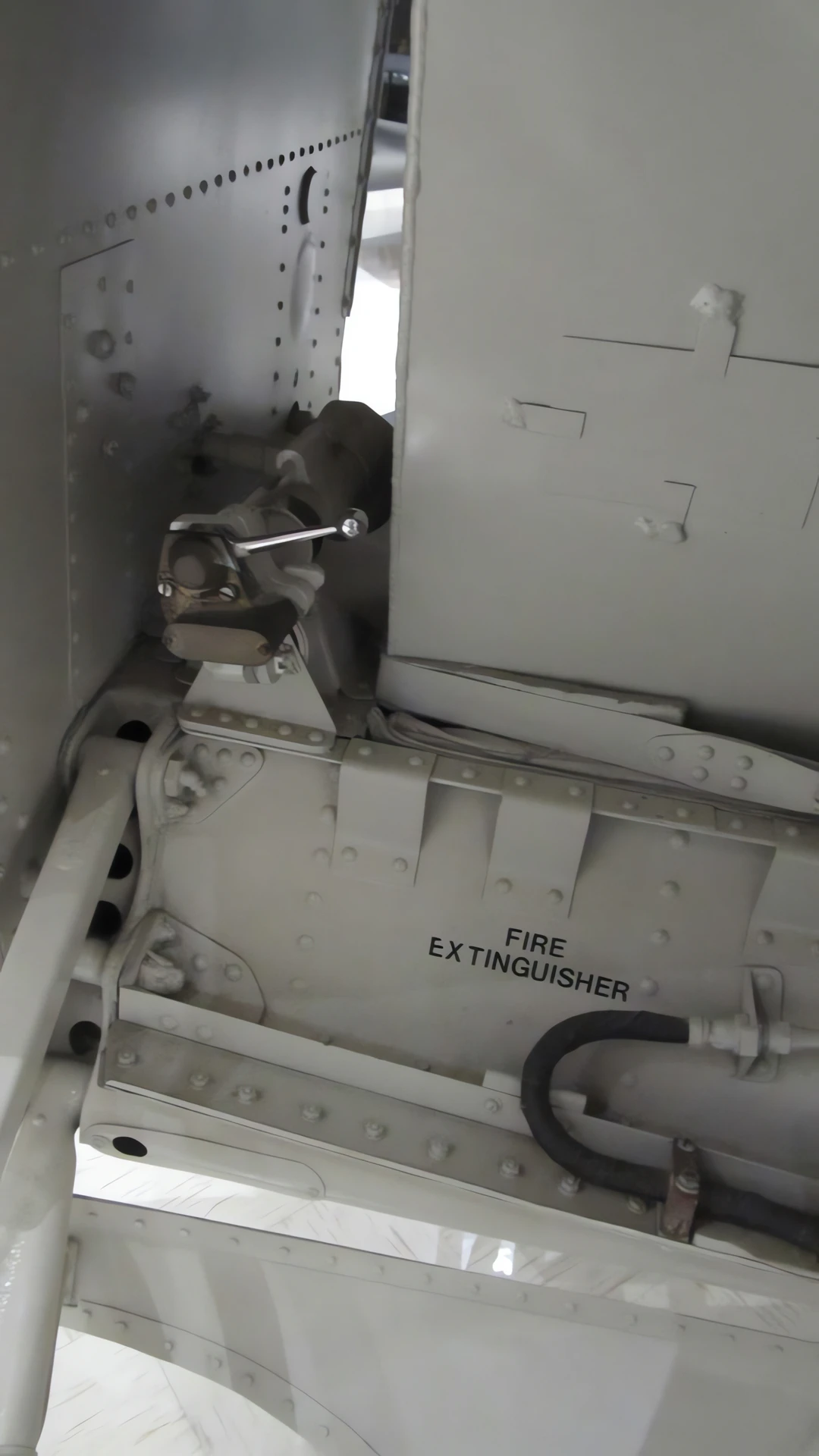
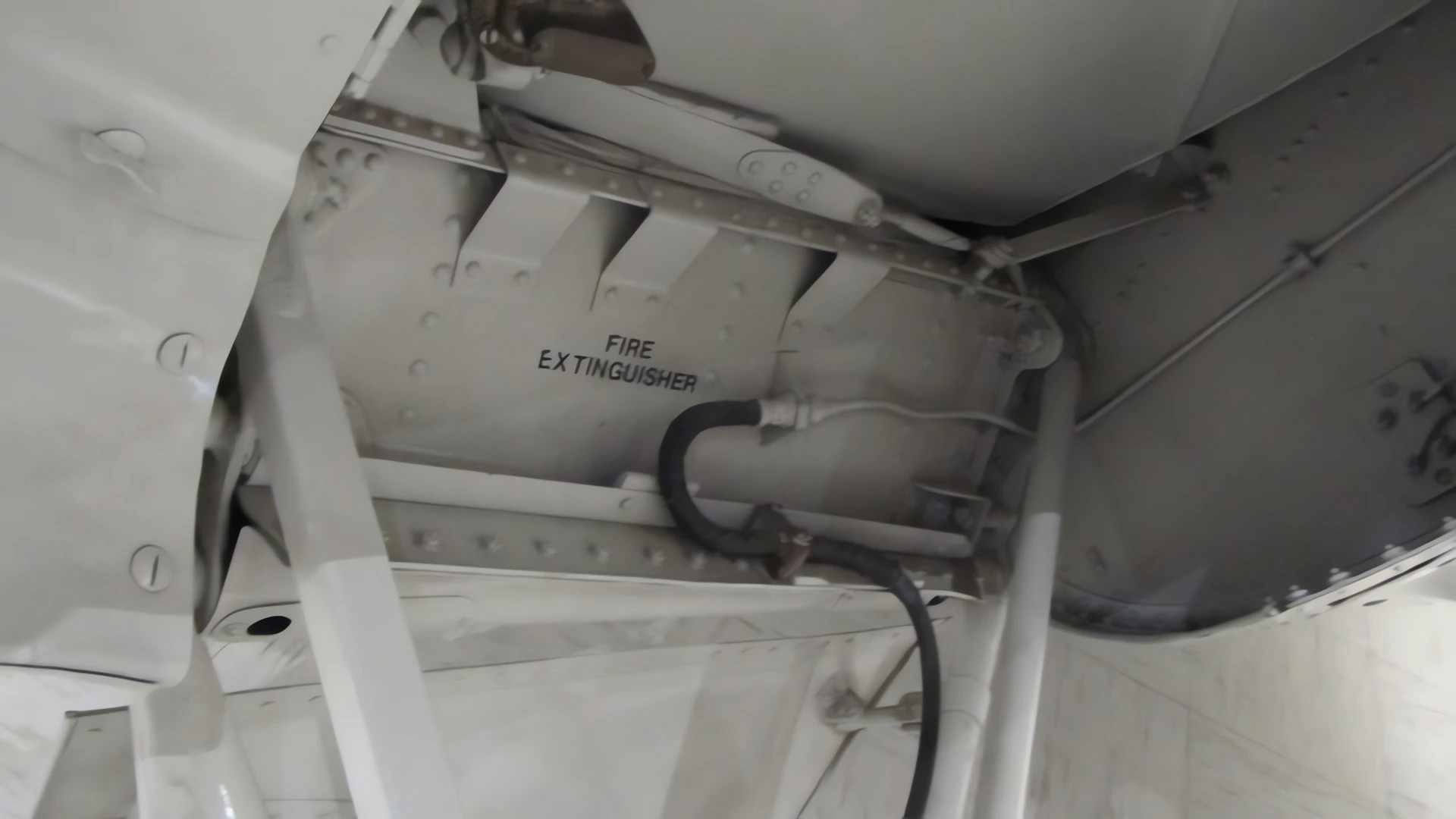
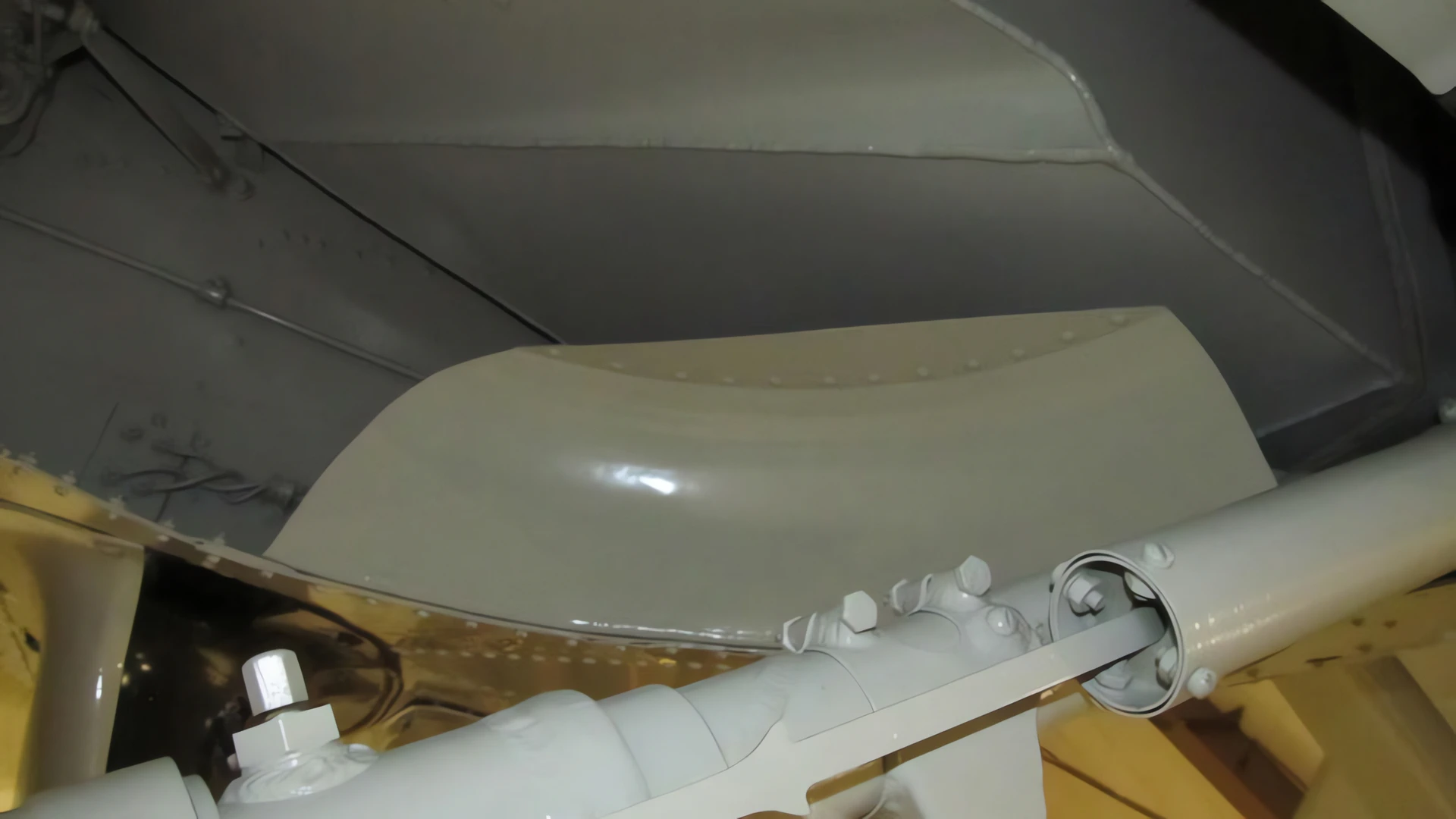
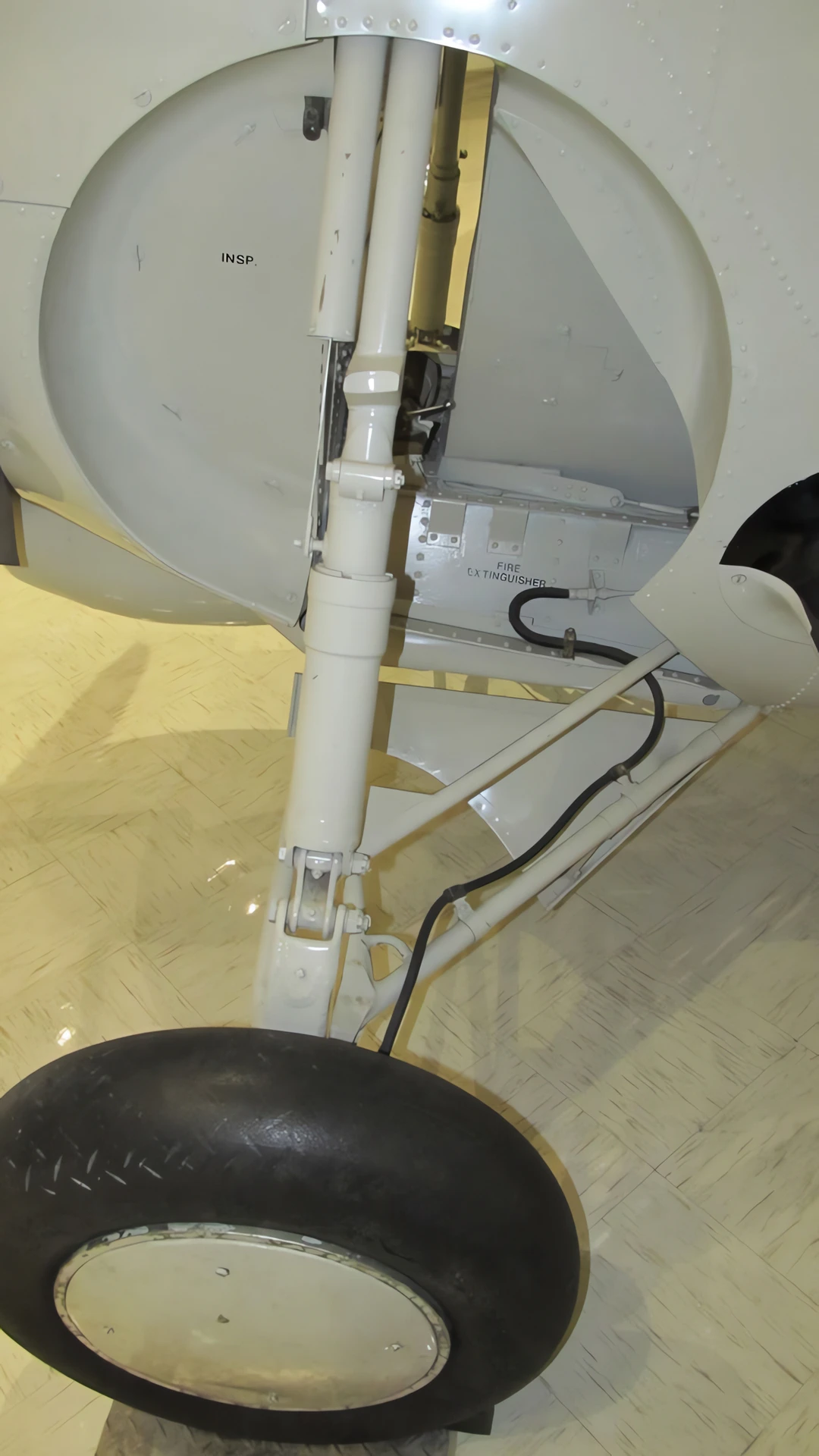
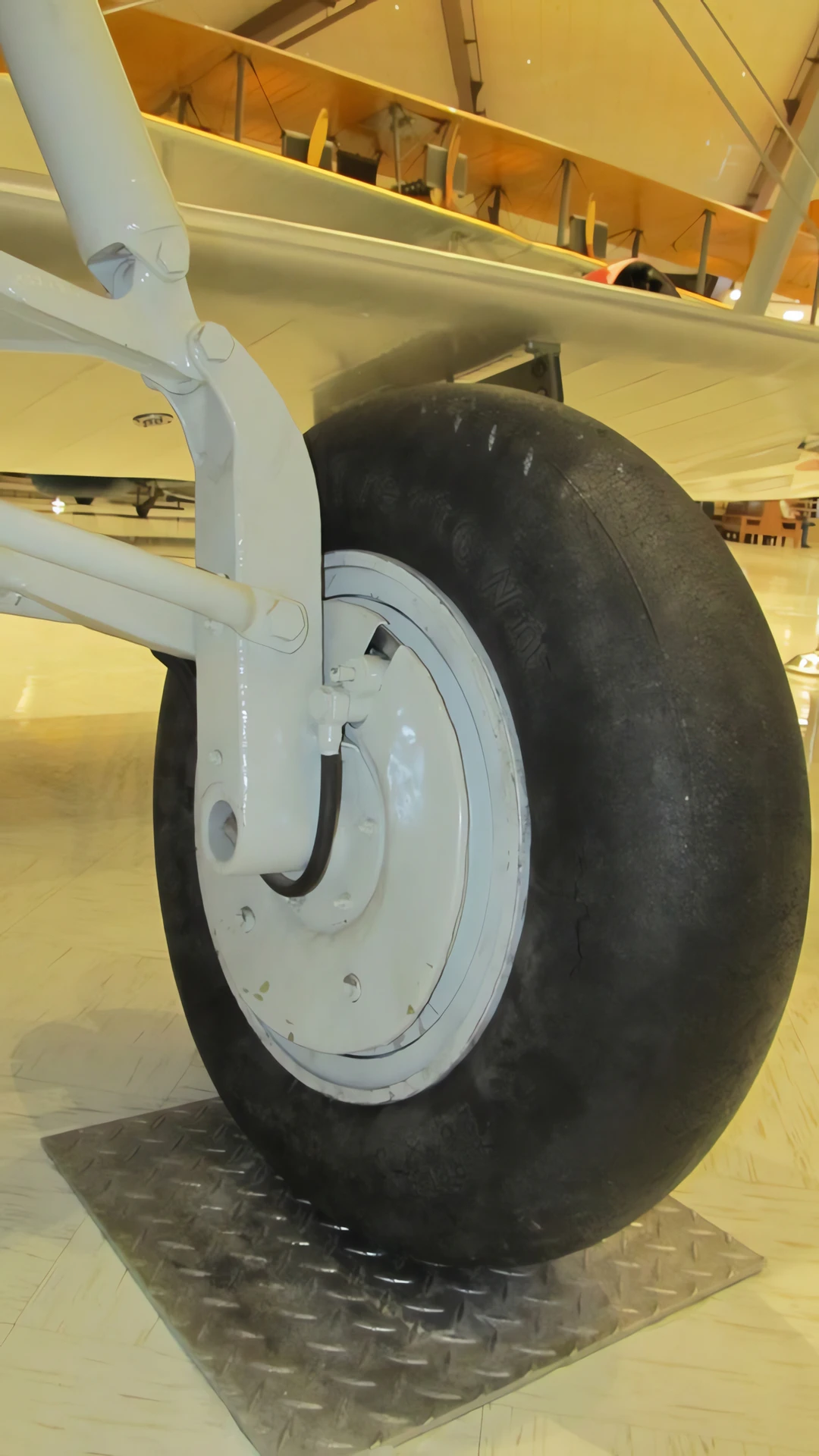
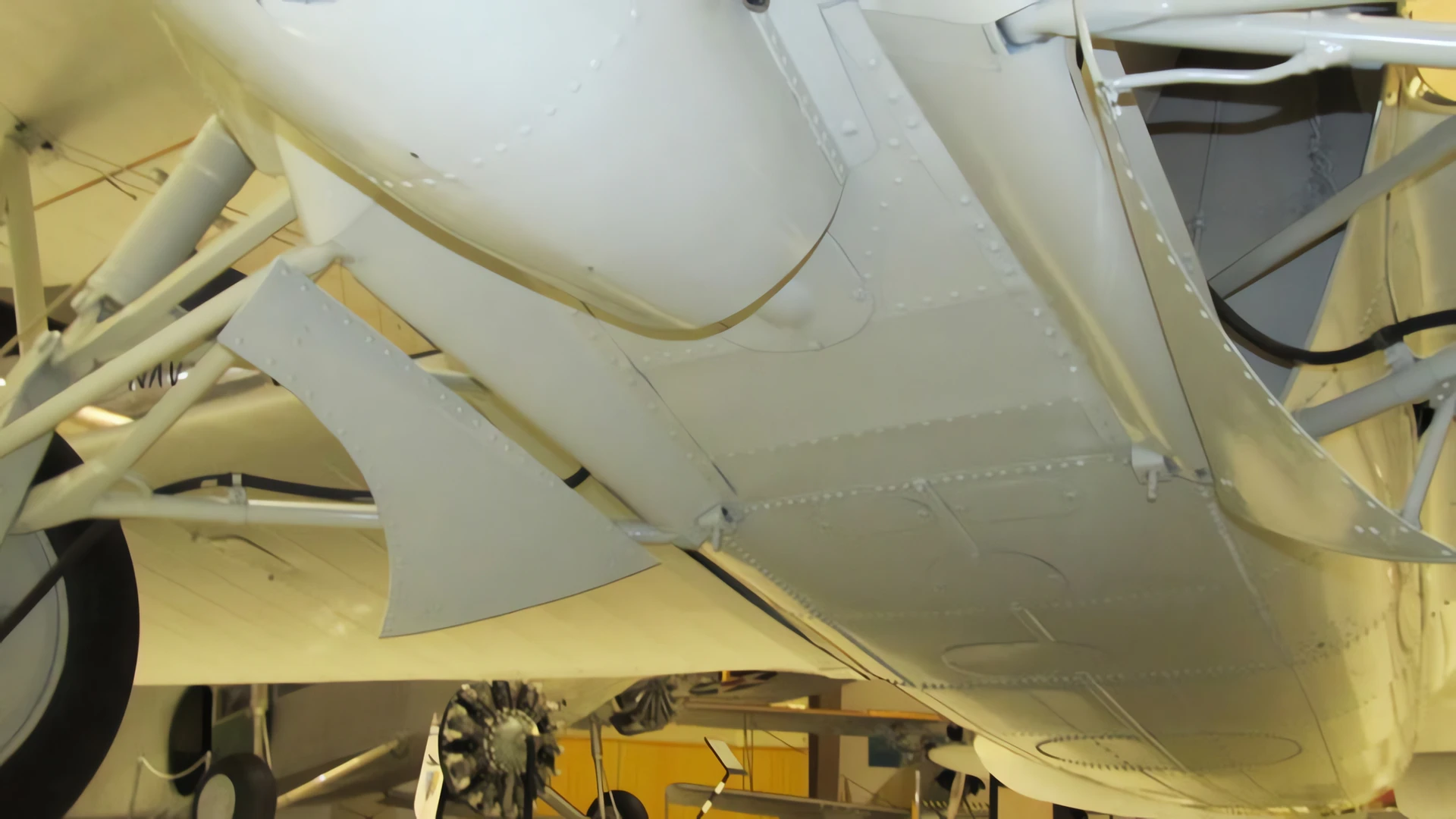

| Grumman F3F-2 Walk Around | |
|---|---|
| 사진 작가 | Fotios Rouch |
| 로컬라이제이션 | Unknow |
| 사진 | 30 |
참고 항목:


The End of an Era
Tthe Grumman F3F-3 represents the absolute zenith of biplane fighter technology for the U.S. Navy. Often called the “Flying Barrel” due to its short, tubby fuselage, it was designed to cram the most powerful engine possible into the smallest airframe. While the world was moving toward monoplanes like the Messerschmitt Bf 109, the F3F-3 remained the fleet’s premier interceptor until 1941. It was the last biplane fighter ever ordered by the U.S. military, serving as the final bridge before the arrival of the legendary monoplane “Cats.”
| Attribute | Technical Specification (F3F-3) |
|---|---|
| 역할 | Carrier-based Fighter |
| 승무원 | 1 (Pilot) |
| First Flight (F3F series) | March 20, 1935 |
| 동력 장치 | 1 × Wright R-1820-22 “Cyclone” 9-cylinder radial |
| Horsepower | 950 hp (708 kW) |
| 최대 속도 | 264 mph (425 km/h) |
| Rate of Climb | 2,750 ft/min (14 m/s) |
| 군비 | 1 × .30 cal M1919 Browning; 1 × .50 cal M2 Browning |
Engineering a “Super Biplane”
- Retractable Landing Gear: Like its predecessor, the F2F, the F3F featured Grumman’s signature manual retractable gear. The wheels tucked flush into the sides of the fuselage, a complex mechanism that required the pilot to vigorously crank a hand-lever 28 times.
- The “NACA” Cowling: The F3F-3 utilized an advanced NACA engine cowling that helped streamline the bulky radial engine while simultaneously improving cooling, allowing for the higher speeds necessary to keep up with early monoplanes.
- All-Metal Fuselage: While the wings were still fabric-covered over a metal frame to save weight, the fuselage was a modern aluminum monocoque structure, providing the “Iron Works” durability Grumman was becoming known for.
- Short-Coupled Maneuverability: Because of its short length and dual-wing lift, the F3F-3 was incredibly agile in a dogfight, possessing a turn radius that most modern monoplanes could never hope to match.
Pre-War Service & Legacy
- “Yellow Wings” Era: The F3F-3 is the iconic representative of the “Golden Age” of naval aviation, characterized by bright yellow upper wings (for visibility in case of a ditching) and colorful tail markings indicating the aircraft’s carrier and squadron.
- The Last of its Kind: Only 27 of the “-3” variant were built. They were the last biplanes delivered to the Navy, and by the time Pearl Harbor was attacked, they had been relegated to training roles as the F4F Wildcat took over the front lines.
- The Wildcat Connection: If you look closely at the F3F, you can see the “DNA” of the F4F Wildcat. Grumman essentially took the F3F fuselage, removed the second wing, and strengthened the gear to create the G-16, which eventually evolved into the Wildcat.
- The Gulfhawk: A civilian version, the G-22 Gulfhawk II, was flown by legendary pilot Al Williams for major airshows. It is now a center-piece at the National Air and Space Museum.
Views : 4597