ベルX-1 | |
|---|---|
| 国 | 米国 |
| 型 | 実験機 |
| 初飛行 | 1946年1月19日 |
| 構築 | 04 |
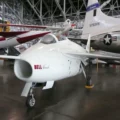
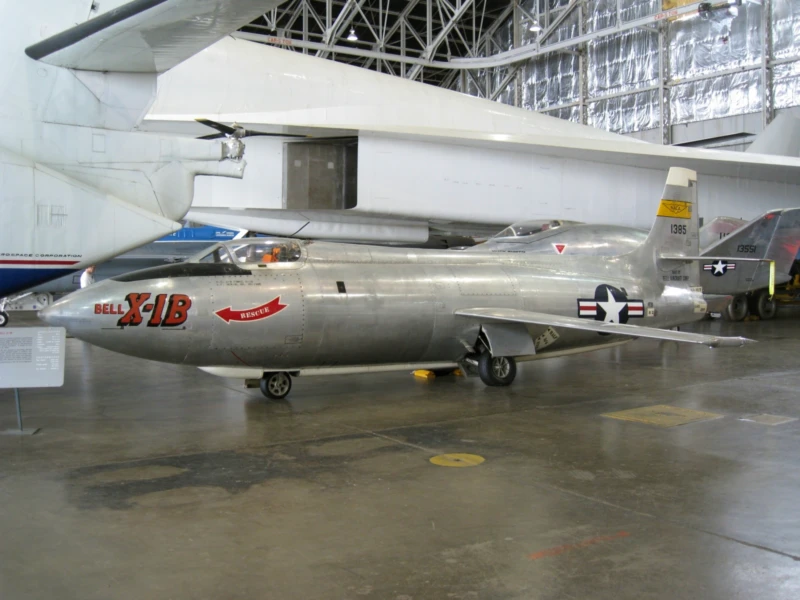
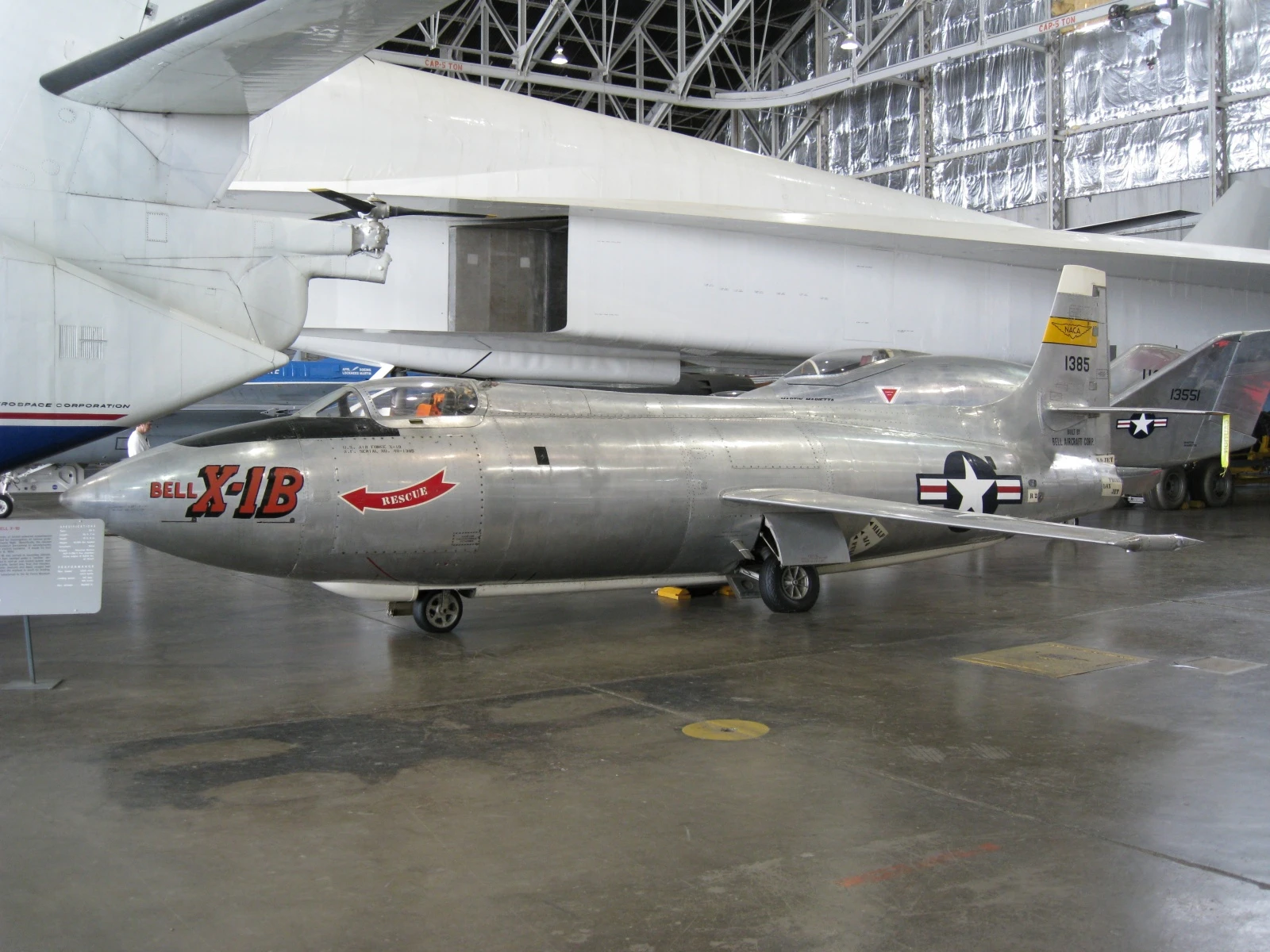
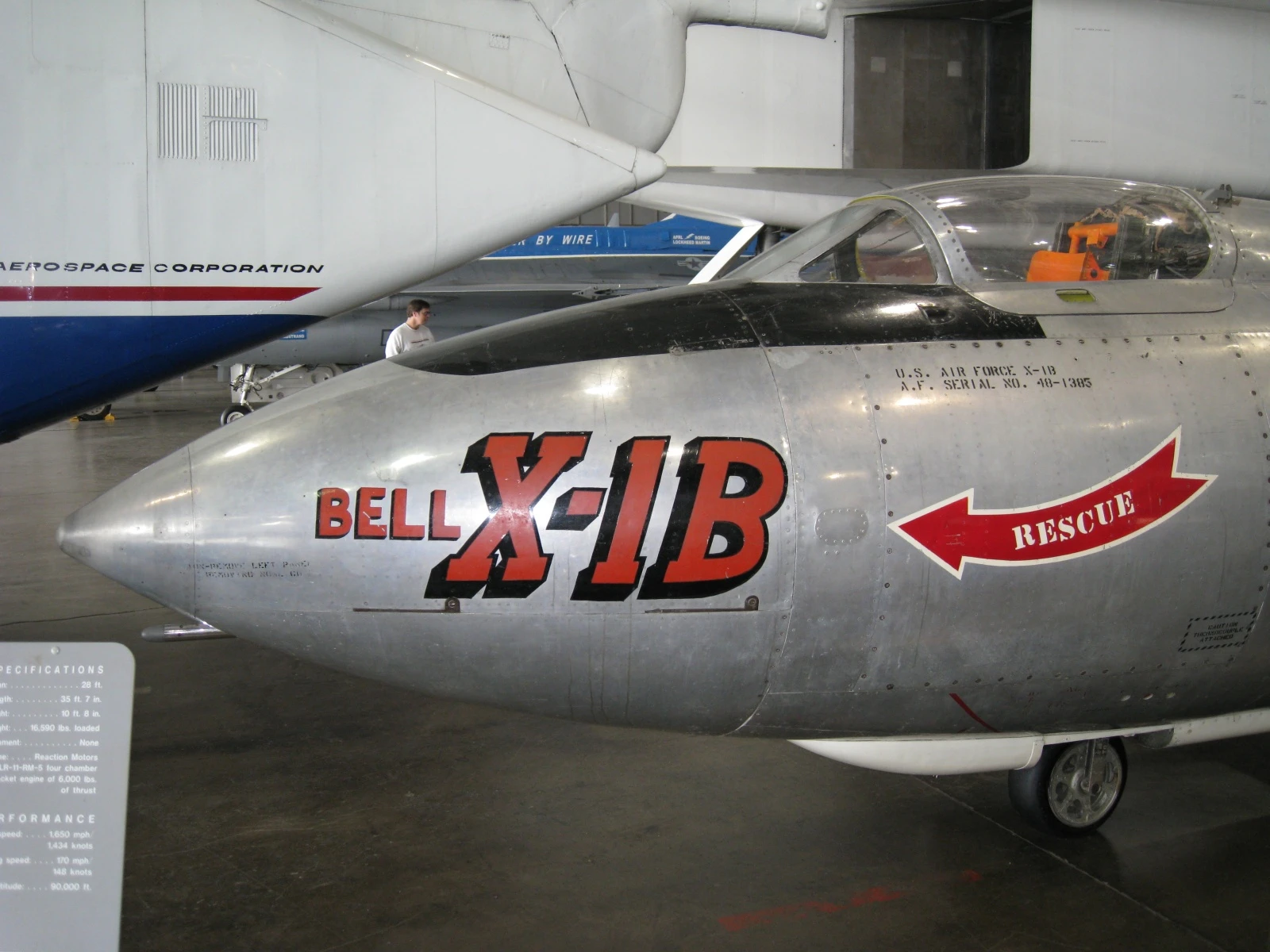
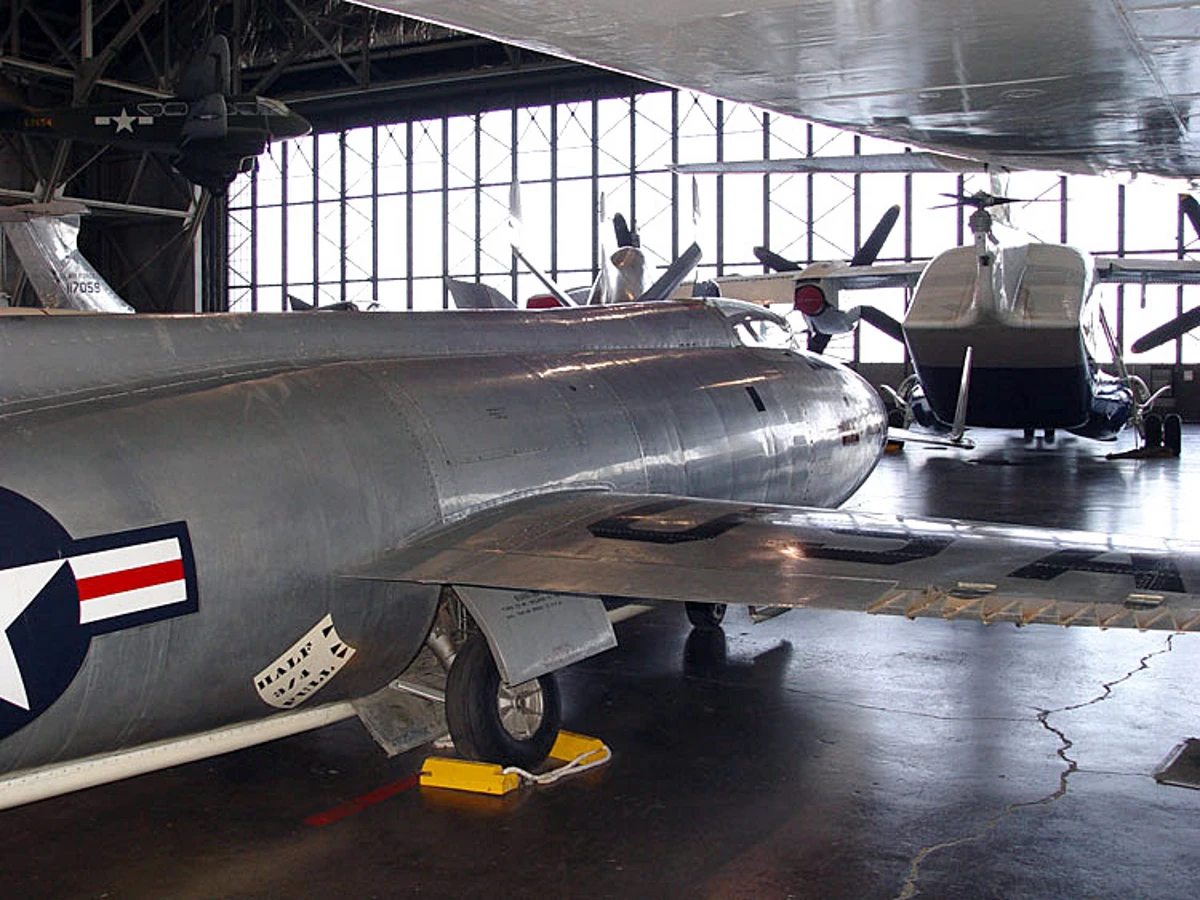
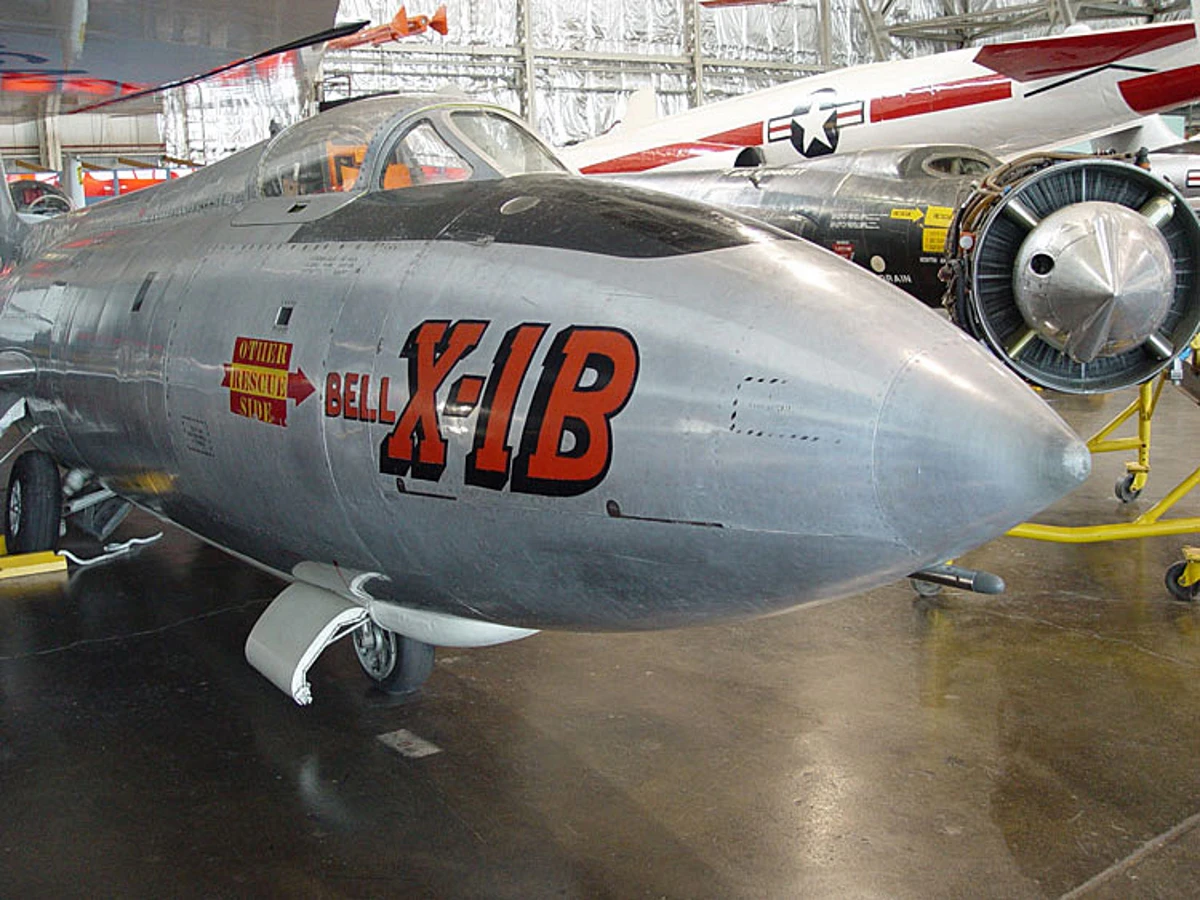
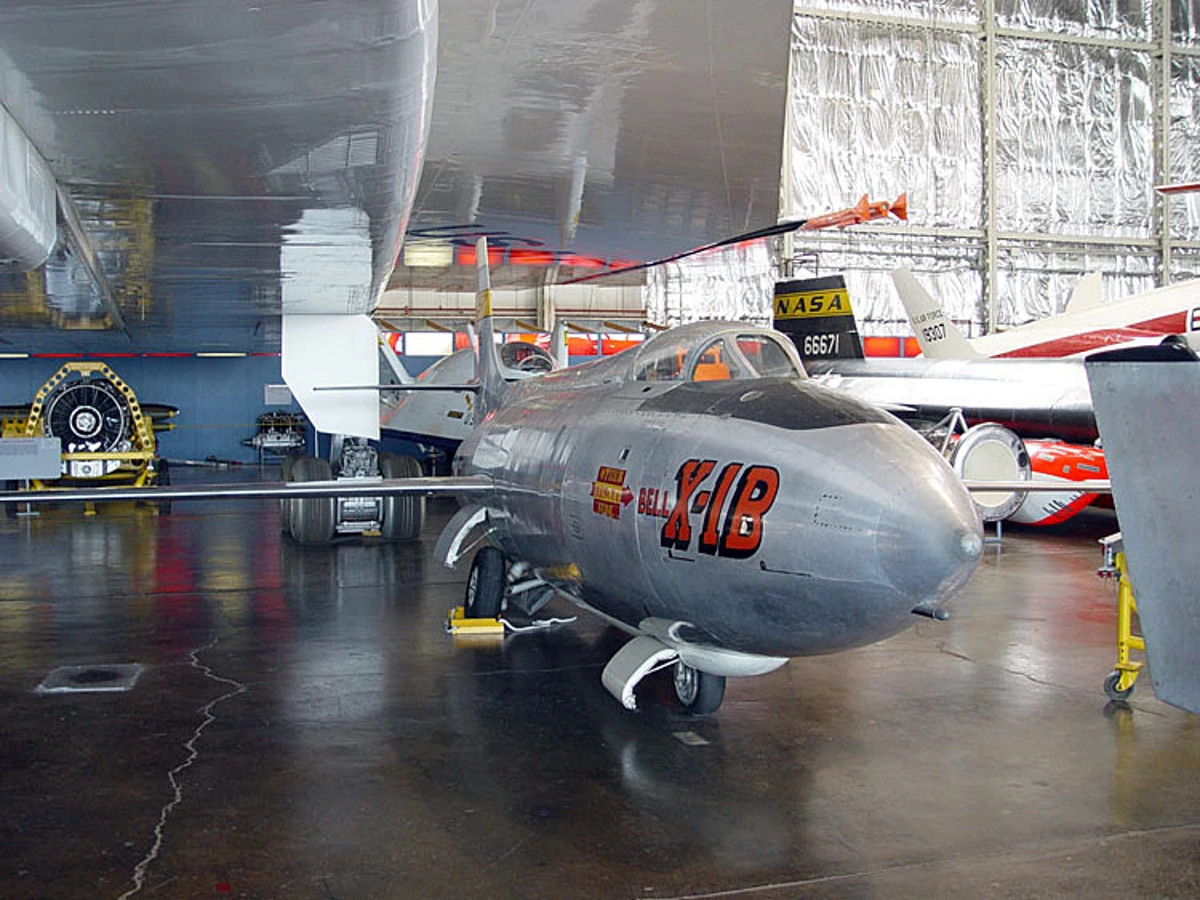
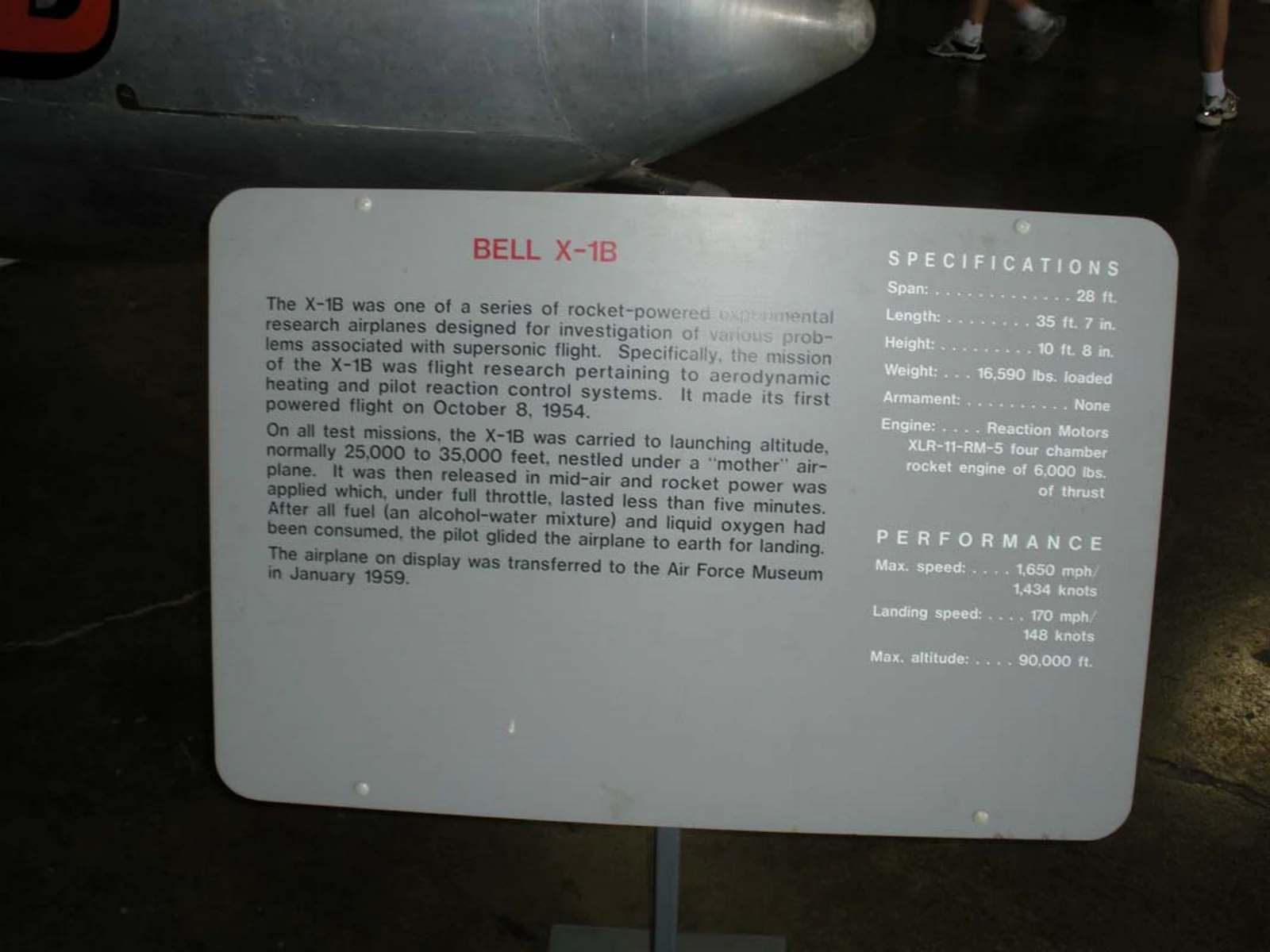
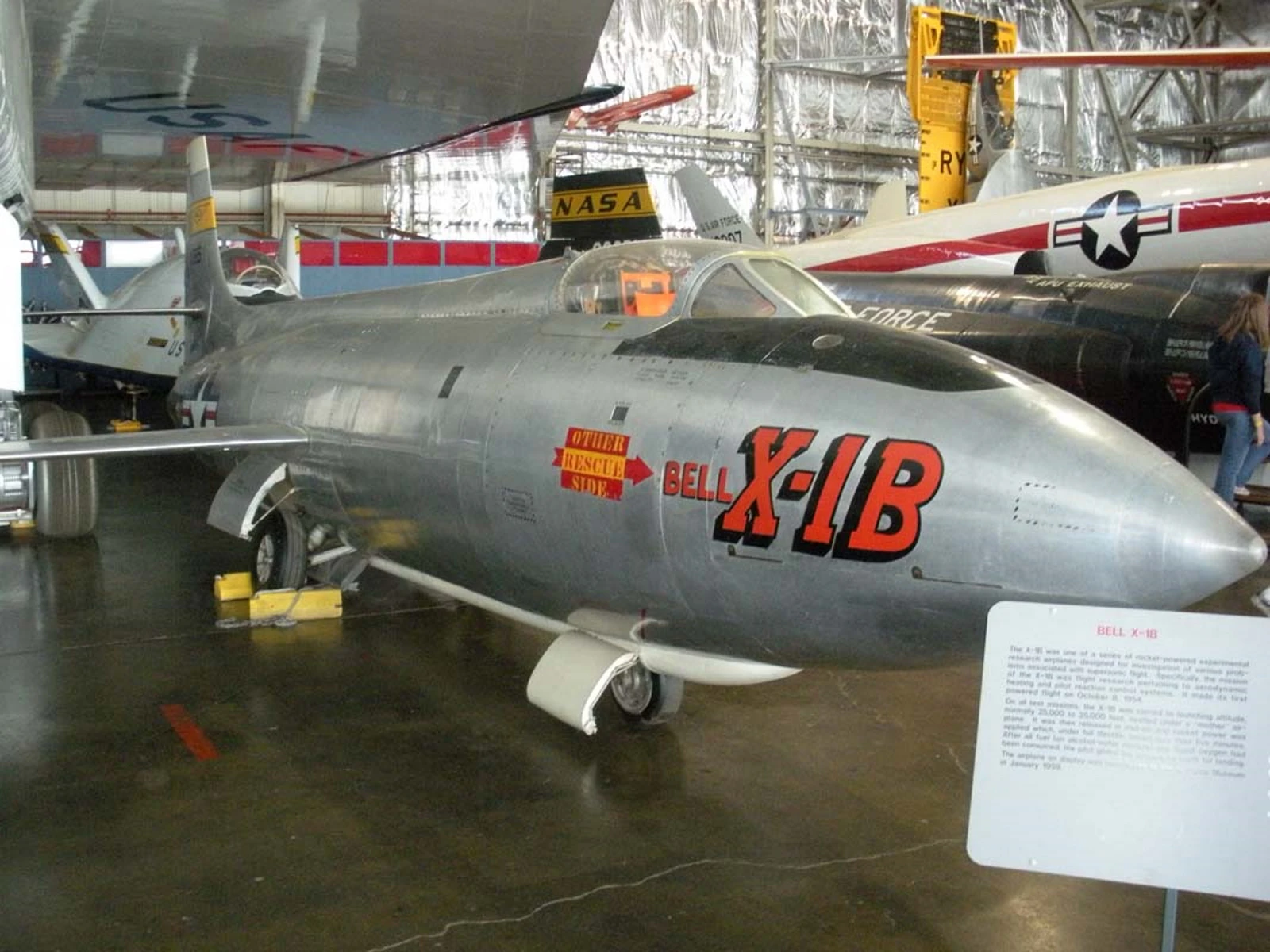
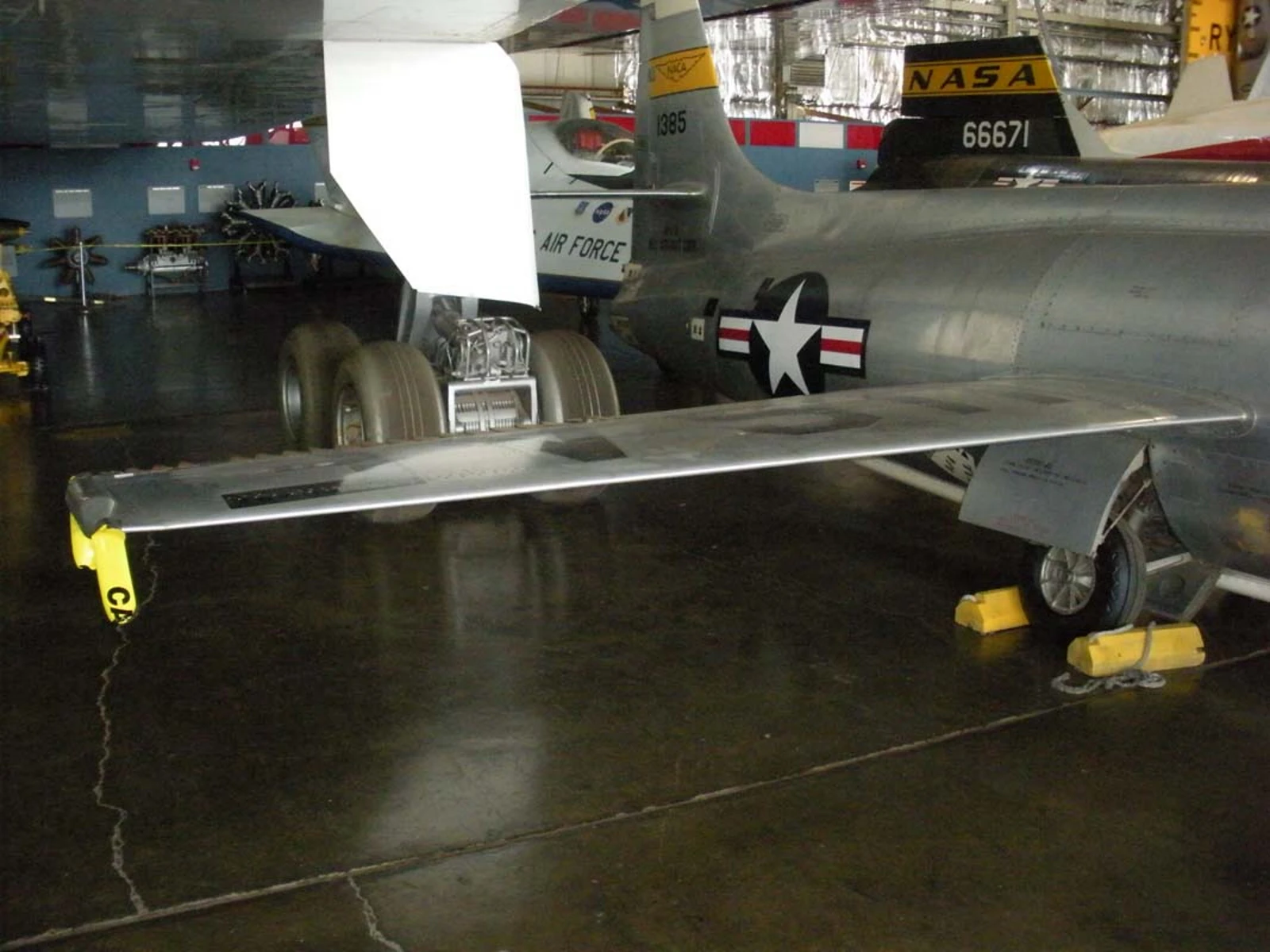
フォトギャラリー ベルX-1B, The Bell X-1, designated originally as XS-1, was a joint National Advisory Committee for Aeronautics-U.S. Army Air Forces-U.S. Air Force supersonic research project built by the Bell Aircraft Company. Conceived during 1944 and designed and built during 1945, it achieved a speed of nearly 1,000 miles per hour (1,600 km/h; 870 kn) during 1948. A derivative of this same design, the Bell X-1A, having greater fuel capacity and hence longer rocket burning time, exceeded 1,600 miles per hour (2,600 km/h; 1,400 kn) during 1954. The X-1 was the first manned airplane to exceed the speed of sound in level flight and was the first of the so-called X-planes, a series of American experimental rocket planes designated for testing of new technologies and often kept secret.
ソース: ウィキペディアのベル X-1
| カメラマン | ハワード・メイソン |
| ローカライズ | 知りません |
| 写真 | 21 |
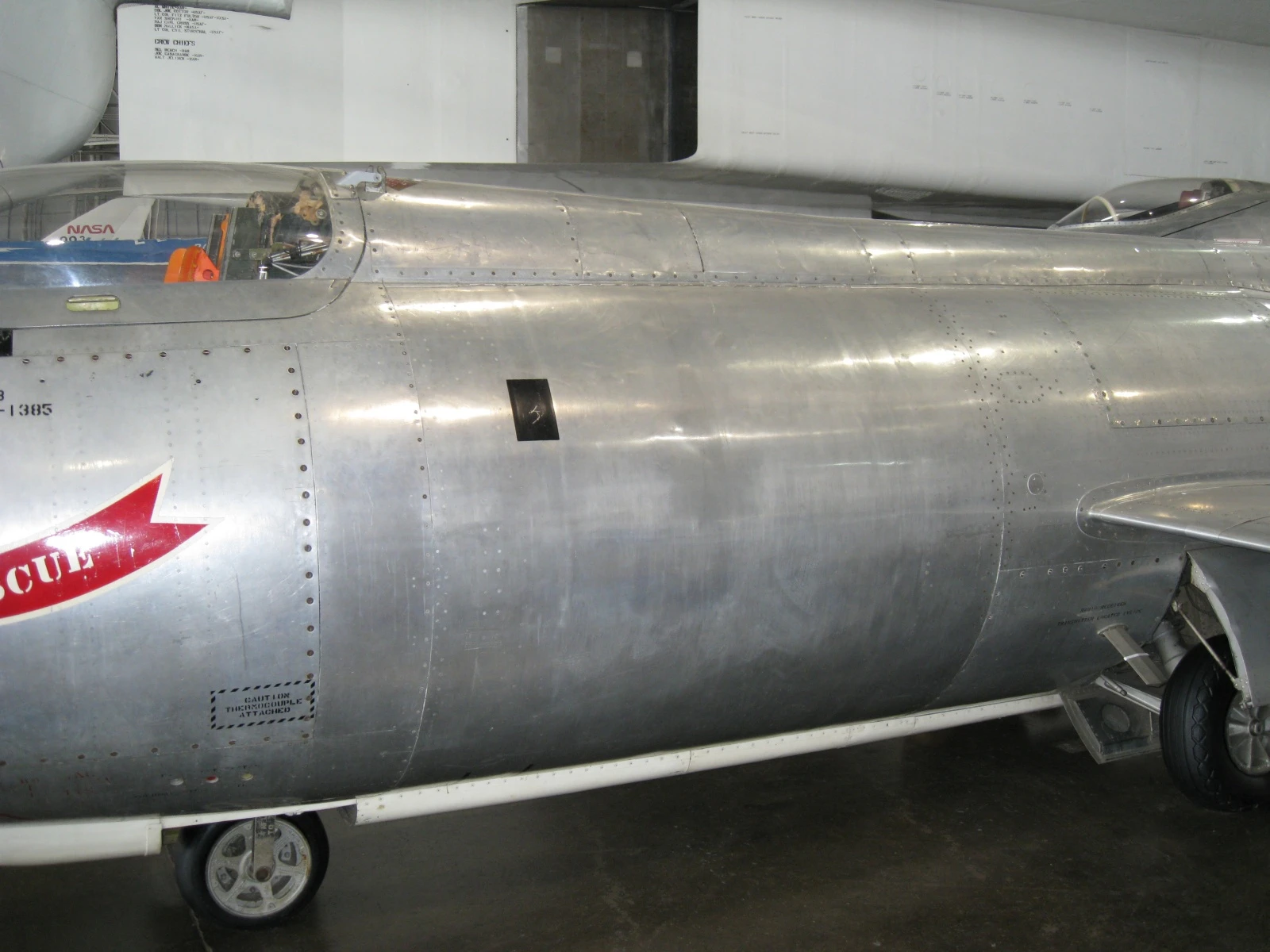
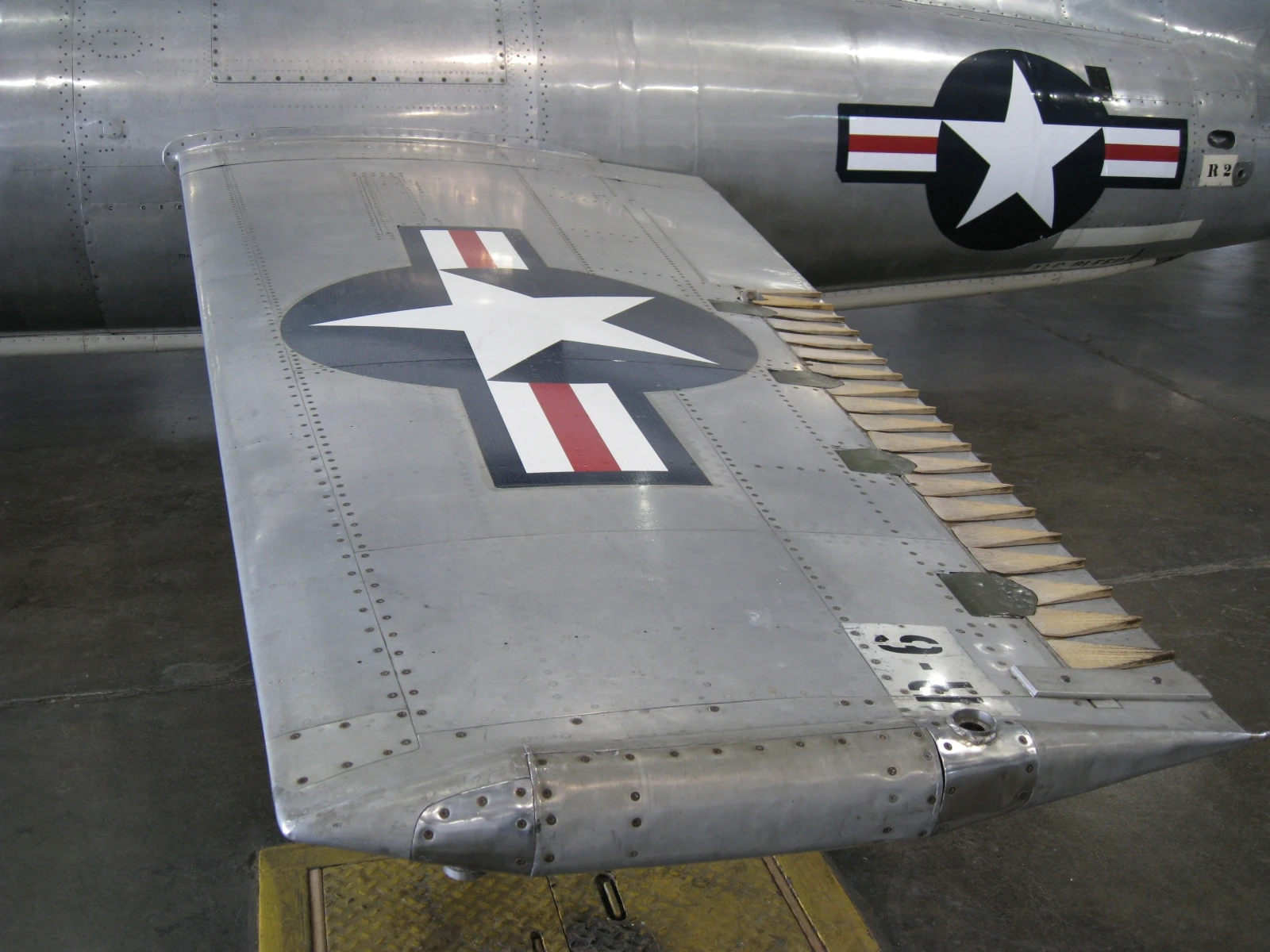
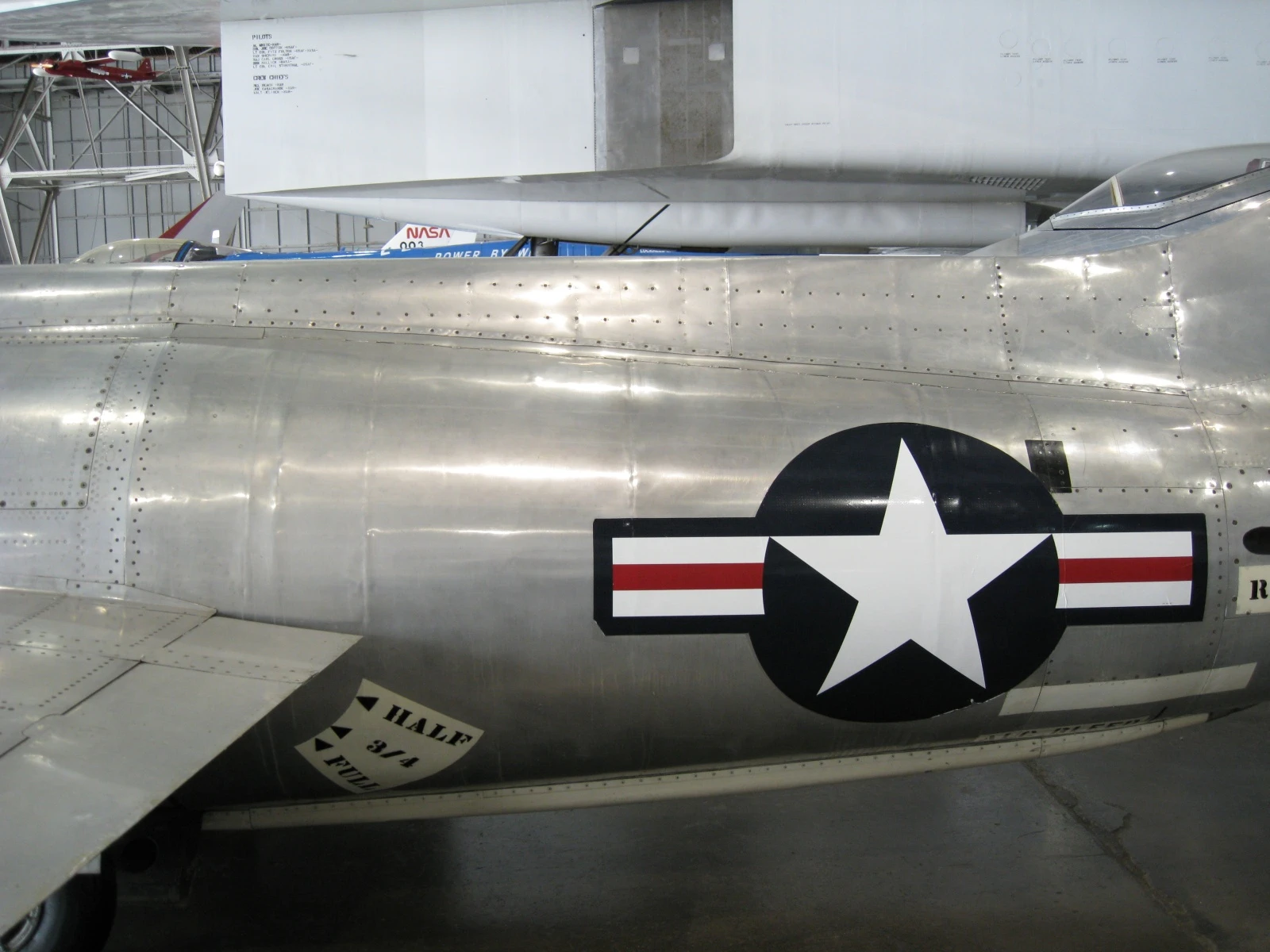
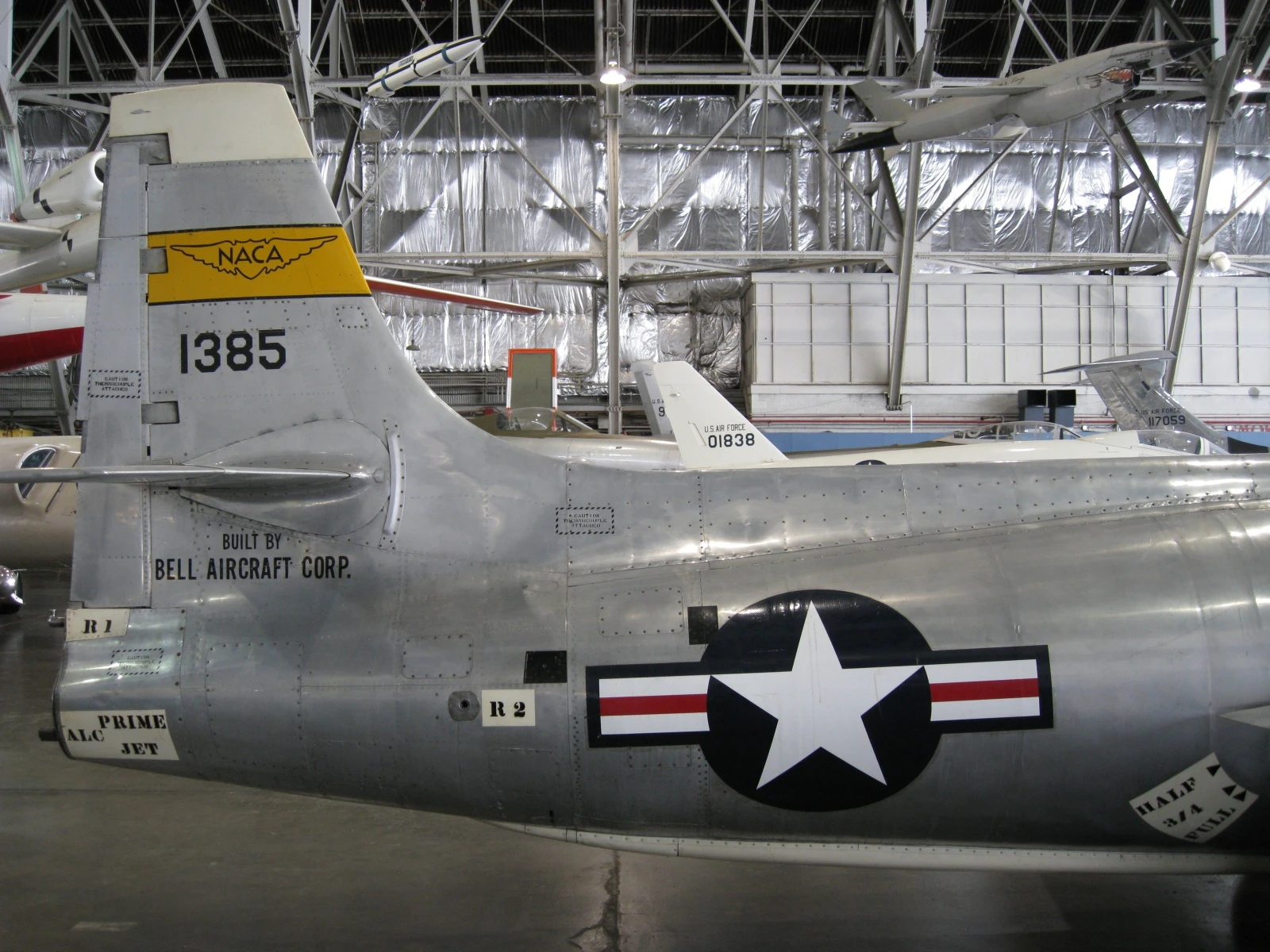
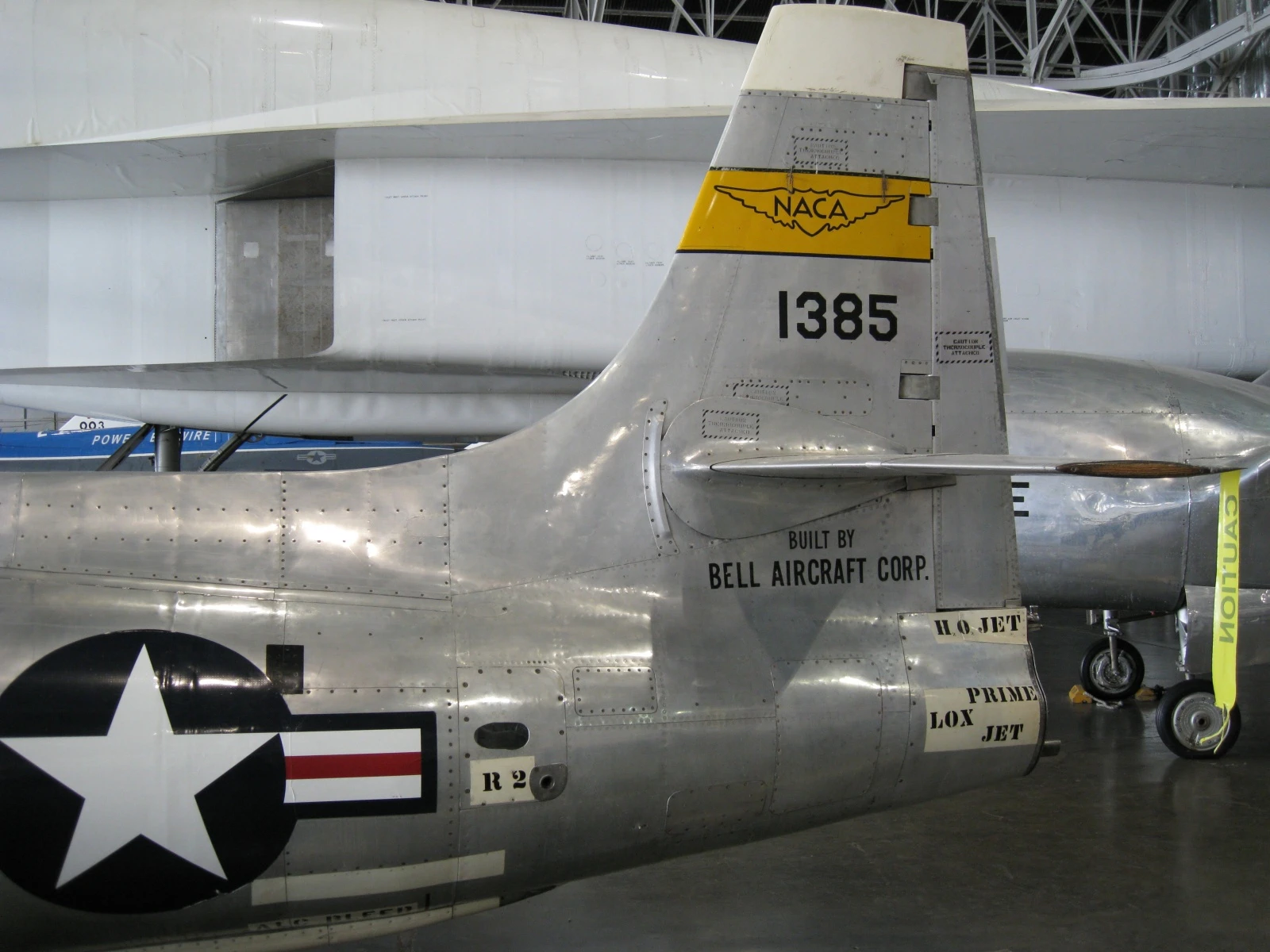
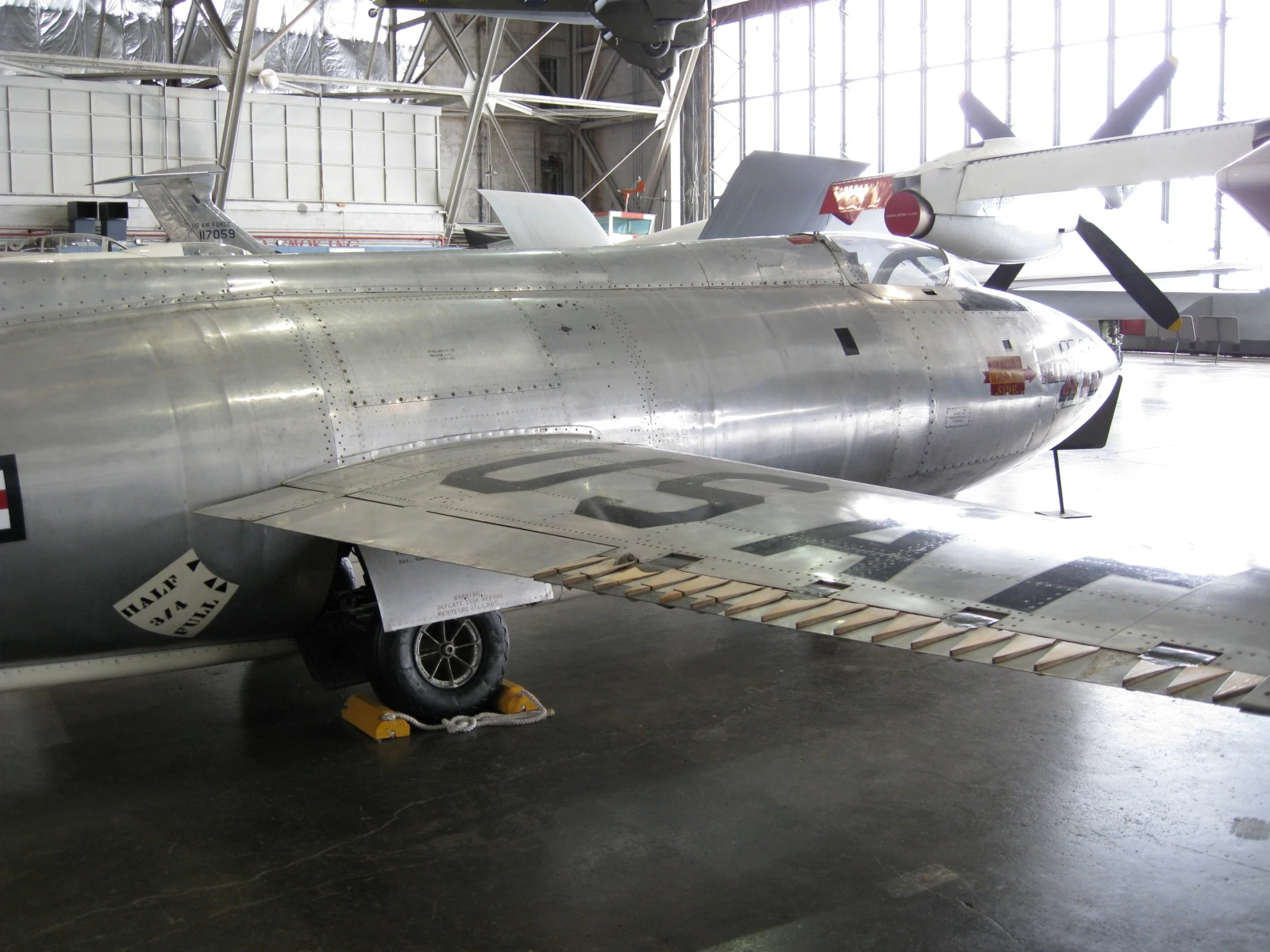
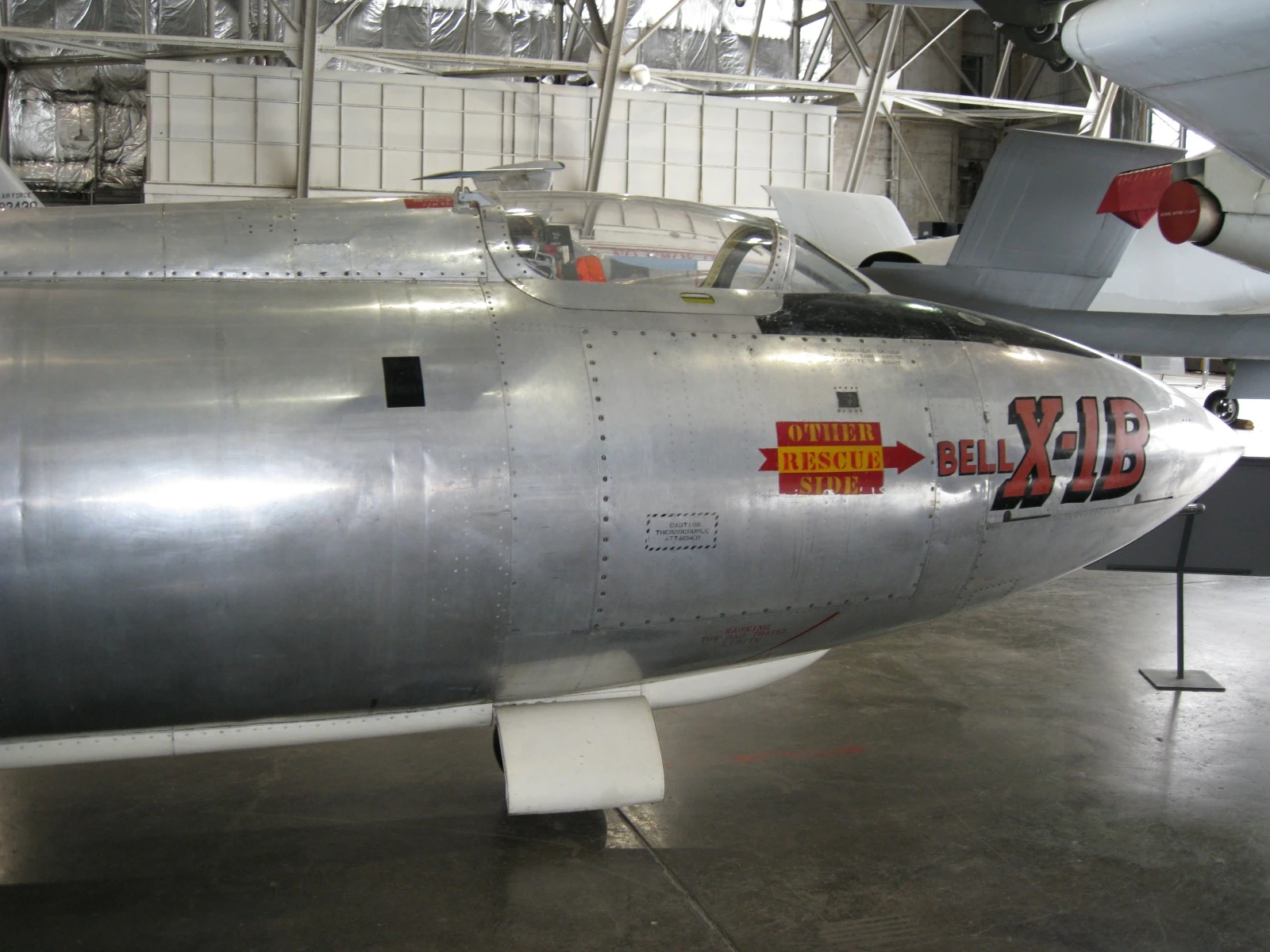

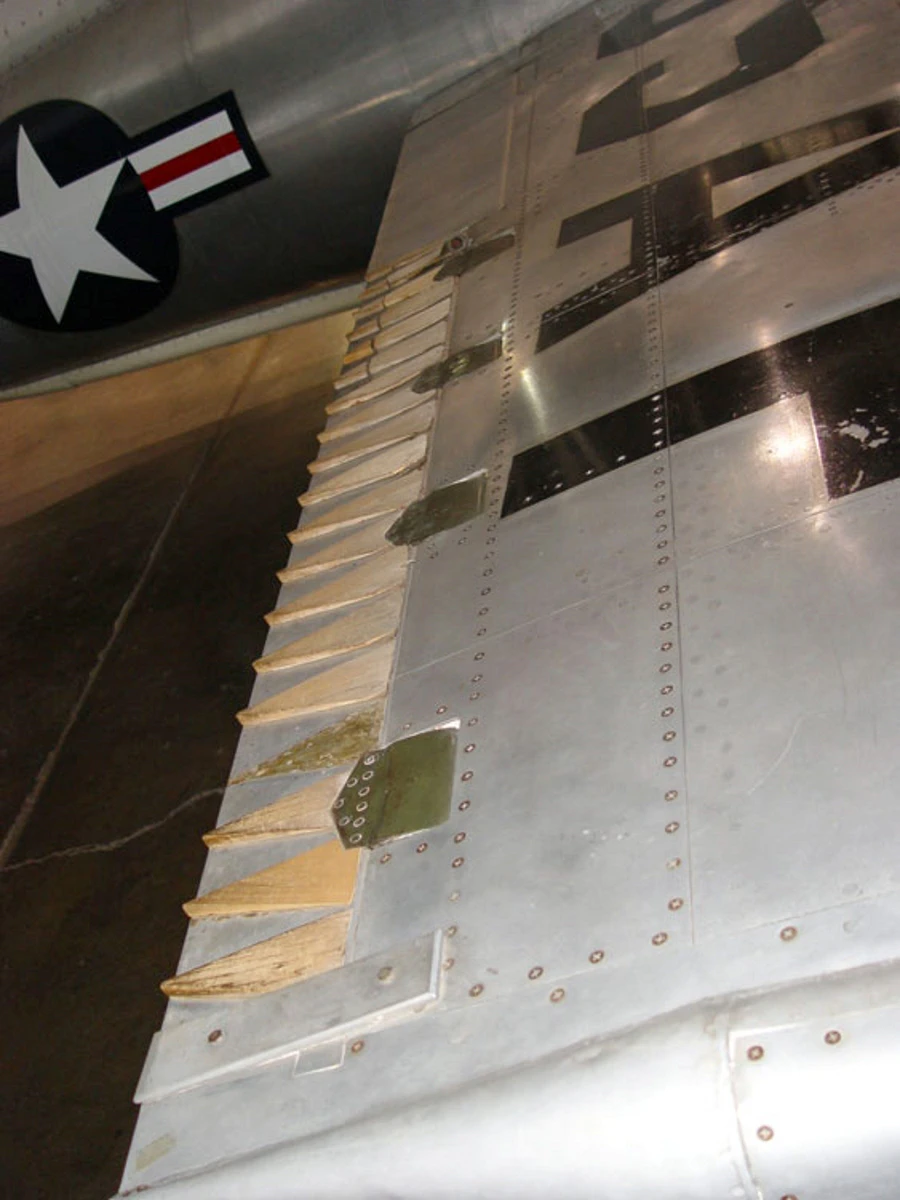
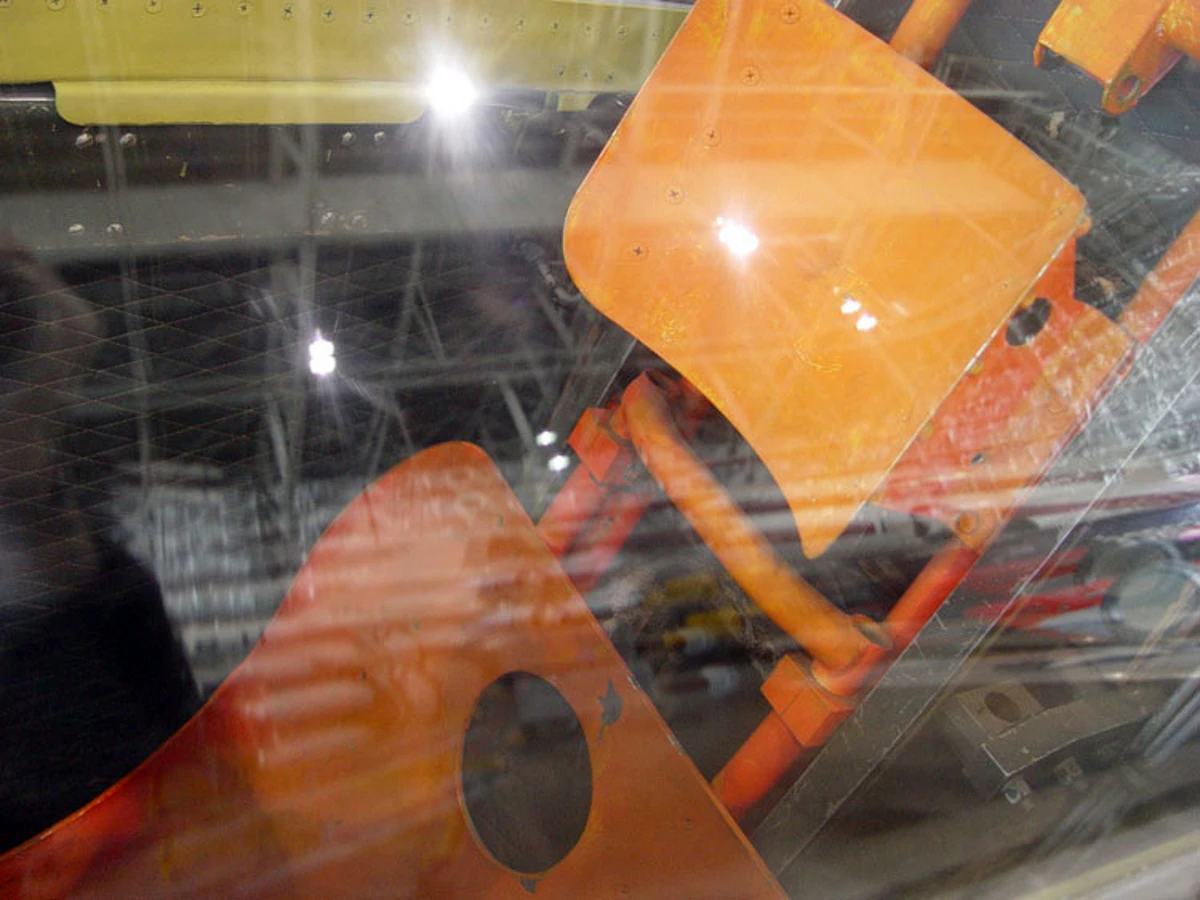
| Bell X-1B Walk Around | |
|---|---|
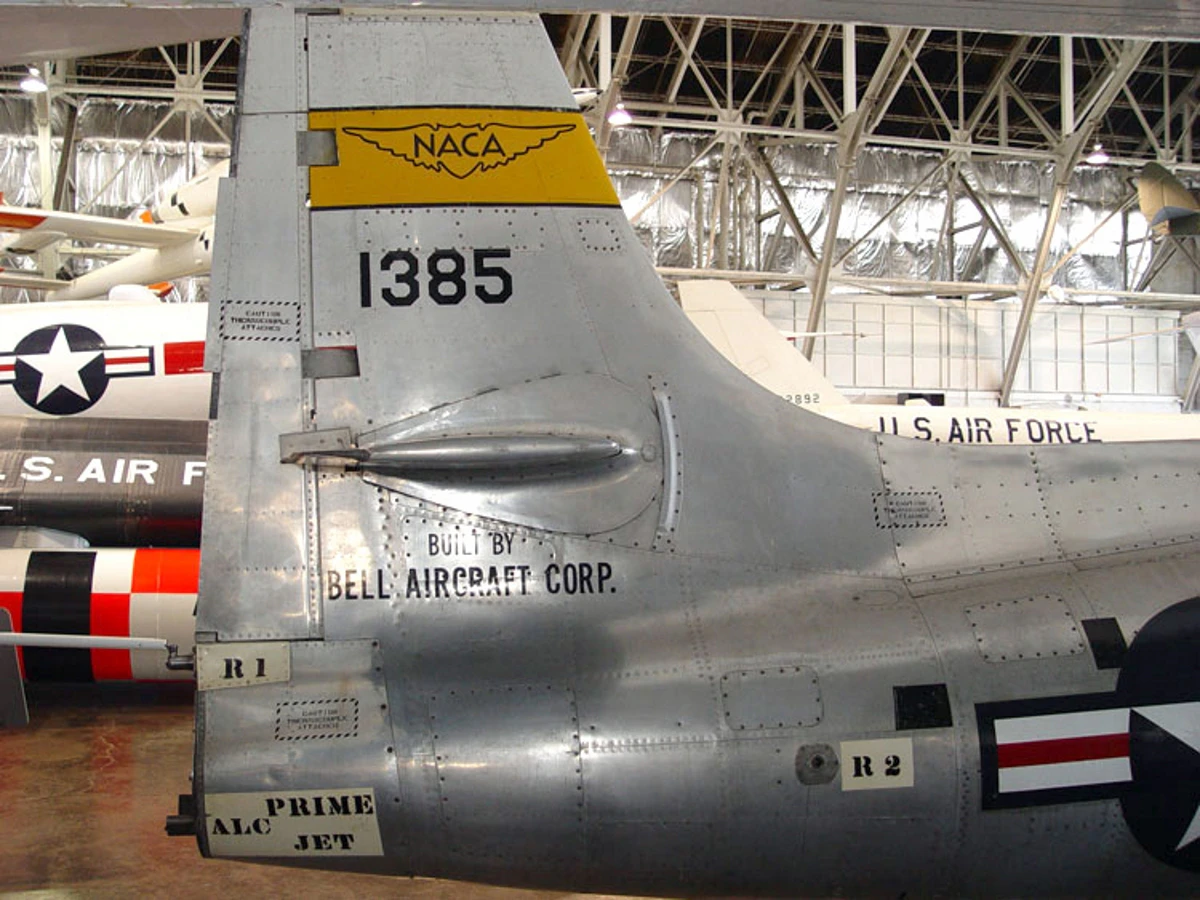
| カメラマン | ジョン・ヘック,ウラジーミル・ヤクボフ |
| ローカライズ | アメリカ空軍国立博物館 |
| 写真 | 30 |
 コーヒーを買って
関連項目:


The Dawn of the Supersonic Era
ザ ベルX-1 was a rocket-powered research aircraft that changed history on October 14, 1947. Designed specifically to investigate the “transonic” region, it was the first aircraft to exceed the speed of sound in level flight. Piloted by Chuck Yeager, the orange, bullet-shaped craft proved that the “sound barrier” was not a physical wall that would destroy an aircraft, but an aerodynamic challenge that could be conquered through engineering.
| Attribute | Technical Specification (X-1-1) |
|---|---|
| 役割 | Experimental Research Rocket Plane |
| 乗組員 | 1 (Pilot) |
| エンジン | 1 × Reaction Motors XLR11-RM-3 liquid-fuel rocket |
| Thrust | 6,000 lbf (27 kN) from four chambers |
| Top Speed | 1,540 km/h (957 mph / Mach 1.45) |
| Maximum Altitude | 21,900 m (71,900 ft) |
| Launch Method | Air-drop from a B-29 Superfortress |
| Fuel | Liquid Oxygen (LOX) and Alcohol-Water mix |
Design Engineering: A Bullet with Wings
- Shape of a .50 Caliber Bullet: Designers knew that a .50 caliber bullet was stable at supersonic speeds. They modeled the X-1’s fuselage directly after this shape to ensure it wouldn’t tumble when it hit Mach 1.
- The “All-Moving” Tail: During early tests, the X-1’s elevators became useless as it approached the speed of sound due to shockwaves. The solution was the moving horizontal stabilizer (the whole tail plane tilted). This “flying tail” is now a standard feature on nearly every modern supersonic fighter.
- The XLR11 Rocket: The engine didn’t have a throttle. Instead, it had four separate chambers that the pilot could turn on or off individually. To save fuel, Yeager would often climb using only two or three chambers, igniting the fourth only for the final dash.
- Nitrogen Pressure System: Because the early X-1 lacked fuel pumps, it used highly pressurized nitrogen gas to force the fuel into the engine. This required thick, heavy spherical tanks that limited the amount of fuel the plane could carry.
Operational History: Breaking the Barrier
- The Mach 1.06 Flight: Despite having two broken ribs from a horse-riding accident two days prior, Chuck Yeager flew the X-1 to Mach 1.06 at 43,000 feet. The world below heard the first-ever man-made sonic boom.
- Mother Ship Operations: The X-1 was too fuel-hungry to take off from the ground. It was carried to 20,000 feet in the modified bomb bay of a B-29 Superfortress and dropped like a bomb before igniting its engine.
- The X-1A and Beyond: Later versions featured a conventional canopy (the original was flush with the fuselage) and turbine pumps for fuel. The X-1A eventually reached a staggering Mach 2.44 (over 1,600 mph) in 1953.
- The Legacy: The data gathered by the X-1 program directly informed the design of the century-series fighters (like the F-100 Super Sabre) and even the Space Shuttle. The original “Glamorous Glennis” now hangs in the Smithsonian National Air and Space Museum.
ビュー : 3292